

Buying Time in 30 Seconds
Biver introduces its first steel watch at CHF 68,000, demonstrating that “entry level” remains a wonderfully elastic expression. Hublot brings former Audemars Piguet chief François-Henry Bennahmias into an advisory role as founder Carlo Crocco reflects on the original gold-and-rubber formula. New releases span Bell & Ross’s miniature solar system, Ressence’s oil-filled display, Oris’s ten-day movement, and Marathon’s lighter titanium GSAR. Elsewhere, Chinese watchmaking, French complications, and affordable Japanese design broaden the collecting conversation. The October 16 Lange auction sold for $45,000. Today, a De Bethune DB24 from an edition of just 50 pieces heads toward a 4:15 p.m. EDT close.
Time Graphing Today’s Watch Universe
The Most Interesting Watch in the Room Might Be the One You Have to Explain
Watch collecting becomes much more interesting when recognition stops doing all the work. There is nothing wrong with a familiar watch, and there are excellent reasons certain designs become familiar. But familiarity can also make us lazy. We recognize the shape, accept the reputation, and begin discussing the price before asking what the watch actually contributes to our lives. Today’s issue offers several invitations to reverse that process.
Start with Biver’s new steel AB. At CHF 68,000, it lowers the brand’s entrance fee without creating much danger of an impulse purchase at the checkout counter. The interesting question is what remains when precious-metal case value drops out of the sales presentation. Here, the answer is a compact case, an elaborate dial, extensive finishing, and a new manually wound movement with five days of reserve. A buyer still has to decide whether that combination deserves the money. At least the discussion can focus on identifiable work.
Hublot faces a related question on a much larger commercial stage. The reported arrival of François-Henry Bennahmias as an advisor will naturally generate speculation about positioning, customers, and the next chapter. Yet the most useful companion piece may be Carlo Crocco’s account of Hublot’s beginnings. Gold and rubber once made a startlingly clear statement. The combination was unusual, practical, and easy to understand. A brand can accumulate decades of collaborations and complications while still benefiting from returning to the idea that first made people look twice.
That is the thread running through this issue: a compelling watch gives its owner something specific to care about. Ressence’s TYPE 10 DN changes the visual relationship between the dial and crystal. Oris’s ProPilot Calibre 111 makes ten days of stored energy part of the ownership experience. Marathon’s titanium GSAR addresses something considerably less abstract: how much watch you carry around on your wrist all day. These are different propositions, but each can be explained without referring to a celebrity ambassador.
The same standard works at far more approachable prices. The Kiwame Tokyo Kubo Sakura hides a cherry blossom within a restrained dress-watch design. The pleasure is in discovering a detail that does not announce itself across the room. The Nivada Grenchen Chronoking Black Amber offers interchangeable bezels and a warm, playful personality. Neither requires its owner to persuade dinner guests that the purchase was a sophisticated financial maneuver.
The feature on the next generation of collectors suggests that this more individual approach may become increasingly important. Collections can contain a family watch, an overlooked quartz design, an independent mechanical experiment, and a familiar sports model without needing to justify their coexistence. The owner supplies the connection. That seems healthier than assembling the same approved shopping list and calling the result personal taste.
Geography deserves the same curiosity. The history of Chinese watchmaking describes an industry whose range extends well beyond the assumptions many enthusiasts bring to it. Our Swiss Made feature asks readers to distinguish a meaningful designation from an imagined promise that every component came from the same country. Meanwhile, Pequignet’s Royale Paris Moon Phase gives French movement making a prominent place in the conversation. Curiosity about how something was made is more rewarding than treating nationality as a complete review.
Today’s De Bethune auction brings that curiosity into unusually sharp focus. The DB24 is big, scarce, mechanically eccentric, and far removed from the safest possible collecting choice. Its adjustable winding system gives an owner something fascinating to investigate. Its 48mm case gives that same owner something important to try on. Both observations belong in the evaluation. Rarity cannot make a watch comfortable, and technical ingenuity cannot establish the right auction price by itself.
Friday’s Lange sale at $45,000 and today’s De Bethune offering also remind us that admiration and valuation are separate exercises. We can appreciate a watch deeply while remaining disciplined about what we pay. We can prefer something unusual without assuming the rest of the market will eventually reward our taste. The best reason to understand a watch is that understanding makes ownership richer.
This week, look at something you would normally pass over. Read about a maker outside your usual orbit. Ask why a particular mechanism exists, or why a designer chose that shape. You may finish the exercise still preferring the watch you already own. But you will have arrived there with a better answer than “everybody knows it is good.”
-Michael Wolf
News
Biver Lowers Its Entry Price to CHF 68,000
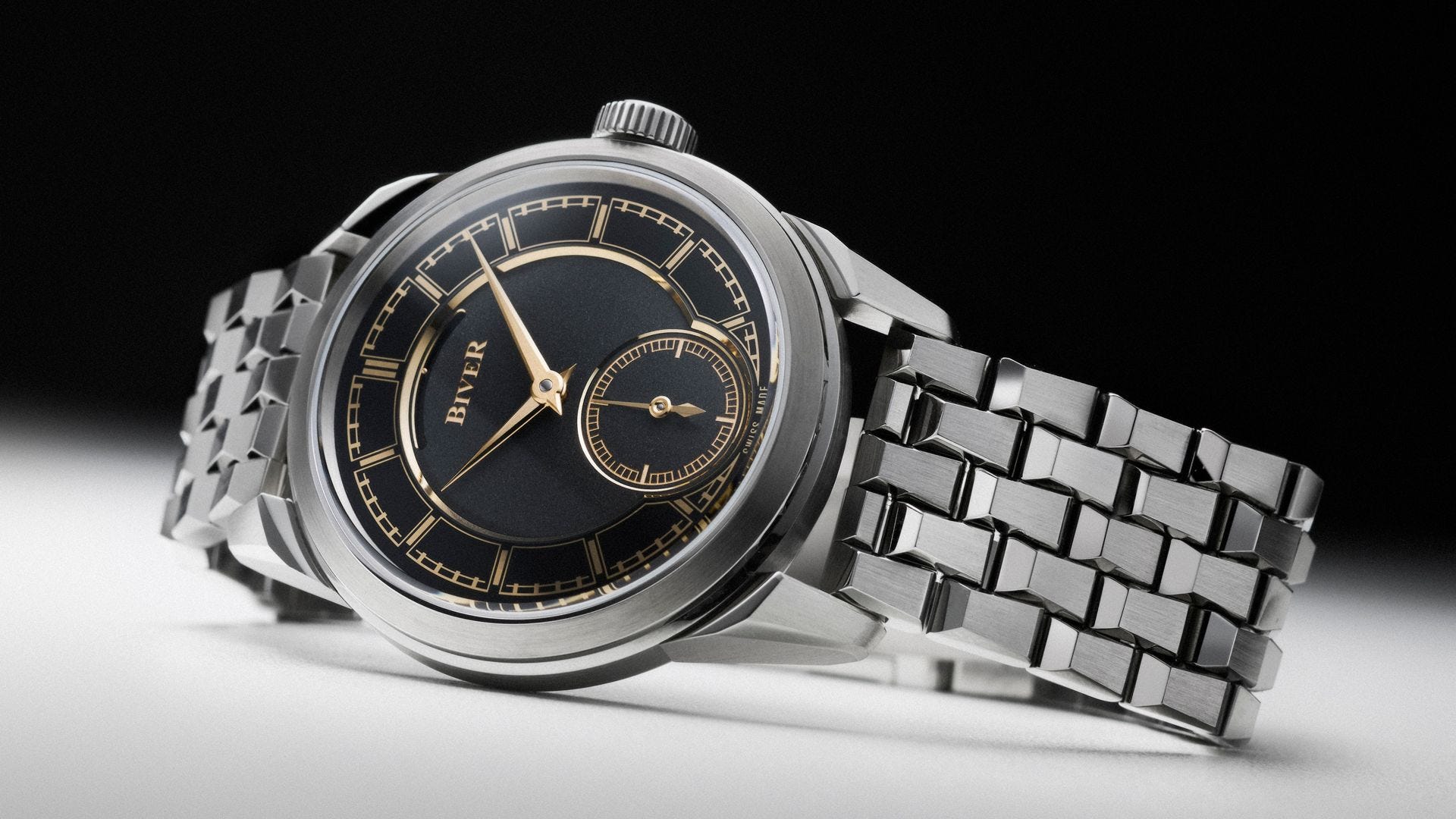
Biver’s first stainless-steel watch establishes a new starting point for the young independent brand, although “accessible” requires considerable context at CHF 68,000. The AB combines a 38mm case with a 9.8mm profile and a newly developed manually wound movement offering 120 hours of power reserve. Black dial elements, yellow-gold details, and a steel bracelet give the watch a more restrained appearance than the brand’s high-complication debut pieces.
The commercial significance extends beyond the case material. Biver is presenting a purpose-built watch at a lower price tier, with finishing and movement architecture carrying much of the argument. For collectors, the question becomes whether those qualities establish a persuasive identity beyond the famous name on the dial.

Hublot Recruits Former AP Chief François-Henry Bennahmias as an Advisor
Former Audemars Piguet CEO François-Henry Bennahmias has reportedly taken an advisory role with Hublot, bringing another prominent industry voice into discussions about the brand’s future. His experience building visibility and demand at AP makes the appointment significant as Hublot considers how to develop its product identity and customer relationships.
The assignment places his advice alongside the leadership of Hublot CEO Julien Tornare. Speculation about changes to collaborations should remain separate from confirmed decisions: the supplied report indicates that Tornare has pushed back against suggestions of a wholesale retreat. The larger question is how Hublot will connect its original design philosophy with its next generation of watches.
Features

Carlo Crocco on Hublot’s Origins, Royal Customers, and the Return of His Original Design
When Carlo Crocco introduced Hublot in 1980, pairing a gold watch with a rubber strap challenged established luxury conventions. That combination attracted an audience ranging from royal customers to designers and industrialists, establishing a recognizable identity around elegance, comfort, and unexpected materials.
Crocco’s reflections arrive as Hublot revisits the original design in a larger 38mm format while retaining signature details such as the twelve-screw bezel. The story provides useful context for a brand often discussed through the much louder Big Bang collection. Before fusion became a sprawling marketing vocabulary, it was a particular watch with a particular idea.

Seven Celebrity Watch Sightings, From Noah Wyle’s Cartier to Josh Brolin’s Blancpain
This week’s celebrity roundup moves between understated elegance and conspicuous sports-watch design. Noah Wyle’s Cartier Santos-Dumont and Josh Brolin’s Blancpain Fifty Fathoms Bathyscaphe anchor a selection that also includes Cartier, Chopard, Tudor, Audemars Piguet, and Hublot on other familiar wrists.
The appeal lies in seeing how watches operate outside a product photograph. A slim Cartier and a black-ceramic Hublot can both suit their wearers while expressing entirely different attitudes. Celebrity visibility may introduce a model to a new audience, but the more useful exercise is deciding which designs retain their appeal after the famous wrist leaves the picture.
The ABCs of Time: Chinese Watchmaking’s Long Road to Independence
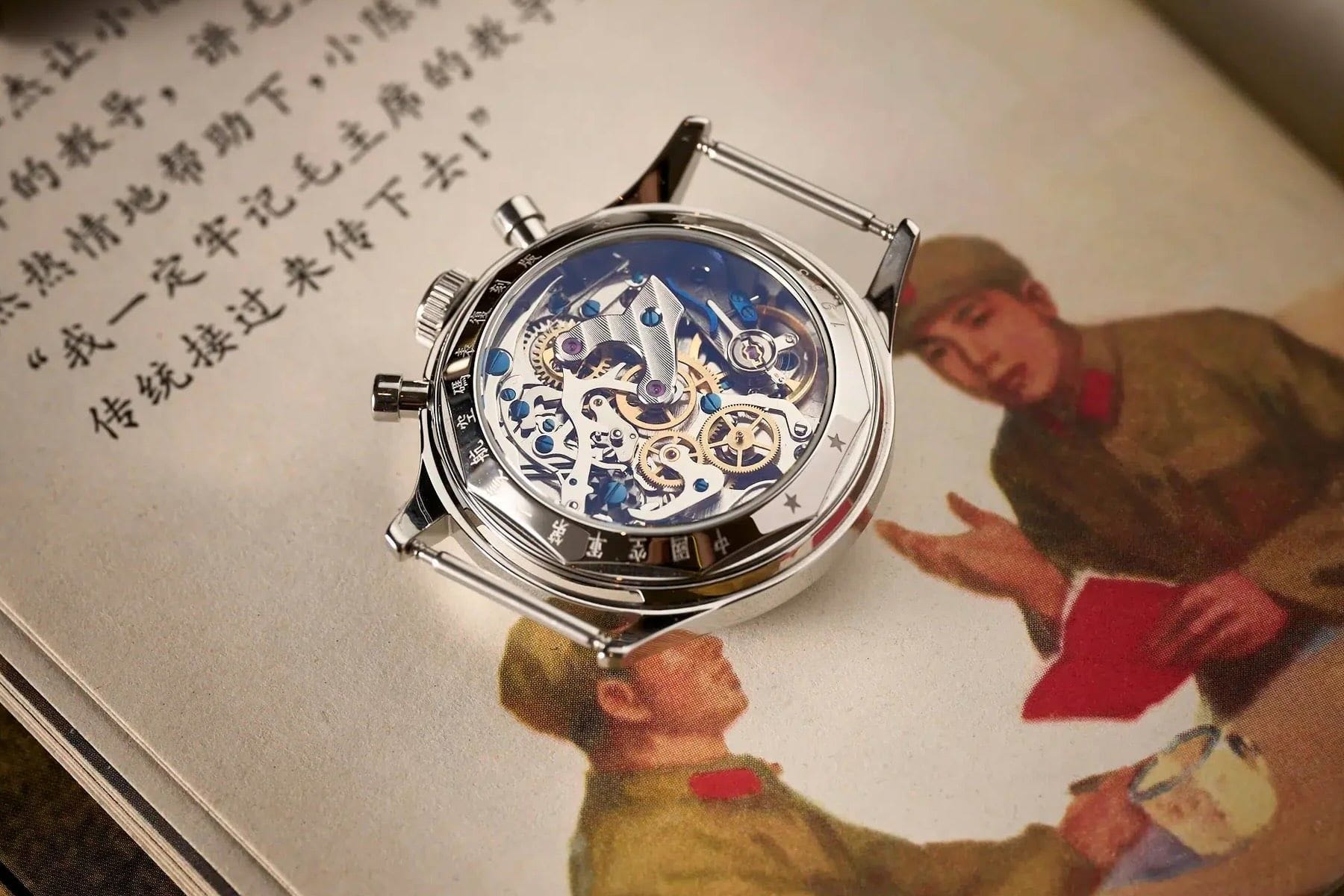
Chinese watchmaking developed from mid-century domestic production into an enormous manufacturing ecosystem, with factories such as Tianjin, Shanghai, and Beijing helping establish its foundations. Standardized movements, military chronograph projects, and the expansion of mechanical and quartz production all form part of that history.
Today, the picture includes major movement suppliers alongside independent makers pursuing demanding complications and distinctive finishing. Names such as Qin Gan, Fam Al Hut, Logan Kuan Rao, and Atelier Wen illustrate how varied the conversation has become. Understanding that development offers a better basis for judging individual watches than relying on assumptions about an entire country’s output.
Should You Travel With One Watch or Several?
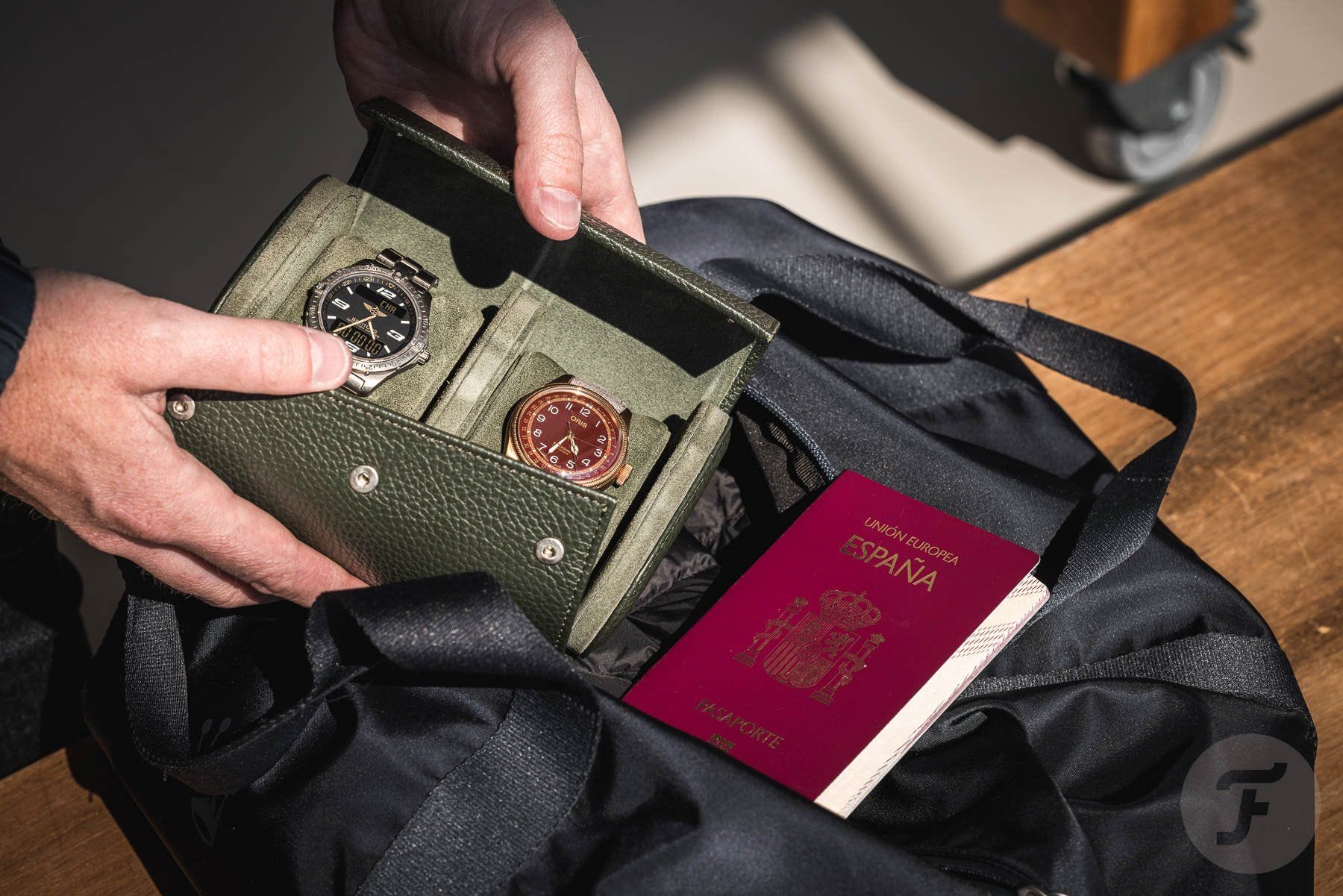
Packing one versatile watch can remove a surprising amount of friction from a trip. There is less to secure, less to keep track of, and no nightly debate about which watch suits tomorrow’s itinerary. A comfortable piece with appropriate water resistance can handle a broad range of ordinary travel situations.
The counterargument is enjoyment: some collectors like matching a watch to the occasion, and travel supplies plenty of occasions. This feature makes the case for simplicity, using familiar, adaptable watches to show how a single companion can cover considerable ground. The right choice is the one that lets you enjoy the trip rather than manage the collection.
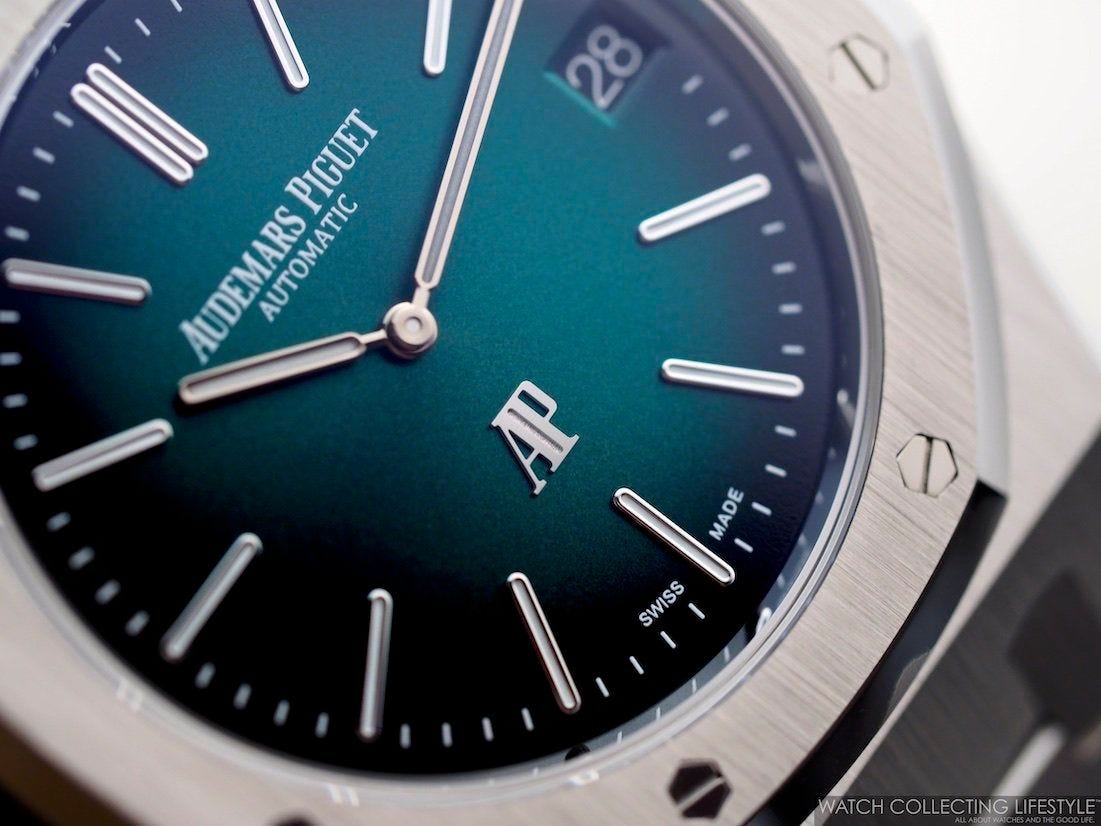
How Swiss Is Your “Swiss Made” Watch?
“Swiss Made” carries real requirements, but it does not mean that every component originated in Switzerland. The designation includes a minimum Swiss share of manufacturing costs, a Swiss movement, and requirements covering technical development, casing-up, and final inspection. It should not be read as a simple count of Swiss parts.
That distinction matters when buyers assume a dial inscription answers every question about manufacturing origin. Cases, dials, hands, and other components can participate in international supply chains while a finished watch satisfies the applicable rules. The feature argues for greater transparency so collectors can understand what sits behind the label and decide which aspects of production matter most to them.
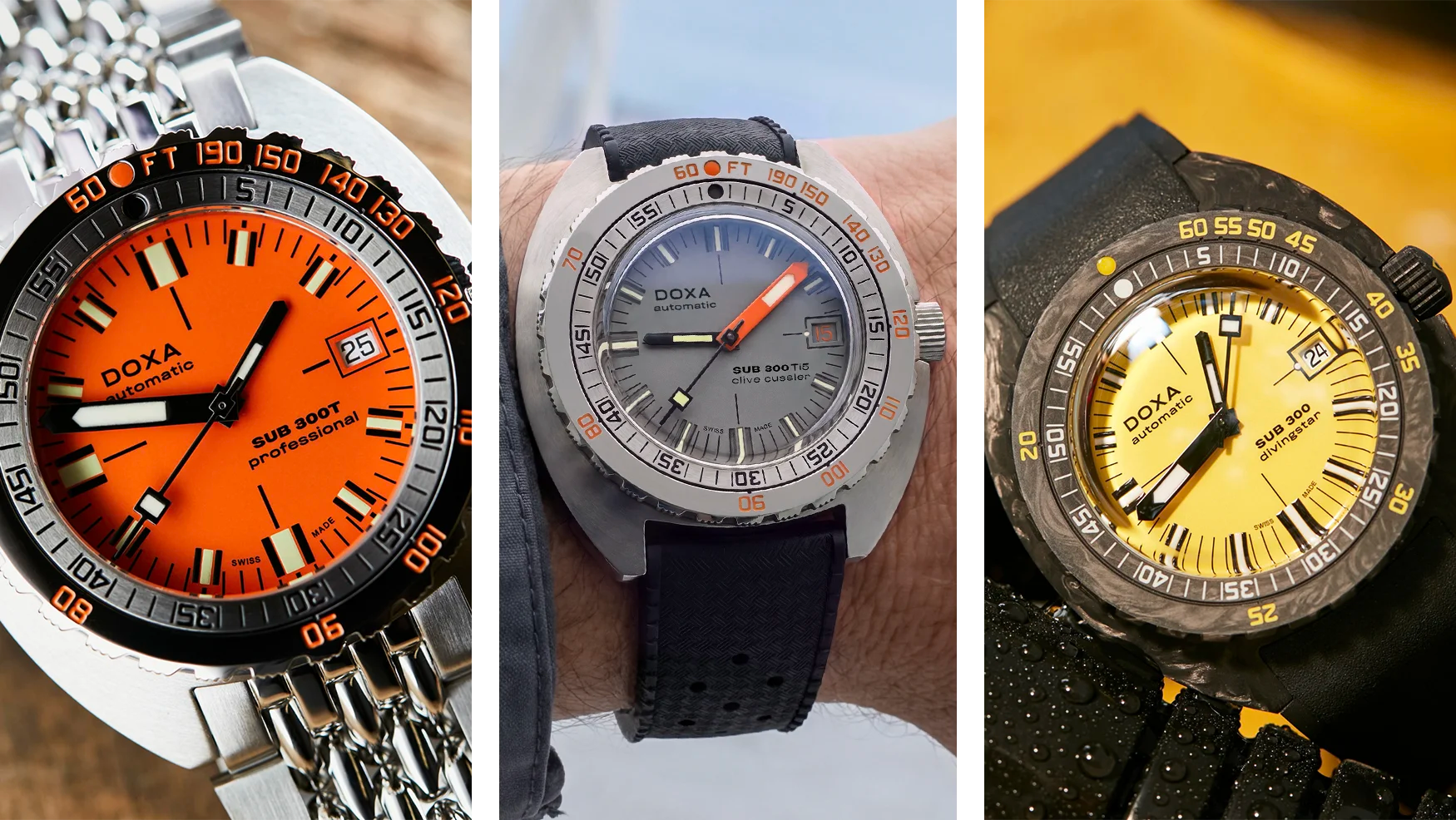
Doxa’s Dive-Watch Universe Extends Beyond the Orange Dial
Doxa’s familiar cushion cases, bright colors, and beads-of-rice bracelets remain central to its appeal, but the collection encompasses more than a single retro template. This overview moves from slimmer skin-diver designs to serious underwater tools, exploring how different sizes, materials, and complications broaden the brand’s reach.
The selection includes compact options, titanium and forged-carbon executions, and chronograph variations. Across those differences, Doxa’s strongest connection remains the combination of recognizable design and practical diving intent. It is a useful guide for anyone attracted to the brand who has not yet worked out which version best fits their wrist and routine.
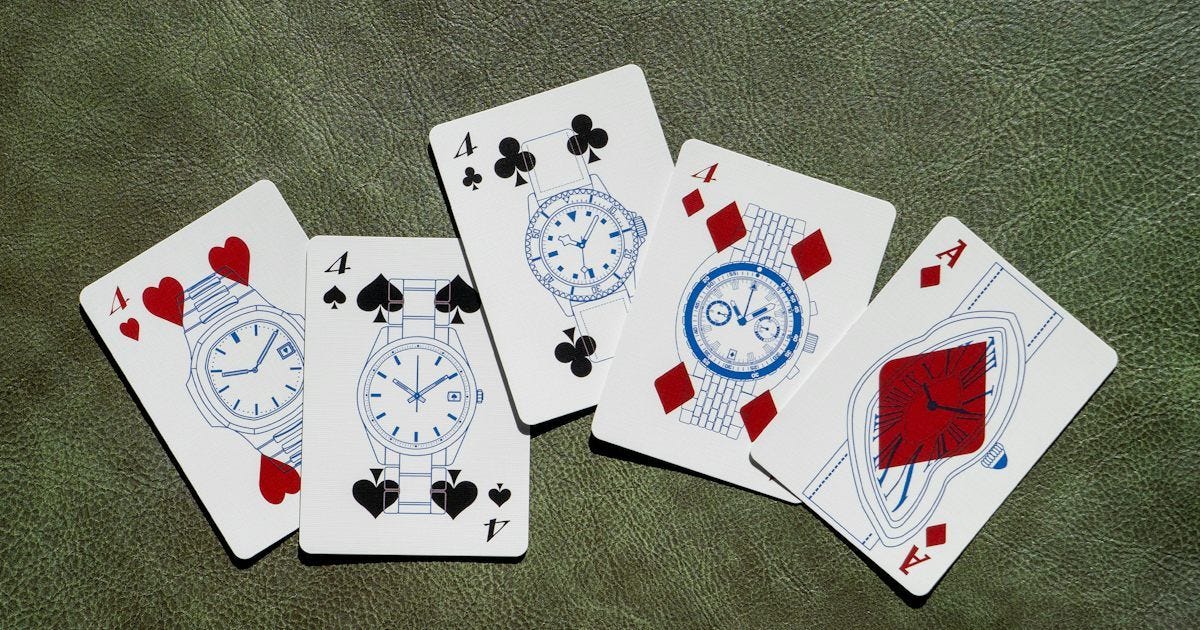
Analog and Édition de la Tour Put Vintage Watches in the Cards
Analog and Édition de la Tour have translated vintage-watch enthusiasm into illustrated playing cards, with designs drawing on a broad selection of collectible timepieces. Hand-drawn and painted watercolor court cards give the collaboration a character that extends beyond simply placing watch photographs on a deck.
Green and red versions are offered at $25, with a limited production run and additional options including uncut sheets for display. For enthusiasts who already spend enough time examining their wrists, the project supplies another way to enjoy watch design around a table. It also makes a considerably less complicated gift than guessing someone’s preferred case diameter.
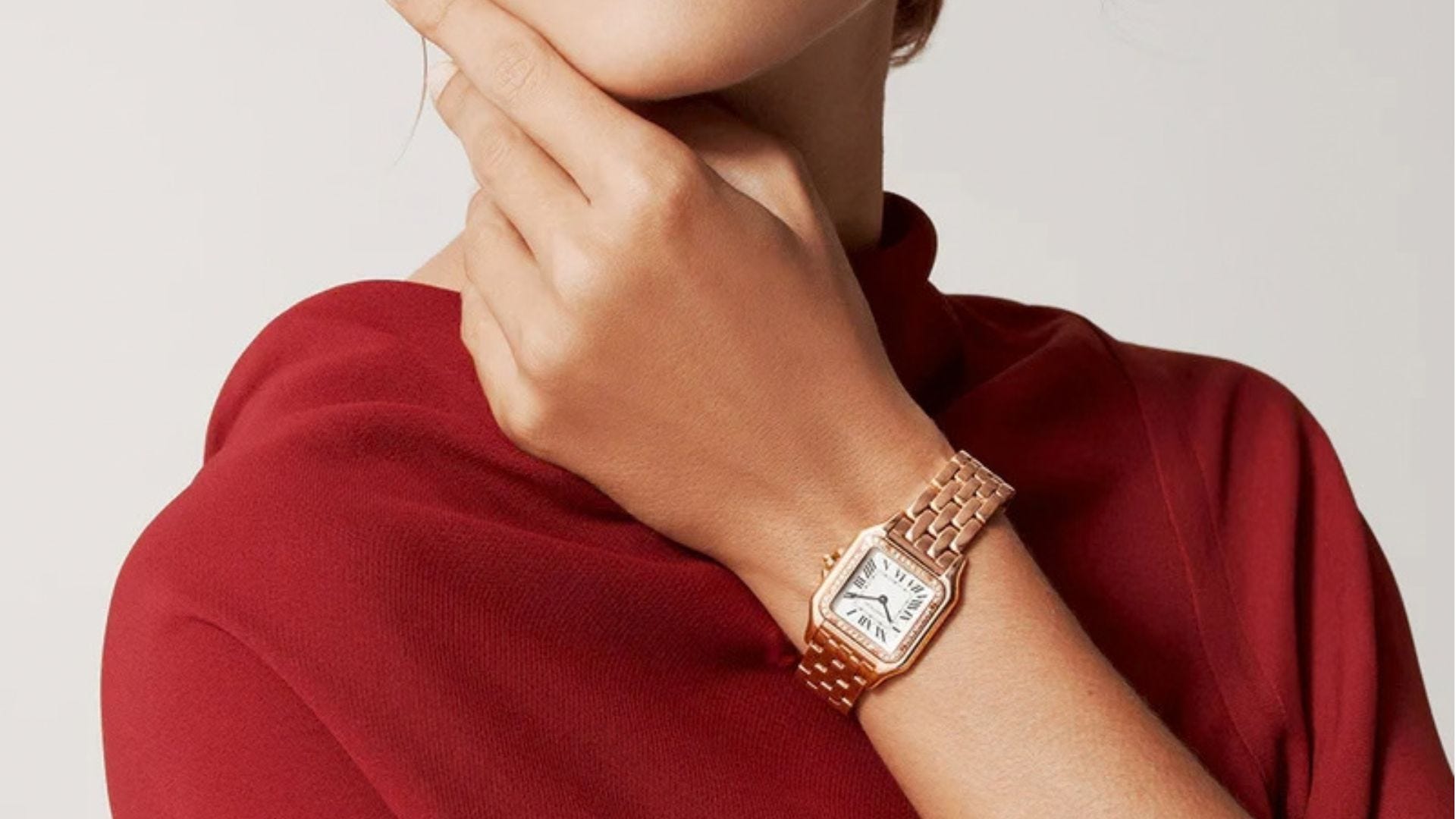
Beyond the Hype Watch: What Will the Next Generation Collect?
The next chapter of collecting may be more varied than the last round of universally coveted sports watches suggests. This feature considers growing interest in overlooked references, independent makers, shaped cases, jewelry-inspired designs, and neo-vintage watches with distinct personalities.
The underlying shift is toward asking why a particular watch matters to its owner. Provenance, design, serviceability, and the visible contribution of a maker can all compete with status and scarcity. Collections built around those interests may look less uniform—and may be more interesting to discuss because of it.
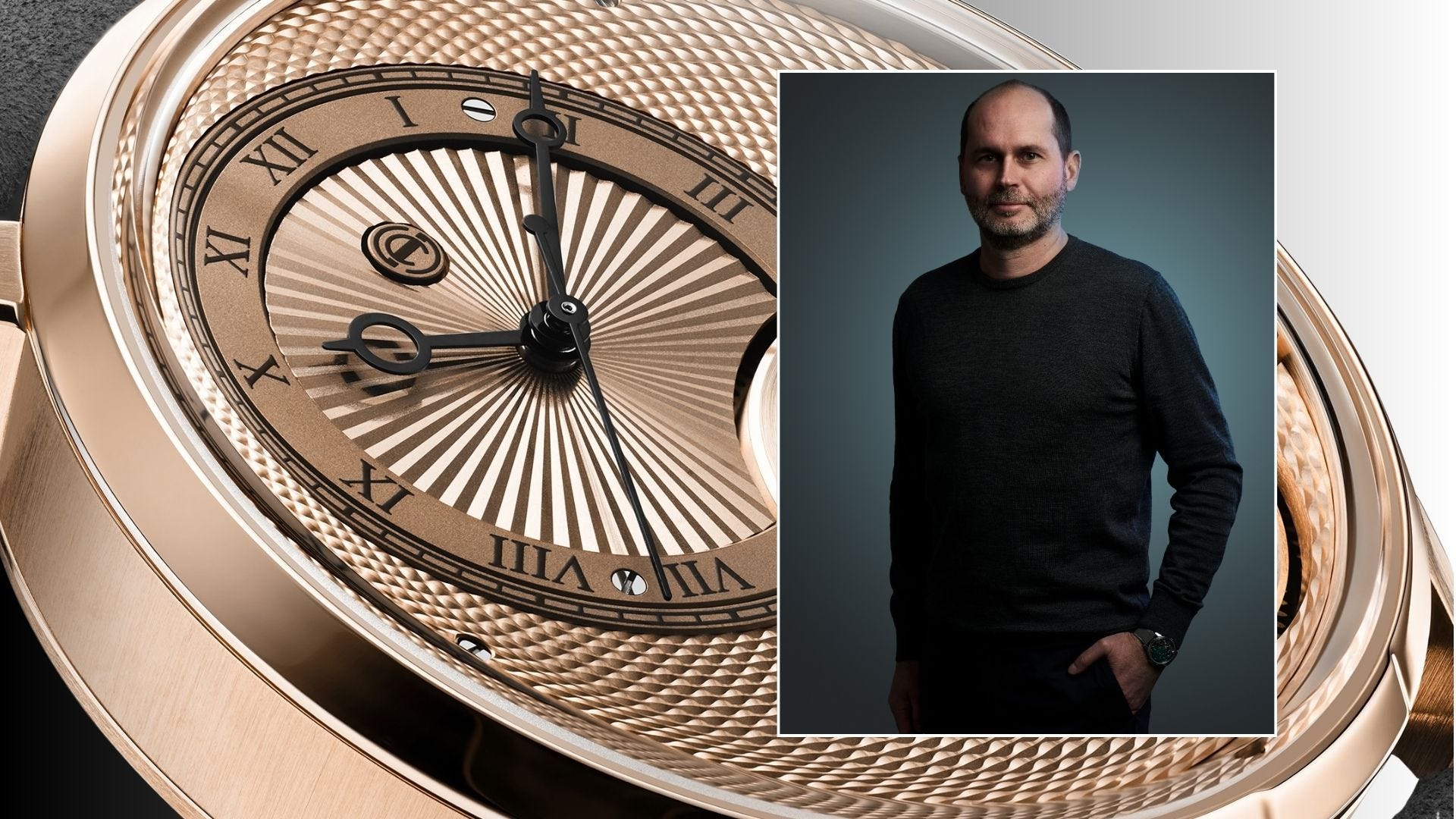
Armin Strom on Independence, Innovation, and Building for the Long Term
This interview explores Armin Strom’s commitment to independence and its emphasis on making mechanical ideas visible. Technologies such as Resonance and Equal Force give the brand specific subjects to develop, rather than requiring each launch to begin with a new aesthetic theme.
The conversation also addresses patience, manufacturing capability, and the challenge of growing without weakening a clear identity. For collectors, that offers a useful look at the decisions behind an independent watch company. Creative freedom is valuable, but sustaining it requires products, production, and customer support that can work together over time.
New Watches
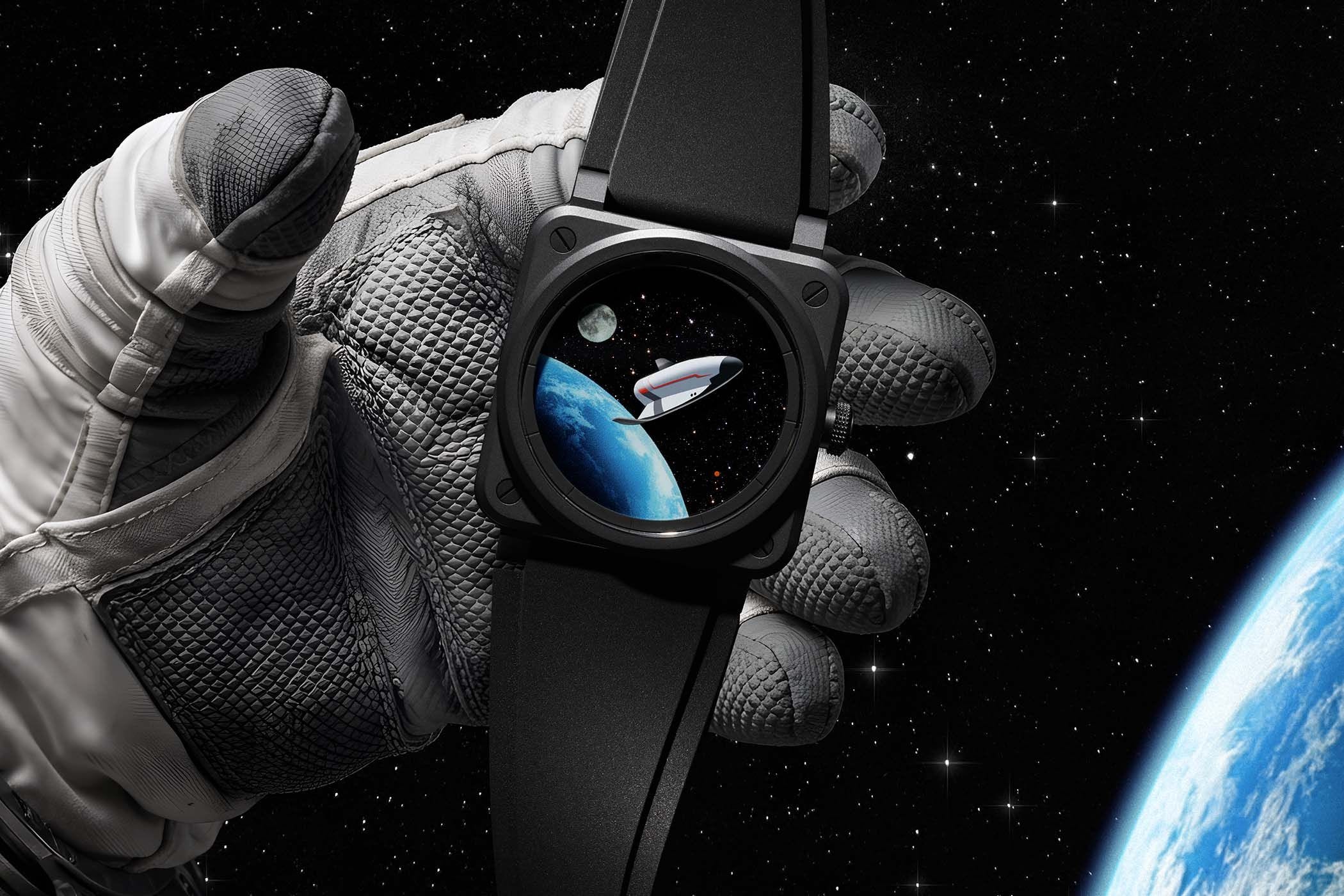
Bell & Ross BR-03 Space Mission Turns Timekeeping Into a Celestial Scene
Bell & Ross places a miniature space tableau inside its familiar square case, using rotating display elements to turn the passage of time into a moving composition. Earth and the Moon share the scene with a spacecraft-inspired minute indicator, while stars and a red representation of Mars extend the theme. The 41mm black-ceramic case provides a dark frame for the aventurine setting.
The automatic BR-CAL.325 supplies a reported 54-hour power reserve, and production is limited to 999 pieces. Black rubber and synthetic-fabric strap options keep the presentation consistent with the case. It is an expressive interpretation of the instrument watch, with the display doing most of the storytelling. Price: approximately US$5,610, converted from €4,990.
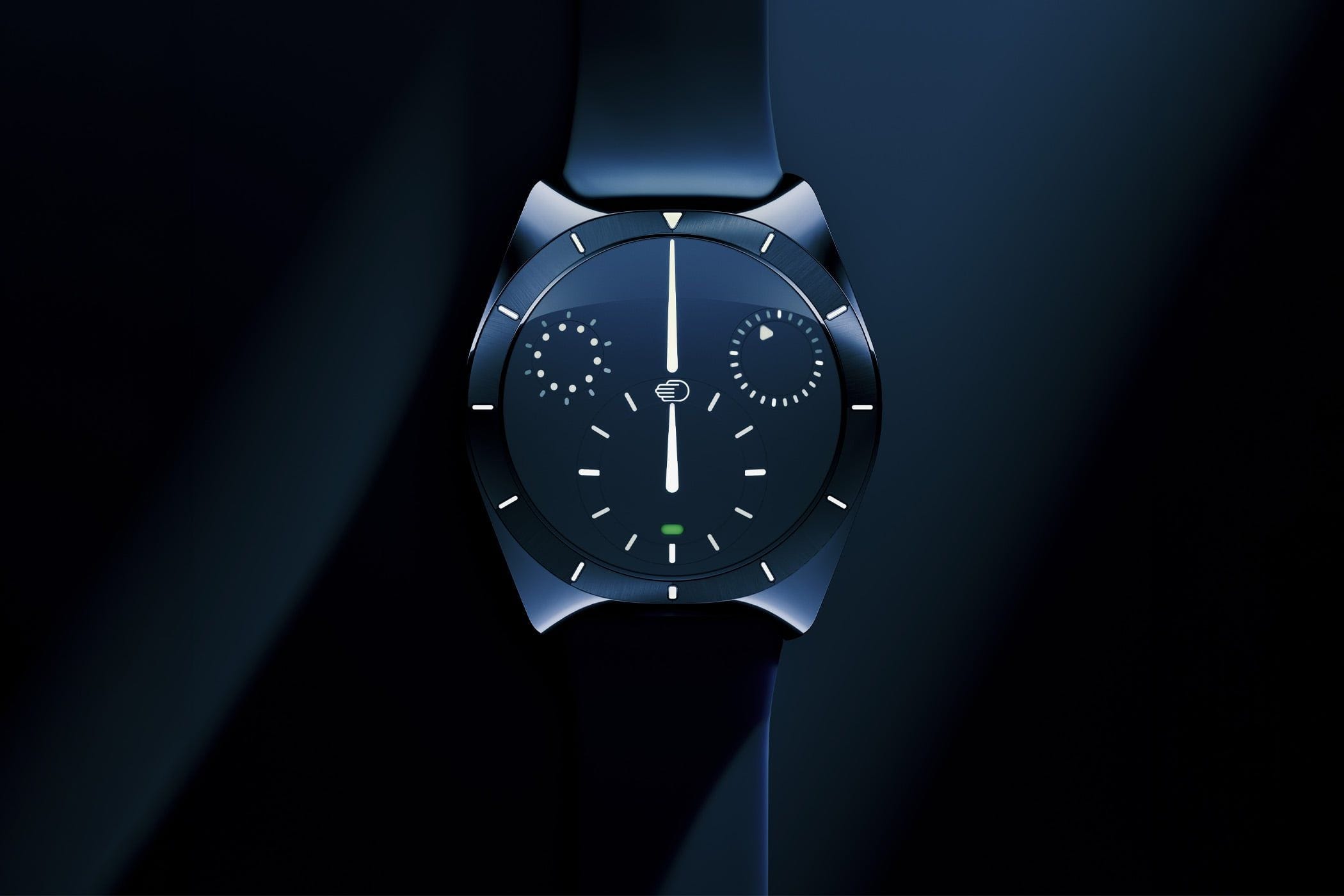
Ressence TYPE 10 DN Pairs an Oil-Filled Display With a Proprietary Movement
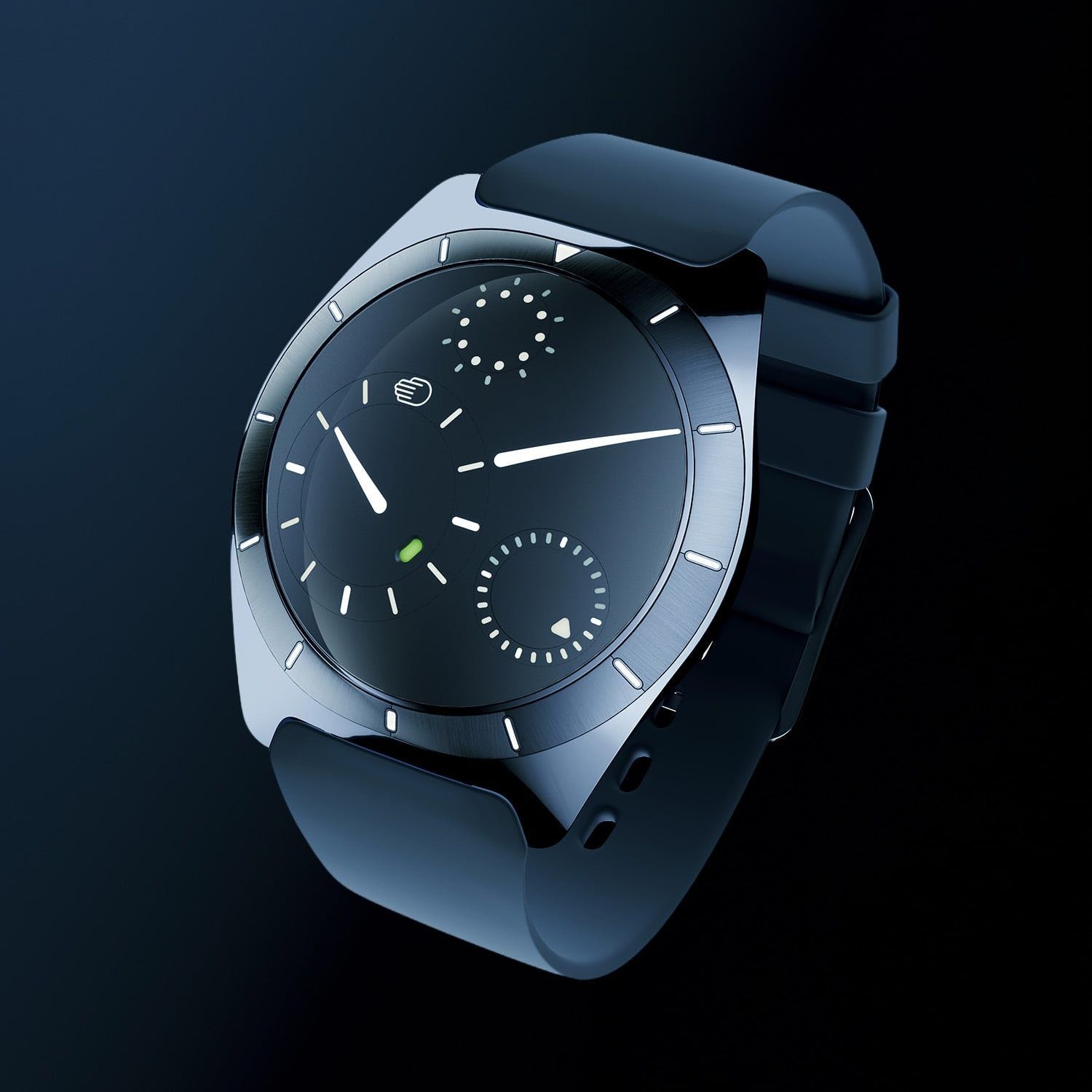
Ressence’s TYPE 10 DN combines the brand’s oil-filled display concept with its proprietary RW-04 movement. The 41.5mm Grade 5 titanium case receives a dark-blue DLC treatment, creating a nearly continuous visual relationship between the case and dial. Oil above the display produces the distinctive impression that the information sits directly against the crystal.
The reported 538-component mechanism offers 60 hours of reserve and drives a display incorporating hours, a second time zone, a running indicator, and oil-temperature information. Production is limited to 100 pieces, giving the release a narrow audience even before price enters the discussion. Its strongest appeal is the integration of unusual engineering with a display that looks unlike conventional hands over a dial. Price: approximately US$54,390 before taxes, converted from CHF 45,000.
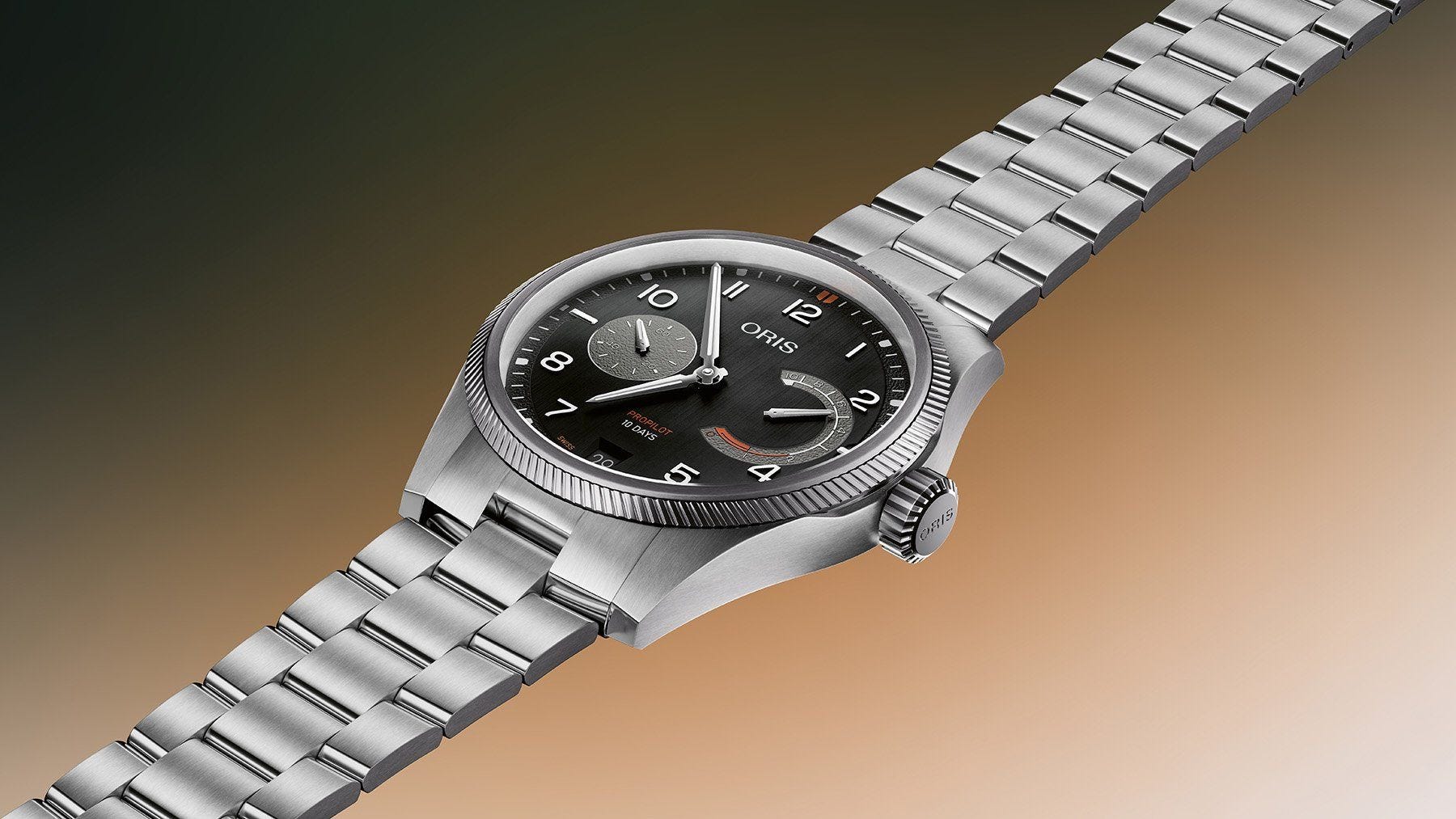
Oris Brings Back the ProPilot Calibre 111 and Its Ten-Day Reserve
Oris revisits the ProPilot Calibre 111 with a smaller 43mm case and the long-running hand-wound movement that helped define this branch of its modern collection. Black and pine-green dial options feature vertical brushing, luminous Arabic numerals, small seconds, a date, and the characteristic non-linear power-reserve display. The case measures 13.2mm thick and offers 100 meters of water resistance.
The ten-day reserve makes winding an occasional ritual rather than a daily obligation, while the display keeps the remaining energy visible. Buyers can choose a dark-brown Cordovan leather strap or steel bracelet, and a sapphire back provides a view of the movement. The update centers on making an established mechanical proposition easier to wear. Price: approximately US$7,130 on leather or US$7,370 on bracelet, converted from CHF 5,900 and CHF 6,100.
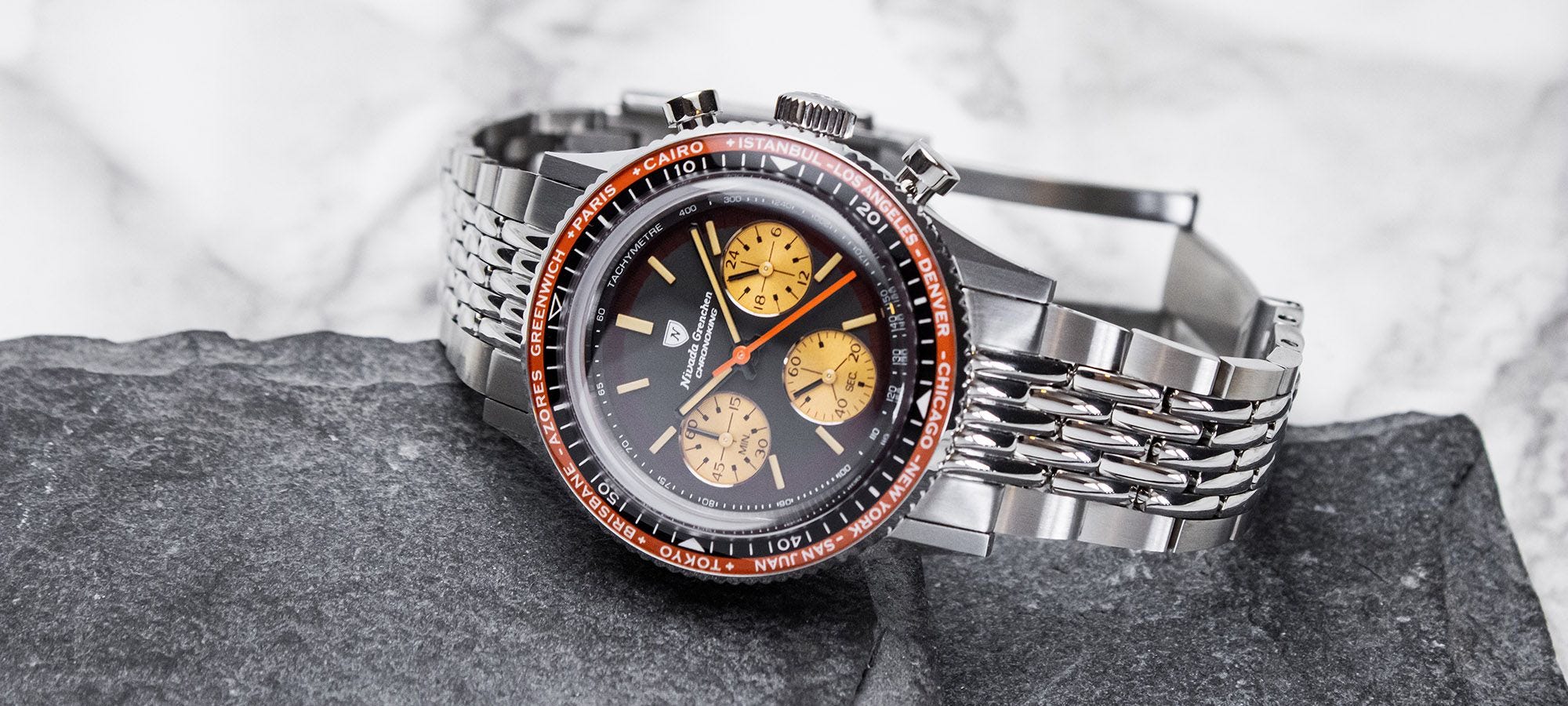
Nivada Grenchen Chronoking Black Amber Adds Warmth and Interchangeable Bezels
The Chronoking Black Amber combines a matte-black dial with gold-toned subdials and warm accents inside a 38mm steel case. Its most playful feature is a quick-change bezel system, with five supplied alternatives allowing the owner to shift the watch’s character without changing the entire watch. The resulting palette draws heavily on the expressive sports-watch designs of the 1970s.
A Seiko VK63 meca-quartz movement keeps the chronograph accessible, and 100 meters of water resistance adds everyday practicality. Strap and bracelet choices offer another way to adjust the presentation. This is a release built around variety and visual enjoyment, with movement pragmatism helping contain the cost. Price: US$810.
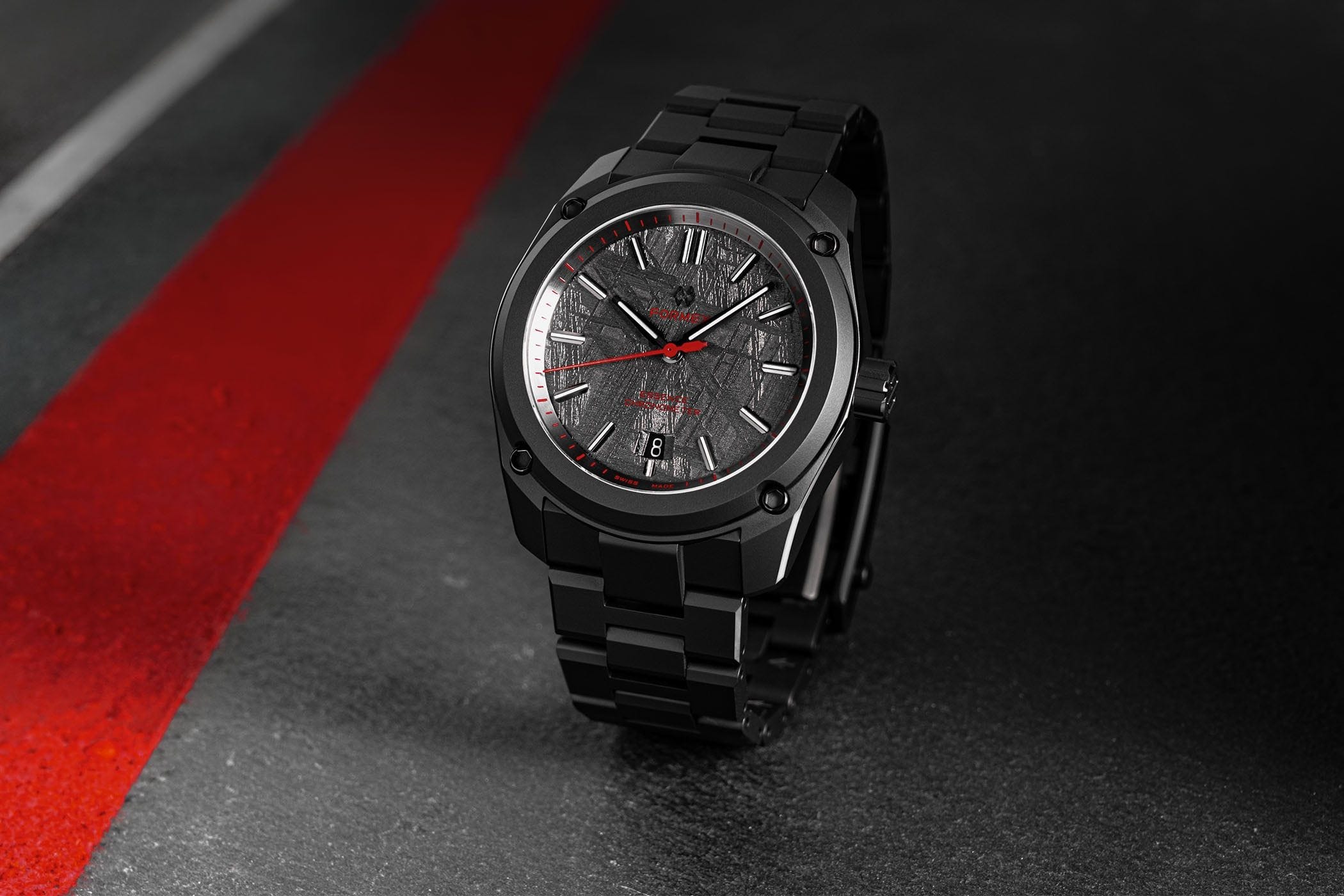
Formex Essence Ceramica Dark Matter Redshift Combines Ceramic and Meteorite
Formex brings a darker, more aggressive treatment to the Essence Ceramica with a black zirconium-oxide ceramic case and a meteorite dial accented in red. The 41mm case mixes sandblasted surfaces with polished bevels, while the brand’s suspension system incorporates a titanium movement container. Black-gold plating preserves the meteorite’s distinctive surface pattern within the subdued color scheme.
The automatic Sellita SW200-2 Power+ is described as COSC-certified and offers 65 hours of reserve. A matching ceramic bracelet includes clasp adjustment, and the watch carries a 100-meter water-resistance rating. Production is limited to 100 pieces annually, with delivery scheduled for late November 2026. Price: US$4,450.
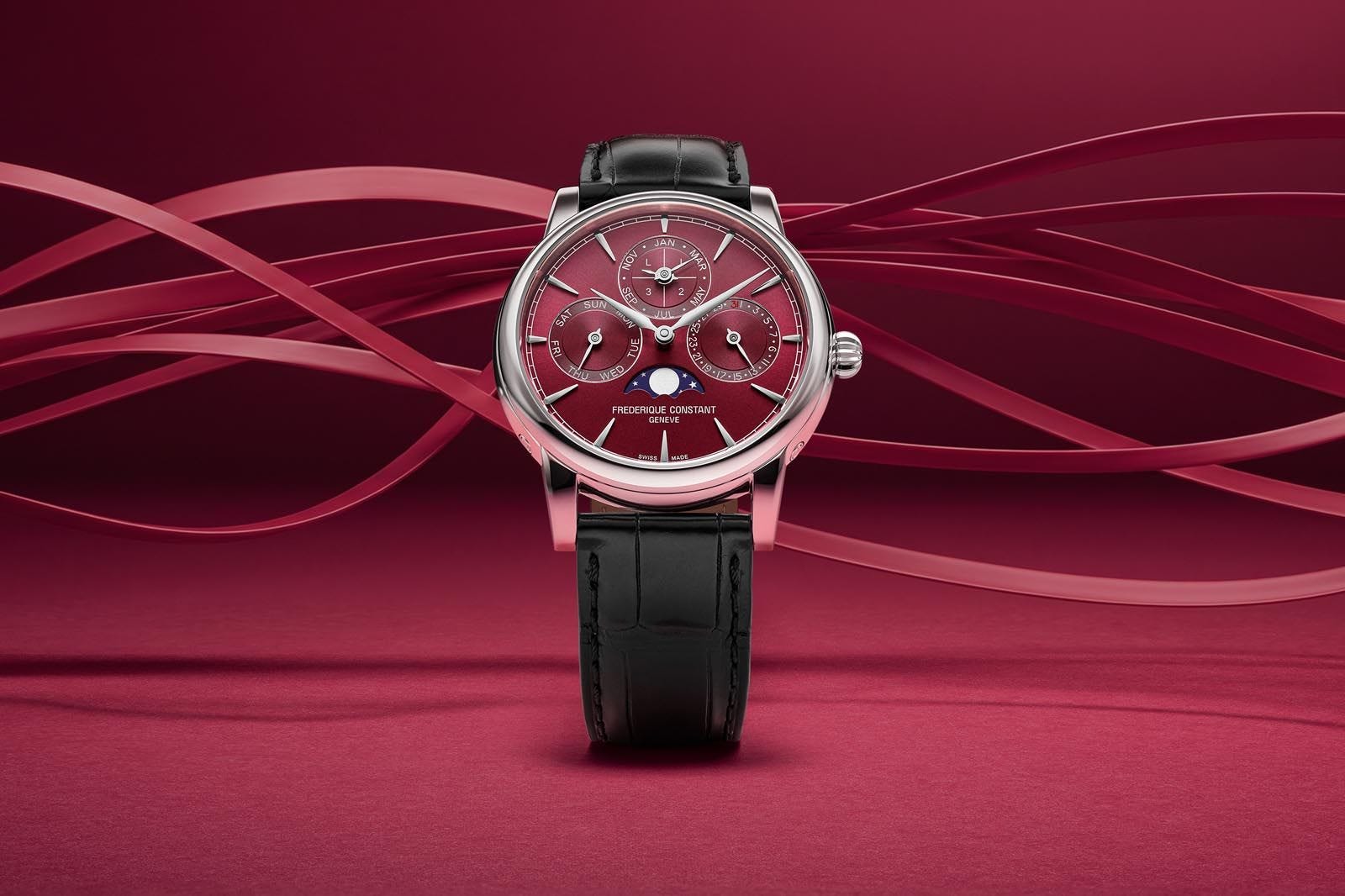
Frederique Constant Gives Its Manufacture Perpetual Calendar a Burgundy Dial
Frederique Constant adds a rich burgundy treatment to its Classic Perpetual Calendar Manufacture, pairing a sunray-brushed surface with the complication’s calendar displays. The 40mm steel case measures 12mm thick, maintaining reasonably restrained proportions for a watch with this amount of information. The automatic FC-776 movement provides a 72-hour power reserve.
Limited to 100 pieces, the edition uses color to distinguish an established mechanical offering. Its appeal remains the opportunity to obtain a Swiss manufacture perpetual calendar at a price below many traditional alternatives. The quoted sterling price is below £10,000, although its converted dollar equivalent is above that threshold. Price: approximately US$12,430, converted from £9,350.
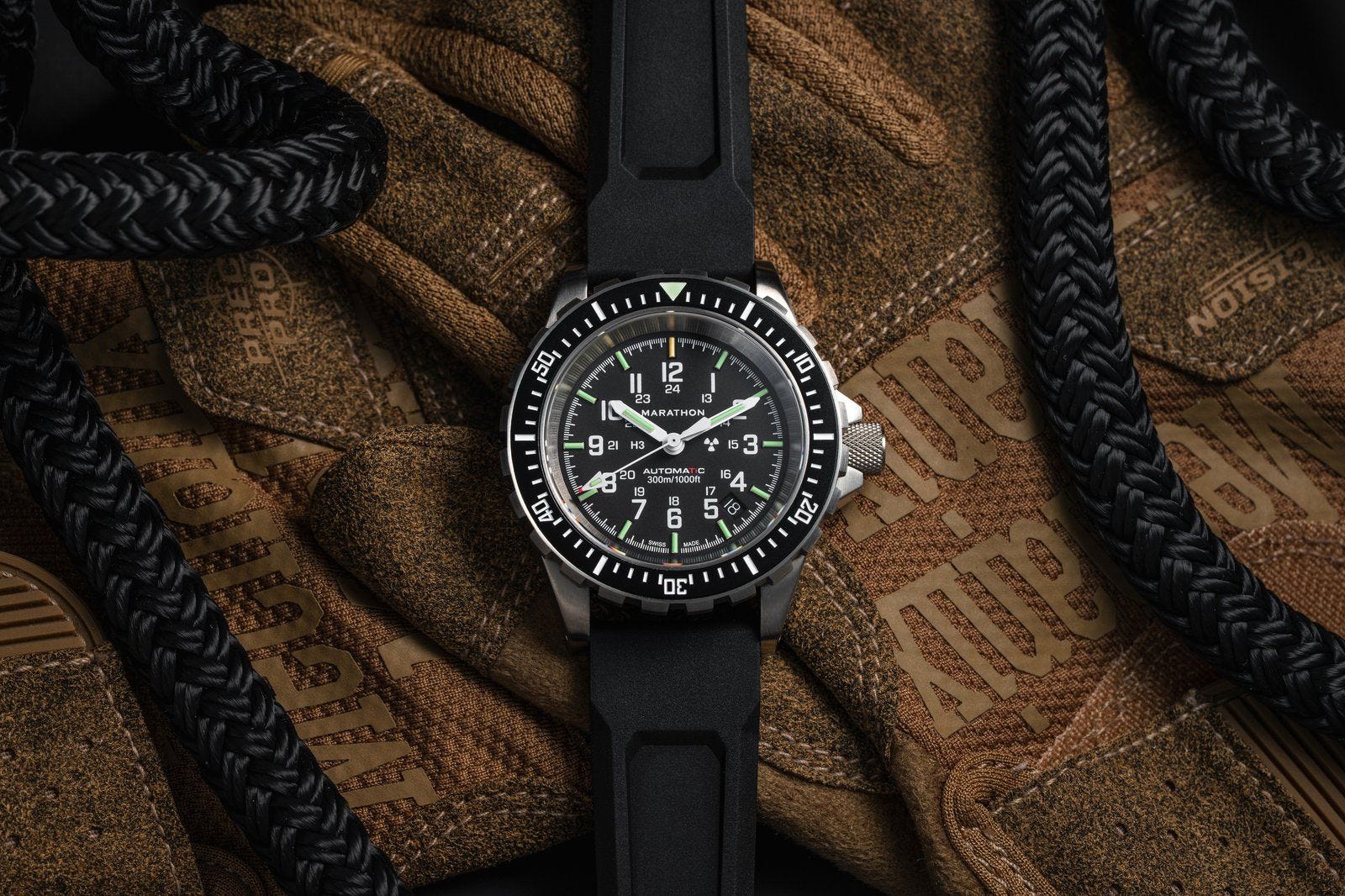
Marathon’s Titanium GSAR Takes Weight Out of a Serious Tool Watch
Marathon introduces a 41mm GSAR with a Grade 5 titanium case, reducing weight while retaining the substantial construction associated with the collection. The 13.5mm-thick watch offers 300 meters of water resistance, an oversized textured crown, and a unidirectional dive bezel. Tritium illumination supports visibility in darkness, while revised dial details distinguish the titanium version.
The automatic Sellita SW200-2 Top Grade movement brings a reported 65-hour reserve. A black rubber strap with a titanium buckle completes the package, keeping the lighter material’s benefits consistent across the watch. For buyers who admire the GSAR’s purposeful design but find steel examples heavy, the material change addresses a meaningful ownership concern. Price: approximately US$2,750, converted from £2,066.
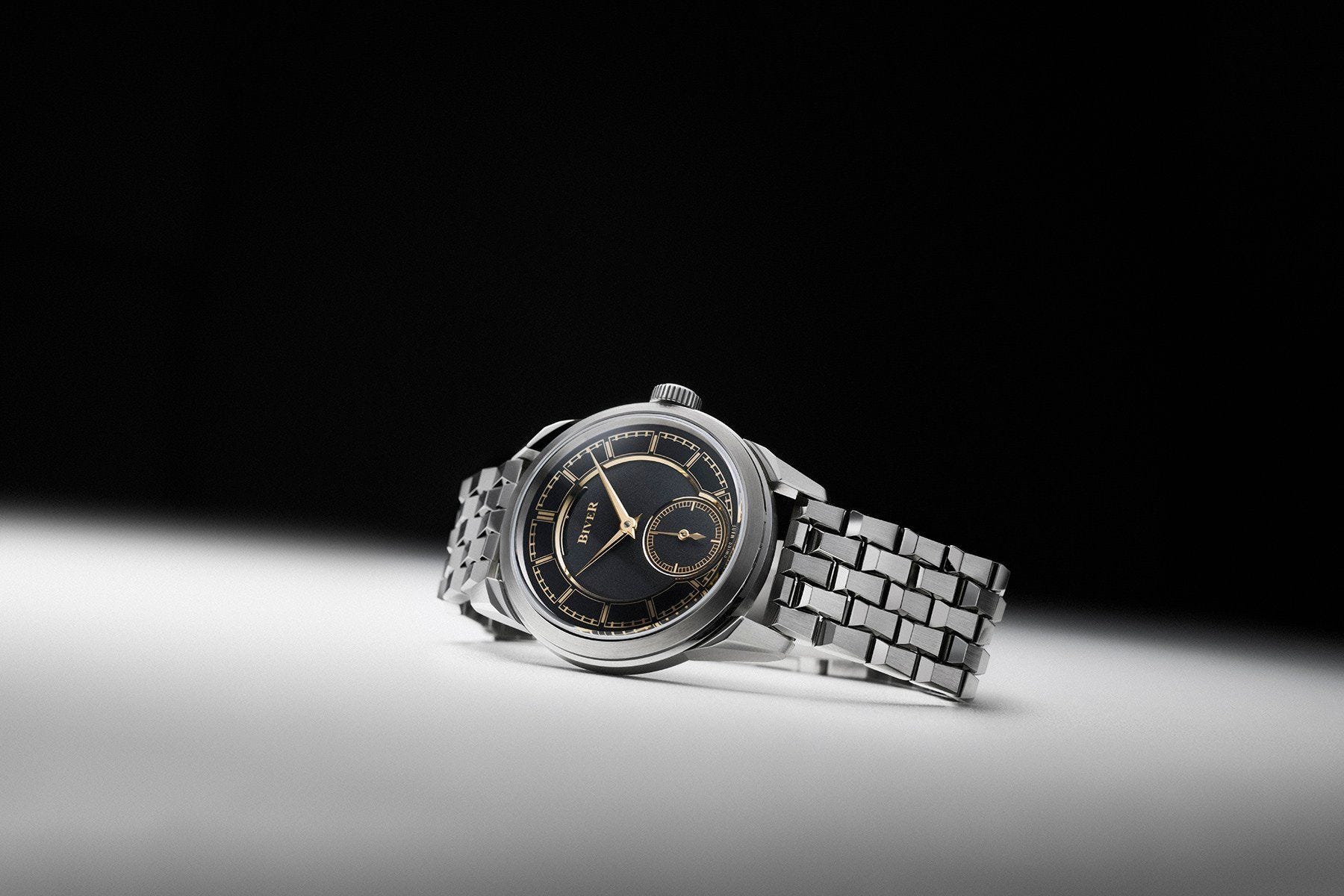
Biver AB Introduces Steel, Compact Proportions, and a New Hand-Wound Calibre
Biver’s AB places a new manually wound movement inside a 38mm stainless-steel case measuring 9.8mm thick. The dial combines black-treated gold with onyx elements, creating depth through materials and construction rather than a crowded complication display. A five-row steel bracelet and an optional calfskin strap offer different expressions of the compact design.
The JCB-004 movement provides 120 hours of reserve from twin barrels and includes a discreet reserve indication. Precious-metal movement components and extensive finishing help explain why the transition to steel does not place the watch anywhere near conventional entry-level territory. The AB represents a more restrained Biver, with much of its complexity reserved for close examination. Price: approximately US$82,190, converted from CHF 68,000.
Comparisons
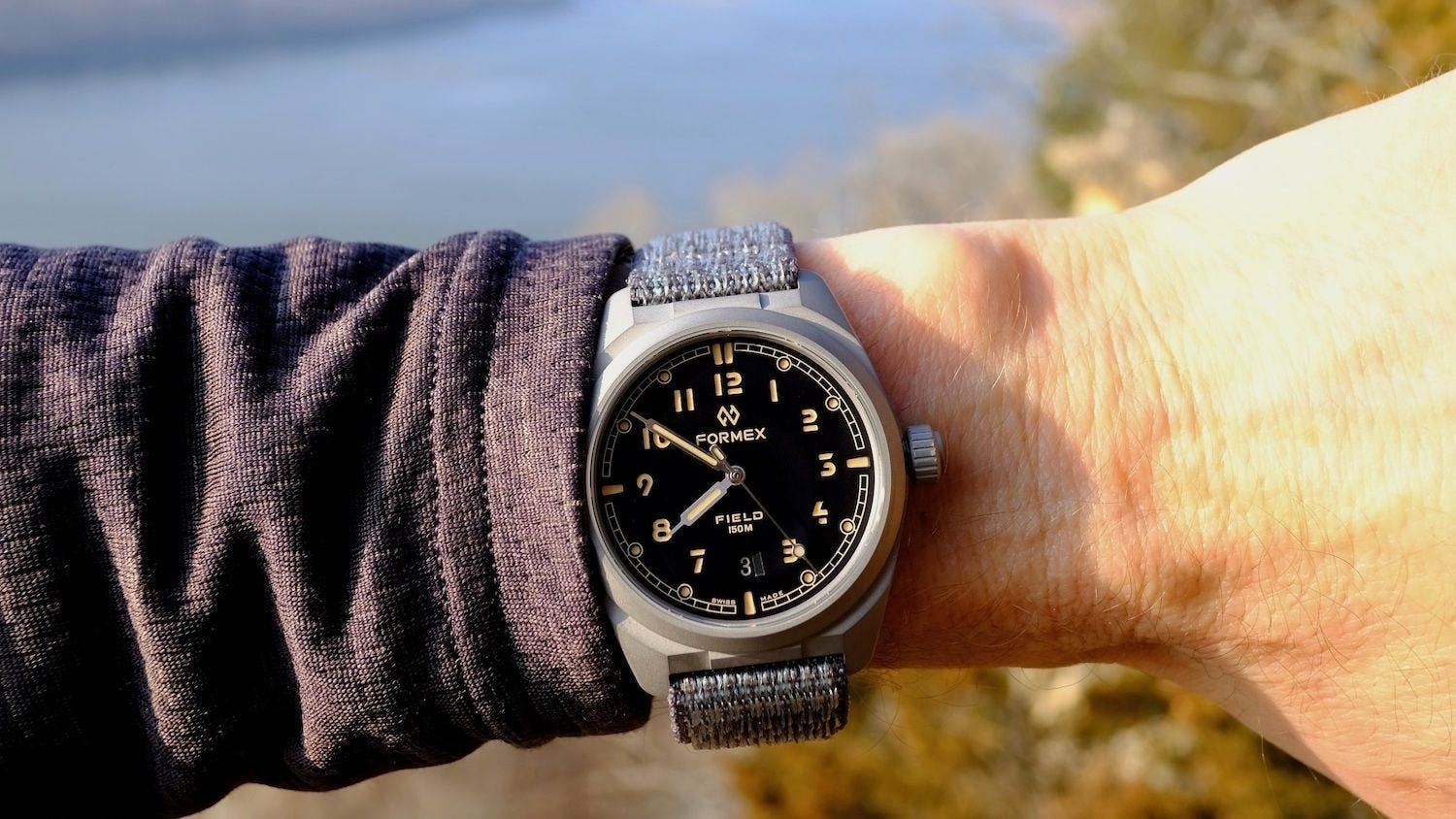
Formex vs. Nodus: Two Different Answers to the Titanium Field Watch
Formex and Nodus approach the lightweight field watch with different priorities. The Formex Field Automatic combines a Swiss movement, a 41mm case, and inventive strap options, while the 38mm Nodus Sector II Field Titanium emphasizes compact proportions and an included titanium bracelet.
The comparison favors Nodus as a complete everyday package, particularly given its $625 price and adjustable clasp. Formex retains appeal for buyers who prefer its larger industrial design and Swiss mechanical specification. The decision illustrates why an included bracelet, comfortable sizing, and easy adjustment can matter as much as the movement name.
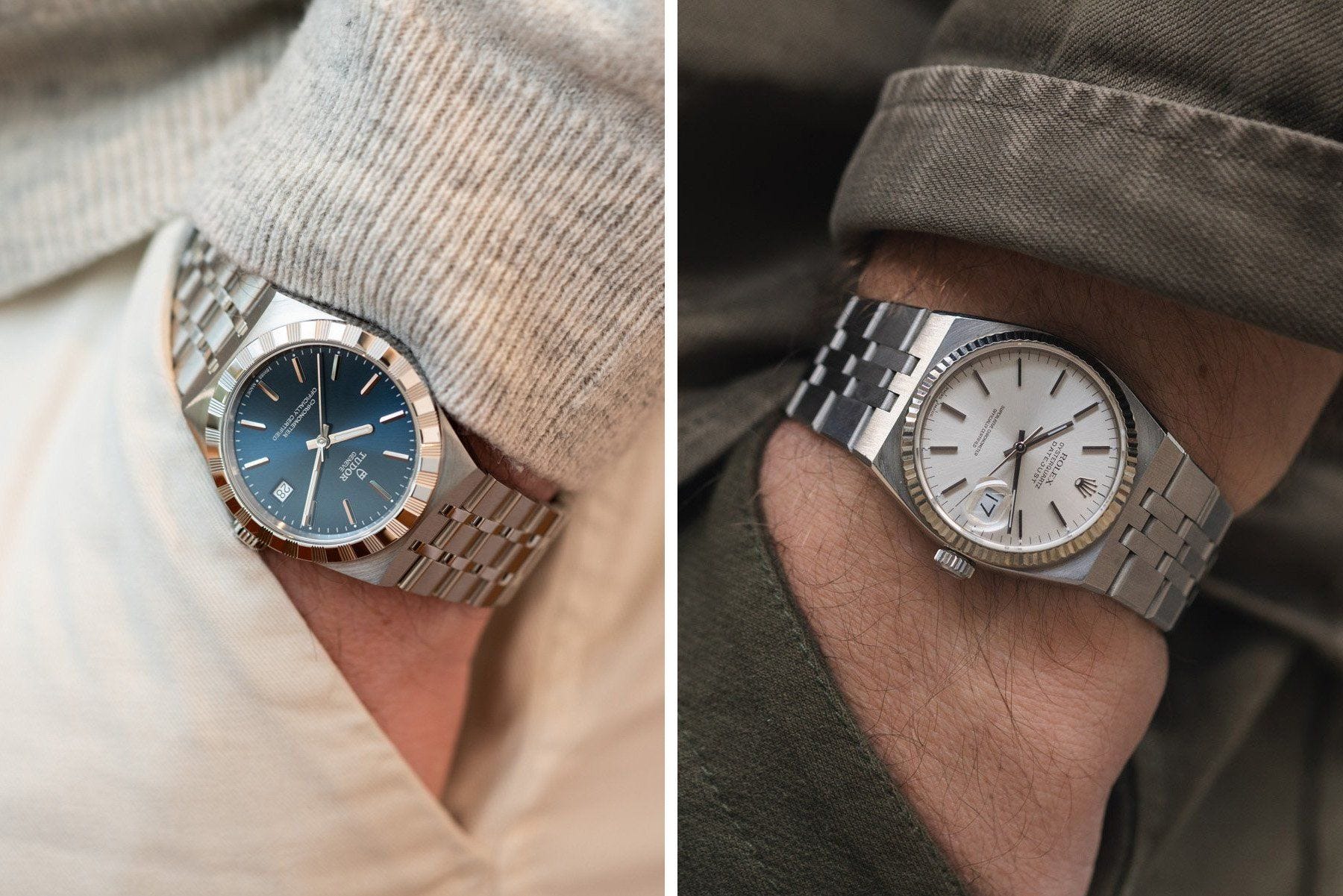
Tudor Royal vs. Rolex Oysterquartz Datejust: Modern Convenience Meets Angular History
The Tudor Royal and Rolex Oysterquartz Datejust share an interest in integrated design but deliver very different ownership experiences. The Tudor offers a contemporary mechanical watch with modern availability and support, while the Oysterquartz brings the distinctive geometry and technical history of an earlier Rolex era.
This showdown turns on what the buyer wants from that resemblance. The Royal can be the more straightforward daily choice; the Oysterquartz carries the fascination and responsibilities of a vintage purchase. Condition and service history deserve particular attention when comparing an individual older Rolex with a current-production alternative.
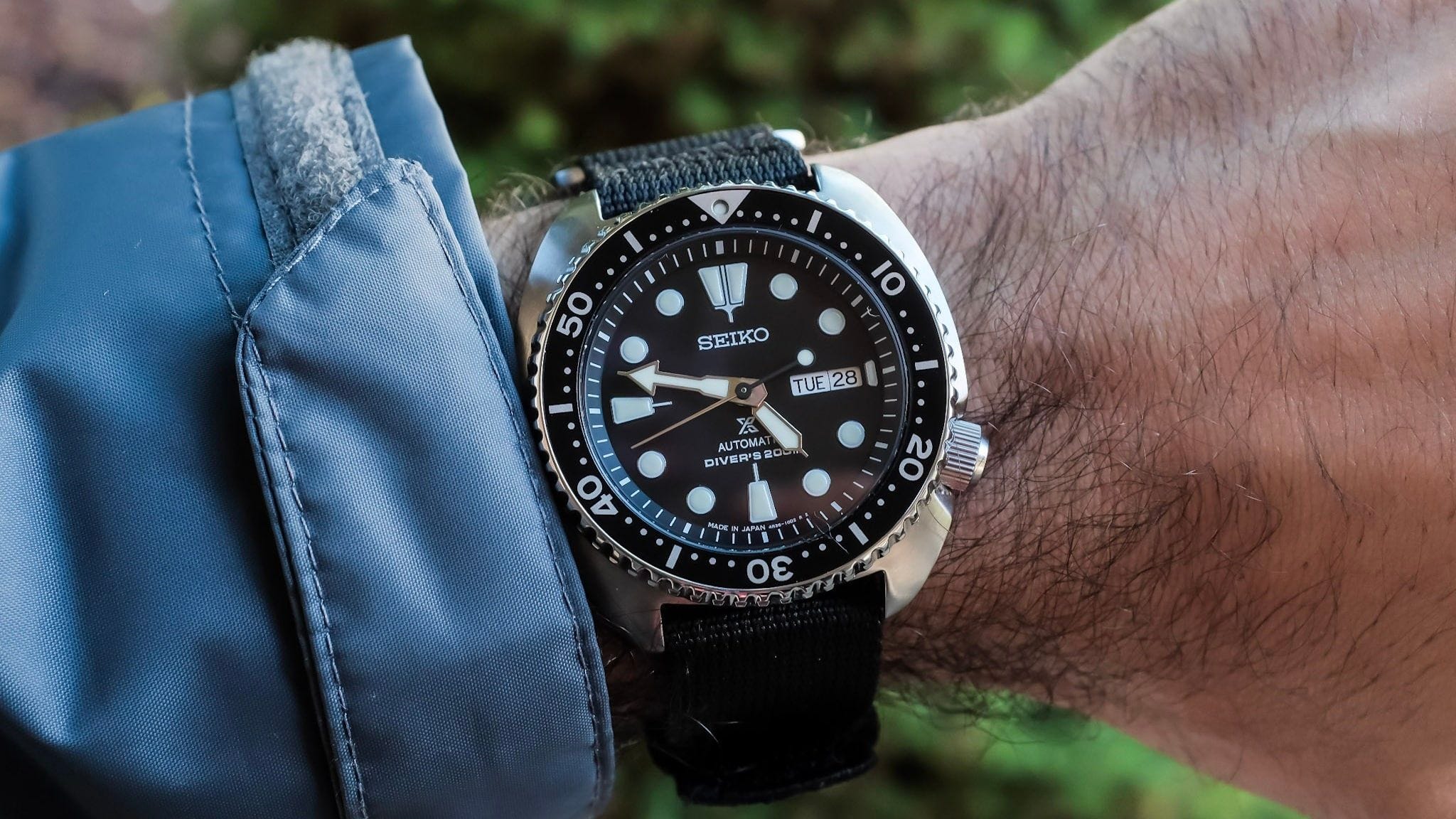
Seiko Turtle vs. Bulova Caravelle: Which Affordable Diver Earns Its Place?
Seiko’s Turtle brings an established cushion-case design, strong lume, and a reputation for wearing more comfortably than its dimensions suggest. The Bulova Caravelle Sea Hunter counters with a smaller 39mm case and a vintage-inspired appearance that may suit wrists and tastes the Turtle does not.
The comparison weighs those strengths against familiar compromises in crystals, bezel execution, and finishing. Its preference lands with the Seiko for the overall package and lasting design appeal. The Caravelle remains a credible alternative for buyers whose first priority is a smaller, differently styled diver.
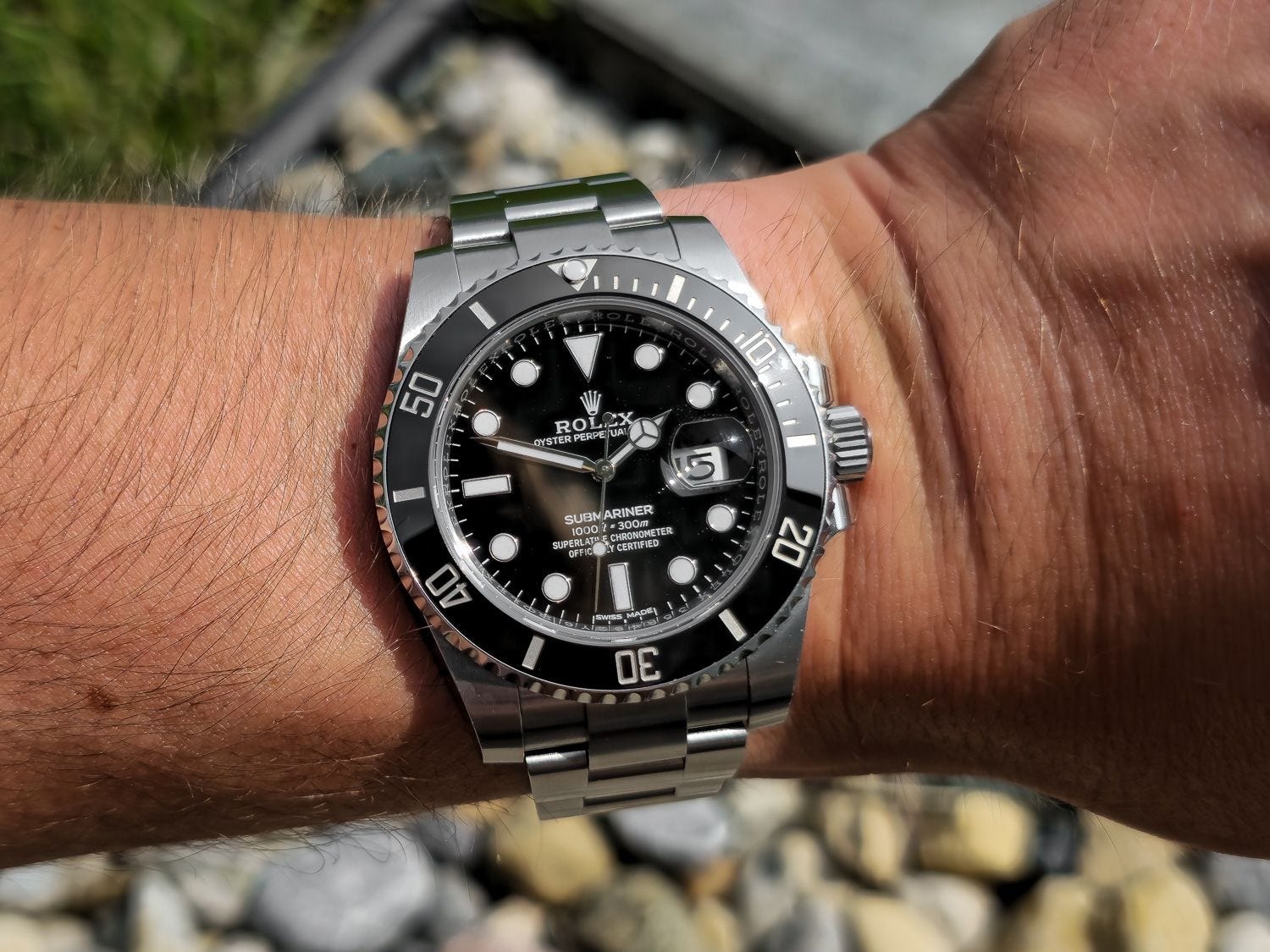
Can Seiko’s Marinemaster Challenge the Rolex Submariner?
This hands-on comparison examines specific Marinemaster and Submariner examples through their movements, cases, dials, bracelets, and wearing experience. Seiko earns praise for its movement, finishing, and luminous display, while Rolex’s case-and-bracelet integration helps establish a more cohesive daily-wear package.
The article ultimately prefers the Submariner, particularly for its balance and bracelet execution. The more useful lesson is that an impressive specification in one area does not settle the whole comparison. Comfort, adjustment, servicing, and the way a watch moves on the wrist can become decisive after the initial excitement fades.
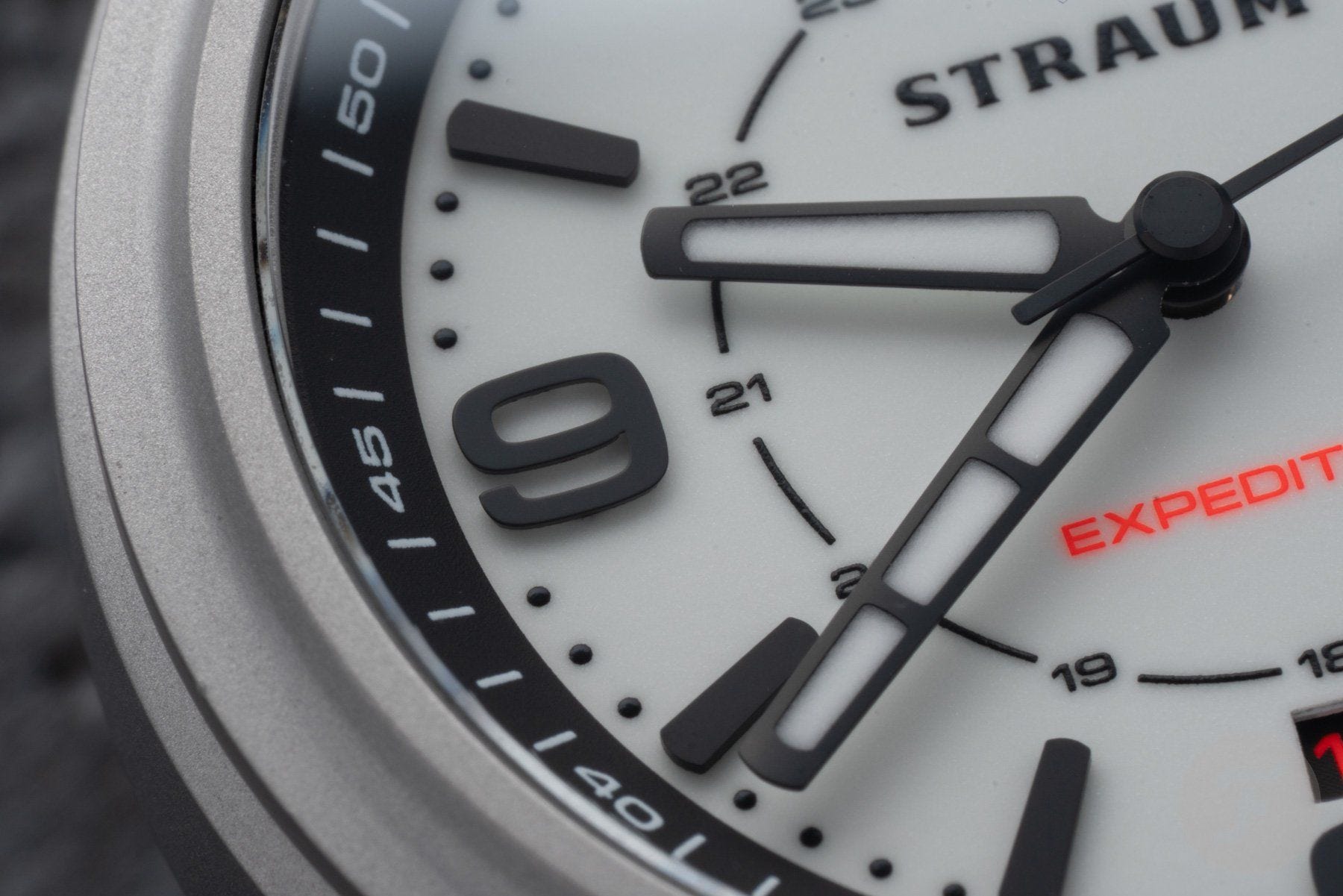
Five Recent Field Watches Show How Broad the Category Has Become
Hamilton, Tudor, Straum, Studio Underd0g, and Earthen Co. illustrate how far the field watch now extends beyond a conventional military dial. The selection ranges across familiar heritage styling, expressive colors, contemporary materials, and more adventurous case designs.
Legibility and everyday durability remain the common ground, but each maker interprets those priorities differently. That variety is useful for buyers who like the practical spirit of a field watch without wanting an exercise in historical reproduction. The category increasingly accommodates both utility and personality.
Reviews
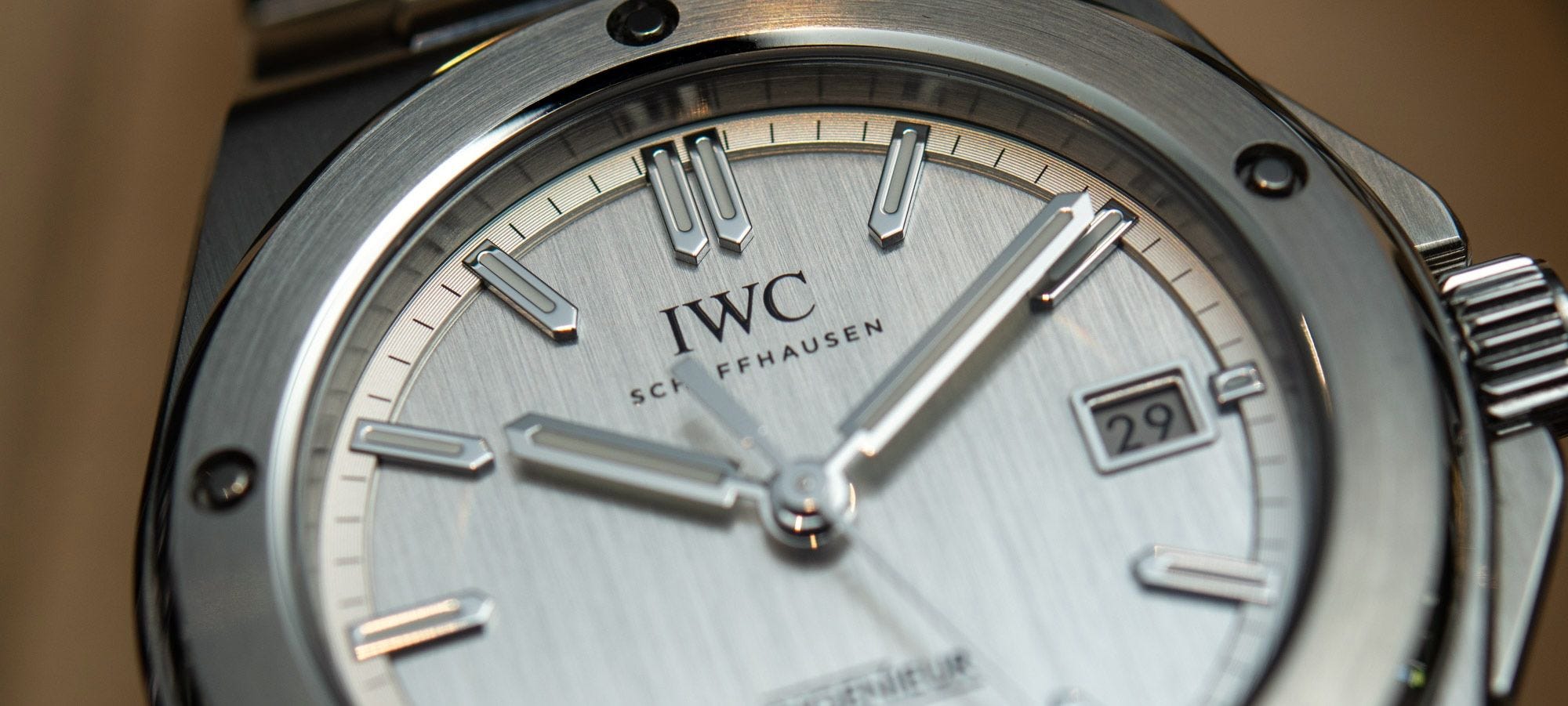
IWC Ingenieur 50th Anniversary: One Design, Two Sizes
IWC’s anniversary Ingenieur models offer 40mm and 35mm interpretations of the integrated-bracelet design, both with silver-plated dials and commemorative details. The larger watch uses the calibre 32111 with a 120-hour reserve, while the smaller version houses the calibre 47110 with 42 hours of reserve.
The review considers how those differences affect the experience beyond simple diameter. At $15,000 for the 40mm and $12,900 for the 35mm, the watches sit firmly in premium territory. Their restrained appearance asks buyers to appreciate proportions, finishing, and design continuity rather than a conspicuous anniversary treatment.
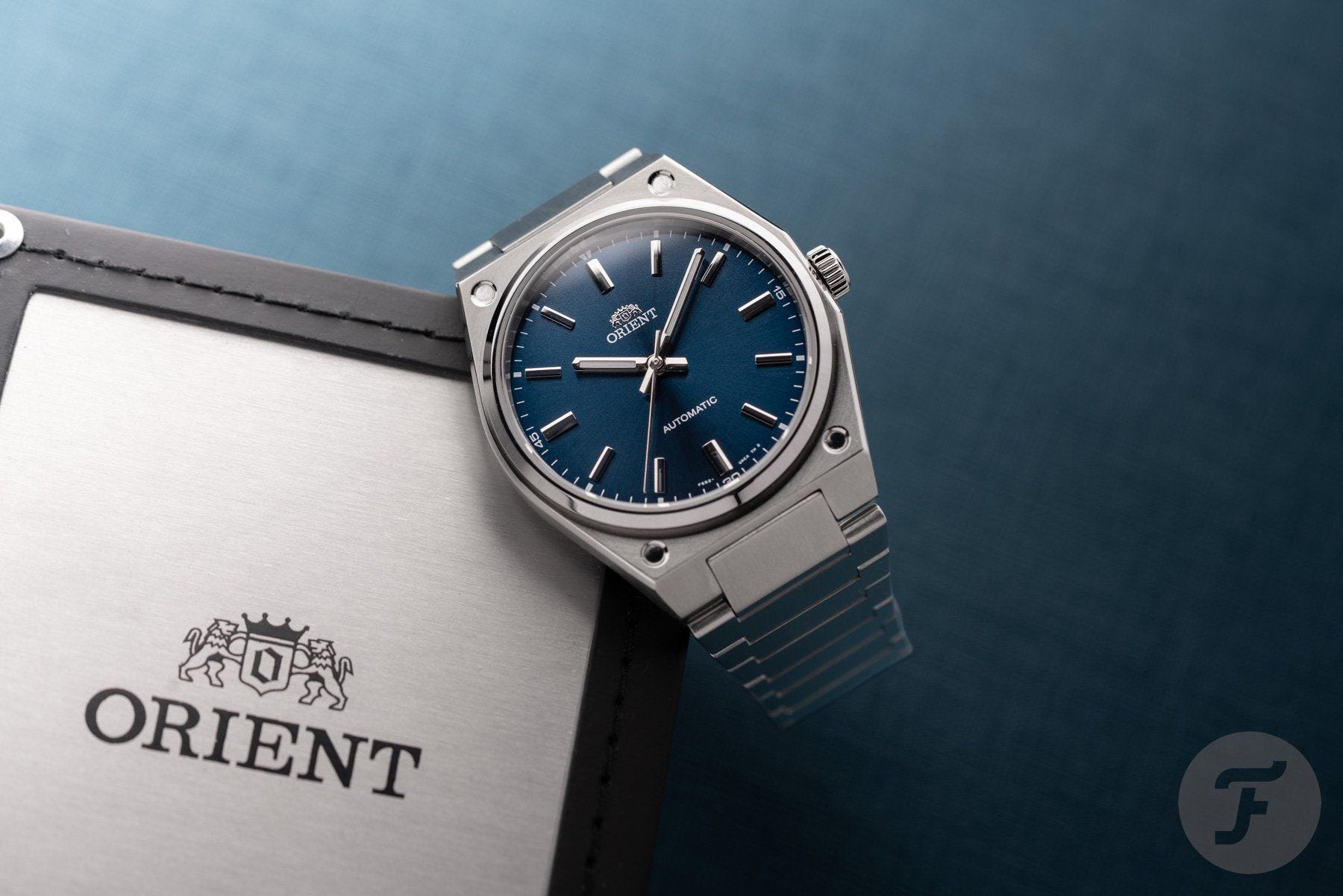
Orient Flusso Brings an Affordable New Option to the Integrated-Bracelet Category
Orient’s Flusso combines a 39mm steel case, sapphire crystal, and automatic movement with a restrained interpretation of 1970s-inspired sports-watch design. A 10.9mm profile and compact clasp aim to keep the watch comfortable, while the sunburst dial supplies much of its visual interest.
The review positions the €299/£299 model against familiar affordable integrated-bracelet competitors. Japanese availability is scheduled to begin in November, followed by Europe in December, with U.S. timing still pending. Its appeal rests on delivering the essentials convincingly at a price that leaves room for collecting other things.
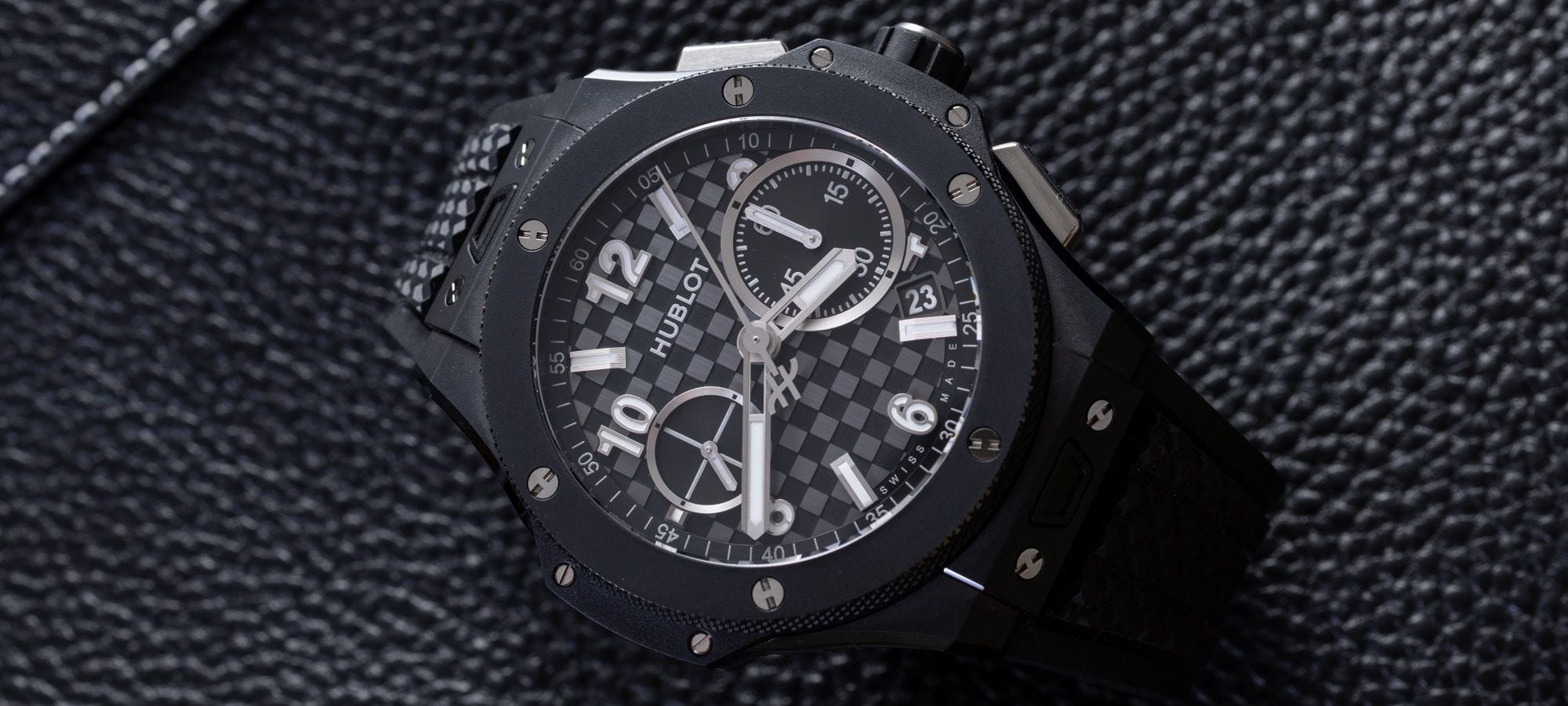
Hublot Big Bang Original: How Much Better Is the Modern Version?
The Big Bang Original review traces the collection’s development into a more technically mature watch, with the UNICO chronograph and quick-release strap system central to that evolution. The Black Magic execution places those features in a 43mm black-ceramic case with 100 meters of water resistance.
Praise for comfort and materials sits alongside criticism of dial balance and opportunities to improve adjustment. At $22,800, the watch needs to succeed as more than a recognizable shape. The review asks whether successive refinements have strengthened the underlying product enough to persuade buyers who look beyond Hublot’s polarizing reputation.
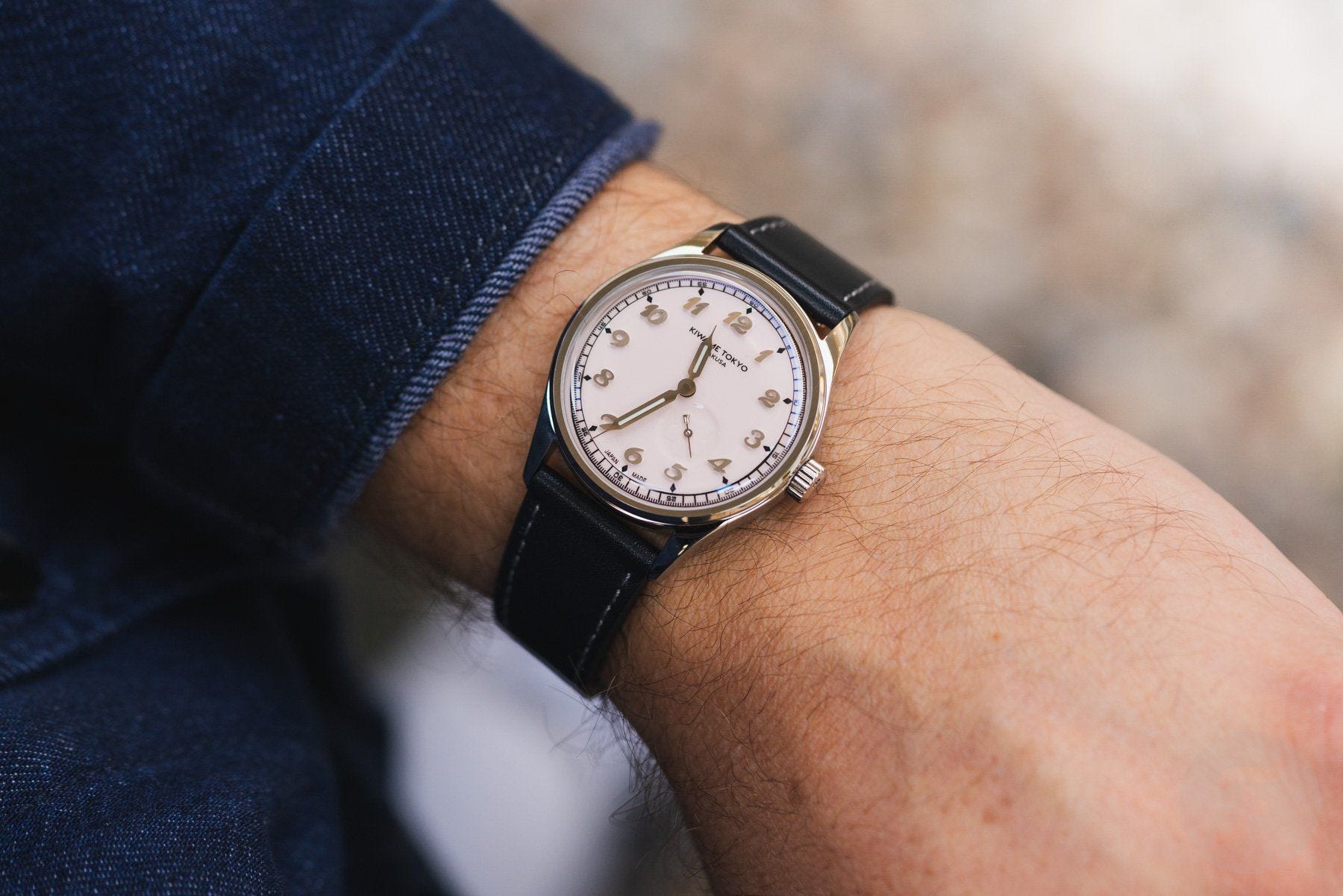
Kiwame Tokyo Kubo Sakura Hides a Blossom in Plain Sight
The Kubo Sakura’s pink lacquer dial and concealed cherry-blossom detail give a restrained dress watch an appealing element of discovery. Its 37mm steel case and 10.7mm thickness keep the proportions approachable, while the small-seconds display adds visual interest without overwhelming the dial.
A Miyota 82S5 automatic movement provides a practical foundation beneath the decorative work. At $630, the watch’s appeal lies in thoughtful presentation and a detail that rewards close attention. Reported sellouts and periodic restocks suggest that this combination has found an audience, although availability needs checking before purchase.
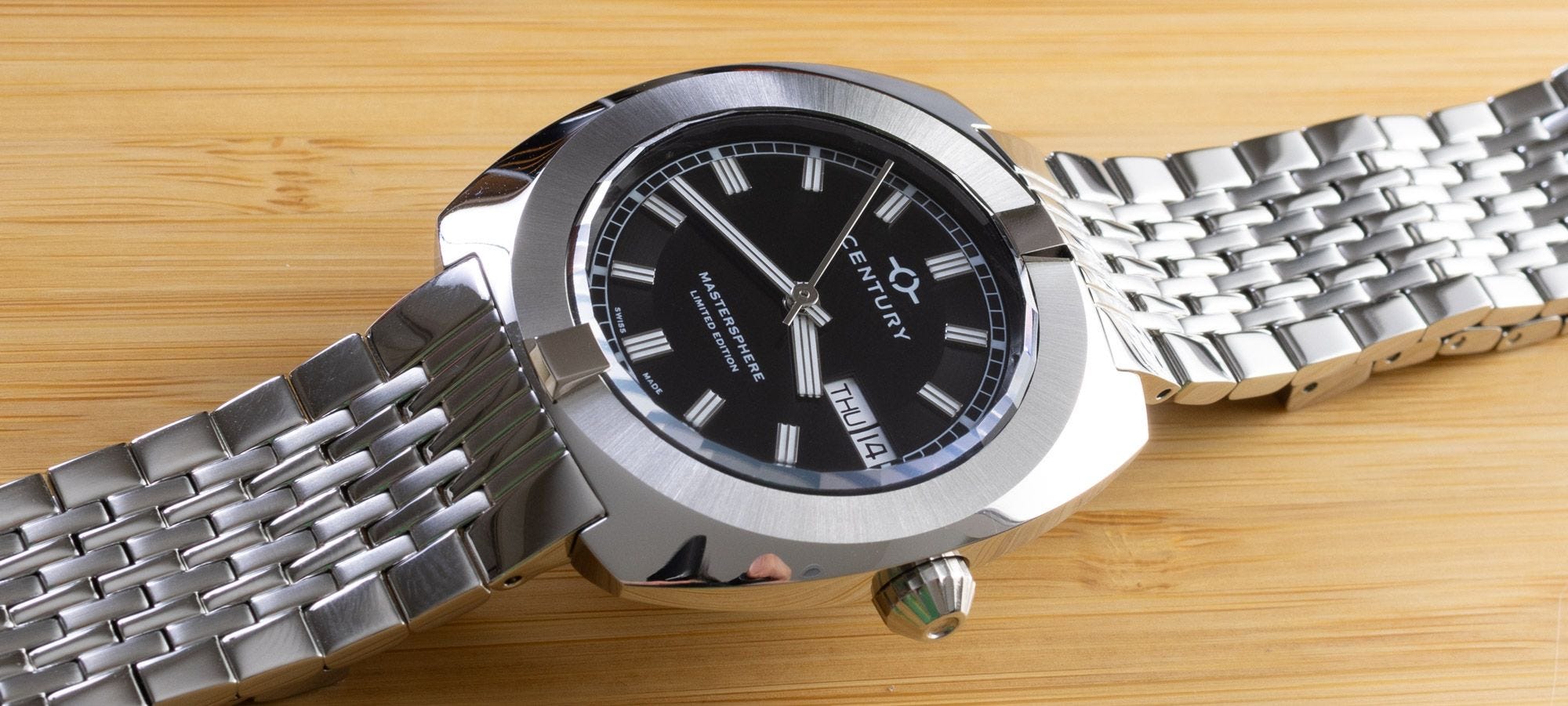
Century Mastersphere Revives the Vacuum Chronometer
Century’s Mastersphere revisits its historic vacuum-case concept in a compact, faceted design. Three dial versions, each limited to 88 pieces, combine 36mm cushion-shaped steel cases with distinctive crystals and ETA 2837 movements.
The review explores both the historical interest of the technology and the practical questions surrounding the integrity of a vacuum seal over time. At $5,300, the Mastersphere occupies a specialized corner of collecting where an unusual engineering story is central to the appeal. It is a reminder that watchmaking history contains more experiments than the familiar catalog of mainstream complications suggests.
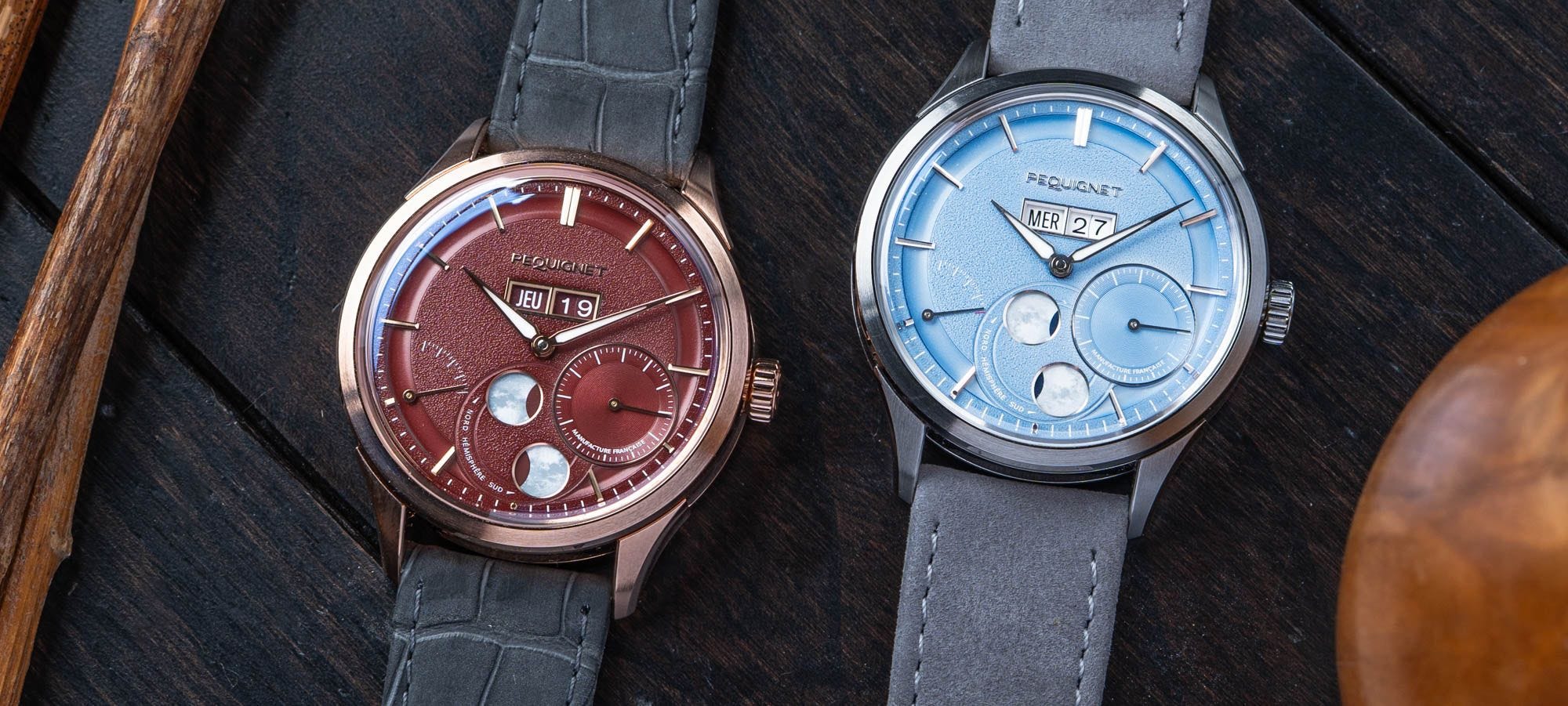
Pequignet Royale Paris Moon Phase Offers a French Perspective on Complicated Watchmaking
Pequignet’s Royale Paris Moon Phase combines a 39.5mm case with a display that integrates calendar information, small seconds, and the moon phase. The manufacture Calibre Royal supplies the technical foundation, with a reported 96-hour reserve and decorative details visible through the back.
The review finds much to appreciate in the proportions, dial texture, and overall balance, while identifying less exceptional aspects such as the lume. Prices of $8,950 in steel and $29,950 in rose gold place the two versions in very different purchasing conversations. The steel model is particularly interesting for collectors seeking a distinctive manufacture movement outside the most familiar Swiss names.
Events
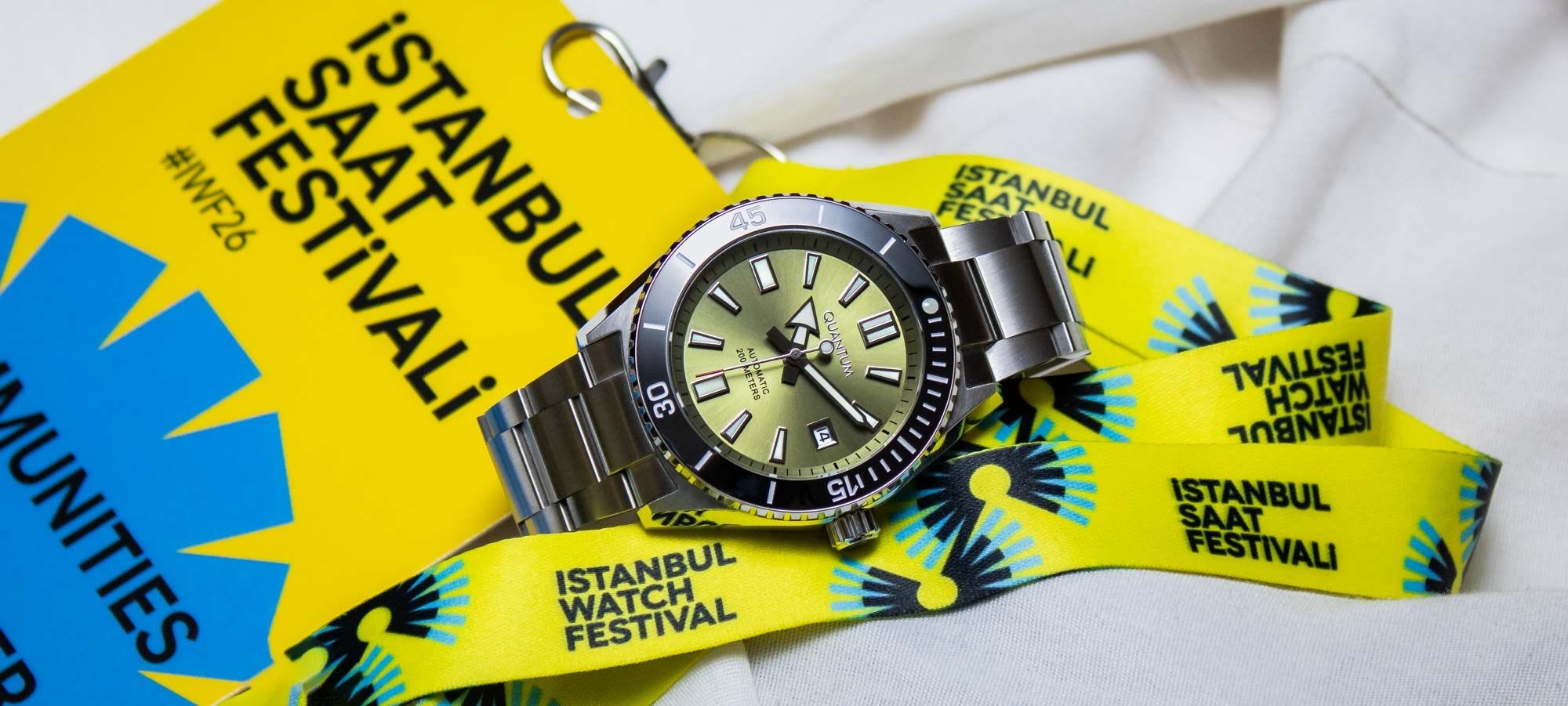
Istanbul’s First Watch Festival Celebrates a Growing Community
The inaugural Istanbul Watch Festival took place October 10–11 at Terminal Kadıköy, with the supplied report recording more than 7,500 visitors and over 20 participating brands from eight countries. The event also celebrated Quantum’s 30th anniversary, placing a Turkish brand within a broader international watchmaking conversation.
Workshops, lectures, and discussions gave visitors more to do than circulate between display cases. The range of brands and price points helped make the gathering accessible to different kinds of enthusiasts. Its first edition suggests an audience eager for opportunities to see watches, meet other collectors, and explore the subject in person.
Podcasts
A Podcast About Watches: Why Japanese Watches Are Better Than Swiss
This discussion makes the case for Japanese watches through value, engineering, reliability, and the breadth of products available across price levels. The title presents a deliberately broad challenge, while the more interesting question is which qualities a buyer values most in a particular watch.
It complements today’s wider examination of watchmaking geography and assumptions about prestige. Listeners can weigh the argument against their own experiences with Japanese and Swiss watches. The supplied link leads to the video edition of the discussion.
Videos

Andrew Morgan Watches: What Are Omega Doing Now?!
Andrew Morgan turns his attention to Omega’s latest activity and the questions it raises about the brand’s direction. The format offers a commentary-driven route into the news, with the emphasis on what developments may mean for enthusiasts following the collection. It is a companion to the announcements for viewers who enjoy a strong point of view alongside the specifications.

Britt Pearce: I Was Wrong About the Rolex Datejust
Britt Pearce revisits the Datejust and the assumptions that can shape an enthusiast’s response to such a familiar watch. Reconsidering a model after more experience is often more useful than defending an initial opinion indefinitely. The discussion gives viewers a reason to look again at the relationship between design, versatility, and personal taste.
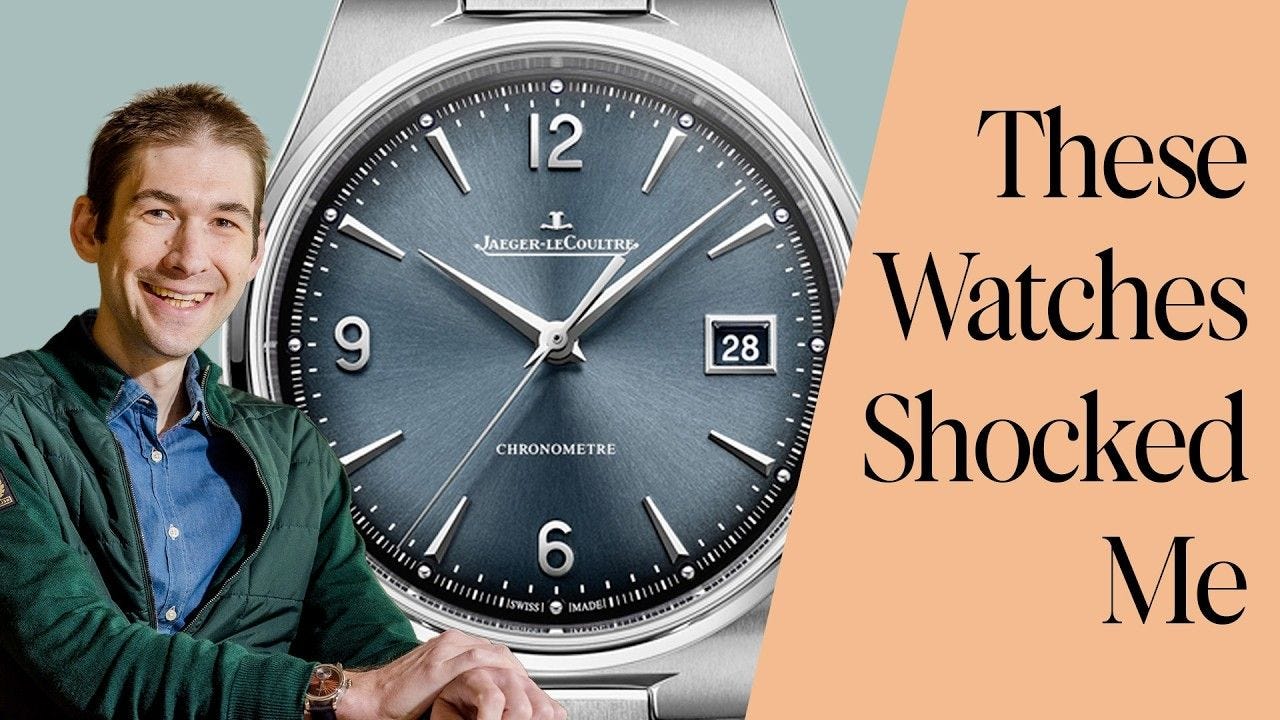
Six of the Most Shocking Watches of 2026
This roundup focuses on six watches presented as especially unexpected expressions of contemporary design and engineering. The appeal is seeing how far makers are prepared to move beyond conventional displays, materials, and case shapes. Viewers can decide which experiments offer lasting interest and which work best as conversation starters.
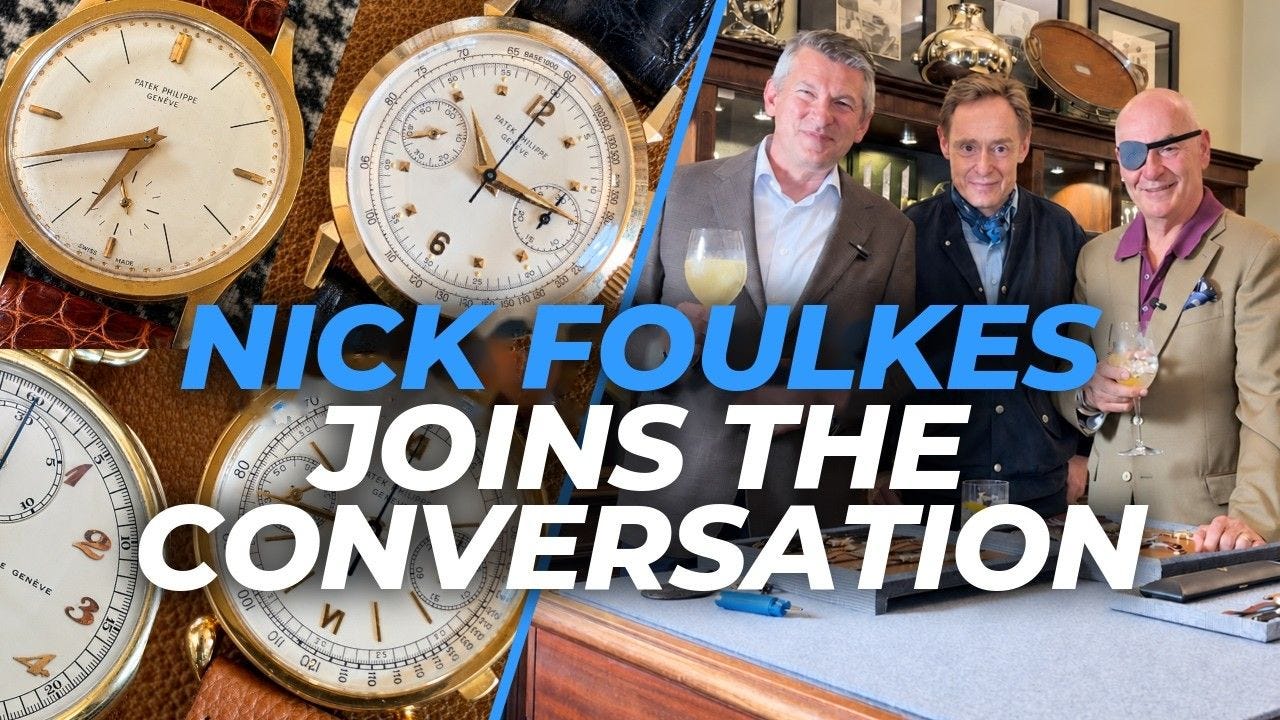
Collectability: Nicholas Foulkes, John Reardon, and Max Bernardini in Milan, Part Two
Nicholas Foulkes joins John Reardon and Max Bernardini for the second part of their Milan conversation. The format brings together experienced collecting perspectives and the context that can make individual watches more interesting than their specifications suggest. It is a longer-form choice for viewers who enjoy the stories and judgments surrounding collectible timepieces.

Here and There: Was the Windup Watch Fair NYC Line Worth It?
A visit to New York’s Windup Watch Fair begins with interest in Brew, KUOE, and Bremont and follows the discoveries that happen along the way. On-site footage offers a different perspective from isolated product reviews, showing watches within the atmosphere of an enthusiast event. The underlying question is familiar to anyone who has attended a fair: did the watch that impressed you most match the one you came to see?

This Watch, That Watch: Why Do Enthusiasts Hate These Brands?
This Watch, That Watch examines the reputations that can harden around particular watch brands. Heritage, marketing, design, and perceptions of authenticity all influence those reactions, sometimes before an individual watch receives much attention. The discussion invites viewers to consider which criticisms reflect the product and which have become habits of the enthusiast conversation.
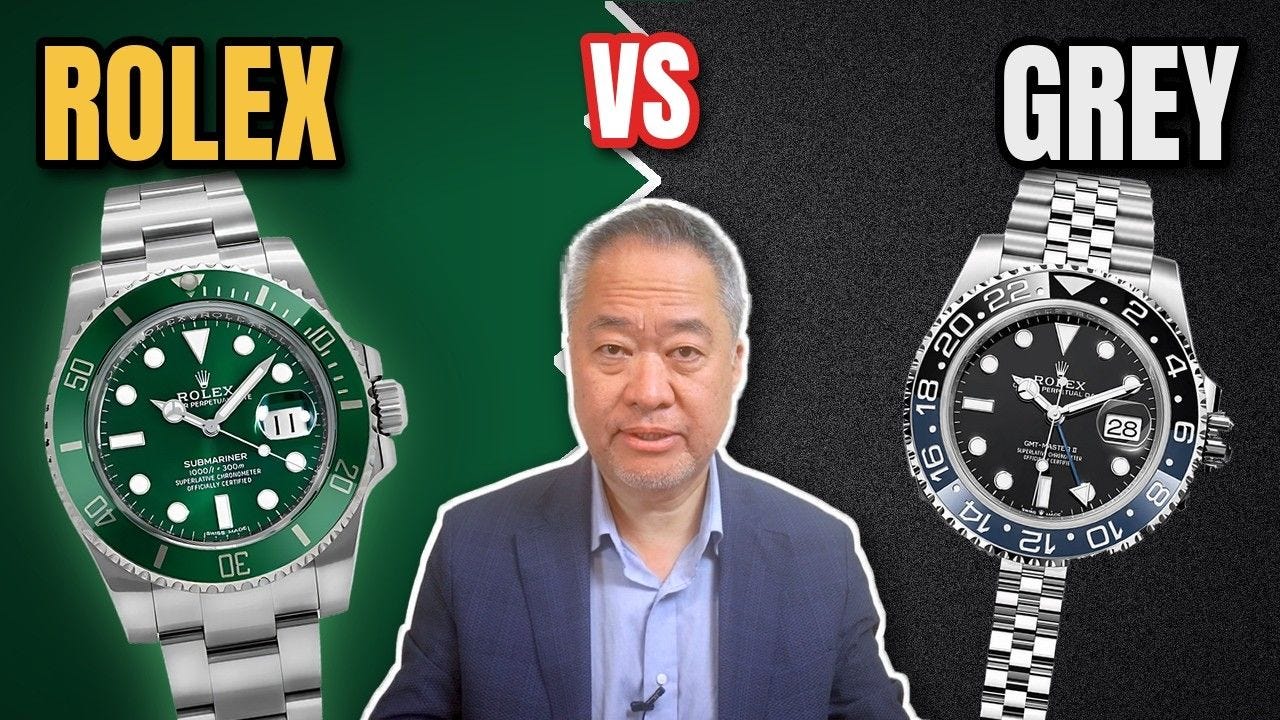
My Watch Journey: Is Rolex Winning Against Grey Dealers?
My Watch Journey presents the argument that Rolex’s distribution strategy is increasing pressure on grey-market dealers. The title’s declaration of victory is the channel’s interpretation, rather than a conclusion established by the headline alone. The useful questions concern how access, pricing, and buying options change for the customer.

Jenni Elle: Watches I Would Not Buy Again
Jenni Elle revisits purchases that did not retain their original appeal. These reflections can be useful because a watch’s shortcomings often become clear only after the excitement of acquisition has passed. The discussion encourages viewers to consider how their own preferences, routines, and expectations may change with ownership.
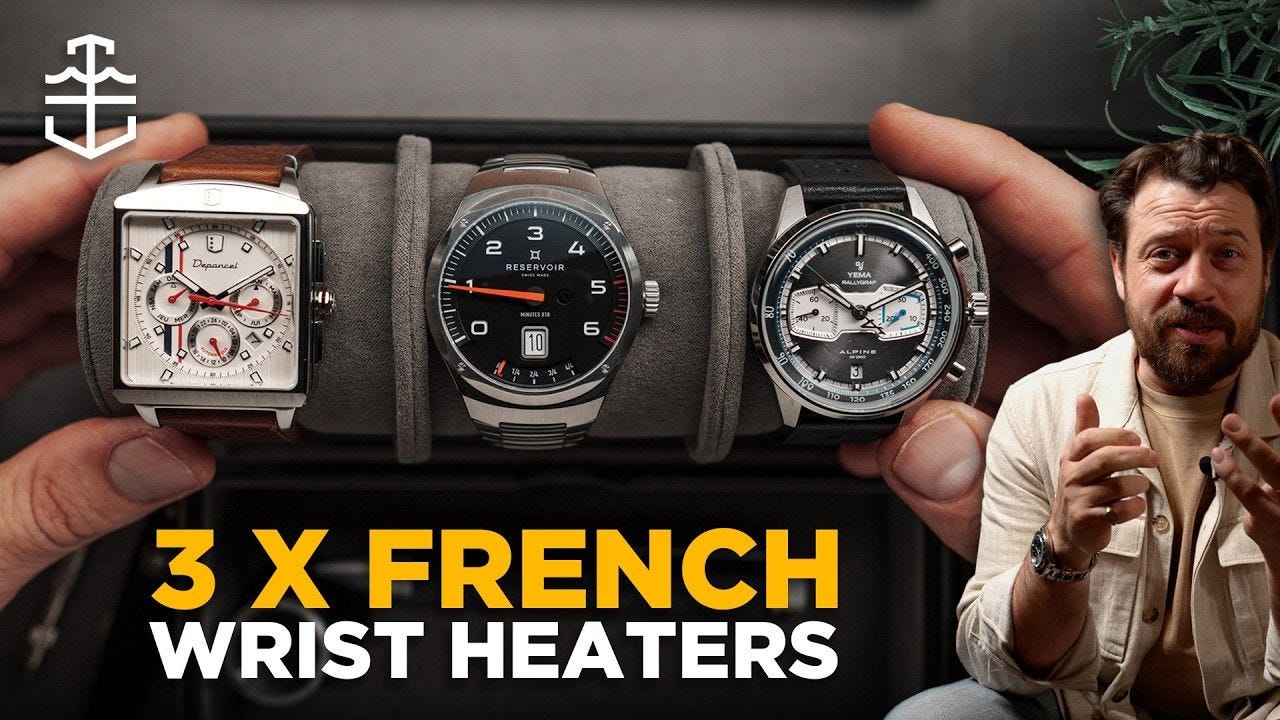
Time+Tide: Three French Racing-Watch Brands to Know
Yema, Reservoir, and Depancel provide three approaches to the relationship between watches and motorsport. Time+Tide explores the design vocabulary and brand identities that give each its place in that conversation. It is a fitting companion to today’s Pequignet review, extending the issue’s look at French watchmaking into a sportier setting.

IDGuy: Zenith, Rolex Design Cues, and the Chronomaster Sport Solo
IDGuy examines the Chronomaster Sport Solo through the relationship between familiar visual cues and a brand’s independent design identity. The discussion asks where shared vocabulary ends and a convincing original expression begins. Viewers interested in proportions and the cumulative effect of small design decisions will find a different emphasis here than in a conventional specification review.

Theo and Harris: A New York Watch Trip Takes a Chinatown Detour
Theo and Harris turn a New York watch outing into a broader exploration of the city, with Chinatown supplying an unexpected change of scene. The video mixes watch enthusiasm with the places and experiences that surround a collecting trip. It is a lighter selection for viewers who enjoy the social side of the hobby as much as the merchandise.

Six Watch Brands Collectors Should Pay Attention to in 2026
This selection makes the case for looking beyond the most familiar names and paying attention to makers with distinctive approaches. Design, craftsmanship, and positioning provide the framework for the discussion. Treat it as an introduction to further exploration: being early to discover a brand can be enjoyable without requiring a prediction about its future resale value.
Auctions & Vintage Finds
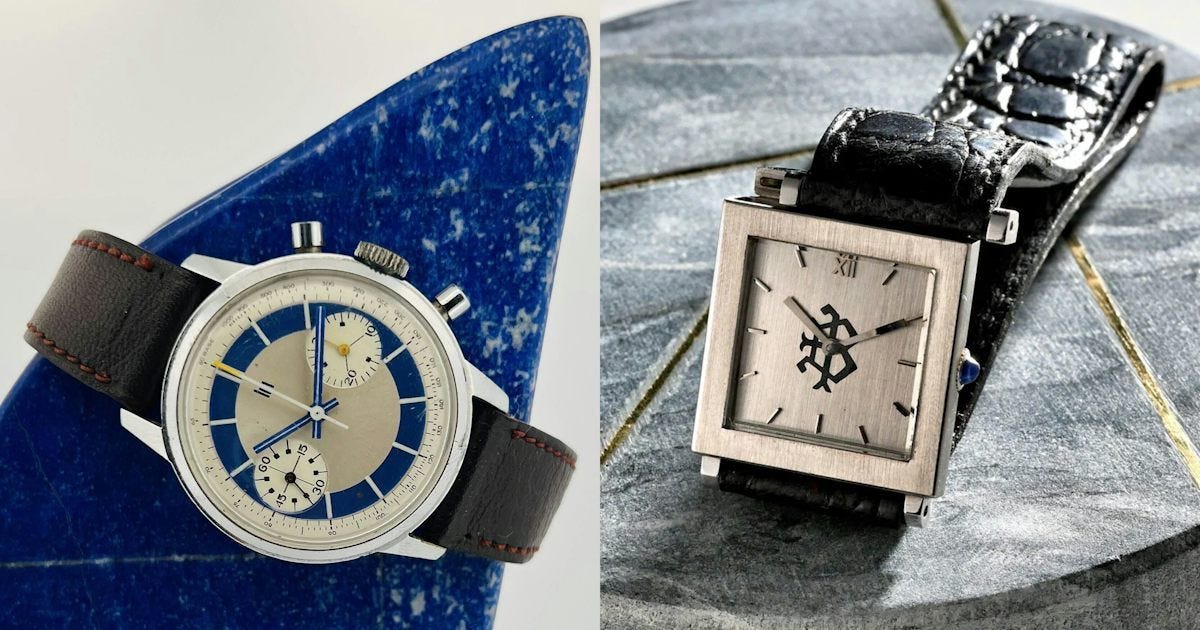
A Breguet With Family Provenance, a LIP Chronograph, an IWC Aquatimer, and a Boucheron Carrée
This vintage roundup begins with a Breguet triple-date chronograph from Emmanuel Breguet’s collection, carrying an estimate of €80,000–€160,000. That provenance gives the watch an additional dimension beyond its mechanical and aesthetic appeal. A LIP chronograph at a much lower estimate provides a sharp contrast, along with condition and mechanical questions that warrant close attention.
The selection also considers an IWC Aquatimer and a white-gold Boucheron Carrée, broadening the range from functional dive-watch design to distinctive jewelry-house styling. Auction estimates and dealer asking prices serve different purposes and should be read accordingly. Together, the pieces demonstrate how much variety remains available to collectors willing to look beyond the most heavily discussed references.
Auction Results
Lange 1 Time Zone Sells for $45,000
The October 17 auction of the 2022 A. Lange & Söhne Lange 1 Time Zone in rose gold with a silver dial, reference 136.032, resulted in a sale at $45,000. The watch combines the Lange 1 family’s recognizable asymmetric layout with a travel complication that gives its distinctive dial a practical purpose.
The result supplies a completed transaction for this particular example, an important distinction from an advertised price or an auction estimate. Condition, documentation, and the circumstances of an individual sale still matter when making comparisons. For this Lange, however, the negotiation reached an actual conclusion: a buyer and seller agreed at $45,000.
Auction Report
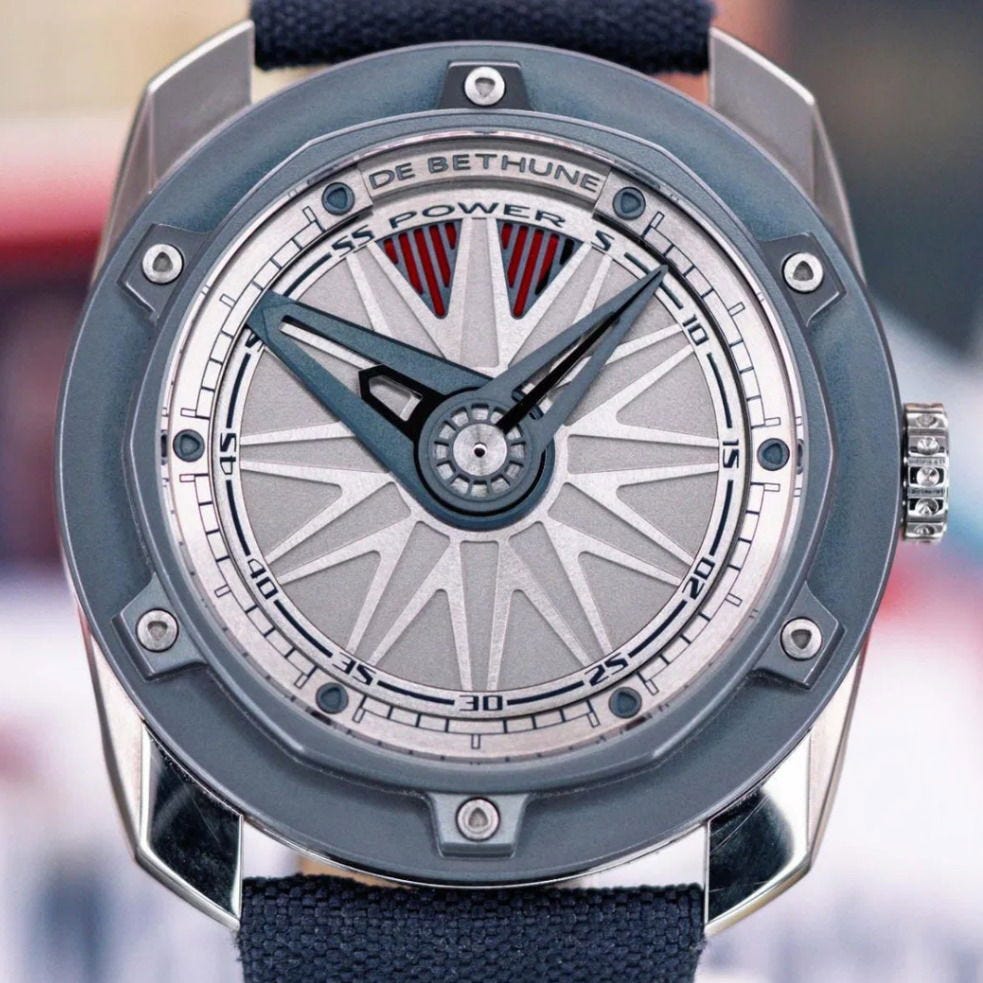
De Bethune DB24 Vetrois: Fifty Pieces, Three Winding Modes, and One Very Different Sports Watch
Today’s auction features the De Bethune DB24 Vetrois Power Reserve, reference DB24TIS1Z3, a 48mm titanium watch from an edition limited to 50 pieces. De Bethune was founded in 2002 by Denis Flageollet and David Zanetta, and the DB24 emerged during the company’s formative years in the late 2000s. It explored an assertive sports-watch identity through a substantial case, fixed sculptural lugs, a distinctive silvered display, and a prominent power-reserve indication. Its appeal today includes that early place in the development of one of independent watchmaking’s most recognizable design languages.
The mechanical attraction is an automatic winding system that can be adjusted to suit the wearer’s activity level. Three settings allow the owner to alter winding behavior, turning a process most watches keep entirely in the background into an unusual point of interaction. The DB24 family also offers approximately six days of power reserve. Together, those features give the watch a technical identity that goes beyond its appearance, although the 48mm diameter remains an important consideration for anyone assessing everyday wearability.
Available market evidence requires careful separation. An Ineichen DB24 example achieved CHF 32,000 at hammer with no buyer’s premium, while Loupe This published a $40,000–$60,000 estimated value range for a comparable titanium Vetrois. Bezel also displays another same-reference listing at an asking price of $44,170. The first is a completed auction result, the second an estimate, and the third a seller’s advertised price; they do not establish a single guaranteed value. They suggest that the low-to-mid-$40,000 area is a useful comparison point for evaluating today’s bidding, with condition, service history, and the final amount payable remaining central to the decision.
The U.S.-located auction watch includes its box and papers, with an excellent dial and minor wear noted on the case and bezel. A red De Bethune strap accompanies the watch; the listing’s general pre-owned description does not confirm whether this particular example has been serviced or polished. Its “2008–Present” year field describes a range rather than establishing the individual watch’s production date. Bidding ends at 4:15 p.m. EDT on Monday, October 19, 2026. For the collector drawn to early De Bethune experimentation, the DB24 offers a scarce and unusually interactive piece of the brand’s history, with a price that deserves the same close examination as the mechanism.
Current bid: $15,250
Losing Time


Today’s Big Losers at Auction on Grailzee
Four watches, four failed sales, and four reminders that an asking price is a wish until someone agrees to pay it.
The Hublot Big Bang Meca-10 King Gold 45MM Skeleton Dial (414.OI.1123.RX) asked $24,700 and attracted a final bid of $17,500—a $7,200 shortfall, or 29.1% below asking. The skeleton dial offered excellent visibility into the movement; the seller’s pricing logic remained somewhat harder to see.
The 2022 Rolex Day-Date 40MM Green Dial in Rose Gold (228235) carried a $55,000 ask but topped out at $43,500. That makes the actual delta -$11,500, or 20.9% below asking, rather than the listed -$6,500. Even with that correction, it came closest to meeting its seller’s expectations. The President bracelet apparently commanded respect, just not an extra eleven-and-a-half grand.
The 2024 Rolex Yacht-Master 42MM Black Dial on Oysterflex (226659) sought $33,000 and received a $24,500 bid—a delta of -$8,500, or 25.8% below asking. The seller had charted a course for $33,000; bidders declined to leave the dock at that price.
The 2025 Rolex Cosmograph Daytona 40MM White Dial in Yellow Gold (126508) aimed for $57,000 and reached just $40,100—a delta of -$16,900, or 29.6% below asking. That was the largest miss in both dollars and percentage terms. Apparently, a recent model year and a Daytona badge do not automatically persuade bidders to finance the seller’s optimism.
Together, the four sellers wanted $169,700, while the final bids totaled $125,600—a $44,100 gap, or 26.0% below the combined asking prices. These results suggest a substantial mismatch between seller expectations and what this group of bidders would pay. The Day-Date showed the smallest relative disconnect; the Daytona and Hublot each missed by nearly 30%. Four unsuccessful listings do not establish a market-wide trend, and unsuccessful bids are not completed-sale valuations. They do, however, deliver a consistent message: prestige can attract attention, but it cannot make an ambitious asking price clear the room.
Closing Time
A good watch can reward you with beautiful finishing, useful engineering, a surprising detail, or simply the pleasure of wearing it. Today’s issue offers examples of all four, at prices that range from attainable to thoroughly ambitious.
Thanks for starting your week with BuyingTime Daily. Keep asking questions, give unfamiliar watches a fair look, and remember that the most satisfying collection is the one you enjoy living with.