

Buying Time in 30 Seconds
Hublot brings in former Audemars Piguet CEO François-Henri Bennahmias as a consultant while reviving its original gold-and-rubber formula. Rolex’s certified pre-owned business accelerates even as its broader secondary-market price gains slow. New watches range from Noah and Timex’s $228 Boatswain to Urwerk’s extraordinary rotating-prism display, with Monta and Brew bringing anniversary celebrations and New York personality to Windup. Yesterday’s Richard Mille reached $64,750 without meeting reserve. Today’s auction spotlight shifts to a rose-gold Lange 1 Time Zone carrying a $53,495 reserve, with bidding scheduled to close Saturday afternoon.
Time Graphing Today’s Watch Universe
The Watch Industry Has Some Explaining to Do
There was a period when a watch brand could answer a difficult pricing question by pointing toward the waiting list. Why does it cost that much? Because somebody else wants it. Why should you buy now? Because you may not get another opportunity. That approach works beautifully until buyers discover that opportunities have become rather plentiful - especially with Rolex. Today’s issue finds the industry offering several more interesting answers: heritage, reassurance, engineering, design, and occasionally the pleasure of wearing something that looks like a New York taxi.
Start with Hublot, which appears twice in the news and again among the new releases. The reported appointment of François-Henri Bennahmias as a consultant brings an executive associated with Audemars Piguet’s extraordinary commercial ascent into the conversation about Hublot’s future. That makes for an irresistible industry headline. But an executive’s reputation can only open the discussion. The harder work is establishing why the next customer should want the next watch.
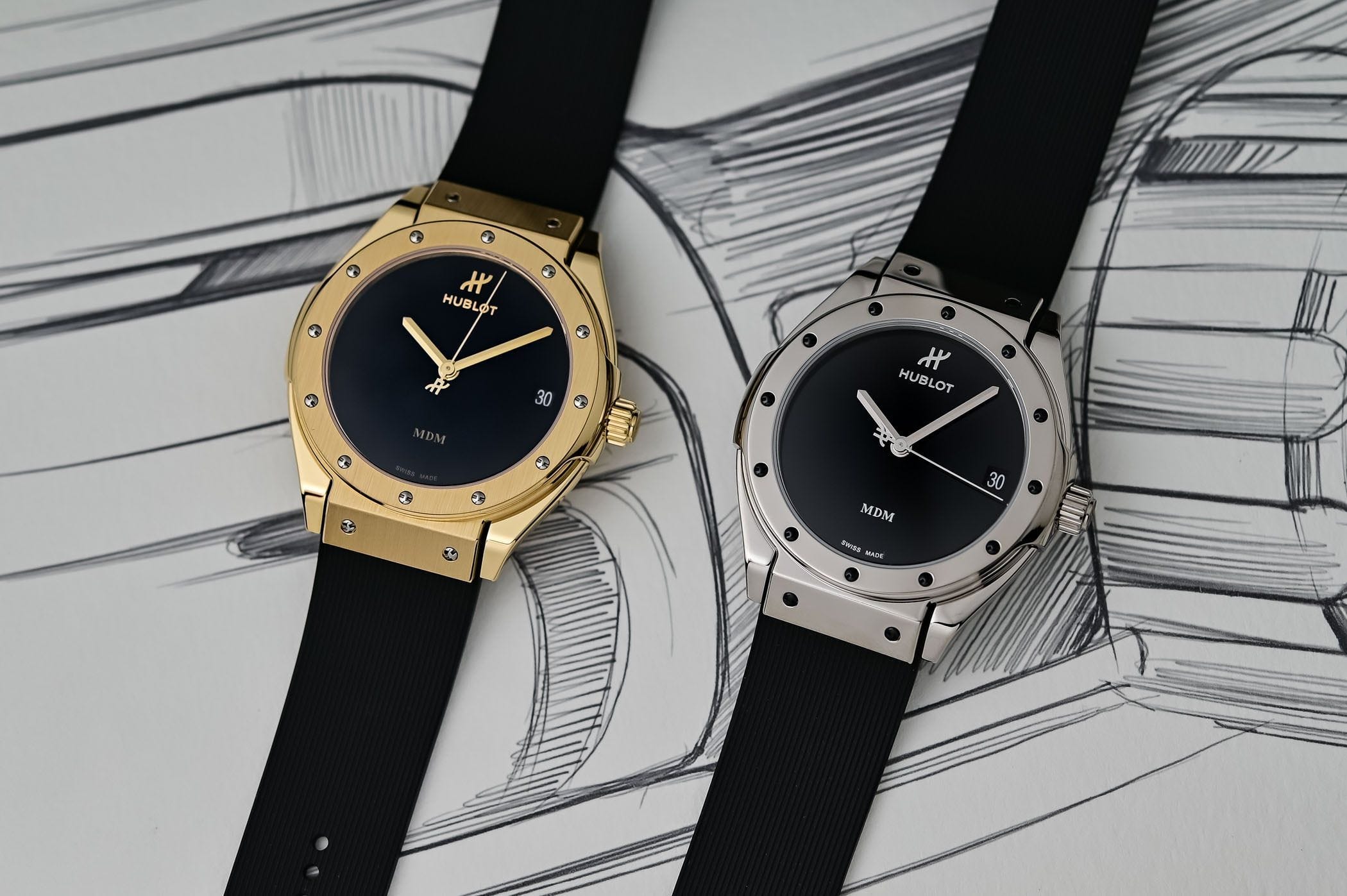
The Classic Fusion Tributo offers a particularly clear response. Gold, rubber, a compact case, and the original twelve-screw bezel return the brand to the combination that made it distinctive in the first place. For a company so closely associated with conspicuous experimentation, revisiting that comparatively simple proposition is revealing. Hublot has an actual design history to work with. The challenge is making that history feel persuasive at today’s price rather than assuming recognition will do all the selling.
Rolex is answering a different question: how much will people pay to feel more comfortable buying a used watch? The reported growth of Rolex Certified Pre-Owned suggests the answer remains substantial. Authentication, an official retail setting, and the reassurance of the program create a product around the watch itself. That helps explain how the certified business can expand rapidly while Rolex’s broader secondary-market price growth slows. Auction bid prices for new Rolex’s on Grailzee, for instance, are down more than 8%. More revenue passing through a particular channel does not require every watch in that channel to become more valuable.
That distinction matters well beyond Rolex. Rising inventory gives collectors more opportunities to compare condition, documentation, service history, and price. A seller can describe a watch as scarce while a buyer scrolls through several examples during the conversation. Yesterday’s Richard Mille auction supplied a particularly blunt version of that negotiation: $64,750 was the highest bid, and the watch remained unsold. The result tells us where bidding stopped. It does not establish that every comparable Richard Mille is worth that amount, but it certainly establishes that this seller and these bidders did not agree.
Fortunately, justification need not arrive in the form of an investment argument. The Noah x Timex Boatswain asks $228 for a slim, thoughtfully styled dress watch. The Brew Metric Chrono Taxi asks $495 for a compact chronograph with an unmistakable sense of place. Neither needs a lecture about portfolio diversification to explain its appeal. Good proportions, a recognizable idea, and an attainable price can still make an effective sales presentation.
Further up the mechanical ladder, Christopher Ward’s C1 Loco Classic and Urwerk’s UR-300 Time Quantum pursue very different customers, but both put the mechanism at the center of the experience. Christopher Ward lets the owner spend time with the balance and escapement; Urwerk makes the act of displaying the next hour an elaborate mechanical event. Their prices are worlds apart. Their shared advantage is that an interested buyer can point to something specific and say, “That is what fascinates me.”
Then there is Horage’s Revolution 3, which moves the discussion from what a mechanical watch looks like to how its owner might interact with its accuracy. Home regulation is a more consequential proposition than another fashionable dial color, even if it also invites practical questions about usability and long-term support. It offers a reminder that innovation can address the ownership experience as well as the display case.
Today’s Lange auction brings these arguments together. The Lange 1 Time Zone has history, recognizable design, useful functionality, and serious movement finishing. Those are compelling reasons to admire it. They do not automatically make a $53,495 reserve compelling. The pleasure of collecting improves when we allow both judgments to coexist: this is a wonderful watch, and the price still needs to make sense. Brands have plenty of worthwhile stories to tell. Collectors are entitled to ask what those stories cost.
-Michael Wolf
News

Rolex Trails Rivals as Secondary-Market Prices Rise
The latest secondary-market report puts overall watch-price growth at 1.2% for the quarter and 8.3% year over year, with most of the 35 tracked brands recording gains. Rolex advanced just 0.5%, while Patek Philippe rose 2.6%, Audemars Piguet gained 1.2%, A. Lange & Söhne climbed 4.4%, and Vacheron Constantin increased 3.1%.
The complication is supply. Inventory is expanding, particularly among the largest brands, creating more competition for sellers and more alternatives for buyers. Those conditions can restrain future price increases even when the latest index reading remains positive. For collectors, the report reinforces the importance of evaluating the specific reference and available examples rather than assuming a brand-wide average describes every watch.

Former AP CEO François-Henri Bennahmias Joins Hublot as a Consultant
François-Henri Bennahmias, the former chief executive of Audemars Piguet, has reportedly been recruited as a consultant to Hublot. His arrival brings one of the watch industry’s most recognizable commercial personalities into the orbit of Hublot CEO Julien Tornare as the brand considers its next phase.
Bennahmias helped turn Audemars Piguet into a much larger luxury business, combining product visibility, cultural connections, and a tightly managed customer experience. Hublot presents a different assignment: a brand with considerable name recognition and a distinctive design history that needs to translate those assets into renewed momentum. His advisory appointment is significant, although the results will depend on the strategy and products that follow.

What Bennahmias’s Appointment Could Mean for Hublot’s Direction
A second perspective on the Bennahmias appointment examines the strategic questions behind the personnel headline. Hublot has spent years building visibility through collaborations, ambassadors, unusual materials, and assertive designs. The question now is whether that approach needs refinement, a clearer hierarchy, or a more substantial reset.
The commentary also considers Bennahmias’s independent business ambitions and the speculation his presence inevitably generates. A consulting role should not be treated as confirmation of a future chief executive appointment. The more useful issue is how his experience might help Hublot define a product and ownership proposition that stands on its own.
Horage Revolution 3 Brings Watch Regulation Closer to Home
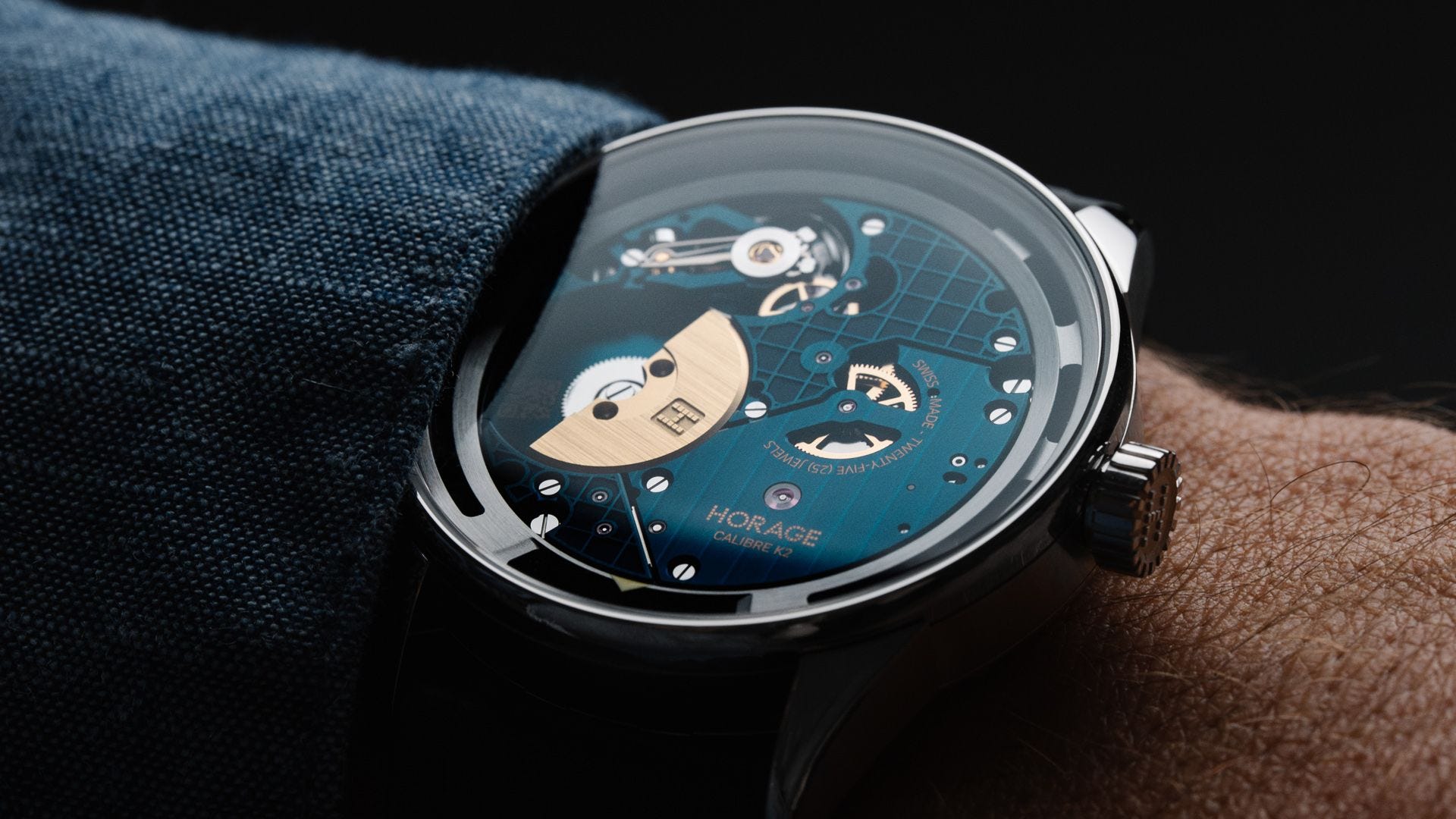
Horage’s Revolution 3 proposes a different relationship between a mechanical watch and its owner. Its MicroReg technology, developed with Miniswys, works with an external device and mobile app to assess timing performance and make fine adjustments without opening the case. The objective is to address how a watch actually runs in an individual owner’s daily routine.
The watch combines that system with the K2 micro-rotor movement, a silicon escapement, and a 72-hour power reserve. The first 500 Founder’s Edition pieces carry a reported preorder price of CHF5,500, approximately US$6,620, against CHF6,900, approximately US$8,310, for immediate purchase. Home regulation is an intriguing development, although adjusting rate does not eliminate the need for mechanical maintenance and servicing.
Rolex Certified Pre-Owned Moves Toward a Billion-Dollar Business
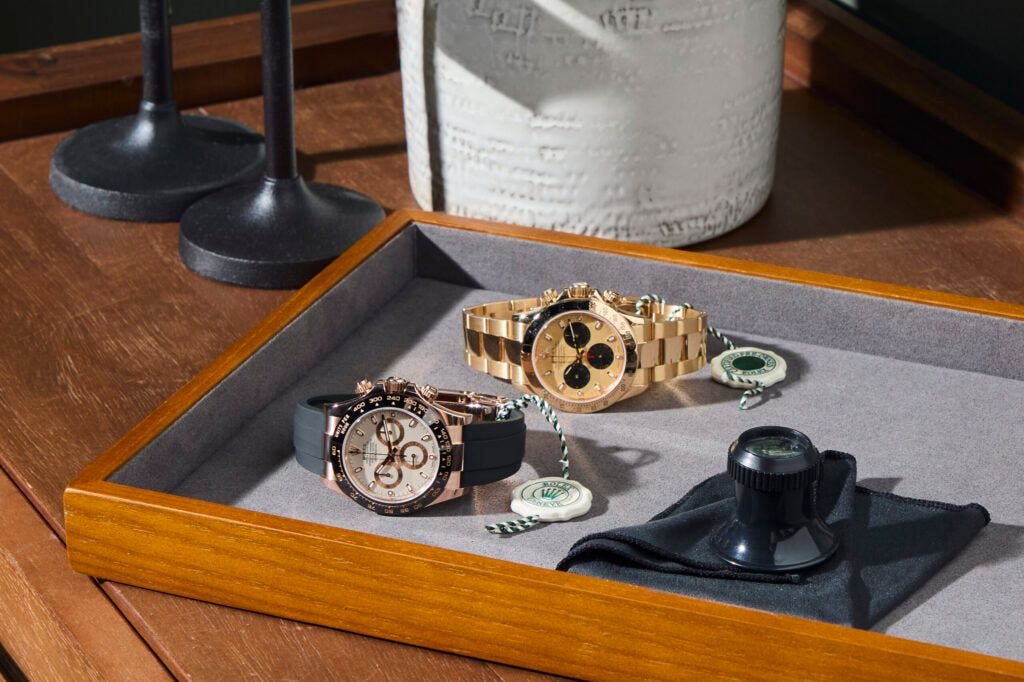
Rolex Certified Pre-Owned generated an estimated US$229 million in third-quarter sales, according to the supplied market report, up 61% from a year earlier and 30% from the preceding quarter. Approximately 10,300 watches reportedly changed hands, bringing estimated nine-month sales to roughly US$550 million.
A fourth quarter matching the third would put 2026 sales near US$780 million, with the billion-dollar milestone a potential 2027 development rather than an achieved annual total. The retailer network has reportedly reached 167, while the premium over non-certified secondary-market examples has narrowed to approximately 23%. The combination suggests a growing business built around confidence and convenience, even as buyers become more attentive to the price of that reassurance.
New Watches
Converted prices below are approximate currency equivalents, not confirmed U.S. retail prices. The original market’s stated tax treatment is retained where provided.
Arnold & Son DSTB Stop-Seconds Makes Precision Part of the Show
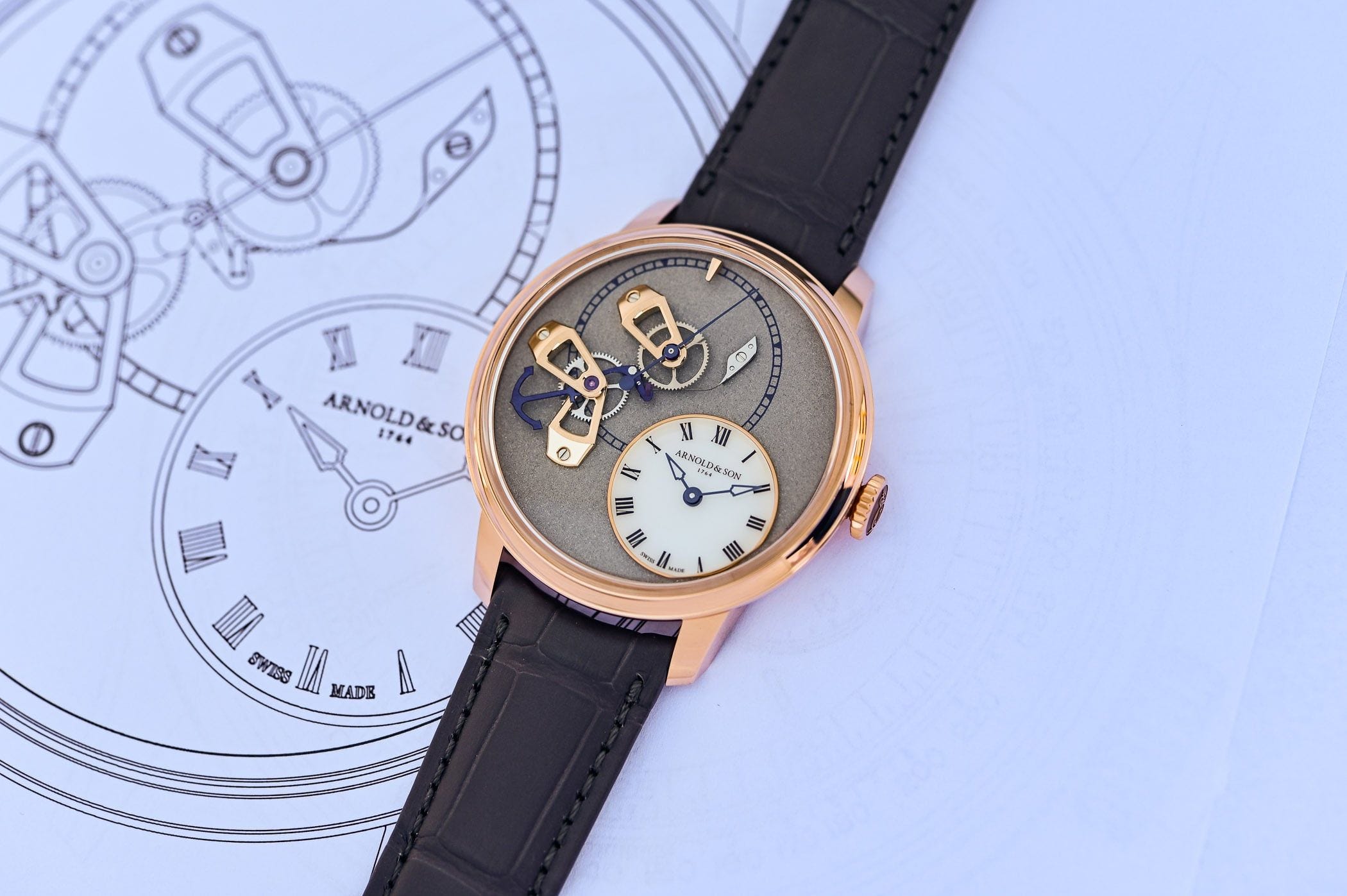
Arnold & Son combines its visible deadbeat-seconds mechanism with a crown-operated stop-seconds function, allowing the seconds hand to halt for precise setting. The 42mm watch comes in red gold or platinum, with contrasting dial treatments and exposed bridges that make the mechanism a central part of the design. Its automatic A&S6303 movement operates at 4Hz and supplies a 55-hour power reserve. Production is limited to 18 examples in each metal, giving this technically focused release a distinctly exclusive audience. Price: approximately US$55,380 in red gold or US$68,390 in platinum, converted from Swiss prices including VAT.
IWC’s Year of the Goat Chronograph Goes for Gold
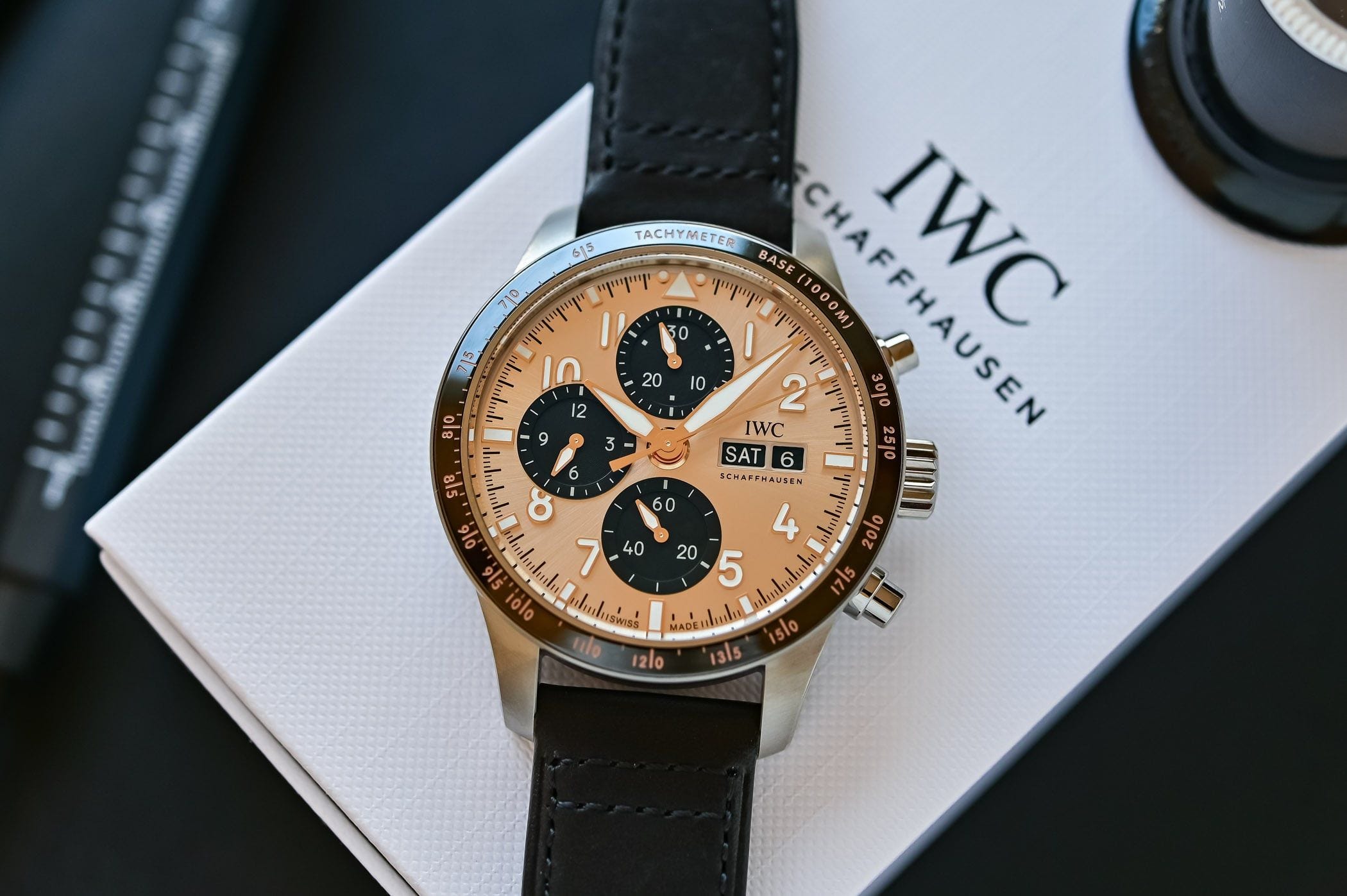
IWC’s Pilot’s Watch Performance Chronograph 41 Year of the Goat combines a gold-colored dial with black subdials and a black ceramic tachymeter bezel. Its 41mm titanium case keeps the construction sporty, while the gold-plated rotor carries a three-goat motif associated with good fortune. The automatic calibre 69385 provides a column-wheel chronograph and approximately 46 hours of power reserve, with 100-meter water resistance supporting everyday use. Limited to 500 pieces, the watch comes on a black calfskin strap with IWC’s EasX-CHANGE system. Price: approximately US$14,680, converted from the quoted €13,100 European price.
Monta Marks Ten Years With the Neuchâtel X Editions
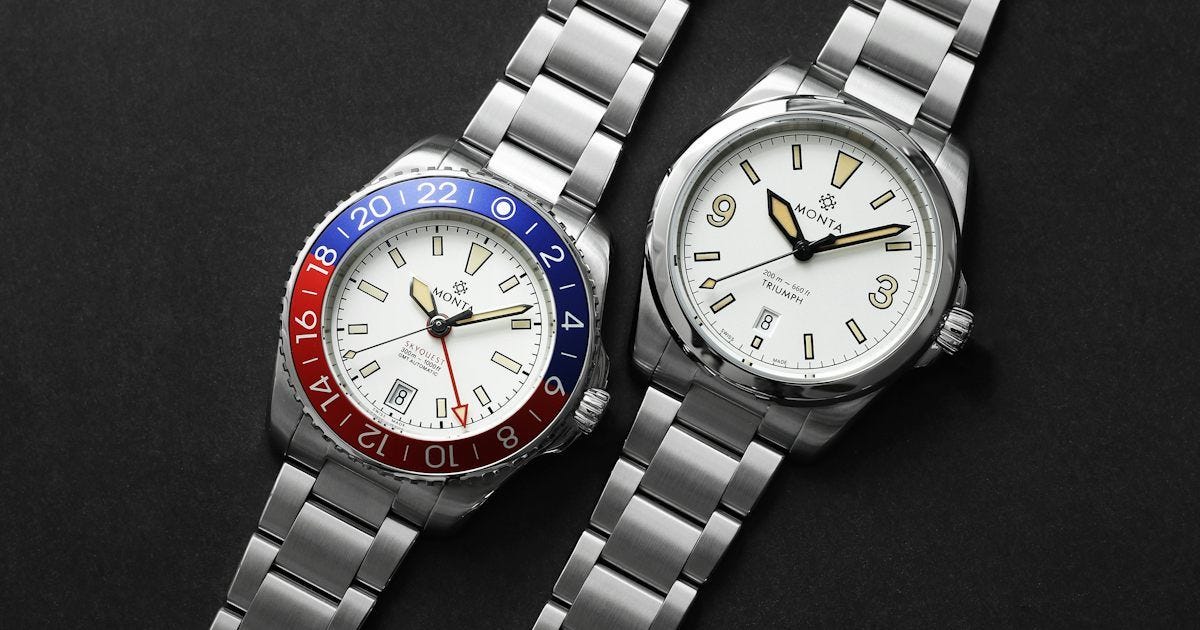
Monta celebrates its tenth anniversary with special Skyquest and Triumph models featuring Opalin silver dials, painted indices, and vintage-toned luminous material. The Skyquest combines GMT functionality with a 40.7mm case and 300-meter water resistance, while the 40mm Triumph offers a simpler display and 200-meter rating. Each edition is limited to 100 pieces, with bracelet refinements and restrained anniversary details distinguishing them from the regular collection. The watches debuted at Windup Watch Fair New York yesterday, with general online availability scheduled for October 17 following early access for existing customers. Price: US$2,485 for the Skyquest and US$1,895 for the Triumph.
Noah x Timex Boatswain Adds Nautical Character to a Slim Dress Watch
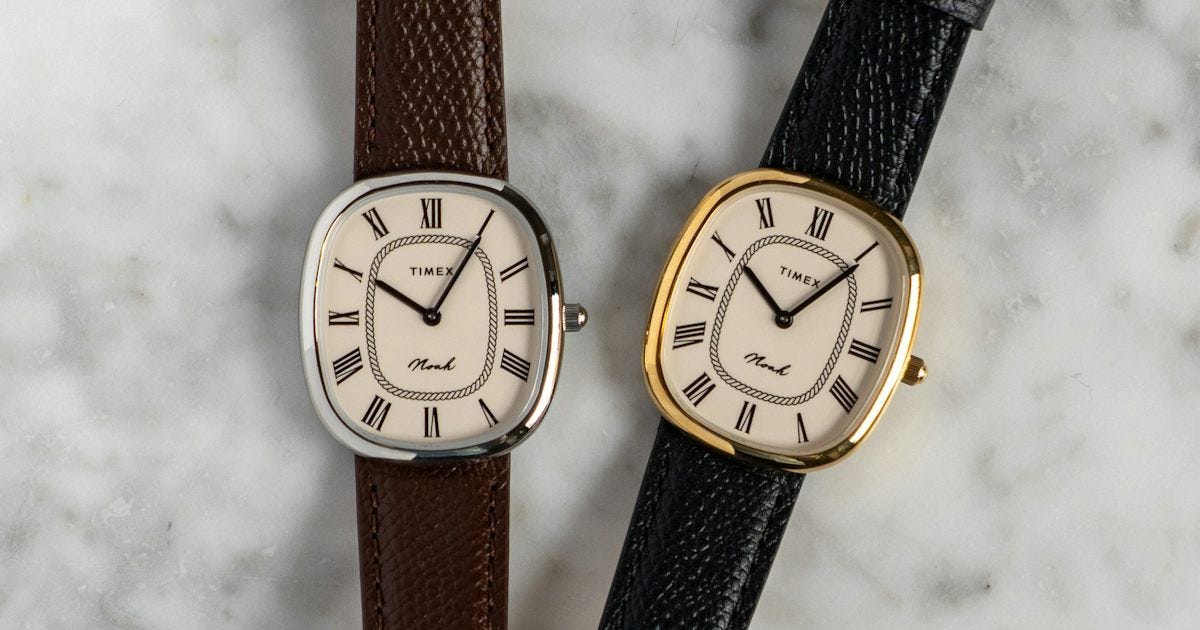
The Noah x Timex Boatswain gives its elliptical case a nautical treatment through a rope-patterned dial track, Roman numerals, and a creamy ivory background. Available in steel or gold-tone steel, the case measures 31mm by 35mm and just 6.7mm thick, keeping the design compact and easy to slip beneath a cuff. A quartz movement supplies straightforward timekeeping, while textured leather straps reinforce the dressier presentation. The appeal rests on a well-resolved design and accessible price rather than mechanical complexity. Price: US$228.
Tissot Ballade COSC Gets an Ice-Blue Refresh
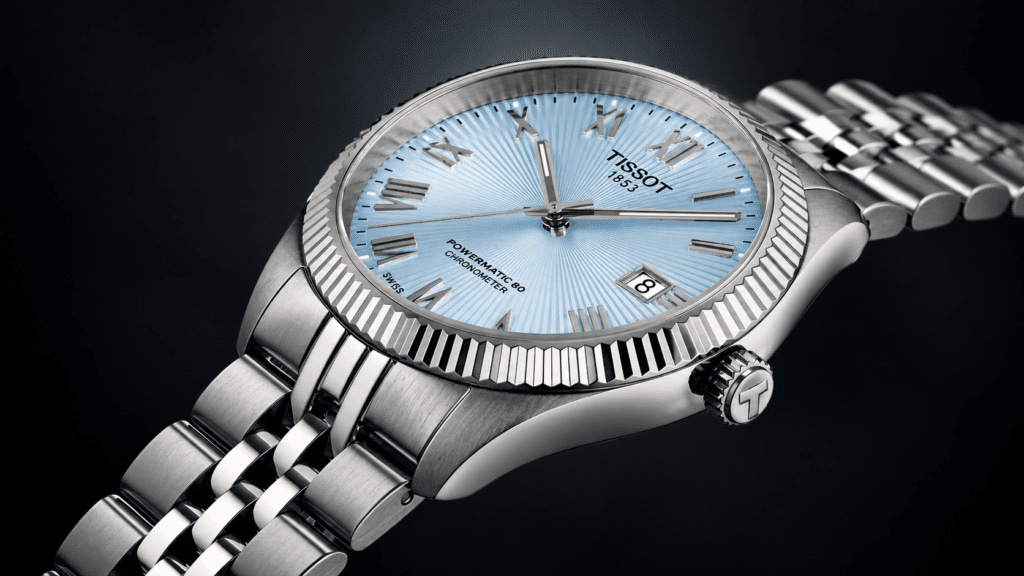
Tissot adds an ice-blue sunburst dial to the 39mm Ballade COSC, giving its fluted-bezel design a lighter, cooler appearance. Roman numerals and luminous hands preserve the familiar blend of traditional styling and everyday legibility. Inside, the chronometer-certified Powermatic 80 automatic movement offers an 80-hour power reserve, backed by a sapphire crystal, exhibition caseback, and 100-meter water resistance. The steel bracelet completes a package aimed at buyers who want a conventional dress-sports watch with useful mechanical credentials. Price: US$1,100.
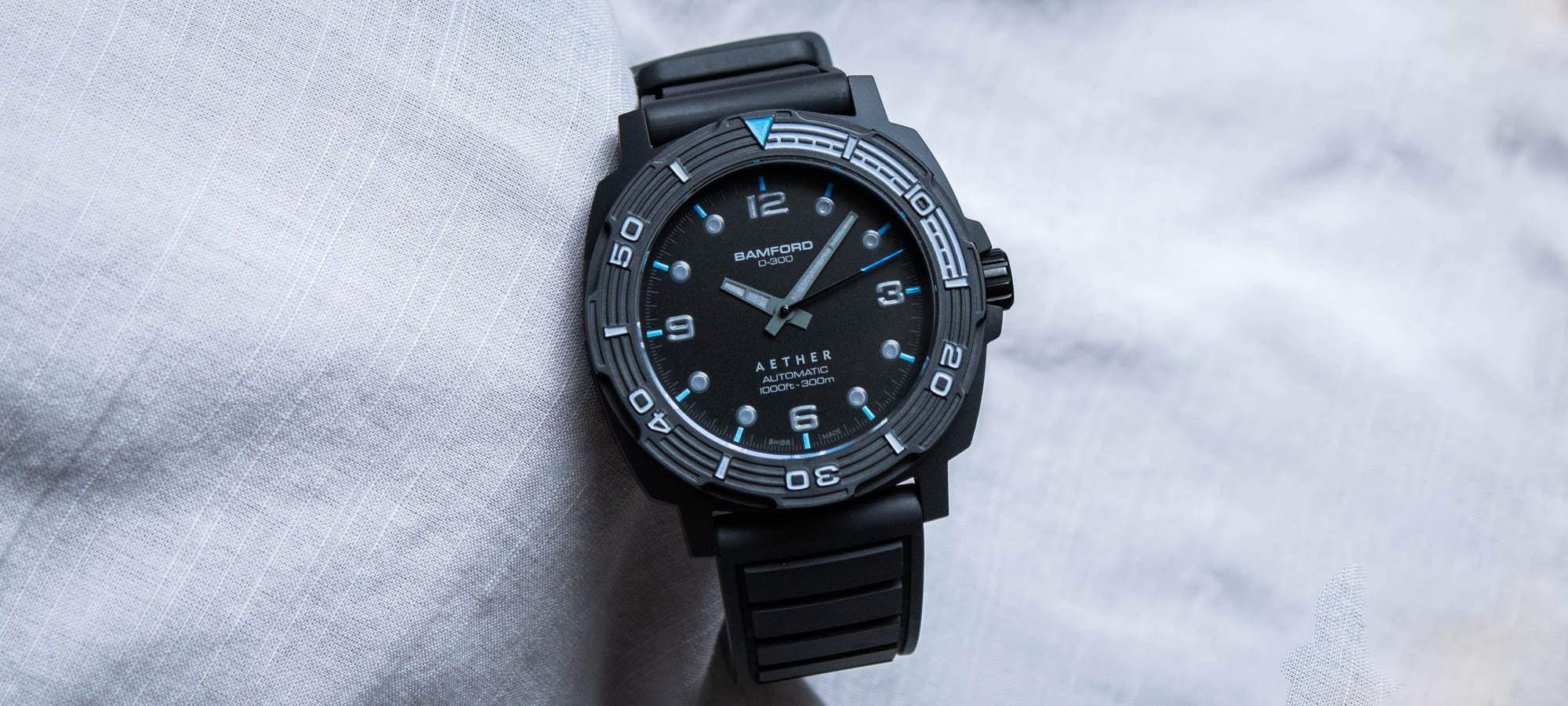
AETHER and Bamford Give the D-300 a Darker Outdoor Identity
AETHER and Bamford London reunite for a limited-edition D-300 dive watch with a 42mm black ceramic case built around a titanium core. A matte-black dial, muted gray markers, and Summit Blue accents create a restrained palette with enough contrast to keep the display distinctive. The Sellita SW200 automatic movement sits behind a 300-meter water-resistance rating, while a unidirectional ceramic bezel supplies the expected diving function. Limited to 50 numbered examples, the watch includes rubber and NATO straps in a protective travel case. Price: US$2,950.
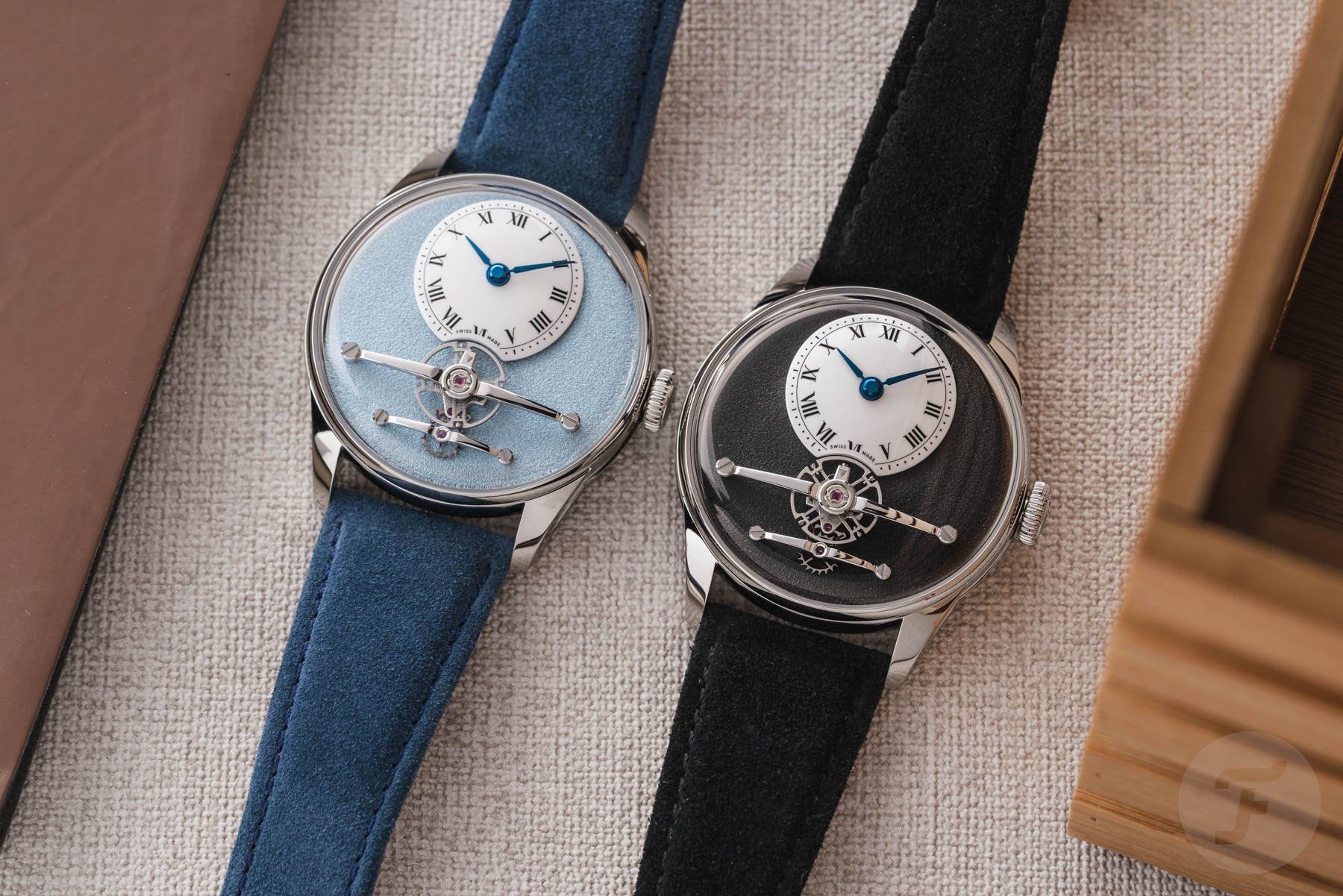
Christopher Ward C1 Loco Classic Puts Traditional Details Around an Exposed Heart
Christopher Ward gives the C1 Loco a more classical treatment with a domed white ceramic time display, Roman numerals, and a choice of light-blue, black, or gold dial backgrounds. The exposed balance and escapement remain the visual center of the watch, preserving the mechanical character that distinguishes the collection. Its manually wound CW-003 movement supplies a substantial 144-hour power reserve inside a 41mm stainless-steel case. Buyers can choose a suede strap with a deployant clasp or a five-row Consort bracelet, allowing the same architecture to take on a softer or more formal appearance. Price: US$5,995 on strap or US$6,275 on bracelet.
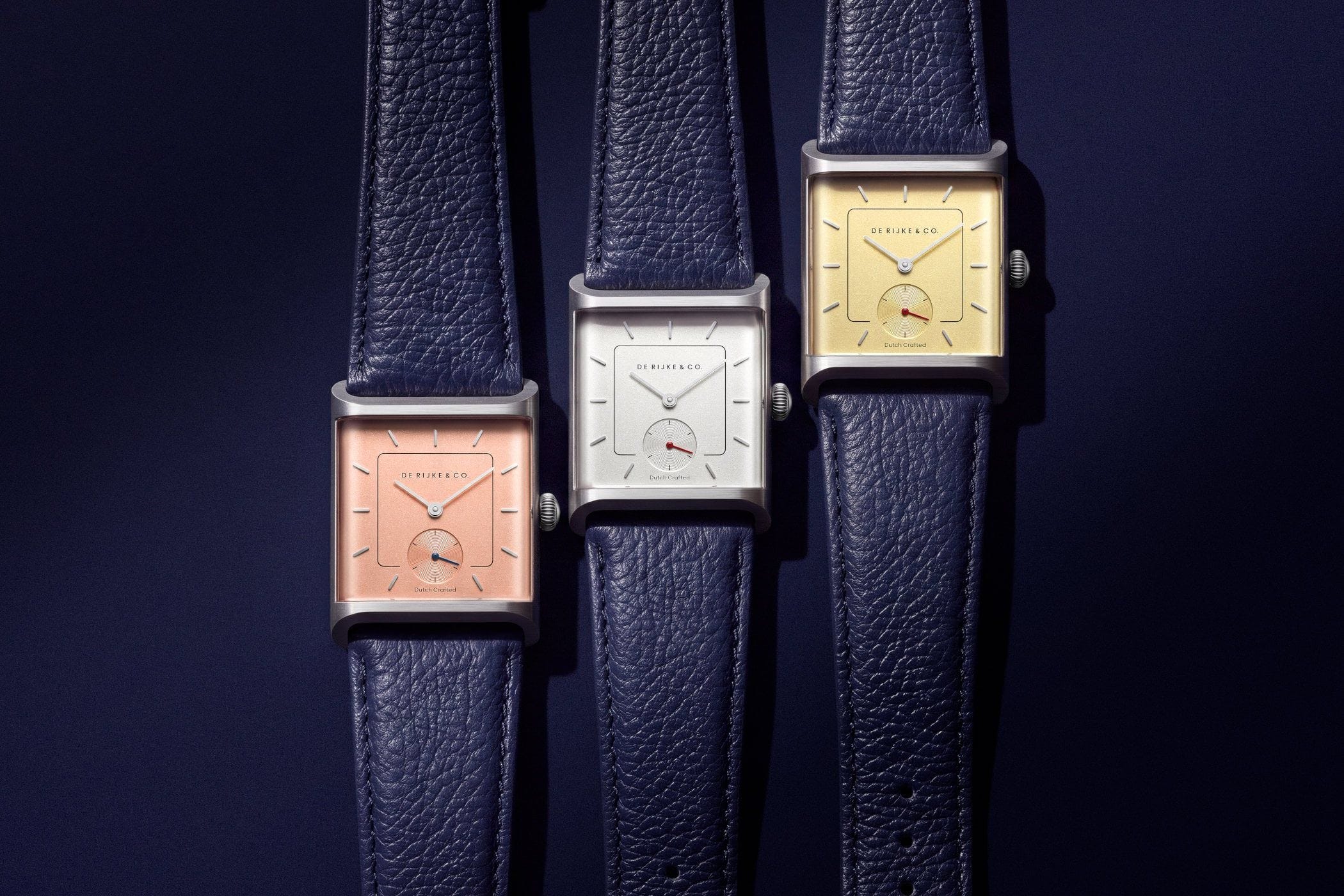
De Rijke & Co. Makes the Capri a Permanent Proposition
De Rijke & Co. expands the Capri into a permanent collection with Silver, Champagne, and Salmon dial options. The shaped stainless-steel case measures 28.5mm by 38mm and only 6.5mm thick, with a curved sapphire crystal and concealed screws maintaining a clean profile. A manually wound La Joux-Perret D100 provides a 50-hour power reserve, while the red small-seconds hand adds a restrained point of contrast. Each version comes on blue calfskin, with deliveries scheduled to begin in March 2027. Price: approximately US$2,800, converted from €2,495 excluding VAT.
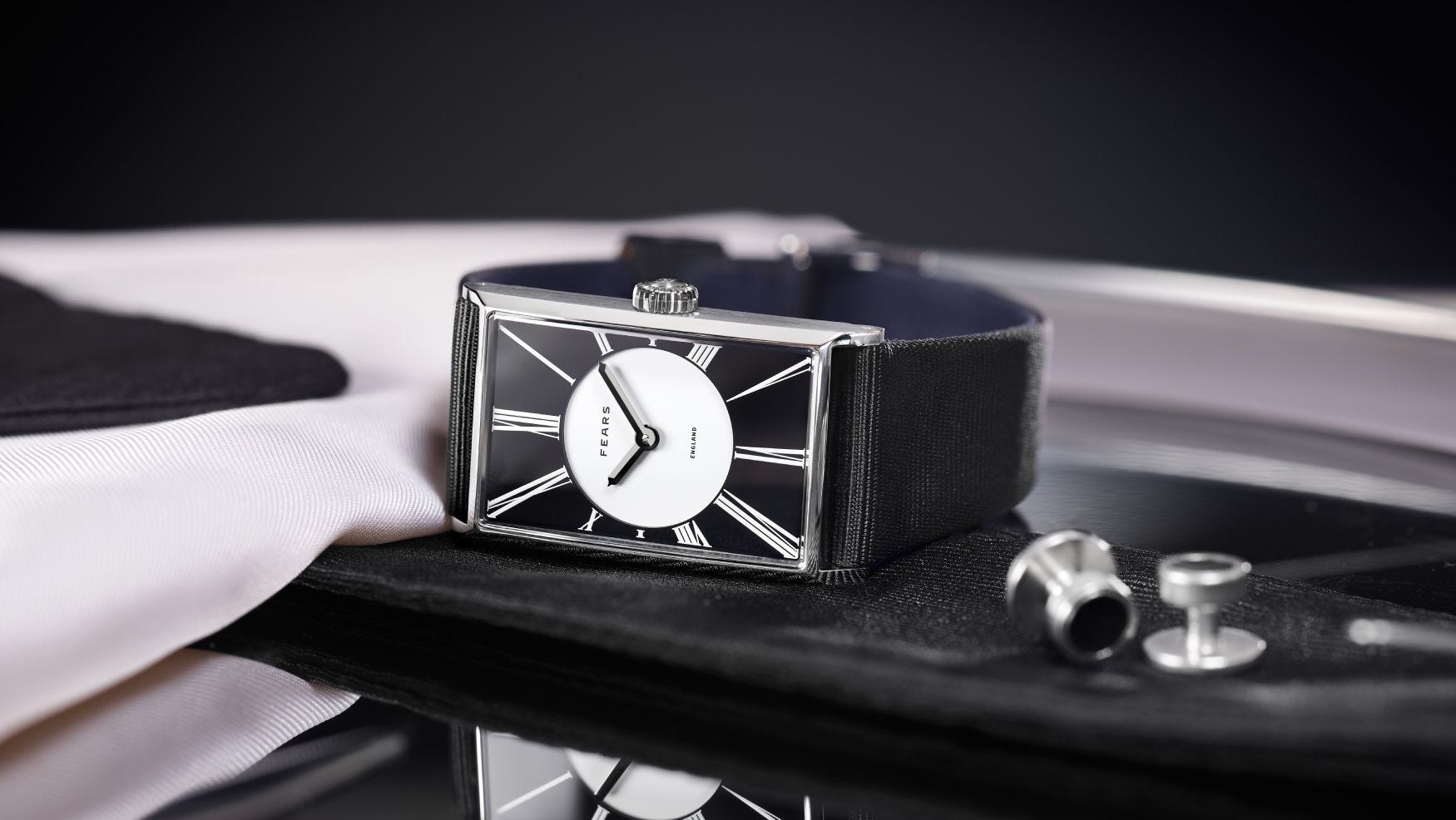
Fears Arnos Opera Black Dresses for the Evening
Fears gives the rectangular Arnos a formal new identity through a black onyx dial surrounding a white lacquer center. Roman numerals and distinctive pipette hands reinforce the Art Deco character, while the 22.6mm by 33.5mm steel case keeps the proportions deliberately compact. The modified Sellita SW1000 automatic movement supplies approximately 46 hours of power reserve beneath the gently curved exterior. Offered as a regular-production model, the Opera Black can be paired with black Epsom leather or grosgrain silk. Price: US$4,500 excluding tax.
Hublot Classic Fusion Tributo Returns to Gold, Rubber, and 1980
Hublot revisits its founding design with the Classic Fusion Tributo, restoring the twelve-screw bezel and the combination of precious metal and black rubber. The 38mm case comes in yellow or white gold, giving the watch a compact presence that recalls the original while accommodating modern specifications. An automatic HUB1711 movement replaces the earlier quartz approach and provides a 60-hour power reserve, visible through the sapphire caseback. A screw-down crown and 100-meter water-resistance rating add everyday practicality to the heritage presentation. Price: US$30,900.
Urwerk UR-300 Time Quantum Rebuilds the Hour Before Your Eyes
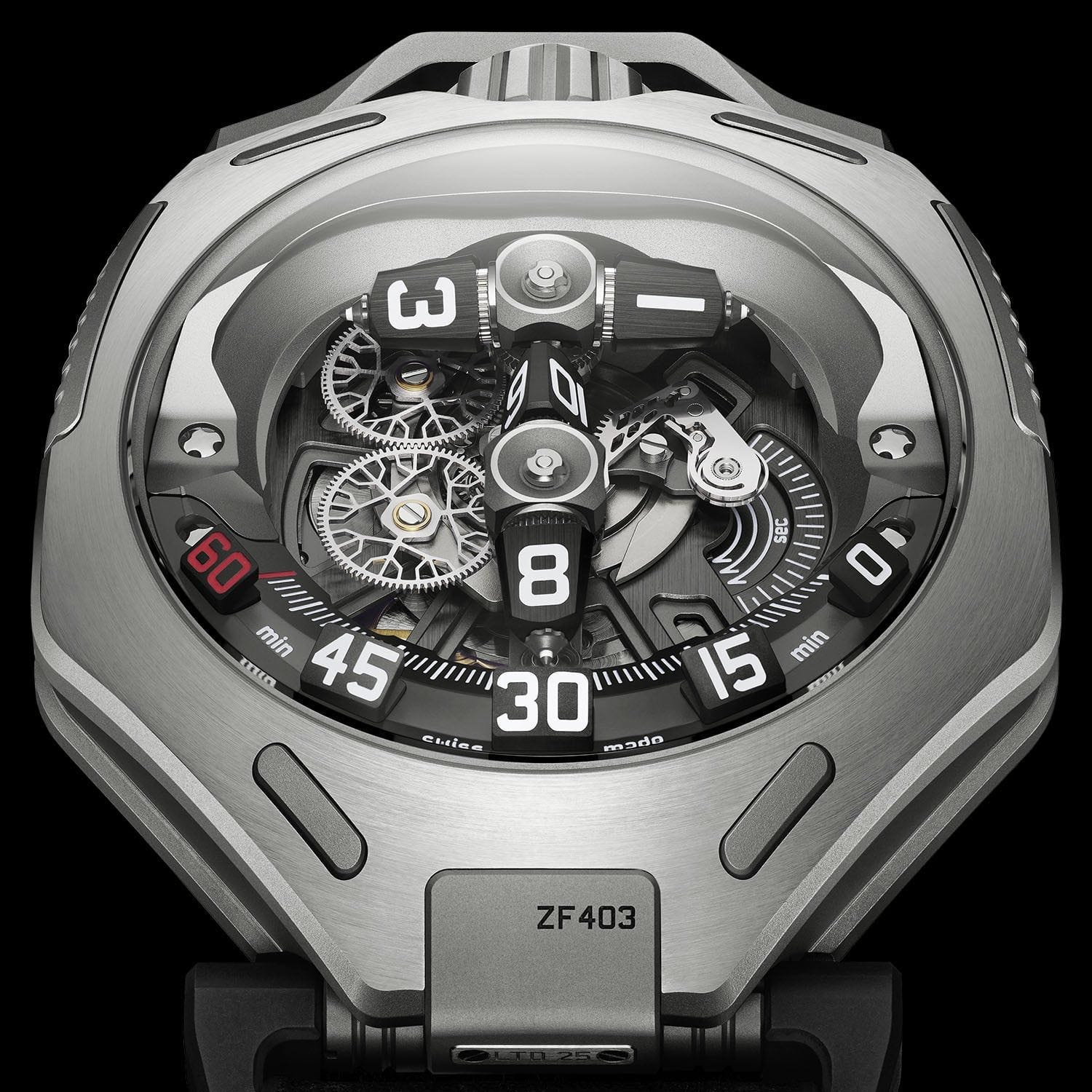
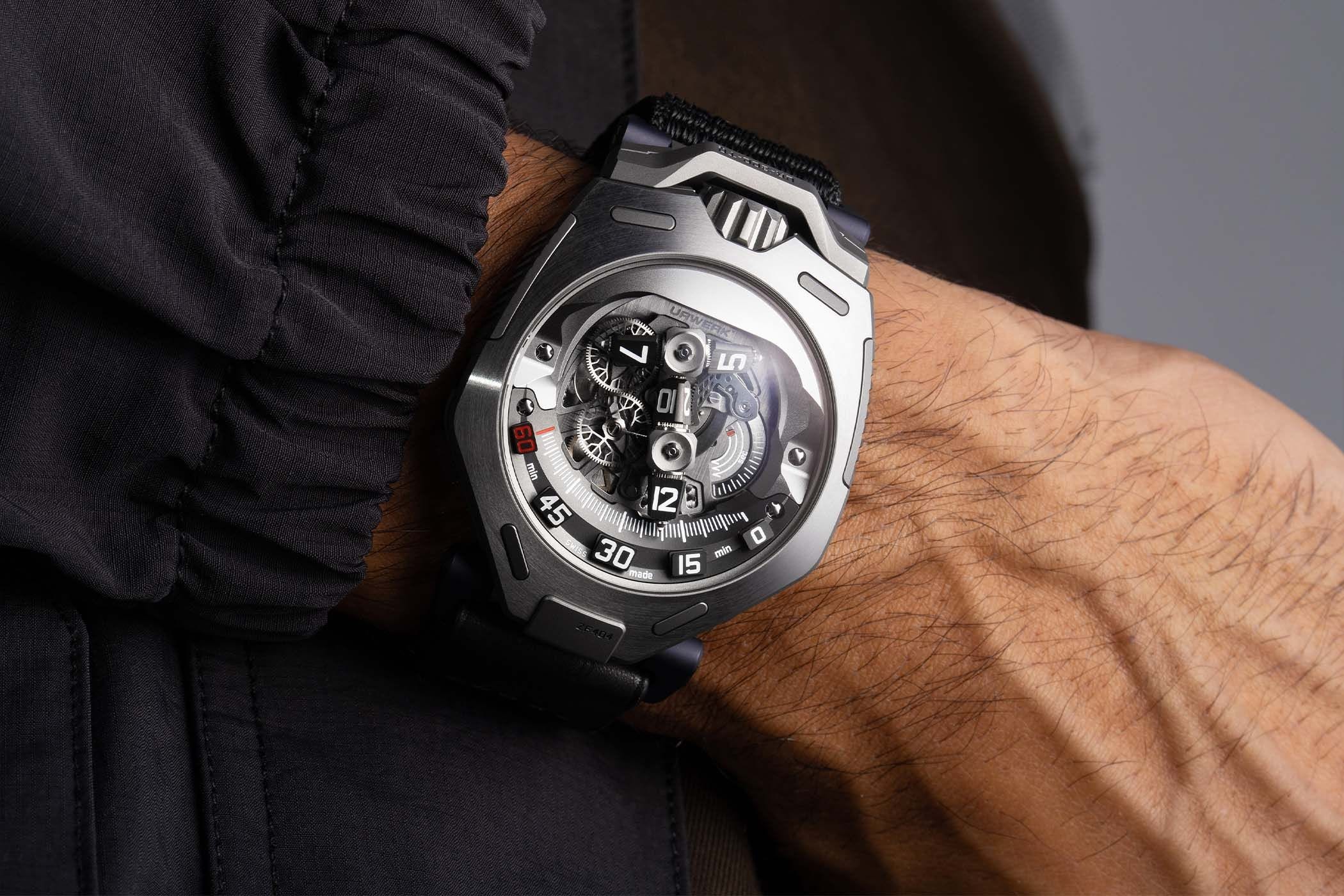
Urwerk’s UR-300 Time Quantum introduces a display in which rotating prisms and a moving T-shaped framework reorganize themselves as one hour gives way to the next. The mechanism carries the active hour along an arc-shaped minute scale, then repositions its components for the following cycle. Its automatic UR-30.01V calibre uses Urwerk’s turbine system and offers approximately 40 hours of power reserve within a substantial Grade 5 titanium case measuring 45.2mm by 58.8mm by 18.25mm. Titan and AlTiN versions are each limited to 25 pieces, making this an unusually elaborate expression of the brand’s fascination with alternative time displays. Price: approximately US$202,270, converted from CHF168,000.

Brew Metric Chrono Taxi Hails a New York Icon
Brew translates the visual language of New York’s yellow cabs into a black, white, and yellow edition of its compact Metric chronograph. A bold horizontal stripe, contrasting subdial, and New York signature give the dial an immediate connection to the city without changing the collection’s recognizable case. The 36mm stainless-steel watch uses a Seiko VK68 mecaquartz chronograph movement and comes on a steel bracelet with quick-release spring bars. Launching at Windup Watch Fair New York today, the edition is limited to 1,000 pieces and offers 50-meter water resistance. Price: US$495.
Papar Vuelte Combines a Thin Profile With an Unconventional Display
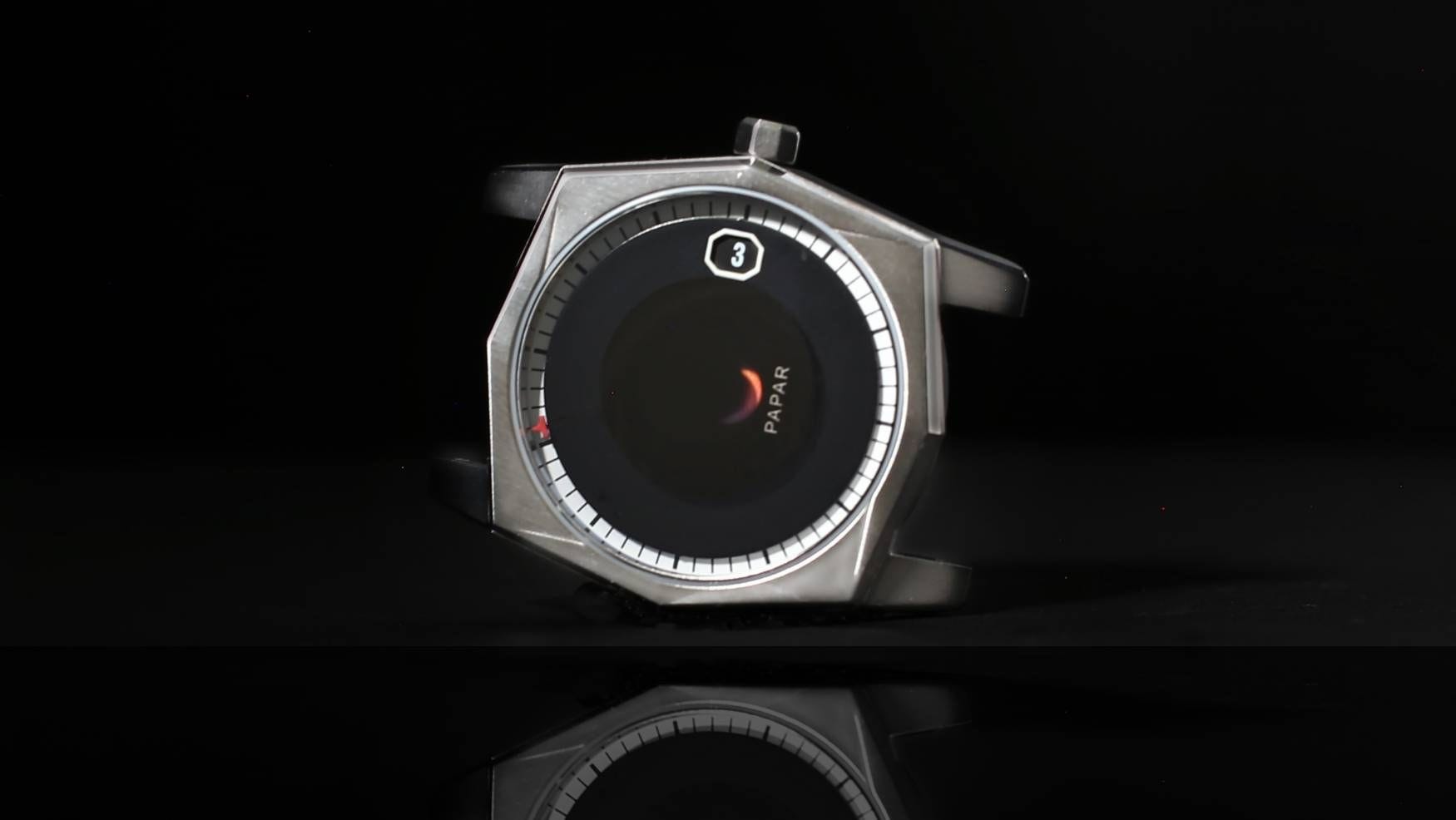
Papar’s Vuelte introduces the brand’s thinnest case yet, measuring 8.8mm thick within a 38mm octagonal steel outline. Its wandering-hour presentation uses a framed hour indication and a discreet minute display to give the black dial an unusually sparse appearance. A Miyota 9039 automatic movement provides the mechanical foundation and approximately 42 hours of power reserve, while 100-meter water resistance supports daily wear. The initial run comprises 100 watches, offered through Time+Tide with a black Saffiano leather strap. Price: US$1,150.
Comparisons
Omega Speedmaster vs. Christopher Ward C63 Valour: What Makes a Great Chronograph?
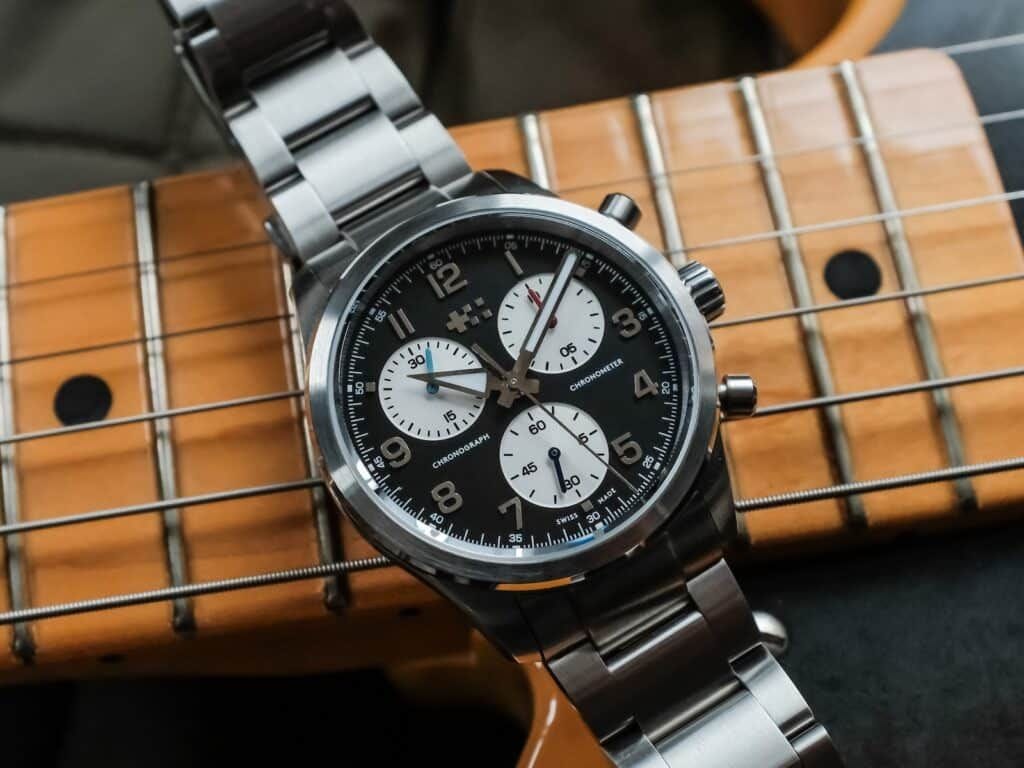
The Omega Speedmaster Professional and Christopher Ward C63 Valour approach the chronograph from different directions. Omega offers the ritual of a manually wound mechanical movement, the appeal of its Moonwatch history, and the updated engineering of calibre 3861. Christopher Ward emphasizes quartz accuracy, lower maintenance demands, and a more accessible purchase price.
The comparison becomes useful when it considers what the owner actually wants from the watch. Someone drawn to mechanical interaction and historical continuity may find the Speedmaster’s premium entirely worthwhile. Someone seeking an accurate, convenient chronograph may see little reason to spend several times the Valour’s price. Both can be satisfying choices; the mistake is assuming they must provide the same kind of satisfaction.
Reviews
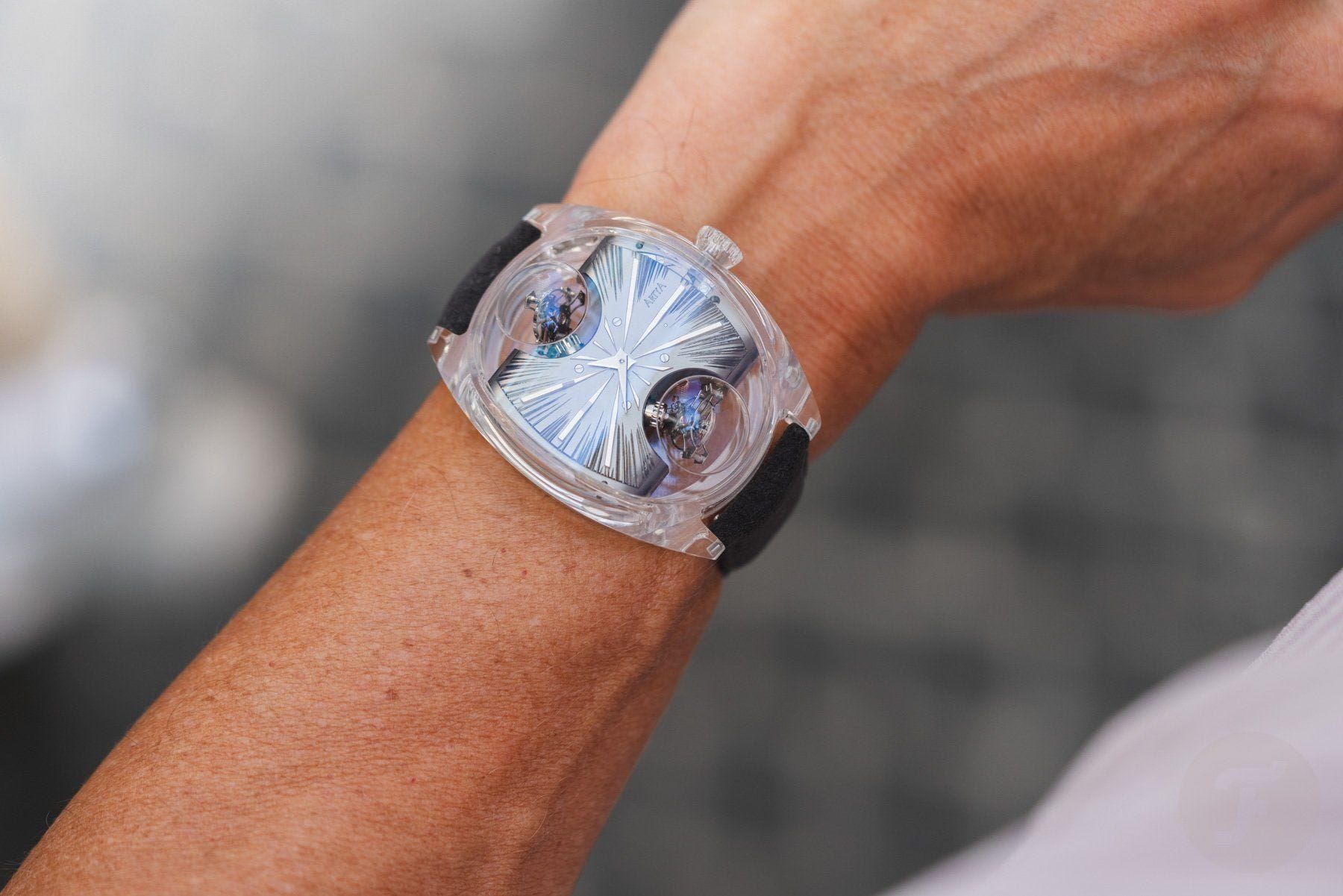
ArtyA Complexity Métiers d’Art Turns Two Cônillons Into a Mechanical Spectacle
ArtyA’s Complexity Métiers d’Art places two inclined cônillon tourbillons inside a transparent sapphire case, making the movement almost impossible to ignore. Positioned at opposite ends of the dial, the mechanisms complete their rotations in 30 seconds and are connected through a central differential. The proprietary Complexity-01 calibre offers a 50-hour power reserve, with the architecture arranged to make its motion part of the wearing experience.
The finishing is as central to the project as the complication. Hand decoration extends across the visible components, while shaping and polishing the sapphire case demand extensive production time. Limited to nine pieces and priced at CHF190,000—approximately US$228,760—the watch is aimed at collectors who want their wristwatch to function as an exceptionally elaborate piece of kinetic art.
Podcasts
Fratello Talks: The Omega Speedmaster Reduced
Nacho, RJ, and Gerard revisit the Speedmaster Reduced, the smaller automatic chronograph that gave many enthusiasts a different route into Omega ownership. Introduced in 1988, it combined familiar Speedmaster styling with more compact dimensions and the convenience of automatic winding. Its modular chronograph construction also introduced technical and servicing considerations that prospective buyers should understand.
The conversation connects that history with the redesigned Speedmaster 38 and asks how successfully the newer watch carries forward the older model’s appeal. It is a useful discussion for collectors weighing nostalgia, fit, convenience, and the practical realities of owning a pre-owned chronograph.
Scottish Watches Podcast #823: Road Trips, New Releases, and the People Behind the Watches
Scottish Watches combines its latest release discussion with an extensive account of a road trip through the British watch scene. Visits include Bremont, Duckworth Prestex, Studio Underd0g, Christopher Ward, Brooklands Watch Company, Zero West, Elliott Brown, and Fears, giving the episode a broader perspective than a conventional product roundup.
Alongside new watches from brands including Seiko, Fortis, and Mido, the hosts share impressions from the Chronography Show in Ireland and the conversations encountered along the way. The appeal is the mixture of watches, personalities, and places: a reminder that smaller brands often become more interesting when listeners meet the people doing the work.
Videos

Chisholm Hunter: Ten New Watches Compete for Your Attention
Chisholm Hunter rounds up ten recent releases, using close-up footage to examine design details, materials, and the character of each watch. The format offers a convenient way to compare several launches and identify which ones deserve a closer look. The “perfect” label is the channel’s enthusiastic framing; the useful part is deciding which combination of features suits your own taste.

Master Watchmaker: Empty Boutiques and the Luxury Retail Problem
Master Watchmaker presents a critical view of luxury-watch retail, focusing on quiet boutiques, disengaged sales experiences, and the difficulty of converting interest into purchases. The argument raises questions about whether traditional showroom practices match what contemporary buyers expect. Viewed alongside today’s pricing and inventory reports, it provides a retail perspective to assess rather than proof that every boutique faces the same conditions.
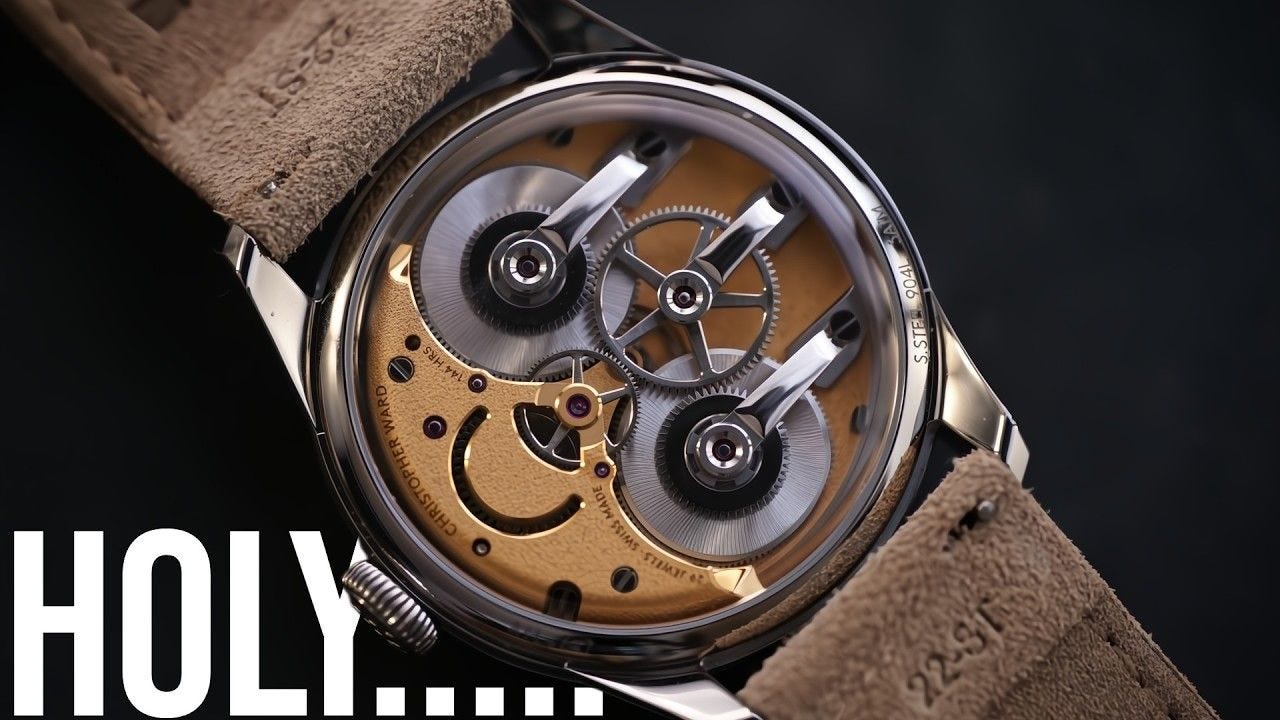
WatchChris: A Classic Take on a Modern Christopher Ward
WatchChris examines the meeting point between traditional styling and Christopher Ward’s contemporary design approach. The discussion offers a visual companion to today’s C1 Loco Classic release, where familiar decorative cues surround an openly displayed mechanism. For buyers trying to understand how those elements work together on the wrist, moving footage can reveal relationships that specifications alone cannot.

Wristlock Watches: Has a New Era of Watchmaking Begun?
Wristlock Watches argues that fresh engineering and changing design priorities are opening a new chapter for the industry. The video considers how unfamiliar approaches might alter expectations of what a wristwatch can do and how it should look. Its sweeping premise makes a useful starting point for separating developments that improve ownership from those that primarily create launch-day excitement.

Fratello: Revisiting the Omega Speedmaster Reduced
Fratello’s video discussion returns to the smaller automatic Speedmaster and the combination of familiarity and practicality that helped build its following. It considers the watch’s place within the larger Speedmaster family and the compromises that accompany its particular construction. This is the visual counterpart to the podcast featured above, offering another way to follow the conversation.

Subdial: Put Some Respect on Ulysse Nardin’s Name
Subdial’s Drop #299 makes the case for giving Ulysse Nardin more attention within contemporary collecting. The discussion centers on the brand’s identity, watchmaking contributions, and the reasons its reputation deserves examination beyond the most familiar luxury names. It fits today’s broader theme: some watches become more compelling when collectors look past recognition and spend time understanding the product.
Auction Results
Richard Mille Reaches $64,750, but the Reserve Remains Far Away
The October 15 auction of the 2022 Richard Mille RM 60-01 Automatic Winding Flyback Chronograph Les Voiles de Saint Barth ended with a high bid of $64,750. The watch, from an edition limited to 80 pieces, did not meet reserve. G-Luxe Jewelers, however, is advertising the watch for $72,000.
Auction Report
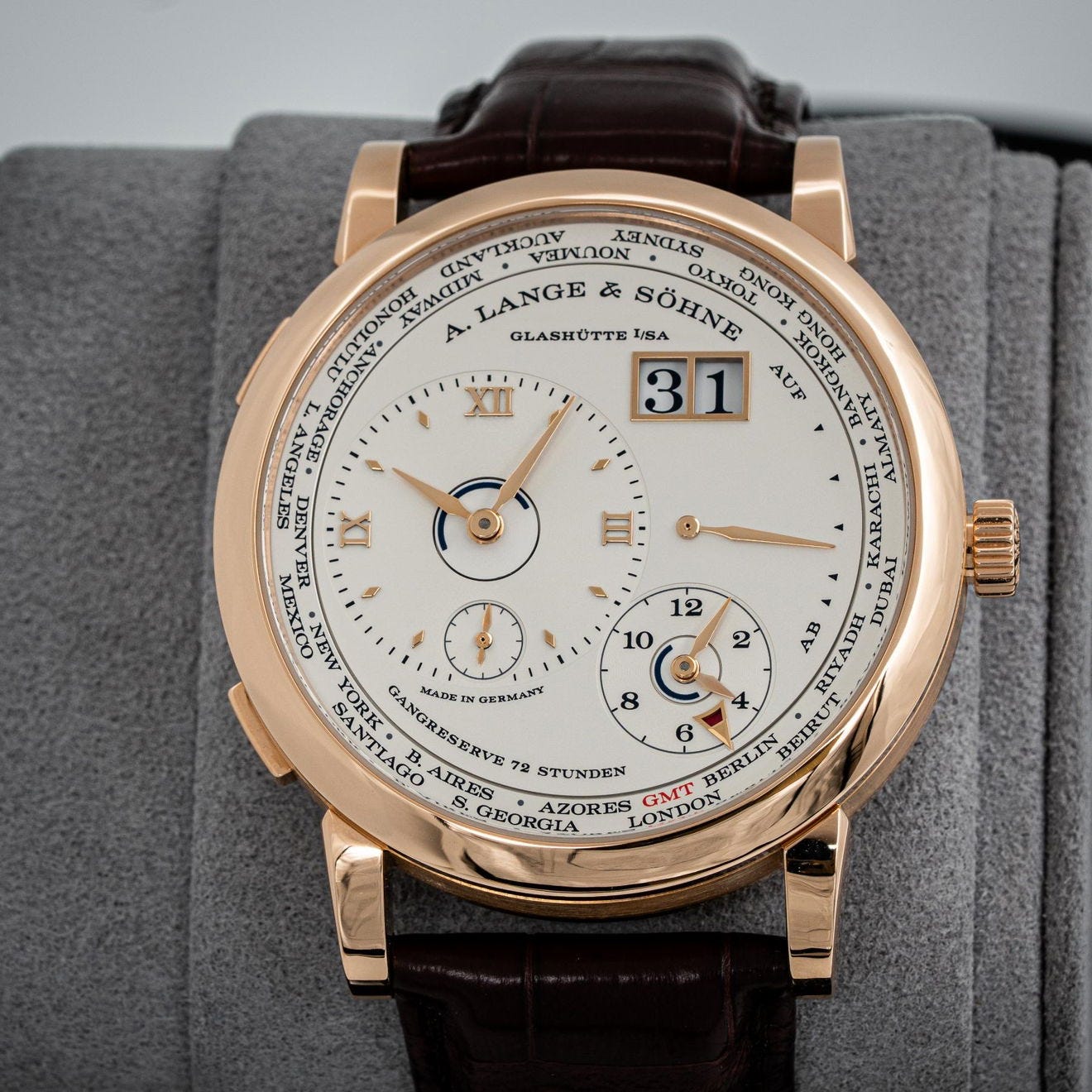
Lange 1 Time Zone: A World-Class Traveler Faces a $53,495 Price Test
Today’s featured auction is a 2022 A. Lange & Söhne Lange 1 Time Zone in rose gold with an argenté dial, reference 136.032, carrying a $53,495 reserve on Bezel. The Time Zone joined the Lange 1 family in 2005, extending its distinctive asymmetric layout into a practical travel watch. This reference belongs to the second generation introduced in 2020, which brought a new movement, revised day-and-night indications, and a daylight-saving-time indicator. Its 41.9mm case gives the additional displays room to breathe while preserving the outsize date and visual balance that make a Lange 1 immediately recognizable.
The manually wound L141.1 movement supplies a 72-hour power reserve and drives separate home-time and second-time-zone displays, with a city ring used to select the latter. The daylight-saving indication identifies cities that observe seasonal time changes; it does not automatically reset the watch when the clocks change. Through the sapphire back, the movement offers the German-silver architecture, engraved details, and meticulous finishing that form a substantial part of Lange’s appeal. This is a travel complication for someone who enjoys the engineering as much as the convenience.
The reserve deserves scrutiny alongside the watchmaking. A comparable dealer listing for a 2022 reference 136.032 with box and papers displays a $43,750 market valuation, putting this auction’s $53,495 reserve $9,745, or approximately 22.3%, above that reference point. The dealer figure is an advertised valuation rather than a verified completed-sale result, so it should inform the comparison without being mistaken for a definitive clearing price. Even with that limitation, the available evidence does not make the reserve look like an obvious bargain. Condition, documented service, included accessories, and the final total payable would need to support the premium.
The U.S.-located example includes its box, papers, and product literature. The dial is described as excellent, with minor wear recorded on the case, bezel, and the listing’s bracelet/strap category; the general pre-owned language does not establish whether servicing or polishing actually occurred. Bidding is scheduled to end at 2:15 p.m. EDT on Saturday, October 17, 2026. After yesterday’s Richard Mille failed to meet reserve, this Lange presents a more classically restrained watch but an equally direct question: will the seller’s expectations find a buyer willing to meet them?
Current bid: $23,000
Losing Time


Today’s Big Losers at Auction on Grailzee
Four watches, four failed sales, and four reminders that an asking price is an expression of hope—not a binding agreement with reality. The percentages below measure how far the final bids fell short of each seller’s ask.
The 2024 Vacheron Constantin Overseas Dual Time 41MM (7920V/210A-B334), with its blue dial and steel bracelet, attracted a $33,100 bid against a $43,500 ask. That’s a $10,400 shortfall, or 23.9% below asking. A respectable offer, but apparently the seller’s travel plans for this Overseas included a considerably higher altitude.
The 1991 Rolex Day-Date 36MM “Myriad” dial (18238), an X-serial example in yellow gold on a President bracelet, delivered the largest dollar disconnect. Its $12,500 high bid fell $15,000 short of the $27,500 ask—a 54.5% miss. The champagne dial may have set the mood, but bidders declined to pick up the tab. The seller wanted more than twice what the room offered.
The 2026 IWC Pilot Le Petit Prince 43MM (IW339601), with a blue dial and rubber strap, came closest to a meeting of minds. Its $29,500 bid was $6,700 below the $36,200 ask, a shortfall of 18.5%. Best of this bunch, although “least unsuccessful” probably isn’t the distinction the Little Prince was chasing.
The 2023 Hublot Big Bang Unico Black Magic 44MM (421.CI.1170.RX), with a skeleton dial and rubber strap, suffered the largest percentage miss. Against a $12,000 ask, bidding reached $4,301—a $7,699 gap, or 64.2% below asking. Black Magic, unfortunately, could not conjure the missing bidders.
Together, sellers sought $119,200 and attracted $79,401 in final bids: $39,799, or 33.4%, short. The IWC and Vacheron showed smaller pricing gaps; the Rolex and Hublot suggest more substantial expectation resets may be needed. These bids don’t establish definitive market values—condition, completeness and auction participation matter—but they do establish what these particular rooms were willing to pay. Prestige got the watches onto the auction block. It didn’t get the sellers their numbers.
Closing Time
There is plenty to enjoy in a watch world that can produce a $228 dress watch, a taxi-inspired chronograph, and a machine that rearranges itself to announce the next hour. The variety is part of the pleasure. So is taking your time, understanding what appeals to you, and deciding what that pleasure is worth.
Thanks for spending part of your day with BuyingTime Daily. Enjoy the watches, keep the prices in perspective, and have a great start to the weekend.