

30 Seconds
Watchmaking is asking collectors to believe again—and offering very different reasons why. A consortium led by Montres Journe, with Chanel and Pierre Jacques, has agreed to acquire 95% of Ebel for $66.5 million. Basel’s proposed Basilia fair is gathering exhibitors, while independent brands pursue everything from bespoke movements to stitched denim dials. NOMOS improves everyday usability, Bremont goes deep blue, and Trilobe pours a burgundy interpretation of French watchmaking. On the auction block, yesterday’s rose-gold Royal Oak stopped at $67,000 without selling. Today, a 30-piece limited edition Bvlgari Tattoo Acqua faces a $36,335 reserve.
Time Graphing Today’s Watch Universe
The Next Chapter Has to Be Earned
There is a shared ambition running through today’s issue: almost everyone wants to write a new chapter. Ebel has prospective new owners. Basel wants a new gathering. Indian watchmakers want a larger international audience. Established independents are building the infrastructure to support their creative promises, while younger brands are trying to prove that an unfamiliar name can deserve a familiar collector’s money. The interesting question is what each brings beyond the announcement.
Start with Ebel’s proposed acquisition by a group led by Montres Journe, alongside Chanel and Pierre Jacques. Few ownership stories arrive with a more intriguing combination of watchmaking credibility, financial resources, and operating experience. Ebel also brings something that cannot simply be commissioned: a recognizable design history. Its wave bracelet still means something. But an archive is a starting point. The eventual watches, their positioning, and the consistency of their execution will determine whether this becomes a lasting revival.
The same distinction applies to Basilia’s effort to establish a new jewellery and watch fair in Basel. A famous location and an encouraging exhibitor count create opportunity. What will earn repeat attendance is useful business: the right buyers meeting the right exhibitors, with enough value in those encounters to justify returning. The strongest version of this event will emerge from understanding what today’s trade needs.
For a particularly clear account of what follows an ambitious debut, turn to Alex Rosenfield’s discussion of Urban Jürgensen. The launch captures attention; the supply chain, team, production discipline, and collector relationships sustain it. Those quieter activities rarely generate the most dramatic photographs, yet they determine whether beautiful ideas become watches that can be delivered, supported, and enjoyed for decades.
That makes AMT’s position between standard movements and full manufacture development especially relevant. Collectors have learned to ask whether a movement is in-house. We should also ask whether the manufacturing arrangement serves the watch well. Distinctive engineering, reliable supply, sensible servicing, and honest descriptions all matter. A capable specialist supplier can help a brand make a more convincing product, provided the resulting watch has an identity of its own.
Today’s releases show how many forms that identity can take. NOMOS’s new Metro models pair an attractive color with a practical improvement: a quick-set date in the hand-wound model. Arsène Lippens’ Sashiko Denim finds its character in hand stitching and textile tradition. Trilobe’s Château Trente-Deux connects its unusual display and Parisian manufacturing story to the pleasures of French wine. Each gives a prospective owner something specific to consider.
There is a useful counterweight in the Casio Duro–Timex Deepwater comparison. Enjoyment does not rise in a straight line with specifications or price. Sometimes the watch that earns the most wrist time is the straightforward one whose proportions, controls, and personality suit the owner. That is worth remembering amid a day full of corporate transactions and ambitious manufacturing claims.
Finally, the auction room converts conviction into a number. Yesterday’s Royal Oak attracted a $67,000 bid, but buyer and seller did not agree. Today’s Bvlgari Octo Finissimo Tattoo Acqua offers a different proposition: exceptional thinness, a distinctive artistic collaboration, and a production run of just 30. Those qualities explain its appeal. The bidding will show whether that appeal reaches the seller’s threshold.
What connects these stories is the work required to turn interest into trust. Collectors can appreciate a comeback, admire a new movement, or enjoy an unusual dial without automatically accepting the price attached. The next chapter becomes convincing when the details support the promise—and when the watch still rewards its owner after the excitement of the announcement has passed.
-Michael Wolf
News
Montres Journe, Chanel, and Pierre Jacques Agree to Acquire 95% of Ebel
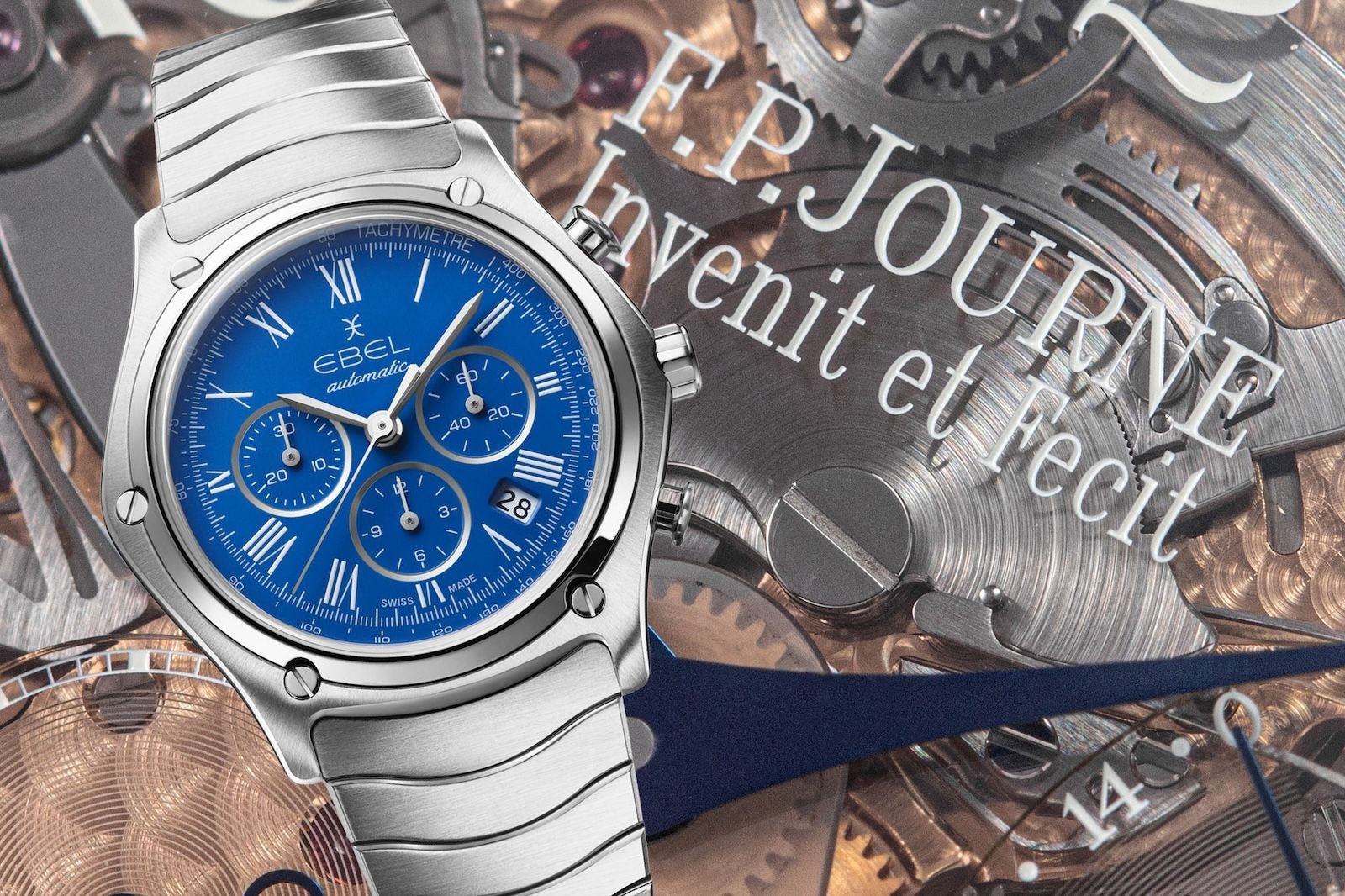
Ebel could be heading into its most consequential new chapter in years. Movado Group has agreed to sell 95% of the brand for $66.5 million to a consortium led by Montres Journe, with participation from Chanel and former De Bethune chief executive Pierre Jacques, who is set to become Ebel’s CEO. Movado will retain 5%, and the transaction remains subject to customary closing conditions.
The combination brings considerable resources to a brand with a recognizable design inheritance, particularly its Sport Classique wave bracelet. The opportunity is substantial, but the product strategy remains the key unanswered question: how will the new leadership make Ebel’s history relevant to today’s buyers?
Go Deeper · Go Deeper: Transaction Announcement

Is Basilia Jewellery & Watch Fair About to Prove Its Bet?
Basel’s proposed return to the international jewellery and watch calendar is gathering momentum. Organizers MCH Group and Informa Markets Asia report 280 registered exhibitors toward a target exceeding 400 for Basilia’s inaugural April 8–11, 2027 edition at Messe Basel. Jewellery and gemstones account for roughly 70% of confirmed participants, with watch companies representing the balance.
That mix helps explain the event’s positioning as a meeting place for the jewellery trade. Its next challenge is to broaden European participation and translate early registrations into a balanced, commercially useful gathering. Basel has the infrastructure and name recognition; the new fair still has to establish its own reason to attend.
Can India’s Watchmakers Become Global Disruptors?
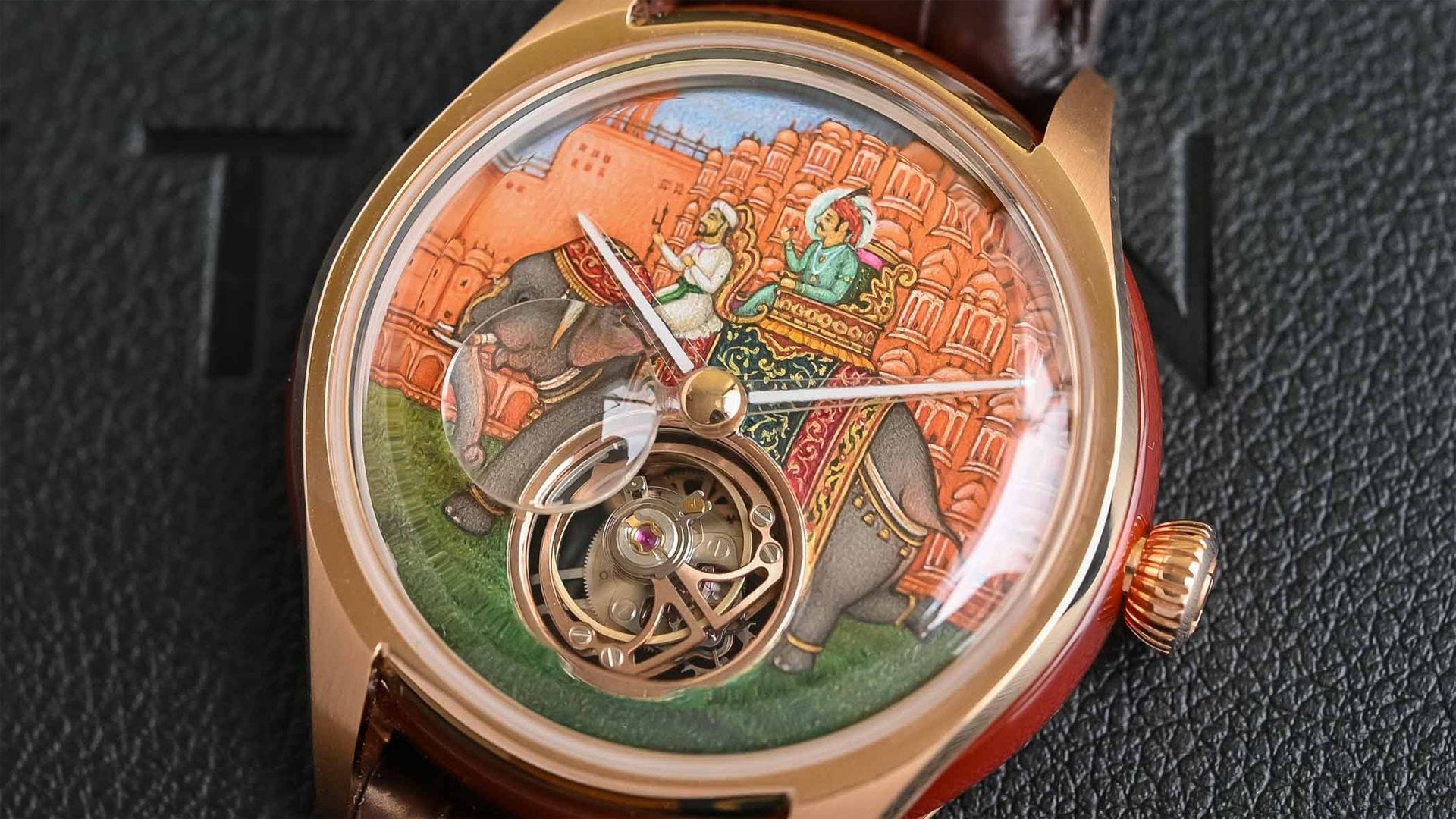
India’s watch industry is developing along two very different paths. Titan brings manufacturing scale, distribution, and growing premium ambitions, while names such as Jaipur Watch Company and Bangalore Watch Company are cultivating smaller audiences through design, local storytelling, and limited production.
The international opportunity is real, but a larger domestic collector base does not automatically create a global brand. Export distribution, dependable service, distinctive products, and greater technical capability will all influence the next stage. The most interesting question is how Indian makers can turn their particular strengths into watches that international collectors seek out on their own merits.
Features
The Long View with Alex Rosenfield, Urban Jürgensen
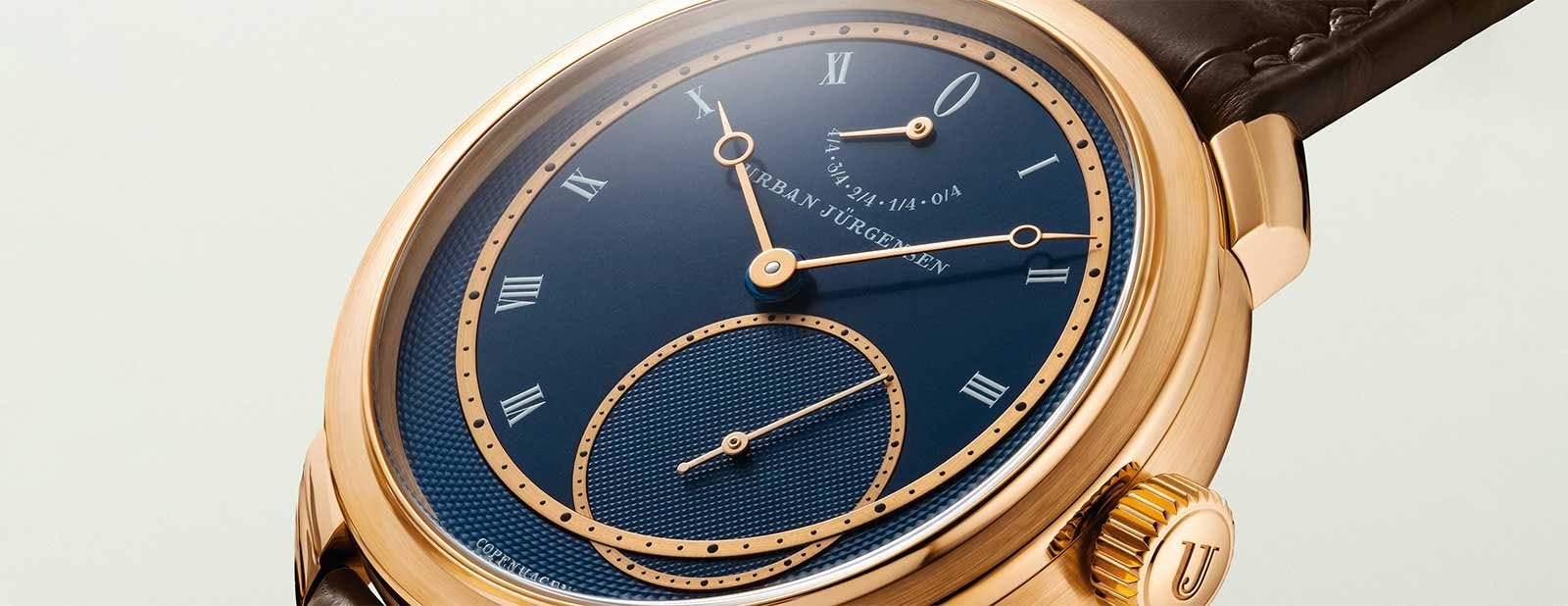
Urban Jürgensen’s return placed three ambitious watches—and Kari Voutilainen’s watchmaking expertise—at the center of an unusually closely watched revival. Alex Rosenfield’s perspective shifts attention toward the work surrounding those pieces: creating a coherent identity, assembling a capable team, and ensuring that production can support the promise of the launch.
The discussion is particularly useful for anyone following independent watchmaking beyond the debut photographs. Supply chains and operational discipline shape what collectors eventually receive. Rosenfield’s emphasis on emotional connection and a lasting community also recognizes that a successful revival needs owners who remain engaged long after the first delivery.
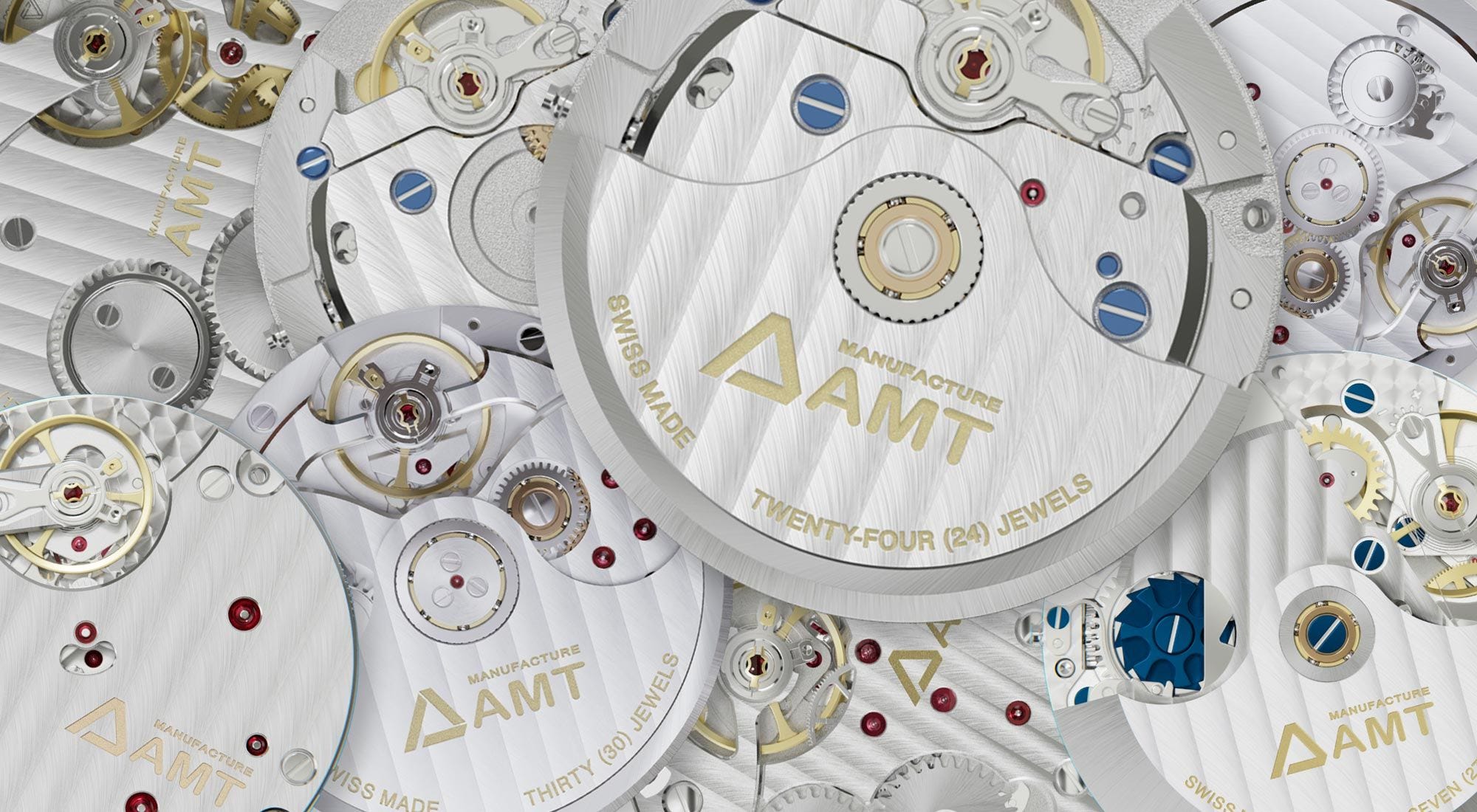
Can AMT Bridge the Gap Between Off-the-Shelf and In-House?
Sellita-owned Manufacture AMT occupies an increasingly relevant part of the movement business: customized calibers for brands seeking more differentiation than a standard catalog movement provides. Its range includes enhanced automatic architectures and chronograph options, giving clients room to specify performance and presentation without undertaking every stage of development themselves.
The reported minimum order of 1,000 pieces keeps this approach beyond many very small makers. For larger independents, however, it can offer a practical route to a more distinctive watch. The collector’s question becomes how thoughtfully a brand uses that capability—and how clearly it explains what has been developed specifically for its product.
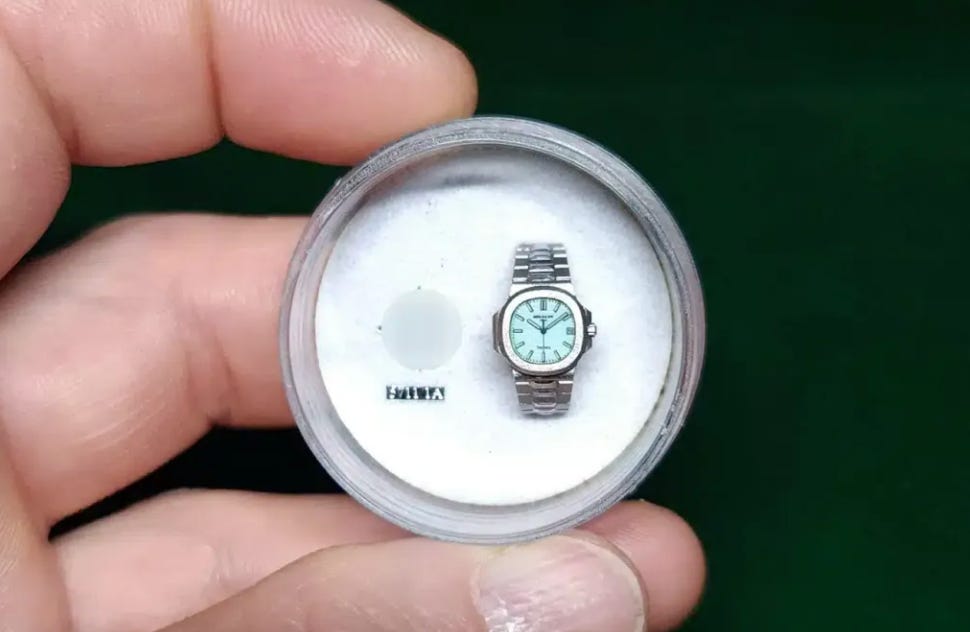
Meet the Artist: Robbie Jones, a.k.a. @TinyAssProps
Robbie Jones brings watch enthusiasm to an unusually small stage. Drawing on theater and stop-motion prop experience, the Portland artist creates miniature watch replicas for action figures and collectors, translating recognizable designs into one-sixth- and one-fifth-scale objects.
CAD modeling, separately printed components, and careful hand painting allow details to remain legible at sizes where most people would stop trying. With editions typically priced around $50–$55, the work offers an accessible way to enjoy watch design and its connections to film, television, and popular culture. The pleasure lies in seeing how much identity can survive such a dramatic reduction in scale.
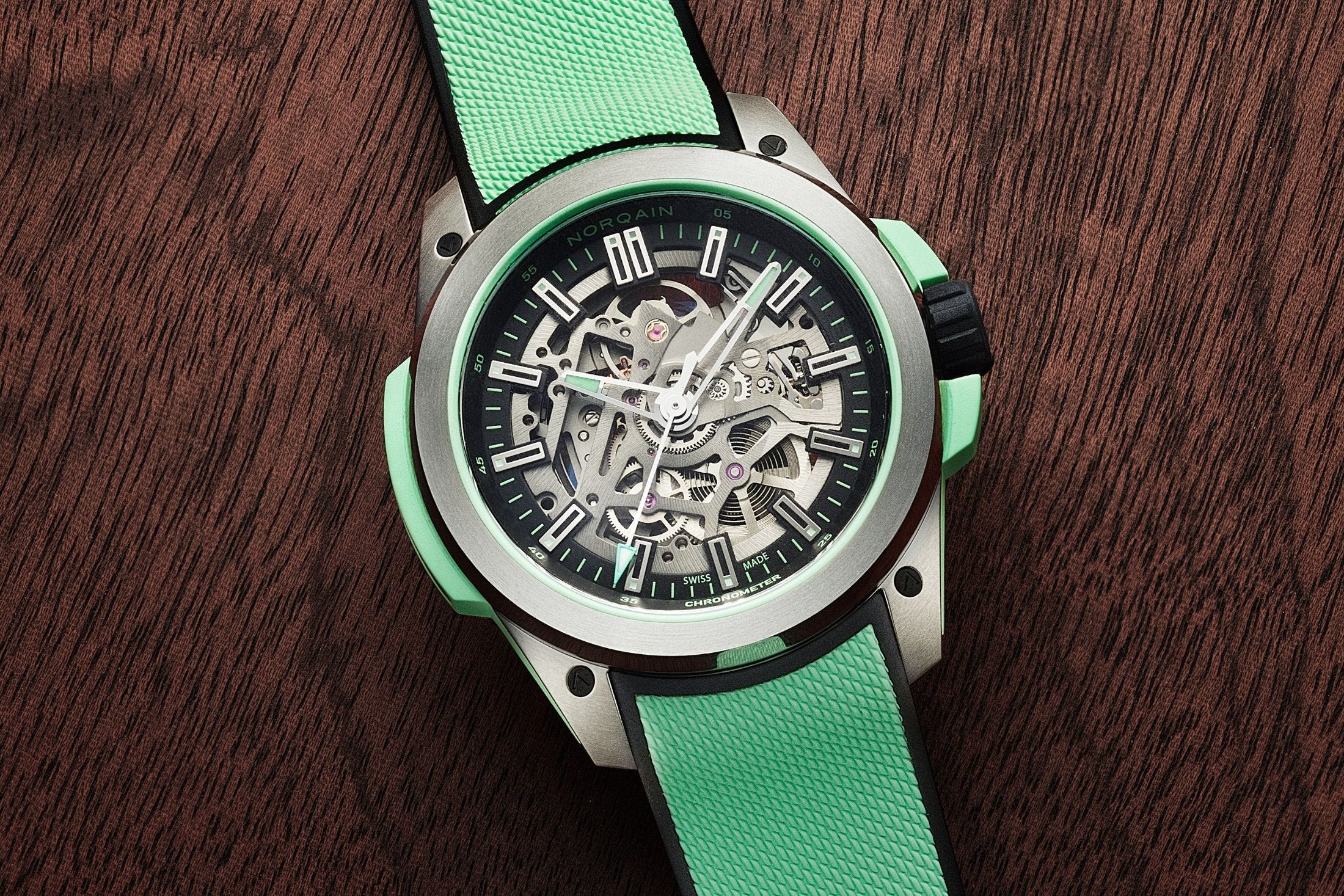
NORQAIN’s Ben Küffer Explains the Expanded Wild ONE Collection
NORQAIN is expanding the Wild ONE’s material vocabulary with titanium and meteorite while preserving its emphasis on lightweight sports watches. Skeleton Titanium models in 39mm and 42mm sizes join a 42mm Meteorite Titanium version, whose naturally patterned dial gives each example a different appearance.
Ben Küffer frames titanium as a choice that must improve the product’s design or function. That is a useful standard in a category where exotic materials can become the entire sales pitch. The conversation also covers sporting partnerships and the company’s longer-term ambitions as its 2028 tenth anniversary approaches.

Tudor’s Naval History Comes Into Focus at San Diego’s Navy SEAL Museum
The Navy SEAL Museum offers a setting in which Tudor’s military history becomes tangible. Historic Submariners, diving equipment, procurement records, and the experiences of former servicemen place the watches within the demanding work they supported.
The feature traces Tudor’s relationship with U.S. naval special warfare, including early orders for SEAL teams and later service references. Personal accounts from veterans add something an archive photograph cannot: a sense of how equipment becomes part of a working life. For collectors interested in military watches, that context gives familiar references a deeper human significance.
New Watches
Approximate dollar conversions use October 8 reference rates and retain the tax basis of the quoted foreign price; they are not U.S. retail quotations. Go Deeper: Exchange Rates
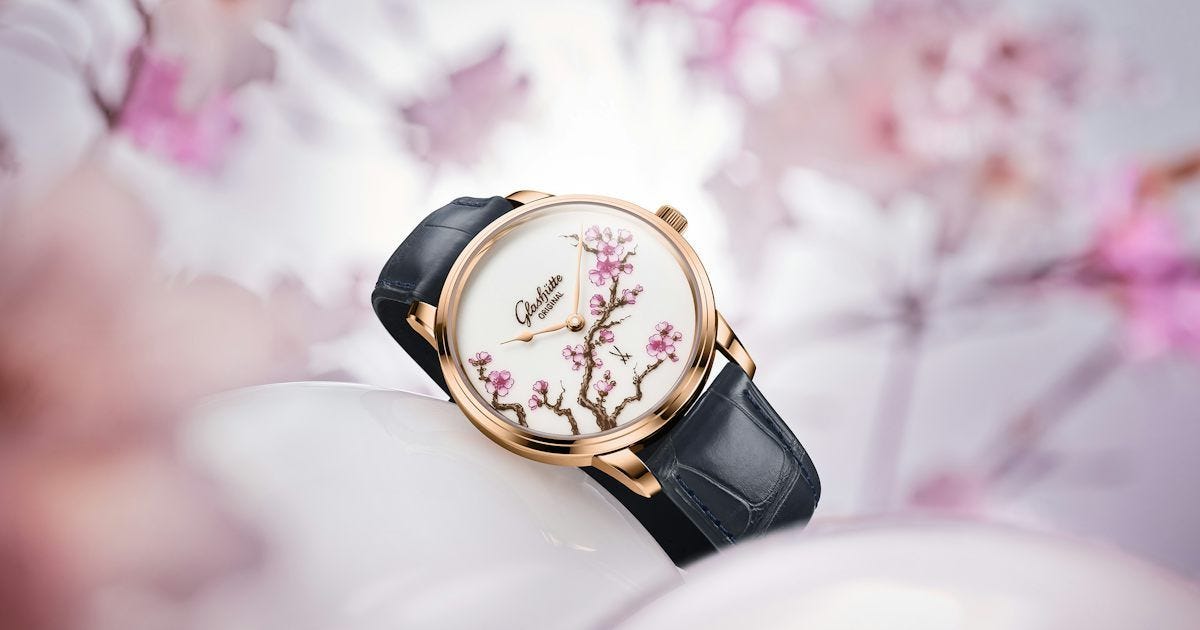
Glashütte Original’s Senator Meissen “Cherry Blossom” Brings Porcelain Into Bloom
Glashütte Original and Meissen reunite around a hand-painted porcelain dial inspired by cherry blossoms that flower in the colder months. The 40mm red-gold case frames the artwork without conventional hour markers, allowing the pink blossoms and white porcelain to define the watch’s character. Inside, the automatic Caliber 36-16 supplies a 100-hour power reserve, a silicon balance spring, and stop-seconds functionality. A dark-blue alligator strap completes a watch whose appeal rests on the meeting of two specialized Saxon crafts. Price: US$38,200.
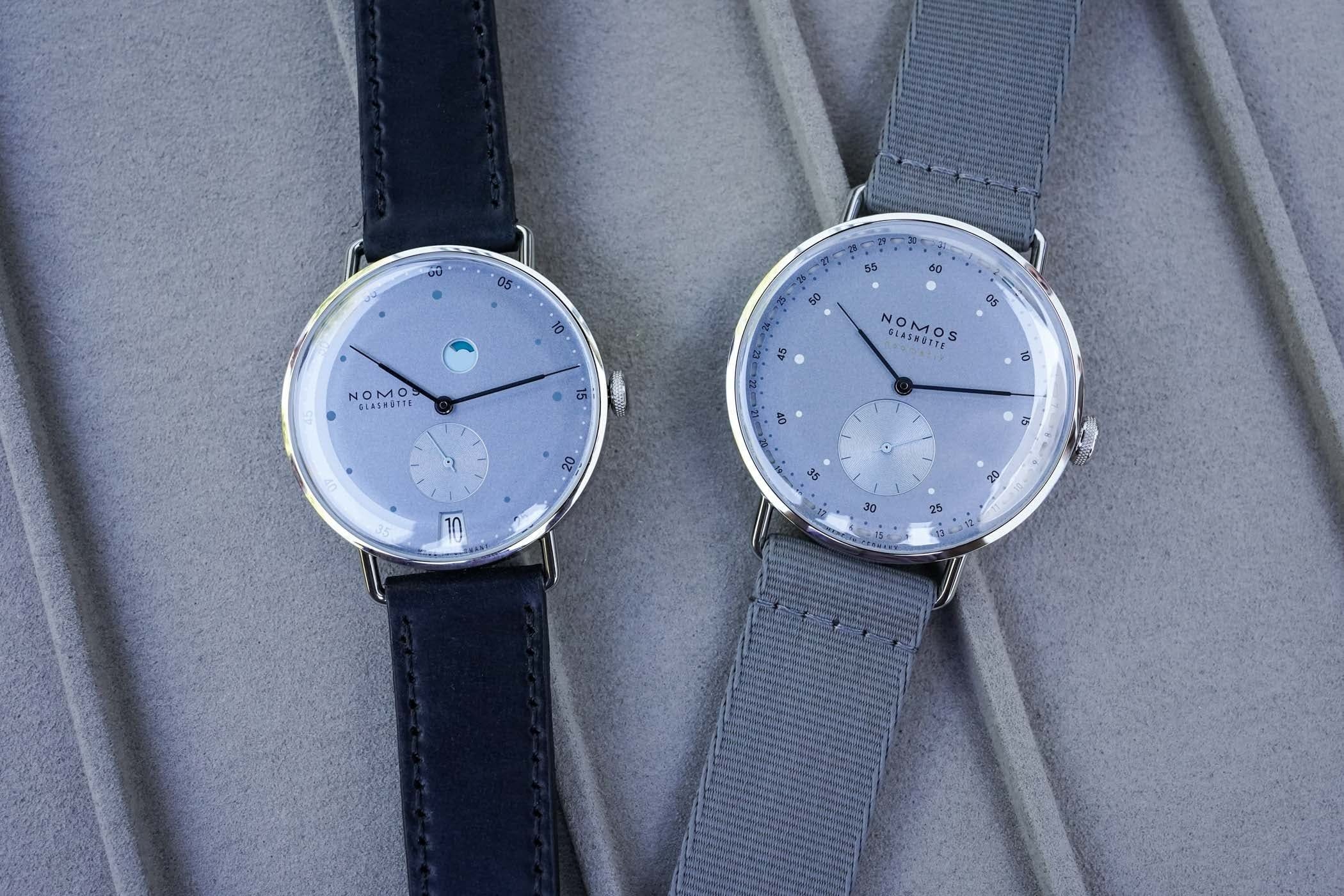
NOMOS Gives the Metro Ice-Blue Dials—and a Meaningful Mechanical Update
The Metro’s new ice-blue treatment brings a cooler palette to one of NOMOS’s most recognizable designs, with teal and white details preserving its playful precision. More significantly, the 37mm Date Power Reserve receives the hand-wound DUW 4701, adding a quick-set date and extending running time to 52 hours. The 40.5mm Neomatik 41 Update pairs the new color with its automatic movement and distinctive peripheral date indication. Together, they show how a dial refresh can accompany a worthwhile improvement in everyday ownership. Prices: US$4,500 for the Metro Date Power Reserve Ice Blue; US$5,390 for the Metro Neomatik 41 Update Ice Blue.
Go Deeper · Go Deeper: U.S. Collection Pricing
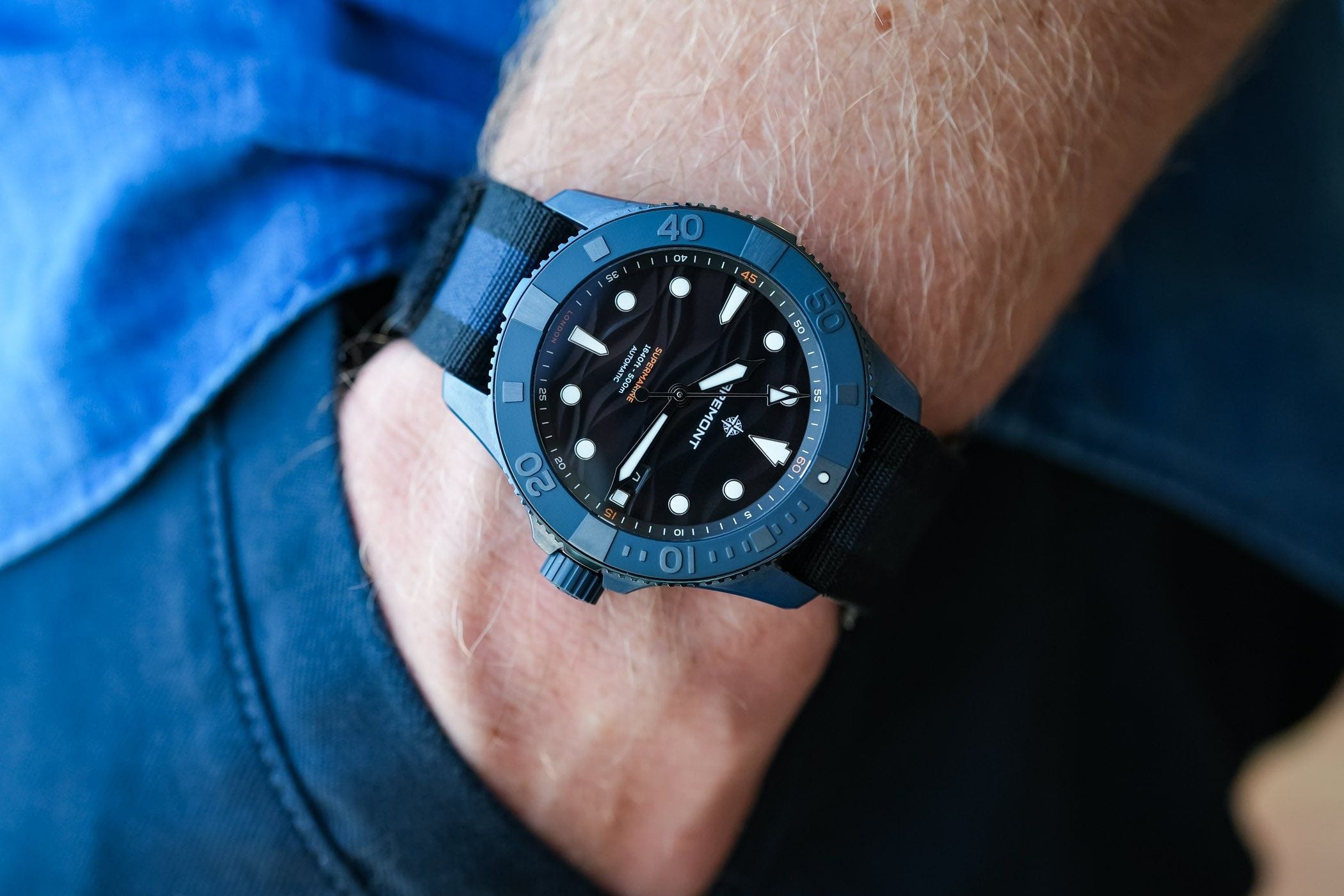
Bremont’s Supermarine Full Ceramic Deep Blue Takes a Cooler Approach
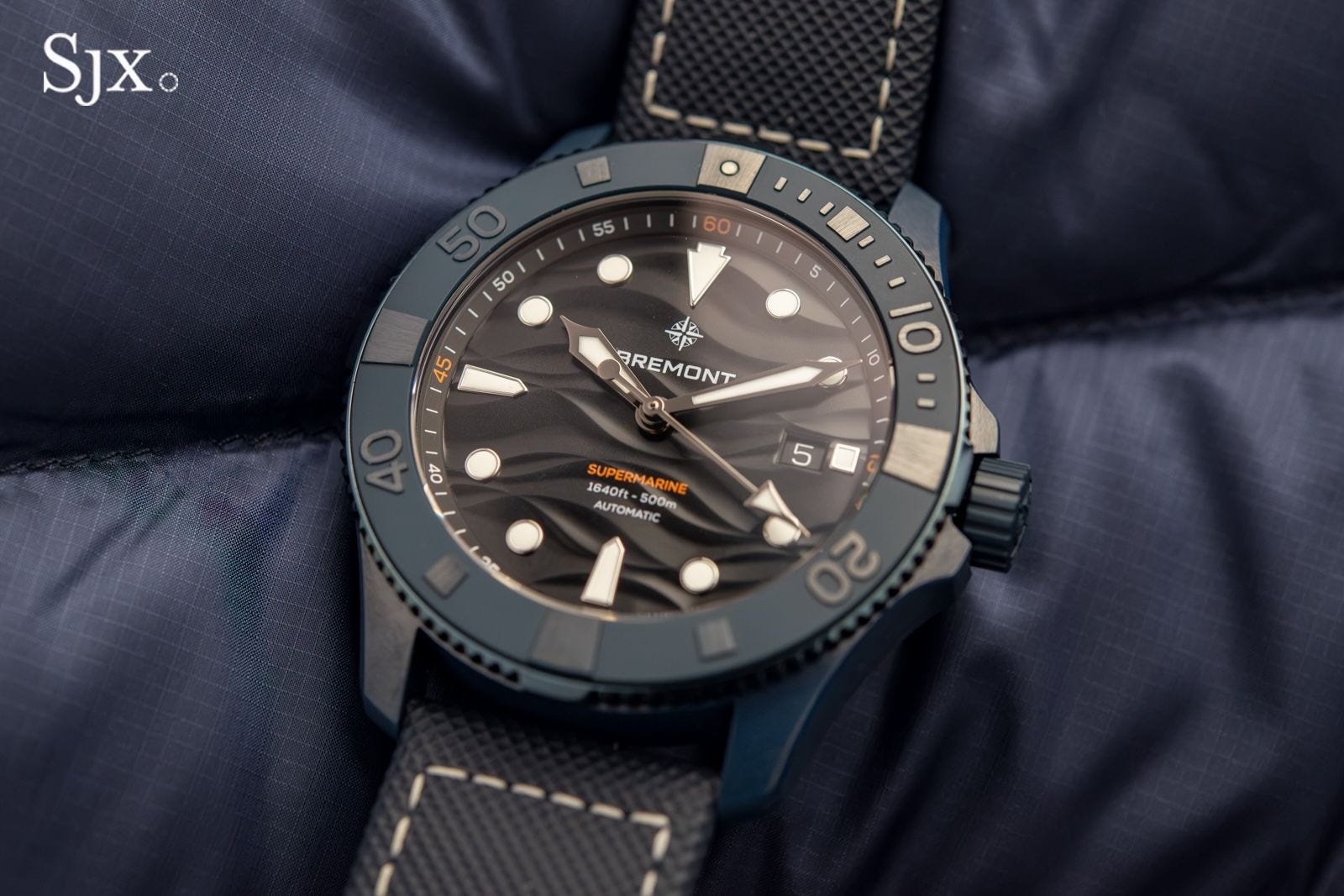
Bremont’s latest Supermarine combines a dark-blue ceramic exterior with a black wave-pattern dial and a substantial 500-meter water-resistance rating. The 43mm case is 13mm thick, while its Sellita-based BB64AH automatic movement offers a 56-hour power reserve. Limited to 250 examples, the watch is available with several strap treatments, including blue embossed rubber, black rubber, and a coordinating NATO. Its appeal is the combination of a serious diving specification and a restrained color that gives the ceramic construction a different character from conventional black. Price: US$7,400.
Go Deeper · Go Deeper: U.S. Pricing
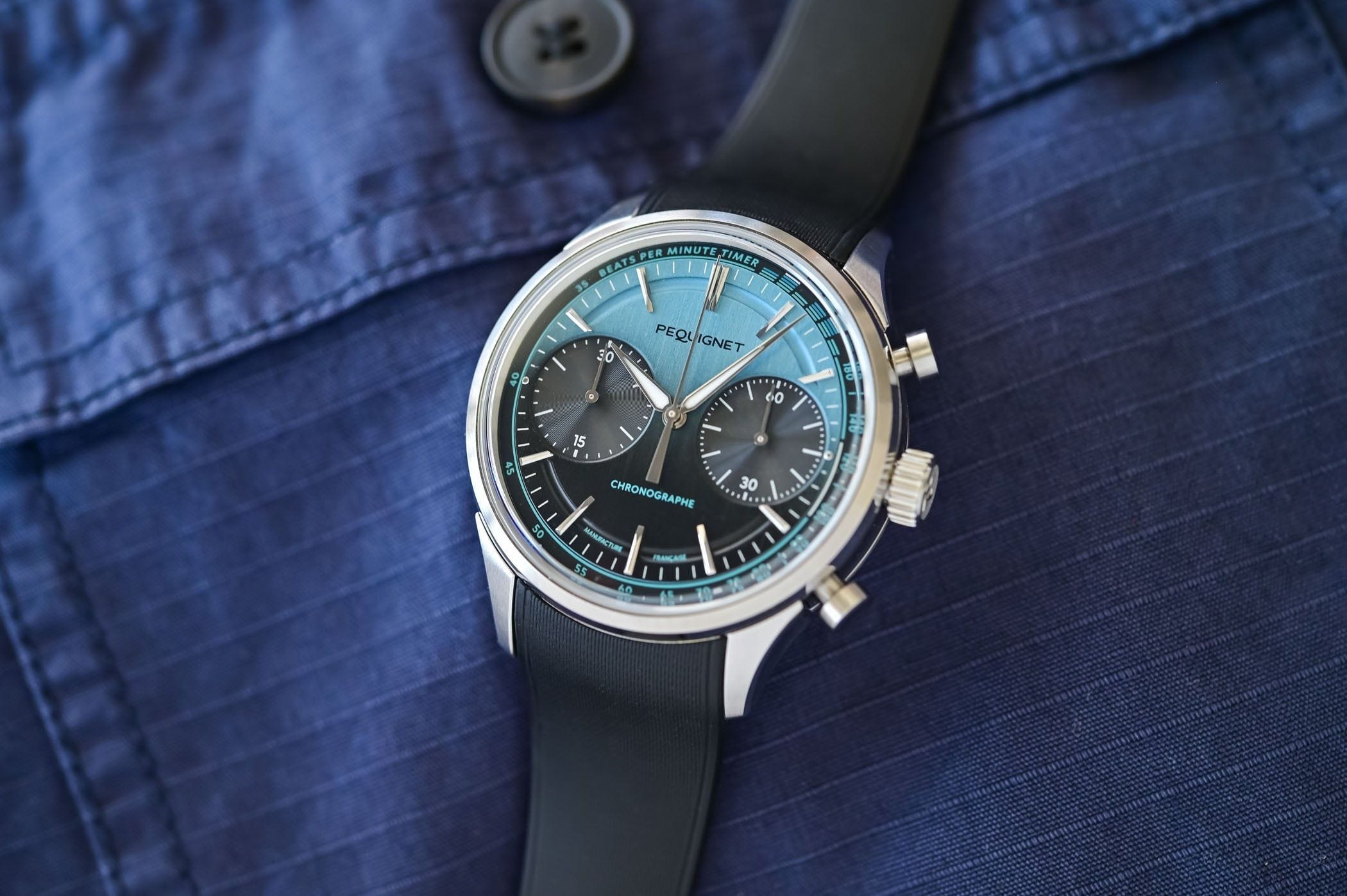
Pequignet’s Royale Paris Chrono BPM Measures the Beat
Pequignet gives the chronograph a musical role with a BPM scale designed to measure tempo by timing 30 beats. The 39.5mm steel Royale Paris Chrono BPM pairs that function with a blue-to-black gradient dial, graphic markings, and a black Cordura strap. Its automatic Calibre Initial-based construction offers a reported 65-hour power reserve, while 50-meter water resistance suits its everyday, urban positioning. Scheduled to join the permanent collection on October 15, it connects French watchmaking with the French Touch electronic-music tradition through an actual timing function. Price: approximately US$7,774, converted from €6,950 including French VAT.
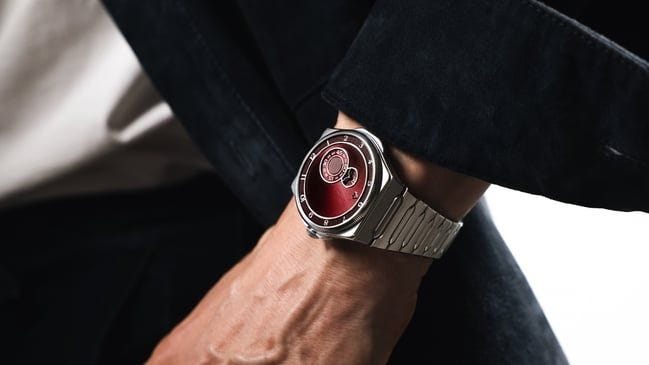
Trilobe Château Trente-Deux Pours a Burgundy Interpretation of French Watchmaking
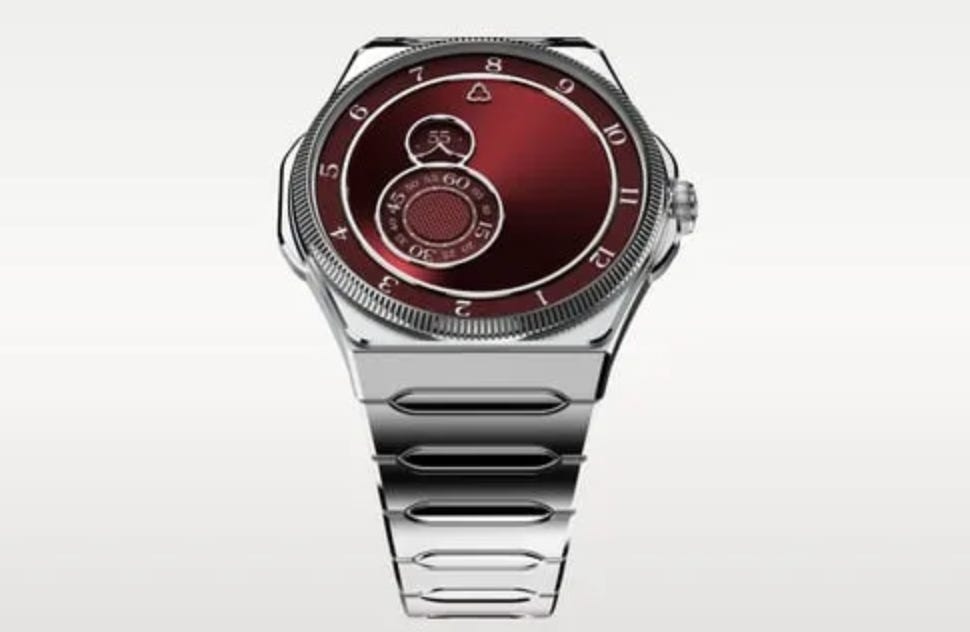
Trilobe gives its Trente-Deux a deep burgundy dial that draws an explicit connection between French watchmaking and wine. The 39.5mm steel watch retains the brand’s unconventional rotating time displays, integrated bracelet, and automatic X-Nihilo manufacture movement with a 42-hour power reserve. The first 100 examples receive a special case-back engraving and an accompanying bottle of selected French wine. The model itself continues beyond that initial allocation, allowing the dial treatment to become part of the collection. Price: approximately US$19,576 before tax, converted from €17,500.
Go Deeper · Go Deeper: Collection Details and Pricing
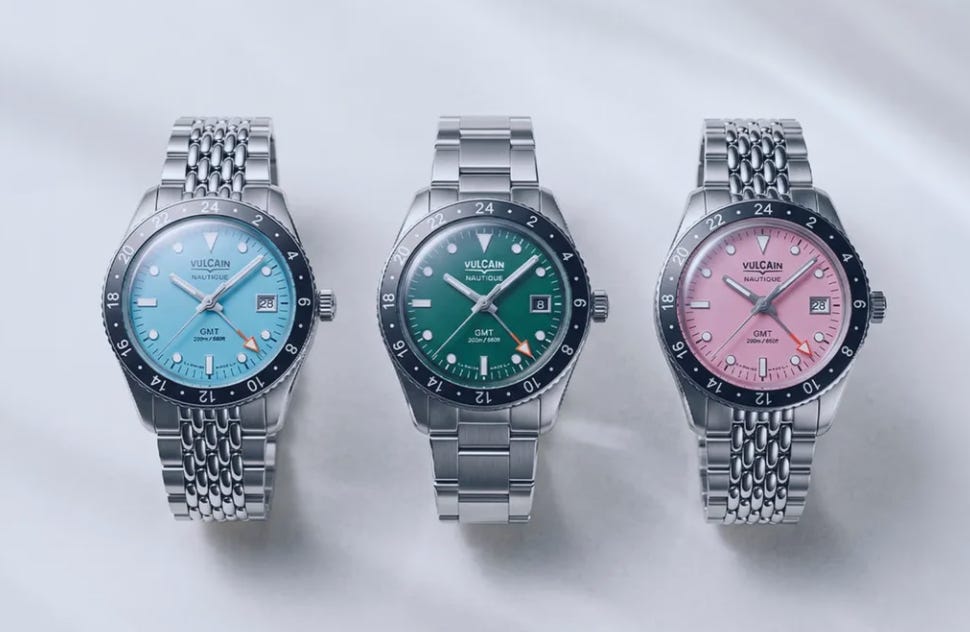
Vulcain’s Skindiver Nautique GMT Finds Its Own Color
Vulcain’s Skindiver Nautique GMT combines compact vintage-diver proportions with the usefulness of a second time zone. The latest colorful versions build on a 38mm case, a Soprod C125 automatic GMT movement, and 200-meter water resistance. Pink and turquoise editions are limited to 100 pieces each, while the green version is limited to 50. Rubber and two bracelet options let buyers choose between a more casual diver presentation and a fuller vintage sports-watch look. Prices: US$2,330 on rubber, US$2,510 on the beads-of-rice bracelet, or US$2,610 on the Vintage bracelet.
Go Deeper · Go Deeper: Colors and U.S. Pricing

Baltic Brings The Rift to a Compact 34mm Hermétique
Baltic expands its partnership with Iceland’s Rift gravel race through a 34mm version of the Hermétique, giving the rugged design a smaller footprint. A forged-carbon outer dial sector and accents inspired by the Icelandic landscape supply the visual identity, while the steel case retains 150-meter water resistance. The Miyota 9039 automatic movement provides approximately 42 hours of running time, and the 34mm model’s 42.5mm lug-to-lug measurement should appeal to buyers seeking compact proportions. Production is limited to 400 examples in each of the 34mm and 37mm sizes. Price: approximately US$694 before tax, converted from €620.
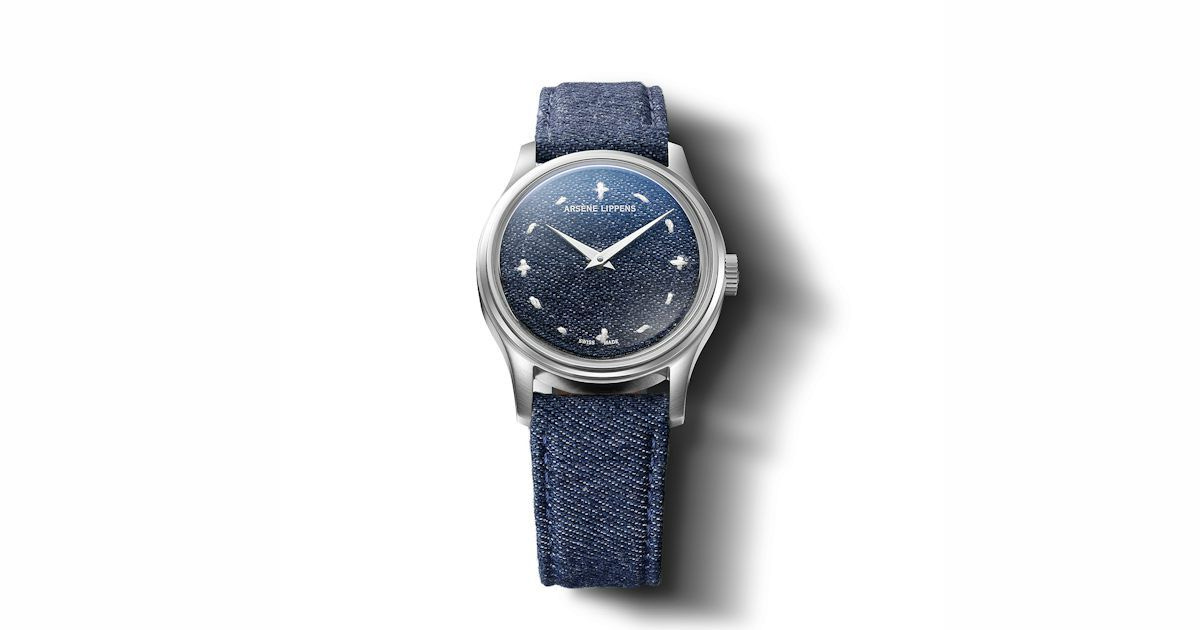
Arsène Lippens’ Artigiano “Sashiko Denim” Makes Hand Stitching the Main Event
Arsène Lippens turns to the Japanese textile tradition of sashiko for a dial whose hand-stitched details provide its defining character. Created with Dutch artist Pey van der Wel of SASHIKODENIM, the watch continues the brand’s exploration of textile crafts through its “Threads of Time” series. A 37.5mm steel case houses a manually wound Sellita SW210-1b movement with a 48-hour power reserve, while the denim strap reinforces the material theme. Just ten numbered pieces are offered, with sales opening October 9 for 48 hours or until the allocation is exhausted. Price: approximately US$2,279, converted from CHF1,900.
Comparisons
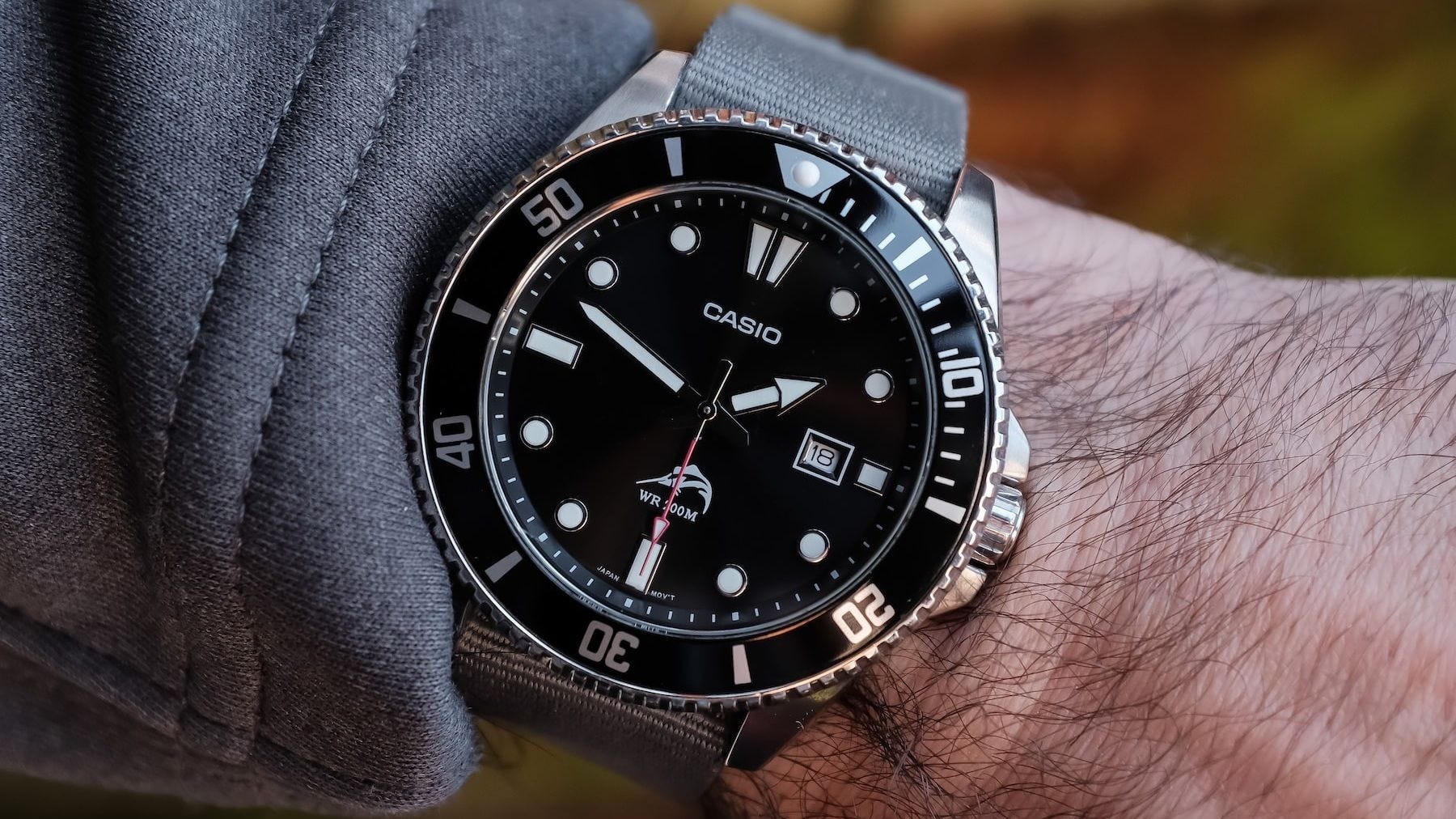
Casio Duro vs. Timex Deepwater: Which Affordable Diver Wins on the Wrist?
The Casio Duro and Timex Deepwater Meridian 200 make different arguments for the affordable quartz diver. At roughly $85, the Duro offers straightforward functionality, 200-meter water resistance, and a familiar platform for experimenting with straps. The approximately $269 Timex adds more upscale touches, including sapphire crystal and a more refined presentation.
The comparison’s most useful finding comes from actual wear: the reviewer repeatedly preferred the simpler Casio. That is a reminder that a longer specification sheet cannot predict which watch will feel most satisfying during an ordinary day. The better purchase depends on whether the extra features improve the experience for the person wearing it.

26 Independent Watches Under £10,000 Worth Exploring
Independent watchmaking covers far more territory than scarce, six-figure complications. This selection ranges from accessible dive watches and understated dress pieces to more ambitious designs, showing how many different approaches now sit beneath the £10,000 ceiling.
Names including Quantum, Von Doren, Kiwame, Erebus, and Yema illustrate the breadth of that market. The useful exercise is to compare what each maker contributes through proportions, dial work, functionality, or an identifiable design point of view. For collectors willing to look beyond the usual shortlist, the range of possibilities continues to expand.
Reviews
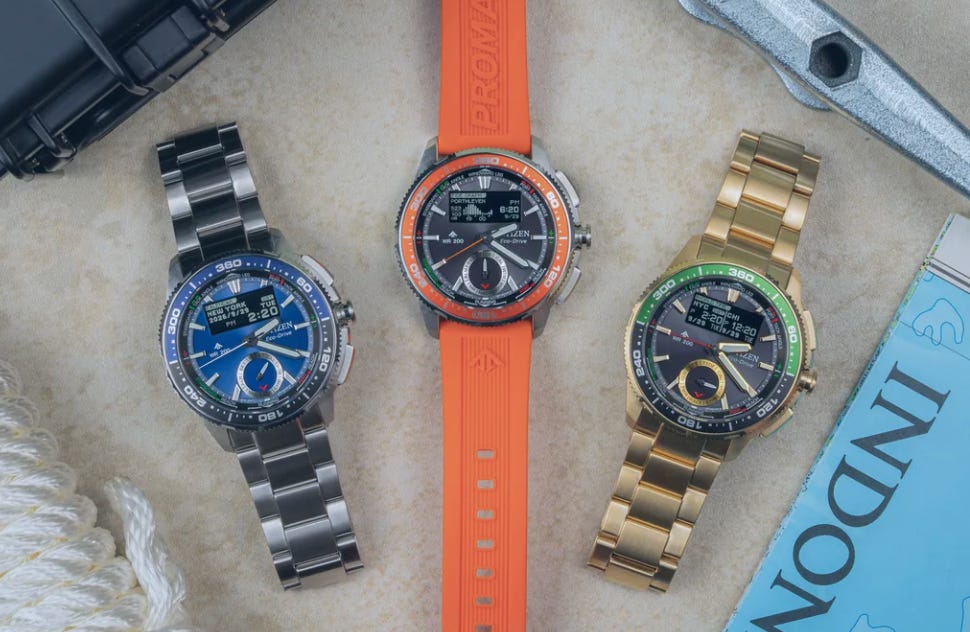
Beachcombing with the Citizen Promaster WaveTracker JV3000
Citizen’s WaveTracker approaches coastal life as a practical problem worth solving. The analog-digital display combines conventional hands with a Memory-in-Pixel screen, bringing tide information, world time, alarms, chronograph functions, and race timing into a 42.4mm watch with 200-meter water resistance.
The review emphasizes legibility, intuitive operation, and the usefulness of tide data covering 203 locations. At prices ranging from $795 for an orange-strap version to $950 for a gold-tone bracelet model, its appeal depends on how often those capabilities become part of the owner’s routine. For someone regularly on or beside the water, there is plenty here to use.
Wren Vessel: A New Shape for the Brand
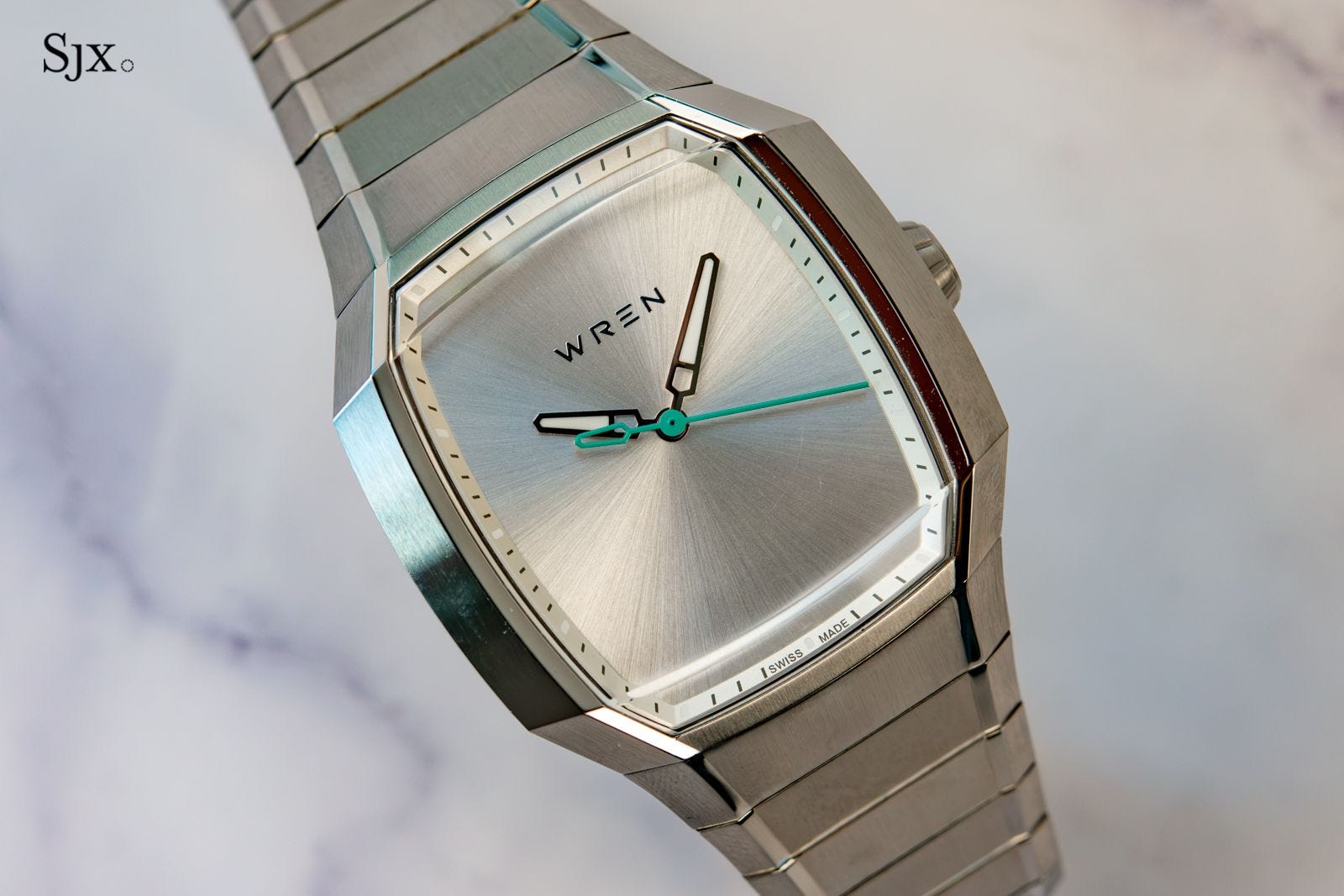
Wren moves beyond its dive-watch origins with the Vessel, a square, integrated-bracelet design whose faceted sapphire crystal is central to its appearance. Designed by Max Resnick under founder Craig Karger’s direction, the 39mm watch combines 904L steel with a relatively slim 10.6mm profile and a Sellita SW300-1 automatic movement.
The unusual crystal and case geometry give the watch a more architectural identity, while the bracelet is essential to how the design reads on the wrist. Pricing is $2,900 for the steel sunray dial and $3,400 for meteorite. The review examines whether those distinctive details add up to a convincing everyday watch.
A Second Look at the Wren Vessel’s Change of Direction
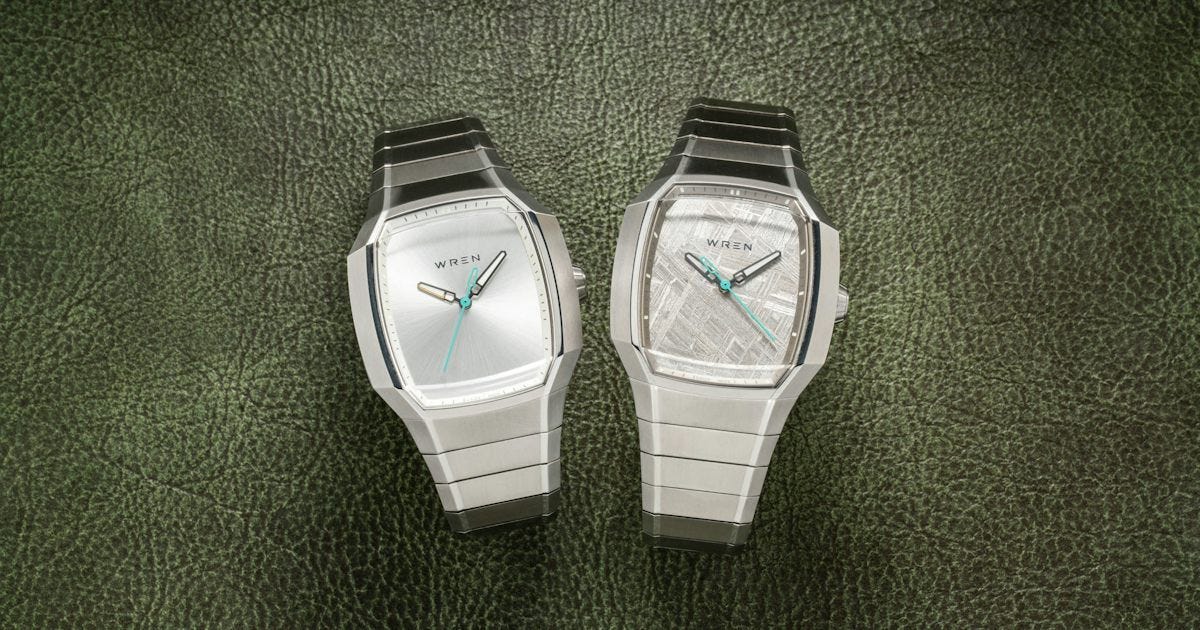
A second assessment of the Vessel focuses on what this release means for Wren’s developing identity. The angular silhouette, integrated bracelet, and faceted crystal represent a substantial departure from the familiar vintage-diver language used by many young brands.
The steel sunray and meteorite versions give buyers different levels of visual texture, with each limited to 150 pieces. Presales are intended to lead into deliveries in early 2027. For prospective owners, the central question is whether the case-and-bracelet design feels as coherent in daily wear as it does in photographs.
Bremont Supermarine Full Ceramic Deep Blue: Does the Complete Package Convince?
The hands-on perspective on Bremont’s new ceramic diver turns from its headline specifications toward color, finish, and wearability. Its matte blue exterior and restrained dial give the 43mm watch a quieter presence than its 500-meter depth rating might suggest, while the 13mm profile helps contain its size.
At $7,400, the Supermarine faces demanding comparisons with other established sports watches. Its strongest argument rests on the overall package: ceramic construction, substantial diving capability, distinctive styling, and a movement with a useful 56-hour reserve. Buyers will need to decide how much those qualities matter relative to the alternatives.
Events
Raymond Weil Makes Its Family Story Personal in Sydney
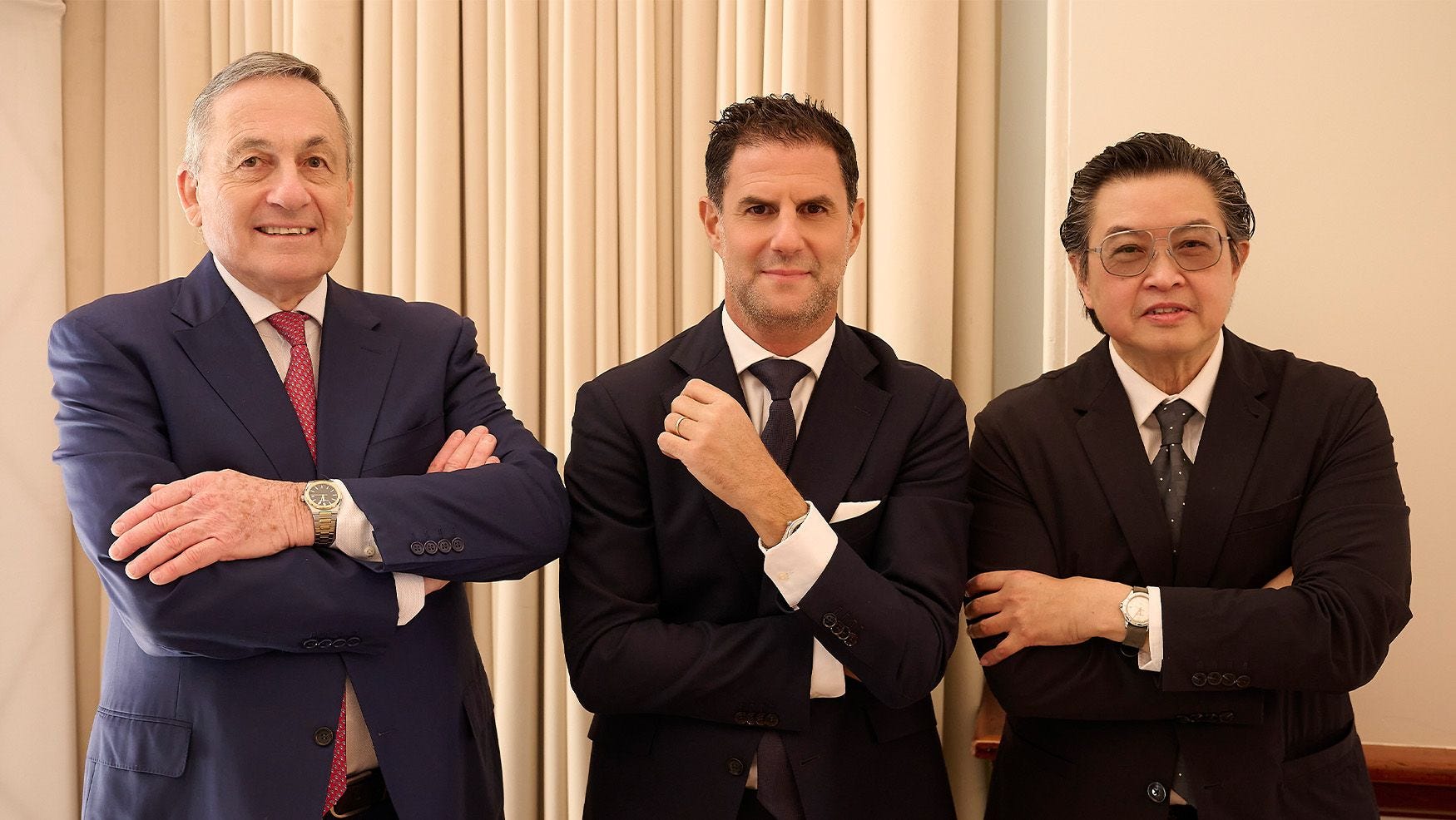
Raymond Weil used its Sydney gathering to connect the brand’s history with its current direction. A display of 25 historic models provided context for newer pieces, including the A.R.T collection, the Millesime Chronograph “The Fifty,” and a preview of a grey-dial Freelancer Complete Calendar.
CEO Elie Bernheim’s discussion emphasized the relationships behind a family business and the importance of keeping its watches approachable. The event’s appeal lay in giving collectors a more personal understanding of the company—how earlier designs relate to present decisions, and how the people running the brand see its future.
Podcast
SUPERLATIVE: Guy Allen on Elliot Brown and the Independent Watch Revolution
Guy Allen joins Ariel Adams for a conversation that connects four decades of industry experience with the current opportunities facing independent watchmakers. Elliot Brown’s rugged tool watches, the development of the Holton, and its relationship with the UK Special Forces community provide the starting point for a discussion of authenticity.
The episode also examines direct sales, collector events, escalating Swiss prices, and pressure on movement supply. It is a useful listen for anyone interested in the business decisions that shape the watches reaching the market—and why enthusiasts increasingly buy across widely different price levels.
Scottish Watches #821: We’re Feeling Blue Daba Dee Daba DIE
Scottish Watches surveys a varied release calendar, moving through unusual materials, ambitious designs, and the continuing debate about what different watches should cost. G-Shock, Porsche Design, Formex, Dennison, Breguet, and Ulysse Nardin all enter the conversation.
The appeal is the breadth of the discussion and the hosts’ willingness to question value across very different categories. Material innovation and mechanical complexity receive attention, but so does the place of quartz in an enthusiast culture that sometimes overlooks it. Expect an energetic tour of the week’s talking points.
Video

New Wren Vessel: The Brand’s First Integrated-Bracelet Watch — Time+Tide
Time+Tide’s hands-on presentation offers a closer look at how the Vessel’s unusual crystal, angular case, and integrated bracelet work together. Seeing the watch move helps communicate proportions and reflections that still photographs can flatten. For anyone considering Wren’s change of direction, the video complements today’s written reviews with a more immediate sense of its presence on the wrist.
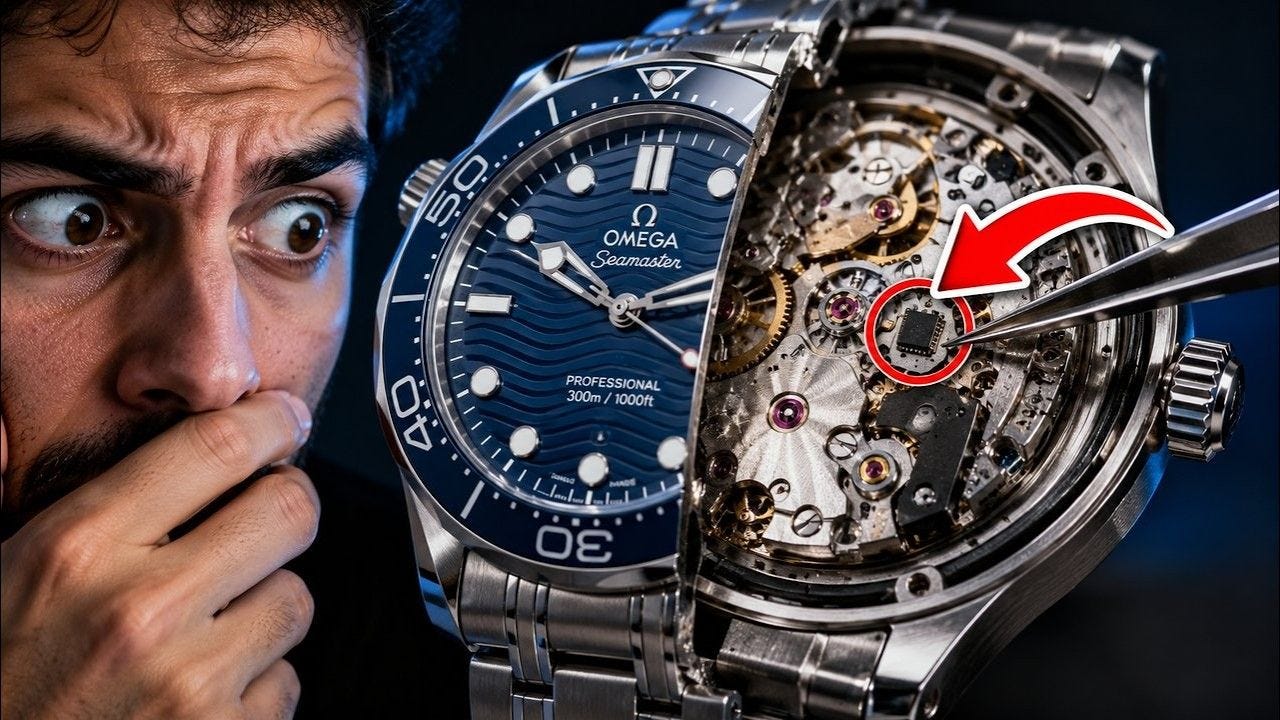
Inside a $700 VSF Omega Seamaster Superclone — Chrono-Fi
Chrono-Fi puts a counterfeit Seamaster under microscopic scrutiny, examining the finishing and construction behind its convincing surface appearance. The subject is particularly relevant to authentication: resemblance at normal viewing distance does not establish that a watch is genuine. The inspection offers a closer look at why details, provenance, and knowledgeable examination matter when assessing a purchase.

The #1 Problem Plaguing the Watch Industry — Burdeens Jewelry
Burdeens Jewelry offers an industry-facing discussion of the pressures affecting watch businesses and customer confidence. The topic fits a wider debate running through today’s issue: what buyers expect from brands and retailers, and what happens when those expectations are poorly served. Approach this as a retailer’s perspective on the health of the market and the relationships that sustain it.
Why I’m Questioning Expensive Rolex Purchases — Financially Fit
Financially Fit revisits the appeal of expensive Rolex purchases through the lens of personal priorities and spending decisions. The discussion asks viewers to consider what they actually want from ownership and how a large discretionary purchase fits into the rest of their lives. It is a useful counterpoint to collecting content that treats the next acquisition as an automatic step forward.
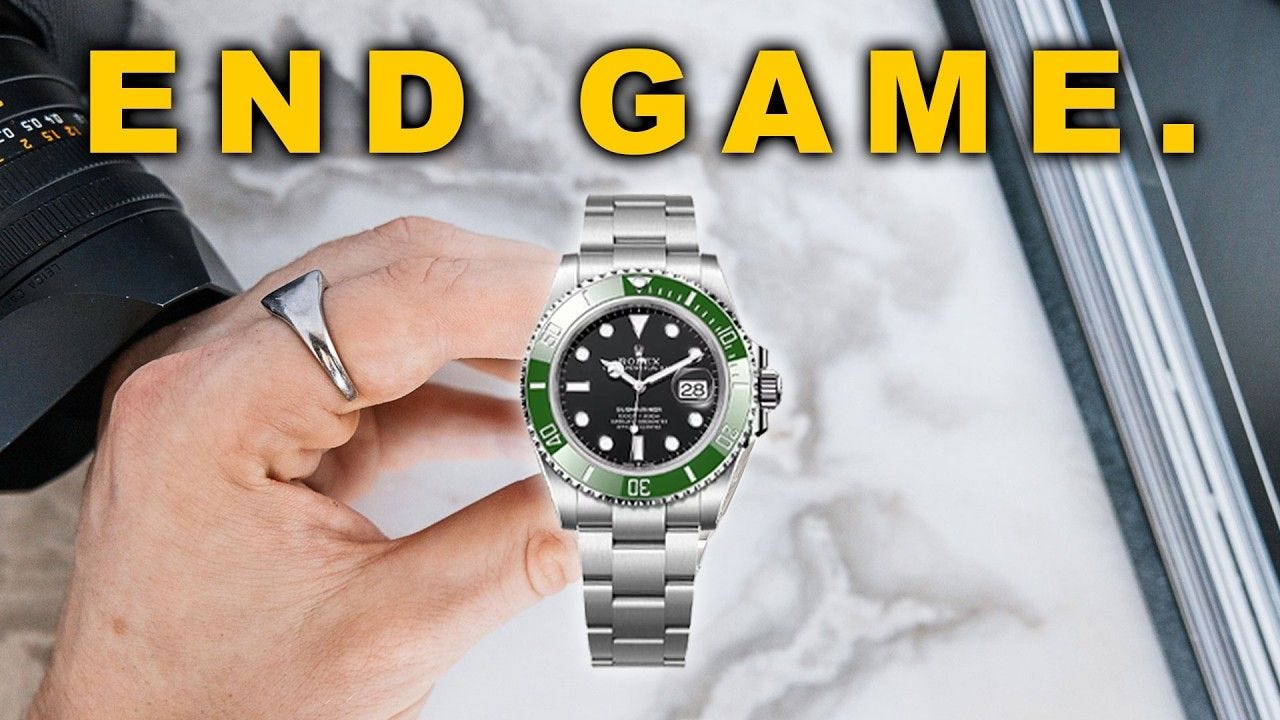
“I Know Rolex’s Next Move—It’s Crazy!” — Chisholm Hunter
Chisholm Hunter offers a forecast of Rolex’s direction, using market positioning and collector expectations as the basis for its argument. The interest lies in the reasoning behind the prediction and how it relates to the brand’s broader appeal. Treat the discussion as informed opinion about possible developments rather than an announcement of confirmed Rolex plans.

The Berneron Story: Lessons from the Past, Designs for the Future — Fratello
Fratello’s visual treatment of the Berneron story provides another way into the designer’s thinking and the watches that have brought his name to collectors’ attention. Alongside today’s podcast, it invites a closer look at the connection between mechanical decisions, unconventional forms, and the experience behind them. It is especially useful for viewers who want to see the design language while hearing the ideas that shaped it.

“Rolex Is Finally Getting What They Deserve…” — Luxury Secret
Luxury Secret adds another opinion-led perspective to the continuing conversation around Rolex, its reputation, and its place in watch culture. The provocative title reflects the intensity of a market in which the brand attracts strong reactions from owners, aspiring buyers, and critics alike. Watch it alongside today’s other Rolex selections for contrasting viewpoints on the expectations attached to the name.
Auctions
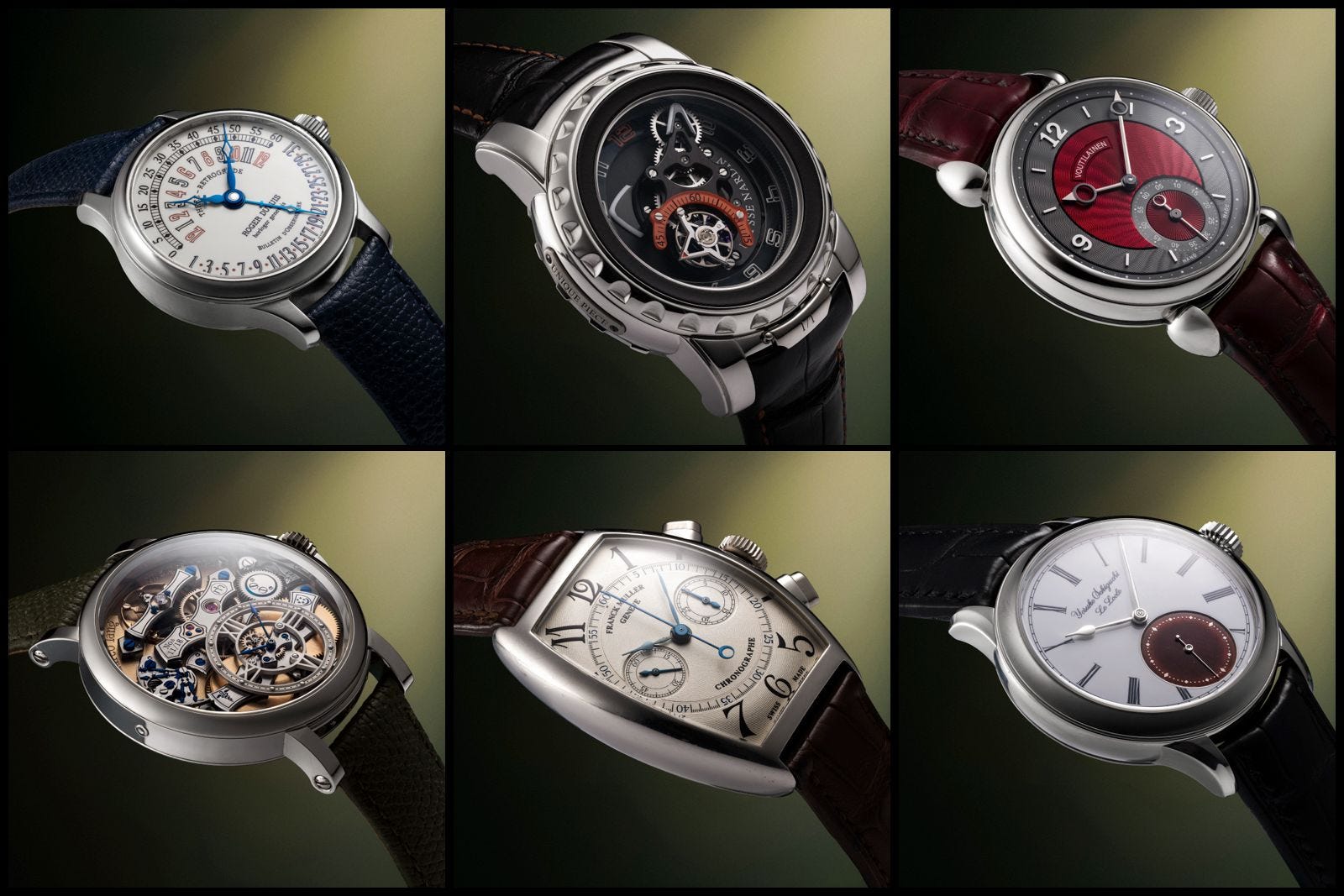
Unique Independent Watches Take the Stage at Marteau & Co’s “The Encore”
Marteau & Co’s fourth online-only auction brings together unusual independent watches while continuing its 3% maker’s-fee approach, designed to return a portion of each sale to the creator. Highlights include a distinctive Yosuke Sekiguchi Primevère and individual watches from an F.P. Journe Coffret 38 set, creating opportunities for collectors who would not pursue the complete ensemble.
The catalog also includes pieces from Voutilainen, Franck Muller, Chopard, Thomas Prescher, Ulysse Nardin, Marco Lang, and Roger Dubuis. Bidding opened October 8, with staggered closings on October 15. The sale offers an interesting test of demand for highly individual watches whose appeal depends on close knowledge of their makers.
Auction Report
A Royal Oak Stops Short as Bvlgari’s Tattoo Acqua Tests the Price of Rarity
Yesterday’s October 8 auction ended without a sale for the 2024 Audemars Piguet Royal Oak 41 Rose Gold / Black, reference 15510OR.OO.1320OR.04. Bidding reached $67,000 but did not meet the reserve. That figure records the highest bid in this auction, not a completed transaction or a definitive market valuation.
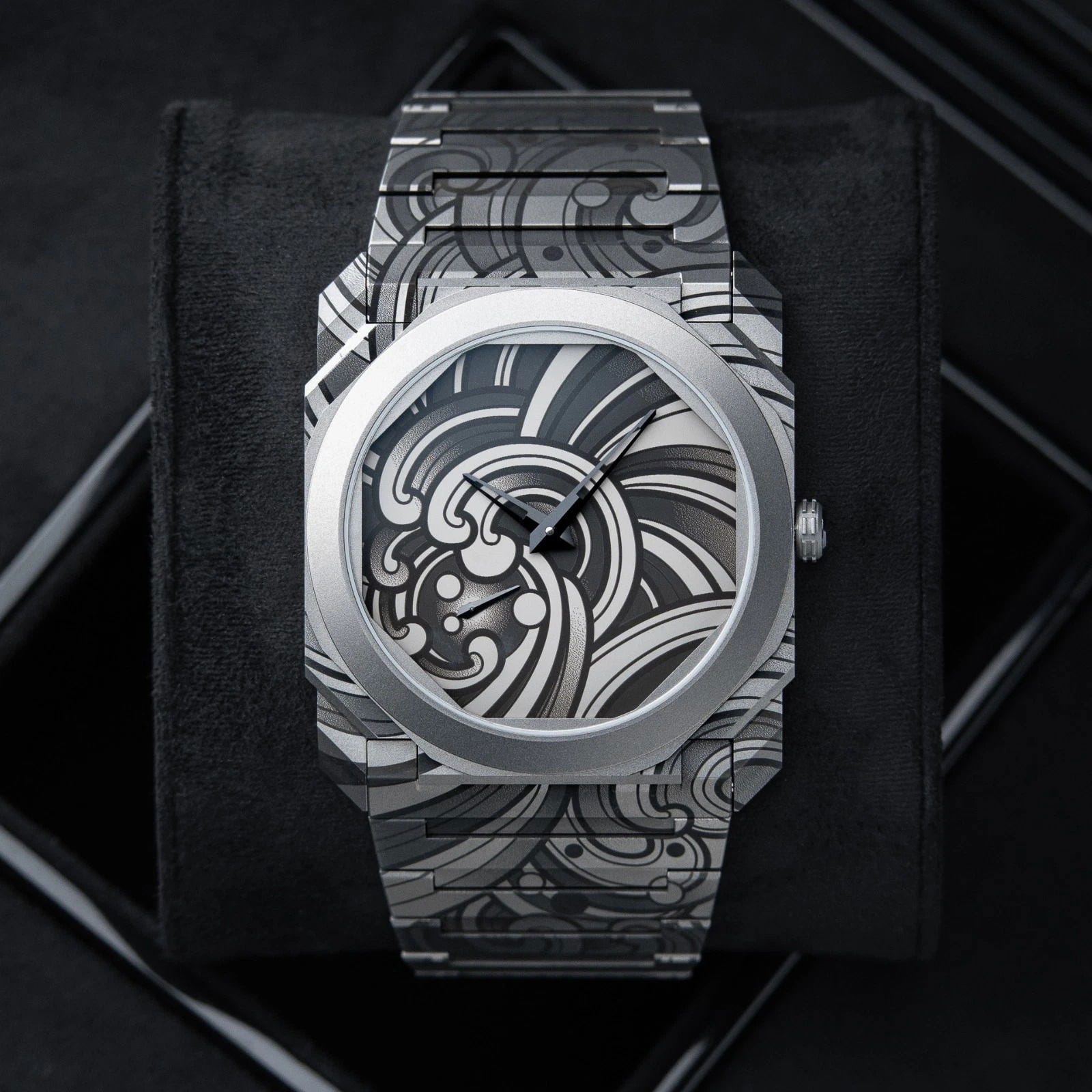
Today’s October 9 offering shifts the focus to a much smaller production run: the 2022 Bvlgari Octo Finissimo Automatic Tattoo Acqua, reference 103707, carrying a reserve of $36,335.
Created in a series of just 30 for Paris retailer Chronopassion, the Tattoo Acqua brought together Laurent Picciotto, tattoo artist Mo Coppoletta, and Bvlgari design chief Fabrizio Buonamassa Stigliani. Its wave decoration carries the artistic concept across the sandblasted titanium surfaces, giving the Octo Finissimo’s angular architecture an unusually fluid appearance. The 40mm watch measures approximately 5.15mm thick and uses the automatic BVL 138, a 2.23mm-thick movement with a platinum micro-rotor and a 60-hour power reserve. It represents a distinctive artistic variation on Bvlgari’s ultra-thin watchmaking platform.
Chronopassion lists the sold-out edition at €26,000 including tax, providing a retail reference point rather than a current resale valuation. A presently advertised 2022 example with box and papers carries a dealer asking price of $35,118. Today’s $36,335 reserve is $1,217, or approximately 3.5%, above that advertised figure before any applicable transaction costs. One asking price cannot establish a reliable market range, particularly for a 30-piece edition, and it is not evidence of a completed sale. It does, however, give bidders a concrete comparison against which to assess the reserve.
The Bezel auction watch is described as unworn and includes its box, papers, and product literature. The dial, case and bezel, and bracelet are all listed in excellent condition, with the usual possibility of minor handling marks. Its appeal combines an exceptionally slim titanium watch, an identifiable artistic collaboration, and genuine production scarcity. Whether those qualities persuade a bidder to clear the reserve will be decided when the auction ends at 5:45 p.m. EDT on Friday, October 9, 2026.
Current bid: $7,200
Losing Time


Today’s Big Losers at Auction on Grailzee
Four lots, four failed sales, and four reminders that an asking price is a statement of ambition—not an obligation for the audience. The shortfalls below are measured against each seller’s ask.
2026 Rolex Submariner Date Desk Clock (909010LN): 47.7% below ask. The seller wanted $17,000 for this 80mm quartz desk clock; bidders stopped at $8,888, leaving an $8,112 gap. Apparently, putting a Submariner on a desk instead of a wrist does not automatically make the price easier to swallow. With the high bid barely exceeding half the ask, this was the biggest percentage miss of the four. The Rolex name attracted a bid; it did not bridge the seller’s expectations.
2026 Rolex Cosmograph Daytona (126515LN): 22.5% below ask. The 40mm Sundust-dial Daytona on an Oysterflex strap carried a $50,000 ask and reached a $38,750 high bid—a shortfall of $11,250. A desirable configuration, certainly, but bidders declined to contribute the additional five figures required to make the seller’s day. Even a Daytona can encounter a price ceiling.
2022 Patek Philippe Nautilus (5726/1A-014): 14.5% below ask. The blue-dial, steel-bracelet Nautilus drew a $115,000 bid against a $134,500 ask, missing by $19,500. That was the largest dollar gap, although proportionally it came closest to a deal. A six-figure bid is hardly a lack of interest. It is, however, a fairly clear indication that the bidder and seller had different definitions of “worth it.”
2026 Girard-Perregaux Laureato Chronograph L.E. (81020-56-3578-1CX): 36.0% below ask. The 42mm brown-dial chronograph on a rubber strap reached $16,000 against a $25,000 ask, leaving $9,000 unresolved. “Limited edition” may describe production, but it does not guarantee unlimited enthusiasm at auction. The seller’s valuation needed substantially more support than this bidding delivered.
The Nautilus had the narrowest proportional disconnect, followed by the Daytona. The Laureato and Rolex desk clock faced much wider gaps, suggesting that a modest concession alone would not have closed those deals. These four results do not establish a market-wide downturn or definitive market values. They do show where bidding stopped on this occasion—and that prestige, scarcity, and a fresh model year could not persuade buyers to finish the sellers’ arithmetic.
Closing Time
Thank you for spending part of your Friday with BuyingTime. From a familiar name preparing for another chapter to a tiny independent finding a new form of expression, the best stories reward a closer look. Enjoy the weekend, wear something that makes you happy, and keep making time for the details.