

BuyingTime in 30 Seconds
Rolex UK’s sales rose 5% in 2025, but operating profit fell 10.4%, showing how currency pressures can squeeze even a powerful luxury business. Bangalore Watch Company has secured its first outside equity investment to support international expansion. Our features connect watches with records, explore Billy Strings’s vintage collecting, and visit ambitious watchmaking projects in Dongguan and Geneva. Nezumi introduces an automatic racing chronograph starting at approximately US$965, while Moritz Grossmann takes the Benu Power Reserve in a darker, contemporary direction. Tudor’s Northflag returns with GMT functionality, and Formex’s Raphael Granito discusses the manufacturing decisions behind his brand’s growth. Yesterday’s Czapek remained unsold at US$27,500 against a supplied US$53,300 MSRP. Today’s diamond-dial Chopard Alpine Eagle auction is scheduled to close at 1:05 p.m. EDT.
Time Graphing Today’s Watch Universe
Who Gets to Decide What a Watch Is Worth?
A watch passes through several different systems of value before it reaches a collector’s wrist. The manufacturer calculates development, materials, labor and margin. The retailer considers inventory, demand and the cost of doing business. A collector sees design, history, personal associations and perhaps the possibility of selling later. All of them can examine the same object and reach different conclusions. Today’s issue is particularly revealing because it gives each of those perspectives a turn.
Start with Rolex UK’s financial results. Revenue increased, yet operating profit declined. That combination complicates the familiar assumption that a desirable product and rising sales automatically produce a healthier business. Currency movements affect the cost of watches moving from Switzerland into Britain, while a global pricing strategy limits the freedom to solve every local problem with another increase. These are the accounts of a UK operation, rather than a complete picture of Rolex worldwide, but they offer a useful reminder that luxury still has to work as a business.
For Bangalore Watch Company, the calculation is different. Its first outside equity investment is intended to help a young brand grow beyond the limits of self-funding. Money can expand a team, improve customer service and support product development. The harder task is preserving the qualities that made people care in the first place. A brand built around Indian stories has an opportunity to bring something specific to an international audience. Growth becomes meaningful when more people understand that identity.
The manufacturing stories in this issue show two very different ways of supporting that ambition. Eddie Leung’s project in Dongguan aims to bring suppliers, production, training and watch culture into one large development. At La Fabrique du Temps Louis Vuitton, the attention turns toward enamel, specialized handwork and the time required to produce an exceptional dial. One story concerns the advantages of proximity and scale; the other reveals the patience behind objects made in tiny numbers. Both begin with capabilities that most buyers never see.
That invisible work matters, but it does not settle the question of desirability. Formex’s Raphael Granito discusses a business built around manufacturing knowledge, engineering and a close connection with customers. A better clasp or a more comfortable case can reward the owner every day, even when those improvements receive less attention than a dramatic complication. There is a practical kind of value in a watch that keeps proving thoughtful after the excitement of opening the box has passed.
Then Billy Strings enters the conversation with an entirely different set of priorities. His interest in vintage Accutrons, Universal Genève and unusual older watches grows through discovery, friendships and giving watches to people he cares about. The pleasure is partly in finding something that feels right for a particular person. A famous name becoming more expensive does not necessarily make its watches more interesting to him. That is a useful distinction for anyone who has ever mistaken increased attention for increased personal appeal.
The feature on records and watches takes that idea further. Packing a collection for a move forces an unusually direct question: why am I keeping this? A record might carry memories of a particular apartment, relationship or period of discovery. A watch can perform the same function. Streaming makes music easier to access, just as a phone makes accurate time effortless to obtain, yet the physical objects remain compelling. Handling them becomes part of how we revisit our own histories.
That helps explain the breadth of today’s new releases. Nezumi’s Voiture VM2 offers mechanical chronograph appeal and confident color choices at a comparatively accessible price. Moritz Grossmann’s Benu Power Reserve asks buyers to appreciate the finishing, construction and limited production of a much more expensive watch. Their audiences may overlap, but the reasons to buy them differ. Understanding those reasons is more useful than insisting that one universal formula can explain every price.
Even the G-Shock comparison belongs here. A collector choosing between two familiar digital watches is weighing comfort, readability and functions against years of actual experience. The winner earns its place through use. That is a demanding test, and an expensive watch does not receive an exemption from it.
Yesterday’s Czapek auction brings us back to the difference between appreciation and a willingness to pay. Bidding reached US$27,500, approximately 48.4% below the supplied retail price, and the watch remained unsold. The natural-stone dial and movement architecture retained their appeal. The auction simply failed to produce a buyer willing to meet the seller’s minimum. A high bid below reserve is evidence about that particular auction; it does not establish a completed-sale value for every comparable watch.
Today’s Chopard will put another combination of qualities before bidders: rose gold, diamonds, colored gemstones, recognizable design and manufacture watchmaking. Some buyers will see an unusually appealing expression of Chopard’s abilities. Others will prefer a simpler Alpine Eagle, regardless of the discount. Both responses make sense. The useful question is whether the qualities commanding a premium are the qualities the prospective owner actually wants.
We can learn from financial statements, production methods and auction results without allowing any of them to dictate our taste. Those sources help us understand what a purchase costs and how the market might treat it. The final decision still belongs to the person who will live with the watch. A collection becomes more satisfying when its owner can explain that decision in language more personal than “everyone wants one.”
-Michael Wolf
News
Rolex UK’s Sales Rise While Currency Pressures Reduce Profit
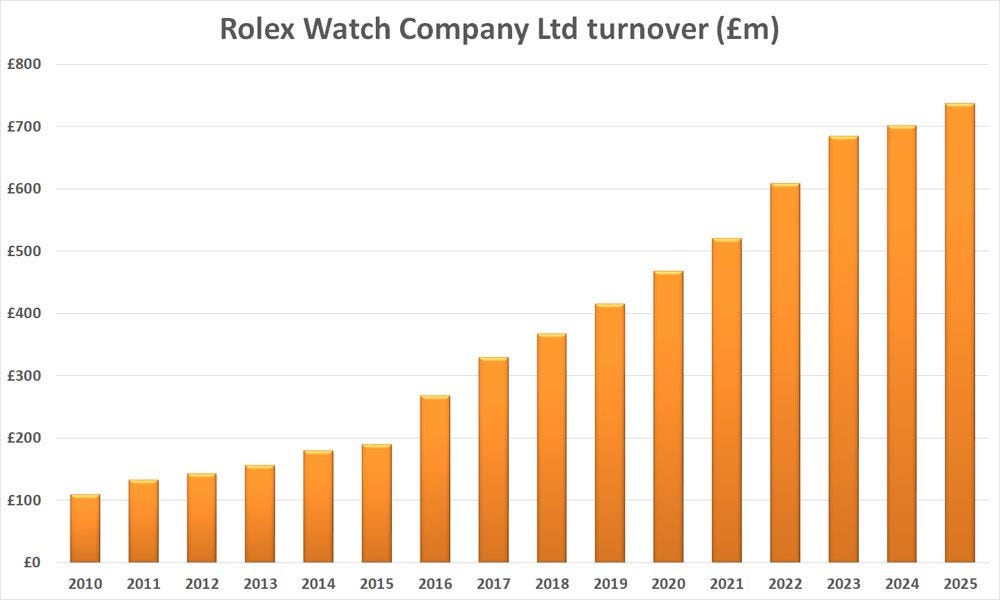
Rolex UK reported revenue of £736.7 million for 2025, up 5%, while operating profit declined 10.4% to £87.1 million. A weaker pound against the Swiss franc increased the cost of watches purchased from Switzerland, and the company’s approach to international price alignment limited its ability to offset that pressure locally. Corporation tax payments fell from £21.9 million to £16.7 million.
Operational changes also reshaped the balance sheet. A move toward UK retailers purchasing directly from Switzerland reduced stock holdings by £48.5 million. Employee numbers fell from 208 to 197, although staff expenses increased to £19.2 million. Meanwhile, UK property assets were revalued at £328.05 million, up £22.35 million. The figures provide a revealing view of Rolex’s British operation, while remaining distinct from the privately held group’s global finances.
Bangalore Watch Company Secures Its First Outside Investment for Global Expansion
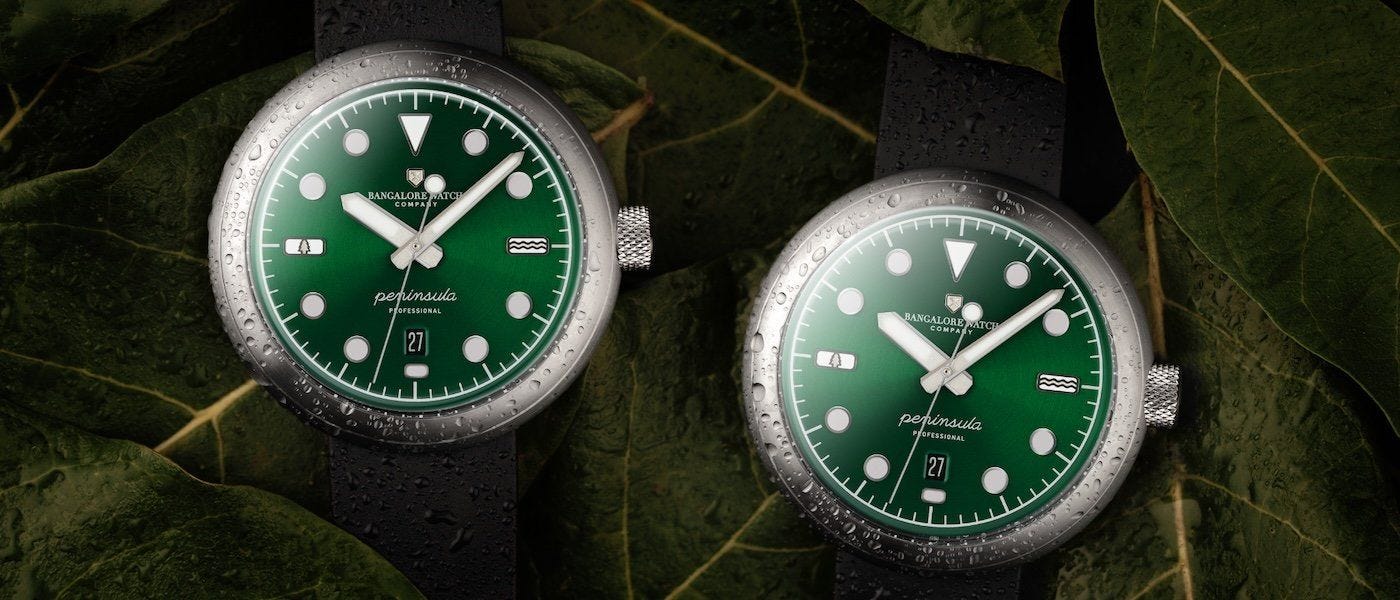
After eight years of self-funded development, Bangalore Watch Company has secured its first external private-equity investment. Founded in 2018, the brand now reaches customers in more than 30 countries, with international buyers accounting for roughly half its sales. The funding will support product development, a larger team and further expansion into overseas markets.
Co-founders Nirupesh Joshi and Mercy Amalraj retain operational control as the business enters this next stage. Their challenge is to scale a brand whose identity depends on Indian culture and storytelling while delivering the service and consistency expected by customers worldwide. The investment gives the company more room to pursue that ambition and a broader platform from which to introduce collectors to Indian watchmaking.
Features
The Records Explain the Watches: What Our Collections Carry With Them
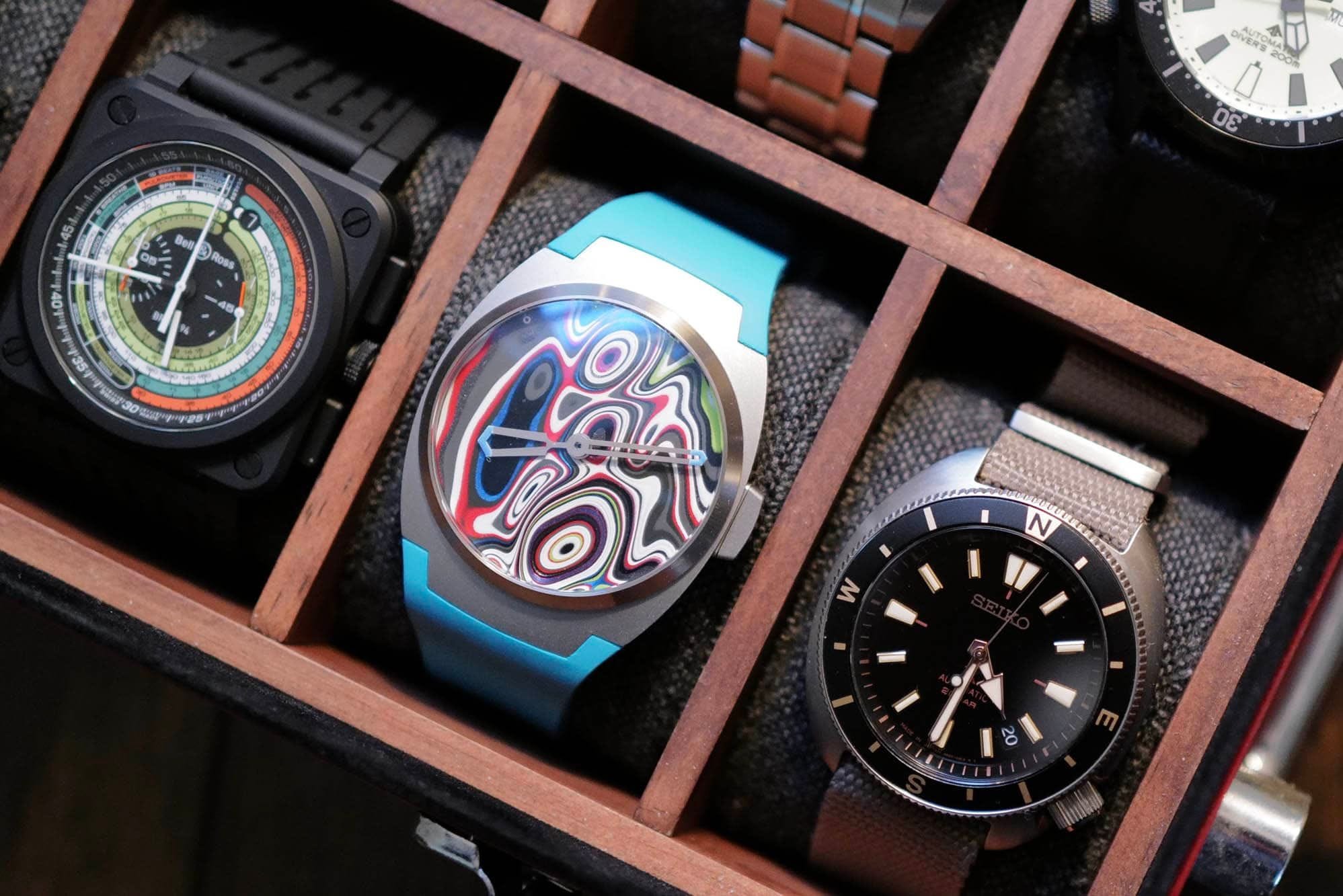
Moving to a new Brooklyn apartment becomes an occasion to reconsider two collections that are heavier than their owners sometimes remember: records and watches. Packing requires practical decisions about space, usefulness and what can be sold. Those decisions become harder when a Radiohead box set or Bob Dylan’s original mono recordings recall the person who first bought them and the life surrounding that purchase.
The connection extends to ritual. Handling a record and winding a watch both require a small, deliberate interaction with a physical object. Even after streaming makes music more convenient, those gestures retain their appeal. The author’s plan to set up a modest turntable and speakers in the new apartment suggests that the collections will keep moving forward, carrying earlier chapters into the next one.

Billy Strings Finds His Rhythm in Vintage Accutrons and Universal Genève
Billy Strings’s watch collecting began with a Citizen Eco-Drive given to him by his wife and expanded into an enthusiasm for vintage pieces with character. Accutrons, Universal Genève and Ernest Borel cocktail watches all figure in a collection shaped by curiosity and a taste for objects that feel connected to another era. His description of the hobby as a “nasty addiction” captures the enthusiasm behind the search.
The story is also about sharing that enthusiasm. Strings consults specialists such as Eric Wind, exchanges ideas with other collectors and chooses watches for family and band members. He is more ambivalent about the price and attention surrounding Universal Genève’s relaunch, preferring the discovery and individuality available in older examples. The resulting portrait is of a collector guided by personal connections and distinctive design.

Eddie Leung’s Dongguan Project Brings an Entire Watchmaking Community Into Focus
Eddie Leung’s Sino Swiss Inno Park is an ambitious attempt to concentrate watchmaking infrastructure in one place. The proposed 130,000-square-meter development in Dongguan combines design, manufacturing, assembly, repair, retail and training with residential and business facilities. Backed by Leung’s Dailywin group, which produces approximately 2.5 million watches annually, the project is intended to make cooperation between brands and suppliers more efficient.
The development is scheduled for completion in December 2026, with an official opening planned for May 2027. Its estimated cost has grown from CHF50 million to around CHF80 million, funded principally through Leung’s capital and bank financing. A museum adds a public dimension to the industrial project. The broader ambition is to make Dongguan a place where production expertise, education and watch culture reinforce one another.
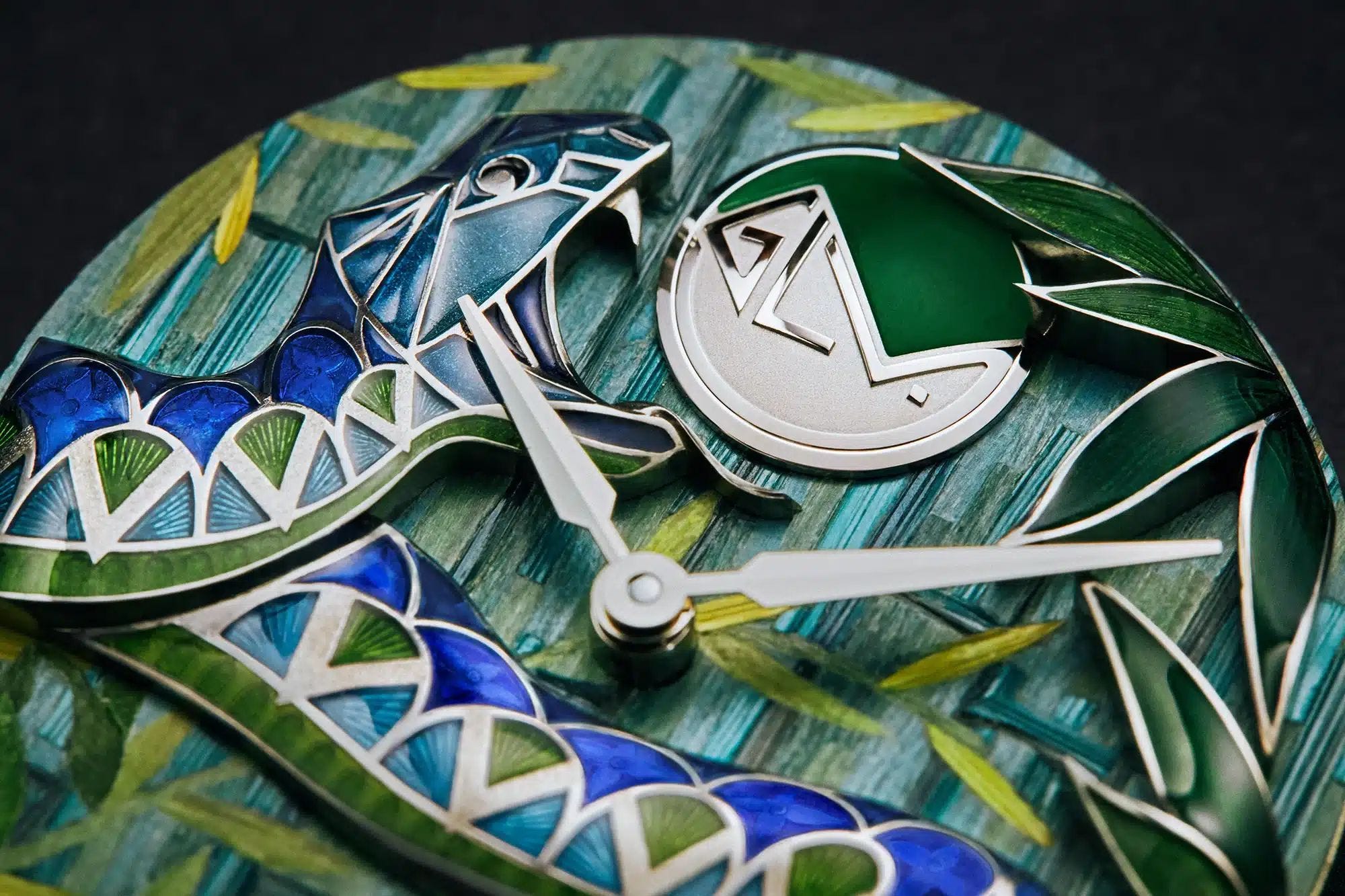
Inside the Enamel Workshops of La Fabrique du Temps Louis Vuitton
At La Fabrique du Temps Louis Vuitton in Geneva, decorative artistry and mechanical watchmaking develop alongside one another. The facility brings together movement specialists, dial makers and artisans working in techniques including grand feu, cloisonné, champlevé and paillonné enamel. The process demands close attention to color, temperature and the interaction between successive layers.
The feature examines how that expertise contributes to watches such as the Tambour Taiko Arty Automata and the Escale Cabinet of Wonders creations. Enamel provides depth and richness that printed or conventionally finished dials cannot easily reproduce, while each firing introduces the possibility of damage. These watches reveal how much experimentation and skilled labor can be concentrated into a surface small enough to sit beneath a wristwatch crystal.
New Watches
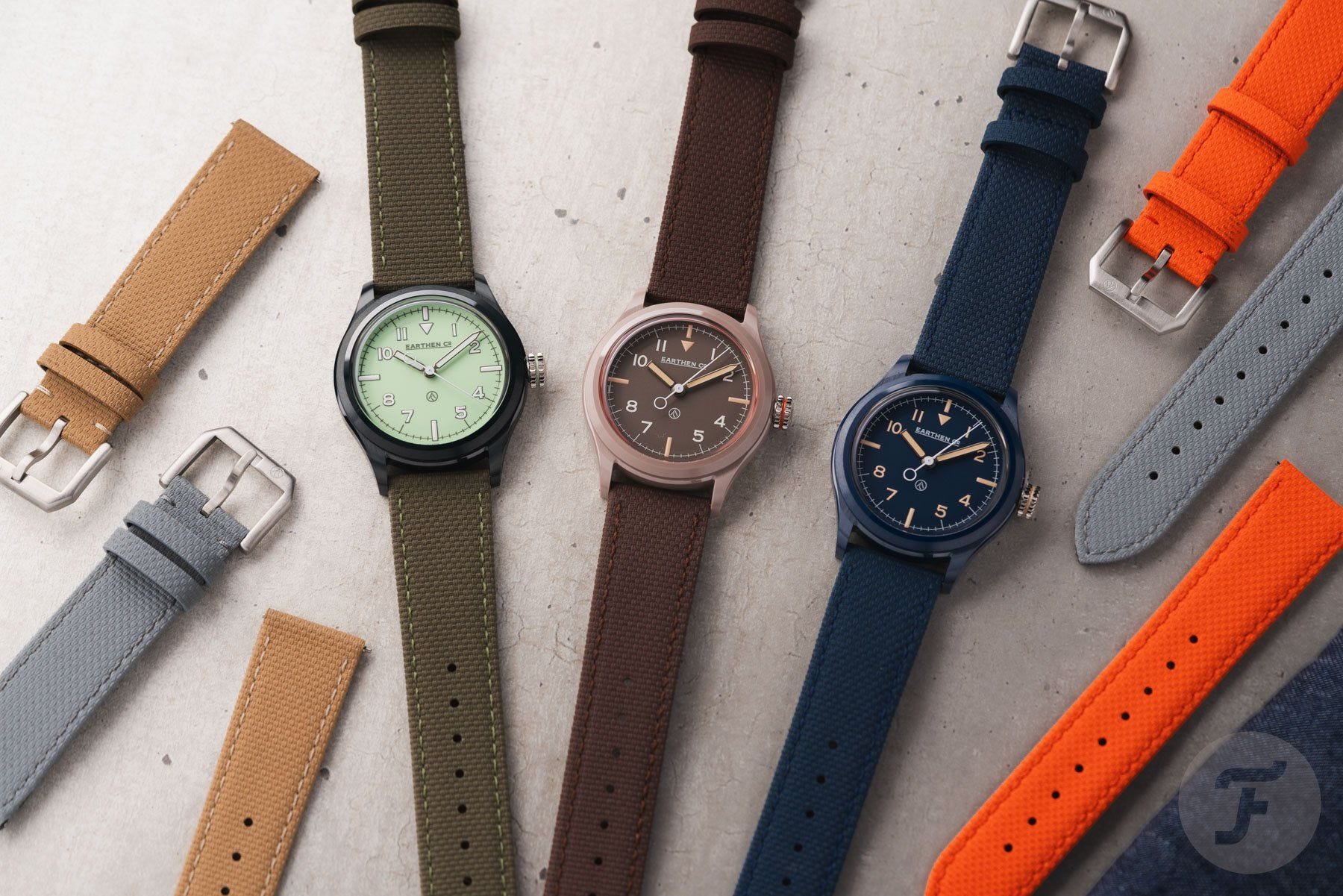
Earthen Co. Expands the Summit MK II With Three Colorful Ceramic Editions
Dune Devil, Glade and Après-Bleu add fresh colors to Earthen Co.’s Summit MK II collection. Each combines a ceramic case with matching or complementary straps, colored details and luminous hands. The underlying dimensions remain approachable: 38mm in diameter, 10mm thick and 45mm from lug to lug.
A Miyota 9039 automatic movement provides approximately 42 hours of power reserve, while 100-meter water resistance supports the watch’s active-use brief. Each US$899 package includes two interchangeable rubber straps and a travel pouch. The appeal lies in the combination of ceramic construction, practical proportions and an aesthetic that lets a daily watch feel playful without abandoning functional basics.
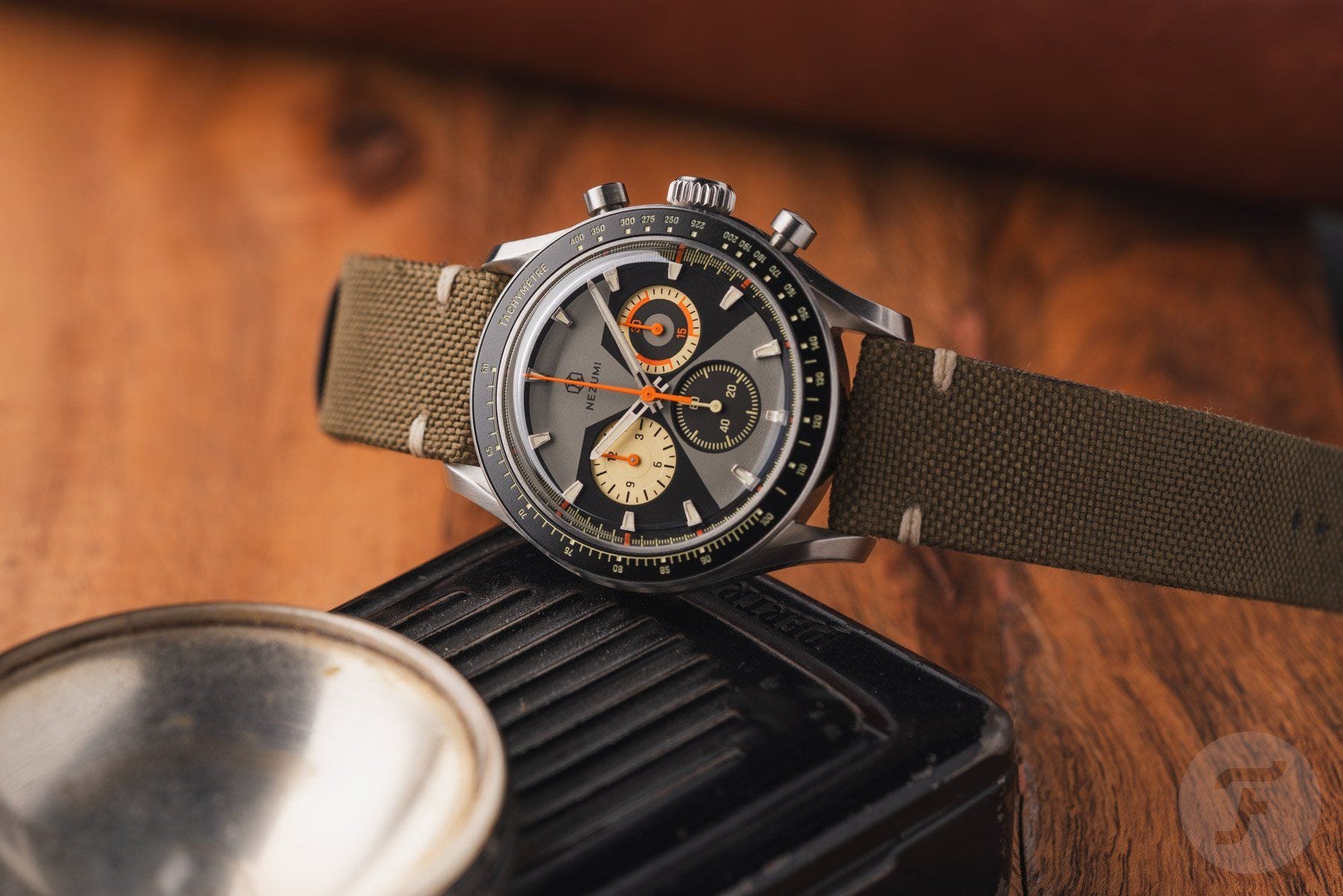
Nezumi Voiture VM2 Makes the Mechanical Racing Chronograph a Permanent Fixture
Nezumi brings a fully mechanical interpretation of its racing-inspired Voiture into the permanent collection with the VM2. The stainless-steel case measures 40mm across and 47mm from lug to lug, with a double-domed sapphire crystal and a three-register dial that draws on late-1960s and 1970s chronograph design. Buyers can choose a restrained black, gray and white version or a more colorful arrangement incorporating orange and cream.
Inside is the Peacock SL4801 automatic column-wheel chronograph movement, operating at 28,800 vibrations per hour with approximately 55 hours of power reserve. Leather, canvas and a five-row steel bracelet provide different ways to wear the design, while the contrasting dial colors help preserve the visual identity that made the original Voiture appealing. Price: approximately US$965 on a strap or US$1,024 on the bracelet, converted from €850 and €902, excluding VAT and other applicable charges.
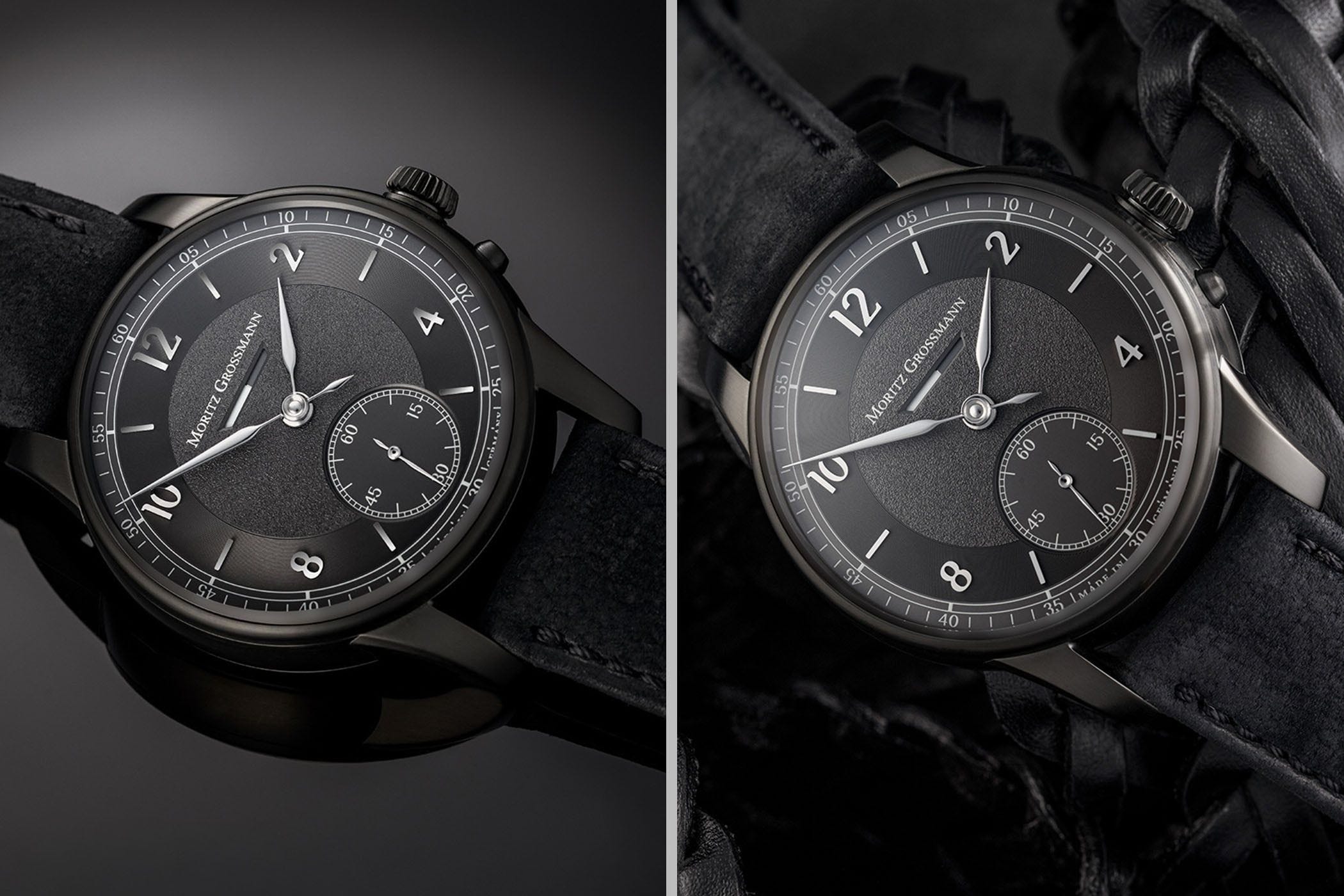
Moritz Grossmann Gives the Benu Power Reserve a Darker, More Contemporary Character
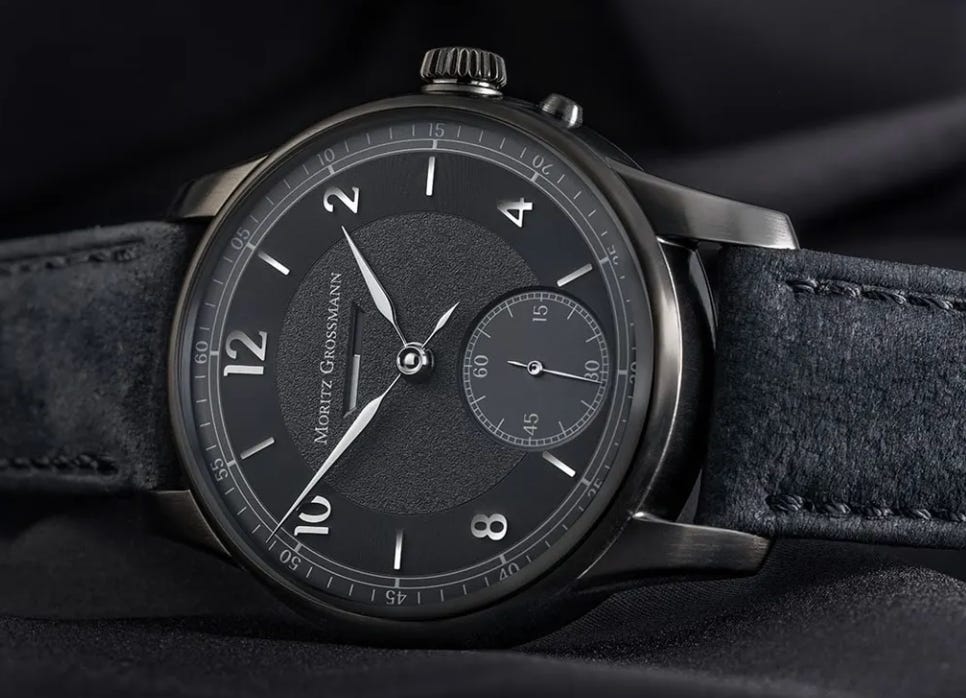
Moritz Grossmann introduces two Benu Power Reserve editions that combine traditional Glashütte watchmaking with brushed steel and dark gray DLC-coated steel cases. Both retain a 41mm diameter and use an anthracite sector-style dial with contrasting textures, recessed small seconds and the collection’s distinctive linear power-reserve display. Carefully shaped steel hands add another point of interest to a design that rewards close inspection.
The manually wound manufacture caliber 100.2 supplies 42 hours of power reserve and incorporates Grossmann’s patented crown-and-pusher system. A sapphire back reveals the movement, while black kudu-leather straps reinforce the understated appearance. Created in the year marking the bicentennial of Moritz Grossmann’s birth, each version is limited to 18 examples. Price: approximately US$46,330 each, converted from €40,800, excluding taxes.
Comparisons
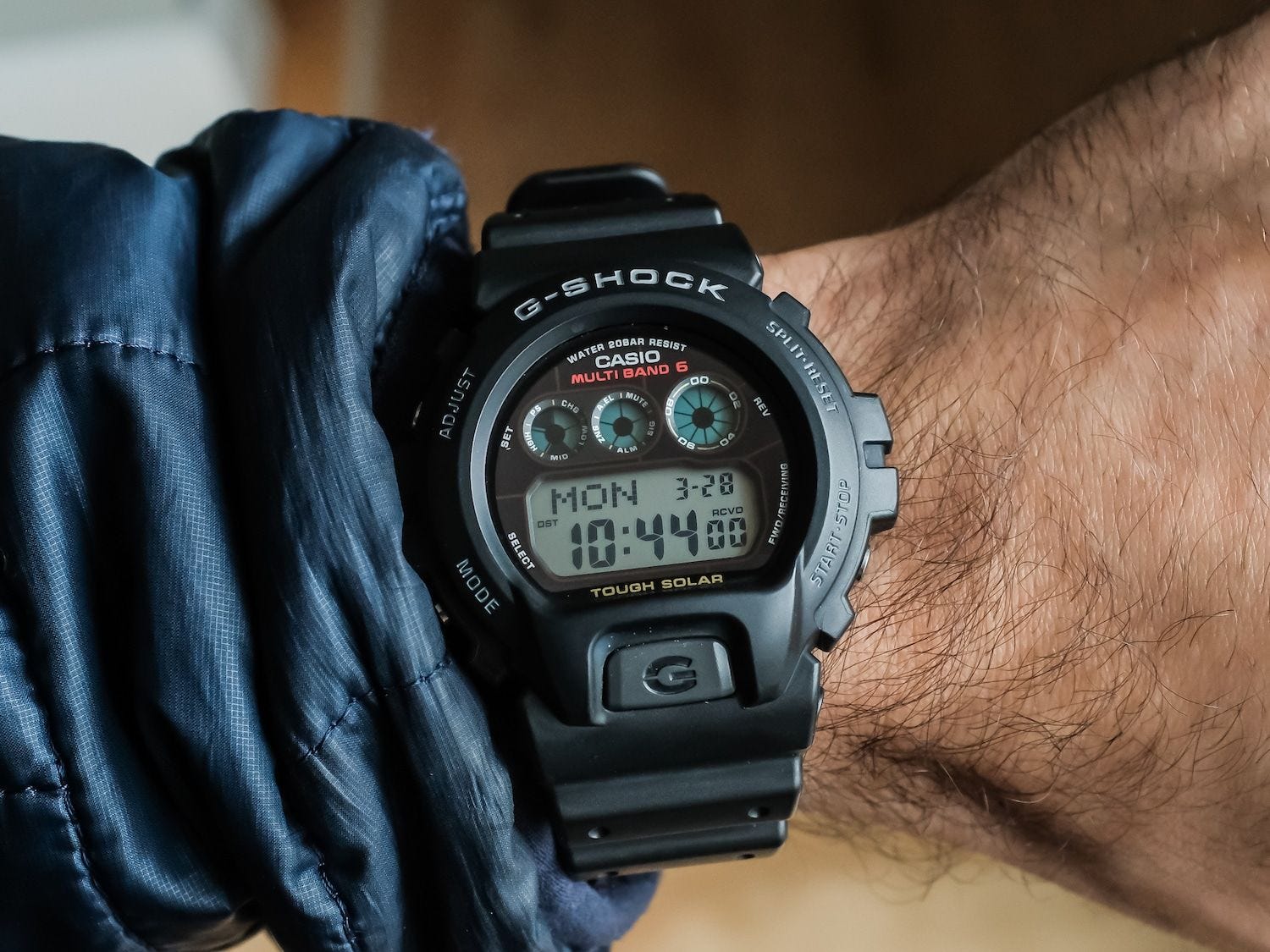
G-Shock DW5600 Versus GW6900: Two Longtime Favorites, One Everyday Winner
Two familiar G-Shock designs compete for a collector’s loyalty in a comparison grounded in years of ownership. The DW5600’s square case brings compact proportions, recognizable styling and straightforward operation. The GW6900’s larger, rounded form makes a different impression, pairing its triple-eye display with features including Tough Solar charging and Multi-Band atomic timekeeping.
The author ultimately favors the GW6900 for daily tasks, travel and demanding use. Its feature set and practical convenience outweigh the square model’s advantages in simplicity and size, while the particular DW5600 configuration’s negative display and strap arrangement introduce compromises. Both remain convincing expressions of G-Shock’s purpose; the distinction comes from how their details perform in the owner’s actual routine.
Reviews
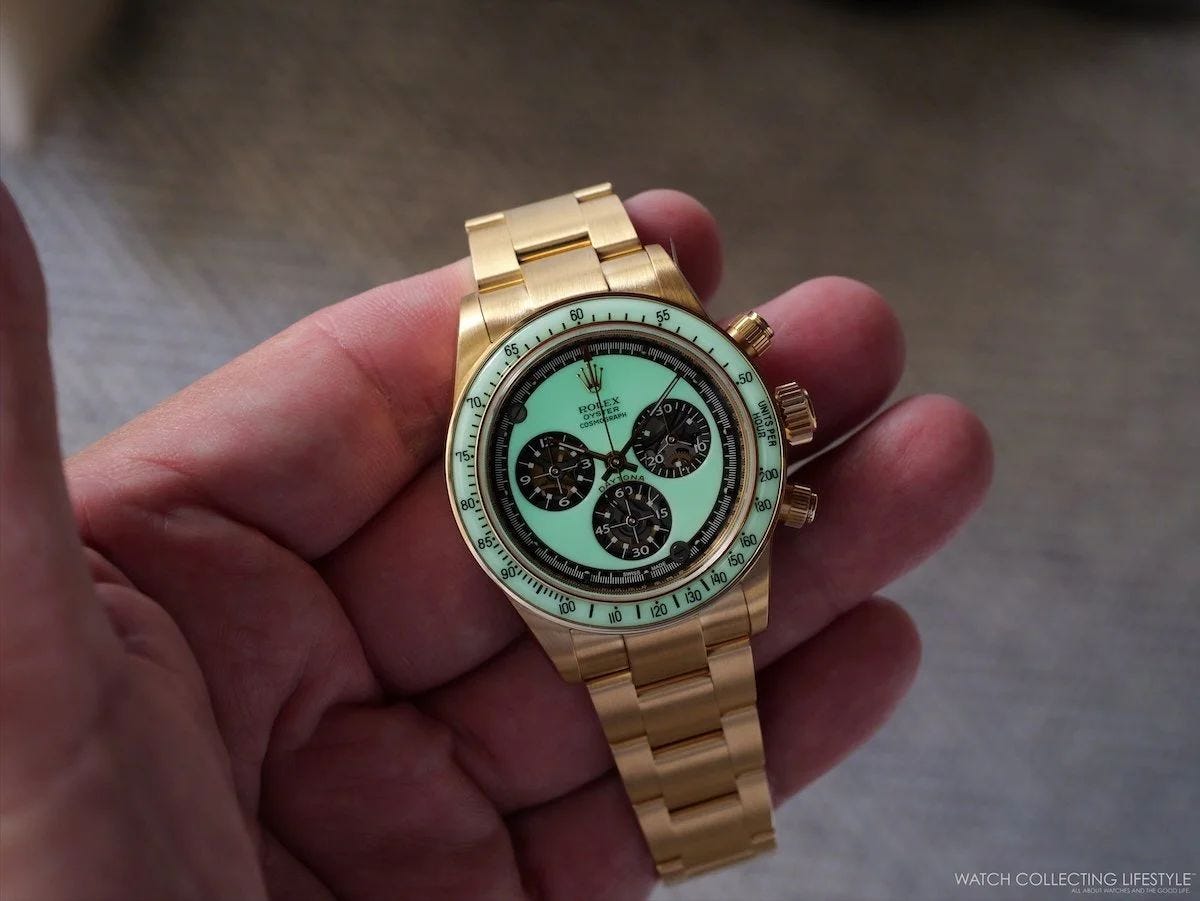
Artisans de Genève’s Neon Daytona Turns a Familiar Chronograph Into a Personal Commission
Artisans de Genève revisits the visual language of its Adam Levine-inspired Neon project with a customized Rolex Daytona that changes character between daylight and darkness. A white dial, black chapter ring and openworked elements establish the daytime appearance, while luminous mint-green details bring a different personality in low light. This interpretation adopts more restrained hands than the earlier commission.
The mechanical alteration is substantial: the automatic movement has been converted to manual winding, making the view through the sapphire back central to the experience. Handworked case details and skeletonized components further distinguish the finished watch. This is an independent customization service with no official Rolex affiliation; the client supplies the base watch, and the modification price has not been disclosed.
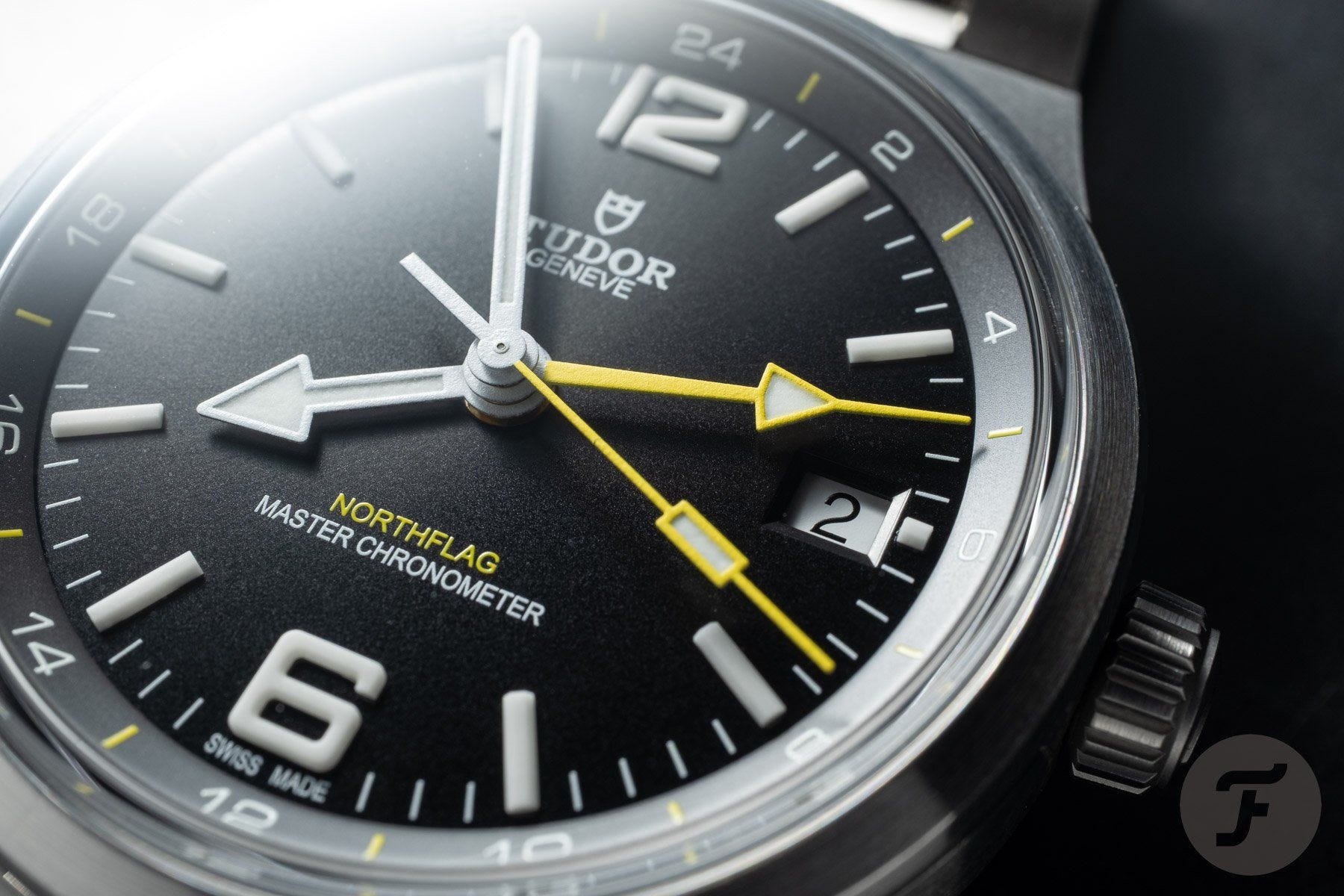
Tudor’s Northflag Returns With GMT Functionality and a Stronger Independent Identity
The original North Flag mattered because it helped introduce Tudor’s manufacture-movement era in 2015. The returning Northflag revisits that contemporary design territory with a 40mm steel case, GMT functionality and the automatic MT5652-U movement. COSC and METAS certification, together with a 65-hour power reserve, establish the technical foundation.
The review considers what the return means for Tudor’s broader direction. A distinctive modern design gives the brand another way to express its identity alongside its extensive vintage-inspired offerings. The new Northflag’s success will depend on whether collectors respond to that character as strongly as they respond to Tudor’s more familiar heritage designs.
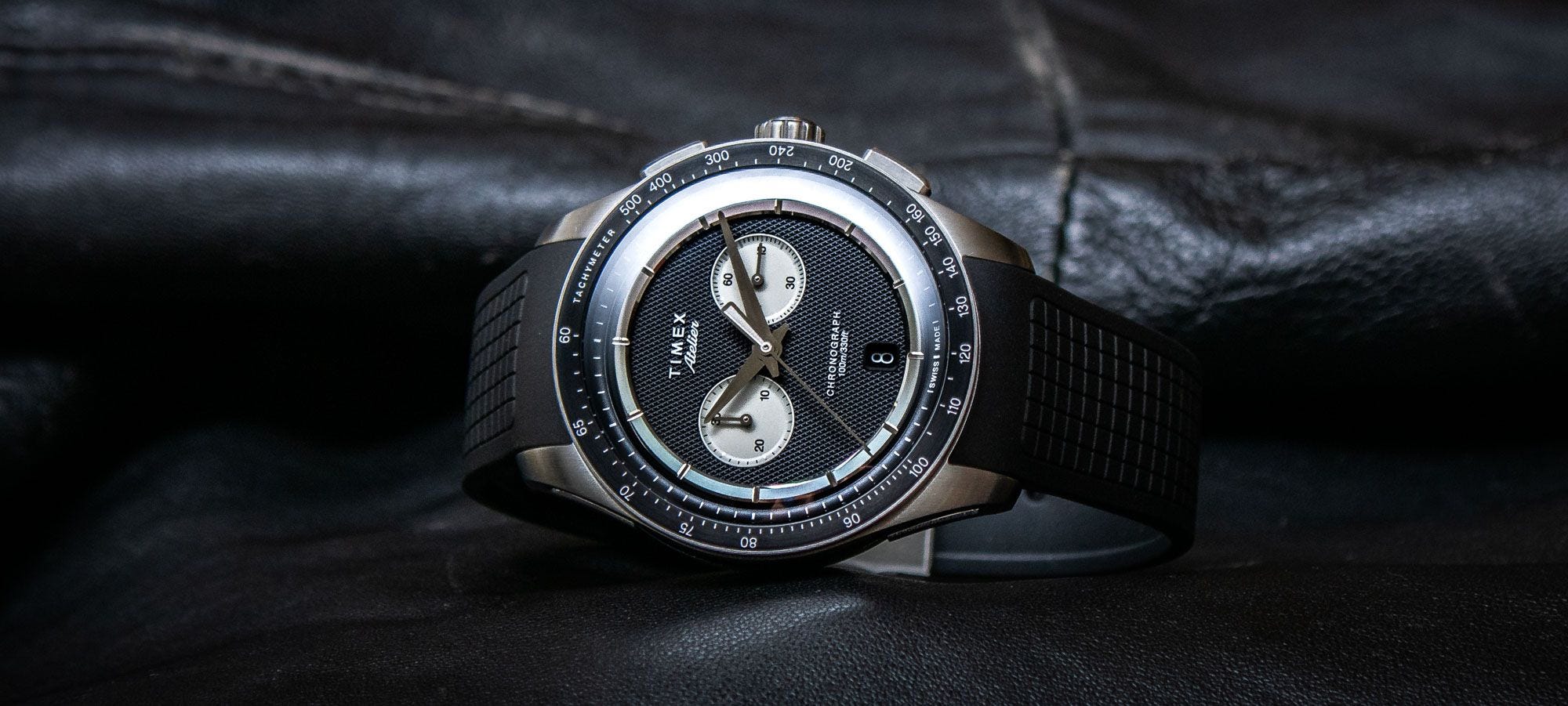
Timex Atelier Chronograph Quartz M1q Offers a More Accessible Route Into the Collection
The Timex Atelier Chronograph Quartz M1q translates the styling of the brand’s more expensive Atelier watches into a Swiss-made quartz chronograph. Its 40mm steel case combines a tachymeter bezel, rectangular pushers and a guilloché-patterned dial with a date display. Water resistance is rated to 100 meters, and a solid screw-down back completes the practical specification.
The Ronda 5021.D movement offers approximately 54 months of battery life and a 30-minute chronograph counter. Buyers can choose a rubber strap or a three-link steel bracelet, with pricing around US$700. The absence of luminous material is one everyday compromise, but the watch’s smaller proportions and lower price broaden the audience for Timex’s more ambitious design work.
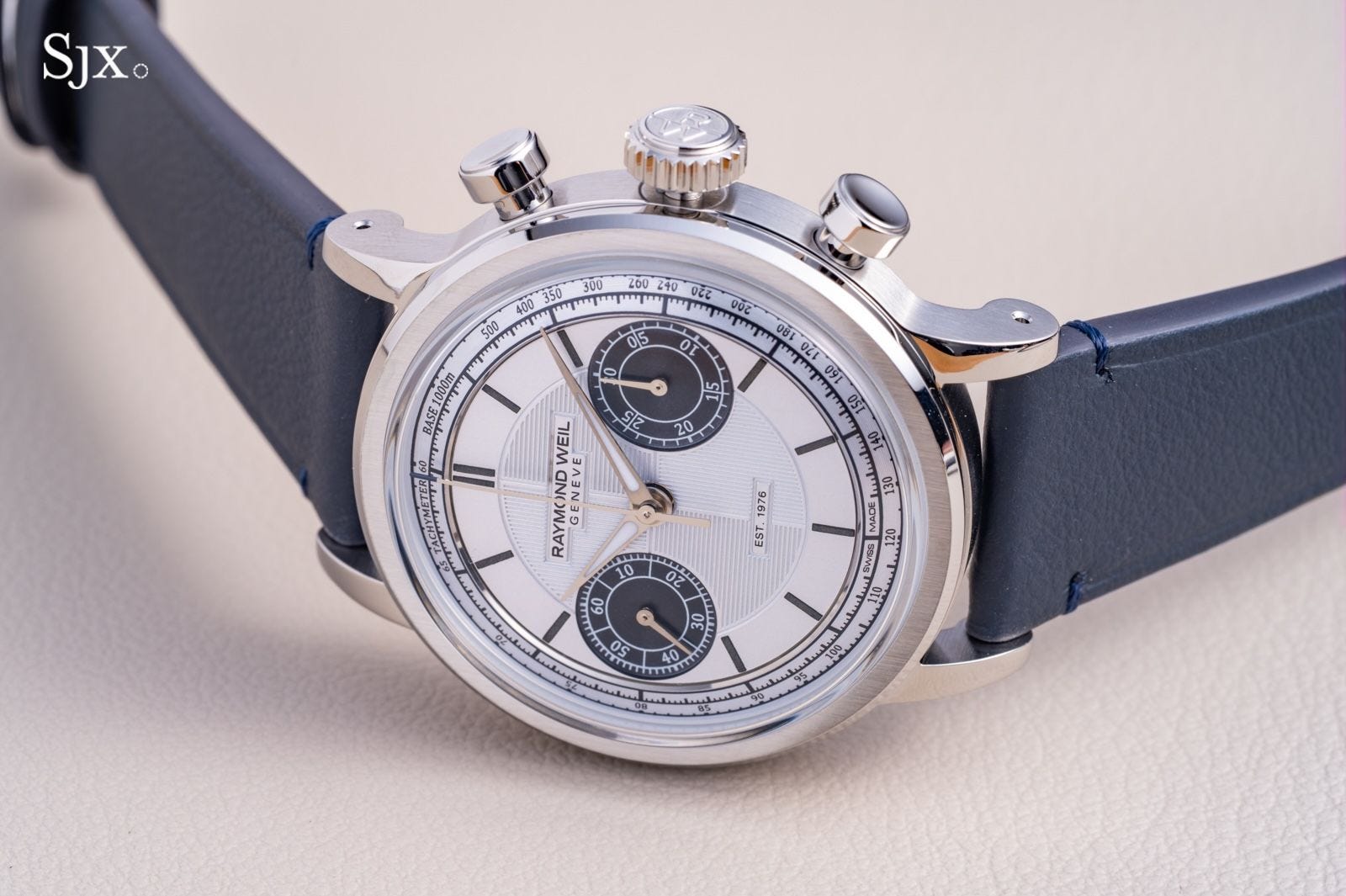
Raymond Weil Millesime Jubilee Celebrates Fifty Years With an Automatic Panda Chronograph
Raymond Weil marks its 50th anniversary with the Millesime Jubilee, a 500-piece chronograph that retains the collection’s vintage-inspired panda-dial appeal. A 39mm case, sector-style dial, pump pushers and angled tachymeter scale create a familiar visual language, while the 12.9mm thickness keeps the proportions within everyday territory.
The automatic RW5030, based on the Sellita SW510, supplies 56 hours of power reserve and distinguishes this model from the manually wound Millesime Fifty. A sapphire crystal and calfskin strap complete the package. At CHF3,895—approximately US$4,670 at the reference exchange rate—the Jubilee makes the anniversary design available at a substantially lower price than its predecessor.
Events
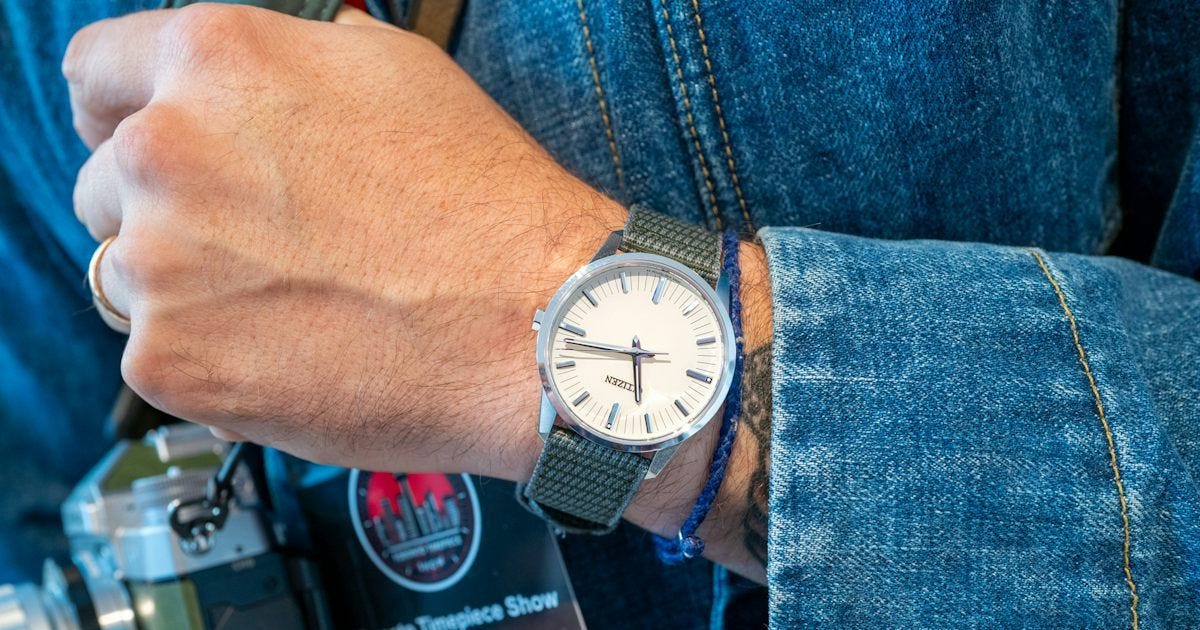
Toronto Timepiece Show 2026 Puts Watches and Their Owners in the Same Frame
The Toronto Timepiece Show brought together more than 90 brands at the Meridian Arts Centre, creating a setting for discovery across established names and smaller independent makers. The photo report ranges from familiar Tudor, Seiko and Omega watches to pieces from Baltic, RZE and 22Studio. Watches worn by visitors contribute as much character as those displayed at the stands.
Collaborations, unusual materials and conversations with enthusiasts give the report its wider appeal. The photographs capture an event where collectors can compare impressions, meet the people behind brands and encounter watches outside their usual search habits. That social dimension is part of what makes a physical fair useful even to enthusiasts who follow releases closely online.

Windup Watch Fair NYC Returns October 16–18 With More Than 160 Brands
Windup Watch Fair returns to Center415 in Manhattan for three days from October 16 through 18. The expanded event is set to feature more than 160 watch brands, additional exhibition space and programming that includes eBay Live streaming. Admission remains free, with no registration required.
Lead sponsors include Bremont, Brew, Bulova, Christopher Ward and Oris, alongside new participants and a broad selection of independent brands. Planned experiences include a G-Shock legacy exhibit and the Brew Coffee Bar. For collectors, the attraction is the opportunity to compare many watches in person, ask questions directly and discover designs that photographs alone may not fully explain.
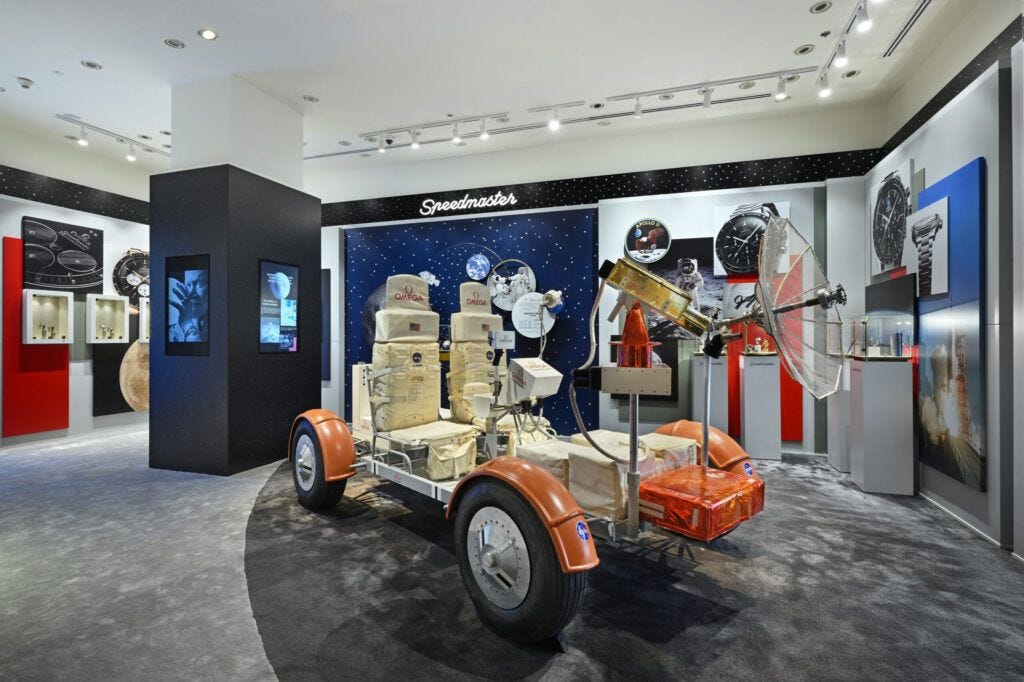
Omega Connects Speedmaster History With a New 38mm Collection in Dubai
Omega’s Dubai exhibition traced the Speedmaster’s development from a racing chronograph to a watch closely associated with NASA, the Apollo program and lunar exploration. Historic examples highlighted the design changes that shaped the collection, including case profiles, dial layouts and different treatments of the chronograph counters.
The exhibition concluded with a preview of seven new 38mm Speedmaster references. Revised dials, more prominent bezels with the Dot-Over-Ninety detail and five-link bracelets give the collection a refreshed sporting character. Automatic Co-Axial movements, including calibers 3330 and 3332, support a compact interpretation of the Speedmaster identity for buyers seeking something different from the manually wound Moonwatch.
Podcasts
The Business of Watches: Raphael Granito on Formex, Dexel and Building Value Through Engineering
Formex CEO Raphael Granito joins The Business of Watches to discuss the brand’s revival and the manufacturing expertise behind its current direction. The conversation traces Formex’s early identity, the difficulties following the financial crisis and the 2016 takeover backed by component specialist Dexel. Granito explains how that relationship supports the development of cases, bracelets, clasps and other details that shape the ownership experience.
The discussion also considers the Aria, a titanium sports watch with a thin micro-rotor movement that takes Formex into a higher price category. Direct customer relationships, the importance of the American market and the challenge of communicating engineering improvements all feature. It is a useful look at how a comparatively small brand decides where to spend its resources and how those decisions reach the wrist.
Videos
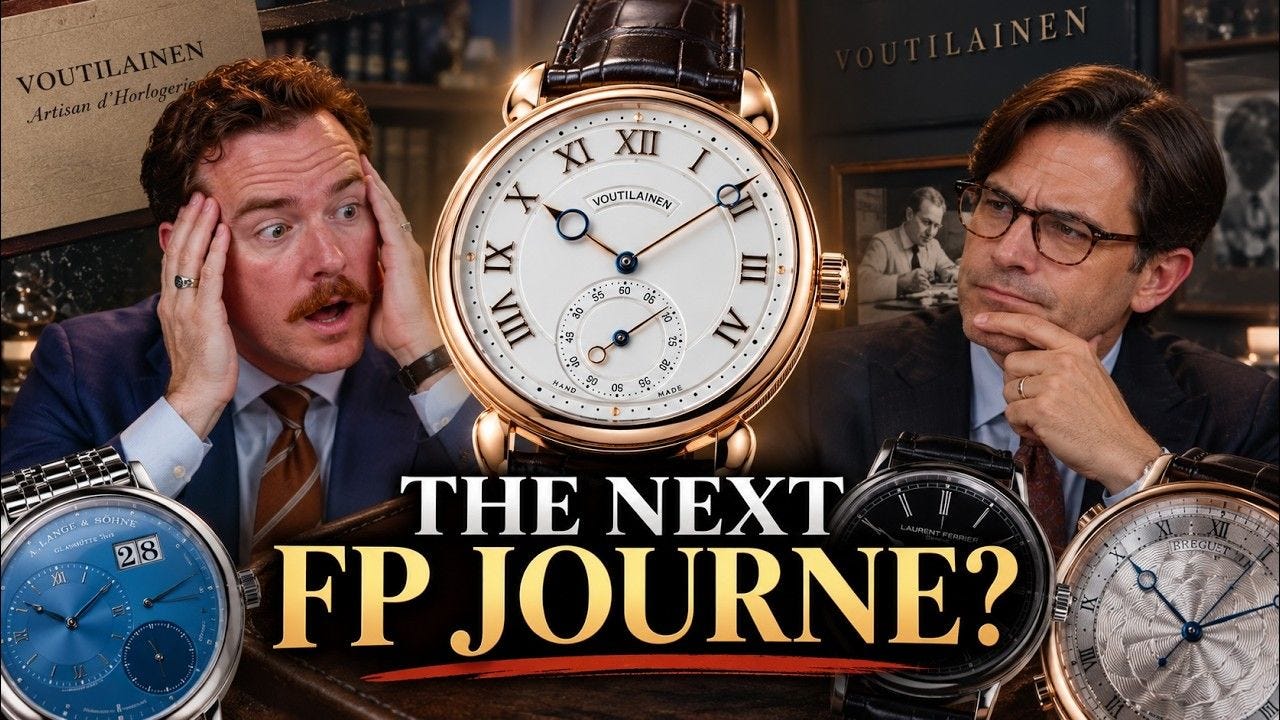
European Watch Company: The Independent Watchmaker Collectors Are Fighting Over
European Watch Company explores the enthusiasm surrounding scarce independent watchmaking and the competition that can develop when production is small. The subject raises familiar questions about craftsmanship, distinctive design and the effect of limited availability on demand. For collectors, the useful distinction is between wanting a watch for its individual qualities and wanting it because obtaining one has become difficult.

Roman Sharf’s Dual Time Podcast: How Getting Rich Can Change People
Episode 19 of Dual Time considers how a substantial change in wealth can alter priorities, relationships and behavior. The discussion moves beyond what money makes possible to examine how it affects identity and expectations. In a hobby where purchases can become visible expressions of success, the topic invites viewers to think about the relationship between financial freedom and the reasons they collect.
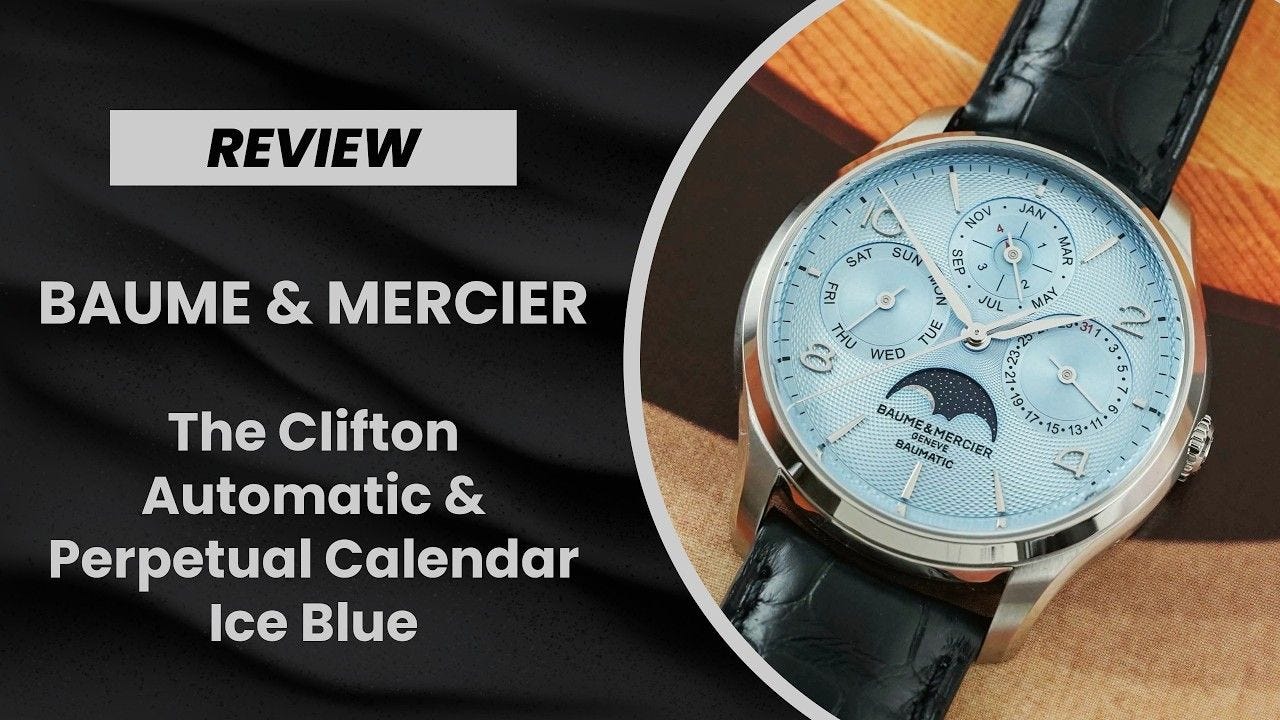
Monochrome Watches: Baume & Mercier’s Clifton Ice Blue Editions
Monochrome examines the Clifton Automatic 39 and Perpetual Calendar 40 in their Ice Blue editions. The video provides an opportunity to compare how a similar color treatment works across a simpler automatic watch and a more elaborate calendar display. Case proportions, dial organization and the presentation of the movements help explain the different personalities beneath the shared palette.

This Watch, That Watch: Why Aren’t Chopard and Dress Watches More Popular?
This Watch, That Watch considers the gap between watchmaking merit and broad collector attention through Chopard and the dress-watch category. Brand recognition, prevailing tastes and the prominence of sports watches all provide context for the discussion. It is a timely companion to today’s auction, encouraging viewers to examine which qualities attract attention—and which may deserve a closer look.
Auction Results
Czapek Falcon Eye Remains Unsold as Bidding Stops 48.4% Below Retail
The September 30 auction of the 2025 Czapek Antarctique Mount Erebus Falcon Eye in rose gold ended without a sale. The watch attracted a high bid of US$27,500 but did not meet its reserve. Against the supplied US$53,300 MSRP, that represents a US$25,800 gap: bidding reached approximately 51.6% of retail and stopped 48.4% below it.
That is a substantial separation between the manufacturer’s price and the demand expressed in this auction. The Falcon Eye combines precious metal, a distinctive natural-stone dial and the appeal of an independent manufacture, yet those qualities still require the right buyers to be present and willing to compete. Rarity can make a watch desirable while also leaving it with a relatively narrow resale audience.
The reserve amount was not supplied, so the distance between the high bid and the seller’s actual minimum cannot be calculated. Nor does an unsuccessful auction prove that US$27,500 is the watch’s established market value. What the result demonstrates is that this particular offering did not attract enough bidding to produce a transaction. For buyers and sellers alike, it is another reminder that retail positioning and secondary-market demand can remain far apart.
Auction Report
Gold, Diamonds and a Reality Check: Chopard’s Alpine Eagle Takes the Auction Stage
Today’s featured auction is a 2024 Chopard Alpine Eagle 41 Frozen Diamond, reference 295363-5011, pairing an 18-karat rose-gold case and bracelet with a diamond-paved dial and a rainbow-colored gemstone bezel. The Alpine Eagle collection debuted in 2019 as a contemporary descendant of the St. Moritz, the sports watch Karl-Friedrich Scheufele introduced in 1980. Its integrated bracelet and distinctive bezel preserve that sporting lineage, while this jeweled execution brings Chopard’s watchmaking and jewelry identities into the same object.
The 41mm watch uses Chopard’s automatic 01.03-C movement, with a stated 60-hour power reserve and a sapphire exhibition back. Chopard specifies 236 diamonds totaling 1.79 carats on the dial, surrounded by colored gemstones on the bezel. The U.S.-located auction example includes its box and papers and is described as pre-owned, with an excellent dial and minor signs of wear to the case, bezel and bracelet. The listing’s general condition language allows for possible previous servicing or polishing but does not confirm either.
For price context, authorized retailer Wempe lists this reference at US$123,500 before tax. Current secondary-market advertisements include examples around US$74,800 to US$85,500, although these are asking prices and do not establish completed-sale values. A more concrete comparison comes from Phillips, which recorded a same-reference example selling for HK$444,500, roughly US$57,000, at its Hong Kong Watch Auction XIX. That historical result is a useful benchmark, but differences in condition, bracelet completeness, sale timing and transaction charges prevent it from serving as a precise valuation of today’s lot.
The available evidence shows a wide spread between authorized retail, advertised resale prices and a recorded auction result. That makes this an interesting test of demand for a watch whose appeal combines precious metal, gem-setting and an established sports-watch design. Bracelet length, stone condition, service history and the total cost after fees deserve attention when comparing bids with other offerings. The auction is scheduled to end at 1:05 p.m. EDT on Thursday, October 1, 2026.
Auction Results
Czapek Falcon Eye Remains Unsold as Bidding Stops 48.4% Below Retail
The September 30 auction of the 2025 Czapek Antarctique Mount Erebus Falcon Eye in rose gold ended without a sale. The watch attracted a high bid of US$27,500 but did not meet its reserve. Against the supplied US$53,300 MSRP, that represents a US$25,800 gap: bidding reached approximately 51.6% of retail and stopped 48.4% below it.
That is a substantial separation between the manufacturer’s price and the demand expressed in this auction. The Falcon Eye combines precious metal, a distinctive natural-stone dial and the appeal of an independent manufacture, yet those qualities still require the right buyers to be present and willing to compete. Rarity can make a watch desirable while also leaving it with a relatively narrow resale audience.
The reserve amount was not supplied, so the distance between the high bid and the seller’s actual minimum cannot be calculated. Nor does an unsuccessful auction prove that US$27,500 is the watch’s established market value. What the result demonstrates is that this particular offering did not attract enough bidding to produce a transaction. For buyers and sellers alike, it is another reminder that retail positioning and secondary-market demand can remain far apart.
Auction Report
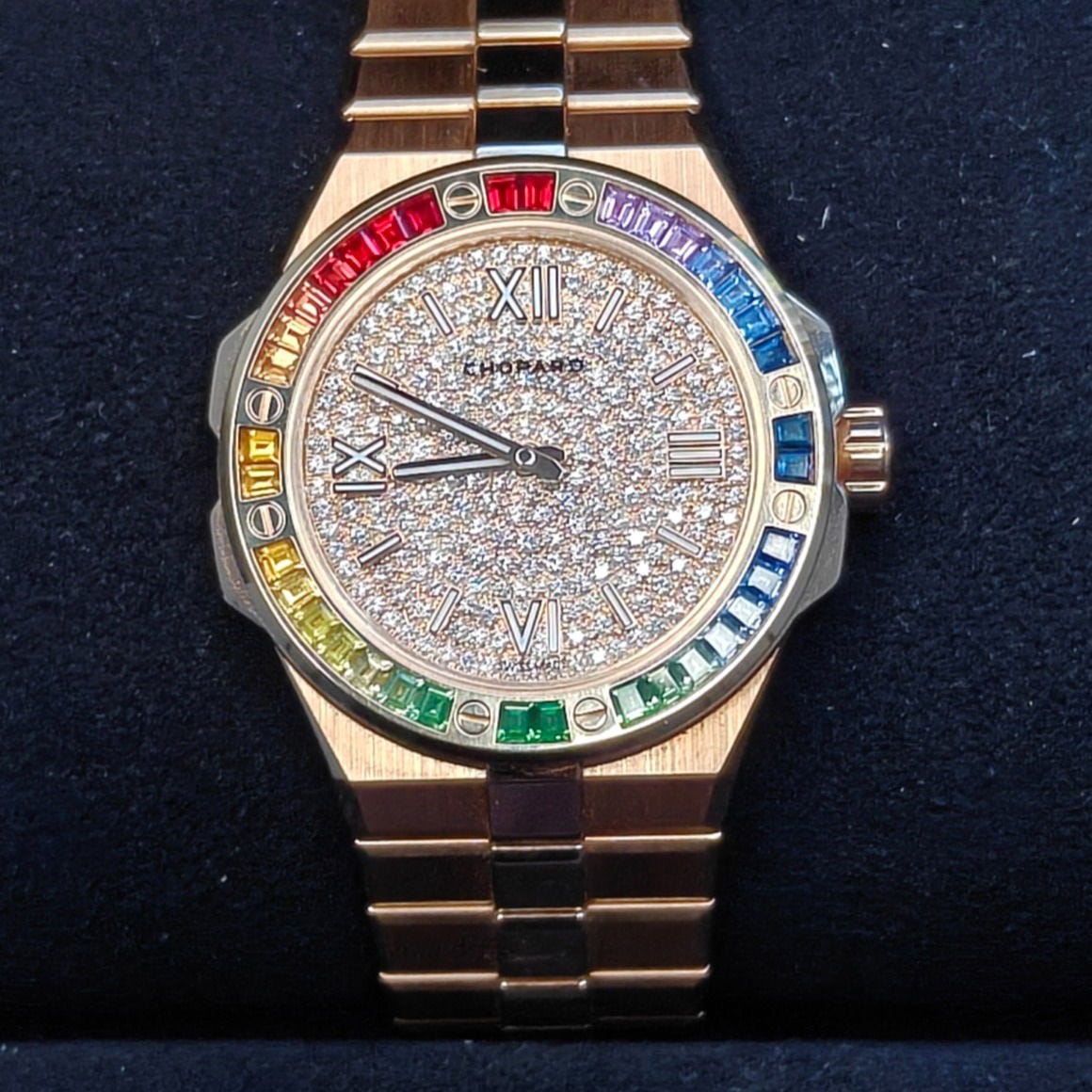
Gold, Diamonds and a Reality Check: Chopard’s Alpine Eagle Takes the Auction Stage
Today’s featured auction is a 2024 Chopard Alpine Eagle 41 Frozen Diamond, reference 295363-5011, pairing an 18-karat rose-gold case and bracelet with a diamond-paved dial and a rainbow-colored gemstone bezel. The Alpine Eagle collection debuted in 2019 as a contemporary descendant of the St. Moritz, the sports watch Karl-Friedrich Scheufele introduced in 1980. Its integrated bracelet and distinctive bezel preserve that sporting lineage, while this jeweled execution brings Chopard’s watchmaking and jewelry identities into the same object.
The 41mm watch uses Chopard’s automatic 01.03-C movement, with a stated 60-hour power reserve and a sapphire exhibition back. Chopard specifies 236 diamonds totaling 1.79 carats on the dial, surrounded by colored gemstones on the bezel. The U.S.-located auction example includes its box and papers and is described as pre-owned, with an excellent dial and minor signs of wear to the case, bezel and bracelet. The listing’s general condition language allows for possible previous servicing or polishing but does not confirm either.
For price context, authorized retailer Wempe lists this reference at US$123,500 before tax. Current secondary-market advertisements include examples around US$74,800 to US$85,500, although these are asking prices and do not establish completed-sale values. A more concrete comparison comes from Phillips, which recorded a same-reference example selling for HK$444,500, roughly US$57,000, at its Hong Kong Watch Auction XIX. That historical result is a useful benchmark, but differences in condition, bracelet completeness, sale timing and transaction charges prevent it from serving as a precise valuation of today’s lot.
The available evidence shows a wide spread between authorized retail, advertised resale prices and a recorded auction result. That makes this an interesting test of demand for a watch whose appeal combines precious metal, gem-setting and an established sports-watch design. Bracelet length, stone condition, service history and the total cost after fees deserve attention when comparing bids with other offerings. The auction is scheduled to end at 1:05 p.m. EDT today, Thursday, October 1, 2026.
Current bid: $8,600
Losing Time


Today’s Big Losers at Auction on Grailzee
Four watches, four failed sales, and four reminders that an asking price is a statement of ambition—not a binding agreement with reality.
The 2022 Girard Perregaux Laureato “Aston Martin F1” Limited Edition, with its 44mm case, green dial and textile strap, carried an $18,000 ask but attracted a final bid of just $8,500. That’s a $9,500 shortfall, or 52.8% below asking. Apparently, the Formula 1 association added considerably more horsepower to the seller’s expectations than to the bidding.
The 2026 Girard Perregaux Laureato Absolute Lugano Limited Edition, a 44mm model with a black dial and rubber strap, fared much the same. Against a $15,900 ask, the high bid reached $7,900—a $8,000 miss, or 50.3% below asking. A current-year watch, limited-edition credentials, and buyers still wouldn’t meet the seller halfway. Literally: halfway was $7,950.
The 2023 Hublot Big Bang Unico Carbon Sky Blue Limited Edition, featuring a 44mm case, skeleton dial and rubber strap, sought $19,999 and drew a $12,000 final bid. The $7,999 gap put it 40.0% below asking. That psychologically persuasive dollar below $20,000 appears to have done surprisingly little heavy lifting.
The 2023 Audemars Piguet Royal Oak Offshore Diver, with its 42mm case, grey dial and rubber strap, came closest to its target. Unfortunately, “closest” meant a $16,700 high bid against a $24,200 ask: $7,500 short, or 31.0% below asking. It wins this group’s expectations-management award, although nobody should rush to engrave the trophy.
Together, the four sellers wanted $78,099, while final bids totaled $45,100—a combined shortfall of $32,999, or 42.3%. The two Girard Perregaux listings showed the widest disconnect; the AP retained the strongest bidding support relative to its ask. These unsuccessful auctions don’t establish definitive market values, but they do show that this bidding audience wasn’t buying the sellers’ pricing. Limited editions may limit production. They clearly do not guarantee unlimited enthusiasm.
Closing Time
Thank you for spending part of your day with BuyingTime. Today’s stories remind us that a watch can be a business, a piece of engineering, a personal keepsake and a source of simple pleasure—all at once. The most useful collecting habit may be learning which of those qualities matters most to you. Enjoy the watches already earning time on your wrist, stay curious about the unfamiliar ones, and we’ll see you tomorrow for another day in the watch world.