

BuyingTime in 30 Seconds
Richard Mille joins Britain’s America’s Cup campaign, while Gallet’s comeback raises questions about how heritage brands find new audiences. Atelier Wen and Massena LAB pair tantalum with hand-worked gold, Buci turns literary inspiration into a wristwatch, and Orient offers an accessible take on the integrated bracelet. Our features explore sector dials, digital minimalism and watches collectors wish would return. MB&F adds diamonds to its floating mechanical universe, and Minerva brings an olive-green treatment to its suspended tourbillon. Friday’s Arnold & Son remained unsold at US$34,500 against a US$59,000 reserve. Today’s featured 2018 F.P. Journe Élégante 48 closes at noon EDT.
Time Graphing Today’s Watch Universe
A Watch Should Have Something of Its Own to Say
Spend enough time looking at new watches and a curious thing happens: you begin noticing the similarities before the differences. Another integrated bracelet. Another vintage-inspired dial. Another limited edition distinguished by a color that was absent from the catalog last season. Familiarity can be reassuring, especially when you are spending serious money. But collecting becomes much more interesting when a watch gives you a reason to pause.
Today’s issue offers several examples of what that reason can be. Sometimes it is an unusual material or a demanding decorative technique. Sometimes it is a familiar design approached with conviction. Sometimes it is a practical idea that challenges our assumptions about what serious watchmaking ought to look like. The common thread is a clear point of view.
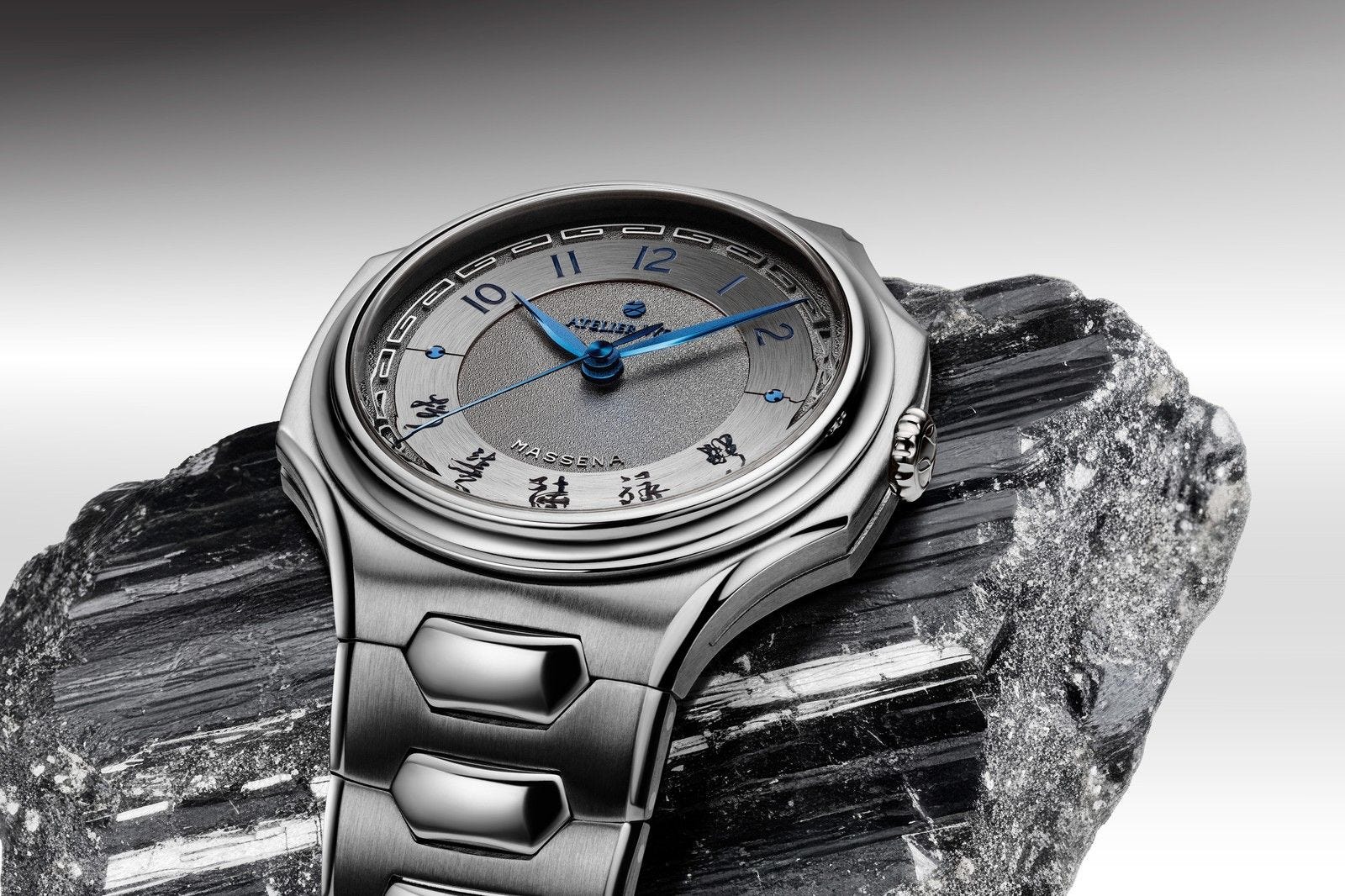
Consider the Atelier Wen × Massena LAB Inflection Shuò. Its integrated bracelet places it within one of the industry’s busiest categories, yet the combination of tantalum, hand-tremblage gold and Chinese calligraphy gives the watch a specific identity. There is substance behind the visual distinction: a difficult material to work, a surface shaped by hand and a deliberate conversation between Chinese design and Swiss movement making. Whether the result appeals to your taste is personal. What makes it worth discussing is how clearly it expresses its ambitions.
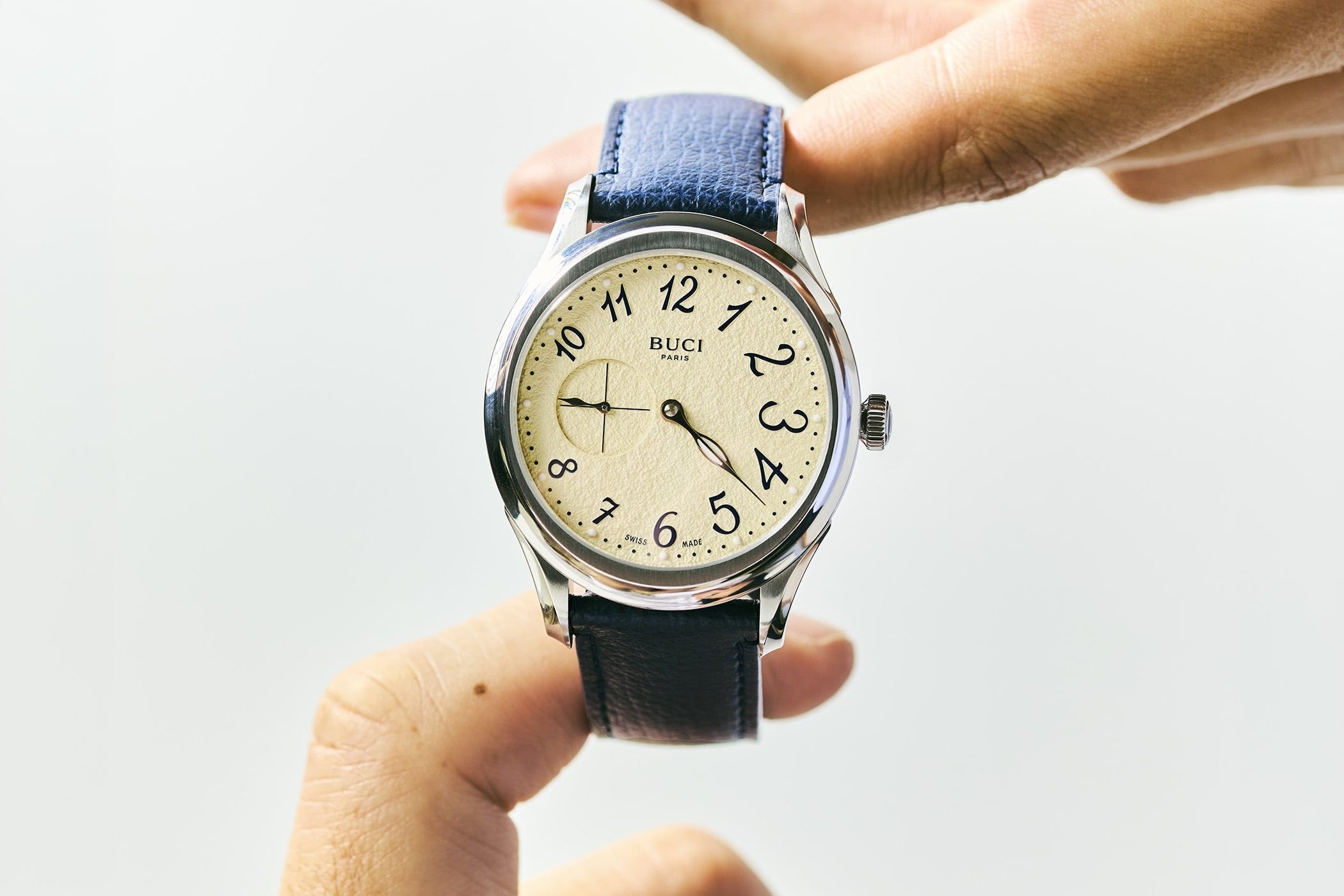
Buci’s Nouvelle approaches that same challenge from a different direction. Its inspiration comes from books, handwriting and the act of putting thoughts on a page. The irregular numerals, paper-like texture and hands that meet in the shape of a pen nib create a coherent idea. At 36mm, it also suggests that a watch can have considerable personality without demanding considerable wrist space. The details belong to the same story, which is harder to achieve than simply adding an unusual dial.
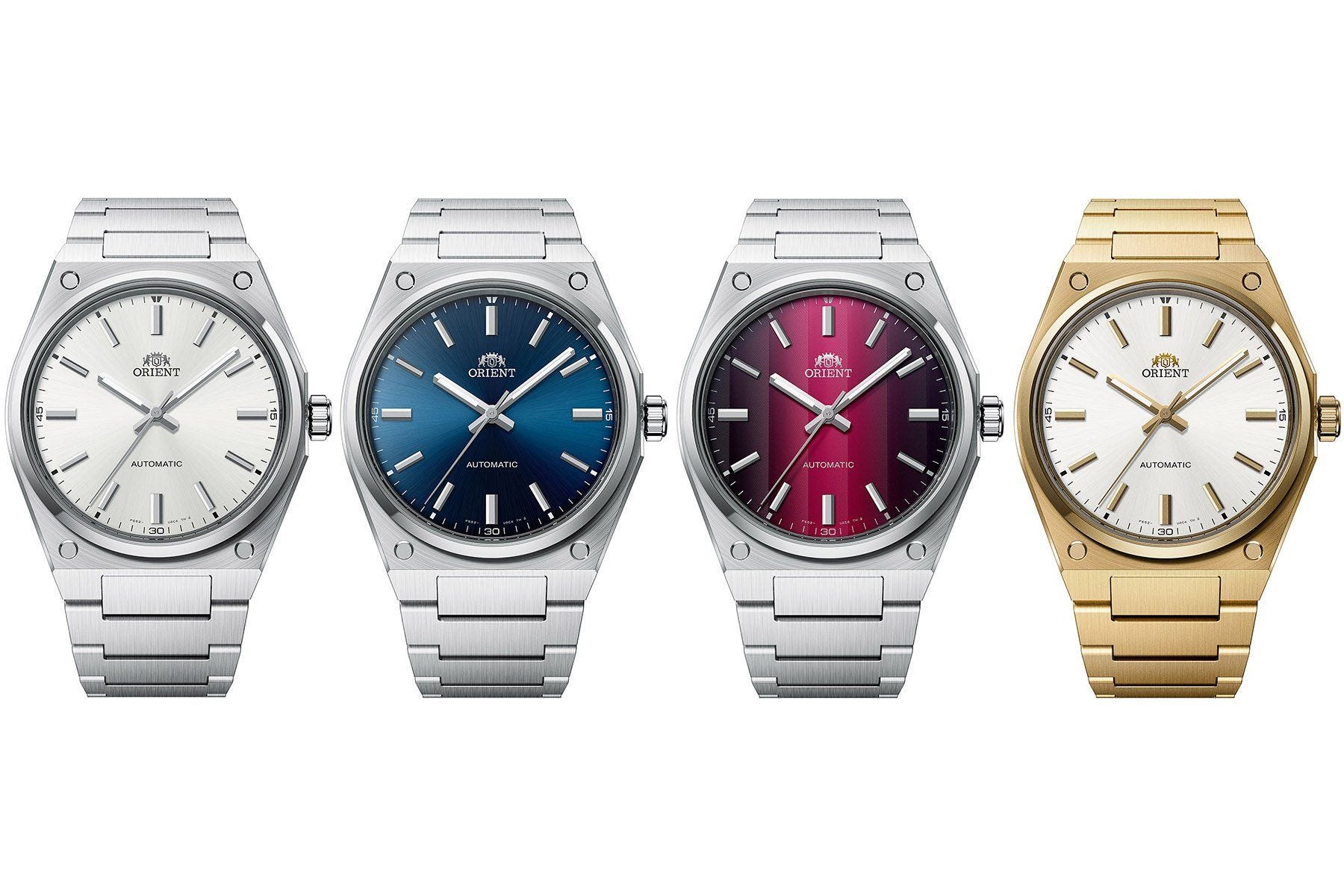
Then there is the Orient Flusso. It enters a crowded field at a much more approachable price, drawing on Orient’s own 1970s history. That connection matters. A brand with an archive has the opportunity to recover something distinctive from its past, provided the result works as a contemporary object. For buyers, the useful questions remain wonderfully ordinary: does it fit, is it legible, does the bracelet feel right, and will you enjoy wearing it after the launch excitement disappears?
Our sector-dial history helps explain why certain ideas keep returning. Concentric scales and carefully divided spaces offer a satisfying way to organize information. Their appeal rests partly in the relationship between appearance and purpose. A good sector dial looks considered because its elements have jobs to do. That is a lesson contemporary designers can apply without reproducing an old watch line for line.
The Bulgari conversation with Fabrizio Buonamassa Stigliani and Vianney Halter adds another dimension. Collaboration becomes meaningful when each participant brings a way of thinking that the other would not have reached alone. Bulgari’s established visual language and Halter’s independent imagination create a productive tension. The interest lies in how they work through it—and how much of each voice survives in the finished watch.
That question of identity also applies to companies. Gallet’s return involves more than reviving names from a catalog. A heritage brand has to explain why it belongs on a buyer’s wrist today. Access to manufacturing and distribution can help bring watches to market. The harder task is giving people a reason to choose them. History provides material; the current collection has to turn that material into something convincing.
At the opposite end of the spectacle scale, our guide to watches for digital minimalists asks what we actually want from the object on our wrist. A useful watch can reduce the number of decisions competing for our attention. It can tell the time, track another time zone or sound an alarm, then leave us alone. In a world full of devices asking to be checked, that restraint has become a feature in its own right.
Today’s auction watch makes an especially interesting contribution to this discussion. The F.P. Journe Élégante is powered by quartz, yet its movement reflects an unusually thoughtful response to everyday use. Leave it motionless and the hands stop to conserve energy; pick it up and they return to the correct time. Its sophistication is experienced through convenience. That is an entirely legitimate form of horological intelligence, even in a collecting culture that often places mechanical complexity at the top of the hierarchy.
Of course, having a distinctive idea does not settle the question of price. Friday’s Arnold & Son attracted a US$34,500 bid but required US$59,000 to sell. Rarity, precious metal and a tourbillon gave bidders plenty to consider, but the transaction still needed agreement between buyer and seller. The result is a reminder to separate admiration for an object from confidence in a particular valuation.
The pleasure of this issue is its range. A book-inspired dial, a revived Japanese sports watch, an independent collaboration and an electromechanical Journe can all reward attention for different reasons. A collection becomes more personal when those reasons are understood. Before asking whether a watch belongs among the approved choices, it is worth asking what it contributes—and whether that contribution means something to you.
-Michael Wolf
News

Richard Mille Joins GB1’s America’s Cup Campaign
Richard Mille has become the official timekeeping partner of GB1, the British America’s Cup challenger preparing for the 2027 competition. The partnership connects the watchmaker’s emphasis on advanced materials and performance engineering with a sailing campaign in which weight, precision and technical development are central concerns. It also extends the brand’s presence in competitive sailing, giving its sporting identity another setting where engineering decisions are tested under demanding conditions.
Features
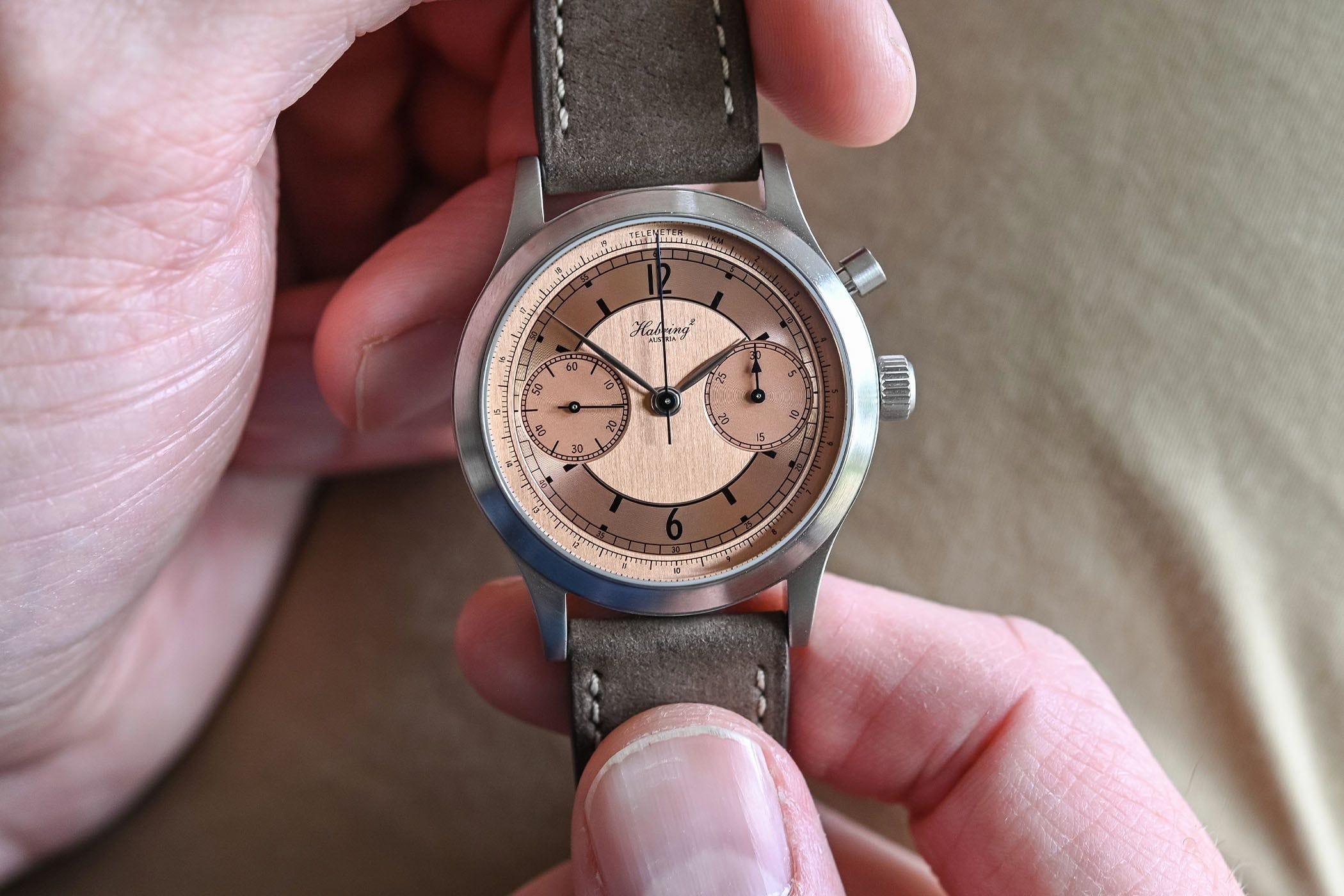
Sector Dials: The Lasting Appeal of an Organized Face
Sector dials divide time into carefully arranged rings and tracks, creating a visual structure that can feel both technical and elegant. This guide follows the design’s early development, its association with precision instruments and its later reinterpretation by contemporary watchmakers. Examples from established luxury houses and more accessible brands show how much variation is possible within a recognizable format. The enduring attraction is easy to understand: a well-executed sector dial gives every marking a place and makes that organization part of the watch’s beauty.
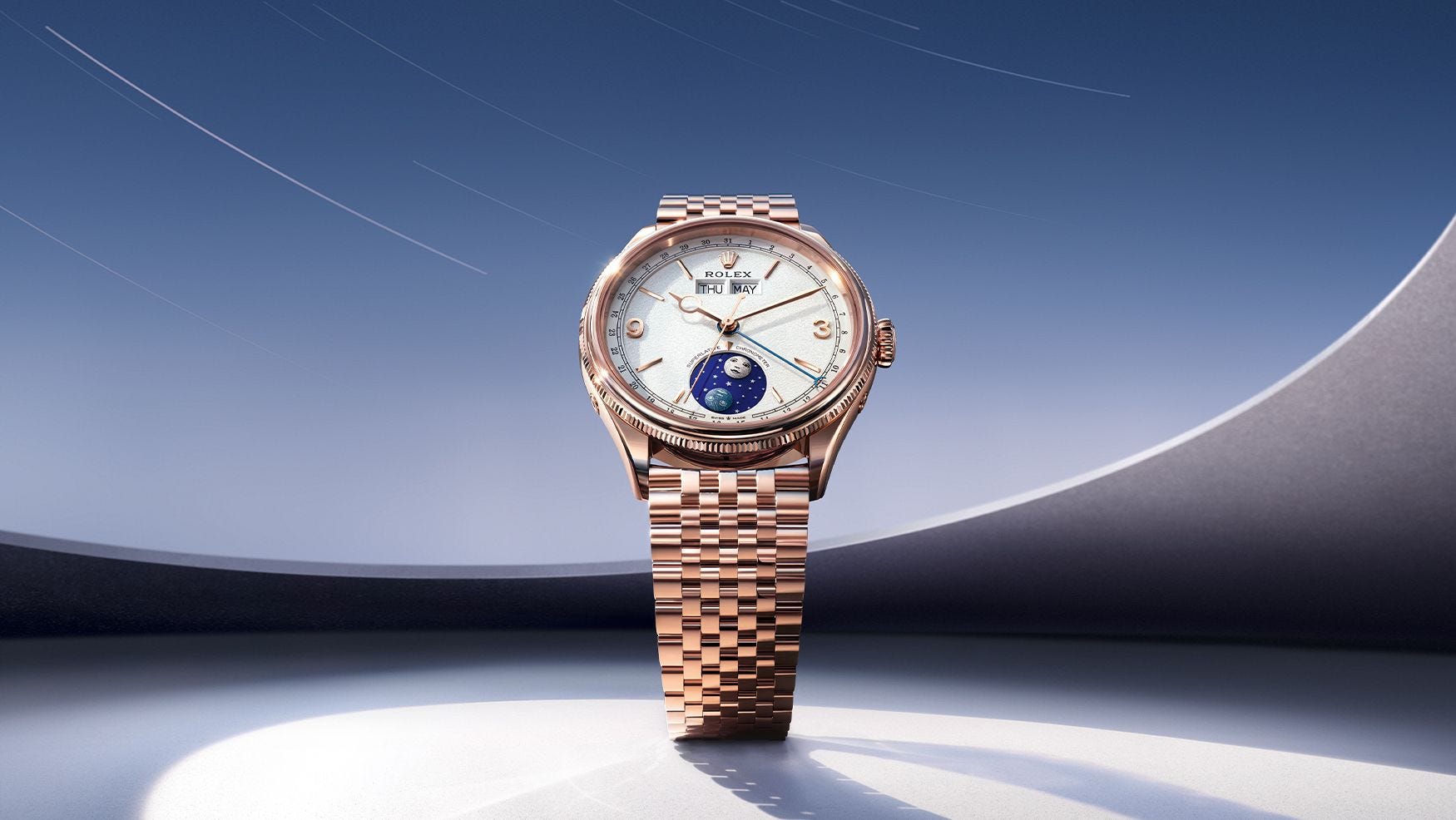
Beyond the Rolex Padellone: Calendar Watches With Their Own Appeal
Collectors drawn to calendar displays and moon phases have a wide field to explore beyond Rolex. This selection considers alternatives from Raymond Weil, IWC, Girard-Perregaux, Blancpain, Jaeger-LeCoultre and Vacheron Constantin, comparing how each organizes useful information within a distinctive design. The differences extend beyond branding: case shape, dial balance and the presentation of the calendar can substantially change the ownership experience. These watches offer different interpretations of a similar fascination, although their calendar mechanisms should not be assumed to have identical capabilities.

Bulgari and Vianney Halter: What Happens When Two Design Languages Meet
Fabrizio Buonamassa Stigliani and Vianney Halter discuss the creative relationship behind their Octo Finissimo Dual-Time collaboration. Their conversation explores the challenge of introducing an independent watchmaker’s personality into a collection with a strongly established identity. Thinness, movement architecture and the limits of the brief become useful creative pressures, encouraging solutions that neither participant could approach casually. The interview is also a reminder that productive collaborations depend on trust and shared curiosity as much as recognizable names.

Gallet’s Comeback: Turning Chronograph Heritage Into a Contemporary Proposition
Gallet managing director Erwan Rossignol explains the thinking behind the revived brand and its emphasis on travel, movement and adventure. Historic names such as Flying Officer and Multichron provide a foundation, while Breitling’s production and retail infrastructure offer a route to a broader audience. The challenge is to translate that heritage into watches that feel relevant to people encountering Gallet for the first time. Rossignol’s ambitions center on visibility and actual wrist time, useful measures for a name seeking life beyond the vintage collector’s vocabulary.

Why Richard Mille Resonates With Women Collectors
Richard Mille’s appeal to women extends across engineering, materials, color and elaborate decorative work. This feature traces the development of that approach through watches including the RM 007 and later creations combining advanced composites, gem-setting and complicated movements. It also considers the influence of women involved in the brand’s creative and commercial direction. The broader subject is how a watchmaker develops a convincing collection for women by taking their interests seriously across both technical and aesthetic dimensions.
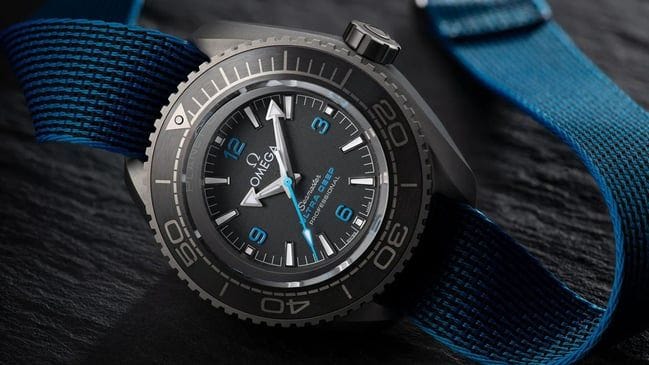
Fourteen Omega Watches That Helped Shape the Brand
Omega’s history is especially revealing when examined through the watches that expanded its capabilities. This retrospective moves from the caliber that gave the company its name through the Marine, Seamaster, Constellation and Speedmaster, then into professional diving and modern antimagnetic watchmaking. Along the way, it connects familiar collections to the practical problems they were developed to address. The result offers useful context for understanding why Omega’s present catalog contains such a broad mixture of sporting, technical and everyday watches.
Six Dress Watches That Take a Different Approach
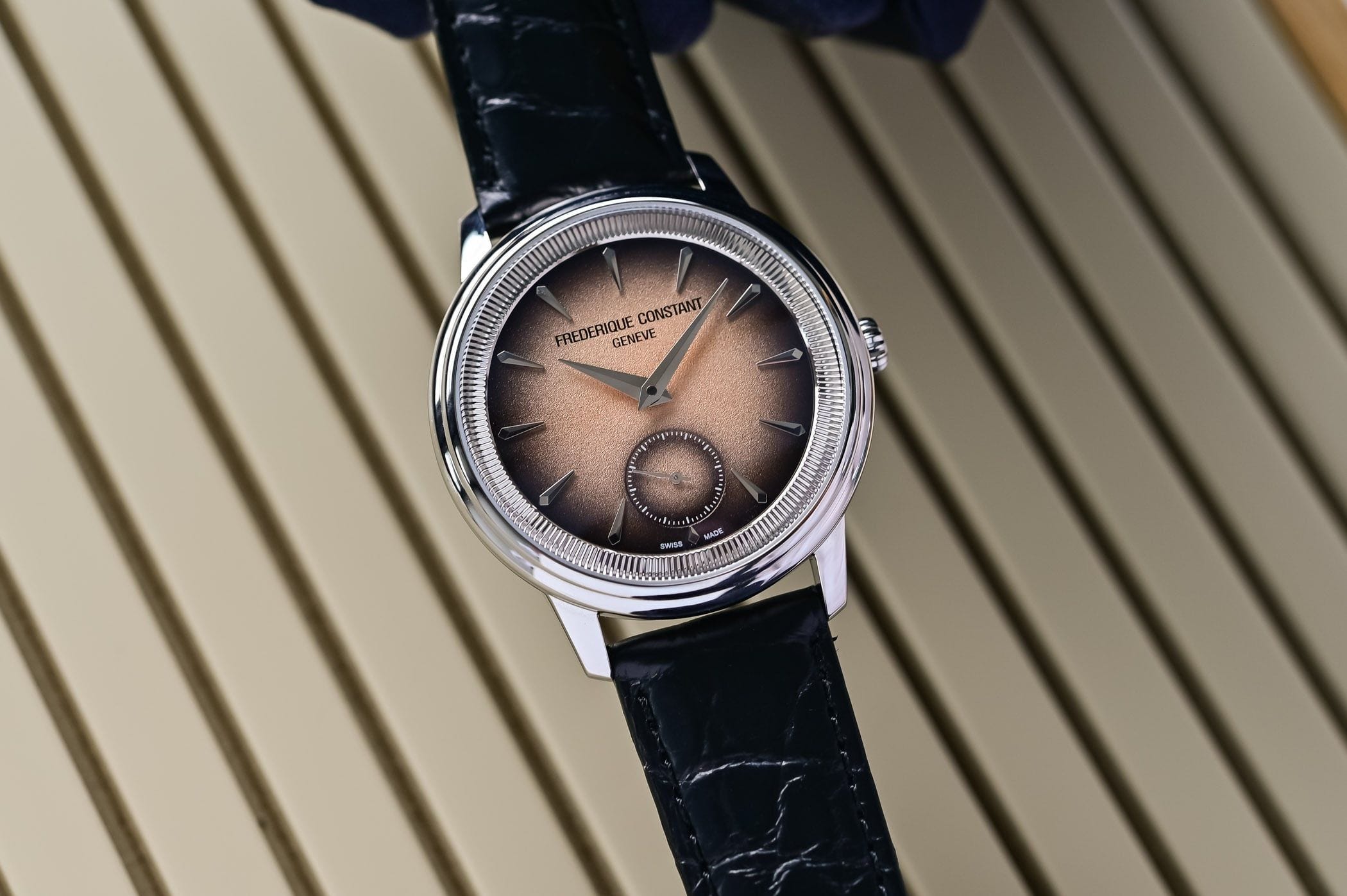
A dress watch can remain elegant while introducing an unexpected shape, material or decorative technique. This selection brings together Frederique Constant, Alexandre Martin, Venezianico, Marcu, Kiwame Tokyo and Berneron, spanning accessible watches and highly exclusive independent creations. Salmon tones, textured dials, titanium cases and unconventional movement presentation demonstrate how flexible the category has become. The common question is how much personality a watch can express while preserving the restraint and visual balance associated with dressier occasions.
Smartwatch Burnout: Watches That Give You Useful Information and Some Peace
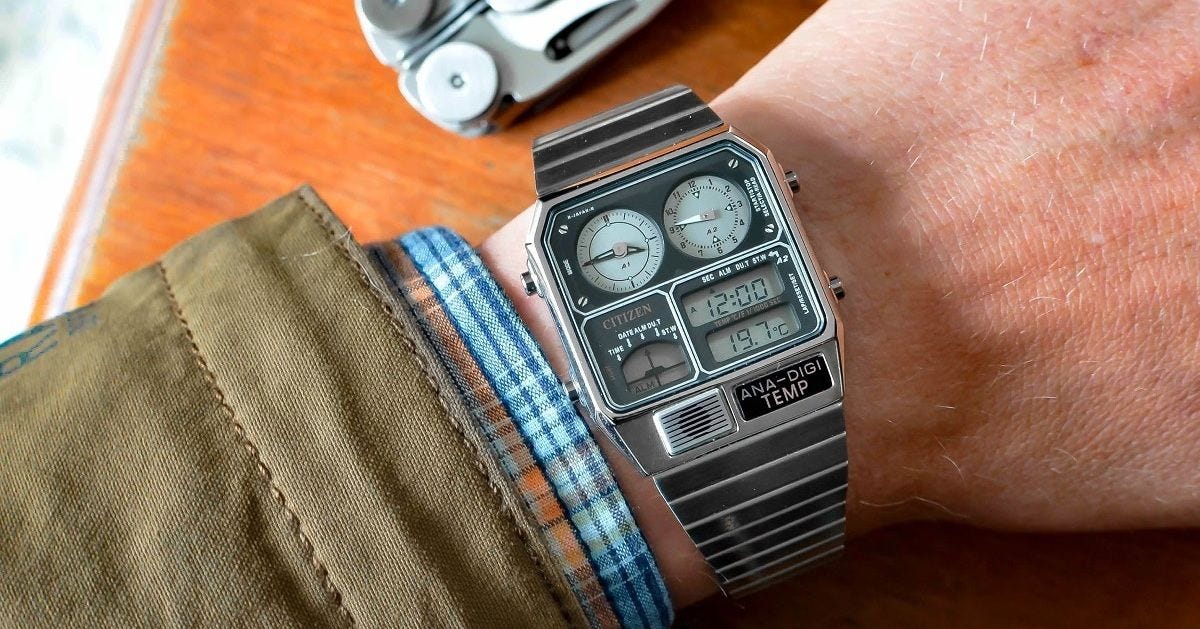
For wearers tired of notifications and charging routines, a conventional watch can offer a welcome reduction in daily demands. This guide explores options ranging from simple Casio digitals to mechanical travel watches, considering which functions remain useful when the connected ecosystem disappears. Alarms, second time zones and long battery life can all serve practical purposes without requiring constant interaction. The emphasis is on choosing a watch around what you use, rather than accumulating functions that compete for your attention.
Five Discontinued Watches Collectors Still Want Back
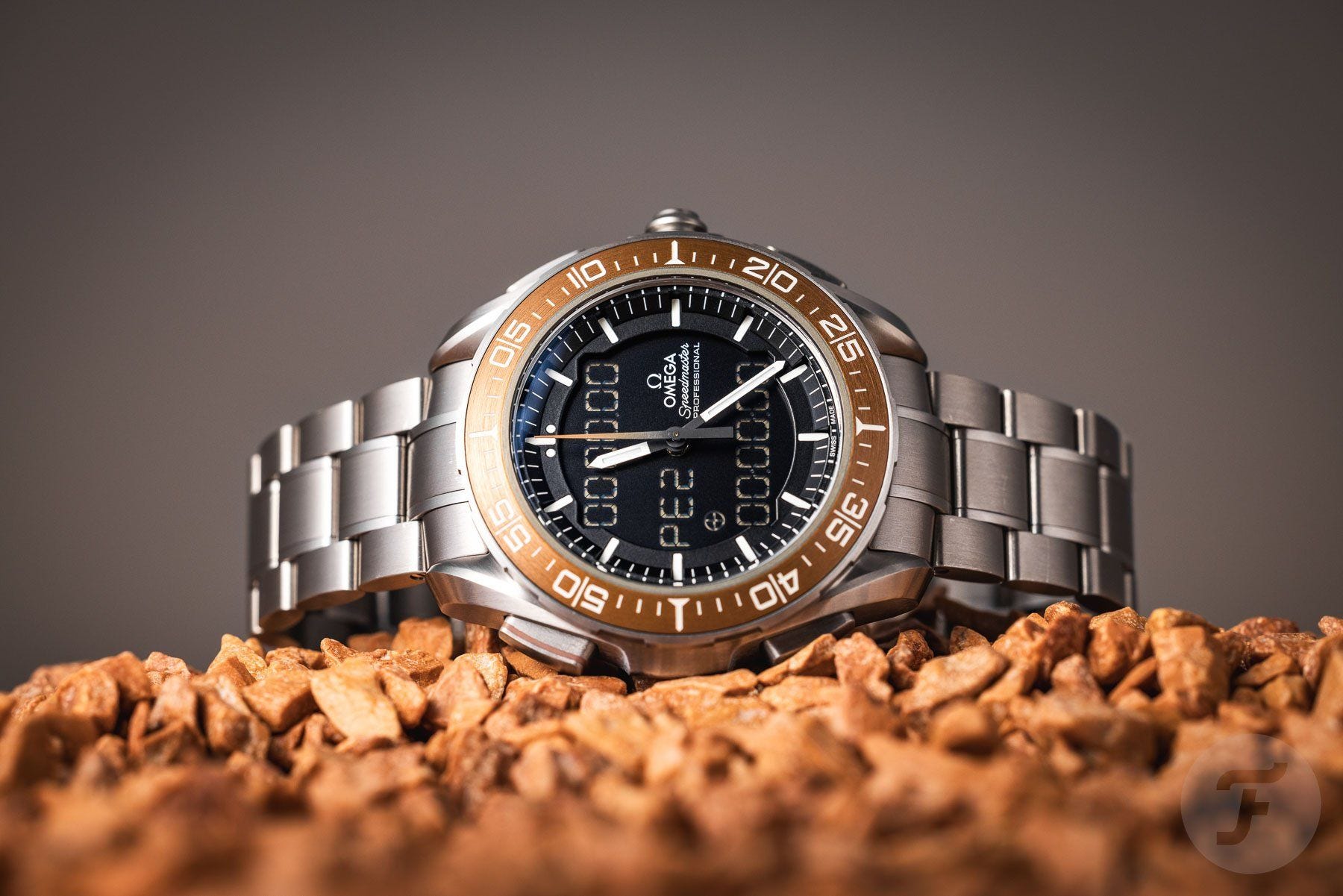
The second installment of this enthusiast wish list revisits the Seiko SKX007/009, Omega Railmaster, Tudor Heritage Chrono, Breitling Top Time ref. 810 and Omega Speedmaster X-33. Each represents a particular combination of design, history and usefulness that the author believes deserves another opportunity. Some arguments favor a faithful return; others leave room for improved dimensions or updated technology. Together, they explore why a discontinued watch can retain a clearer identity in collectors’ minds than the products that follow it.
New Watches
Approximate U.S. dollar equivalents are currency conversions, not confirmed U.S. retail prices. Local taxes and regional pricing may differ.
Atelier Wen × Massena LAB Inflection Shuò: Tantalum Meets Hand-Tremblage Gold
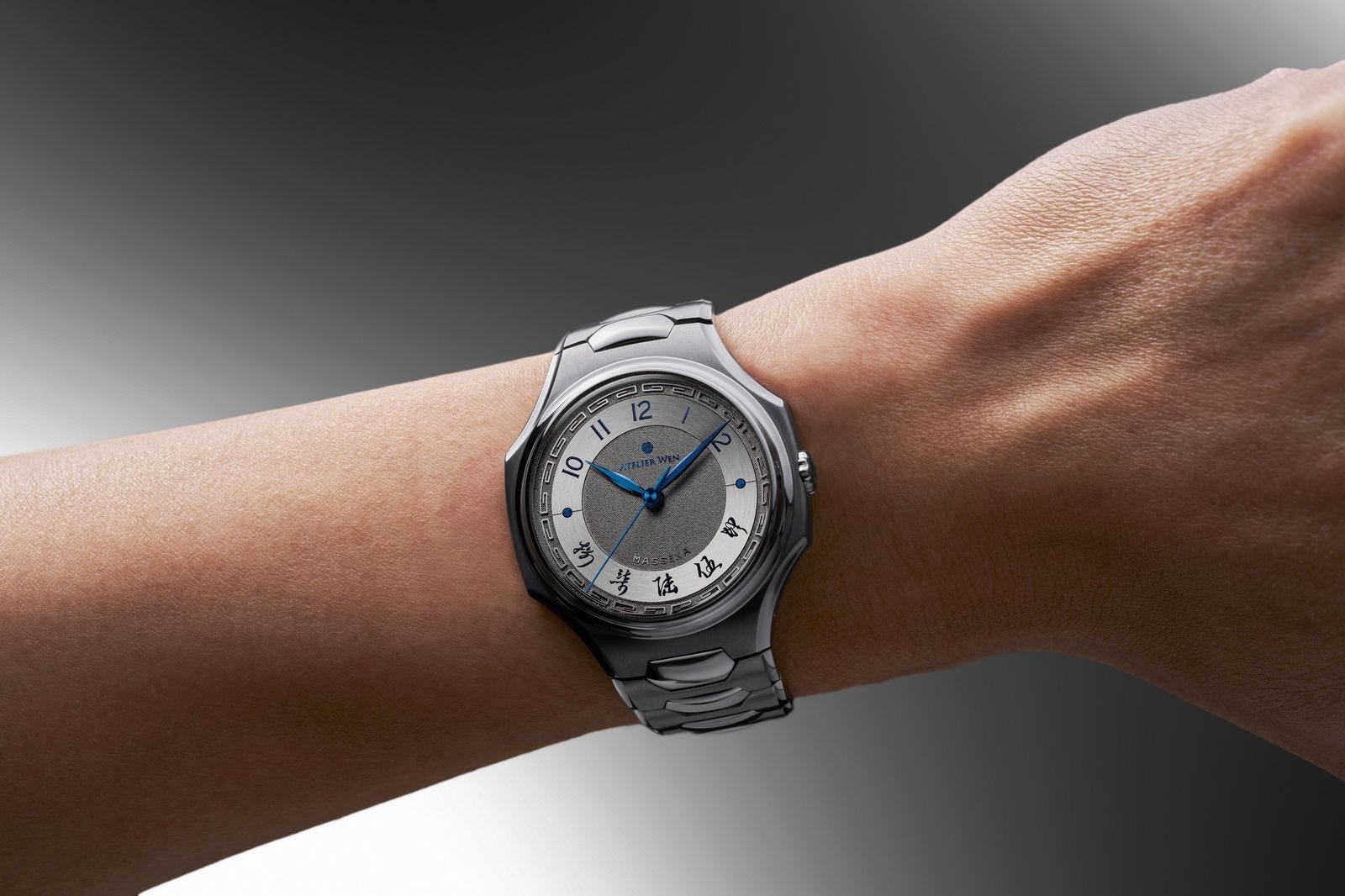
Atelier Wen and Massena LAB bring an unusually ambitious combination of materials and decoration to the Inflection Shuò. Its 40mm tantalum case and integrated bracelet surround a gold dial worked with hand-tremblage, creating a finely textured surface that catches light across thousands of tiny irregularities. Arabic numerals and Chinese calligraphy give the display a distinctive cultural identity, while a Girard-Perregaux GP03300 automatic movement supplies approximately 48 hours of power reserve. Production is limited to 50 watches, divided between 10 white-gold-dial examples and 40 rose-gold-dial versions, with deliveries scheduled for 2027. Price: approximately US$40,800, converted from CHF33,800.
Buci Nouvelle: A Small Watch With a Literary Imagination
Buci’s Nouvelle collection turns the textures and rituals of writing into a compact 36mm stainless-steel watch. An oval, concave bezel frames either an aged-paper-inspired Essentiel dial or a deep-blue Contemplation version, with irregular hand-painted numerals reinforcing the literary theme. The manually wound Sellita SW219 provides a 42-hour power reserve and small seconds at 9 o’clock, while the hands align to suggest a fountain-pen nib. The 300-piece collection arrives in book-inspired packaging with a notebook, and its announced Kickstarter campaign runs from September 25 through November 15. Price: approximately US$1,770 at launch, rising to approximately US$2,110 afterward.

Casio G-Shock MRG-B2100HR-1A: Japanese Decorative Craft Goes High-Tech
The MRG-B2100HR-1A combines the familiar resilience of a G-Shock with elaborate surface treatment and Japanese metal-leaf artistry. Its titanium and COBARION construction is complemented by laser-generated color effects and work associated with Kyoto artist Hiroto Rakusho, producing a finish that changes with the light and viewing angle. Practical equipment includes sapphire crystal, Tough Solar power, radio time calibration, Bluetooth connectivity and 200 meters of water resistance. Limited to 800 pieces, it makes a particularly bold proposition at the upper end of the G-Shock range. Price: approximately US$7,000.
Orient Flusso: Seventies Inspiration at an Accessible Price
Orient’s Flusso collection draws on the brand’s Super King heritage for a contemporary integrated-bracelet design. The 39mm stainless-steel case has a tonneau profile, with recessed corner details and a bracelet intended to create a continuous line around the wrist. Standard dial options are joined by a ruby-red gradient edition limited to 4,500 pieces, while the automatic F6522 movement provides approximately 40 hours of power reserve. Sapphire crystal, luminous hands and 100-meter water resistance strengthen the everyday proposition, with availability announced for December 2026. Prices: approximately US$340 for standard steel models, US$380 for the limited edition and US$410 for the gold-plated version, converted from the announced euro prices.
Favre Leuba Harpoon Revival Adds Black and Blue
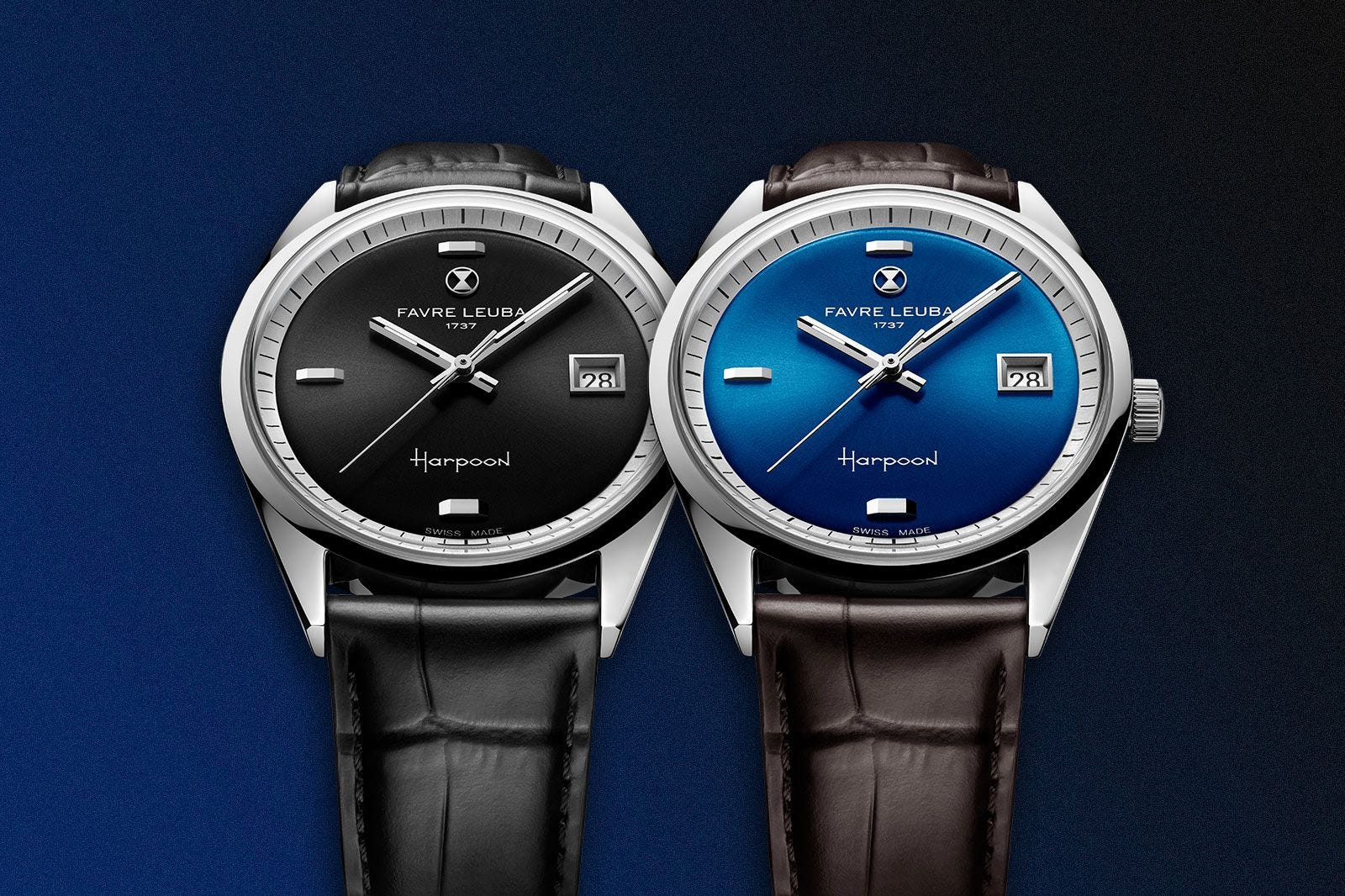
Favre Leuba expands the Harpoon Revival with black and dark-blue sunray dials, retaining the compact proportions that distinguish the collection. The stainless-steel case measures 36.8mm across and approximately 10mm thick, pairing a domed sapphire crystal with restrained detailing inspired by the brand’s 1960s watches. Inside is a La Joux-Perret G100-based automatic movement offering a useful 68-hour power reserve. Black or brown leather straps complete the two versions, which preserve the original model’s 50-meter water resistance. Price: approximately US$2,170 each, converted from CHF1,800.
MB&F SP One Pavée: A Floating Mechanical Sculpture With 255 Diamonds
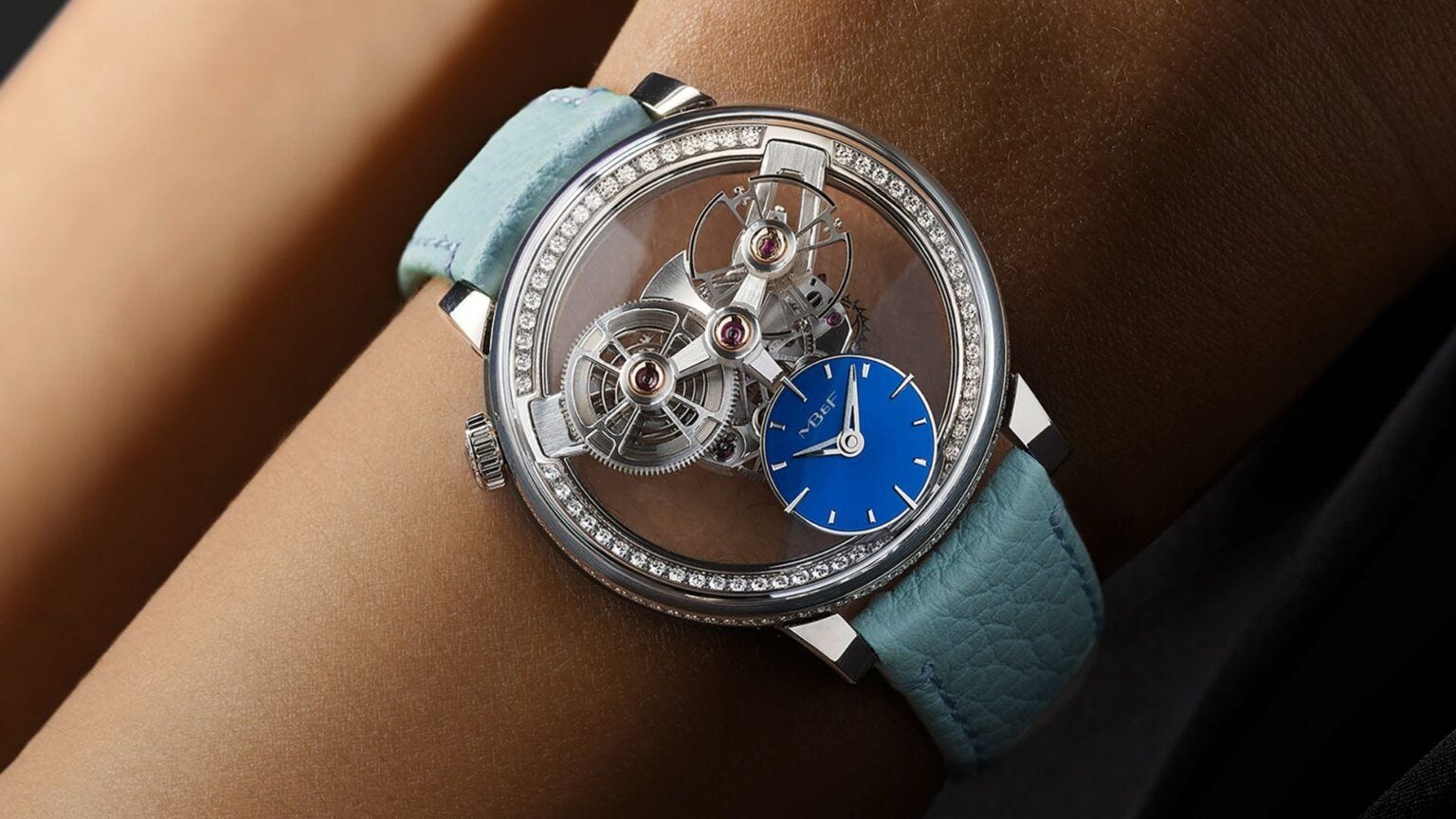
MB&F gives the SP One a high-jewelry treatment with a white-gold case set with 255 diamonds totaling 1.608 carats. The 38mm watch retains the collection’s sculptural movement arrangement, using sapphire on both sides to emphasize the apparent suspension of its principal components. A dark-blue inclined time display adds contrast, while the exposed balance provides the animation that makes the design so engaging. The manually wound movement contains 189 components and offers a 72-hour power reserve. Price: US$104,000.
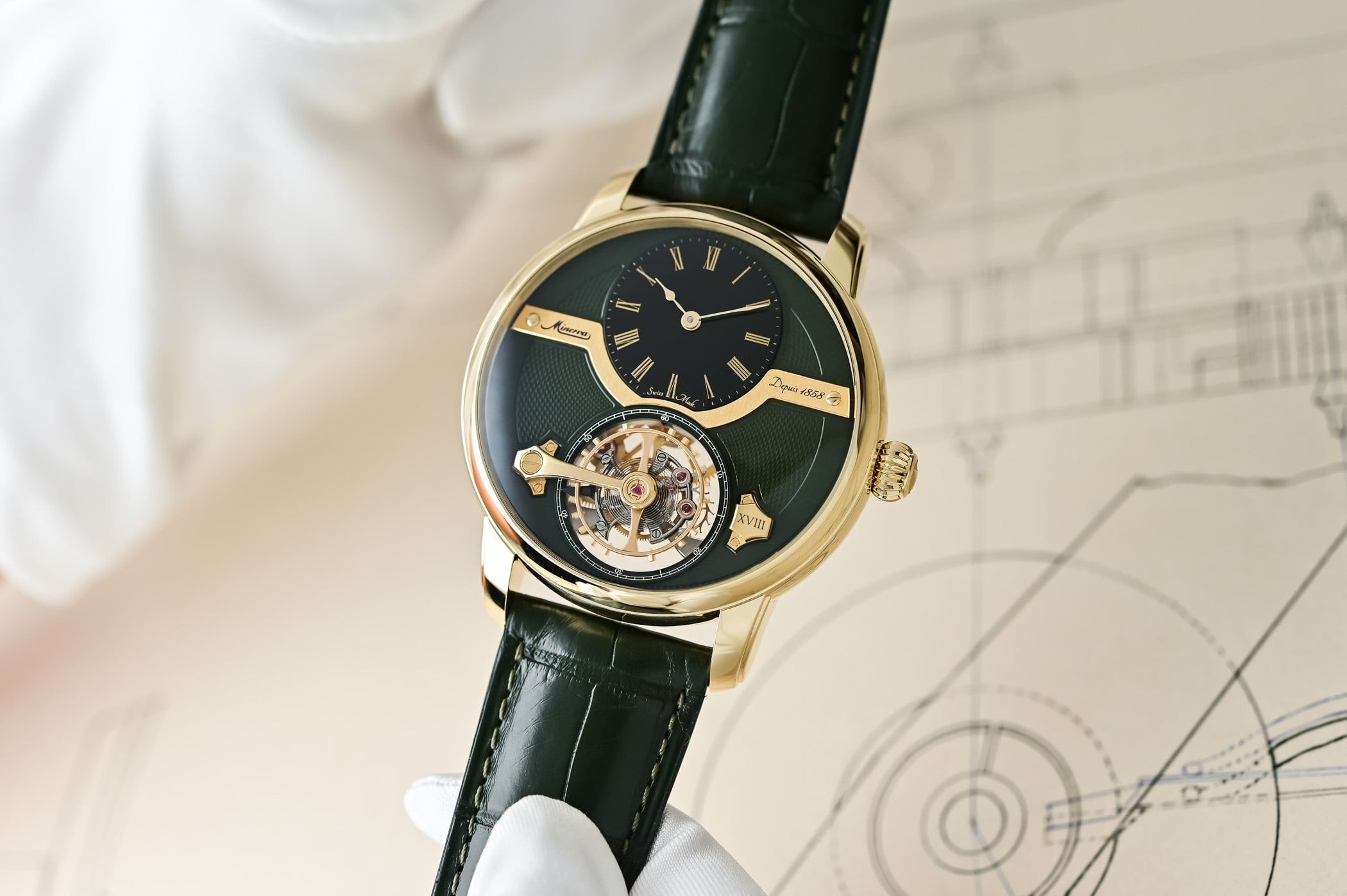
Minerva Exo Tourbillon Limited Edition 18: Olive Green and Yellow Gold
Minerva’s latest Exo Tourbillon combines an 18-karat yellow-gold case with black onyx and olive-green guilloché elements. Its defining feature is the elevated balance wheel, positioned outside and above the tourbillon cage to give the regulating assembly unusual visual prominence. The 44.8mm watch houses the manually wound M16.68 caliber with a 50-hour power reserve, and the tourbillon also provides the small-seconds indication. An olive-green alligator strap, gold folding clasp and specially decorated presentation box complete the 18-piece edition. Price: approximately US$182,450, converted from €160,000.
Comparisons
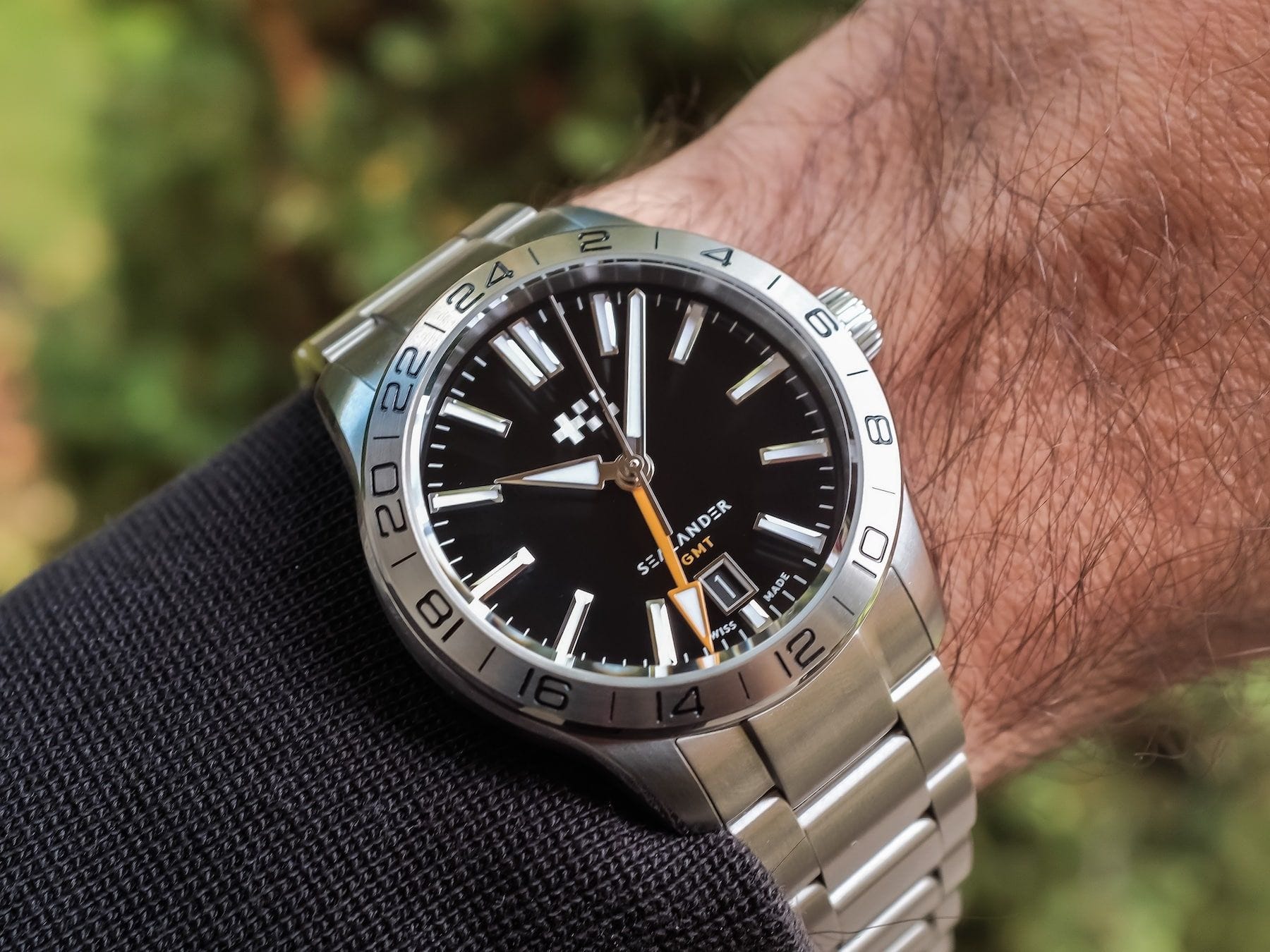
Christopher Ward vs. Mido: Two Interpretations of Swiss Watch Value
Christopher Ward and Mido address many of the same practical buying questions, but their personalities differ. This comparison presents Christopher Ward as the more experimental choice, with an emphasis on distinctive details, frequent refinements and enthusiast engagement. Mido’s strengths emerge through consistency, comfort and a more understated approach to everyday ownership. The author favors Christopher Ward’s overall package, while recognizing that Mido’s quieter character may be precisely what some buyers want from a dependable daily watch.
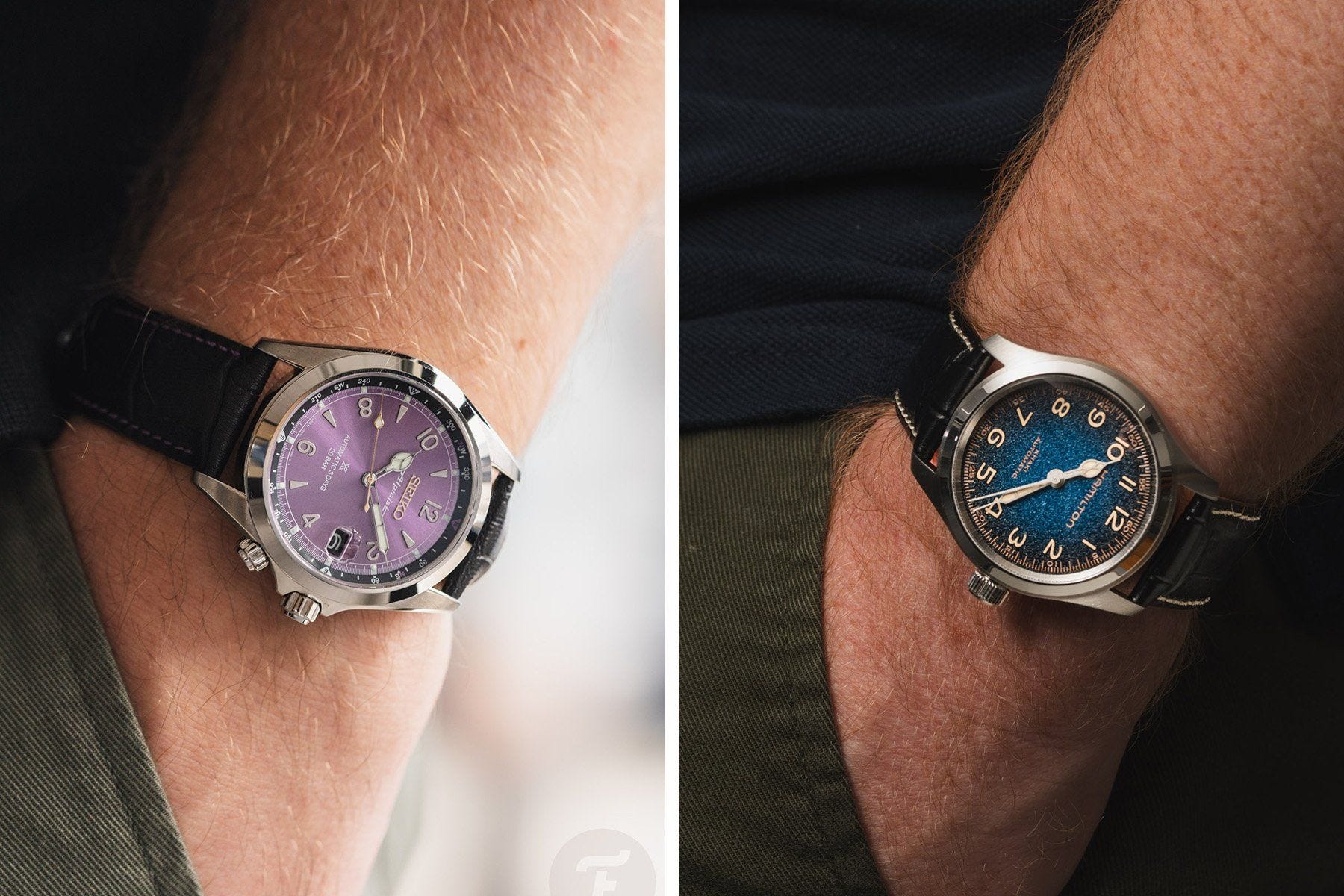
Hamilton Murph 38mm vs. Seiko Alpinist: Simplicity or Character?
The Hamilton Khaki Field Murph 38mm and Seiko Prospex Alpinist approach the versatile adventure watch from different directions. Hamilton offers a clean, no-date display and compact proportions, reinforced by the Murph’s cinematic connection to Interstellar. The Alpinist brings its own longstanding identity, including a distinctive dial layout and internal compass bezel in familiar versions. This showdown weighs the Murph’s visual restraint against the Seiko’s more idiosyncratic charm, leaving readers to decide which would earn more time on their wrist.
Reviews
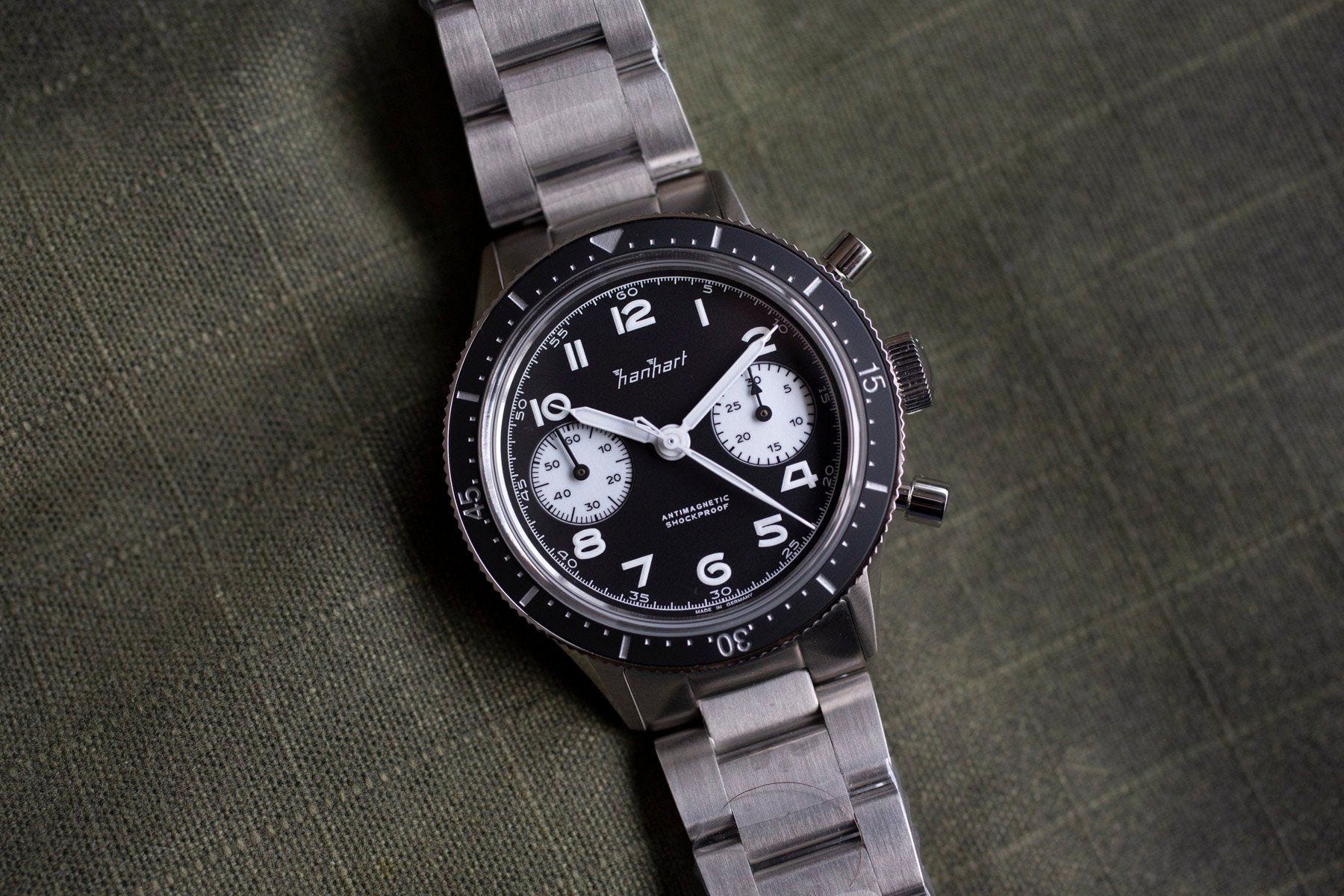
Living With the Hanhart 415 ES After an IWC 3706
Replacing a well-loved chronograph gives a review a particularly useful frame of reference. Here, the Hanhart 415 ES Reverse Panda is assessed as a daily companion after the author’s IWC 3706, with attention to legibility, dimensions and the experience of manual winding. Its 39mm case, contrasting registers, ceramic bezel and 100-meter water resistance support a practical sporting identity. The review appreciates the overall balance while acknowledging that the approximately 13.5mm thickness remains part of the wearing experience.
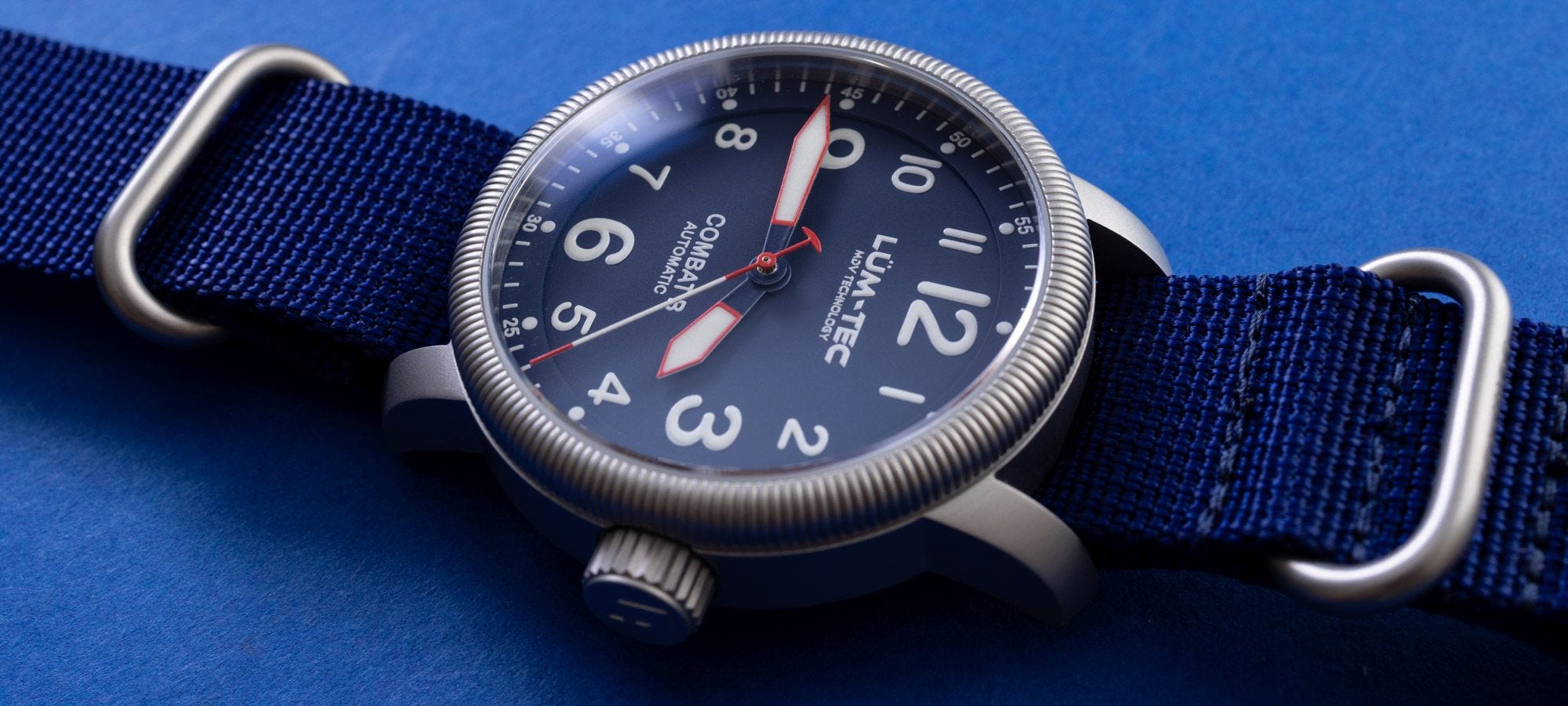
LUM-TEC Combat B70: A Bold Tool Watch in Red, White and Blue
The LUM-TEC Combat B70 brings a colorful aviation-inspired dial to a substantial 43mm hardened-steel case. Its luminous treatment is central to the design, supported by sapphire crystal, 200-meter water resistance and a Japanese automatic movement. The review considers how its strong visual identity and rugged construction translate to daily wear, particularly for buyers comfortable with a larger watch. Limited to 500 pieces and priced at US$1,095, it emphasizes utility and presence rather than discreet proportions.
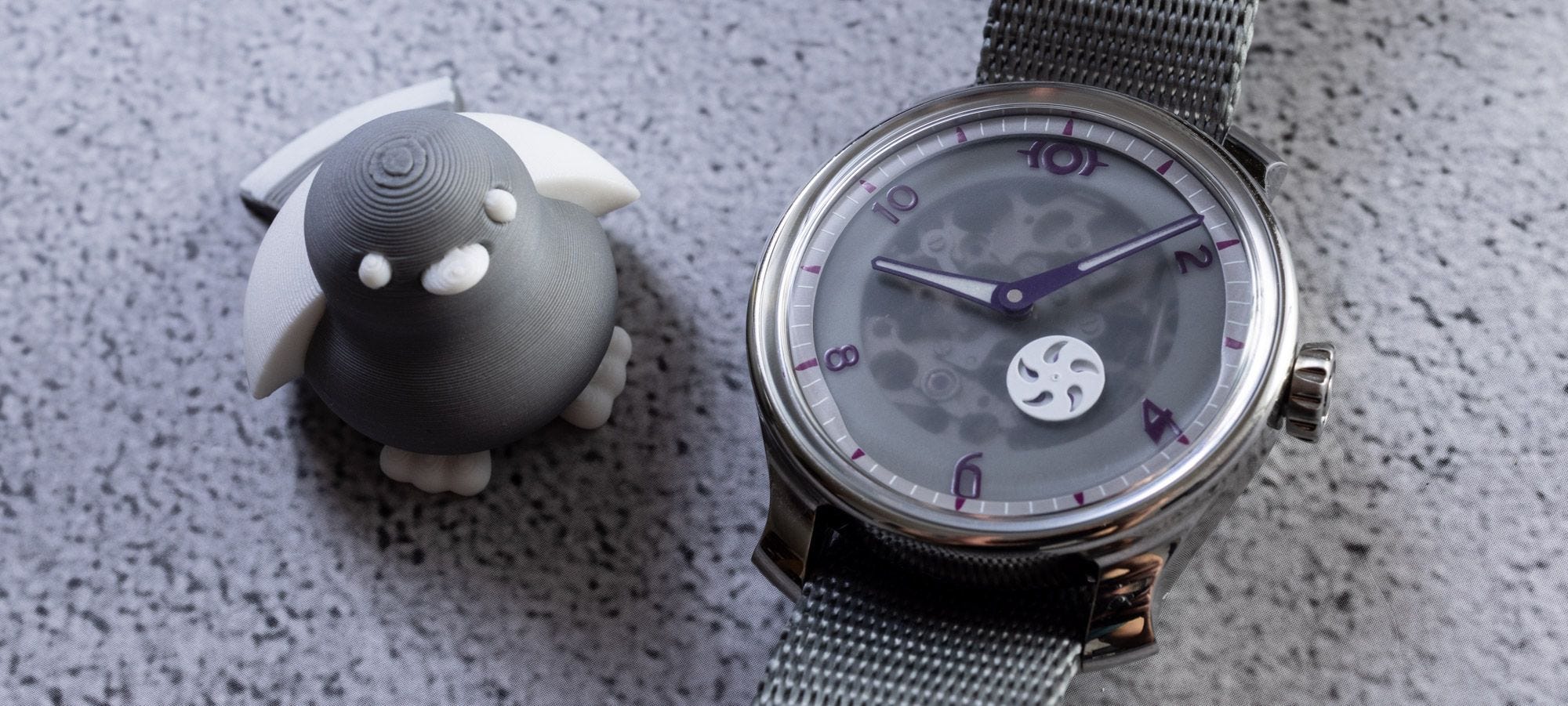
Ming’s Donut Watch Company Glazed Makes Room for Play
Donut Watch Company introduces a more accessible and deliberately playful expression of the creativity associated with Ming. The Glazed prototype combines a 35mm steel case, an openworked presentation of its Miyota automatic movement and a colorful subsidiary display. Even the packaging participates in the idea, with a plush donut-shaped case and a small character named Snowball. With an indicated price around US$700 and final sale availability still to come, the project explores how much personality a modestly priced watch can carry.
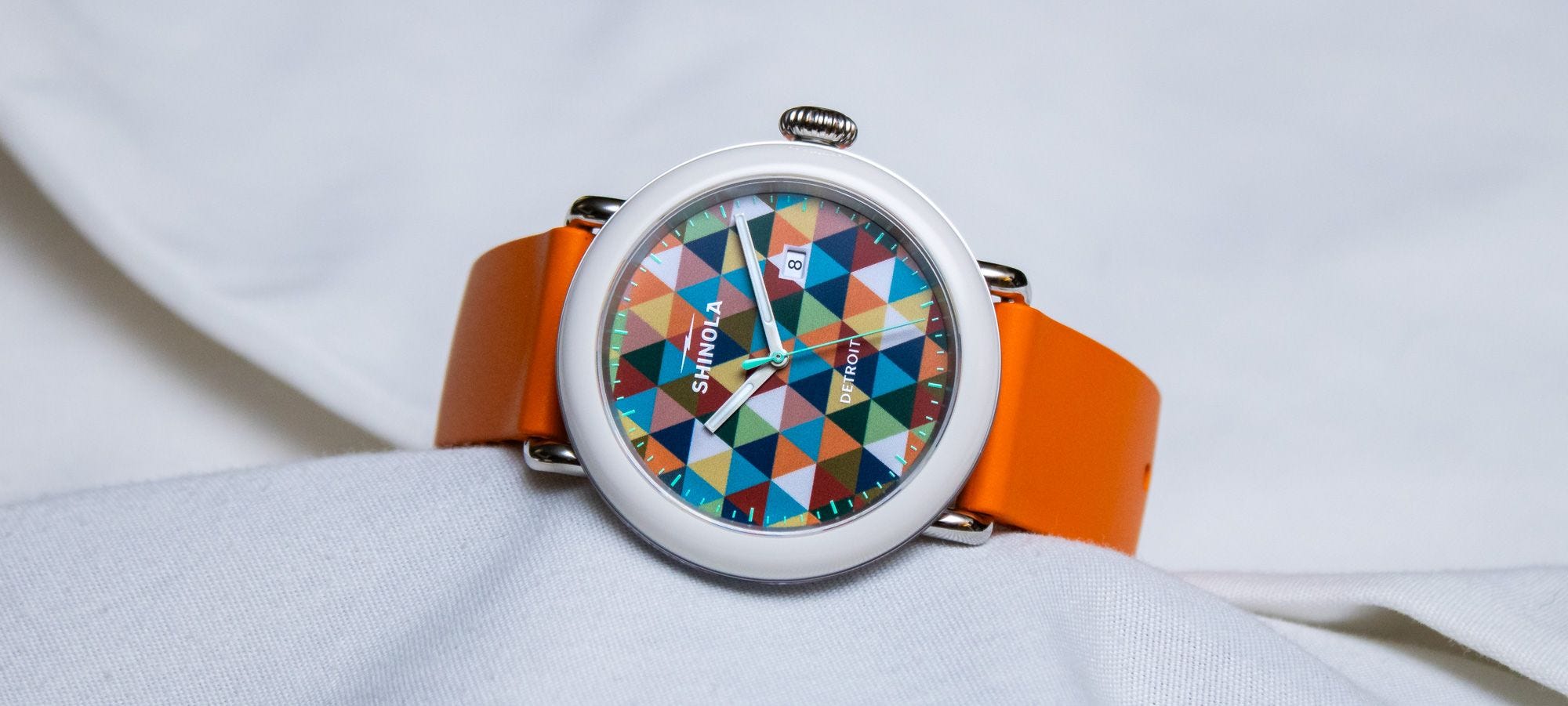
Shinola Detrola Color Theory Warm: A Watch That Enjoys Its Palette
Shinola’s Detrola Color Theory Warm uses a geometric dial and a bright orange strap to make color the central attraction. Its 41mm construction combines a steel core with TR90 resin, giving the watch a different physical character from the brand’s more conventional metal-cased designs. Quartz power keeps ownership straightforward, while contrasting hands add another layer to the dial’s composition. At US$495, the review evaluates how successfully the playful treatment holds together as an everyday watch.
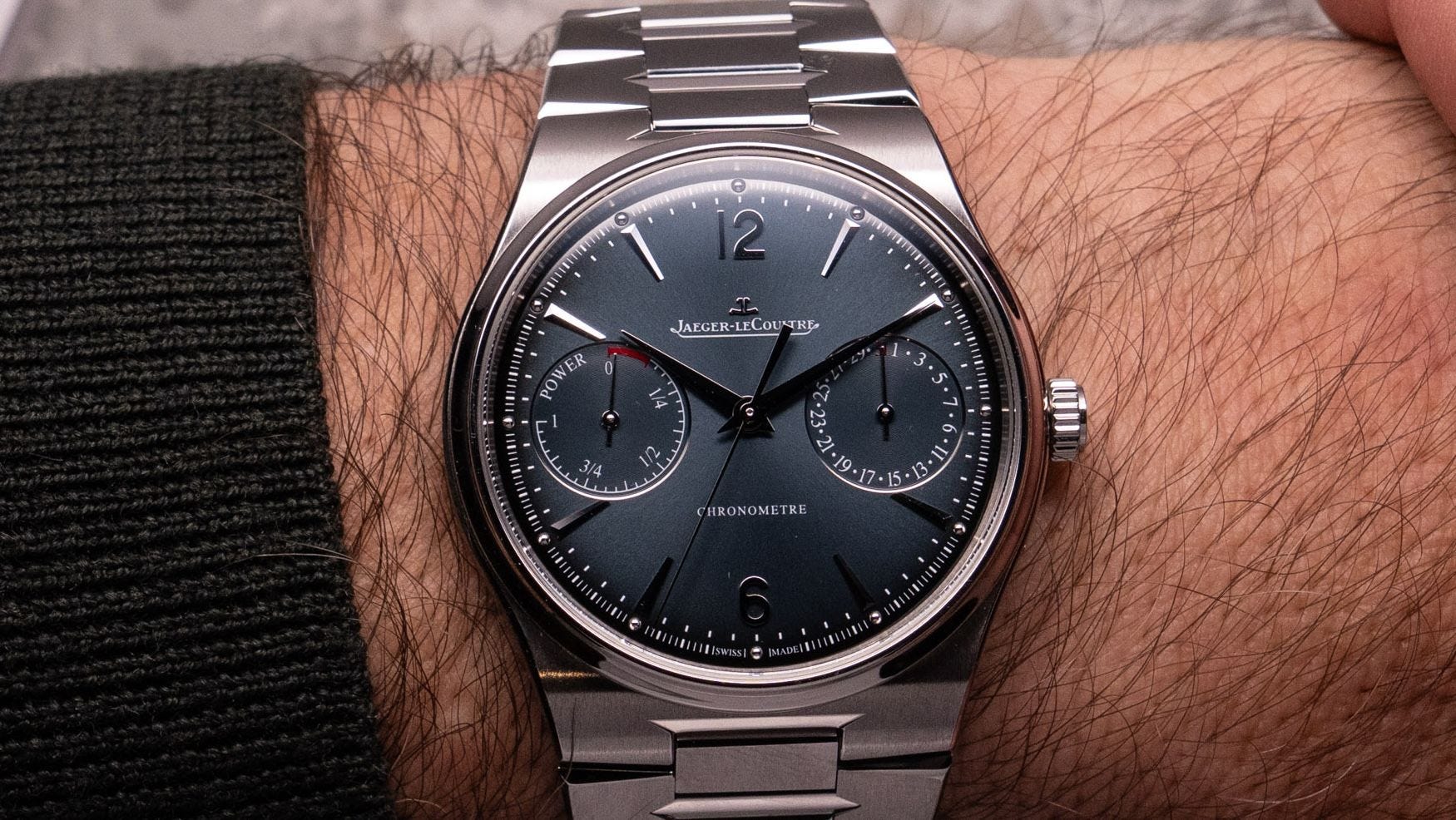
Jaeger-LeCoultre Master Control Chronometre: The Case for Date and Power Reserve
This review makes the argument for the Master Control Chronometre Date Power Reserve as a particularly appealing expression of Jaeger-LeCoultre’s contemporary design direction. A 39mm case and integrated bracelet frame a blue dial with separate indications for date and remaining power, creating a display with more visual activity than a simple three-hand watch. The caliber 738 supplies a reported 70-hour reserve. At US$17,000 in steel, the central question is how convincingly the watch combines movement pedigree, finishing and everyday appeal.
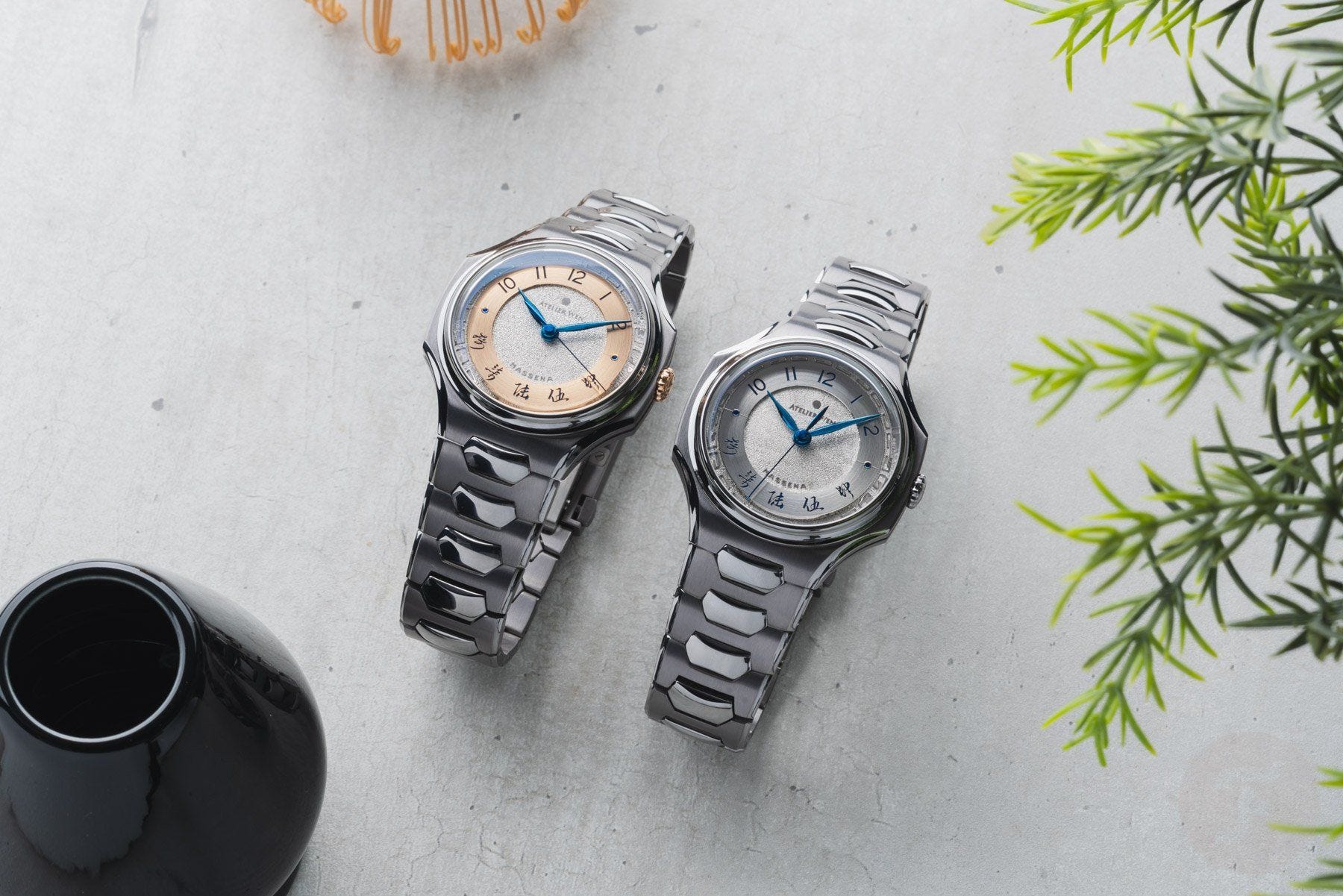
On the Wrist With the Atelier Wen × Massena LAB Inflection Shuò
The hands-on perspective adds another dimension to the Inflection Shuò’s ambitious materials list. Tantalum’s weight, the bracelet’s curvature and the way the tremblage gold dial responds to changing light all influence how the watch feels beyond its specifications. The review also examines the interplay of Arabic numerals, Chinese calligraphy and blued hands, along with the customized Girard-Perregaux automatic movement. For a watch asking collectors to reconsider their expectations of Atelier Wen, these physical details are especially consequential.
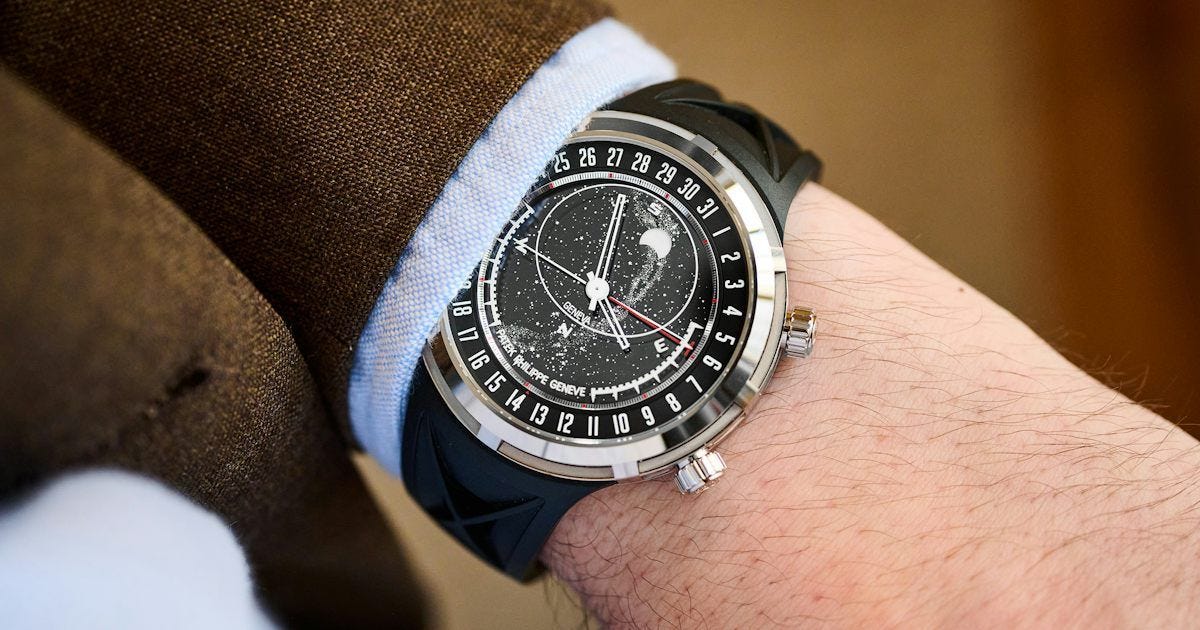
Inside the Patek Philippe Celestial Ref. 6105G
This technical exploration examines how Patek Philippe combines astronomical information with a bold contemporary presentation. The discussion follows the relationship between the celestial display, sunrise and sunset indications, and the mechanical systems required to coordinate them. It also considers the visual implications of a large case, smoked sapphire and a sportier wearing format. Beyond the complexity itself, the article asks how a highly traditional manufacture can develop a different aesthetic while maintaining the depth of engineering collectors expect.
Editorial
Is Richemont the Right Home for Its Watchmaking Maisons?
Richemont’s jewelry businesses and specialist watchmakers operate within the same group but face different commercial realities. This editorial examines what that imbalance means for investment, distribution and the long-term development of individual watch brands. Boutique expansion and access to substantial resources can provide advantages, while the need to preserve a maison’s identity presents a less easily measured challenge. The underlying question is whether a large luxury group can give specialist watchmaking the patience and distinct direction its products require.
Events
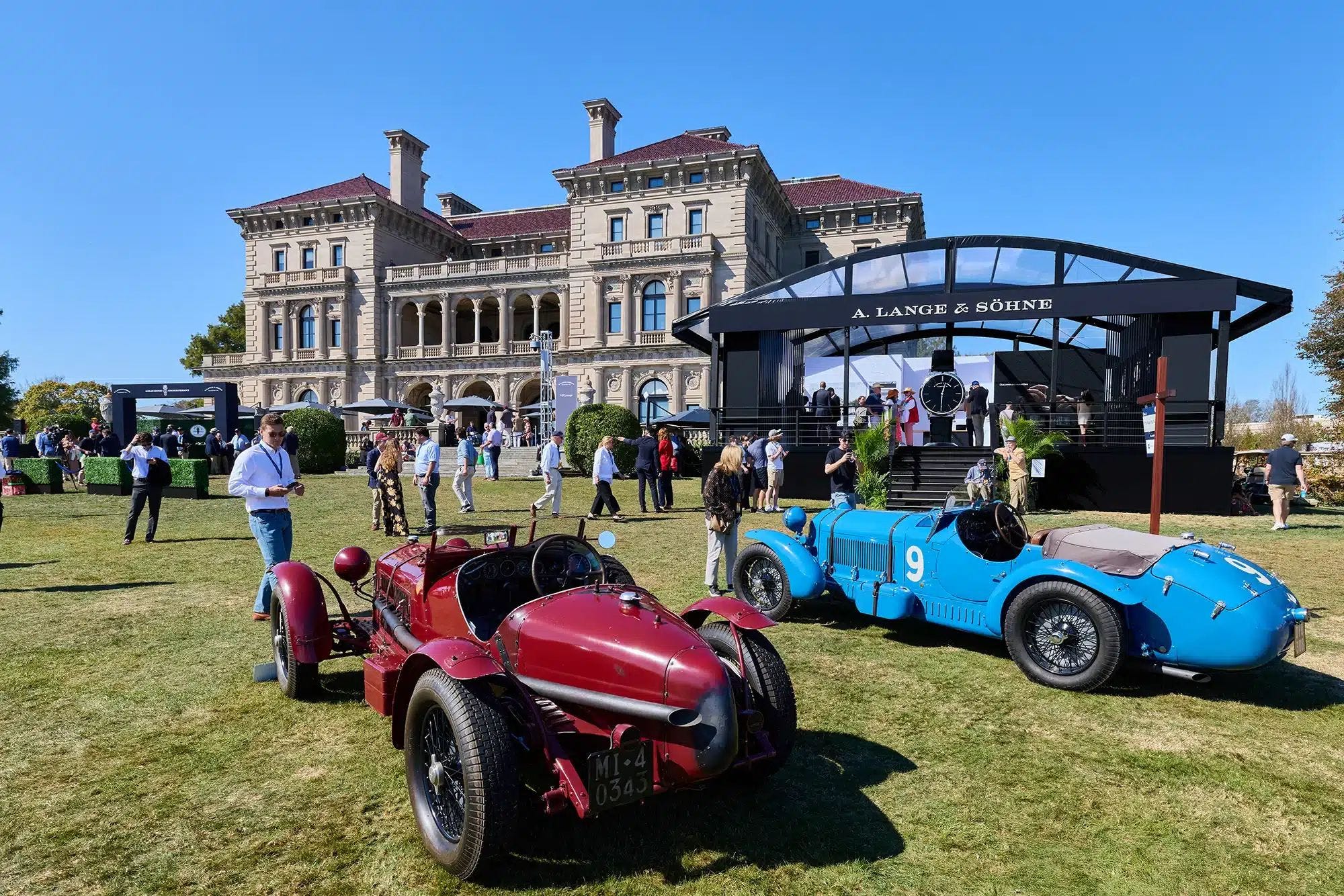
A. Lange & Söhne Heads to Audrain Newport Concours & Motor Week
A. Lange & Söhne returns to the intersection of fine watchmaking and automotive collecting at the 2026 Audrain Newport Concours & Motor Week, scheduled for October 1–4 in Newport, Rhode Island. The program brings watches, collector cars and hospitality together across the week’s activities, with Lange continuing its association with major concours events. Featured watchmaking provides another expression of the mechanical craftsmanship that draws visitors to the automobiles. For enthusiasts of both fields, the attraction is the opportunity to appreciate engineering and finishing in two very different scales.
Part 3 of 3
Podcasts
Scottish Watches #818: Day of the Independents 2026
Rikki, Dave and Pietro report on London’s Day of the Independents, bringing together impressions of established names and emerging watchmakers. The conversation ranges across the variety that makes this part of the industry so engaging, including distinctive complications, unusual designs and collaborations that sit outside the largest manufacturers’ catalogs. Watches from figures such as Stefan Kudoke and brands including Laurent Ferrier, HYT, H. Moser & Cie. and Konstantin Chaykin provide plenty to discuss. It is a useful companion to an issue concerned with individual ideas and the people who pursue them.
Videos

Fourteen of the Best Chronograph Watches Money Can Buy — Britt Pearce
Britt Pearce surveys chronographs across a broad range of prices and collecting ambitions, considering what makes their designs and movements appealing. The format offers an opportunity to compare familiar icons with other candidates for the same place in a collection. For anyone drawn to pushers, subdials and the interaction of a stopwatch mechanism, there is plenty to consider.
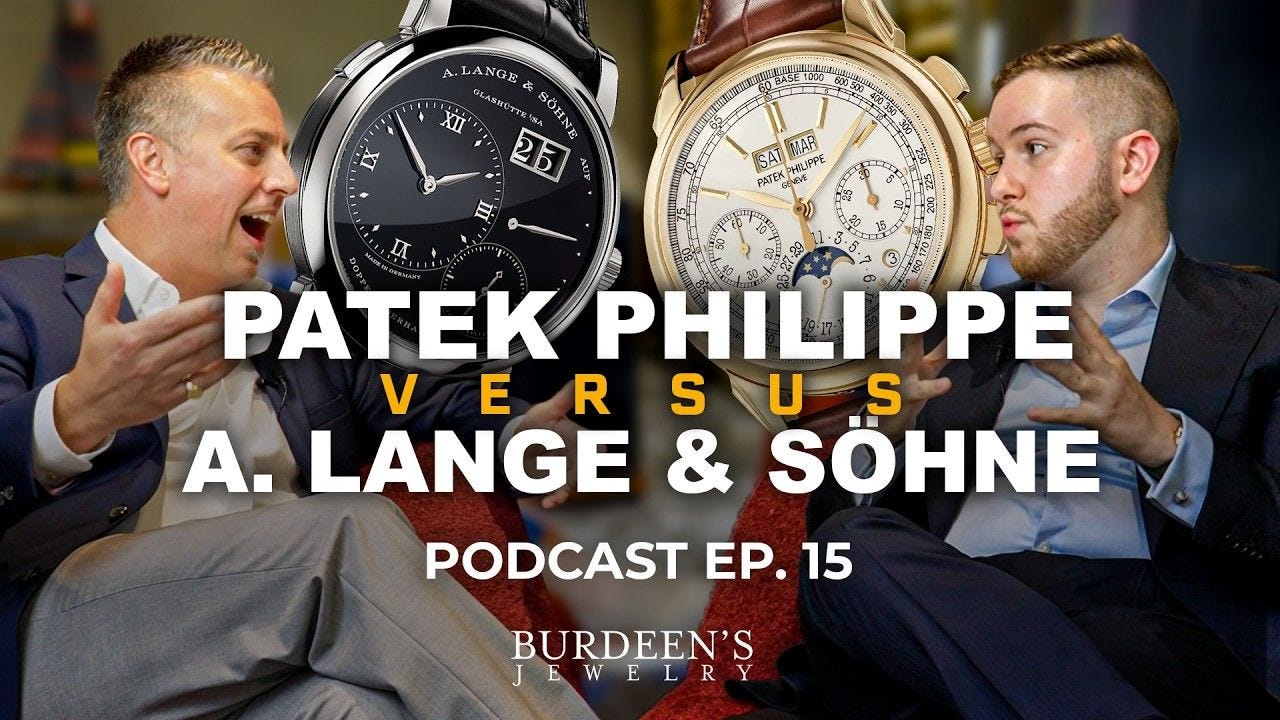
Are Patek Philippe and A. Lange & Söhne the Best Watch Brands Right Now? — Burdeens Jewelry
Burdeens Jewelry considers the appeal of two names that occupy prominent positions in high-end collecting. The discussion invites comparison of their design identities, craftsmanship and reputations, along with the qualities that inspire lasting enthusiasm. Treat the question as an opening for debate: the answer will depend on what a collector values most in a watch.
Back to RAW — Watch Hospital NYC
Watch Hospital NYC returns to its extended, unfiltered workshop format, shifting attention from polished product presentations to the working environment around watches. The appeal is the opportunity to spend time with the business of servicing and handling timepieces. It offers a different perspective on ownership: the watch continues to have a life after the purchase.

Breitling’s Next Five Years — Time+Tide Watches
Time+Tide sits down with Georges Kern and Breitling CEO Jean-Marc Pontroué to discuss the brand’s direction within the wider House of Brands. The conversation addresses Breitling’s position alongside Gallet and Universal Genève, and the opportunity to develop both accessible entry points and more ambitious watches. It provides a useful companion to today’s feature on Gallet’s revival.
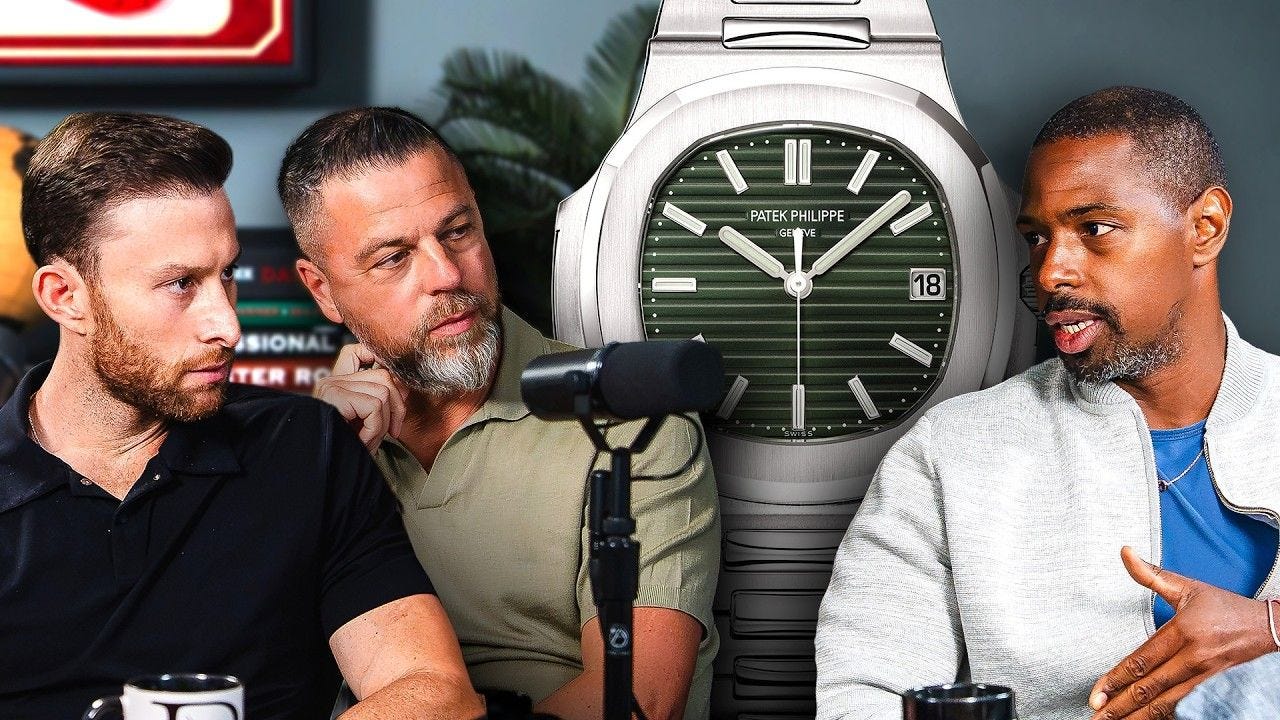
How a Dentist Built a 2,000-Member Watch Club — Roman Sharf
This Dual Time Podcast conversation explores how a shared enthusiasm for watches became the foundation for a substantial community during the pandemic. The story focuses attention on the social side of collecting: introductions, conversation and the relationships that develop around common interests. It is a reminder that the most memorable part of the hobby may involve people as much as objects.

Eleven Surprises From a Tour of Swiss Watchmaking — Harrison Elmore
Harrison Elmore shares observations from visiting Swiss watchmaking facilities, using the experience to reconsider assumptions about how watches are produced. The subject invites a closer look at the relationship between machinery, skilled labor and the finished object. For collectors who mostly encounter watches in boutiques or photographs, the manufacturing perspective adds useful depth.

Moser Goes Digital, a Rolex “Frying Pan,” and Hublot Gets Weird — aBlogtoWatch
The aBlogtoWatch Weekly team brings its conversational approach to a selection of unusual developments and provocative watch designs. Moser, Rolex and Hublot provide the starting points for discussion about experimentation, aesthetics and how enthusiasts respond when brands depart from expectations. The episode’s playful framing makes it an appropriate companion to today’s broader examination of personality in watchmaking.

NOMOS Glashütte: What’s New Since Watches & Wonders — The 1916 Company
The 1916 Company revisits NOMOS Glashütte’s recent developments and considers how they fit within the brand’s recognizable design language. The discussion offers a way to assess changes in the context of a collection associated with clear typography and disciplined proportions. For NOMOS enthusiasts, small details can be especially meaningful when the overall identity is so consistent.
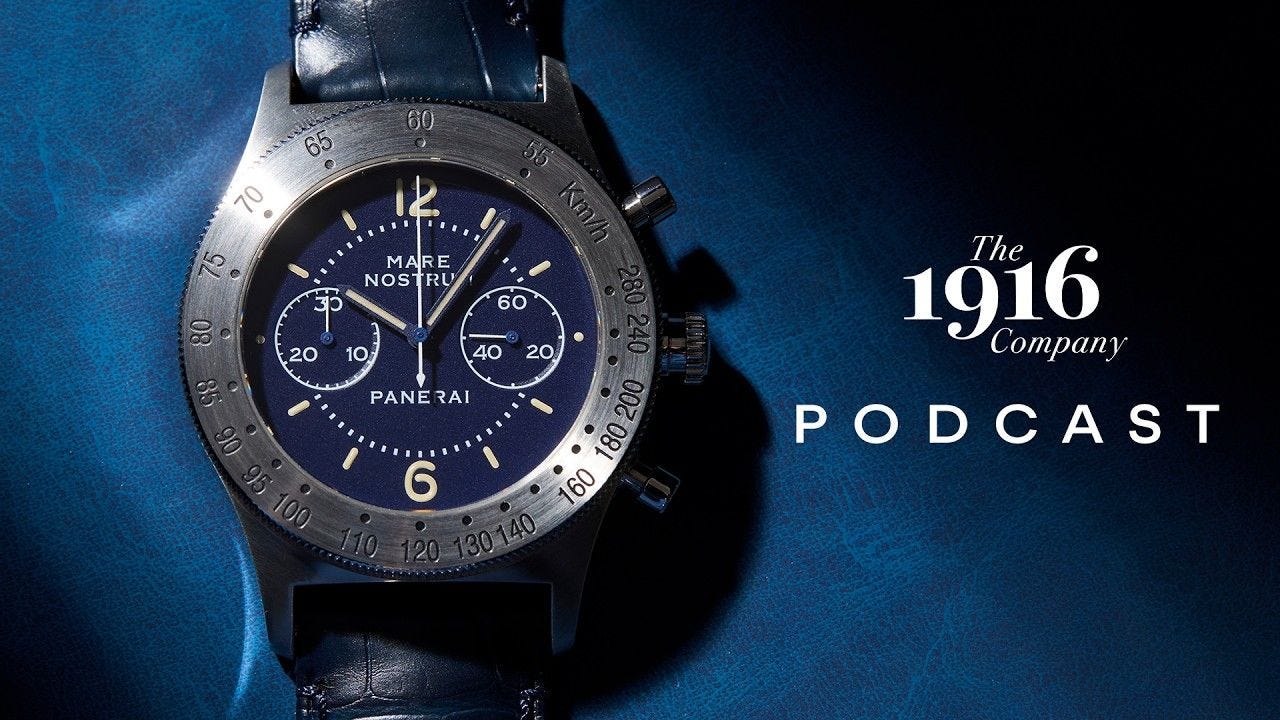
Building a Panerai Collection — The 1916 Company
The 1916 Company explores how to build a Panerai collection with an understanding of the brand’s history and its different expressions. Case designs, reference distinctions and the relationship between historical inspiration and modern execution all shape the subject. The useful collecting challenge is finding pieces that add something distinct while preserving the qualities that first attracted you to Panerai.

SteveWillDoIt Drops US$250,000 in Ten Minutes at TPT — TimePieceTrading
TimePieceTrading presents a fast-moving visit centered on SteveWillDoIt and a substantial watch-shopping headline, with a Rolex giveaway also featured. The entertainment comes from the pace, personalities and transaction-driven atmosphere. It offers a view of watch culture in which the buying experience itself becomes part of the spectacle.

Is a Brand’s Least Expensive Watch Its Best? — A Podcast About Watches
This discussion tests the proposition that an entry-level watch can deliver the clearest expression of a brand’s appeal. The argument raises worthwhile questions about what buyers gain as prices increase and which characteristics already appear in the simplest models. It is a useful exercise for collectors trying to distinguish features they will appreciate from prestige they may be paying for.

The Current Rolex Situation — Jenni Elle
Jenni Elle examines the Rolex buying landscape and the questions occupying collectors as they assess availability and market conditions. The subject is especially relevant to buyers balancing a desired reference against the route, timing and price of a purchase. As with any market discussion, the most useful conclusions depend on the particular watch and the terms actually available.

The Best and Worst “Starter” Watches — This Watch, That Watch
This Watch, That Watch considers the assumptions behind recommendations for a first serious watch. The discussion gives newcomers a way to think about practical ownership, personal taste and the compromises that accompany different choices. Experienced collectors may recognize the larger lesson: a satisfying beginning depends on understanding your own preferences as much as following a familiar list.

Too Many Liabilities — Watch Hospital NYC
Another extended installment from Watch Hospital NYC brings viewers into the working atmosphere of a watch service business. Its title puts responsibility at the center of the episode, an appropriate subject in a trade involving valuable objects and customer expectations. The workshop format adds a grounded counterpoint to the excitement of launches and purchases elsewhere in the issue.

Inside the Watchmaker That Powered AP, Vacheron and More — Zero to Sixty
This factory-tour feature explores the movement-making expertise behind watches associated with some of the industry’s best-known names. It directs attention to the manufacturers and specialists whose contributions can be less visible than the signature on the dial. For collectors interested in how the industry developed, that broader production history can change the way a familiar watch is understood.

Why Luxury Watches Often Look Alike — My Watch Journey
My Watch Journey examines the forces that encourage recognizable shapes and recurring design cues across luxury watches. The subject brings commercial expectations, brand heritage and consumer preferences into the same conversation. It also connects directly with today’s theme: distinctive design becomes easier to appreciate when we understand the pressures that make familiar choices attractive to manufacturers and buyers.
Auctions
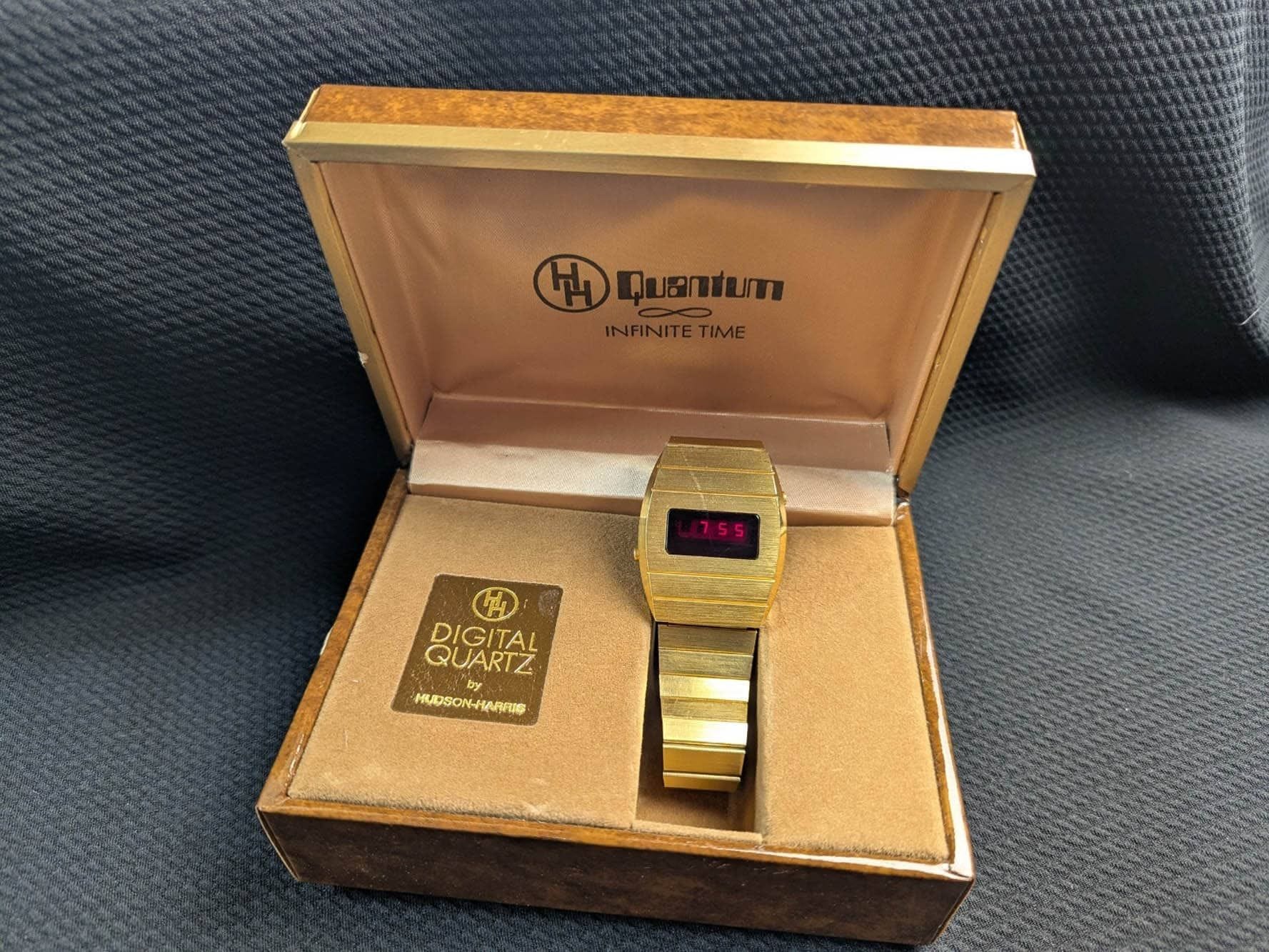
Vintage Finds: An LED Oddity, an Unusual Favre-Leuba and Familiar Classics
Worn & Wound’s latest auction selection ranges from a tropical-dial Omega Seamaster and a 1950s Lord Elgin to a Seiko automatic and the wonderfully named Hudson Harris Quantum LED watch. A Favre-Leuba Moon Raider and Heuer Autavia “Viceroy” add further variety. The appeal is the mix of established collecting territory and designs that deserve a second look simply because they are unusual. Each listing merits its own examination of condition, originality and seller information.
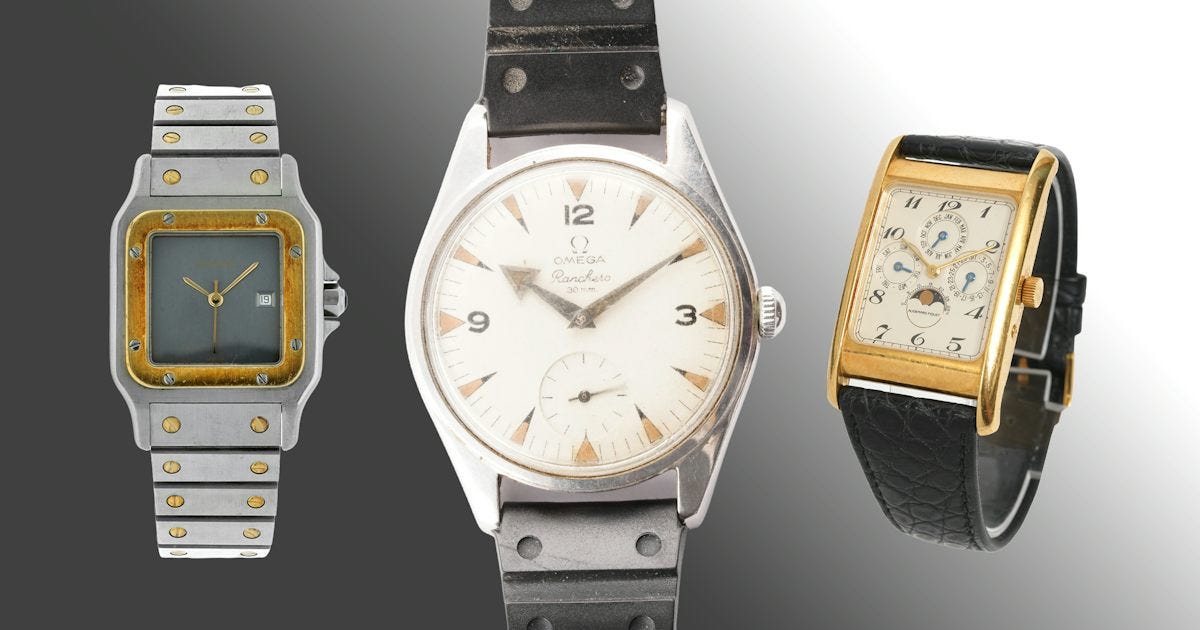
Auction Hunting: Omega Ranchero, Cartier Santos Ghost, AP and ZRC
This roundup brings together four very different collecting propositions: an Omega Ranchero, a Cartier Santos Ghost, an Audemars Piguet Edward Piguet perpetual calendar and a ZRC Grands Fonds diver. Their attractions range from unusual dial treatments and restrained vintage proportions to complicated mechanics and professional diving history. The descriptions also underline the importance of condition and completeness, particularly where paperwork or original accessories are absent. Estimates provide a starting point for research; the individual watch and the sale’s terms deserve the closer attention.
Auction Results
Arnold & Son’s Platinum Tourbillon Falls Short of Its Reserve
September 25 featured auction for the Arnold & Son Chronometry Ultrathin Tourbillon 41.5 in platinum, with its green mother-of-pearl dial and Roman numerals, ended without a sale. Reference 1UTBX.F01A.C208A, from an edition of 28 pieces, attracted a high bid of US$34,500 against a US$59,000 reserve. The bid finished US$24,500 below the seller’s threshold, a shortfall of approximately 41.5%. That establishes the outcome of this auction, rather than a completed market transaction at the high-bid figure.
Auction Report
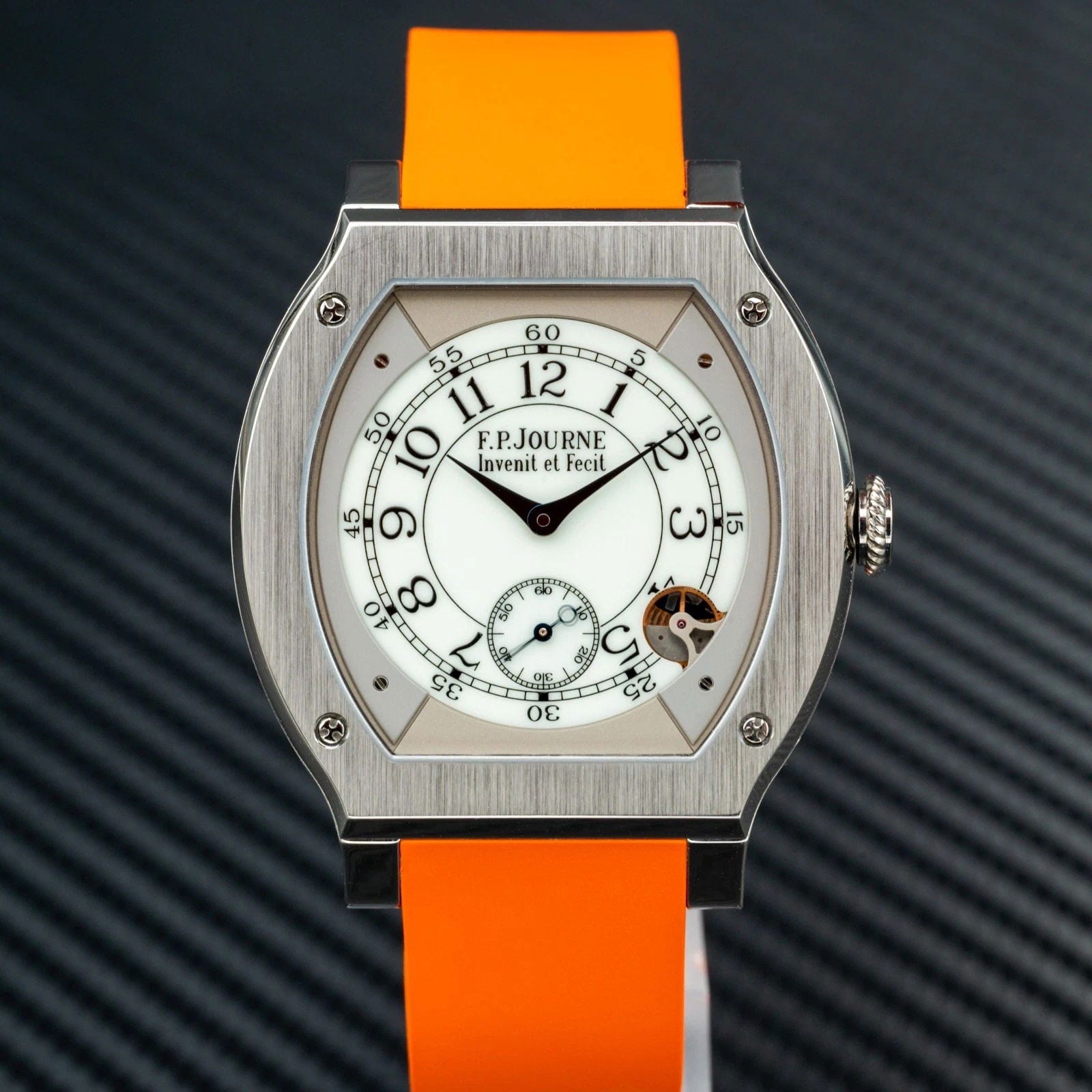
The Quartz Exception: A 2018 F.P. Journe Élégante 48 Comes to Auction
Today’s featured auction is a 2018 F.P. Journe Élégante 48 in titanium with a white dial, Arabic numerals and strap. The Élégante occupies an unusual position in independent watchmaking: a battery-powered watch whose appeal rests on the originality of its engineering as well as the name on its dial. Introduced in 2014 after eight years of development, the collection applied François-Paul Journe’s problem-solving approach to convenience and energy efficiency. Its distinctive flat tortue case gives the watch an identity immediately separate from the manufacturer’s round mechanical collections.
The caliber 1210 combines electronic timekeeping with a mechanical motion detector. After approximately 35 minutes without movement, the hands stop while the electronics continue tracking time; when the watch is moved again, the hands return to the correct indication. Journe quotes autonomy of eight to ten years in daily use and up to eighteen years in standby conditions. The system makes the Élégante particularly interesting as a watch to rotate through a collection, delivering practical sophistication through a mechanism designed around the habits of its wearer.
This U.S.-located example measures 48 by 40 millimeters and is offered with its box, papers and extra straps. The supplied condition report describes the dial as excellent, with minor signs of wear to the case, bezel and strap or bracelet category. It is a pre-owned watch, and the listing’s general language allows for possible previous servicing or polishing without confirming either. The completeness is appealing, but the case finish, clasp, battery history and correct operation of the standby system remain meaningful factors in assessing this particular example.
For market context, Phillips reported US$114,300 for a titanium Élégante 48 with a 2025 guarantee at its spring 2026 New York online sale. That published auction result is a useful reference point, but it concerns a newer watch and should not be treated as an automatic valuation of this 2018 example; buyer’s premium also matters when comparing auction totals with bids. Today’s watch offers the attraction of an earlier example with accessories, while its condition and service history must determine how closely bidders consider that comparison applicable. The auction ends at 12:00 p.m. EDT today, Monday, September 28, 2026.
Current bid: $112,500
Losing Time with Hublot


Today’s Big Hublot Losers at Auction on Grailzee
Hublot brought the asking prices. Bidders brought a reality check. These four failed sales show just how wide the gap can be between what sellers want for a Hublot and what the secondary market is willing to offer.
The 2026 Hublot Spirit of Big Bang “Black Magic” 42mm (642.CI.0170.RX) carried a $19,000 asking price but attracted a bid of just $11,000—an $8,000 shortfall, or 42.1% below ask. Apparently, the black magic doesn’t extend to making buyers believe in the seller’s valuation. Even with a 2026 date attached, the watch couldn’t draw an offer approaching the asking price.
The 2025 Hublot Spirit of Big Bang Meca-10 45mm (614.OX.1180.RX) fared much the same. Against an ask of $25,995, its high bid reached $14,999, leaving a $10,996 gap—42.3% below ask. All that mechanical complexity, and the hardest trick remained finding someone willing to pay the requested price.
The 2021 Hublot Big Bang L.E. 42mm (441.UB.5120.NR) delivered the biggest percentage embarrassment. Its $17,995 ask met a $4,250 bid: $13,745 short, or 76.4% below ask. “Limited edition” may describe the production run, but here it could just as easily describe buyer enthusiasm. The bid covered less than a quarter of the seller’s target.
Then came the Hublot Big Bang 44mm with carbon-fiber dial (301.PB.131.RX), with no year provided. The seller wanted $13,750; the high bidder offered $4,100. That’s a $9,650 shortfall, or 70.2% below ask. The Big Bang name survived intact. The valuation suffered a rather smaller landing.
Together, these sellers sought $76,740 and received bids totaling $34,349—55.2% below their combined asking prices. Four listings cannot establish Hublot’s entire resale market, and asking prices aren’t original purchase prices, so these figures aren’t measured depreciation. Nevertheless, this is an ugly snapshot of secondary-market demand and a poor advertisement for value retention. Even the newer pieces drew bids roughly 42% below ask; the other two couldn’t attract 30 cents on the asking-price dollar.
The conclusion: ambitious pricing met deeply unenthusiastic buyers. Hublot certainly knows how to make a statement on the wrist. In these listings, the secondary market’s statement was: “Good luck with that.”
Closing Time
Thank you for spending part of your day with BuyingTime. Today’s watches remind us how many forms a good idea can take—from a dial inspired by a handwritten page to a Journe that quietly conserves energy while it waits to be worn. Enjoy the search, look closely at the details, and leave room in your collection for something that surprises you. We’ll be back tomorrow with more from the watch world.