

BuyingTime in 30 Seconds
Héron’s US$630 Continental puts everyday wearability first, while Grönefeld’s Quadrivium combines four signature achievements in one ambitious watch. Ulysse Nardin adds decorative depth to the Freak, and Frederique Constant salutes the French Foreign Legion. Our features explore obscure automotive collaborations and the watches that became summer companions. Elsewhere, we examine Richemont’s next generation, the importance of movement manufacturing, and Czapek’s independent journey. Yesterday’s Moser reached US$82,000 without meeting reserve; today’s 80-piece Richard Mille Les Voiles de Saint Barth edition closes at 12:10 p.m. EDT.
Time Graphing Today’s Watch Universe
The Watches That Earn a Second Look—and a Permanent Place
The watch industry spends considerable energy getting us to look at something new. There is another launch, another collaboration, another anniversary, another complication that needs several paragraphs to explain. Attention is the first hurdle. Keeping that attention after the announcement disappears from the top of the page is a much more interesting challenge.
Today’s issue is full of watches competing for that longer relationship. Some offer mechanical ingenuity. Others offer a familiar shape at an approachable price, a connection to an institution, or a small piece of automotive history. Together, they raise a question that is easy to overlook while scrolling through new releases: what makes us keep coming back?
The most revealing answers appear in the watches Hodinkee’s editors wore this summer. The appeal of these pieces cannot be reduced to a ranking of movements, case materials or retail prices. A watch becomes associated with a trip, a recovery, a dive or a stretch of ordinary days. Its significance grows because it was there. That is a form of value no manufacturer can fully install at the factory.
The same idea runs through the 16 watches reviewers kept wearing after their reviews. Once the photographs are taken and the deadline passes, there is less reason to tolerate an awkward clasp, an uncomfortable case or a display that takes too much effort to read. The watches that remain in rotation have survived a useful test: their owners still want them around when nobody needs another opinion.
That makes the Héron Continental particularly relevant. A 37mm steel watch with a dependable automatic movement, useful water resistance and an adjustable bracelet is proposing a relationship built on frequent use. The sandwich dial and orange accents supply personality, but the proportions may ultimately do more to secure its place on someone’s wrist. At US$630, it also leaves room for the experiences that might make it memorable.
At the other end of the price spectrum, Grönefeld’s 1941 Quadrivium asks for sustained attention through mechanical depth. A remontoire, flying tourbillon, jumping seconds and power-reserve display give the owner multiple reasons to keep looking. Here, the attraction lies partly in understanding how the watch works and partly in appreciating the difficulty of making it. That pleasure can deepen with familiarity rather than fade once the novelty wears off.
The new Ulysse Nardin Freak One editions approach lasting interest from another direction. The Freak’s unconventional display already makes reading the time an encounter with the mechanism. Blue enamel and guilloché add surfaces that reward a closer look. Mechanical architecture and decoration become parts of the same experience, with the changing light giving the owner something different to notice.
Of course, watches also borrow meaning from the worlds around them. Today’s six obscure watch-and-car collaborations show how a partnership can become more interesting with age. An IWC connected to Saab or a Seiko associated with Honda preserves a specific moment in the relationship between two companies. What began as marketing can eventually become an artifact of shared history. The most obscure examples sometimes tell the best stories because they escaped endless repetition.
Frederique Constant’s French Foreign Legion editions make that connection more explicit. Their significance depends partly on what the institution means to the wearer, with support for its mutual-aid association giving the collaboration a practical purpose. A limited-edition number alone offers very little emotional content. A connection someone recognizes and values can offer considerably more.
There is an industrial side to this discussion, too. Today’s editorial about movement ownership argues that control of the mechanism will increasingly determine which brands hold a durable advantage. It is a serious argument, but collectors should resist turning it into a shortcut. An exclusive caliber can justify attention; a well-chosen supplied movement can also make an excellent watch. The quality of the complete object—and the experience of owning it—still deserves the final vote.
The Czapek conversation with Xavier de Roquemaurel adds the work behind the romance: financing, production, back orders and the resilience required to build an independent company. Meanwhile, the profile of Anton Rupert considers continuity at a very different scale. Both stories concern the same underlying responsibility: giving customers reasons to believe a watch and the company behind it will remain relevant.
Yesterday’s Moser auction provides a useful reminder that admiration and agreement on price are separate matters. A bid of US$82,000 is substantial, but it did not meet the reserve. Today’s Richard Mille will face its own negotiation between engineering, rarity, condition and what buyers are actually prepared to pay. Neither a compelling history nor an impressive mechanism settles that negotiation in advance.
Perhaps the most useful collecting discipline is to imagine the watch after its launch story has gone quiet. Will the design still please you? Will its proportions suit your day? Will you enjoy learning more about it, or simply enjoy wearing it without thinking very much at all? There are many good answers. The watches that stay tend to make those answers feel personal.
-Michael Wolf
Features
Six Obscure Watch-and-Car Collaborations You’ve Probably Never Heard Of
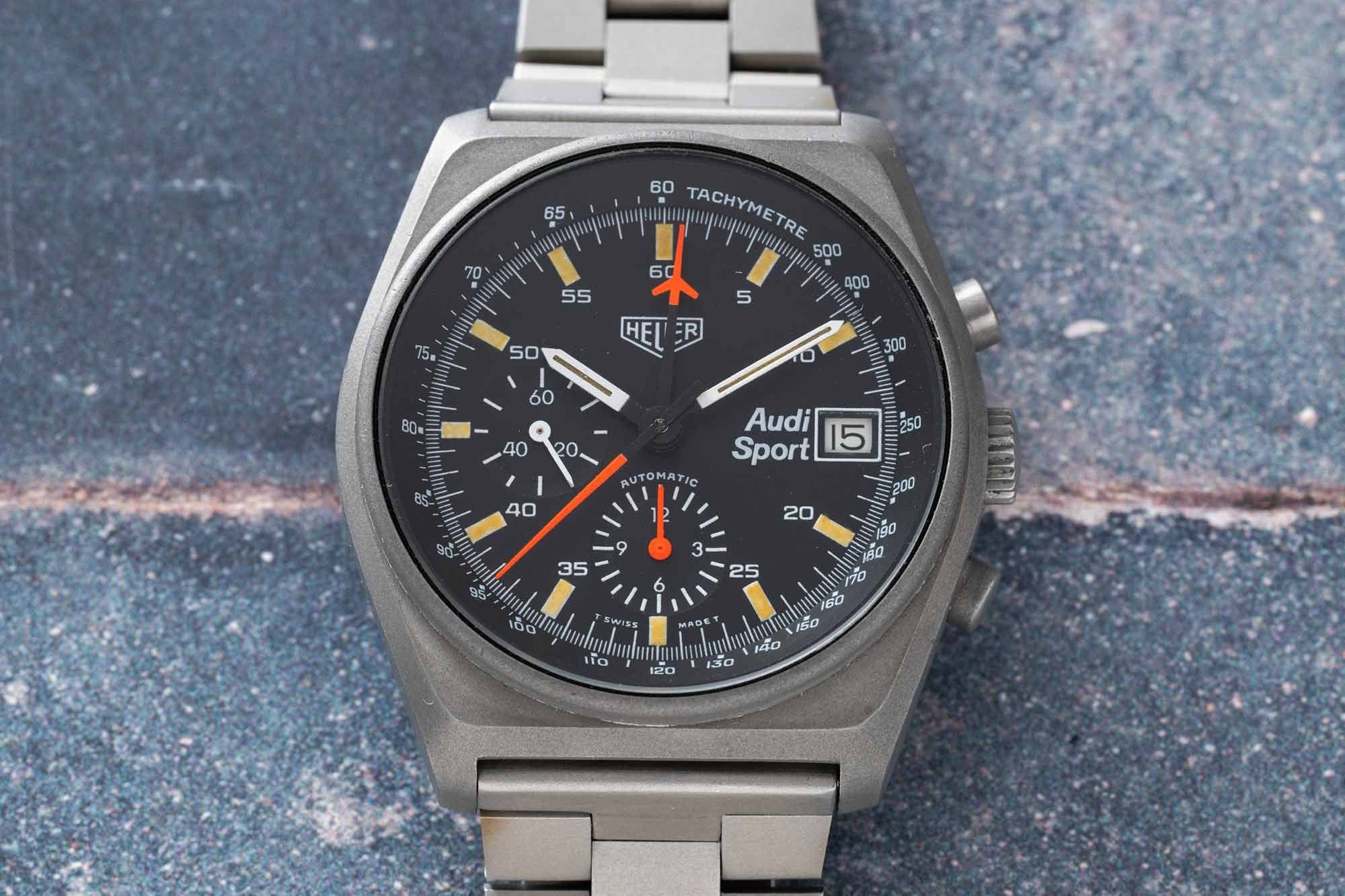
Watch and car partnerships extend well beyond the familiar names that dominate modern advertising. This Worn & Wound feature explores six less obvious collaborations, uncovering watches whose appeal rests on unusual design choices, limited production and the histories of the companies involved.
The selection includes an IWC Mark XII associated with a limited-edition Saab convertible, a Seiko 7A28 celebrating Honda’s racing achievements, and Citizen’s Walter Wolf Racing chronograph. Buler’s Bertone Stratos LED watch takes the discussion into futuristic design, while Heuer’s Audi Sport chronograph and Ferrari Chronosplit demonstrate how deeply automotive associations ran through the brand’s identity.
These pieces are interesting as records of how watches and cars were presented to enthusiasts in their respective eras. Some emphasize technical progress, others racing credibility or the exclusivity of a particular vehicle. For collectors willing to look beyond the obvious partnerships, the result is a fascinating collection of mechanical and cultural side roads.
The Watches We Wore This Summer
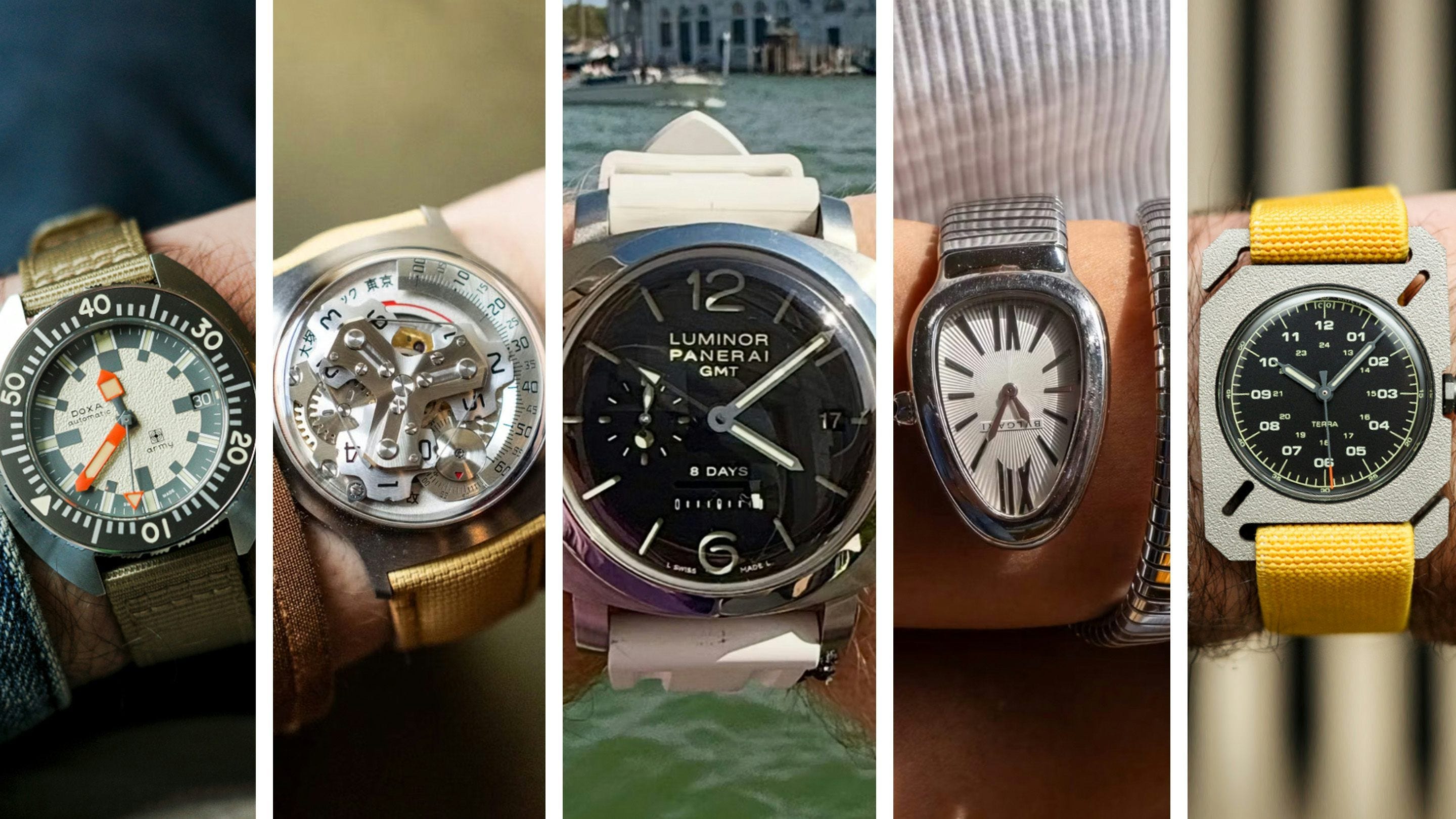
A summer watch becomes more than a seasonal accessory when it accompanies something worth remembering. Hodinkee’s editors look back at the watches that followed them through travel, outdoor adventures, recovery and everyday life, offering a collection of personal stories rather than a conventional best-of list.
The range is refreshingly broad. A DWC Terra Titanium enters the picture after spinal surgery, while a Citizen Aqualand Duplex carries the remarkable story of being recovered from a lake wreck. Other selections include a Timex Ironman, Panerai Luminor 1950 PAM 233, Tudor Black Bay 58 Bronze, Bulgari Serpenti Tubogas, Doxa SUB Army 200T and Otsuka Lotec No. 5 Kai.
What connects them is the way ownership adds meaning. A watch that performs reliably on a trip or becomes a companion during a difficult period can acquire importance well beyond its specifications. This roundup captures that transformation—and offers a useful reminder to take the watches we enjoy out into the world.
Anton Rupert and Richemont’s Next Generation
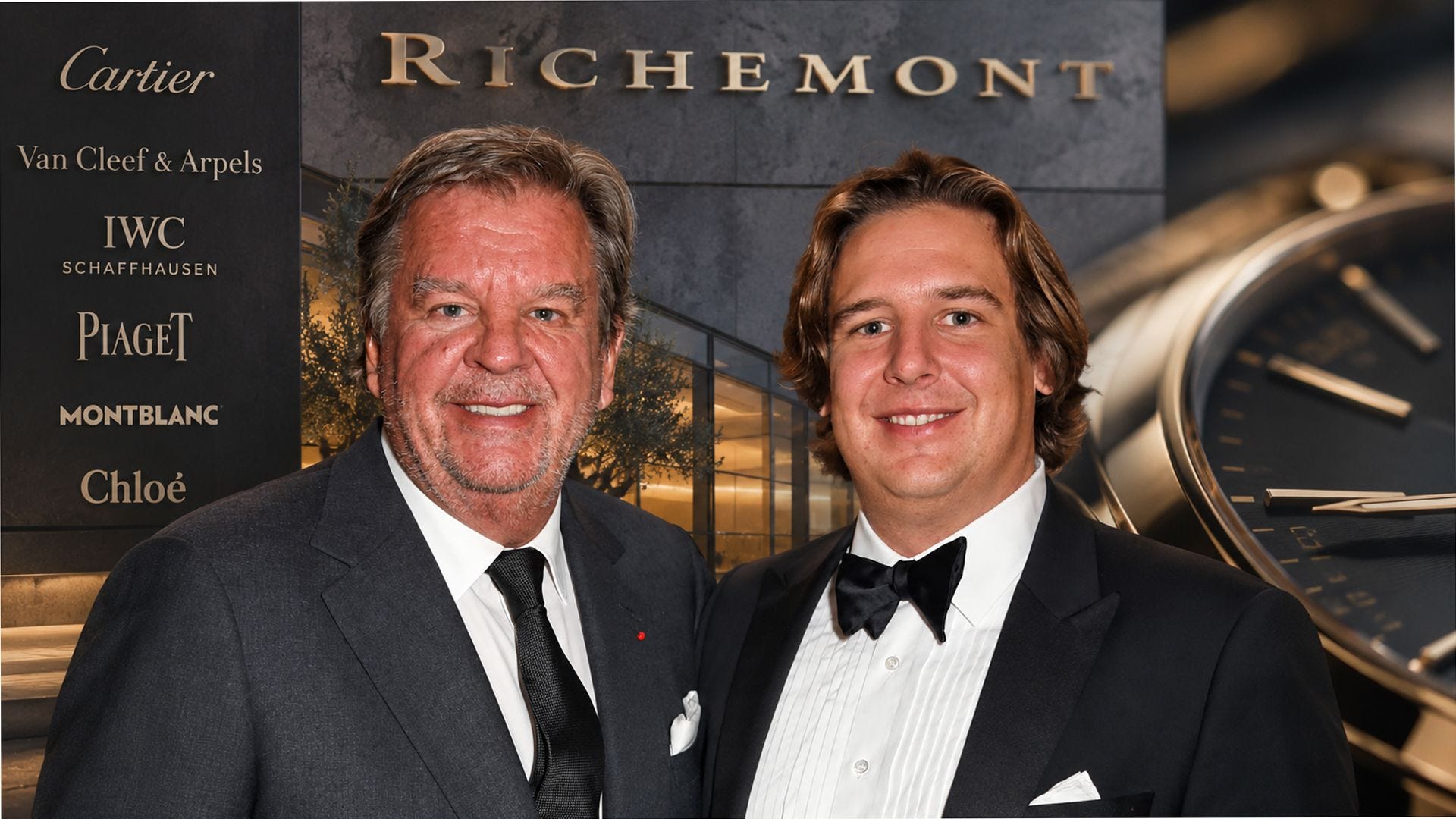
Anton Rupert’s growing prominence within Richemont places him at the intersection of family succession, luxury craftsmanship and technological change. The profile examines his role as non-executive co-deputy chairman and his oversight of the Strategic Product and Communications Committee, alongside his experience in technology and investment.
His background includes involvement with digital manufacturing and other emerging technologies, helping explain his interest in artificial intelligence, e-commerce and the changing relationship between luxury brands and their customers. The article also considers his role in the group’s broader digital development and its engagement with the pre-owned market.
The larger question is how a business built around heritage adapts without weakening the qualities that make its maisons desirable. Rupert’s profile offers a view of that challenge through the next generation of leadership: preserving the value of traditional craftsmanship while understanding how technology changes the way people discover, purchase and own luxury goods.
New Watches
Converted dollar prices are approximate equivalents of the supplied European prices, rather than confirmed U.S. retail prices. Original tax treatment is noted where supplied.
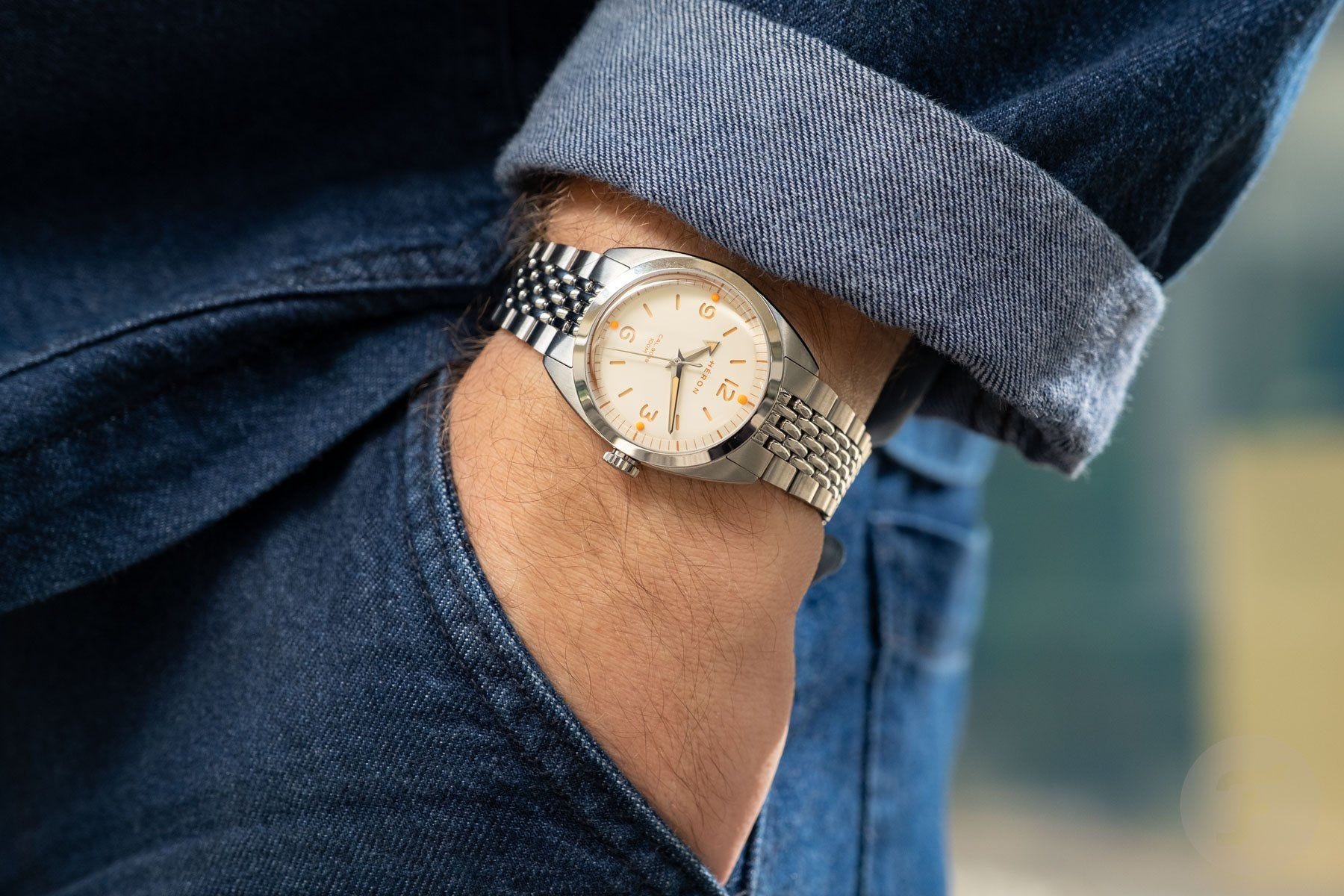
Héron Continental: An Everyday Explorer With Its Own Personality
Héron’s Continental collection combines familiar explorer-watch proportions with details that give the design an identity of its own. The 37mm stainless-steel case houses a sandwich dial offered in sunray blue, black or lacquered cream, with an arrow-shaped hour hand, sword-style minute hand and orange accents enlivening the display. Water resistance is rated to 100 meters, making the watch suitable for a broad range of daily activities.
Inside is the Miyota 9039 automatic movement, providing a 42-hour power reserve and a smooth 28,800-vph operating frequency. A beads-of-rice bracelet adds vintage character, while quick-release spring bars and toolless micro-adjustment address the practical details that often determine whether an affordable watch becomes a regular companion. The cream version is particularly appealing for its warm luminous treatment, but all three share compact proportions and a straightforward proposition. Price: US$630 each.
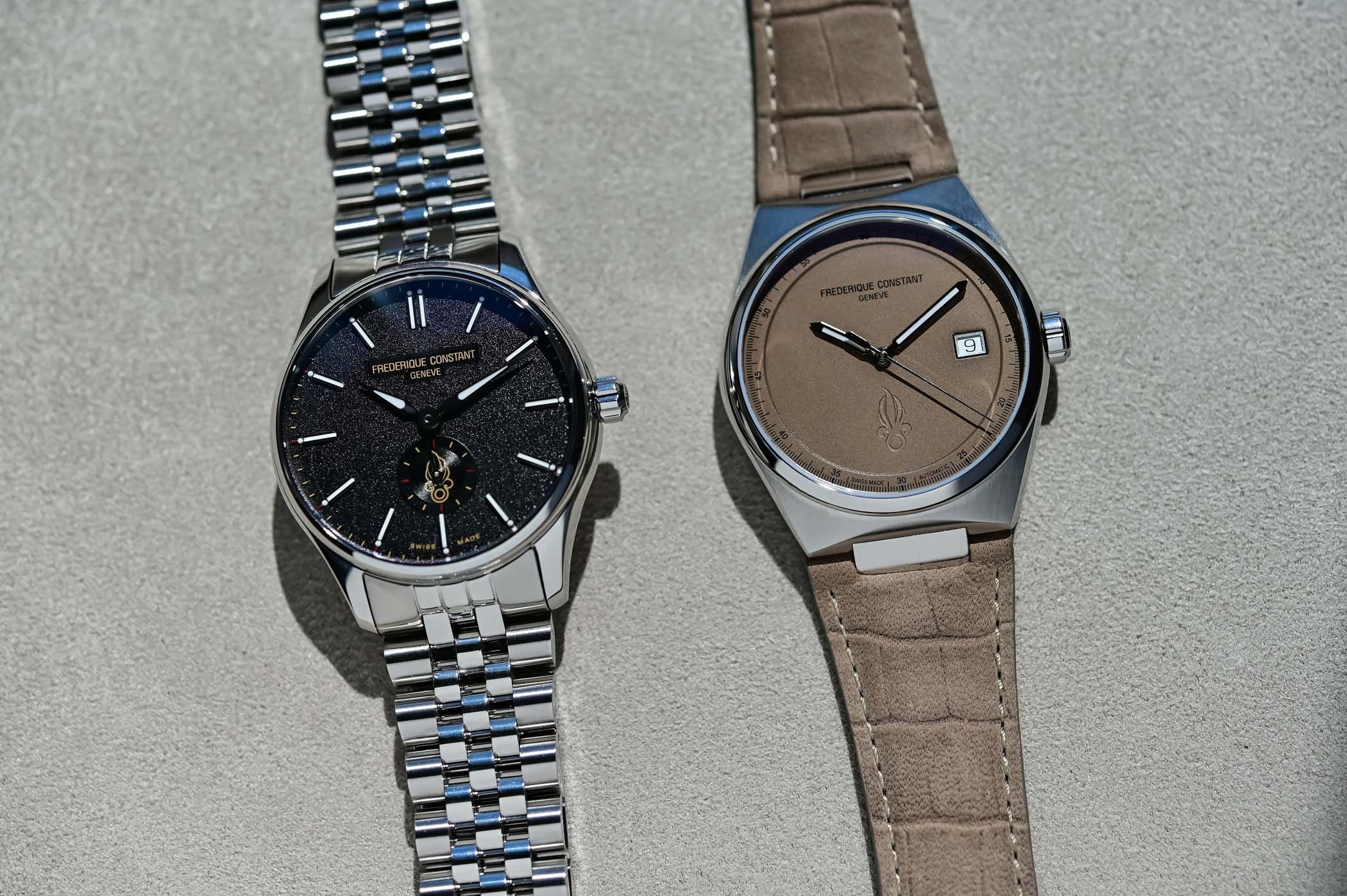
Frederique Constant Honors the French Foreign Legion With Two Limited Editions
Frederique Constant’s collaboration with the French Foreign Legion produces two distinct interpretations of a commemorative watch, each limited to 888 pieces. The Highlife Automatic combines a 39mm steel case with a golden-sand dial, 100 meters of water resistance and an FC-303 automatic movement offering a 68-hour power reserve. Its sporty design supports different wearing styles through leather, steel and rubber options.
The Classics Index Small Seconds Automatic takes a more traditional approach, pairing a polished 39mm steel case with a grained charcoal dial and a small-seconds display. Its FC-530 automatic movement supplies a 38-hour reserve, with water resistance rated to 50 meters. Both editions arrive in a wooden presentation box with an embroidered collaboration patch, and a portion of proceeds supports the French Foreign Legion Mutual Aid Association. Approximate prices: Highlife Automatic, US$2,270; Classics Index Small Seconds Automatic, US$1,815.
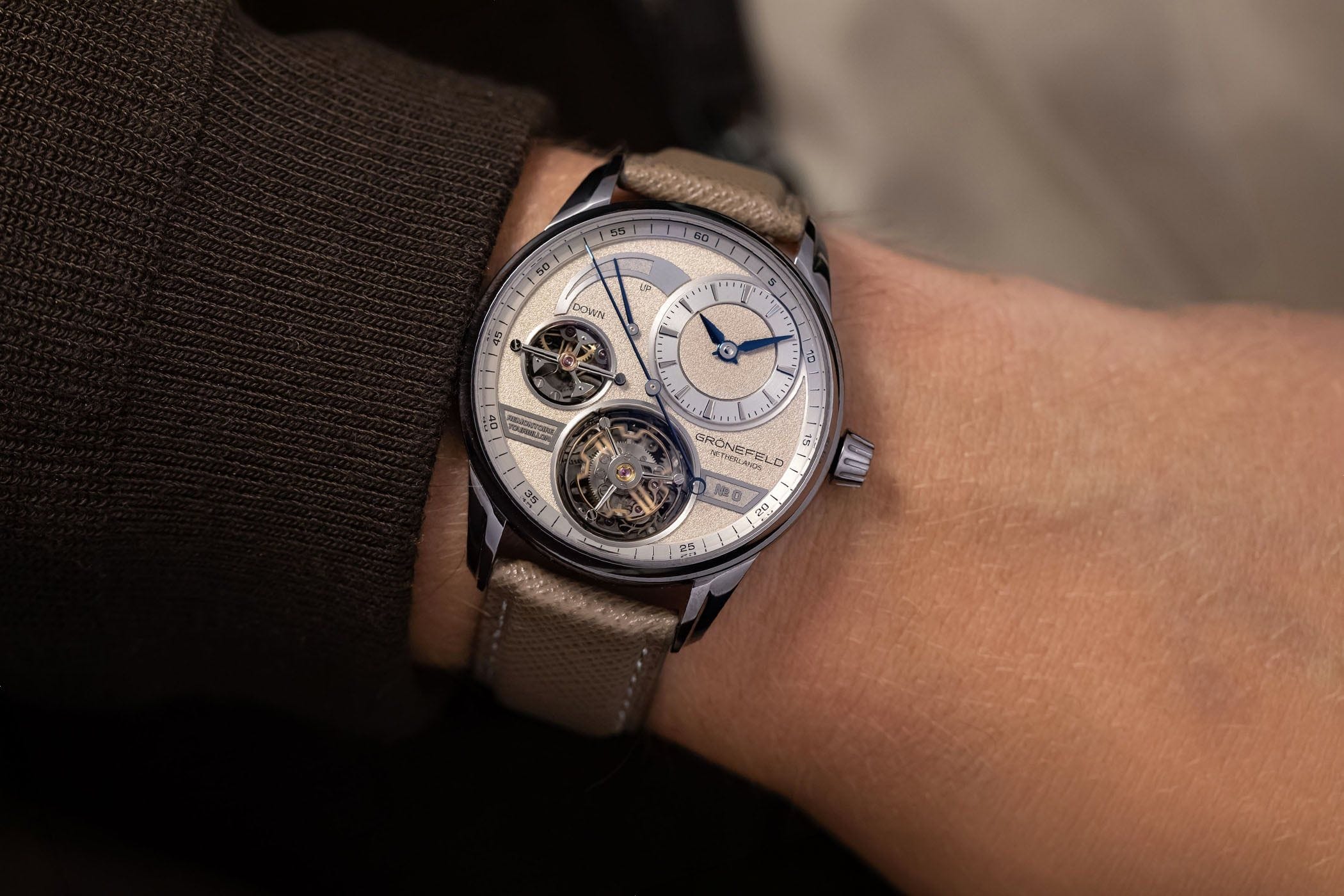
Grönefeld 1941 Quadrivium: Four Reasons to Keep Looking
Grönefeld’s 1941 Quadrivium brings together a 7.5-second remontoire, a one-minute flying tourbillon, central jumping seconds and a power-reserve indication in an exceptionally ambitious addition to the 1941 family. Its 40mm case is offered in tantalum or platinum, surrounding a layered champagne-toned dial with carefully finished steel details. The display balances considerable mechanical activity with the classical character associated with the Dutch independent.
The movement contains 473 components and 49 jewels, with twin barrels delivering a 50-hour power reserve. The remontoire regulates the delivery of energy to the tourbillon, while the jumping seconds give that technical complexity an immediately visible rhythm. Production is limited to 28 watches in each metal, with deliveries scheduled for 2027. Approximate prices, excluding taxes: tantalum, US$318,700; platinum, US$352,840.
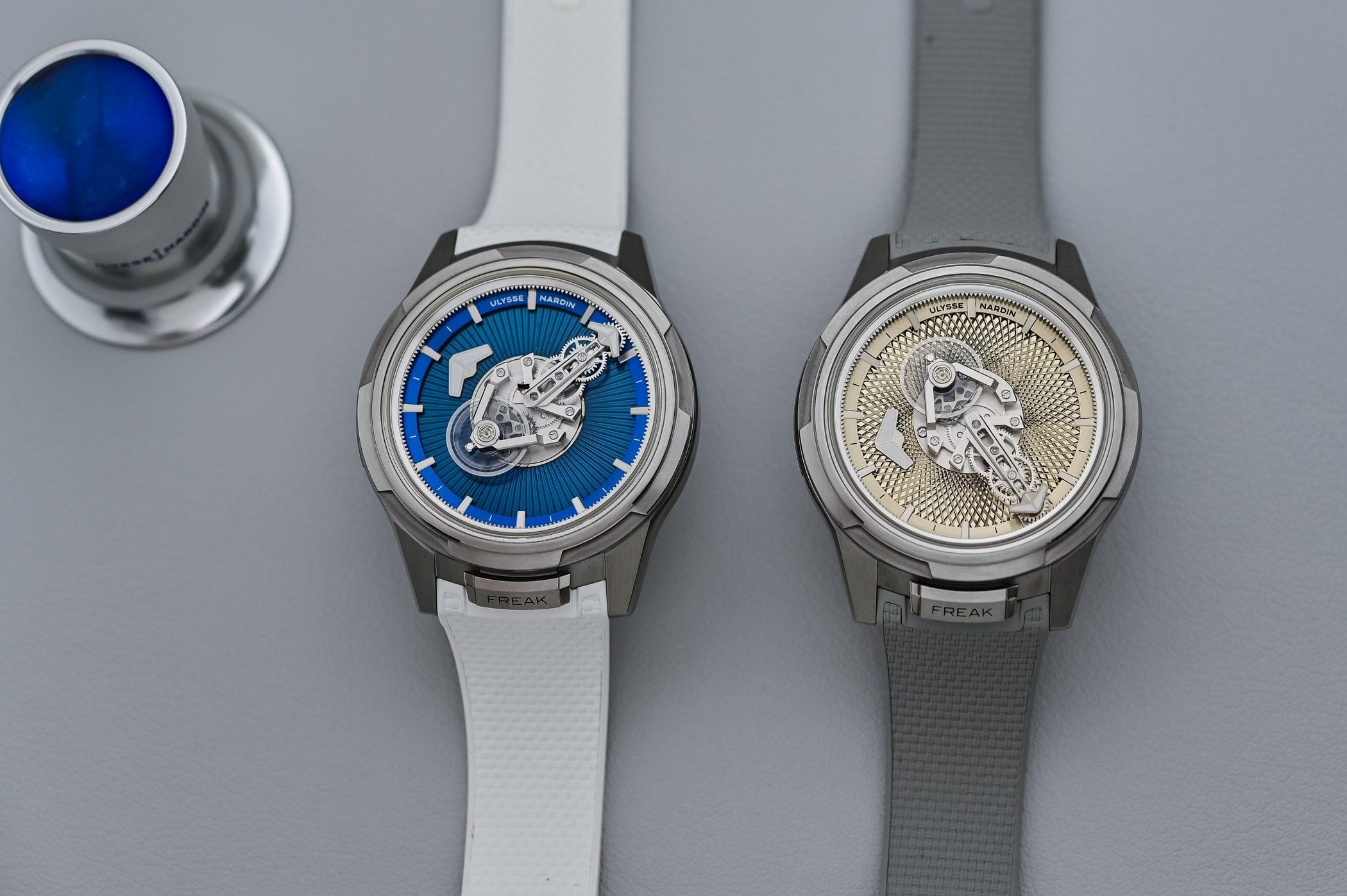
Ulysse Nardin Freak One Blue Enamel and Guilloché: More Depth for an Unconventional Display
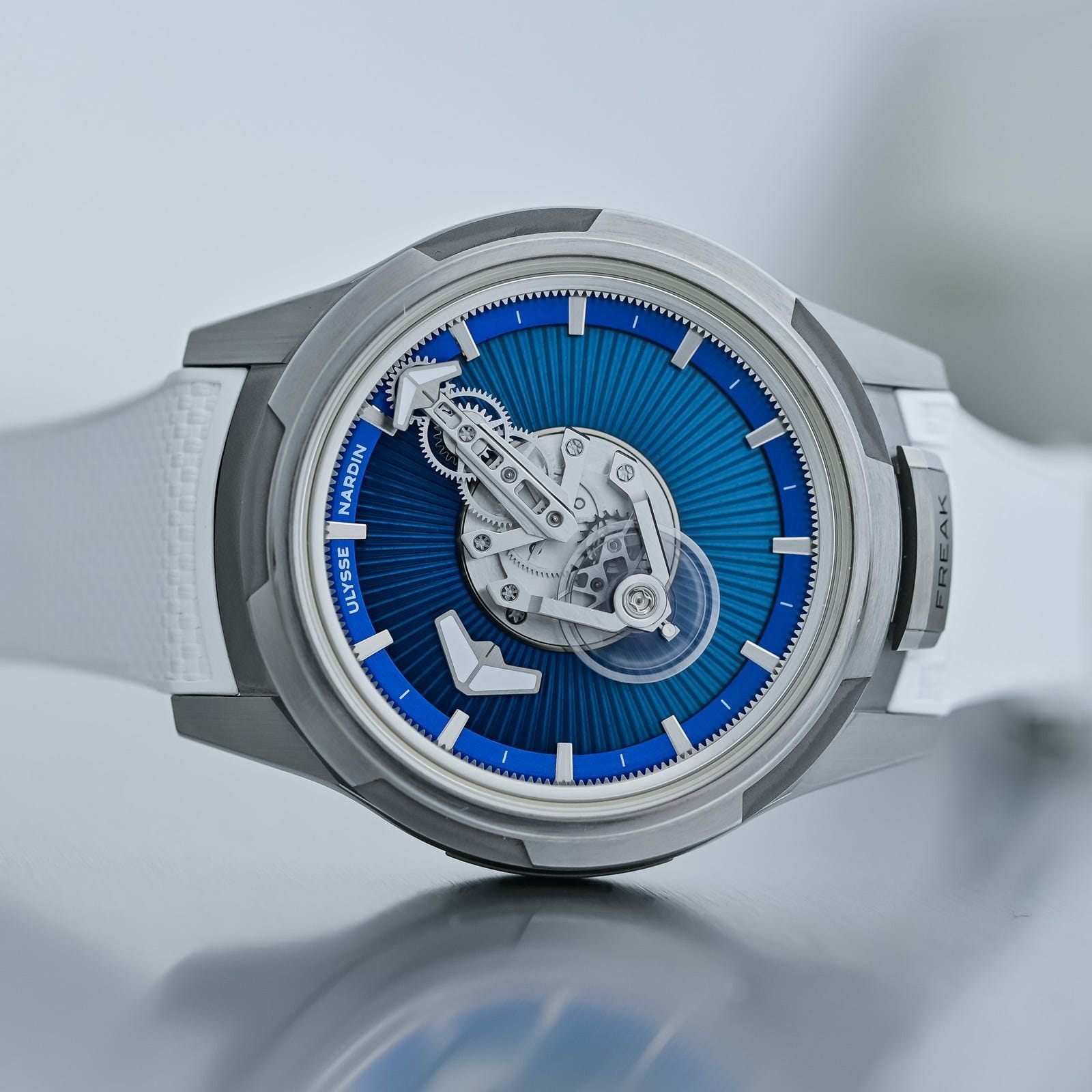
Ulysse Nardin’s latest Freak One editions add decorative richness to a watch already distinguished by its unconventional approach to telling time. Both use a 44mm titanium case and the automatic UN-240 caliber, with a 90-hour power reserve, silicon components and DIAMonSil technology. The crownless design retains the Freak’s distinctive interaction between its rotating mechanism, time display and bezel-operated setting system.
The Blue Enamel edition features a white-gold barrel disc decorated with flinqué guilloché beneath translucent blue enamel, creating a surface that changes with the light. The Guilloché edition offers a sand-colored disc with a stamped diamond-inspired pattern, providing a warmer and more restrained backdrop to the moving display. Each version is limited to 99 pieces and fitted with a textured rubber strap and titanium deployant buckle. Approximate prices converted from VAT-inclusive European pricing: Blue Enamel, US$92,990; Guilloché, US$82,750.
Comparisons
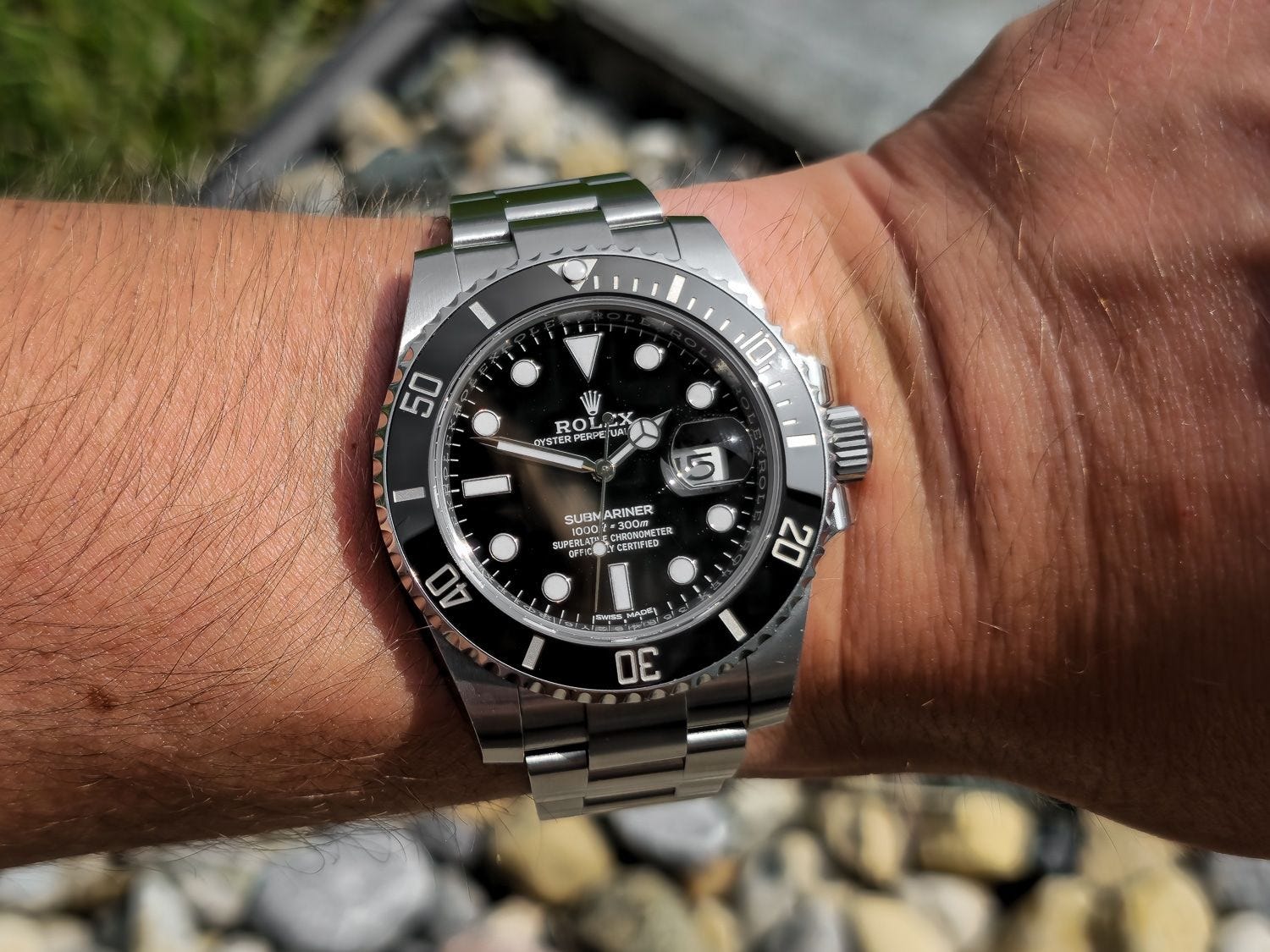
From Casio to Rolex: The Watches Reviewers Kept Wearing
A favorable review tells us that a watch made a good impression. Continued wrist time tells us something else: the watch remained appealing after the professional obligation to wear it had ended. This selection of 16 favorites examines the models that made that transition from review subject to trusted companion.
Examples range from the affordable Casio Duro to Grand Seiko and the Rolex Submariner. Across those very different price points, recurring strengths include comfort, legibility, dependable performance and the ability to handle ordinary changes of setting without requiring special consideration.
The comparison is especially useful because it shifts attention toward ownership. A bracelet that fits well, a dial that reads instantly and a watch that feels appropriate on an unplanned day can matter more over time than a specification that initially attracted attention. The pieces that remain in rotation have proved their appeal through repetition.
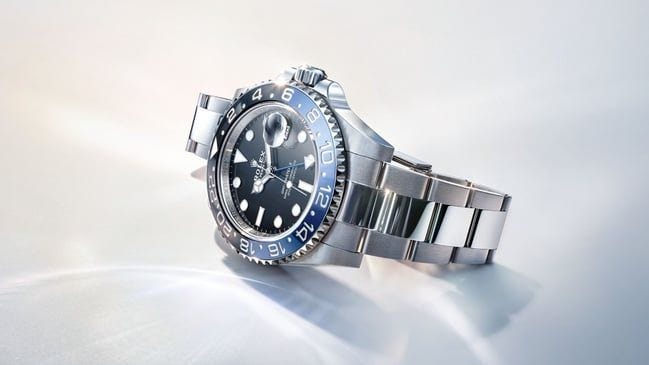
Beyond the Rolex GMT-Master II: Alternatives Worth Exploring
The Rolex GMT-Master II is an obvious reference point for travel watches, but it occupies only one part of a varied category. This guide explores alternatives from Citizen, Longines, Norqain, Tudor, Fortis, Omega and Vacheron Constantin, giving prospective buyers a wider range of designs, dimensions and budgets to consider.
Movement operation matters as much as appearance. Travelers should pay attention to how the local-hour and second-time-zone indications are adjusted, along with practical considerations such as water resistance, power reserve and readability. A familiar two-color bezel can attract the eye without answering those questions.
The strongest alternative is the one that fits the owner’s actual priorities. Some buyers will value a compact case or a more accessible price; others will favor finishing, a particular movement or a less familiar design. This comparison offers several ways to approach the GMT category on its own merits.
Reviews
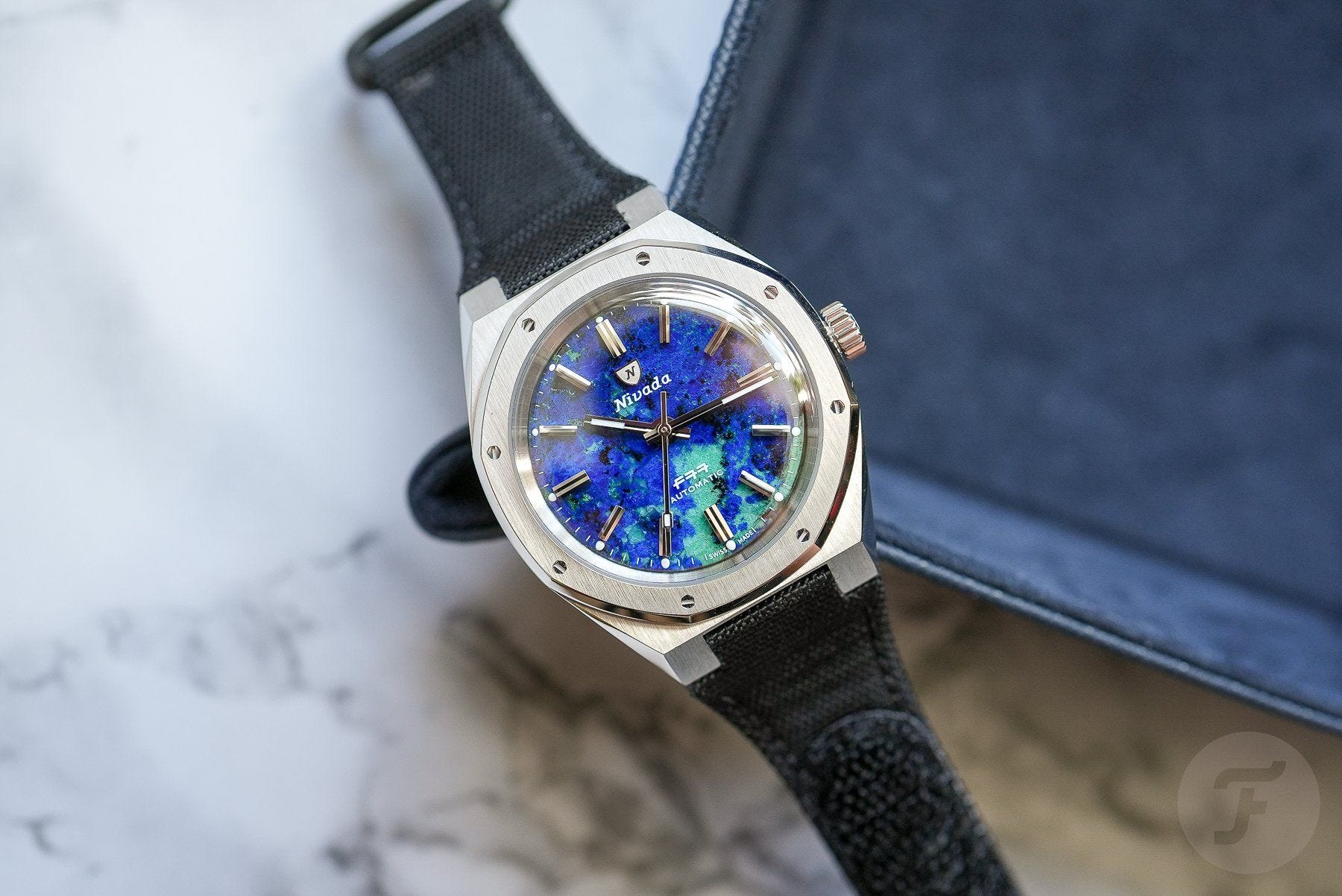
Nivada Grenchen F77 MKII Stone Dials: A Colorful Centenary
Nivada Grenchen celebrates its centenary by giving the F77 MKII a wide selection of natural-stone dials and a series of practical refinements. The collection includes labradorite, jade, azurite, shungite, smoky quartz, black opal and ice agate, with the ice-agate edition limited to 100 pieces. Natural variation makes the dial a particularly individual part of the ownership experience.
The updated case measures 11.5mm thick and benefits from revised shaping and shorter lugs. A display back reveals the La Joux-Perret G101 automatic movement, which offers a 68-hour power reserve, while the watch retains 100 meters of water resistance. Date and no-date options broaden the choice further.
The review considers how those ergonomic changes work alongside the more expressive dials. Stone provides the immediate attraction, but fit and bracelet execution help determine whether the watch remains satisfying after that first impression. Prices are US$1,590 on a strap and US$1,790 on a bracelet.
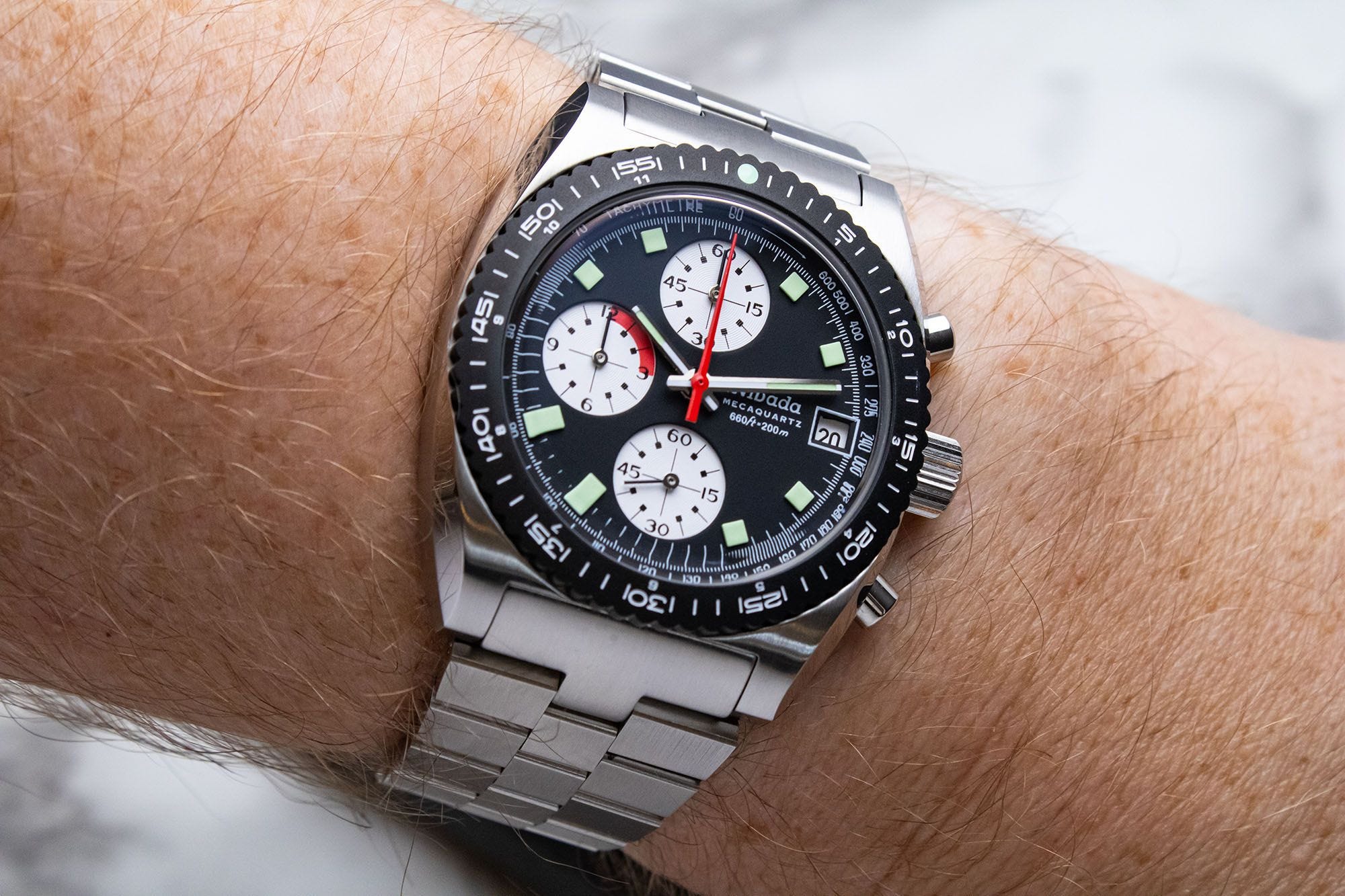
Nivada Grenchen Autochron Mecaquartz: Vintage Fun Without the Mechanical Premium
The Autochron Mecaquartz brings Nivada Grenchen’s 1970s-inspired chronograph styling into a smaller, more accessible package. Its 38mm case, recessed bezel and reverse-panda dial retain plenty of personality, with mint-green square luminous markers giving the display a particularly distinctive appearance.
A Seiko VK67 mecaquartz movement combines quartz-regulated timekeeping with the crisp chronograph action associated with this type of hybrid construction. The watch also provides a 6-9-12 subdial arrangement, a 120-click unidirectional bezel and 200 meters of water resistance. A three-link steel bracelet with a milled clasp completes the sporty presentation.
The appeal is easy to understand: recognizable vintage character, practical specifications and a price that encourages wearing rather than worrying. The slimmer format also gives buyers another way into the Autochron design without committing to a larger mechanical chronograph. Price: US$730.
Editorial
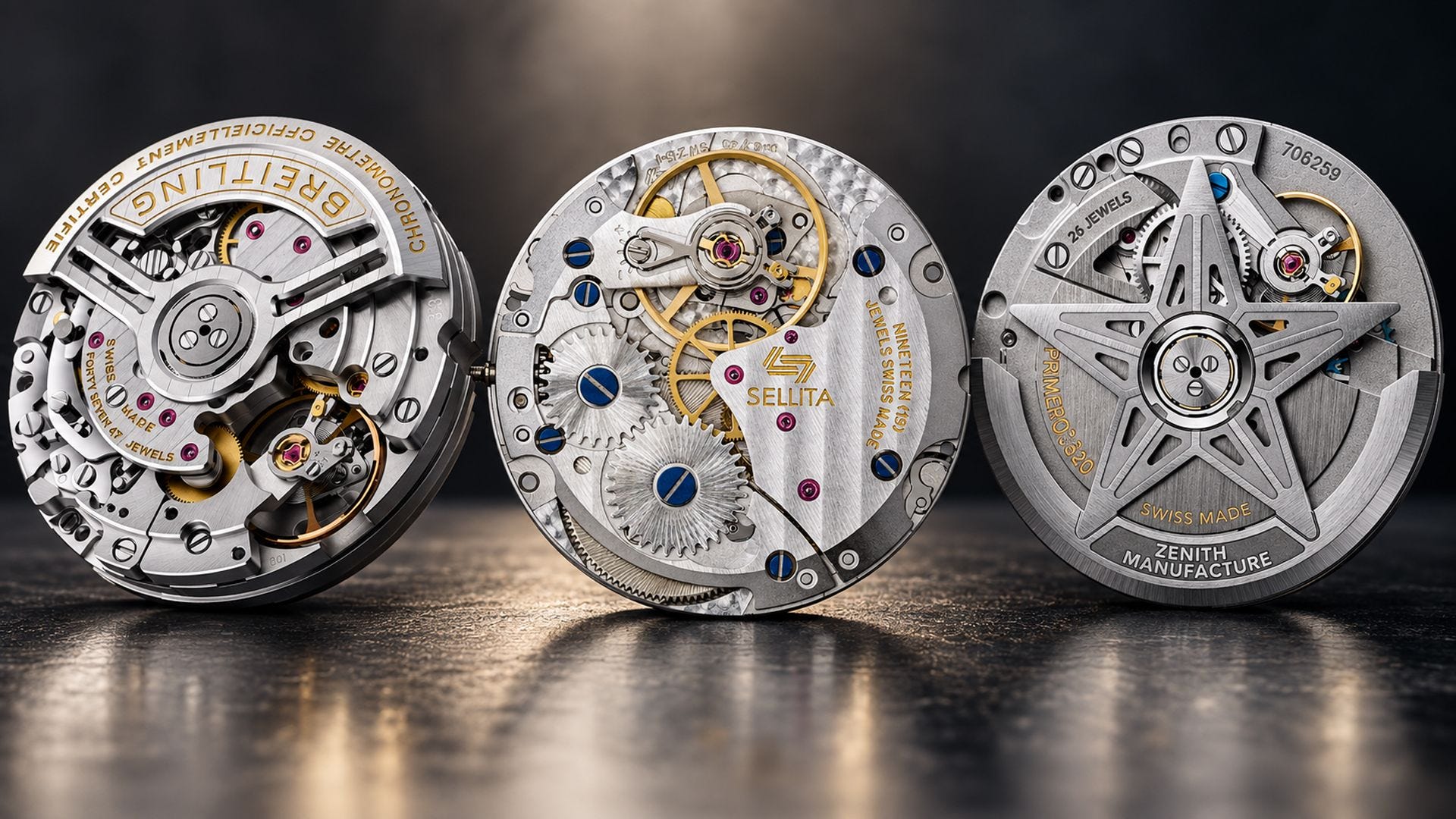
Will Movement Ownership Become Watchmaking’s Decisive Divide?
Today’s editorial argues that the watch industry’s most consequential dividing line will increasingly concern control of movement technology. In this view, proprietary manufacturing gives brands advantages in product development, supply security and differentiation that cannot easily be replicated through styling or advertising.
The article traces that argument through the changes surrounding ETA supply, the growing importance of alternative movement makers and the advantages enjoyed by brands within larger groups. It also questions whether growth at more accessible price points represents a broad opening of mechanical watchmaking or a carefully managed route into higher-priced products.
Its predictions deserve to be read as an argument about the industry’s direction. Owning a caliber does not automatically guarantee reliability, desirability or resale strength, just as using an outside supplier does not prevent a brand from producing an excellent watch. The important question is how movement access and expertise influence the choices available to brands—and the quality and character ultimately delivered to customers.
Podcasts
The Business of Watches: Czapek CEO Xavier de Roquemaurel on Building an Independent Brand
Czapek & Cie. CEO and co-founder Xavier de Roquemaurel joins Hodinkee’s Business of Watches podcast to discuss the revived company’s journey from its 2015 return to the challenges of sustaining an independent watchmaker. The conversation covers its unusual financing structure, early recognition and the pressures created by demand for the Antarctique.
The story extends beyond product launches. Production demands, financial decisions and serious personal health challenges become part of an account of how a small company develops resilience. The opening of a boutique on Geneva’s Quai des Bergues adds another connection between the modern business and the history of François Czapek.
For listeners interested in what happens behind an independent brand’s finished watches, the episode offers a detailed look at the decisions and setbacks that shape the collection. De Roquemaurel also hints at where Czapek’s mechanical ambitions could lead next.
Videos
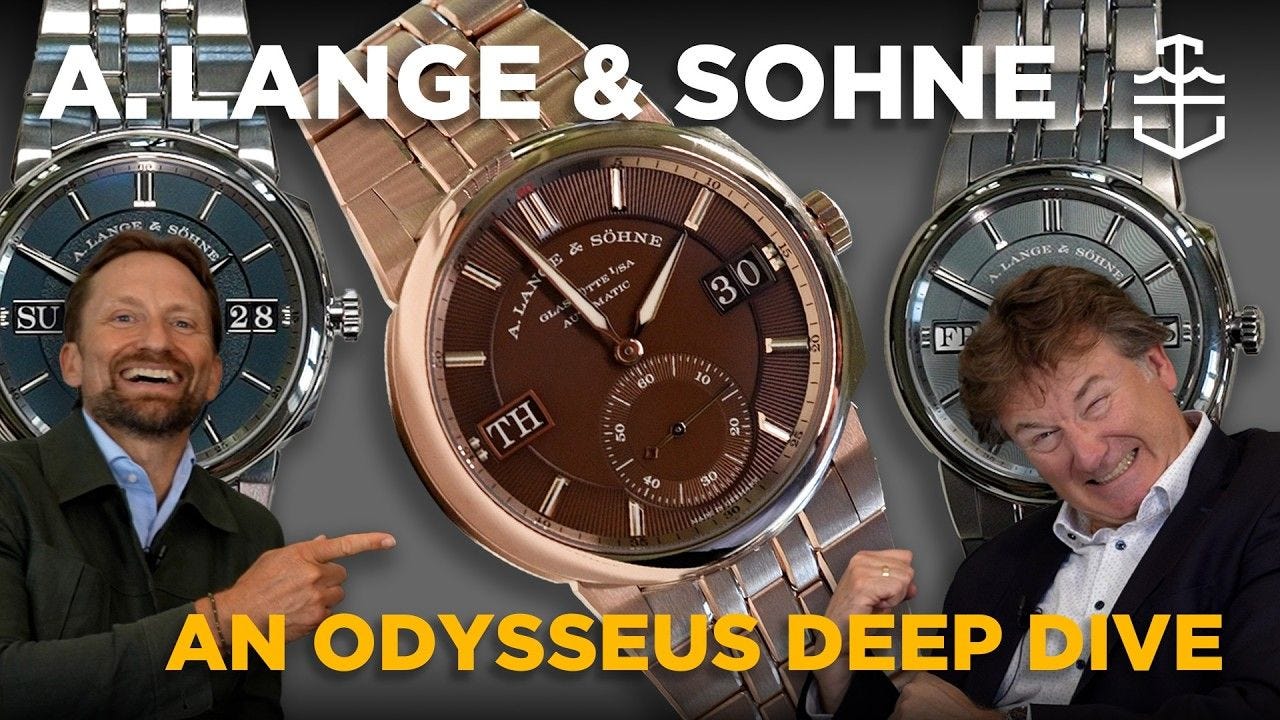
A. Lange & Söhne Odysseus: A Deep Dive With Anthony de Haas
Time+Tide examines the Odysseus with Anthony de Haas, A. Lange & Söhne’s director of product development. The conversation offers a useful perspective on how a manufacture closely associated with traditional fine watchmaking approaches a contemporary sports-watch collection.
The attraction is the opportunity to hear about the thinking behind the design and engineering. For anyone interested in how a brand extends its identity into a different type of watch, the Odysseus provides a compelling case study.
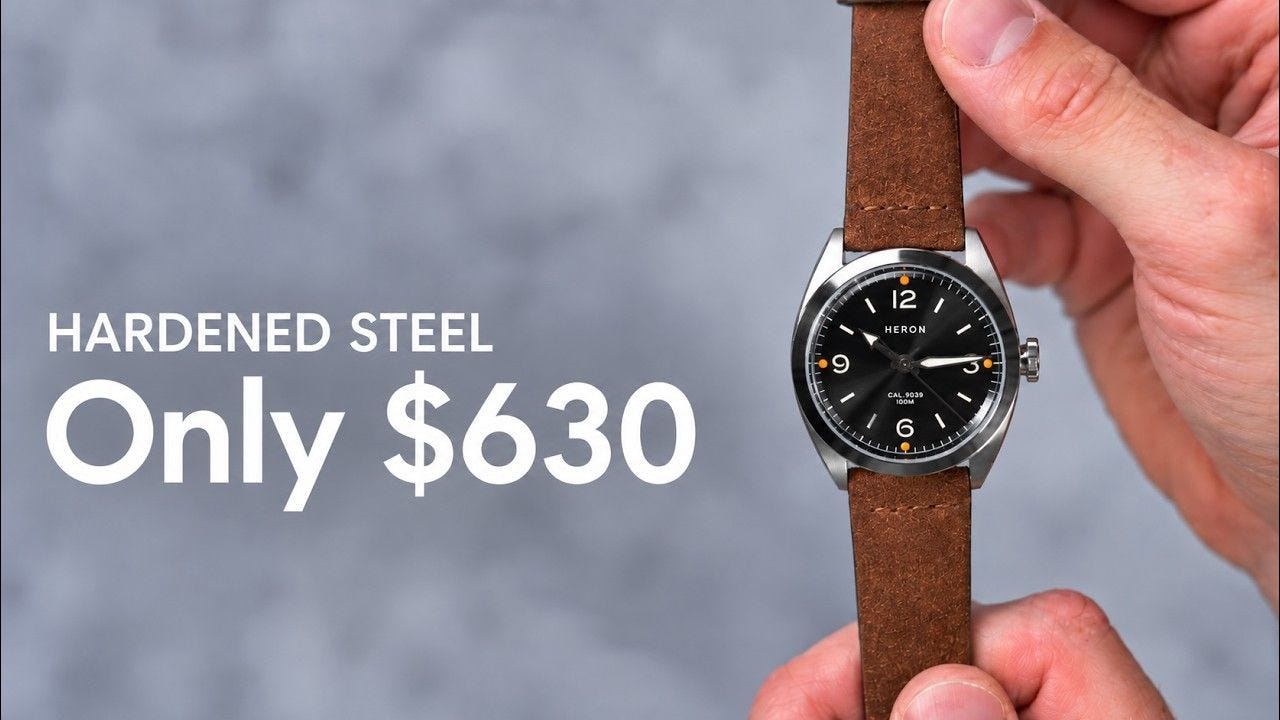
Harrison Elmore: An Everyday Watch Done Right
What makes a watch easy to choose each morning? Harrison Elmore’s everyday-watch discussion brings attention back to the combination of functionality, appearance and personal fit that determines whether a watch becomes a regular companion.
The topic sits neatly alongside today’s stories about watches that outlast their reviews and become part of summer memories. An everyday watch succeeds through repeated use, when the small details of its design become familiar advantages—or persistent irritations.

Roman Sharf: The GPHG 2026 Nominees
Roman Sharf surveys the nominees for the 2026 Grand Prix d’Horlogerie de Genève, offering a broad look at the designs and mechanical ideas competing for watchmaking’s most prominent awards. The selection provides an opportunity to compare very different expressions of craftsmanship within one viewing session.
Awards discussions also encourage a useful distinction between technical achievement and personal preference. A watch can deserve recognition without being the one you would choose to wear, and examining that difference is part of what makes a nominee roundup engaging.
The Best Watches of 2026 So Far at Every Price Point
This roundup looks across price categories to consider the year’s notable releases, bringing accessible watches and more ambitious luxury offerings into the same conversation. It offers a broad survey for viewers who want to step back from individual launches and consider the year’s developing patterns.
Comparing across budgets can clarify which features matter most to you. Design, proportions, mechanical interest and everyday usefulness take on different weights depending on what the watch is expected to do—and how much its owner wants to spend.

This Watch, That Watch: When Brands Innovate—IWC’s Proset Perpetual Calendar
This Watch, That Watch turns to IWC’s Proset Perpetual Calendar for a discussion of innovation in one of mechanical watchmaking’s most demanding complications. The subject raises a practical question: how can an elaborate calendar mechanism become easier for its owner to use?
That is a valuable way to assess technical progress. Mechanical sophistication is rewarding to study, but improvements that make an advanced watch more intuitive can be just as meaningful as the complexity itself.
Auction Report
September 23 Result: Moser Streamliner Rainbow Stops at US$82,000
Yesterday’s 2024 H. Moser & Cie. Streamliner Tourbillon Rainbow in stainless steel, reference 6804-1201, reached US$82,000 but did not meet its reserve. The watch therefore remained unsold. The high bid records the strongest offer made in that auction, rather than a completed transaction or an established sale price.
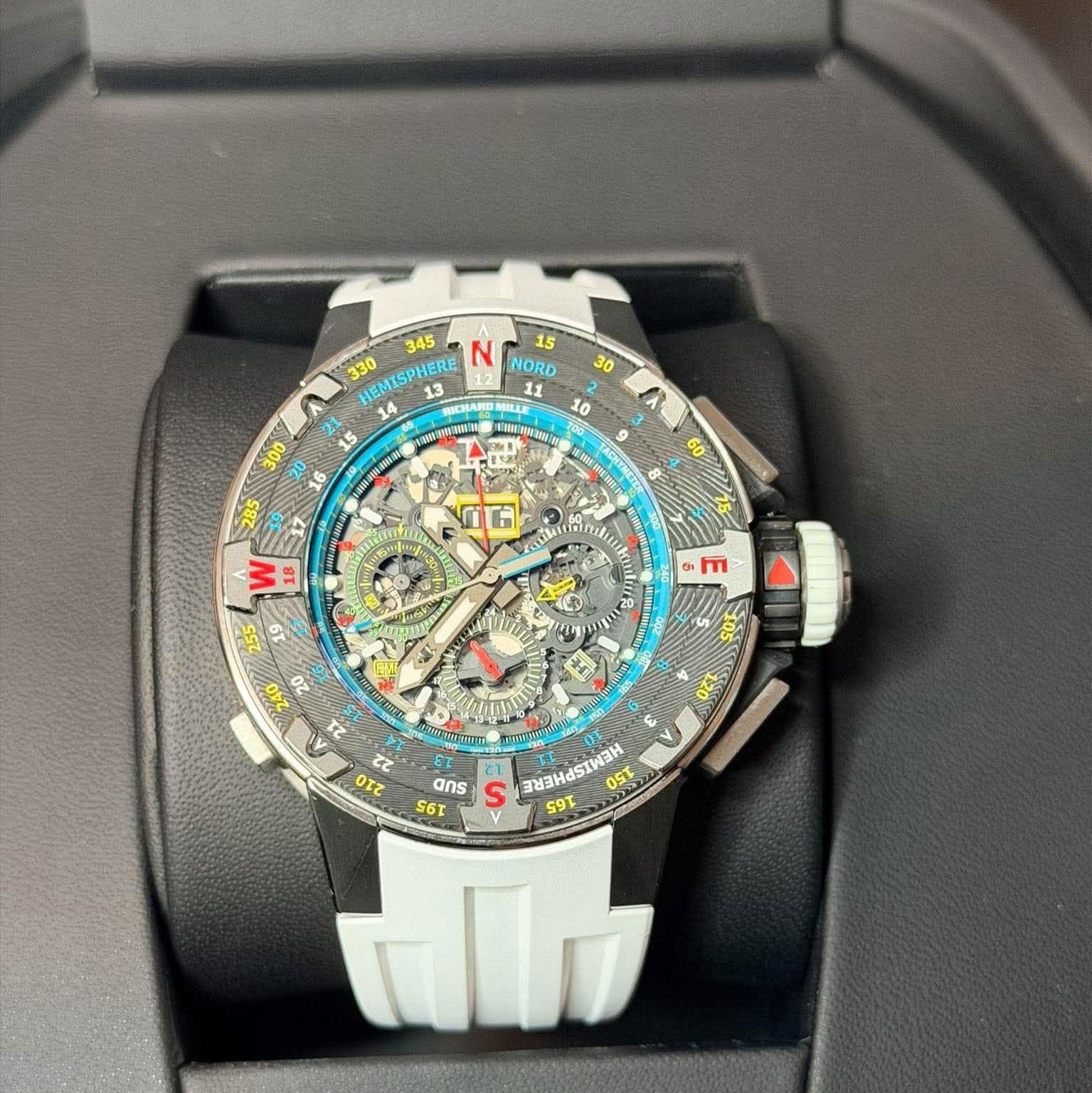
Built for Saint Barth, Priced by the Market: Richard Mille’s RM 60-01 Takes the Helm
Today’s auction features a 2022 Richard Mille RM 60-01 Automatic Winding Flyback Chronograph Les Voiles de Saint Barth, from the edition limited to 80 pieces. The RM 60-01 family debuted in 2014, while this particular limited edition was introduced in 2021, extending Richard Mille’s association with the Caribbean regatta that began in 2010. Its release accompanied the pandemic-era cancellation of that year’s event, with proceeds from the sale of one example designated for local causes. The auction’s 2022 date identifies the offered watch rather than the introduction of the edition.
The substantial 50mm case combines titanium and Carbon TPT, giving more precise meaning to the auction’s broad “two tone” description. Inside, the automatic RMAC2 brings together a flyback chronograph, annual calendar, oversized date, month indication, countdown function and UTC display. Its rotating bezel can be used with local time and the position of the sun to establish direction, adding a navigational purpose to the watch’s elaborate appearance. This U.S.-located example includes its box, papers, product literature and extra straps. The supplied condition report describes an excellent skeletonized dial and minor wear with light scratches to the case, bezel and bracelet/strap category; it does not establish a specific service or polishing history.
Published launch coverage placed the 80-piece edition at approximately US$210,000. A currently accessible Wrist Aficionado listing advertises the same titanium-and-carbon limited edition at US$119,800, roughly 43% below that reported original price. That is a useful retail asking-price comparison, not evidence of a completed sale or a guaranteed valuation for today’s example. Condition, service documentation, included accessories and the terms of purchase can all affect what a buyer is prepared to pay, while results for earlier RM 60-01 editions require care because the reference encompasses different executions.
The attraction is a distinctive combination of serious complication, unconventional materials and a recognizable connection to competitive sailing. The 80-piece production run adds scarcity, but the most relevant price question remains how today’s total acquisition cost compares with another available example. Any buyer’s premium, taxes and foreseeable servicing should be considered alongside the bid. The auction closes at 12:10 p.m. EDT today, Thursday, September 24, 2026.
Current bid: $51,001
Losing Time


Today’s Big Losers at Auction on Grailzee
Four watches, four failed sales, and four reminders that an asking price is sometimes just optimism with a dollar sign.
The 2025 Armin Strom Gravity Equal Force 41MM Purple Skeleton Dial (ST24-GEF) asked for $22,500 but drew a final bid of $13,200—$9,300 short, or 41.3% below asking. The purple skeleton dial offered plenty to look at, including a rather large gap between seller expectations and bidder enthusiasm. Gravity, apparently, applied to the price, too.
The 2023 Rolex Sky-Dweller 42MM in yellow gold with a black dial and Oyster bracelet (326938) carried a $50,000 ask. The high bid stopped at $31,000, leaving a $19,000 gap, or 38.0% below asking. That was the smallest percentage miss of the group but the largest dollar shortfall. Even a solid-gold Rolex couldn’t persuade bidders to fund the seller’s entire wish list.
The 2026 Carl F. Bucherer Manero 41.6MM Black Dial on rubber (00.10926.16.33.01) delivered the most dramatic disconnect. Against a $14,999 ask, the final bid reached just $5,500—$9,499 short, or 63.3% below asking. The $14,999 pricing suggested someone thought the last dollar might be the sticking point. Bidders identified roughly 9,499 of them.
The 2026 Norqain Freedom Chrono Enjoy Life “Sprinkles” Limited Edition 40MM Pink Dial on steel (N2201.19S04.K01.S01) sought $6,700 and attracted a $3,800 high bid. That’s $2,900 short, or 43.3% below asking. The watch said “Enjoy Life.” The bidding suggested enjoying it at a considerable discount.
Together, the sellers wanted $94,199; the final bids totaled $53,500, a collective shortfall of $40,699, or 43.2%. None came within even 35% of its asking price, so these weren’t last-minute disagreements over pocket change. In these auctions, bidders showed considerably less enthusiasm than sellers’ pricing anticipated. Four results don’t establish the value of an entire brand or market, but they do make one point rather efficiently: rarity, personality, and precious metal can attract attention; they cannot compel agreement on price.
Closing Time
Thank you for spending part of your Thursday with BuyingTime. Today’s watches offer plenty to admire, from the approachable charm of the Héron Continental to the intricate motion of Grönefeld’s Quadrivium. Whichever catches your attention, leave room for the part of collecting that happens after the purchase: wearing it, enjoying it and giving it a story of your own.
Today’s Richard Mille auction closes at 12:10 p.m. EDT. We’ll see you tomorrow.