

BuyingTime in 30 Seconds
Swiss watch exports are showing improvement, but the recovery remains uneven, with British growth contrasting with weaker U.S. shipments. Bucherer’s UK sales climb to £109.2 million, while Norqain expands through Watches of Switzerland Group. New releases range from Girard-Perregaux’s restrained Williams collaboration to Moser’s unconventional Off-Grid and a six-watch GoS project. Our features explore overlooked icons, forgotten brands and collecting with personality. At auction, yesterday’s Lange reached $85,500; today’s white-gold Parmigiani Toric faces a useful $14,900 dealer-price comparison. Bidding closes at 2:15 p.m. EDT.
Time Graphing Today’s Watch Universe
The Watch Industry Has Our Attention. Now It Has to Earn the Purchase.
There is an encouraging number in today’s news: Swiss watch exports have turned positive. After a difficult stretch, growth gives manufacturers, retailers and collectors something more cheerful to discuss than inventory, discounts and the increasingly creative explanations for another price increase. But the more interesting story in today’s issue is what happens after someone notices a watch. Attention gets a product into the conversation. Giving someone a convincing reason to buy it requires considerably more work.
The latest export figures illustrate that distinction. August’s improvement is substantial, yet the country-level results point in different directions. The United Kingdom is growing strongly while shipments to the United States have declined. Export statistics measure watches moving into markets, and the next question is how readily those watches move onto wrists. A better headline is welcome. A broadly healthier market requires more than a better headline.
Bucherer’s UK results bring that discussion closer to the shop floor. Sales reached £109.2 million and operating profit more than tripled, with Covent Garden assuming greater importance after the loss of the Selfridges concession. The emphasis on turning inventory faster is particularly revealing. Retail success depends on finding the right customer for the right watch at a pace that supports the business. Stock can look magnificent under boutique lighting while still tying up a great deal of money.
For Norqain, the opportunity is access. Its new Watches of Switzerland Group partnership puts the brand in front of customers who may have encountered the name online but never handled a watch. That moment matters. Case proportions, bracelet feel and the quality of a dial are difficult to appreciate through a screen. Distribution can turn vague awareness into an informed preference.
The products in today’s issue then offer several very different answers to the question of how to hold that attention. Girard-Perregaux’s Williams editions work through restraint. The Laureato remains recognizably itself, with the racing connection expressed through color and discreet details. A collaboration becomes more persuasive when both identities can coexist without the watch looking as though it has been covered in sponsorship decals.
Moser’s Off-Grid takes a more disruptive route. An ana-digi watch with travel tools, an alarm and a rechargeable electronic caliber asks collectors to reconsider what they expect from the name on the dial. Some will enjoy the provocation; others will prefer their Moser resolutely mechanical. Either response is understandable. The lasting test will be whether the watch remains enjoyable and useful after the surprise wears off.
Personality supplies another route. The Louis Erard x Konstantin Chaykin Unfrogettable makes reading the time part of a small visual performance. The GoS x Martin Key collaboration brings a highly individual combination of precious metals, texture and color to just six watches. Neither needs universal approval. Each needs a small group of people who see something they cannot find elsewhere.
Yet there is an equally legitimate pleasure in a watch that simply fits into your life. Today’s Christopher Ward Sealander review makes the case for refinement, versatility and everyday comfort. “Boring” can be an affectionate description when the alternative is a watch that demands a wardrobe adjustment and an explanation every time you wear it. Collecting has room for both the conversation starter and the dependable companion.
The people around the watches matter, too. FounderFest connects products with their creators through music, conversation and shared experience. The Lord Sandberg collection shows how an individual’s curiosity can give hundreds of objects a coherent purpose. A collection becomes memorable through the choices behind it, rather than the sum of its price tags.
Today’s auction brings the discussion back to discipline. A white-gold Parmigiani Toric can offer considerable watchmaking interest, but an available dealer listing at $14,900 is still relevant. Yesterday’s Lange high bid likewise shows how far admiration and immediate buying appetite can diverge. You can respect a watch enormously without accepting every valuation attached to it.
That is the thread connecting this issue: brands have to earn the purchase, and collectors have to decide what earns a place in their lives. History, usefulness, originality, craftsmanship and personal connection can all justify enthusiasm. The best buying decisions begin when we identify which of those things we actually want—and what we are prepared to pay for them.
-Michael Wolf
News
Bucherer UK Sales Rise to £109 Million as Operating Profit More Than Triples
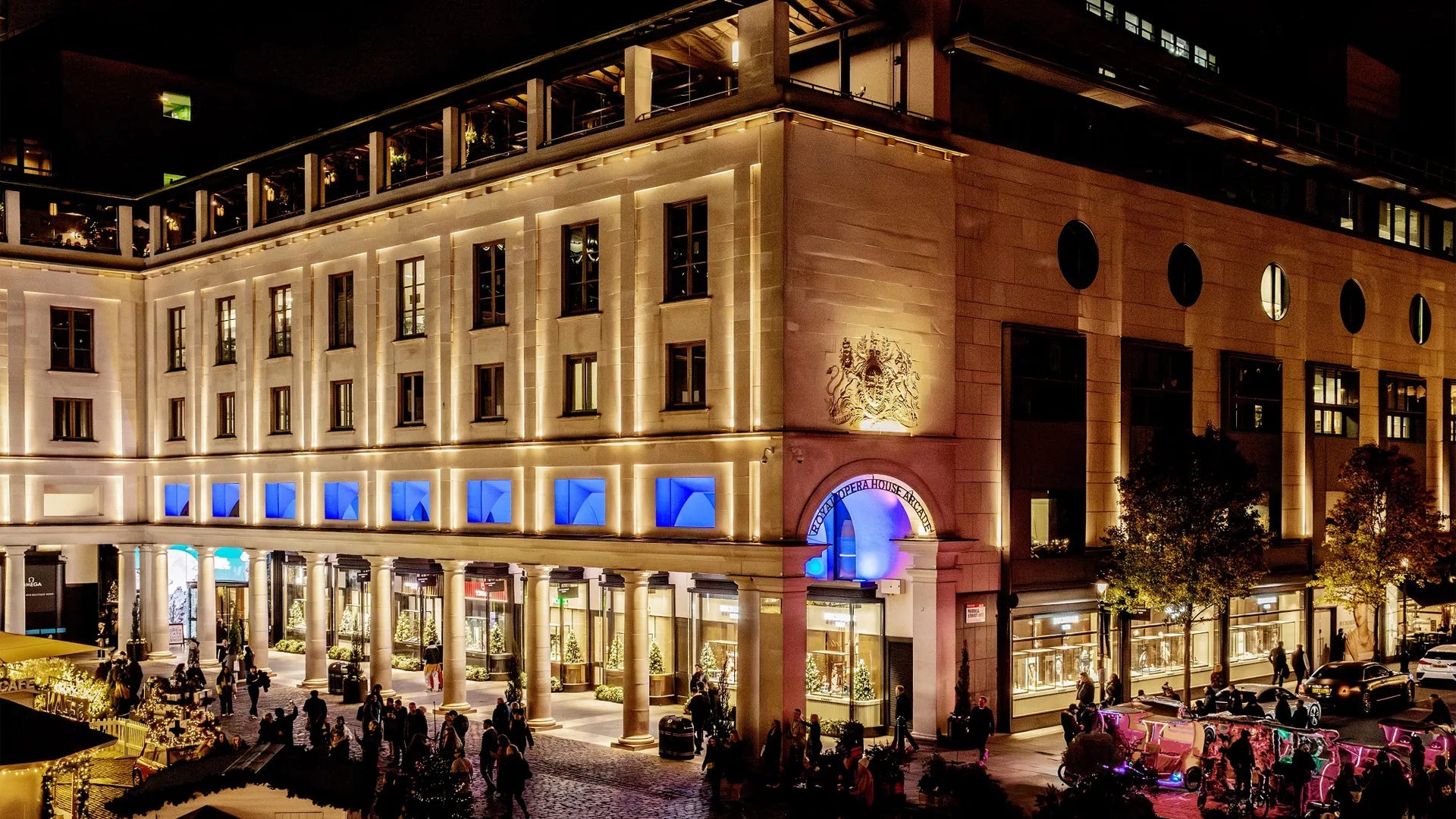
Bucherer’s UK business recorded sales of £109.2 million, up 11%, while operating profit more than tripled to £3.5 million. The improvement follows a significant change in its London presence: the retailer lost its ground-floor concession at Selfridges in January 2025, leaving Covent Garden to assume a larger role in the business.
The company continues to operate Rolex boutiques in Knightsbridge and Westfield and exchanged a new lease for a central London luxury retail property in January 2026. Its priorities include developing its multibrand business, maintaining Rolex Certified Pre-Owned and improving inventory turnover. Record sales are encouraging, although profitability remains below the roughly £6 million operating-profit levels achieved in 2016–2017. The next challenge is converting a larger business into stronger returns.

Norqain Expands Through a Watches of Switzerland Group Partnership
Norqain is widening its reach in the UK and Ireland through a new partnership with Watches of Switzerland Group. The initial physical rollout brings the independent Swiss brand to Goldsmiths at the Trafford Centre and Lakeside, alongside online availability through Watches of Switzerland, Goldsmiths and Mappin & Webb.
The agreement marks Norqain’s first physical placement in the group’s stores, with further expansion planned. Launch participants included WOSG UK president Craig Bolton, Norqain vice president Toby Kuffer and UK and Ireland business partner Gary Neville. Founded in 2018, the family-owned watchmaker is seeking broader visibility while preserving a selective distribution approach. For prospective customers, the practical benefit is more opportunity to experience its mechanical sports watches in person.

Swiss Watch Exports Turn Positive, With Britain Helping Lead the Improvement
Swiss watch exports are showing a more encouraging direction, with year-to-date value up 1.7% and the twelve-month moving average improving after a 9.1% increase in August. The recovery is uneven: shipments to the United States, still the largest market, fell 8.3% year over year, while the United Kingdom recorded a 46% August increase and 10.5% year-to-date growth.
The price segments also tell different stories. Watches in the export-price category below CHF200 registered almost 15% unit growth and nearly 10% value growth. Above CHF3,000, value increased by more than 10%, while units rose just 2.6%. India and Mexico also showed notable gains. These are welcome signs for manufacturers, although export growth alone does not establish the pace of purchases by end customers.
Features

Complicated Collectors: Lord Sandberg
Baron Michael Sandberg, the former HSBC chairman, assembled more than 400 timepieces spanning four centuries. His collection brought together European watchmaking and objects created for Chinese, Islamic and Indian markets, revealing how horology traveled through trade, diplomacy and the tastes of wealthy patrons.
Enamel painting, musical mechanisms and elaborate automata make these watches compelling as works of art as well as machines. Their decoration often carries cultural meaning, turning a timepiece into a miniature account of the audience for which it was made. Sandberg’s achievement was the breadth and discernment of the collection: an exploration of how technical ingenuity and visual storytelling developed together across borders.
Five Heritage Watch Brands Worth Bringing Back
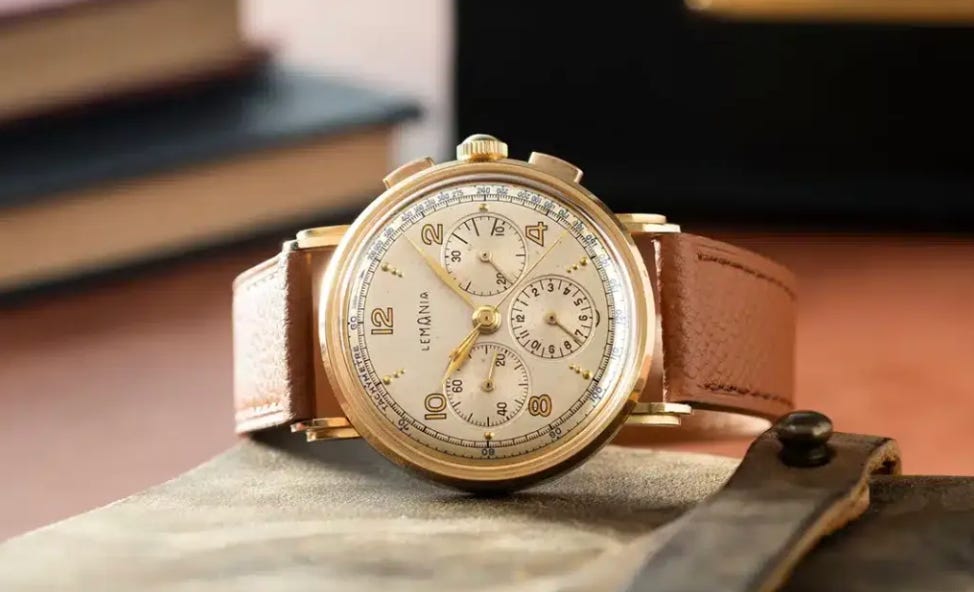
Elgin, Gruen, Lemania, Le Phare Jean d’Eve and Bueche Girod each left a distinctive mark on watchmaking. This feature considers what made those names important and why their histories still contain ideas that could interest contemporary collectors.
A successful revival would require more than putting an old logo on a familiar case. The opportunity lies in recovering the qualities that made each brand distinctive, whether technical expertise, adventurous design or an identifiable approach to luxury. Modern production partnerships could help make that possible, but the central question remains one of interpretation: what should survive from the original, and what needs to change for a new watch to stand on its own?
Picking NFL Team Watches, Part I
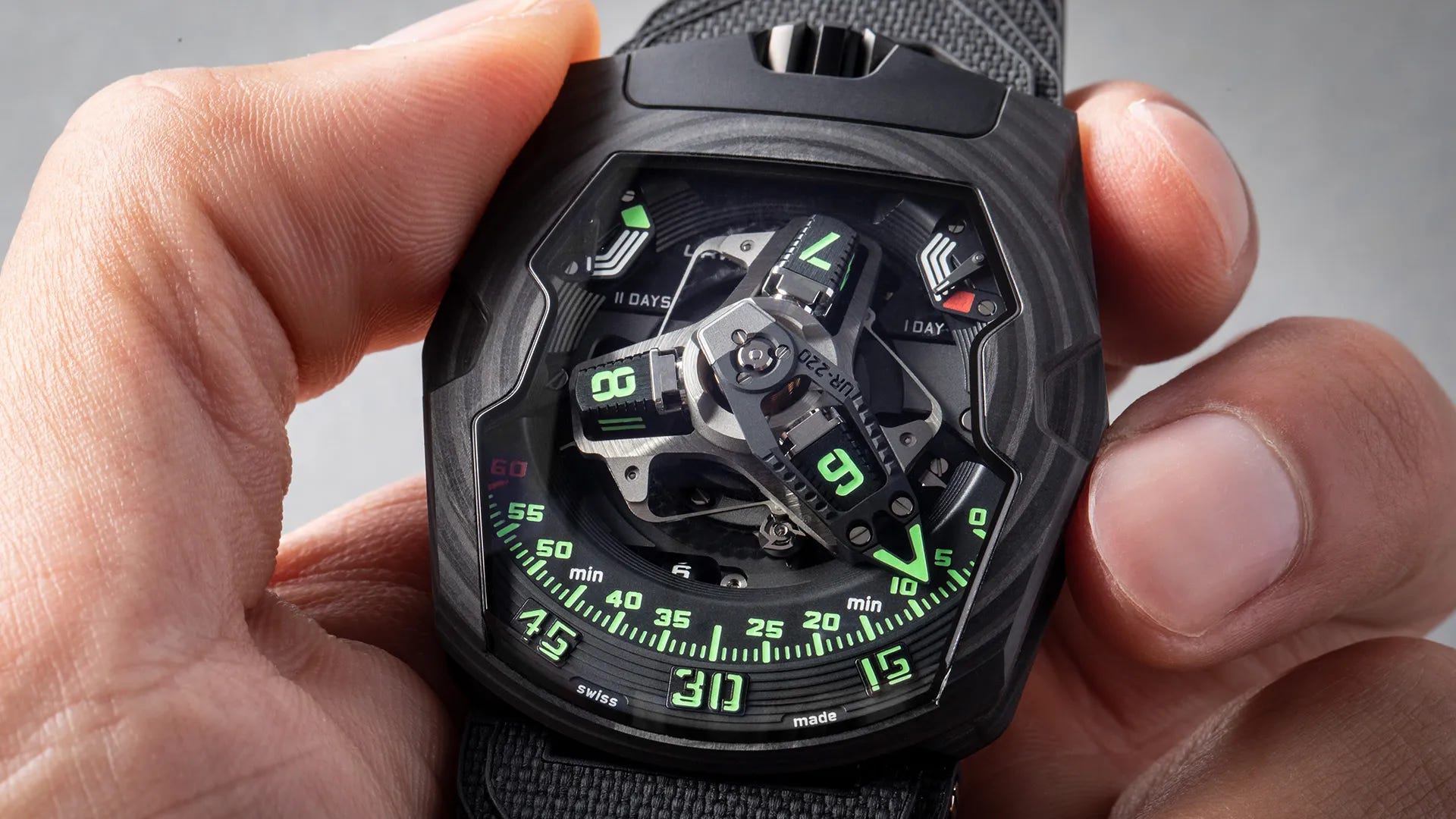
The “Nobody Asked” column takes on an assignment few people demanded but plenty of fans may enjoy: matching watches to all 32 NFL teams. The first installment draws on team identity, geography and football lore, with selections that range from relatively accessible to gloriously unreasonable.
The Kansas City Chiefs receive a Taylor Swift connection, the Las Vegas Raiders inspire a Jacob & Co. casino tourbillon, and the Detroit Lions get an Arcanaut incorporating old automotive paint. The entertainment comes from the reasoning as much as the watches. It is a reminder that collecting can accommodate a little absurdity—and that a team’s personality may be easier to capture in a dial than its prospects for the season.
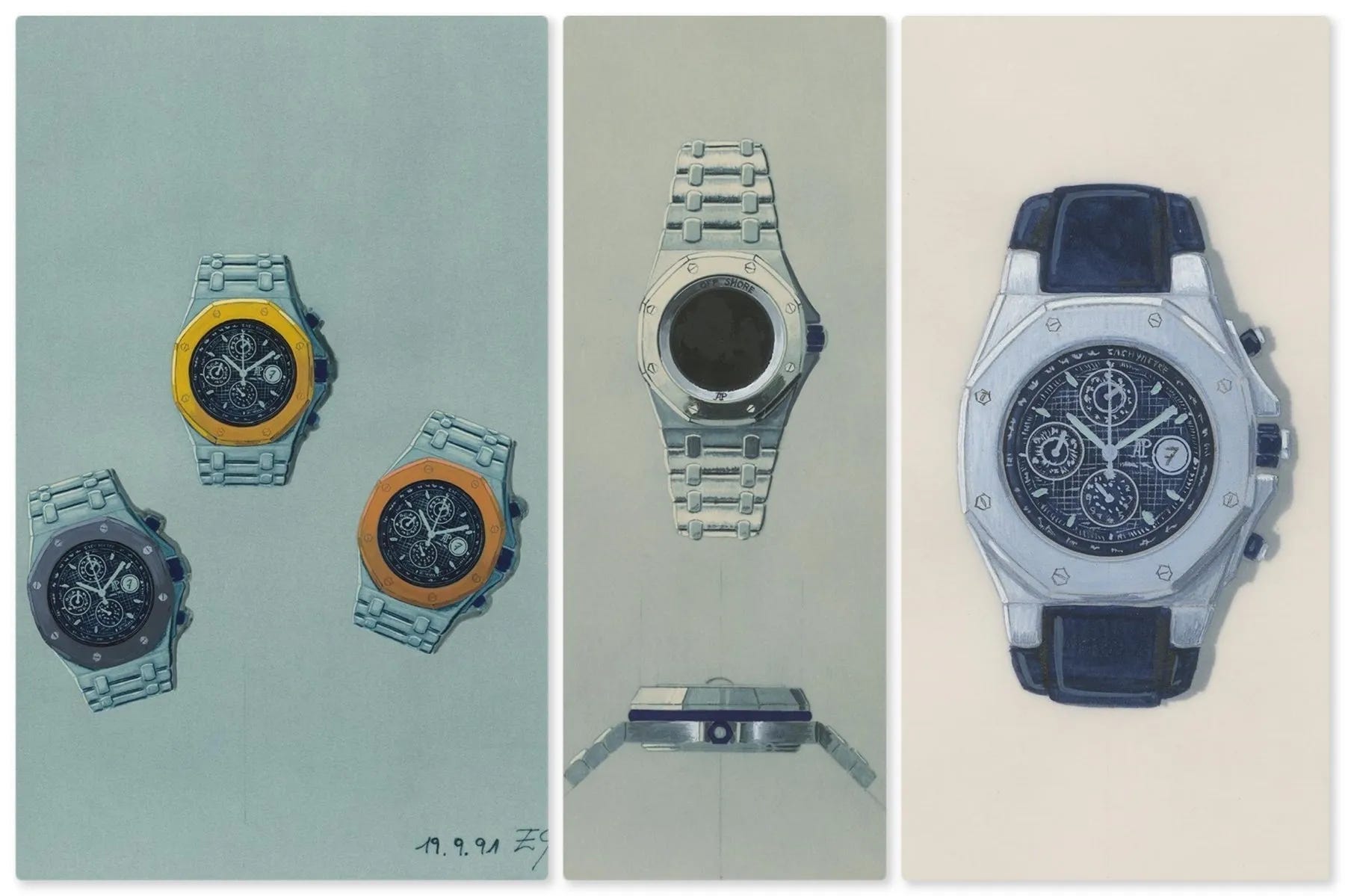
Shadow Icons: The Royal Oak Offshore Earns Its Own Place
The Royal Oak Offshore has spent much of its life being measured against the original Royal Oak. Introduced in 1993 under Emmanuel Gueit’s design direction, it initially encountered resistance, but its larger proportions and more assertive character eventually established a separate audience and identity.
Subsequent versions explored precious metals, titanium, ceramic and forged carbon, while movement development helped the collection evolve mechanically as well as visually. This feature singles out the titanium reference 26238TI as a particularly persuasive expression of the idea. Its gray-and-black presentation and rubber pushers preserve the Offshore’s sporting character with a degree of restraint. The appeal rests in appreciating what the Offshore became, rather than expecting it to behave like the watch that preceded it.
New Watches

Girard-Perregaux Laureato Williams Editions: Racing Identity With Restraint
Girard-Perregaux’s partnership with the Atlassian Williams F1 Team produces two 42mm Laureato editions, a three-hand automatic and a chronograph. Both retain the collection’s octagonal bezel and integrated bracelet, combining a Williams-inspired blue Clous de Paris dial with red accents and a discreet “W” at 12 o’clock. The result allows the Laureato’s established design to remain the main attraction.
The three-hand version uses the GP1800 automatic caliber with a 54-hour power reserve. The chronograph houses the GP3300, comprising 419 components and delivering a 46-hour reserve. Both offer sapphire crystals, visible movement finishing and 100 meters of water resistance, giving the collaboration everyday practicality alongside its motorsport connection. Price: US$16,200 for the three-hand model; US$20,900 for the chronograph.
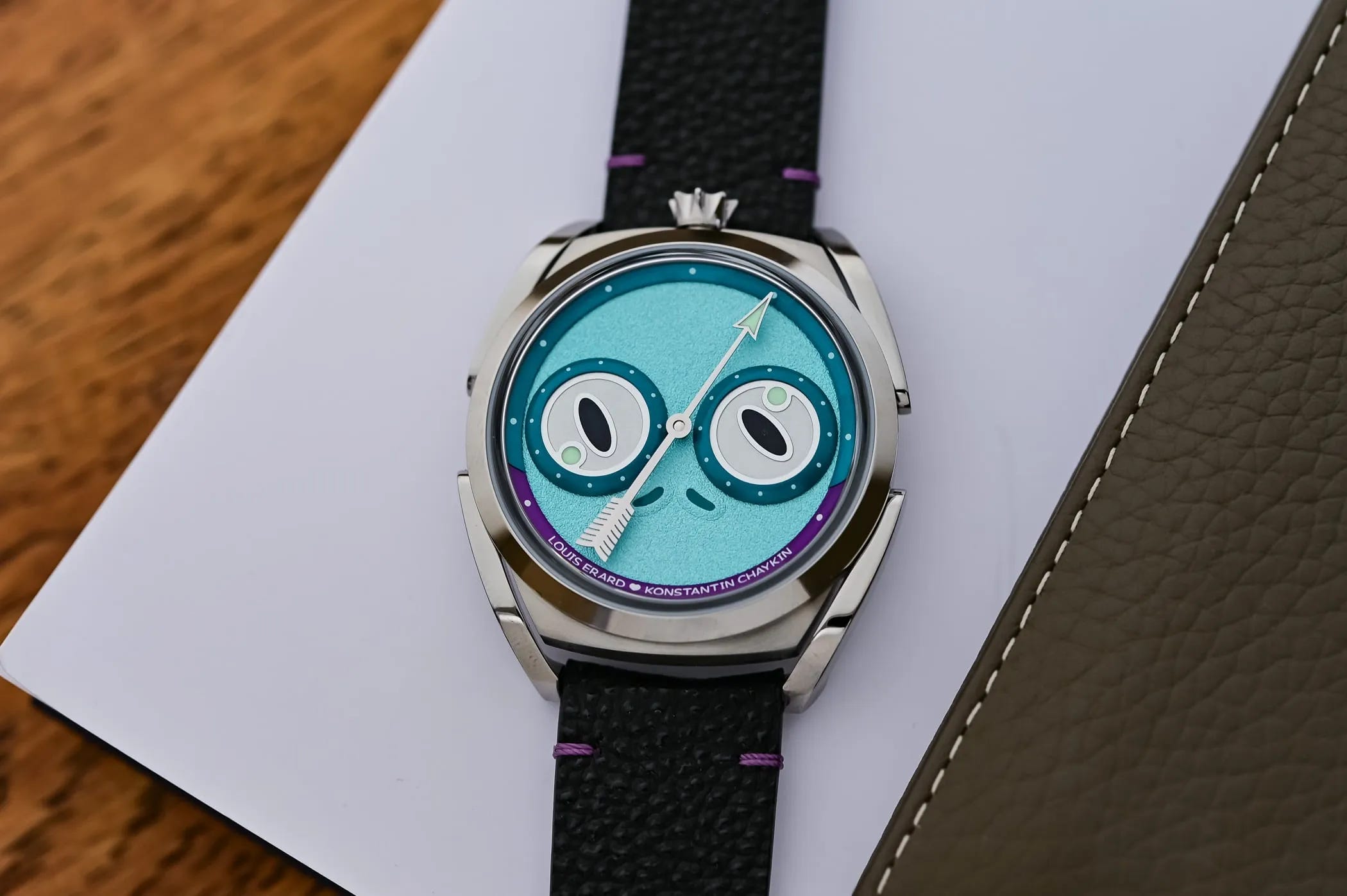
Louis Erard x Konstantin Chaykin Unfrogettable Returns in New Colors
The Unfrogettable returns with turquoise and brown variations on its frog-princess face. Its unusual regulator arrangement turns the eyes into displays for hours and seconds, while an arrow-shaped central hand indicates minutes around the dial’s perimeter. The turquoise edition combines violet and dark-turquoise details; the brown version adds warmer 5N-treated accents.
Both watches use 40mm grade 5 titanium cases, with the crown at noon and a Sellita SW266-1 automatic movement offering a 38-hour reserve. Black Himeji Kurozan calfskin straps receive an Urushi lacquer finish and stitching chosen to complement each dial. Production is limited to 178 pieces per color, giving the latest variations the same combination of mechanical playfulness and small-series appeal. Price: approximately US$5,480 each, converted from CHF4,500, excluding tax.

H. Moser & Cie. Off-Grid Takes the Brand Into Ana-Digi Territory
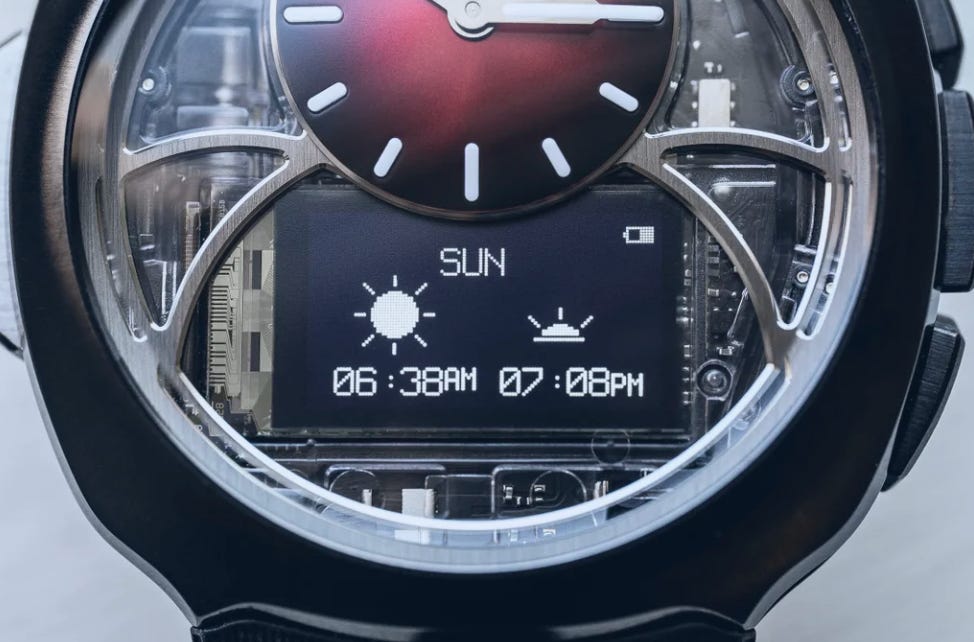
Moser’s Off-Grid offers a markedly different proposition from the mechanical watches most collectors associate with the brand. The 42.6mm steel watch comes in blue PVD with a Blackor dial or black PVD with a red fumé dial, each on an integrated rubber strap. A skeletonized front exposes the electronic architecture, while luminous ceramic indexes maintain an emphasis on legibility.
Developed with Sequent, the D10 caliber supports functions including GMT, a split-seconds chronograph, perpetual calendar, moonphase, sunrise and sunset information, vibrating alarm and timer. Travel mode adds a ten-word dictionary in 21 languages, and the rechargeable system offers up to twelve months of reserve in time-only mode. With 12 ATM water resistance and 1,000 examples per color, this is a deliberately unconventional way into Moser ownership. Price: US$4,900 each.
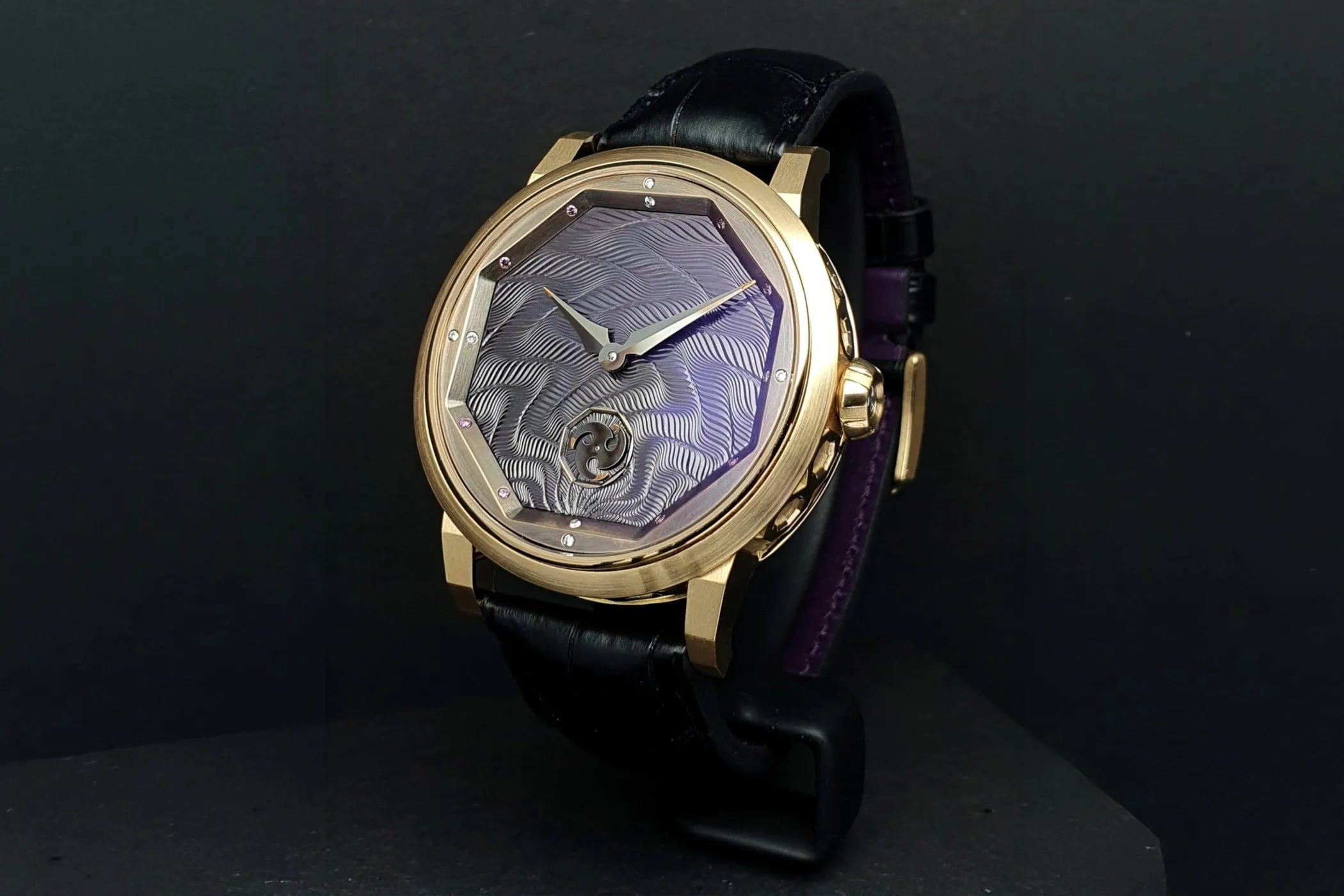
GoS and Martin Key Deliver a Six-Watch Second Chapter
The second GoS x Martin Key collaboration combines Swedish independent watchmaking with a strongly individual design language. The 41.5mm case features octagonal decoration, angular lugs and a hand-cut crown, while the dial layers wave-like guilloché, black rhodium and purple ceramic coating. Diamond hour markers, Viking-inspired arrowhead hands and a Triskele running-seconds display complete an unusually detailed composition.
Inside is the modified Schwarz Etienne-based GOS03 micro-rotor automatic caliber, with 199 components and an 86-hour power reserve. A crocodile strap with purple lining and a precious-metal buckle continues the decorative theme beyond the case. Production totals just six pieces: three in Swedish red gold, two in platinum and one in white gold. Prices, approximately converted from the VAT-inclusive Swedish listings: US$59,110 in red gold, US$70,110 in platinum and US$66,040 in white gold.
Reviews
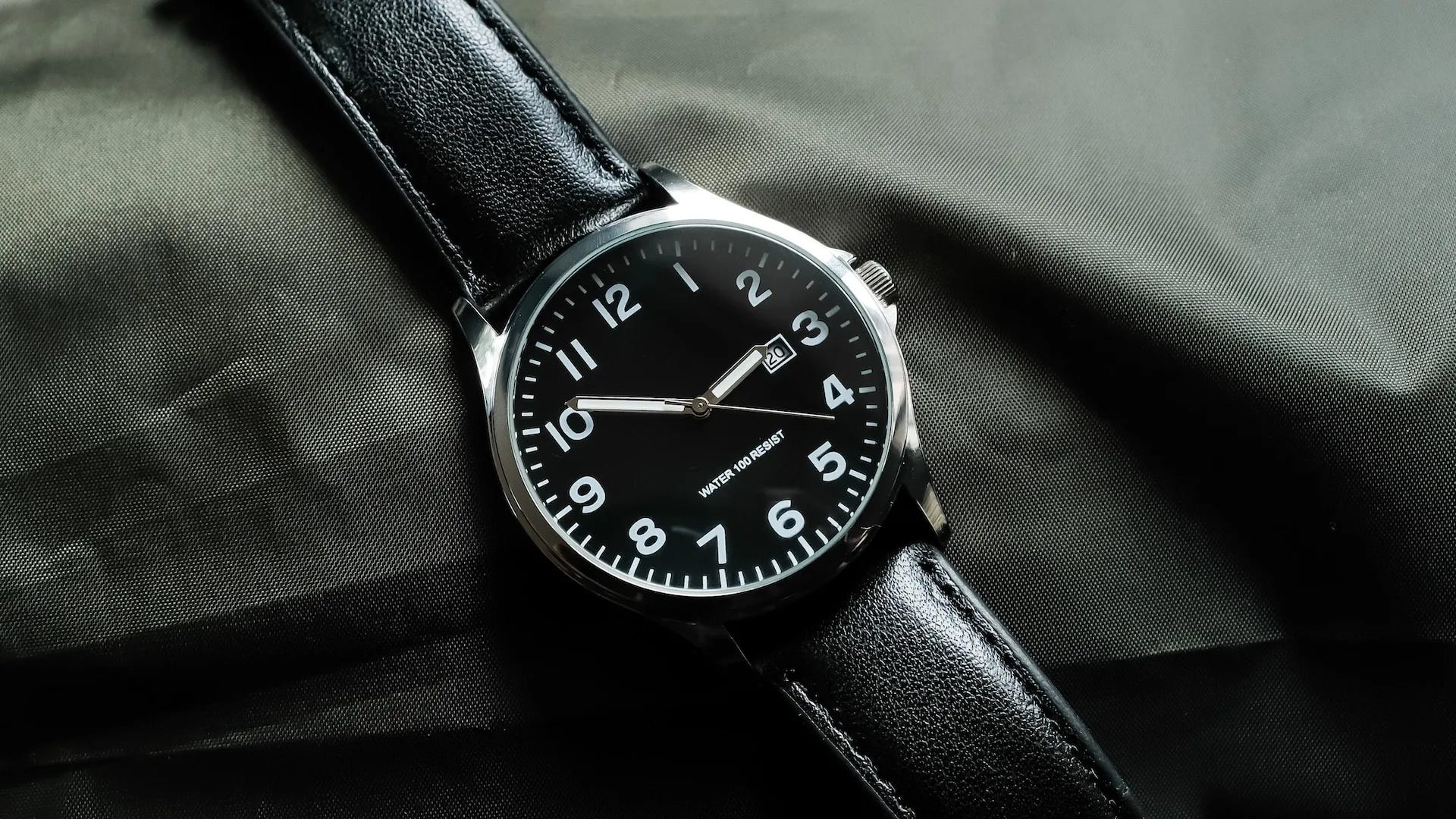
How Much Watch Does US$23 Buy? Testing Amazon Essentials
The Amazon Essentials Easy to Read 42mm watch brings the conversation back to basics. With a straightforward analog display and leather strap, its stated purpose is easy to understand: provide an inexpensive, readable watch for everyday use.
At US$23, expectations are necessarily different from those applied to a luxury mechanical piece. The useful questions concern legibility, comfort and whether the construction feels acceptable at the price. This review explores a corner of the market that enthusiast coverage often ignores, where buyers may care far more about a watch doing a simple job than about the name on its dial.
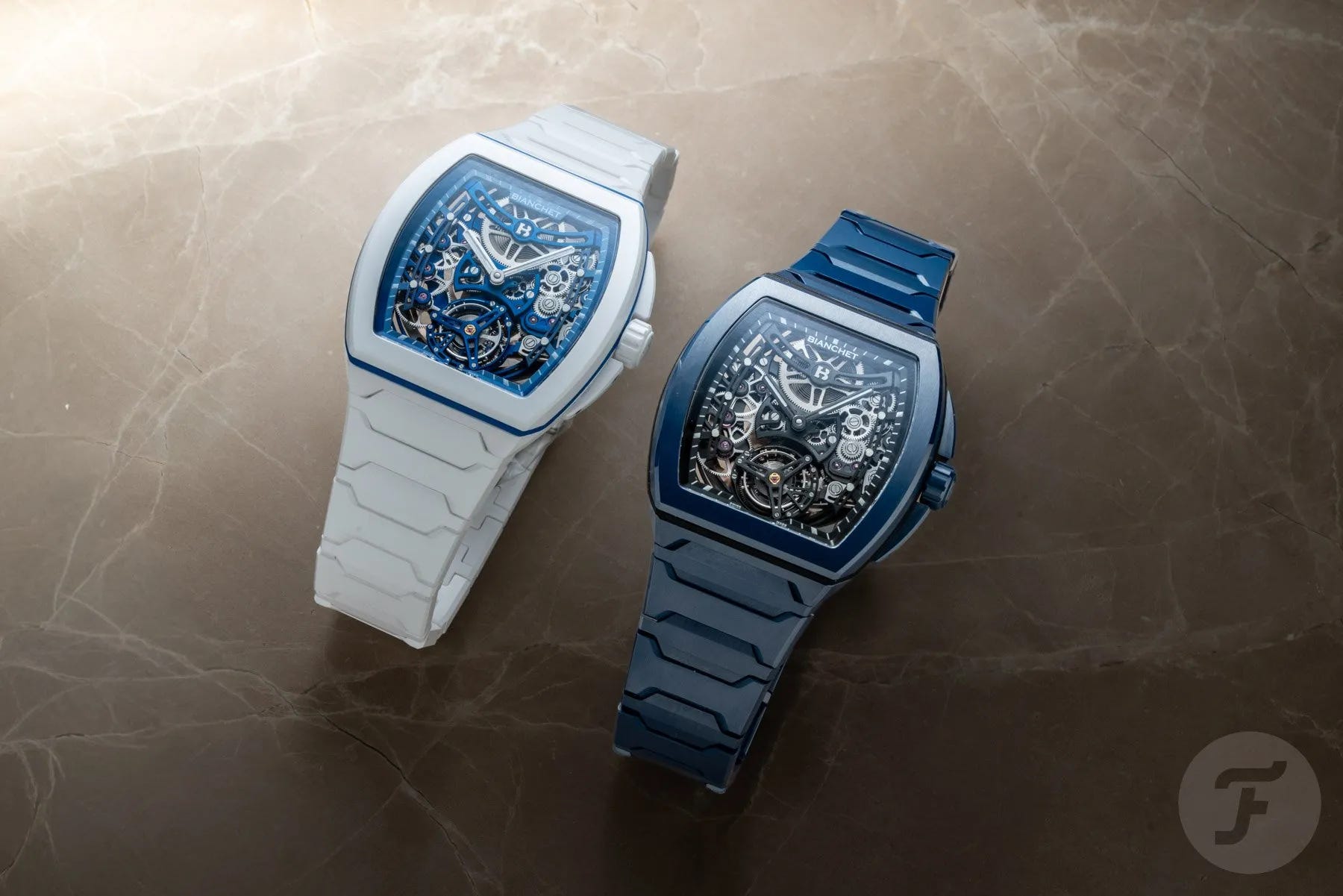
Bianchet UltraFino Ceramic Skeleton: Mathematics Meets a Flying Tourbillon
Bianchet’s Tonneau UltraFino Ceramic Skeleton uses the golden ratio and Fibonacci sequence as design references, bringing those ideas into a sculptural, openworked watch. Offered in deep-blue and white ceramic, its 40 × 47.5mm tonneau case measures just 8.9mm thick, making thinness an important part of the wearing experience.
The UT01 flying-tourbillon movement contains 225 components, runs at 3 Hz and provides a 60-hour power reserve. A Fibonacci-inspired spiral contributes to the skeletonized presentation, while ceramic bracelet and rubber-strap options change the character on the wrist. The review considers the visual differences between the two colors as well as the execution behind the mathematics. Pricing is approximately US$88,260 before taxes, converted from CHF72,500.
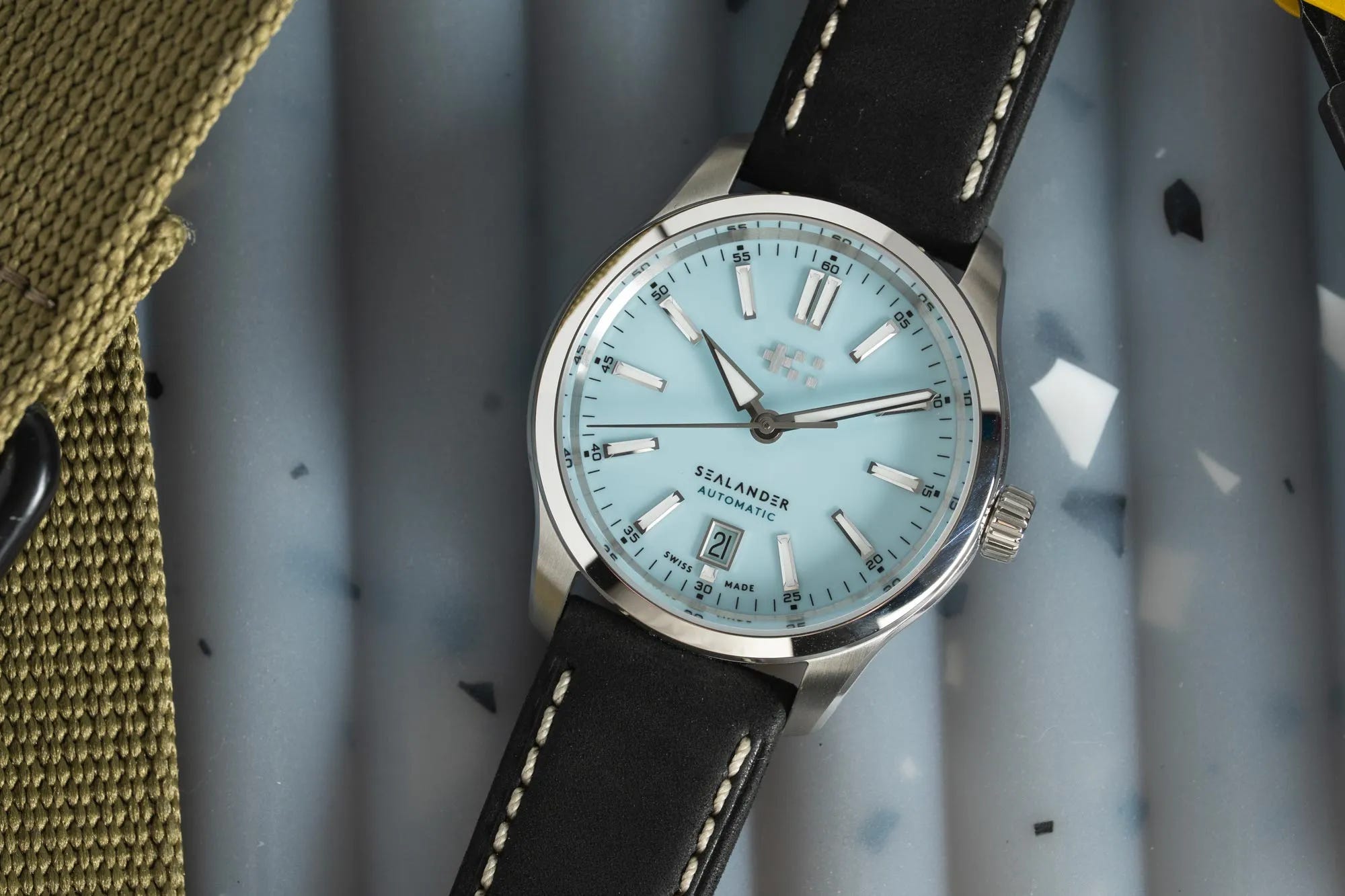
Christopher Ward Sealander: Making a Case for “Boring”
Christopher Ward’s C63 Sealander has evolved from its 2021 debut into a more refined—and more expensive—everyday proposition. Starting prices have moved from US$695 to US$1,150 for the automatic and from US$950 to US$1,395 for the GMT, placing greater weight on the quality of the improvements.
Those changes include lacquered dials, applied markers, revised proportions and a tool-free iLink bracelet system. The automatic now uses the Sellita SW200-2 Power Plus with a 65-hour reserve, while the GMT retains the SW330-2. Across the range, 36mm, 39mm and 42mm cases broaden the choice. The review’s affectionate “boring” label captures the appeal of a watch designed to fit comfortably into many situations, even as the collection moves further from its original sub-US$1,000 territory.
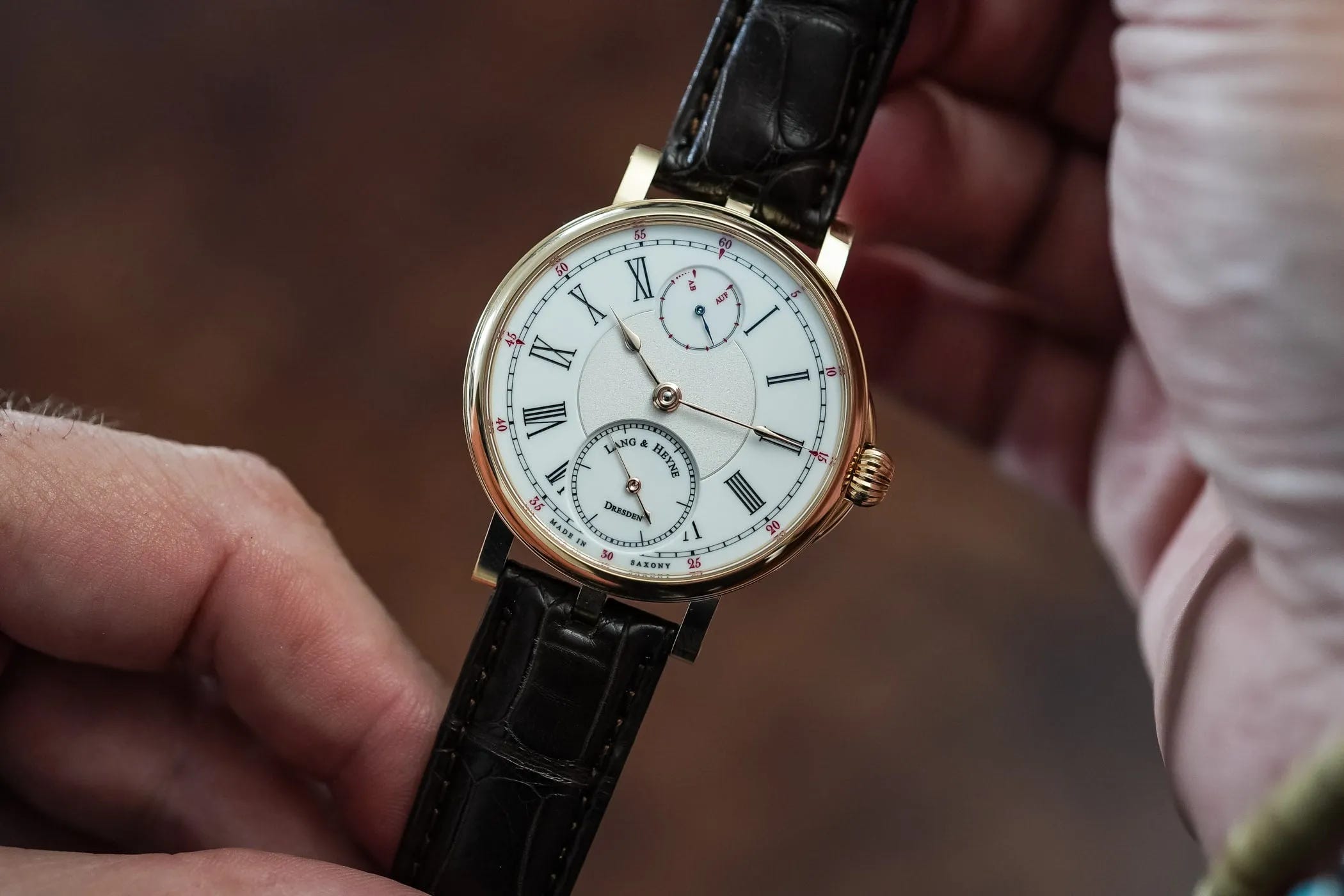
Lang & Heyne Friedrich III Adds a Power-Reserve Display
Lang & Heyne’s Friedrich III gains a power-reserve indication while retaining its 39.2mm diameter, 10.5mm thickness and distinctive triple-lug case. The ceramic dial places the new scale at 12 o’clock, incorporating it into a traditional composition with Roman numerals and a central medallion.
The manually wound LH caliber VI-II provides a 55-hour reserve and uses a differential mechanism for the indication. Its 174 components, 27 rubies and diamond-set balance staff supply plenty of interest on the movement side as well. The release is limited to 25 pieces, with rose-gold and platinum versions and deliveries expected in the fourth quarter. Converted prices are approximately US$67,680 in rose gold and US$72,960 in platinum, excluding taxes.
Events

FounderFest 2026 Brings Independent Watchmaking to the Stage
FounderFest brought seven independent watch brands to Time+Tide Studios in Melbourne, London and New York, combining music-themed Studio Editions with founder conversations and live performances. The format encouraged visitors to encounter the people and ideas behind the watches in a more informal setting.
Melbourne welcomed around 150 guests, London roughly 200, and New York more than 320 across two days. Musical programming ranged from jazz to guitar performances, giving each gathering its own atmosphere. The events lead into a global 24-hour sales event scheduled for today, September 22, extending the opportunity to collectors who could not attend. The broader message is that an independent watch can become more compelling when its maker has a chance to explain it.
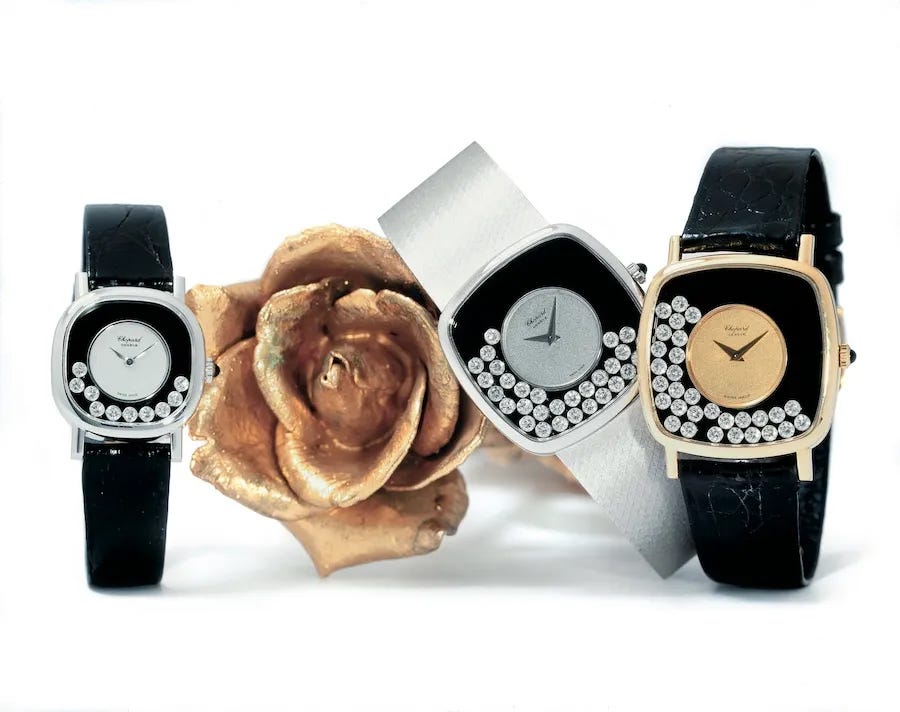
Chopard Celebrates 50 Years of Happy Diamonds
Chopard marked the fiftieth anniversary of Happy Diamonds with a New York celebration at Casa Cipriani, a campaign featuring Bella Hadid and Liu Wen, and an exhibition on Fifth Avenue. The anniversary traces the development of the freely moving diamond concept introduced in 1976 and its influence on later designs, including Happy Sport.
New pieces include Happy Sport The First in 26mm and 35mm sizes and Happy Diamonds Heritage watches that revisit earlier design ideas. A one-of-a-kind Happy Sport Joaillerie New York Special Edition adds a particularly lavish expression of the theme. Across the celebration, the recurring attraction is movement itself: diamonds that participate in the wearer’s gestures, turning an otherwise fixed decorative element into something animated and personal.
Podcasts
Scottish Watches #816: Rob Nudds on the State of the Watch Industry
Rob Nudds joins Scottish Watches for a broad conversation about the industry and the watches attracting attention around Geneva Watch Days. The discussion moves between accessible favorites and ambitious independent releases, reflecting a hobby whose most interesting ideas do not sit at a single price point.
The appeal is hearing products considered in the wider context of design, brand direction and the experience of encountering them in person. For listeners following the independents alongside established manufacturers, the episode offers plenty of material to explore beyond the latest headline launch.
Videos
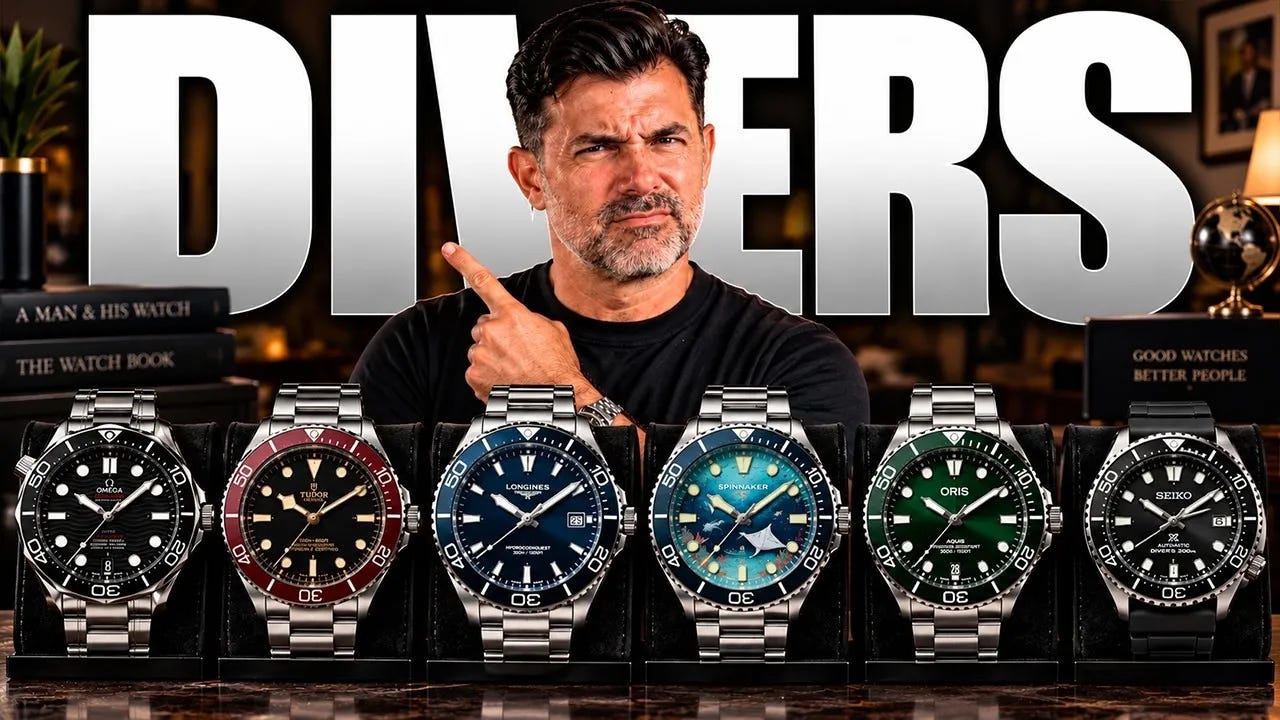
The Watch Bros: Seven Overlooked Dive Watches Under US$2,500
The Watch Bros look beyond the usual recommendations to explore seven dive watches priced below US$2,500. The premise gives viewers a reason to compare less familiar choices on their design, practical features and overall value.
For anyone whose shortlist keeps returning to the same handful of names, the selection offers a useful change of perspective. The question is which watch best matches the buyer’s needs once familiarity stops doing all the work.

Good Times: Is Patek Philippe Living Off Its Legacy?
Good Times asks how effectively Patek Philippe’s current watches sustain the reputation built by its history. The discussion explores the relationship between inherited prestige, contemporary expectations and the products collectors are being asked to buy today.
It is a question with relevance well beyond one manufacturer. A respected past can create interest, but each new generation of watches still gives enthusiasts something fresh to assess, admire or challenge.

Cool_lectibles: The Best and Worst Rolex Experiences
Cool_lectibles examines the rewarding and disappointing sides of Rolex ownership through personal experiences. The format brings a human dimension to a brand more often discussed through availability, specifications and prices.
These accounts offer another way to think about satisfaction: what happens after the purchase, how a watch fits into everyday life and whether the experience meets the expectations attached to the name. Individual stories are not a verdict on every watch, but they can illuminate what matters to an owner.

Nico Leonard Investigates a Serious Problem in the Luxury Watch Industry
Nico Leonard turns a critical eye toward the luxury watch business and the pressures affecting its relationship with customers. The video offers his perspective on an industry in which product excitement and frustration can exist side by side.
For viewers following today’s retail and export stories, it provides a more confrontational companion to the numbers. The central interest is how the industry’s behavior shapes confidence among the people expected to support it.
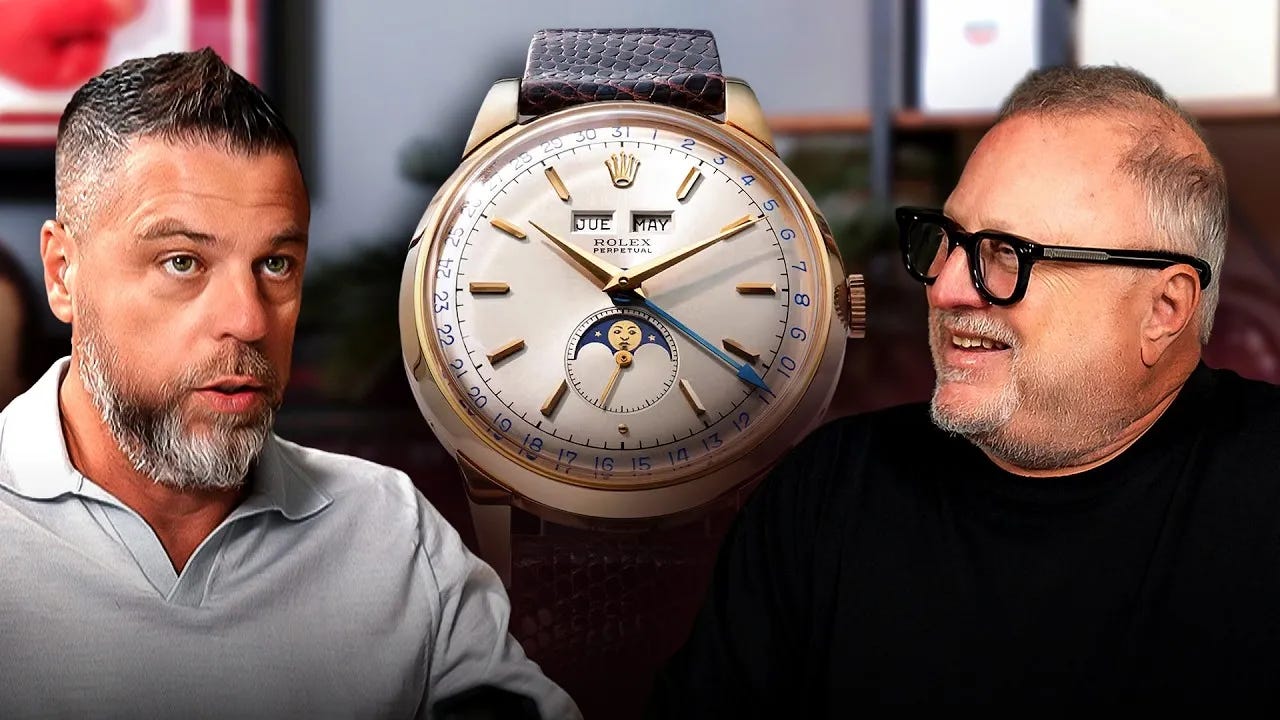
Roman Sharf’s Dual Time #17: A Former Judge’s Long Collecting Journey
Roman Sharf speaks with a former judge whose watch collecting predates Sharf’s own years in business. The conversation explores the experiences and personal stories accumulated alongside the watches.
A long collecting history offers a useful perspective on changing tastes and enduring interests. This episode gives viewers an opportunity to consider how a collection develops over years, and why particular pieces continue to matter after the circumstances of their purchase have faded.
Auction Report
September 21 Result: Lange 1 Perpetual Calendar Reaches US$85,500
Yesterday’s 2023 A. Lange & Söhne Lange 1 Perpetual Calendar in white gold with a pink dial, reference 345.056, reached a high bid of US$85,500. Against the supplied usual trading range of US$130,000–US$156,000, that was US$44,500 below the lower end and US$70,500 below the upper end—approximately 34% and 45% lower, respectively. The reported figure establishes the bidding reached; confirmation of a completed sale or reserve outcome was not supplied.
A Quiet Classic Meets a Clear Price Check: Today’s Parmigiani Toric Auction
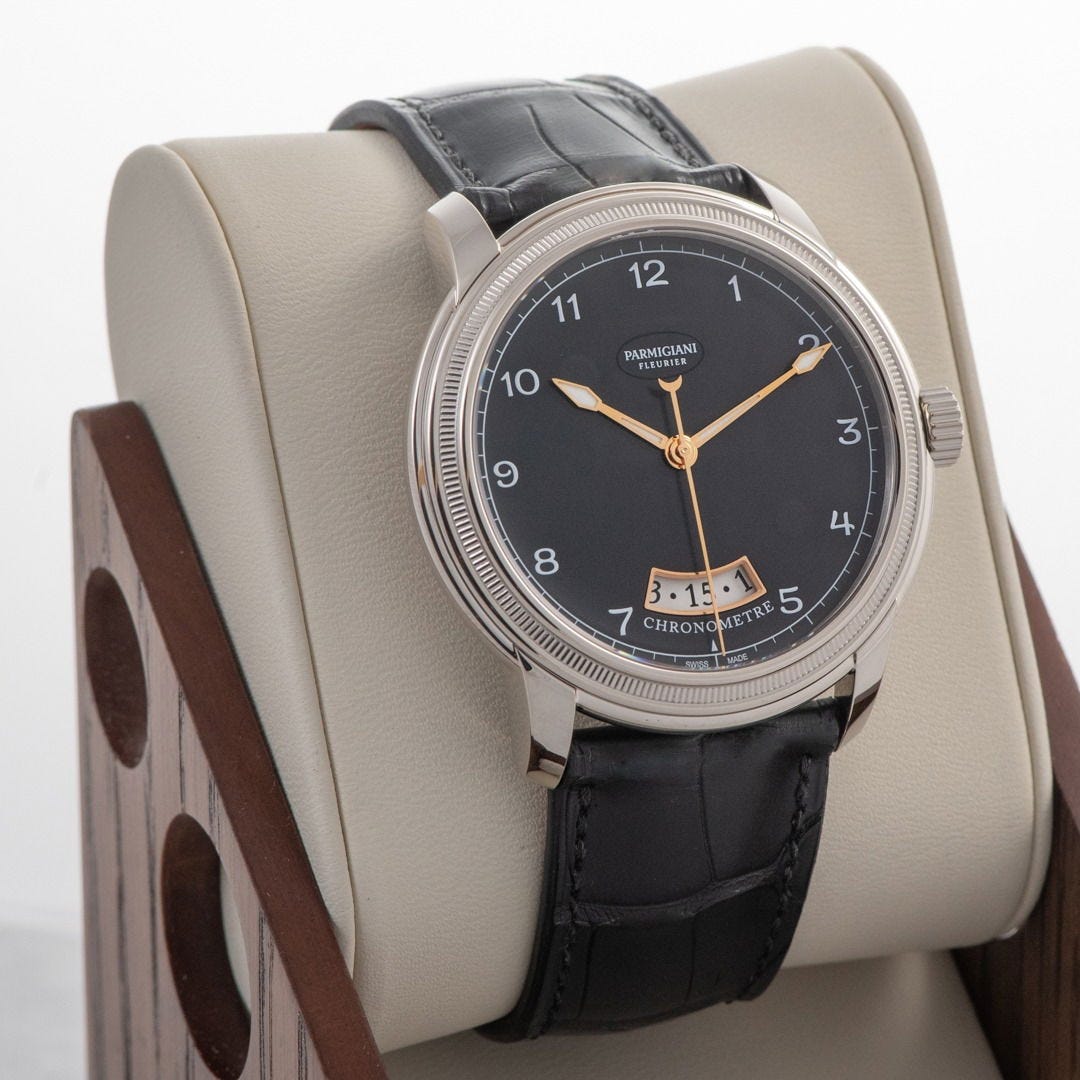
Today’s auction features a Parmigiani Fleurier Toric Chronomètre, reference PFC423-1201400-HA1441, listed as a 2026 example in white gold with a black Arabic-numeral dial. The Toric’s roots reach back to Michel Parmigiani’s founding-era designs of 1996, and the Chronomètre interpretation introduced in 2017 carried that identity into a refined automatic dress watch. The listed year should therefore be understood as the auction’s dating of this particular example, rather than the debut of a new model. Its appeal is the distinctive combination of classical proportions, a textured bezel and slender javelin-style hands.
Although the auction rounds the diameter to 40mm, published specifications give 40.8mm and a thickness of 9.5mm. The automatic PF331 is COSC-certified, contains 220 components and offers approximately 55 hours of power reserve, with a decorated gold rotor visible through the back. This U.S.-located example comes with box and papers and is described as unworn, allowing for possible handling marks. The dial, case, bezel and strap assembly are reported in excellent condition.
The most immediate price check is the US$14,900 Chrono24 advertisement identified in the auction brief. Research confirms a listing at that price for the same reference, described as unworn and supplied with box and papers, although its case-material field incorrectly says rose gold and the listing alone does not prove it is the identical physical watch. There is also a completed-auction comparison: Antiquorum reported €9,184 for a circa-2020 example of this reference in Monaco on June 28, 2026, approximately US$10,550 at September 21 exchange rates. That watch included its box and certificate, but an overhaul was recommended, making it an imperfect comparison with today’s stated unworn condition.
Those figures provide a useful framework: one documented auction result around US$10,550 after conversion and one advertised dealer alternative at US$14,900, rather than evidence that every example should transact at either number. Condition, service needs, warranty and transaction costs can explain differences, but the dealer offer makes an especially relevant comparison for the bidder’s total expenditure. A compelling watch deserves a considered bid, and any premium or other charges should be included before deciding whether the auction offers an advantage. Bidding closes at 2:15 p.m. EDT today, Tuesday, September 22, 2026.
Current bid: $9,999
Losing Time


Today’s Big Losers at Auction on Grailzee
Four watches, four failed sales, and four reminders that an asking price is a statement of ambition—not a binding agreement with reality.
The 2026 Audemars Piguet Royal Oak Offshore Chronograph 43MM (26420SO.OO.A029VE.01), with its blue dial and textile strap, carried a $51,000 ask. Bidders stopped at $38,250, leaving a $12,750 gap—25% below asking. Apparently, being practically fresh out of the box wasn’t enough to persuade buyers to find the other quarter of the price.
The 2017 Patek Philippe Aquanaut 42.2MM (5168G-001), with its blue dial and rubber strap, sought $96,200 and attracted a high bid of $73,300. That’s $22,900 short, or 23.8% below asking. It posted the smallest percentage miss of the four, which qualifies as a relative victory in a competition where nobody actually sold anything. The Patek name drew a substantial bid; it just didn’t draw the seller’s preferred conclusion.
The Bvlgari Octo Finissimo “Middle East” Limited Edition 40MM (103023), with its grey dial and titanium bracelet, had the widest disconnect. Against a $15,250 ask, bidding reached only $8,000—a $7,250 shortfall, or 47.5% below asking. “Limited edition” may describe the supply, but it clearly doesn’t guarantee unlimited enthusiasm. Buyers barely crossed the halfway mark.
The 2022 Breguet Marine 40MM (5517TI/Y1/TZ0), featuring a blue dial and titanium bracelet, asked $19,975 and received a high bid of $12,000. The $7,975 gap put it 39.9% below asking. Pricing it just under $20,000 supplied a little retail psychology; bidders supplied a considerably less flattering number.
Together, the four sellers wanted $182,425, while the final bids totaled $131,550, leaving $50,875 of expectations unfunded. The AP and Patek came closest proportionally, but misses of roughly a quarter still suggest more than a little negotiating friction. The Bvlgari and Breguet showed much larger differences between seller expectations and bidder willingness. These results don’t establish definitive market values, but they do show what these bidders were prepared to pay on the day. The sellers were welcome to dream bigger. They just had to take the watches home afterward.
Closing Time
Thank you for spending part of your Tuesday with BuyingTime. Today’s watches offer plenty of different reasons to pay attention, from practical refinement to outright eccentricity. Follow the stories that interest you, keep the asking prices in perspective, and enjoy the pieces that make the hobby your own. We’ll see you tomorrow.