

BuyingTime in 30 Seconds
The watch industry has plenty to sell—but today’s strongest stories ask what collectors actually value. Consumers hold an estimated 97,000 tonnes of gold in watches and jewellery, Nico Leonard is putting his name on his retail business, and affordable watches from Tissot and Timex are challenging familiar price assumptions. New releases explore Colombian identity, Vietnamese lacquer and American watchmaking history. Meanwhile, a rare A. Lange & Söhne Lange 1 Perpetual Calendar heads into today’s auction, closing at 3:55 p.m. EDT.
Time Graphing Today’s Watch Universe
The Price Is on the Tag. The Value Is in the Relationship.
There is a useful tension running through today’s issue. At one end, we have watches that offer a remarkable amount of practical capability for a relatively modest price. At the other, we have scarce, complicated objects whose appeal depends on craftsmanship, history and the particular way they make a collector feel. Between those extremes sits a watch industry that sometimes appears more comfortable announcing another product than explaining why anyone should care.
That distinction matters. Price is straightforward enough to print in a catalogue. Value takes more work.
Consider the Tissot PRX Chronograph Quartz. At $525, its appeal includes a thinner case and the convenience of quartz, alongside a substantial saving over its automatic sibling. Or look at Timex’s Deepwater Meridian, which brings sapphire, a ceramic bezel and automatic winding into a package starting below $500. Neither watch needs to defeat every more expensive competitor to make a persuasive case. Each simply gives its intended buyer tangible reasons to be interested.
The same calculation appears in the story of a Citizen chronograph taking wrist time away from an Omega Speedmaster. Collectors can admire the Moonwatch’s history and still reach for something more convenient on a busy morning. The watch that wins the argument in your head does not always win the place on your wrist. Actual ownership has a way of exposing that difference.
Yet utility alone cannot explain this hobby. The account of finally acquiring a Ulysse Nardin Freak is a reminder that enthusiasm often begins with an object that refuses to behave like everything else. It develops through curiosity, anticipation and contact with the people who make it. A conversation can become part of a watch’s meaning. So can the years spent looking at it before the opportunity to own it arrives.
That is why today’s Grinding Gears editorial about how the industry treats people deserves attention. Hospitality, service and access to knowledge are part of the ownership proposition. A collector who feels welcome has a reason to return. A newcomer who receives a thoughtful explanation has a reason to learn. Brands spend enormous effort manufacturing distinction; sometimes the most memorable distinction is simply being treated well.
The independents in this issue offer several ways to make that connection. Auret’s Mederi brings Colombian references into a Swiss-powered watch. Awake’s Frosted Leaf collection makes traditional Vietnamese lacquer work central to the experience. RGM’s revival of the E.F. Bowman name connects a new wristwatch to Lancaster’s horological past. These stories become convincing when the inspiration remains visible in the finished object.
There is also a broader kind of value in today’s report on the 97,000 tonnes of gold held in watches and jewellery. A watch exists beyond its first transaction. It can be serviced, passed along, sold again or eventually recovered for its materials. Longevity gives this industry an unusual opportunity: to make keeping something desirable, practical and commercially worthwhile.
Today’s Lange auction brings those threads together. Its rarity and complicated movement matter, but the buyer will also be assessing condition, completeness, price and personal attraction. Last Friday’s unsold Roger Dubuis shows what happens when bidder appetite and a seller’s expectations do not meet.
As this week begins, the most useful question may be the simplest one: what will make this watch worth owning after the launch excitement has faded? The answer might be its usefulness, its beauty, its maker or the memory attached to it. The strongest watches give us reasons to keep answering that question.
-Michael Wolf
News

Consumers Hold 97,000 Tonnes of Gold in Watches and Jewellery
The watch and jewellery industry’s next important resource may already be sitting in drawers, safes and collections. A Watch & Jewellery Initiative 2030 report estimates that consumers hold approximately 97,000 tonnes of gold and 790,000 tonnes of silver in finished pieces, highlighting the scale of materials already in circulation.
The report argues that recycling, repair, resale and take-back programs could help reduce the sector’s emissions while easing pressure on raw-material supplies. It identifies potential emissions reductions of 20–30% over five to ten years through circular practices, with recycled gold offering substantially lower carbon intensity than newly mined material. Turning that potential into progress will require practical ways for customers to participate—and compelling reasons to maintain and reuse what they already own.

Pride & Pinion Becomes Nico Leonard Watches
Nico Leonard van der Horst is bringing his pre-owned watch business more directly under the identity that many customers already recognize. Pride & Pinion, launched in 2019, is being renamed Nico Leonard Watches, connecting the retailer to the outspoken personality behind its social-media reach.
The business offers outright purchases, consignment and trades, with inventory spanning accessible watches and major luxury references. Additional stores are planned, although locations have not been disclosed. The move illustrates the growing influence of individual personalities in watch retail: a recognizable voice can bring customers through the door, while service, selection and trust determine whether they stay.
Features
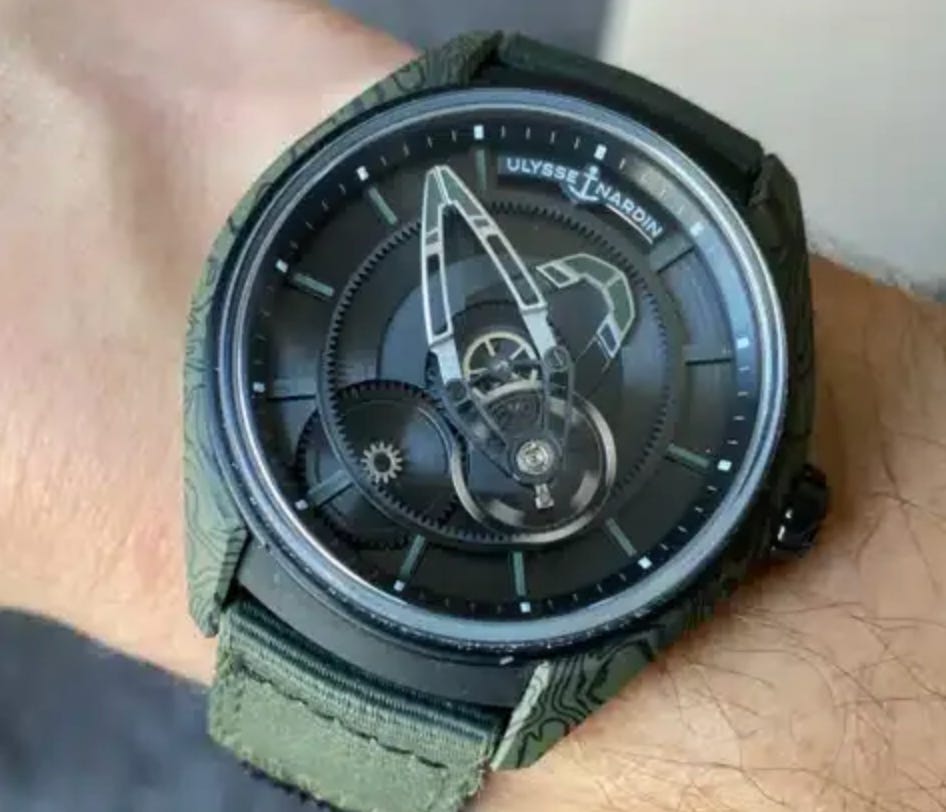
Confessions of a Self-Proclaimed Freak: The Story Behind a First Ulysse Nardin
Some watches become important long before they enter a collection. This personal account follows a five-year fascination with the Ulysse Nardin Freak that eventually leads to a Freak X OPS—and to a relationship with the people behind the brand.
The Freak’s unconventional approach to displaying time supplies the mechanical attraction, but the story’s emotional center is the experience surrounding the acquisition. Conversations, shared enthusiasm and a feeling of being understood turn a striking object into something more personal. It is an engaging reminder that the strongest collecting stories often begin with individual taste and develop through human connection.
The ABCs of Time: How American Watchmaking Changed the World
American watchmaking’s defining contribution was its transformation of precision manufacturing. During the nineteenth century, interchangeable components and increasingly sophisticated machinery helped companies such as Waltham and Elgin bring reliable watches to a much wider audience.
This historical overview follows the industry through railroad timekeeping, inexpensive everyday watches, military production and later technological experimentation. Hamilton’s electric watches and Bulova’s Accutron illustrate how ambitious that experimentation became. The story also follows the contraction and reinvention of the industry, connecting its industrial achievements to the independent American makers working today. It is a useful perspective on a country whose influence on watchmaking extends well beyond the names still printed on dials.
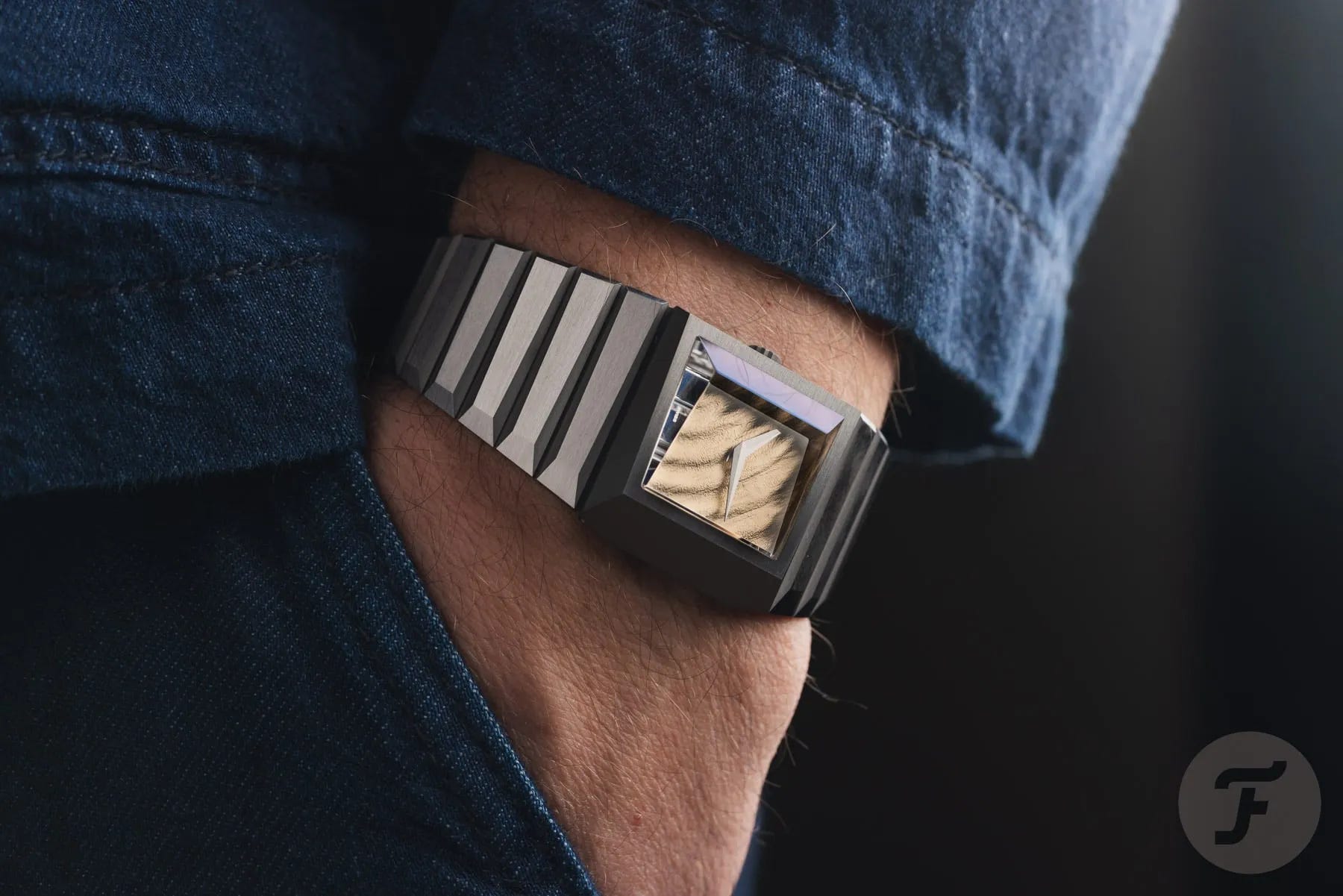
Five Titanium Watches That Show the Material’s Range in 2026
Titanium’s appeal begins with weight, but this selection shows how differently brands can use it. Vacheron Constantin’s Overseas Cardinal Points, the Formex Aria, Toledano & Chan’s B/1.3r, Grand Seiko’s Evolution 9 Spring Drive divers and Singer Reimagined’s Caballero take the material into distinctly different territory.
Together, they cover travel functionality, architectural case design, dive-watch practicality and independent movement development. Their common thread is the ability to deliver substantial construction with less weight on the wrist. Titanium also brings its own visual character, making the choice as much about finishing, color and identity as it is about comfort.
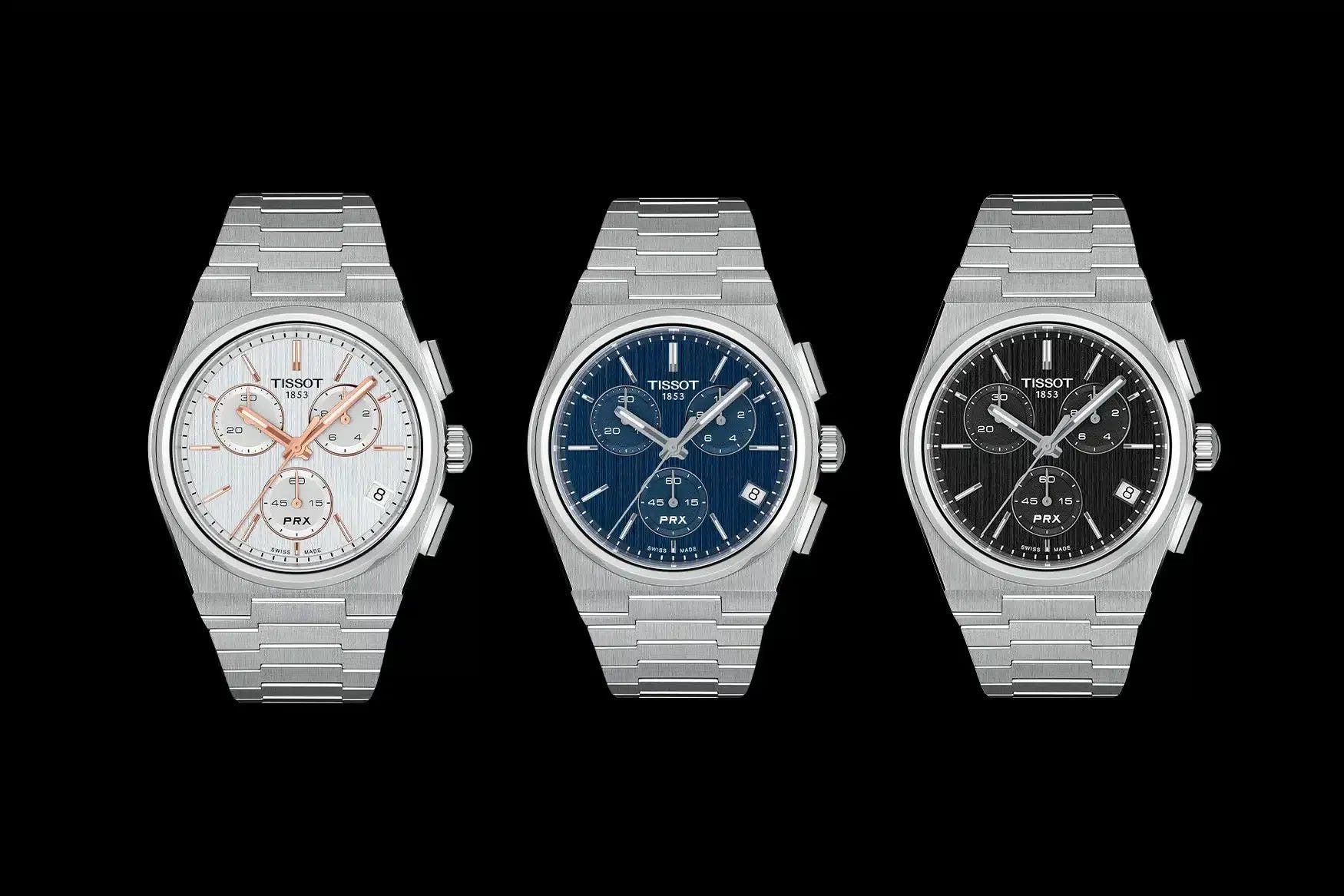
Tissot’s $525 PRX Chronograph Makes a Strong Case for Quartz
The Tissot PRX Chronograph Quartz offers more than a lower entry price. Its 41mm case measures 11.65mm thick, compared with 14.54mm for the automatic chronograph, giving the familiar integrated-bracelet design a more manageable profile.
The feature list includes a 30-minute counter, a one-tenth-of-a-second display, ADD and SPLIT timing functions, sapphire crystal and 100 meters of water resistance. Three dial choices provide variety, while the quick-release bracelet adds convenience. At $525 against the automatic version’s cited $2,150, the quartz model invites buyers to decide which combination of movement, thickness and daily usability best suits them.

Guillaume Laidet on Bringing Old Names Back—and Building Something New
Guillaume Laidet’s work spans two different instincts in contemporary watchmaking: the desire to recover attractive designs from the past and the urge to create something unapologetically futuristic. This interview explores both through Nivada Grenchen and SpaceOne.
At Nivada, collector feedback helps shape decisions about dimensions, movements and the details that make a revival feel convincing. SpaceOne gives Laidet room to explore more radical forms and unusual displays. Across both businesses, the recurring idea is proximity to the buyer. His perspective as an enthusiast informs the products, suggesting that understanding why someone wants a watch can be as consequential as understanding how to manufacture it.
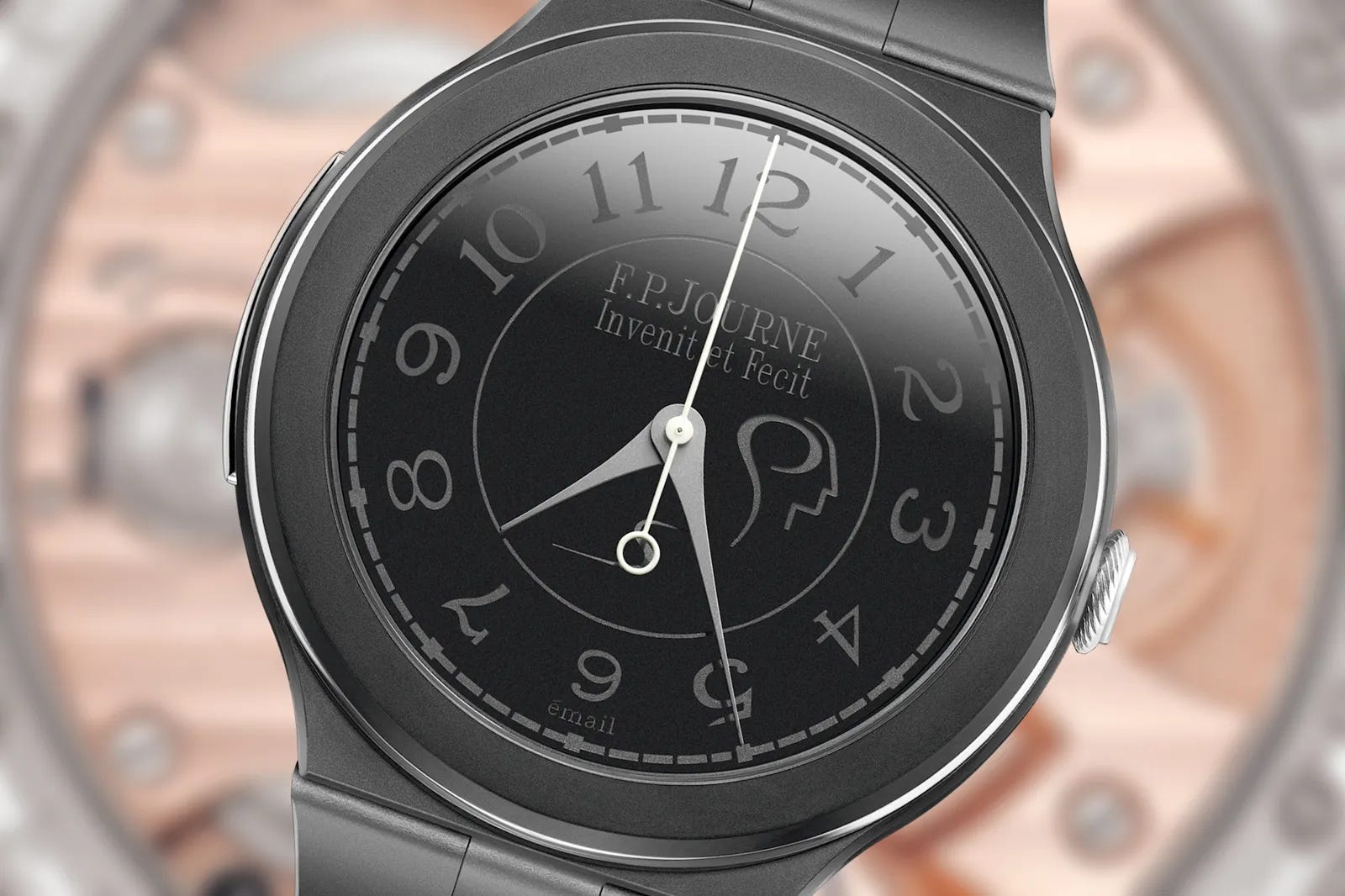
F.P. Journe Creates a Unique Chronomètre Furtif for Brain Research
F.P. Journe’s Chronomètre Furtif ICM channels the appeal of a unique watch toward support for the Paris Brain Institute. Its 42mm tungsten-carbide case and matching bracelet frame a black grand feu enamel dial carrying discreet ICM identification. The caliber 1522 provides the mechanical foundation, with the moon-phase and power-reserve indications viewed from the back. Scheduled for Christie’s Geneva on September 29, the watch continues Journe’s longstanding involvement with the institute, with all proceeds directed to its work. Price in U.S. dollars: to be determined at auction; no fixed retail price is announced.
New Watches
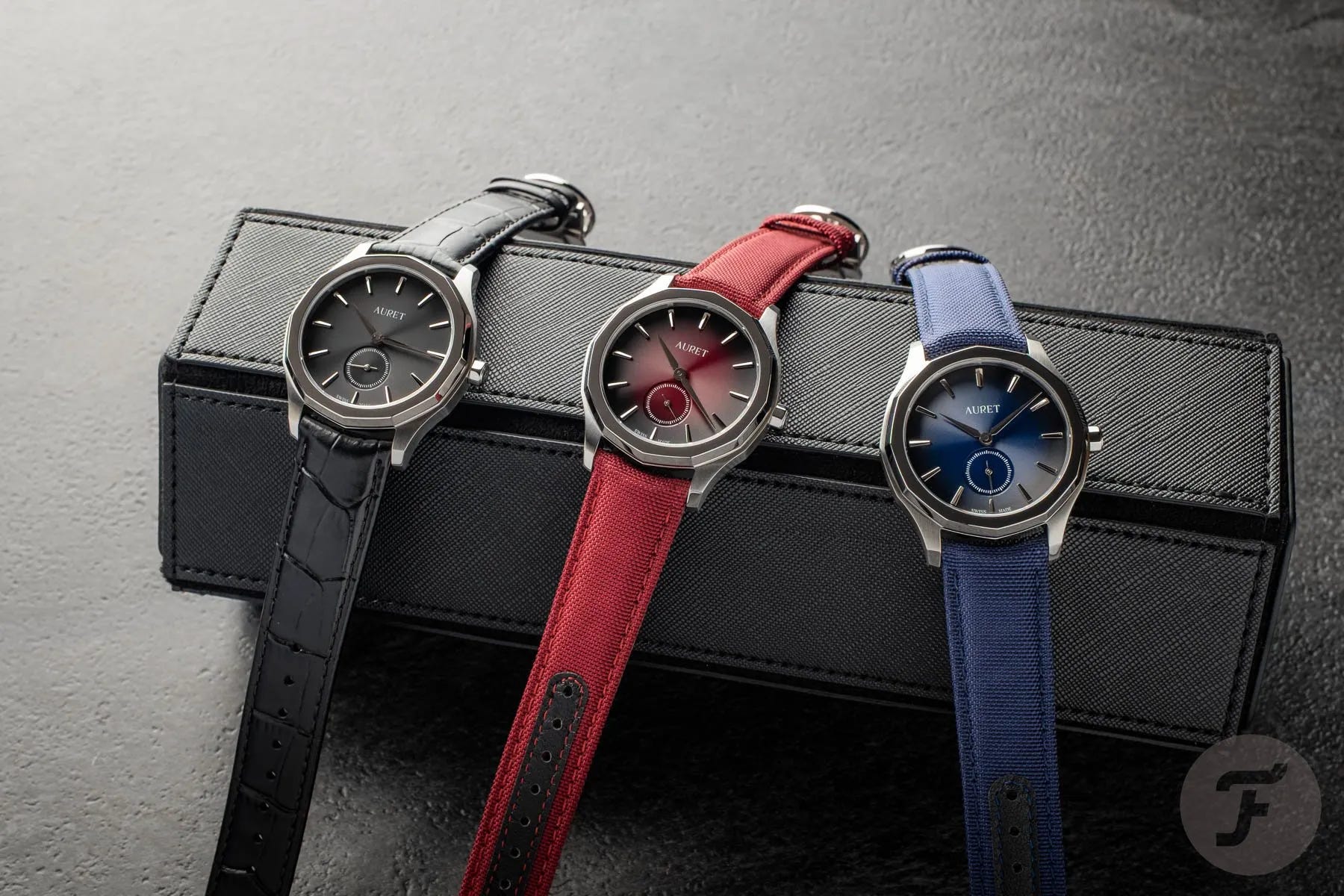
Auret Mederi: Swiss Mechanics With Colombian Roots
Auret introduces itself with the Mederi, a 40mm stainless-steel watch built around a twelve-sided bezel and a textured dial with concentric, wave-like patterns. Colombian references appear in details such as the custom rotor inspired by the coffee flower, giving the debut collection a recognizable cultural starting point. An automatic Sellita SW260 movement supplies a stated 41-hour power reserve, while sapphire crystal and 100 meters of water resistance make the watch suitable for regular wear. Black, blue and burgundy dial options let buyers choose how strongly the fumé treatment comes through. Price: approximately US$2,006, converted from €1,750.
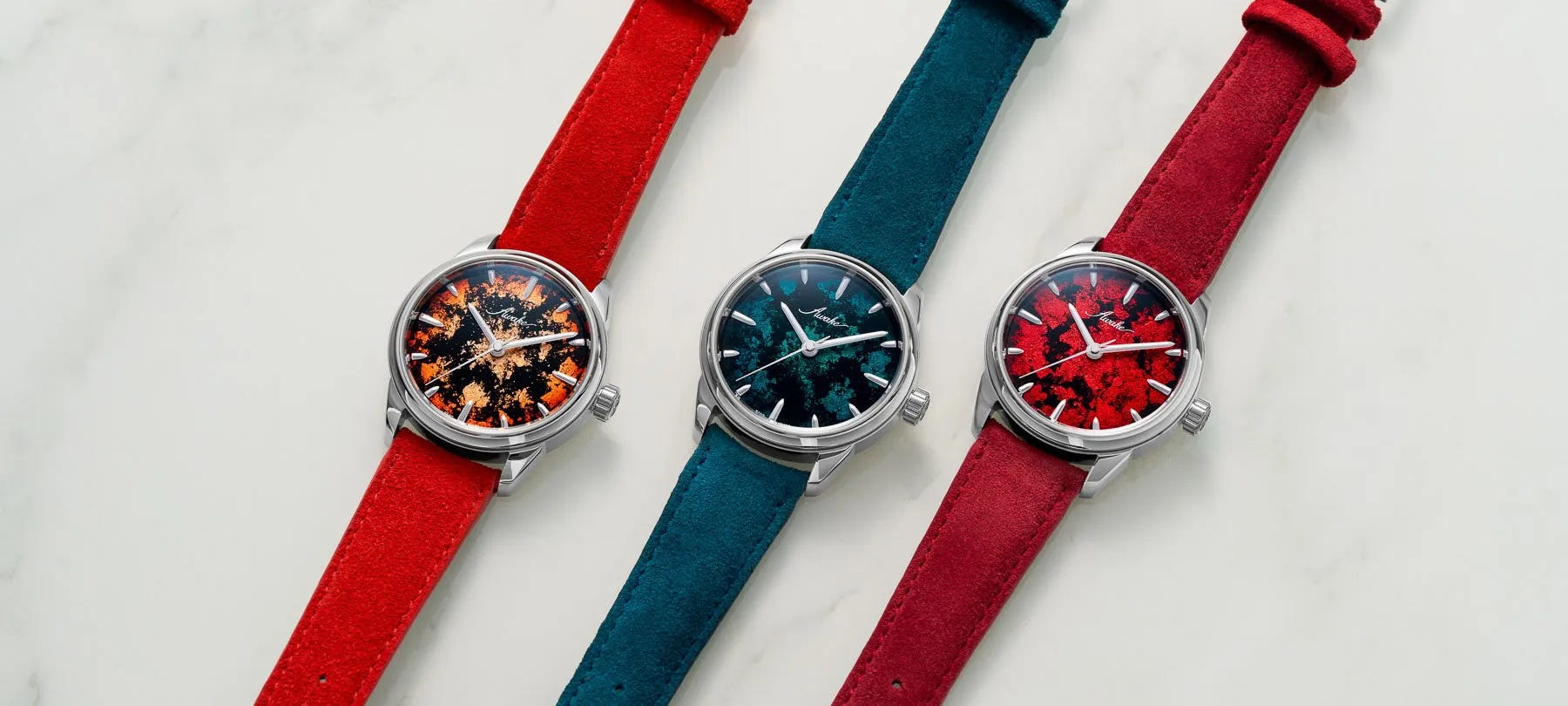
Awake Frosted Leaf: Blood Moon, Storm and Lagoon
Awake’s latest Sơn Mài Frosted Leaf watches use Vietnamese lacquer, silver leaf and pigments to turn the dial into the main event. Blood Moon, Storm and Lagoon interpret their natural inspirations through shifting color and texture, with approximately fifteen hours of handwork devoted to each dial. The 38mm stainless-steel cases contain automatic La Joux-Perret G101 movements with a stated 68-hour power reserve, supported by sapphire crystals and 100 meters of water resistance. Production is limited to 100 pieces per color per year, with deliveries scheduled for the final week of September. Price: approximately US$3,232 each, converted from €2,820.
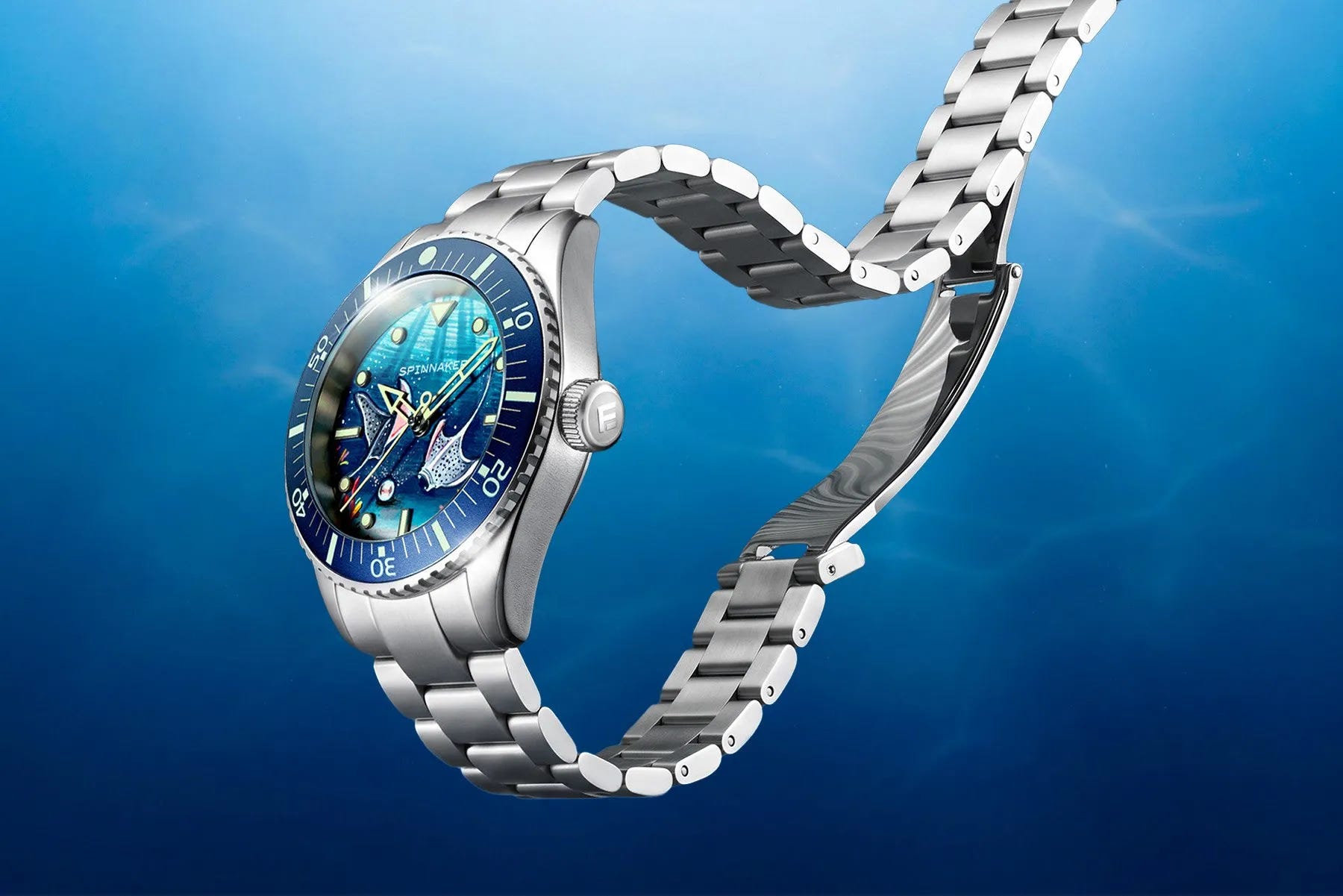
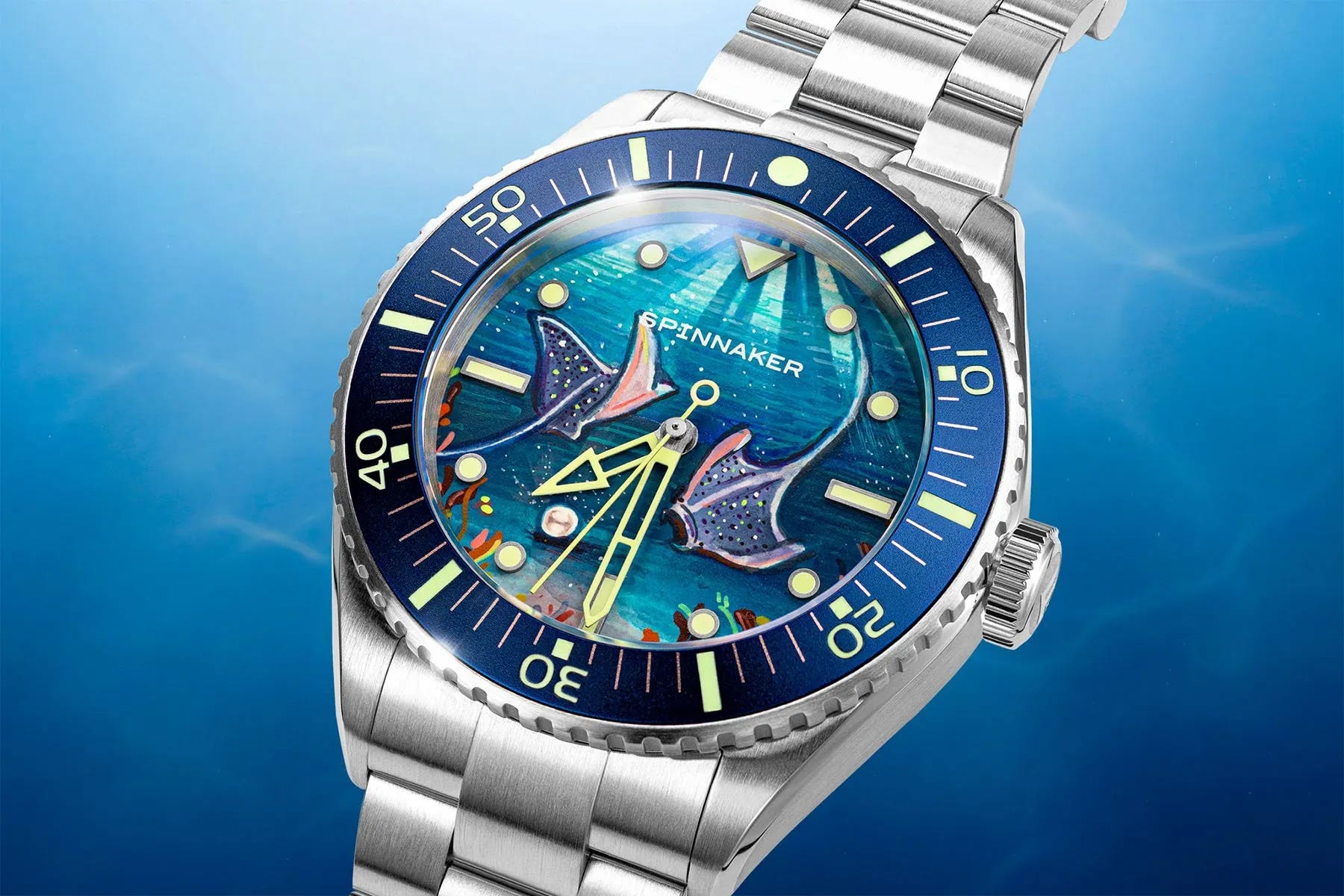
IFL Watches × Spinnaker Spence Underwater Dancers
IFL Watches and Spinnaker bring manta rays to the wrist with a hand-painted underwater scene that continues to reveal itself after dark through luminous details. The Spence Underwater Dancers combines an indigo-blue 40mm steel case, blue bezel and skeletonized hands with a Miyota 9039 automatic movement. Its stated 300-meter water resistance gives the artistic collaboration a substantial dive-watch foundation. Following the initial 100-piece batch, a second preorder opportunity is scheduled to open today, contingent on at least 100 orders, with delivery planned for May 2027; the project also supports manta-ray conservation. Price: US$950.
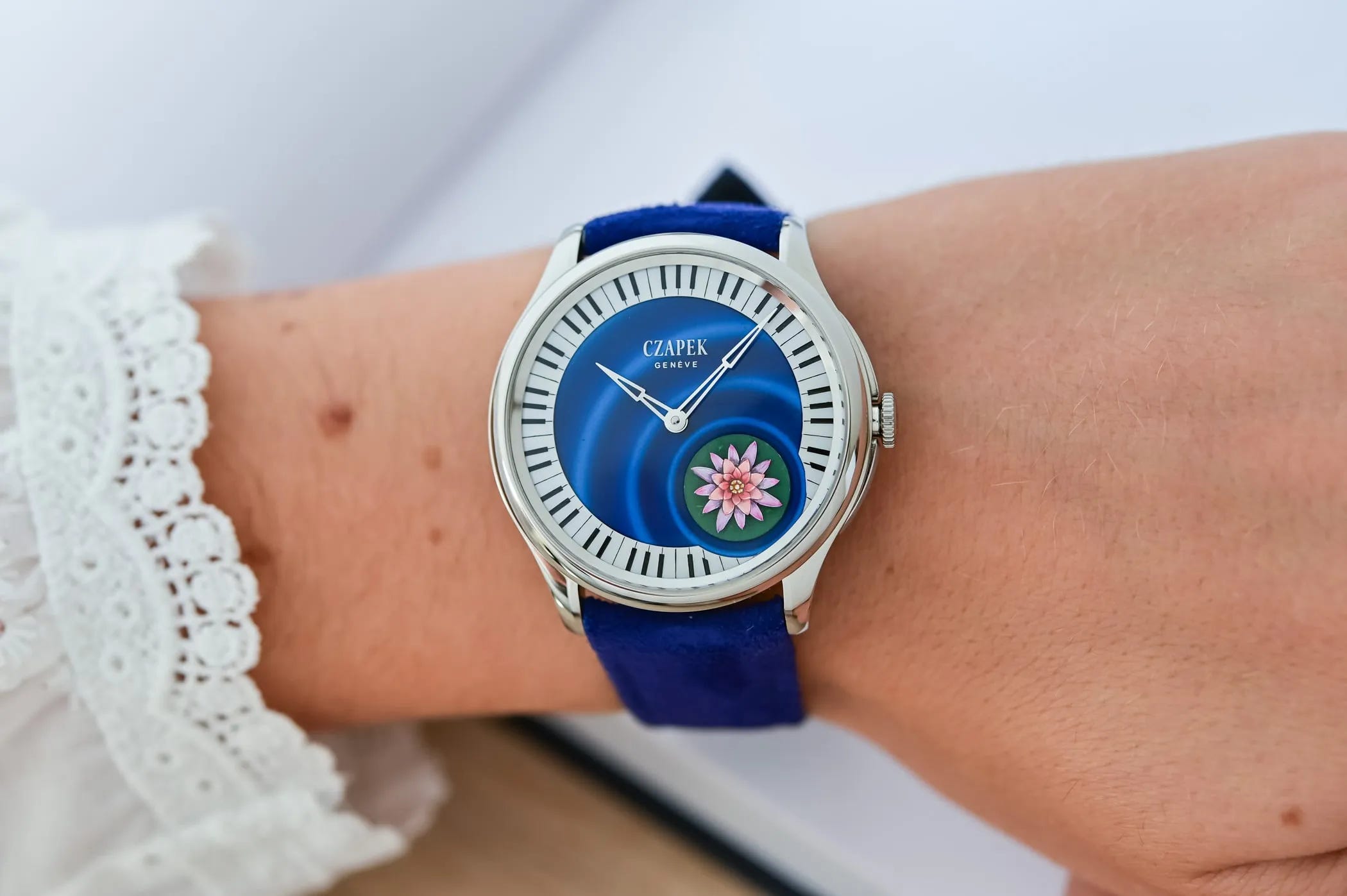
Czapek Promenade L’Écume des Jours Turns Literature Into Dial Art
Czapek draws on Boris Vian’s 1947 novel for a Promenade that translates literary imagery into enamel, titanium and mother-of-pearl. The dial combines blue water-like forms, a hand-painted titanium lily and a piano-key-inspired detail, creating a composition intended to reward close inspection. The polished 38mm stainless-steel case houses the SXH5.1 automatic movement, whose platinum micro-rotor helps preserve a refined profile while providing a stated 60-hour power reserve. Limited to eighteen pieces, the watch is offered on dark-blue nubuck, with a steel Milanese bracelet available as an option. Price: US$37,700.
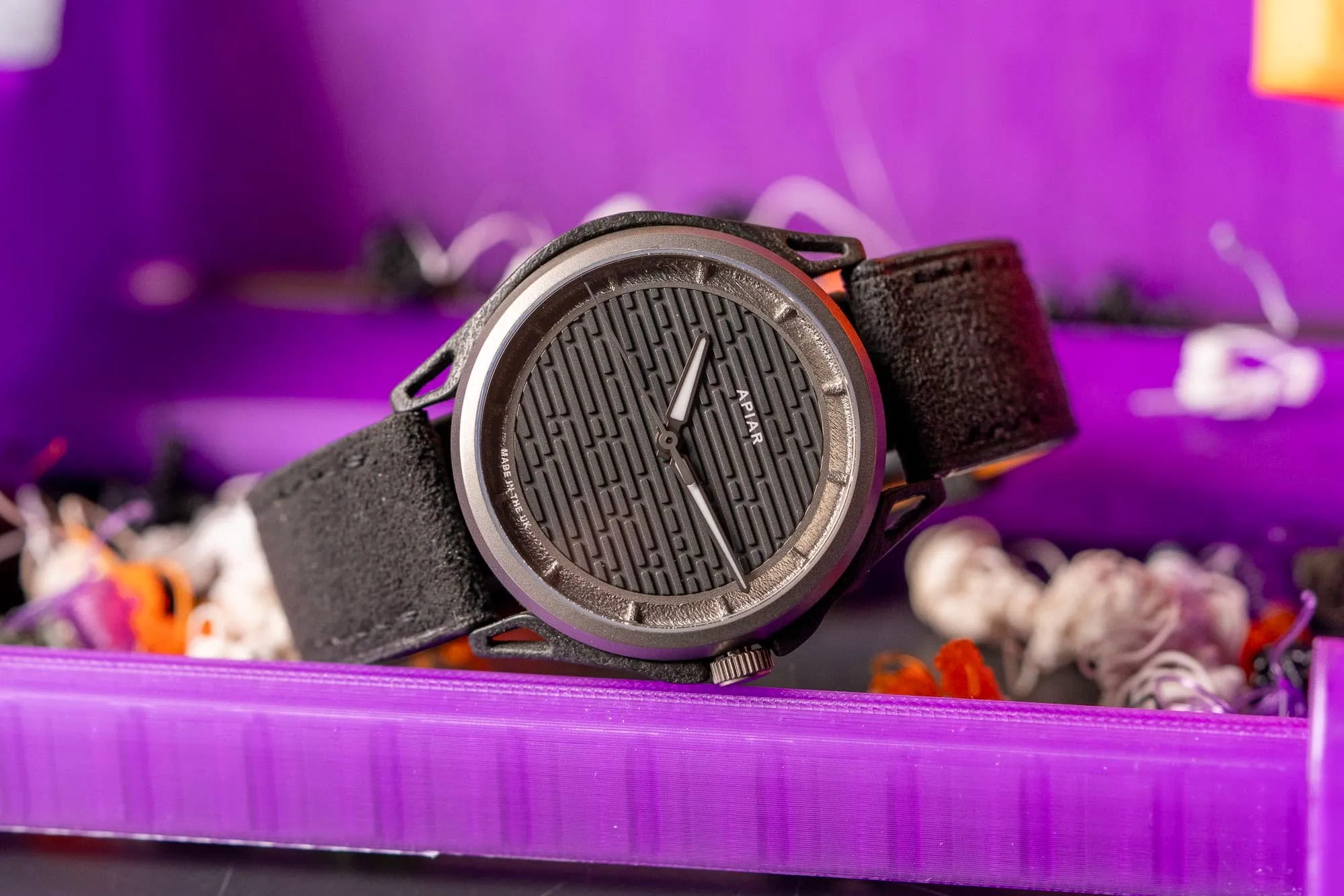
Apiar Carbon1.0 OG Explores a Different Way to Build a Sports Watch
The Apiar Carbon1.0 OG pairs a 3D-printed carbon-fibre outer structure with a Grade 23 titanium inner case, making its construction central to its identity. Open areas in the design expose the titanium core, while the machined aluminum dial echoes the structure of the surrounding material. Measuring 40.5mm across and 9.2mm thick, the watch uses a La Joux-Perret G101 automatic movement with a stated 68-hour power reserve and offers 50 meters of water resistance. An optional Additive Upgrade includes an Alcantara strap, a 3D-printed titanium buckle and a specially designed travel case. Price: US$1,800 standard or US$2,080 with the Additive Upgrade.
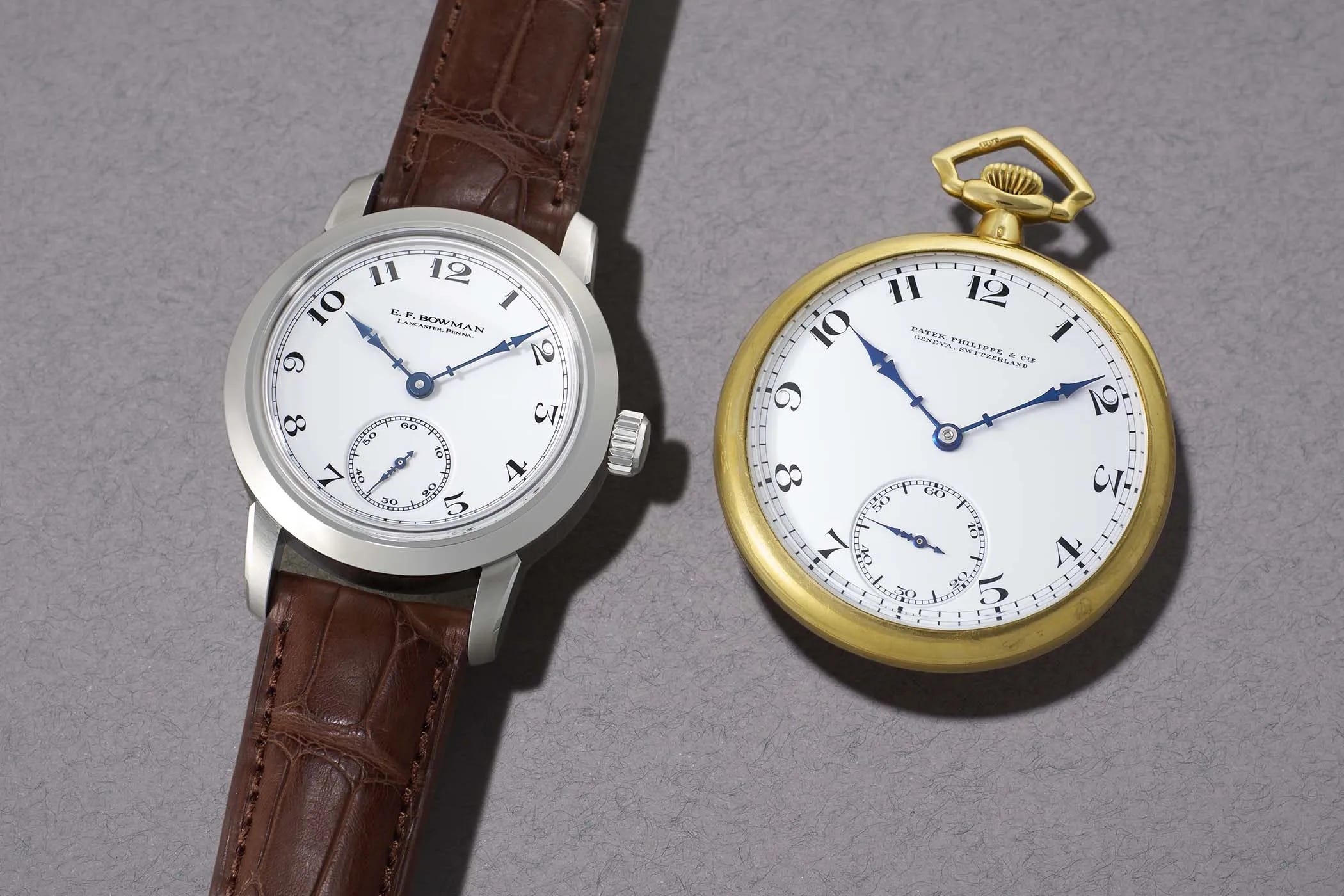
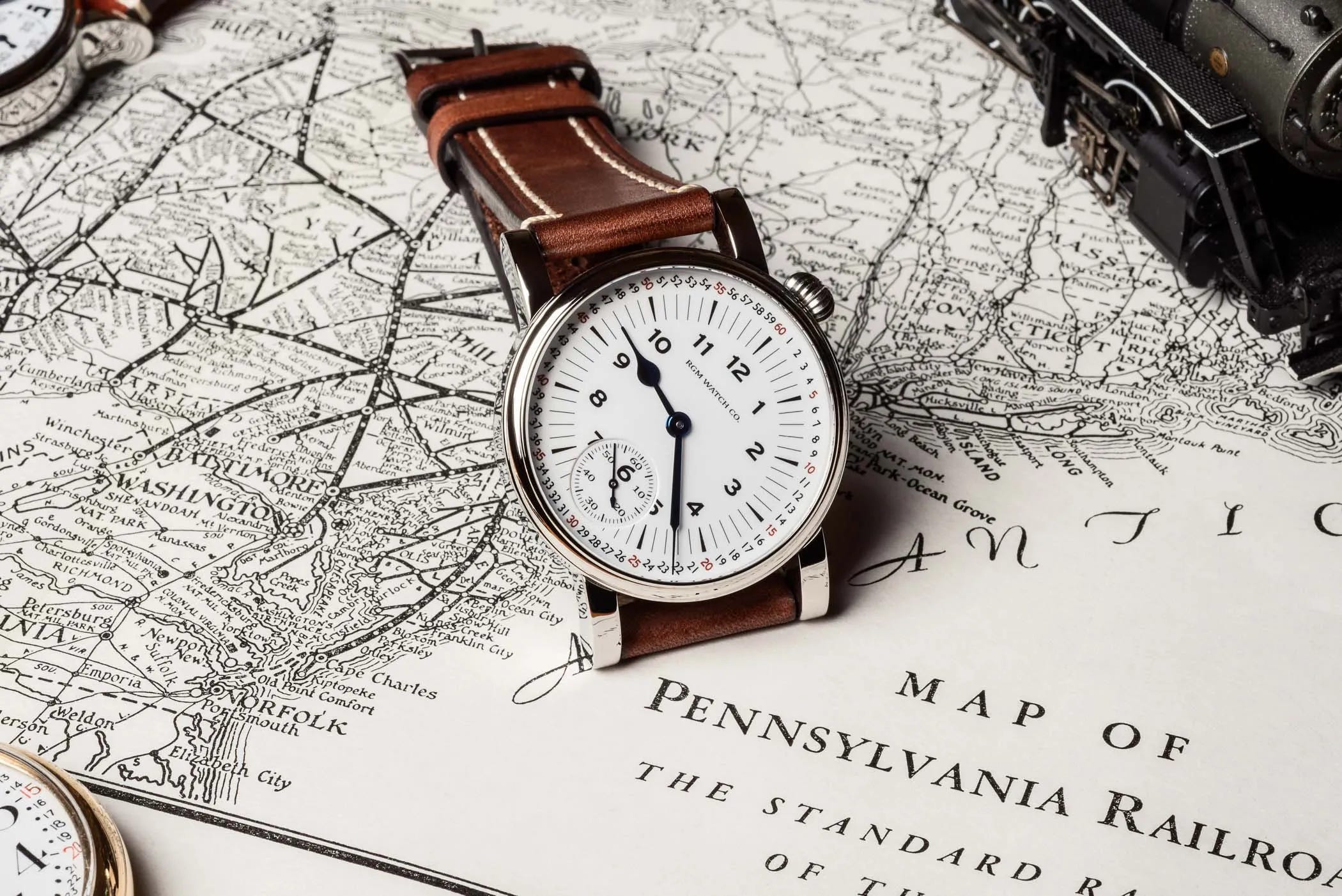
RGM Revives the E.F. Bowman Name With the Model 501-EFB
RGM’s Model 501-EFB connects contemporary Pennsylvania watchmaking to the history of Ezra F. Bowman & Sons. Inspired by a 1920s Patek Philippe pocket watch associated with the Bowman business, the new model brings a white grand feu enamel dial, blued-steel hands and traditional railroad-style markings to a 39mm stainless-steel case. A Schwarz-Etienne ASE 200 micro-rotor movement provides a stated 86-hour power reserve, with a solid-gold Bowman plaque adding a distinctive detail to the rotor. The watch is scheduled to debut September 25 at Lancaster Watch Weekend, with gold and platinum cases available by request. Price: US$16,950 in stainless steel; precious-metal versions priced on request in U.S. dollars.
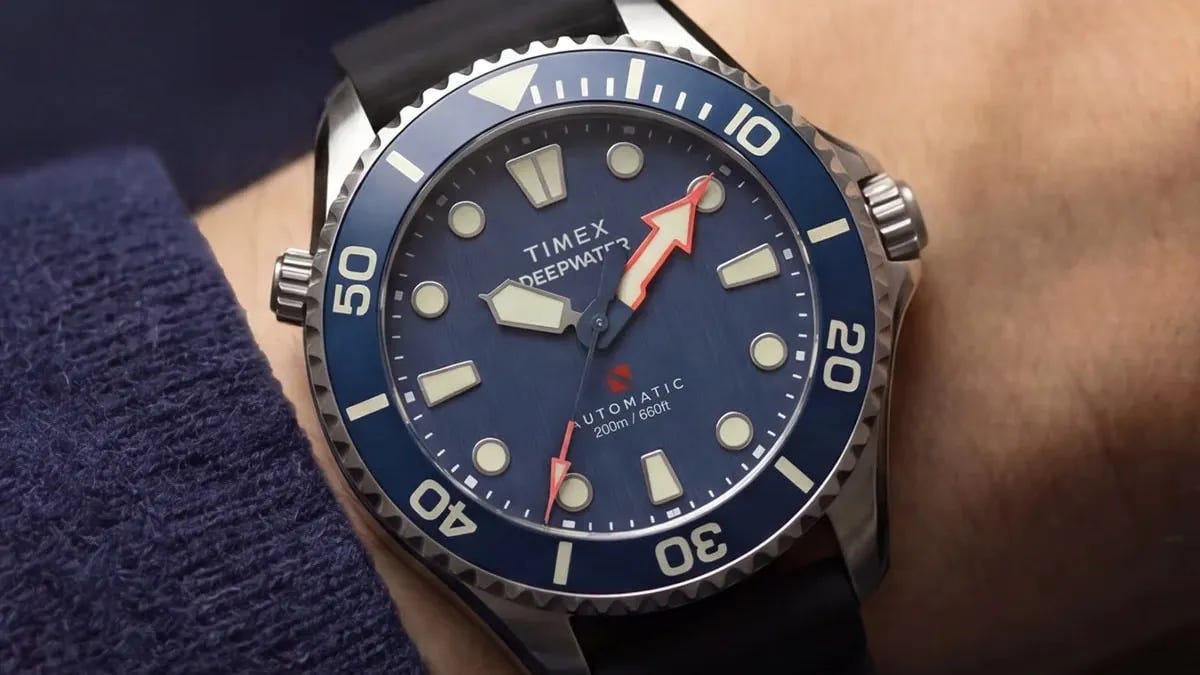
Timex Deepwater Meridian Brings Serious Hardware Below $500
Timex’s Deepwater Meridian 200 HEV Automatic brings together a sapphire crystal, ceramic bezel, helium escape valve and 200-meter water-resistance rating at an unusually accessible price. A Miyota automatic movement supplies a stated 40-hour power reserve, while screw-down components reinforce the watch’s dive-oriented specification. The principal trade-off is size: a 44mm case and 15.5mm thickness make this a substantial watch that buyers will want to assess carefully for fit. For those comfortable with that presence, the Meridian gives Timex a persuasive entry in a segment long associated with Seiko and Citizen. Price: US$469 on rubber or US$499 on a stainless-steel bracelet.
Comparisons
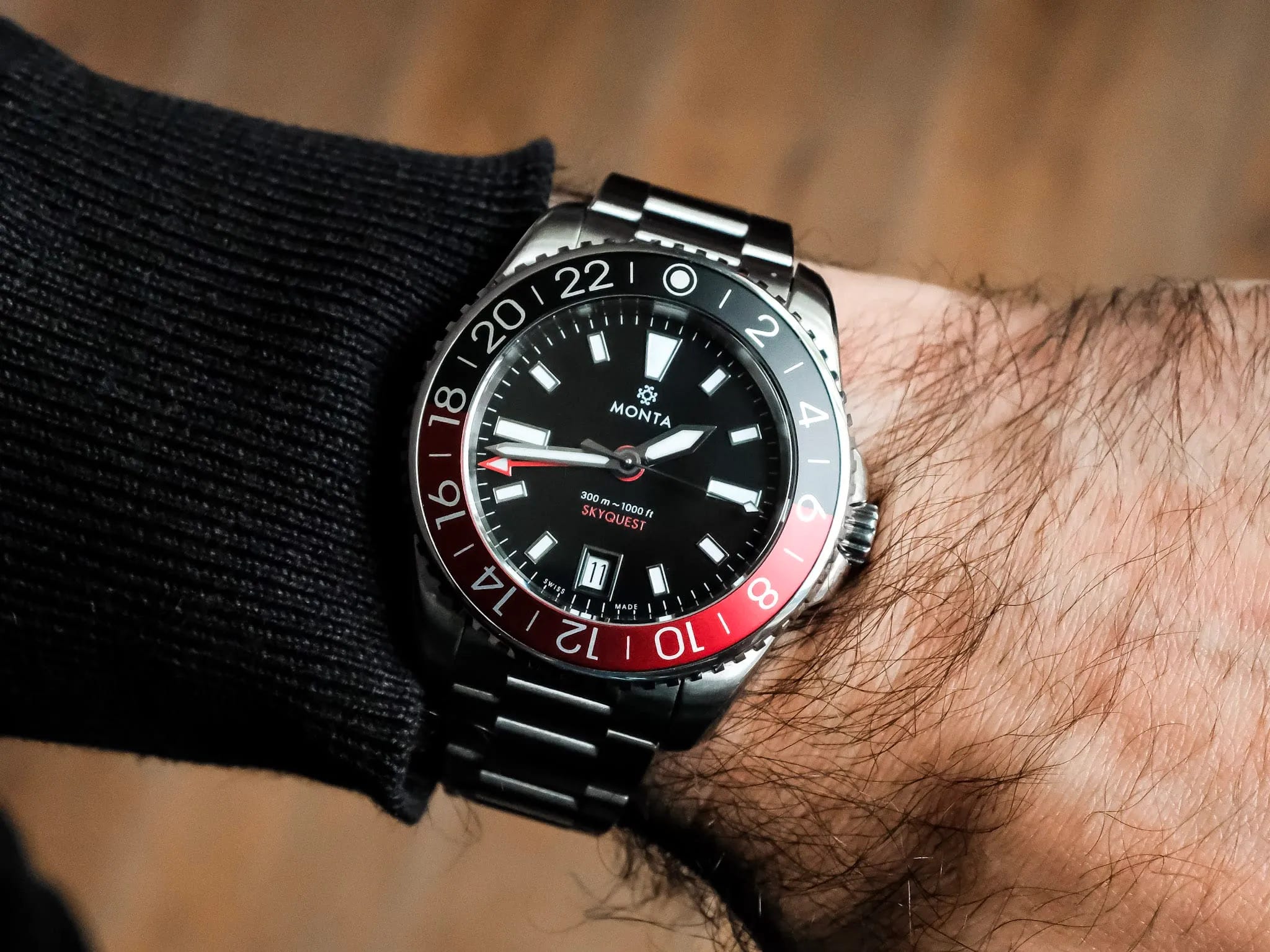
Six GMT Watches for Smaller Wrists
A useful travel watch should not require a large wrist. This comparison looks at options including the Steinhart Ocean 39 GMT, Nodus × Raven TrailTrekker, Vaer G2 Meridian GMT, Nodus Contrail GMT Laguna, Farer World Timer Roché II and Monta Skyquest.
The guide’s strongest point is that diameter alone rarely settles the question of fit. Case thickness, lug reach, bracelet articulation and clasp design all influence how a watch feels over a long day. Alongside those considerations, the article weighs movement choices, water resistance and the usability of the time-zone displays, giving travelers several different approaches to consider.
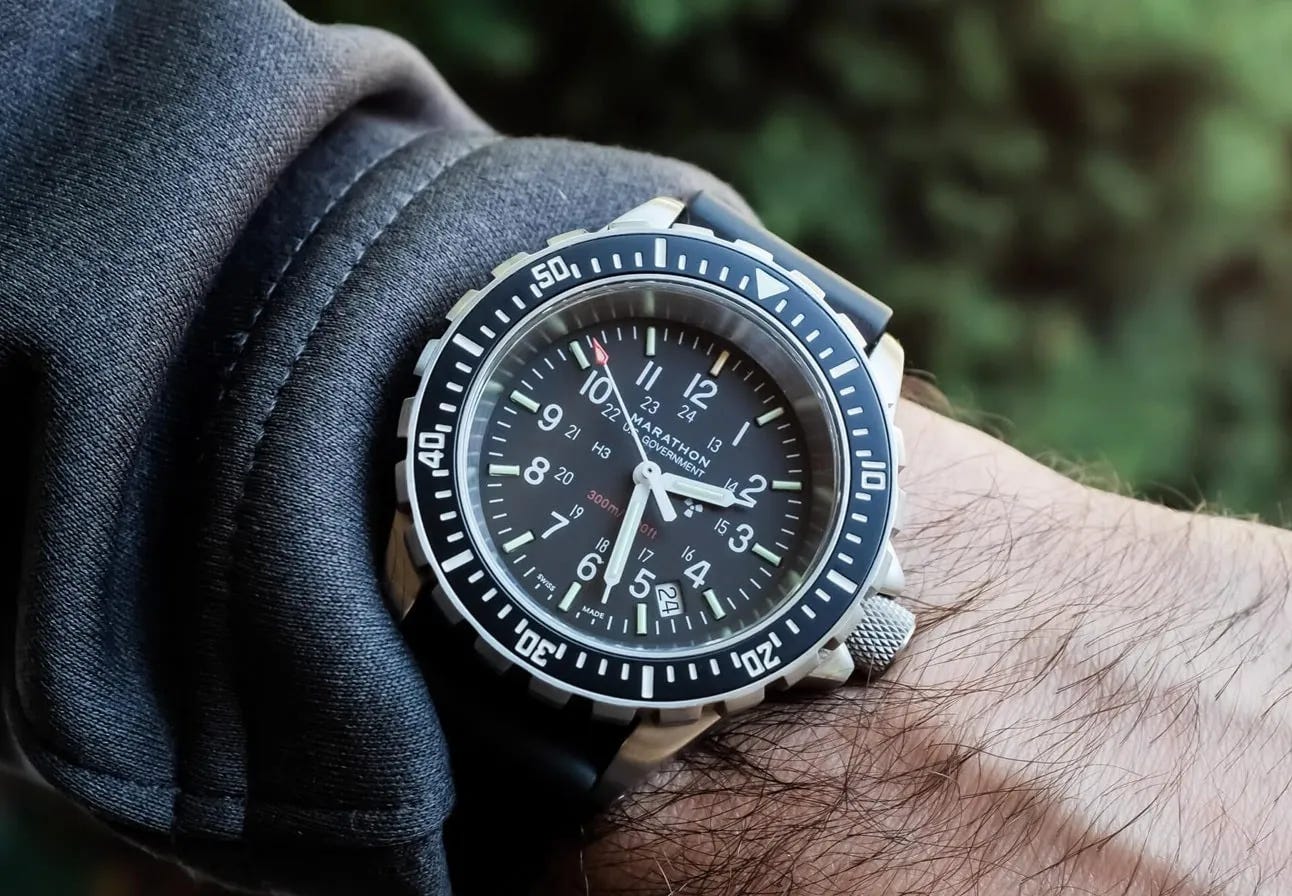
Twelve Rugged Alternatives for Buyers Who Don’t Want a G-Shock
G-Shock’s appeal is well established, but its styling and dimensions do not suit every buyer. This roundup explores watches that bring durability and outdoor usefulness in more conventional dive-watch and field-watch forms.
Selections include the Casio Duro, Citizen Promaster Diver, Momentum Sea Quartz 30, RZE Resolute Type A and Vaer C4 Tactical Field Solar. The comparison considers power sources, visibility, water resistance and construction alongside everyday comfort. These watches offer different combinations of toughness and convenience; the value of the guide is in helping readers identify which features their own activities actually demand.
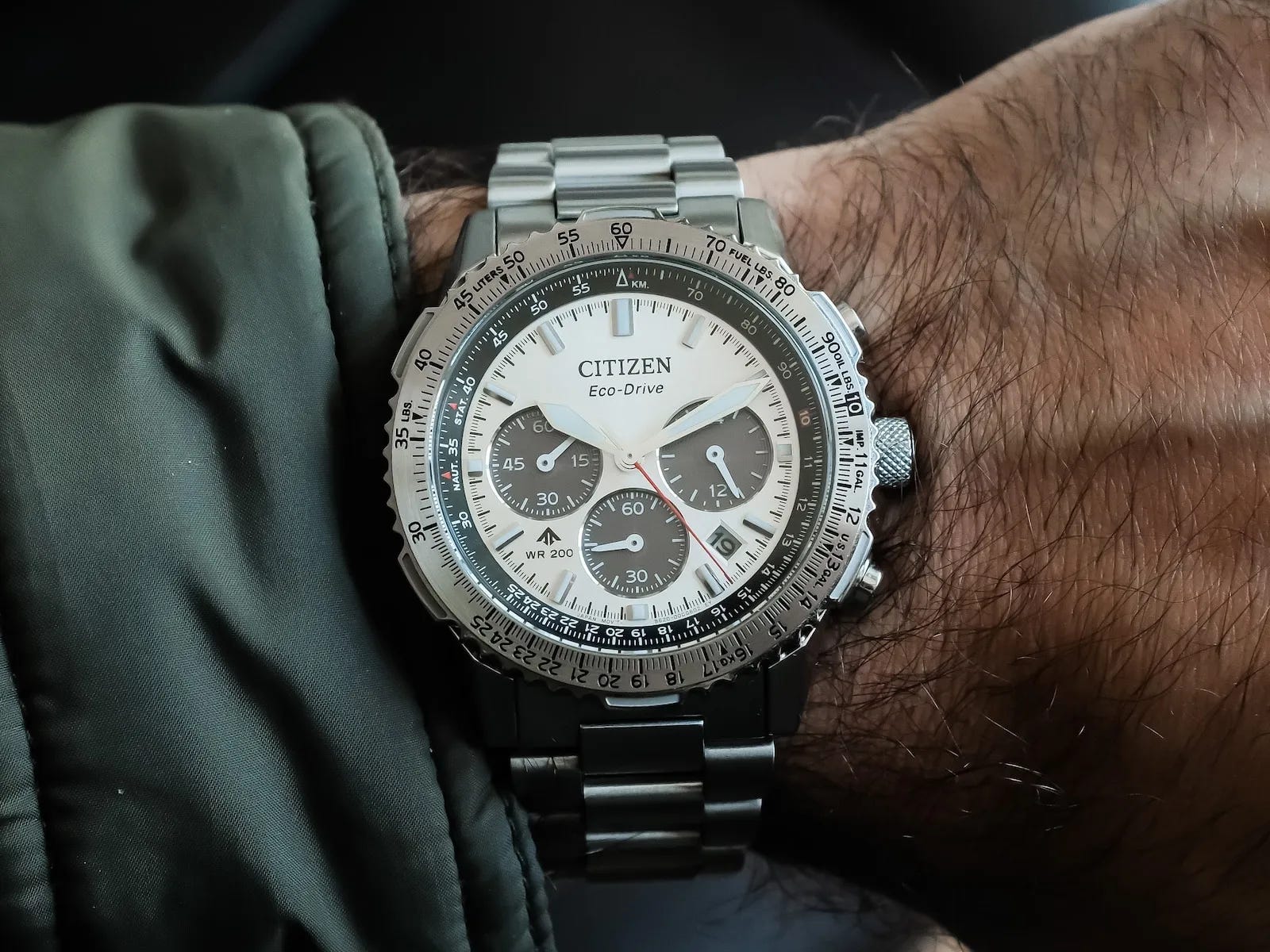
Why a $595 Citizen Took Wrist Time From an Omega Speedmaster
The Citizen Promaster Navihawk and Omega Speedmaster Professional represent two very different reasons to enjoy a chronograph. The Citizen emphasizes convenient solar-powered quartz operation and everyday functionality, while the Speedmaster offers mechanical involvement, finishing and a powerful historical identity.
This owner-focused comparison explains why the less expensive watch can become the more frequent choice without diminishing appreciation for the Omega. Comfort, readiness and suitability for ordinary activities have an influence that specifications and prestige cannot fully capture. The result is a useful examination of how a collection works in practice—and why purchase price does not dictate wrist time.
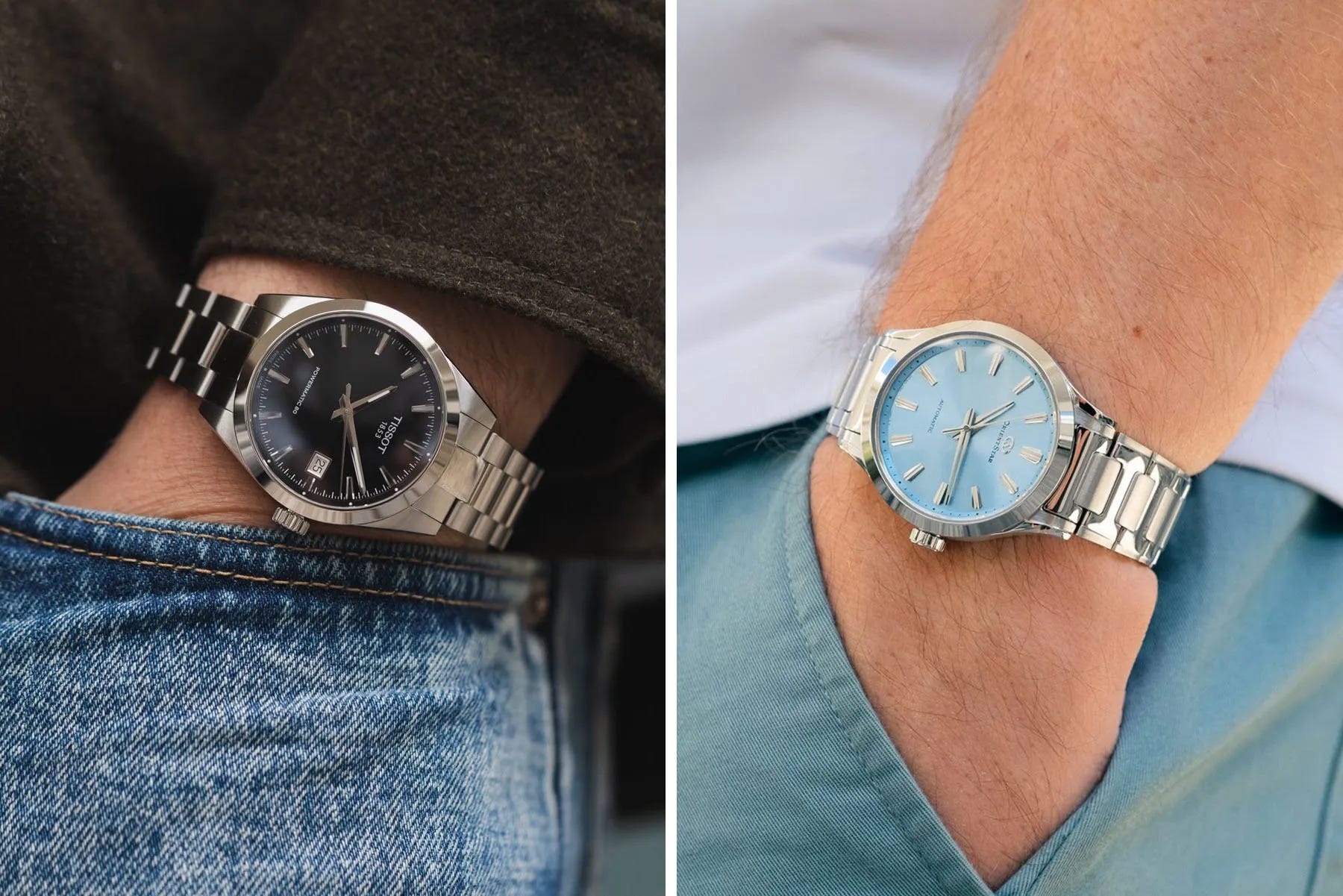
Orient Star Sakigake Versus Tissot Gentleman 38mm
The Orient Star Sakigake Three Hand and Tissot Gentleman 38mm pursue the versatile everyday watch from different directions. Tissot offers familiar Swiss styling and an 80-hour Powermatic movement, while Orient Star brings Japanese manufacture character and a movement with a stated 50-hour reserve.
Dial execution, bracelet design and the feeling of the finished watch become central to the comparison. Both promise broad usefulness, but the decision depends on which details keep attracting the owner’s attention. It is a contest particularly relevant to buyers seeking one mechanical watch that can handle workdays, weekends and the occasional more formal setting.
Six Different Ways to Travel Across Time Zones
Travel watches can display a second time zone, track cities around the world or make adjusting to a new destination particularly convenient. This selection spans those approaches through Ming, Nomos, Tudor, Vacheron Constantin, Frederique Constant and Greubel Forsey.
The range stretches from Tudor’s Northflag GMT to the mechanically elaborate Greubel Forsey GMT Balancier Convexe, with world-time and dual-time alternatives in between. Readers can compare how each brand balances information, complexity and legibility. The practical question is which display best supports the way its owner travels: frequently changing local time, staying in touch with home or coordinating across several countries.
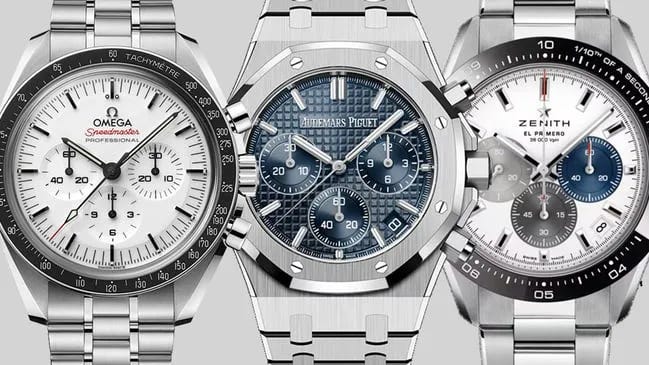
Steel Chronographs Beyond the Rolex Daytona
The Rolex Daytona is an obvious reference point in luxury chronographs, but the category contains plenty of distinct alternatives. This guide considers watches from Omega, Audemars Piguet, Breitling, Zenith, Vacheron Constantin, TAG Heuer and Chopard.
Differences in winding systems, movement construction, case proportions and water resistance give each candidate its own practical and aesthetic position. The comparison also makes clear that “alternative” covers a broad price spectrum. For buyers willing to explore beyond the most familiar name, the exercise can reveal a chronograph better aligned with their preferred design, wearing habits or interest in mechanical watchmaking.
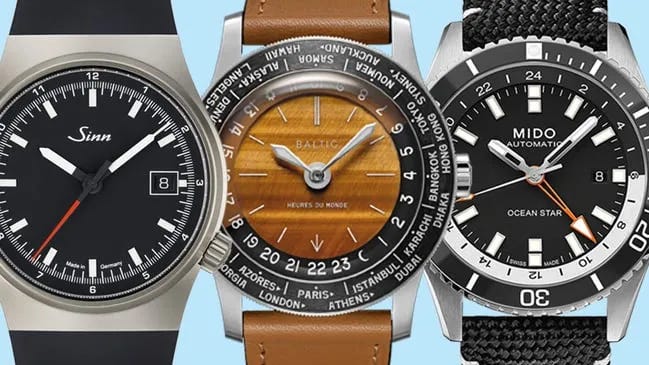
Seven Watches Keeping the Under-$2,000 Conversation Interesting
This selection gathers watches that combine distinctive design with features buyers might once have associated with a higher price bracket. The lineup includes entries from Mido, Davosa, Herbelin, Baltic, Sinn, Oris and Seiko.
GMT functionality, moon-phase displays, unusual dial materials and useful power reserves give the group breadth. The article offers a snapshot of how competitive the accessible mechanical-watch market has become, while showing why the best choice depends on the intended job. A travel companion, a practical daily wearer and a more decorative watch can all make persuasive claims on the same budget.
Reviews
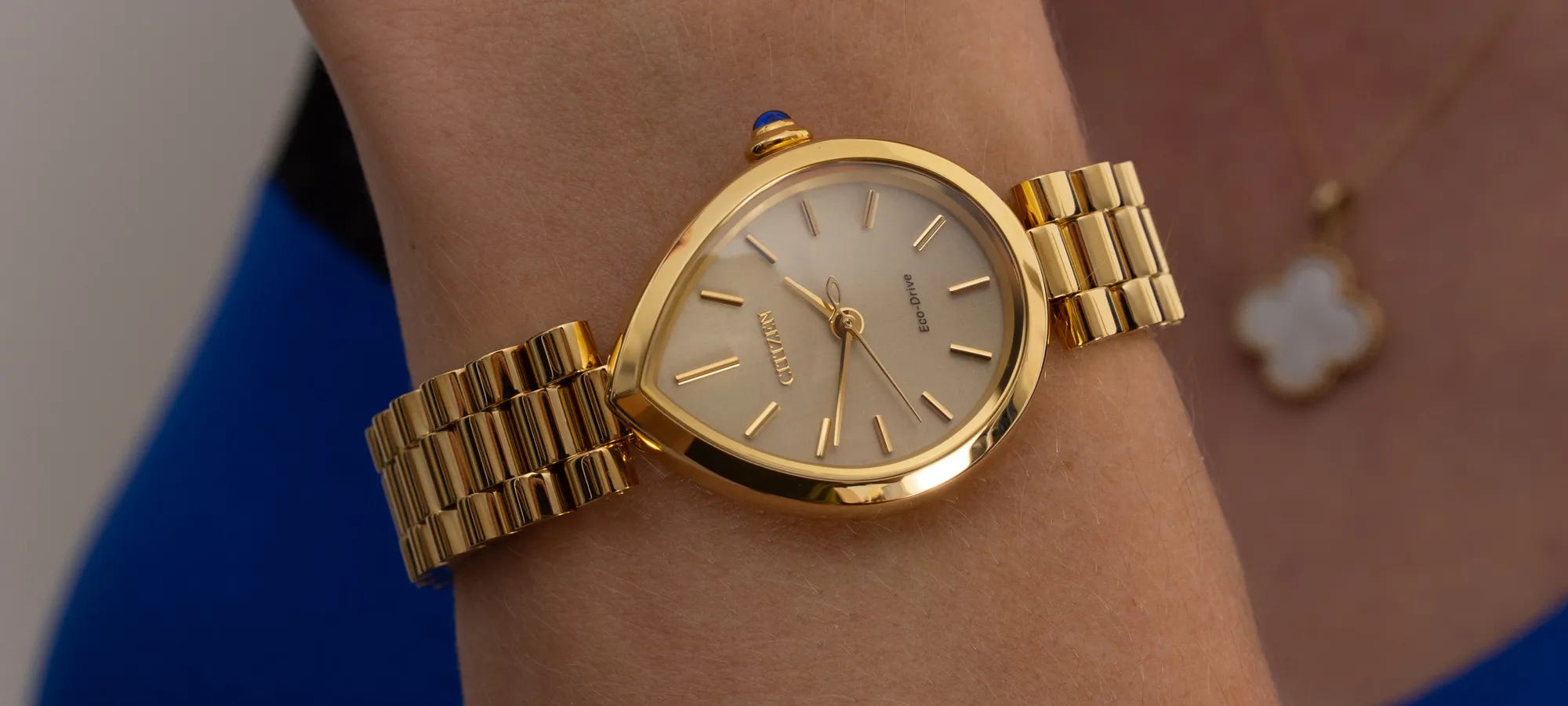
Citizen L Rainell: A Teardrop Shape With Everyday Convenience
The Citizen L Rainell puts its case shape at the center of its appeal. A compact teardrop silhouette, gold-tone finish and integrated bracelet give the watch a jewelry-like presence, while the pale dial and restrained markers preserve legibility.
Citizen’s light-powered Eco-Drive technology handles the practical side, supported by a sapphire crystal and 50 meters of water resistance. At a cited US$595, the Rainell offers an alternative to more conventional round watches for buyers who want a distinctive form without adding a manual-winding routine. The blue cabochon on the crown supplies a small but memorable finishing touch.
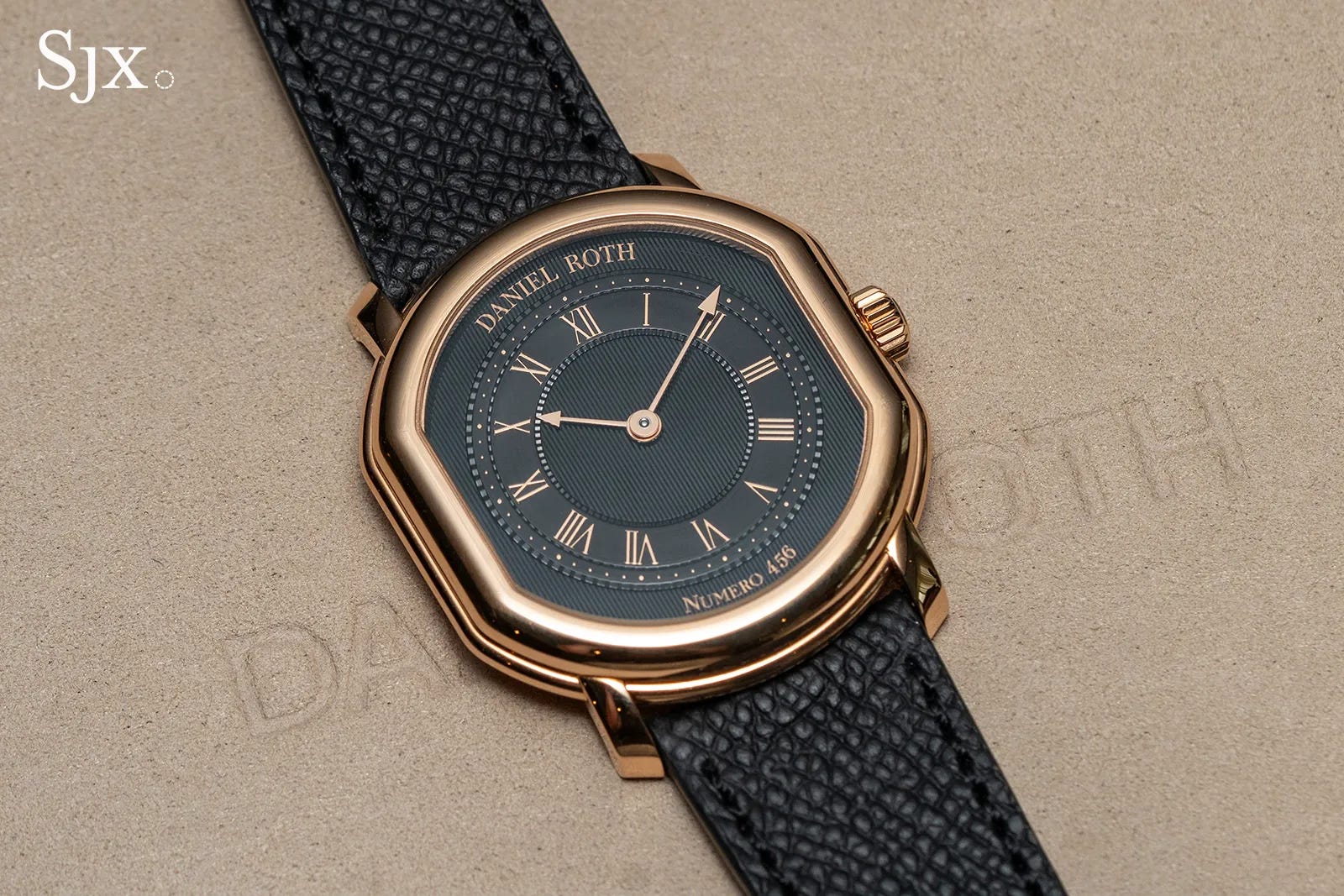
Daniel Roth Extra Plat Rose Gold Gilt Rewards a Closer Look
Daniel Roth’s Extra Plat Rose Gold Gilt uses apparent simplicity to draw attention to demanding dial work. Its black-and-gold appearance is created through an involved process using a solid-gold base, engraving, masking and surface treatments, producing details that reveal more as the viewer moves closer.
The familiar double-ellipse case remains compact and only 7.7mm thick, while the manually wound DR002 movement provides a stated 65-hour reserve. This review examines a watch whose appeal rests on proportion, material and finishing rather than an elaborate complication display. The quiet front and carefully finished movement make a coherent argument for time-only watchmaking at the highest level.
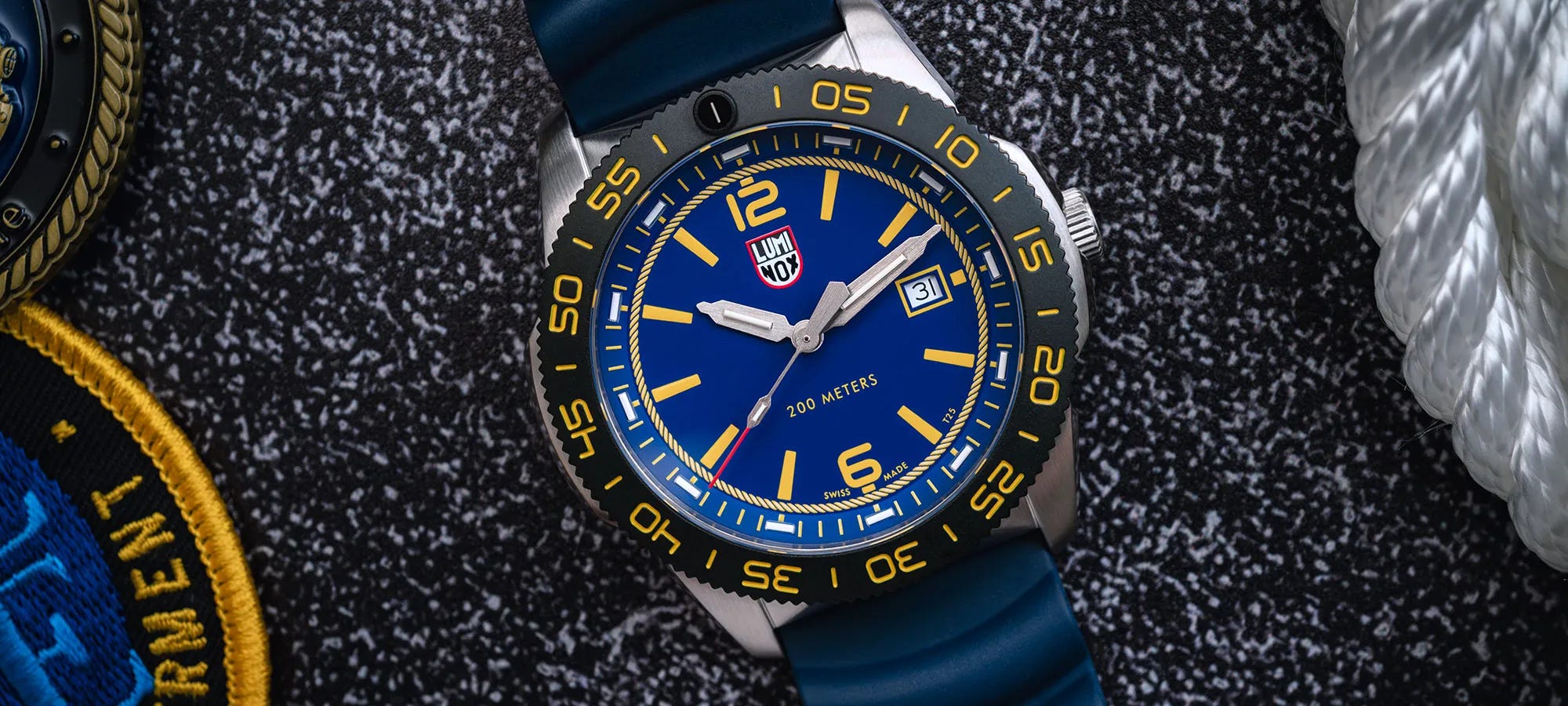
Luminox Pacific Diver Force Blue Puts a Conservation Mission on the Wrist
Luminox’s Force Blue edition combines the Pacific Diver’s familiar tool-watch format with the colors and identity of the marine-conservation organization. The 44mm steel case, CARBONOX bezel and blue-and-yellow details create a strong visual presence, supported by a rubber strap designed for active use.
A quartz movement keeps operation straightforward, while tritium illumination provides visibility without requiring prior light exposure. With sapphire crystal, a 200-meter water-resistance rating and a cited US$795 price, the watch offers a practical platform for a partnership rooted in the underwater work of former special-operations personnel.
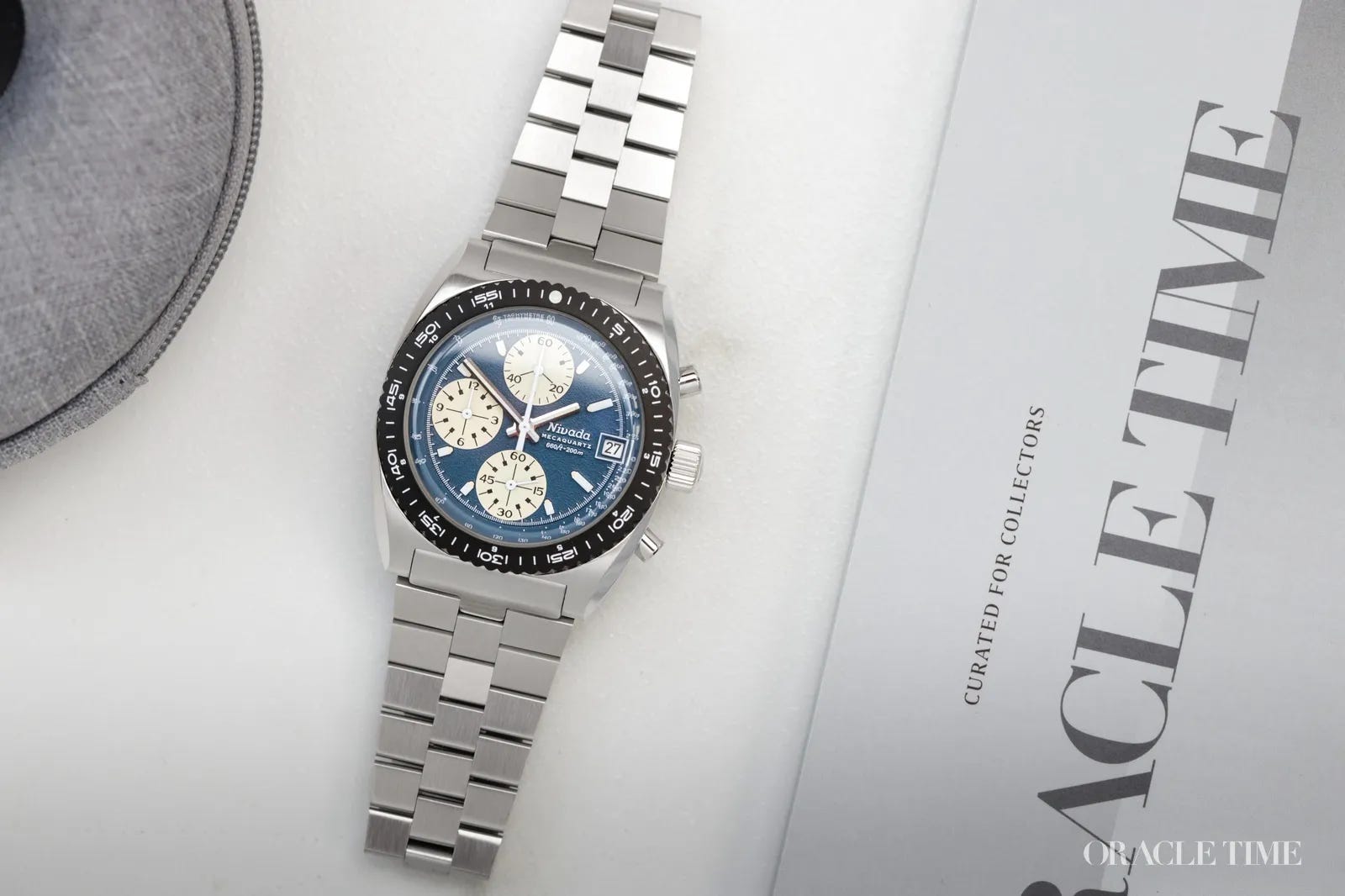
Nivada Grenchen × WatchGecko Autochron Teal Adds Color to a Vintage Formula
A teal dial and contrasting cream counters give this WatchGecko collaboration an identity of its own within Nivada Grenchen’s Autochron family. The 38mm tonneau-shaped steel case and tachymeter bezel maintain the design’s vintage character.
The watch uses a Seiko VK67 meca-quartz movement, combining quartz timekeeping with a mechanically actuated chronograph feel. A steel bracelet and an additional brown suede strap offer two different ways to wear it. Limited to 100 pieces and sold through WatchGecko, this version focuses on the pleasures of color, proportion and period-inspired design in a comparatively accessible chronograph.
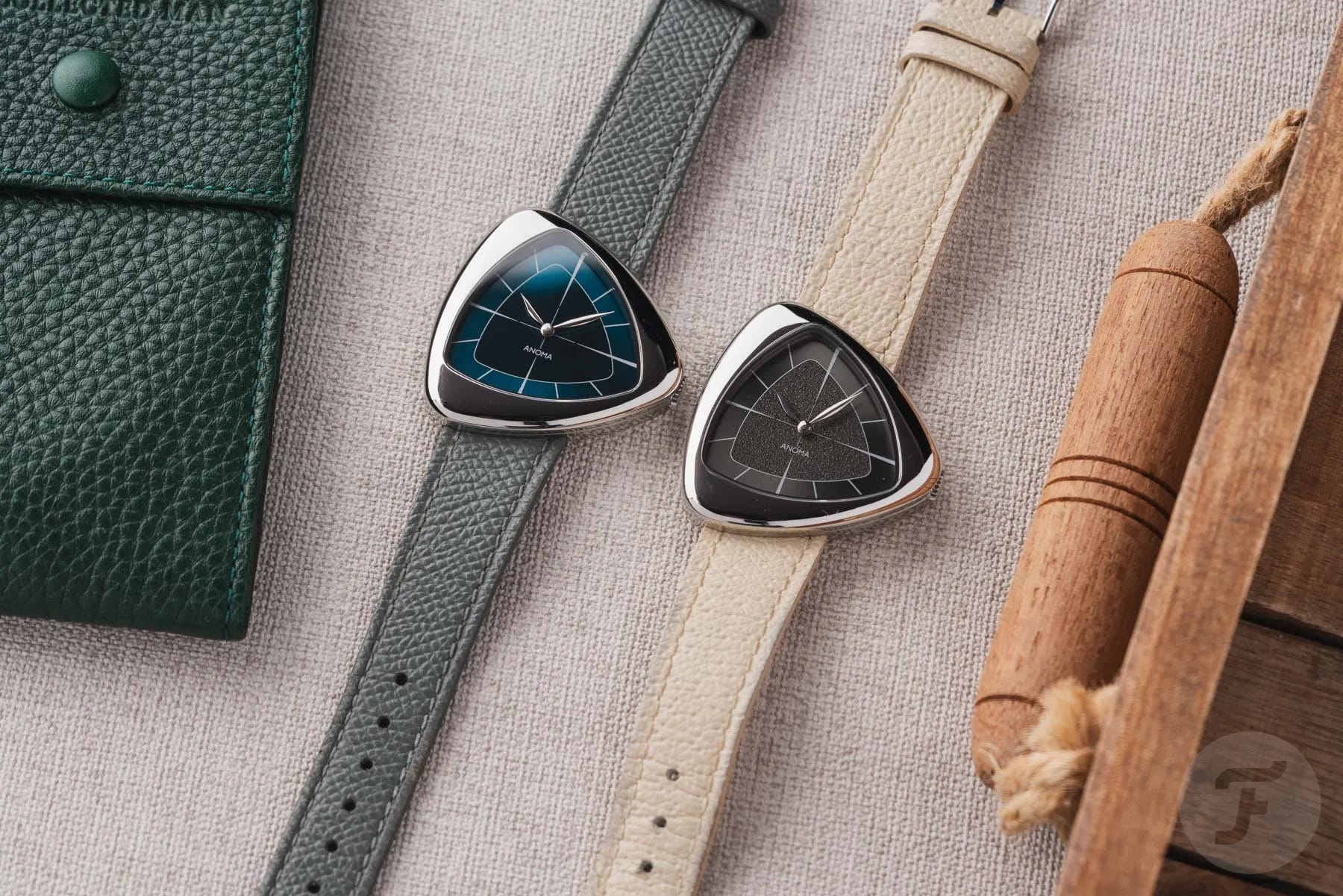
Anoma A1 Abyss and Stone Make Room for an Unhurried Decision
Anoma’s A1 Core Collection gives the brand’s triangular case a continuing home through the Abyss and Stone models. Their non-limited status allows potential buyers to consider the unusual shape without the pressure of a short release window.
The Abyss uses layered green-blue lacquer and a reflective center, while the Stone explores a quieter gray treatment with contrasting surface texture. Both retain a 39mm steel case, automatic Sellita movement and leather strap. The review considers how those dial changes affect a design in which the relationship between outline, negative space and reflected light carries much of the appeal.
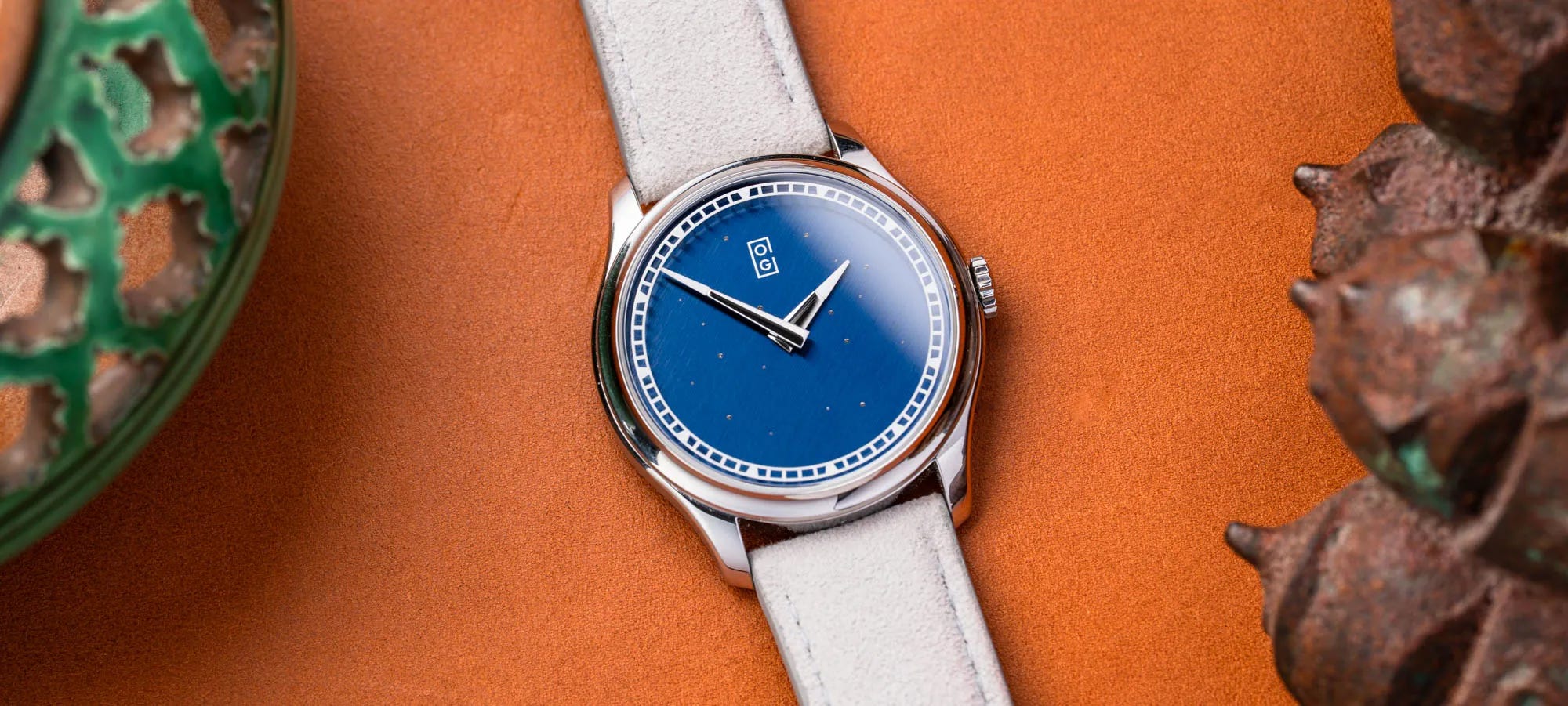
Oliver Gallaugher Deep Space Blue Finds Its Appeal in the Details
Oliver Gallaugher’s Deep Space Blue combines a 38mm steel case with blue lacquer, carefully finished hands and customizable star details. The design encourages close inspection, particularly where its polished elements meet more subdued surfaces.
Inside is a manually wound movement with a stated 60-hour power reserve, adding a daily interaction to the watch’s visual personality. Limited to ten pieces, the model occupies a small-scale independent niche where execution and the maker’s individual choices are central to the buying decision. The review also considers the practical details, including the crown and supplied straps, that influence the experience beyond the dial.
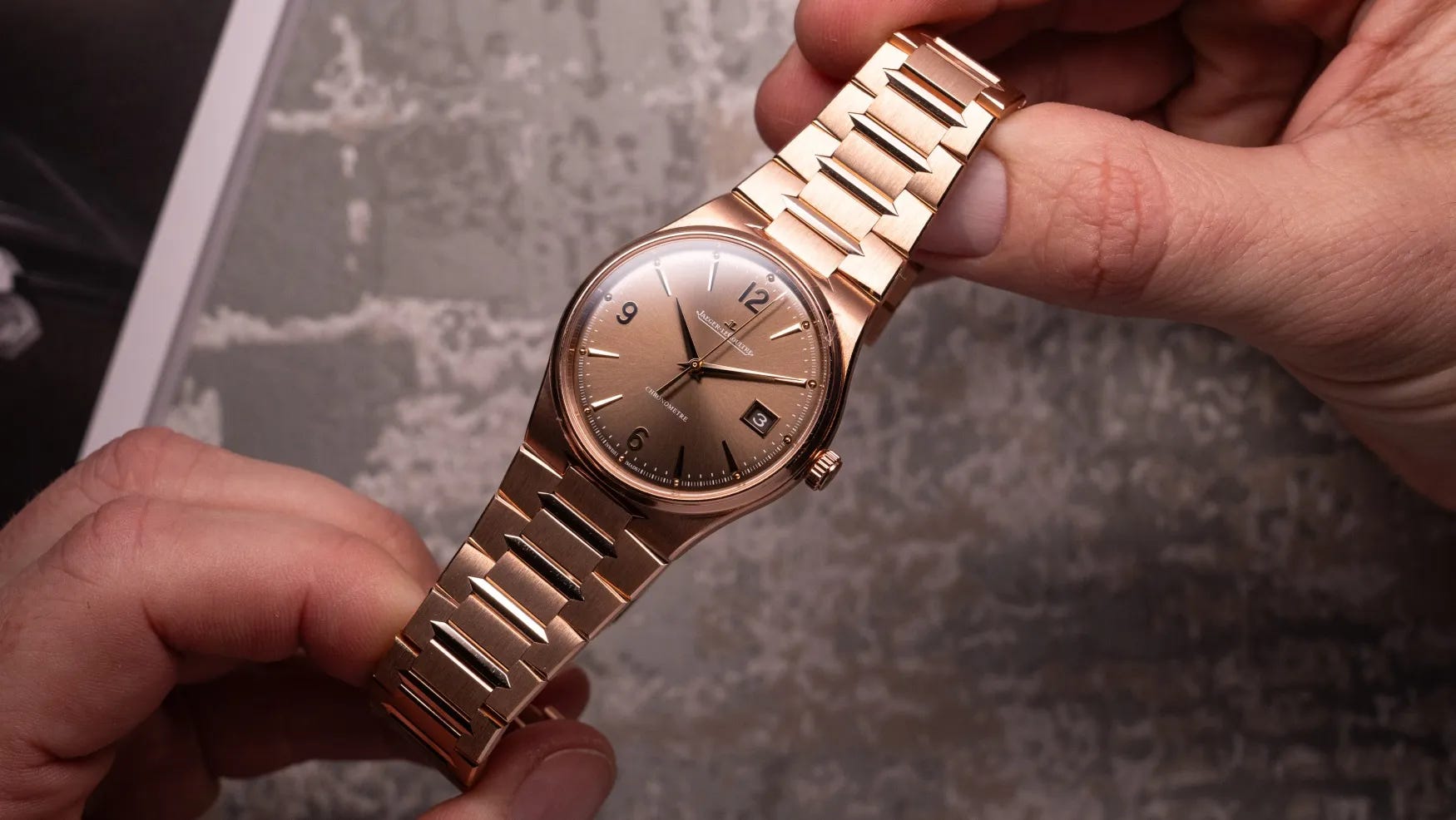
Jaeger-LeCoultre Master Control Chronomètre Makes a Case for Restraint
The time-and-date Master Control Chronomètre concentrates on proportion, finishing and the fundamentals of daily wear. Its 38mm case, restrained dial and integrated bracelet bring a sportier dimension to a collection associated with measured design.
The automatic caliber 899 supplies a stated 70-hour power reserve, while the review examines the watch’s chronometric credentials and the bracelet’s adjustment system. With relatively little information competing for attention on the dial, the execution of the hands, markers and surfaces becomes especially consequential. It is a watch aimed at buyers who want refinement they can use regularly.
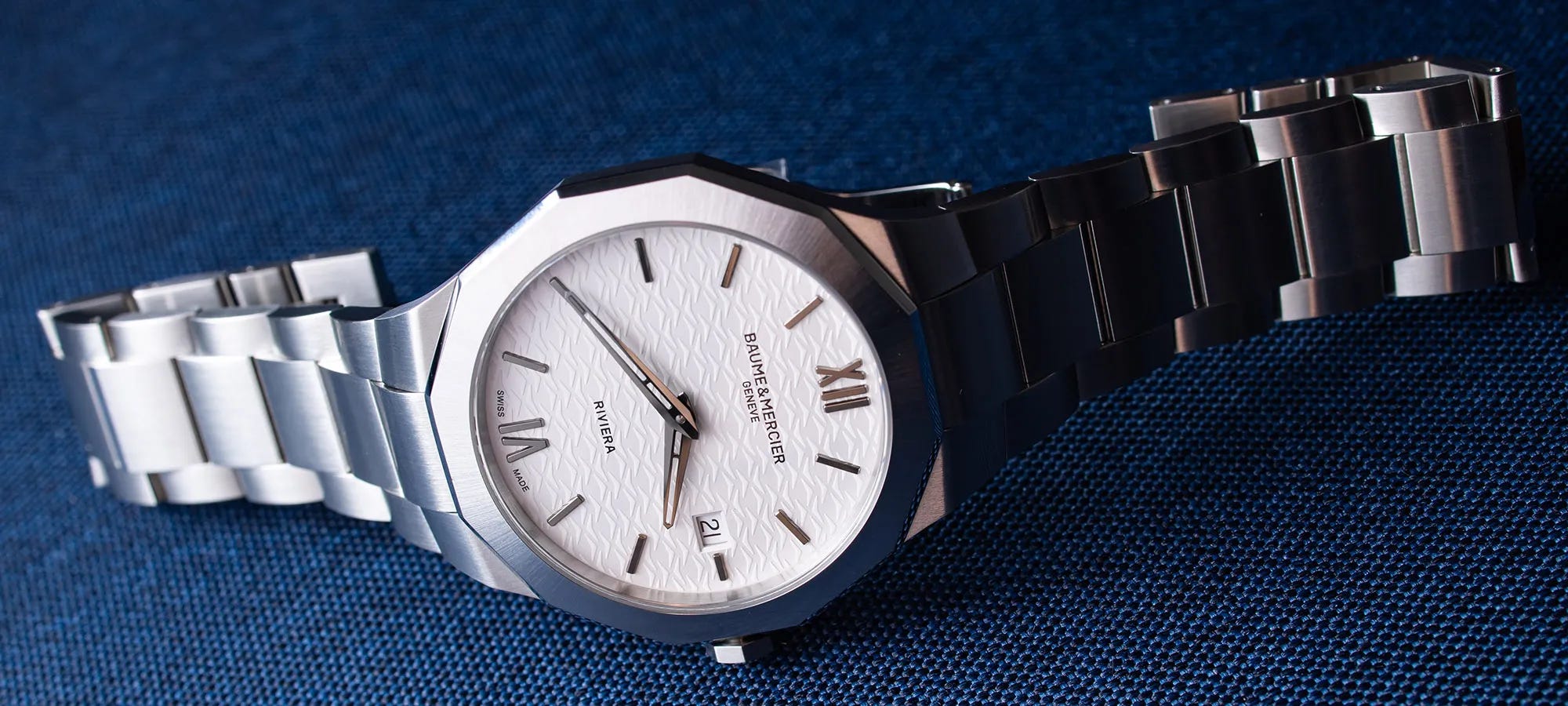
Baume & Mercier Riviera 73 Returns to a Slimmer Silhouette
The Riviera 73 revisits the collection’s early identity through a 39mm stainless-steel case measuring just 7.65mm thick. Its twelve-sided bezel, restrained dial and integrated bracelet provide the recognizable architecture, while the reduced thickness changes how that architecture sits on the wrist.
An ETA quartz movement helps make the slim profile possible and keeps everyday operation uncomplicated. At a cited US$1,950, the Riviera 73 offers buyers a more discreet interpretation of the integrated-bracelet sports watch. The review focuses on how its cleaner proportions and use of open dial space reconnect the modern model with the spirit of the original.
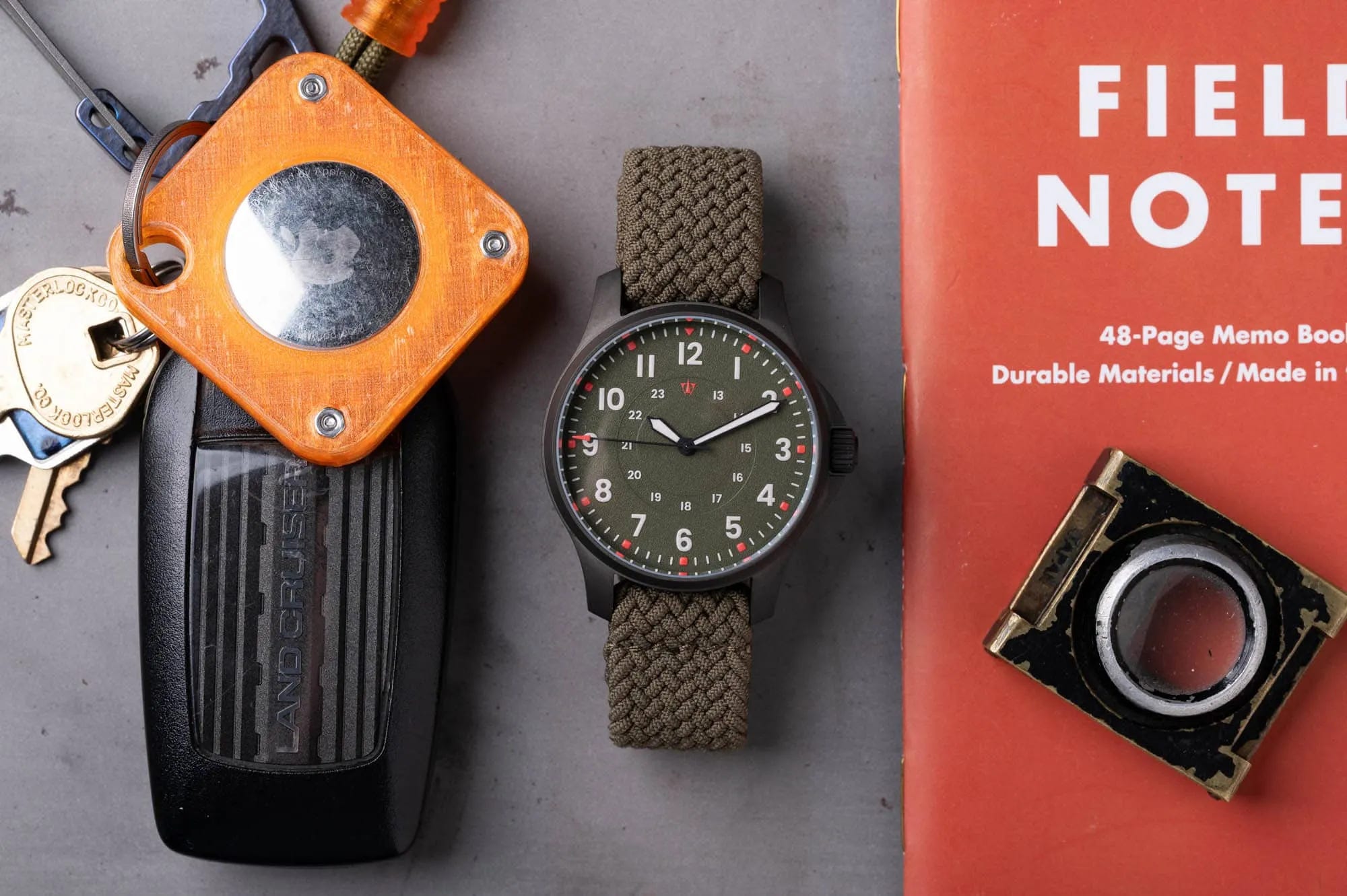
Stowa Fieldwatch Terra Combines Clear Design With Outdoor Intent
The Stowa Fieldwatch Terra pairs a textured green dial with a dark PVD-coated case, creating an outdoor-oriented watch with a distinct visual identity. Its 38mm diameter and 11.5mm thickness aim to keep the proportions manageable.
A Sellita automatic movement, sapphire crystal and stated 200-meter water-resistance rating provide the functional base. White and orange luminous accents introduce contrast, while an elastic woven strap emphasizes comfort and ease of adjustment. The review examines how successfully Stowa brings its experience with legible instrument watches into a contemporary field-watch format suitable for both ordinary routines and time outdoors.
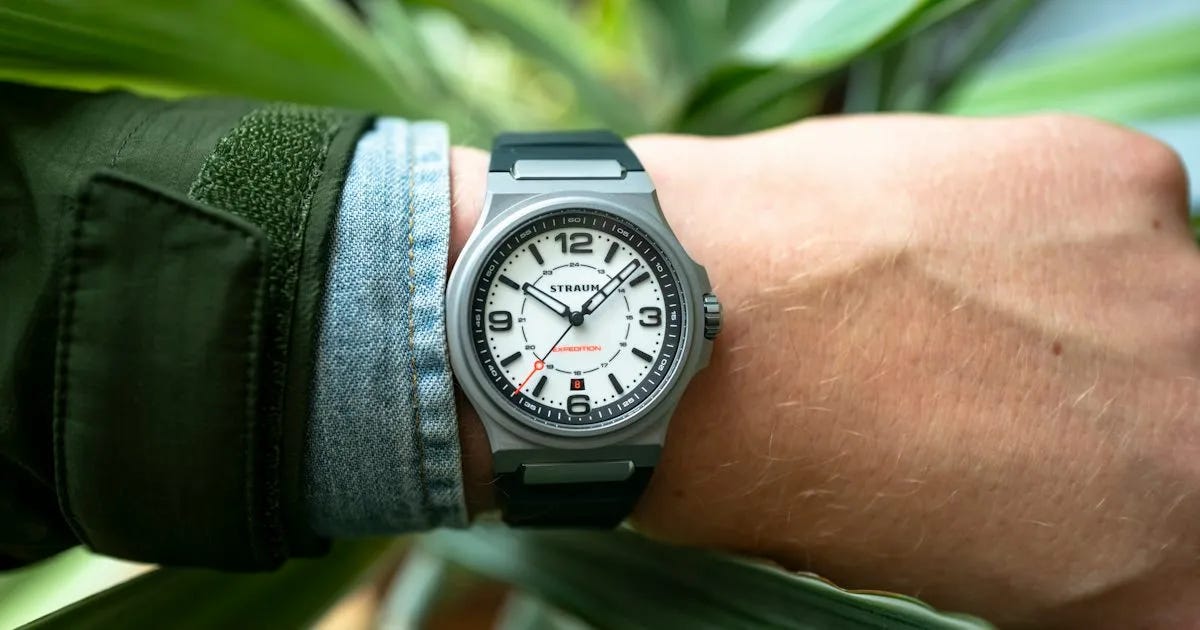
Straum Expedition Takes the Brand in a More Functional Direction
Straum’s Expedition moves toward a more explicitly outdoor-focused design while retaining the brand’s interest in strong surfaces and distinctive case architecture. Grade 5 titanium, prominent numerals, orange accents and an inner 24-hour scale establish its practical intentions.
The review considers three colorways and the choice of rubber strap or titanium bracelet, alongside changes to the case profile and bezel. Its observations concern pre-production samples, including movement and date-display issues that the brand says will be addressed before customer delivery. At a cited US$2,750, the Expedition’s final execution will be central to how convincingly it delivers on its promise.
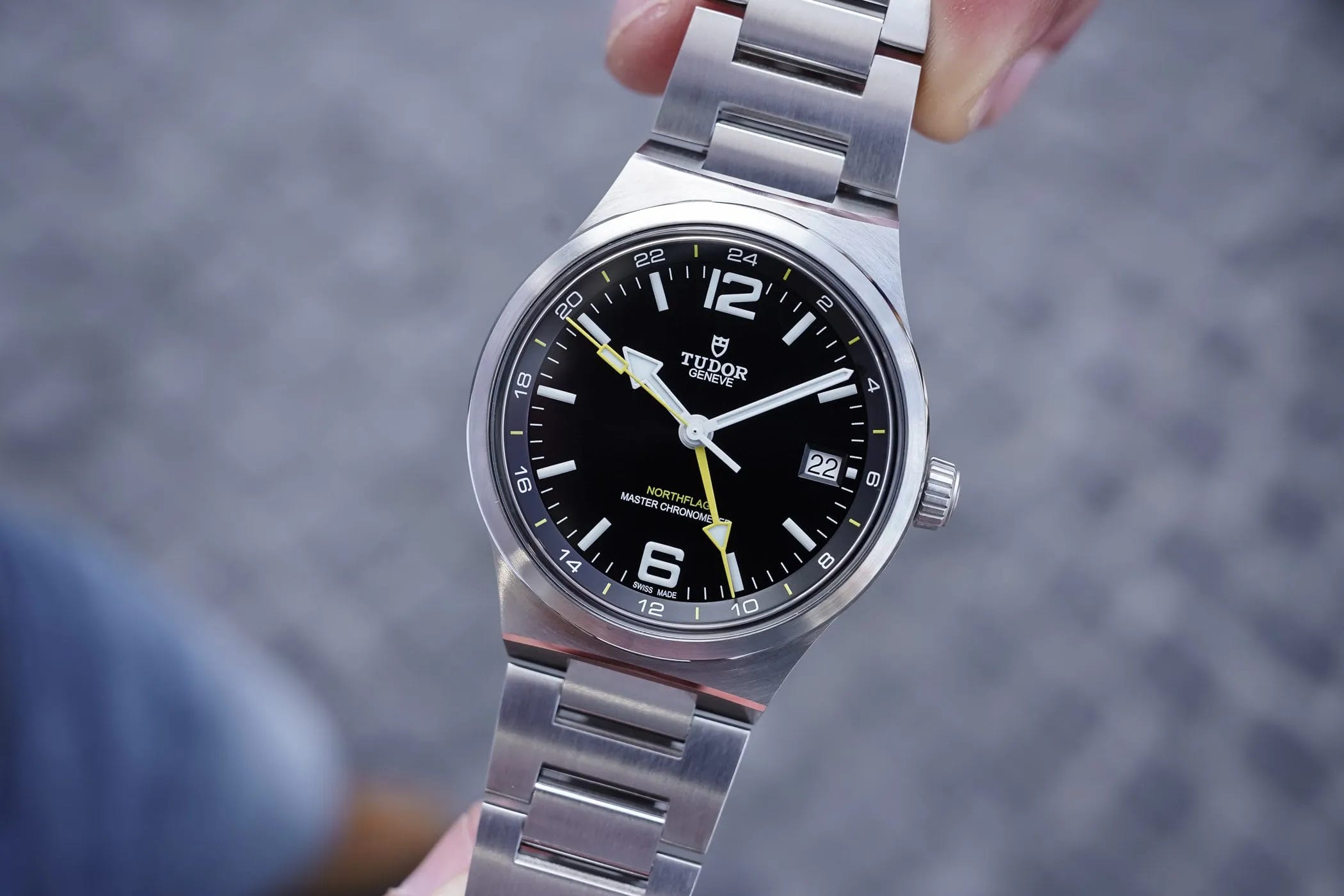
Tudor Northflag Returns With GMT Functionality
Tudor’s revived Northflag keeps the angular case, integrated bracelet and yellow accents that gave the original its identity, while adding a travel-focused purpose. A GMT hand and 24-hour scale replace the earlier emphasis on a dial-side power-reserve display.
The 40mm watch uses the MT5652-U automatic movement, with a stated 65-hour reserve and Master Chronometer certification. Bracelet adjustment comes through Tudor’s T-Fit clasp, reinforcing the emphasis on everyday wear. At a cited US$5,525 and offered through Tudor boutiques, the Northflag gives an established but once-divisive design another opportunity to find its audience.
Editorial
Grinding Gears: Has the Watch Industry Forgotten How to Treat People?
A constant stream of launches can create activity without creating enthusiasm. This editorial argues that parts of the watch industry have allowed product volume and tightly managed access to overshadow the relationships that made collecting rewarding in the first place.
The criticism extends from boutique hospitality to media engagement and the quality of events. The author recalls an environment in which shared experiences and accessible expertise played a larger role, then asks what has been lost as the calendar becomes more fragmented. The proposed remedy is concrete: better service, meaningful education and occasions that give people a reason to connect. For brands competing for attention and loyalty, those details are part of the product customers ultimately experience.
Videos

Britt Pearce: Six Overhyped Watches That Aren’t Worth Buying in 2026
Britt Pearce takes a skeptical look at watches whose popularity may exceed their appeal at the asking price. The discussion encourages viewers to examine what they actually receive for their money and how much of the attraction comes from repeated exposure. It is a useful counterpoint to the excitement that surrounds heavily discussed releases.

Best Watches of 2026
This selection surveys the watches competing for attention in 2026 and the ideas shaping the year’s releases. It provides an opportunity to step back from individual launch announcements and consider which designs leave a lasting impression. Use it as a starting point for comparing personal favorites with the models attracting wider enthusiasm.

Emily Marsden: Blancpain Lady B—A 1956 Icon, Brought Back Properly
Emily Marsden looks at Blancpain’s Lady B and its connection to the brand’s history of miniature women’s watches. The appeal lies in how a small object can carry substantial design and watchmaking interest. This is a chance to consider the revival through its proportions, personality and relationship to the 1956 inspiration.
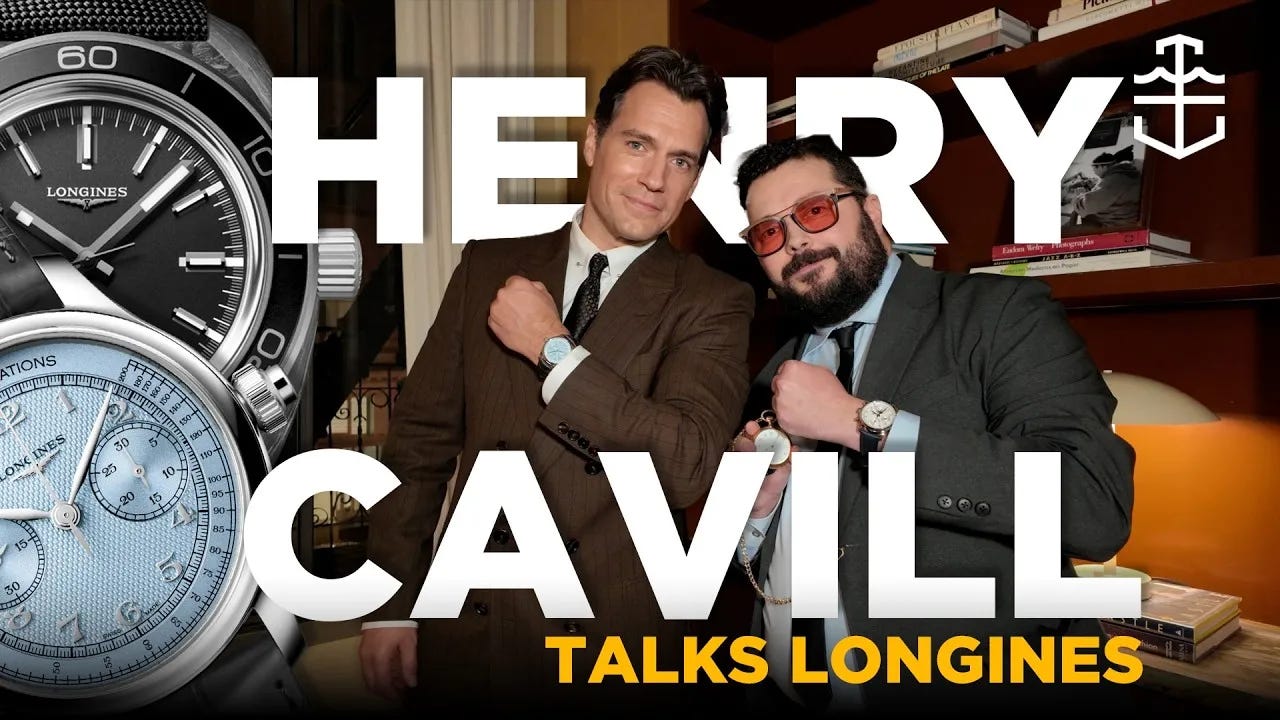
Time+Tide: Henry Cavill on Longines and His Ultimate Three-Watch Collection
Henry Cavill joins Time+Tide for a conversation about Longines and the choices behind an ideal three-watch collection. The format brings personal preference to the foreground, inviting viewers to think about the roles different watches would fill. It also offers a look at the collecting interests behind a familiar face in the brand’s public life.
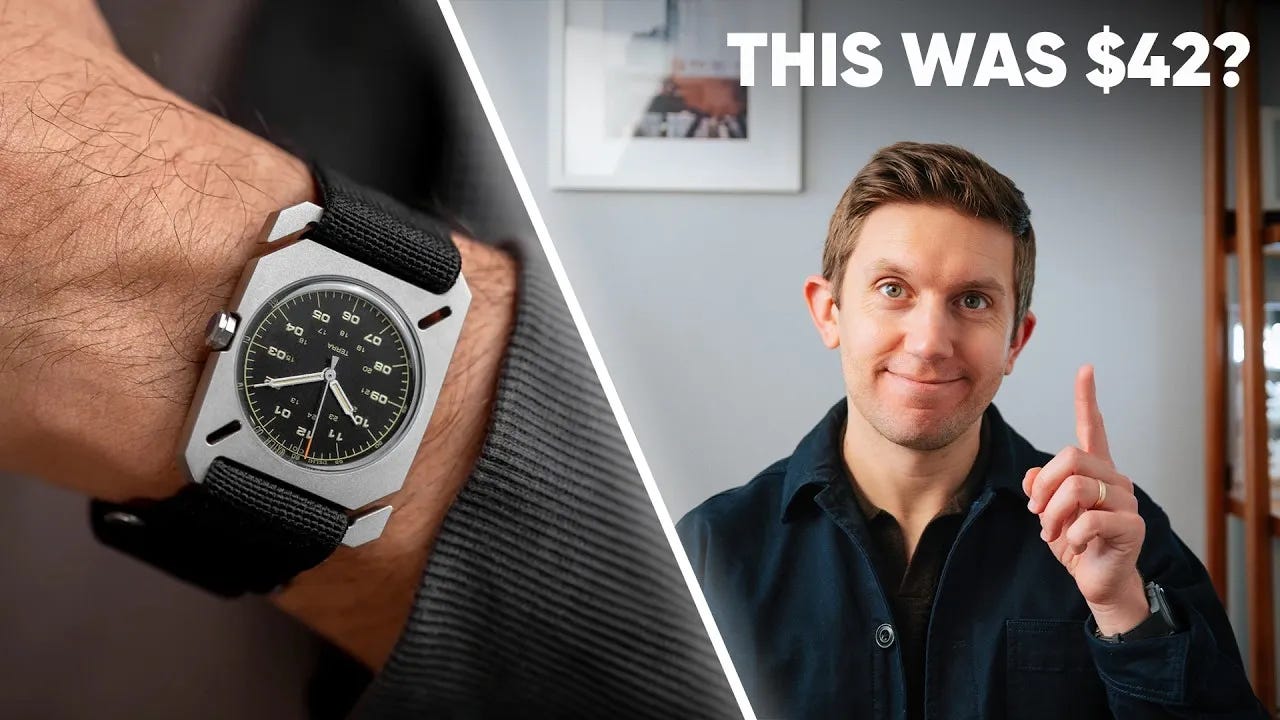
Unpolished: How a $42 Indian Titanium Watch Sold Out in Two Minutes
Unpolished examines the attention surrounding Delhi Watch Company’s inexpensive titanium watch and its rapid sellout. The headline price makes this an intriguing example of how materials, design and accessibility can combine to create demand. It also broadens the conversation beyond the Swiss and Japanese names that dominate many watch discussions.

Chisholm Hunter: “I Found the World’s Rarest Watch!”
Chisholm Hunter puts rarity at the center of this watch encounter, inviting viewers to consider the object behind the dramatic headline. For collectors, these discoveries offer an opportunity to examine unusual design, craftsmanship and the stories attached to scarce pieces. The interest is in seeing what distinguishes the featured watch and why it attracts attention.
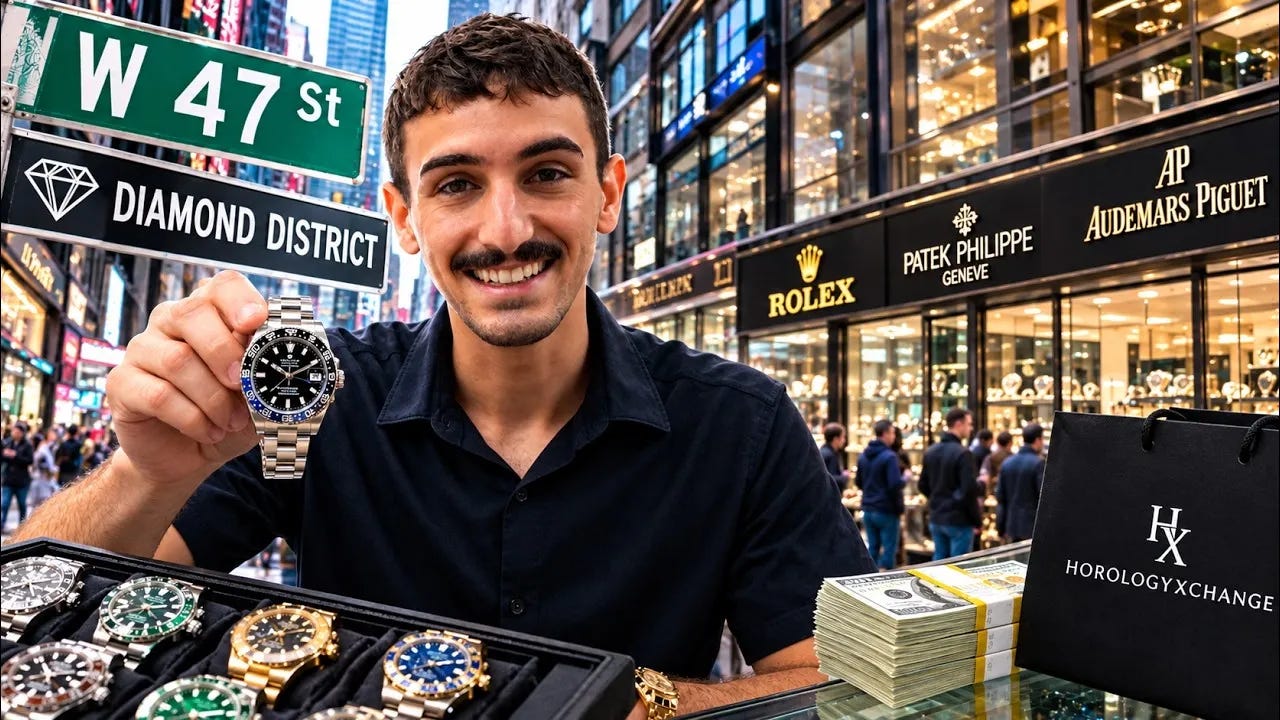
Peter Piccolino: Trying to Sell Watches on 47th Street
Peter Piccolino takes a watch-selling proposition into New York’s 47th Street market. The premise brings the conversation closer to the point where an owner’s expectations meet a prospective buyer’s offer. It is a relevant companion to today’s auction coverage, where enthusiasm becomes measurable only when someone is prepared to bid.

The Urban Gentry: Finding Happiness Beyond Watch Hype
The Urban Gentry reflects on the frustrations of watch culture and the process of finding satisfaction in a personal collection. The discussion shifts attention toward the watches that remain enjoyable after outside opinions lose their influence. For anyone whose hobby has started to feel like a competition, the subject offers a timely opportunity to reassess priorities.

This Watch, That Watch: The Industry’s Future Winners and Losers
This Watch, That Watch considers the pressures facing the watch industry and which businesses may be better positioned to respond. The discussion invites viewers to examine the relationship between consumer expectations and the products brands continue to offer. Its predictions are a perspective on a changing market, providing material for debate rather than a settled outcome.
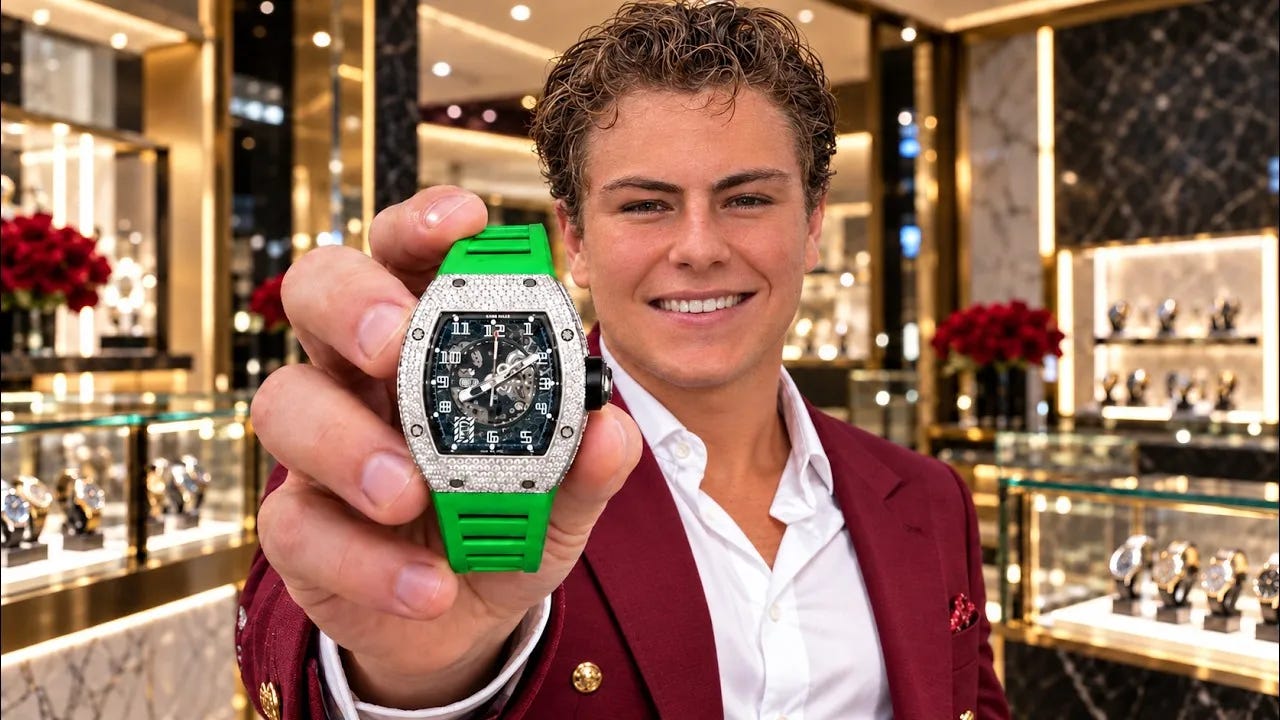
TimePieceTrading: What Juliano Massarelli Bought at TPT
TimePieceTrading follows Juliano Massarelli’s visit and watch purchases at TPT. The focus is the luxury-watch retail experience and the choices a buyer makes when faced with the available selection. It offers a more immediate view of collecting, with the interest centered on the watches that turn a visit into a purchase.
Podcasts
Good Times, Season 3, Episode 7: Is Patek Philippe Living Off Its Legacy?
Good Times considers how much of Patek Philippe’s standing comes from its history and how convincingly its present-day watches sustain that reputation. The question opens a broader discussion about what established luxury manufacturers owe contemporary buyers. For listeners, the useful distinction is between respecting a brand’s achievements and evaluating each new product on its own merits.
A Podcast About Watches: Have the Big Luxury Brands Lost the Plot?
This episode challenges the direction of major luxury watch brands and their understanding of the people expected to buy their products. It is a natural companion to today’s editorial about customer treatment, raising questions about relevance, expectations and the relationship between prestige and satisfaction. The discussion gives listeners another perspective on why enthusiasm for watches and frustration with the industry can exist together.
Roman Sharf’s Dual Time, Episode 17: A Former Judge’s Long Collecting Journey
Roman Sharf speaks with a former judge whose experience collecting watches stretches across many years. The conversation offers a longer perspective than the usual focus on recent releases, bringing personal history and accumulated experience into the discussion. It is an opportunity to hear how a collection develops over time and what continues to hold an enthusiast’s attention after fashions change.
Auction Report
September 18 Result: Roger Dubuis Excalibur Falls Short of Reserve
Friday’s auction of the 2026 Roger Dubuis Excalibur Monobalancier 42 in rose gold with diamond setting, reference RDDBEX0953, reached a high bid of US$25,500. That was US$18,910 below the US$44,410 reserve, so the watch did not sell. The result records the bidding achieved in this particular auction; it should not be mistaken for a completed transaction at that level.
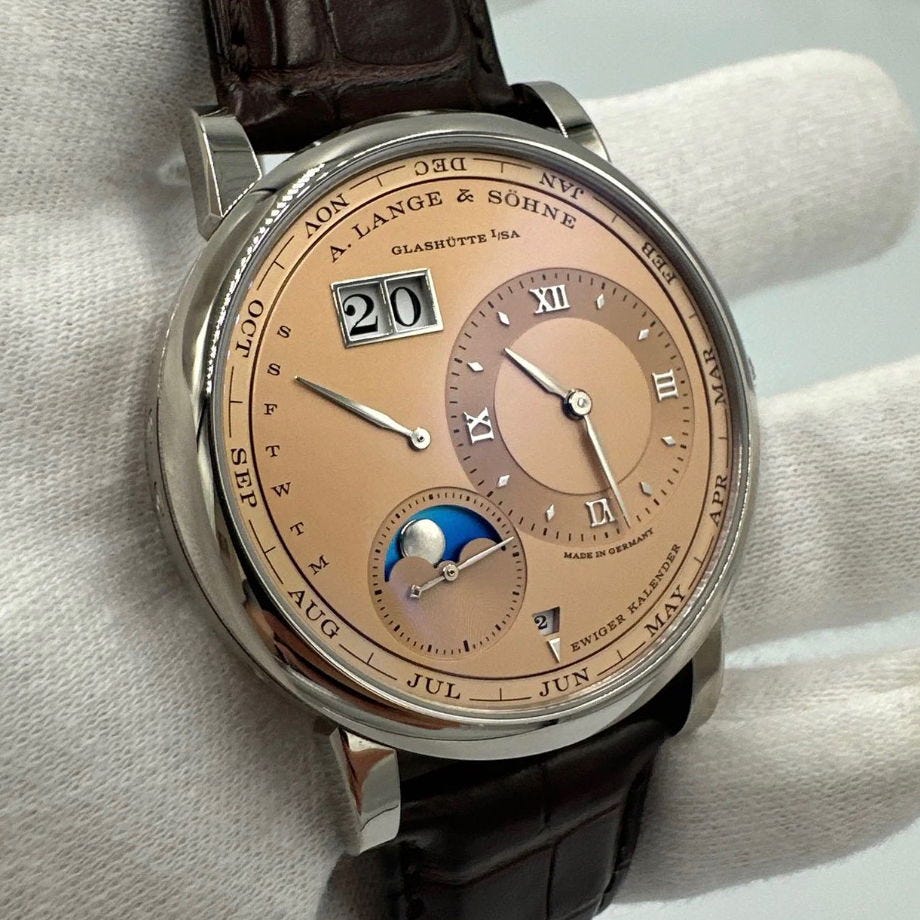
Pink Gold, White Gold and Perpetual Appeal: A Rare Lange 1 Faces the Market
Today’s auction features a 2023 A. Lange & Söhne Lange 1 Perpetual Calendar, reference 345.056, pairing an 18-karat white-gold case with a dial made from solid pink gold. Introduced in 2021 and limited to 150 pieces, this version brings unusual visual warmth to one of the modern manufacture’s signature designs. Its appeal extends beyond the familiar “salmon” description: the dial’s color comes from the precious metal itself, making material and appearance inseparable parts of the watch’s identity.
The 41.9mm case contains Lange’s automatic caliber L021.3, a 621-component movement with a 50-hour power reserve. Its perpetual-calendar arrangement preserves the collection’s asymmetrical character through an outsize date, retrograde day display, peripheral month ring and leap-year indication. A moon-phase display incorporating a day/night indication adds another layer of information without overwhelming the composition. The result expresses a central attraction of Lange’s complicated watches: substantial mechanical work presented with a strong sense of visual order.
The U.S.-located example offered today is described as pre-owned, with an excellent dial and minor signs of wear to the case and bezel. Box, papers, a folio or wallet and product literature accompany it, and the listing specifically notes an included Lange white-gold deployant clasp. The supplied condition language allows for possible previous servicing or polishing but does not establish that either occurred. Its documented accessories and clasp are relevant to completeness, while the condition of the case and the operation of the calendar remain important considerations when comparing it with other examples.
Published market evidence provides useful reference points rather than a single definitive value. Phillips reported CHF101,600 for a 2022 example in its Geneva Sessions Fall 2025 sale—approximately US$126,000 using the catalogue’s indicative exchange relationship—while The Keystone displays another 2022 example at US$155,000 on a sold-out listing, a posted figure that does not establish the final transaction price. Those observations place the reference in a substantial six-figure collecting category, but they do not establish today’s hammer value or eliminate differences in condition, fees and sales venue. Today’s 2023 example will test the market on its own terms when bidding closes at 3:55 p.m. EDT today, Monday, September 21, 2026.
Current bid: $83,500
Losing Time


Today’s Big Losers at Auction on Grailzee
Four watches, four failed sales, and four reminders that an asking price is an aspiration until someone agrees to pay it. The percentages below measure each shortfall against the seller’s asking price.
2024 Rolex Cosmograph Daytona: 26.4% below ask. The 2024 white-gold Daytona on Oysterflex carried a $43,500 asking price but drew a $32,000 bid, leaving an $11,500 gap. Apparently, the bidder did not receive the memo explaining why the seller’s number was nonnegotiable. Rolex desirability brought interest; it did not bring the extra eleven grand.
2026 Rolex Day-Date: 16.5% below ask. The 2026 white-gold Day-Date with the blue Ombré dial came closest to making a deal. Its $43,000 high bid fell $8,500 short of the $51,500 ask. “Closest” is doing some work here: that is still a substantial amount of money for both parties to politely pretend is a minor difference.
Unknown date and no papers - H. Moser & Cie Streamliner: 48.0% below ask. The rose-gold Streamliner was offered at $100,000 and attracted a $52,000 bid—a $48,000 disagreement. The seller wanted six figures; the bidder agreed with roughly half the premise. This was the largest disconnect, both in dollars and percentage terms, and accounted for about 69% of the combined dollar shortfall across all four listings.
2026 Tudor Black Bay ’54 “Lagoon Blue”: 27.7% below ask. The turquoise-dial Tudor drew a $4,050 high bid against a $5,600 ask, missing by $1,550. The smallest dollar gap still represented a larger percentage miss than either Rolex. A cheerful dial, it turns out, cannot make every price equally cheerful.
Together, the sellers sought $200,600, while the bids totaled $131,050—a combined $69,550 shortfall, or 34.7% below asking.
The common thread is a mismatch between seller expectations and what these bidders would pay. The Day-Date had the narrowest gap; the Moser would require the biggest reset in expectations. These four results do not establish market values or prove a broader luxury-watch slump. They do show that, in these sales, prestige and attractive specifications were insufficient to close the pricing gap. Sellers can choose their asking prices. Getting buyers to endorse them remains the inconvenient part.
Closing Time
Thank you for spending part of your Monday with BuyingTime. Whether today’s issue sends you toward an unfamiliar independent, back to a watch you already own or into a closer look at the Lange auction, we hope it gives you something worth thinking about. Enjoy the watches, stay curious about the people behind them, and we’ll see you tomorrow.