

30 Second Read
Watchmaking’s past is doing plenty of work today. Rolex brings the Padellone name into a new era of annual calendars and Dynapulse technology, while Chopard and IWC celebrate designs that first appeared 50 years ago. Bulova revisits its military roots, MeisterSinger takes Route 66, and six surviving Omega stopwatches recall a vanished New Zealand racetrack. Elsewhere, Serena Williams gets a distinctive Royal Oak, Tissot adds quartz chronographs to the PRX family, and smaller watches make a persuasive showing. Yesterday’s Lange 1815 Up/Down reached $24,250 without selling. Today’s copper-blue Saxonia Thin faces an estimated $27,900 reserve.
TIME GRAPHING TODAY’S WATCH UNIVERSE
The Past Is Selling. The Watch Still Has to Deliver.
The watch industry has an unusually productive relationship with its archives. An old drawing can become a new collection. A discontinued case can return as a design breakthrough. An anniversary can justify another trip through the catalog, preferably accompanied by a more ambitious price. Today’s issue contains enough historical references to fill a small museum, but the interesting question is what each company has done with the material it brought back.
Start with the Rolex Perpetual Padellone. The name carries considerable weight among collectors who know the vintage reference 8171. Bringing it into the contemporary collection immediately creates expectations about elegance, complications, and a Rolex identity that extends beyond the familiar sports models. The new watch gives that historical connection a present-day purpose through an annual calendar, moonphase display, and Dynapulse escapement. There is something substantial here for collectors to examine beyond the return of an evocative name.
That distinction matters because familiarity can open the conversation, but it cannot do all the work. A collector may admire the original Padellone without wanting a modern interpretation. Another may have little interest in vintage Rolex and respond immediately to a complicated dress watch with modern engineering. The strongest revivals create room for both buyers. They allow history to enrich the experience without making historical knowledge a prerequisite for enjoying the watch.
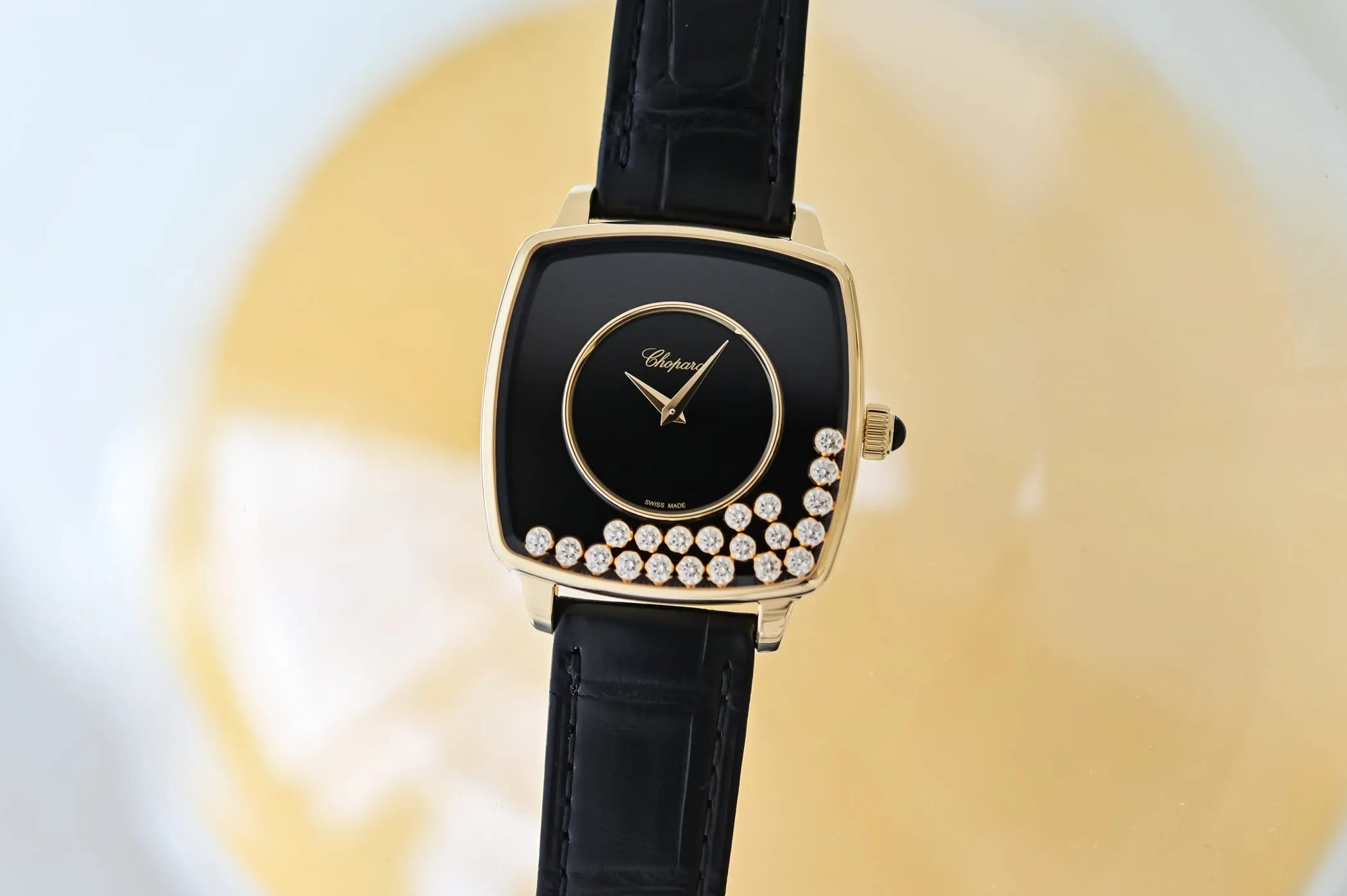
Chopard’s Happy Diamonds Heritage makes a different argument. Its floating diamonds, black onyx, yellow gold, and cushion case revive a visual idea that still feels distinctive after half a century. The attraction is wonderfully direct: move your wrist and something happens. The larger model’s contemporary manufacture movement adds mechanical interest, but the emotional appeal remains the interaction between light and motion. Sometimes a design survives because its original trick was very good.
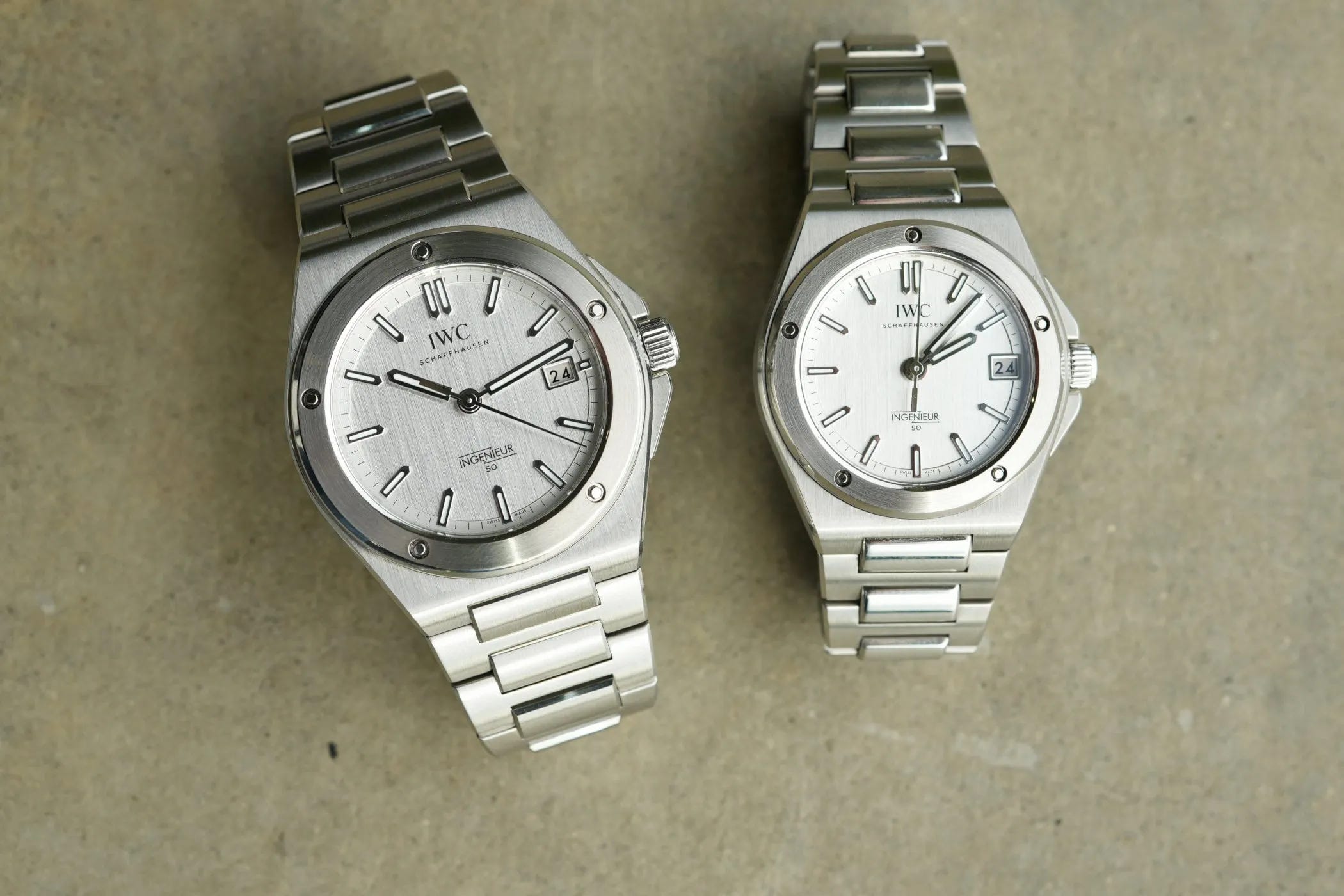
IWC’s anniversary Ingenieurs show how much the conversation has changed around proportions. The 1976 Ingenieur SL provides the historical foundation, yet today’s buyer gets a choice between 40mm and 35mm interpretations. That choice recognizes something the industry occasionally forgets while discussing icons: a watch has to fit a person. Gérald Genta’s name can explain why a collector walks into the boutique. The way the bracelet settles on the wrist may decide whether that collector leaves wearing anything.
The smaller watches elsewhere in this issue reinforce that point. DUG’s 37mm Purist offers straightforward versatility, while Bremont’s 35mm jumping-hour models suggest that a change in scale can improve the coherence of an entire design. Dimensions are part of the experience, not merely a specification to file beneath the movement. A smaller case can make a familiar idea feel newly resolved.
There is also a difference between borrowing history and preserving it. Bulova’s connection to the Jimmy Stewart biopic brings military watchmaking into a story about an actual life and actual service. The six Omega stopwatches from the Levin Motor Racing Club are more immediate still. They were equipment. Someone held them, watched a car cross a line, and pressed a button. Their surviving box and club markings document a working relationship with time that no anniversary logo can manufacture.
That is why the stopwatch story deserves attention alongside the expensive launches. Collecting often gravitates toward rarity, but significance can come from context. Six instruments kept together may tell us more than one pristine example stripped of its history. The scratches, engravings, and practical organization become part of the evidence. A watch does not need to have belonged to a celebrity to connect us with an interesting human activity.
At the other end of the spectrum, Artisans de Genève’s BlackStone Nautilus turns an established design into the setting for one owner’s memory. The smoky sapphire and black spinels make the object intensely personal. Collectors will disagree about modifying a discontinued Patek Philippe, and that disagreement is part of the story. Here, the owner’s relationship with the watch takes priority over preserving the familiar factory expression.
The market supplies its own commentary. Upcoming Geneva auction highlights demonstrate how aggressively collectors can pursue exceptional objects. Yesterday’s Lange 1815 Up/Down, meanwhile, stopped at $24,250 without meeting reserve. Both belong in the same conversation. Enthusiasm for rare watches can coexist with disciplined bidding on individual examples. A celebrated name does not eliminate the distance between what a seller hopes for and what a buyer will pay.
Today’s Saxonia Thin brings these ideas together in a particularly quiet form. Its copper-blue dial offers visual pleasure, its movement rewards closer inspection, and its restrained layout leaves little to explain. The estimated reserve still has to withstand comparison with other available examples. Beauty gets the watch noticed; condition, documentation, and the total purchase price influence the bid.
The encouraging thread through today’s issue is that history remains useful when it improves the object or deepens the connection. A revived complication, a better proportioned case, a surviving piece of racing equipment, or a dial that recalls a personal experience can all do that. Collectors have every reason to enjoy the stories. The best purchase is the one whose appeal remains after the story has been told.
-Michael Wolf
NEWS

The Emmys Deliver a Watch Show of Their Own
The 2026 Emmy Awards offered an unusually varied display of watchmaking, with traditional dress pieces sharing the spotlight with diamonds, colored stone dials, and more assertive designs. Matthew Rhys wore a diamond-set Hublot Classic Fusion, while Noah Wyle chose Cartier’s Tank à Guichets, bringing two very different interpretations of formal wristwear to the same evening. Michael J. Fox’s Omega Constellation Observatory added another expression of restrained elegance.
The supplied roundup also highlights Charlie Hunnam’s pink-gold Vacheron Constantin Traditionnelle Perpetual Calendar, Mark Ronson’s malachite-dial Audemars Piguet Royal Oak, and Sterling K. Brown’s blue-dial Glashütte Original Seventies Chronograph. Taken together, the selections suggest that formal occasions still offer room for individual taste. The watches complemented the clothes without all looking as though they had arrived from the same stylist’s tray.
FEATURES
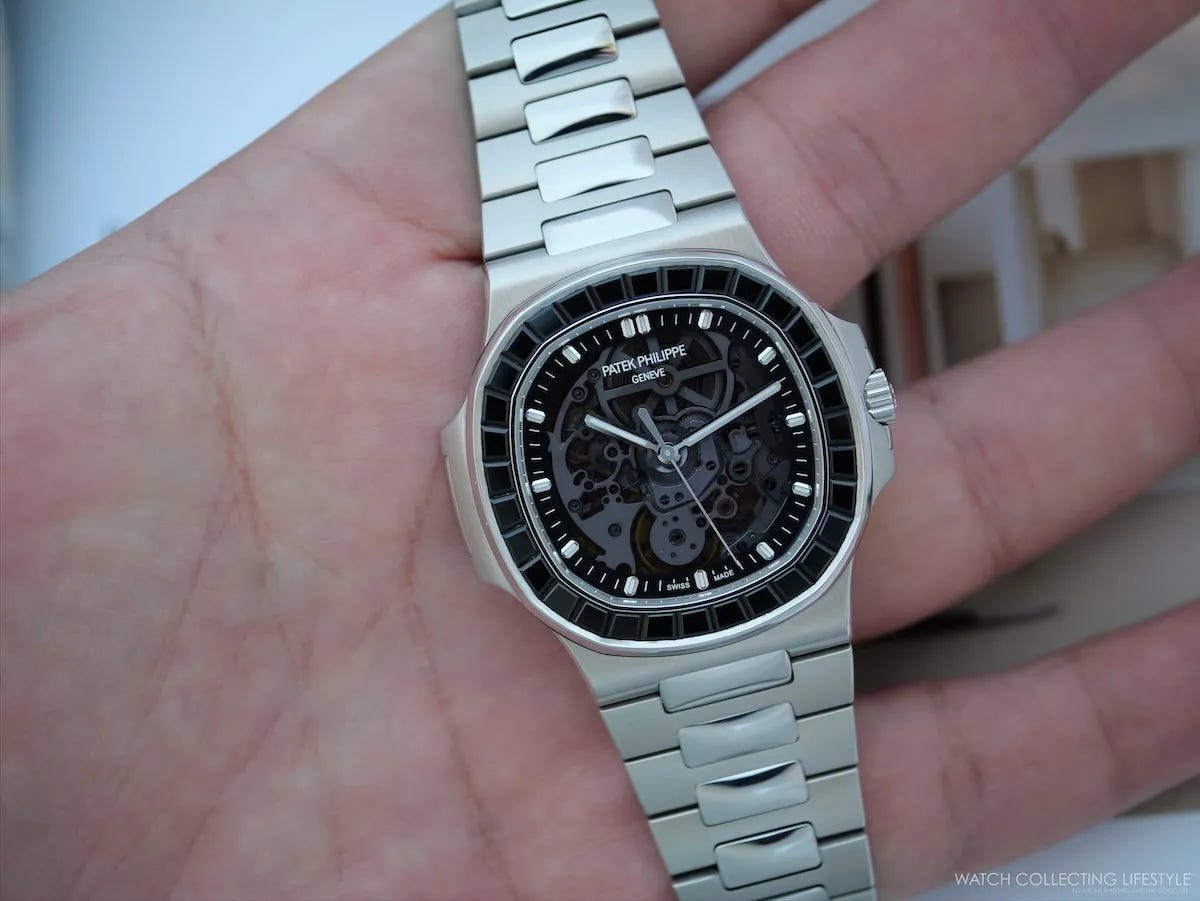
Artisans de Genève’s BlackStone Nautilus Turns a Glacier Memory Into a Watch
Artisans de Genève’s BlackStone project begins with a client-supplied Patek Philippe Nautilus 5711 and ends somewhere considerably more personal. Inspired by an Alaskan glacier, the customization combines a bezel set with 32 black spinels and a dial fashioned from smoky sapphire. White-gold markers and reworked hands provide contrast, while green luminescence introduces a different personality after dark.
The transformation continues inside, where the modified calibre 26-330 SC is skeletonized and its date function removed. That work changes both the appearance and the presentation of a familiar movement, making the commission more involved than a decorative makeover. This is an independent personalization project rather than a factory Patek Philippe release; pricing is on request for the customization, with the donor watch supplied separately by the owner.
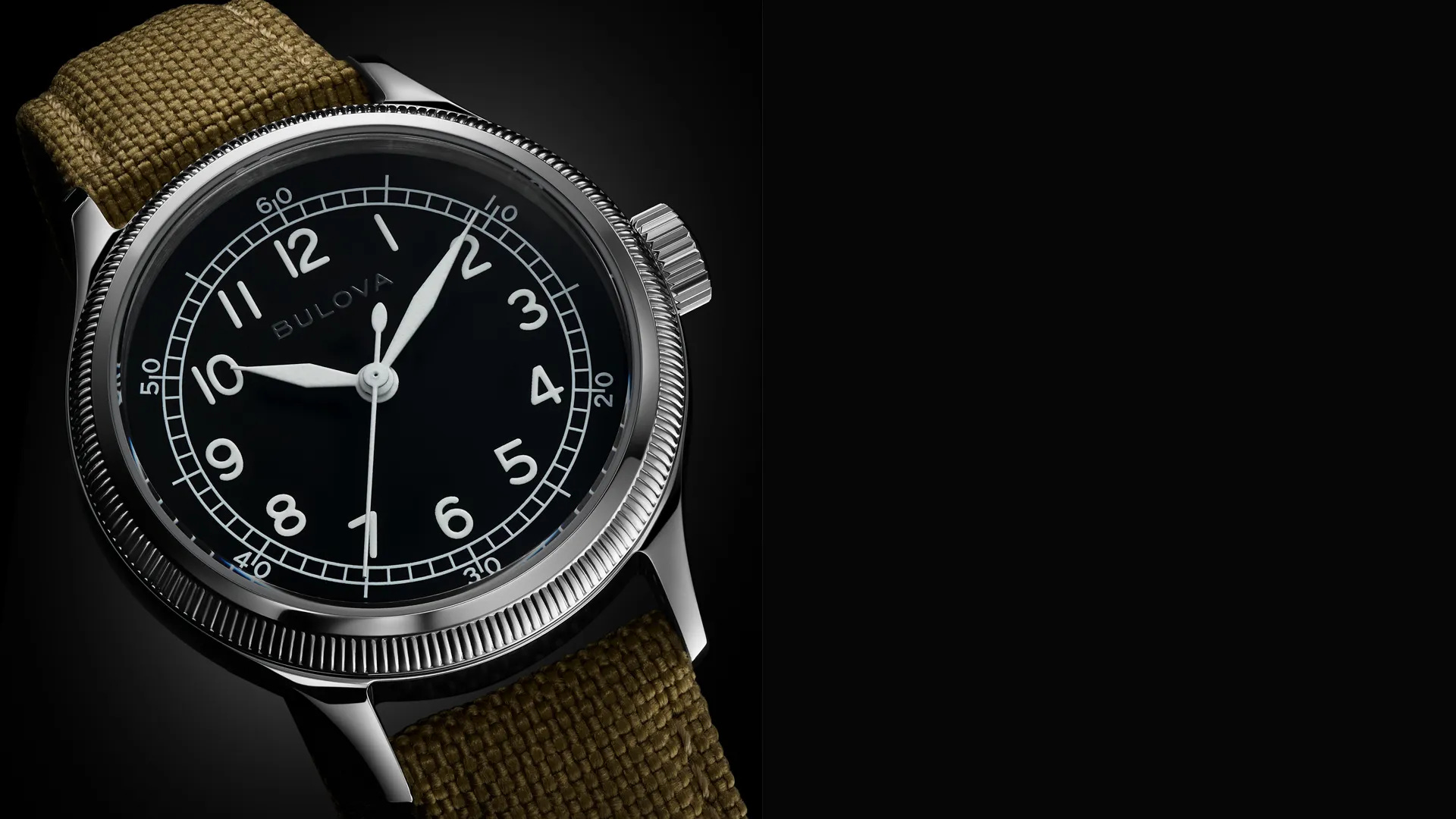
Bulova Revisits Its Wartime Watchmaking for the Jimmy Stewart Biopic
Bulova’s latest military-inspired release connects its wartime manufacturing history with a film about Jimmy Stewart, whose service extended well beyond his Hollywood career. The modern Hack interpretation uses a 37mm steel case, a matte black dial, and luminous hands to preserve the clear, practical appearance associated with military field watches. An automatic Miyota movement adds contemporary convenience while retaining hacking seconds for precise setting.
The watch offers a reported 42-hour power reserve and 50 meters of water resistance, with availability expected in early October at US$795. Bulova also supplied museum pieces for the production, strengthening the connection between the watches seen on screen and the period being portrayed. For collectors, the appeal combines accessible ownership with a story rooted in the brand’s actual manufacturing past.
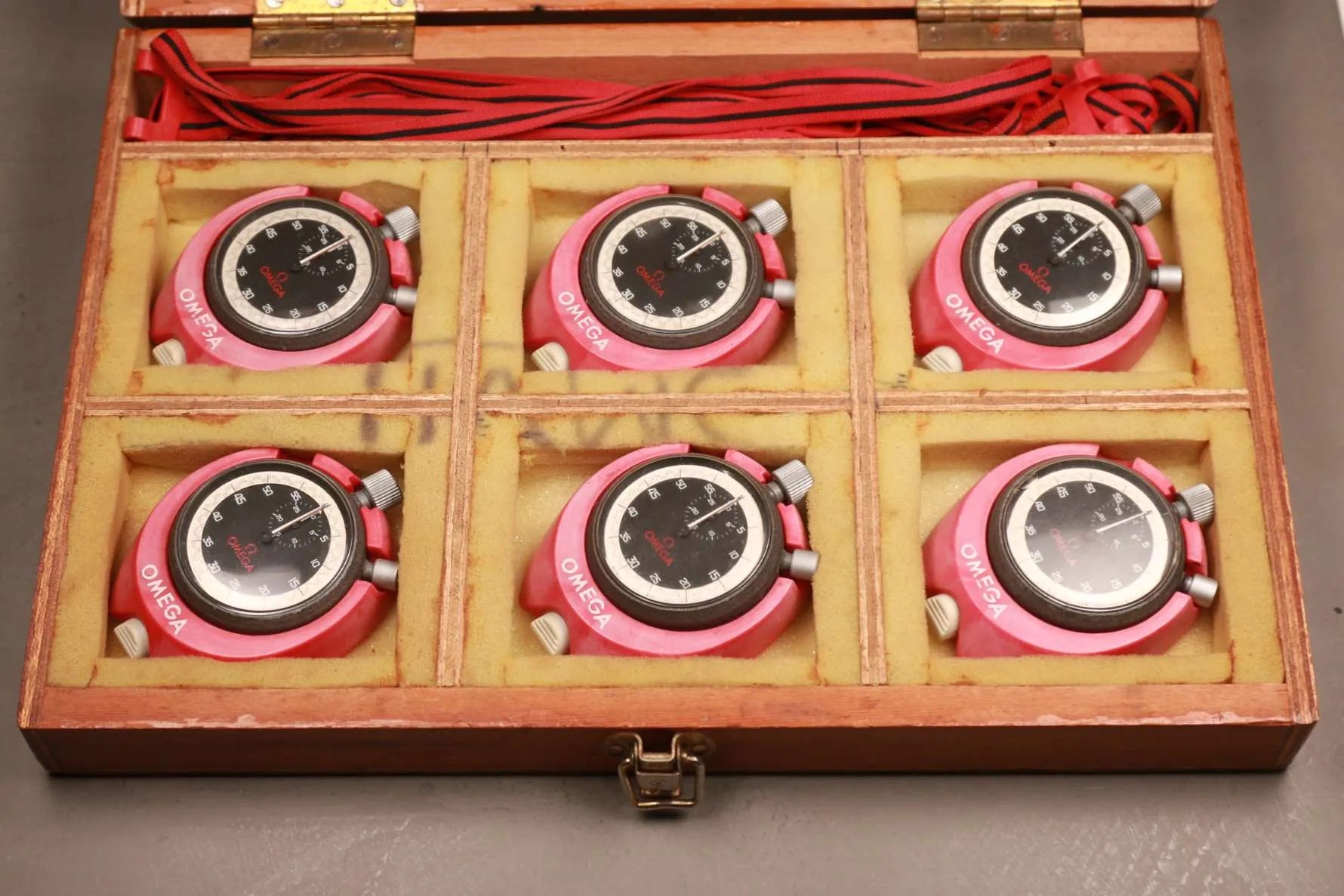
Six Omega Stopwatches Preserve the Memory of a Lost New Zealand Racetrack
A surviving set of six Omega mechanical stopwatches offers a compelling glimpse into motorsport before timing systems became invisible electronic infrastructure. Individually numbered and engraved “LEVIN M.R.C.,” the watches remain together in their wooden box, connecting them to New Zealand’s Levin Motor Racing Club and the circuit that operated from 1956 to 1975. Drivers associated with the circuit’s history include Bruce McLaren, Jack Brabham, and Stirling Moss.
The set’s interest extends beyond the Omega name. These were working instruments used to organize and measure competition, and their survival as a group preserves evidence of that process. A secondary “HVMC” marking suggests another possible club connection, though that part of the story remains open. For anyone who values provenance, the attraction lies in the combination of recognizable equipment, specific place, and an activity that has disappeared from the site.
NEW WATCHES
Chopard Happy Diamonds Heritage Celebrates 50 Years of Moving Diamonds
Chopard returns to the cushion-shaped design of its 1976 Happy Diamonds watch, pairing yellow gold and black onyx with diamonds that move freely between sapphire crystals. The 34mm model carries 21 floating diamonds and uses the hand-wound manufacture calibre 10.01-C, which provides approximately 45 hours of power reserve. Its smaller 24mm companion contains nine moving diamonds and uses quartz power, preserving the same visual idea in more compact dimensions. Both arrive on black alligator straps, with the contrast between dark stone and polished gold giving the anniversary collection much of its character. Price: US$48,400 for the 34mm model; US$24,000 for the 24mm model.
DUG Glashütte Brings the Purist Collection Down to 37mm
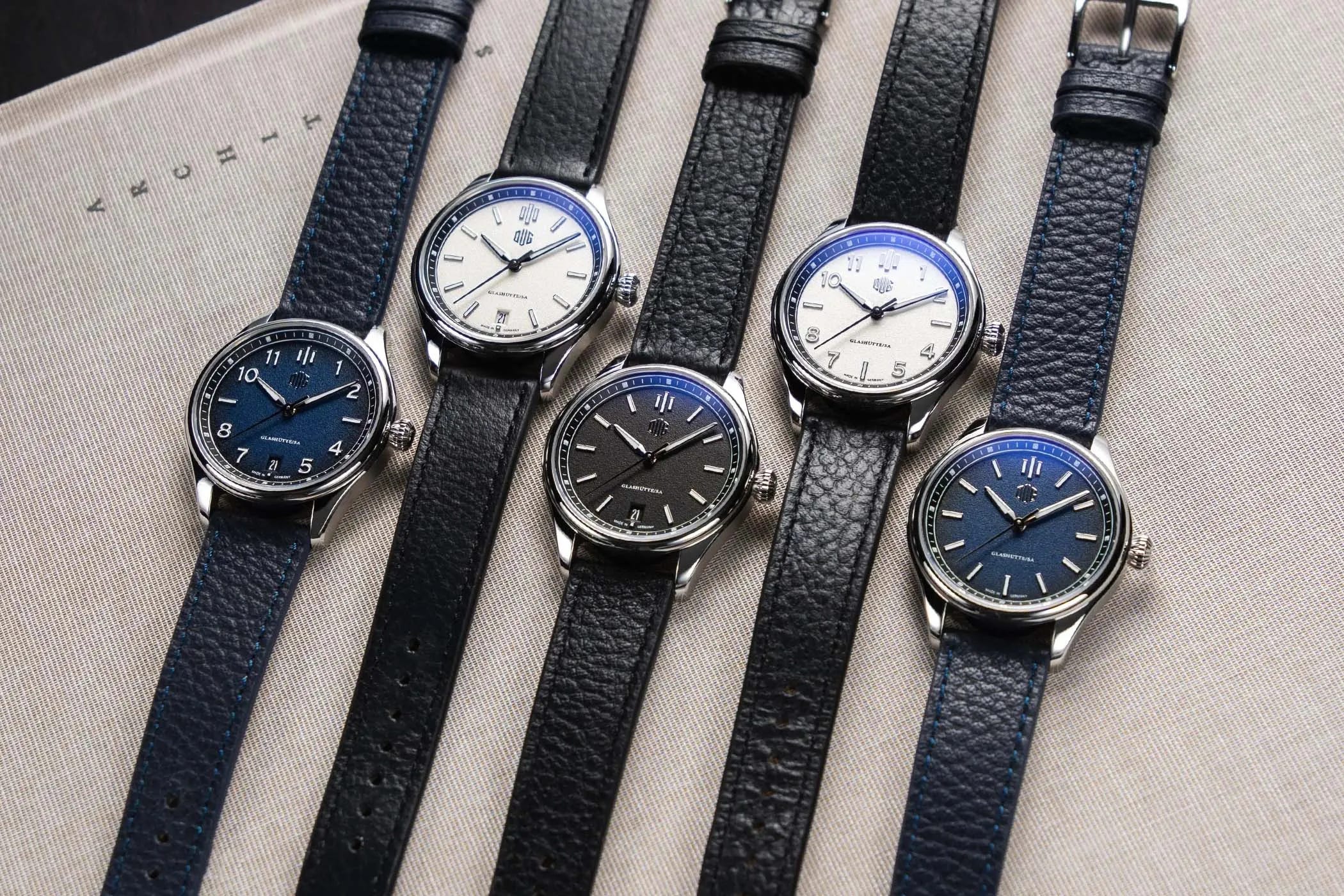
DUG’s new Purist 37 offers its clean design in a 37mm steel case measuring 10.35mm thick, with 100 meters of water resistance adding everyday practicality. Buyers can choose Onyx Black, Moon White, or Royal Blue dials, along with baton-marker or Arabic-numeral layouts and an optional date display at six o’clock. The automatic DUG 200 movement, based on the Sellita SW200, provides a reported 40-hour power reserve and is visible through the sapphire caseback. Leather and steel-bracelet options make the range adaptable without changing its restrained identity. Price: approximately US$1,385 on leather, US$1,500 with either the bracelet or date upgrade, and US$1,616 with both.
MeisterSinger’s Route 66 Edition Takes the Scenic Route
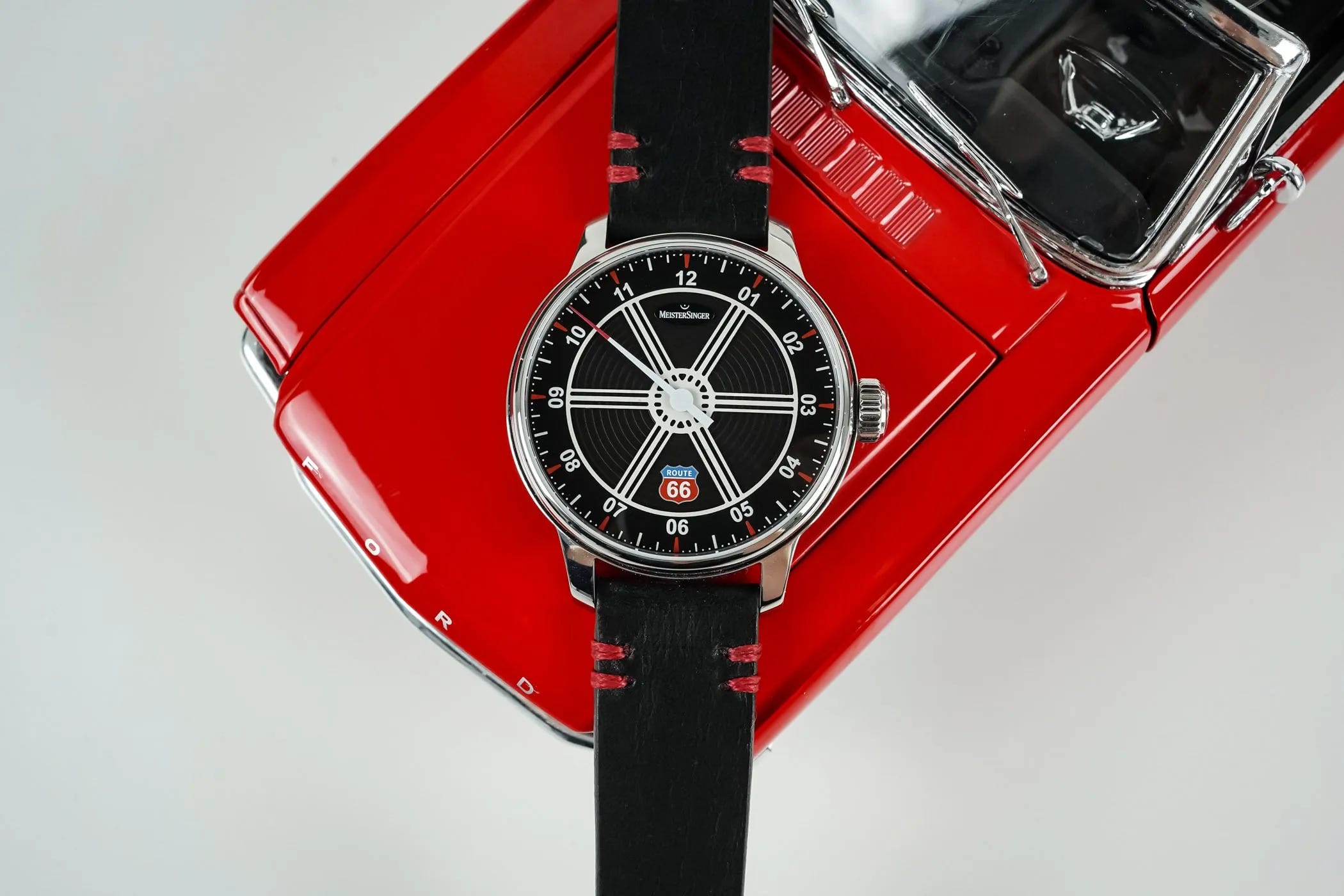
MeisterSinger celebrates Route 66’s centenary with a 100-piece edition that brings automotive references to its signature single-hand display. The 43mm steel watch has a layered black dial inspired by a Ford Mustang wheel, silver-white spoke details, and a red-tipped hand that coordinates with the stitching on its black saddle-leather strap. A Sellita SW200 automatic movement supplies approximately 38 hours of power reserve, while the caseback carries the familiar Route 66 shield. The presentation box extends the theme with a desert landscape and a 1:18-scale red Mustang convertible, making this a particularly enthusiastic tribute to the open road. Price: approximately US$2,761, converted from the quoted VAT-inclusive European price.
IWC Marks 50 Years of the Ingenieur SL in Two Sizes
IWC celebrates the 1976 Ingenieur SL with anniversary editions of the Ingenieur Automatic 40 and Automatic 35, each limited to 1,150 pieces. Both combine steel cases and integrated bracelets with silver-plated dials, rhodium-plated markers, luminous hands, and 100 meters of water resistance. The 40mm reference IW328910 uses calibre 32111 with a 120-hour power reserve and a soft-iron inner case, while the 35mm reference IW324909 has a display back and calibre 47110 with approximately 42 hours of reserve. The two sizes make the anniversary accessible to different wrists while preserving the collection’s unmistakable architecture. Price: approximately US$16,980 for the 40mm model and US$14,785 for the 35mm model.
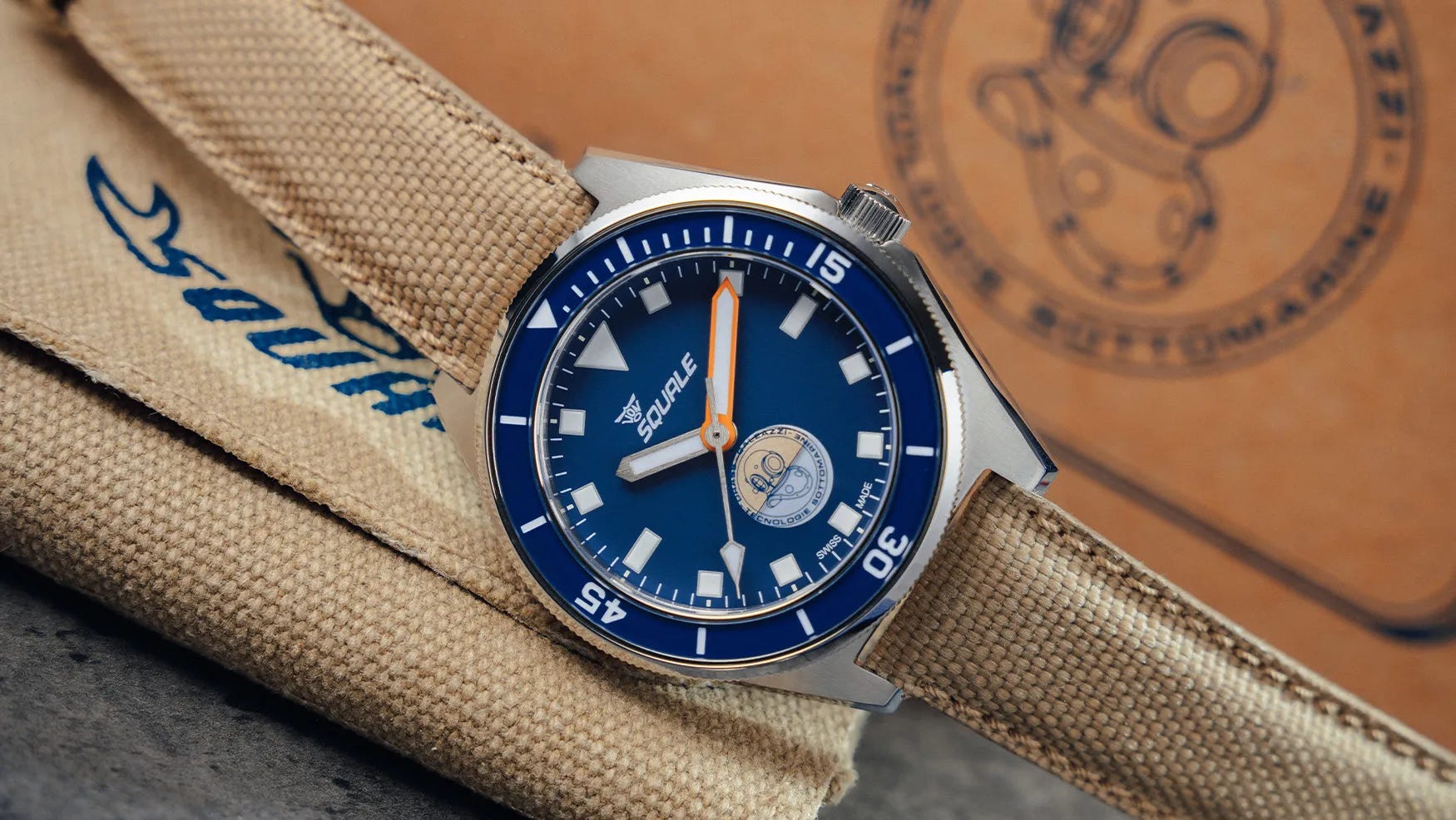
Squale’s Galeazzi Artiglio Celebrates a Century of Underwater Engineering
The Squale Galeazzi Artiglio commemorates the centenary of Roberto Galeazzi’s 1926 patent for a spherical structure associated with deep-sea exploration. Limited to 500 numbered watches, it combines a 39.5mm steel case with a blue dial, 600 meters of water resistance, and a moisture indicator designed to change color if humidity enters the case. An ETA 2824-2 automatic movement powers the date-free display, maintaining the straightforward appearance of a traditional diving instrument. Each watch comes with sand-colored microfibre and blue rubber straps, plus themed packaging and a commemorative bronze medal. Price: US$1,990.
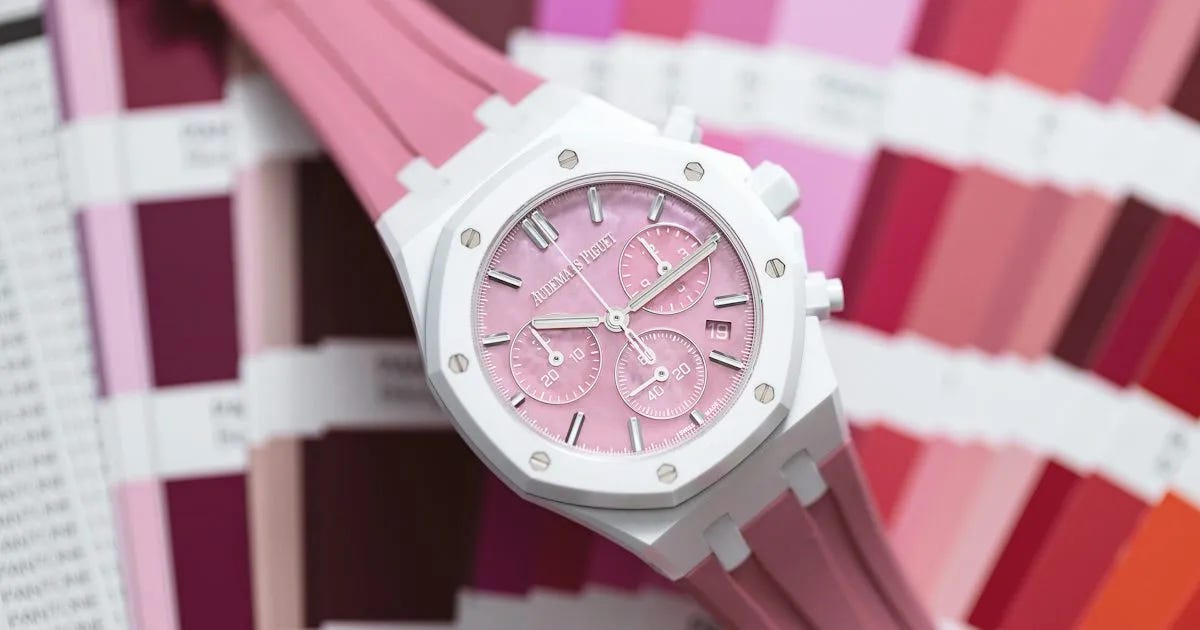
Serena Williams Gives the Royal Oak Chronograph a Distinctive New Look
Audemars Piguet’s Royal Oak Selfwinding Chronograph “Serena Williams” pairs a 38mm white ceramic case with pink-tinted mother-of-pearl and a pink rubber strap. The familiar Royal Oak geometry provides a strong framework for a combination that feels deliberately expressive, with white-gold hands contributing contrast against the dial. Inside, calibre 6401 provides a 55-hour power reserve, with its pink-gold oscillating weight visible through the sapphire back. Production is limited to 500 pieces, giving the collaboration a defined place within the Royal Oak chronograph family. Price: approximately US$85,735, converted from CHF70,000.
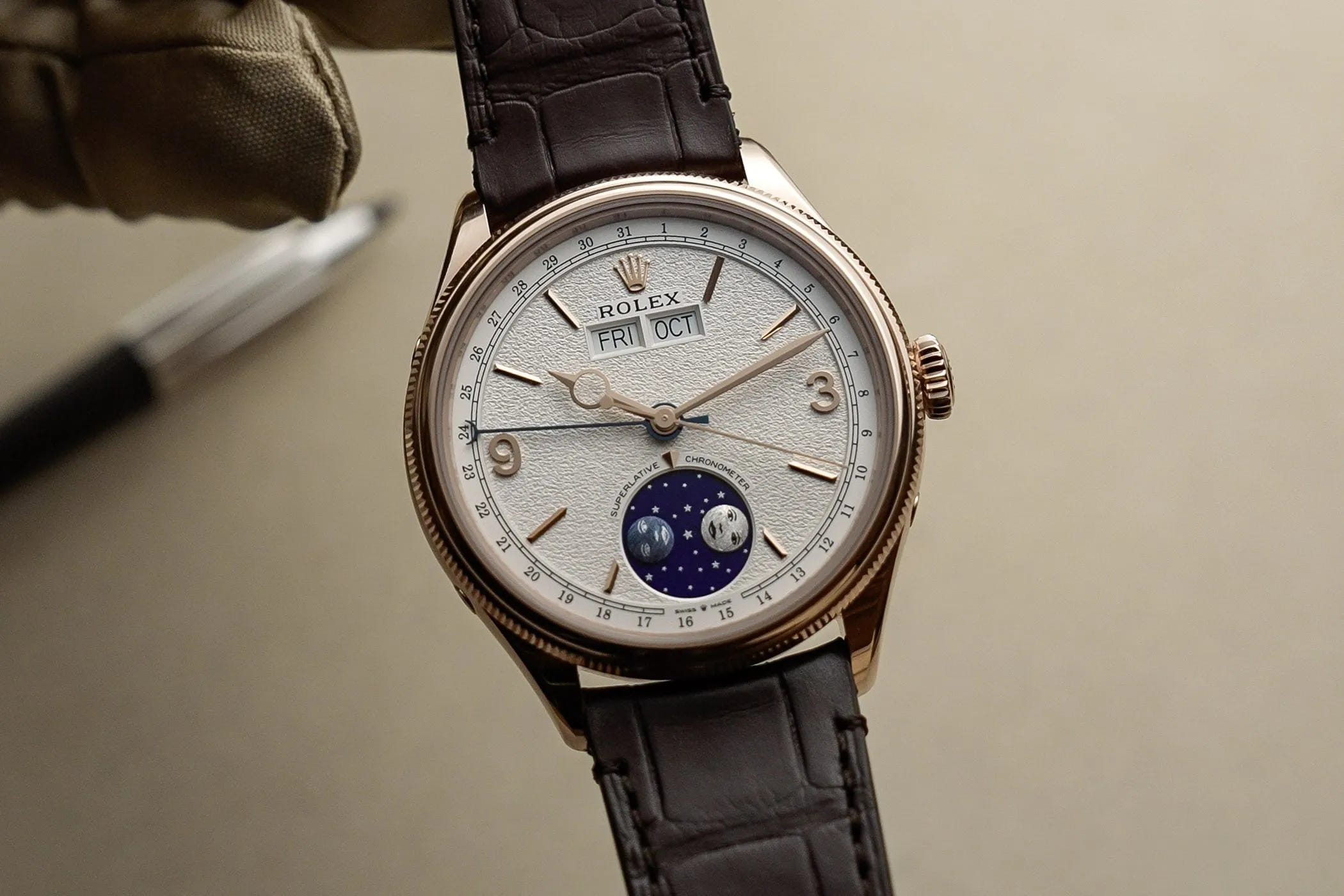
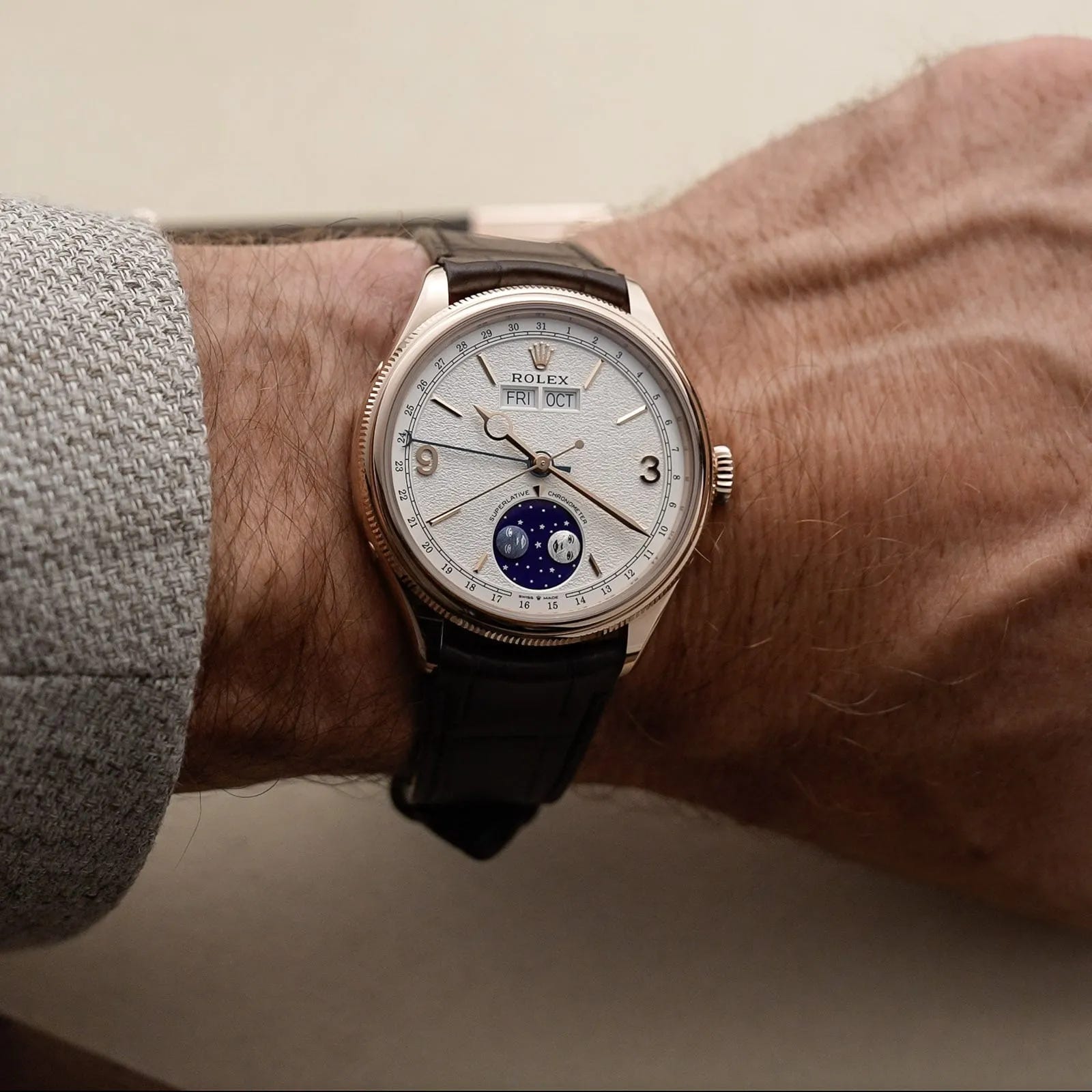
Rolex Revives the Padellone With an Annual Calendar and Dynapulse
The Rolex Perpetual Padellone brings a historic collector nickname into the modern catalog with an annual calendar, moonphase display, and Dynapulse escapement. Its 39mm case is offered in Everose gold or platinum, while the calendar presents day and month windows alongside a centrally indicated date. The annual mechanism accounts for different month lengths and requires correction at the transition from February to March; “Perpetual” in the model name should not be confused with a perpetual-calendar complication. With a reported 66-hour power reserve, the watch combines a traditional dress-watch presentation with contemporary Rolex engineering. Price: approximately US$64,302 in Everose gold on leather, US$79,366 in Everose gold on the Settimo bracelet, and US$72,263 in platinum on leather.

Tissot Adds Quartz Chronographs to the PRX Lineup
Tissot expands the PRX family with a quartz chronograph in a 41mm steel case, giving buyers another route into its integrated-bracelet design. Silver, black, and blue vertically brushed dials carry three circular subdials and a date window, while luminous hands and markers maintain everyday usability. The sapphire crystal, quick-release bracelet, and battery-life indicator support a practical ownership experience with fewer winding concerns. For collectors who like the PRX shape and want chronograph functionality at a more accessible price, the quartz movement is central to the proposition. Price: approximately US$580, converted from £430.
COMPARISONS
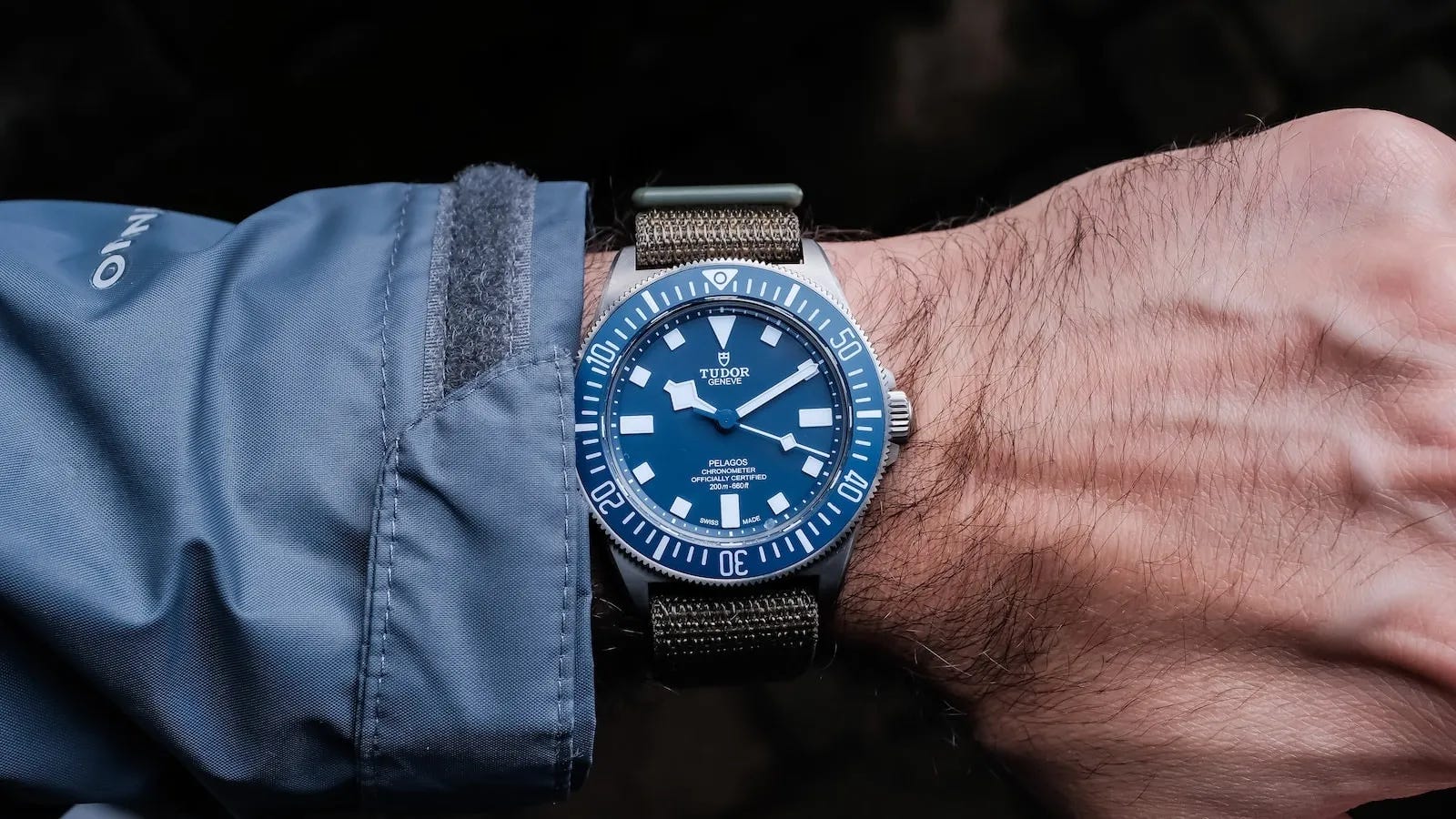
Seven Dive Watches for Collectors Who Want Something Different From the Seamaster
The Omega Seamaster Diver 300M has an identity strong enough to inspire both affection and a very specific list of complaints. Skeletonized hands, the helium escape valve, and overall proportions can be appealing signatures or recurring irritations, depending on the wearer. This comparison considers seven alternatives that address different parts of that equation.
The selection spans the Tudor Pelagos FXD, Raven Trekker, Mido Ocean Star 200, Longines HydroConquest, Glashütte Original SeaQ, Oris Aquis New York Harbor II, and Sinn T50. Clearer dial layouts, different materials, alternative bezel designs, and strap arrangements offer distinct approaches to the dive-watch brief. Each also brings compromises, making the useful question which watch best matches the owner’s priorities rather than which specification sheet wins outright.
REVIEWS
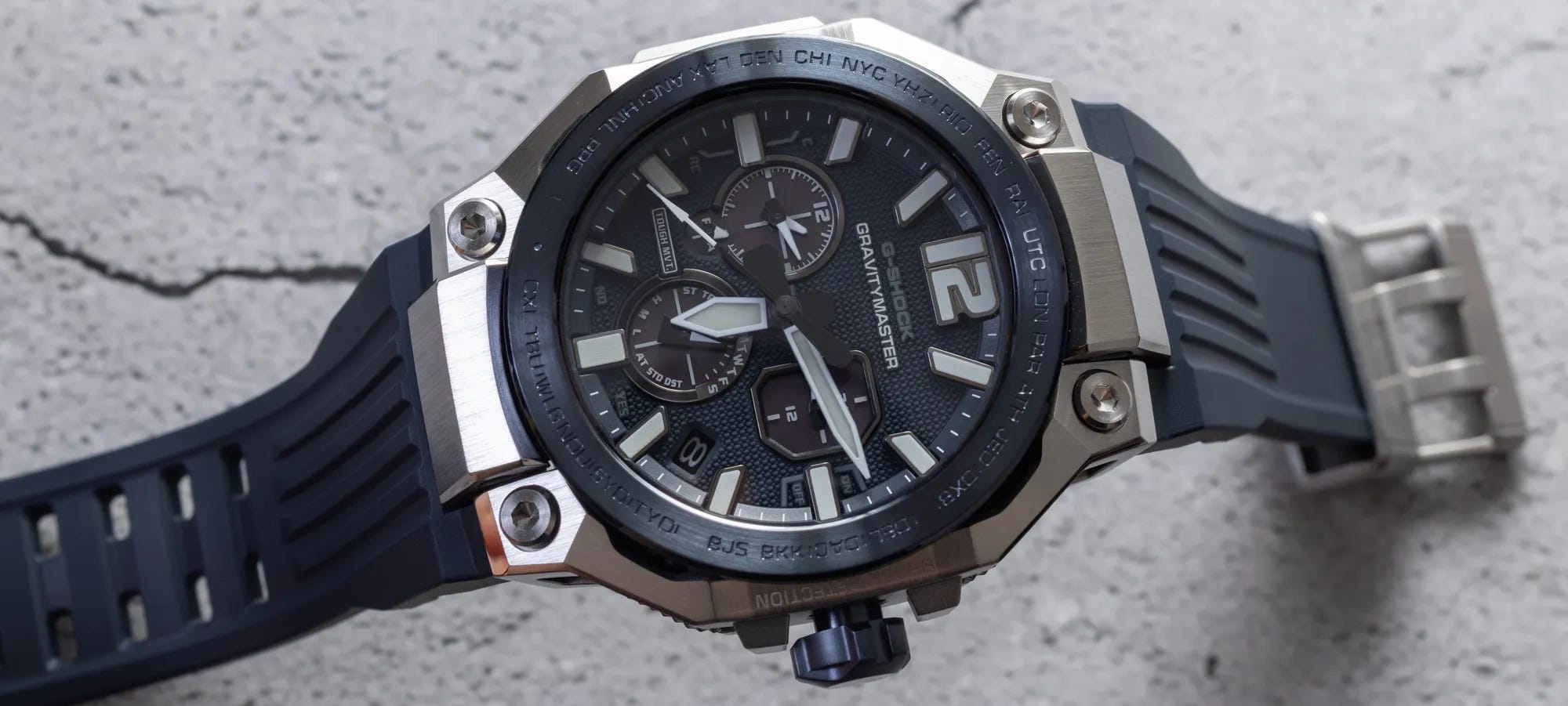
G-Shock’s Gravitymaster GWR-B3000 Watches Its Own Hands
Casio’s Gravitymaster GWR-B3000 introduces Tough Movement 2, using shock and magnetism sensors to detect conditions that can cause analog hands to lose alignment. The system’s ability to identify and correct that problem adds a practical layer of resilience to a watch already equipped with solar charging, radio-controlled timekeeping, and Bluetooth connectivity. Its multiple hands and displays bring world-time and timing functions into an unmistakably technical presentation.
The 47.3mm-wide watch combines several materials, including carbon, resin, steel, and sapphire, with 200 meters of water resistance and a reported weight of 102 grams. At US$990, it asks buyers to value its engineering and extensive functionality as much as its appearance. The attraction is an analog watch that takes an unusually active role in keeping its display trustworthy.
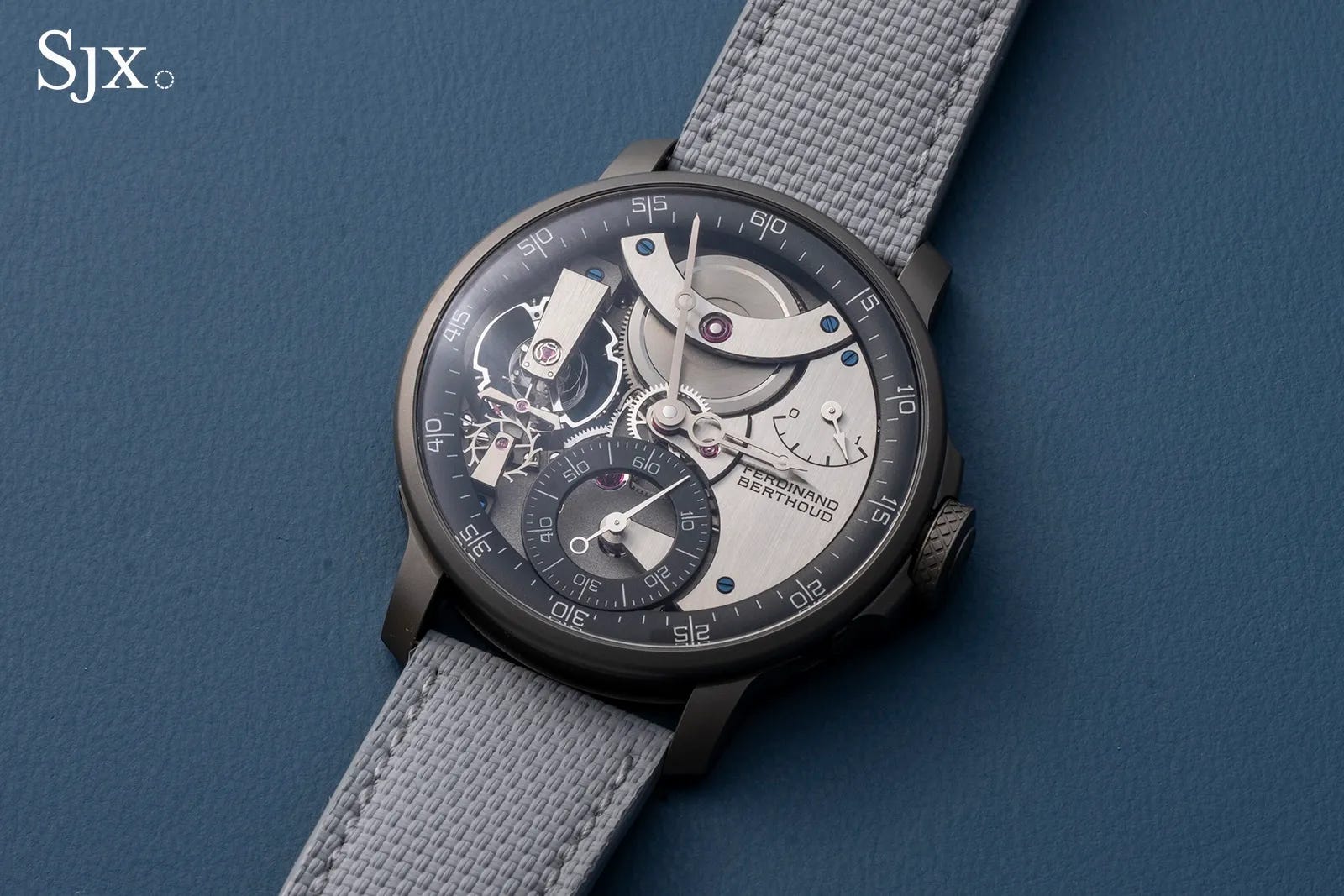
Ferdinand Berthoud’s FB 3SPC.4-1 Makes the Hairspring Part of the Show
The Ferdinand Berthoud FB 3SPC.4-1 places a cylindrical hairspring at the center of its appeal, connecting historical chronometer thinking with an exposed contemporary movement. A ceramised-titanium case gives the watch a subdued, lightweight exterior, while a sapphire side window offers another perspective on its mechanical activity. The result rewards attention to the regulating organ rather than relying solely on decorative dial work.
The hand-wound movement provides a 72-hour power reserve, and the textile strap reinforces the watch’s relatively purposeful appearance. Legibility remains part of the review’s discussion, particularly where the hands meet the muted mechanical background. With production described at roughly 35 examples annually, this is a specialized proposition for collectors interested in unusual engineering and the way it is presented.
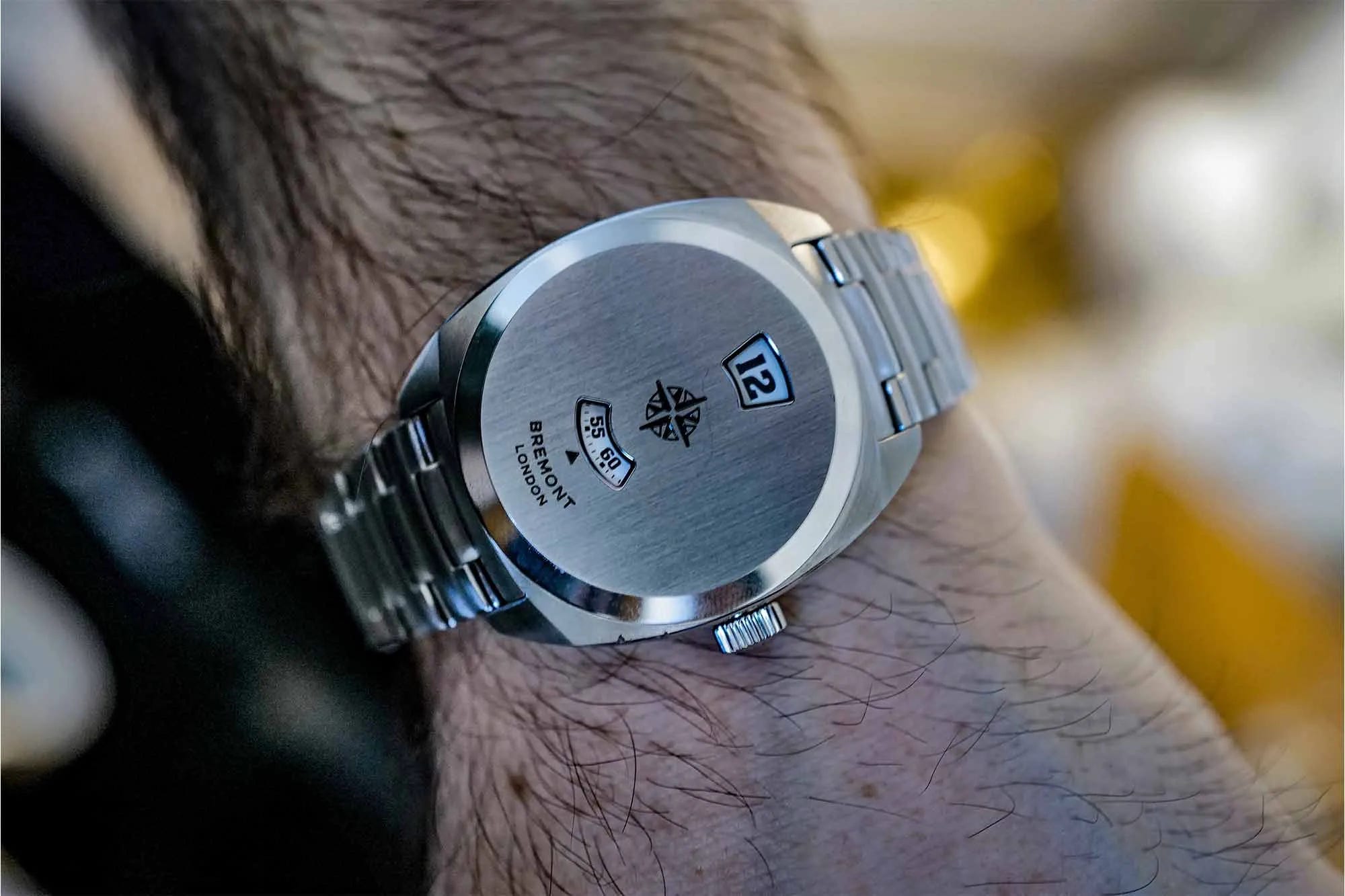
Bremont’s 35mm Terra Nova Makes a Strong Case for Smaller Proportions
Bremont’s Terra Nova jumping-hour watches appear particularly convincing in their new 35mm format. The smaller case brings the display elements into closer visual balance, allowing the instantaneous hour change to become the central attraction. The automatic BC634 movement provides the mechanical foundation, with the collection exploring different dial treatments and window arrangements.
Options range from a burgundy version on a strap at US$4,000 to a montre à guichet at US$4,550 on a strap or US$4,800 on a bracelet. A frosted version at US$5,150 offers a more unusual surface treatment and substitutes a subtle wayfinding-logo motif for the central seconds window. The review’s strongest observation concerns proportion: reducing the dimensions helps the collection’s design feel more settled and coherent.
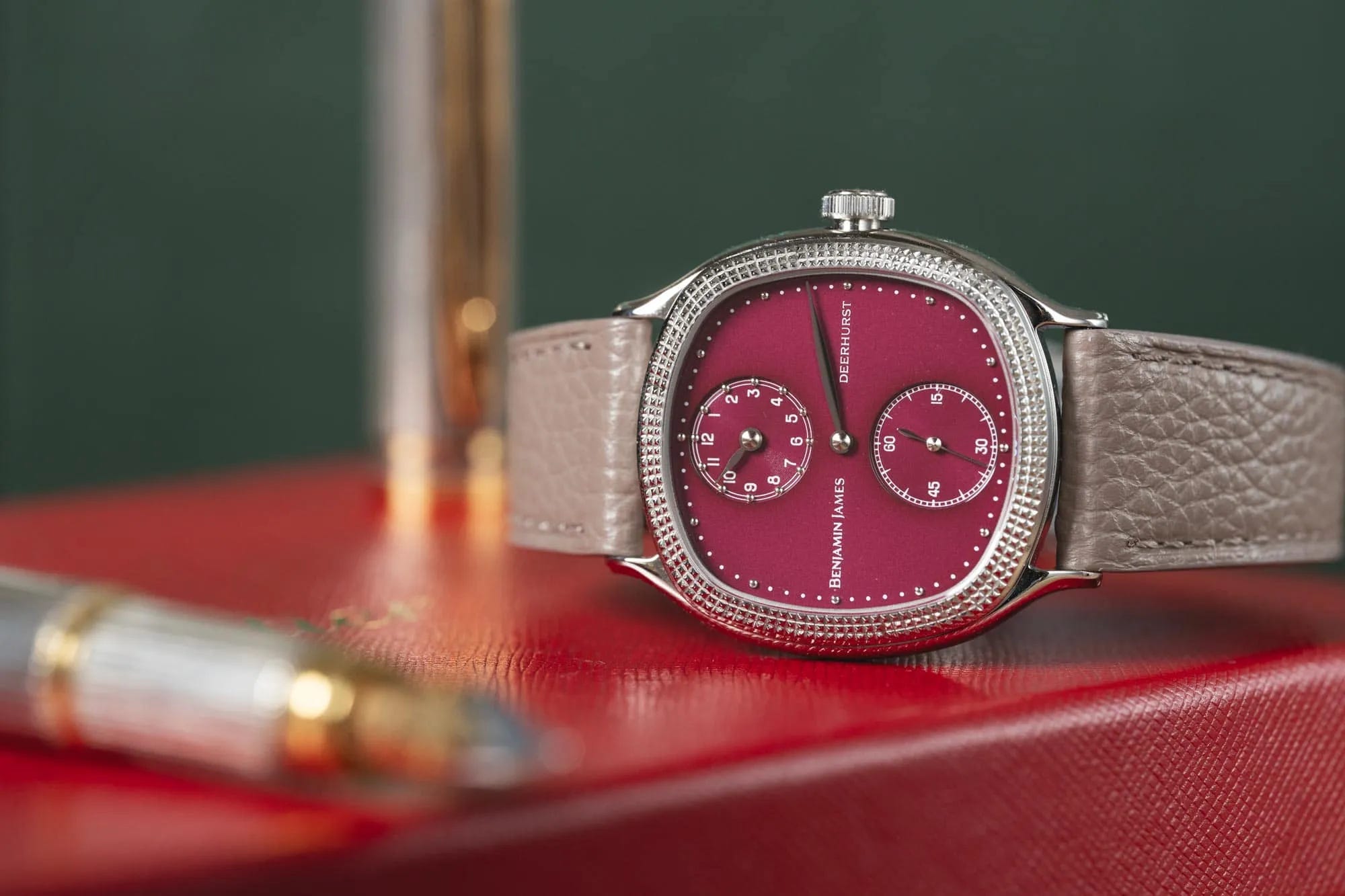
Benjamin James Gives the Regulator a Compact, Decorative Setting
The Benjamin James Deerhurst Regulator combines a 36mm steel case with a burgundy dial and a Clous de Paris bezel, bringing texture and color to an uncommon display format. Its manually wound Sellita SW266-1 M movement offers approximately 41 hours of power reserve, while sapphire crystal and 50 meters of water resistance provide familiar everyday specifications. Leather and bracelet choices allow the watch to lean more formal or more versatile.
The review examines how the decorative bezel, minute markers, and hand shapes work together, while questioning whether some areas of the dial could use more visual development. At US$1,702 for the bracelet version, the attraction is a compact watch with an identity beyond the usual three-hand template. It should particularly interest buyers who enjoy traditional display ideas interpreted by smaller brands.
AUCTIONS
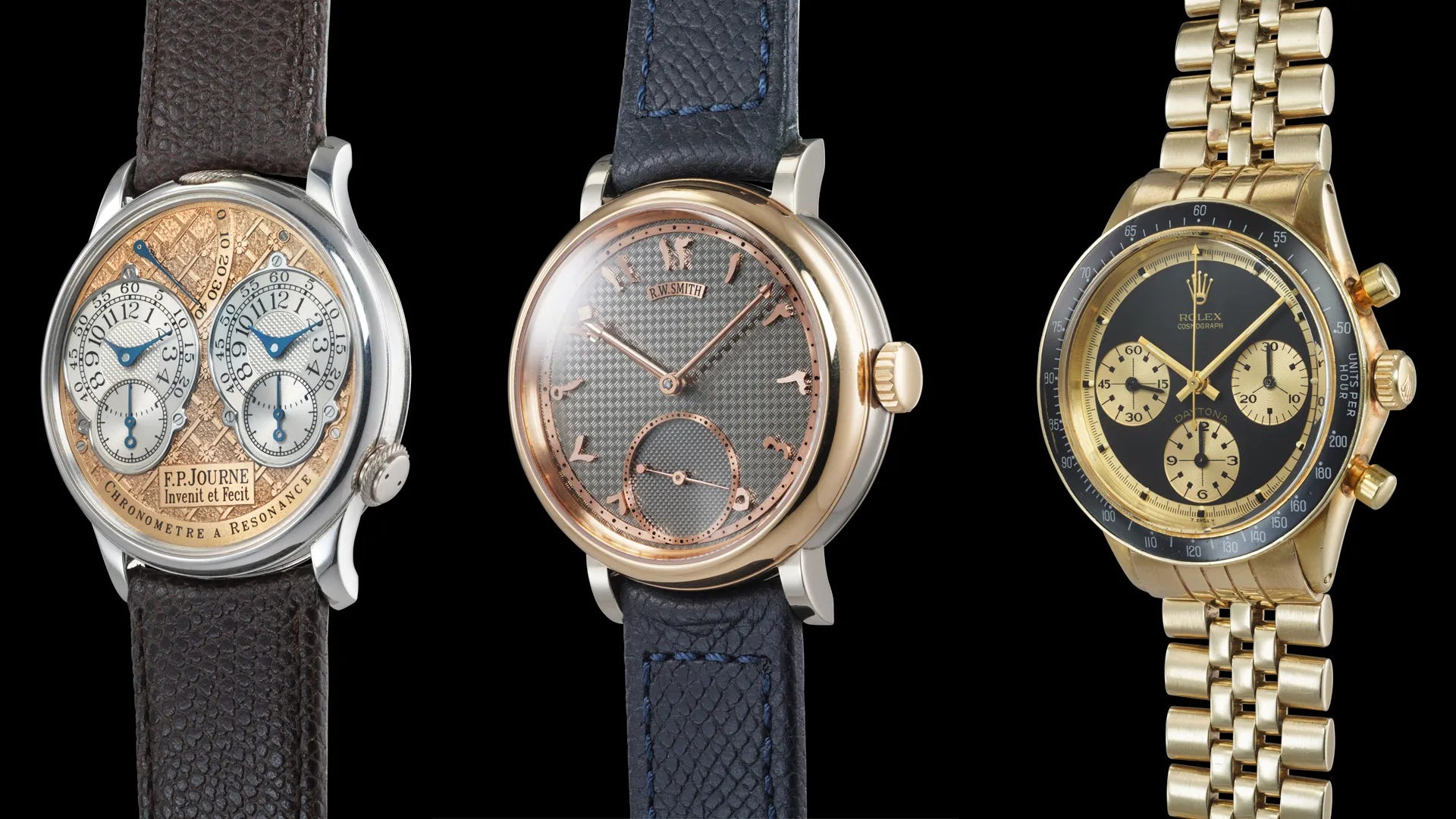
Seven-Figure Watches Head to Phillips Geneva
Phillips’ November 7–8 Geneva auction is assembling the kind of watches that make estimates look like property listings. Among the highlights are an F.P. Journe Chronomètre à Résonance “Régence à Losange,” a yellow-gold Rolex reference 6062 “Stelline,” and a Patek Philippe reference 1436. Their appeal rests on different combinations of rarity, configuration, historical importance, and collector demand.
The broader selection includes a John Player Special Daytona and a tantalum Voutilainen Vingt-8 Inversé, extending the conversation from vintage icons to independent watchmaking. The preview captures the ambition at the top of the auction market, but the meaningful test comes when those estimates meet actual bidding. Exceptional consignments can attract attention well before they establish a transaction price.

Six Things to Watch at Sotheby’s September 18 Hong Kong Sale
Sotheby’s upcoming Hong Kong sale offers several ways to read the collector market beyond its most expensive lots. F.P. Journe Tourbillon Souverain examples with unusual mother-of-pearl dials and a white-gold Cartier Cheich provide headline attractions, while Patek Philippe perpetual calendars and minute repeaters give the catalog considerable depth. Distinctive configurations and provenance will help determine which examples separate themselves from the field.
The preview also considers complicated pocket watches, vintage Rolex bubblebacks, and the continuing appeal of unusually preserved or sealed watches. Those categories broaden the sale’s relevance beyond contemporary trophy collecting. They also raise useful questions about how buyers weigh condition, originality, historical interest, and the premiums attached to unusual details.
PODCASTS
aBlogtoWatch Weekly #238: Geneva Heat, Watch Hoarding, and a Blue Chanel
Rick, Ariel, David, and Ripley regroup after Geneva Watch Days to discuss the watches, the hospitality, and the challenge of appreciating fine mechanics while overheating. The conversation considers what makes the event worthwhile, how the latest GPHG selections reflect industry priorities, and which releases made a lasting impression.
The episode then moves into the difference between collecting and investing, with the usual conversational detours before returning to Chanel’s blue ceramic J12, the Lange 1815 Up/Down, and Tudor’s North Flag. It is an opinionated look at the reasons people accumulate watches—and the explanations they offer themselves afterward. Runtime is approximately one hour and 18 minutes.
VIDEOS
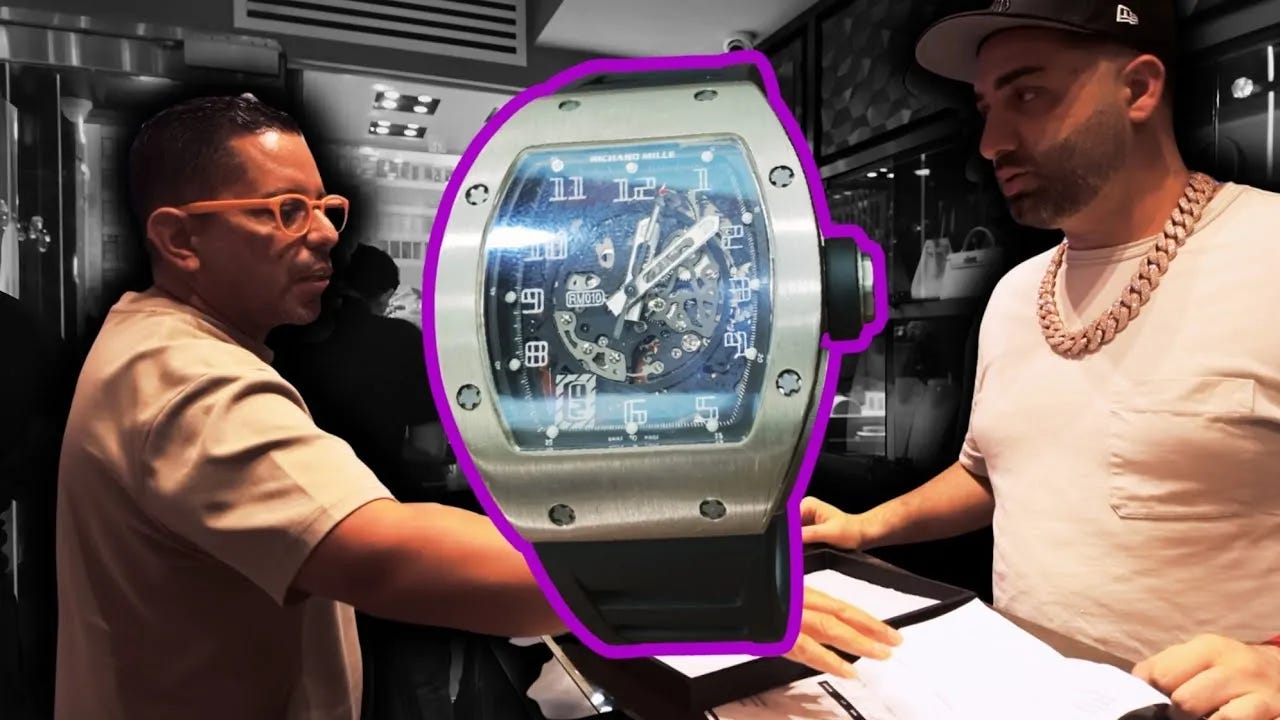
Watch Hospital NYC: “Gave the FAIREST Offer for RM Service…”
Watch Hospital NYC turns to the cost of Richard Mille service and the negotiation surrounding a proposed repair bill. The subject puts attention on a less glamorous part of expensive-watch ownership: deciding what work is necessary and what a reasonable service offer includes. For collectors, the useful lens is the relationship between the quoted amount, the scope of the work, and the confidence the repairer can provide.
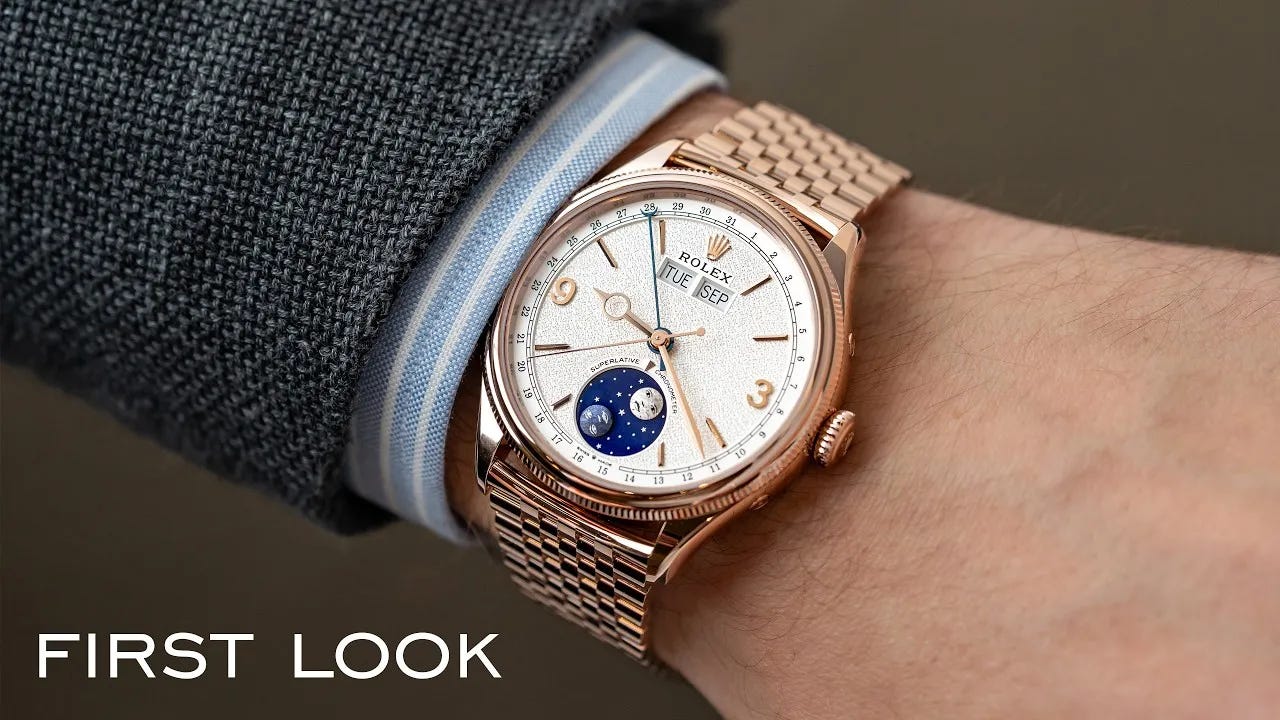
Teddy Baldassarre: Hands-On With the Rolex Perpetual Padellone
Teddy Baldassarre takes a closer look at Rolex’s new Perpetual Padellone, giving viewers an opportunity to assess its proportions and calendar display beyond launch photographs. The model’s combination of a historic name and modern engineering makes the physical presentation especially interesting. This is a chance to consider how the dial, case, and complications work together as a watch intended to be worn.

Chisholm Hunter: After Reviewing More Than 100 Watches, What Would I Actually Buy?
Chisholm Hunter turns an extensive run of watch reviews into a more personal purchasing discussion. The premise shifts attention from what is interesting to cover toward what remains appealing when the reviewer has to make a choice. Viewers can compare the priorities behind those selections with their own expectations for comfort, design, usefulness, and price.

Adrian Barker: “IWC’s Biggest Failure!”
Adrian Barker’s provocative title sets up a critical discussion of IWC and the expectations collectors bring to the brand. It is best approached as an editorial argument about product choices and appeal, with the value lying in the reasoning behind the verdict. Alongside today’s anniversary Ingenieur coverage, it provides another perspective on the challenge of translating a respected history into watches buyers want now.

Revolution Watch: The Padellone and a New Chapter in Complicated Rolex
Revolution examines the Perpetual Padellone’s place in Rolex’s approach to complicated watchmaking. The annual calendar and moonphase display give the discussion substance beyond styling, while the revived name invites comparison with the company’s earlier calendar watches. For collectors following the launch closely, this offers another perspective on why the model expands the contemporary Rolex conversation.

Burdeens Jewelry: Watches You Shouldn’t Buy at Retail in 2026
Burdeens Jewelry addresses the gap between a watch’s retail price and the alternatives available in the secondary market. The purchasing question is practical: when does buying new justify the additional cost, and when does a comparable pre-owned example deserve closer attention? Condition, warranty, availability, and the actual transaction price all belong in that comparison.
AUCTION REPORT
Yesterday’s Lange Stalls at $24,250; Today’s Saxonia Thin Reaches for the Stars
Tuesday’s auction of the 2014 A. Lange & Söhne 1815 Up/Down in yellow gold, reference 234.021, reached $24,250 but failed to meet reserve.
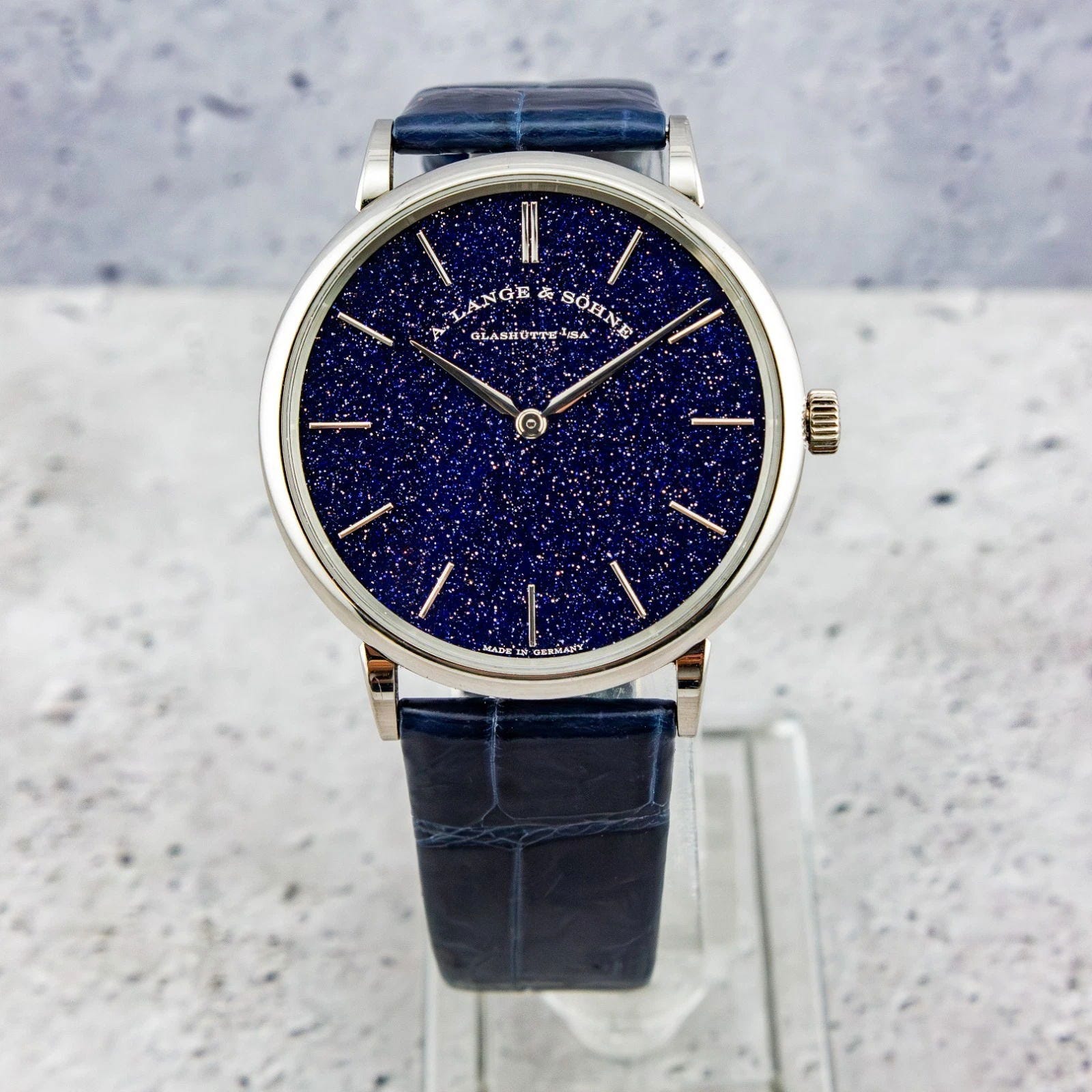
Today’s offering is a 2022 Saxonia Thin in white gold with the copper-blue aventurine-glass dial, reference 205.086 / LSLS2053AX, carrying an estimated reserve of $27,900. The US-based watch includes its box and papers, with an excellent dial and minor wear reported on the case, bezel, and the listing’s strap or bracelet condition field. One specification deserves clarification: the listing gives a 40mm case, while Lange documents this reference at 39mm.
Introduced in 2018, the copper-blue reference gave the Saxonia Thin a remarkably expressive dial without disturbing its restrained two-hand layout. Its solid-silver dial base carries a layer of dark-blue gold flux, commonly called aventurine glass, whose tiny copper crystals produce the sparkling effect. The white-gold case measures just 6.2mm thick, and the manually wound L093.1 supplies a 72-hour power reserve. Through the sapphire back, the movement’s traditional architecture and finishing provide a second reason to spend time with a watch that appears exceptionally simple from across the room.
The available comparisons put the estimated reserve in a demanding position. A dealer advertises a boxed-and-papered example at US$24,999, while another advertised comparison is US$26,750; those are asking prices, subject to availability and negotiation. A documented Phillips sale of a circa-2020 example with accessories realized HK$190,500, roughly US$24,400 at approximately HK$7.8 to the dollar. These examples do not establish one fixed value for every Saxonia Thin, but they suggest that US$27,900 requires a persuasive case on condition, completeness, and any included protections, particularly if buyer’s fees are additional.
The appeal is easy to understand: precious metal, accomplished German watchmaking, and a dial that changes character with the light, all in dimensions suited to formal wear. Box and papers strengthen this example’s presentation, while the unspecified service history leaves mechanical condition as an important part of the assessment. Yesterday’s result showed that admiration for Lange does not automatically bridge a seller’s reserve. Today’s bidders will decide how much the starry dial adds to the equation when the auction ends at 12:15 p.m. EDT today, Wednesday, September 16, 2026.
Current bid: $20,500
Losing Time


Today’s Big Losers at Auction on Grailzee
Four watches, four failed sales, and four reminders that an asking price is occasionally just a wish wearing a dollar sign. Combined, sellers wanted $115,700. The final bids totaled $54,700, leaving a $61,000 gap—52.7% below the combined asking prices. Percentages below measure each shortfall against the seller’s ask.
2023 Ulysse Nardin Freak X L.E. Aventurine — 57.5% below ask.
The seller wanted $40,000; bidding stopped at $17,000, a $23,000 shortfall. The aventurine dial may evoke the night sky, but bidders declined to follow the pricing into orbit. This was the largest miss of the four, both in dollars and percentage terms.
Ulysse Nardin Freak Out Gold Cruiser — 49.7% below ask.
Against a $32,000 ask, the $16,100 high bid left a $15,900 gap. Bidders offered just over half the requested price, which presumably supplied the “Freak Out” portion of the seller’s experience. Across the two Ulysse Nardins, sellers sought $72,000 and attracted $33,100 in final bids—a collective 54.0% shortfall. In these two auctions, distinctive design did considerably more work than seller expectations.
2026 Rolex Datejust Two-Tone — 56.7% below ask.
The $21,000 ask met a $9,100 final bid, missing by $11,900. Apparently, neither the crown nor the 2026 date could persuade this audience to bridge the gap. Its percentage miss was nearly as large as the Freak X’s, a useful reminder that a recognizable name does not automatically validate whatever number appears beside it.
2016 A. Lange & Söhne Saxonia — 44.9% below ask.
The $22,700 asking price drew a $12,500 high bid, leaving $10,200 unresolved. The Lange came closest to its seller’s target, although “closest” here means bidders still wanted almost 45% off. A restrained dress watch, accompanied by a somewhat less restrained expectation.
The common thread is the size of the disconnect: all four finished roughly 45%–58% below ask. These were not near misses awaiting one enthusiastic final click. Completing sales at these bids would have required substantial concessions from sellers.
That does not make the final bids definitive market values; auction exposure, condition, completeness, and bidder participation can all affect results. But these outcomes do show that this audience was nowhere near these sellers’ expectations. The watches may be exceptional. The asking prices still needed someone else to agree.
Closing Time
Thanks for spending part of your day with BuyingTime. Today’s watches offer plenty of ways to enjoy the past, from a revived Rolex calendar to six stopwatches that once measured racing history. Look closely, ask what makes the particular example worthwhile, and leave room for the watch that speaks to you without needing an anniversary to do it. We’ll see you tomorrow.