

30 Second Read
Today’s watch world is working harder to earn your attention. Christophe Claret has a new financial foundation, De Bethune wants desire to grow through understanding its craft, and Timex is testing how far its reputation can travel upmarket. New watches range from Delma’s meteorite-dial Midland to Fayy’s hand-painted panda and Citizen’s spectacular anniversary Attesas. Our reviews explore everything from Formex’s practical engineering to Berneron’s inverted mechanics. Meanwhile, Friday’s Patek Philippe reached $49,500 without selling, and tonight’s Bovet Aperto 1 brings Pininfarina design to the auction block. The question connecting it all: what makes a watch worth wanting?
TIME GRAPHING TODAY’S WATCH UNIVERSE
The Watch Industry Has to Earn the Desire
The watch industry has spent years getting very good at telling people what they cannot have. Waiting lists, allocations, boutique relationships, mysterious production numbers: sometimes the process of acquiring a watch has received more attention than the watch itself. That makes today’s De Bethune interview especially welcome. Antoine Pin’s argument—that the company should build desire around its artistry rather than engineer scarcity—puts the emphasis back where collectors ought to want it. Show us something worth understanding. Give us a reason to care. The purchase can follow.
That is a demanding proposition because genuine enthusiasm requires more work than a velvet rope. De Bethune’s appeal involves a particular approach to materials, movement construction, finishing, and the imagination of Denis Flageollet. Explaining those things takes time. But a collector who understands why a watch exists has a stronger connection to it than someone who has merely been told that someone else wants it. Scarcity can intensify desire. It cannot indefinitely substitute for substance.
The same issue runs through Timex’s move upmarket. A familiar name on a more expensive watch creates an immediate question: what changed besides the price? Swiss production, better materials, considered proportions, and credible mechanical movements are part of the answer. The harder part is persuading someone who associates Timex with an inexpensive, dependable purchase to evaluate an Atelier model on its own merits. That requires the product to carry the argument. A customer’s affection for an old Timex gets the new watch a hearing; it does not automatically close the sale.
Fortunately, today’s new watches offer plenty of specific things to discuss. Delma’s meteorite Midland introduces natural variation into a familiar sports-watch format. Fayy’s Manman Panda makes a traditional Chinese painting technique the center of the experience. Citizen’s anniversary Attesas combine light-powered technical competence with dials that appear determined to be visible from the next table. These watches occupy different territories, but each offers a reason for its appearance beyond following the current fashionable color.
The guide to dial materials helps explain why that matters. A dial is where most of our relationship with a watch happens. We may admire the movement through the caseback, but we live with the face. Enamel, lacquer, stone, meteorite, and sapphire create different kinds of depth and different responses to light. Understanding how those surfaces are made gives collectors a more useful vocabulary than “looks expensive.” It also helps separate labor, difficulty, and originality from a good photograph.
Originality can be quiet, too. The Formex Essence FortyOne directs engineering toward comfort and everyday use. The Raymond Weil Millesime Tuxedo works through proportion and contrast. At the other end, Bulgari’s collaboration with Vianney Halter and the Berneron Mirage Miroir ask collectors to engage with much more unconventional mechanical compositions. There is room for all of them. The common requirement is a coherent idea, executed convincingly.
The commercial side eventually catches up with every idea. Our look at luxury watch experiences asks what remains after the installation comes down and the guests go home. The same question applies to launches, collaborations, and carefully managed exclusivity. Does the encounter deepen a lasting interest? Does the owner still enjoy the watch six months later? Friday’s Patek auction supplies a useful reminder that admiration and an acceptable transaction price are separate things: $49,500 was a real bid, but it did not produce a sale.
Tonight’s Bovet Aperto 1 carries that discussion forward. There is substantial design and mechanical interest to consider, but bidders still have to decide what those qualities are worth to them. That is where collecting becomes most interesting—when the owner can explain the attraction in personal, specific terms. This issue is full of watches that invite that explanation. The industry’s job is to make the invitation compelling enough that we want to accept.
-Michael Wolf
NEWS
Christophe Claret Is Back—and Preparing His Next Mechanical Act
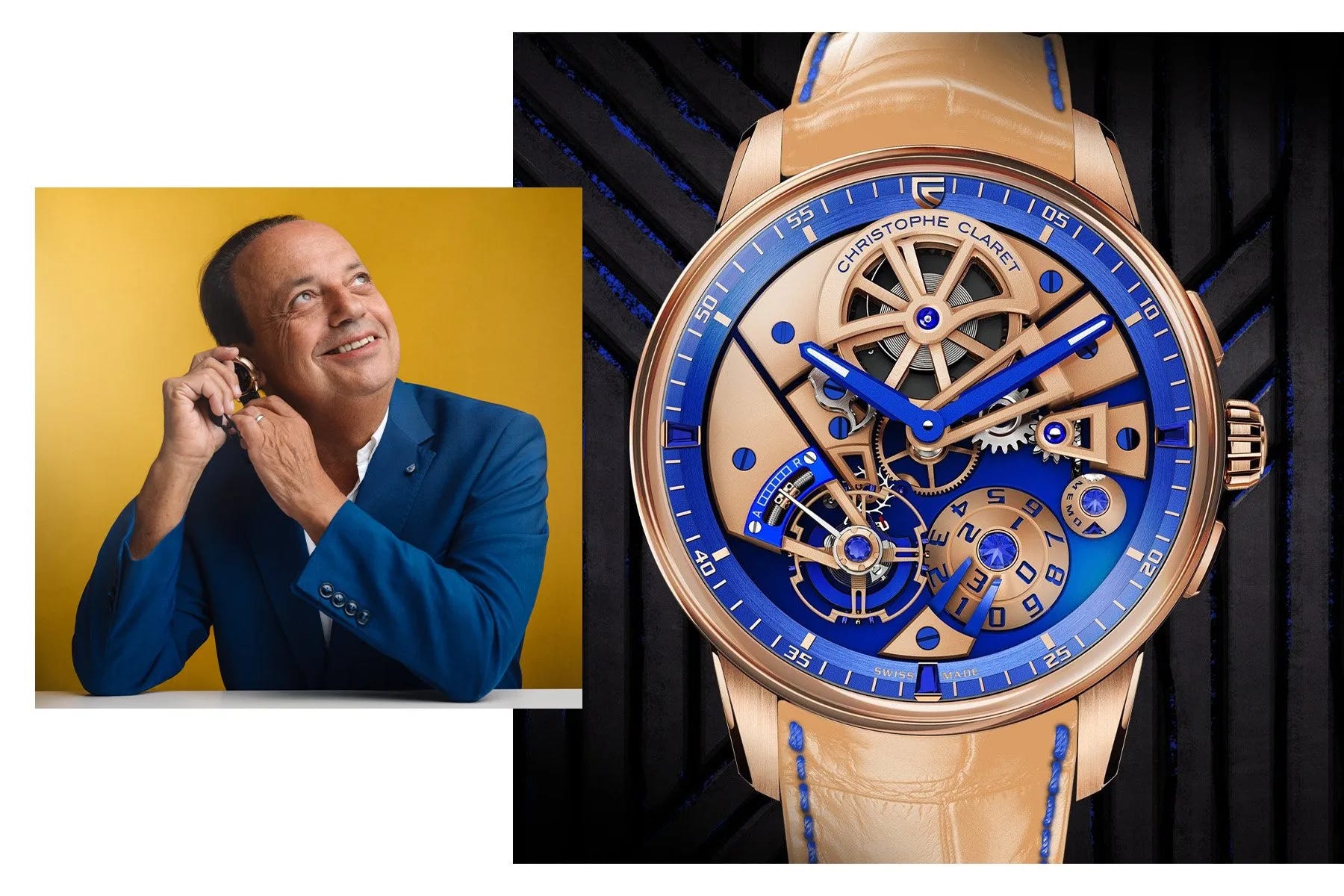
Christophe Claret’s next chapter comes through a partnership with Lotus Singapore Group and a new Swiss company, Lotus Two AG, which has acquired the brand name, assets, and intellectual property following insolvency proceedings. Claret remains the creative and watchmaking force, with the new structure intended to provide the financial resources and organization needed to support his ambitions. The plan preserves a focus on low-volume, mechanically expressive watches, including the interactive complications that have defined his work. The first creations from the renewed operation are expected in late 2027 or early 2028, making this a rebuilding story with a substantial development period ahead.

De Bethune Wants to Build Desire Through Craft
Antoine Pin’s vision for De Bethune centers on helping collectors understand the artistry behind the watches. Rather than making engineered scarcity the organizing principle, he emphasizes Denis Flageollet’s creative philosophy, the brand’s distinctive technical approach, and relationships with its existing community. The interview also addresses the connection between primary and secondary markets: a strong retail business needs confidence among owners, while resale conditions influence new purchases. With The 1916 Company providing institutional support, the challenge is to grow the audience while preserving the qualities that made De Bethune meaningful to collectors in the first place.
Timex Atelier Follows Seiko and Citizen Upmarket
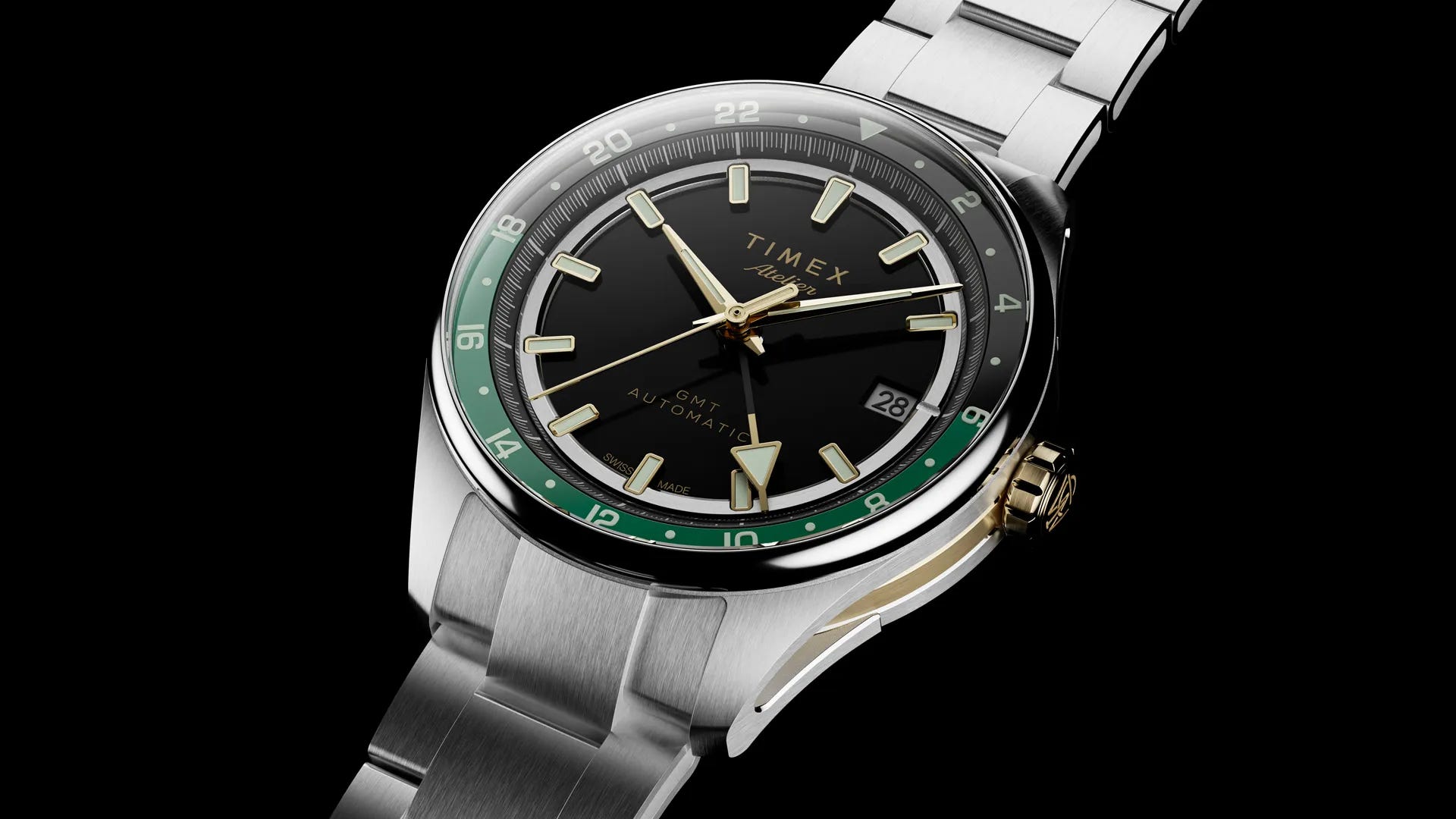
Timex is asking collectors to reconsider its place in the watch hierarchy through Swiss-made mechanical offerings and more ambitious design. The Atelier strategy brings sapphire crystals, exhibition casebacks, and upgraded case and bracelet execution into a price range approaching $2,000. The supplied report highlights the $1,950 Giorgio Galli S2Ti and the GMT Première M1a, priced at $1,350 on rubber or $1,450 on steel. The opportunity is clear, but so is the test: the watches must demonstrate enough substance to make longtime Timex buyers comfortable with a significantly larger purchase.
FEATURES
A Comprehensive Guide to Watch Dial Materials
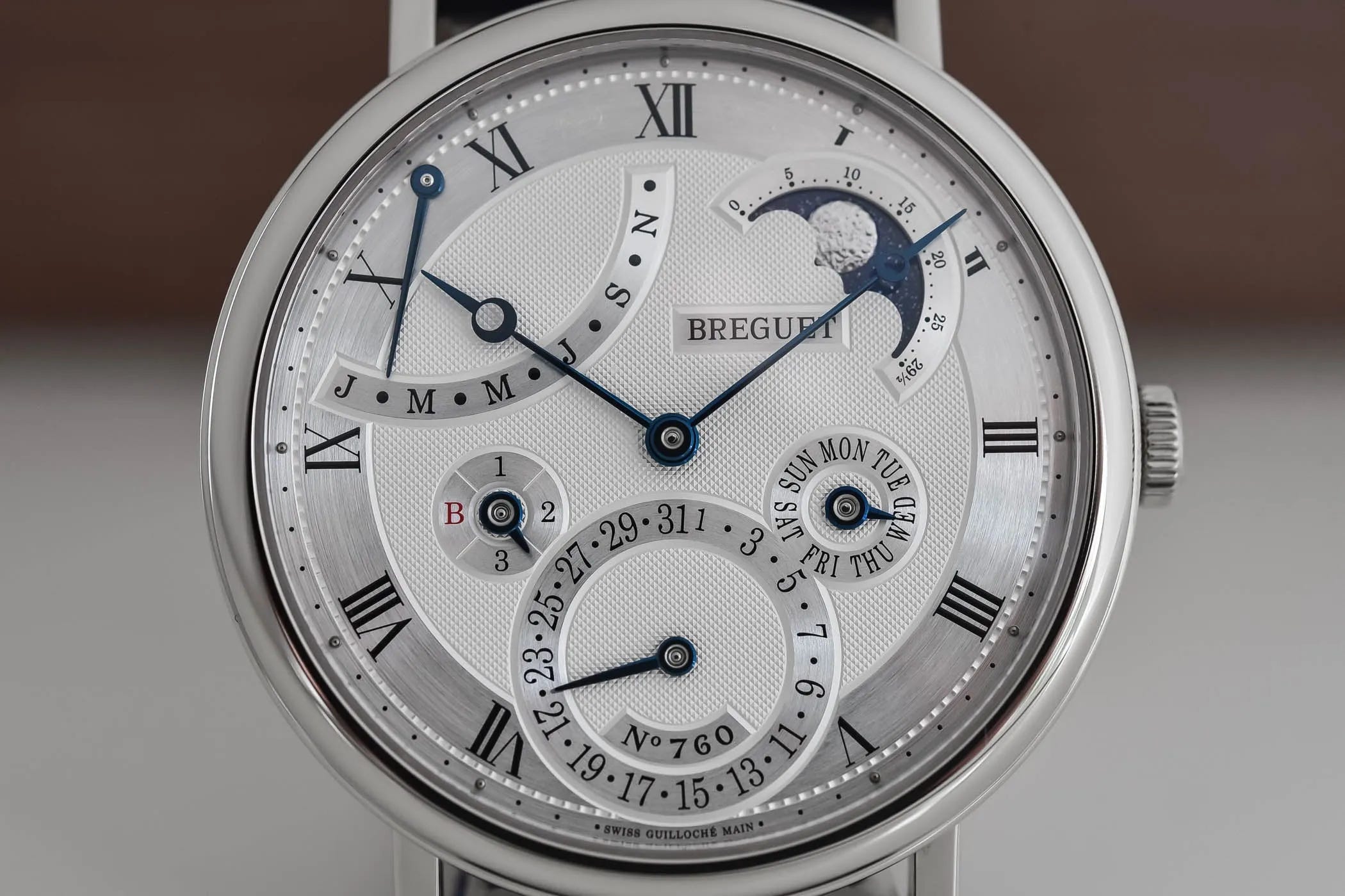
A watch dial can be a metal plate, a miniature painting, a slice of extraterrestrial material, or an exercise in transparency. This guide traces the evolution from early engraved faces to enamel, lacquer, porcelain, meteorite, stone, aventurine, mother-of-pearl, carbon fiber, and sapphire. It explains how manufacturing techniques shape appearance, difficulty, and cost, including the risks involved in firing enamel and working with fragile natural materials. For collectors, the useful takeaway is a better understanding of what creates a dial’s character—and why two similarly colored watches can offer very different craftsmanship.
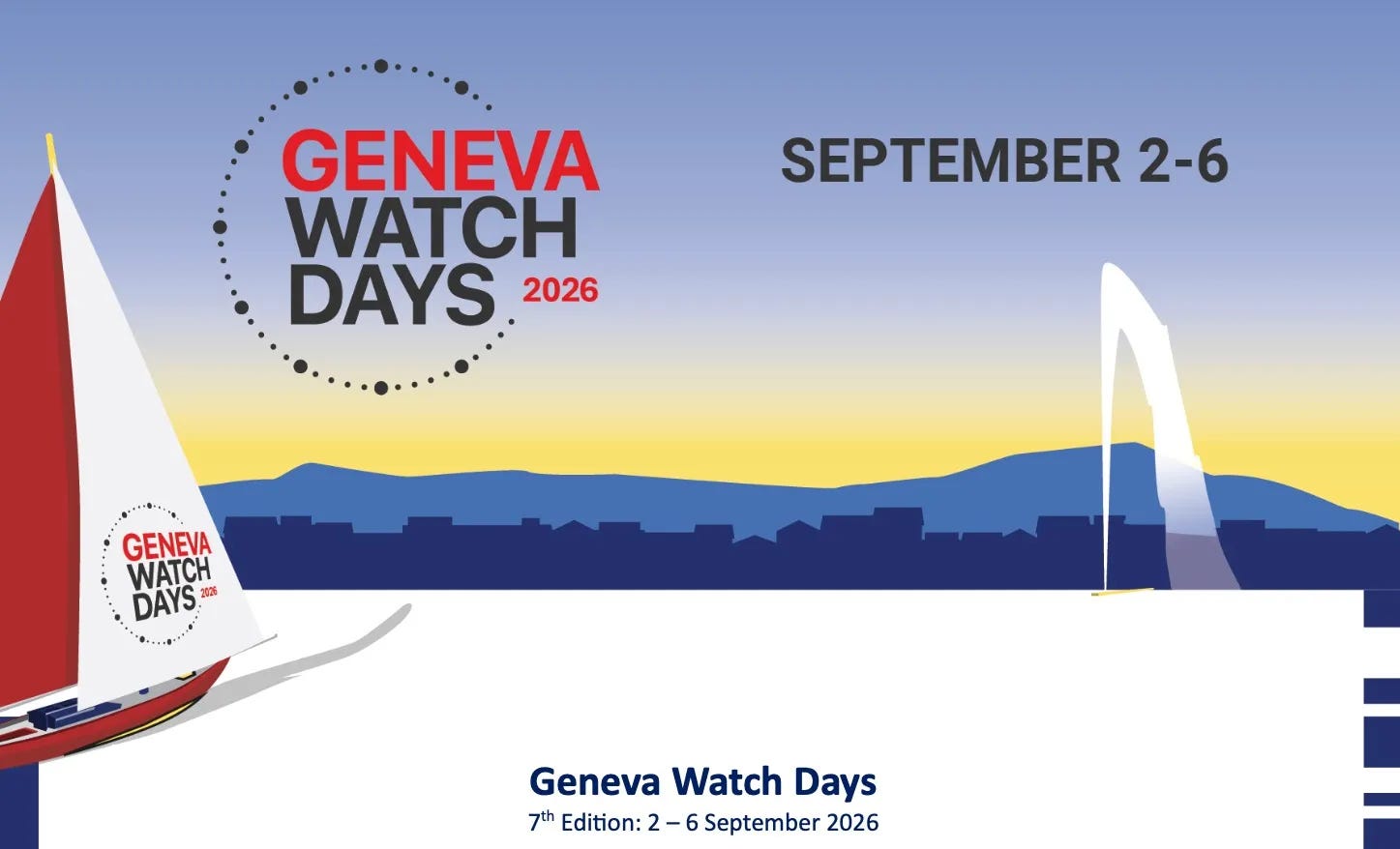
Frank’s Geneva Watch Days Picks Favor Lasting Elegance
Frank’s three selections make a persuasive case for contemporary watches with classical instincts. The Girard-Perregaux Laureato Fifty Tourbillon Micro-Rotor combines a recognizable sports-watch silhouette with elaborate mechanics, while Daniel Roth’s Extra Plat Rose Gold Gilt delivers the enduring appeal of black and gold. Czapek’s Quai des Bergues “Midnight in Geneva” adds the visual depth of aventurine. Together, the choices show how proportion, finishing, and a distinctive dial can create excitement without requiring every new release to reinvent the basic experience of reading the time.
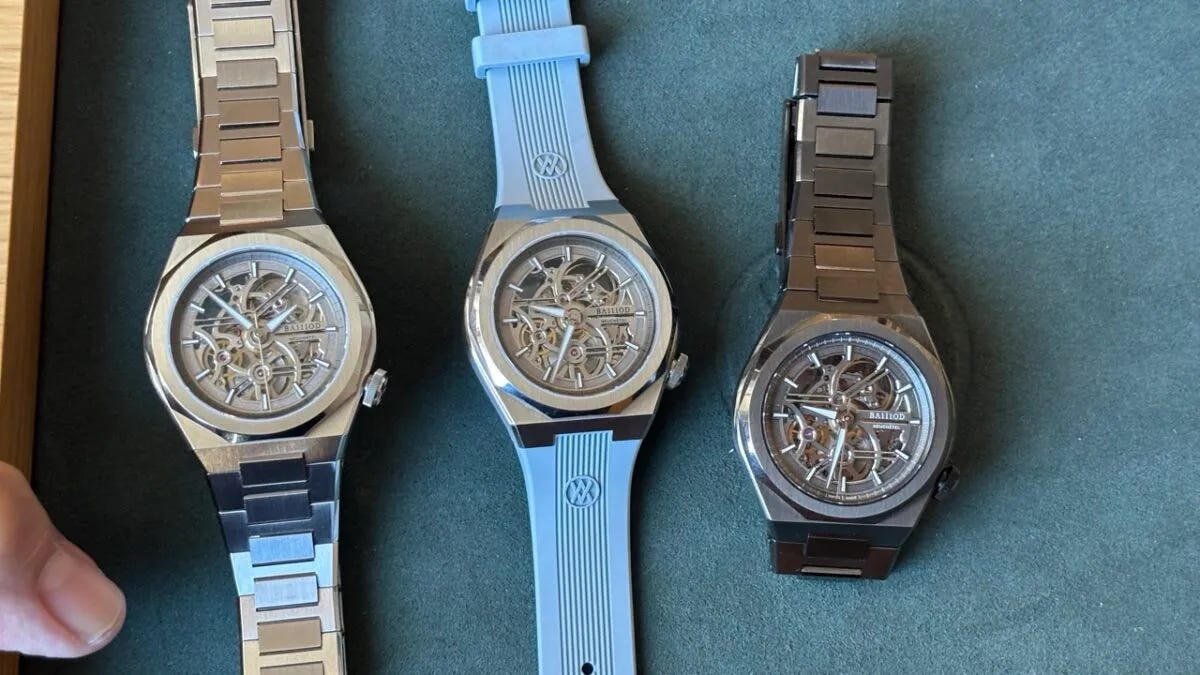
Stanley’s Geneva Watch Days Picks Span Accessible Skeletons and Haute Horlogerie
Stanley’s selections cover a broad range of independent watchmaking. BA111OD’s Chapter 7 Skeleton earns attention for combining an openworked presentation with everyday versatility, while the Kerbedanz 65’27’’ takes a more restrained, mathematically inspired approach. Greubel Forsey’s Balancier GMT Convexe supplies the technical spectacle, with sculptural construction and a travel complication. A special mention goes to L. Leroy’s Vox Temporis Minute Repeater Flying Tourbillon. The connecting thread is personal engagement: watches that offer an identifiable point of view at very different levels of complexity and cost.
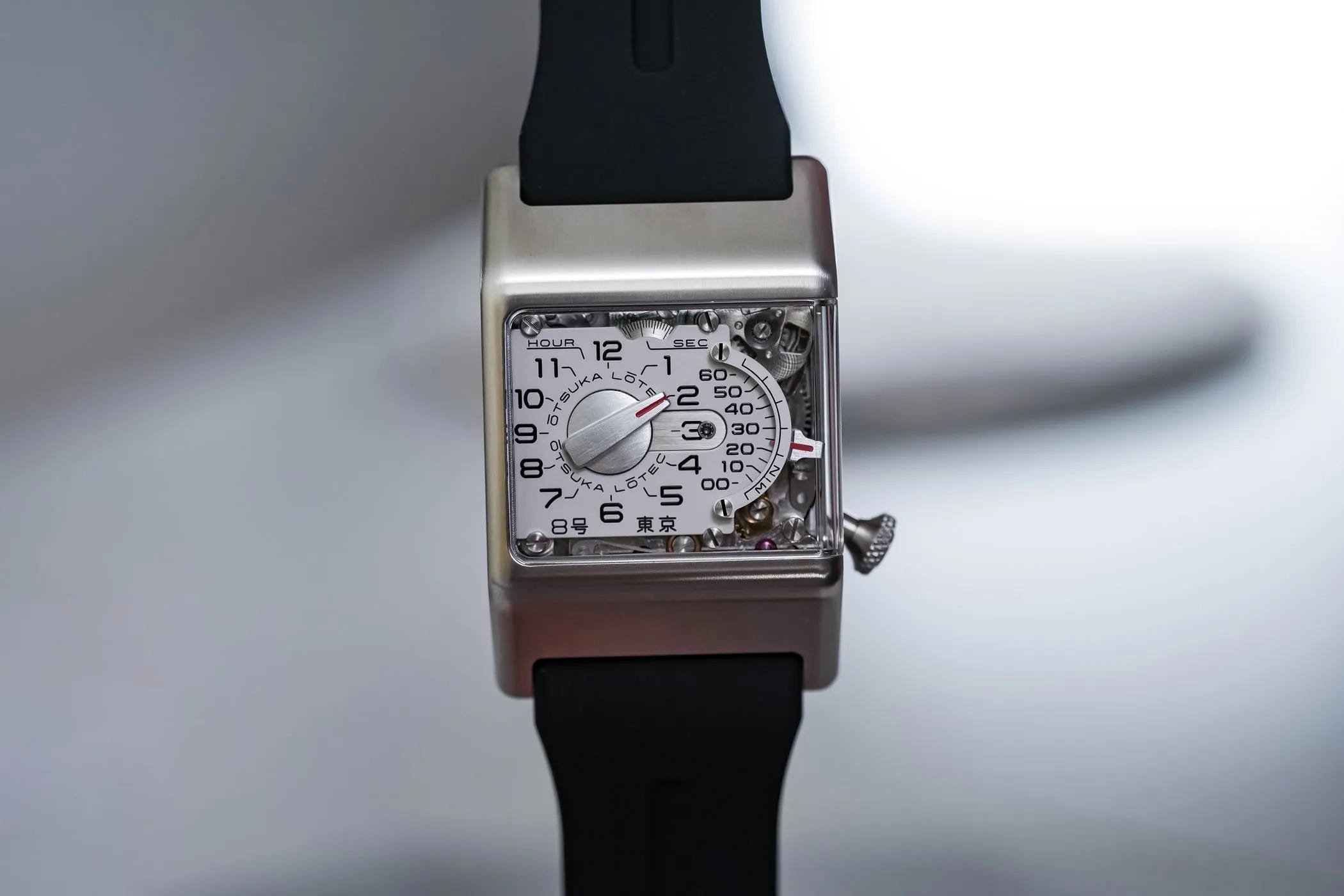
Six Jumping-Hour Watches That Make Time an Event
Jumping-hour watches turn an ordinary change of time into a small mechanical performance. This selection explores interpretations from Amida, Chronoswiss, MeisterSinger, De Bethune, Louis Vuitton, and Otsuka Lotec, ranging from compact digital-style displays to rotating cubes and combinations of jumping hours with retrograde indications. The appeal extends beyond novelty: alternative displays force designers to rethink movement architecture, dial organization, and legibility. For collectors who already own conventional three-hand watches, the category offers a distinctly different way to experience something as familiar as the arrival of the next hour.
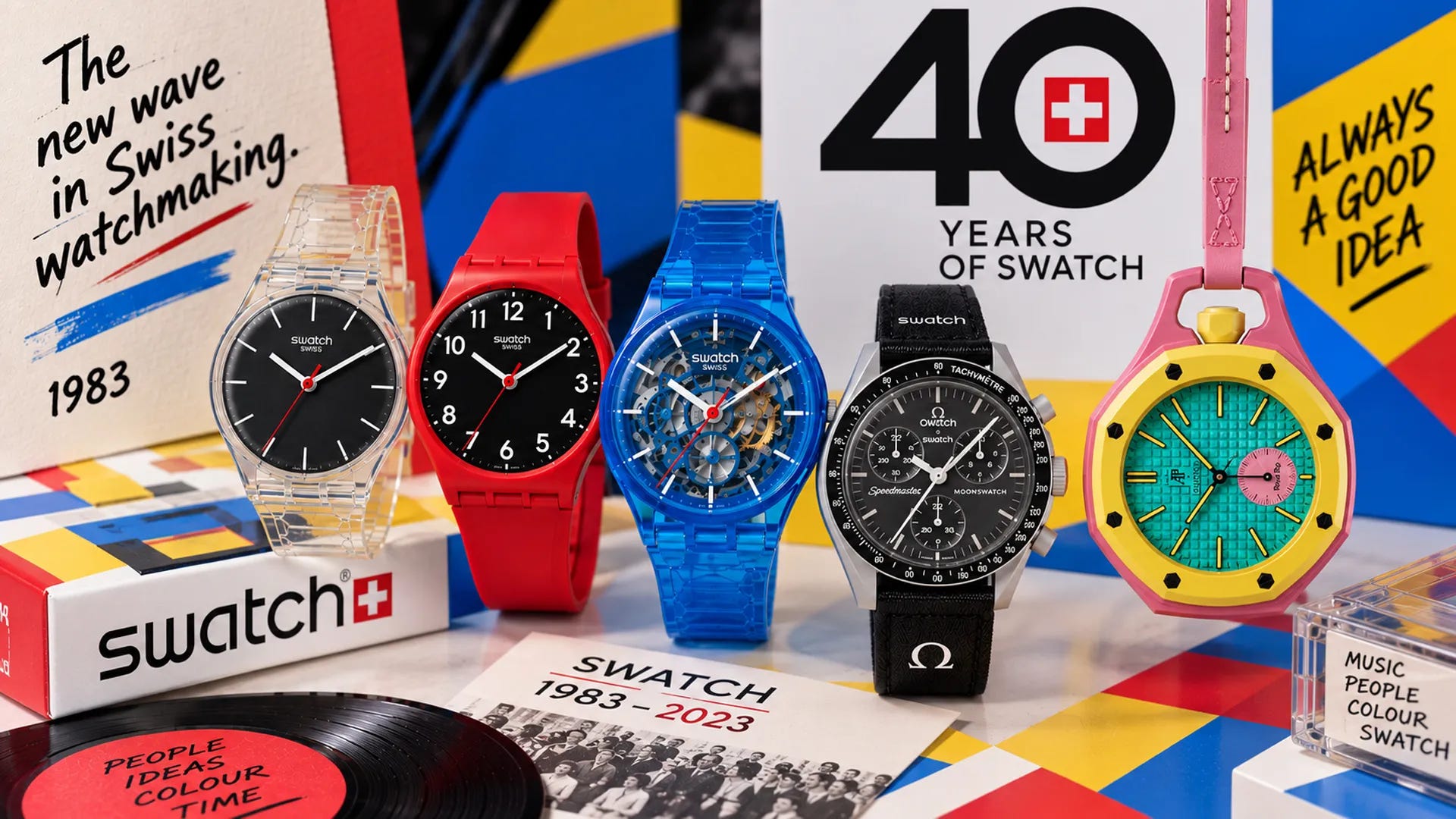
Why Swatch Still Matters More Than Its Price Suggests
Swatch helped reshape Swiss watchmaking by making a Swiss-made quartz watch affordable, scalable, colorful, and culturally relevant. Its simplified construction was only part of the achievement; the brand also encouraged people to treat watches as expressions of personality and to own more than one. Artist collaborations and constantly changing designs helped establish habits that remain central to modern collecting. This retrospective looks beyond nostalgia to examine how Swatch influenced manufacturing, marketing, and the commercial foundation supporting some of Switzerland’s most prestigious mechanical watch brands.
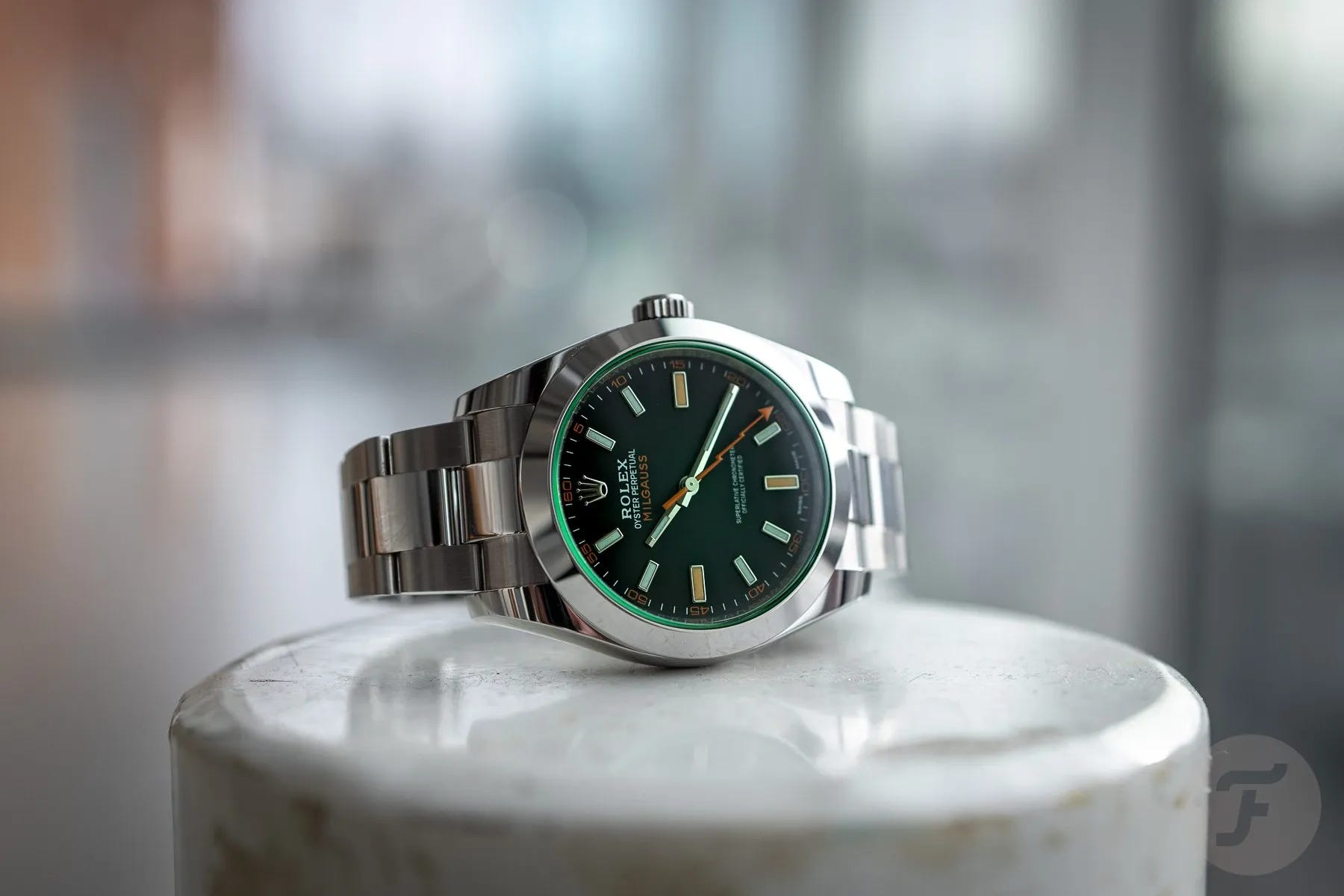
Five Watches Collectors Wish Had Stayed in the Catalog
Discontinuation can turn a familiar watch into a subject of immediate longing. This opinion piece revisits the appeal of the Rolex Milgauss, steel Omega Ploprof, Patek Philippe Nautilus 5711, and other much-discussed references from Rolex and Tudor. The broader question is why brands retire designs that still inspire strong affection, whether to simplify collections, change movements, or redirect attention. Read it as a collector’s wish list and an argument about design continuity, with exact reference numbers and configurations carrying more meaning than the model-family names alone.
NEW WATCHES
Dollar conversions below are approximate, using rounded September 11 reference rates of US$1.16 per euro and US$1.23 per Swiss franc. Converted prices retain the source’s stated tax basis and are not U.S. retail quotations.
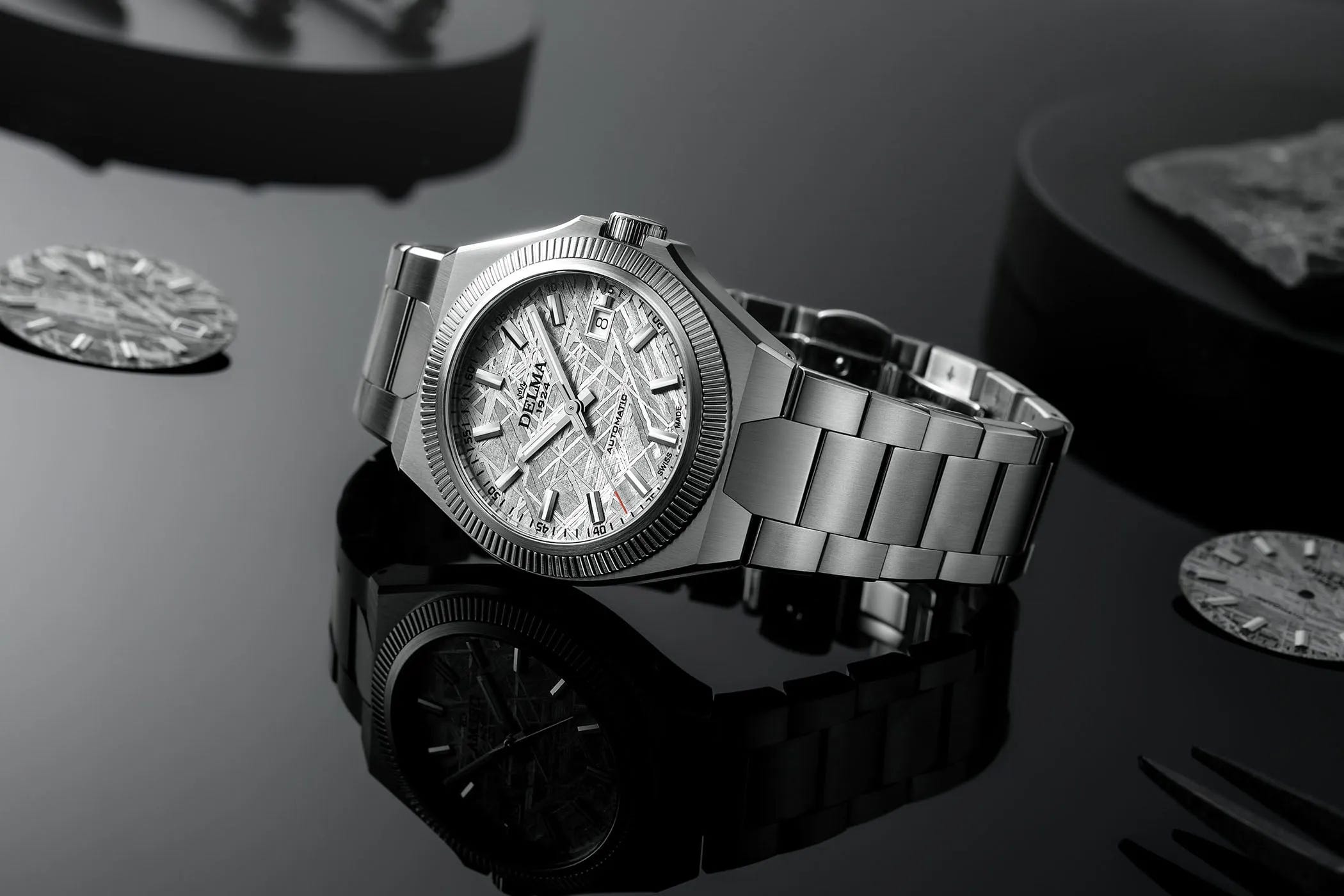
Delma Midland Automatic Meteorite: A Familiar Sports Watch With an Unrepeatable Dial
Delma gives its Midland Automatic a distinctive new surface with a dial cut from Muonionalusta meteorite, whose natural Widmanstätten pattern makes every example visually different. The 40.5mm stainless-steel case retains the collection’s integrated-bracelet appearance, fluted bezel, sapphire crystal, and practical 100-meter water resistance. A Sellita SW200-1 automatic movement provides approximately 41 hours of power reserve, with a customized rotor visible through the caseback. Limited to 100 pieces, it offers a material upgrade without abandoning the Midland’s straightforward everyday-watch formula. Price: approximately US$1,970, converted from €1,700.

Fayy Manman Panda: Chinese Inner Painting Finds a New Canvas
Fayy’s Manman Panda places a hand-painted scene beneath sapphire, adapting the traditional Chinese art of inner painting to a wristwatch. Artisan Lai Sijia’s panda-and-bamboo composition remains the visual centerpiece because separate apertures display hours, minutes, and seconds through rotating discs. The 39mm titanium case houses a self-winding movement with a 40-hour power reserve, while a green bamboo-pattern leather strap and panda-paw-inspired clasp continue the theme. Production is limited to 50 pieces, and the watch can also be worn as a pendant. Price: approximately US$4,060, converted from CHF3,300 including VAT.
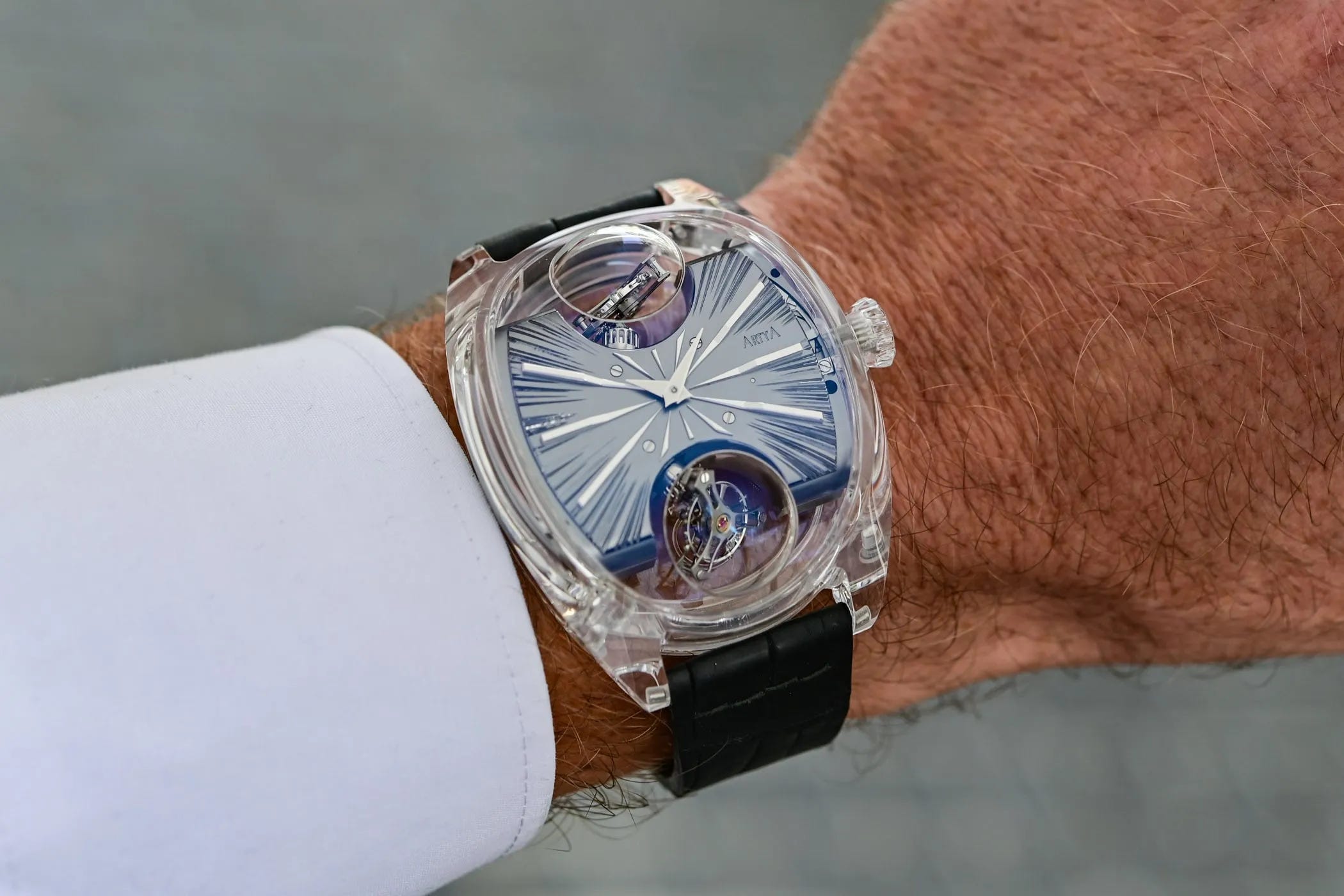
ArtyA Complexity Métiers d’Art: Two Tourbillons, Almost Nothing to Hide
ArtyA’s Complexity Métiers d’Art combines two inclined tourbillons, connected by a differential, with a transparent case that makes the mechanism part of the exterior design. The manually wound Complexity-01 movement contains 287 components and offers a 50-hour power reserve, while engraving, hammering, perlage, and polished bevels give the mechanical surfaces their own visual texture. Measuring 42mm by 48mm and 13mm thick, the watch makes a substantial architectural statement, with sapphire machining and polishing accounting for hundreds of hours of production work. Sapphire and ruby versions are offered by order. Price: approximately US$233,700 in sapphire or US$270,600 in ruby, converted from CHF190,000 and CHF220,000 respectively.
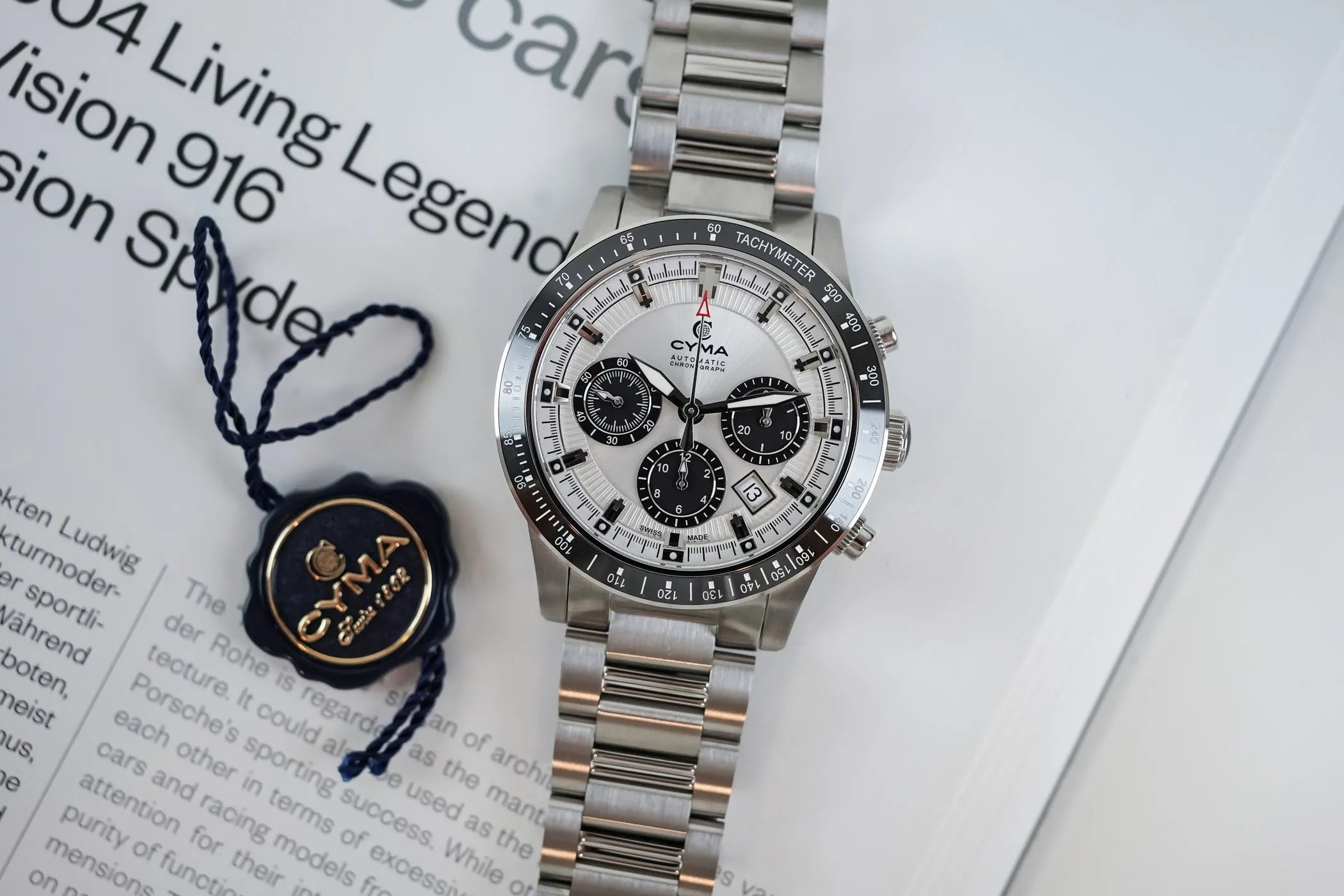
Cyma Grand Maestro Steel Cross Chronograph: A Heritage Name With Sporting Intent
Originally launched in 2021, Cyma’s Grand Maestro Steel Cross Chronograph receives renewed attention for its combination of familiar chronograph mechanics and assertive dial detailing. The 43mm steel case carries a ceramic tachymeter bezel, sapphire crystal, exhibition back, and 100-meter water resistance. Its ETA 7753 automatic movement provides approximately 48 hours of power reserve, while the dial uses contrasting textures, luminous markers, and a red-tipped chronograph hand to reinforce the sporting presentation. Panda and reverse-panda treatments are among the available colorways, paired with a steel bracelet. Price: US$4,137 for the panda-dial version.
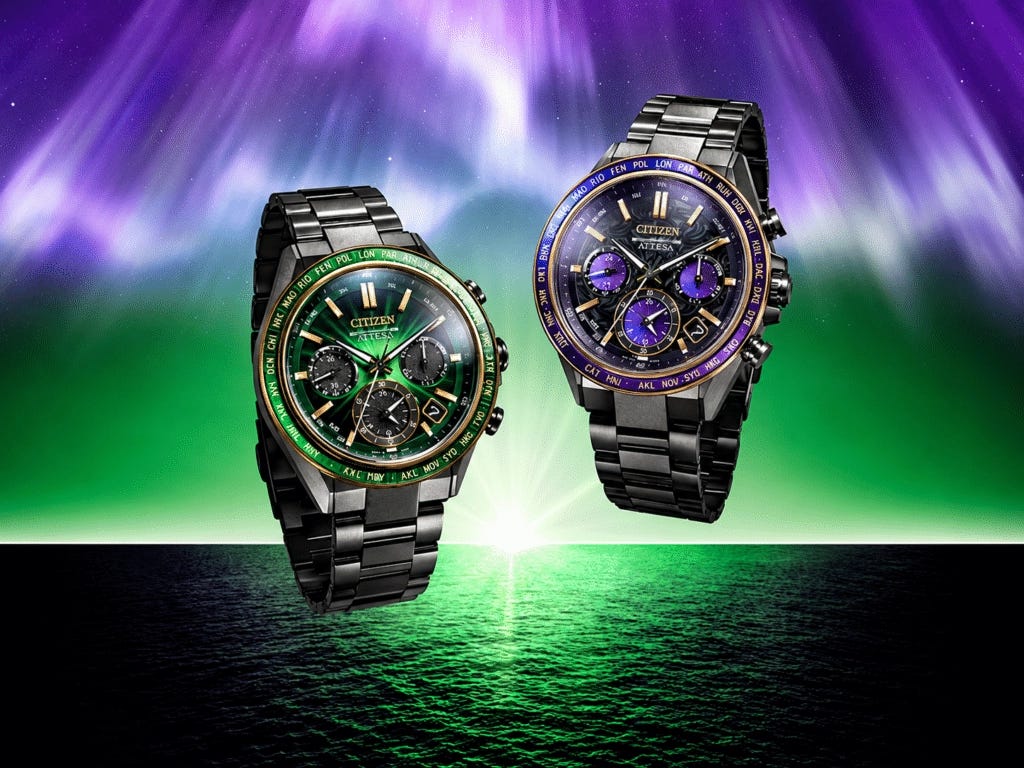
Citizen Attesa Eco-Drive 50th Anniversary: Serious Technology Gets Spectacular Color
Citizen’s anniversary Attesas combine the established F950 platform with two vivid treatments called “Power of Green Flash” and “Power of Purple Aurora.” Layered dial effects, structural-color films, and vapor-deposited sapphire bezels give the watches a shifting appearance, housed in 44.6mm Super Titanium cases. The light-powered movement supplies GPS-synchronized timekeeping, world time, a perpetual calendar, dual-time functionality, an alarm, and a chronograph. Each version is limited to 1,500 pieces and retains 100-meter water resistance, keeping the technical foundation as substantial as the visual presentation. Price: US$2,295 each.
COMPARISONS
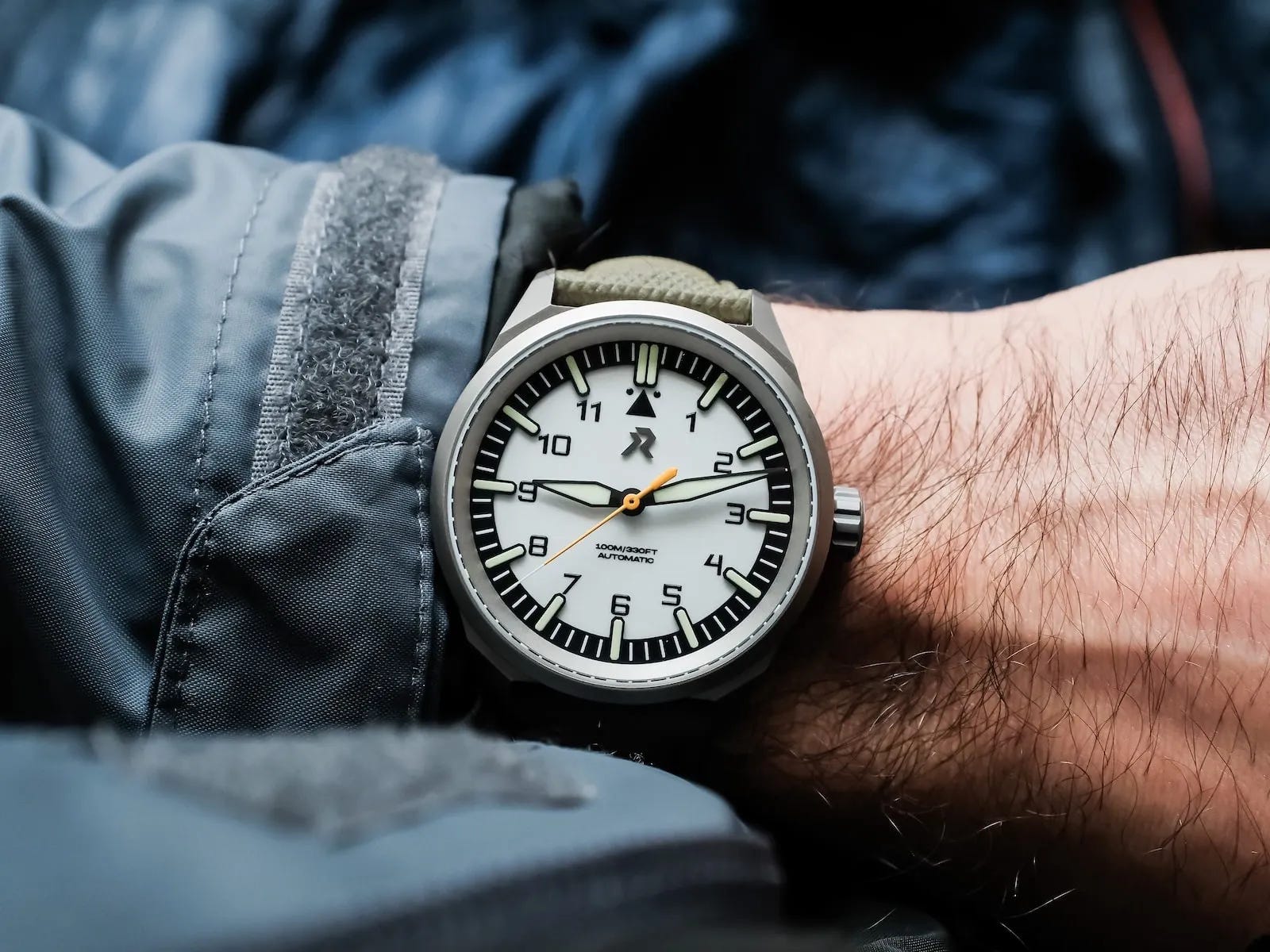
Seven Water-Ready Watches Without the Dive-Watch Look
A rotating dive bezel is not a prerequisite for a durable everyday watch. This selection brings together models from RZE, Vaer, Citizen, Benrus, and Seiko that combine at least 100 meters of rated water resistance with field-watch, pilot-watch, chronograph, or casual styling. The comparisons consider comfort, legibility, movement choice, and practical proportions alongside the specification sheet. For collectors who want something capable of handling daily activity without the familiar dive-watch silhouette, the group provides a useful starting point across a range of accessible prices.
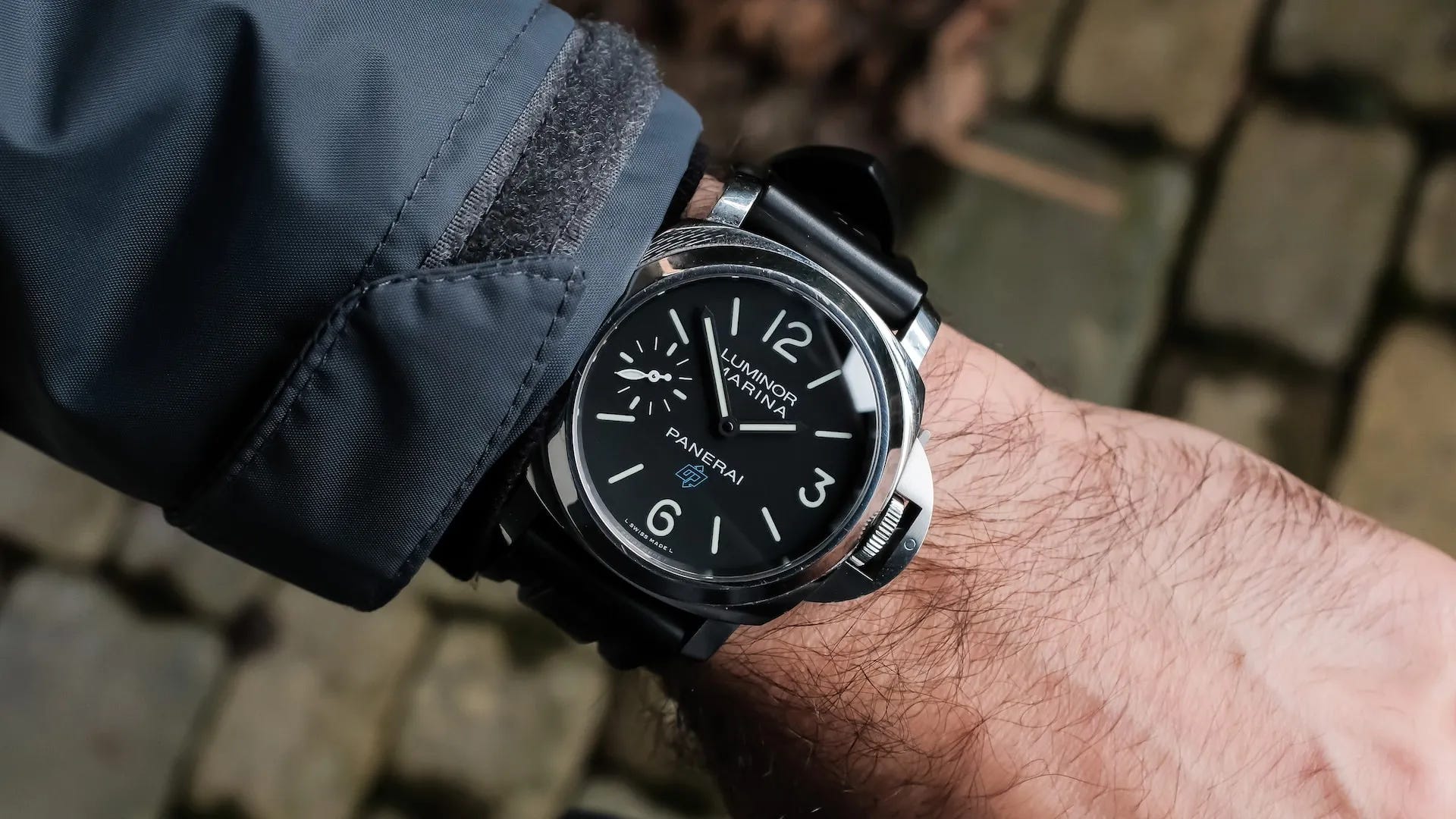
Six Watches That Prove Diameter Does Not Tell the Whole Story
A watch’s diameter can be a poor predictor of its actual presence on the wrist. Using examples from Seiko, Vostok, Farer, and Panerai, this comparison explores how lug length, case shape, thickness, and weight distribution influence the wearing experience. Broad cushion cases can feel more manageable than expected, while smaller watches with extended lugs may occupy surprising amounts of wrist space. The practical lesson is to consider the entire case and strap arrangement—and, whenever possible, try the watch on before allowing a single measurement to make the decision.
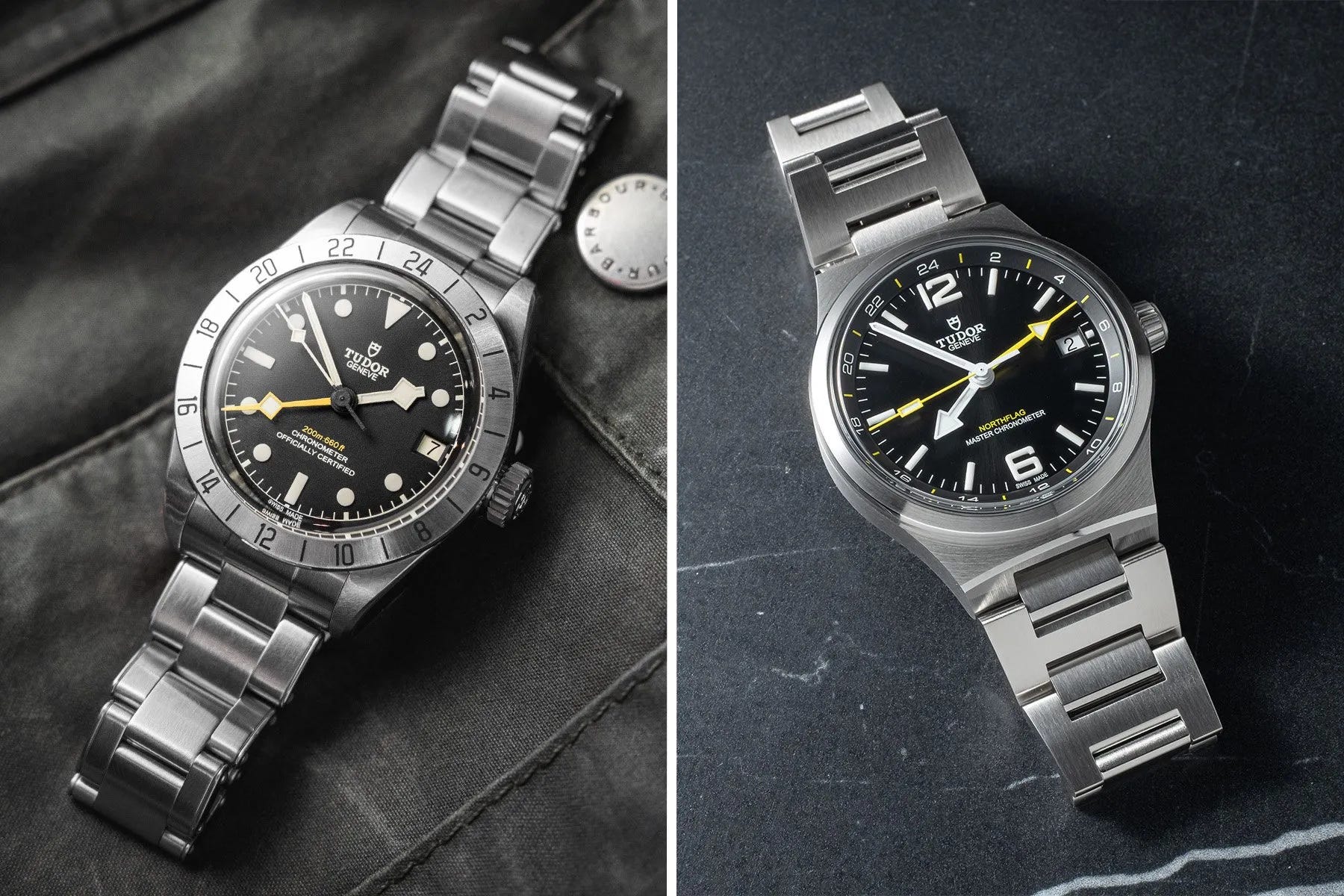
Tudor Northflag Versus Black Bay Pro: Two Different Ideas of a Travel Watch
Tudor’s Northflag and Black Bay Pro approach the GMT brief through different design priorities. The supplied comparison presents the Northflag as the slimmer, more contemporary option, with yellow accents and an updated movement specification, while the Black Bay Pro leans into the visual language and substantial feel of a traditional tool watch. Both offer a familiar Tudor combination of practical functionality and a strong identity. The deciding factors are likely to be case comfort and styling preference: which interpretation makes more sense on the owner’s wrist, day after day?
REVIEWS
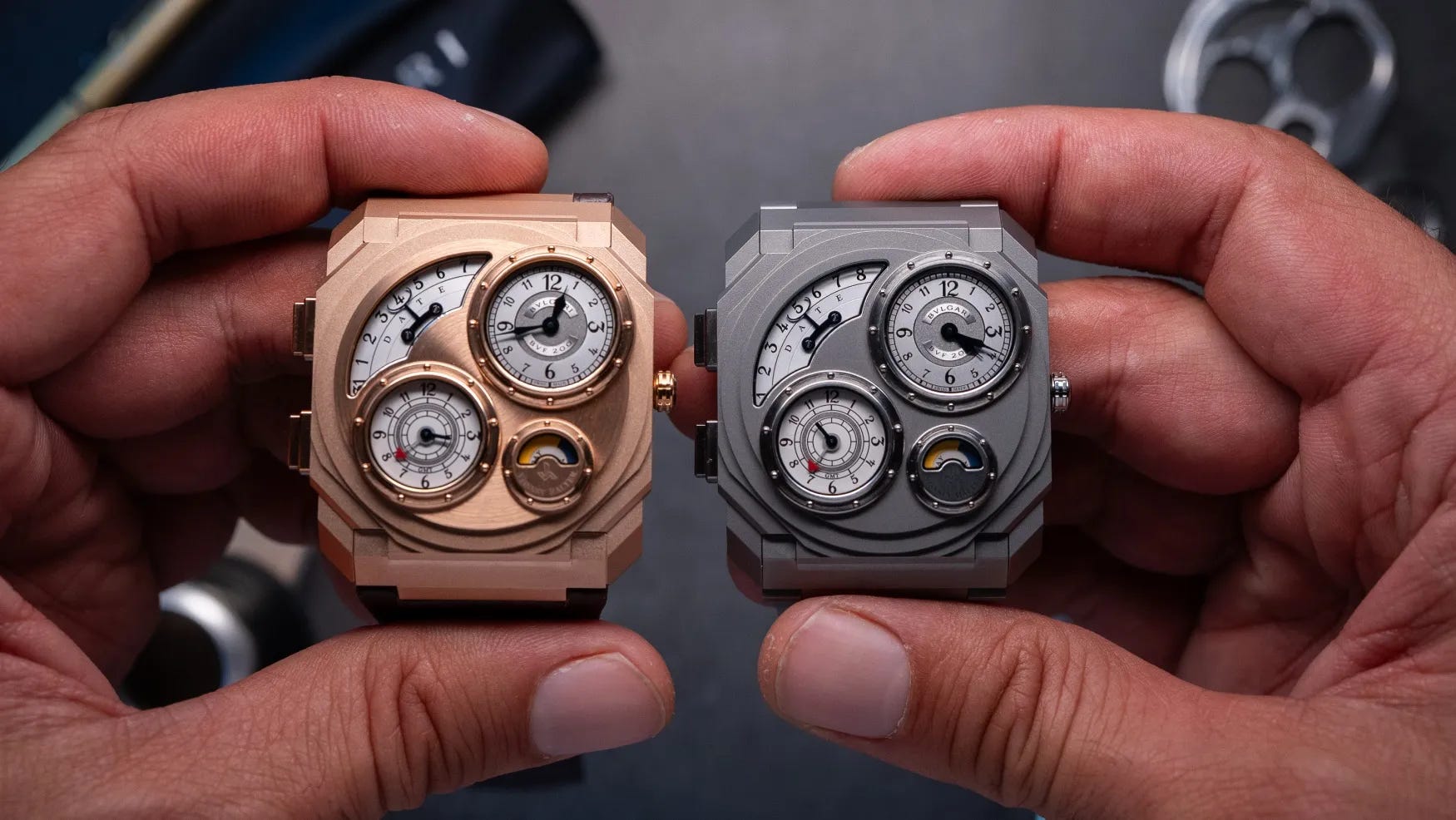
Bulgari and Vianney Halter Give the Octo Finissimo a Different Personality
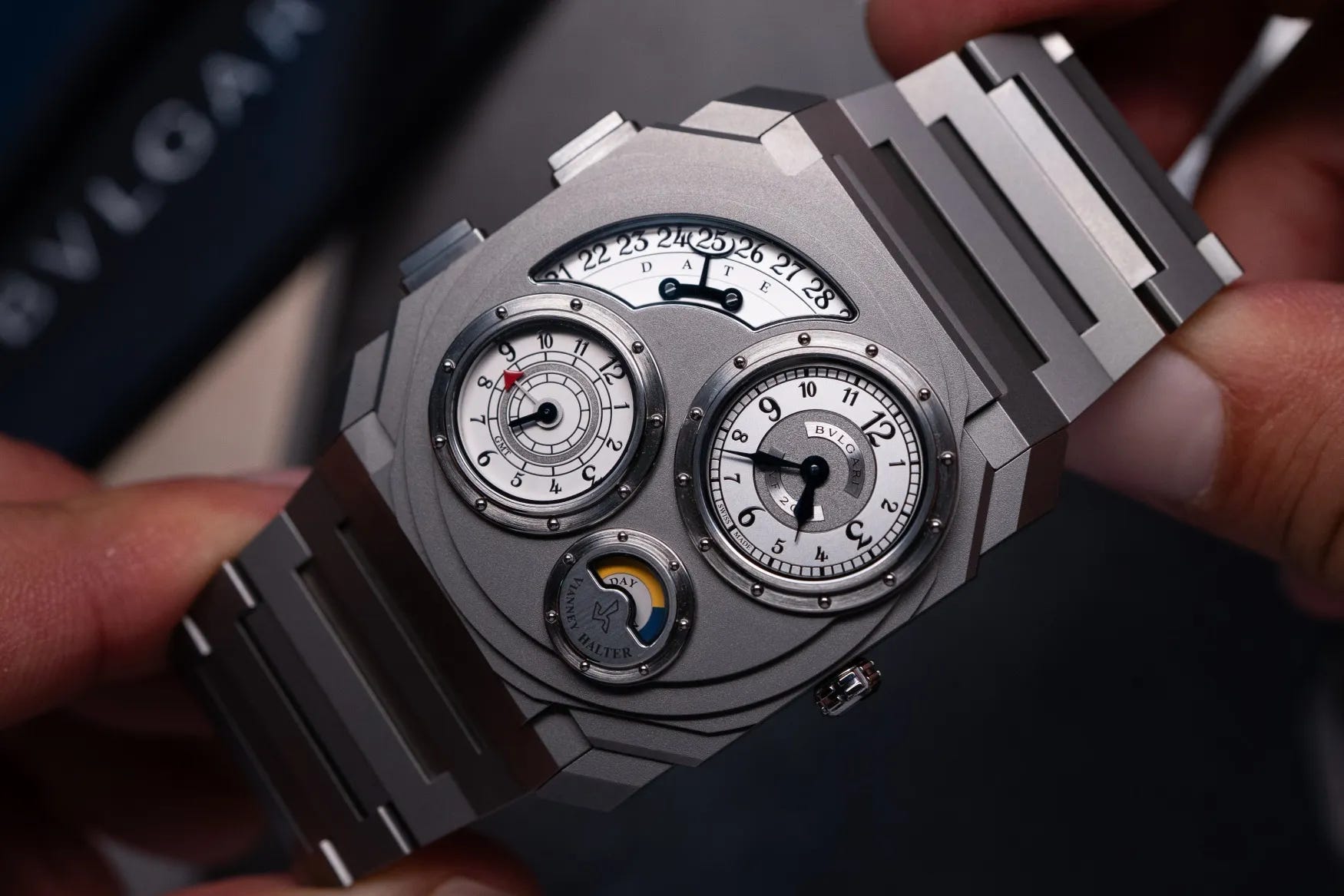
Bulgari’s collaboration with Vianney Halter brings the independent watchmaker’s distinctive mechanical vocabulary to the Octo Finissimo platform. Separate displays, a rotating date indication, and a day/night function create a composition that rewards closer inspection while preserving a relatively slender 9.7mm profile. The result is an unusual meeting of Bulgari’s sharply architectural case design and Halter’s fascination with instrument-like displays. Production comprises 30 titanium examples and 15 in rose gold, priced at US$80,000 and US$123,000 respectively.
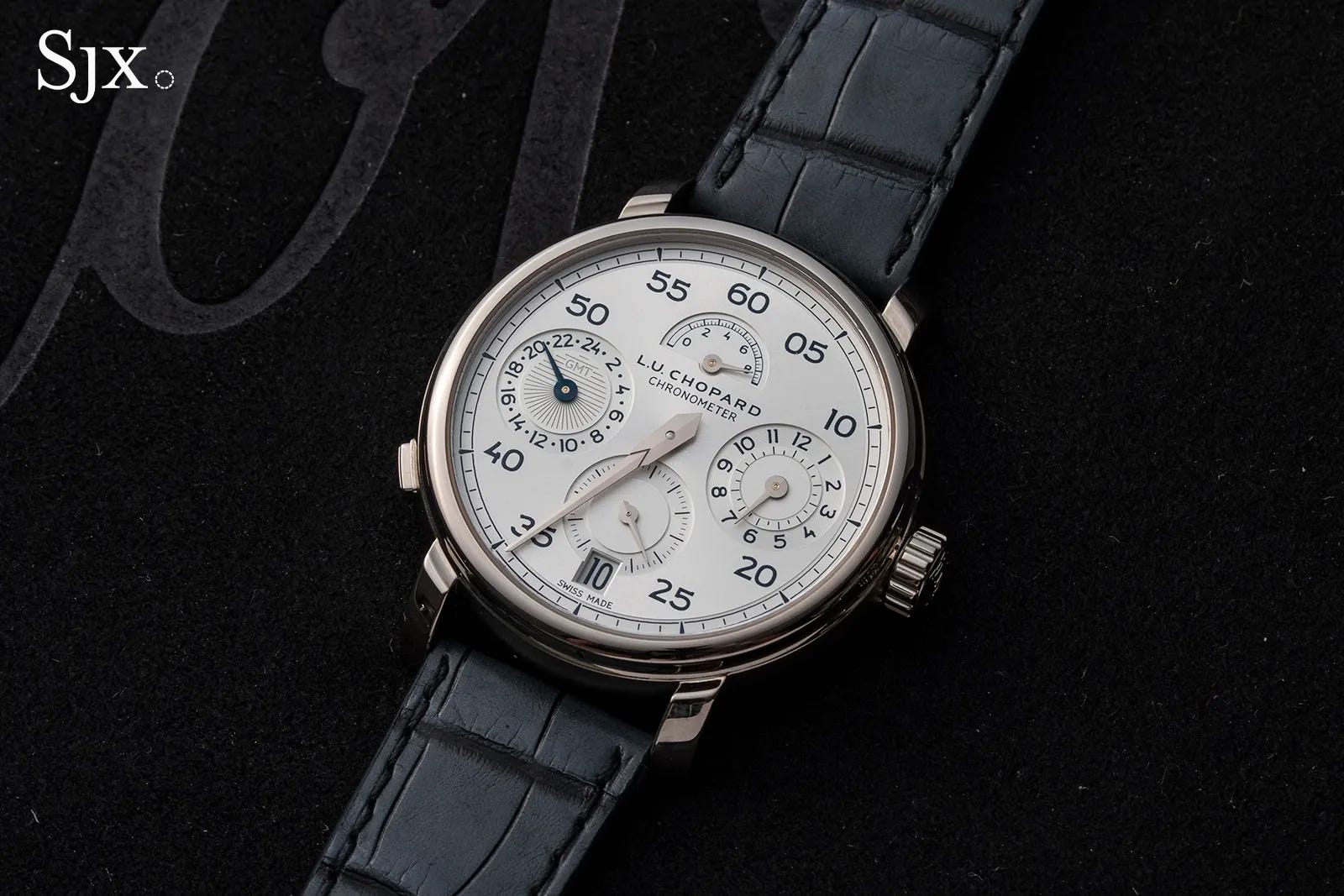
Chopard L.U.C 1963 Heritage Regulator: An Instrument With Exceptional Refinement
Chopard’s L.U.C 1963 Heritage Regulator revisits the separated time indications of a traditional regulator in a 40mm white-gold case. The manually wound L.U.C 98.02-L movement provides a nine-day power reserve, supported by chronometer certification and the Geneva Seal. Hours, minutes, seconds, date, a second time zone, and the remaining power reserve share a dial designed to feel purposeful rather than ornamental. Limited to 25 pieces and priced at approximately US$50,900, it offers a particularly focused expression of Chopard’s high-end movement making and finishing.
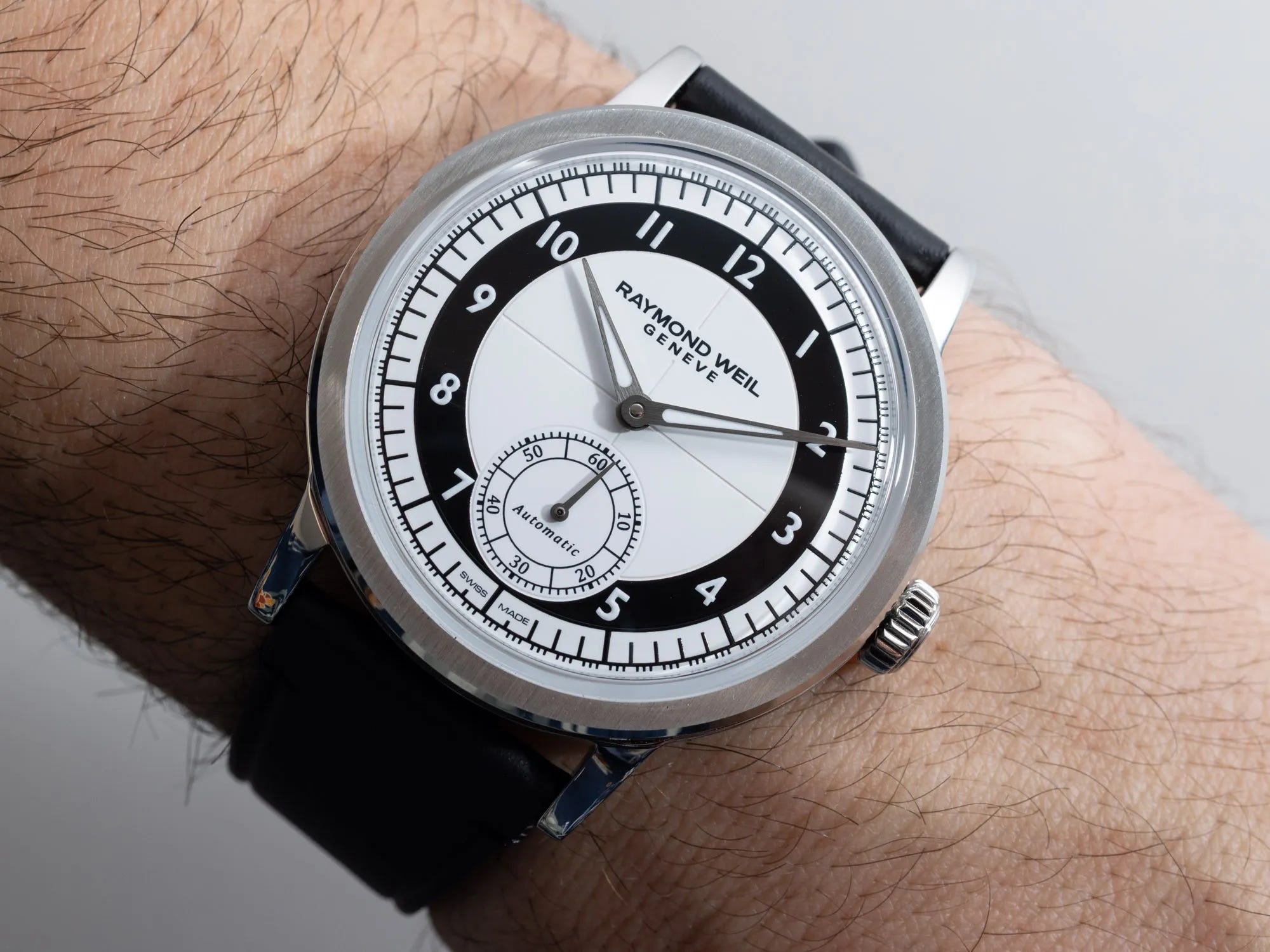
Raymond Weil Millesime Tuxedo: Black, White, and Carefully Judged Proportions
Raymond Weil’s Millesime Small Seconds Tuxedo uses contrasting black-and-white surfaces and clear Arabic numerals to give its vintage-inspired design a sharper personality. The 39mm steel case, small-seconds display, and textured dial details create visual interest without overwhelming the basic task of reading the time. An automatic RW4251 movement supplies approximately 41 hours of power reserve, while sapphire crystals on both sides allow a view of the dial and movement. Pricing is US$2,295 on leather or US$2,425 on a steel bracelet.
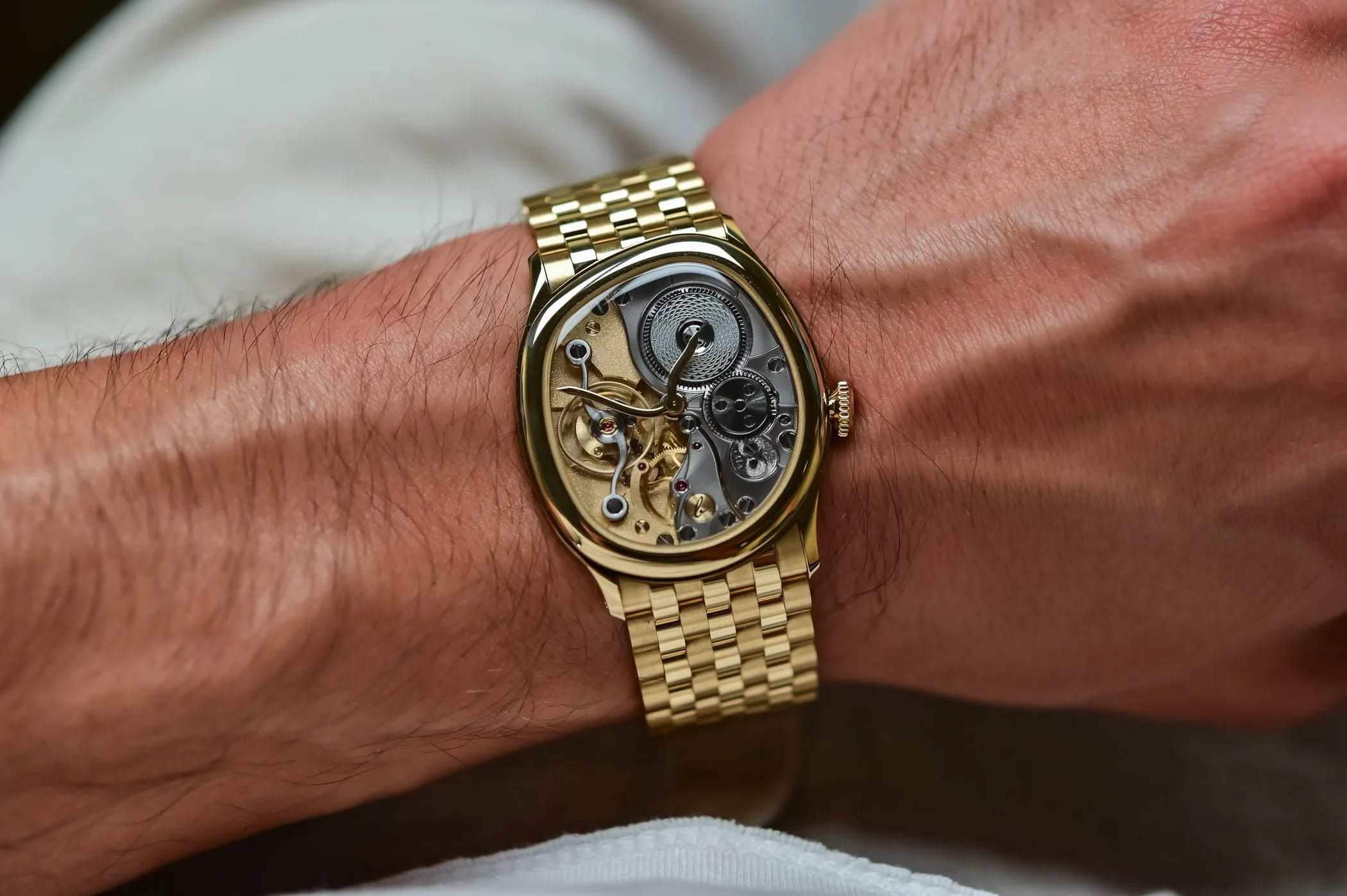
Berneron Mirage 38 Miroir: Turning the Mechanical Composition Around
Berneron’s Mirage 38 Miroir develops the asymmetric character of the original Mirage by making the inverted mechanical presentation central to the watch. The 38mm by 34mm gold case remains just 7mm thick, while the Calibre 283 offers a 72-hour power reserve and a construction intended to integrate the movement visually with the time display. White- and yellow-gold versions are planned, with initial deliveries scheduled for October 2027. Prices begin at CHF72,500 before VAT on leather and rise to CHF130,250 on a gold bracelet—approximately US$89,200 and US$160,200 respectively.
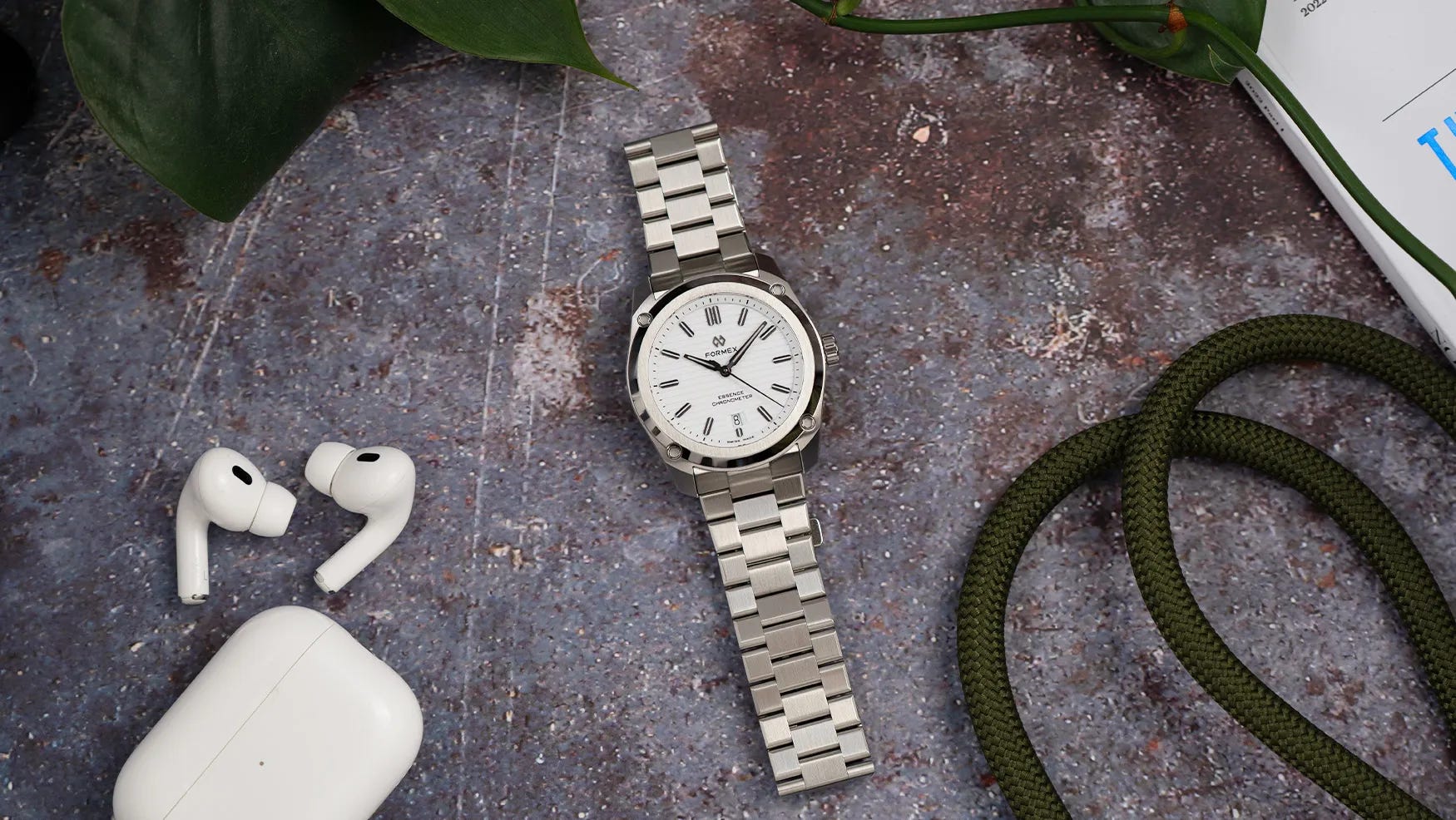
Formex Essence FortyOne Arctic White: Engineering You Can Feel
Formex’s Essence FortyOne applies its technical effort to a straightforward everyday sports watch. The 41mm steel model combines an Arctic White dial with the brand’s Case Suspension System, automatic chronometer-certified timekeeping, sapphire crystal, and 100-meter water resistance. Its bracelet and adjustment features are especially relevant to the ownership experience, where comfort can matter more than an exotic specification. The white dial keeps the presentation versatile and legible. The steel-bracelet version is listed at US$1,890, placing its engineering within reach of collectors shopping well below traditional luxury sports-watch prices.
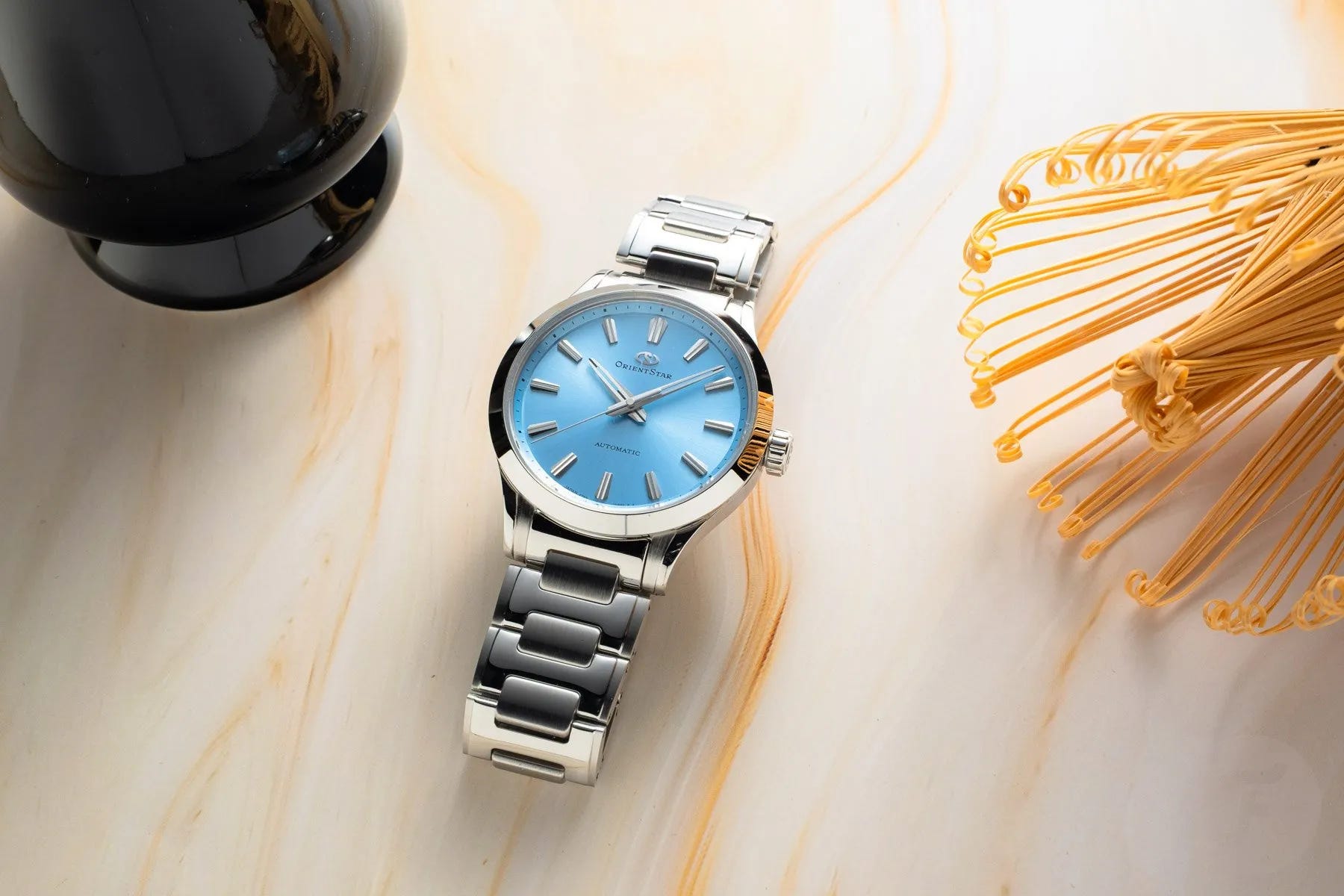
Orient Star Sakigake Three Hand: The Appeal of a Cleaner Face
Orient Star’s Sakigake Three Hand creates a more open dial by dispensing with the familiar power-reserve indicator and date display. A light-blue sunburst finish, applied indexes, and carefully shaped hands give the 38.7mm steel watch a restrained contemporary character. The in-house automatic F7542 movement offers 50 hours of power reserve and is visible through the sapphire caseback, while the closely fitted bracelet reinforces the integrated appearance. Listed prices are €880 for the standard light-blue model and €960 for the limited copper version, approximately US$1,020 and US$1,110.
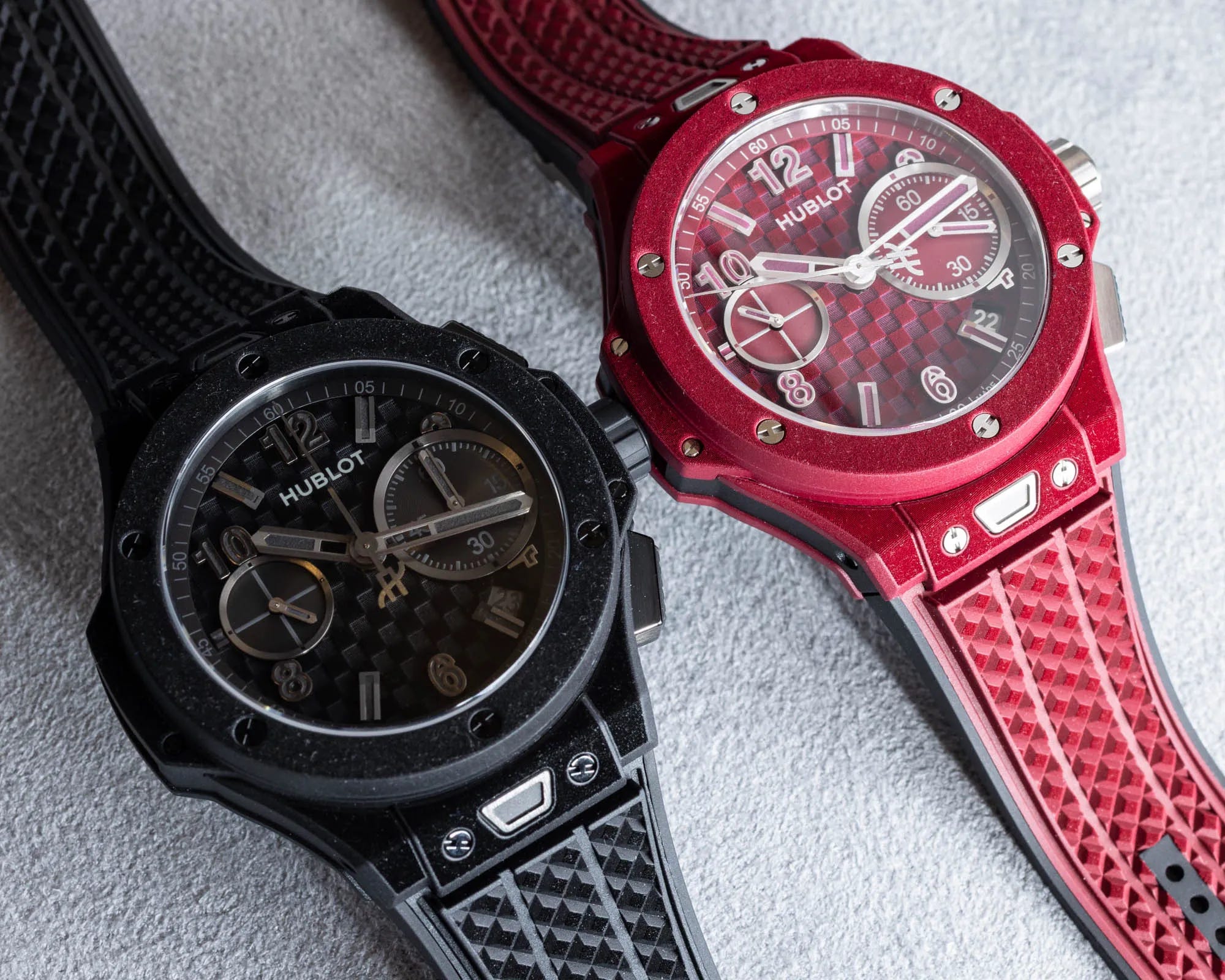
Hublot Big Bang Original Soft Touch: A Watch Designed to Be Felt
Hublot’s Big Bang Original Soft Touch adds a tactile dimension to its familiar material experimentation through a rubber treatment with a soft, almost velvety feel. The surface changes the visual character of the watch as well as its texture, particularly in the deep-black version. Inside is the HUB1280 Unico automatic chronograph movement, offering a three-day power reserve, while the watch retains 100-meter water resistance. The review also addresses practical ownership details, including the material’s tendency to attract lint. All Black and All Red versions are priced at US$24,900.
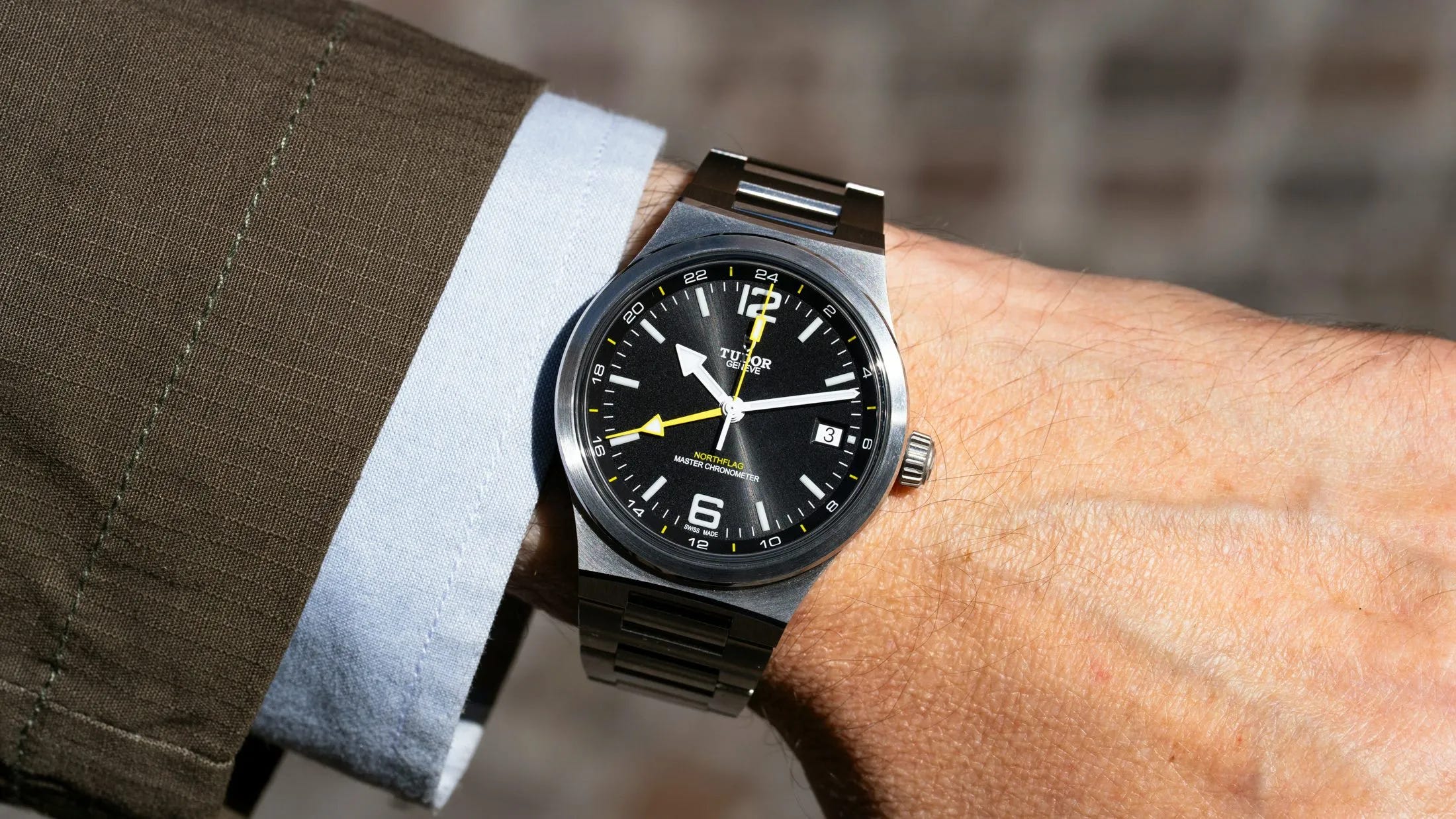
Tudor Northflag: A Familiar Name With a Revised Purpose
The Northflag revisits one of Tudor’s more distinctive modern designs with a GMT function and a more refined everyday presentation. The supplied review describes a 40mm steel case, a black sunburst dial, yellow accents, and a bracelet with T-Fit adjustment, alongside the MT5652-U movement. Replacing the earlier power-reserve emphasis with travel functionality changes the personality as much as the specification sheet. At US$5,525, the watch invites comparison with Tudor’s established GMT offerings while asking whether a revived design should preserve every original quirk or adapt to broader use.
EDITORIAL
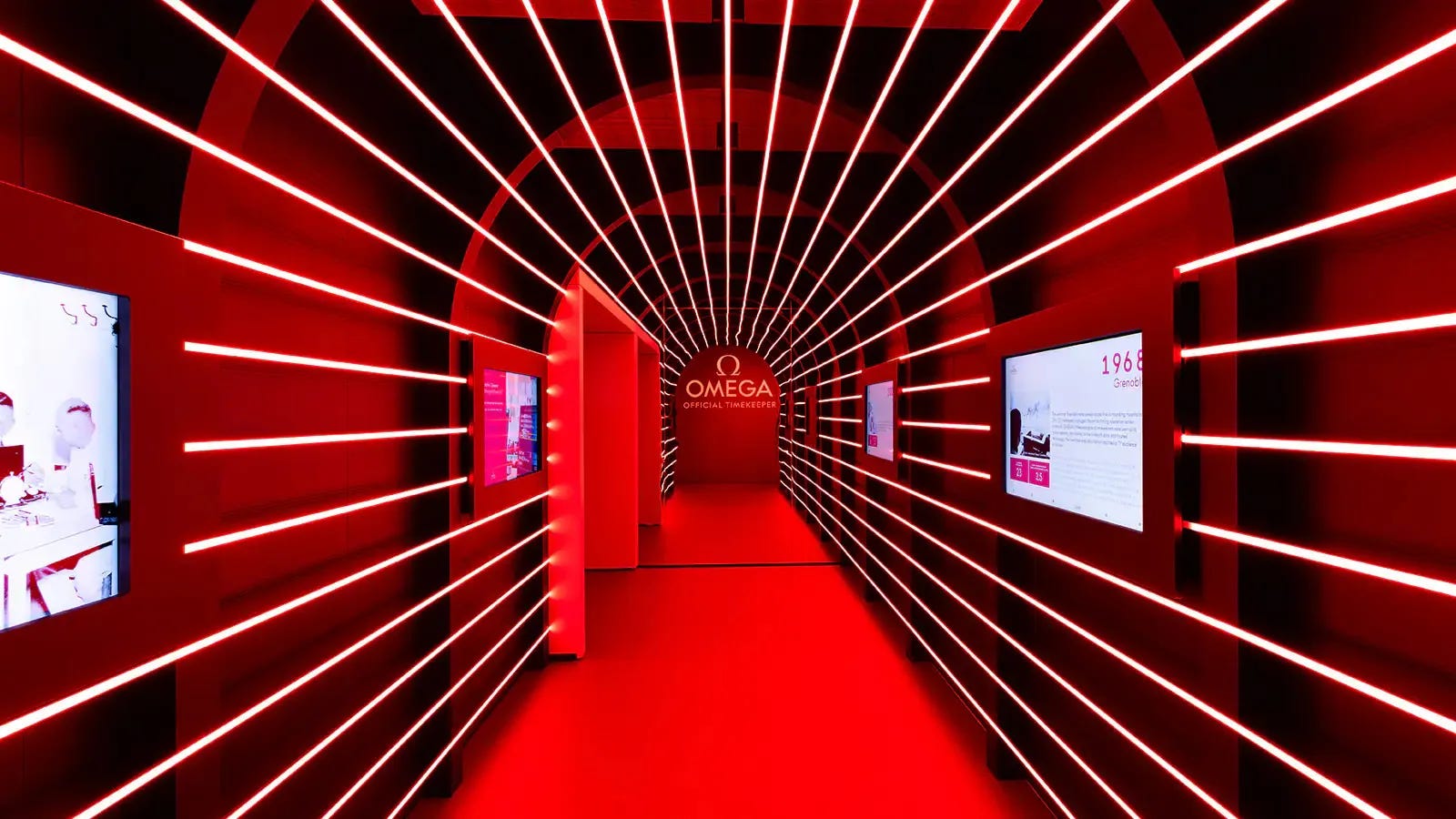
What Remains After a Luxury Watch Experience Ends?
Luxury watch brands increasingly create elaborate experiences to establish a deeper connection with customers. The harder question comes after the guests leave: did the event produce an enduring relationship, a more informed collector, a referral, or a future purchase? This analysis examines how companies might measure those effects through retention, customer lifetime value, and follow-up activity. A memorable installation can generate immediate attention, but its commercial worth depends on what happens over the following months and years. The most useful experiences give brands something meaningful to build on when the spectacle is over.
EVENTS
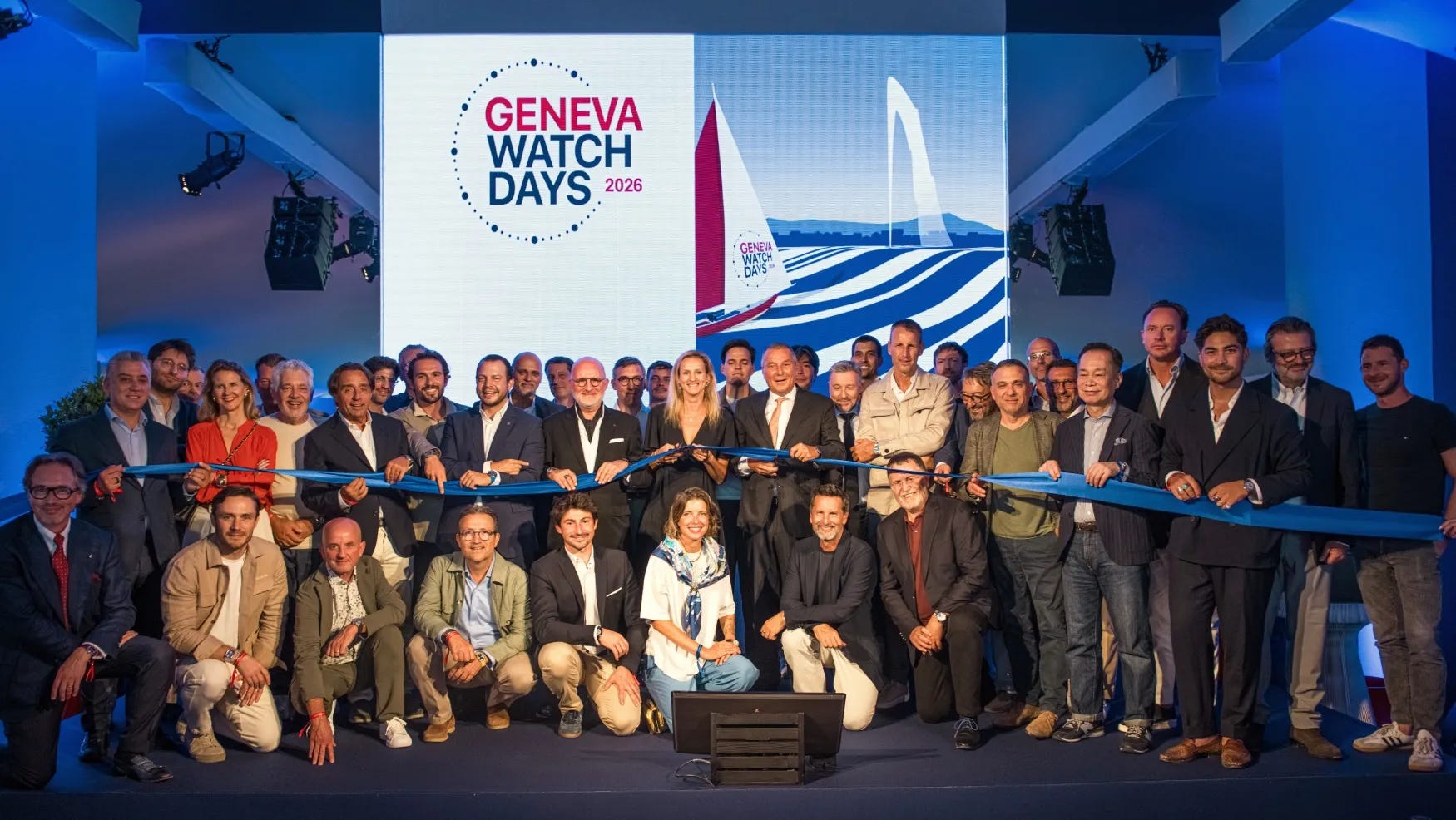
Geneva Watch Days Shows the Strength of an Expanding Independent Scene
With 71 exhibitors, Geneva Watch Days brought together established names and a wide range of smaller brands seeking attention on an international stage. Highlights included Bulgari’s collaboration with Vianney Halter and Alto’s ART 02, illustrating the event’s appetite for distinctive design and unconventional approaches. This assessment also considers what the absence of several major groups means for the fair’s position in the calendar. The atmosphere suggests plenty of creative energy, while the next stage of growth will depend on whether the event can broaden participation without losing its accessible, discovery-oriented character.

Bangkok Watch Week Builds a Broader Destination for Collectors
Bangkok Watch Week is scheduled for September 22–27 at Siam Paragon, with more than 45 brands and a program spanning exhibitions, demonstrations, masterclasses, and discussions. The wider week also includes Wela Bangkok, taking place September 25–27 at the Jim Thompson Art Center and giving independent and smaller watchmakers another platform. Together, the events offer collectors a reason to explore beyond a single showroom or brand presentation. The combination of major luxury names, emerging makers, and educational programming reflects Bangkok’s growing ambition as a regional gathering place for watch enthusiasts.

Hong Kong’s Watch Fair Runs on Energy and Growing Design Confidence
The Hong Kong Watch & Clock Fair presented a lively picture of an industry increasingly interested in building finished brands alongside its established manufacturing capabilities. Exhibitors ranged from component and movement suppliers to companies developing distinctive designs, cultural references, and unconventional displays. The report highlights brands including Artra Designs, Lucky Harvey, and Shanghai Watch, alongside the growing presence of influencers and a younger audience. Its broader observation is that improved production quality is being joined by greater confidence in storytelling and design—an evolution with implications well beyond the exhibition floor.
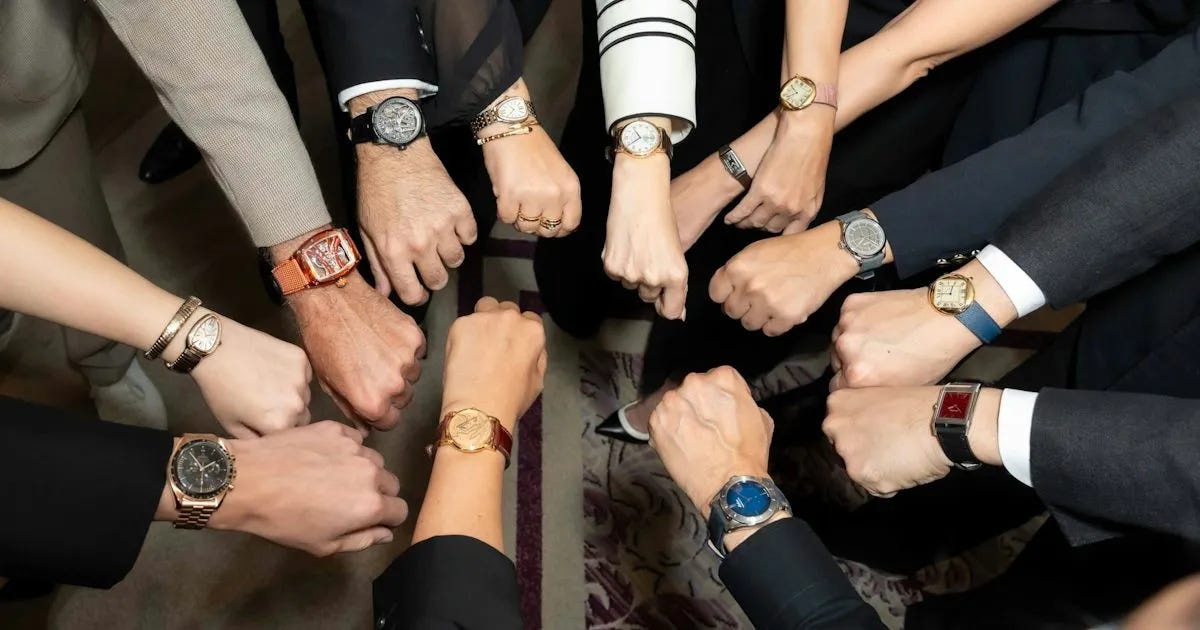
Siam Paragon Prepares Six Days of Watchmaking and Collector Conversation
A second look at Bangkok Watch Week focuses on the program at Siam Paragon, where the September 22–27 event combines major-brand presentations with workshops and symposium sessions. Participating names span high horology and unconventional contemporary watchmaking, including Greubel Forsey, A. Lange & Söhne, MB&F, Ressence, and Behrens. The Fondation Haute Horlogerie’s Academy Lounge adds an educational component for visitors who want to understand more of what they are seeing. For travelers planning their days, the appeal is the opportunity to combine product discovery with direct access to watchmaking expertise.
PODCASTS
Scottish Watches Podcast #813: The Final Watches From Geneva Watch Days
Scottish Watches closes its Geneva Watch Days coverage with a wide-ranging discussion of Gallet, HYT, Girard-Perregaux, and Bremont, alongside less familiar names including Minase, BA111OD, and Emmanuel Bouchet. The episode moves between business positioning, unusual mechanics, and the discoveries that make an independent-heavy event worth exploring. HYT’s fluid displays and the new Laureato tourbillons provide technical talking points, while the broader selection captures the variety of the week. It is a useful listen for collectors who want the conversation around the watches as well as the launch details.
VIDEOS

The Watch Bros: Don’t Buy a Watch—Do This Instead
The Watch Bros takes aim at the impulse purchase and the assumption that the next watch will deliver lasting satisfaction. The discussion encourages viewers to think about what they actually want from ownership, how much of the attraction comes from status, and whether another use of the money might prove more rewarding. For anyone whose wish list expands faster than their wrist time, the video offers a useful pause before the next checkout.
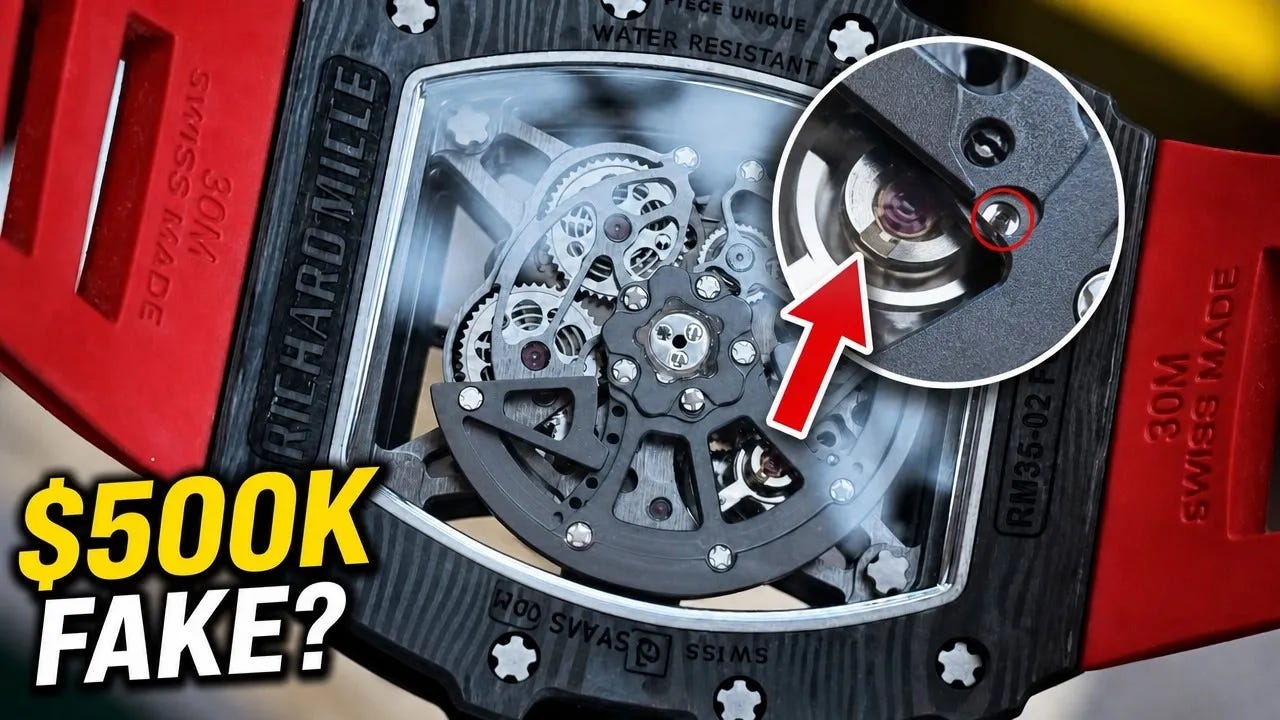
Ben: How Convincing Are Richard Mille “Super Clones”?
This video examines the appearance and construction of counterfeit Richard Mille watches, looking at the differences between visual imitation and the genuine product. The discussion covers materials, movement execution, and wearing impressions, making it relevant to the broader problem of judging authenticity from photographs or a quick inspection. For collectors, the central question is how much an exterior can conceal—and why resemblance alone says little about the engineering, provenance, or quality underneath.

Adrian Barker: Is Hublot Actually That Bad?
Adrian Barker puts Hublot’s reputation under examination, considering its design, craftsmanship, pricing, and the assumptions collectors bring to the brand. The discussion offers a chance to separate a familiar online opinion from an individual assessment of the watches themselves. With Hublot’s Soft Touch models also featured in today’s issue, it is a timely companion to the question of how material experimentation should be judged—and what buyers expect in return for the price.

Britt Pearce: NORQAIN Sprinkles Takes Its Watchmaking Seriously
Britt Pearce explores a NORQAIN whose playful appearance is central to its identity. The review considers how the watch combines recognizable technical substance with a design that resists the usual visual seriousness of luxury watchmaking. It raises a worthwhile collecting question: does an expensive watch need to look solemn to be taken seriously? The Sprinkles approach makes the argument that humor and careful construction can comfortably share the same wrist.

A Podcast About Watches: Is Watch Collecting Really a Hobby?
A deliberately provocative title opens a broader conversation about what collectors actually do when they collect. Is the activity primarily shopping, or does learning about movements, history, design, and manufacturing turn ownership into something more involved? The discussion looks at personal identity and the meanings people attach to watches. It is a useful prompt to consider whether a collection is creating knowledge and enjoyment—or simply generating the next purchase.

Zero to Sixty: Why Cartier Divides Watch Collectors
Cartier inspires strong reactions because collectors bring different definitions of watchmaking value to the conversation. This video examines the role of design heritage, pricing, brand perception, and changing tastes in shaping those opinions. For some buyers, the enduring strength of a recognizable form is the attraction; others place greater emphasis on movement specifications. The discussion helps explain why the same watch can look like an obvious choice to one collector and a difficult proposition to another.
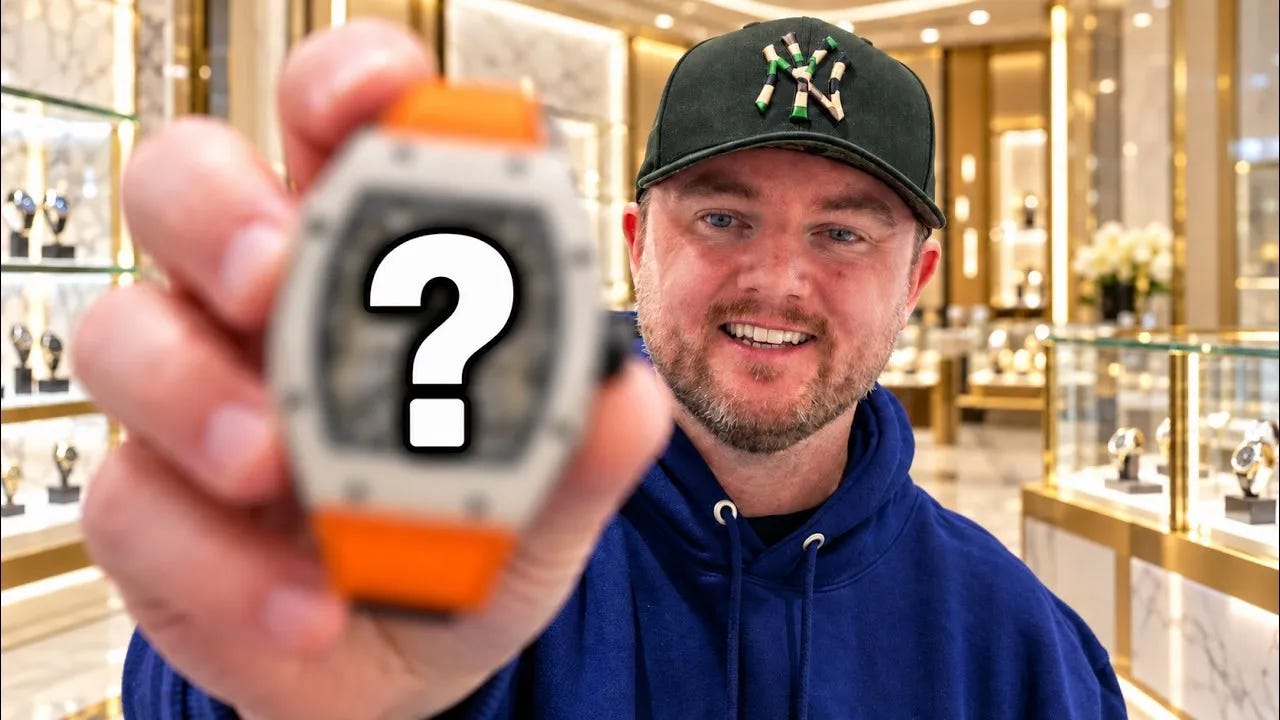
TimePieceTrading: A Rare Richard Mille Gets Its Moment
TimePieceTrading turns the camera toward a Richard Mille presented as an unusually difficult watch to encounter. The appeal centers on distinctive design, limited availability, and the collector interest surrounding rare examples from the brand. It is an opportunity to look more closely at a watch most viewers are unlikely to see in person, while considering how exclusivity and visual spectacle shape the discussion around high-end contemporary watchmaking.
AUCTIONS
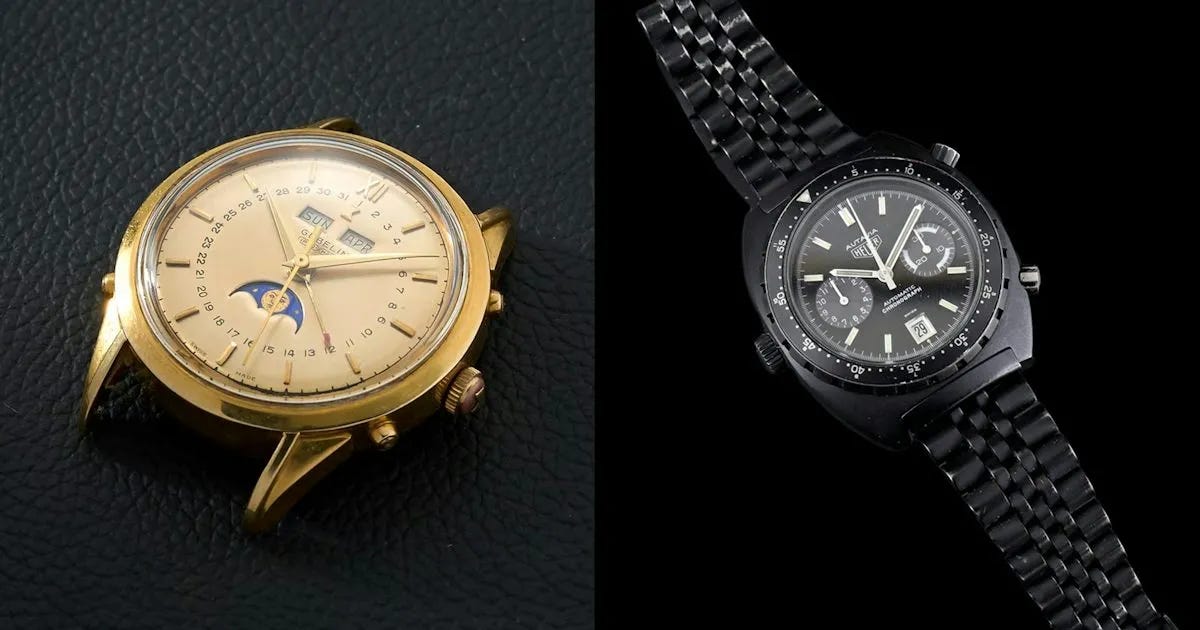
Issued Smiths, a Gold Gübelin, and a Railway Universal Genève Lead the Hunt
This edition of “What’s Selling Where” brings together vintage watches whose appeal depends on much more than the name on the dial. Issued Smiths watches offer military context, a gold Gübelin triple-date moonphase adds complicated elegance, and a Universal Genève Ferrovie dello Stato brings railway history into the selection. Heuer Autavias and other finds broaden the field. The coverage considers condition, provenance, and bidding activity, providing a reminder that vintage value often rests in small details that deserve careful attention.
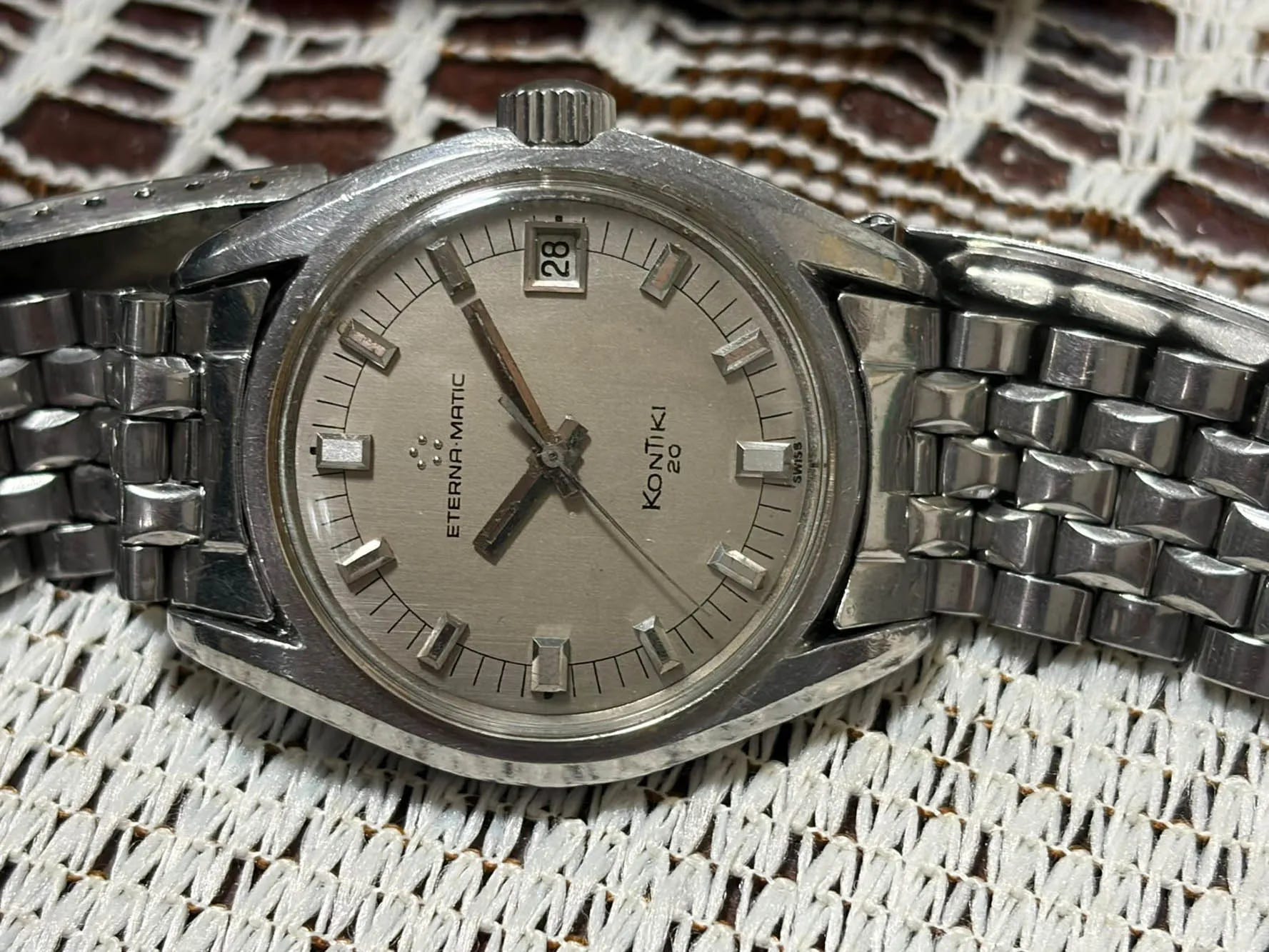
Vintage Omega, Eterna, and Longines Reward a Closer Look
This selection of marketplace finds ranges from dress watches to divers and chronographs, including an Eterna KonTiki, Omega Genève, vintage Longines Conquest, and Seiko “Pogue.” Original bracelets, preserved dials, case condition, and movement details provide the substance behind the attraction. The variety demonstrates how much collecting territory remains outside the most heavily promoted references. It also reinforces the importance of evaluating each example individually, since originality and the quality of past servicing can matter as much as the model’s reputation.
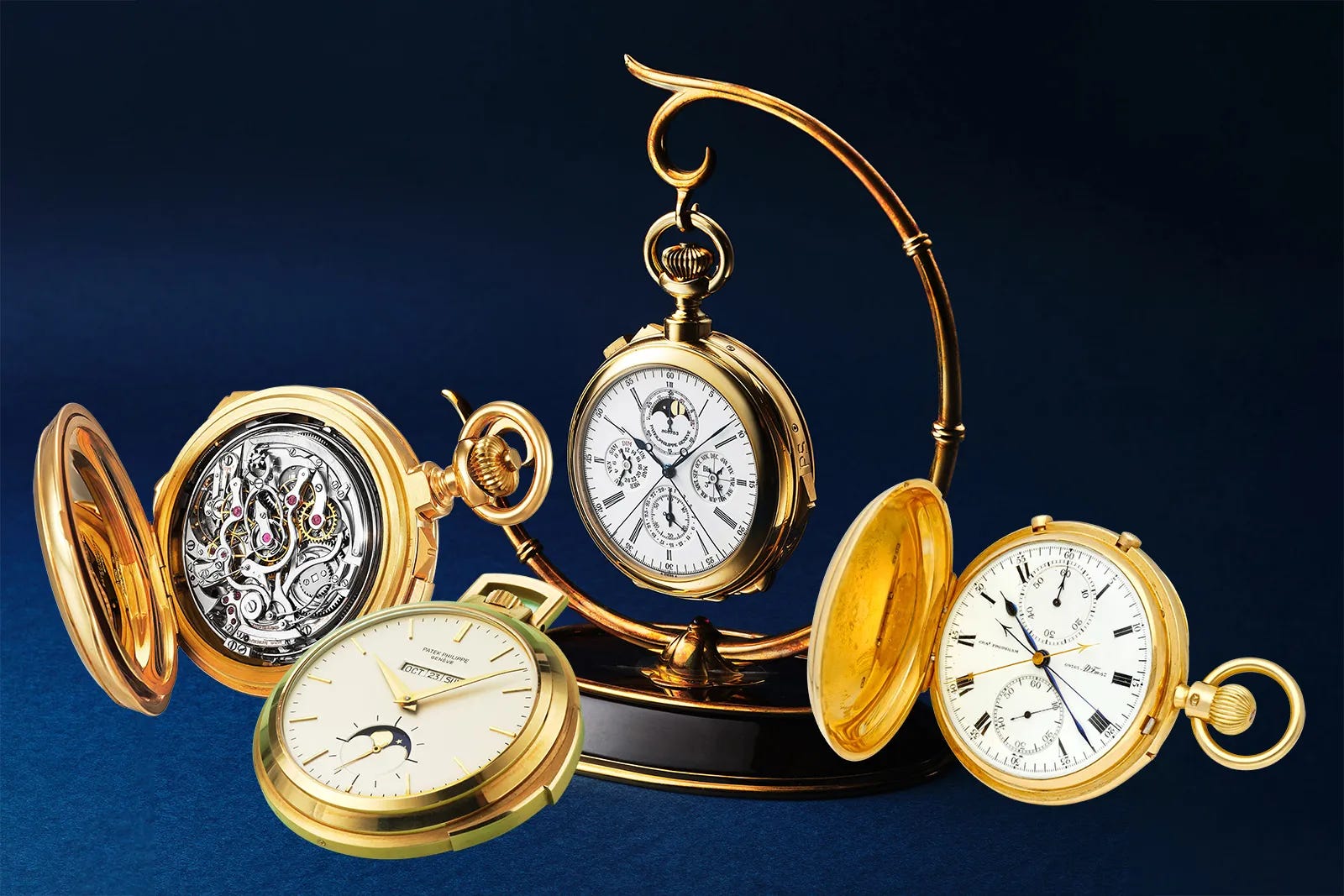
Sotheby’s Hong Kong Turns Attention to Exceptional Pocket Watches
The supplied preview of Sotheby’s September 18–19 Hong Kong sale highlights complicated pocket watches from Patek Philippe and Charles Frodsham. Among the featured pieces are a Patek grand complication, a minute-repeating chronometer, and a Frodsham combining a split-seconds chronograph with a six-minute flying tourbillon. These watches offer a concentrated view of historical mechanical ambition, often in formats that receive less everyday attention than wristwatches. The preview emphasizes the importance of catalogue research, provenance, and condition when approaching such specialized pieces.
AUCTION REPORT
Patek Stops at $49,500; Bovet’s Pininfarina-Designed Aperto 1 Takes the Stage
Friday’s September 11 auction of the 2020 Patek Philippe World Time Chronograph “Beijing,” reference 5930G-010, ended with a high bid of $49,500 but no sale because the reserve was not met.
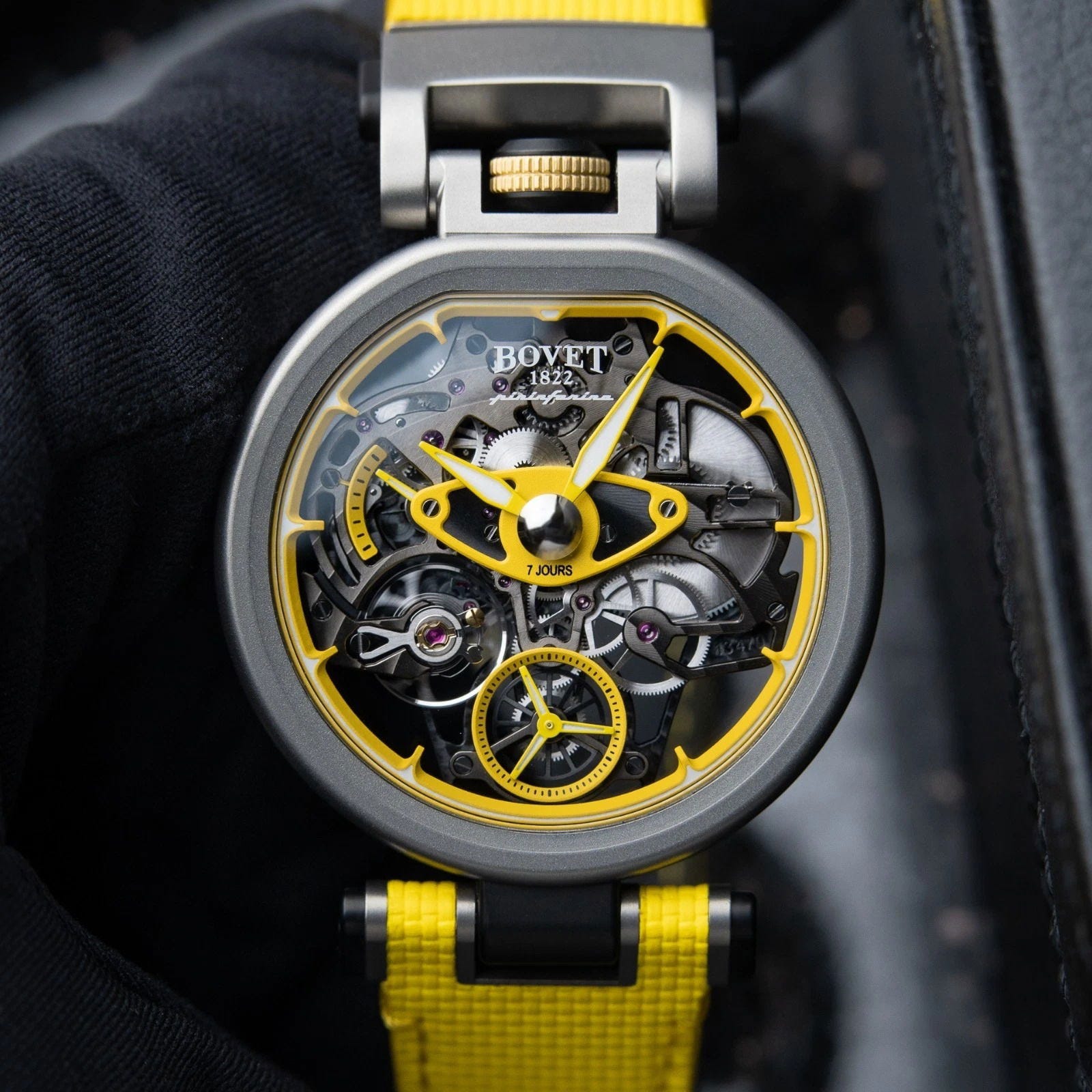
Today’s offering moves in a very different design direction: a 2026 Bovet Aperto 1 Pininfarina, reference TPIN9.002, with a 42mm titanium case, yellow accents, and a skeletonized display. The U.S.-located watch is described as unworn and comes with its box, papers, and product literature. The listing reports excellent condition throughout, while allowing for possible handling marks.
Introduced in 2024, the Aperto 1 extends Bovet’s collaboration with Italian design house Pininfarina, a partnership that began in 2010. Its open construction and lightweight titanium case translate the partnership’s interest in contemporary design into a watch that puts its movement prominently on display. The yellow details reinforce that visual identity without obscuring the mechanics. One specification in the auction description needs correcting: the calibre 15BMPF09-OW is manually wound, with a seven-day power reserve. The listing’s description of it as automatic is inaccurate.
For value context, an advertised unworn 2026 yellow TPIN9.002 with box and papers is currently asking approximately $38,400, while a dealer lists a new green TPIN9.003 at $39,000. Those are asking prices, not completed transactions, and the green watch is a different color reference. They nevertheless provide useful shopping comparisons in the upper-$30,000s. The model’s reported launch price was CHF48,800 before taxes, but historical retail pricing does not establish today’s resale value. Without a verified completed-sale comparable for this exact reference, a narrower auction estimate would imply more certainty than the available evidence supports.
The attraction here is a distinctive Pininfarina-designed skeleton watch with substantial power reserve and a documented accessory set. The buying decision should account for the condition report, warranty status, and total cost after any applicable fees and taxes, measured against available dealer alternatives. An unworn description strengthens the presentation, but the final bid still has to make sense on its own terms. The auction ends at 7:15 p.m. EDT today, Monday, September 14, 2026.
Current bid: $10,250
Losing Time


Today’s Big Losers at Auction on Grailzee
Four watches, four failed sales, and four reminders that an asking price is what the seller wants—not necessarily something the bidders feel obliged to entertain.
2026 Parmigiani Fleurier Tonda L.E.: Limited edition, limited enthusiasm.
The seller asked $29,500, while bidding stopped at $20,000. That’s a $9,500 shortfall, or 32.2% below asking. The blue dial may have been appealing, but apparently not enough to make bidders overlook the extra nine-and-a-half grand.
2025 Patek Philippe Cubitus: Even the surname couldn’t close this gap.
A $155,000 ask met a $101,313 high bid, leaving a $53,687 shortfall—34.6% below asking. That was the largest dollar miss of the four. Someone was willing to spend six figures on the watch; the seller simply needed someone willing to spend considerably more. A minor detail, until it becomes the entire transaction.
2024 Parmigiani Fleurier Tonda Tondagraph GT: The least unsuccessful.
Against an asking price of $32,500, the final bid reached $23,000, missing by $9,500, or 29.2%. This was the closest any of the four came to its target. Congratulations, presumably, are being withheld until an actual sale occurs. Both Parmigianis finished exactly $9,500 short, giving the disappointment a pleasing consistency.
Girard-Perregaux Laureato Tourbillon Triple Bridge: Three bridges, no crossing.
The seller wanted $53,000. Bidders offered $10,100. The resulting $42,900 gap was an extraordinary 80.9% below asking. The high bid covered just 19.1% of the target. Whatever admiration the tourbillon and skeletonized construction inspired, it did not translate into anything resembling the seller’s price.
Collectively, the four listings sought $270,000 and attracted final bids totaling $154,413—a combined $115,587 shortfall, or 42.8% below asking. Each percentage uses the asking price as its denominator.
The two Parmigianis and the Patek all missed by roughly 29%–35%, suggesting that seller expectations sat substantially above this auction audience’s willingness to pay. The Girard-Perregaux occupied a category of its own: a gap that large suggests the asking price, the bidding audience, or both were poorly matched.
Four failed sales don’t establish a market collapse, and unsuccessful bids aren’t definitive valuations. They do show that brand prestige, mechanical complexity, and seller optimism couldn’t get these deals across the line. The watches had complications. The bidders had limits.
Closing Time
A great watch gives you something to appreciate long after the announcement, the auction, or the first photograph. Today’s issue offers plenty of possibilities—from a better-fitting bracelet to a hand-painted panda and a movement built to command the entire dial. Follow the details that interest you, keep asking what the price is buying, and enjoy the watches already earning their place on your wrist.
Thank you for spending part of your day with BuyingTime. We’ll see you tomorrow.