

30 Second Read
If today’s issue has a takeaway, it is that collecting gets better when the shorthand falls away. A ref. 96 becomes more interesting once you learn to see its small variations; a new Hermès becomes more than decoration once you understand the work in its dial; and a blue-accented Calatrava becomes more than an offbeat Patek once you decide whether its particular mix of classic and contemporary actually belongs on your wrist. The market can tell you what is popular. It cannot do the looking for you.
TIME GRAPHING TODAY’S WATCH UNIVERSE
Tomorrow, Wednesday, September 2, Geneva Watch Days opens for its seventh edition, running through Sunday, September 6. For five days, 71 independent houses will spread across Geneva in a deliberately decentralized fair format—at the main Pavilion and Blue Box near the Rotonde du Mont-Blanc, as well as in brand showrooms around the city. The result is not one single blockbuster launch moment, but a steady wave of dozens of new watches, announced, photographed, handled and debated across the week. Geneva Watch Days has become the industry’s most satisfying late-summer jolt precisely because of that rhythm.
This is the week when the smaller signals can be more revealing than the biggest headlines. Independent brands and established maisons alike will arrive with fresh complications, sharper casework, new colors and, inevitably, a few watches designed to trigger immediate consensus. But today’s slate offers a useful way to approach the coming flood: slow down before deciding what matters. Ariel Adams’ argument that popular watches rarely deliver the deepest collecting satisfaction is particularly timely when every launch will be instantly declared essential, overhyped or underrated.
The better question is not which watch wins the first 24 hours of attention. It is which ideas endure once the announcement photos, embargo lifts and social-media verdicts have passed. John Nagayama’s guide to Patek Philippe’s ref. 96 shows how much depth can sit inside a seemingly simple canonical watch. The Hermès Arceau Cheval Natté makes its case through patient handwork; Piaget’s new Polo Minute Repeater makes it through engineering, acoustics and audacity. Neither needs to resemble the other to feel distinctive.
That is the theme for the week ahead: distinction over volume. Geneva Watch Days will give us a great deal to look at. The most rewarding discoveries may be the watches that do not shout hardest, but make us want to keep looking after the show moves on.
-Michael Wolf
FEATURE

According To Ariel: The Popularity Paradox, Or Why “Top Watches” Are Rarely The Most Satisfying To Collect
The most visible watches are not necessarily the watches that stay with us. Ariel Adams makes the case that broad popularity can be a useful entry point, but genuine collecting satisfaction comes from developing an eye, taking a few personal risks and finding the pieces that feel specific to you.
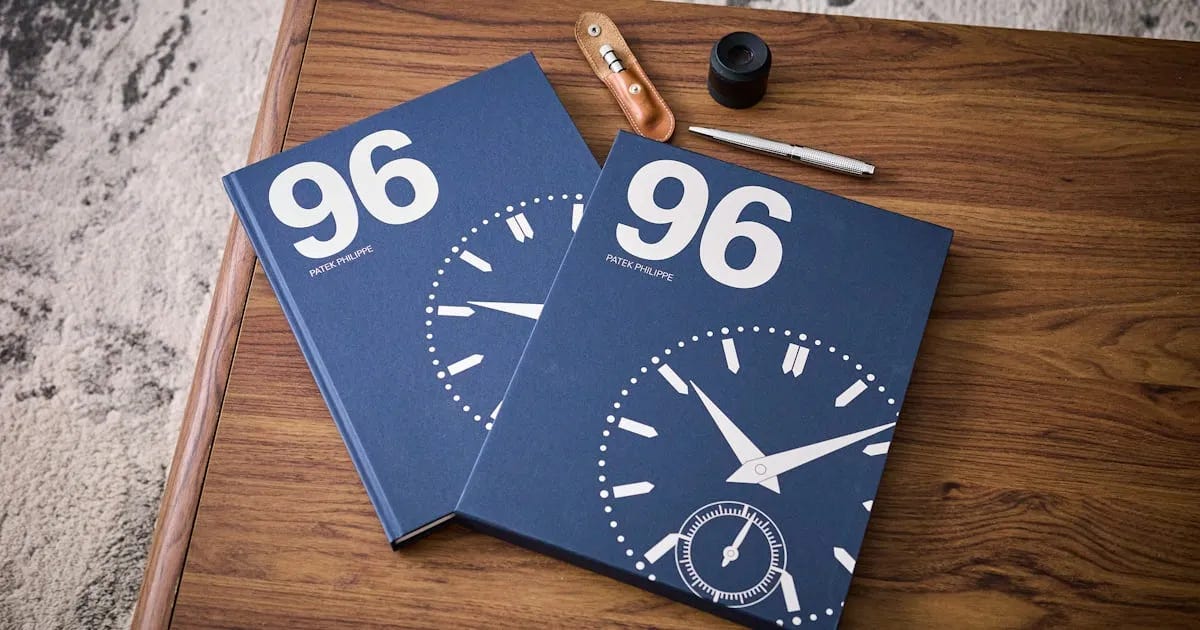
John Nagayama’s “96” Is An Essential Guide To The Rarest Of Patek Philippe’s Quintessential Calatravas
John Nagayama’s focused, approachable book maps the many worlds contained inside Patek’s ref. 96. With its close attention to series, movements, dials, retailer signatures and condition, it gives collectors a practical way into one of the most nuanced corners of vintage Patek.

Rémi Jomard On Piaget And The Polo Minute Repeater
Piaget’s Polo Minute Repeater is not a complication added for effect; it is a careful exercise in making a contemporary sport-chic case sing. Rémi Jomard explains how the ultra-thin 1290P, resonant case construction and painstaking finishing combine to produce a 64-decibel chiming watch made in an edition of just five this year.
NEW WATCHES
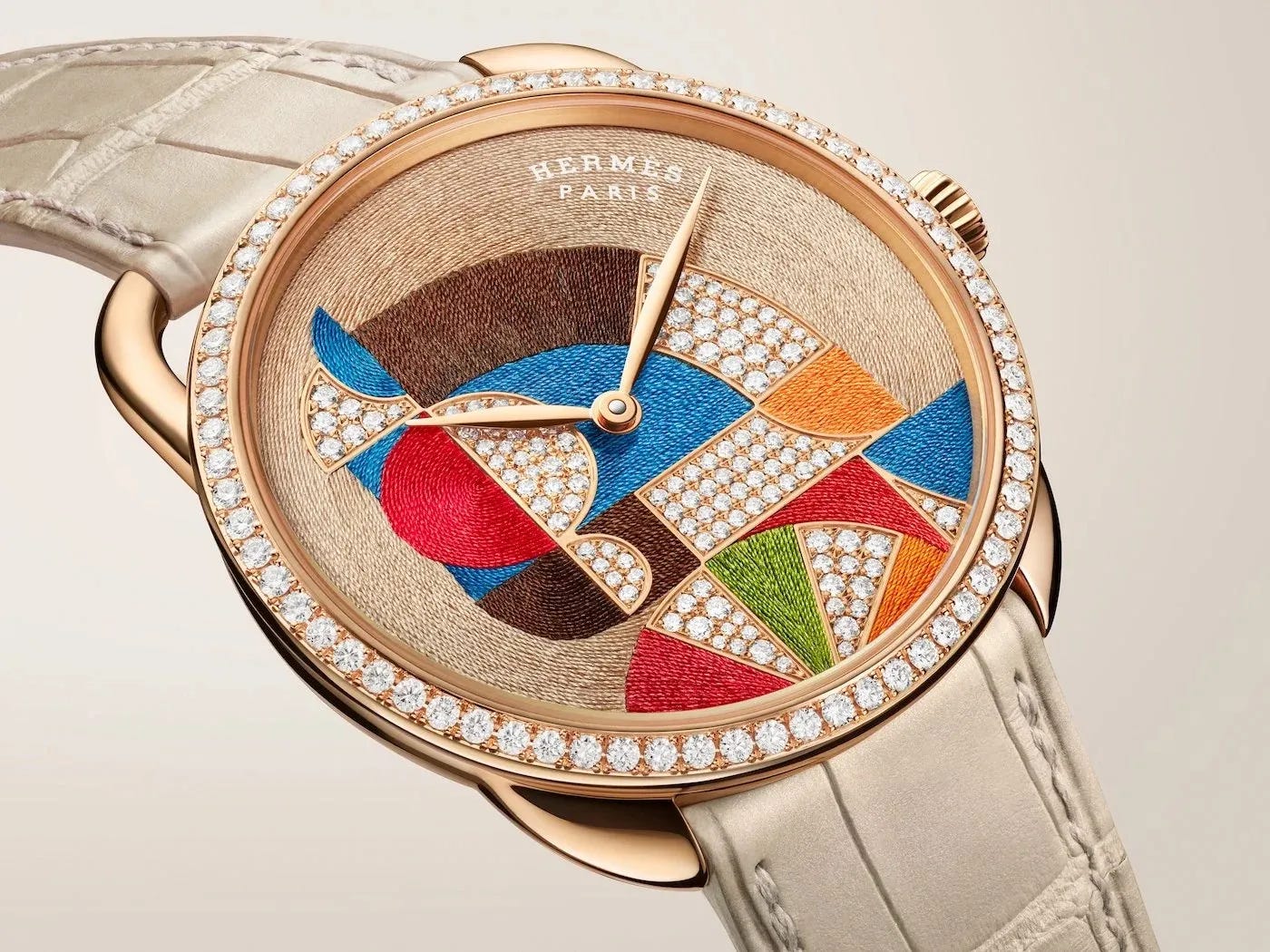
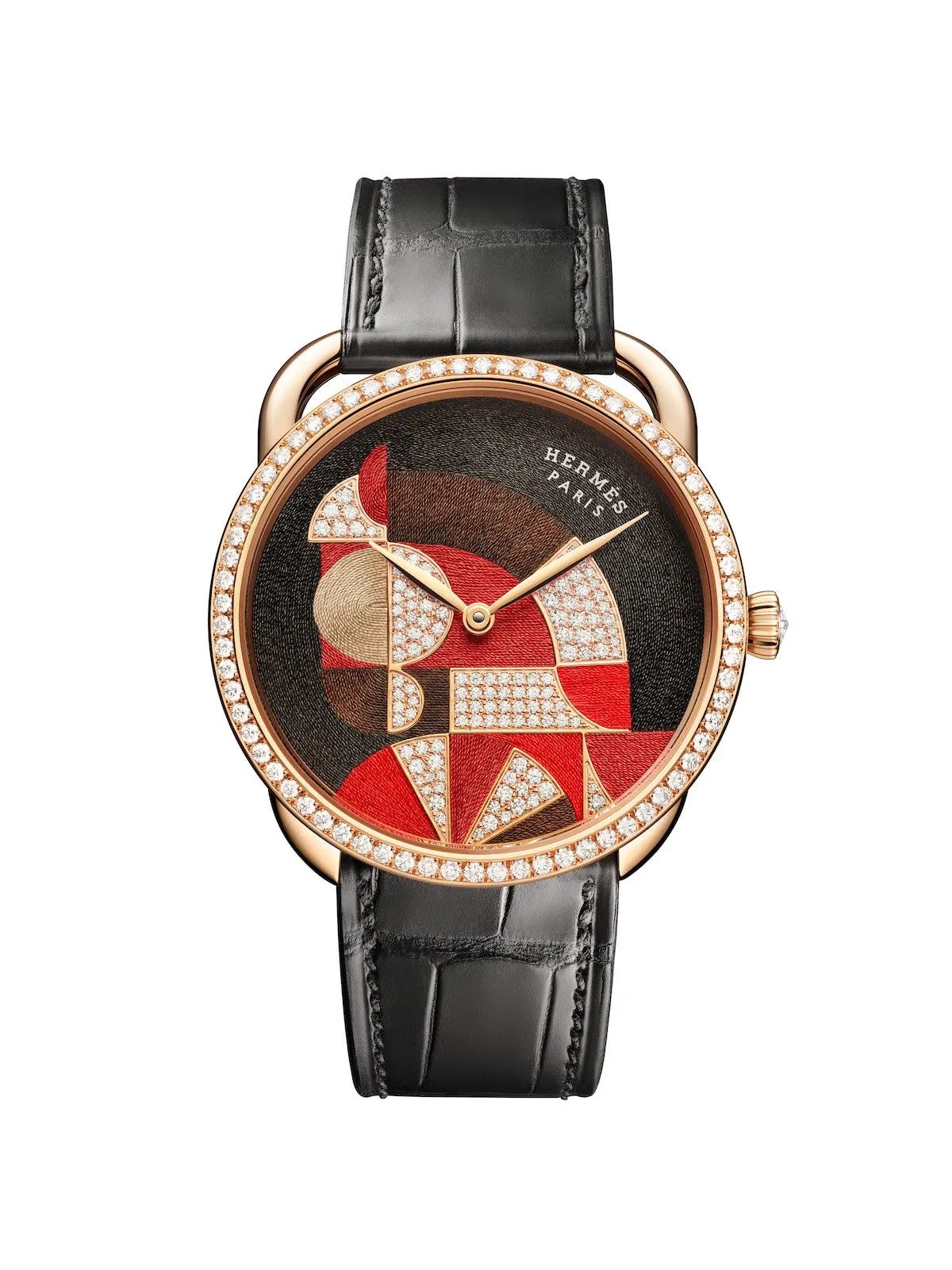
Hermès Arceau Cheval Natté—A Horse Stitched From 400 Threads Of Silk
Hermès brings textile craft directly to the wrist with a 38mm rose-gold Arceau whose horse-head dial is built from nearly 400 silk threads. Champlevé engraving, diamond-set details and the Manufacture H1912 automatic movement make this 48-piece production a proper meeting of couture and horology.
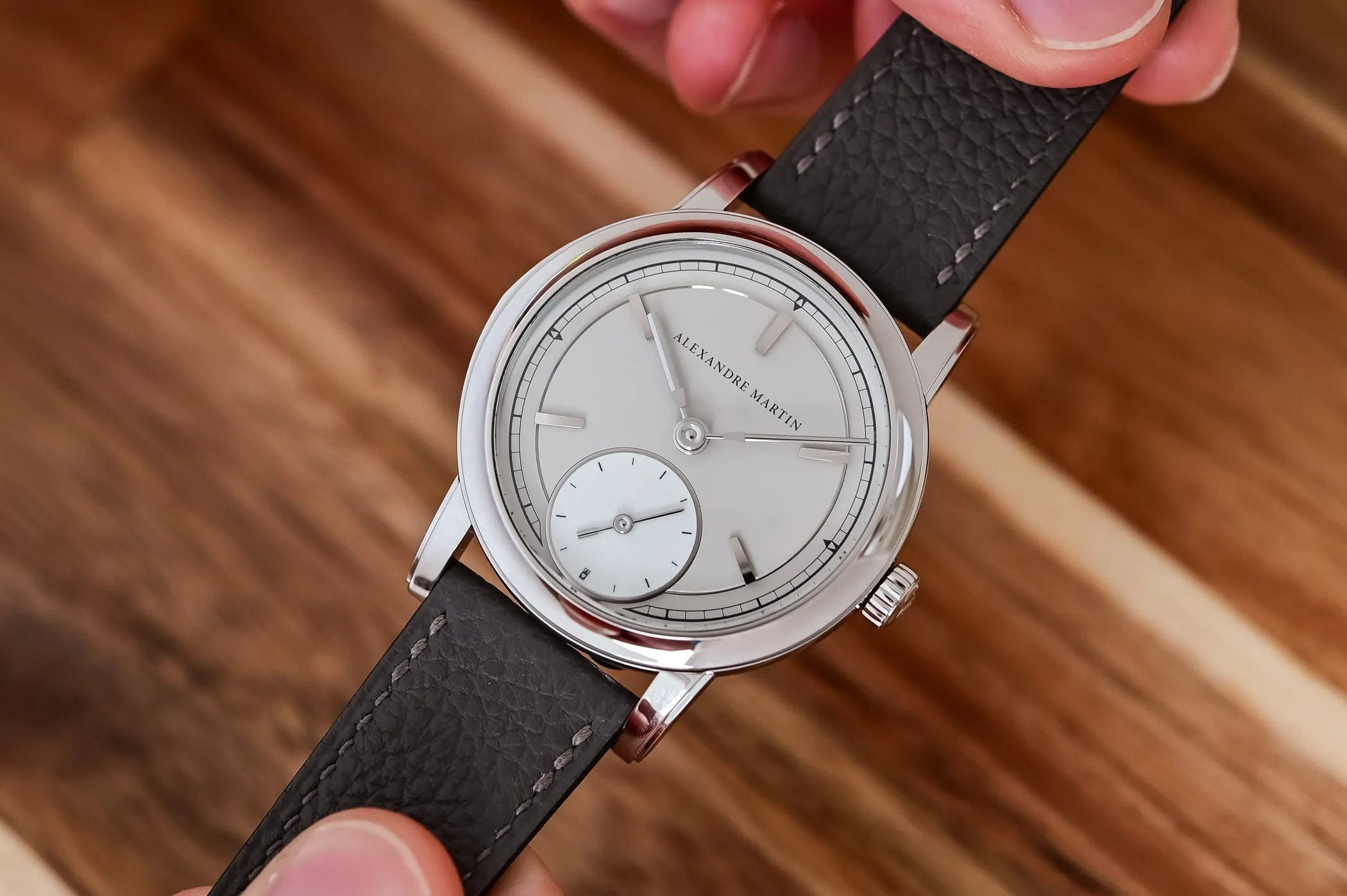
Indie Watchmaker Alexandre Martin Launches His Debut Watch, The Superb 1965
At 28, Belgian watchmaker Alexandre Martin has introduced a remarkably assured first watch: a 38mm steel dress piece built around a deeply reworked CYMA 586 movement. Twelve examples will be made in steel, with enamel small seconds, white-gold markers and a price of CHF 65,000.
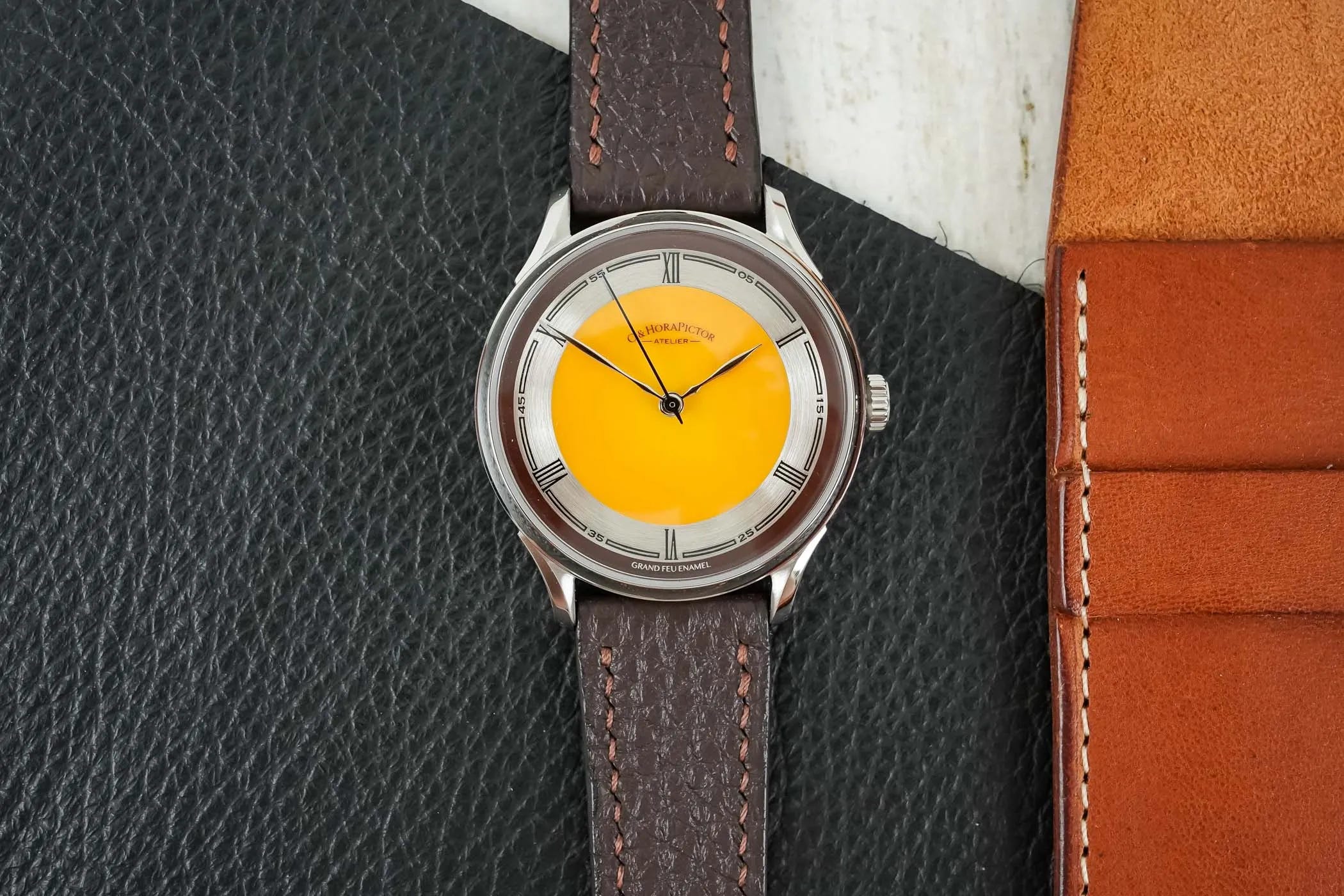
O&HoraPictor Atelier Launches The New Duet Collection, An Attainable Take On Grand Feu Enamel
O&HoraPictor’s new Duet collection uses contrasting enamel colors—and, in certain editions, engraved silver—to give classical technique a more contemporary rhythm. Available in 36mm, 38mm and 40mm steel cases, the manually wound watches start at $2,315.
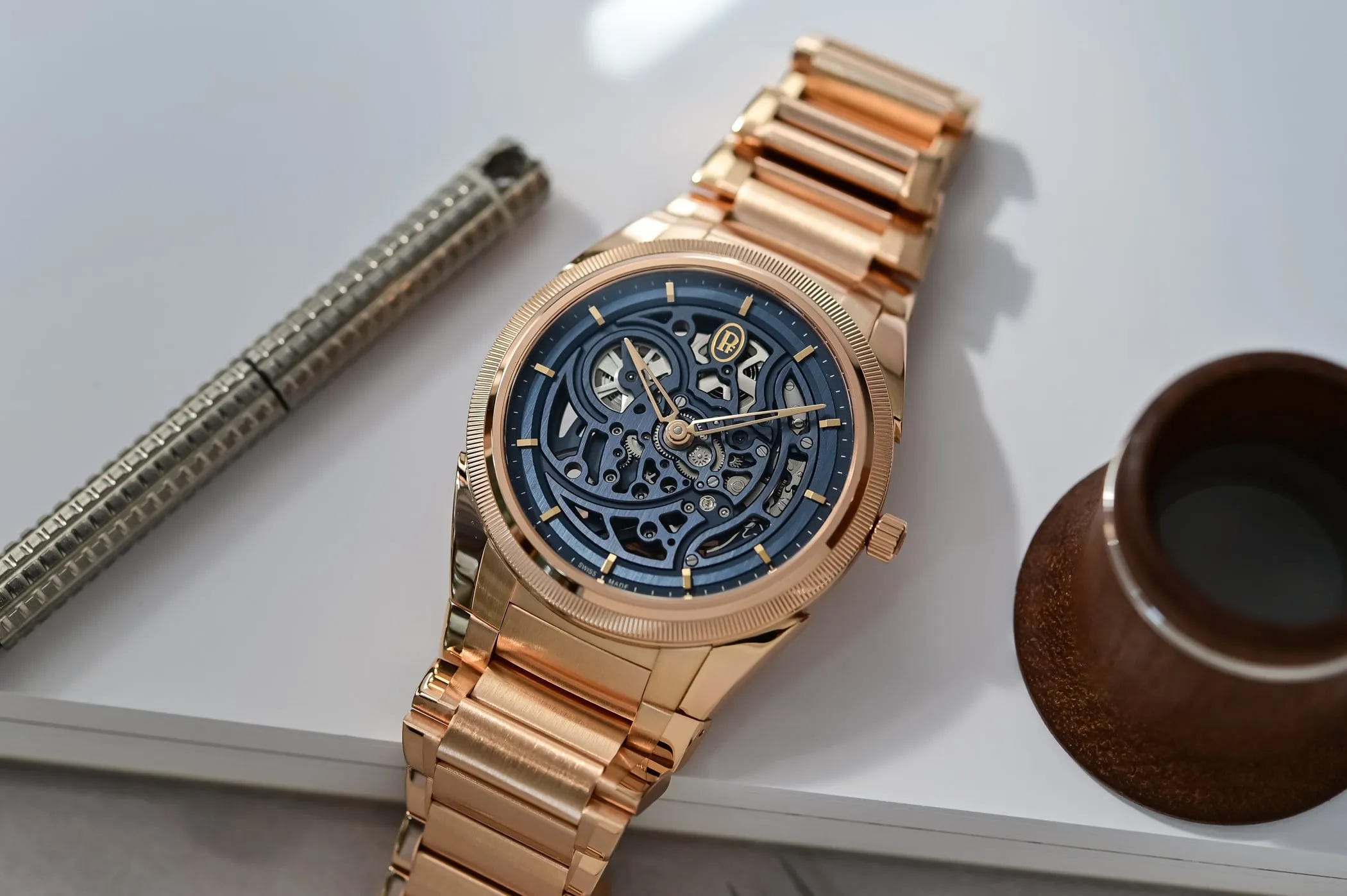
The New Parmigiani Fleurier Tonda PF Skeleton Rose Gold Milano Blue
Parmigiani Fleurier’s 40mm Tonda PF Skeleton pairs rose gold with a remarkably saturated Milano-blue openworked dial. Its automatic PF777 movement, integrated gold bracelet and 30-piece limitation make it one of the more assertive expressions yet of the brand’s quiet-luxury formula.
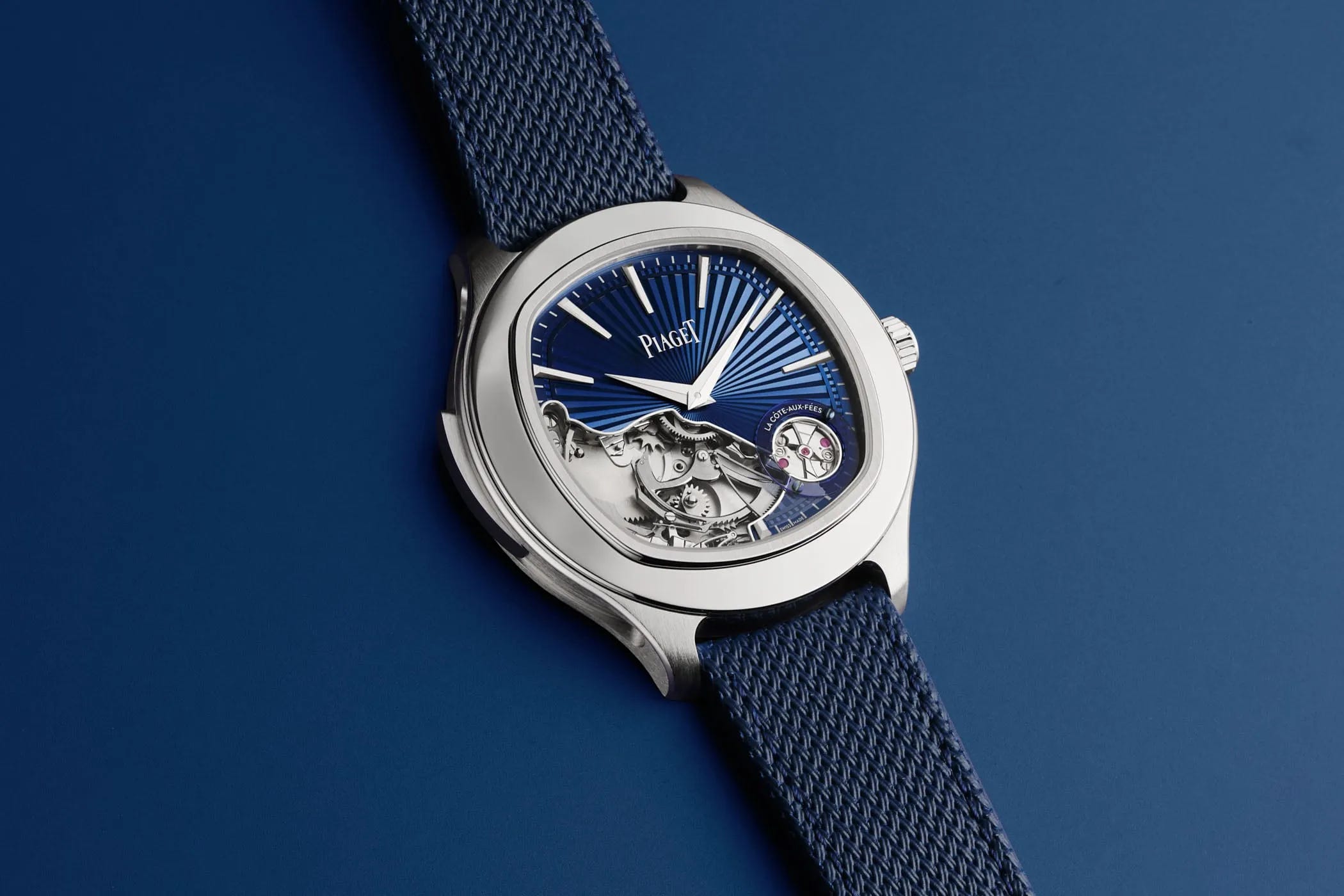
The New Piaget Polo Minute Repeater
The 48mm white-gold Piaget Polo Minute Repeater brings a formidable complication into a fully modern silhouette. The 9.3mm-thin case houses the 430-component 1290P, while the openworked, guilloché dial and blue accents let the mechanics—and the sound—take center stage.
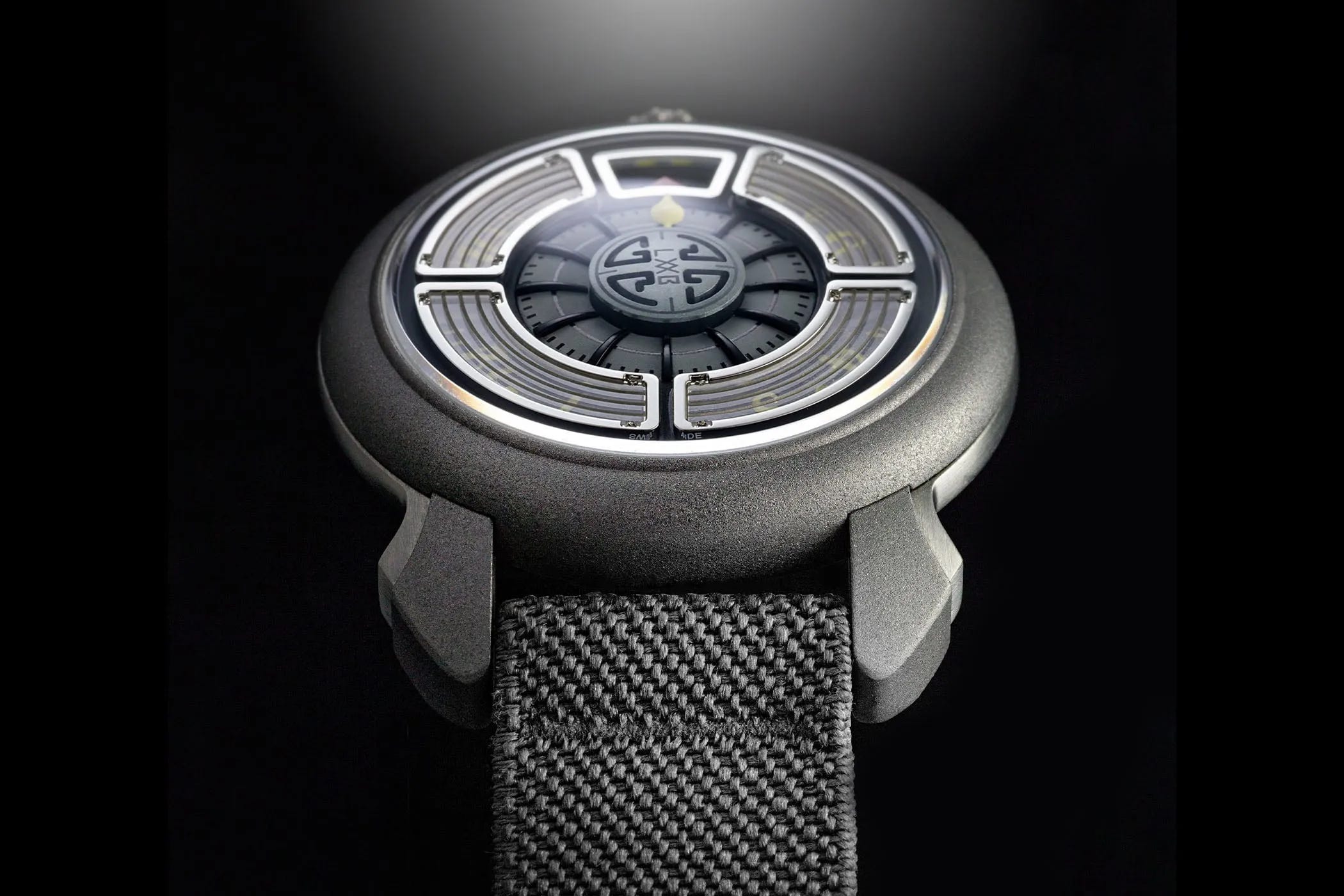
The New Superlight Gagà Laboratorio Labormatic Superleggero
Gagà Laboratorio takes its eccentric Labormatic formula into grade-5 titanium. At 42mm, with a noon crown, aperture hours and a rotating yellow minute hand, the Superleggero is a limited-run mechanical object with more personality than most watches at any price.
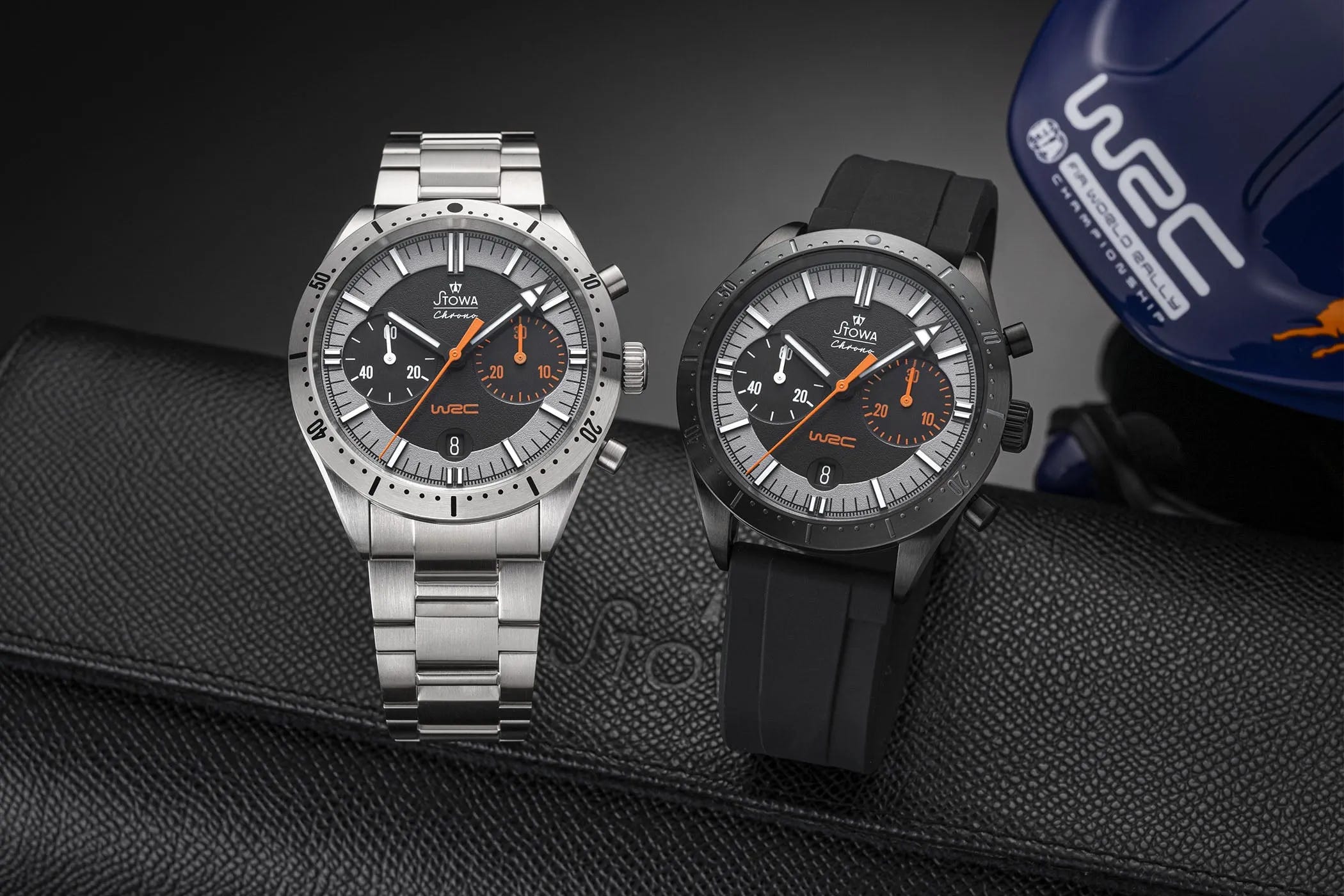
The Stowa Chrono WRC Stage 1, An Automatic Chronograph For The World Rally Championship
Stowa’s new WRC Stage 1 is a purpose-built 44mm automatic chronograph with a grey-anthracite dial, orange competition accents and 100 meters of water resistance. Powered by the Sellita SW510, it brings a serious tool-watch specification to the brand’s rally partnership.
COMPARISONS

The 12 Coolest New Watches That Dropped In August
August’s releases ranged from fresh 38mm Speedmasters and an AMG-linked IWC pilot’s watch to Vacheron Constantin Métiers d’Art, Parmigiani’s Milano Blue Tonda and Glashütte Original chronographs. This is the month’s useful reminder that luxury-watch energy remains broad, not confined to one material, price point or design language.
REVIEWS

A Colorful Celebration Of Life: The IFL Watches × Out Of Order Shaker Happy Hour
IFL Watches and Out of Order make a 40mm GMT that treats the dial as a tiny late-night scene, complete with hand-painted characters, cocktails and color. Limited to 200 pieces and priced at $990, it is a welcome argument for fun in a category that can take itself too seriously.
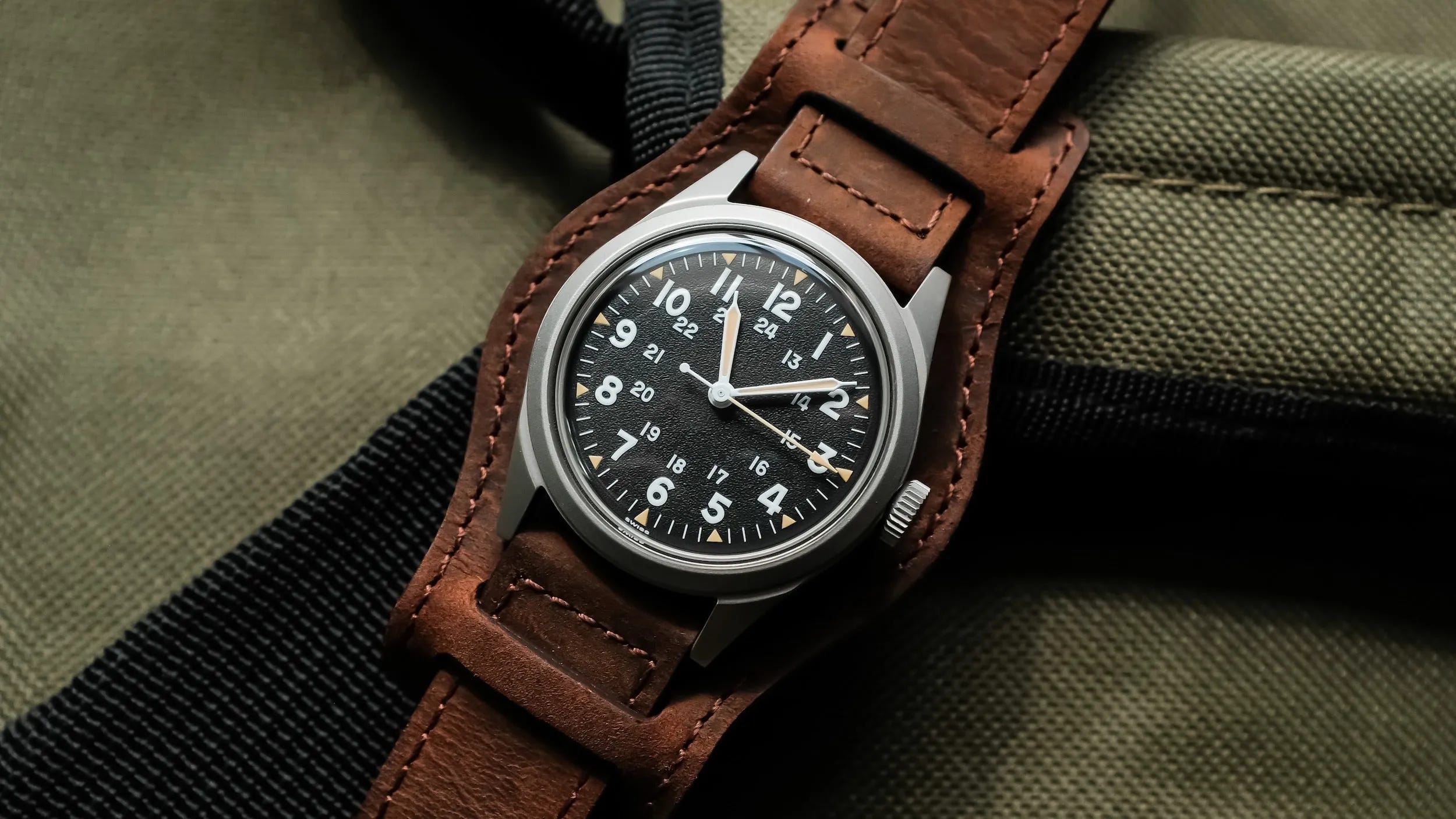
Benrus DTU-2A/P Review: Why 34mm Still Makes Sense For A Military Watch
Benrus keeps the military field-watch proportions intact with a 34mm case, then quietly updates the formula with sapphire, a screw-down crown and 100 meters of water resistance. It is proof that compact does not mean compromised—and that the original dimensions often still make the most sense.
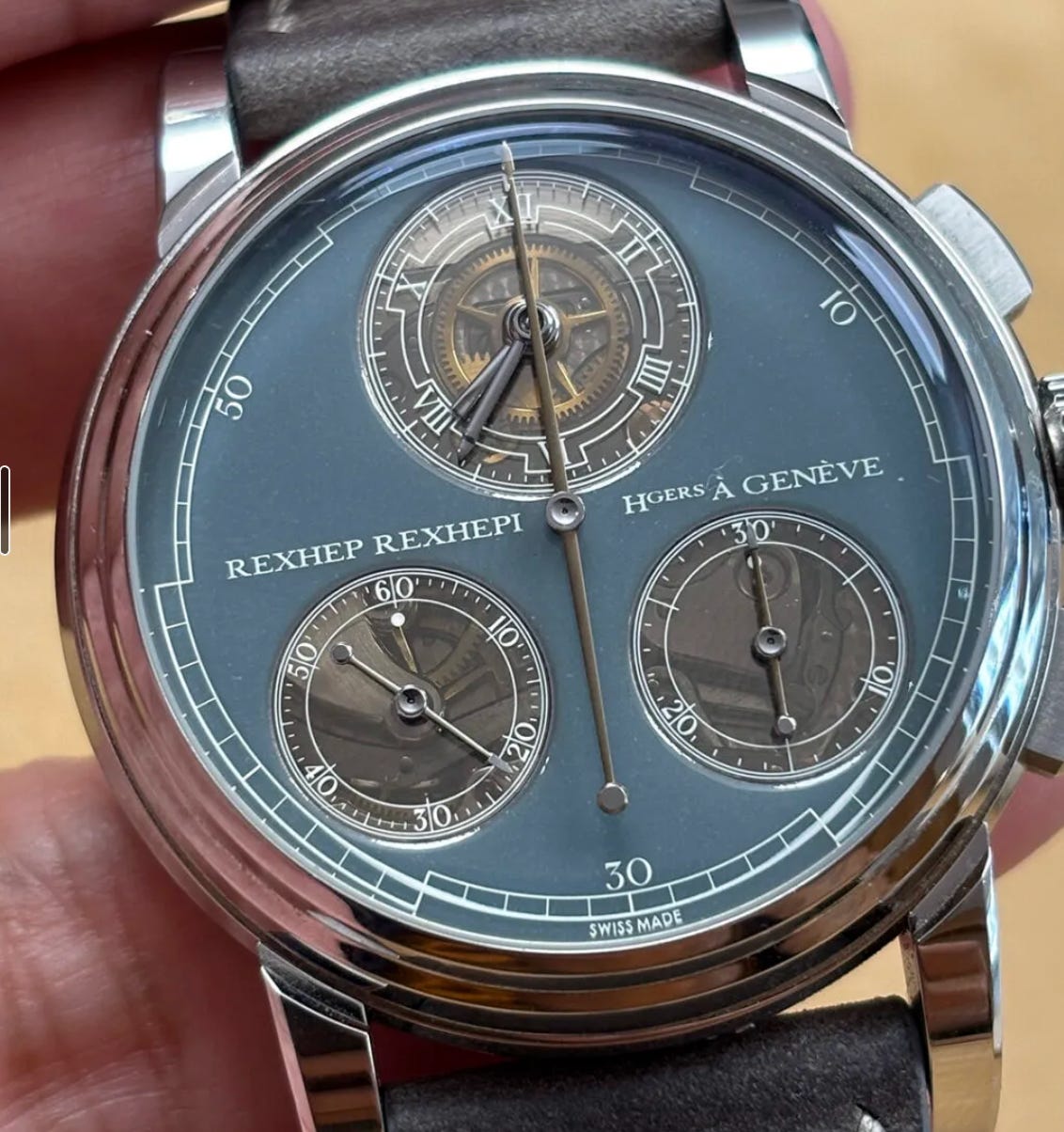
Live From GWD26: Hands-On With The Amazing Rexhep Rexhepi Chrono Flyback
The Rexhep Rexhepi Chrono Flyback No. 1 prototype delivers the sort of details collectors hope to find when they get close: a stormy-blue grand-feu enamel dial, an unusually refined steel case, a symmetrical movement and a flyback system designed to feel as precise as it looks.
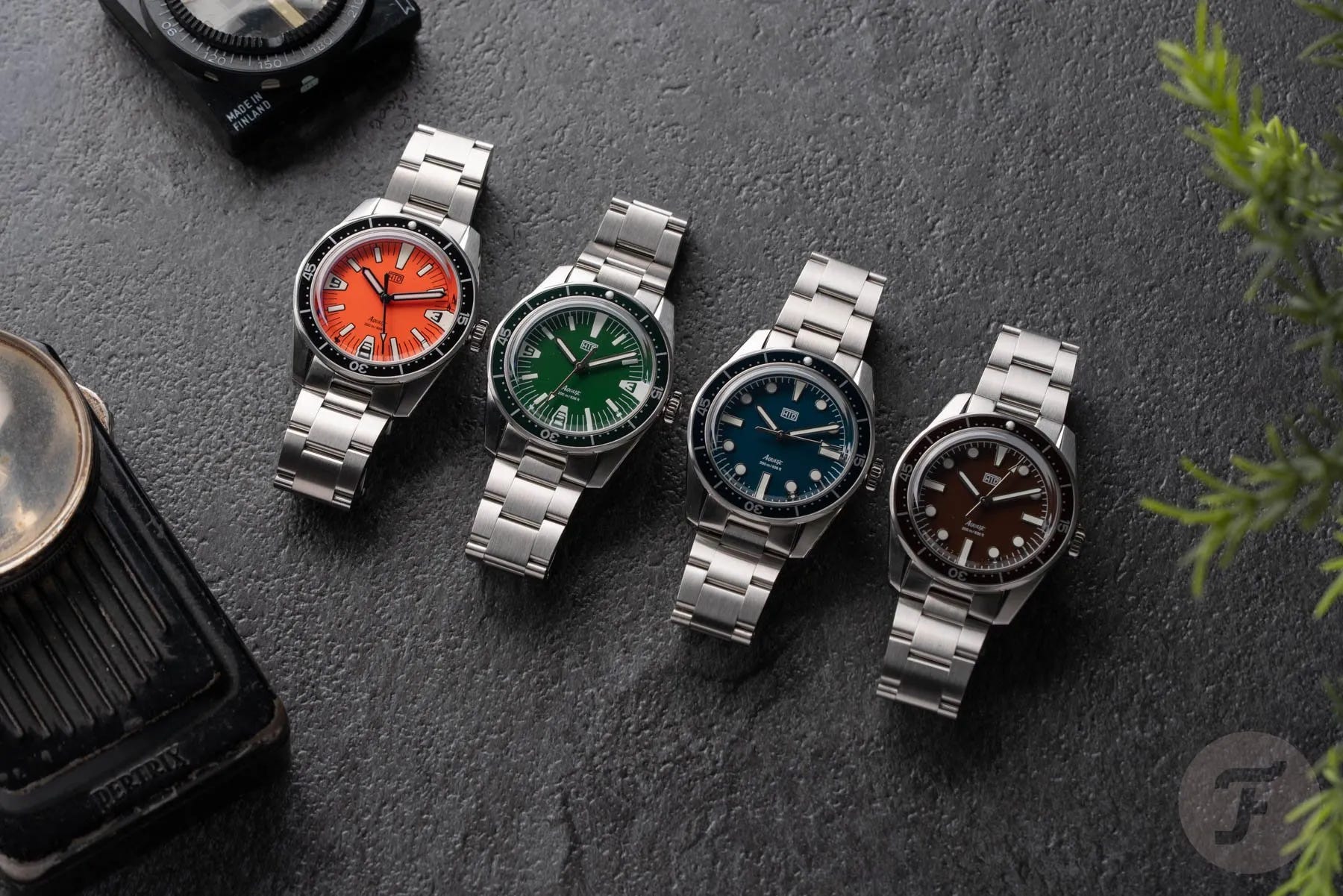
Living La Dolce Vita: New Colors For The HTD Aquatìc Bicchierini And SpaceBoy Dive Watches
HTD’s 39.4mm dive watches add blue, green, brown and orange options without losing their compact, vintage-leaning appeal. With 200 meters of water resistance, a Miyota 90S5 and an €803 price, the new colors make a convincing case for everyday variety.
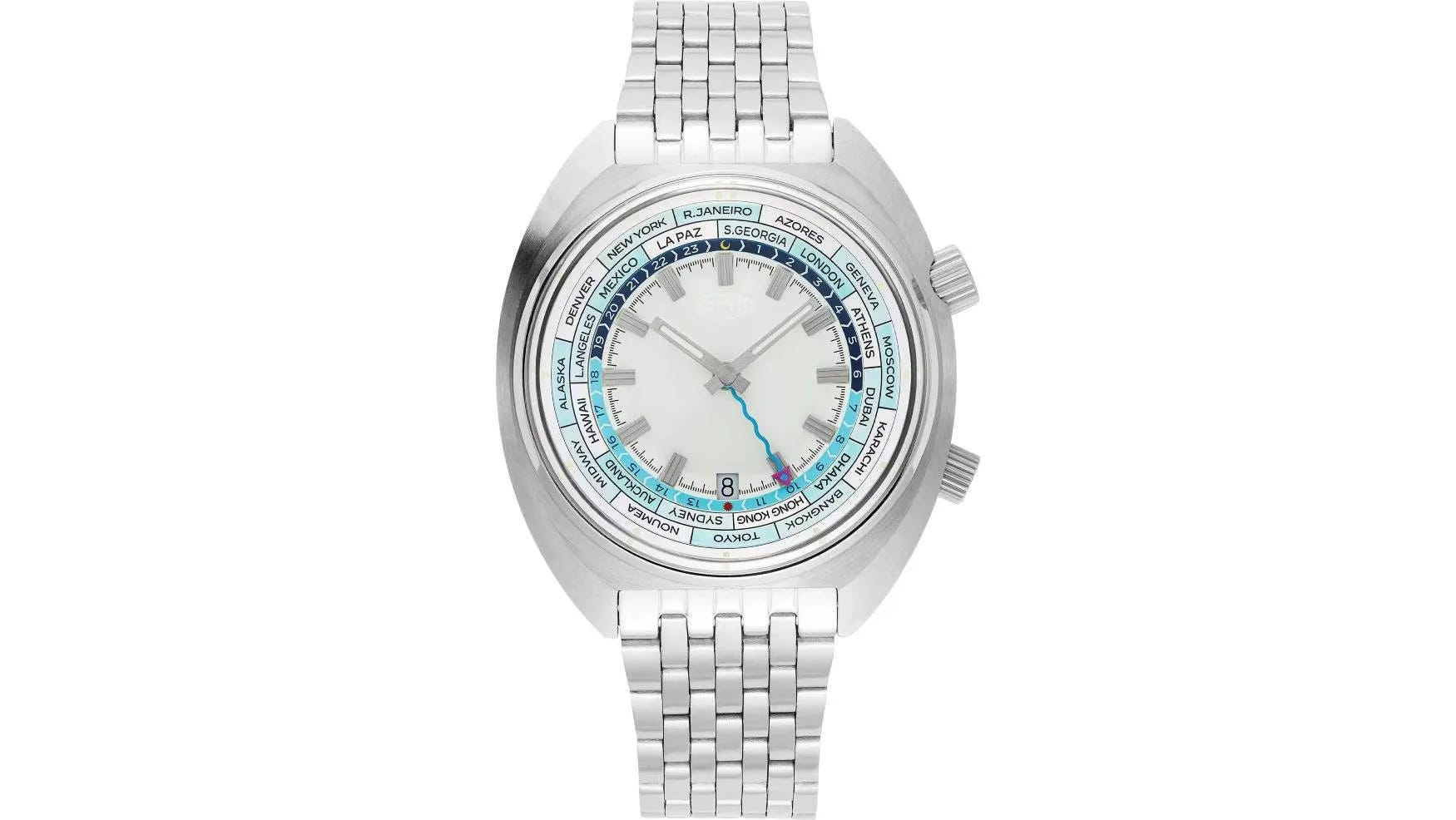
OCTO 3003 World Timer
This hands-on assessment centers on a robust, classically configured tool watch: a 40.5mm steel case, black lacquer dial, 300-meter water resistance and a Sellita SW300-based automatic movement. It may not reinvent the dive-watch playbook, but the fundamentals are executed with conviction.

Piaget Polo Minute Repeater: The Ultra-Thin Marvel Of Sound
Piaget’s new repeater is a feat of acoustic and spatial engineering, putting 430 components inside a movement just 4.8mm thick. The white-gold Polo case serves as a resonant chamber while the openworked dial keeps the rarefied mechanics on full display.
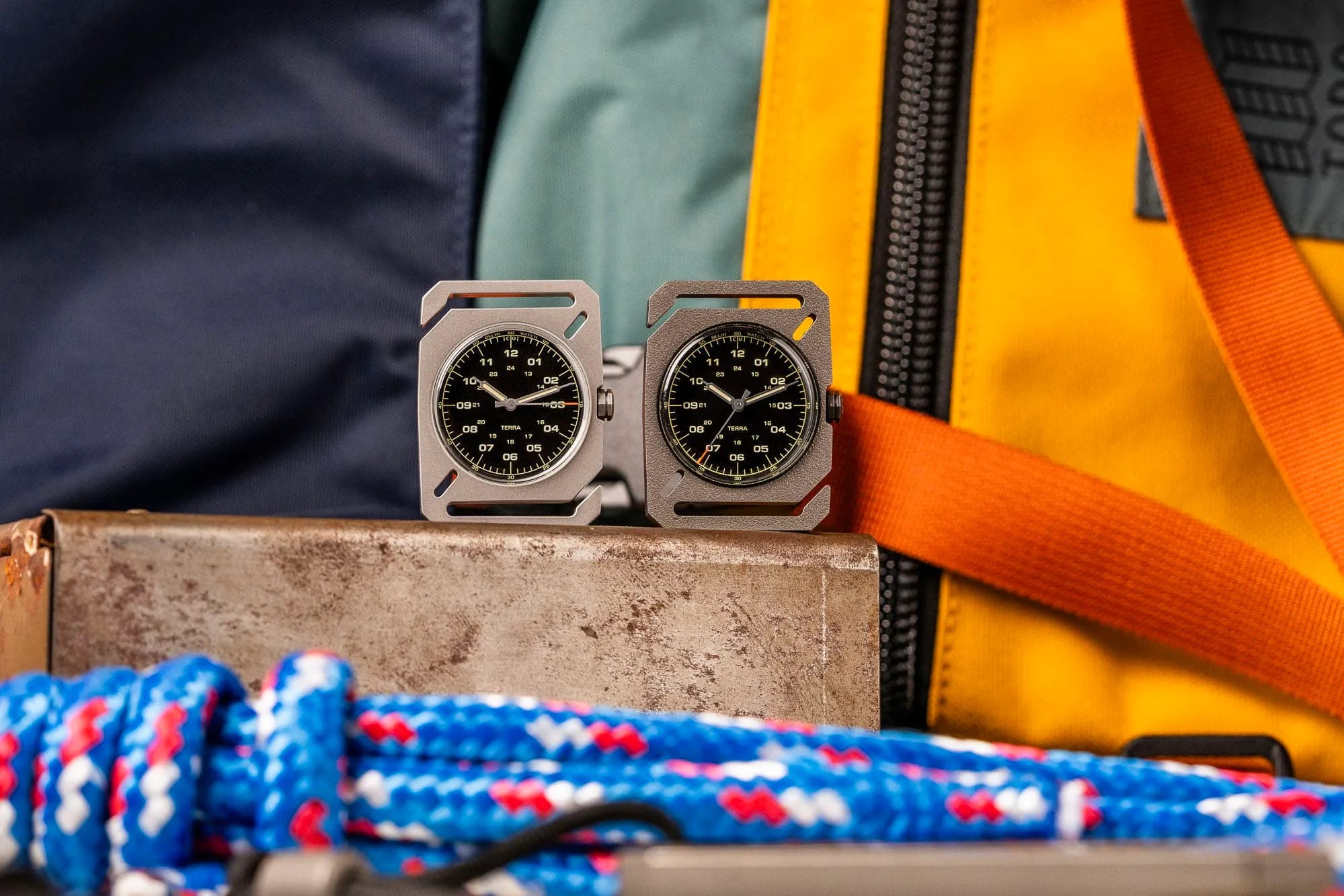
The DWC Terra
Delhi Watch Co.’s Terra proves that a $50 quartz field watch can still have a strong point of view. Its 32mm-by-44mm rectangular case, angular strap slots and 24-hour dial look like something from a very good low-budget science-fiction film—and the first runs sold accordingly.
VIDEO

“Chasing vs. Defending” — Novak Djokovic On Tennis, Tourbillons & His Hublot Collection
Novak Djokovic connects the mental balance of tennis with his appreciation for high-watchmaking detail, including the tourbillons in his Hublot collection.

5 Perfect Watches Every Collector Wants To Own & Why
A tour through five would-be collection anchors, with an eye on design, history and the reasons certain watches remain enduringly desirable.

Are Watches Investments? Or Should You Buy What You Love?
The perennial question gets a useful airing: how should collectors weigh scarcity, brand strength, demand and the simple fact of wanting to wear the watch?

I Asked Watch Collectors About Their Insane Collections | Time At Wynn Las Vegas
A look inside the collecting culture at Wynn Las Vegas, where rare watches become a doorway into the stories and instincts of their owners.

M.A.D.Editions — Why M.A.D.Editions Was Never Supposed To Become A Brand — Episode 1
A new episode on the original creative logic behind M.A.D.Editions and the unexpected path from a playful internal project to a phenomenon.

Stop Falling For These Lies
Andrew Morgan takes aim at the misleading claims and lazy narratives that can make the watch market harder to navigate than it needs to be.

The Last True Rolex
A meditation on what makes a Rolex feel authentic in the collector sense: not merely the logo, but the design, mechanics, history and context behind the watch.

These Watches Were Almost Perfect
A close look at watches that got remarkably close to greatness—and at the small design, engineering or practical decisions that kept them from fully getting there.

Watch Shopping In Japan For The Cheapest Grey Market Deals
An on-the-ground guide to researching Japanese inventory, comparing local pricing and approaching the grey market with open eyes.

Why People Stopped Buying Luxury Watches
A discussion of the shifting priorities, skepticism and changing value perceptions shaping demand for luxury watches.
AUCTIONS
Auction House Phillips Walks Back Claim Early Résonance Delivered In 1999 After F.P. Journe Statement
Phillips has corrected the delivery history attached to the early F.P. Journe Chronomètre à Résonance 022/99, acknowledging a June 2000 delivery after a statement from Journe. It remains an unusually early and important example, but the episode is a timely reminder that provenance is not marketing copy—it is part of the object.
YESTERDAY’S AUCTION RESULT
2012 Patek Philippe Nautilus Chronograph Rose Gold / Brown (5980R-001)
The watch was bid to $70,000 but did not meet reserve. That sits well below the roughly $99,000-and-up range generally associated with the reference on the secondary market, a meaningful reminder that even desirable Nautilus chronographs need the right condition, timing and reserve discipline to find their level.
TODAY’S AUCTION
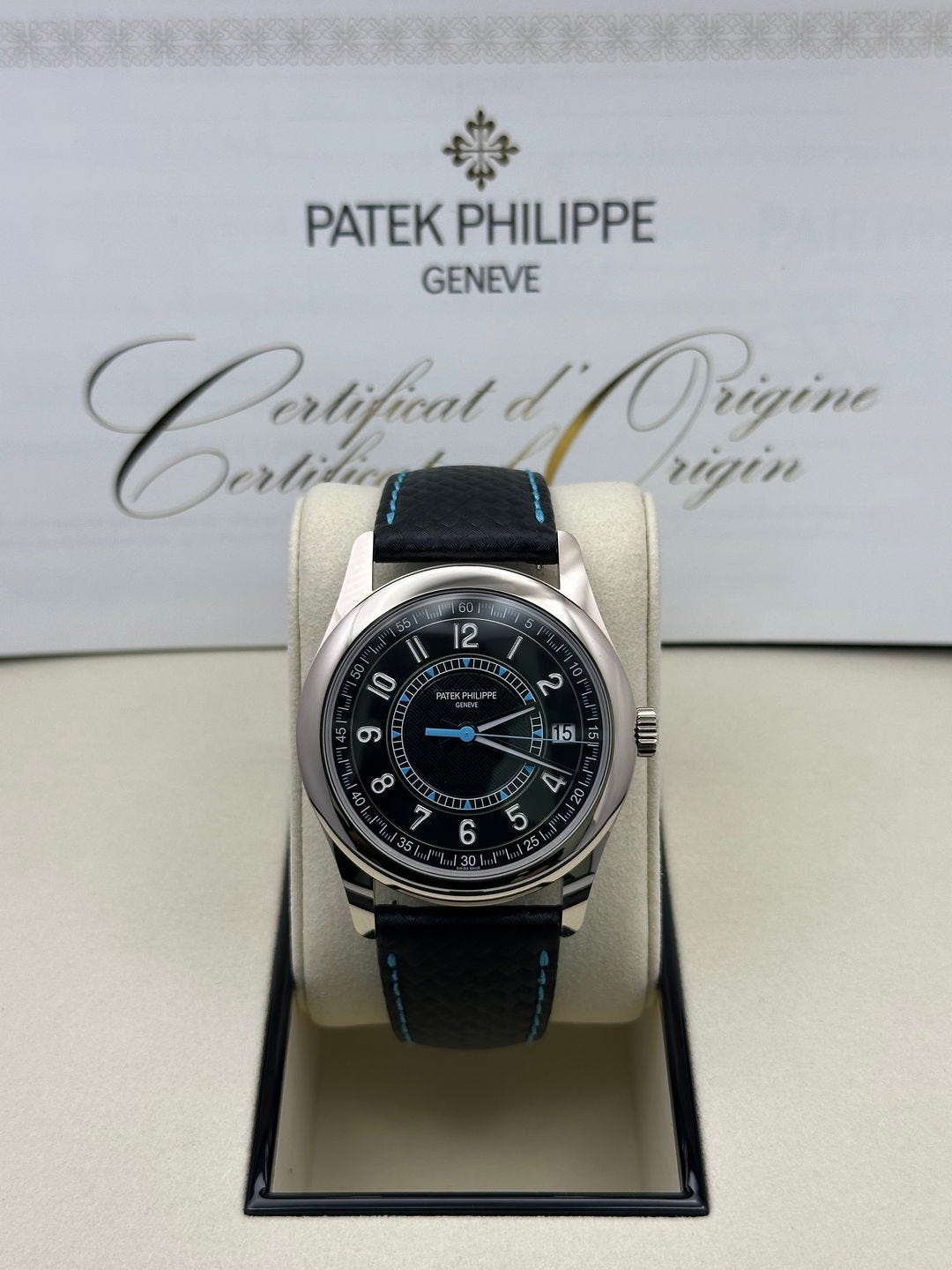
Auction Report: The Sporty Calatrava Tests Its Market
Today’s watch is a Patek Philippe Calatrava 6007G-011, a 40mm white-gold automatic with a black dial, sky-blue accents and matching black calfskin strap. The example is listed as unworn and includes both box and papers. It is powered by Patek Philippe’s calibre 26-330 S C, rather than the older 324 S C sometimes associated with the listing, and presents a notably contemporary interpretation of the Calatrava.
The 6007G trio arrived in 2023, with the -011 serving as the blue-accented version beside yellow and red siblings. Its embossed carbon-style dial, Arabic numerals and sporty color treatment make it a very different proposition from the restrained, traditional Calatravas that built the family name. For the buyer who wants Patek finish and white gold without the usual visual quietness, that is precisely the point.
Market evidence suggests that the reference trades meaningfully below retail, but with a broad range determined by condition, completeness and venue. Recent completed sales of the blue 6007G-011 have generally landed from roughly $30,000 into the low-$40,000s, while unworn dealer offerings sit higher. This full-set, unworn example has the attributes that should keep it near the better end of the range, though it is not the kind of Patek that can rely on a name alone to erase the gap between retail and secondary-market value.
The auction closes at 1:50 p.m. EDT today, Tuesday, September 1. The opportunity here is a modern, unusually extroverted Calatrava at a market-led price—not a hidden steel-sport-watch substitute. If bidding stays disciplined, the 6007G-011 offers a compelling way into a white-gold Patek with genuine personality.
Current bid: $28,500
Losing Time


Today’s Big Losers at Auction on Grailzee
Failed-Sales Recap
The 2025 H. Moser Streamliner came to market asking $36,500 and stopped at $22,322—a $14,178 shortfall, or 38.8% below ask. Beautiful, scarce, and apparently still not enough to convince bidders to suspend basic arithmetic.
The Hublot King Power “Kobe Bryant” had the roughest outing: $26,000 ask versus an $11,000 high bid. That is a $15,000 gap, or 57.7% below ask. Limited edition or not, the room politely suggested the reserve belonged in a different tax bracket.
The Glashütte Original Seventies Panorama missed by $9,900, with a $10,100 bid against a $20,000 ask—49.5% below ask. In other words, it got almost exactly halfway there, which is admirable for a marathon, less so for a reserve.
The Audemars Piguet Royal Oak Chronograph received a credible $51,200 bid, but against an $89,000 ask it still finished $37,800, or 42.5% below ask. Strong bid, ambitious reserve; the spread suggests the seller was pricing aspiration, not the market.
Conclusion: Every lot missed ask by roughly 39%–58%, with an average shortfall of 47.1%. The market was not merely negotiating—it was sending a coordinated, well-capitalized message that the reserves needed to come down.
Thanks for spending part of your day with BuyingTime. May your next watch be one you would still choose after the noise dies down.