

30 Second Read
The market is giving us two very different lessons today. The Christophe Claret shows that technical originality can become deeply undervalued when a maker lacks broad liquidity and instant recognition. The white-gold Royal Oak, meanwhile, tests the other side of the equation: how far collector confidence can carry a familiar icon when the materials and configuration move it into rarified territory.
Elsewhere, the most encouraging story is not a launch but a workshop. Fears’ investment in making and servicing more watches at home is the kind of slow, durable work that often matters more than a splashy release. In a market that constantly measures resale, it is worth remembering that the best brands are still building for the next repair, the next decade and the next owner.
Time Graphing Today’s Watch Universe
The most interesting thread running through today’s watch news is not a new material, complication or color. It is the growing distance between what the industry is good at making and what the market is prepared to value. Watches are increasingly rich in technical content, historical reference and human effort. But those qualities do not arrive at the checkout counter—or the auction block—with equal force. The difference between craft and liquidity has rarely been more visible.
Start with Chopard’s UK results. A 7% decline in sales is not, by itself, a referendum on a brand with Chopard’s stature or depth. But it illustrates the pressure facing even the most established luxury houses: a global boutique footprint, celebrated events, a recognizable jewelry business and a serious watchmaking offering do not remove the need to continually earn the customer’s attention. Luxury is not simply a product category; it is an act of belief. Buyers have to believe the object is special, the brand is relevant and the purchase will still feel meaningful once the launch campaign has moved on.
That is why Fears’ new Bristol workshop matters. It is easy to overuse the phrase “in-house” until it becomes a vague marker of legitimacy. But bringing assembly, servicing and quality control together is not just about a line in a press release. It is about taking responsibility for the watch after it leaves the factory. It is about knowing how the product is built, how it ages and how it can be maintained. For a small brand, that kind of investment is expensive, patient and not especially glamorous—which is precisely why it deserves attention. It signals an ambition to be around for the second owner, the first service and the next generation of the company.
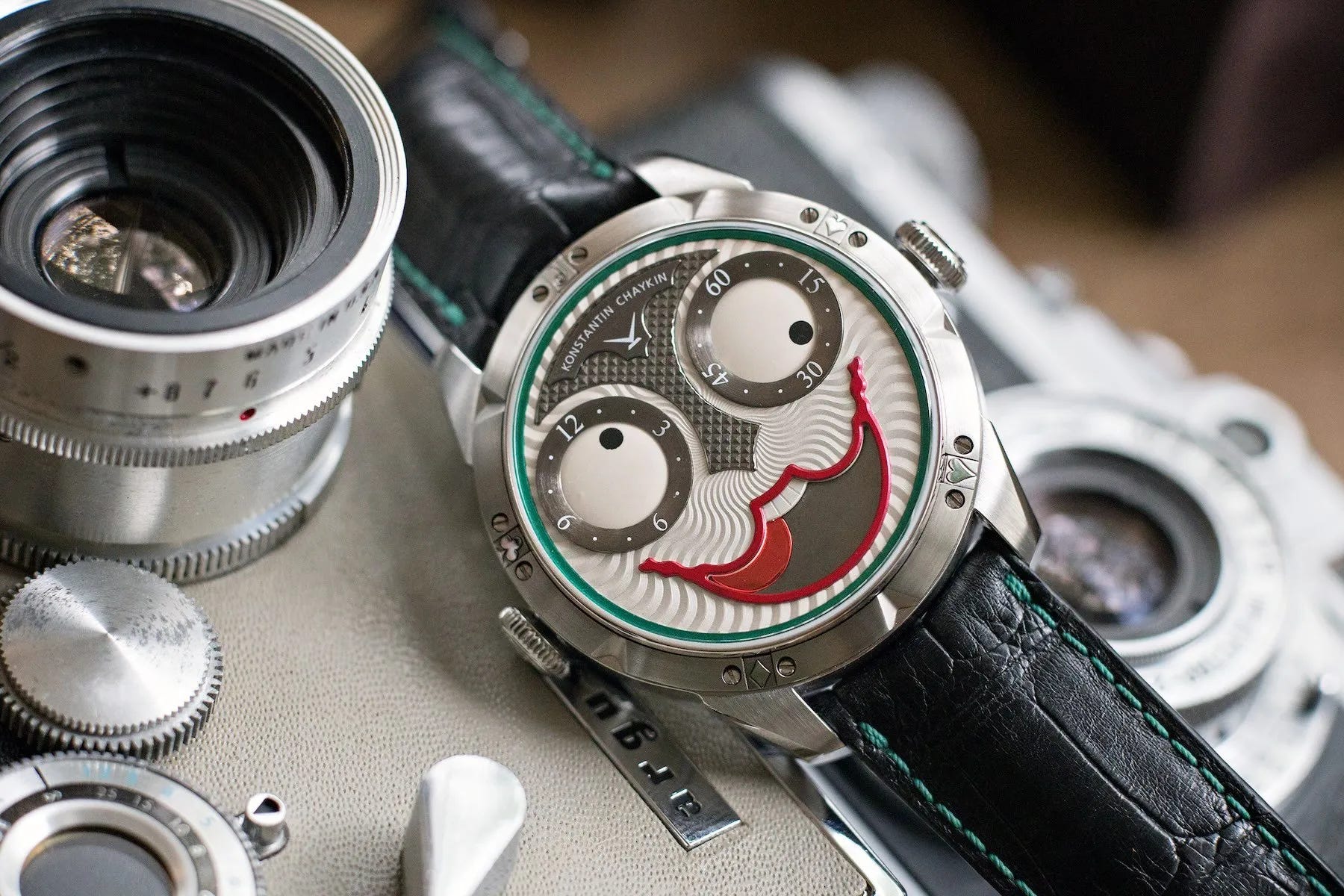
The independents in today’s issue reveal different ways of building that belief. Konstantin Chaykin has made originality his operating system. His work is technically formidable, but its real strength is that it cannot be mistaken for anybody else’s. In an industry where familiarity often functions as a shortcut to value, Chaykin has built recognition through surprise. The Joker watches, the ambitious clocks and the ultra-thin experiments are not merely products; they are arguments for a more playful, authored form of haute horlogerie.
Moriz Grossmann’s Tefnut takes a quieter route. Its appeal is not speed, spectacle or viral recognizability. It is the survival of a process: a nineteenth-century silver-plating technique, a carefully finished hand-wound movement and a 36 mm format that asks the collector to look more closely rather than simply look bigger. The Watch Ho & Co. x Selten Yum Cha adds another layer. Here the value proposition is not just enamel, engraving or a limited run. It is cultural memory made physical—the bamboo steamer, the dim sum table, the founder’s family story. These watches succeed when the owner sees them as more than specifications competing for space on a spreadsheet.
And yet, the market has its own language. The Christophe Claret Kantharos result is a sharp reminder that rarity, cost of manufacture and mechanical originality do not necessarily equal immediate resale strength. The watch is extraordinary in the literal sense: a large, complicated monopusher chronograph with a striking mechanism from one of modern independent watchmaking’s most technically distinctive names. But it occupies a difficult part of the collector landscape. It asks the buyer to know what Christophe Claret is, to understand why the mechanics matter and to be comfortable owning something that may not have a deep secondary market when it is time to move on. The $16,750 bid that failed to meet reserve does not erase the Kantharos’s achievement. It measures the gap between admiration and demand.
Today’s white-gold, smoked-blue Royal Oak chronograph presents the inverse case. Its complication is excellent, its Calibre 4401 is modern and capable, and its white-gold execution is genuinely luxurious. But it also benefits from something the Kantharos does not: immediate legibility. The Royal Oak’s shape, bracelet and brand name give the buyer a familiar frame of reference before the details are even considered. Its value is easier to explain at a dinner table, easier to compare online and easier to imagine selling. The market rewards that clarity handsomely.
None of this means collectors should only buy familiar icons, nor that challenging independents deserve a sympathy premium. It means the most compelling watches increasingly require a more intentional kind of collecting. Ask what makes the object singular. Ask whether the maker has built the service, distribution and trust that can support it. Ask whether the story is embedded in the watch itself or merely attached to its launch. And ask whether you are buying a watch because the market has already agreed on its value—or because you have taken the time to form a view of your own.
The healthiest watch universe has room for both. It needs the Royal Oak as a common language and the Kantharos as a private discovery. It needs big brands with the resources to refine a known formula, and smaller makers willing to risk making something no one has requested yet. But the watches most likely to reward us over time may be the ones that turn attention into understanding.
-Michael Wolf
News
Chopard’s British Watch and Jewelry Sales Dip
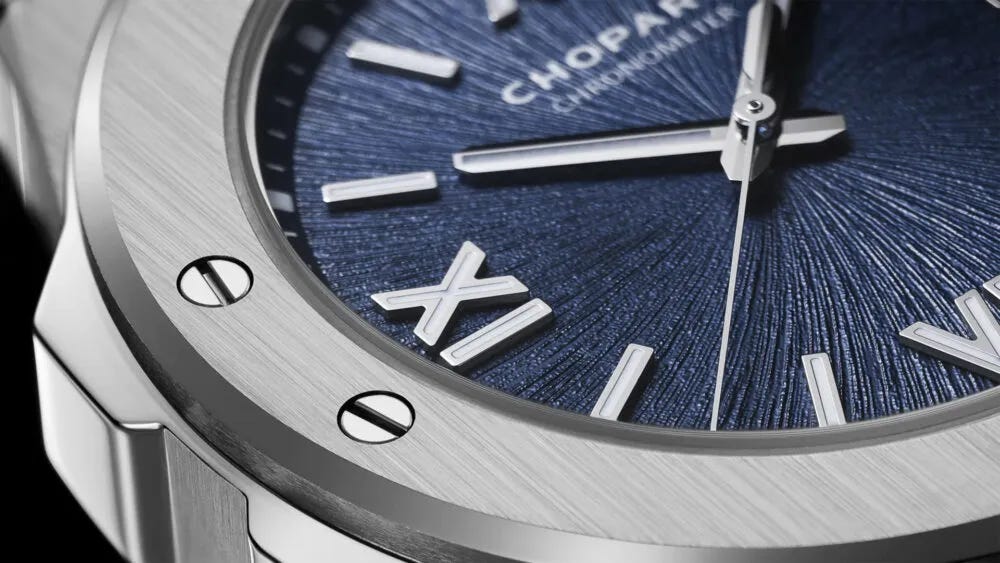
Chopard’s UK revenue fell 7% to £25.2 million in 2025, while operating losses widened. Watches still make up roughly 60% of turnover, underlining the importance of the category even as the brand balances a global boutique network, wholesale partnerships and its jewelry business. The numbers offer a grounded look at luxury’s uneven regional recovery.
Chopard’s British watch and jewelry sales dip
Fears Brings Watchmaking Home With New In-House Workshop
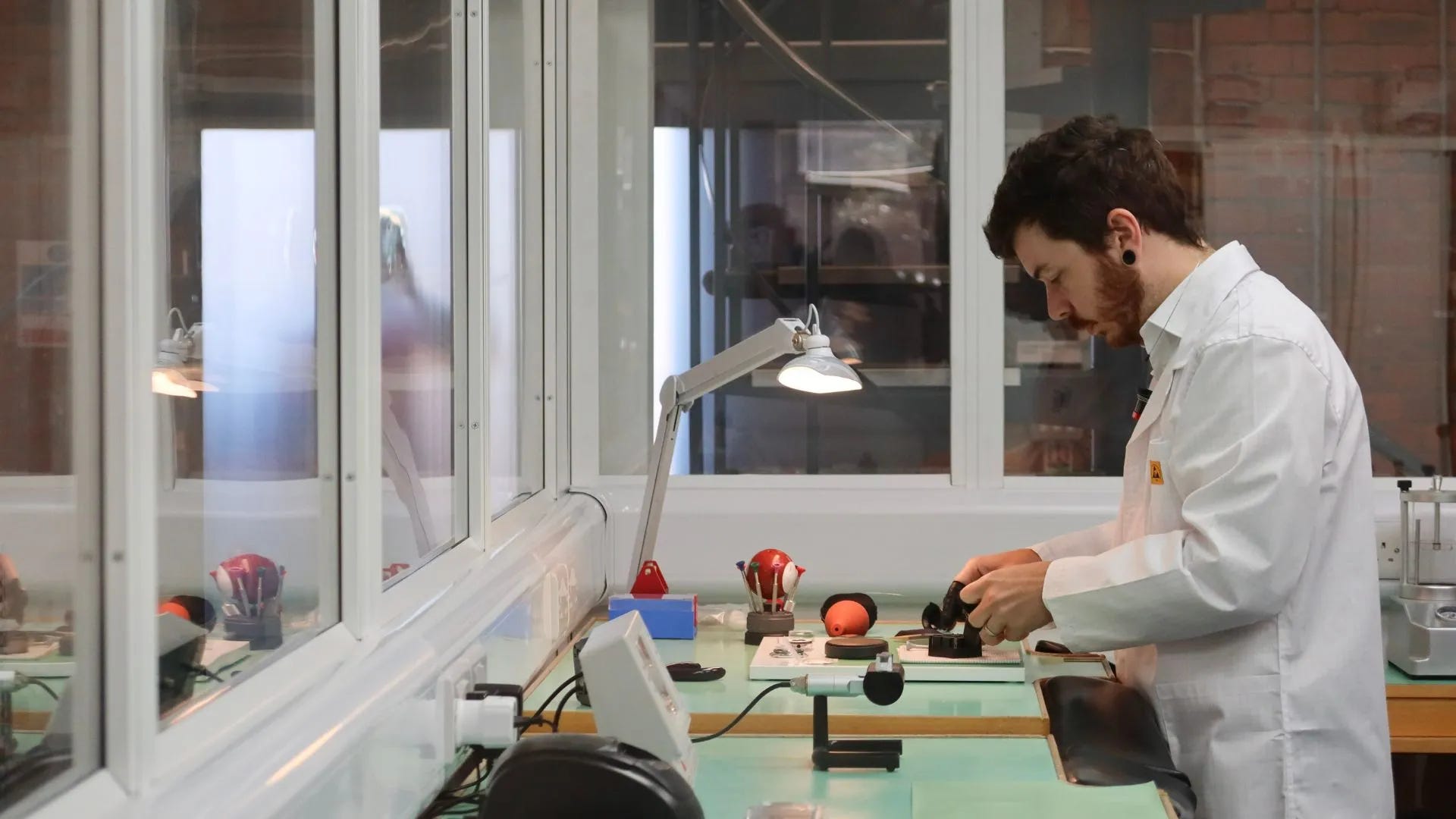
Fears has opened a purpose-built workshop at its Bristol headquarters, consolidating assembly, servicing and quality control. End-to-end assembly is planned for the fourth quarter, a meaningful step for a brand whose revival has been deliberately paced and rooted in British identity.
Feature
A Glimpse Into the World of Konstantin Chaykin
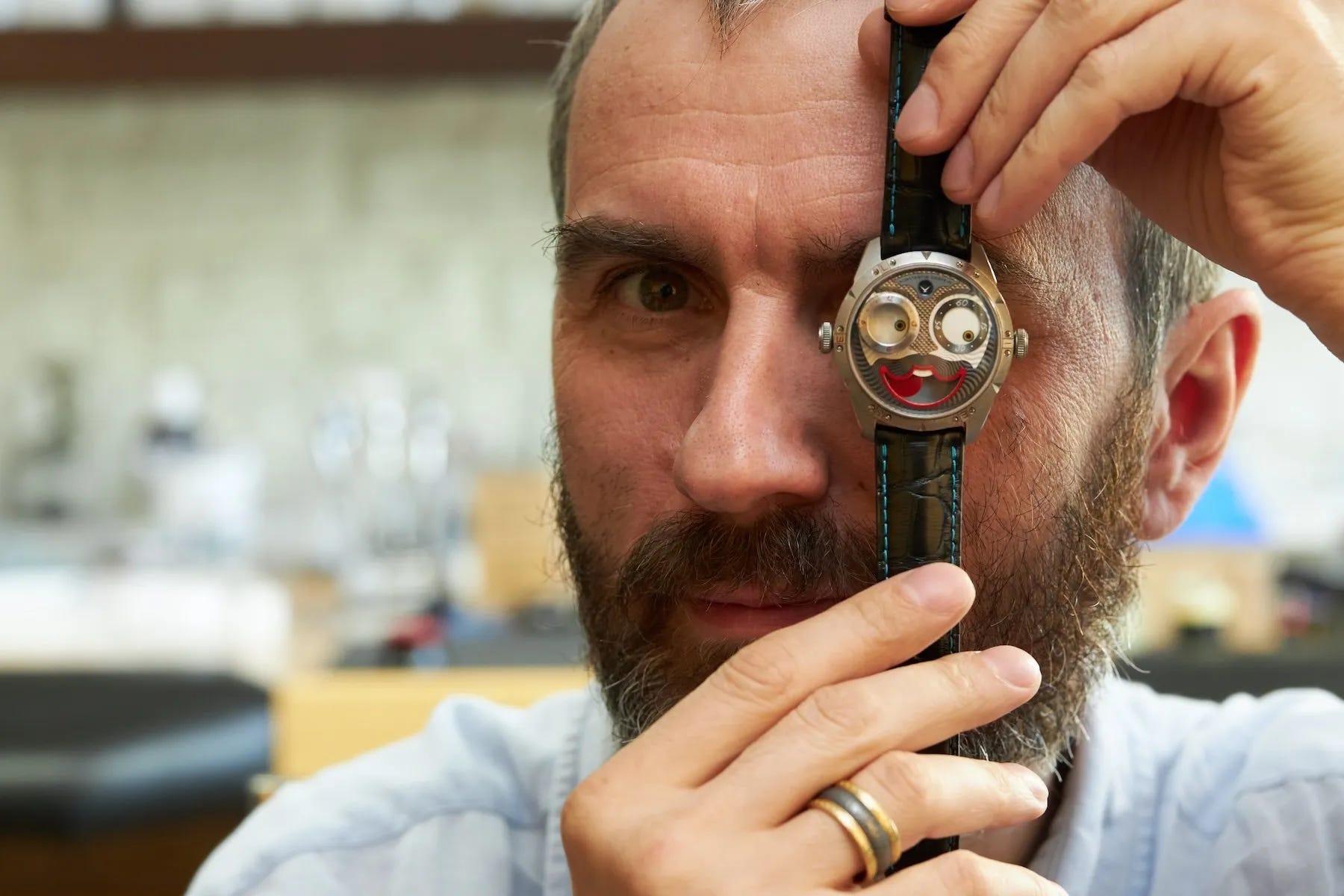
Konstantin Chaykin’s route from ambitious clocks to the Joker, Cinema and ultra-thin ThinKing series is a case study in independent watchmaking with a point of view. With more than 110 patents and a deep interest in Russian horological history, Chaykin continues to argue that the strongest independents sell imagination alongside mechanics.
Go Deeper: A glimpse into the world of Konstantin Chaykin
New Watches
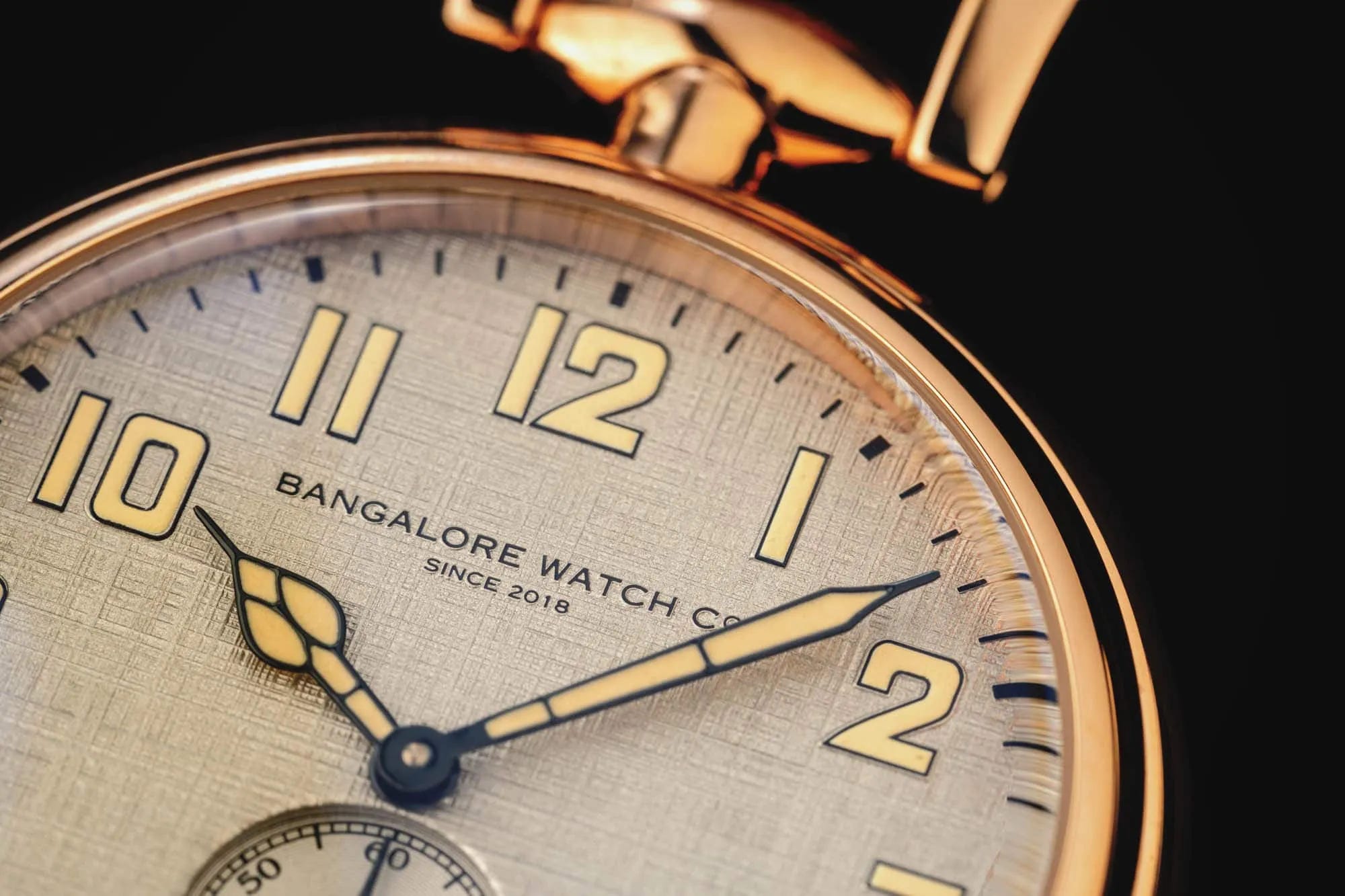
Bangalore Watch Company Introduces the Forty-Seven, Its First Pocket Watch
Bangalore Watch Company turns to the pocket watch with the 46 mm Forty-Seven, a rose-gold PVD steel piece with an off-white textured dial, cathedral hands and a Ronda quartz movement. Priced at $1,250, it is a decorative, personalizable object that broadens the brand’s storytelling beyond the wrist.
Go Deeper: Bangalore Watch Company Forty-Seven
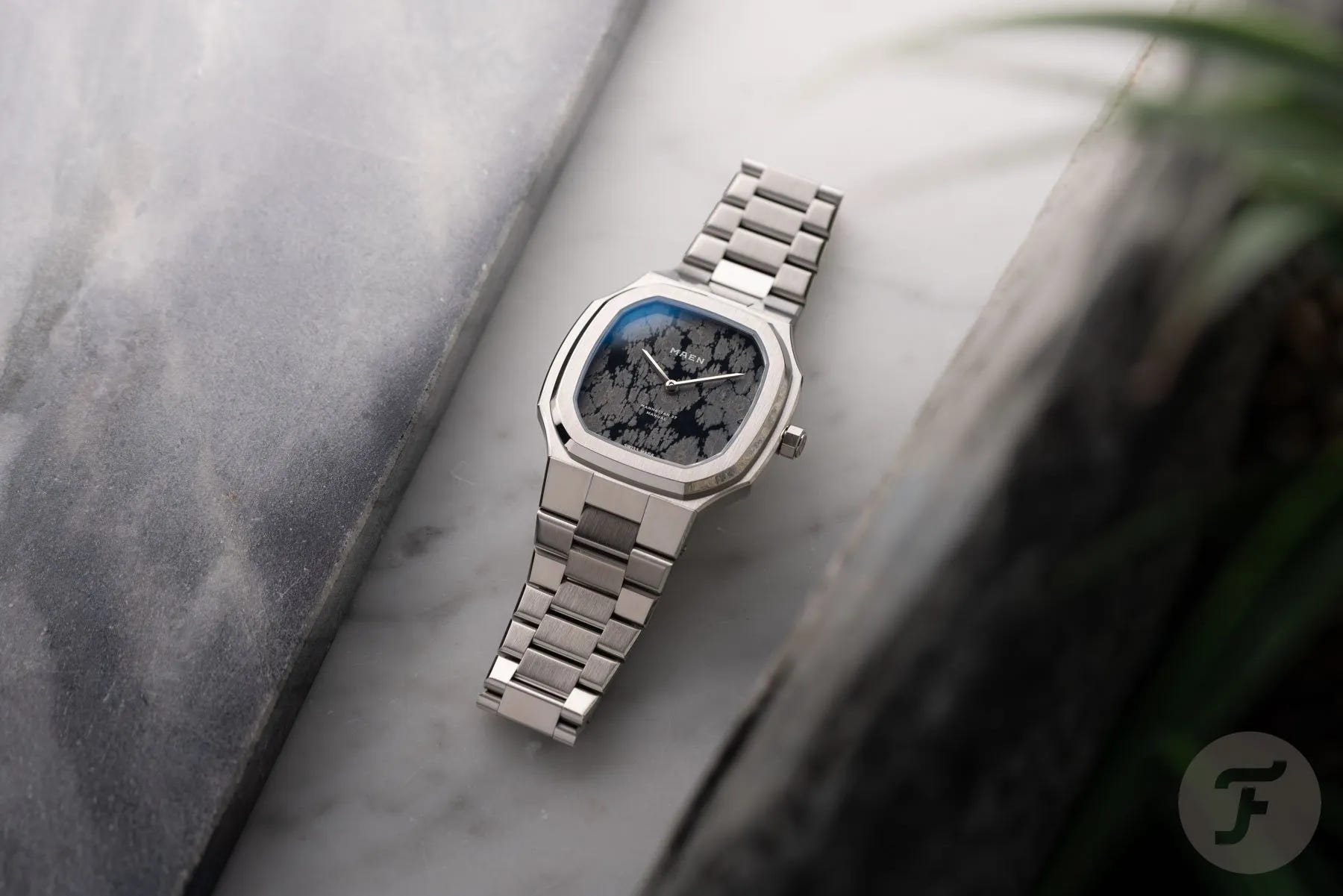
Rocking a New Look: The Maen Manhattan Stone Dial Series
Maen’s 37 mm Manhattan gets black onyx, golden swan and snowflake obsidian dials, each limited to 100 pieces. The 7.1 mm case, integrated bracelet and manual-wind La Joux-Perret movement make this a notably slim, characterful entry in the accessible stone-dial category.
Go Deeper: Maen Manhattan Stone Dial Series
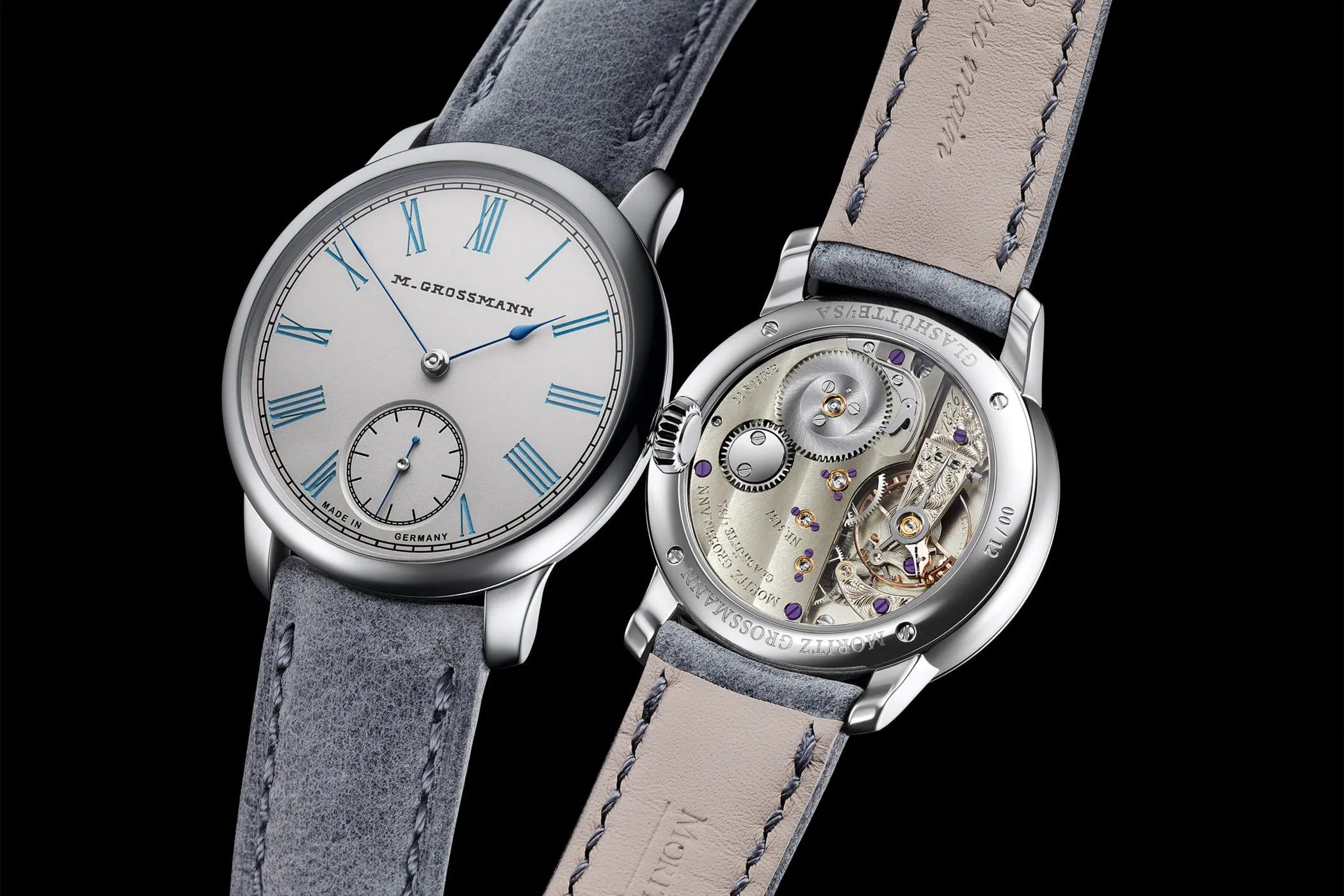
The Moritz Grossmann Tefnut 36 Silver-Plated by Friction Turquoise Blue
Moritz Grossmann marks its 200th anniversary with a 36 mm Tefnut whose dial uses a nineteenth-century silver-plating-by-friction technique. Turquoise lacquer fills the engraved Roman numerals, while the hand-wound calibre 102.1 delivers the Glashütte finishing expected at this level. Just 12 pieces will be made.
Go Deeper: Moritz Grossmann Tefnut 36
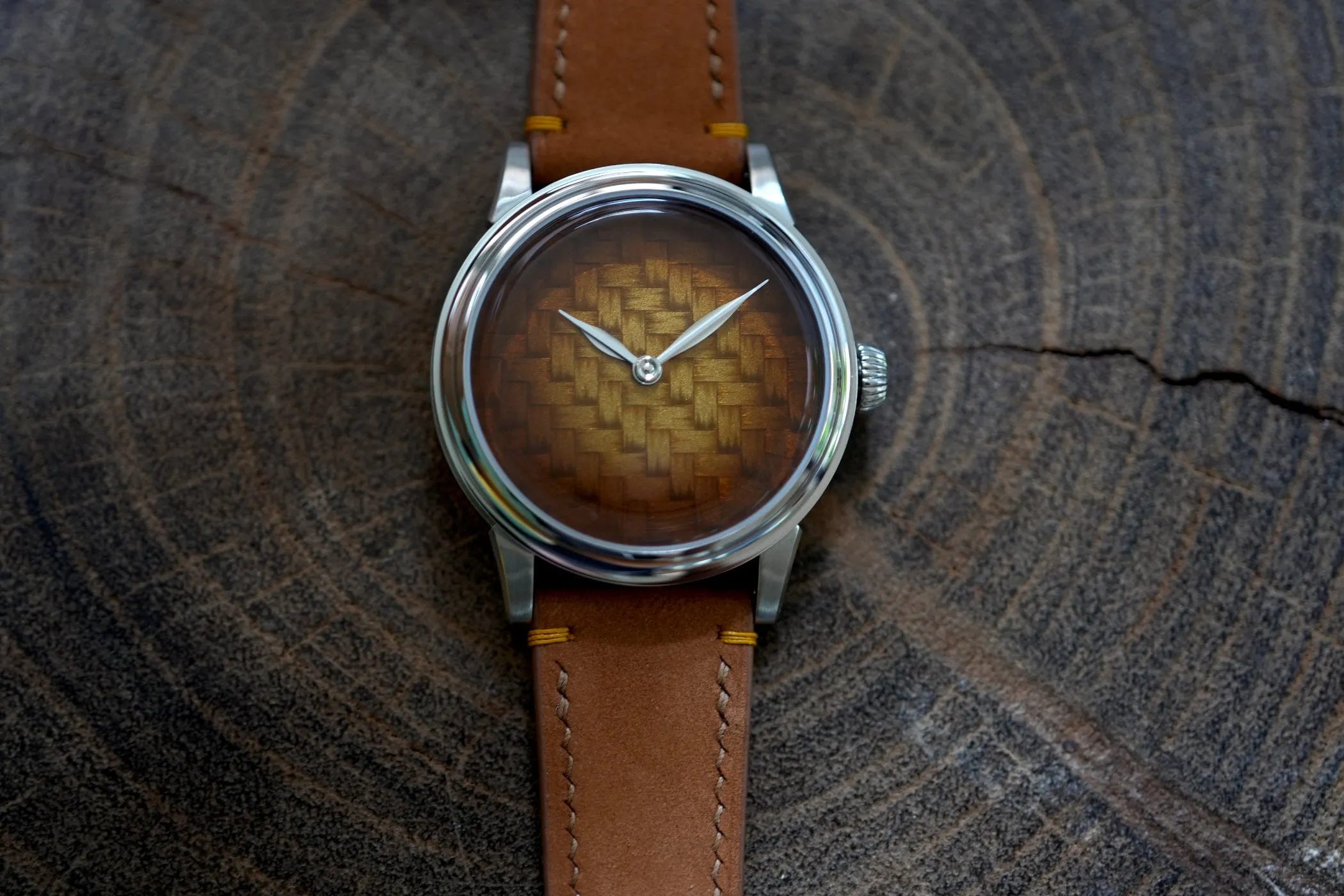
The Watch Ho & Co. x Selten Yum Cha
The 100-piece Yum Cha is a deeply considered collaboration, from its hand-engraved and Grand Feu enamel bamboo-steamer dial to the actual bamboo presentation box. At $4,950, it asks buyers to value craft, community and cultural specificity in equal measure.
Go Deeper: Watch Ho & Co. x Selten Yum Cha
Comparisons
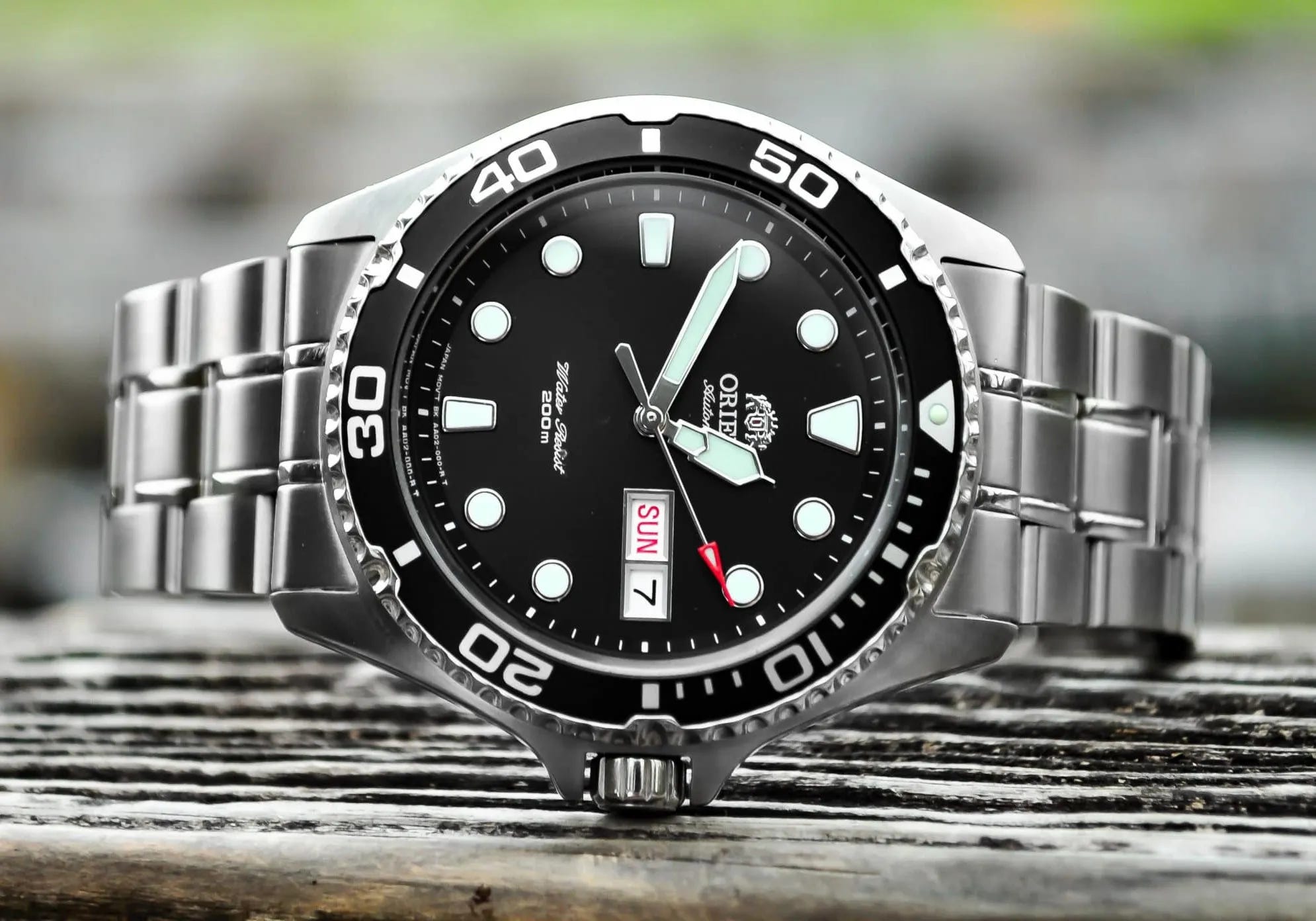
Best Dive Watches Under $300 We’ve Ever Reviewed
The best affordable divers are not necessarily the ones with the loudest specifications. This guide considers durable, readable choices from Casio, Orient, Timex, Invicta and Watchdives, with a focus on watches that remain enjoyable after the novelty has worn off.
Go Deeper: Best dive watches under $300
Reviews
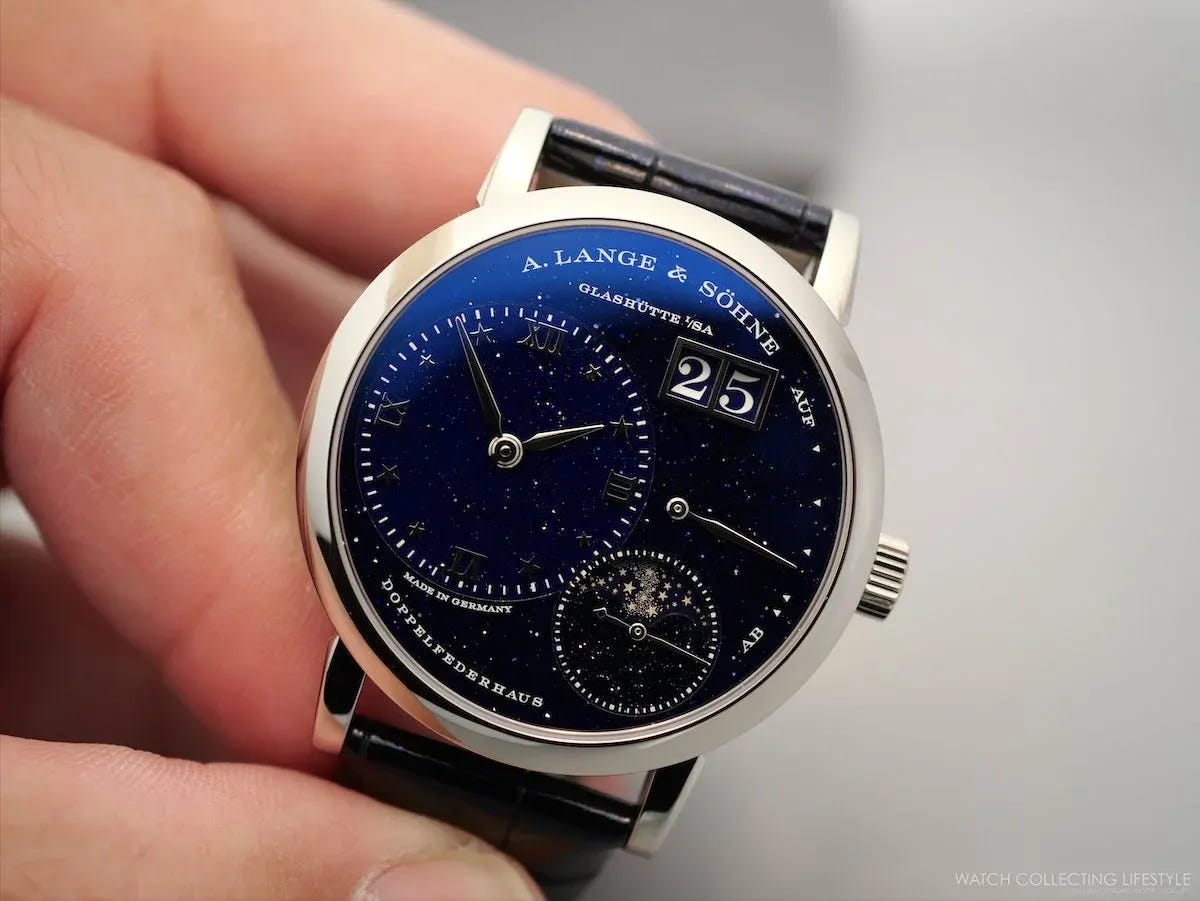
A. Lange & Söhne Little Lange 1 Moon Phase—Wearing a Piece of the Night Sky
The Little Lange 1 Moon Phase pairs the collection’s distinctive asymmetry with a dark-blue aventurine dial and a moon-phase display accurate for more than a century. It is a highly technical watch that earns much of its effect simply by catching the light.
A. Lange & Söhne Little Lange 1 Moon Phase
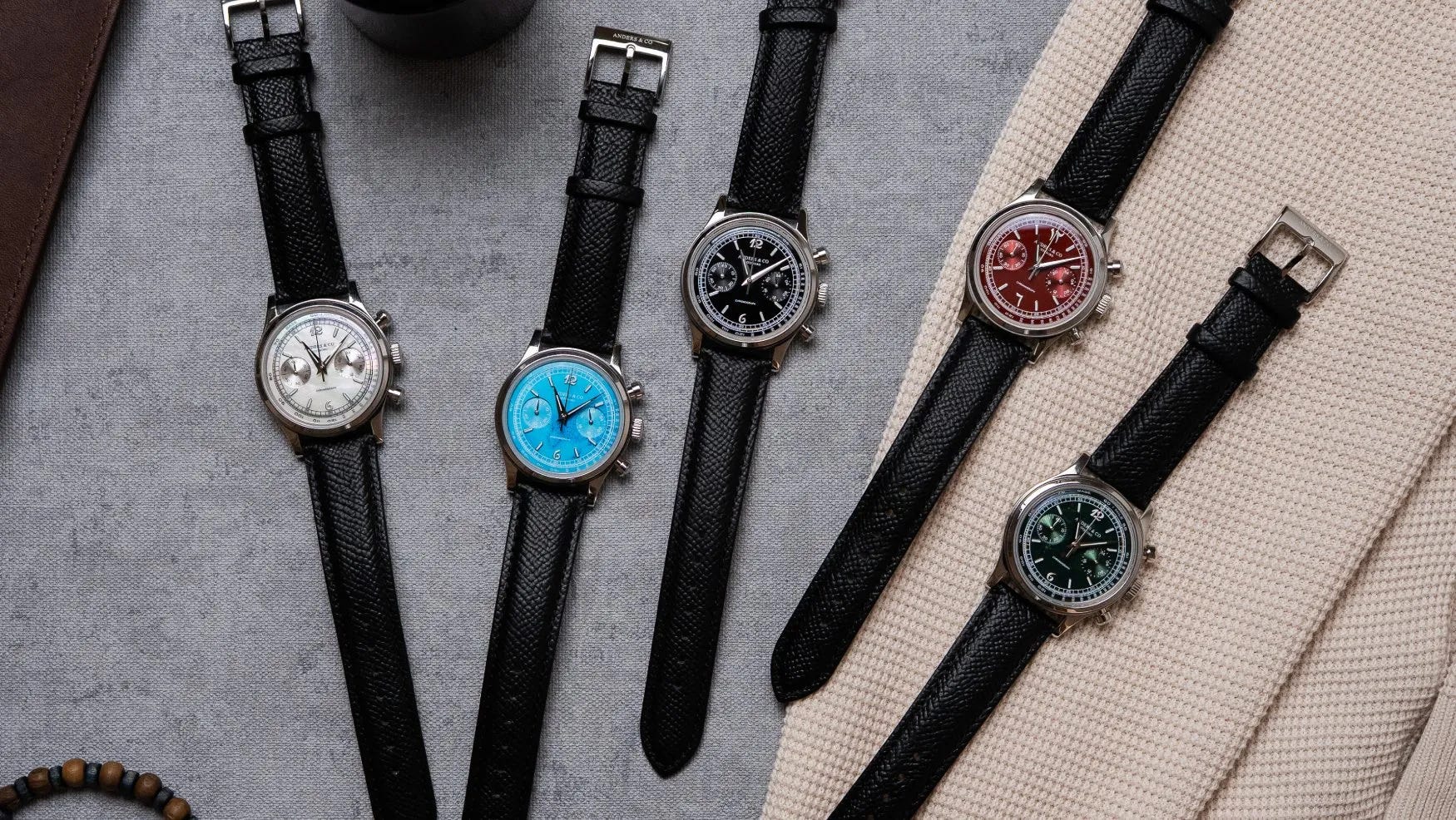
Anders & Co. AC1 Chronograph Stone Dials
Anders & Co. updates its 38 mm meca-quartz chronograph with five natural stone dials, including onyx, jasper, turquoise and bloodstone. The revised case details, sharper hands and improved water resistance make this more than a simple dial swap.
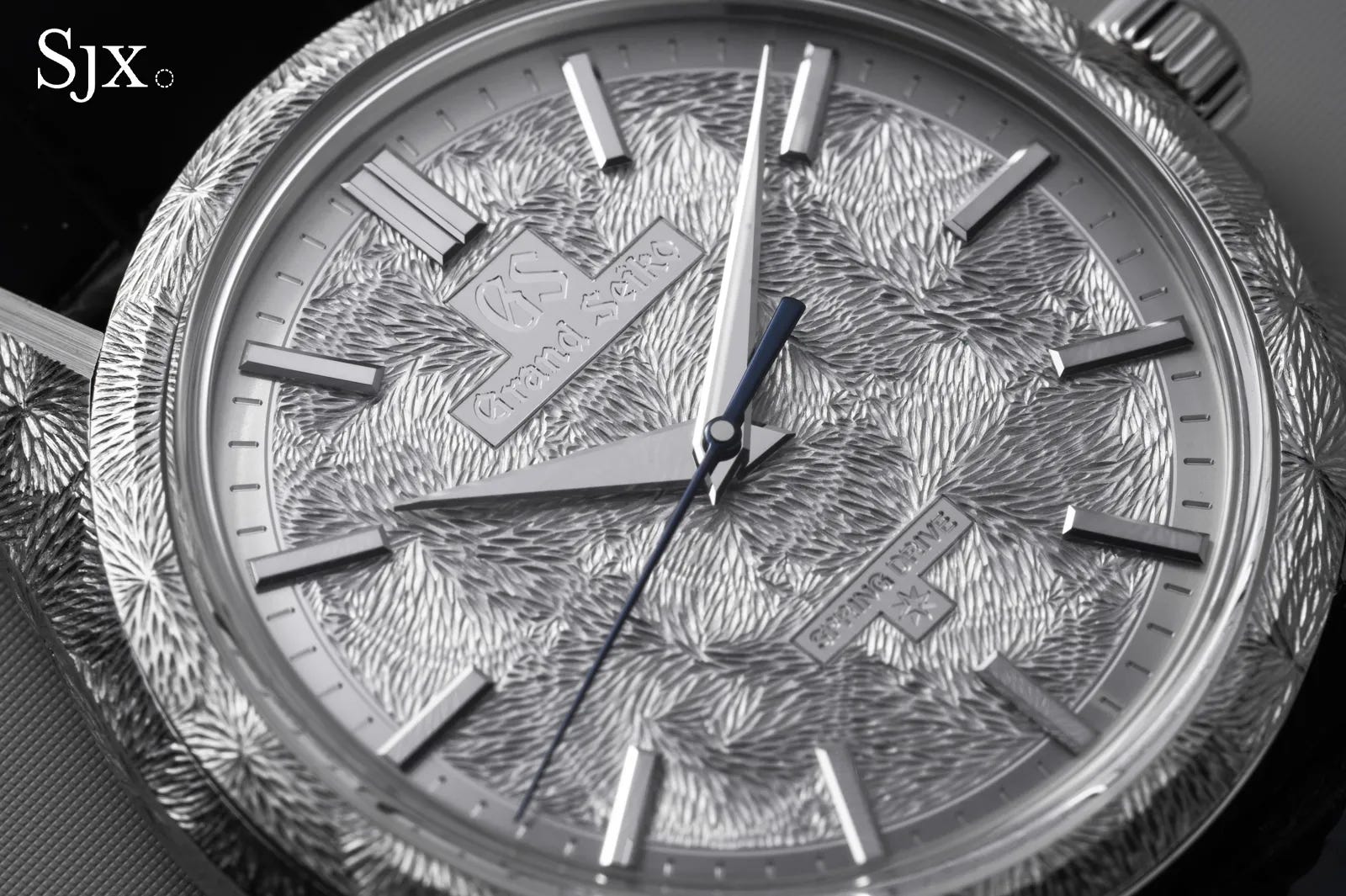
Grand Seiko “Hisen” SBGZ011
Grand Seiko’s platinum Hisen uses a waterfall-inspired engraving created by the Micro Artist Studio. Limited to 50 pieces and powered by the 84-hour Spring Drive 9R02, it is an object lesson in how Grand Seiko approaches top-tier decorative watchmaking.
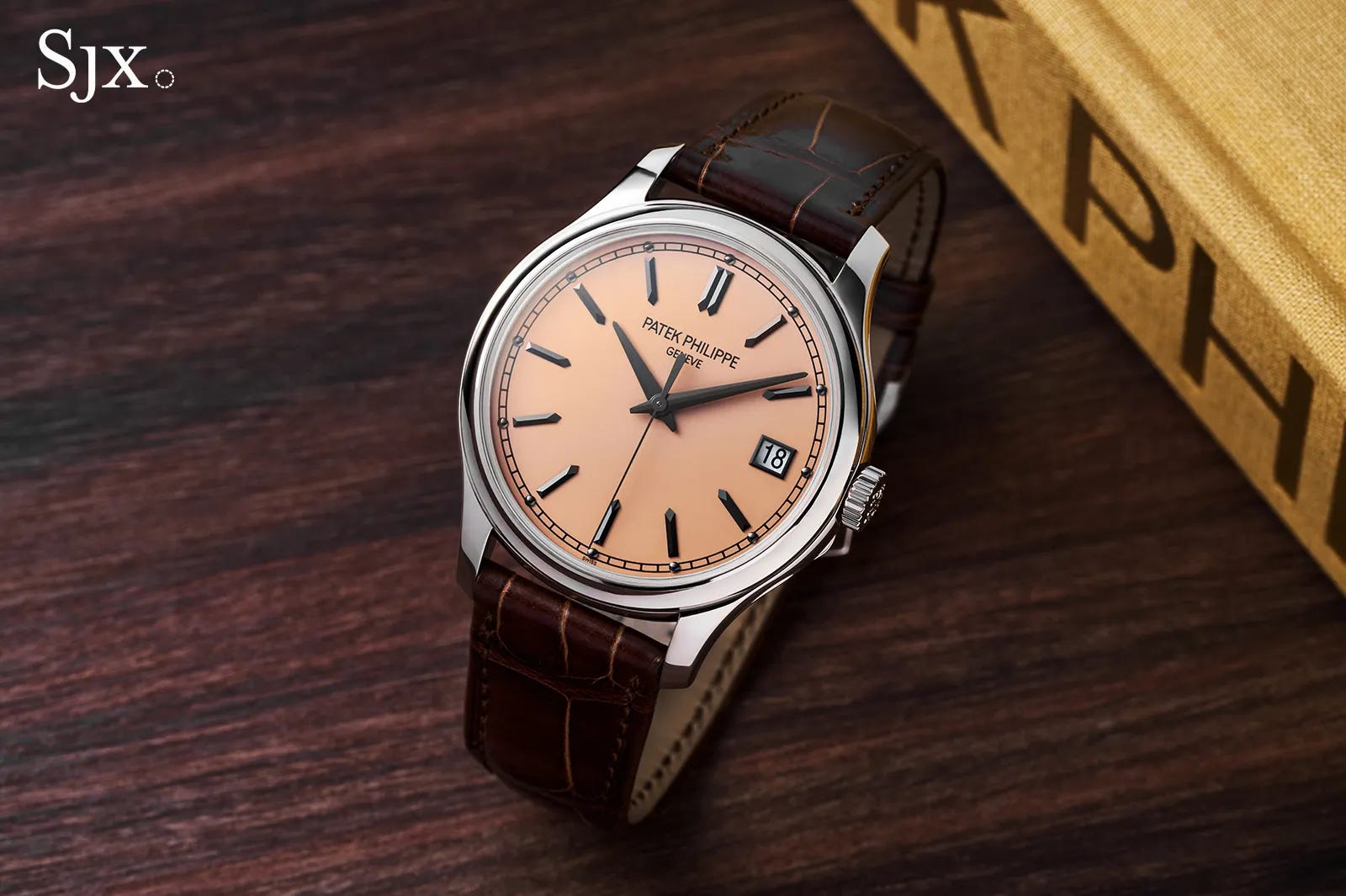
Patek Philippe Calatrava Ref. 5227G-015 “Rose Gilt”
Patek Philippe’s latest 5227G adds an opaline rose-gilt dial to the classic 39 mm white-gold Calatrava, retaining its handsome hinged caseback and upgrading the automatic movement. The result is a familiar Patek proposition with a warmer, more contemporary face.
Patek Philippe Calatrava Ref. 5227G-015

The Modest Moonwatch Alternative: Omega’s Speedmaster Reduced
The Speedmaster Reduced remains a smart route to the Speedmaster silhouette for collectors who prefer a smaller 38.5 mm case and automatic winding. Its modular chronograph movement warrants service awareness, but its relative affordability and easy wear continue to make the case.
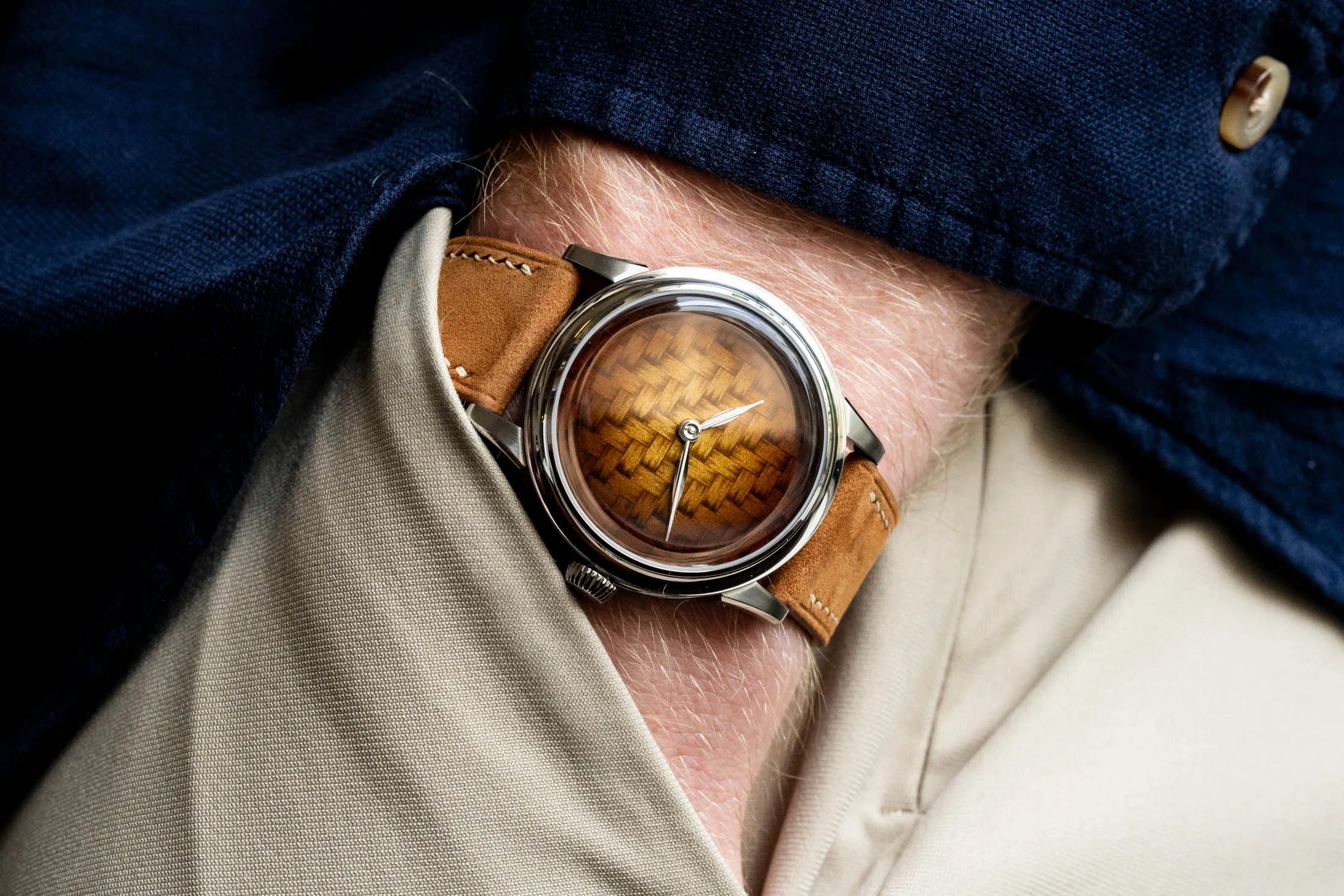
The Watch Ho & Co. x Selten Yum Cha Edition
A closer look at the Yum Cha reveals the labor behind its dial: roughly eighty engraved sections, layers of enamel and a rejection rate above 40%. The watch’s appeal is not merely visual—it is in how deliberately its story is carried through the object.
Watch Ho & Co. x Selten Yum Cha Edition
Events
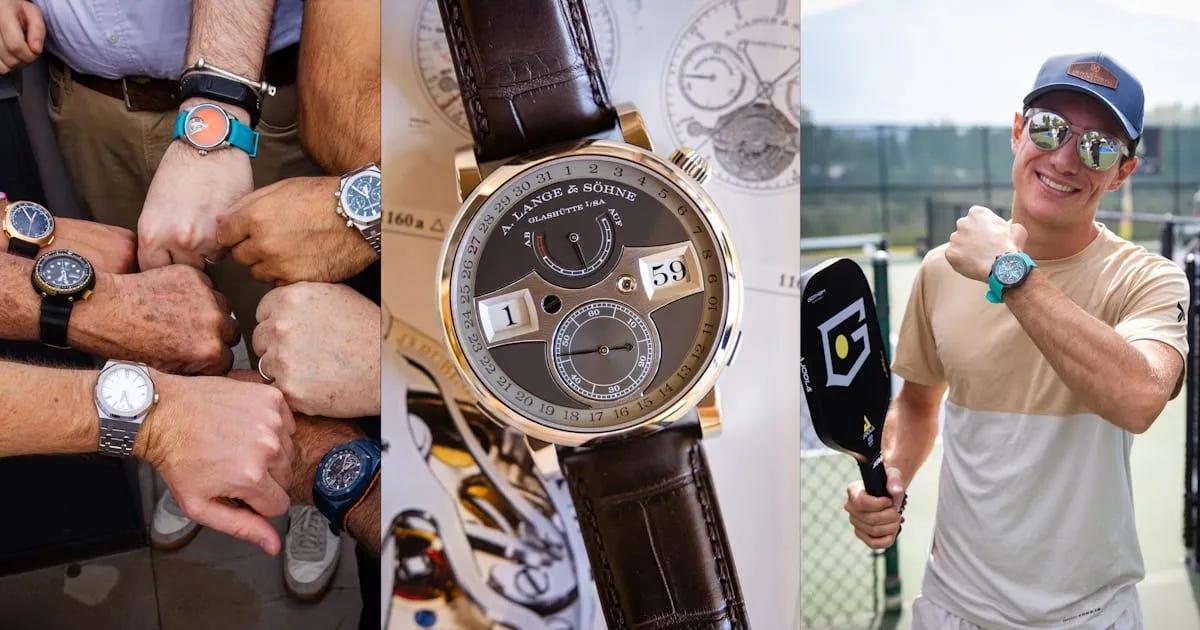
Watch Week Aspen Returns for Its Third Year
Watch Week Aspen runs August 13–16 with brand presentations, collector programming, VintageFest, outdoor events and a growing roster of participating names. It is free to attend and increasingly serves as a useful barometer for how watch culture is meeting collectors outside the usual fair calendar.
Video

Hand Finished High Horology for Less Than a PRX (+ More) — Andrew Morgan Watches
A look at what hand-finishing can offer below the price of the watch most often used as shorthand for accessible Swiss luxury.
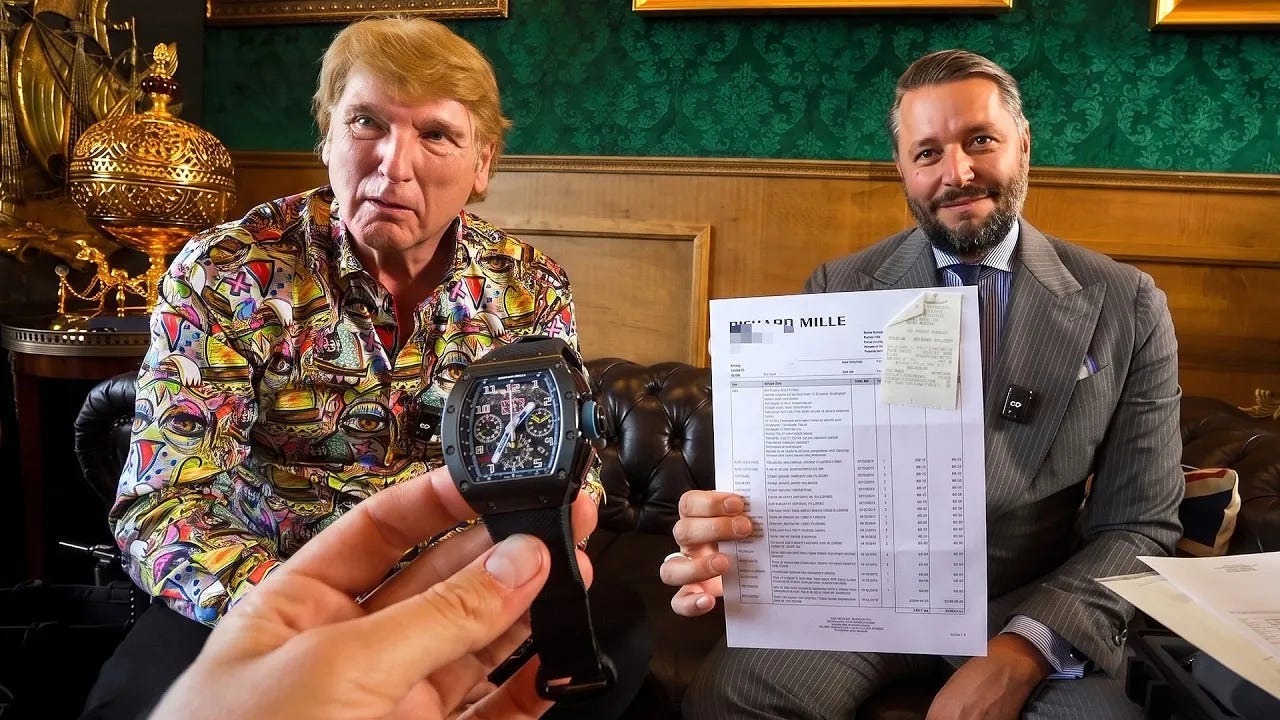
He Paid HOW MUCH to Fix His Richard Mille?! — ProducerMichael
A useful reminder that ownership costs, specialist service and repair risk belong in the real price of an ultra-high-end watch.

I Bought 100 Watches on AliExpress. Here’s What I Learned. — Just One More Watch
A mass-buying experiment that explores the gap between astonishingly low prices, quality control and buyer diligence.

Incredible Watches We Dream of Owning
A conversation about aspirational watches and why certain pieces become lasting collector targets.

Most Watch Negotiations Are STAGED… Here’s Proof — Gustavo Villa Jewelry
A skeptical look at the dealer-content ecosystem and the performative negotiations that can shape buyers’ expectations.

The Hot Seat With Justin, Ep. 3: LD — Hot Horology
Collector and creator LD joins a discussion on the future of the hobby, community and the influence of watch media.

Watch Expert BRUTALLY Reviews Steve Harvey’s Watch Collection! — Nico Leonard
An animated critique of Steve Harvey’s watches, with plenty of opinion on taste, value and collecting instincts.
Auction Results
Christophe Claret Kantharos Monopusher Chronograph With Striking Mechanism, Rose Gold & Titanium, MTR.MBA13.901
The Kantharos was bid to $16,750 on August 11 but did not meet reserve. That number is sobering beside the $116,000 original retail price, yet it is not inexplicable: Christophe Claret sits in one of the market’s most demanding niches, where formidable technical work and extreme rarity do not guarantee a ready buyer base. The 45 mm rose-gold and titanium Kantharos is a monopusher chronograph with a striking mechanism—a genuinely unusual proposition from a maker whose watches reward knowledgeable collectors more than casual brand recognition. Public results for the exact MTR.MBA13.901 are scarce; the last readily identifiable auction record is a Sotheby’s Hong Kong sale in 2020 with an undisclosed result, while full-set dealer offerings have been removed in the roughly $45,000–$50,000 range. The $16,750 bid therefore reads less like a verdict on the watch’s engineering than a sharp illustration of the liquidity discount that can attach to even exceptional independent complications.
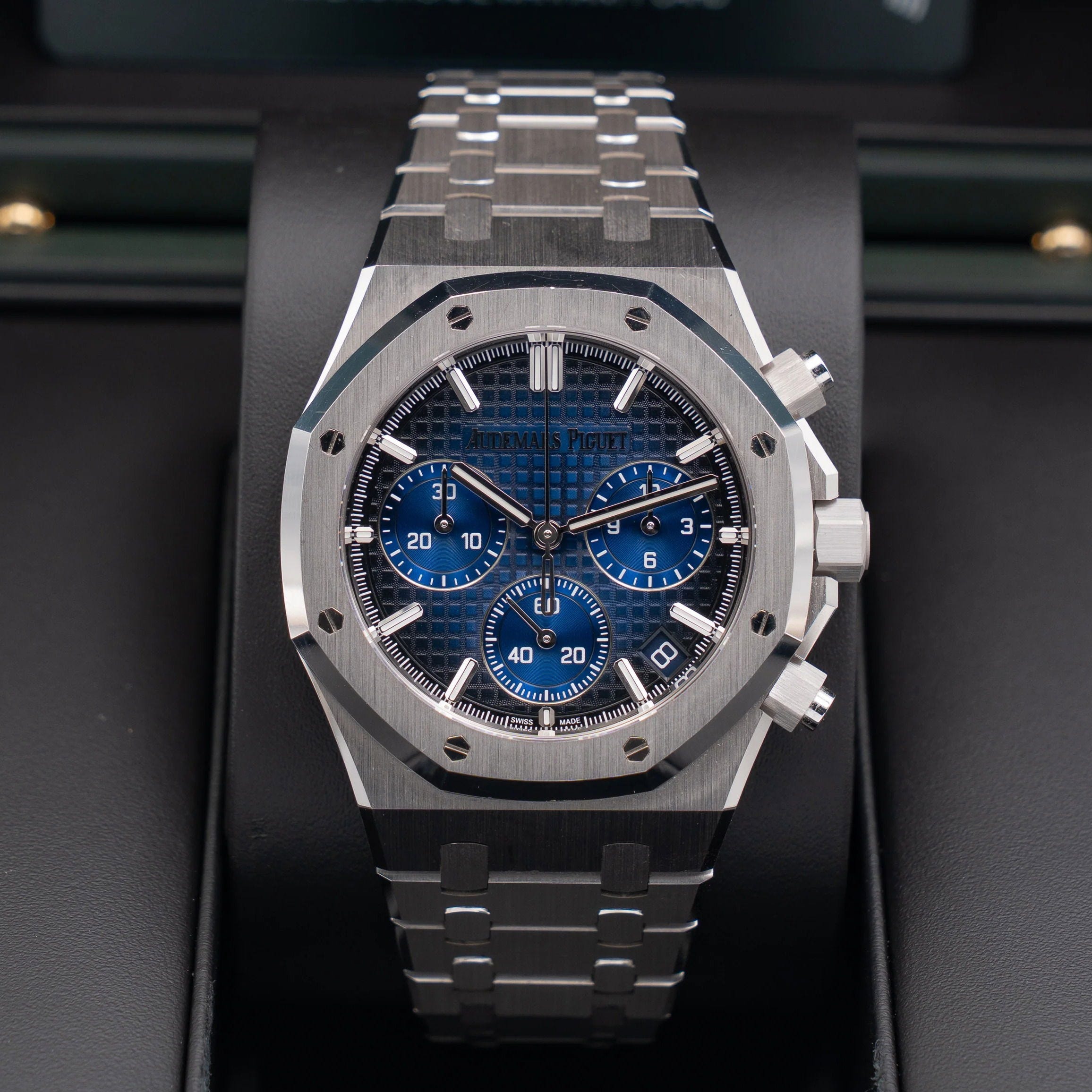
A White-Gold Royal Oak Faces Its First Real Market Test
The Audemars Piguet Royal Oak Selfwinding Chronograph ref. 26240BC.OO.1320BC.04 closes today at 12:00 p.m. EDT. Introduced in 2025, the 41 mm model combines a solid white-gold case and bracelet with a smoked-blue Grande Tapisserie dial, giving the familiar Royal Oak chronograph a more discreetly extravagant character. Its in-house Calibre 4401 supplies a flyback chronograph, column wheel, 70-hour power reserve and sapphire-display back—substantial modern credentials beneath a design that needs little introduction.
Condition should help. This example includes box and papers, retains all pictured links and is described as excellent across the dial, hands and crystal, with only minor wear to the case, bezel and bracelet. For a heavy white-gold Royal Oak, completeness and bracelet condition matter materially: replacing links is costly, and the original integrated bracelet is central to both the wearing experience and the collector value.
The original U.S. retail price was $93,400, while current dealer asks for comparable full-set examples have generally clustered from roughly $116,000 into the $140,000s. There is not yet a widely reported public auction result for this exact 222-piece reference, making today’s close especially useful as a real-time value marker rather than a routine sale. A disciplined result around retail to the low six figures would acknowledge the model’s scarcity and precious-metal construction without confusing dealer aspirations for settled market value; a materially stronger result would signal that collectors are assigning a genuine premium to this particular smoked-blue, white-gold configuration.
Current bid: $71,000
Losing Time


Today’s Big Losers at Auction on Grailzee
Two failed sales, two fairly emphatic messages from the market.
The 2026 Tudor Black Bay Chrono Carbon “Racing Bulls” was offered at $9,000 and topped out at $6,500—a $2,500 shortfall, or 27.8% below ask. Limited edition or not, bidders apparently decided the racing pedigree did not come with a mandatory pit-stop premium.
The Patek Philippe 3940R had an even rougher landing. With an $84,700 ask and a $45,100 high bid, it missed by $39,600—46.8% below ask. That is less “negotiation gap” and more “the market has submitted a counterproposal in a different zip code.”
Conclusion: both reserves were set above demonstrated demand, but the Patek was especially optimistic. The Tudor’s gap suggests a pricing adjustment could bring it within reach of a deal; the Patek likely needs a much more serious reserve reset, stronger provenance/condition justification, or more patient placement with the right collector.
Thanks for spending part of your day with BuyingTime. Keep collecting with curiosity, buy with context, and make room for the watches that tell you something new.