

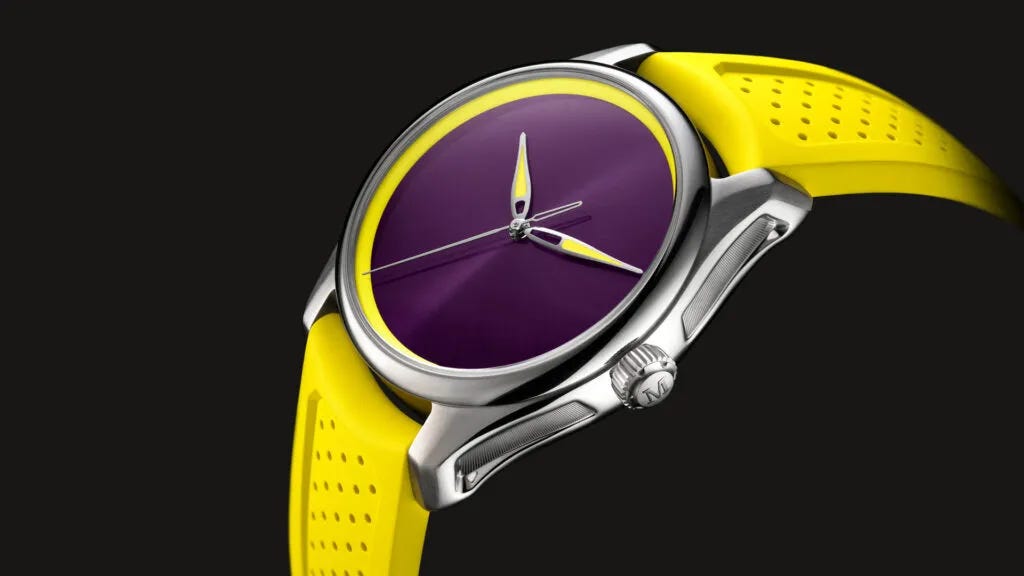
30 Seconds
The market’s most interesting story is not that prices are moving—it is that collectors are becoming more selective about why they should move. The Rolex Pepsi GMT-Master II is giving back some auction heat while retaining considerable retail gravity; H. Moser shows how a small independent can turn scarcity into credibility; and stone dials are testing the line between a powerful material and an exhausted idea. Elsewhere, Seiko’s Motocompo collaboration proves that a joyful, affordable object can still feel collectible, while the Urwerk UR-T8 on today’s auction block is a reminder that independence only commands a premium when originality, condition, and buyer confidence all arrive at the same time.
Time Graphing Today’s Watch Universe
The Premium Is No Longer Automatic
There is a clear theme running through today’s watch universe: a premium is no longer a default setting. It has to be earned, maintained, and continually explained. The Rolex Pepsi’s price retreat is the obvious market example. The watch remains desirable, liquid, and culturally legible, but the gap between retail mythology and an actual auction bid can shrink quickly when buyers stop treating a reference as a one-way trade.
Design is facing the same reckoning. The stone-dial boom shows how rapidly an expressive idea can become an expected one. A dial cut from hard stone, or framed in mother-of-pearl, can be extraordinary. But it cannot do all the work. Once the material becomes the entire message, it becomes vulnerable to the same fatigue that overtook countless “limited” colorways before it. The brands that will keep the premium are the ones that keep asking whether a material, complication, or collaboration improves the watch rather than simply improving the launch announcement.
That is why Moser’s approach matters. Its scarcity has force because it is tied to a real production philosophy, a defined visual language, and a relatively disciplined secondary-market position. It is also why a watch like the Seiko x Honda Motocompo can be more persuasive at a few hundred euros than many watches sold as luxury objects at ten times the price. It understands what it is: an affectionate, well-made, useful collectible with a story that fits the object.
The most interesting watches today are not necessarily the rarest or the most expensive. They are the watches in which price, design, production, and story agree with one another. A Berneron Quantième Annuel makes a demanding case for its cost through mechanical ambition and finish. A Marathon CeraShell Navigator makes a different case through pragmatic utility. And an Urwerk UR-T8 asks the buyer to pay for an uncompromising idea. All can be valid. But the market is becoming less willing to pay merely because a watch has been labeled special. That is a healthy correction—and a useful one for anyone buying time.
-Michael Wolf
News
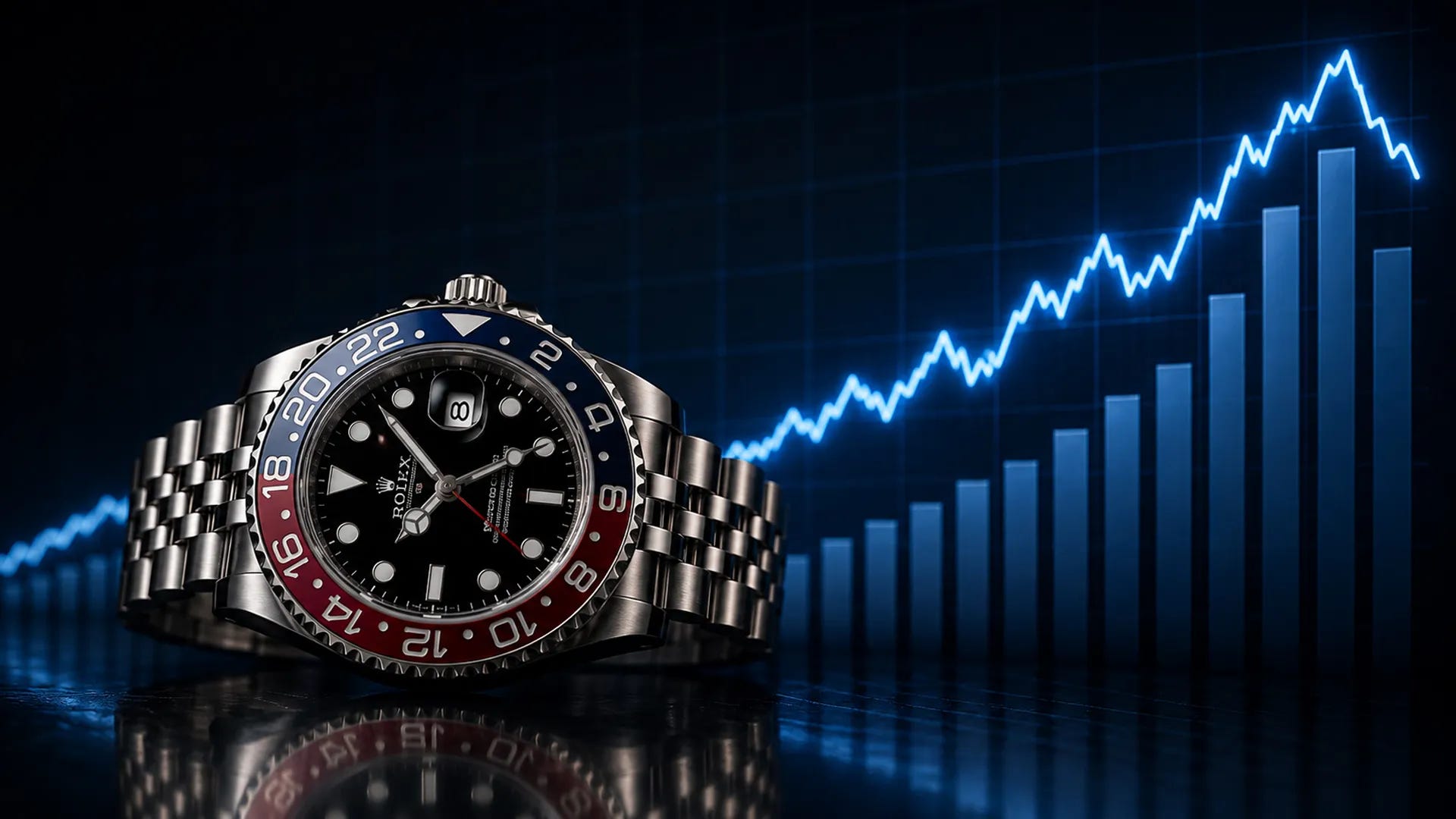
Rolex Pepsi GMT Prices Retreat, but the Story Is Far From Over
The discontinued Rolex GMT-Master II “Pepsi” 126710BLRO has pulled back roughly 15 percent from its April auction peak, with recent auction results around $24,000 against dealer asks near $28,000. That sounds like a correction—and it is—but it should not be confused with a collapse. The model generated an estimated $44 million in first-half 2026 sales, ahead of the steel Daytona’s $40.5 million, supported by a sharp increase in transaction volume and Rolex Certified Pre-Owned asking prices near $38,000.
The meaningful question is where the watch settles once excitement cools. The Pepsi still occupies a special place in the modern Rolex hierarchy: it is a steel sports watch with a highly legible visual identity, real travel utility, and a discontinuation story buyers understand immediately. The spread between retail, auction, dealer, and CPO pricing will remain wide, but the model’s long-term value proposition is stronger than a single quarter’s chart suggests.
Feature
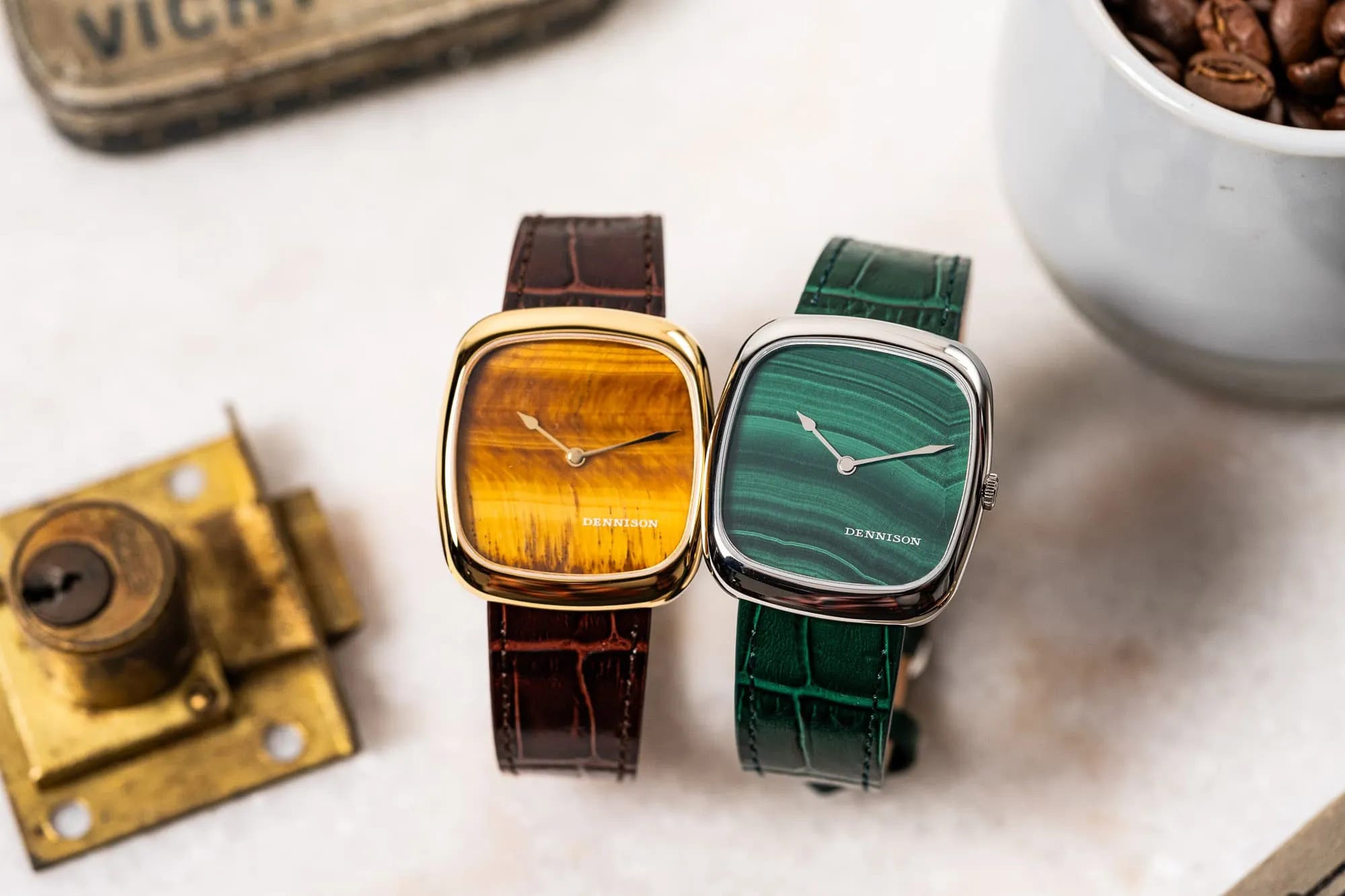
Everybody Must Get Stoned? What’s Going On with the Stone Dial Trend?
Stone and mother-of-pearl dials have become one of the watch world’s most visible design signals—and that ubiquity may be the problem. Materials once reserved for particularly expressive or difficult-to-execute watches now appear across every price category, often with little consideration for whether the dial genuinely serves the design. The result is a growing collector fatigue: beauty becomes wallpaper when every launch leans on the same shortcut to “special.”
That does not mean stone dials have lost their magic. It means they need editing. Brands such as Dennison, Baltic, and Toledano & Chan are at their best when they let the material lead the design rather than treating it as a substitute for one. A compelling stone dial should feel discovered, not deployed.
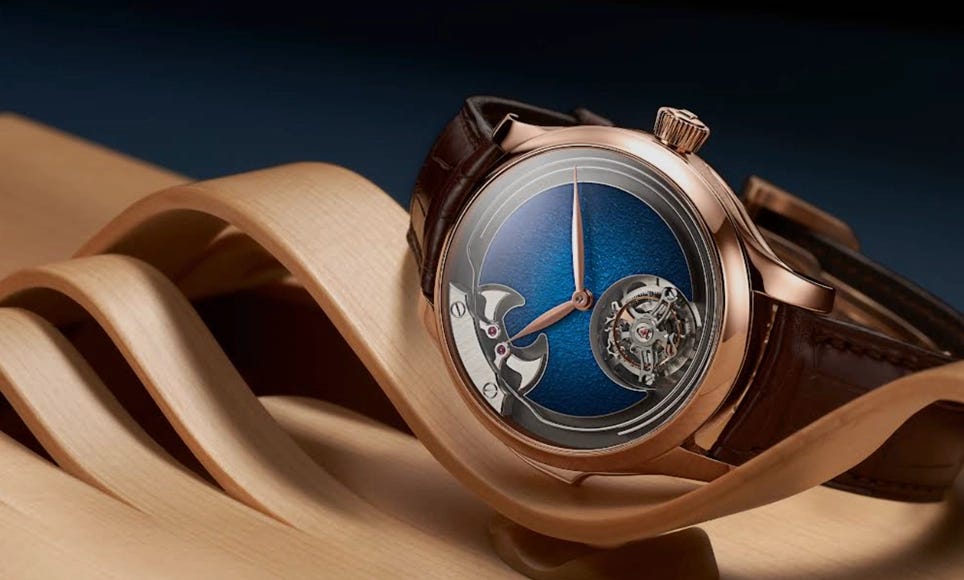
GUEST COLUMN: The Moser Doctrine
H. Moser & Cie. is a useful case study in how a modern independent brand earns its position. Its revival did not rely solely on heritage or provocative marketing; it depended on rebuilding legitimate manufacturing in Schaffhausen, constraining production, and offering watches with a clear point of view. Producing roughly 3,500 to 4,000 watches annually, Moser has created a range that can begin below $10,000 yet stretch well beyond $200,000 without losing coherence.
The strategy is not accidental. Boutique-led distribution, selective allocation, vertical integration, and an average transaction price believed to sit around $18,000–$22,000 give the brand room to protect its identity. The occasional headline-grabbing stunt gets attention, but the lasting value is in the discipline beneath it: Moser has made scarcity feel like a consequence of making the watches properly, not a marketing exercise.
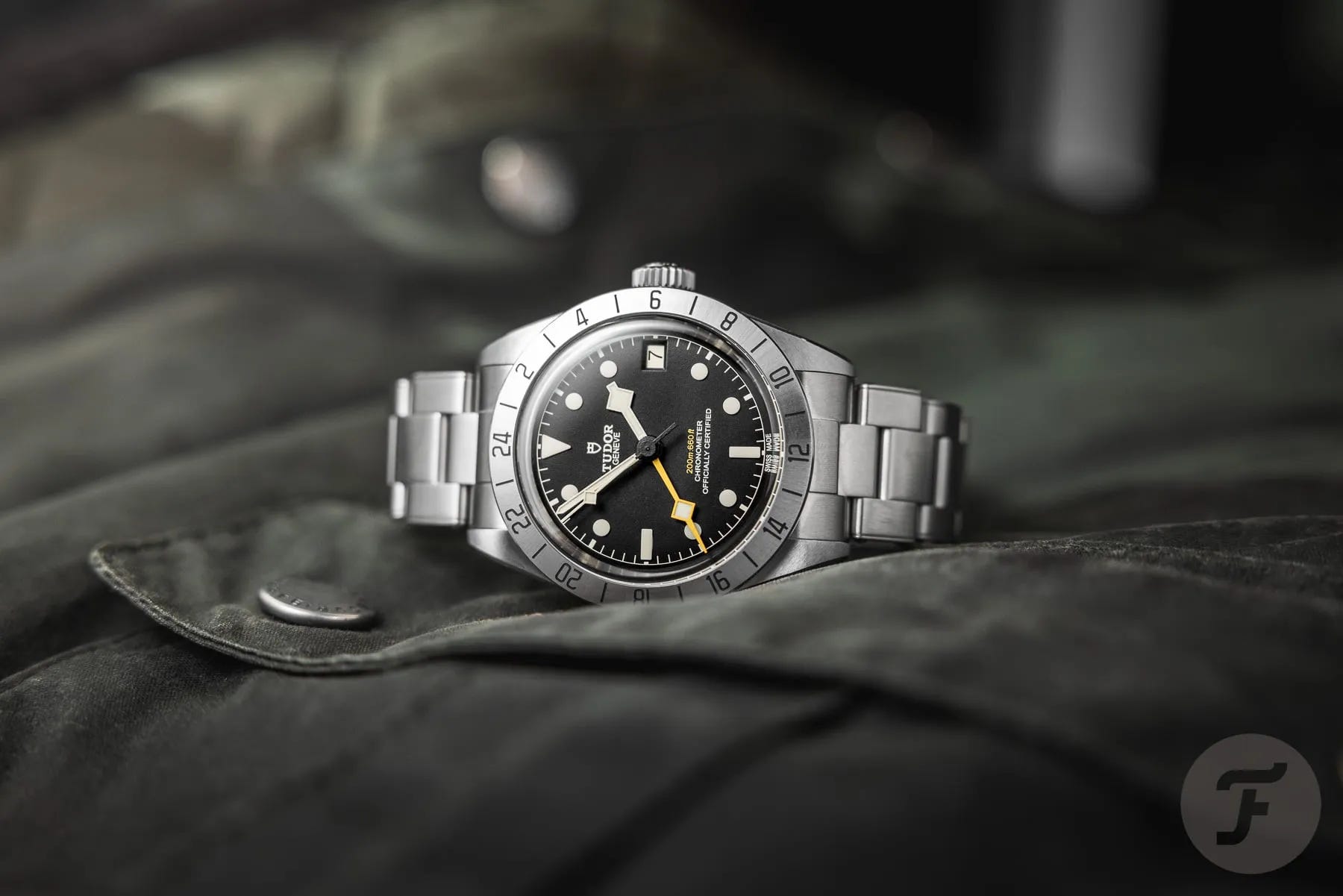
The Best Watch I Have Ever Owned: How the Tudor Black Bay Pro Became the Best Watch I Almost Owned
The Black Bay Pro is a watch that prompts a particular kind of attachment: one built through repeated exposure, daily use, and the gradual realization that a practical object has become emotionally important. Its fixed bezel, 24-hour hand, sturdy case, and distinctive bracelet give it an identity that does not need to apologize for its Rolex associations.
It is not a perfect watch. The thickness and faux-rivet bracelet will remain objections for some. But the Black Bay Pro succeeds precisely because it does not attempt to be everything. It is robust, versatile, handsome, and just idiosyncratic enough to reward a long relationship.
New Watches
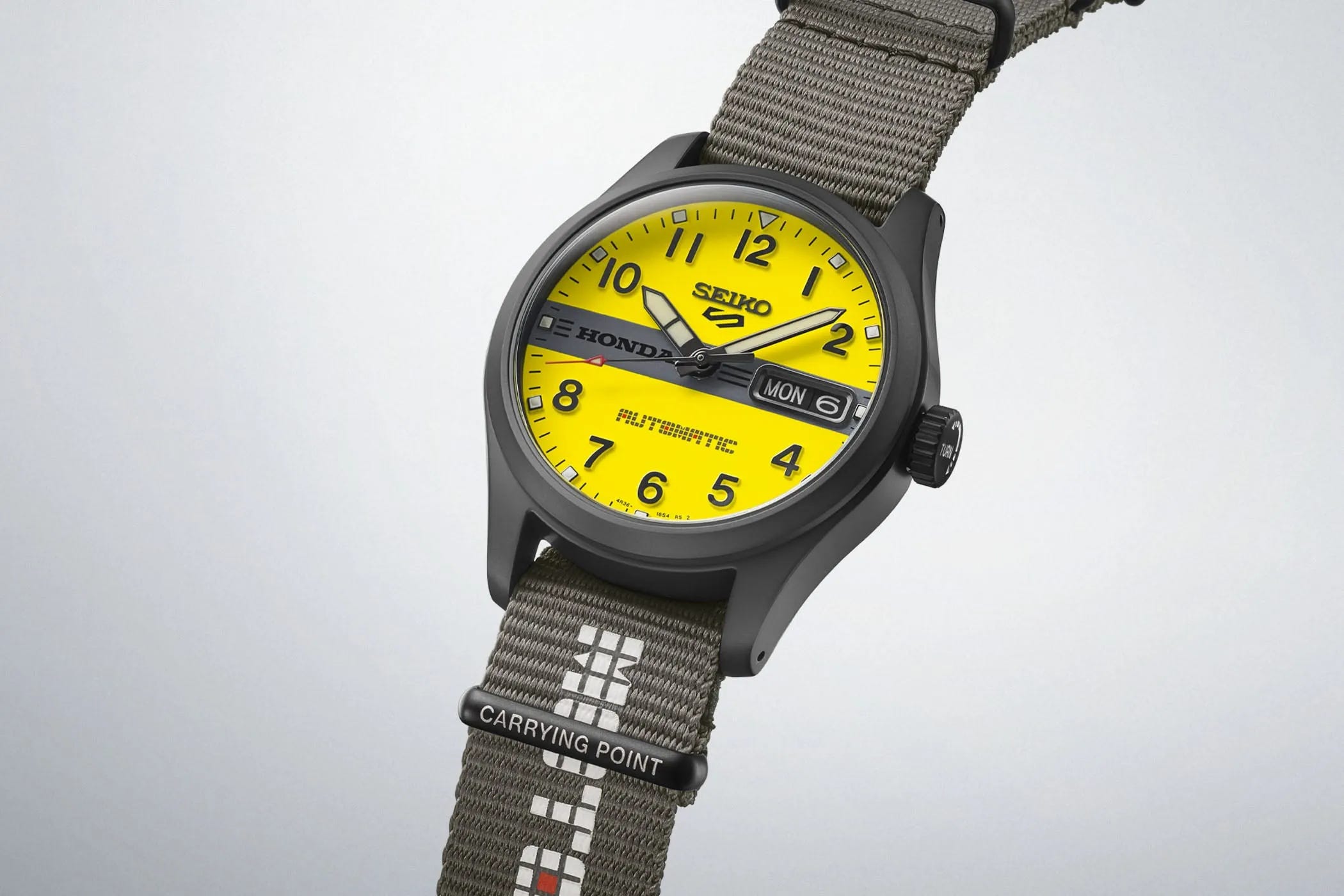
Seiko 5 Sports x Honda Motocompo 45th Anniversary HDB010
Seiko’s Motocompo anniversary collaboration is exactly the sort of watch that makes a limited edition worth doing. Its 36.4mm steel case, matte-yellow dial, Honda signature, and black nylon strap pull directly from the wonderfully compact Honda scooter without turning the watch into a novelty prop. The 4R36 automatic movement, 100 meters of water resistance, day-date display, and 41-hour power reserve provide the useful Seiko 5 fundamentals.
Limited to 8,000 pieces and expected in September 2026, the HDB010 is likely to land around €400. The packaging, modeled after the Motocompo’s corrugated shipping carton, completes a collaboration that understands its audience: playful enough for enthusiasts, functional enough to be worn every day.
Comparisons
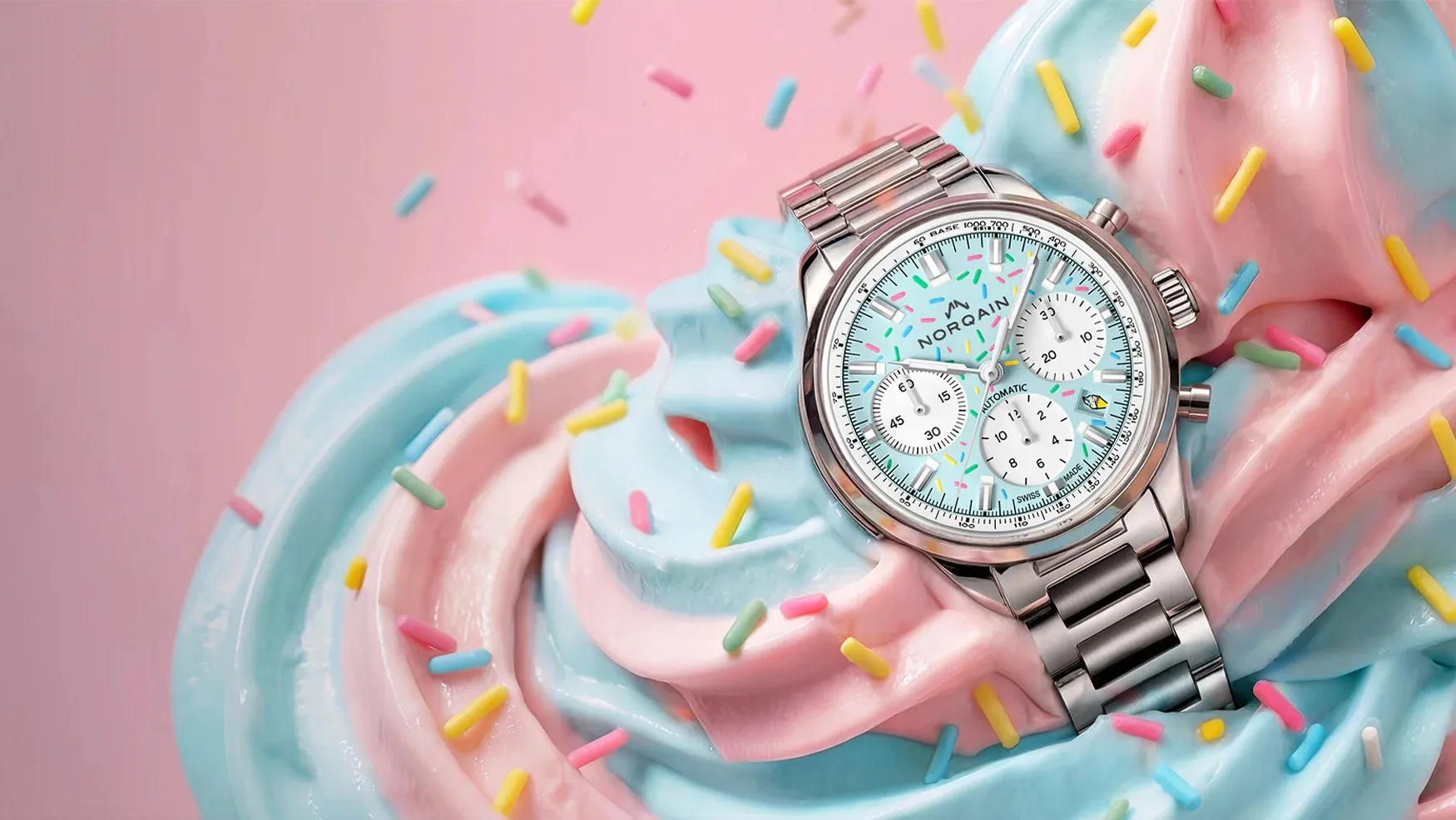
Five Norqain Watches That Show How Dynamic a Brand Can Be
Norqain’s short history has been unusually energetic. Since launching in 2018, the brand has built a lineup that moves comfortably between colorful, playful chronographs and increasingly serious technical watches. The Freedom Chrono Enjoy Life Sprinkles is a reminder that luxury can have a sense of humor, while the Independence Skeleton Chrono and Wild One Skeleton demonstrate the brand’s appetite for lightweight materials and visible mechanics.
The larger point is range. Norqain has avoided being trapped by one successful idea, offering accessible personality through the Adventure Sport Chrono while developing more ambitious carbon-based designs in the Wild One collection. For a young brand, that breadth is an asset—provided it continues to make every branch of the family feel recognizably Norqain.
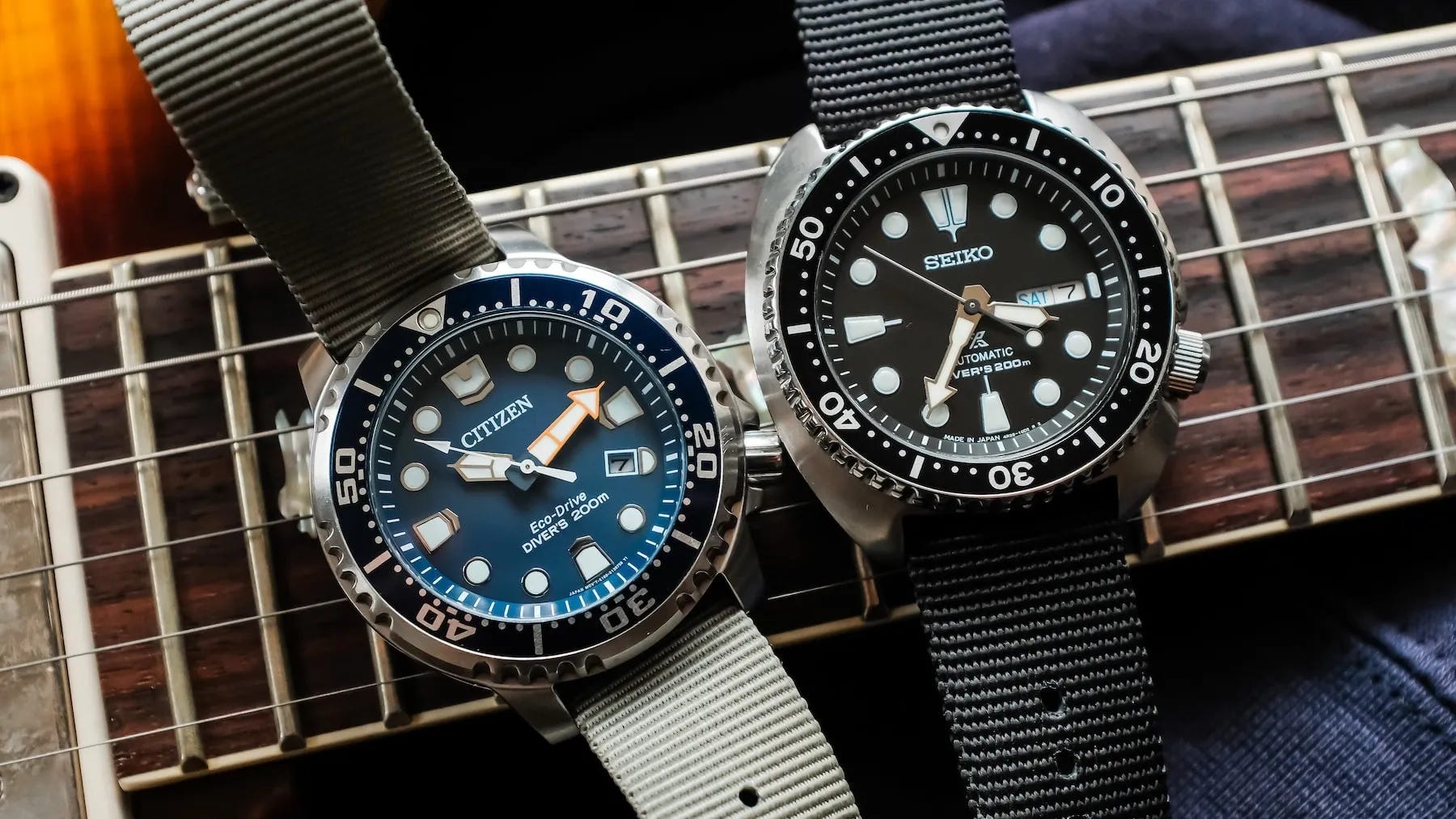
Seiko vs. Citizen Dive Watches: The Better Brand for Everyday Ownership
This is less a contest of quality than of temperament. Seiko offers visual variety, mechanical charm, deep catalog history, and an almost endless invitation to modify, collect, and obsess. The Turtle, Samurai, Sumo, and 5KX all give owners a distinct entry point into the hobby.
Citizen makes the stronger case for the person who wants the watch to disappear into life. The Promaster Diver, NY0040, Fugu, and Aqualand favor dependable functionality, low-maintenance ownership, and direct tool-watch appeal. Citizen may be the sensible answer for most people; Seiko is often the emotional answer for those who want the sensible purchase to become a pastime.
Reviews
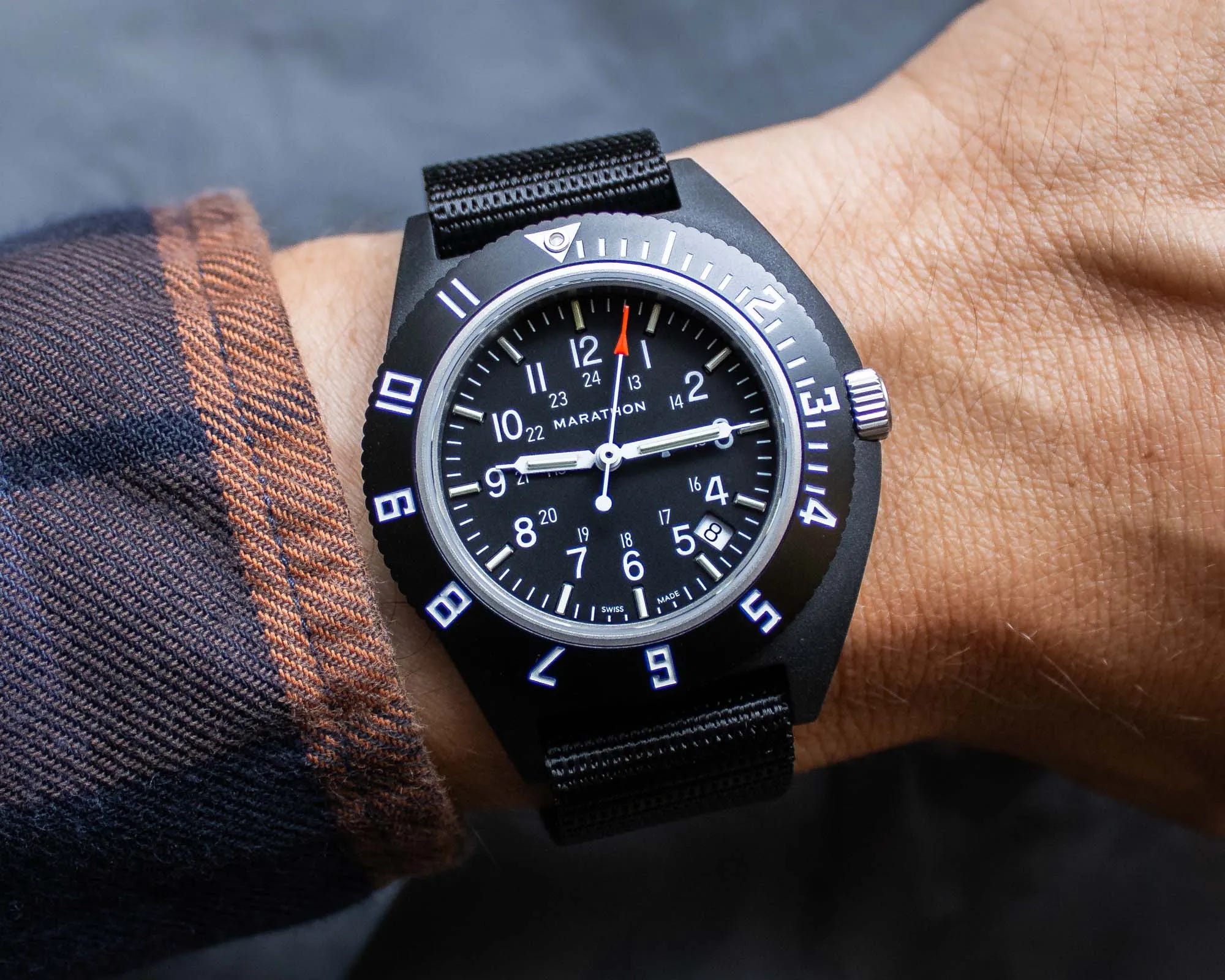
Actually Affordable: Marathon CeraShell Navigator Pilot’s Watch
Marathon’s CeraShell Navigator refines a military-minded design without sanding off its character. The new stainless-steel core and bio-sourced plastic/ceramic outer case are paired with a sapphire crystal, upgraded crown, aluminum bezel, tritium illumination, and standard 20mm spring bars. At 41mm wide and 11.5mm thick, it remains a purposeful pilot’s watch rather than a dressed-up field watch.
The quartz-powered NAV and NAV-D versions are not trying to seduce collectors with elaborate mechanics. Their appeal is much more direct: long battery life, rugged usability, legibility, and a price of $550 or $590. In a category filled with watches that borrow military language, the Navigator still speaks it fluently.
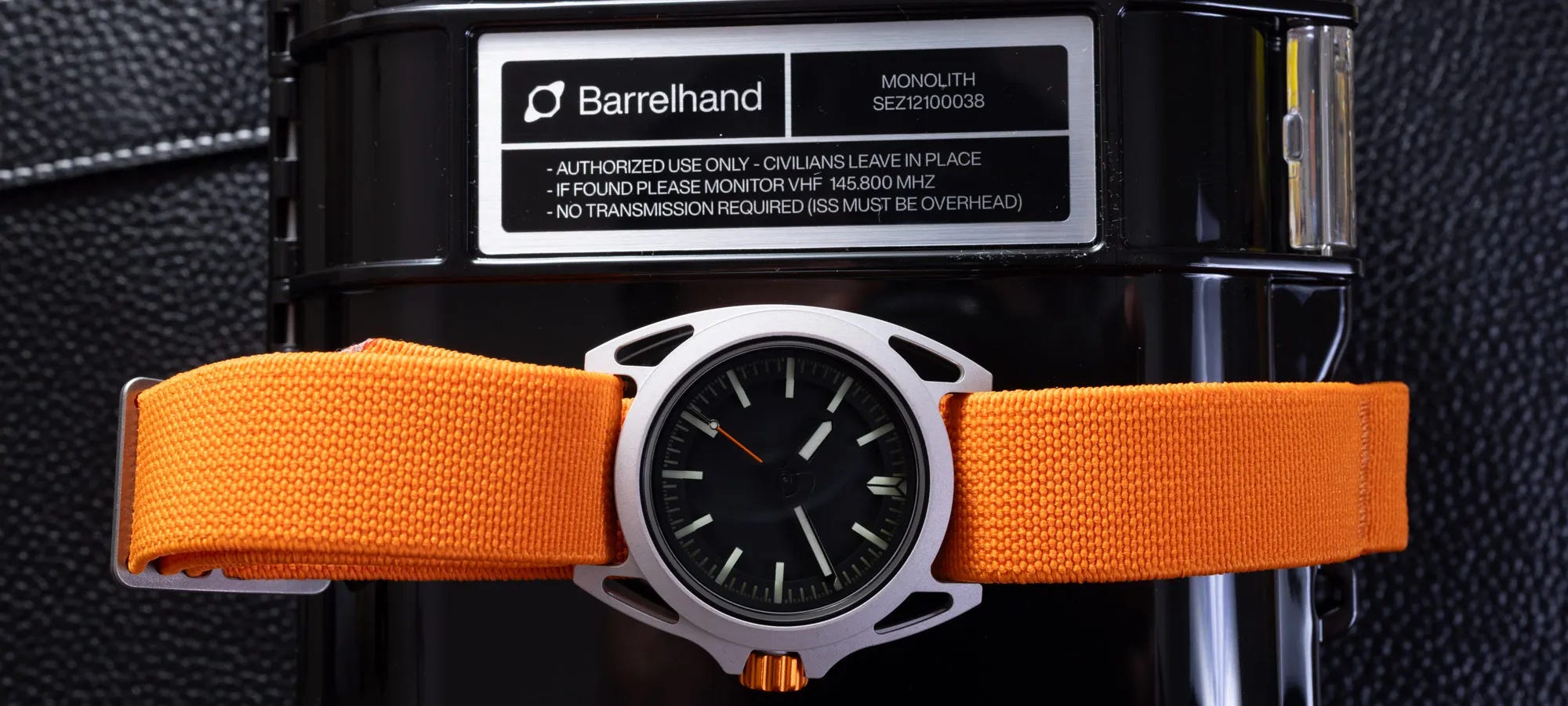
Barrelhand Monolith: A Tailor-Made Watch for Exploring Outer Space
The Barrelhand Monolith EVA/IVA is a serious attempt to think beyond terrestrial watch design. Its 38mm Scalmalloy case is 3D printed, extremely light, and engineered around insulation zones, an unusual Airlock Crown, and a C-plane sapphire-like crystal intended to resist shattering. The entire watch weighs only 31 grams on its fabric strap, while retaining 200 meters of water resistance and a Sellita SW300-1b automatic movement.
At $9,750, the Monolith is not an inexpensive experiment. But it is a coherent one. Between its vacuum-conscious design, anti-magnetic and shock-resistant movement treatment, and NanoFiche memory disc on the caseback, this is less a conventional luxury watch than a provocative piece of equipment for a future that is inching closer.
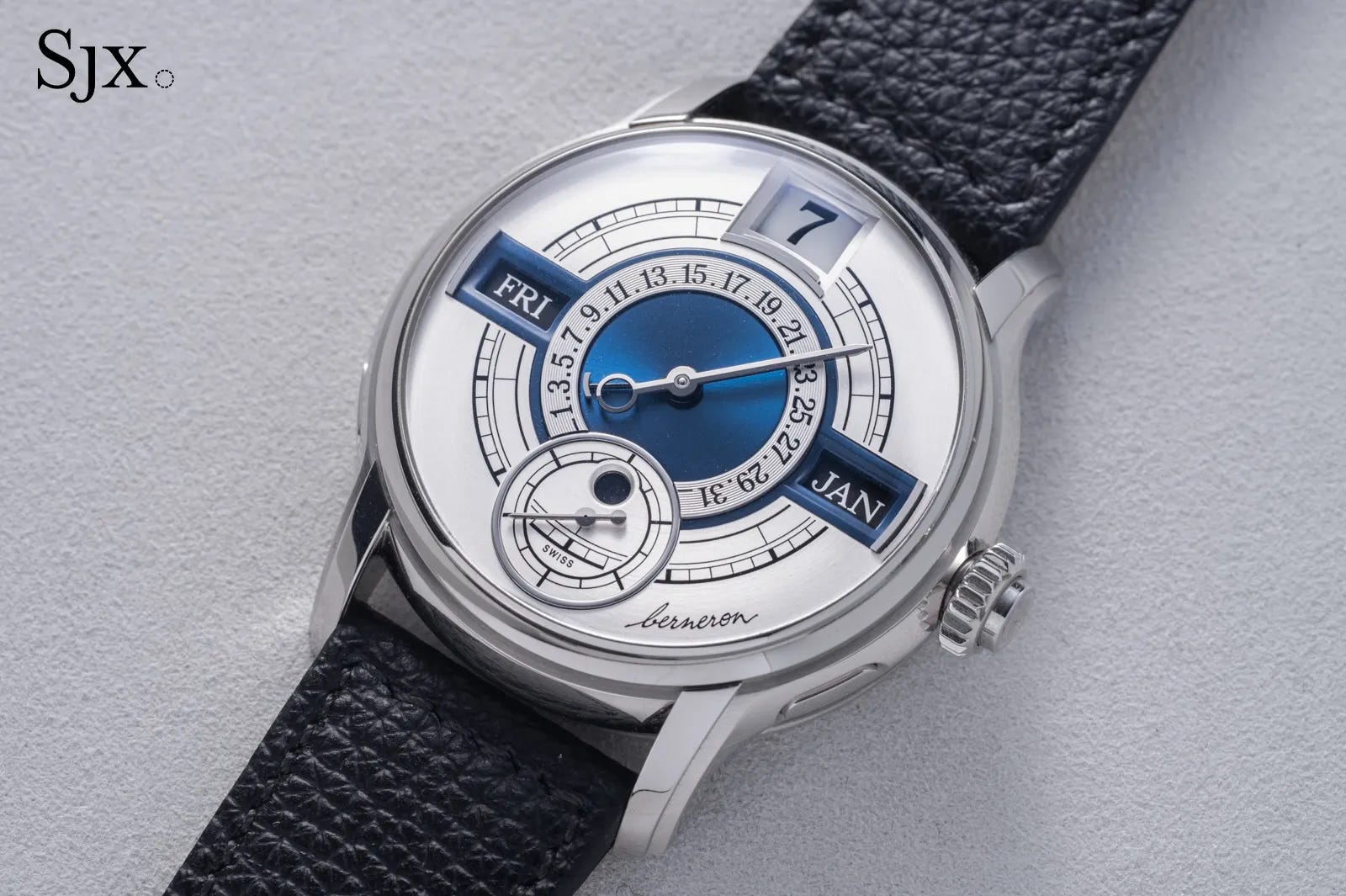
Berneron Quantième Annuel
The Berneron Quantième Annuel turns the annual calendar into an object of unusual visual calm. Its 38mm platinum case is protected by replaceable steel bumpers, while the movement’s four tension springs supply the energy required for instantaneous jumping indications. The technical achievement is substantial; the visual achievement may be greater still.
The asymmetrical Berneron watches established the brand’s reputation, but this more symmetrical design makes a persuasive argument for evolution. A solid-silver, hand-guilloché dial, large jumping discs, 100-hour power reserve, and highly finished Calibre 595 support a CHF 140,000 price. Limited production means it will remain rare; the execution gives collectors a reason to care.
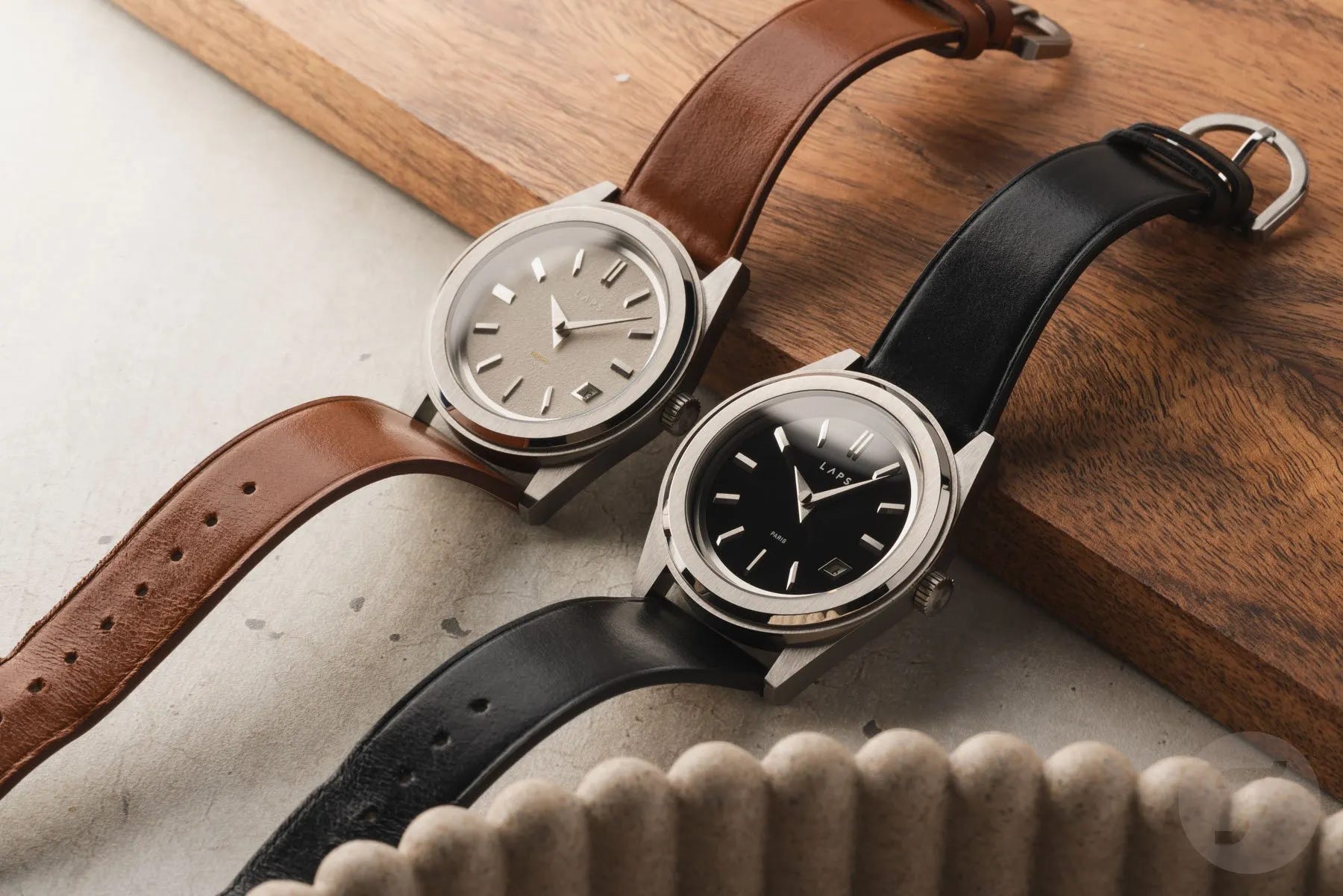
The Arche by Laps Bridges the Gap Between Architecture and Watchmaking
Laps’ Arche makes architecture wearable without becoming overly literal. The 37.5mm steel case uses vertically brushed lugs and a stepped bezel to suggest a bridge, while the dial plays with brick-like markers, asymmetry, depth, and anamorphic hands. Its diamond-shaped date window at four o’clock is an especially effective detail.
Powered by a Miyota 9015 automatic movement and priced at €860, the Arche is Laps’ first mechanical watch. The appeal is not only the movement upgrade; it is the fact that the brand has carried its graphic confidence into a more traditional watchmaking format without losing the oddness that made it interesting in the first place.
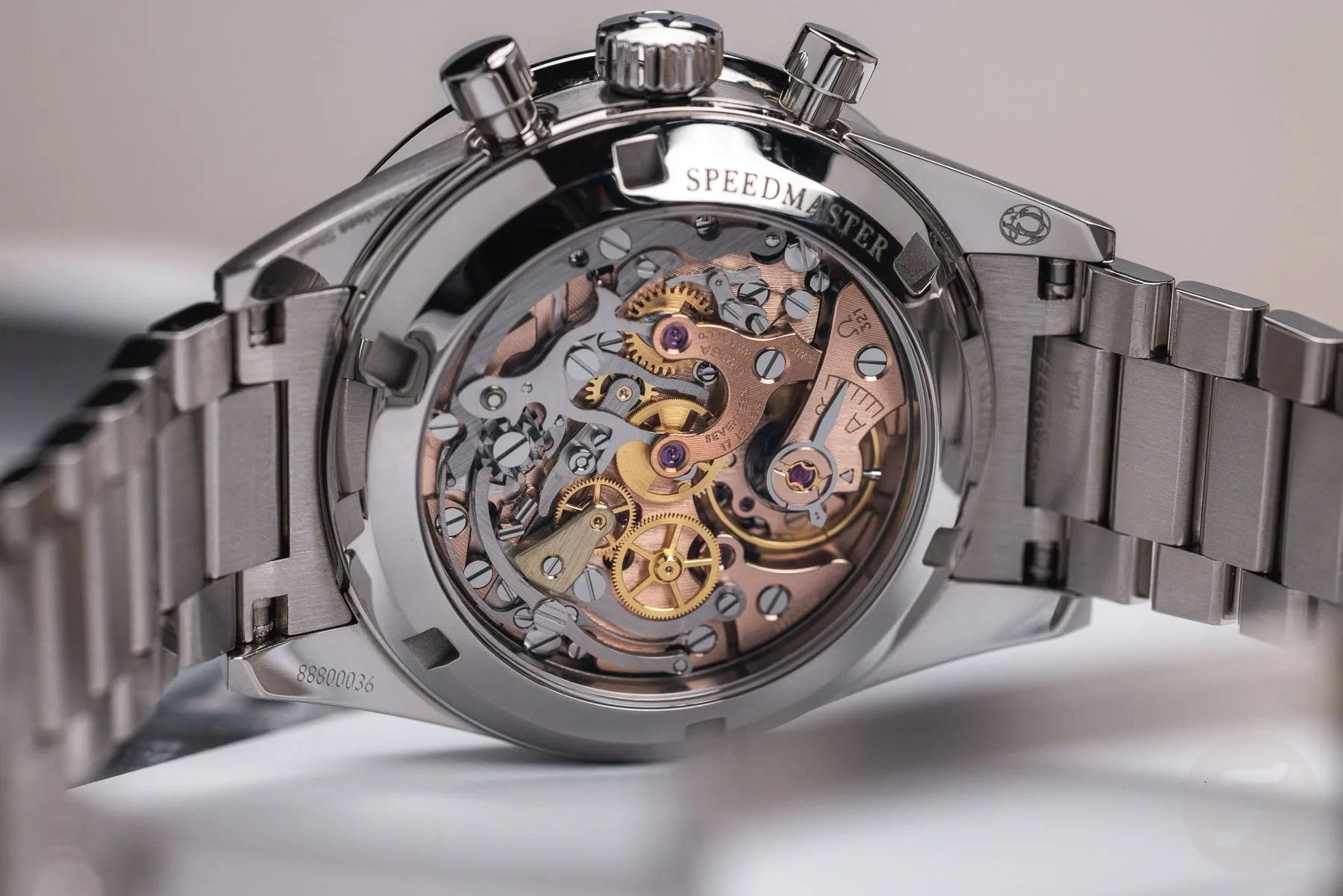
The Definitive Modern Speedmaster — Six Years With the Calibre 321
Six years with a watch is the kind of review period that matters. The modern steel Speedmaster Calibre 321 has retained its pull through price increases, warranty work, and comparison with the regular Moonwatch because it offers something more than an upgraded spec sheet: it makes the owner want to wear it.
Its galvanized dial, flat-link bracelet, column-wheel chronograph, and historically resonant movement distinguish it from the standard model, even if it sacrifices Master Chronometer certification, greater water resistance, and a micro-adjust clasp. At roughly €17,100, it is a meaningful financial commitment. For the collector who values this particular intersection of story, mechanics, and finishing, it remains one of the strongest modern Speedmasters.
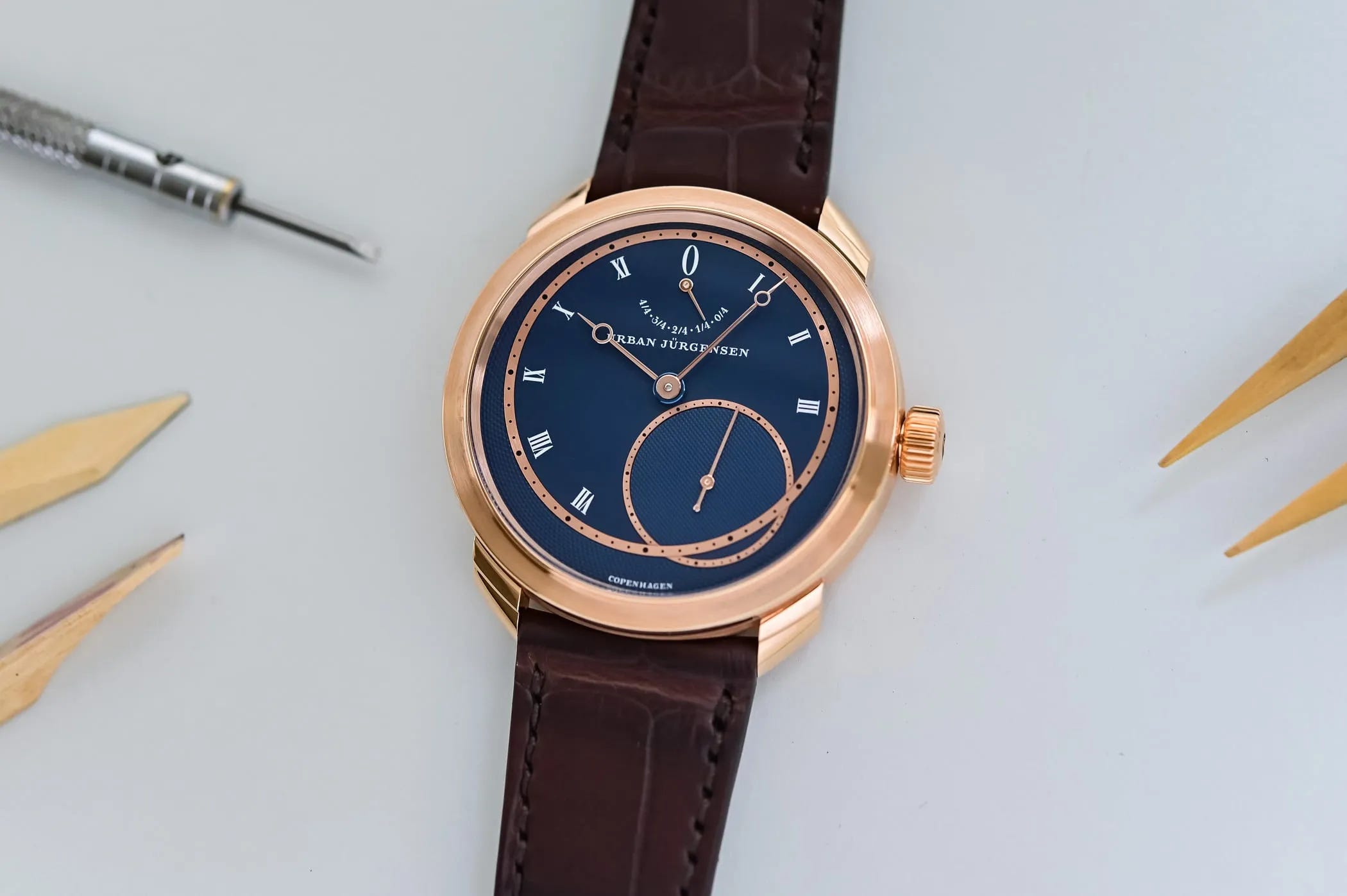
The Urban Jürgensen UJ-2, the Brand’s Sophisticated Time-Only Watch
The UJ-2 is Urban Jürgensen’s argument for restraint at the highest level. Its 39mm platinum or 5N rose-gold case carries familiar teardrop lugs into a sharper, more architectural form, while the solid-silver dial balances small seconds at five o’clock against a power-reserve indication at noon. The layout is unconventional but never unclear.
The hand-wound UJ-2 movement is equally thoughtful. A double-wheel natural escapement promises greater efficiency than a conventional lever escapement, and the movement finishing underscores how seriously the newly revived brand is taking both technique and tradition. Starting at CHF 105,000, this is a watch for collectors who want their “simple” watches to reveal more with time.
Events
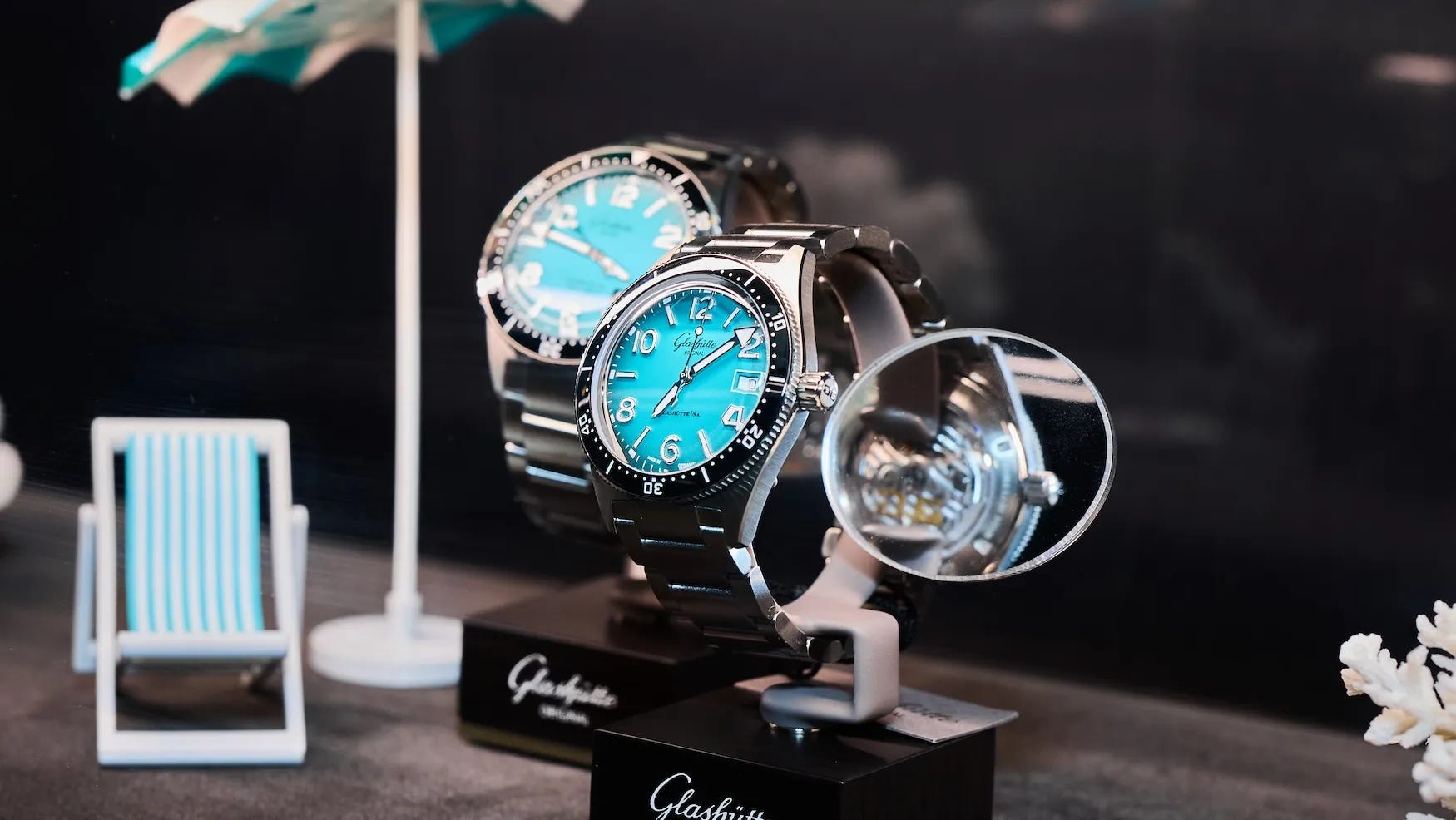
Glashütte Original Took Over Our NYC Discovery Studio
Glashütte Original’s NYC Discovery Studio takeover gave collectors a broad, tactile introduction to the brand’s range, from understated three-handers and moonphase watches to chronographs and tourbillons. The opportunity to see the North America-exclusive SeaQ “Northern Tide” editions before their wider release added an appropriate sense of occasion.
More importantly, the event clarified how much territory the brand covers. Senator, Pano, Spezialist, Vintage, and Serenade are distinct families, but they share a commitment to German watchmaking, in-house capability, and strong finishing. A good brand event should leave people with a clearer sense of what a company is trying to say. This one apparently did.
Podcast
Fratello On Air: Nick From DC Vintage Watches and Matt From SOTP Join the Show
This episode is a satisfying tour through the sort of vintage details that turn watches into documents. Nick from DC Vintage Watches and Matt from Spirit of Time move from personal engravings, double-signed dials, and unusual casebacks into a substantial run of Seiko references, including the JASDF 6139-7010, Asian Games monopusher, Pogue, Iceberg, and King Seiko 44-9990.
The conversation does not stop with Seiko. A Heuer Autavia “Orange Boy,” Monza Racing Mate, Formula 1 “Hot Dog,” Roamer Pasadena, Omega service-award watch, and Memosail Regatta chronograph all make the case that provenance is not a footnote. Sometimes the back of the watch carries the real story.
Video

A. Lange & Söhne’s Boutique Strategy: Is It Genius or Arrogant?
Horology Underground examines A. Lange & Söhne’s boutique-only strategy and the trade-offs of complete control. Limiting distribution gives Lange a tightly managed environment for storytelling, client relationships, inventory, pricing, and brand presentation. It also asks buyers to enter the world on Lange’s terms.
Whether that is genius or arrogance depends on how much the customer values access versus insulation. For a high-horology house, the approach makes strategic sense—but its success depends on keeping the product, service, and allocation experience compelling enough to justify the distance.

Best Watches: Three Watches Released in 2026
Burdeen’s Jewelry rounds up three notable 2026 releases and considers what they reveal about the year’s luxury-watch market. Newness is increasingly being sold through a mix of familiar heritage codes, fresh materials, limited-edition narratives, and a stronger emphasis on making a watch feel personally meaningful rather than merely technically improved.
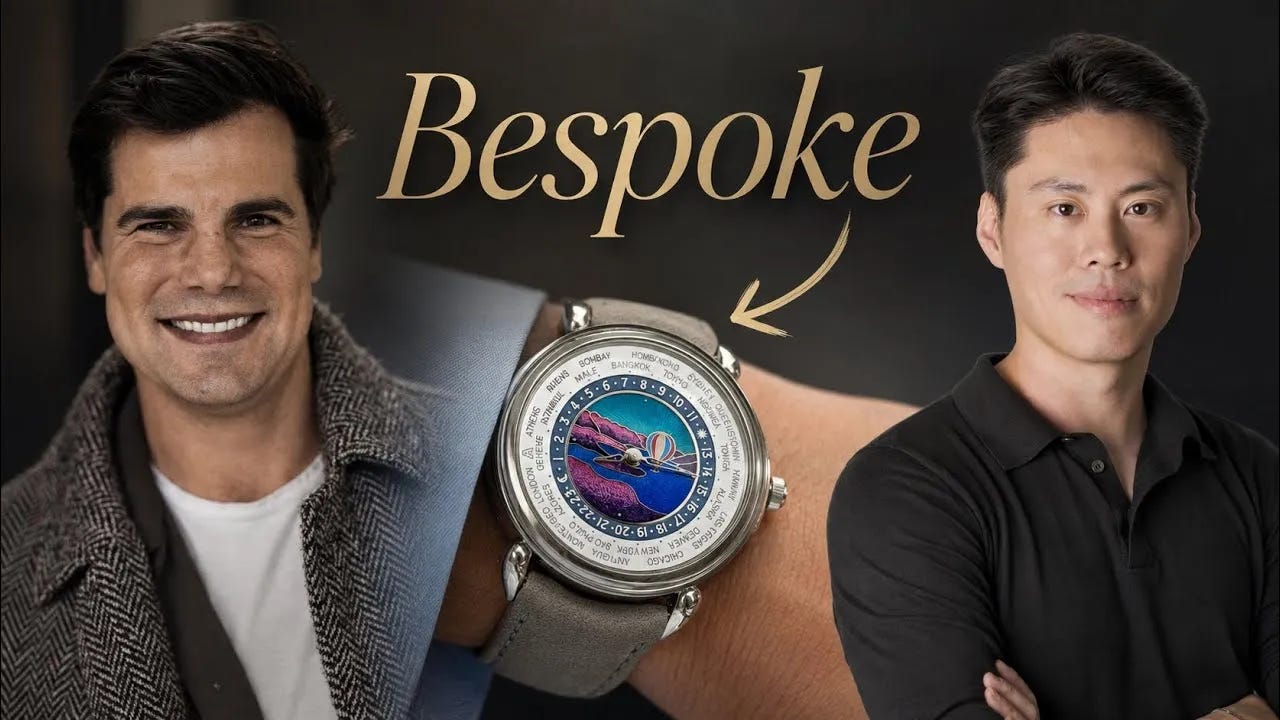
Johnathan Chan and His Communication 45 THC Édition
This conversation with Horology Club co-founder Johnathan Chan looks at the Communication 45 THC Édition through the lens of community, storytelling, and the way collectors now connect with brands and one another. It is a useful reminder that the best collaborations are not simply logo swaps; they give a group of people a credible reason to see themselves in an object.
Auction Results
Vacheron Constantin Overseas Dual Time 42 Steel / Titanium / Gray / Strap 47450/000W-9511 Falls Short at $15,250
The $15,250 high bid did not meet reserve, even though comparable secondary-market examples generally trade around $16,000. This is a useful illustration of the narrow corridor occupied by modern, high-end sports watches that are desirable but not universally liquid. At that level, the buyer is not simply bidding on a Vacheron Constantin name; they are weighing the exact configuration, condition, completeness, auction premium, service confidence, and the number of alternatives available privately.
The bid was close enough to suggest that the watch was not rejected by the market. It was rejected by the reserve. A seller holding out for a full retail-style secondary-market price needs to recognize that an auction bid reflects immediacy and finality. The difference between $15,250 and approximately $16,000 may be small in percentage terms, but it was still enough to prevent a transaction.
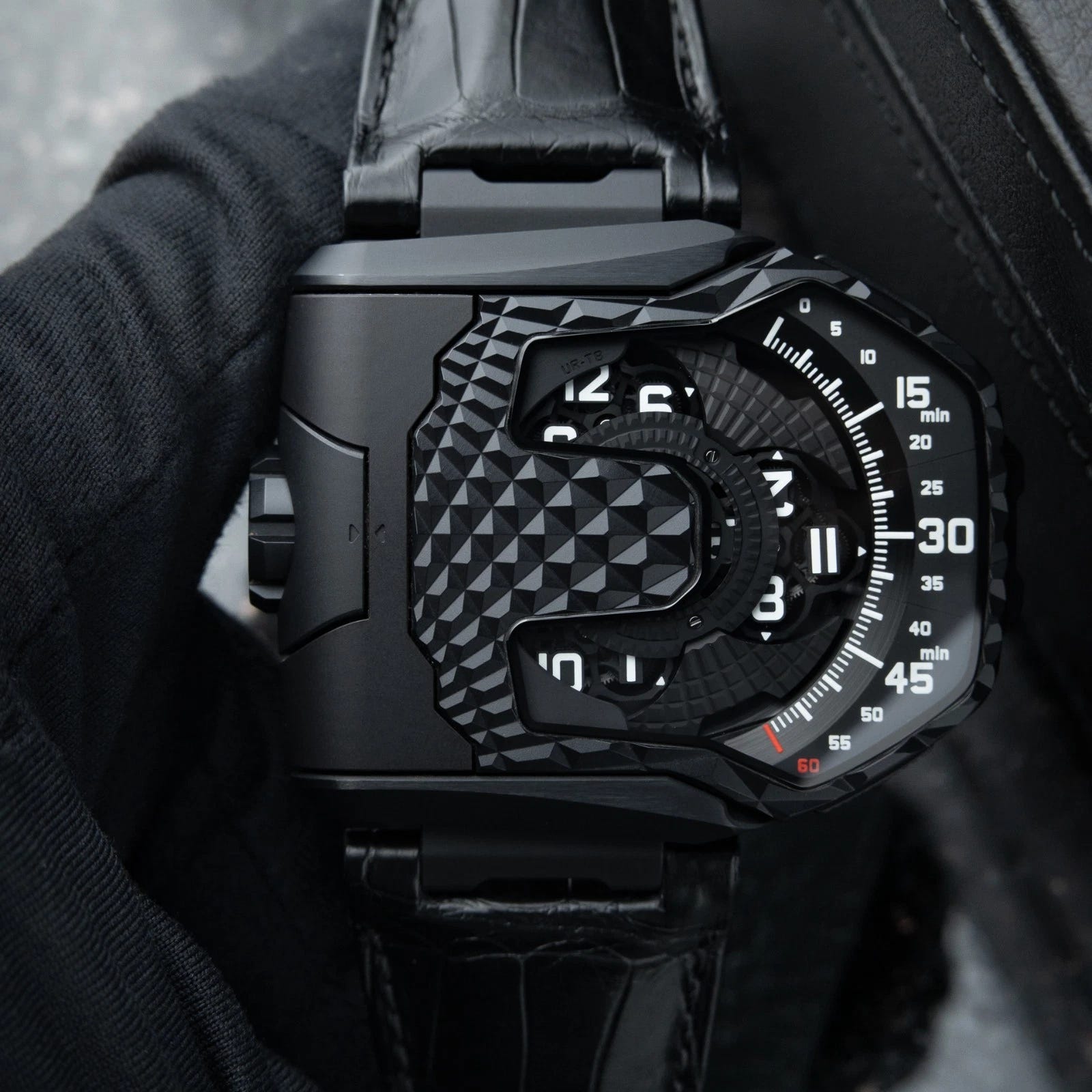
Auction Report: Urwerk UR-T8 Black—The Transformer Tests the Independent Market
The Urwerk UR-T8 is one of the brand’s most extroverted achievements: a Grade 5 titanium “Transformer” case that can be released from its cradle and flipped from its wandering-hours display to a protected mystery-side configuration. Introduced in 2017 for Urwerk’s 20th anniversary, the black PVD version was limited to 30 pieces and originally carried a six-figure Swiss-franc price. This example is described as a 2022 watch, which is best understood as its sale or warranty date rather than a new UR-T8 production year. Its 60.23mm by 48.35mm proportions, black finish, satellite-hour display, turbine-regulated automatic UR-8.01 movement, and 50-hour reserve make it a true object of independent horology rather than a conventional luxury sports watch.
The attraction is obvious, but the buyer pool is narrow. A watch of this size and visual force needs a collector who is comfortable wearing something unmistakably Urwerk, while the secondary market also rewards complete presentation, condition, and service certainty. The listing’s accessory information should be clarified before bidding because it appears to contain conflicting box-and-papers descriptions. The watch is offered in pre-owned condition with excellent dial, hands, and crystal, plus minor wear to the case, bezel, and bracelet or strap.
Current dealer asks around $60,000 provide an optimistic retail reference, while historical auction estimates have been materially lower. That gap is the opportunity and the risk. For the right buyer, a successful bid well below the original retail price could represent access to one of Urwerk’s most compelling anniversary-era designs at a meaningful discount. With the auction ending at 12:00 p.m. EDT today, August 5, bidders should decide whether they are buying a wearable piece of mechanical sculpture—or simply hoping rarity will do the work. In this market, rarity alone is not enough.
Auction research was checked against Christie’s UR-T8 catalog information, a current full-set market listing, and launch-era technical specifications.
Current bid: $16,750
Losing Time


Today’s Big Losers at Auction on Grailzee
Two watches, two very clear messages from the market.
The 2022 A. Lange & Söhne Langematik Perpetual was offered at $87,998 but topped out at $38,000—a $49,998 shortfall, or 56.8% below ask. That is less of a negotiation gap and more of a pricing reality check. For a serious Lange complication, the delta is simply sad.
The just-released 2026 Rolex Oyster Perpetual “100 Years” asked $17,000 and reached a high bid of $9,500, missing by $7,500 or 44.1% below ask. Apparently, buyers are not lining up to pay a meaningful premium for the “100 Years” version of an OP—at least not yet.
Conclusion: both reserves were aspirational, but the Lange miss was brutal. The Rolex result suggests novelty alone is not enough to support a premium, while the Lange result suggests the ask was living in a different time zone from the market.
Thank you for reading BuyingTime Daily. Keep your eye on the spread between asking prices and actual bids—and remember that the best watch is usually the one whose story still holds up after the excitement wears off.