

30 Seconds
Rolex’s broad secondary-market strength is increasingly matched by its dominance in AI-generated recommendations—an advantage built on being the category’s most recognizable answer. Elsewhere, American independents are proving that “Made in USA” can mean real movement-making, while Vacheron turns museum artifacts into miniature works of art. Today’s auction brings the conversation back to reality: a well-worn steel Royal Oak Chronograph meets a market that still cares very much about condition, configuration, and price.
Time Graphing Today’s Watch Universe
The theme today is not simply value. It is legibility—of brands, of objects, and of the reasons we choose them. Rolex’s strength in both the secondary market and AI-led discovery is a reminder that the brand has made itself easy to understand at a distance. Ask a broad question about luxury watches and Rolex appears because it has spent decades compressing an enormous amount of meaning into a familiar form: durability, achievement, scarcity, heritage, and perceived safety. It is the answer people get before they know enough to ask a more interesting question.
That is an extraordinary commercial advantage, but it also reveals the next battleground for watch brands. As AI-driven discovery replaces the old search box, the broad category answer may matter less than the qualified one. “Best luxury watch” is a Rolex question. But “best value luxury watch,” “best independent maker,” “best ultra-thin perpetual calendar,” and “best watch with a story” are different questions entirely. The brands that thrive will not necessarily be those with the loudest general reputation; they will be the ones that make a specific promise and deliver it often enough that collectors, retailers, editors, and now machines can repeat it clearly.
This helps explain why the most compelling stories today are so distinct. 1776 Atelier is not trying to become a smaller Swiss brand. Its claim is that American movement-making is worth building, component by painstaking component. That is a difficult proposition, but it is legible. Vacheron Constantin’s Louvre collection makes an equally specific argument: that the watch can be a place for scholarship, artistic craft, and cultural memory, not merely a display case for mechanical novelty. Neither story needs to compete with Rolex on Rolex’s terms because each gives the collector a different reason to care.
And then there is the counterargument supplied by Tim Mancuso’s collection. A watch may have a precise brand narrative, a clean market price, and impeccable specifications, yet the thing that makes it irreplaceable may be the scrape it acquired on a road in Phuket or the conversation it started at exactly the right moment. This is why the expanding pre-owned market is more culturally interesting than the usual growth figures suggest. Buyers are not merely shopping for discounts. They are increasingly shopping for texture: discontinued details, old proportions, provenance, patina, and the freedom to find something outside the official catalog’s current script.
That distinction matters especially at auction. Today’s silver-dial steel Royal Oak Chronograph is perhaps as legible a luxury object as exists: an icon, a recognizable shape, a current in-house movement, and a configuration that will never need to shout. But even an icon becomes a specific object once condition enters the frame. Medium scratches on an integrated bracelet are not a footnote; they alter the buyer’s calculation because restoration, originality, and future resale all enter the conversation. Yesterday’s unsold Vacheron Overseas perpetual calendar, bid to $81,000, tells the same story from the other direction. Exceptional engineering and precious metal are not enough if the market cannot reconcile the ask with its current appetite.
The Rolex, AP, and Patek price picture is therefore best read not as a leaderboard but as a map of conviction. Rolex has broad conviction. Patek has intense conviction concentrated in certain references. AP has enduring conviction around a design that remains both historically important and socially current. The collector’s opportunity lies in learning where conviction is earned, where it is borrowed, and where it has simply become habit.
The best watches are not always the ones with the loudest premium. They are the ones whose value becomes more intelligible the closer you get—mechanically, aesthetically, historically, and personally.
-Michael Wolf
News
What the hell is happening with Rolex prices?
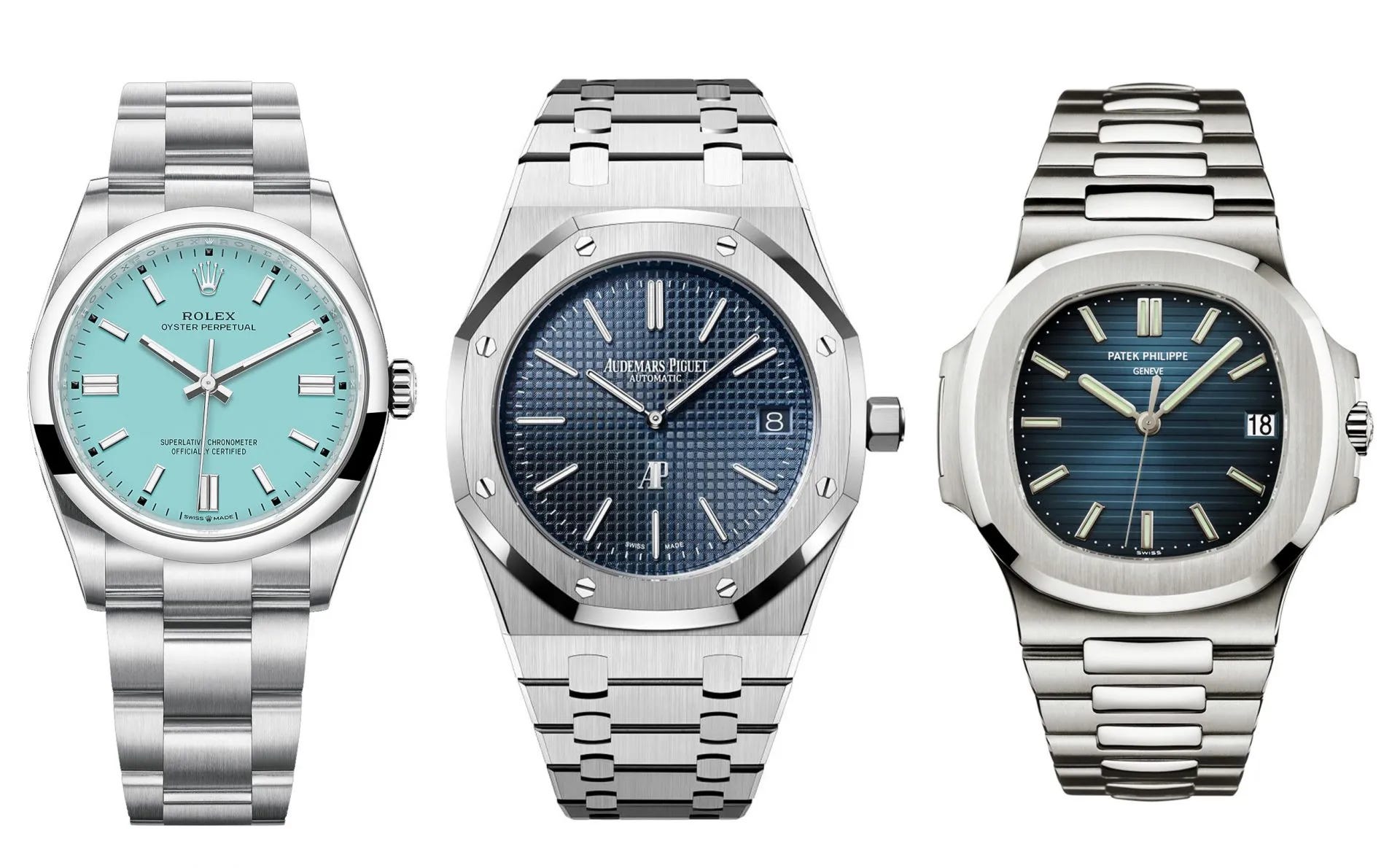
The broad luxury-watch market is no longer moving as one. Rolex has retained the most balanced secondary-market profile of the big three, with a meaningful majority of models still trading above retail and a comparatively modest average premium. Patek Philippe remains capable of spectacular outliers, especially in Nautilus and Aquanaut territory, but many conventional references are available below list; Audemars Piguet occupies a more even middle ground.
The larger lesson is that scarcity only works when it is distributed intelligently across a catalog. Rolex’s depth means demand does not rest on a handful of impossible-to-buy references, while Patek’s wider gap between cult pieces and regular production creates more visible friction in the grey market.
Feature

American Watchmakers Jason Lu and Zach Smith of 1776 Atelier
1776 Atelier is making a serious case for American high watchmaking with the Liberty 250, a watch whose movement components are overwhelmingly made in the United States. Jason Lu and Zach Smith are not merely assembling imported parts: plates, wheels, balances, and finishing are being developed and executed by a small team working across Ohio and Texas.
The remaining hurdles—jewels, sapphire crystals, and mainsprings—show exactly why a true domestic supply chain is hard to build. Yet the project’s low-volume, high-touch approach suggests that American watchmaking’s next chapter may arrive not through scale, but through stubborn technical independence.

How switch from Google search to AI questions is benefiting Rolex
Ask an AI assistant for “the best luxury watch,” and Rolex is usually the first name back. That is not simply a marketing win; it is a new form of category ownership. The brand has become the default shorthand for durability, status, heritage, and resale confidence—the very terms broad consumer questions tend to invoke.
More specific prompts create openings for everyone else. Patek Philippe and Audemars Piguet emerge around grails and investment, Tudor and Grand Seiko around value, and Omega around alternatives. In the age of AI search, the brands with the clearest qualified story may have the most to gain.
Museum Piece
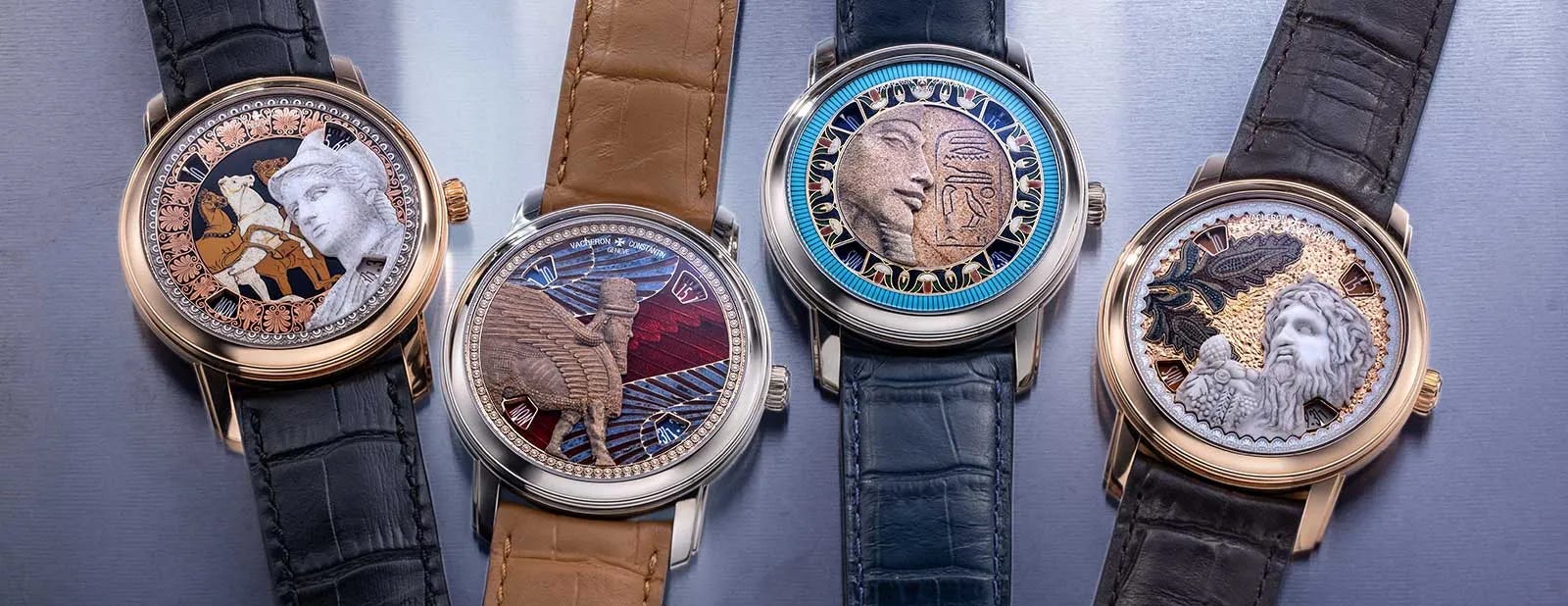
Vacheron Constantin’s Métiers d’Art Tribute to Great Civilisations collection takes ancient Egyptian, Assyrian, Greek, and Roman objects from the Louvre and transforms them into horological miniatures. Stone carvings, goldwork, enamel, and micro-mosaic work surround sculptural central appliques, with each dial requiring roughly 220 hours of specialist labor.
At just fifteen examples of each model, this is watchmaking as cultural translation rather than product design—and a reminder that the most compelling haute horlogerie does not always need to advertise its complications.
Real Watch Collectors: Tim Mancuso on Rolex and the Royal Oak He Still Can’t Buy
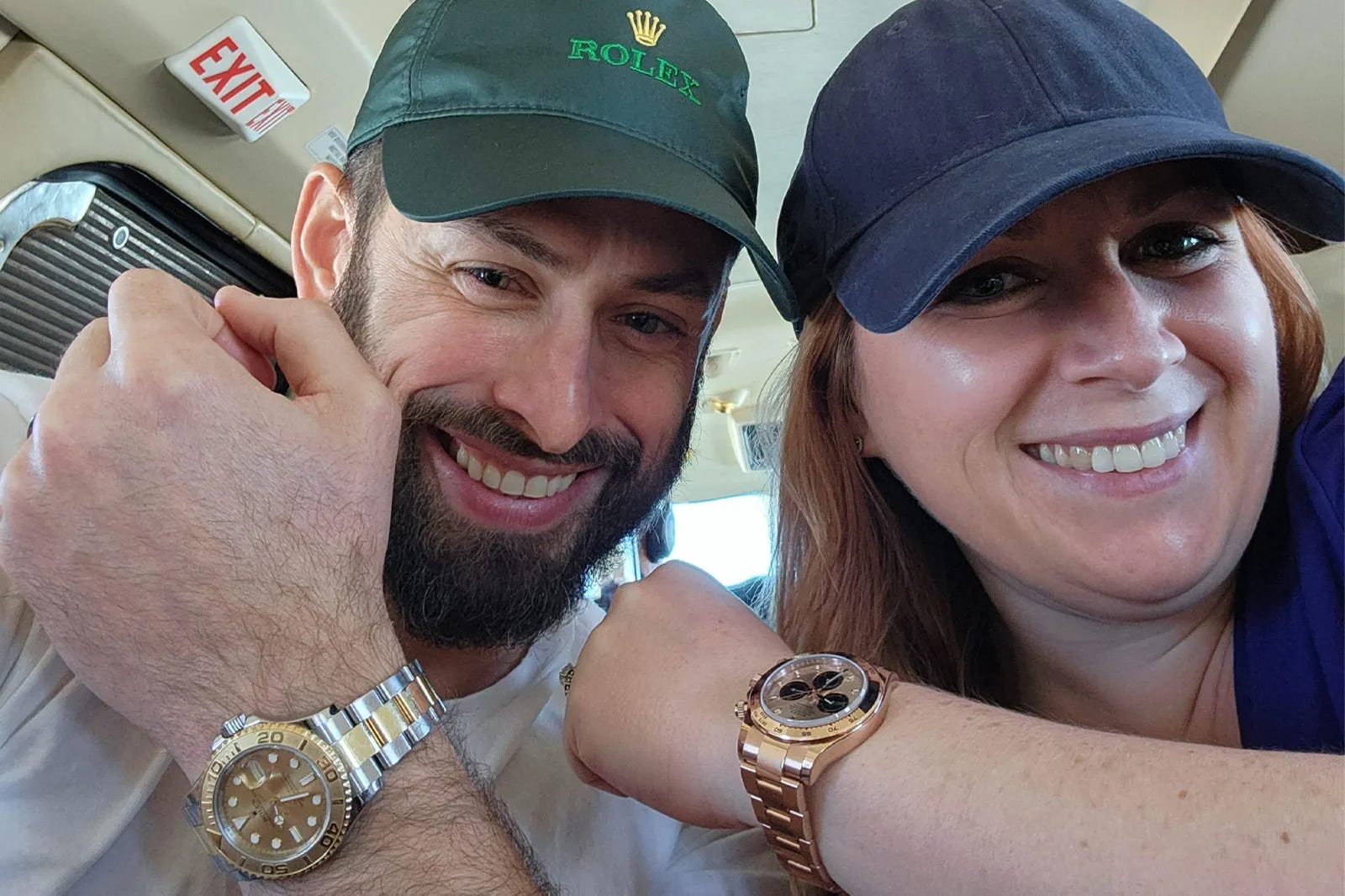
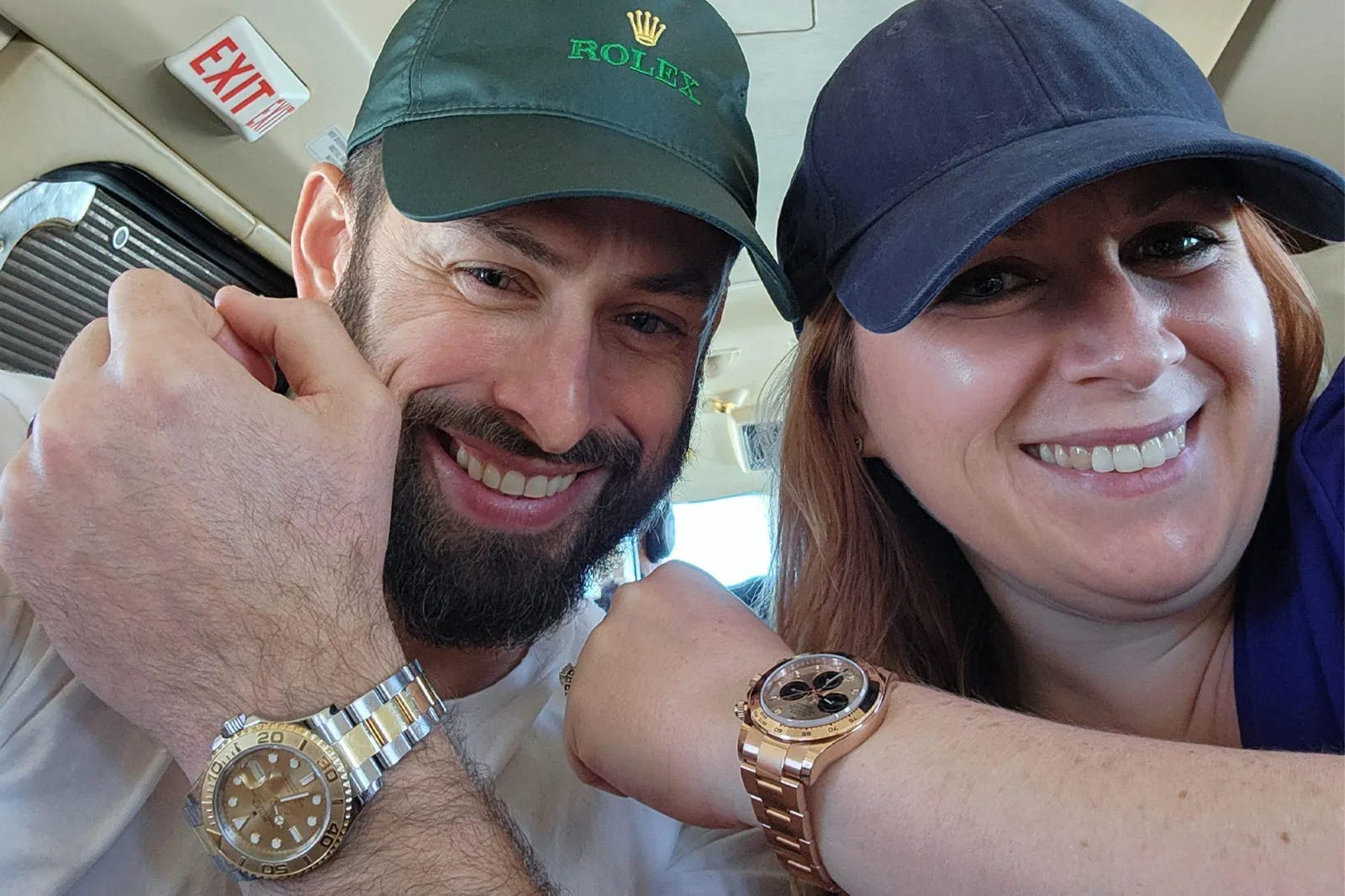
Tim Mancuso’s collection is built on stories, not a checklist: a Rolex Yacht-Master marked by a motorcycle accident in Phuket, a Patek perpetual calendar that helped spark a client conversation, and watches chosen because they feel personal rather than correct. His dream remains a Royal Oak bought directly from Audemars Piguet, on his own terms.
It is an appealingly human version of collecting. The point is not to assemble the consensus greatest hits, but to wear watches that can hold a memory—and occasionally start a conversation.
New Watches
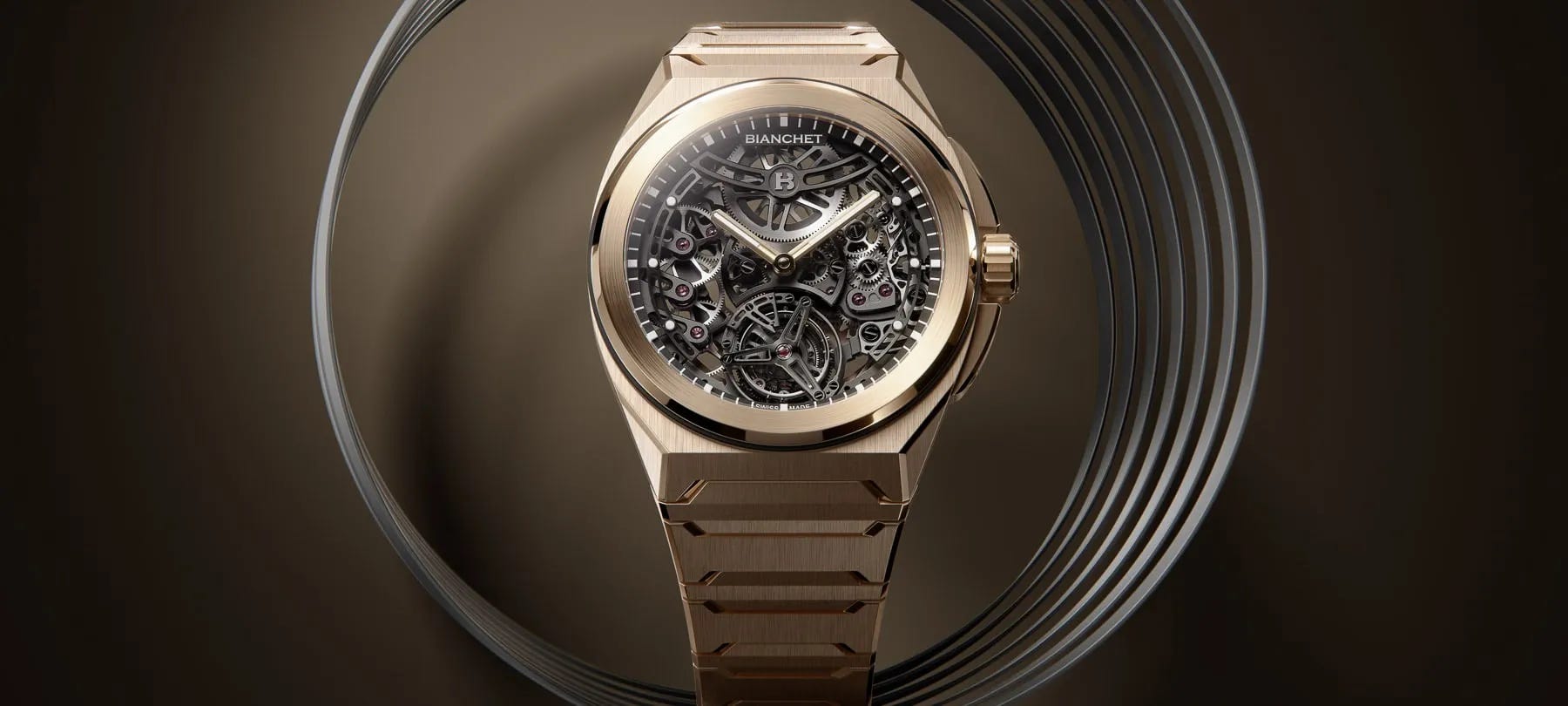
The Bianchet Rotondo UltraFino Rose Gold: A Stunning Take On Contrast
Bianchet’s 39.5mm Rotondo UltraFino combines an 18K rose-gold case with a black PVD-coated titanium tourbillon movement, making its material contrast the main event. At 8.9mm thick, with a 60-hour reserve, 100 meters of water resistance, and an optional integrated gold bracelet, it is a more physically capable proposition than its elegant profile suggests.
The rubber-strap version is priced at CHF 85,500; the gold-bracelet edition reaches CHF 119,500.
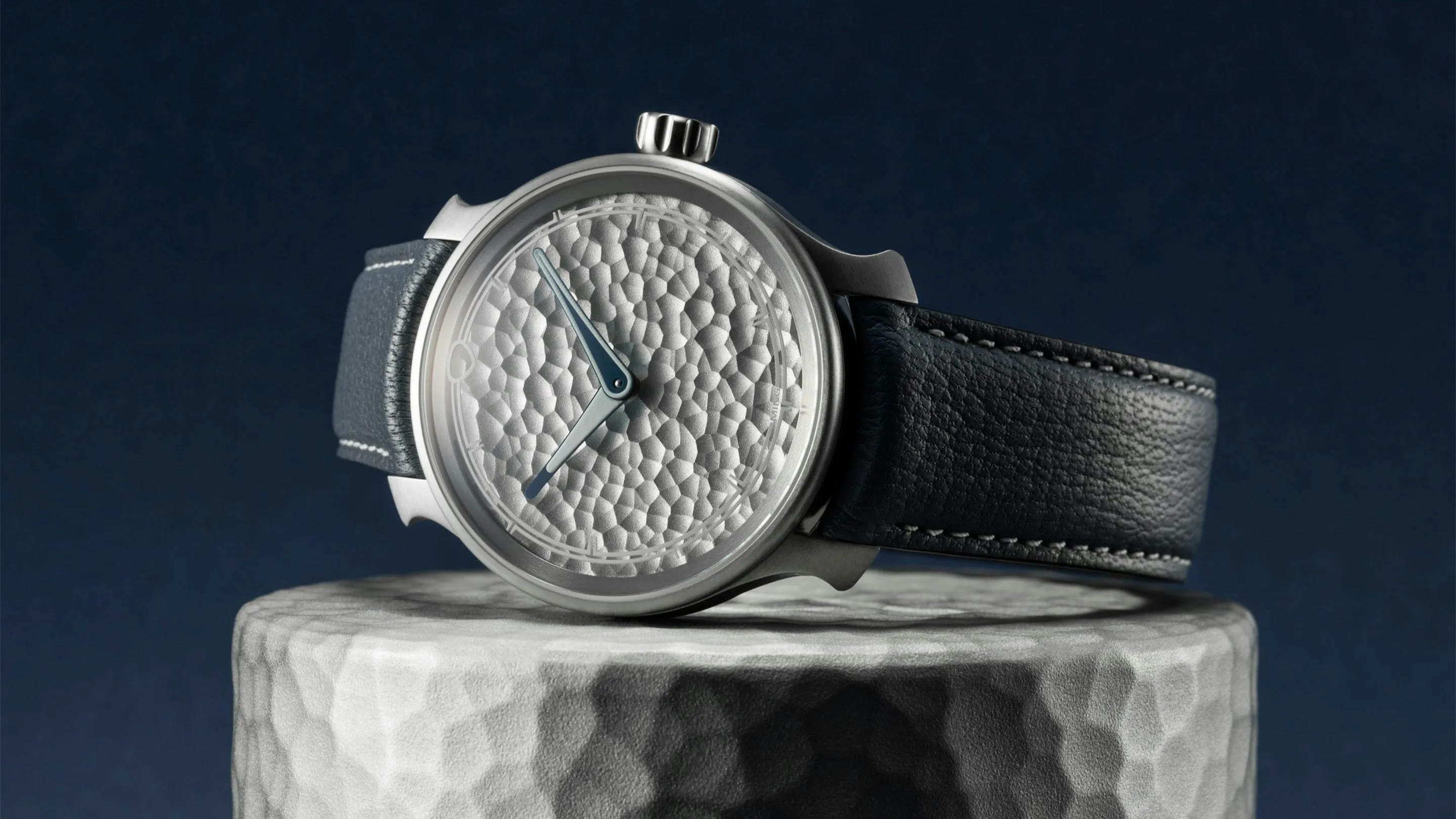
The Ming 37.06 Royal Selangor Limited Edition
Ming partners with Kuala Lumpur’s Royal Selangor for an 88-piece edition centered on a dramatically hammered pewter dial. The 38mm titanium watch retains Ming’s clean visual grammar but gives it real texture, with a customized Sellita automatic movement, 100-meter water resistance, and a matching pewter presentation box.
At CHF 5,000, it is a limited watch whose material choice feels like more than a limited-edition excuse.
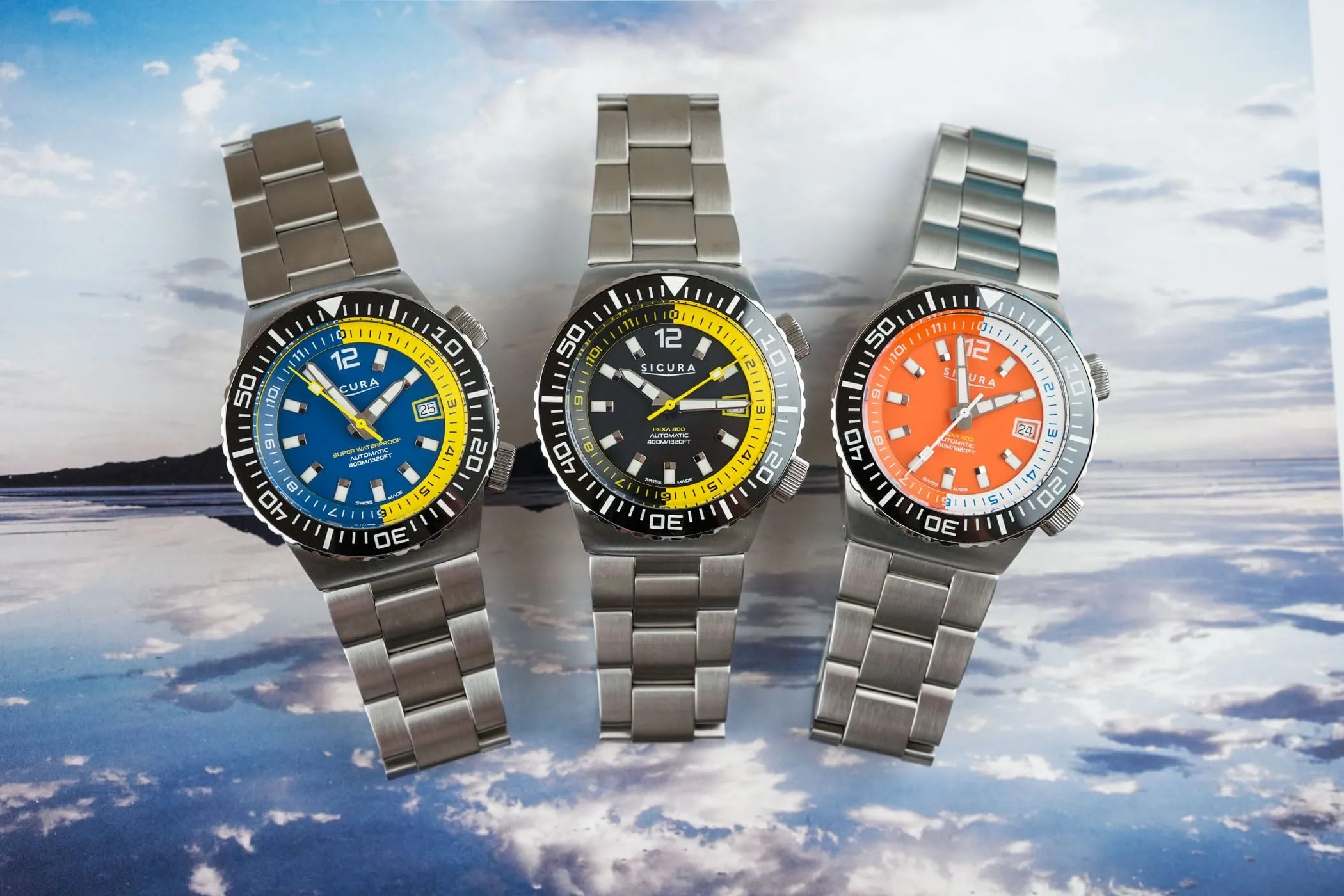
The Sicura Hexa 400 Marks the Return of a Forgotten Swiss Tool Watch Name
The Hexa 400 revives Sicura’s 1968 Diver 400 with a modern 40mm steel case, hexagonal silhouette, dual crowns, 400-meter water resistance, and a Sellita SW200 movement. A bi-color internal rotating ring can track a second time zone, while the bracelet includes tool-free micro-adjustment.
Offered in black, blue, and orange, it is a handsome piece of tool-watch archaeology at €1,450.
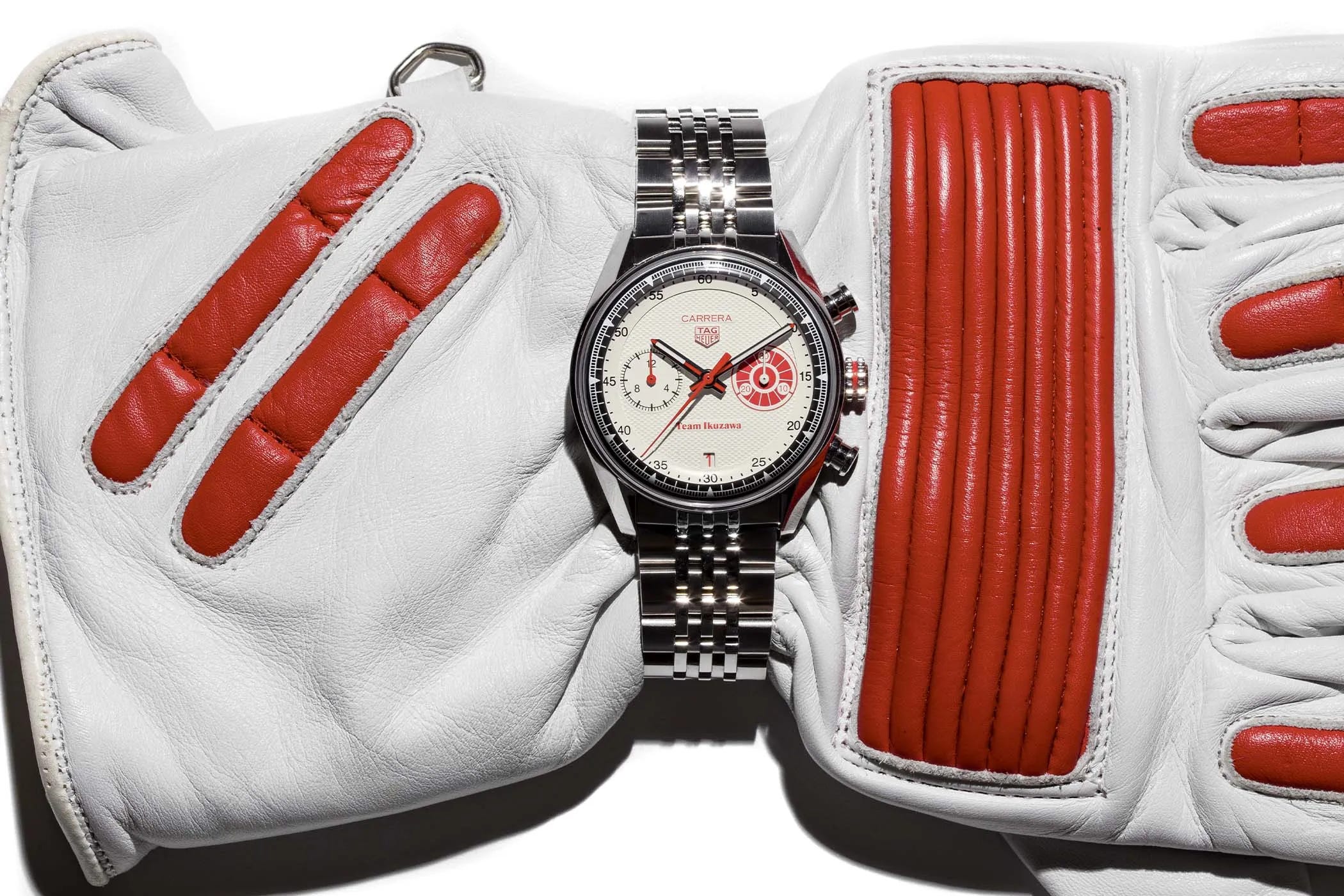
The TAG Heuer Carrera Chronograph x Team Ikuzawa
TAG Heuer’s latest 39mm Glassbox Carrera draws on the red-and-white racing identity of Team Ikuzawa. A white Clou de Paris dial, red lacquered hands, and an 80-hour TH20-10 automatic chronograph movement provide the substance beneath the nostalgia.
Limited to 150 pieces and priced at $10,500, it arrives with a steel bracelet plus leather and textile straps in a toolbox-style presentation case.
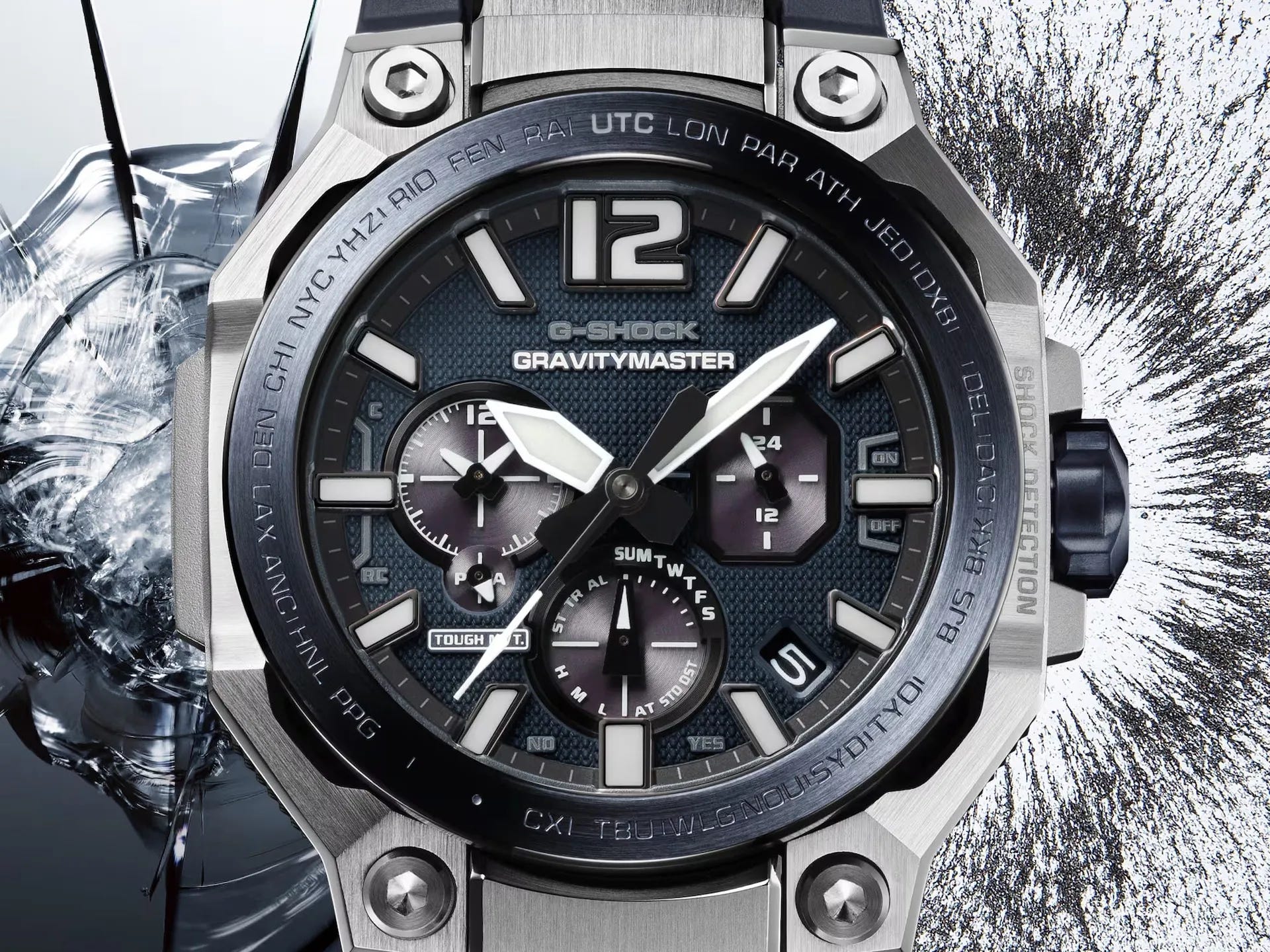
This New Casio G-Shock Pilot Watch Corrects Its Own Hands After a Hit
The G-Shock Gravitymaster GWR-B3000’s cleverest feature is its instant hand-correction system, which realigns the analog display after a hard impact. Its movement also detects strong magnetism, temporarily pauses the hands, and resumes normal operation when the field clears.
With solar power, radio sync, Bluetooth, a carbon-reinforced construction, sapphire crystal, and 200-meter water resistance, it is serious aviation-minded engineering in a 102-gram package.
Comparisons
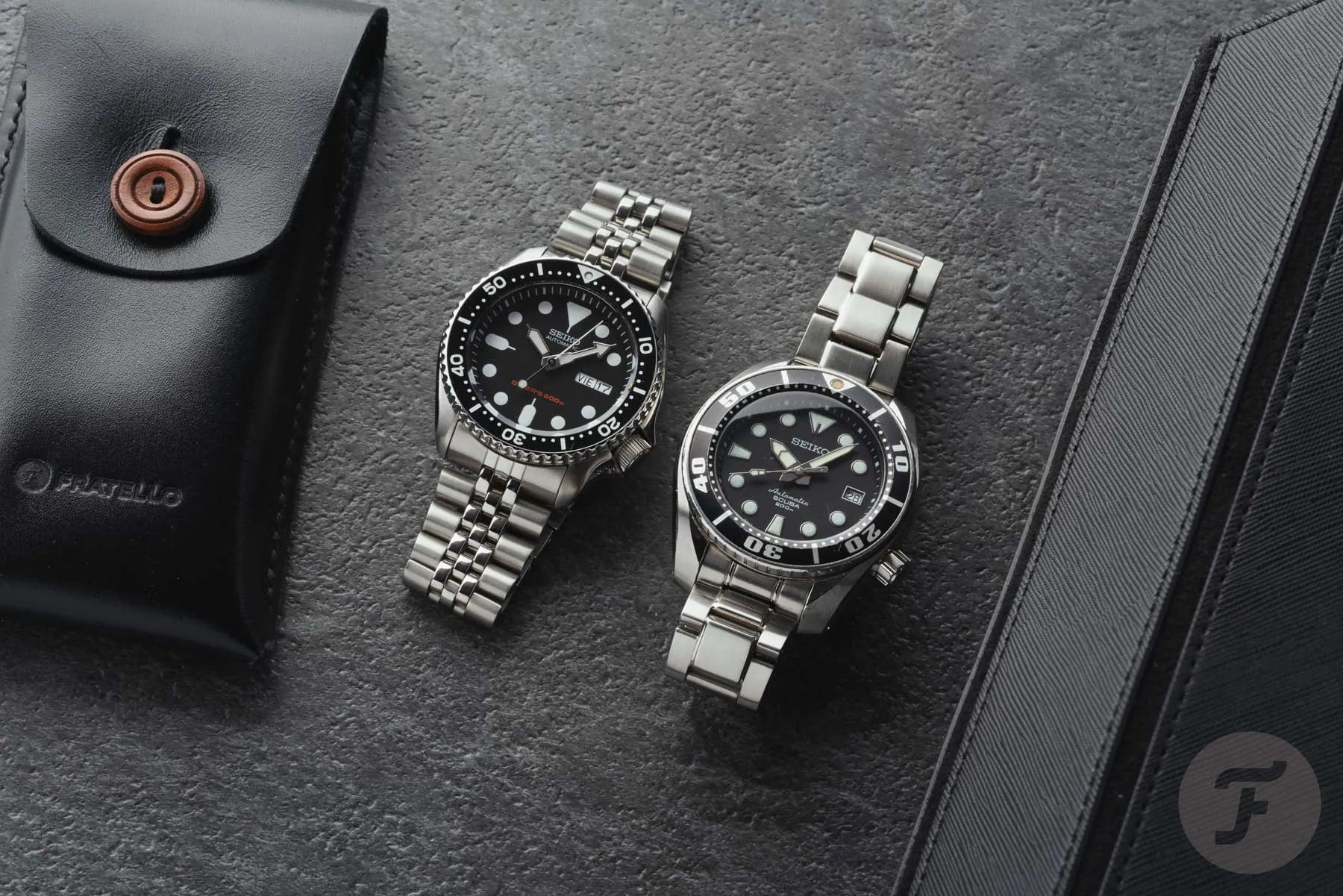
Don’t Get A Seiko SKX — Buy This Classic Model Instead!
The SKX is rightly loved, but the Seiko Sumo may be the more rational buy today. Its case and dial are more sophisticated, while the 6R15—and later 6R35—adds manual winding, hacking, and better power reserve than the SKX’s aging 7S26. With pre-owned examples often below €500, the Sumo offers substance without the nostalgia tax.
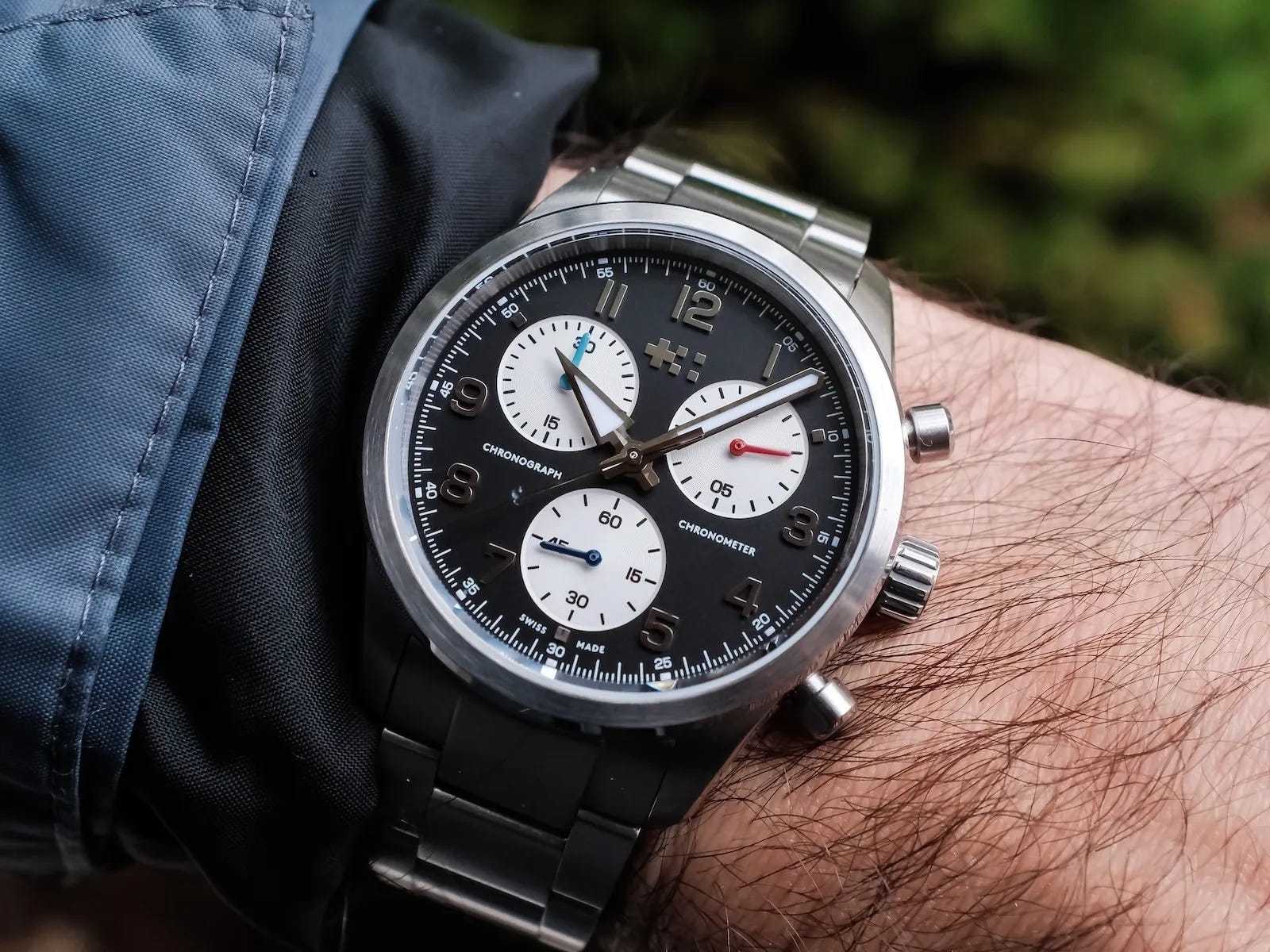
One Watch for Everything: 14 Hands-on Reviewed Picks Under $1,500
A single-watch collection is less about finding a theoretical perfect reference than choosing the compromises you can live with. This hands-on round-up assesses fourteen sub-$1,500 candidates on comfort, legibility, toughness, movement quality, and how well they move between the ordinary parts of a real life.
Timex, Casio, Seiko, Citizen, Baltic, Christopher Ward, Mido, and others all make a case that versatility remains one of the most satisfying complications.
Reviews
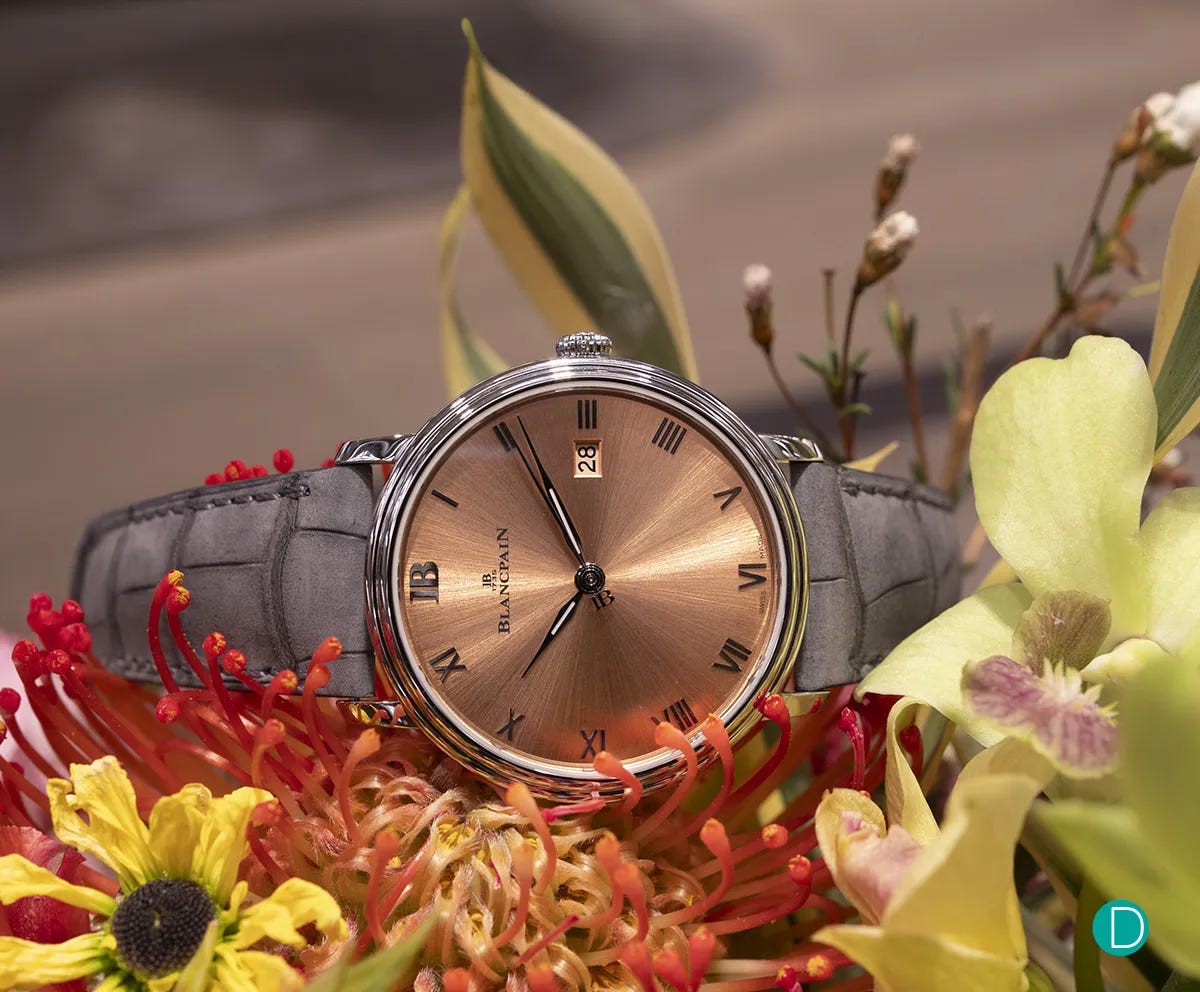
Blancpain Villeret Ultraplate — now in 38mm!
Blancpain has brought its Villeret Ultraplate down to a notably wearable 38mm, preserving the in-house calibre 1150 while trimming the case to 8.35mm. The stainless-steel version’s salmon sunburst dial gives this otherwise restrained dress watch an unexpectedly modern pulse.
Priced around CHF 9,600, it may be the most approachable way into Blancpain’s traditional side.
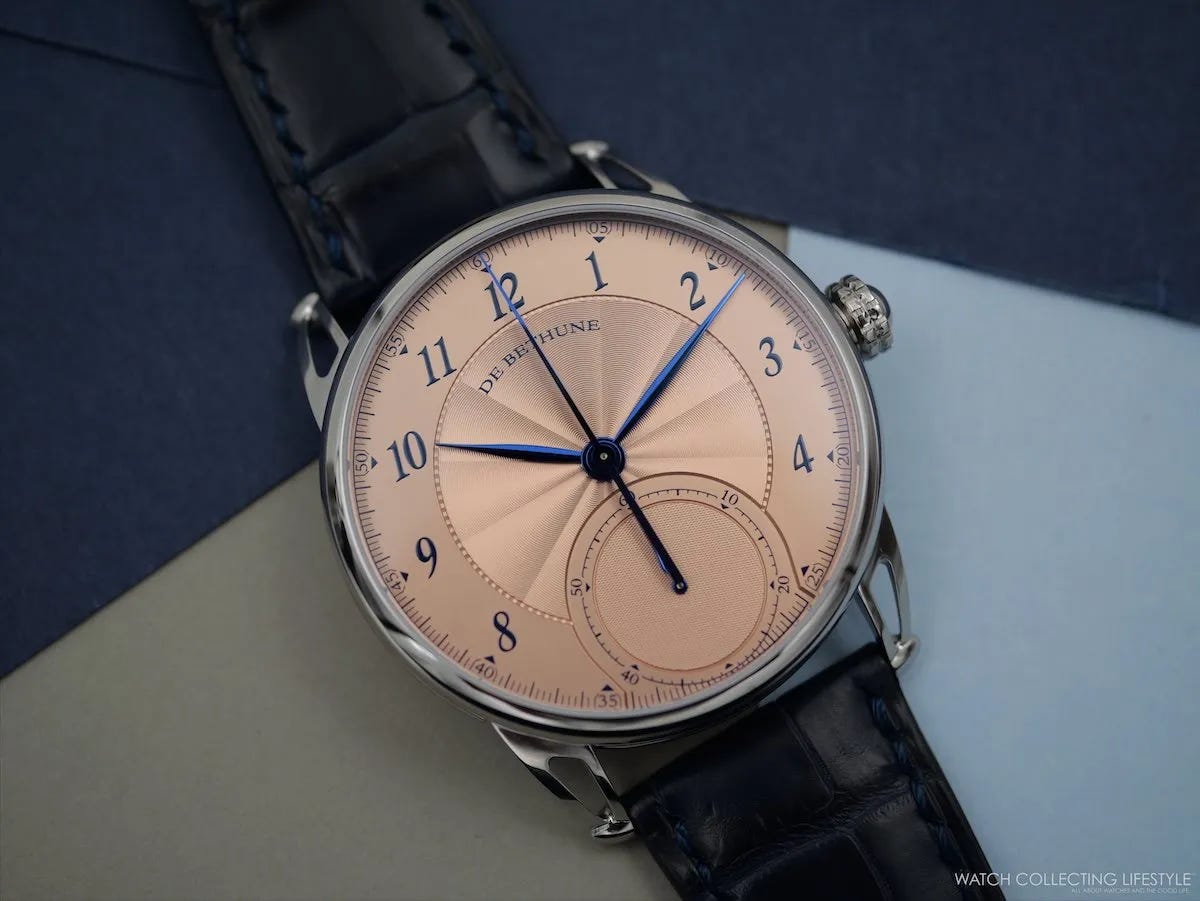
De Bethune DB25 Monopusher Chronograph
The DB25 Monopusher Chronograph places a beautifully complicated manual-wind calibre DB3000 inside a compact 40.6mm polished titanium case. Its crown-integrated pusher controls start, stop, and reset; the salmon guilloché dial and blue numerals keep the design unmistakably De Bethune.
At CHF 80,000, this is a highly finished chronograph that favors poetry over aggression.
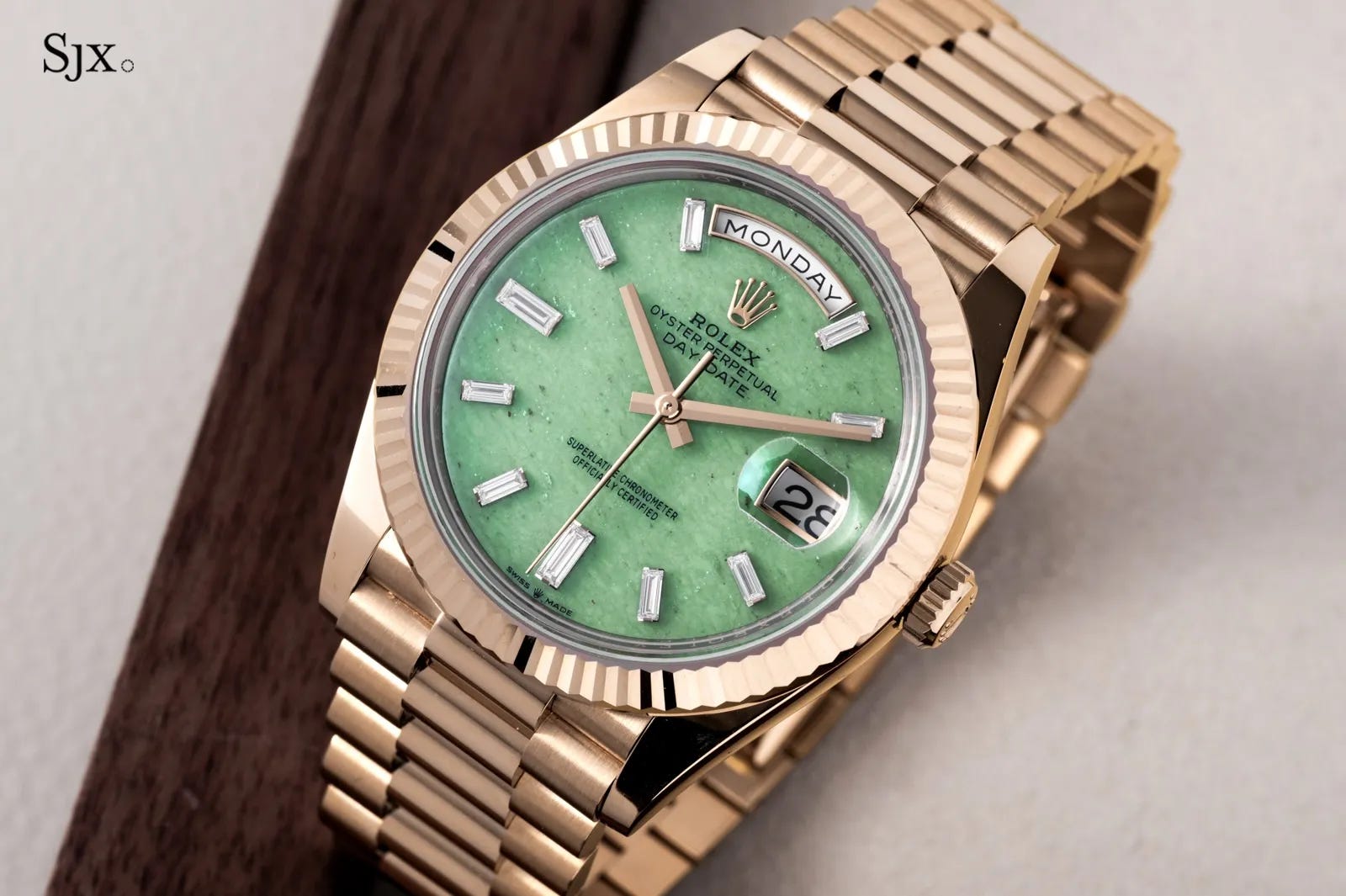
Rolex Day-Date 40 Jubilee Gold
The Day-Date 40 pairs a natural aventurine dial and diamond markers with Rolex’s new proprietary Jubilee Gold alloy, positioned between yellow and pink gold. Its familiar 3255 movement brings a 70-hour reserve and Superlative Chronometer performance, but the stone dial is what transforms a classic into something genuinely singular.
At $65,700 before tax, it is not limited—though it will hardly read as common.
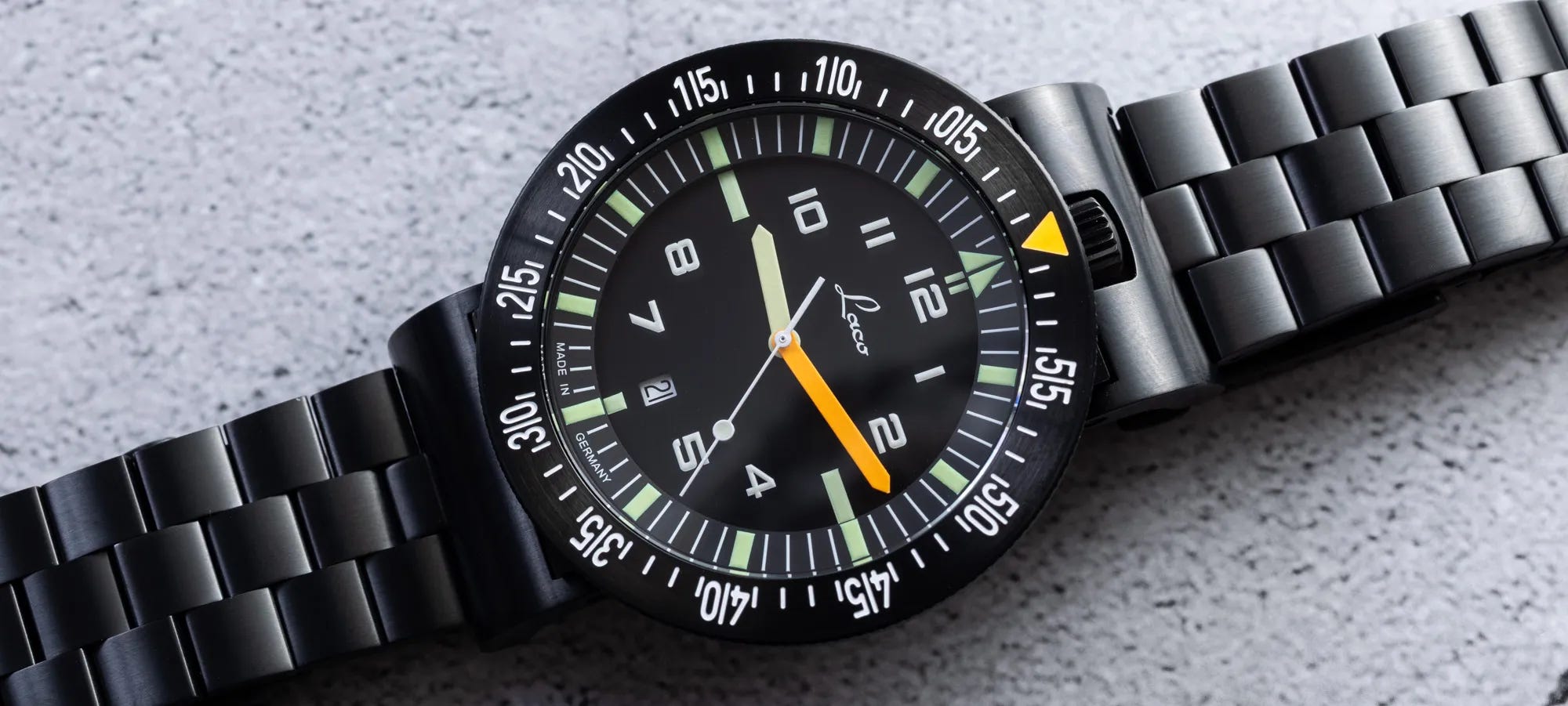
The German Military Squad Watch: Laco Atacama.3 46mm Automatic Review
Laco’s Atacama.3 is built for serious outdoor use: 500 meters of water resistance, a 46mm steel case shaped to sit more comfortably than its diameter suggests, a glare-resistant sapphire crystal, and an articulating bracelet connection. The dial prioritizes fast reading with orange minutes, concentric scales, and a countdown bezel.
With the Sellita SW200 inside, pricing begins at $1,350 on rubber.
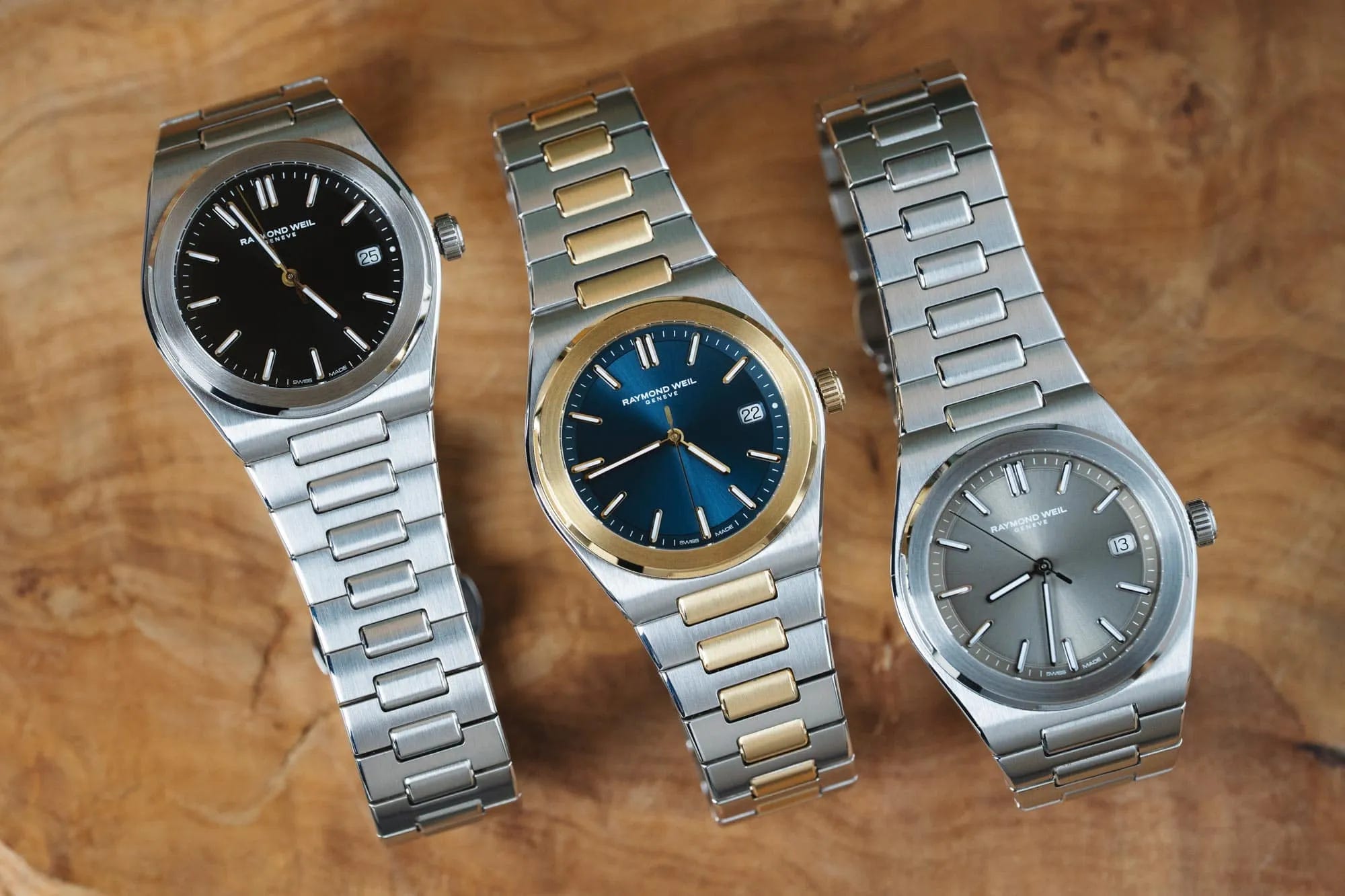
The Raymond Weil A.R.T. Collection
Raymond Weil’s A.R.T. Collection joins the integrated-bracelet conversation with a strong 1970s accent, 30mm and 38mm case sizes, and an accessible $1,995 price. The Sellita-based RW4200 is dependable rather than exotic, but the appeal lies in the sharply formed steel bezel, H-link bracelet, and unusually broad variety of dials.
Editorial
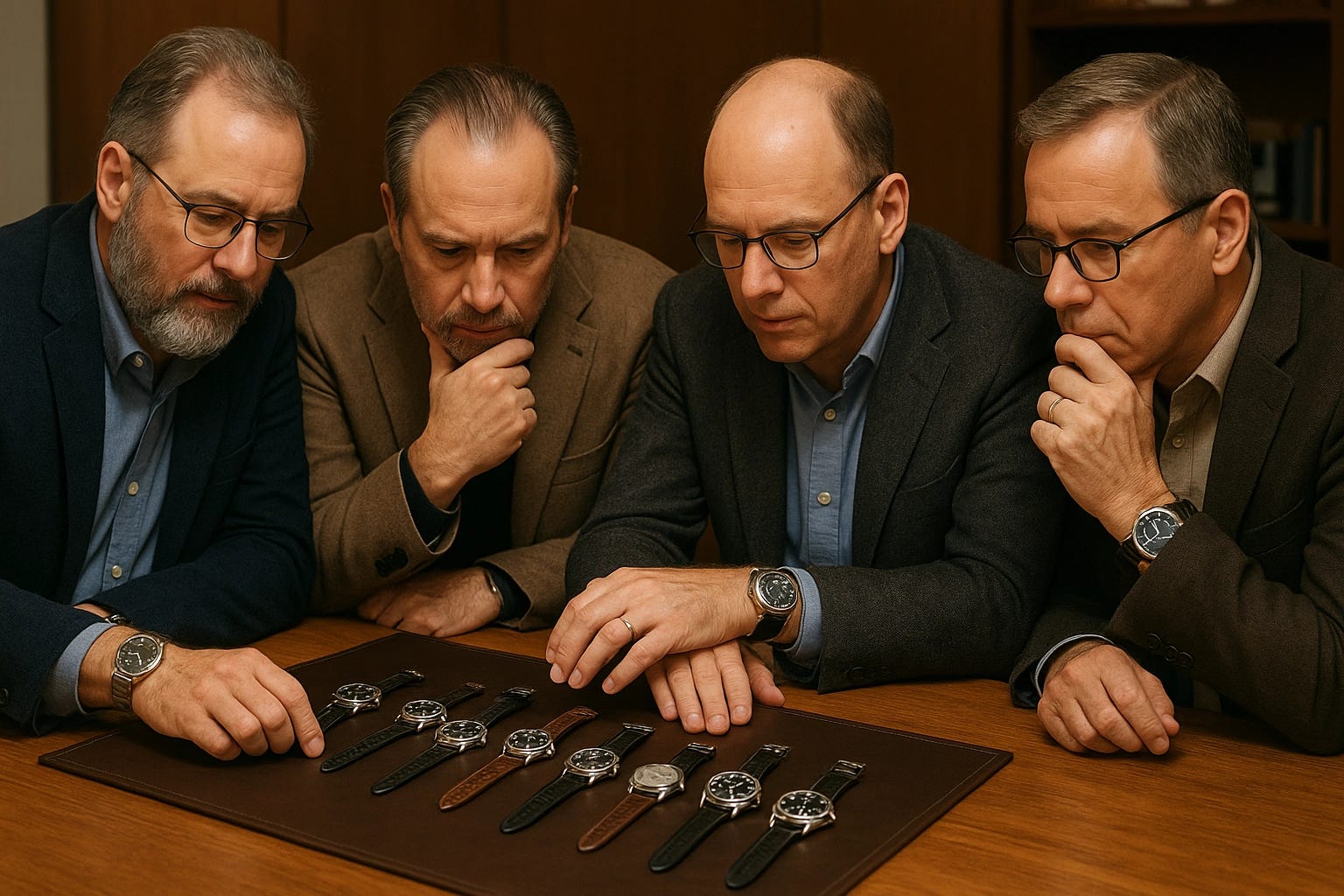
The changing landscape of collecting
The pre-owned market is no longer a side door into watches. For a growing generation of collectors, it is the main entrance: a place to find discontinued references, negotiate intelligently, and acquire a piece with a history already attached. Brands are responding with reissues and certified pre-owned programs, making the boundary between new and old increasingly porous.
The real shift is emotional as much as economic. Collectors are finding that the research, hunt, and story of ownership can be more rewarding than simply crossing off a grail. In an industry built around objects designed to outlast us, reuse is not a compromise—it is part of the point.
Podcasts
Fratello Talks: The Watches That Won Us Over
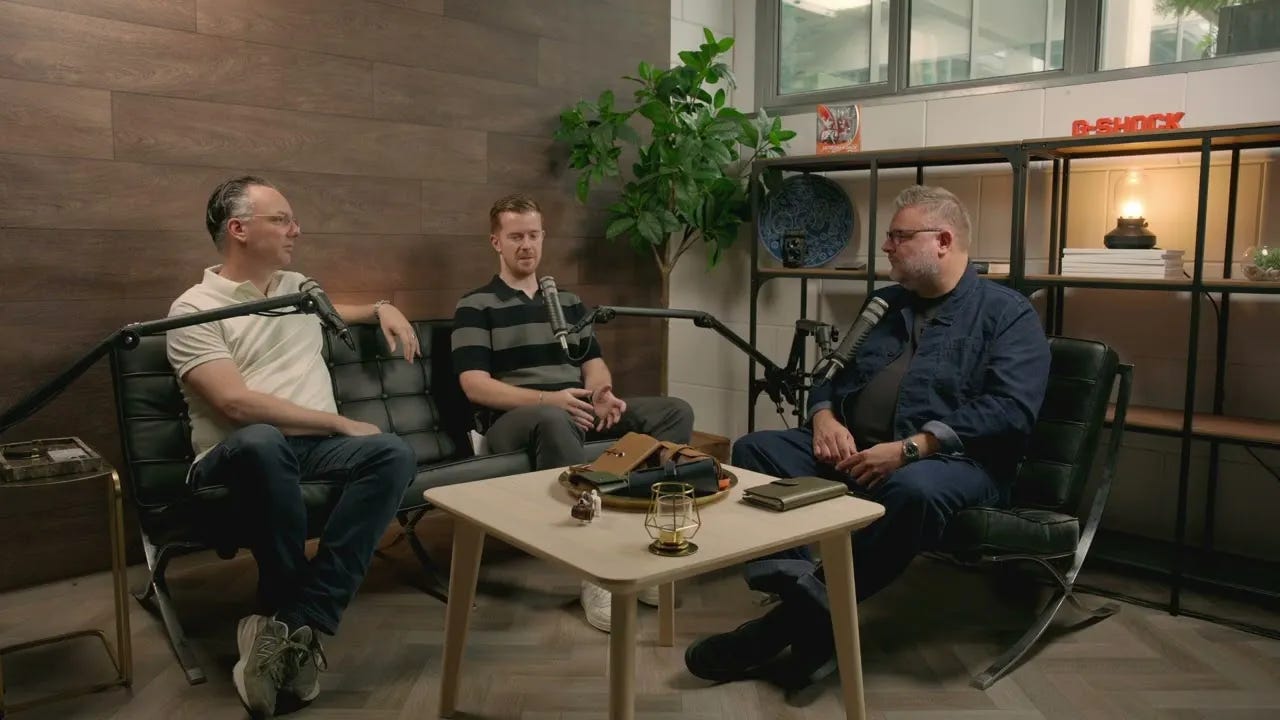
RJ, Jorg, and Nacho discuss the watches that improved with time: pieces once dismissed, misunderstood, or simply overlooked that became favorites after more experience and more wrist time. It is a welcome argument for keeping an open mind; a watch’s first impression is not always its final one.
Scottish Watches Podcast #801: Tasty Summer Holiday Treats
This lively release round-up takes in Christopher Ward’s Pick ’n’ Mix Twelve, Seiko’s Crushed Ice Presage models, Ulysse Nardin’s Blast Moonstruck, H. Moser’s Cosmic Rain minute repeater, and more. There is also a look at fresh Swiss export numbers and the signs of a market recovery.
Videos
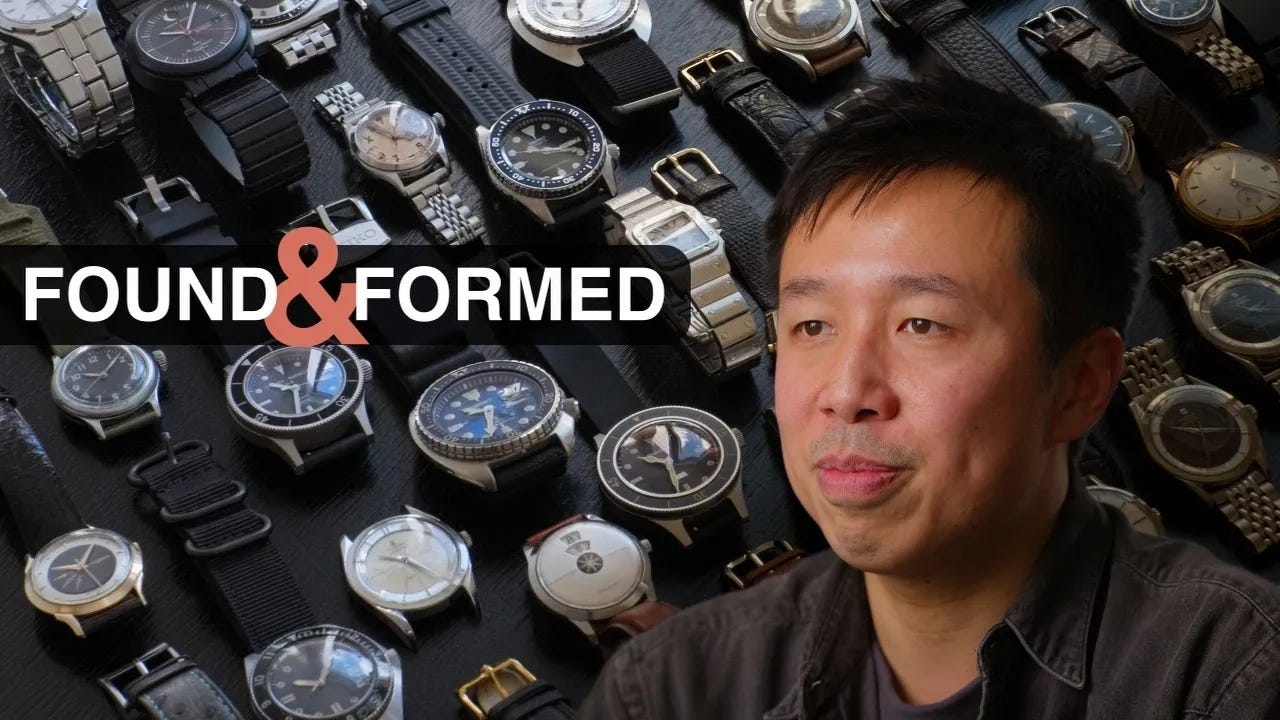
Found & Formed | Collectors Among Us w/ Eric Lau — Analog:Shift
Eric Lau joins Analog:Shift for a conversation about the people, instincts, and communities behind collecting. It is a thoughtful reminder that objects become more interesting when the people who care about them have room to tell their stories.
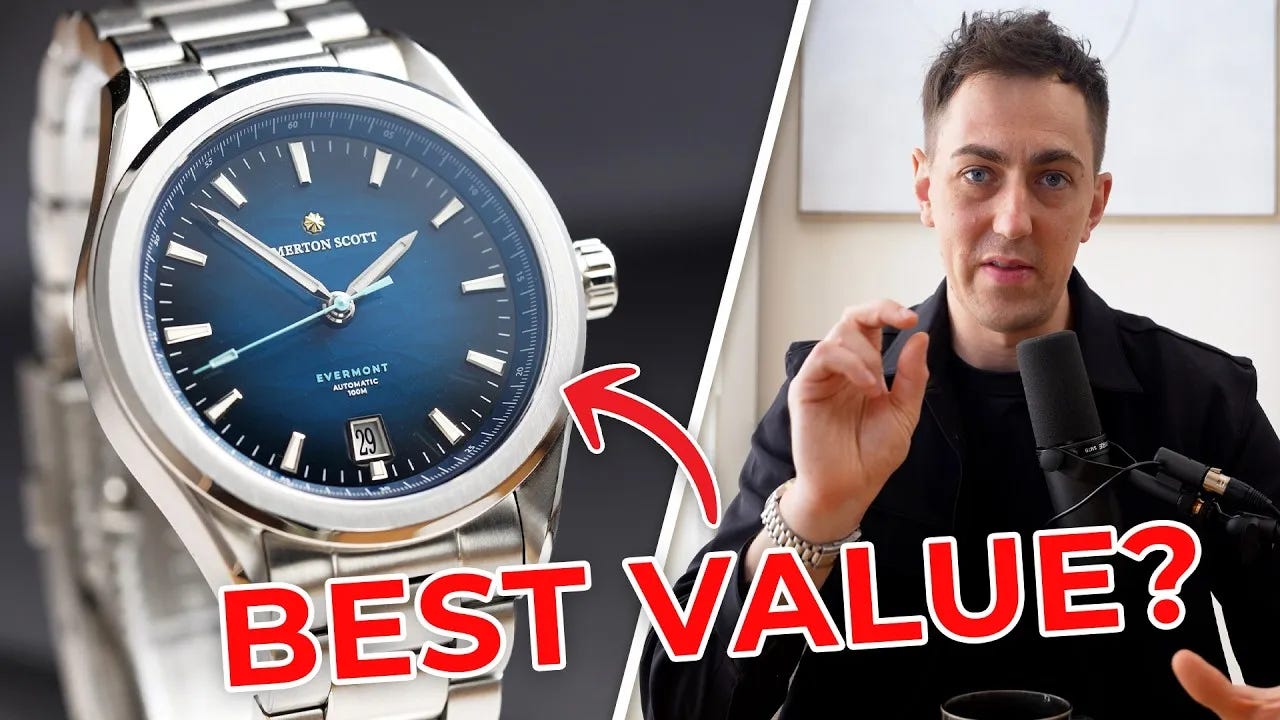
I Spent 2 Years Designing the Best Everyday Watch For Men — Scott Adam Lancaster
A close look at a two-year product-development journey aimed at making a genuinely versatile daily watch. The focus is on the unglamorous but essential details—proportion, comfort, durability, and the decisions that allow a watch to work on an ordinary Tuesday as well as a special occasion.
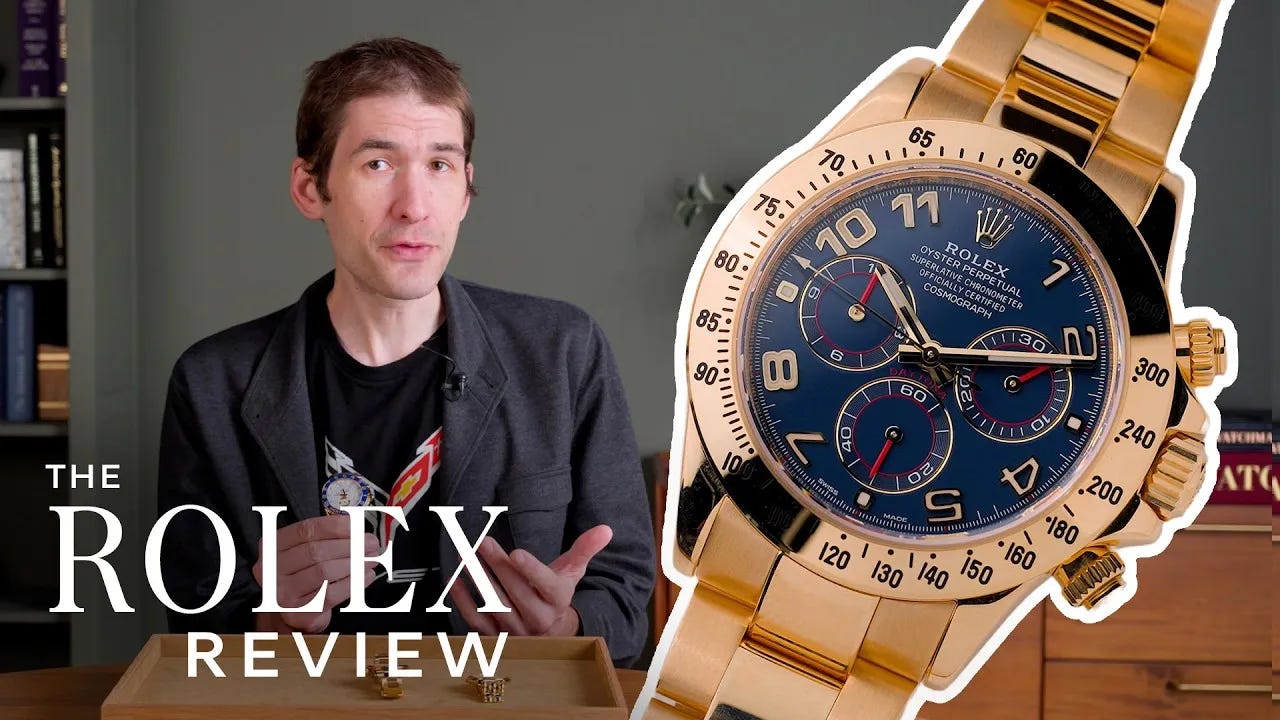
Solid Gold Rolex Watches: The Yacht-Master II, Daytona, and Cellini
A tour through three very different expressions of solid-gold Rolex: the assertive Yacht-Master II, the endlessly recognizable Daytona, and the more discreet Cellini. It is a useful contrast between Rolex as sports-watch phenomenon and Rolex as traditional luxury maker.
The Watches That Won Us Over — Fratello
The video companion to Fratello’s conversation on changing one’s mind about watches explores how design, experience, and context can transform a skeptical first impression into lasting appreciation.
These 3 Watch Brands Are DOMINATING Right Now! — Chisholm Hunter
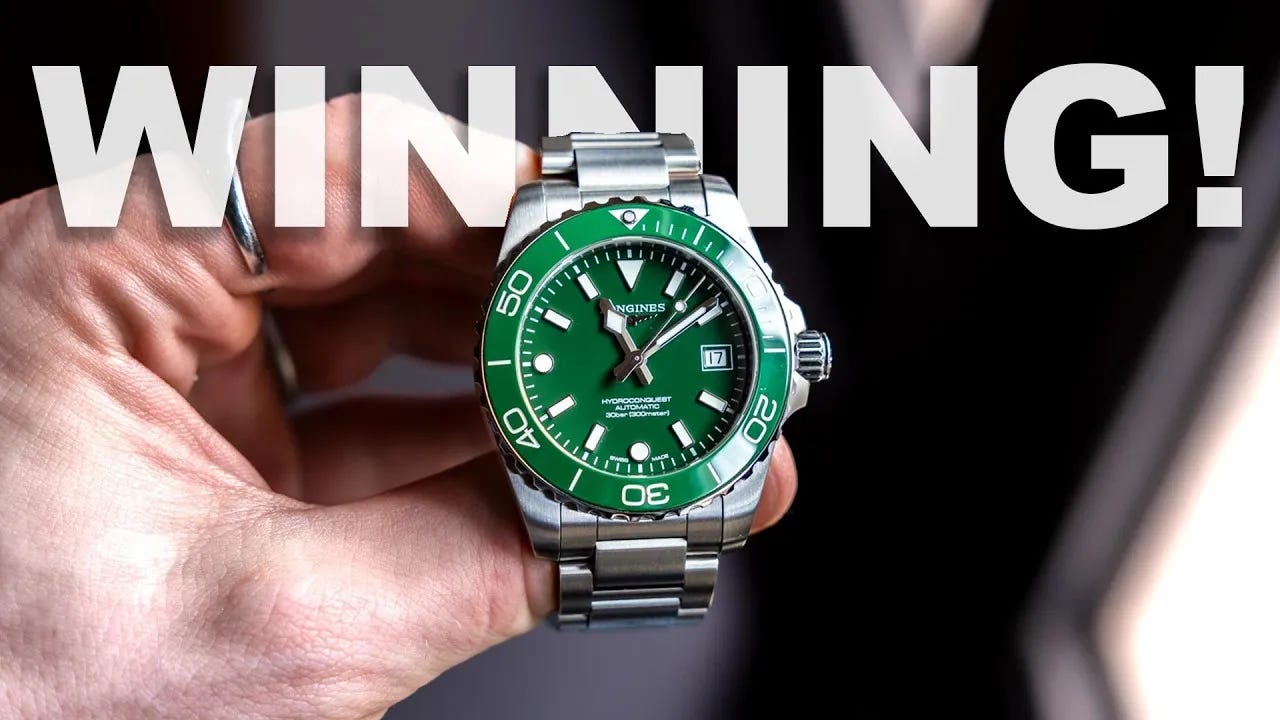
A concise look at the brands currently setting the pace in demand, visibility, and collector attention—and at why their influence reaches beyond the watches themselves into pricing, distribution, and aspiration.
Parmigiani Fleurier Are On An Unbeatable Run | Drop #288
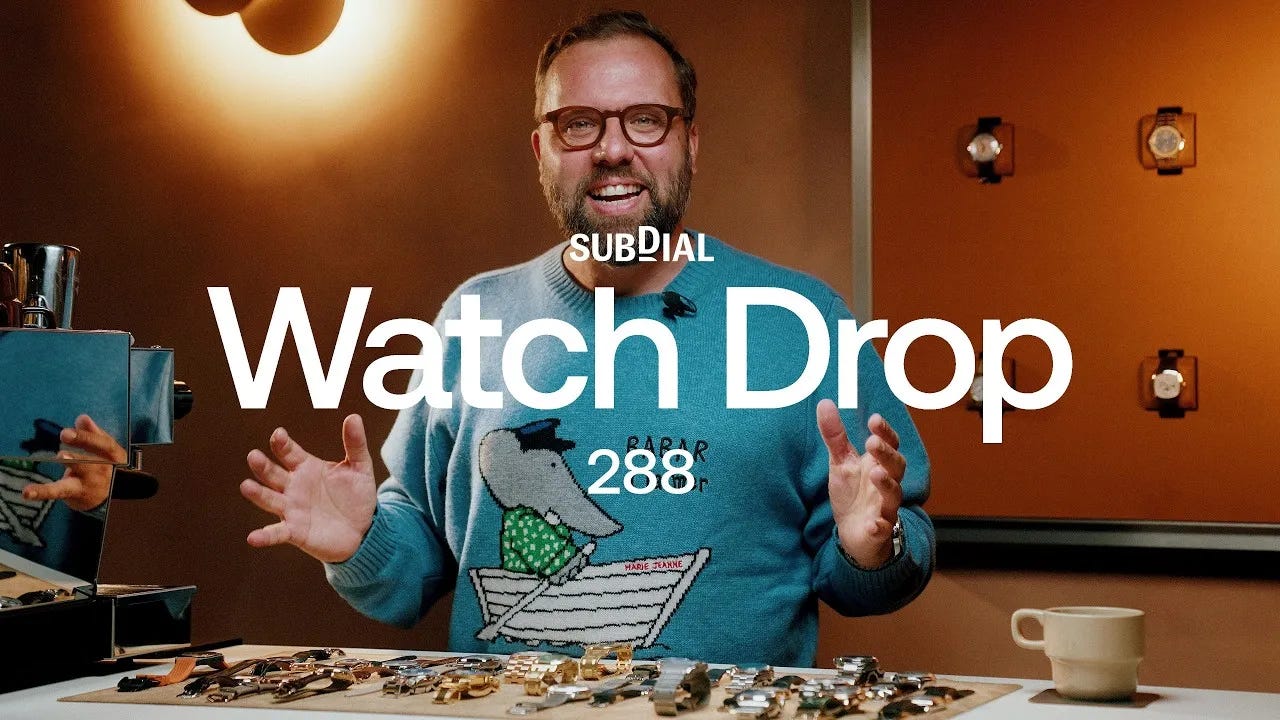
Parmigiani Fleurier’s rise from connoisseur’s secret to one of modern watchmaking’s most closely watched names has been remarkably swift. The brand’s clarity of design, technical depth, and renewed confidence have given it a cultural momentum that few independents can match.
Auction Report
Yesterday’s unsold 2021 Vacheron Constantin Overseas Ultra-Thin Perpetual Calendar, was bid to $81,000. Even a superb precious-metal integrated sports watch with a major complication must meet a market increasingly unwilling to overlook the gap between an ambitious reserve and the value buyers can justify today.
A Royal Oak Reality Check: The 2023 Silver-Dial Chronograph Goes Under the Hammer
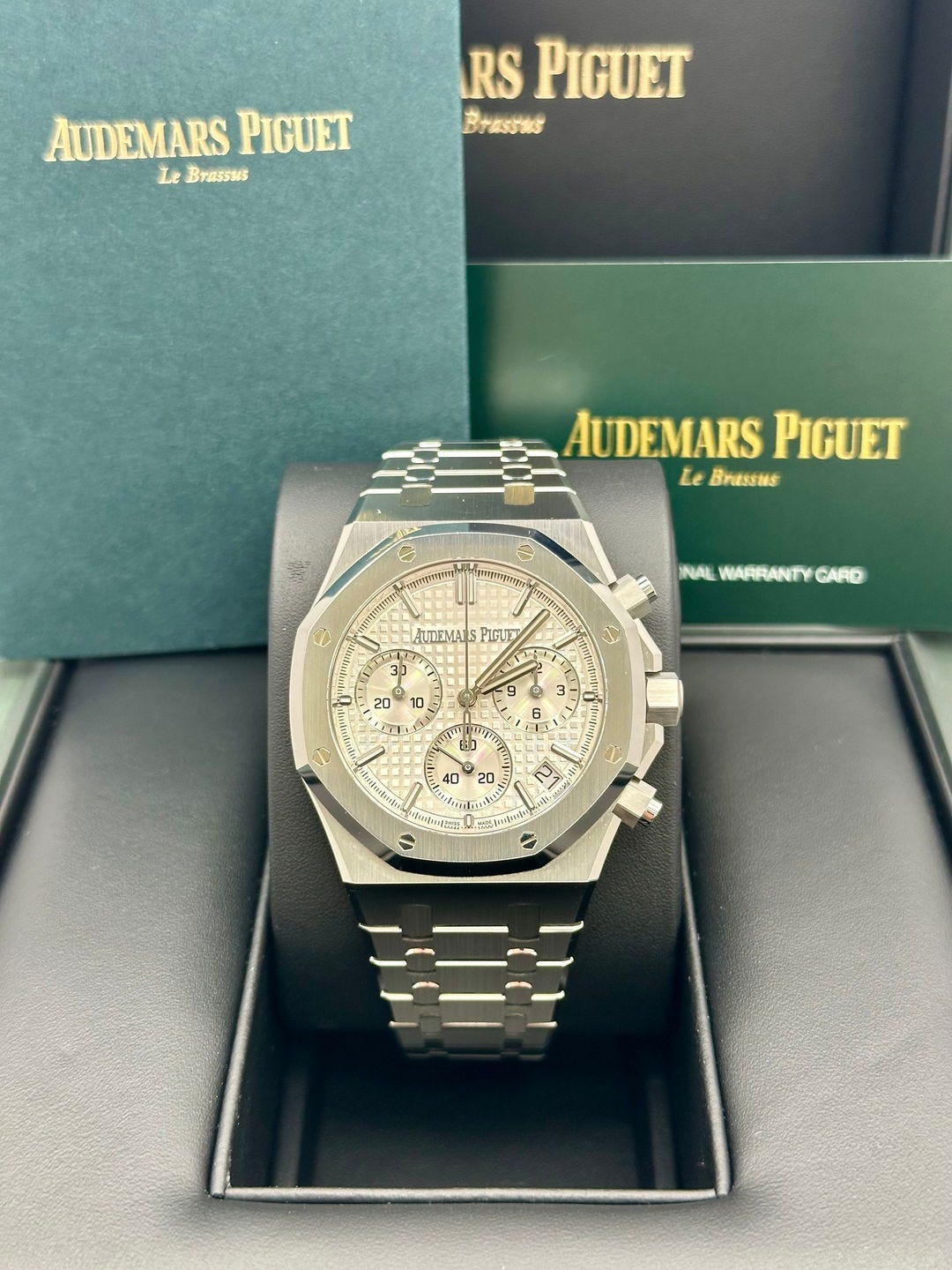
The 2023 Audemars Piguet Royal Oak Chronograph 41, reference 26240ST.OO.1320ST.07, brings one of the most durable modern luxury-sports-watch formulas to today’s sale: steel, integrated bracelet, silver Grande Tapisserie dial, full box and papers, and AP’s in-house calibre 4401. The 41mm model is a current-production reference, but it still carries the visual authority of the Royal Oak’s Gérald Genta design and the added appeal of a chronograph that feels properly contemporary rather than merely derivative. Its silver dial is arguably its most versatile configuration, quieter than blue or green but unmistakably Royal Oak once the light catches the dial texture.
The market history is important. The steel 26240 family arrived into the post-boom period, after the loudest peak of Royal Oak speculation, and this silver-dial version has traded more like a mature collectible than a lottery ticket. Clean, complete examples have recently clustered around the high-$40,000s to low-$50,000s, depending on year, condition, provenance, and seller. This watch’s full set helps, but medium scratching on both the case and bracelet will matter. The integrated Royal Oak bracelet is among the most difficult and expensive surfaces to restore sympathetically, and buyers have become much more selective about watches that present as heavily worn.
That makes the 2:25 p.m. EDT close a useful test of how much the market values a usable, honest example against a sharper one. The reference’s underlying demand should provide a solid floor, but the result is likely to reward discipline rather than emotion.
Current bid: $4,600
Losing Time


Today’s Big Losers at Auction on Grailzee
2019 Rolex Sky-Dweller 42MM Dark Rhodium Dial Leather Strap (326135). Ask: $44,000 | Bid: $18,900 | Delta: -$25,100
2026 H. Moser & Cie Pioneer 42.8MM Turquoise Dial Rubber Strap (3201-1205). Ask: $16,950 | High Bid: $11,666 | Delta: -$5,284
The 2019 Rolex Sky-Dweller asked a lofty $44,000 and received a decidedly less lofty $18,900 bid—a $25,100 reality check. That’s 57.0% below ask. Apparently, the market declined the invitation to fund someone’s optimism.
The 2026 H. Moser Pioneer fared better, relatively speaking: its $16,950 ask drew a high bid of $11,666, missing by $5,284, or 31.2% below ask. Not a disaster, exactly—just a reminder that “turquoise dial” is not a substitute for pricing discipline.
Conclusion: both sellers aimed for the stars; buyers brought calculators. The Sky-Dweller was the clear overreach, while the Moser’s reserve was merely ambitious.
Thank you for reading BuyingTime Daily. Stay curious, buy carefully, and remember: the right watch is rarely the one everyone else tells you to want.