

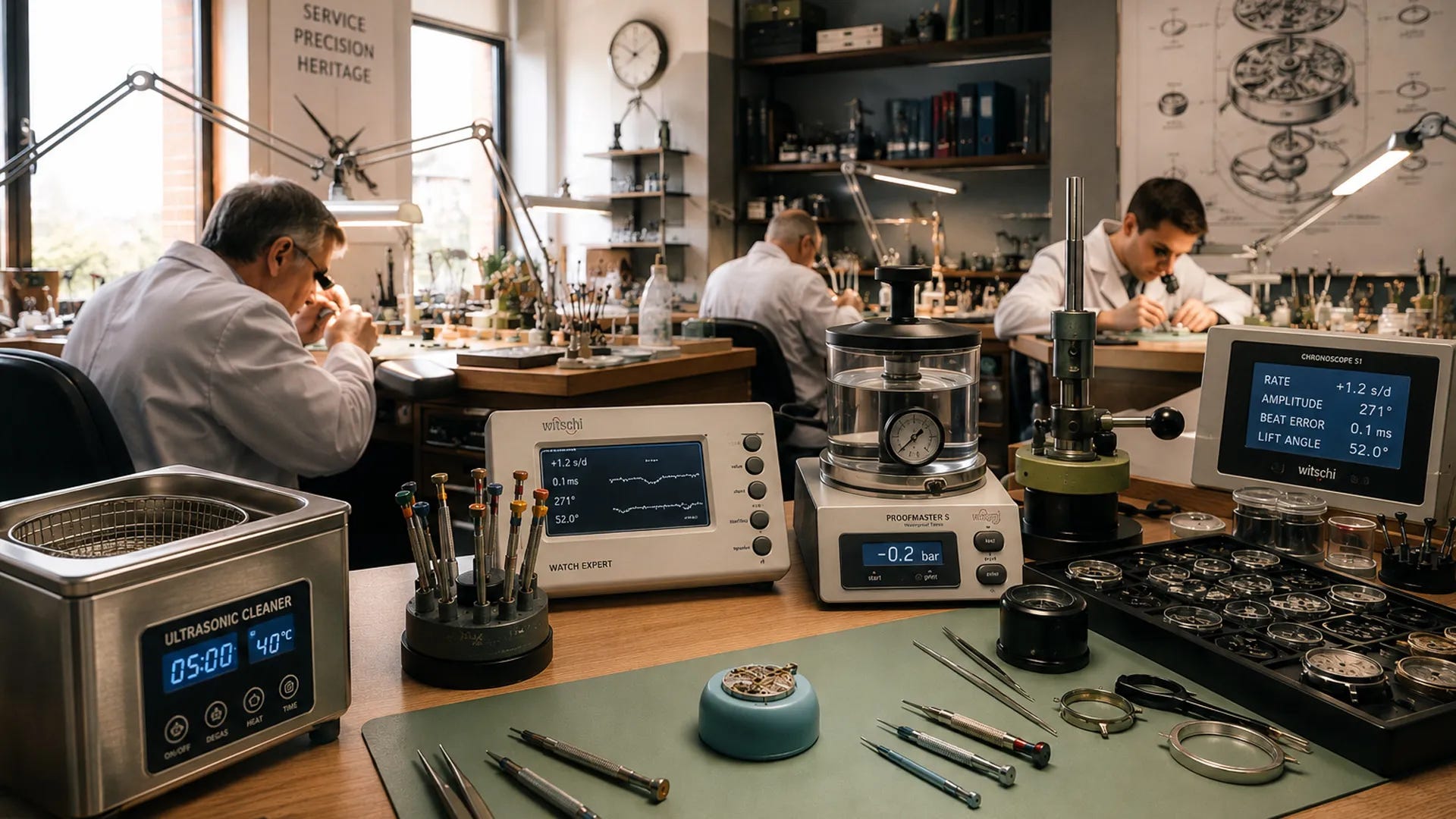
30 Seconds
Watches of Switzerland expands into Georgia, The 1916 Company confirms De Bethune is not for sale, and we consider a different way to evaluate what belongs on the wrist: not just by sport, dress, or complication, but by the light in which a watch is actually worn. From Patek split-seconds history to new releases from Parmigiani, Chopard, Citizen, and rising independents, today’s issue is about the changing ways watches reveal themselves over time.
Time Graphing Today’s Watch Universe
One of the quiet oddities of collecting is that we often choose a watch under conditions almost designed to flatter it. It is shown in a boutique under bright, carefully placed lighting; photographed in a studio where every polished bevel has been choreographed; or viewed online as a perfectly framed image. Then it enters real life, where light is inconsistent, time is short, and a watch has to make sense at a desk, in the car, at dinner, in the sun, and sometimes in the dark.
That is why the idea of daytime and nighttime watches deserves more than a passing label. It gives us a better way to understand what our watches are actually doing on the wrist. A daytime watch tends to rely on surface. It needs light to activate its personality: brushed steel, granular dials, guilloché, pale colors, and the small architectural transitions between polished and matte finishing. In direct daylight, these watches reveal their full character. The dial gains depth, the case becomes more sculptural, and a subtle design can become unexpectedly expressive.
A nighttime watch often succeeds by doing the opposite. It works through contrast, saturation, and selective reflection. A dark dial may look reserved at noon, then become richer as daylight fades. A good lume plot, a glossy lacquer surface, a sharply faceted hand, or a warm gold case can give a watch presence in a restaurant or under city lights without requiring attention. These are pieces that do not need the sun to make their point. They hold their own in low light, when a glance at the wrist is more intimate and less performative.
This distinction also explains why certain watches inspire an immediate but difficult-to-articulate response. A silver-dialed dress watch can look almost anonymous in a photograph, then become alive outdoors. A blue Patek Philippe Aquanaut Flyback Chronograph can feel sporty and direct in the day, yet surprisingly luxurious at night when its white-gold case catches only occasional light. A Serica 5303-3 works from a different playbook: its deep blue dial, bright luminous elements, and unusual bezel make it legible and atmospheric when daylight begins to recede.
It is also a useful corrective to the idea that every collection needs one universal answer. The “only watch” proposition is attractive because it promises simplicity, but most of us do not live one kind of day. We have workdays and weekends, errands and formal dinners, summer sunlight and winter evenings. The more honest goal may be a collection with a range of light responses: one watch that rewards attention in the morning, another that feels at home after dark, and perhaps a few that reveal new sides of themselves as the conditions change.
The watches that endure in a collection are often the watches that surprise us over time. They make us notice an unexpected dial color in late-afternoon sun, a polished edge in a darkened room, or the way a familiar object can look entirely different at the end of the day. That is not merely aesthetics. It is a reminder that watches measure time, but they also absorb it. They become part of the changing visual rhythm of our lives.
-Michael Wolf
News

Georgia Welcomes Its First Watches of Switzerland Showroom
Watches of Switzerland has opened a 3,000-square-foot multibrand showroom at Avalon in Alpharetta, Georgia, anchoring the space with Rolex and permanent Omega, Breitling, and TAG Heuer boutiques. With VIP rooms, a private salon, and an on-site service workshop, it is a meaningful expansion into the Atlanta market following the nearby Mayors store’s conversion to a jewelry-only location.
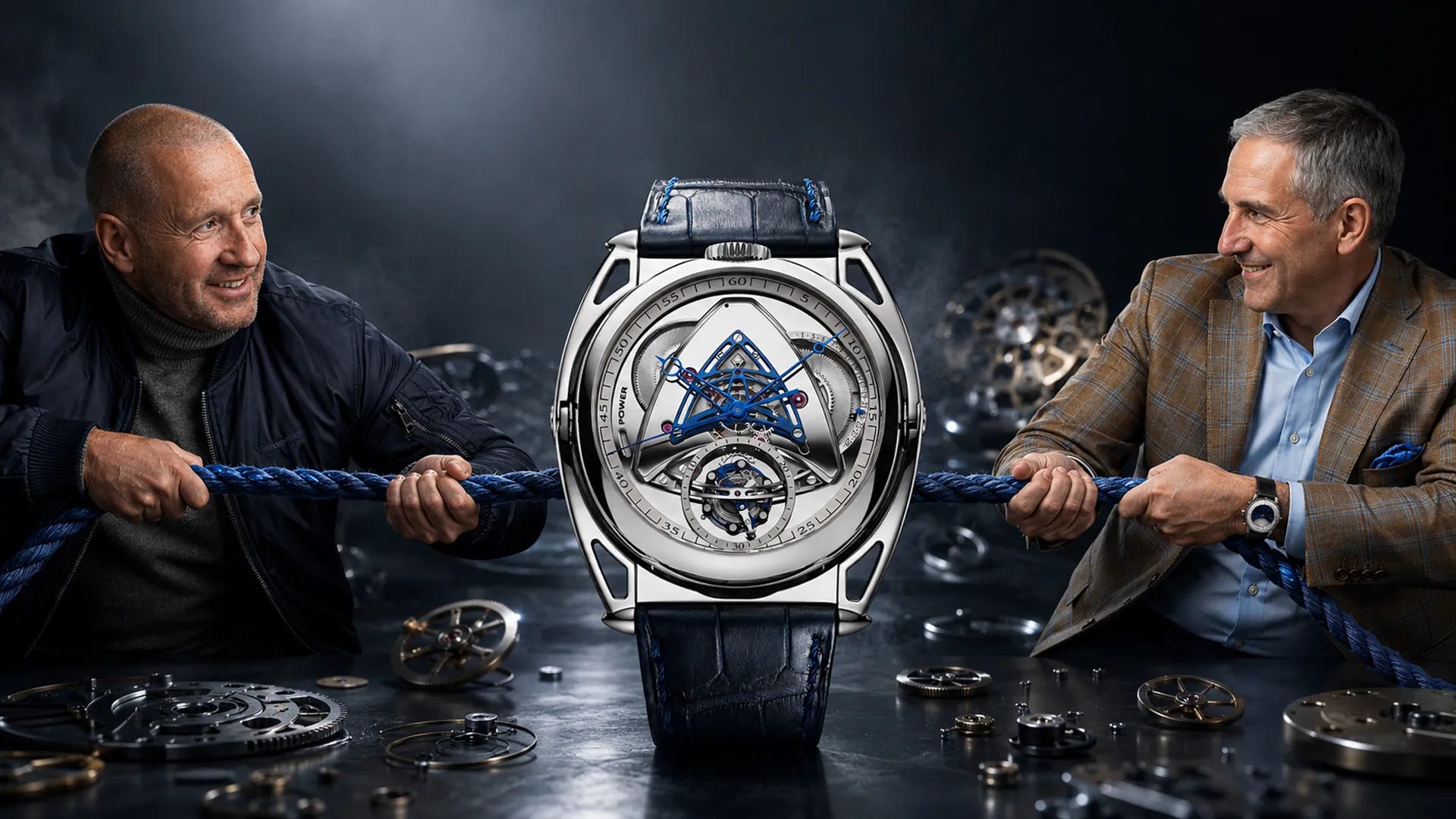
De Bethune Was Never for Sale, Says The 1916 Company
The 1916 Company has put an end to speculation around De Bethune’s ownership, confirming that the independent remains in its portfolio. The news matters because De Bethune’s low-volume production, unusual design language, and increasingly credible auction results continue to make it one of the most closely watched names in independent watchmaking.
Features
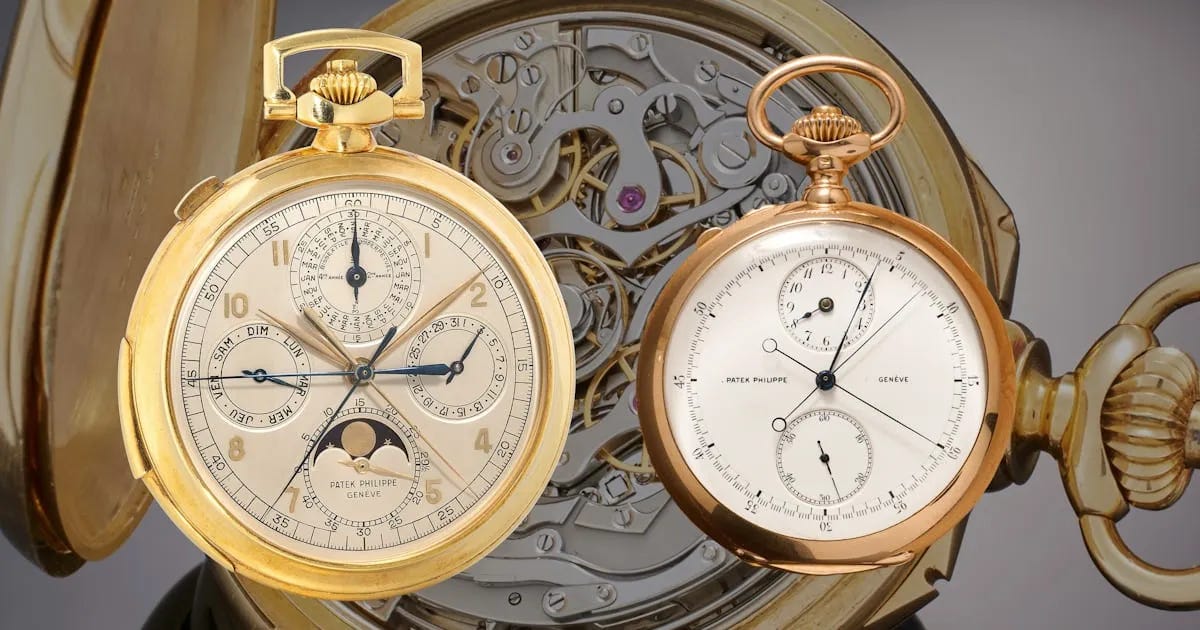
The Patek Philippe Split-Seconds Pocket Watch
Patek Philippe’s split-seconds pocket watches trace a remarkably technical chapter in the brand’s history, from early Victorin Piguet-powered chronographs to rare double-split and minute-repeating examples. The story is a reminder that Patek’s modern mastery of the chronograph began long before the complication became a wristwatch collector obsession.

More Than a Label: Brands Need to Tell Their Sustainability Story Better
Watchmaking has a natural sustainability advantage in longevity, repairability, and a healthy secondary market, but the industry still needs to explain that story with greater clarity. Consumers increasingly want measurable proof of responsible sourcing, durable design, and practical service commitments—not vague environmental language.
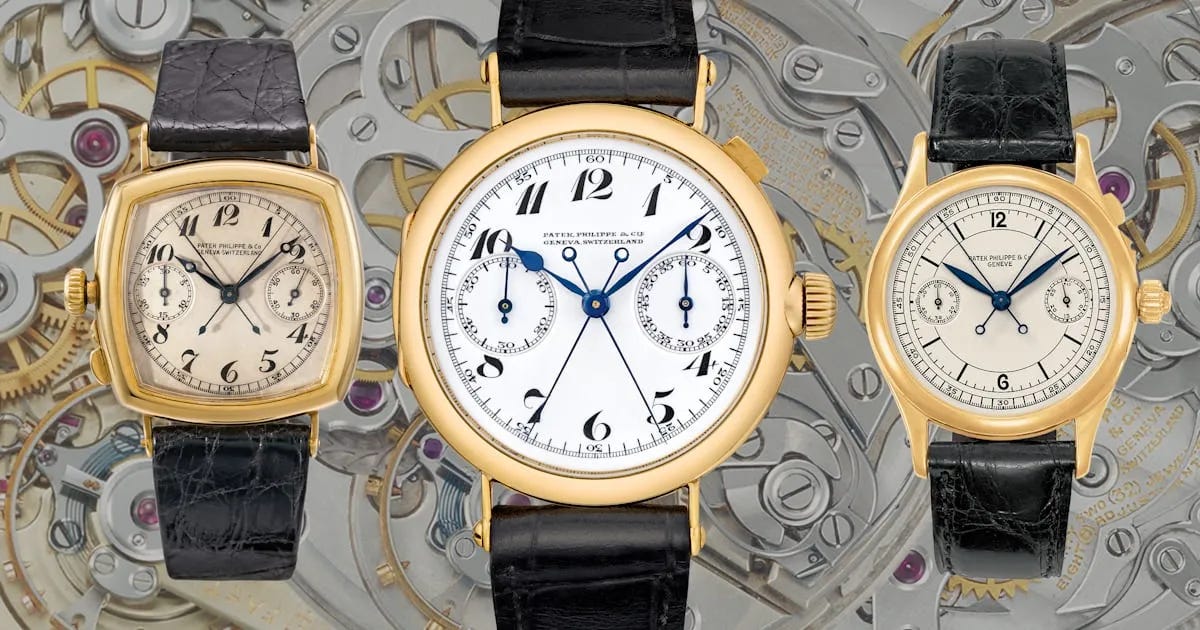
The Patek Philippe Victorin Piguet Split-Seconds Wristwatch
Long before the modern era of serially produced high complications, Patek Philippe was making exceptionally rare split-seconds wristwatches around Victorin Piguet ébauches. These bespoke early pieces remain important evidence of how experimental and technically ambitious the brand could be in the 1920s.
Seeing James Cameron’s Historic Rolex Deepsea Challenge Up Close
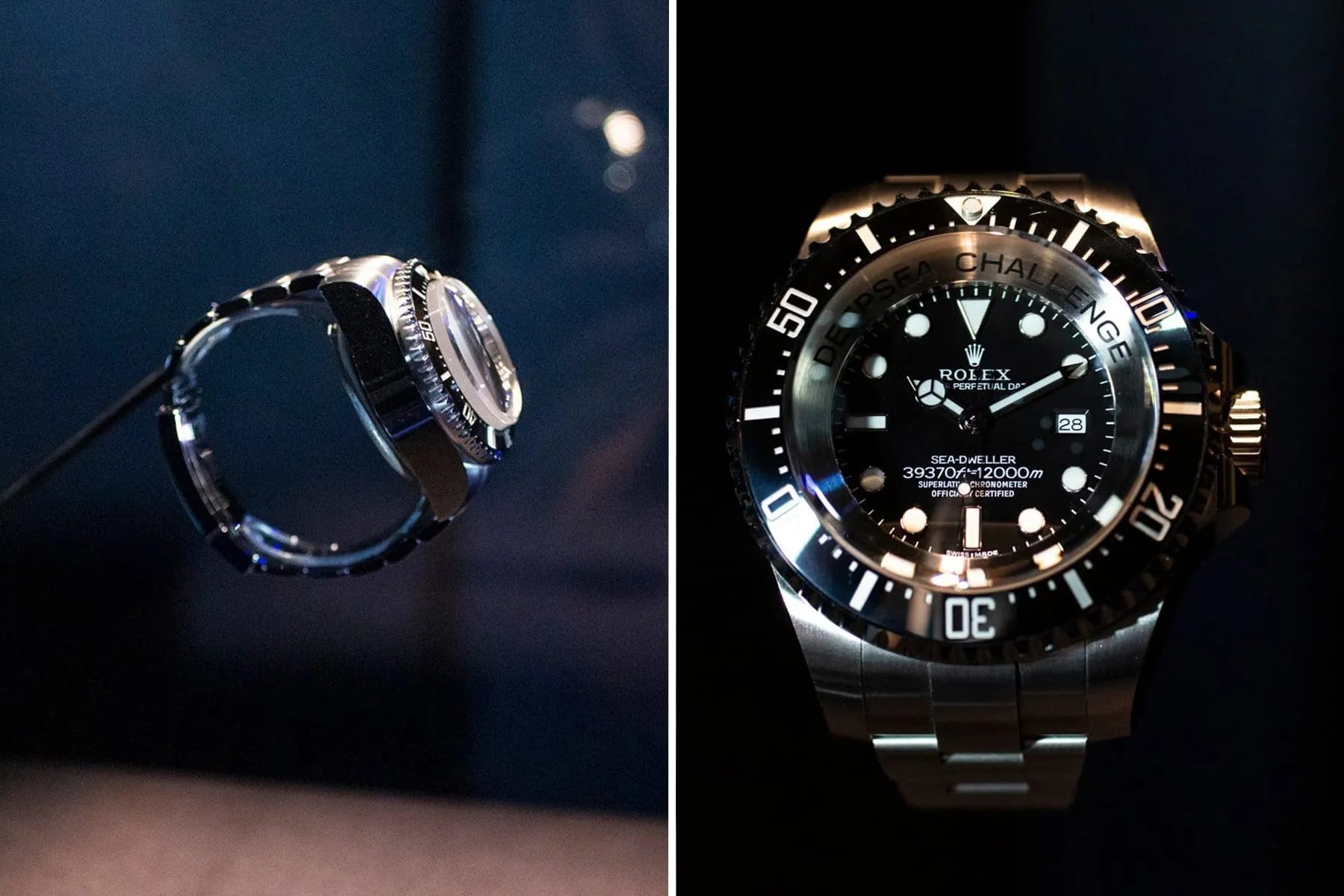
The original Rolex Deepsea Challenge built for James Cameron’s 2012 descent to Challenger Deep is now on display at Sydney’s Australian National Maritime Museum. Mounted outside the submersible rather than worn on a wrist, the experimental watch survived a depth of 10,908 meters and became a landmark of Rolex engineering.
Grande Sonnerie Click Wheels
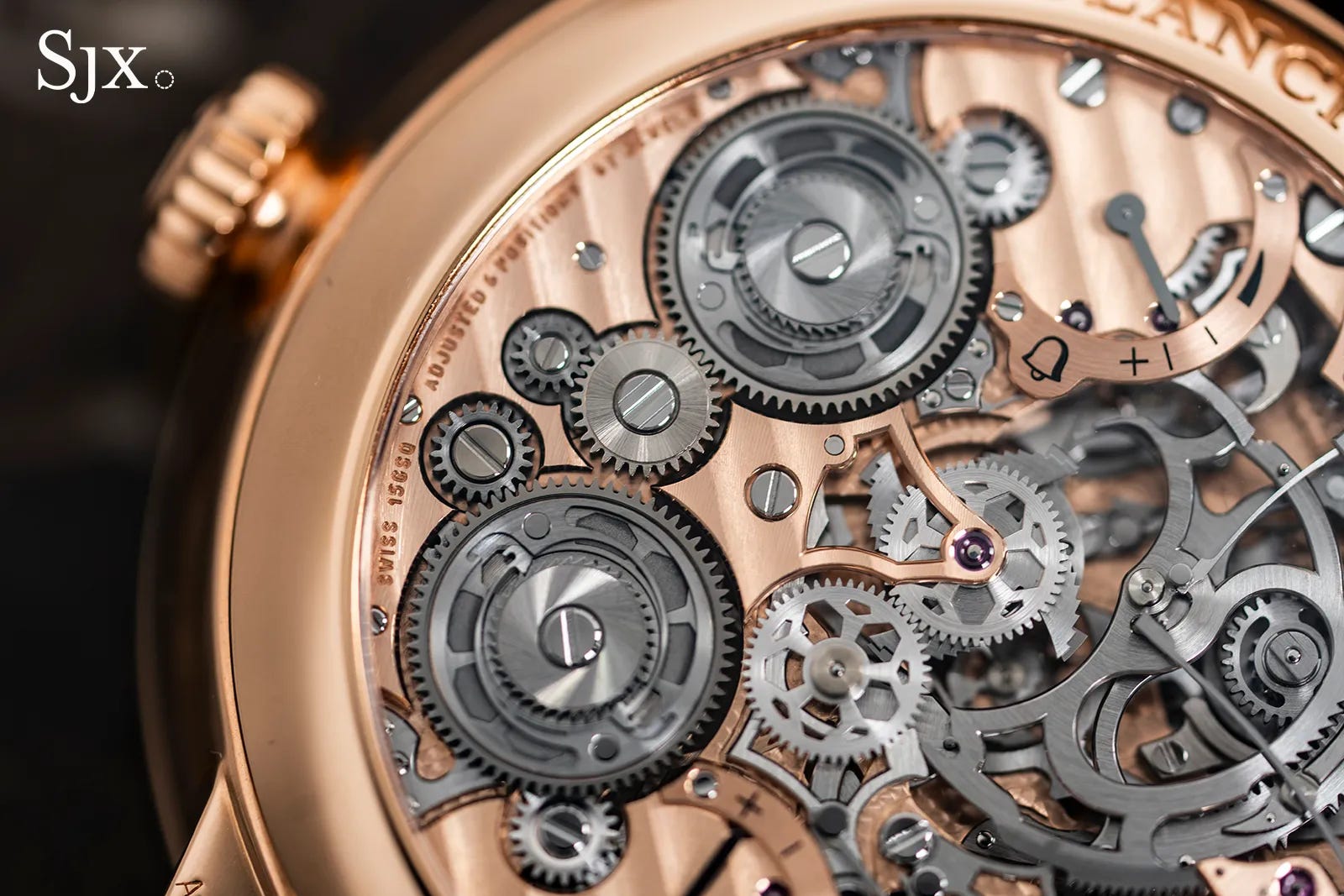
The immense appeal of a grande sonnerie is not just in what it sounds like, but in the mechanical systems required to make it work. Differential winding click wheels allow separate barrels for timekeeping and striking to be wound through one crown, an elegant solution to an enormously complex problem.
New Watches
BA111OD Chapter 7 Skeleton
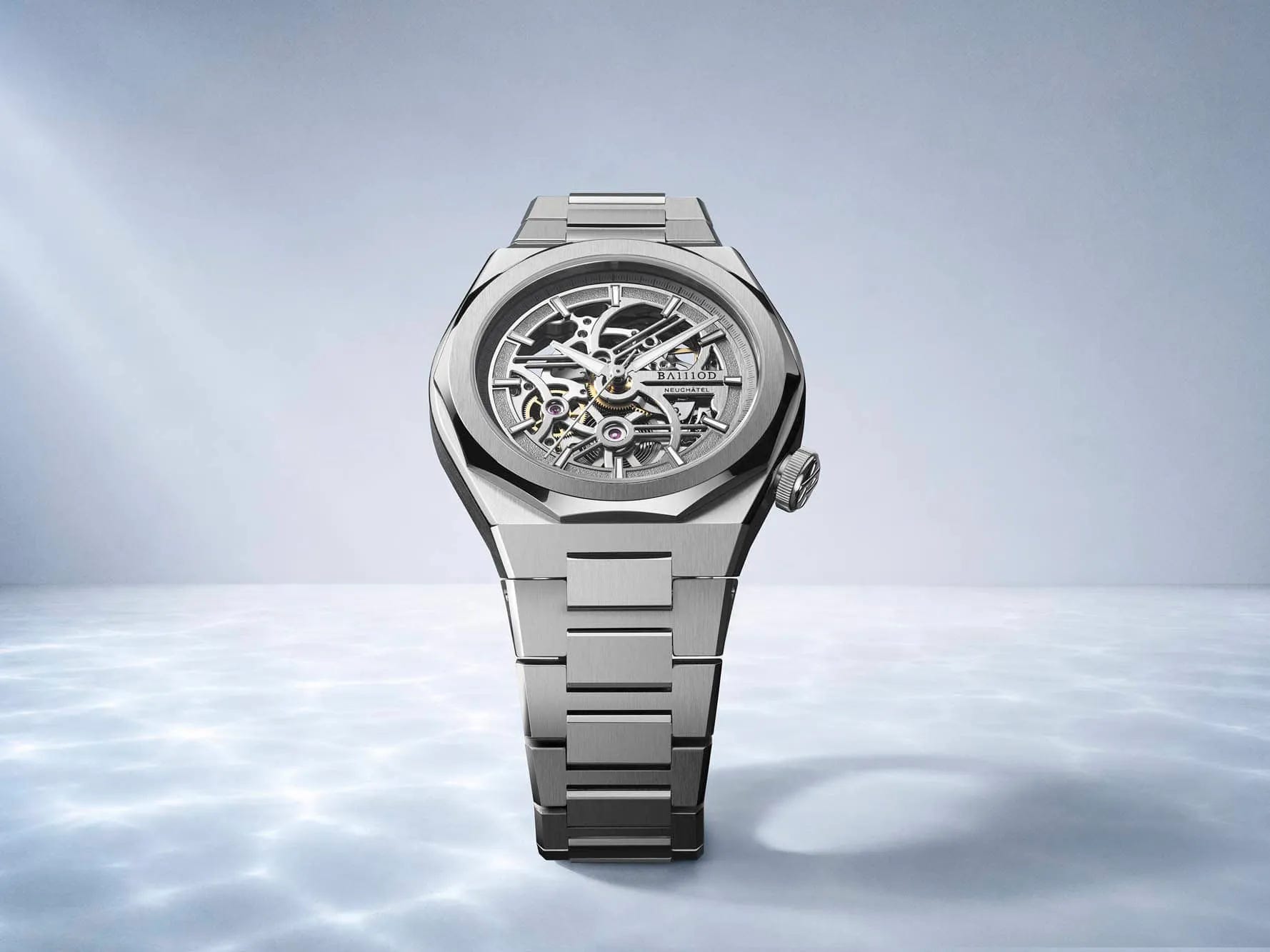
BA111OD’s refreshed Chapter 7 Skeleton brings a new frost-blue option to its integrated-bracelet sports watch, pairing a 40mm steel case with a lightly skeletonized Soprod automatic movement. At $1,295 on rubber and $1,380 on bracelet, it remains a visually ambitious value proposition.
IFL Watches × Perrelet Weekend GMT Atlas
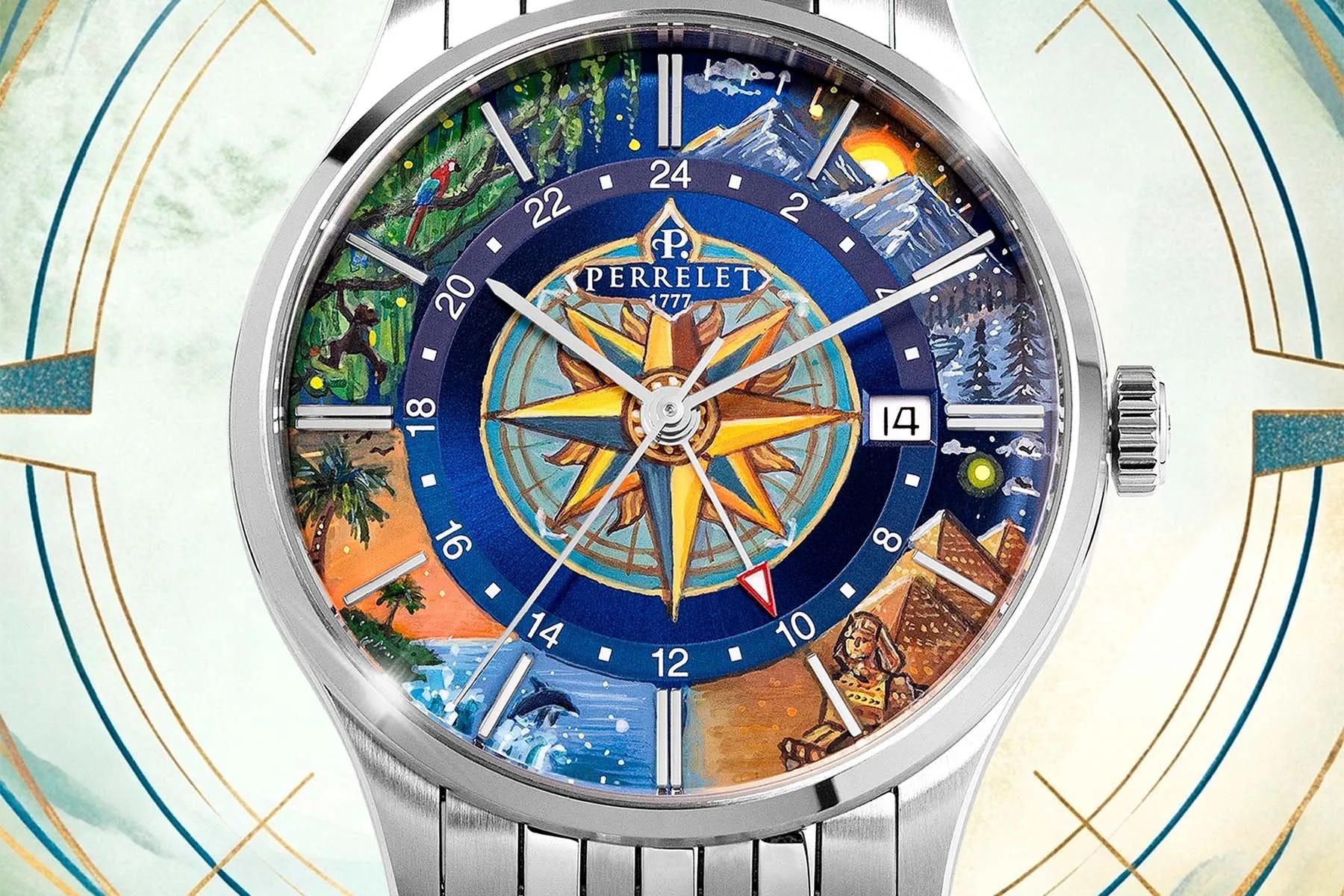
The IFL Watches × Perrelet Weekend GMT Atlas turns a travel watch into a miniature painted landscape, with rainforest, shore, arctic, and desert scenes around a compass-rose dial. Limited to 50 pieces and priced at $2,990, it is a spirited collaboration built on Perrelet’s 39mm Weekend GMT platform.
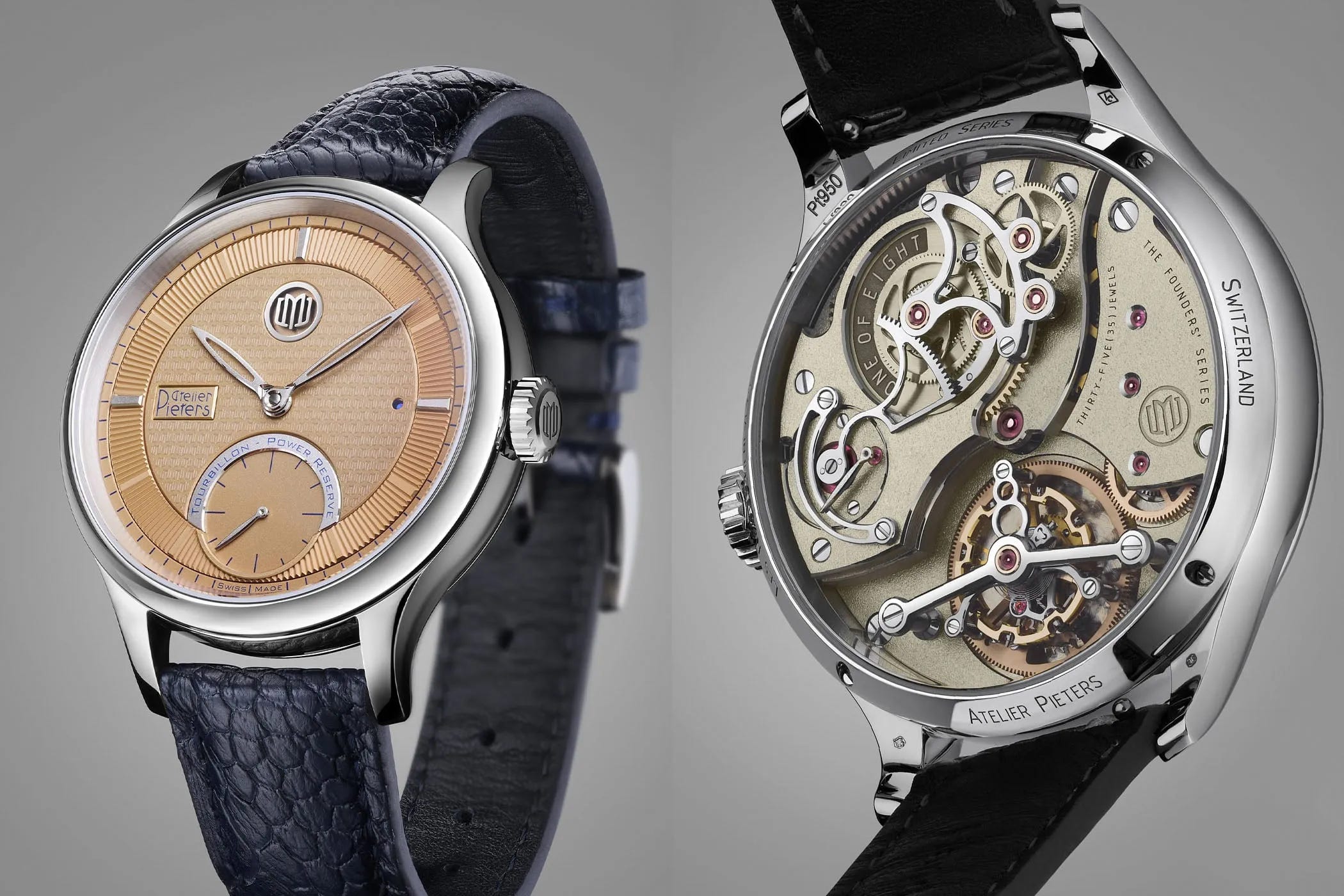
Atelier Pieters Atelier 1 Founders’ Series
Atelier Pieters arrives with a very serious first act: a 43.5mm platinum tourbillon in two dial colors, with just eight examples of each planned. The hand-wound Atelier 1 is priced at CHF 148,500 and features an in-house movement with a one-minute tourbillon and a distinctive dual planetary power-reserve display.
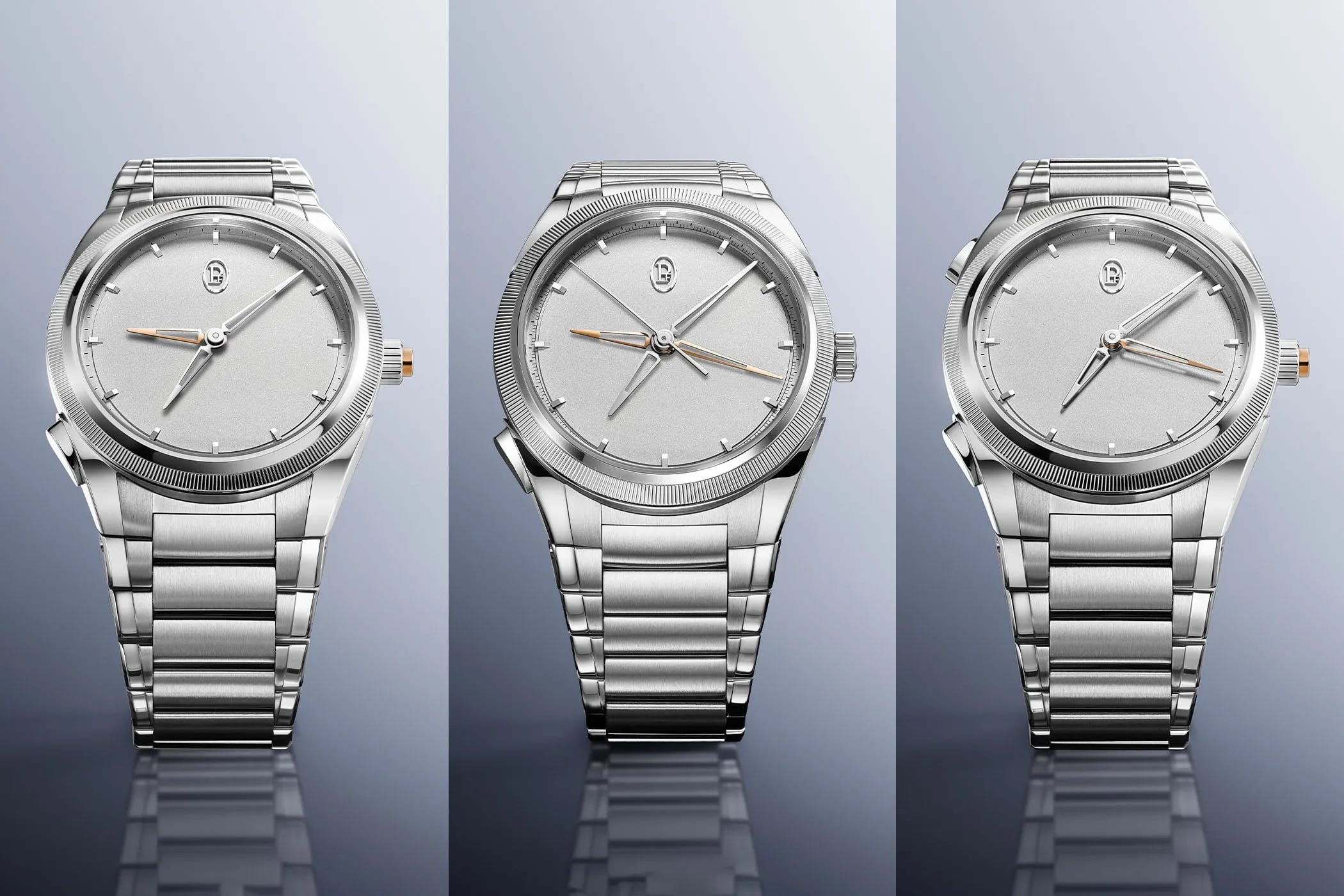
Parmigiani Fleurier Tonda PF Platinum Trilogy
Parmigiani Fleurier celebrates 30 years with platinum editions of its GMT Rattrapante, Minute Rattrapante, and Chronographe Mystérieux. Each complication is designed to disappear when it is not needed, preserving the uncluttered, quiet luxury that has become a Tonda PF signature.
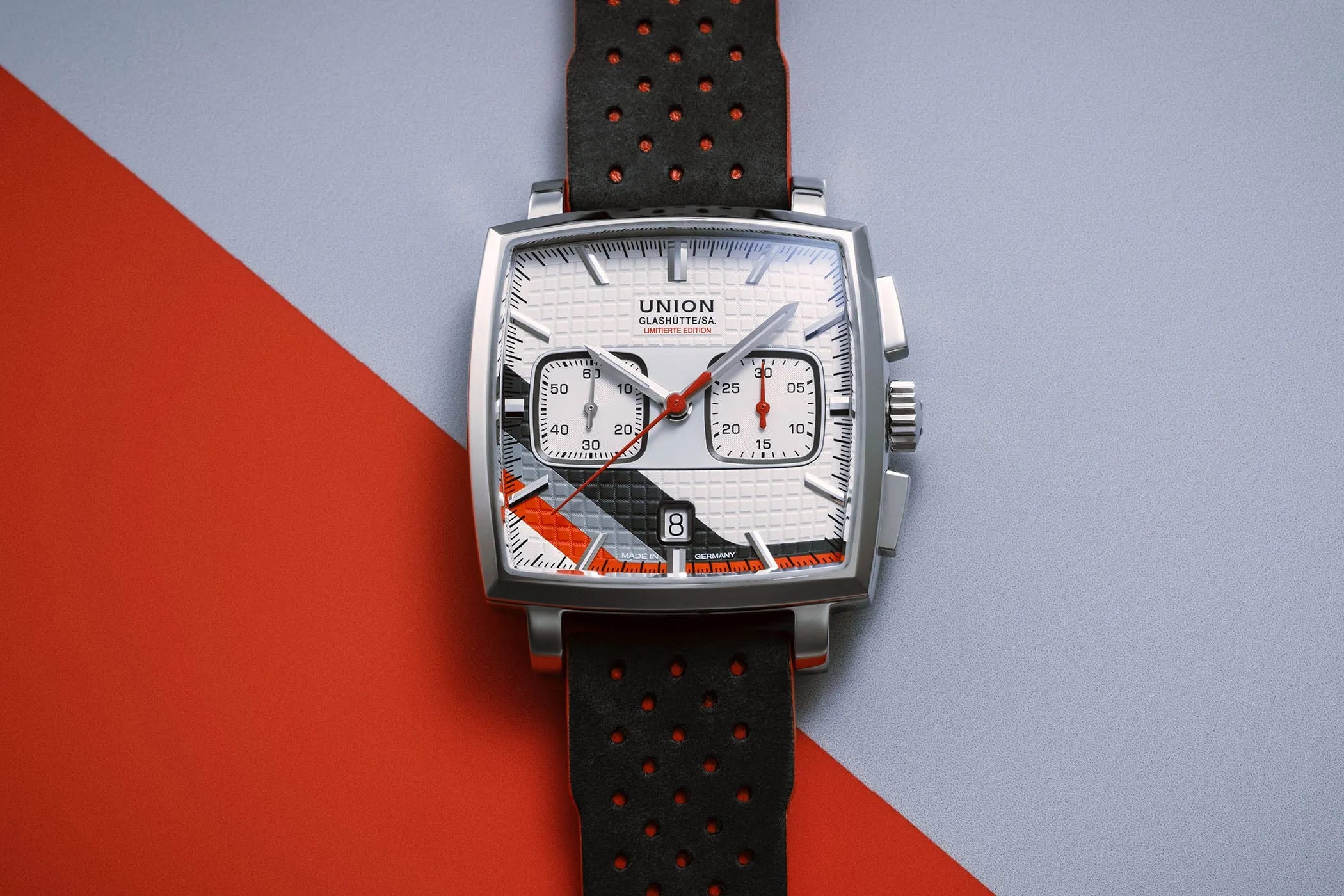
Union Glashütte Averin Chronograph Sachsen Classic 2026
Union Glashütte’s 350-piece Sachsen Classic edition brings a bold motorsport palette to a square chronograph case. The 41mm watch is powered by the automatic UNG-27.S2 and arrives with both red rubber and grey perforated leather straps.
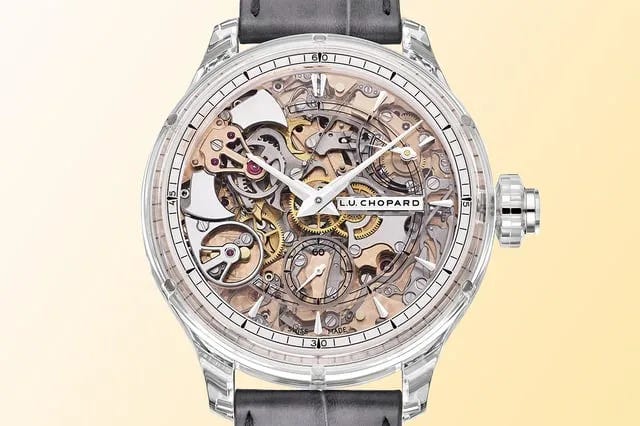
Chopard L.U.C Full Strike Sapphire Edition 2
Chopard has revived its transparent Full Strike minute repeater in a five-piece sapphire edition. The sapphire case, crown, dial, and pusher provide an uninterrupted view into the rose-gold-toned calibre 08.01-L and its 533 components.
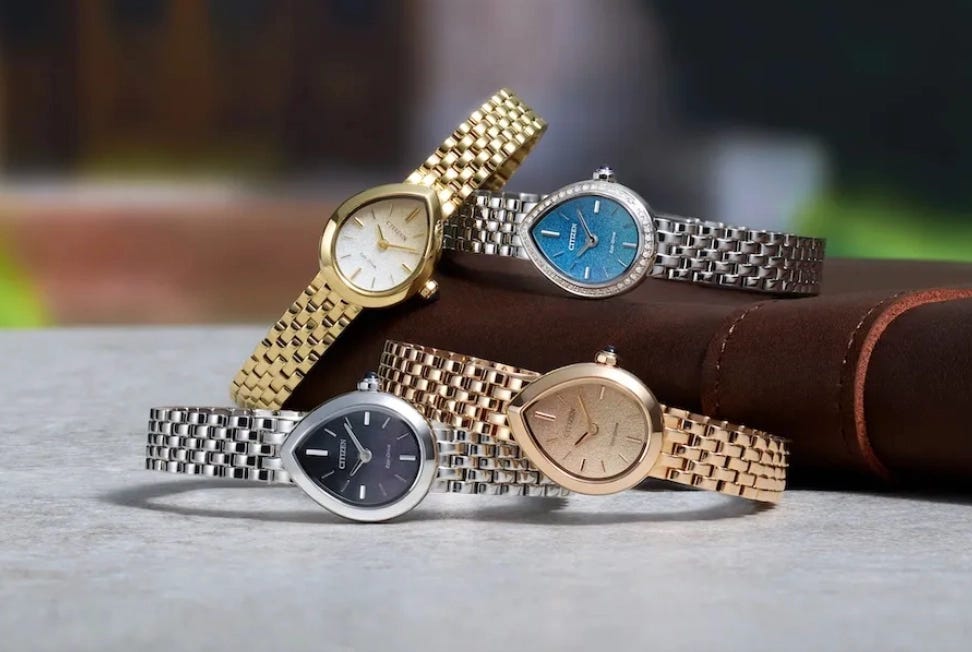
Citizen L Rainell Collection
Citizen’s Rainell collection adds jewelry-forward case shapes to the dependable Eco-Drive formula. With five models from $475 to $925, including a 43-diamond limited edition, the collection gives the accessible women’s-watch category a welcome dose of sculptural character.
Comparisons
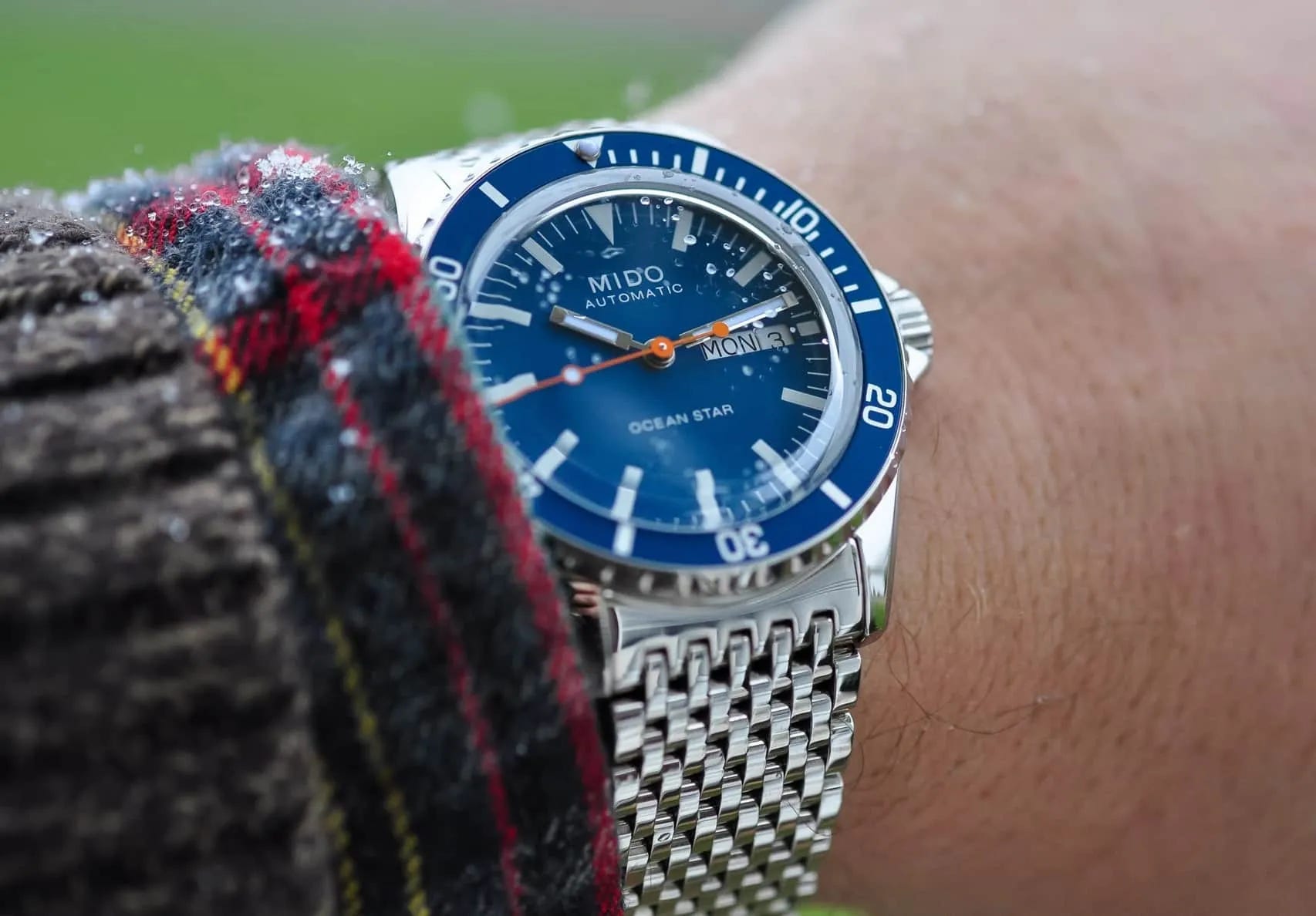
14 Hands-On Reviewed Watches That Could Be the Only Watch You Really Need
The “one-watch collection” remains an appealing fantasy, and this guide makes a credible case for it through watches that combine comfort, durability, useful complications, and enough personality to survive daily wear. From solar tool watches to refined travel pieces, versatility is the common thread.
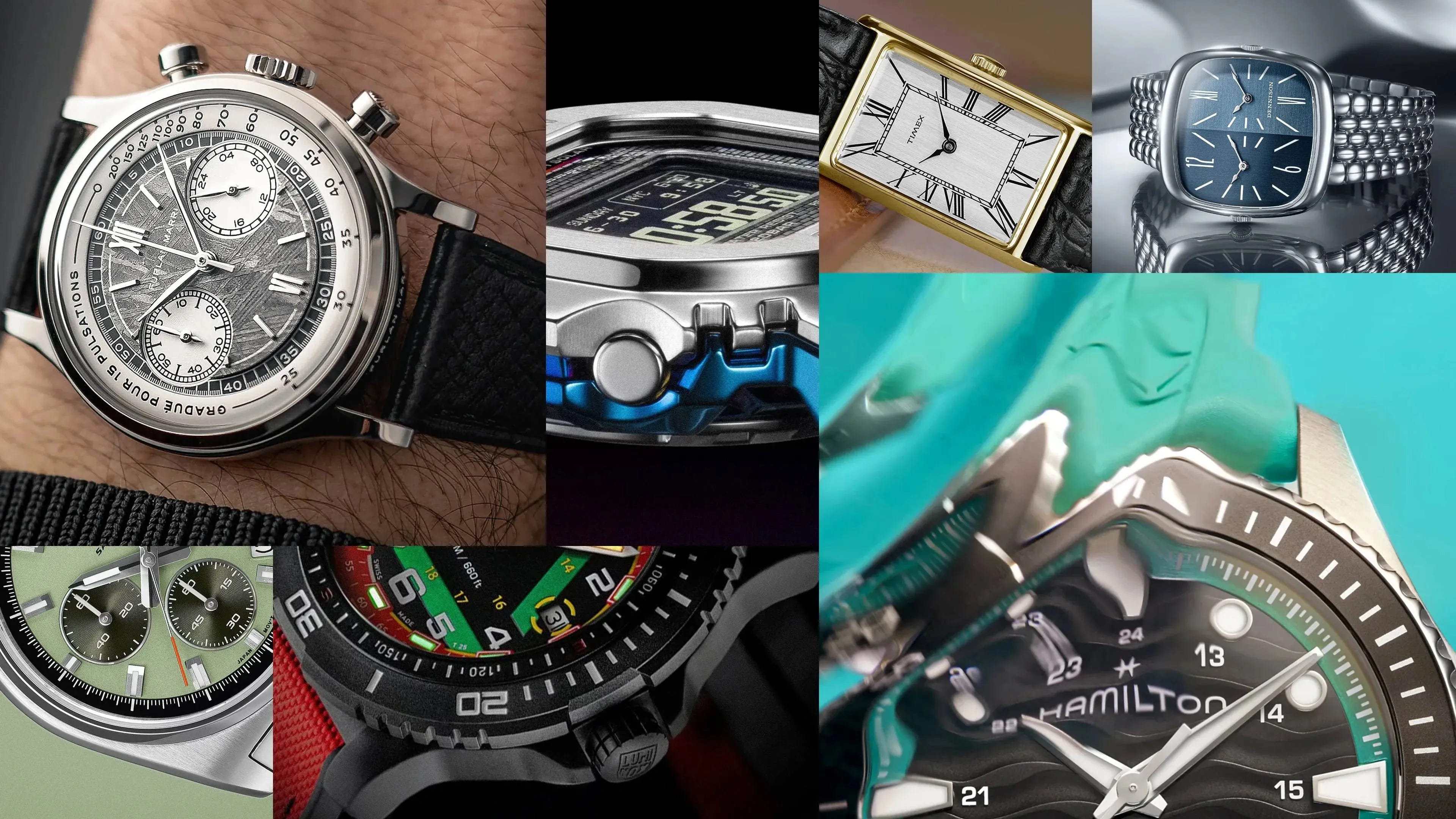
The Best Affordable Watches of 2026 We’ve Discovered So Far
A growing list of watches under $1,000 is a useful reminder that serious collecting does not require a serious budget. Casio, Citizen, Hamilton, Seiko, Tissot, and a wide range of independents continue to offer compelling mechanical, quartz, and digital options.
Reviews
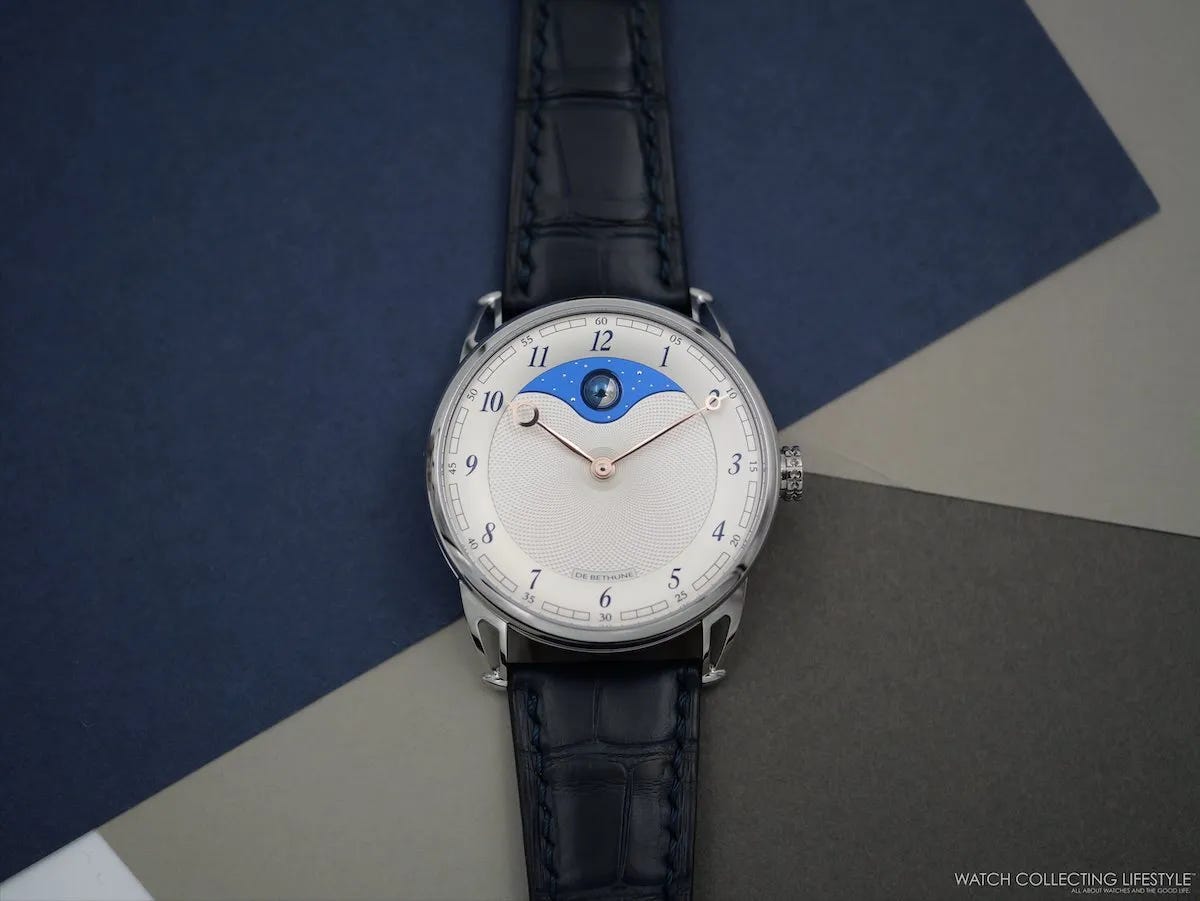
De Bethune DB25Vxs Silver Moon
The DB25Vxs Silver Moon distills De Bethune’s singular design vocabulary into a more wearable 40.6mm titanium case. Its hand-guilloché silver dial, spherical moon, and six-day hand-wound movement make a powerful argument for the independent’s blend of technical rigor and visual poetry.
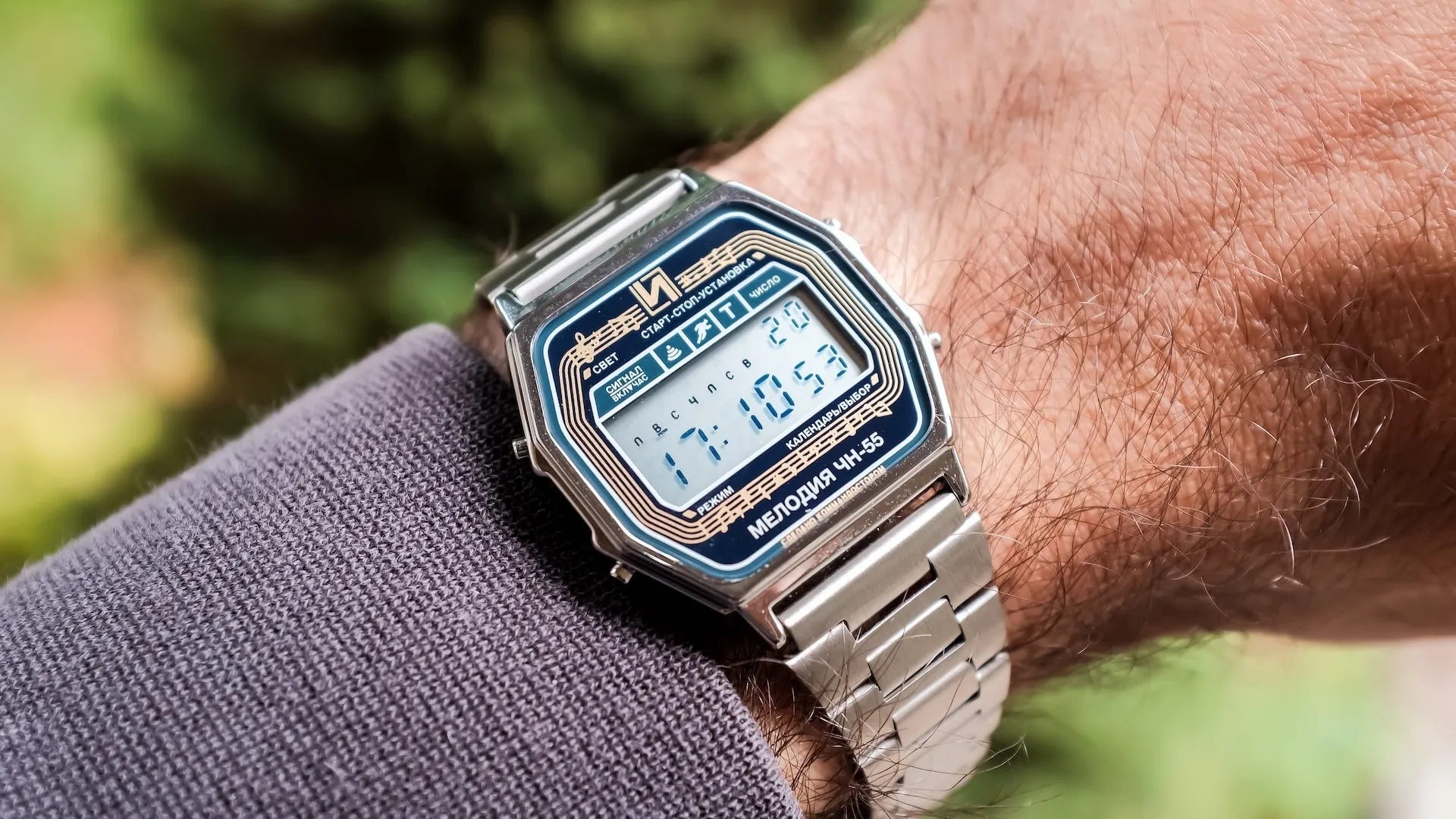
KommandoStore Elektronika 55B
The Elektronika 55B is an inexpensive but unusually faithful modern take on a Soviet digital classic. At around $40, it delivers retro graphics, a compact steel case, practical digital functions, and just enough eccentricity to stand apart from the usual Casio alternative.
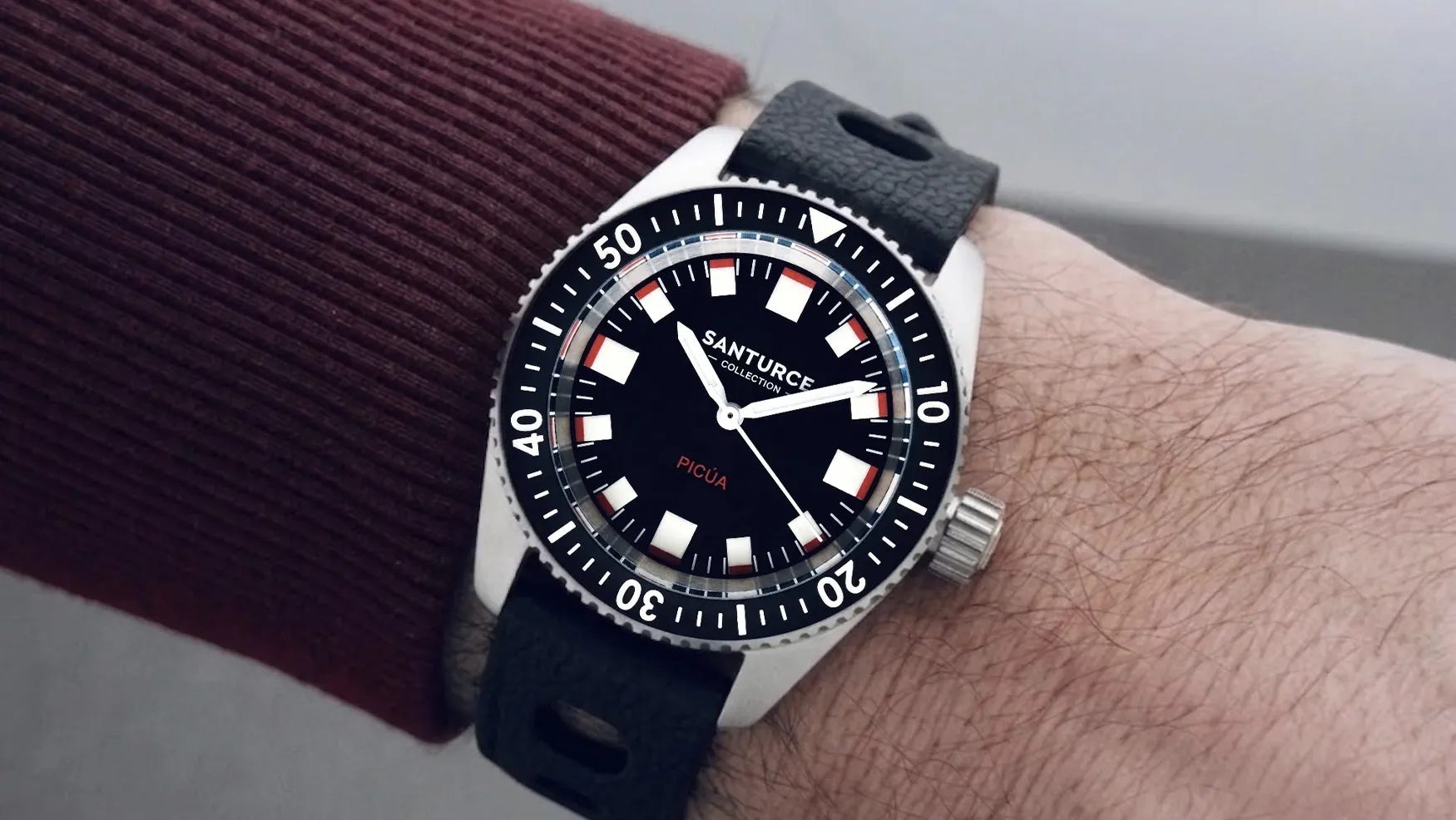
Santurce Collection Picúa
The 39mm Picúa brings Puerto Rican character to a capable 300-meter dive-watch format. With a Sellita SW-200-B, a DLC-coated bezel, and a design vocabulary that feels more personal than generic, it is a promising young brand’s confident first statement.
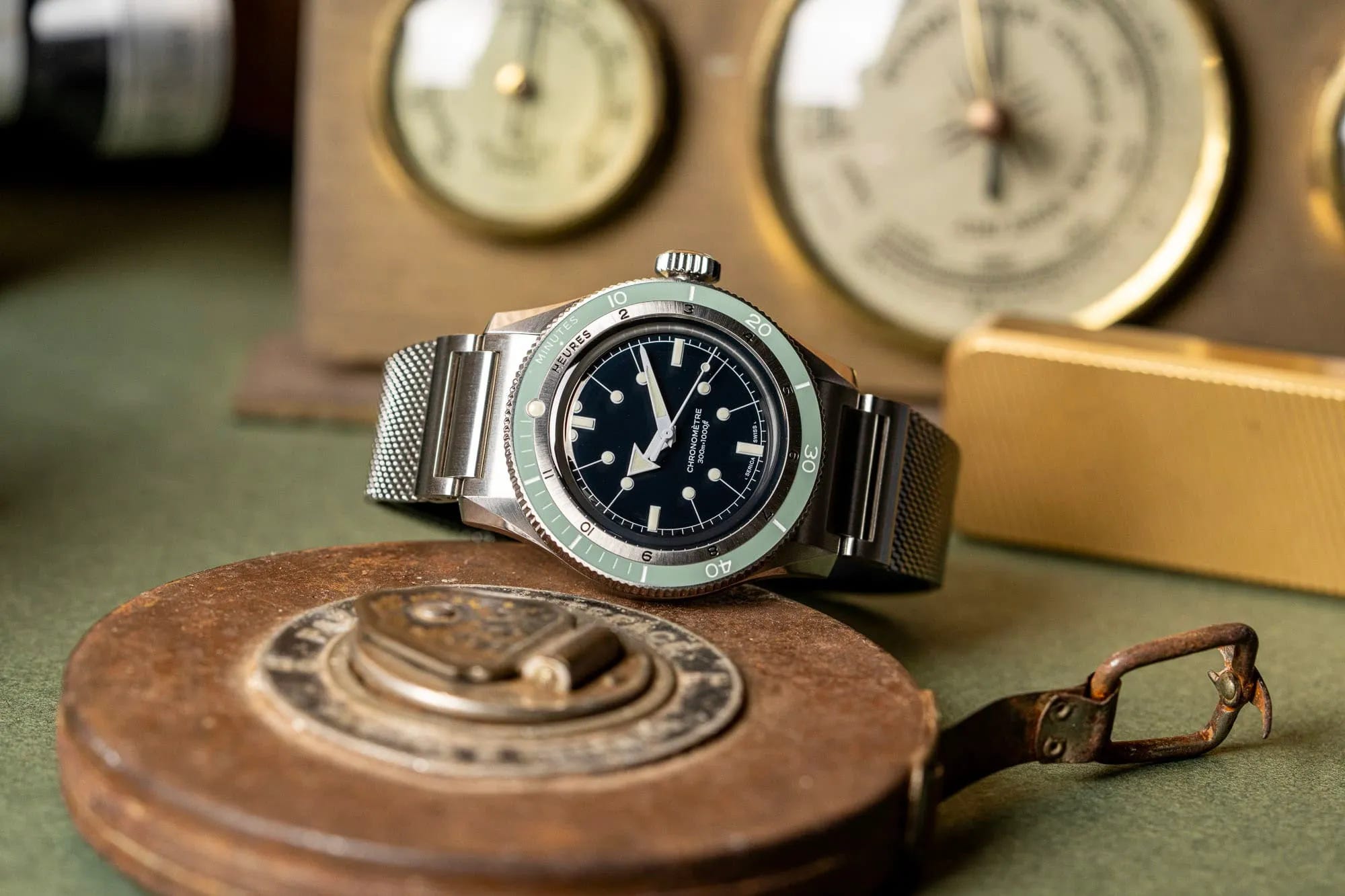
Serica 5303-3
Serica’s 5303-3 remains one of the more distinctive vintage-inspired divers available today. A 39mm case, COSC-certified Soprod movement, 300-meter water resistance, and its unusual woven steel bracelet give it both real-world credibility and a strong point of view.

Parmigiani Fleurier Tonda PF Sport Ultra-Cermet Mineral Blue
Parmigiani’s Ultra-Cermet chronograph uses a material that combines titanium’s lightness with ceramic-like hardness, yielding a 42.5mm sports watch with a distinctive mineral-blue finish. It is a $48,000 demonstration of how the brand is pushing material innovation without losing its refined visual identity.
Editorial
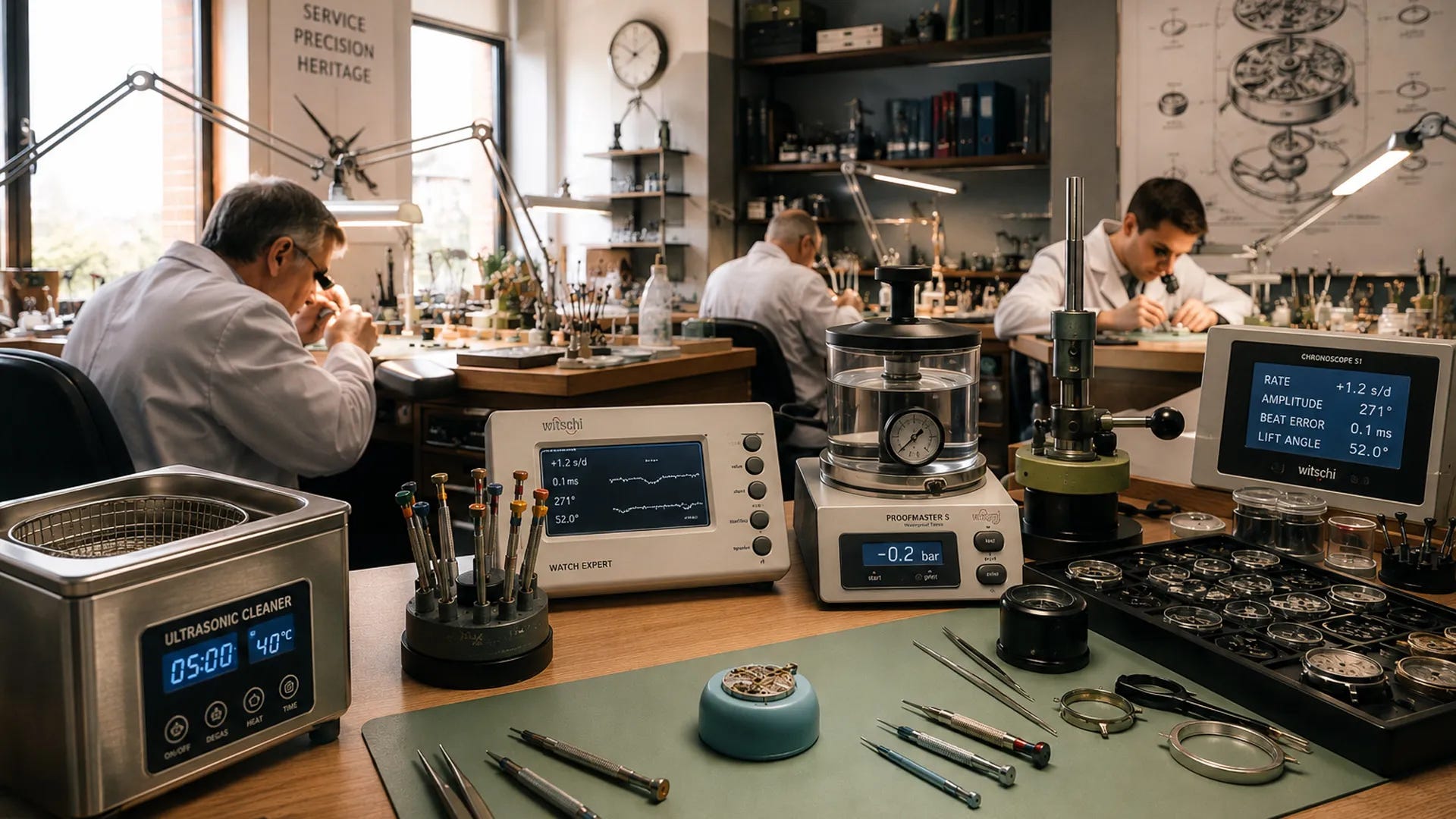
Corder’s Column: A Watch’s First Service Should Be Free
The first service is one of watch ownership’s least-discussed costs, often arriving years after purchase as an expensive and inconvenient surprise. Building that service into the original sale price could make ownership more transparent, improve customer trust, and strengthen the case for watches as genuinely long-lived objects.
Podcast
SJX Podcast: A Rolling Rolex
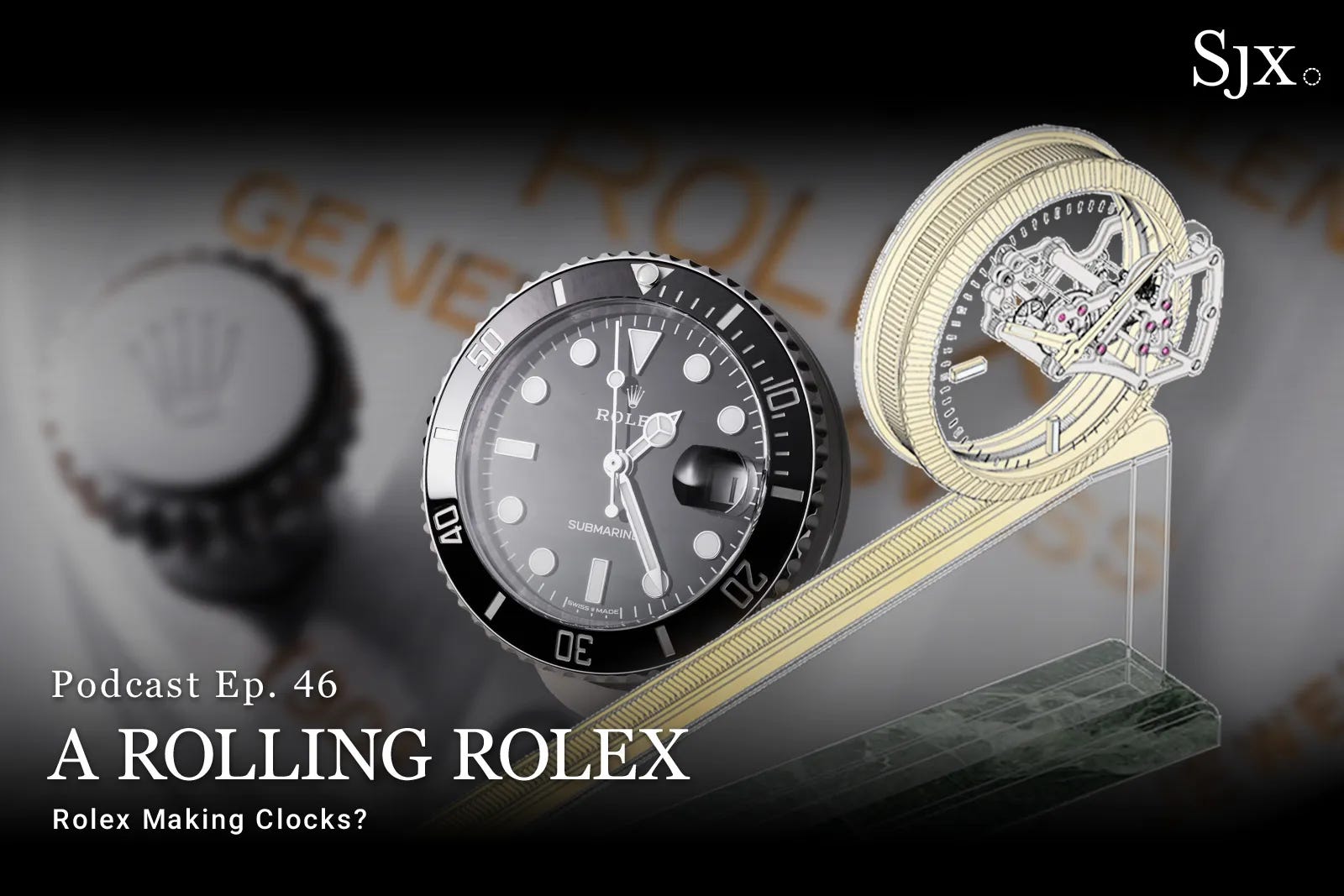
The latest SJX Podcast looks at strong American demand in the Swiss export figures and Rolex’s unexpected move into serious clockmaking, including its inclined-plane clock patents and Submariner Desk Clock.
Video

A Watch Collection as a Personal Journal | Watch Talk With Troy Barmore
A thoughtful look at the way watches become markers of personal history, carrying memories of milestones, places, and people long after the moment has passed.

2024 First Omega in Space vs. 2012 Edition
A comparison of two First Omega in Space generations, weighing their design, technical differences, and appeal to Speedmaster collectors.

He Takes His Watches to the Titanic | Unpolished Podcast
A reflective exploration of the watches carried aboard the Titanic and how timepieces can preserve the human stories behind a historic disaster.
Auction Report
The July 27 Buying Time Auction’s 2010 F.P. Journe Octa Automatique Lune 40 in rose gold with a white Arabic dial drew bidding to $112,500, but it did not meet its reserve. More notably, it missed that threshold by a wide margin.
That outcome is a useful reality check in a market where F.P. Journe prices have exploded. Over the past several years, the brand has moved from specialist enthusiasm to one of modern watchmaking’s most powerful collecting stories. Rare early references, unusual dials, and highly important examples have reset expectations at auction, while even more familiar production models now carry a substantial premium over their original retail prices. The Octa Automatique Lune has been one of the beneficiaries of that momentum, combining the appeal of an early Journe signature with a practical automatic movement, moonphase, large date, and rose-gold case.
But the $112,500 bid also shows that headline Journe prices cannot be applied mechanically to every watch. Collectors are becoming more selective about configuration, condition, provenance, completeness, and the line between a market-defining example and a desirable but less exceptional one. The strong bid confirms meaningful demand for this Octa Automatique Lune; the wide reserve gap confirms that seller expectations and bidder conviction are not always moving at the same speed.
Patek’s Blue-Gold Aquanaut Faces the Clock
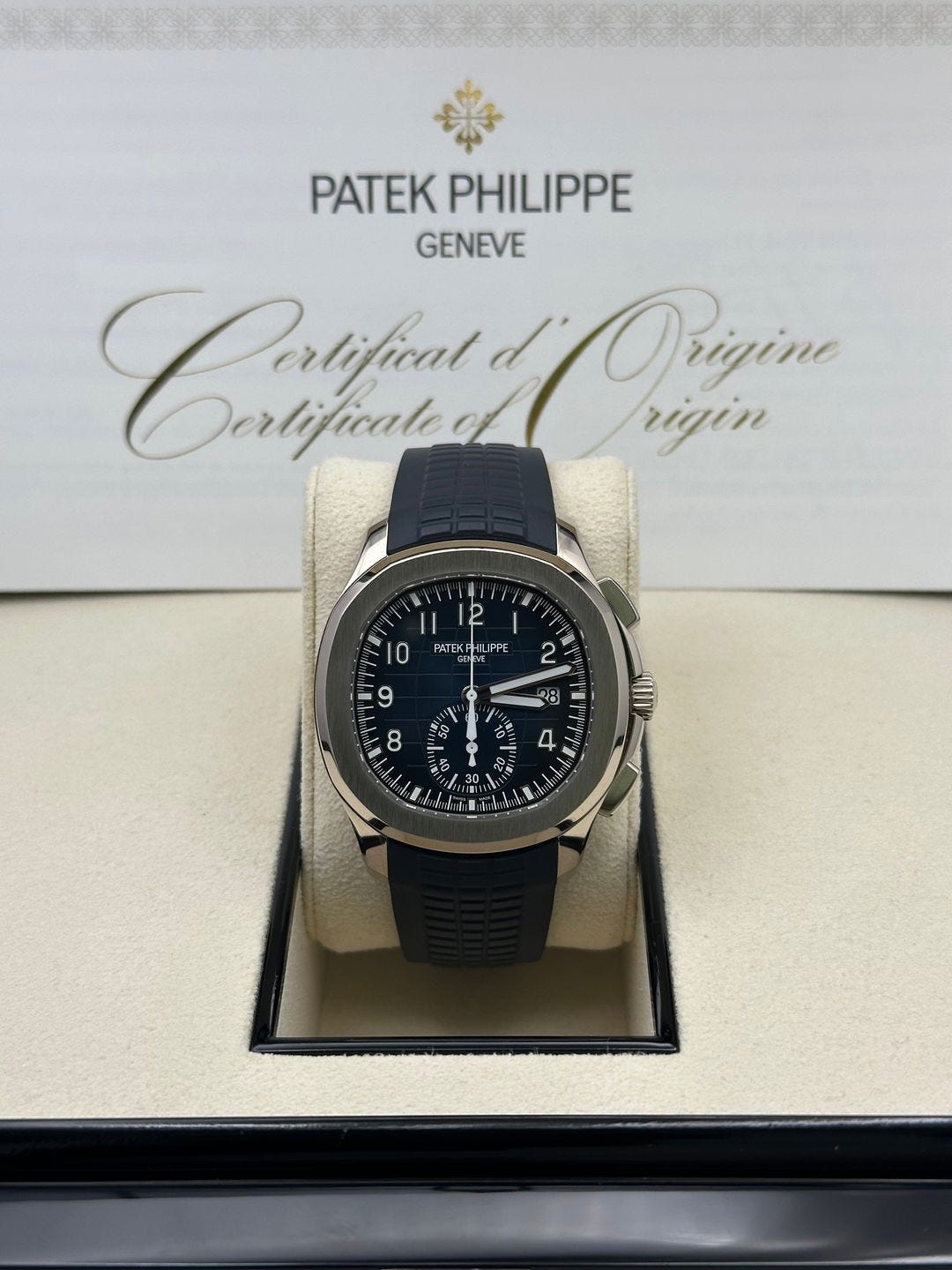
Today’s lot is the 2022 Patek Philippe Aquanaut Flyback Chronograph ref. 5968G-001, a full-set white-gold model with its blue dial and matching composite strap. Introduced in 2021 as the first white-gold version of the Aquanaut Chronograph, the 42.2mm watch pairs Patek’s sporty modern design with the automatic CH 28-520 C flyback chronograph movement. Its blue-black gradient dial, embossed Aquanaut pattern, and broad white-gold numerals make it one of the more visually assertive precious-metal Pateks of its generation.
The market gives the lot real context. Current examples trade around the low-to-mid $120,000 range, well above the watch’s roughly $89,000 retail price, though condition, completeness, and timing can move the number materially. This example shows only minor wear to the case, bezel, and bracelet, with an excellent dial, hands, and crystal, and includes both box and papers. With the auction ending at 12:35 p.m. EDT today, it offers buyers a chance to judge whether the Aquanaut’s enduring demand—and this particularly strong blue-and-white-gold configuration—can translate into a compelling auction result.
Current bid: $67,000
Losing Time


Today’s Big Losers at Auction on Grailzee
2017 Richard Mille RM 011 Automatic Flyback Chronograph 49MM Skeleton Dial Rubber Strap (RM11-03RG). Ask: $260,000 | Bid: $188,400 | Delta: -$71,600
2018 Rolex Cosmograph Daytona “Rainbow” 40MM Black Dial Rose Gold Oyster Bracelet (116595RBOW). Ask: $395,000 | High Bid: $250,000 | Delta: -$145,000
Both watches are taking meaningful haircuts from their asking prices. The Richard Mille RM 011’s bid is down $71,600, or 27.5%, while the Rolex Rainbow Daytona trails its ask by $145,000, or 36.7%. Even trophy pieces are finding a ceiling when seller expectations outrun current demand.
Ultra-expensive watches rarely shine on Bezel or Grailzee. At this level, buyers tend to work through trusted dealers and private brokers, where discretion, provenance, and relationships matter. A six-figure piece reaching an open auction may signal that more conventional selling channels have already been tried.
Thanks for spending part of your day with BuyingTime. Whether you are hunting for the next watch, learning the history behind one, or simply enjoying the stories that timepieces carry, we are glad you are here. See you tomorrow.