

Time Graphing today’s watch universe
The watch world spent last night squinting past couture at the 2026 Met Gala, where wrists did as much talking as the clothes, and the signal was clear: high jewelry and high horology are now fully co-dependent. Dwayne Johnson didn’t just show up—he detonated the room with a diamond-saturated Jacob & Co. Billionaire III that makes subtlety feel like a forgotten language, while appearances from Rami Malek and others reinforced that pieces from Hublot, Jaeger-LeCoultre, and Cartier are now part of the red-carpet narrative, not just accessories. If anything, the Met Gala is quietly becoming a marketing platform that rivals trade shows—less Basel, more Broadway.
Meanwhile, down in Miami, Formula 1 continued its role as watchmaking’s favorite rolling billboard. IWC and TAG Heuer leaned hard into the speed-meets-luxury equation, with ceramic pilots, vertical-drive concepts, and candy-colored Solargraphs soaking up trackside attention. Add in Tudor and Louis Vuitton playing their respective roles, and the message is familiar but effective: motorsport remains one of the cleanest narratives luxury watches have, even if the cars are doing most of the heavy lifting.
On the product front, the pipeline is anything but quiet. Louis Moinet delivered a sharply technical, titanium-clad tourbillon chronograph that feels like a love letter to 1816 with a 2026 weight budget, while Vanguart went full avant-garde with a pink ceramic Orb that seems engineered to divide dinner tables. At the more democratic end, Mido continues to quietly win the “serious watch under $2K” category with a true GMT, and Stowa keeps the field watch honest with restrained, purpose-built Terra models. The sweet spot of creativity-meets-price might belong to Maen, whose Manhattan Paradox leans into hand-painted artistry in a way that feels unusually human in a market drifting toward industrial perfection.
Reviews today reinforce a familiar split between engineering flex and wearable reality. Citizen continues to prove that solar isn’t just practical—it can be visually compelling—while Jaeger-LeCoultre pushes quietly into everyday perpetual territory with a cleaner, more integrated approach. Patek Philippe predictably ignores restraint altogether with a Celestial that now tracks sunrise and sunset like it’s preparing for interplanetary travel, and Piaget reminds everyone that refinement still has a market. Elsewhere, Roger Dubuis leans into fantasy, Vaer keeps things accessible and pragmatic, and Tudor continues its slow march upward with a more polarizing design language.
The broader conversation hasn’t changed much: integrated bracelets are still everywhere post–Watches & Wonders, and pricing discipline—or lack thereof—is becoming the industry’s quiet fault line. When even affluent buyers start asking “why,” brands that can’t answer with substance instead of scarcity may find the ground shifting under them faster than expected.
If you need a palate cleanser, the video circuit delivers as usual. Nico Leonard is back policing TikTok nonsense with his usual blunt force, while deep-dive scholarship from Helmut Crott and Aurel Bacs reminds you that real collecting still happens in archives, not comment sections. Add in value-hunting strategies, industry skepticism, and indie watchmaking insights, and the signal cuts through the noise if you’re willing to look for it.
And then there’s the market itself, where today’s auction focus—the Patek Philippe 5235G-001—continues to embody a more rational era. Sitting at $30,500 ahead of its 7:50 p.m. EDT close, it’s the kind of intellectually satisfying, slightly contrarian Patek that doesn’t scream for attention but tends to reward the people paying it. Not hype-driven, not overlooked—just understood, which might be the rarest position of all right now.
-Michael Wolf
News Time

Met Gala 2026 Watches: The Very Best Celebrity Timepieces
The Met Gala 2026 doubled as a showcase for high-end horology, with watches playing a major role alongside the evening’s fashion statements. Celebrities including Luke Evans, Tyriq Withers, and Rami Malek were seen wearing standout pieces such as a Hublot Big Bang, a newly released Jaeger-LeCoultre Reverso, and a vintage Cartier Crash. The night’s “Costume Art” theme pushed bolder, more glittering choices that helped turn wristwear into part of the red-carpet storytelling. Overall, the range of luxury and limited pieces reinforced the Met Gala’s growing influence as a cultural platform for watch brands and watch style.
Feature Time

Dwayne Johnson’s Jacob & Co. Met Gala Watch Has More Than 700 Diamonds Set Into it
Dwayne “The Rock” Johnson wore a Jacob & Co. Billionaire III at the 2026 Met Gala, built around a rectangular skeletonized design in 18‑carat white gold. The watch is set with 714 diamonds totaling 129.6 carats, including diamonds across the case, inner ring, movement bridges, and bracelet—making it one of the most heavily jeweled watches ever produced. Only 18 pieces exist, and the price is listed as available upon request. The piece continues Johnson’s pattern of using major public appearances to spotlight extreme, high-jewelry watchmaking.

Watch Brands Like IWC, TAG Heuer, Race To Win At Miami F1 Grand Prix
At the Miami Grand Prix, multiple watch brands leaned into Formula 1 partnerships to connect performance racing with luxury wristwear and lifestyle marketing. Kimi Antonelli was repeatedly spotted in IWC’s white ceramic Pilot’s Watch Chronograph “Le Petit Prince,” while Toto Wolff wore IWC’s newer spaceflight‑inspired Pilot’s Venturer Vertical Drive. TAG Heuer reinforced its official timekeeper role with trackside timing visuals and introduced the colorful Solargraph Pastet Collection to match Miami’s energy. Louis Vuitton and Tudor also added to the brand presence with trophy presentation and a carbon‑themed Black Bay Chrono tied to its racing partnership.
The Latest Time
Louis Moinet
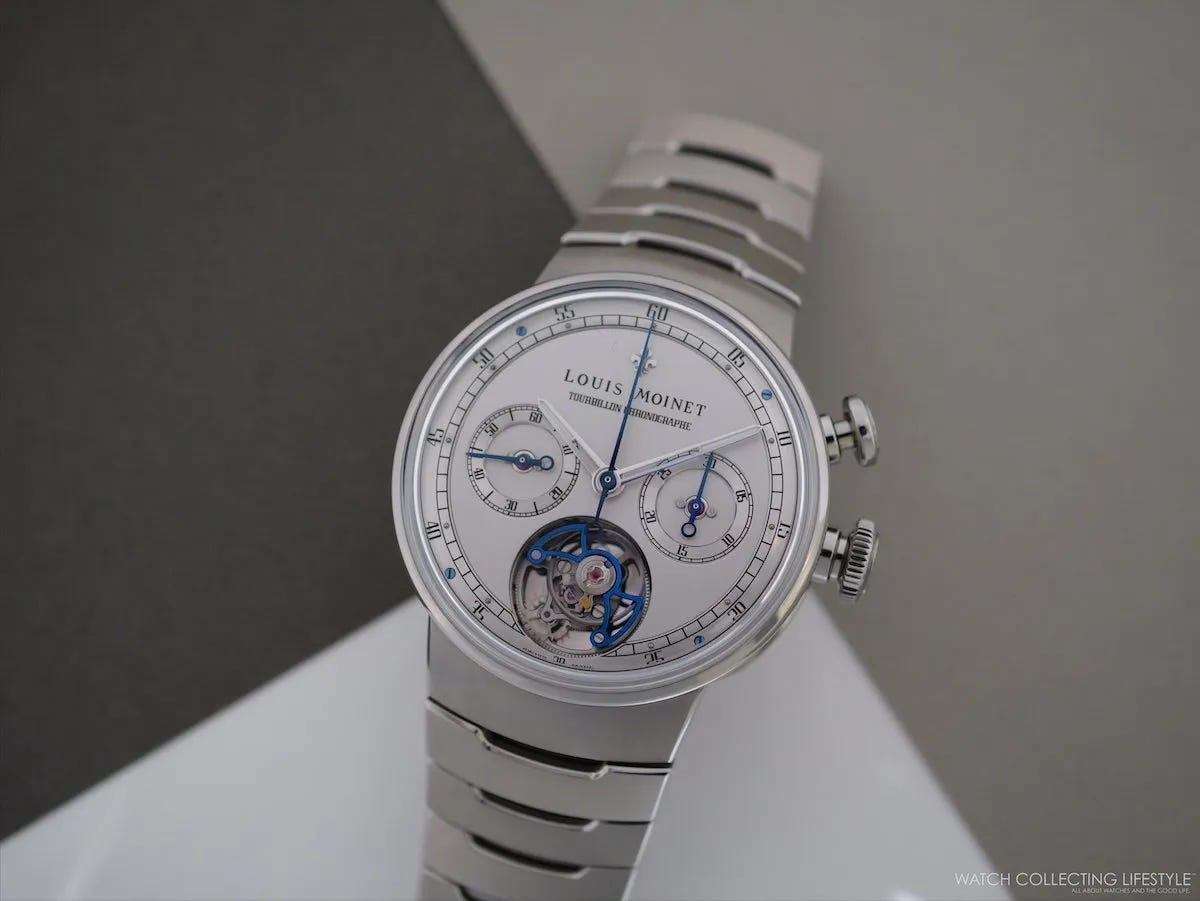
Louis Moinet 1816 Tourbillon Chronograph—113 Grams of High Horology
The Louis Moinet 1816 Tourbillon Chronograph is a 12-piece limited edition that reinterprets the brand’s 1816 Compteur de Tierces chronograph in a modern, lightweight execution. It comes in a 40.6mm grade‑5 titanium case with an integrated bracelet, a rhodium‑plated dial with Arabic‑numeral subdials, and a blue‑DLC flying tourbillon at 6 o’clock. Power comes from the manual‑wind LM114 calibre combining a column‑wheel monopusher chronograph with a tourbillon, delivering a 96‑hour reserve. Pricing is listed at $135,000.
Maen
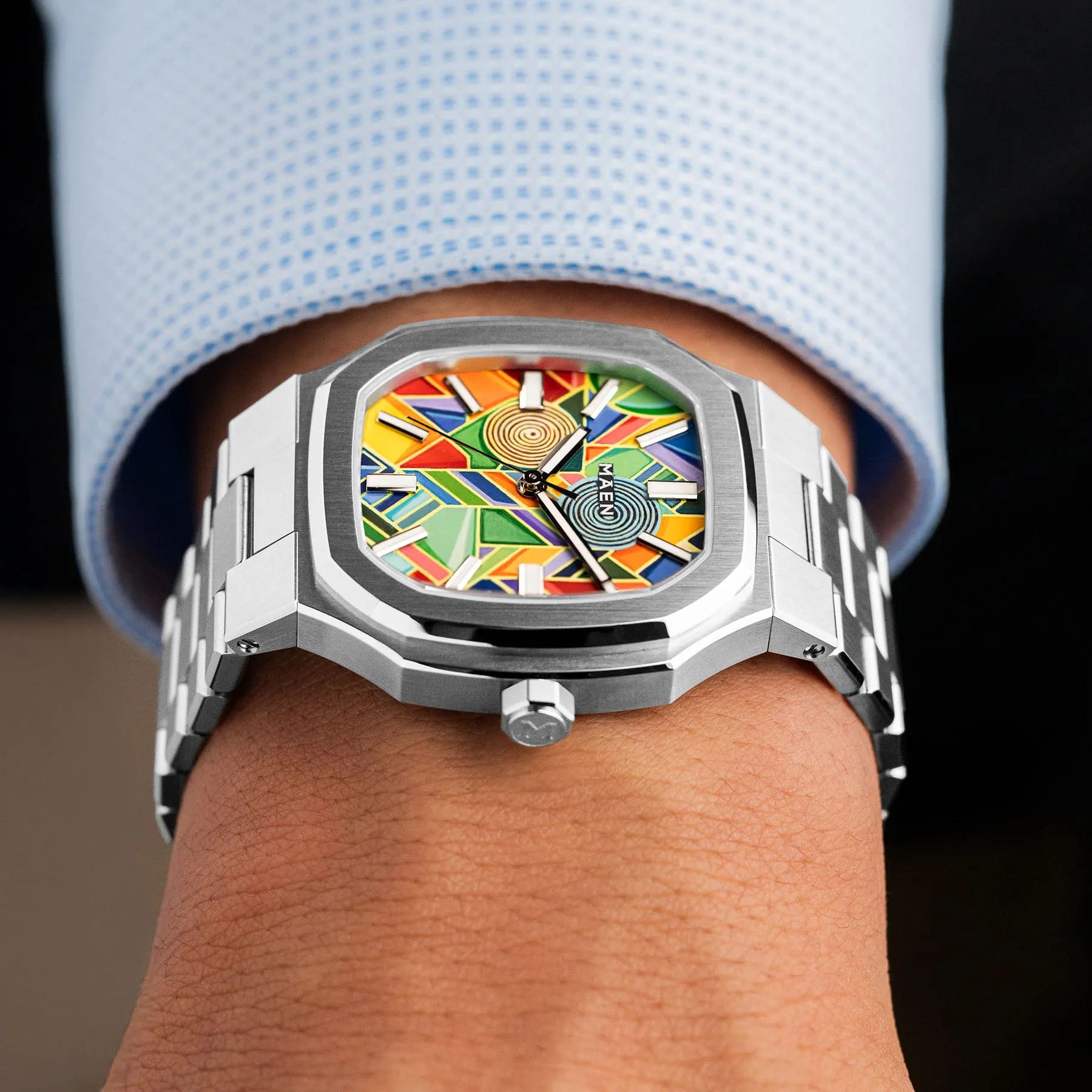
IFL Watches Introduces The Maen Manhattan Paradox
IFL Watches released a 200-piece limited edition of the Maen Manhattan Paradox, built around the Maen Manhattan 37 case with an integrated bracelet and a dial hand-painted to evoke New York’s 1920s geometric art and architecture. The multicolor composition uses chevrons, mesh-like patterning, and concentric disks, with each piece showing subtle differences due to the hand-applied work. Inside is a Sellita SW200‑1 automatic movement running at 28,800 vph with a 38‑hour power reserve, visible through a sapphire caseback. The watch is priced at about $1,755 (converted from €1,499).
Mido
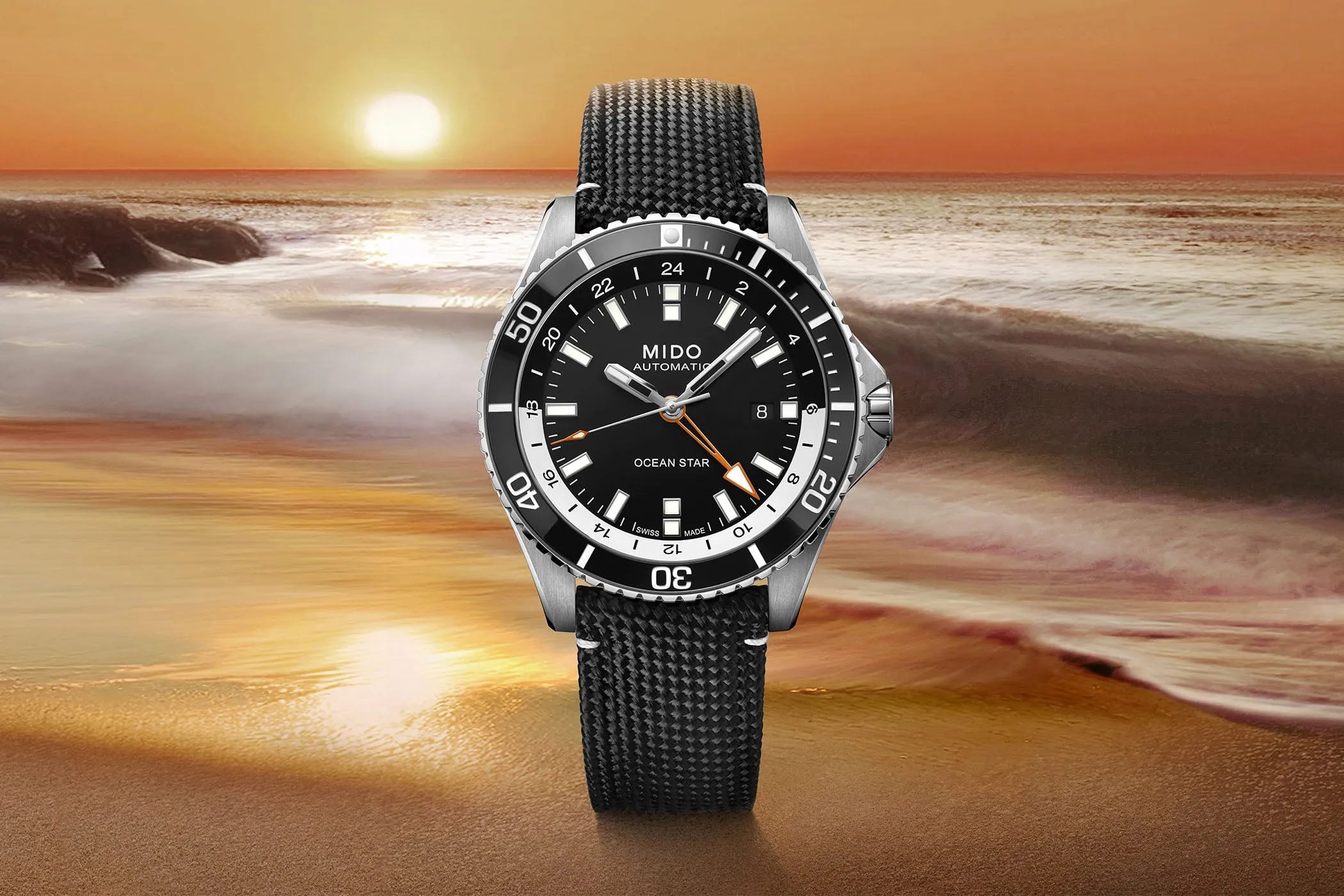
IThe Classic B&W Mido Ocean Star GMT, Still a True GMT at an Accessible Price
Mido’s 2026 Classic B&W Ocean Star GMT updates the line with a bold black-and-white dial, orange accents, and a 44mm steel case rated to 200m. It runs on the Mido Calibre 80 automatic movement (ETA-based), offering an 80-hour power reserve and a Nivachron balance spring for improved resistance to magnetism and shocks. The watch is positioned as a “true” GMT with a jumping local hour hand, making it more travel-friendly than an office GMT. Pricing is about $1,581 (converted from €1,350).
Stowa
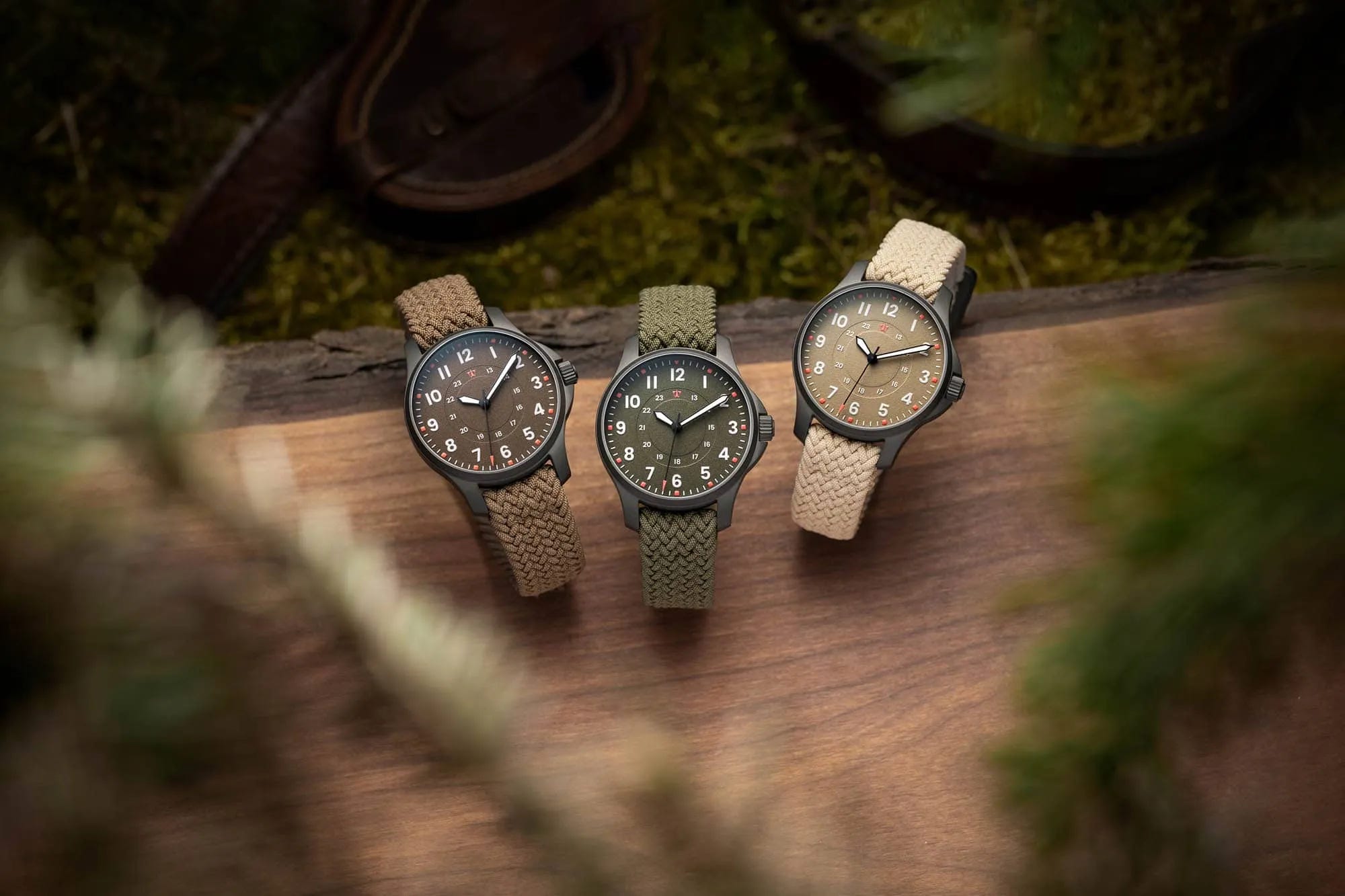
Stowa Introduces the Field Watch Terra Collection
Stowa’s Field Watch Terra Collection modernizes the classic field-watch format with three earthy dial colors (Soil, Forest, Desert) in 38mm gray PVD-coated steel cases. The design skips a date window, adds an inner 24-hour scale, and uses black hands and markers with Super‑LumiNova for straightforward legibility. Power comes from a Sellita SW200 movement, and the watches are matched with color-coordinated 18mm elastic fabric straps for a rugged everyday-wear feel. Pricing is listed at $1,173.
Union Glashütte
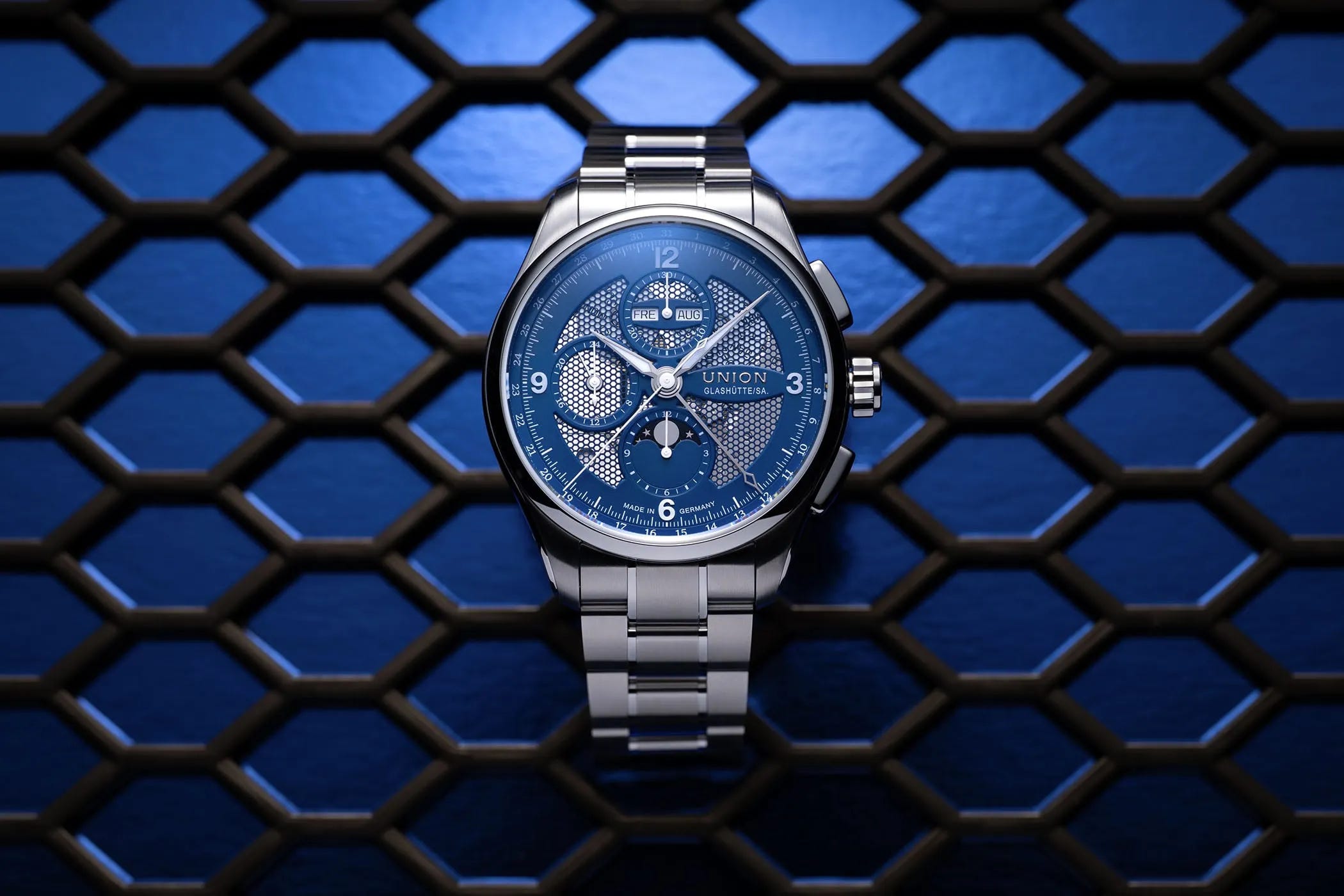
The Union Glashutte Belisar Chronograph Moon Phase Skeleton in Steel & Blue
This Belisar Chronograph Moon Phase Skeleton pairs a 42mm stainless-steel case with a steel-blue openworked dial that reveals much of the movement beneath a hexagonal-pattern aesthetic. It’s powered by the automatic UNG‑25.S1 (Valjoux 7751-based) with a silicon balance spring and a 65-hour power reserve, while adding chronograph functions plus day, month, date, and moonphase indications. The watch aims to blend a contemporary “skeleton” look with everyday practicality and 100m water resistance on a steel bracelet. Pricing is about $4,333 (converted from €3,700).
Vanguart
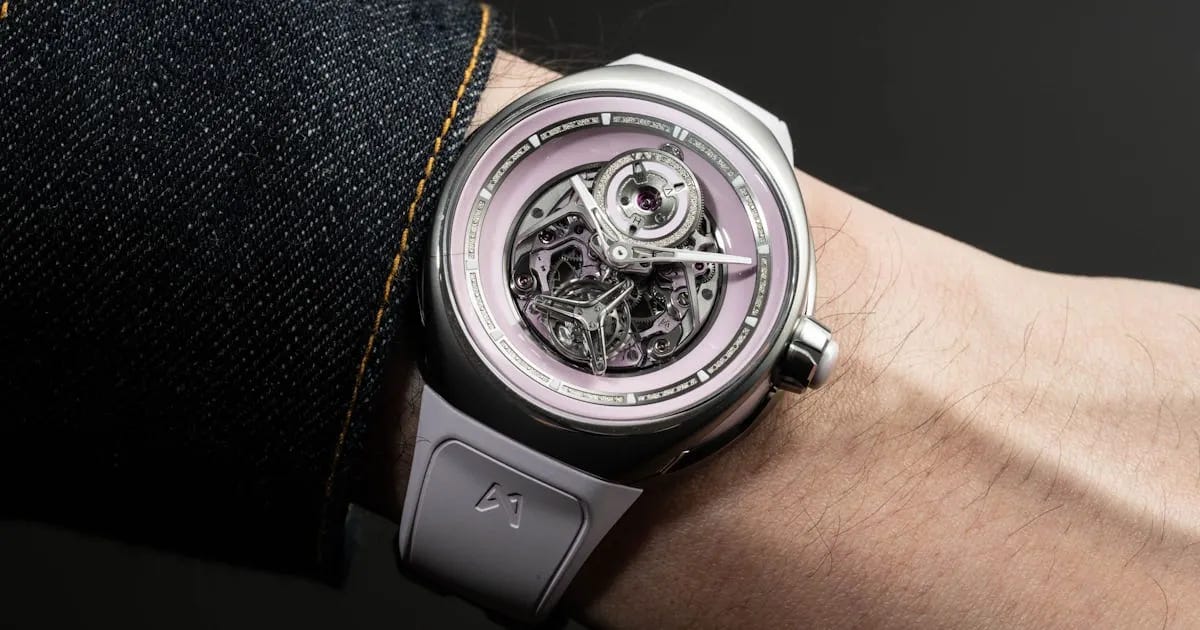
The Vanguart Orb Pink Ceramic
The Vanguart Orb Pink Ceramic is an ultra-limited collaboration (25 pieces) that combines a 41mm titanium case with pink ceramic elements across the case, crown button, and dial. The watch centers on a flying tourbillon in a grade‑5 titanium cage, paired with a floating barrel at 12 o’clock and a multi-mode selector that toggles between automatic, manual, and time-setting modes. It delivers a 60-hour power reserve and targets collectors who want high-impact, avant‑garde haute horlogerie with significant hand-finishing and a strong design statement. Pricing is listed at $225,000.
Wearing Time - Reviews
Patek Philippe
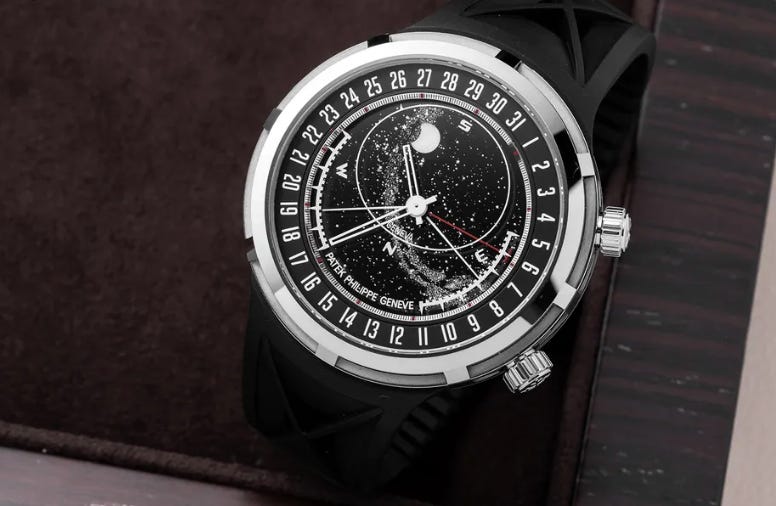
Hands On: Patek Philippe’s Celestial Goes to Space
Patek Philippe’s Celestial Sunrise and Sunset (ref. 6105G‑001) stands out with a bold 47mm white-gold case that drops traditional lugs in favor of a more futuristic, integrated-strap silhouette. The watch adds a sunrise/sunset display to the date ring via a patented mechanism that accounts for seasonal daylight changes, while the star chart remains fixed to Geneva’s sky. A stylus-operated, triple-button correction system and case detailing inspired by lunar modules reinforce the “space-age” direction. The piece is framed as both technically ambitious and stylistically unconventional for Patek, pushing the Celestial line into new territory.
Piaget
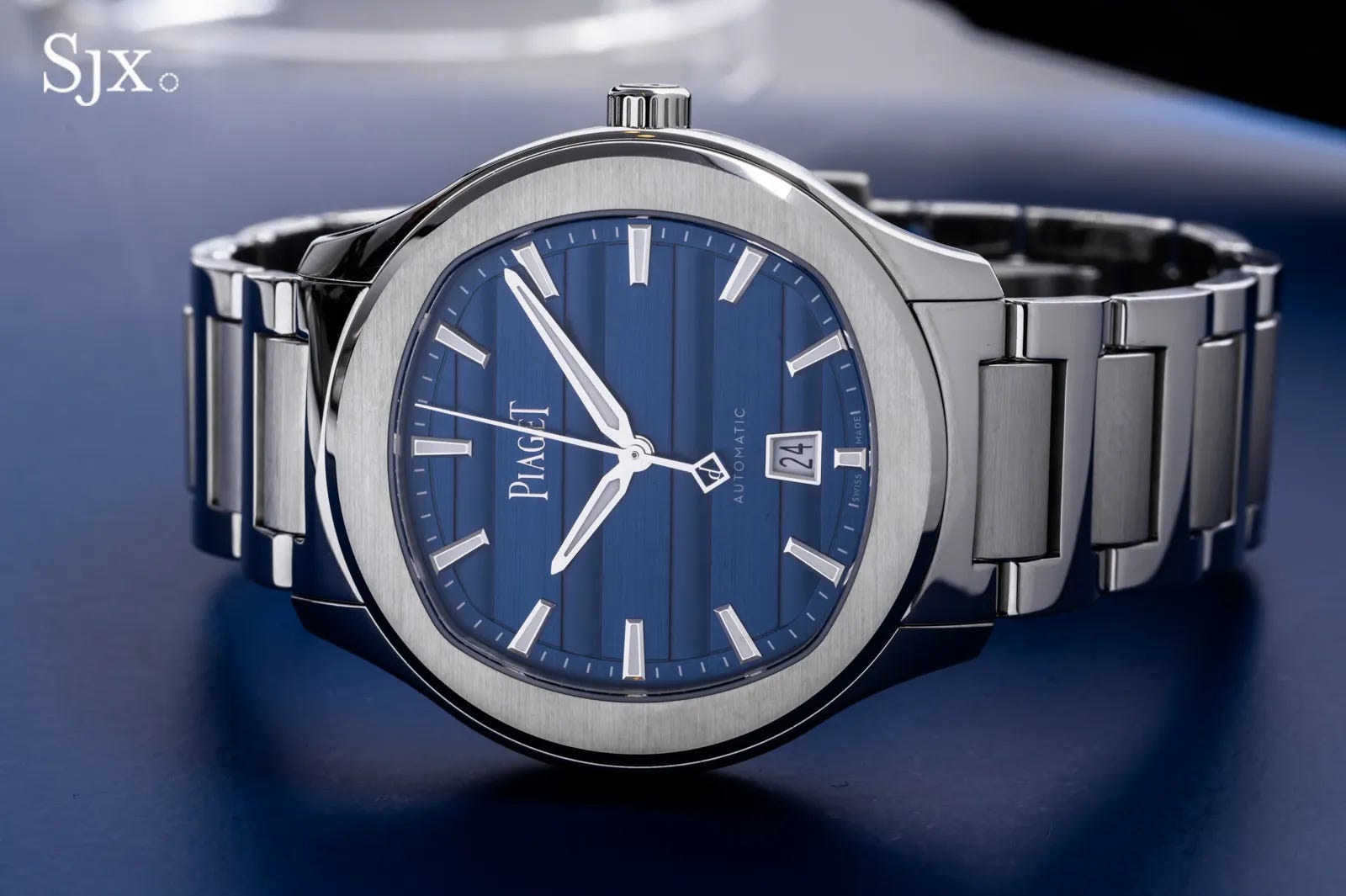
Hands On: Piaget Polo Signature Date
Piaget refreshes the Polo with a 42mm steel sports watch that brings back the brand’s signature gadroon motif, putting design continuity ahead of major technical change. The automatic Cal. 1110P keeps the profile relatively thin while offering everyday practicality with 100m water resistance and a 50-hour power reserve. The watch is positioned as a refined, wearable luxury sports option, with interchangeable bracelet/strap configurations reinforcing versatility. In the review, the Polo Signature Date is framed as Piaget leaning into “Extraleganza”—elegant identity and finishing—rather than chasing novelty for novelty’s sake.
Roger Dubuis
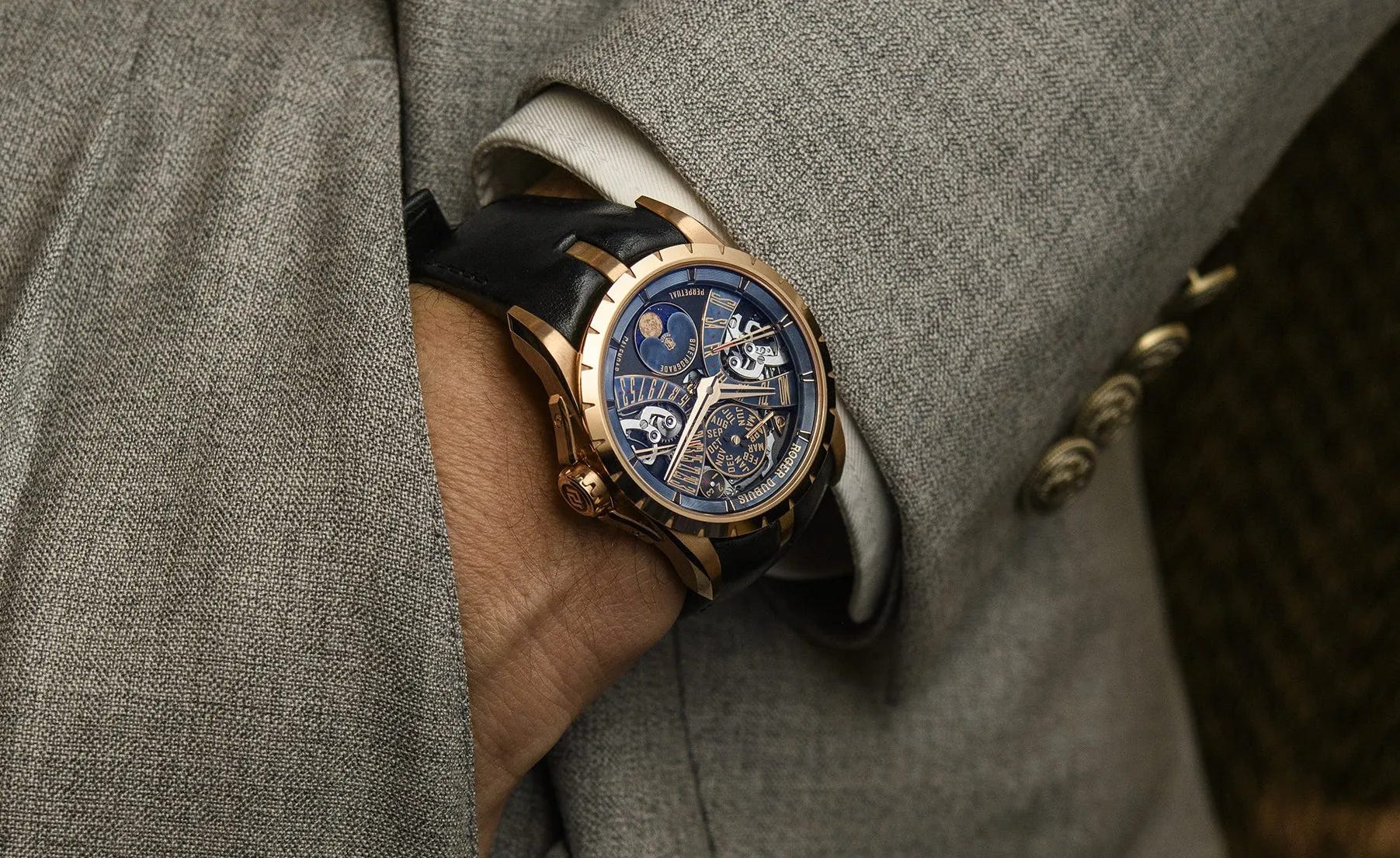
The New Roger Dubuis Excalibur Brocéliande and Biretrograde Perpetual Calendar
Roger Dubuis’ new Excalibur releases emphasize theatrical design and high-horology mechanics, pairing fantasy-inspired aesthetics with technical ambition. The 38mm Brocéliande models (Dawn Rose and Twilight Blue) lean heavily into decorative detailing—mother-of-pearl foliage, diamonds, and bespoke straps—while the Biretrograde Perpetual Calendar introduces the Poinçon de Genève-certified RD850 with an inventive approach to month adjustment and a highly precise moonphase. With limited production runs (88 pieces for the Brocéliande variants and 188 for the perpetual calendar), the collection is presented as collector-driven “wearable art” more than mainstream product. The overall positioning is bold, sensuous, and intentionally niche within the wider luxury landscape.
Tudor
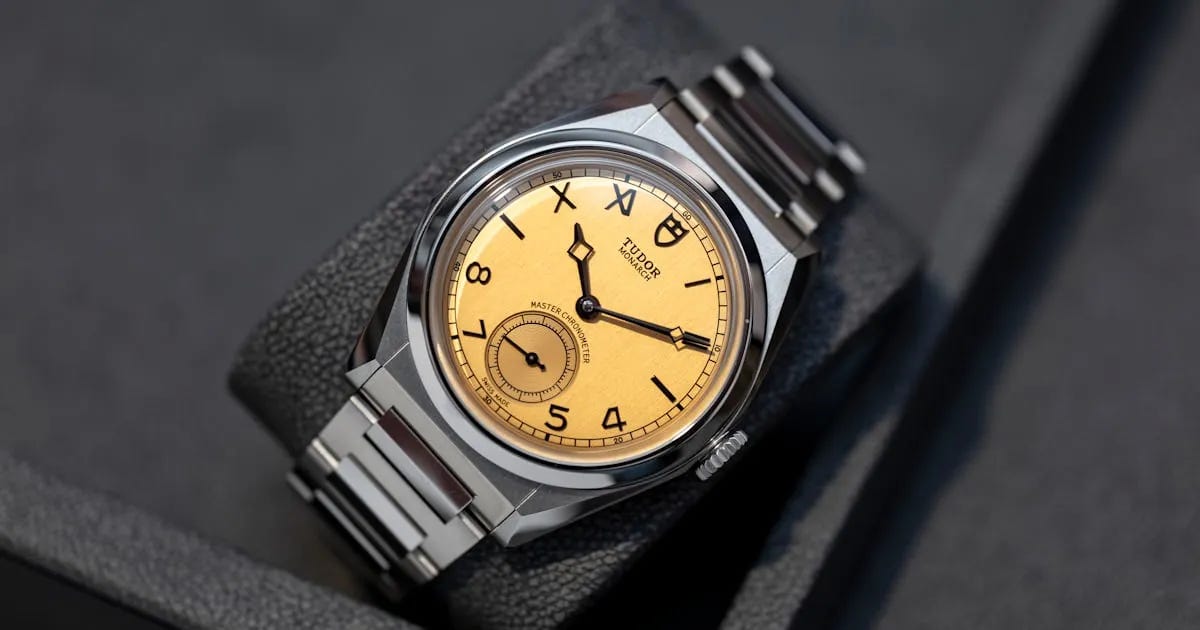
The Tudor Monarch
The Tudor Monarch is framed as an anniversary statement piece that draws on Tudor’s design heritage across multiple decades while aiming for a distinct, polarizing personality. It features an angular steel case, a copper-toned dial, gothic snowflake hands, and prominent Tudor branding at 12 o’clock. Power comes from the in-house MT5662‑2U with both COSC and METAS certification, plus anti-magnetic protection and a 65-hour reserve, placing the focus on modern performance as much as styling. The review suggests it expands Tudor’s range upward without replacing core pillars like the Black Bay or Pelagos.
Vaer
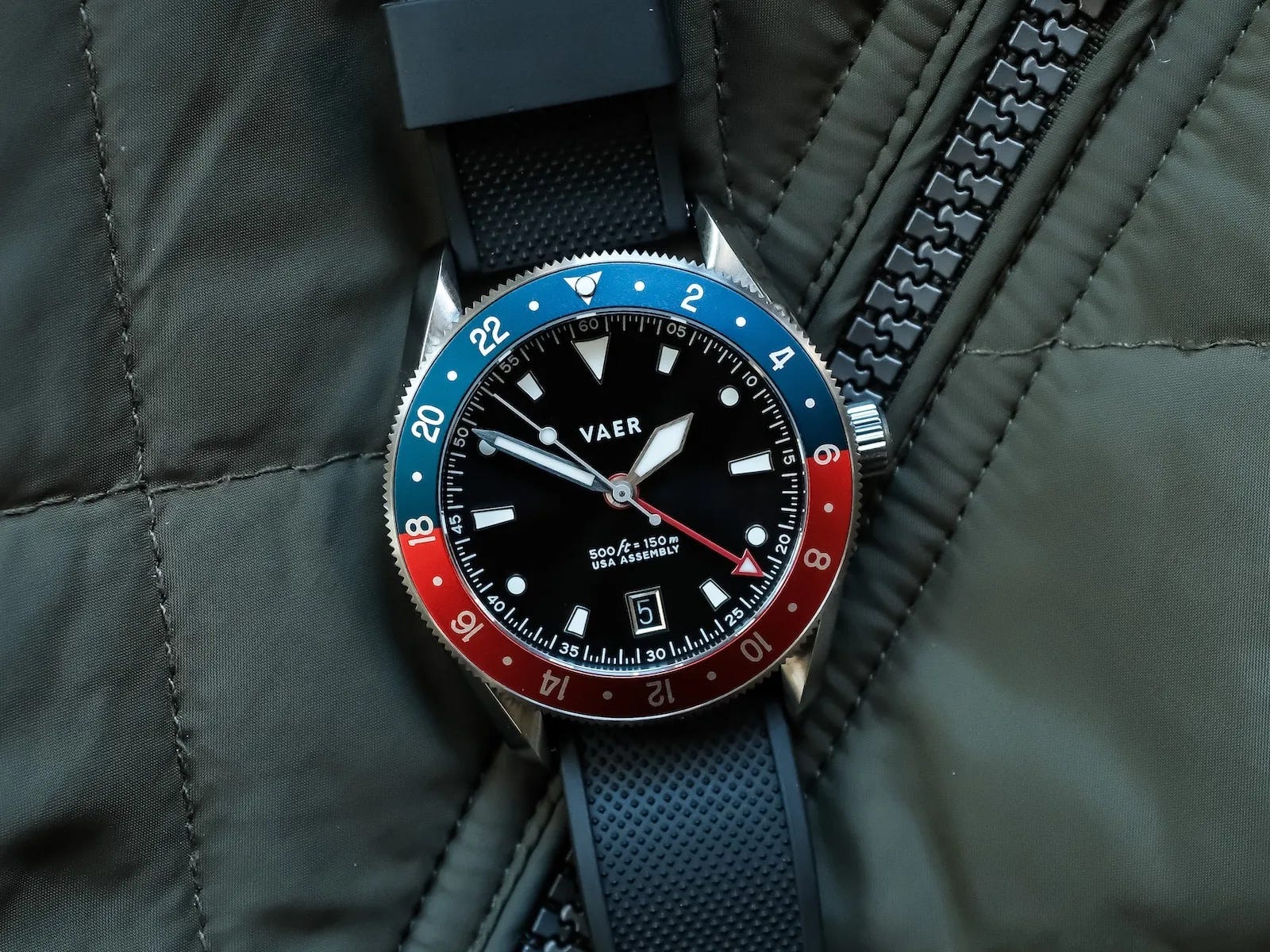
The Vaer G2 Meridian Is an Affordable Take on the Iconic Pepsi GMT
Vaer’s G2 Meridian GMT offers a pragmatic, everyday spin on the familiar Pepsi-bezel GMT format, using a lightweight build, solid caseback, and 150m water resistance suited to regular wear and travel. The 39mm case is paired with a quartz Ronda movement for low-maintenance reliability, multi-year battery life, and a straightforward GMT function. The dial layout is designed for clear legibility, with applied markers and a discreet date, while the bezel action is described as satisfying even if alignment can be inconsistent. At its core, the review positions the watch as an accessible travel companion that prioritizes usability over prestige.
Yema
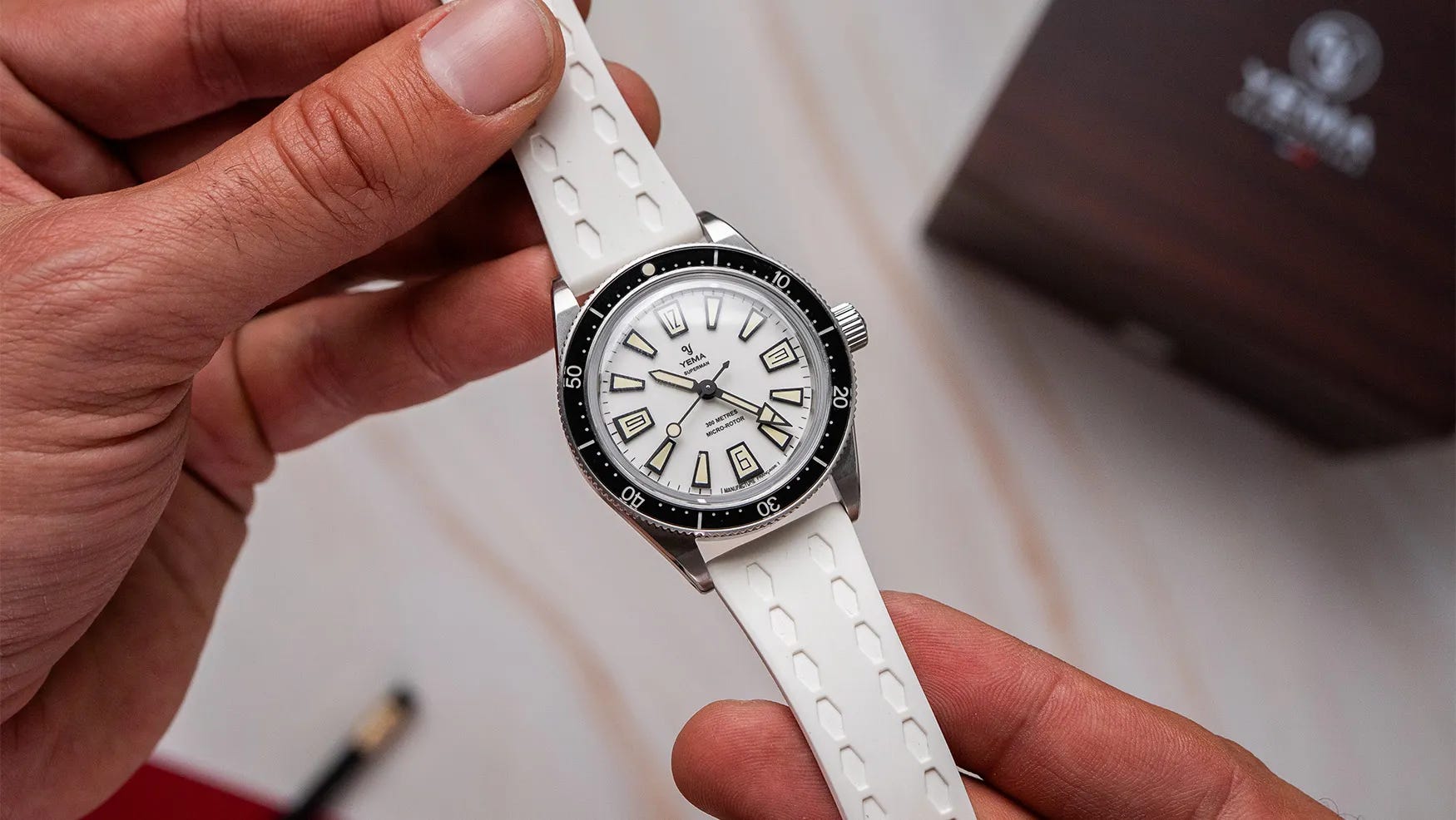
Yema Skin Diver Slim Full Lume
The Yema Skin Diver Slim Full Lume CMM.20 Limited Edition pairs a retro-leaning 39mm steel dive-watch case with a fully luminescent execution—dial, markers, hands, and even the FKM rubber strap are treated with Super‑LumiNova for an all-over glow. At just 10mm thick, it runs Yema’s in-house micro-rotor Calibre Manufacture Morteau 20, offering a 70-hour power reserve and a stated accuracy range of –3/+7 seconds. Water resistance is rated to 300 meters, and a sapphire caseback shows off the movement alongside a black sapphire bezel up front. The release is limited to 400 pieces and priced at $2,725 (with pricing also shown as £2,220/€2,450 in the review).
Comparing Time
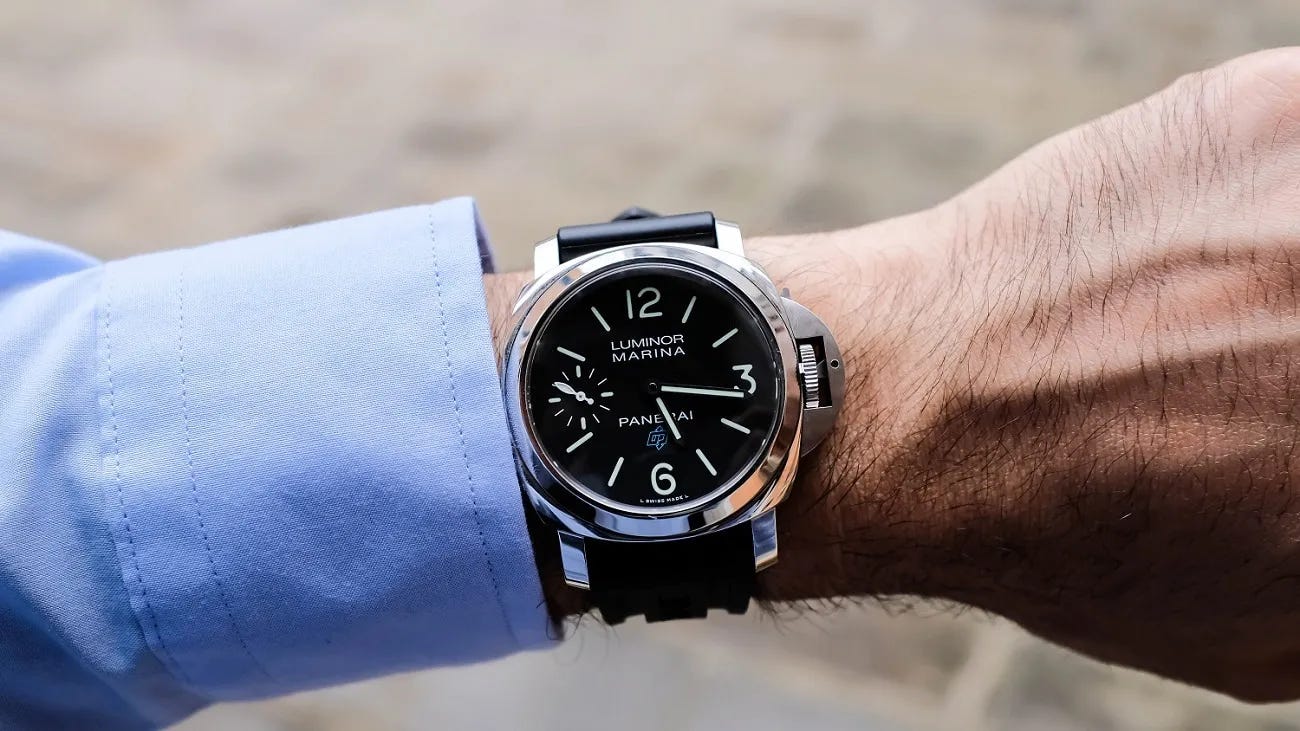
7 Affordable Luxury Dive Watches Under $5,000: Picks Worth the Upgrade
This comparison rounds up seven “affordable luxury” dive watches priced under $5,000, focusing on models that balance build quality, heritage, and real-world practicality. It spans a mix of Swiss, Japanese, and German options, highlighting differences in materials (titanium vs. steel), movements (automatic calibers and in-house options), and everyday usability factors like legibility, lume, and comfort. The guide calls out specific strengths for each pick—such as distinctive aesthetics, robustness, or brand pedigree—while noting occasional drawbacks like shorter power reserves or strap/fit quirks. Overall, it’s positioned as a step-up shortlist for buyers who want something meaningfully above entry-level divers without crossing into true high-luxury pricing.
Watches and Wonders 2026
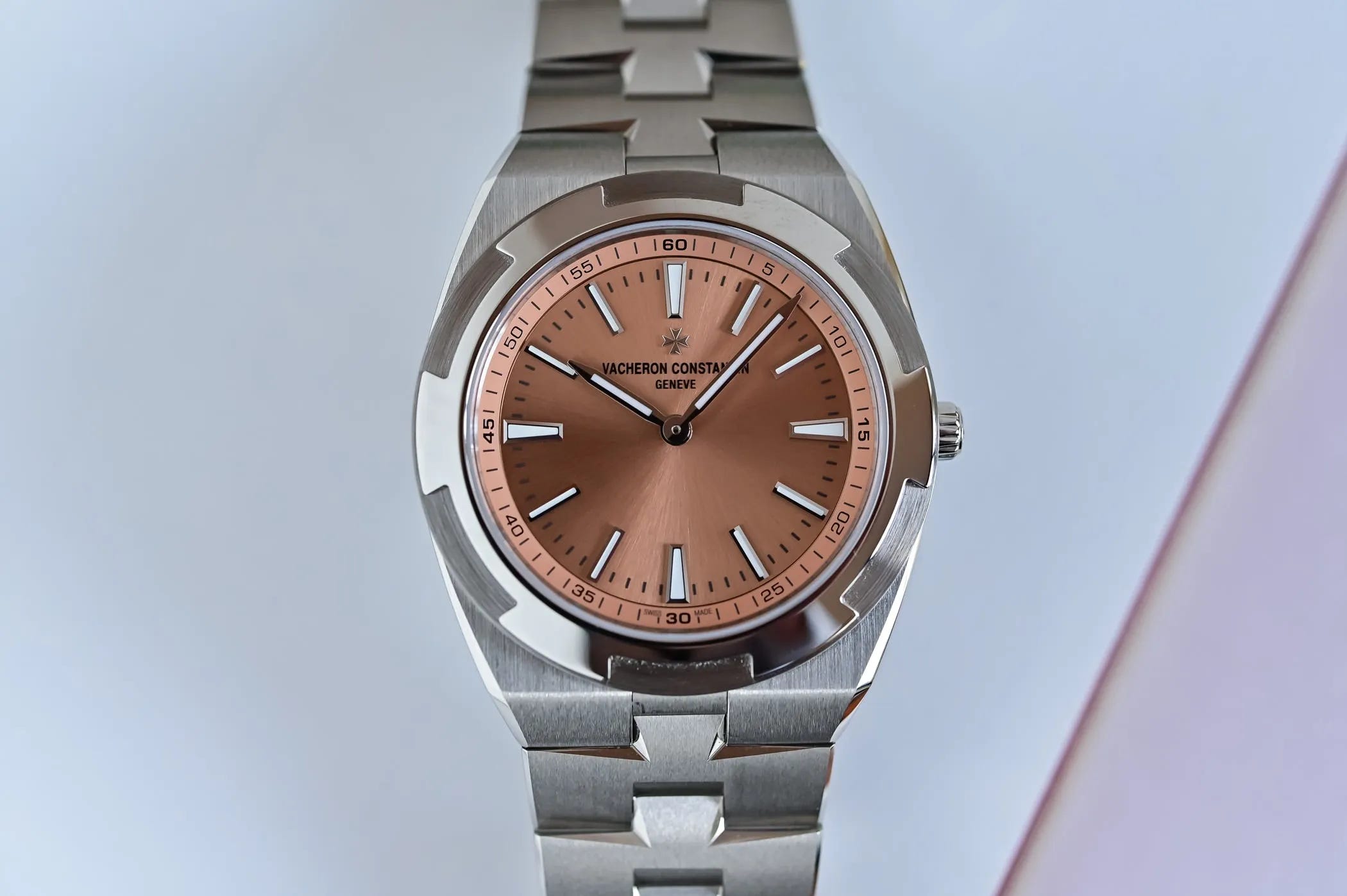
The Integrated Bracelet Watch Trend Keeps Going Strong, With Tons of New Models Presented at Watches & Wonders 2026
This roundup highlights how integrated-bracelet sports watches remained a dominant theme at Watches & Wonders 2026, with major brands continuing to refine the category through sizing, materials, and slimmer profiles. Notable examples include Bulgari’s Octo Finissimo Automatic 37mm, a refreshed Cartier Santos de Cartier Chronograph with a thinner case, and Chopard’s updated Alpine Eagle 41 XPS with a slimmer bracelet and new dial color. The article also points to high-complication and technically ambitious entries—such as IWC’s Ingenieur Perpetual Calendar in titanium and Parmigiani Fleurier’s innovative chronograph concepts—showing how the trend spans both mainstream and haute offerings. Overall, the releases reinforce that the “integrated bracelet” look is still evolving rather than fading, with brands competing on comfort, finishing, and fresh variations.
Editorial Time
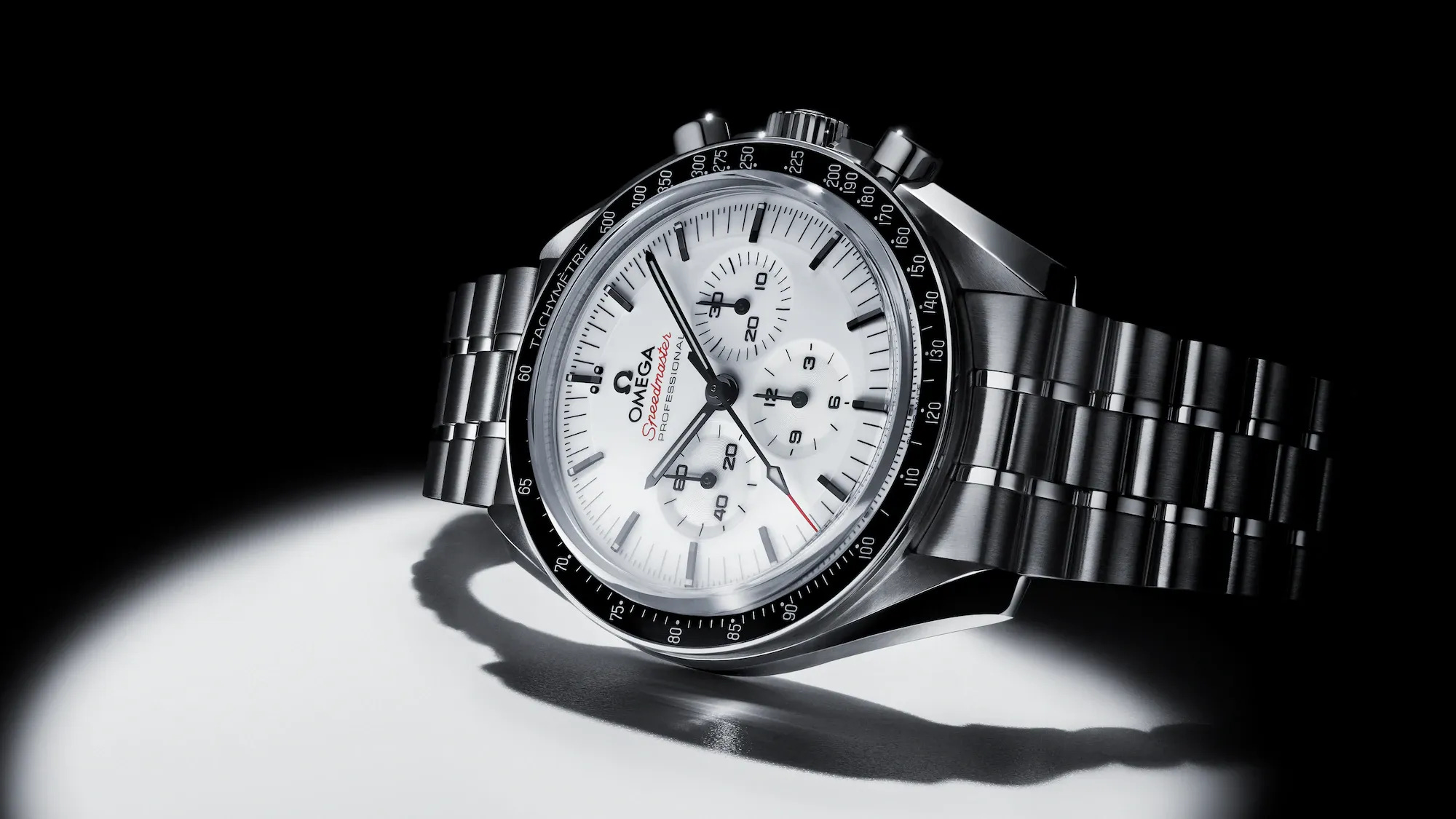
According To Ariel: Self-Defeating Pricing Is Sabotaging Watch Brand Relationships With Crucial Wealthy Consumers
The luxury watch industry is facing a backlash as brands push steep price increases—often 30% to 100%—without offering proportional added value. The piece argues that this approach misreads even affluent buyers, who still expect clear justification and will walk away when pricing feels arbitrary or opportunistic. It suggests a more sustainable strategy is to prioritize long-term loyalty by focusing on genuine value, product credibility, and competitiveness rather than assuming “wealthy means price-insensitive.” The takeaway is that undisciplined pricing can erode brand equity and relationships faster than it boosts short-term margins.
Watching Time - Videos

Watch Expert Reacts to Cringiest Watch TikToks - YouTube - Nico Leonard
Nico Leonard reacts to a compilation of “cringey” watch TikToks, calling out misinformation, fake-flex culture, and questionable takes on popular models. He riffs on clips ranking “the lamest Rolexes,” pushes back on hot takes like the Hulk being overrated, and mocks the idea of a “Joe Biden” Rolex. The video jumps through topics like Grand Seiko shopping debates, an elitist “age-based” watch-buying roadmap, and a concept for a multi-disc jump-hour display with a blackout mode. A recurring warning is authenticity—highlighted by a 47th Street NYC example where a buyer allegedly paid about $9k for a watch with a non-Rolex gold case and altered serials.

The Watch Doctor: Dr. Helmut Crott shares his knowledge on the Rolex “Dragon” ref. 6085 - YouTube - Phillips Watches
Dr. Helmut Crott and Aurel Bacs dig into the backstory of the Rolex “Dragon” ref. 6085 cloisonné enamel dial, using archival Stern Frères documentation to trace provenance. They walk through special-order books, client codes, dial markings, pricing notes, and enameller attribution (including Nelly Richard) to reconstruct how these dials were commissioned and recorded. The episode shows how details on the back of a dial and the counter-enamel can reveal hidden clues about origin and authenticity. It frames serious watch research as old-school detective work built on archives, auction records, and shared collector knowledge.

Tim’s Best Affordable Watches of 2026 - YouTube
Tim Masso argues that “affordable” watches still exist despite price inflation, using a $10,000 ceiling while most picks land well below it. He breaks the list into three buckets: value-forward Watches & Wonders 2026 releases (including a NOMOS Tangente Neomatik, Tudor value plays, and an Oris Artelier Calibre 113), smart used-luxury buys (like the prior-gen Omega Speedmaster Grey Side of the Moon and a pre-owned Zenith Chronomaster Sport), and non-Swiss/smaller-brand value options. The episode mixes in viewer wrist shots and commentary on how to judge value versus MSRP in 2026. The central takeaway is that strategy—new vs. used, and big brand vs. niche—matters more than chasing hype.

The REAL reason watches feel MID - YouTube - Britt Pearce
Britt Pearce argues that many watches feel “mid” right now because the industry over-prioritizes constant new releases and hype cycles. The video suggests that frequent model churn often replaces meaningful improvements like better movements, bracelets, finishing, and real value. Pearce’s takeaway is that fewer annual launches paired with steady, substantive upgrades would make releases feel more exciting and worth paying attention to. In other words, iterative progress would do more for enthusiasm than nonstop novelty.

Big Problems Already For Universal Genève - YouTube
This episode of A Podcast About Watches looks at the announced revival of Universal Genève and why relaunching the historic name will be difficult. The hosts focus on the gap between heritage expectations and modern market realities, including risks around pricing, product strategy, and choosing the right audience. They argue that authenticity will hinge on execution—especially communications and whether the relaunch feels like a real continuation of the brand rather than a cash-in. The broader point is that history alone won’t carry the comeback without credible choices and consistency.

SJX Podcast: Independent Highlights from Geneva - YouTube - SJX Watches
The SJX Podcast spotlights independent watchmaking around Geneva during Watches & Wonders, focusing on smaller fairs like AHCI and Time to Watches instead of the major brands at Palexpo. It highlights standouts such as Mathieu Cleguer (with a novel escapement concept), Dominique Renaud (showing a new 1 Hz balance), and Franc Vila (signaling a new creative phase). The discussion emphasizes how these niche makers bring experimentation and fresh ideas that often get overshadowed by headline launches. The episode frames the indie scene as a key source of innovation and variety in modern horology.
Talking Time - Podcasts

The SUPERLATIVE Podcast: Charlotte And Peter Fiell On Watch Collecting, Curation, And Storytelling
Charlotte and Peter Fiell discuss the making of their book Ultimate Collector Watches, explaining how they curated a wide-ranging selection of important timepieces. They break down the criteria behind their picks—auction performance, brand representation, historical periods, and complications—while acknowledging how difficult it is to move beyond the gravitational pull of names like Patek Philippe and Rolex. The conversation also explores the cultural and psychological drivers of collecting, including how origin, rarity, and personal attachment shape what people value. Ultimately, the episode emphasizes that great watch collecting is as much about narrative and meaning as it is about mechanics and design.
BuyingTime at Auction
A few select current auctions that caught our eye on GetBezel.com
[Monday’s auction watch, the 2022 Vacheron Constantin Traditionnelle Complete Calendar Openface 41 White Gold / Skeletonized / Strap (4020T/000G-B655) - was bid to $27,916 but did not meet its reserve. - make an offer]
2017 Patek Philippe Annual Calendar Regulator White Gold / Silvered (5235G-001)
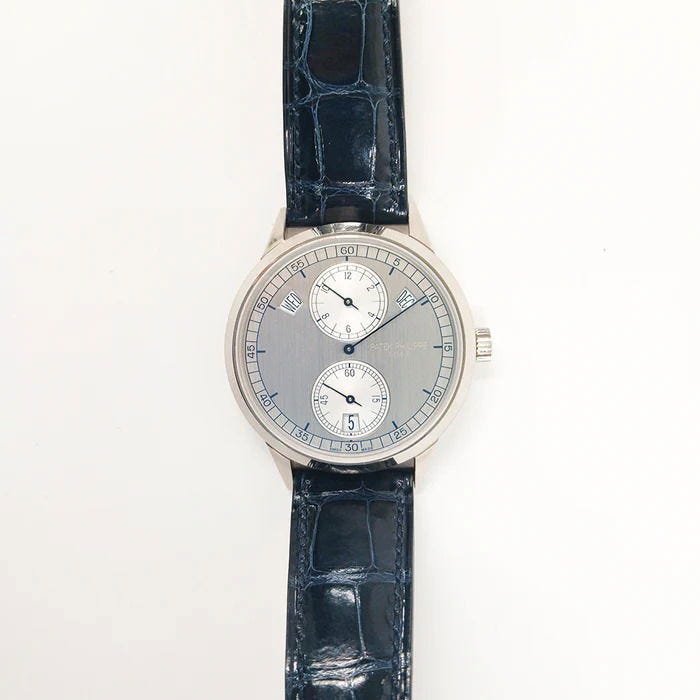
Auction Report: Patek Philippe 5235G-001 — The Thinking Man’s Outlier
The 2017 Patek Philippe Annual Calendar Regulator 5235G-001 heading into its Tuesday (today), 7:50 p.m. EDT close is one of those rare Patek Philippe references that makes even seasoned collectors pause—not because it’s complicated (it is), but because it dares to look different. Introduced in 2011 and produced in relatively limited and uneven quantities, the 5235G occupies a strange but compelling corner of the brand’s catalog: the first time Patek combined its patented annual calendar with a regulator-style display, a format historically reserved for precision workshop clocks. The result is a watch that feels almost academic in its intent—separate subdials for hours, minutes, and seconds—yet dressed in a sharply modern, vertically brushed silver dial that still looks like it came from ten years in the future. Even today, it remains one of the most unconventional designs to wear the Calatrava cross, and that tension between tradition and modernity is exactly why it has endured.
From a market standpoint, the story here is less about speculative fireworks and more about quiet resilience. Originally retailing around $53,600, the 5235G now trades in a fairly tight band in the secondary market, generally between the mid-$30,000s and low-$40,000s depending on condition and completeness . Recent auction results reinforce that narrative, with examples hammering in the roughly $30,000 to $36,000 range, occasionally pushing higher when condition and provenance align . This particular 2017 example, offered with box, papers, and product literature, sits right in the sweet spot: excellent dial condition, only light wear on the case, and the kind of honest use that collectors tend to prefer over over-polished perfection. The manual-wind caliber 31-260 REG QA—developed with advanced silicon components from Patek’s Advanced Research division—adds another layer of intrigue, especially for buyers who appreciate technical nuance as much as brand equity.
What makes this lot especially interesting is how it reflects the broader recalibration happening in the watch market. There was a time when the 5235G flirted with scarcity-driven premiums, even trading above retail in its early years due to limited availability . Those days are gone, replaced by a more disciplined, arguably healthier market where pieces like this find equilibrium based on design distinctiveness and mechanical credibility rather than hype cycles. In that context, the 5235G-001 feels like a connoisseur’s play: not the obvious Patek, not the Instagram darling, but the one that signals you actually know what you’re looking at. Expect competitive bidding, but not irrational exuberance—likely landing somewhere in the mid-to-high $30,000s if the room behaves. And if it creeps into the low $40s? That’s simply the market reminding everyone that originality, even at Patek Philippe, still carries a premium.
Current bid: $30,500