

Time Graphing today’s watch universe
Yesterday’s Memorial Day holiday in the United States — along with observances in several other countries honoring military service and sacrifice — created one of those unusually quiet Mondays across the watch industry where the inbox slows down, the market pauses for a breath, and collectors finally have time to stare at their watches instead of pretending they’re “investments.” It also served as a reminder that modern wristwatch culture owes a tremendous debt to World War II, when durable, reliable wristwatches evolved from gentlemanly accessories into critical military instruments. Navigation, synchronization, aviation timing, battlefield coordination — the modern wristwatch became indispensable during the war years, and much of today’s obsession with tool watches, pilot watches, field watches, and rugged chronometers can trace its DNA directly back to that era.
Even on a slower news day, however, the industry still managed to produce enough haute horlogerie excess to make a Swiss banker blush. Zenith continued leaning hard into its technical heritage with a fascinating deep dive into the rebirth of the legendary Calibre 135. The company’s product leadership detailed how the historic competition movement was effectively rebuilt from scratch while preserving its mid-century soul. The upgraded movement now targets roughly ±2 seconds per day, gains a 72-hour power reserve, and is positioned as a low-volume halo movement for the GFJ collection. In other words, Zenith is attempting to remind collectors that before integrated steel sports watches consumed civilization, observatory chronometers were once the flex.
One of the sharper opinion pieces of the day came from a broader critique of modern luxury watchmaking itself, arguing that too many expensive watches simply no longer feel expensive. The piece suggested that branding, logos, and marketing narratives are increasingly replacing genuine tactile quality and thoughtful engineering. It is hard to argue entirely against that point when certain six-figure watches now arrive with clasp tolerances resembling rental-car trim pieces. The article essentially called for the industry to rediscover craftsmanship instead of relying on scarcity games and celebrity wrists to justify pricing.
Meanwhile, the rise of additive manufacturing continues to creep further into serious watchmaking territory. The Parivas Exo.1 showcased what happens when aerospace engineering collides with independent horology and somebody decides traditional machining is simply too boring. Its intricate lattice-like structure and monolithic construction would be nearly impossible using conventional manufacturing methods, while the “Solar Dusted” finishing process gives the watch a futuristic texture that looks halfway between a spacecraft component and modern sculpture. Whether collectors fully embrace 3D-printed haute horlogerie remains to be seen, but the technology is no longer experimental theater anymore.
Vintage collecting also had a strong showing thanks to the Patrick Parrish Collection appearing through Loupe This. The rotating selection focuses less on conventional trophy collecting and more on strange, functional, deeply individual watches tied to aerospace, motorsports, diving, and engineering experimentation. It feels refreshingly human compared to the increasingly sterile world of “safe” modern collecting, where too many buyers appear terrified to purchase anything that isn’t approved by social media algorithms and grey-market spreadsheets.
The new release cycle remained wildly entertaining at the upper end of the market. A. Lange & Söhne unveiled a unique white-gold Grand Complication with a black enamel dial that somehow makes a 50mm chiming perpetual-calendar split-seconds monster look elegant. Jaeger-LeCoultre responded with the Reverso Hybris Artistica Calibre 179 Pegasus, a five-piece engraved twin-axis tourbillon artwork priced comfortably somewhere north of “don’t ask.” David Candaux introduced the DC1 Platinum Art of the Tourbillon, which looks like it belongs in a billionaire villain’s ski chalet, while Akhor arrived with Geneva-certified independent watchmaking and a poetic partially hidden display concept that feels pleasantly eccentric in the best possible way.
At the more wearable end of the spectrum, TAG Heuer refreshed the Aquaracer Professional 200 Solargraph lineup with cleaner proportions, titanium options, and solar-powered practicality that frankly makes a compelling case for quartz technology in 2026. Panerai returned to its maritime comfort zone with the boutique-only Radiomir Bronzo PAM00760, complete with a vignette green dial and enough bronze to slowly oxidize your wrist into nautical authenticity.
Review coverage was also strong despite the holiday slowdown. BOVET continued operating on its own distant planet with the Récital 28 Prowess 1 and its remarkably complicated world-time roller system. Chronoswiss delivered one of the better-looking Art Deco-inspired releases in recent memory with the Delphis Art Deco. Casio G-Shock perhaps stole the value conversation entirely with the MR-G MRGB2100D-2A, which somehow transforms a G-Shock into something bordering on elegant luxury sports watch territory without losing its indestructible personality. At the opposite end of the pricing spectrum, the Timex Marlin Draper Automatic reminded everyone that charming vintage-inspired daily watches do not require second mortgages.
The comparison feature on retrograde watches also offered a welcome reminder that mechanical watchmaking still knows how to have fun. There remains something wonderfully theatrical about a retrograde hand snapping back to zero that no smartwatch notification will ever replicate, no matter how many software updates Silicon Valley throws at it.
Over on YouTube, Harrison Elmore delivered a surprisingly grounded collector advice video about what most enthusiasts get wrong, including boutique intimidation and the industry’s obsession with unnecessary specs. Hodinkee’s latest Talking Watches episode featuring Yoni Ben-Yehuda explored the far more interesting side of collecting — personality, taste, and community instead of resale percentages. And naturally, somebody on YouTube also explained what your Rolex says about you, because apparently modern civilization now requires psychological profiling through bezel selection.
Podcast listeners had a relatively lively day thanks to Scottish Watches broadcasting live from Bucherer Novelty Days in London with appearances from H. Moser & Cie., Norqain, and a Girard-Perregaux collaboration reveal mixed into the conversation.
In auction news, Monday’s featured 2026 Rolex Oyster Perpetual 36 Multicolored Jubilee Motif failed to meet reserve despite reaching $18,750 in bidding, another subtle reminder that parts of the speculative modern watch market continue cooling. Today’s featured auction, however, is a much more serious heavyweight: the 2024 Patek Philippe Nautilus Annual Calendar 5726/1A-014. Current bidding sits at $112,500 heading into this afternoon’s close, and the steel annual calendar Nautilus continues proving that even in a softer luxury environment, complicated blue-dial steel Patek Philippe sports watches still possess the magical ability to make otherwise rational adults suddenly behave like hedge funds wearing loafers.
-Michael Wolf
Feature Time

Interview: Zenith’s Product Chief on Reviving the Chronometer Cal. 135
Zenith’s revival of the historic Calibre 135 focuses on rebuilding a famed mid-century competition movement piece by piece, preserving its signature architecture while bringing performance up to modern expectations. The updated calibre adds a 72-hour power reserve, hacking seconds, and accuracy targeted at about ±2 seconds per day, alongside substantial re-engineering of the gear train, jewel count, and finishing. Zenith is positioning the movement as a low-volume, high-end pillar inside the GFJ collection, with production around 300 pieces per year and room for future complications and collaborations. This approach reinforces Zenith’s technical heritage while creating a distinctly premium offering for collectors.
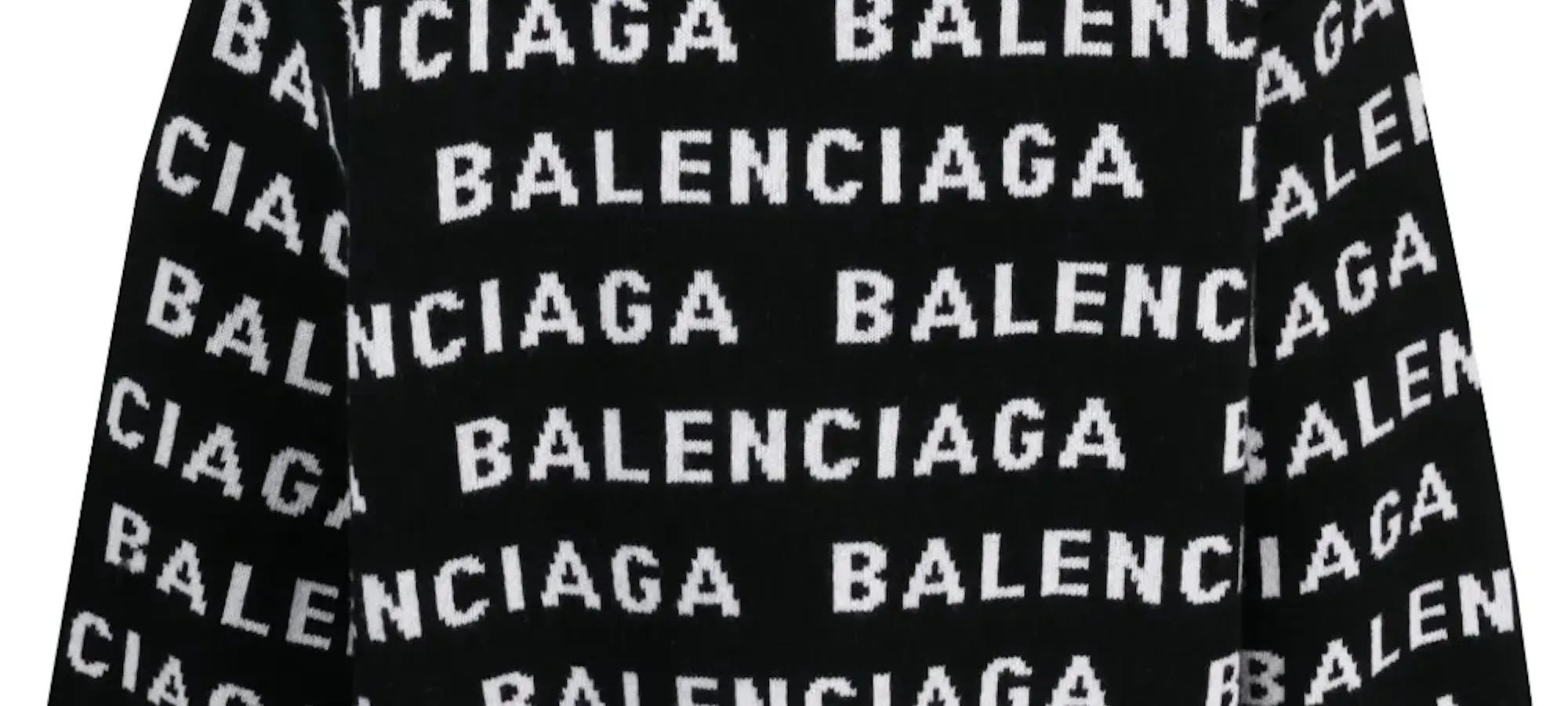
Grinding Gears: Too Many Luxury Watches Feel Too Cheap (Even To The Untrained Eye)
The article argues that a growing number of modern luxury watches fail to deliver a sense of quality commensurate with their prices, leaving even casual observers unimpressed. It suggests the industry has been pulled toward brand-first selling—mirroring broader luxury fashion dynamics—where status and logos can overshadow tangible craftsmanship and thoughtful execution. As a result, consumers are asked to pay more for less meaningful substance, fueling dissatisfaction and skepticism. The piece calls for a renewed emphasis on genuine artisanal standards, stronger design discipline, and real technical value to justify premium pricing.
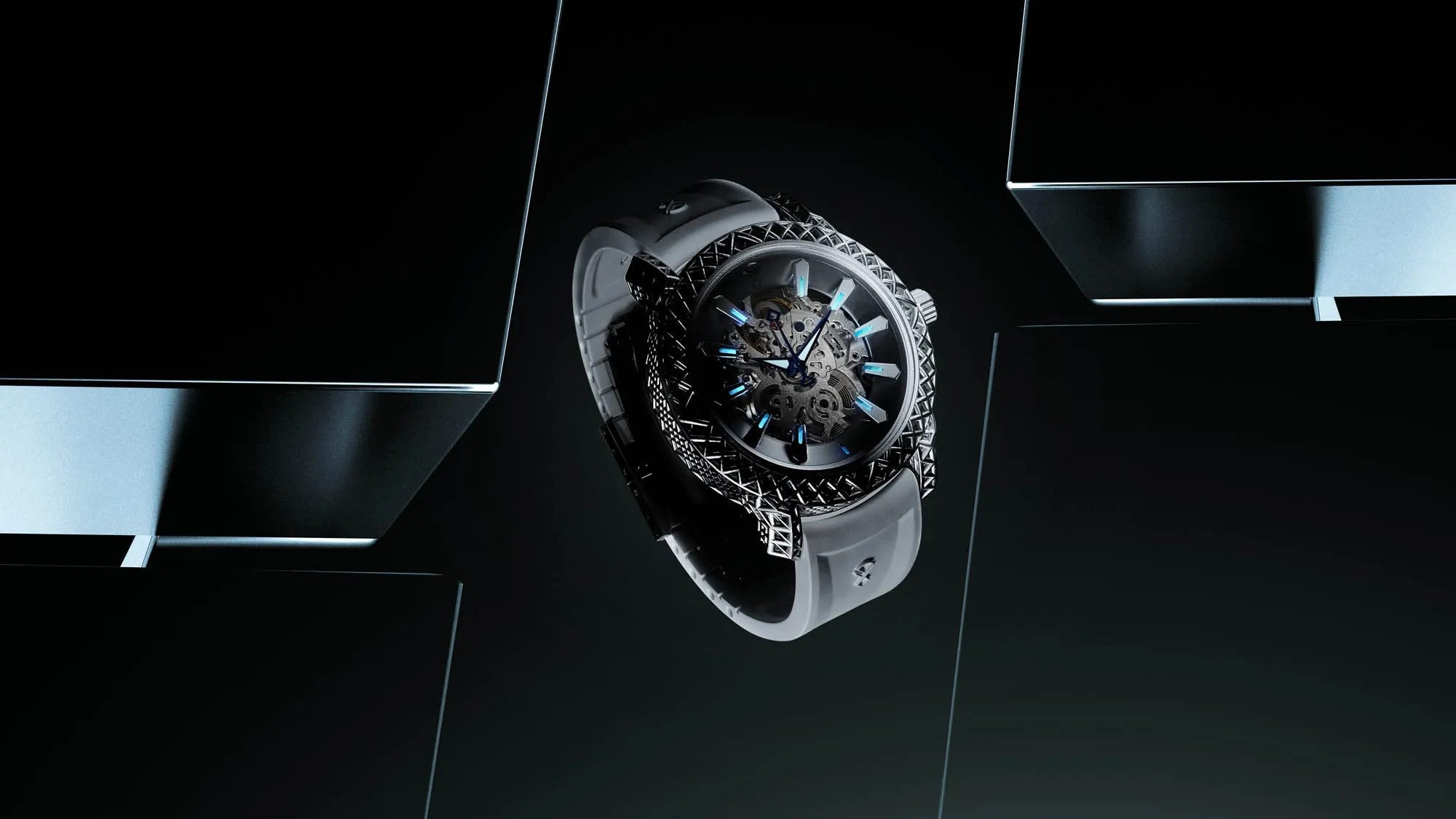
The Parivas Exo.1 and the Rise of Additive Manufacturing in Watchmaking
Parivas is presented as a watch brand built around additive manufacturing, applying aerospace engineering experience to create designs that traditional machining can’t realistically achieve. Its Exo.1 is a $7,500, 42 mm watch formed from a lattice-like structure of extremely fine beams, with a monolithic case concept that reduces part count and alignment issues while creating a distinctive, technical aesthetic. The brand also uses a specialized “Solar Dusted” finish from a custom metal-sintering process, producing uniquely reflective dial surfaces. Looking forward, Parivas plans to expand into higher-priced models and new lattice architectures that depend on continued advances in 3D printing.
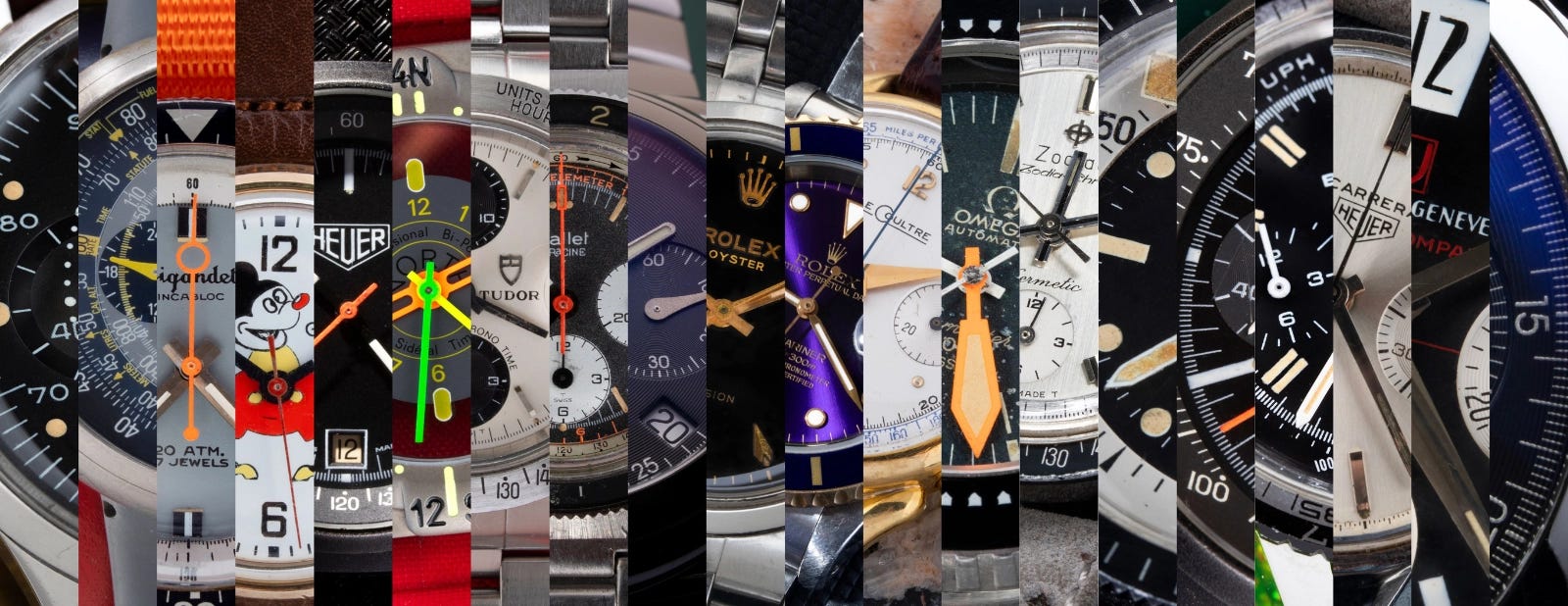
Instruments of individuality in the Patrick Parrish Collection
This feature highlights the Patrick Parrish Collection as a deliberately eclectic set of vintage watches chosen for function-driven originality rather than conventional luxury signaling. Released via Loupe This in 41 rotating lots, the collection spans themes like aerospace, motorsport, diving, and experimental engineering, emphasizing watches that solved unusual problems or embodied ambitious technical ideas. Examples include early polar-ready or tool-focused pieces alongside historically significant chronographs, each positioned as a practical instrument with design character shaped by purpose. The overall narrative frames the collection as an instinctive, highly personal perspective on 20th-century optimism in design and technology.
The Latest Time
A. Lange & Söhne
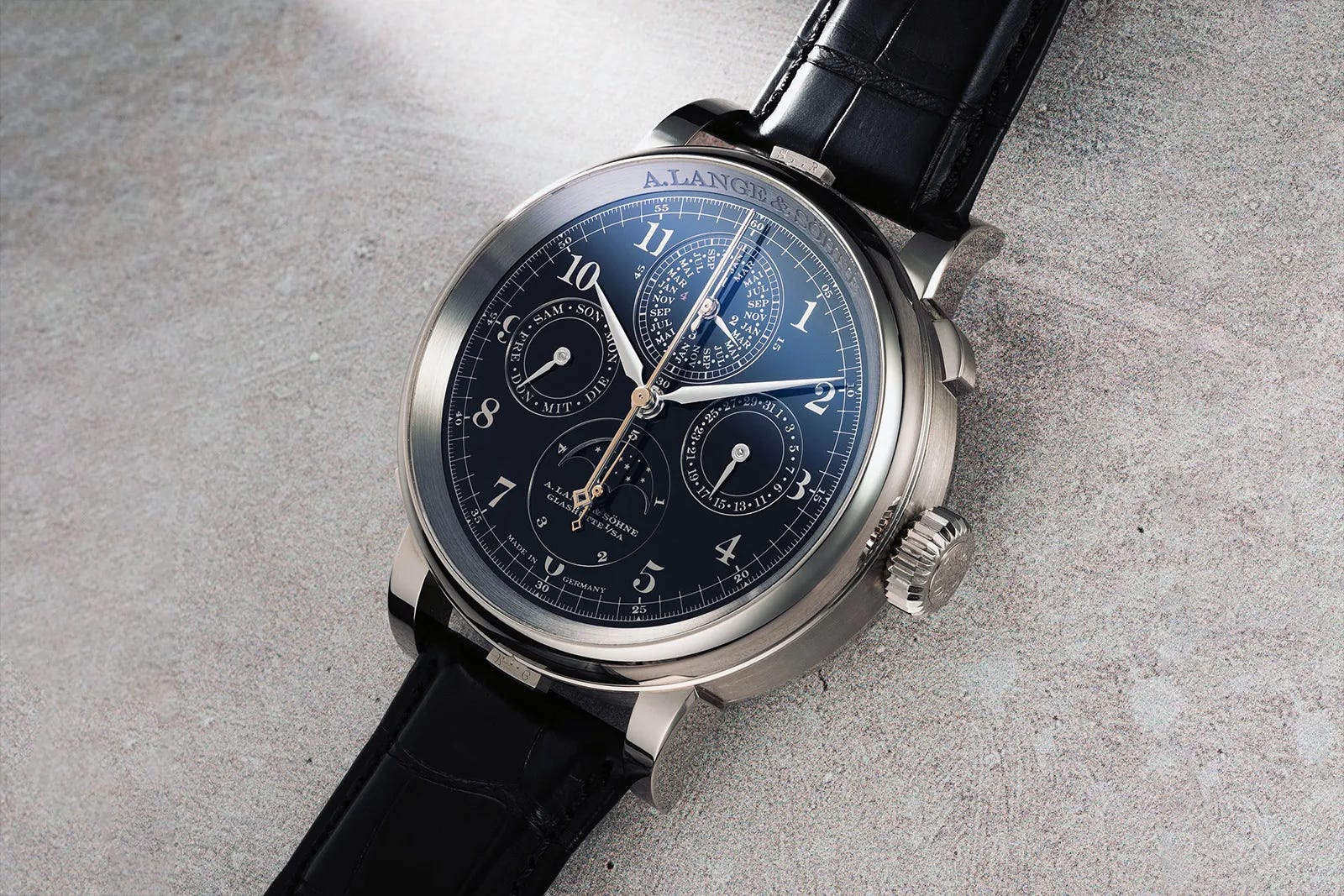
A Unique A. Lange & Söhne Grand Complication Emerges
A. Lange & Söhne has re-imagined its Grand Complication as a unique white-gold piece with a deep black champlevé enamel dial, while retaining the original’s imposing 50 mm size and the ultra-complex L1902 movement. The watch preserves its full high-complication suite—grand and petite sonnerie, minute repeater, split-seconds chronograph with foudroyante, perpetual calendar, moon phase, and leap-year indication—while presenting a more contemporary dial and case aesthetic. The enamel work is executed in-house with layered application and polishing to achieve a flat, glossy surface that integrates numerals and registers cleanly. It remains mechanically aligned with the 2013 Grand Complication, including the same 876-part architecture and “Unique Piece” designation visible through the open caseback.
Akhor
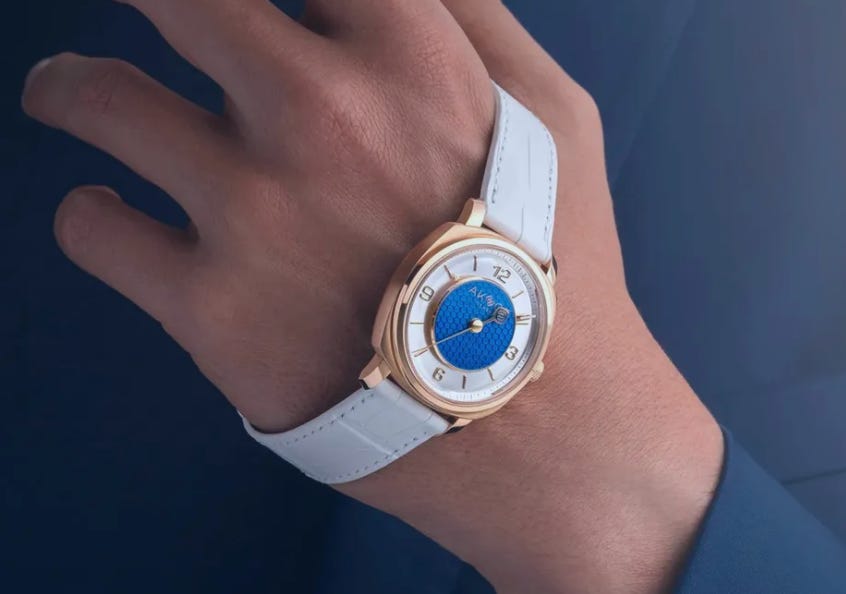
Akhor Launches the “A Two Beats Choice” Collection and Poincon de Genève-Certificed Watches
Akhor’s “A Two Beats Choice” collection centers on a patented, two-level dial concept that blends contrasting colors while letting the hands rotate beneath an upper plate for a partially hidden, poetic display of time. The watches are powered by the brand’s hand-wound AK10 calibre, featuring a 60-hour power reserve and a stop-seconds mechanism, and the movement has earned both COSC chronometer approval and Poinçon de Genève certification. Pricing is stated as CHF 28,000 to CHF 57,800 (approximately $35,798 to $73,817 USD at current rates), depending on steel vs. gold execution and options like diamond-set bezels. The launch also emphasizes semi-personalization through configurable colors, materials, and straps, reinforcing the brand’s positioning as a technically serious independent.
David Candaux
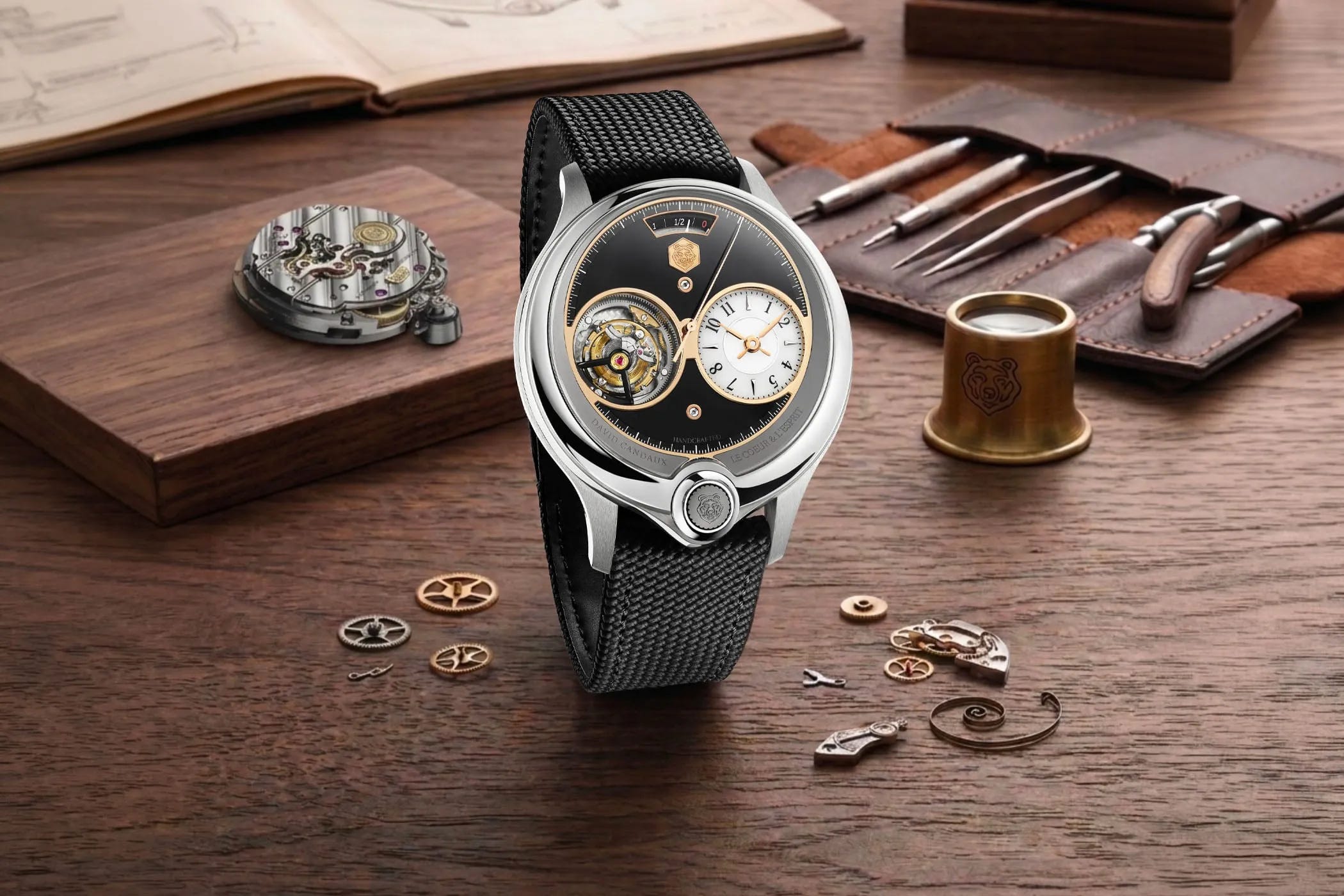
The new David Candaux DC1 Platinum Art of the Tourbillon
The DC1 Platinum Art of the Tourbillon updates David Candaux’s original DC1 concept with a 43 mm platinum case, hand-polished surfaces, and a dramatic black onyx central plate. The watch’s display is anchored by an inclined flying tourbillon at 9 o’clock, driven by the hand-wound H74 calibre with titanium bridges and plates, plus a power reserve indication shown via a small titanium hand. It is limited to eight pieces and priced at CHF 248,000 (approximately $317,068 USD at current rates), underscoring its rarity and collector focus. A textured black rubber strap with Velcro closure and a quick-release system complements the watch’s modern, performance-minded take on haute horlogerie.
Jaeger-LeCoultre

Jaeger-LeCoultre Reverso Hybris Artistica Calibre 179
This Reverso Hybris Artistica Calibre 179 “Pegasus” is a highly artistic, extremely limited edition that pairs the iconic reversible case with extensive hand-engraving and lacquer work depicting the mythic winged horse. Inside is the manual-winding calibre 179, built around a twin-axis tourbillon and designed to deliver a full spectacle on both faces, each with dual-time functionality and supporting indications. The summary notes pricing as “well over CHF 650,000” (approximately $831,025+ USD at current rates), reflecting both the movement’s complexity and the handcraft involved, and production is limited to just five pieces. The result is a watch that’s as much sculptural art as it is technical watchmaking, using the Reverso format as a canvas for high relief engraving.
Panerai
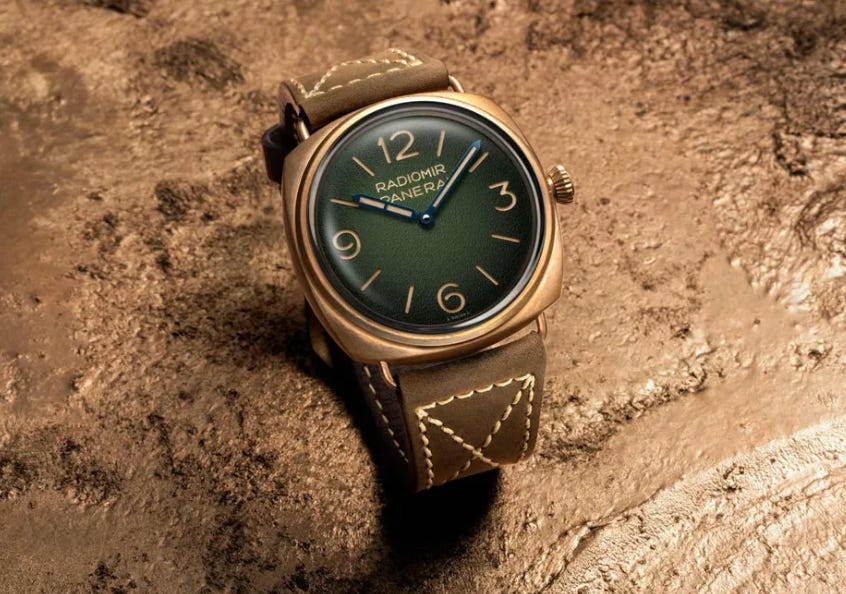
The Organic Shades Of The Panerai Radiomir Bronzo PAM00760
The Radiomir Bronzo PAM00760 is presented as a boutique-only bronze reinterpretation tied to Panerai’s maritime storytelling, created for the 90th anniversary of the restored ketch Eilean. It uses a 47 mm bronze case, a hand-wound P.3000 calibre, and 100 m water resistance, paired with a distinctive vignette green dial and nautical-inspired tones that echo bronze patina and sea colors. The price is listed as €19,500 (approximately $22,712 USD at current rates), positioning it as a niche, high-end enthusiast piece with strong material character. A dark brown calfskin strap and additional crystal option round out the package for collectors drawn to Panerai’s heritage-driven, texture-forward design language.
TAG Heuer
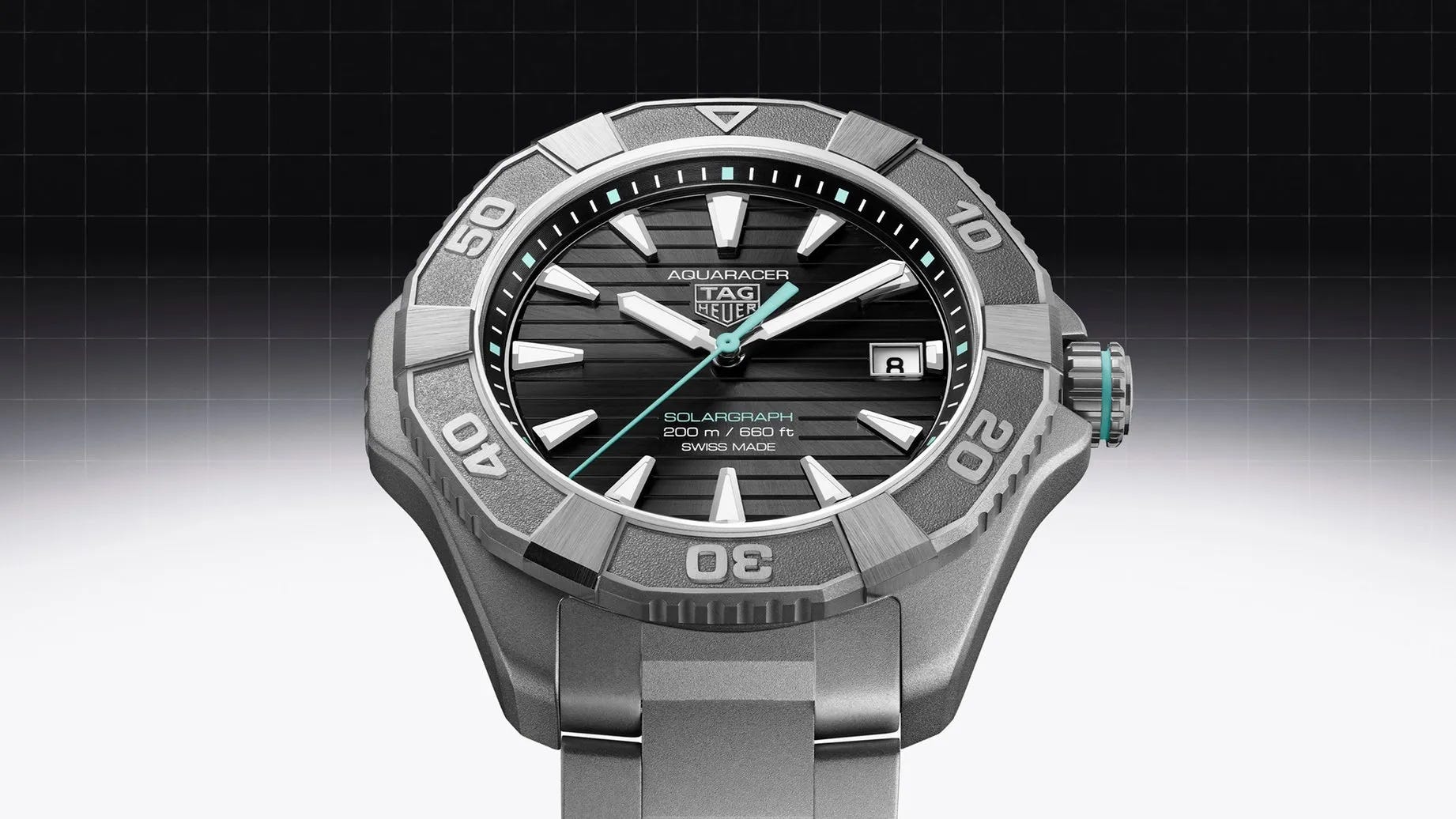
The Redesigned 40mm TAG Heuer Aquaracer Professional 200 Solargraph In Four Variants
TAG Heuer’s refreshed Aquaracer Professional 200 Solargraph line adds four models split between steel and two grades of titanium, all built around a 40 mm case and the TH50-00 solar-powered quartz movement. The movement is positioned as ultra-convenient—charging quickly in sunlight and delivering long autonomy—while the case and bezel receive design tweaks aimed at better symmetry, grip, and a more premium mix of brushed and polished finishes. Pricing is explicitly given in USD as $3,100 for the steel models and up to $3,850 for the top Grade 5 titanium variant, with other prices also quoted in euros and pounds. With 200 m water resistance and a sub-10 mm profile, the update targets buyers who want daily-wear practicality without giving up the Aquaracer’s tool-watch intent.
Wearing Time - Reviews
Bovet
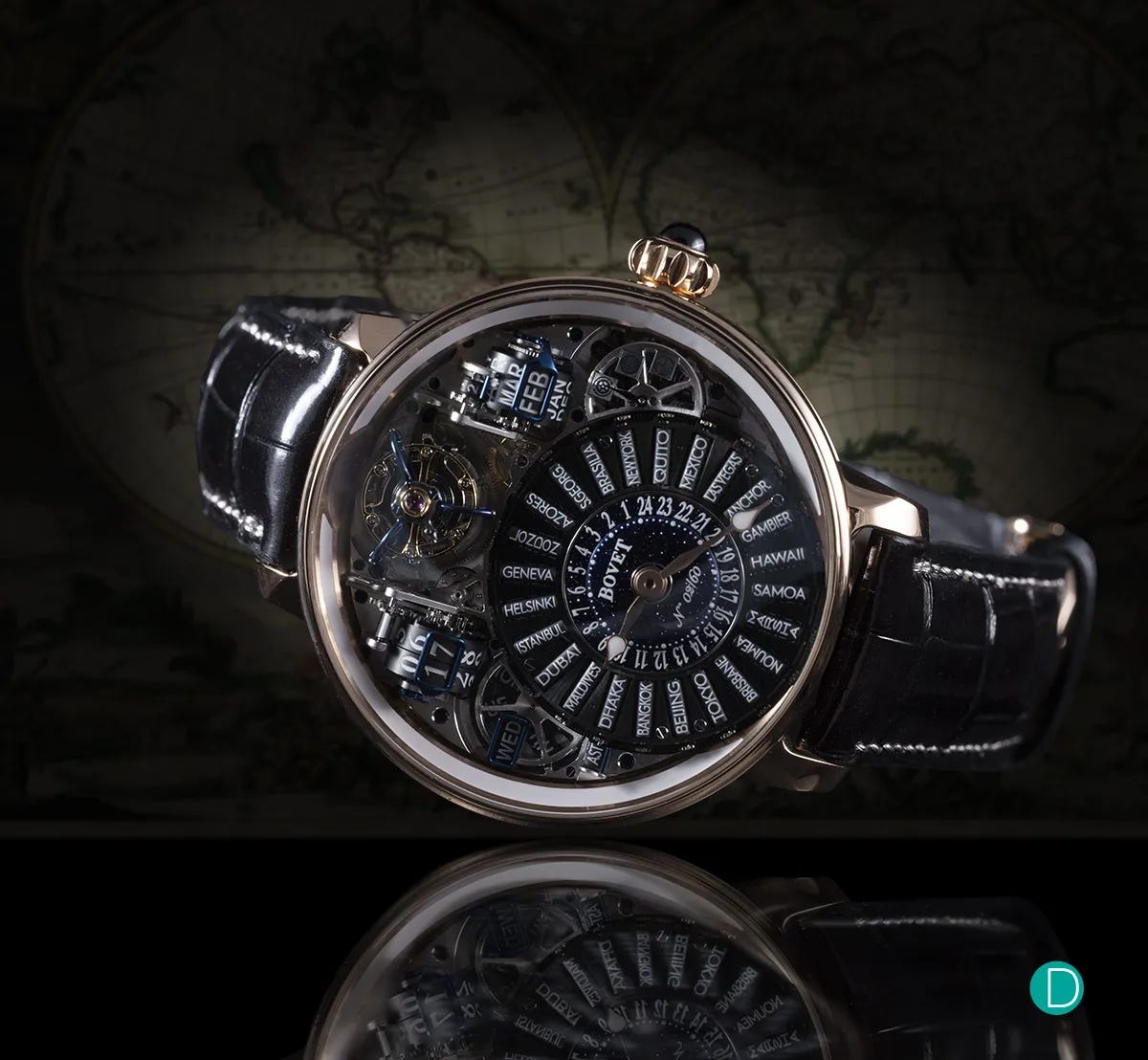
The BOVET Récital 28 Prowess 1, a World-First Breakthrough
The BOVET Récital 28 Prowess 1 introduces a novel world-time system designed to handle daylight-saving adjustments via a roller-based mechanism that lets time zones be configured through the crown. It’s housed in the Dimier “Writing Desk” case and powered by a hand-wound, 744-part movement with a 10-day power reserve, a double-sided flying tourbillon, and a perpetual calendar display integrated into the roller concept. With production capped at roughly eight pieces per year across precious metal and titanium variants, it’s positioned as both technically innovative and highly exclusive. The review emphasizes the watch’s combination of practical usability for travelers and high-craft finishing for collectors.
Chronoswiss
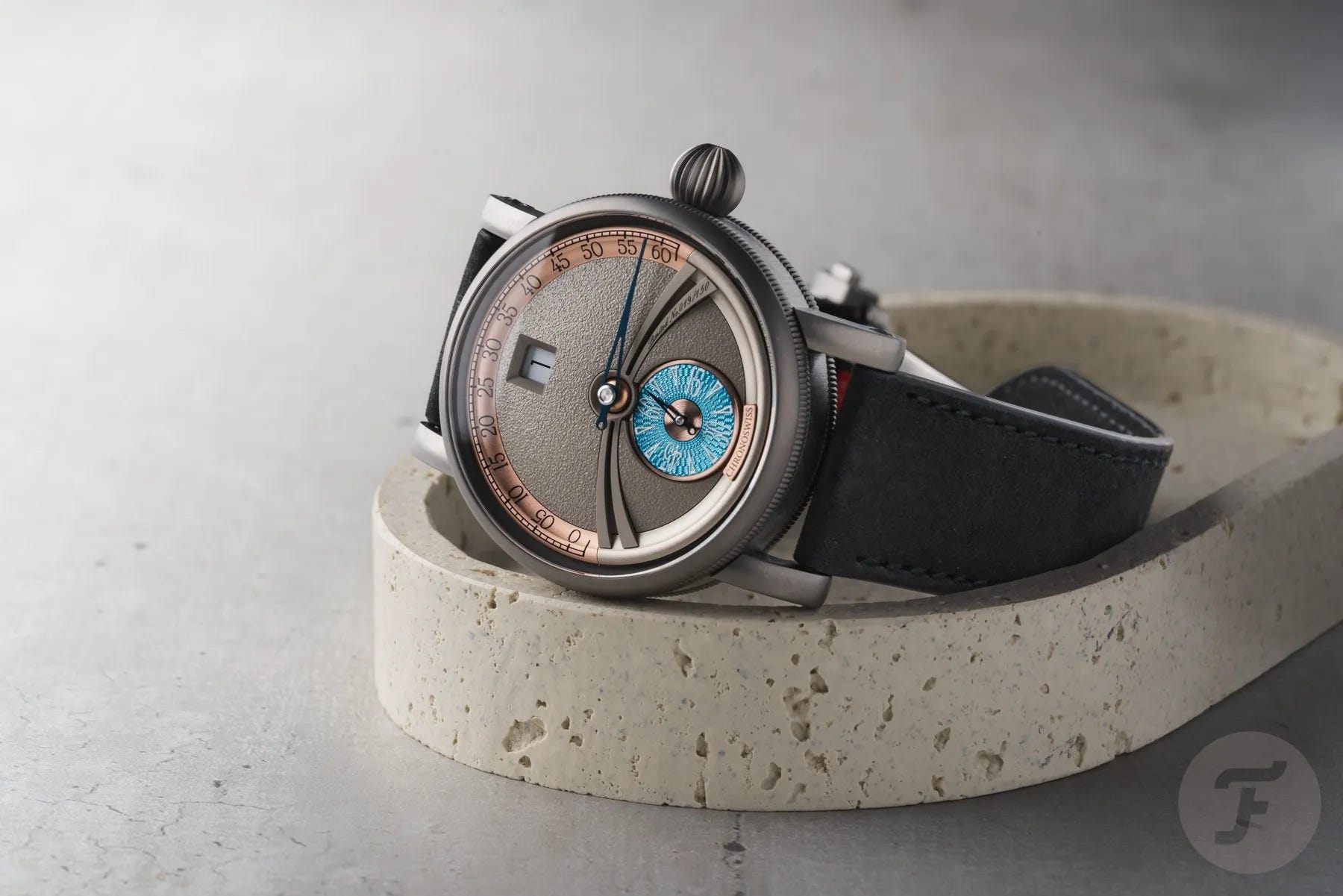
Hands-On With The Svelte And Soft Chronoswiss Delphis Art Deco, An Enchanting 150-Piece Limited Edition
The Chronoswiss Delphis Art Deco blends bold Art Deco styling with modern execution, pairing a jumping hour and retrograde minutes with a guilloché sub-seconds register. Its 42 mm Grade 5 titanium case frames a laser-etched grey dial with blue lacquer accents and signature Chronoswiss textures like fluting, while the in-house C.6004 automatic movement provides a 55-hour reserve. Despite its ornate look, it remains a robust daily option on paper with 100 m water resistance. Price: €15,900 (≈ $18,520 USD).
G-Shock
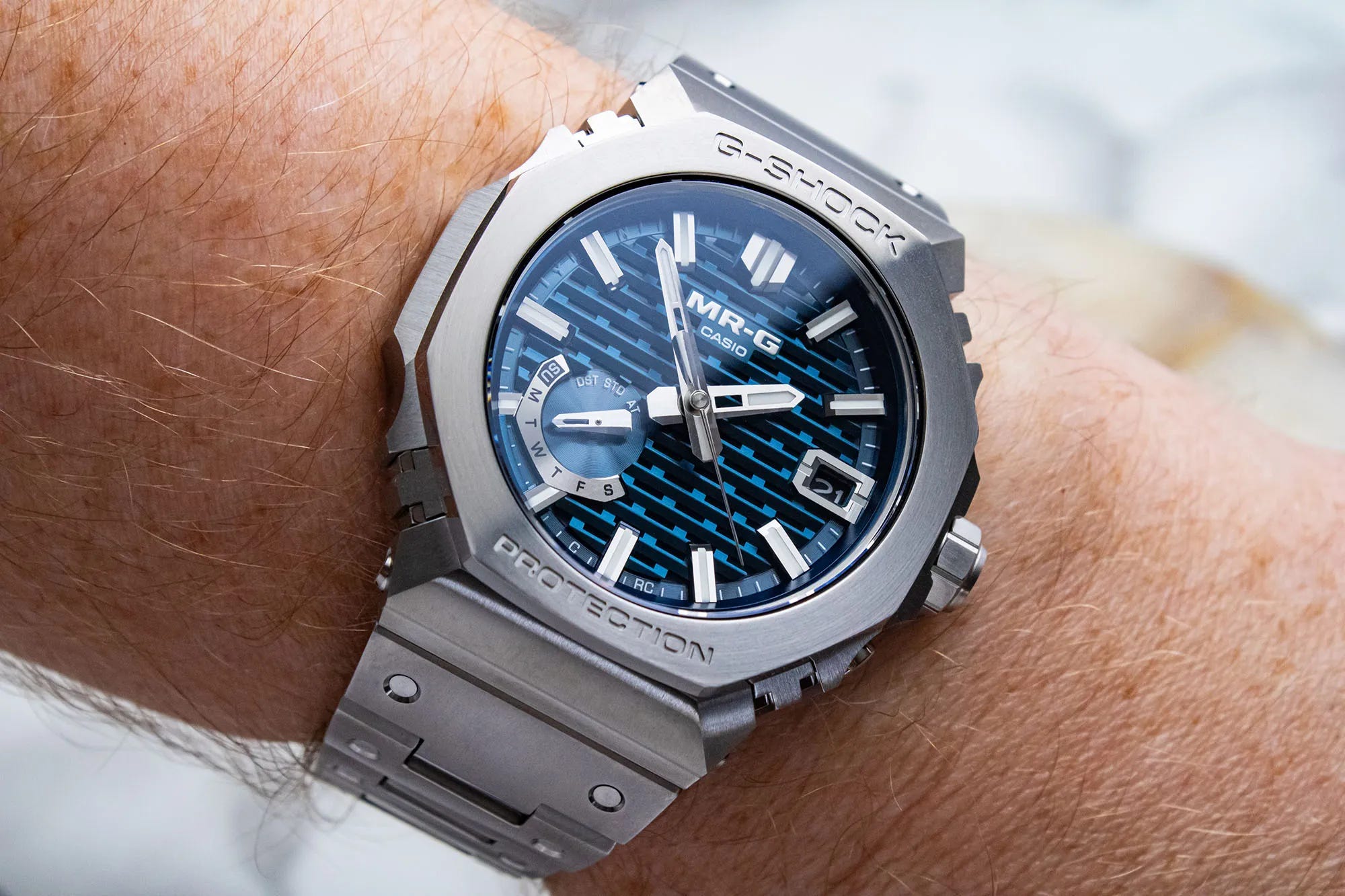
The Casio G-Shock MR-G MRGB2100D-2A Watch Might Be The Most Elegant G-Shock Ever
This MR-G model aims to deliver a more refined take on the G-Shock identity, using a premium case construction (including Cobarion alloy and titanium components) and a richly shifting blue dial finish. The watch keeps G-Shock’s practical strengths—200 m water resistance, shock protection, radio-controlled timekeeping, and a light-powered quartz module with long autonomy—while elevating the bracelet and case finishing to a much more “luxury sports watch” level. The overall design is intentionally restrained, leaving only essential sub-dials and emphasizing faceted geometry and polish. Price: $4,700 USD.
Sero Watch Company
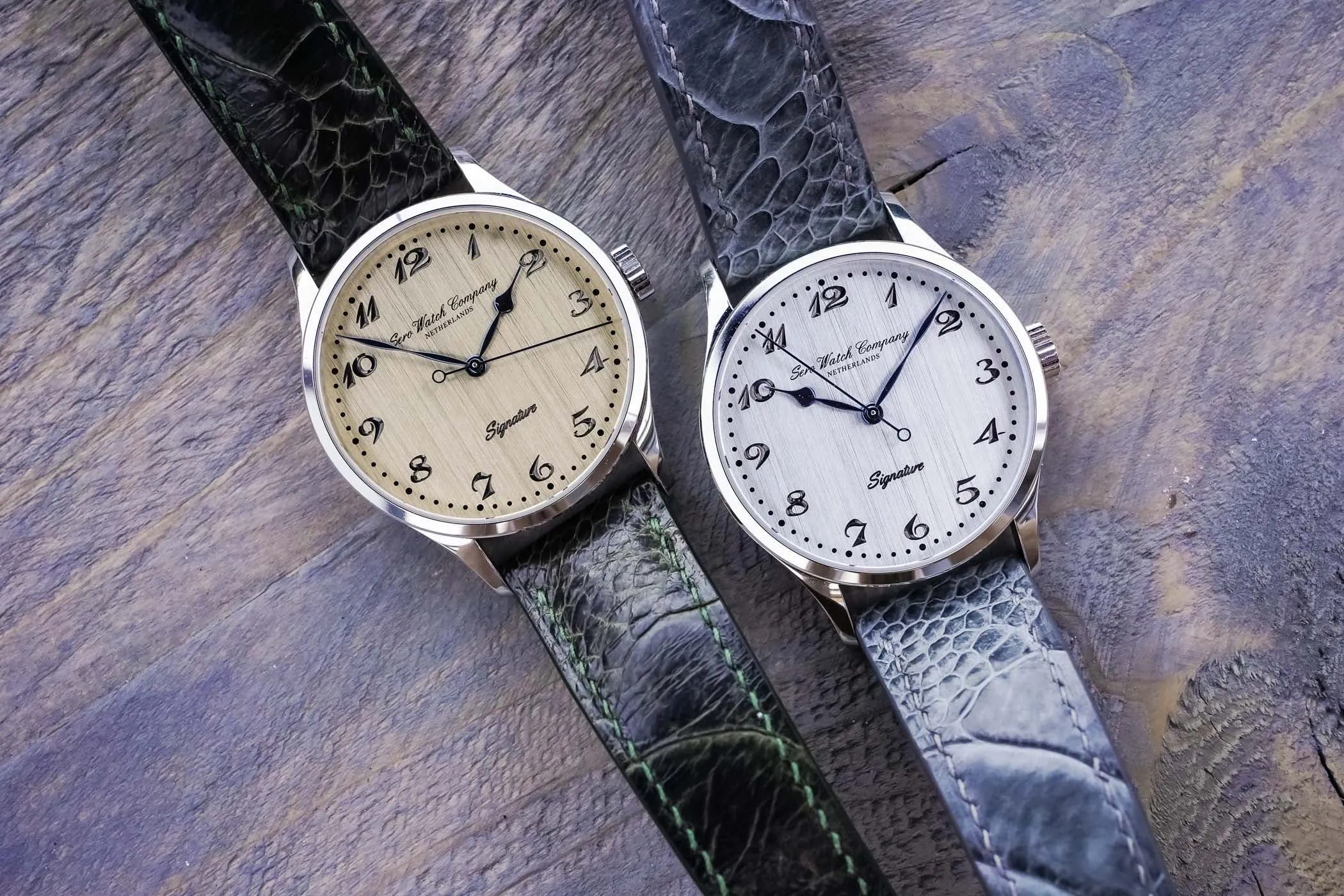
The Sero Watch Company Signature, a Compact Everyday Dress Watch from the Netherlands
Sero’s Signature collection modernizes classic dress-watch cues in a compact 37.5 mm case with a slim profile, pairing traditional details (like Breguet-style numerals and blued spade hands) with everyday practicality (notably 100 m water resistance). Inside is a hand-wound Sellita SW210-1B Elaboré movement with a stated 45-hour power reserve, visible through a sapphire caseback. The offering is positioned as a value-focused, well-finished daily dress watch with multiple dial colors and strap options, plus an optional beads-of-rice bracelet. Price: EUR 999 early-bird (≈ $1,164 USD) / EUR 1,199 retail (≈ $1,397 USD).
Timex
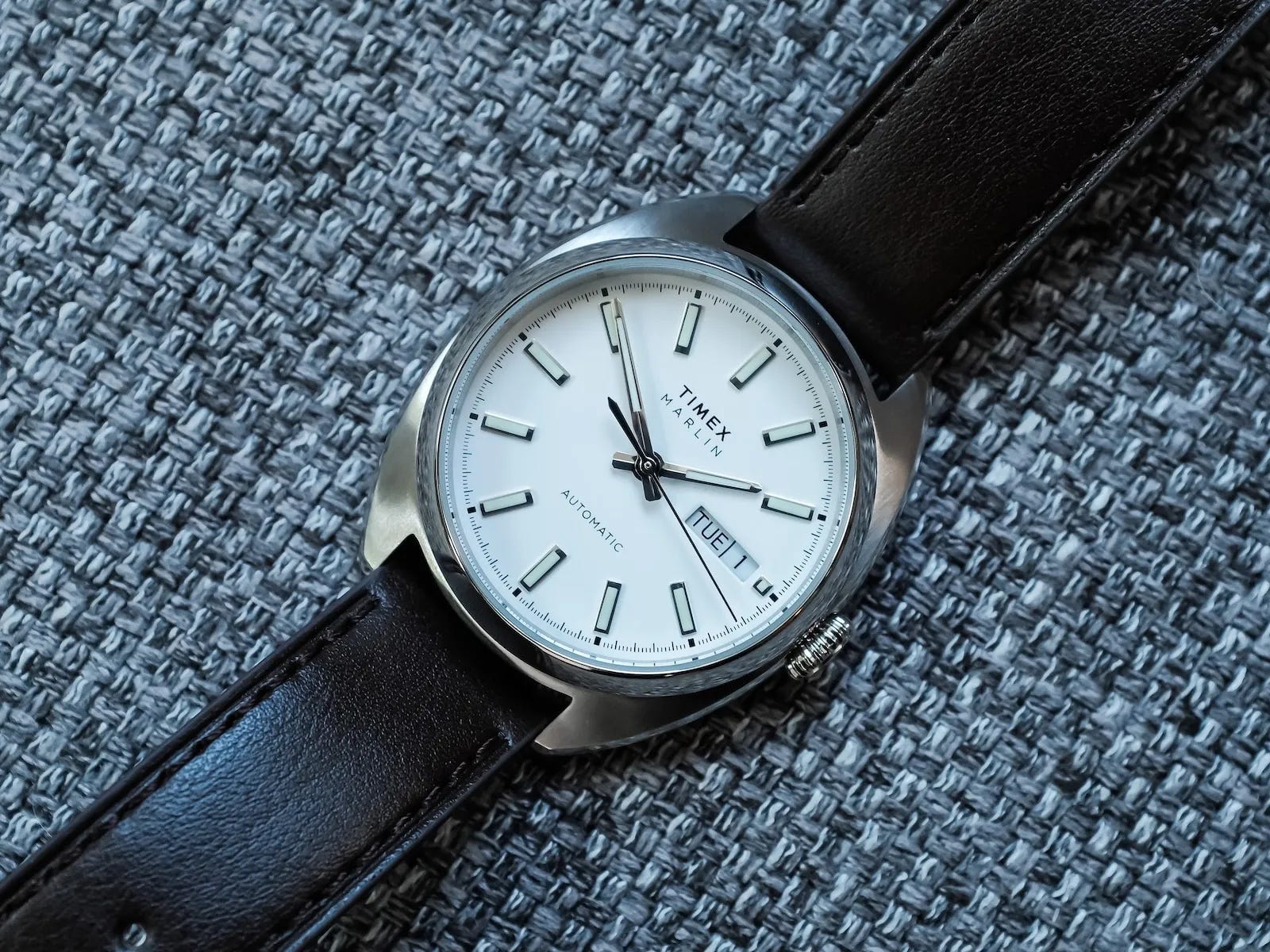
Timex Marlin Draper Automatic Watch Review: Affordable Vintage Style Without the Gimmicks
The Timex Marlin Draper Automatic is reviewed as a straightforward, vintage-inspired daily wearer that avoids over-styled throwback gimmicks. Its cushion-shaped 37 mm case, clean dial, and day-date complication aim for mid-century charm with practical legibility, powered by a Miyota 8-series automatic movement with roughly 40 hours of reserve. The review notes tradeoffs like a mineral crystal and 50 m water resistance, but highlights comfort and the quality of the included leather strap. Price: $279 USD.
Comparing Time
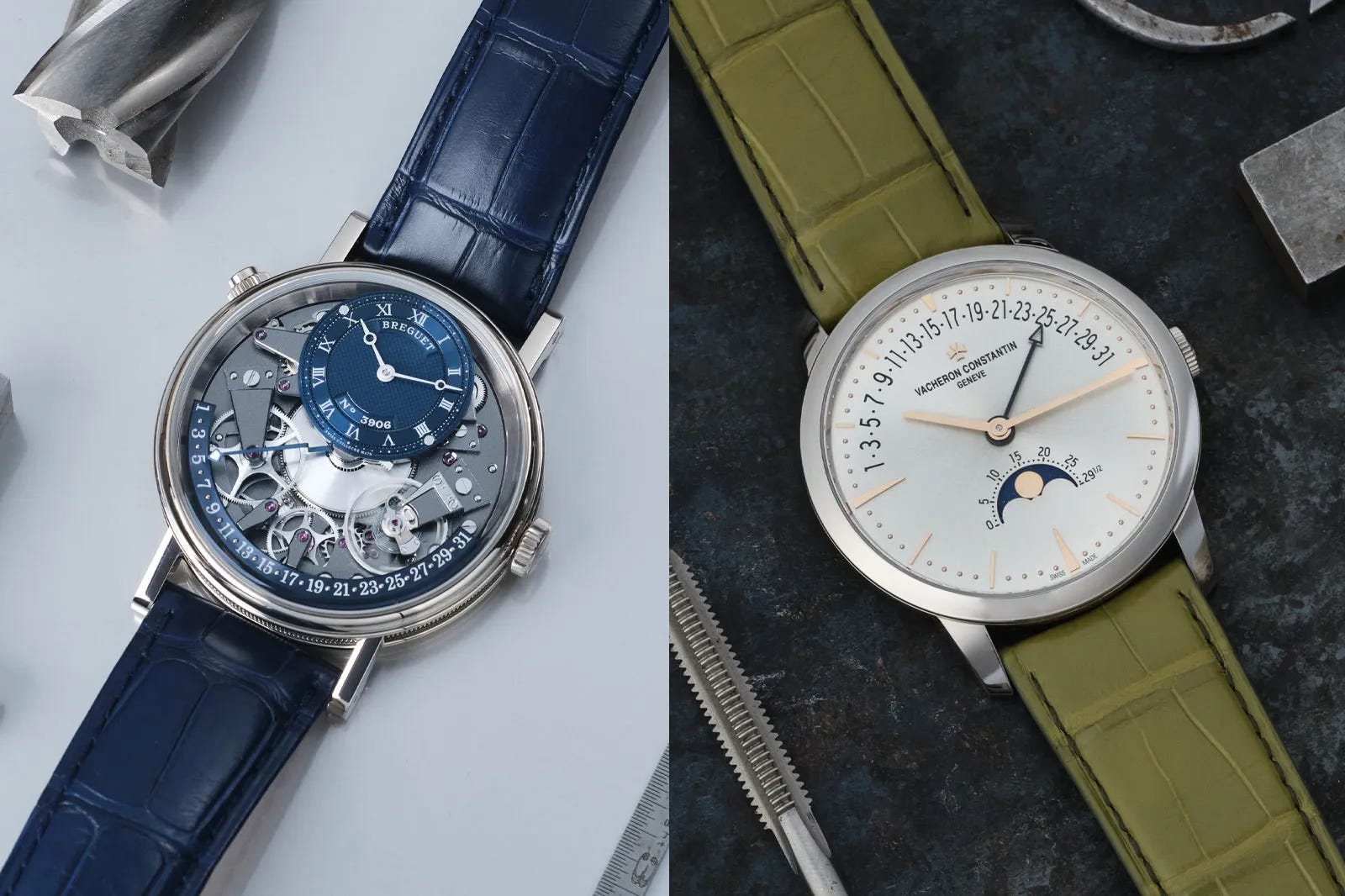
6 Retrograde Display Watches Embracing Linear Time
This comparison highlights how retrograde displays turn timekeeping into a more dramatic, story-like experience by making the hand travel, stop, and “snap back” to restart. It surveys six watches that interpret the complication in different ways, from high-end pieces like the Roger Dubuis Excalibur Biretrograde Calendar and Breguet Tradition Quantième Retrograde to more accessibly priced options like the Xeric Timeline Retrograde Automatic Prism. Across the group, the retrograde mechanism is framed as both a functional readability tool and a design feature that adds motion and anticipation to the dial. The selection shows that retrograde complications can span many aesthetics—classic, skeletonized, automotive-inspired, and poetic—without losing their core appeal.
Watching Time - Videos

What Most Watch Collectors Get Wrong - YouTube - Harrison Elmore
The video offers a comprehensive “do & don’t” guide for watch collectors, organized into five stages: the in‑store experience, the buying decision, the ownership mindset, the selling decision, and marketing to ignore. Key advice includes not being intimidated by boutiques, resisting sales‑driven urgency, and trying on watches without the intent to purchase in order to learn about fit and comfort. If a purchase is planned, it is recommended to have the bracelet properly sized before paying, as poor fit is a common reason collectors lose affection for a watch. The presentation also argues that much of modern watch “innovation” is driven by marketing rather than genuine improvement. Reliability depends more on proven design and service than on the newest movement updates, and extreme anti‑magnetism specifications—such as 15,000 gauss—are unnecessary for most collectors.

Talking Watches With The Dealer To A-List Collectors - YouTube - Hodinkee
Hodinkee’s Talking Watches visits NYC dealer/collector Yoni Ben‑Yehuda (Head of Watches at Material Good) to trace how they got into watches and the distinctive, less obvious pieces in their collection. The conversation highlights early influences like an Alfred Hamel, plus rare Audemars Piguet tourbillons and stone-dial watches. They also discuss multiple F.P. Journe models (including Élégante and Octa Lune) and other notable picks from Vacheron Constantin, Hermès, and Cartier. A major theme is how community, taste, and personal meaning shape collecting—alongside Ben‑Yehuda’s work with high-profile celebrity collections.

What Your Rolex Says About You (And The Most Underrated Model!) - YouTube - Big Moe Watches
This video argues that different Rolex models project different “signals” about the wearer’s personality and priorities. It frames the Submariner as practical and straightforward, the Day‑Date as prestige-driven, and the GMT‑Master II as valued for history and sentiment rather than pure flex. The Datejust is described as the perfectionist’s choice because of its many configurations, while the Yacht‑Master is portrayed as more impulsive or aesthetics-first. The creator’s pick for most underrated Rolex is the Yacht‑Master 42 in titanium, praised for its light weight, comfort, and matte finishing.
Talking Time - Podcasts

Scottish Watches Podcast #782 : We Are Live! Direct from Bucherer Novelty Days in London - Scottish Watches
This episode is a live recording from Bucherer Novelty Days in London, featuring the Bucherer team along with representatives from Norqain and H. Moser & Cie. It includes an exclusive announcement of a Girard-Perregaux collaboration with Bucherer, plus an audience Q&A that adds color and context around new releases and broader industry themes. Over the course of the show, the hosts touch on notable watches on hand—such as Girard-Perregaux chronograph pieces and Moser Streamliner models—while also previewing upcoming releases from brands like IWC and Ulysse Nardin.
BuyingTime at Auction
A few select current auctions that caught our eye on GetBezel.com
[Monday’s auction watch, the brand new 2026 Rolex Oyster Perpetual 36 Multicolored Jubilee motif (126000-0016) - was bid to $18,750 but did not meet its reserve. - make an offer]
2024 Patek Philippe Nautilus Annual Calendar / Blue (5726/1A-014)
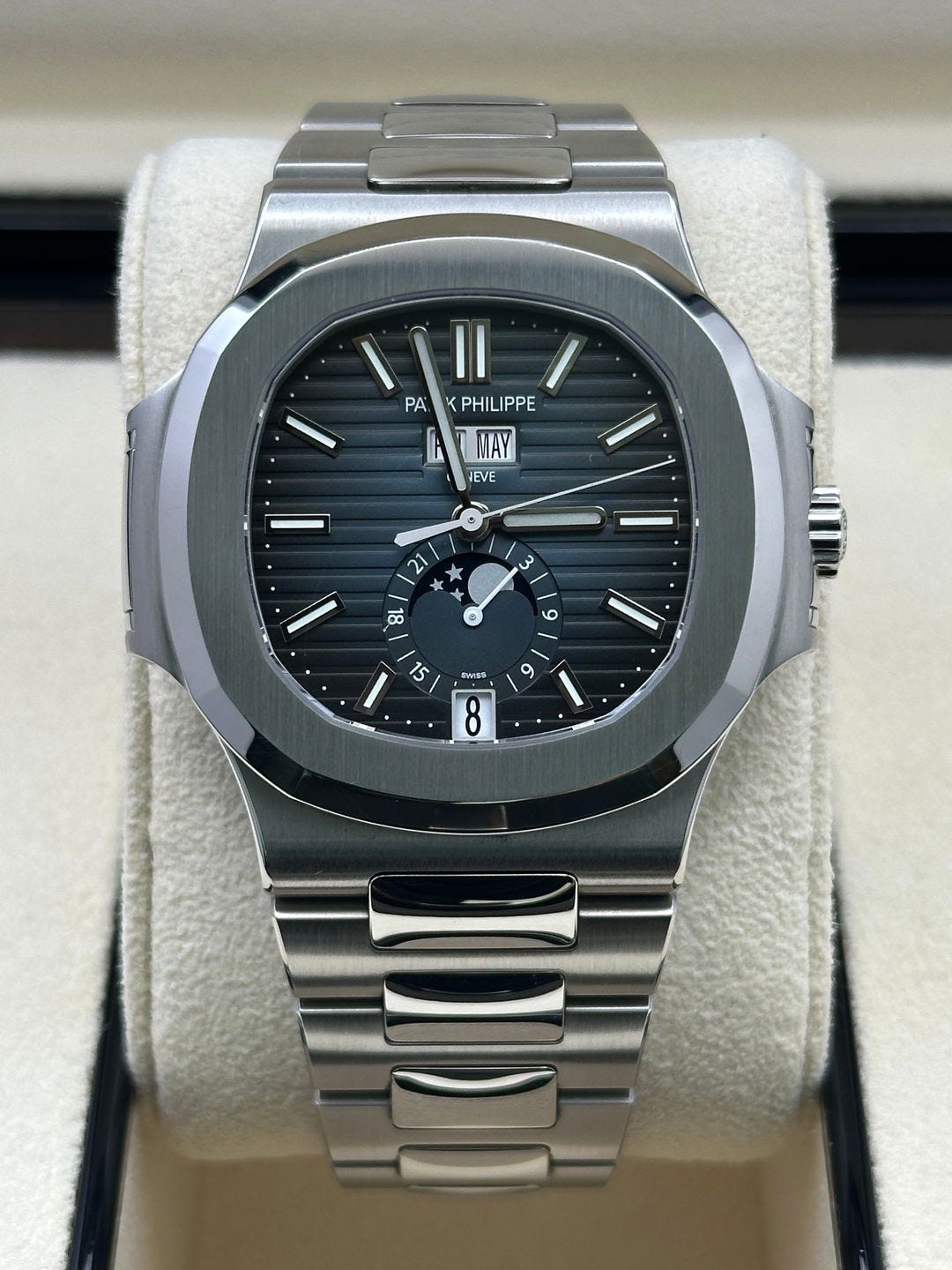
The Steel Nautilus That Ate the Market
There are complicated watches, there are steel sports watches, and then there is the 2024 Patek Philippe Nautilus Annual Calendar 5726/1A-014, which somehow manages to sit directly in the middle of both categories while making almost every other luxury steel sports watch look like it forgot to do its homework. This is the kind of watch that causes collectors to suddenly become experts in moonphase apertures, annual calendar mechanisms, and brushed finishing techniques after spending three hours scrolling Chrono24 listings at 1:00 a.m.
The 5726/1A-014 occupies a fascinating place inside the Nautilus universe because it represents one of the rare moments where Patek Philippe decided the Nautilus should not merely tell time and flex wealth quietly from across a restaurant table. Instead, it should become genuinely useful. The annual calendar complication, originally patented by Patek in 1996, automatically differentiates between 30 and 31-day months and only requires adjustment once per year. In typical Patek fashion, they took something that could have been practical and engineered it into an object collectors now obsess over like archaeologists discovering a lost civilization.
The blue dial on this reference is a major part of the story. Inspired by the original 1976 Nautilus aesthetic, it features the signature horizontally embossed pattern with a subtle black-gradient edge that changes personality depending on lighting. Under bright light it looks electric and modern. In dim lighting it becomes moody and almost smoky. This is the sort of dial that convinces owners to spend unhealthy amounts of time staring at their wrist while pretending to listen during meetings.
At 40.5mm, the watch wears with more presence than the now-discontinued 5711, but without drifting into oversized territory. The stainless steel case and integrated bracelet remain the benchmark for luxury sports watch finishing, with alternating brushed and polished surfaces that continue to embarrass brands charging nearly as much while delivering about one-third the craftsmanship. The movement inside, the self-winding caliber 324 S QA LU 24H/303, packs in annual calendar functionality, moonphase display, and 24-hour indication while remaining relatively slim for a complicated sports watch.
The market for the 5726/1A-014 remains remarkably strong, especially for complete sets with box and papers like this example. Current asking prices across the secondary market generally range from the mid-$120,000s into the $150,000-plus territory depending on condition, year, and dealer optimism levels, which in the modern watch market can often resemble cryptocurrency enthusiasm with better tailoring. Considering the original retail price sat dramatically lower, the Nautilus continues to function less like a watch and more like an alternative asset class with luminous hands.
This particular 2024 example appears especially attractive because it avoids the “freshly polished into a shiny bar of soap” problem that affects many pre-owned Nautilus models. Minor signs of wear on the case and bracelet are honestly preferable in many cases because collectors increasingly want watches that have not been aggressively refinished by someone wielding a polishing wheel with all the restraint of a demolition contractor. The dial, hands, and crystal are described as excellent, which is exactly what buyers want to hear on a watch where the dial alone is responsible for about 70% of the emotional attachment.
The steel Nautilus market has cooled somewhat from the absolute insanity of the pandemic-era peak, but references like the 5726/1A-014 continue to hold remarkable strength because they combine scarcity, genuine horological substance, and real-world wearability. Unlike some hype-driven pieces that survive entirely on social media photography and celebrity sightings, the 5726 has enough mechanical credibility to satisfy serious collectors while still delivering the instantly recognizable Nautilus silhouette that the luxury market treats like a membership card to a very expensive private club.
With the auction ending at 5:55 p.m. EDT today (Tuesday, May 26, 2026), this example will likely attract aggressive bidding from buyers looking for one of the most complete expressions of the modern Nautilus line. If the condition is as clean as described and the set is complete, expect serious attention. Steel sports watches are no longer the irrational feeding frenzy they were two years ago, but a blue-dial annual calendar Nautilus from Patek Philippe still has a way of making rational financial behavior quietly leave the room.
Current bid: $112,500