

Time Graphing today’s watch universe
Time Graphing Today’s Watch Universe for March 30, 2026 reads like a market that’s finally exhaling after holding its breath a little too long. The big story hanging over everything is the softening of luxury watch demand as the economic ripple effects of the Iran conflict start to bite. Rising gas prices, stubbornly high mortgage rates, and declining consumer confidence are doing what no amount of hype ever could—reminding buyers that a $40,000 watch is, in fact, optional. The secondary market is reflecting that shift in real time, with more inventory sitting and more auctions failing to clear reserves. For brands like Rolex, Patek Philippe, and Omega, the question isn’t whether demand exists—it’s how much of it was artificially inflated by the “everything only goes up” era that now appears to be fading.
At the very top of the market, though, gravity still seems optional. A 1953 Patek Philippe world time with a unique South America dial heading to the Philipps Geneva Watch Auction: XXIII with an estimate up to $10 million is a reminder that true rarity operates on a completely different economic plane. While the middle of the market wobbles, trophy pieces continue to function as cultural and financial artifacts, and this one—one of just two known examples—feels like exactly the kind of watch that will attract global attention regardless of macro headwinds.
On the independent side, the influence of Kari Voutilainen continues to loom large, even as he steps back from day-to-day operations. His approach—prioritizing craft, direct relationships with collectors, and small-scale production—looks increasingly prescient in a market that’s rediscovering the value of authenticity over volume. That same spirit carries into more experimental territory, like Artisans de Genève pushing boundaries with a turquoise-dial Rolex Daytona built from Arizona stone, or Maison Alcée turning a clock into a participatory experience with its hands-on moon-phase module.
The historical lens this week comes via Junghans, whose arc from 19th-century component maker to early 20th-century industrial giant—and later quartz innovator—feels like a reminder that reinvention is not optional in this business. That idea echoes in the cultural crossover piece where a Rolex is traded for a Nakashima chair, reinforcing a subtle but growing narrative: the definition of “luxury” is shifting from status signaling to something closer to permanence and meaning.
New releases continue to lean heavily into individuality and technical storytelling. Felipe Pikullik debuts its first in-house calibre with a poetic aventurine dial, while Holthinrichs doubles down on 3D-printed titanium cases that look intentionally unfinished in all the right ways. Moritz Grossmann reminds everyone what traditional finishing still looks like at the highest level, and Singer Reimagined continues its design-forward run with a titanium Caballero that pairs restraint with a six-day power reserve. Meanwhile, Timex quietly plays the other end of the spectrum with a $149 Tank-adjacent reissue that will probably sell far more units than anything else mentioned today.
On the review front, the watches getting hands-on attention reflect a wide spectrum of what enthusiasts are actually considering right now. Brellum leans into complication-heavy value with its triple calendar moonphase, REC Watches matures its automotive storytelling with a more refined chronograph, and Sartory-Billard continues to prove that customization is becoming a category of its own. Even Titan enters the enthusiast conversation with a wandering hours piece that feels genuinely different, if not entirely polished.
The comparison space remains as lively as ever, with alternatives to the Rolex Explorer gaining traction from brands like IWC, Tudor, and Nomos, while head-to-head matchups like Tudor versus Seiko show how tightly competitive the mid-to-upper tier has become.
Looking ahead, Watches and Wonders Geneva 2026 is shaping up to be a massive moment, with 66 brands and a full week of satellite events turning Geneva into the center of the watch universe yet again. The tone going into the show, however, feels different this year—less euphoric, more analytical—as brands and collectors alike try to gauge where the market actually stands.
The video lineup reinforces that mood, with everything from deep dives into experimental mechanics to increasingly blunt conversations about whether the Rolex hype cycle can last forever. There’s a noticeable shift toward questioning assumptions rather than reinforcing them, which is usually what happens right before a market finds its next equilibrium.
And finally, in the “BuyingTime at Auction” corner, reality checks continue. The Audemars Piguet Royal Oak Chronograph failing to meet reserve at $40,000 is exactly the kind of data point that confirms the broader narrative, while today’s featured Vacheron Constantin Overseas Chronograph sits in that increasingly attractive zone of “high-end, but not overheated.” In a cooling market, that might be the smartest place to be.
–Michael Wolf
News Time
Luxury Watch Sales Falter as Iran War Ripples Through Global Economy
Luxury watch demand is weakening as economic fallout tied to the Iran conflict pressures discretionary spending. Higher gas prices, elevated mortgage rates, and declining consumer confidence are reducing appetite for high-end timepieces, which many buyers now treat as non-essential. The secondary market is also cooling, with more listings going unsold as supply rises and bids come in below expectations. The result is a fast-moving correction after the recent boom, driven by shifting psychology and a reversal of the “wealth effect.”
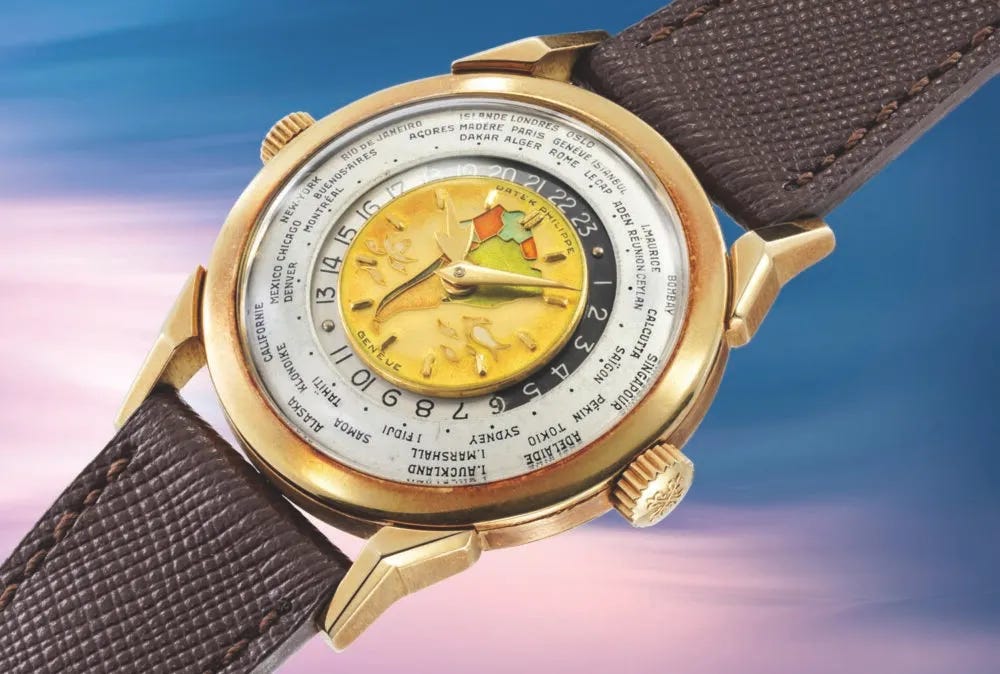
$10 million Patek Philippe appears at auction
A rare 1953 Patek Philippe world time watch with a unique South America dial is headed to the Philipps Geneva Watch Auction: XXIII, carrying an estimate of CHF 5,000,000 to CHF 10,000,000. It’s reportedly one of only two known examples in yellow gold, making its reappearance at auction a major moment for collectors. The May 9–10 sale is positioned as a marquee event with an unusually strong lineup of modern and historic watches. Other highlighted lots include rare Rolex cloisonné pieces and standout independents, underscoring the depth of the catalog.
Feature Time
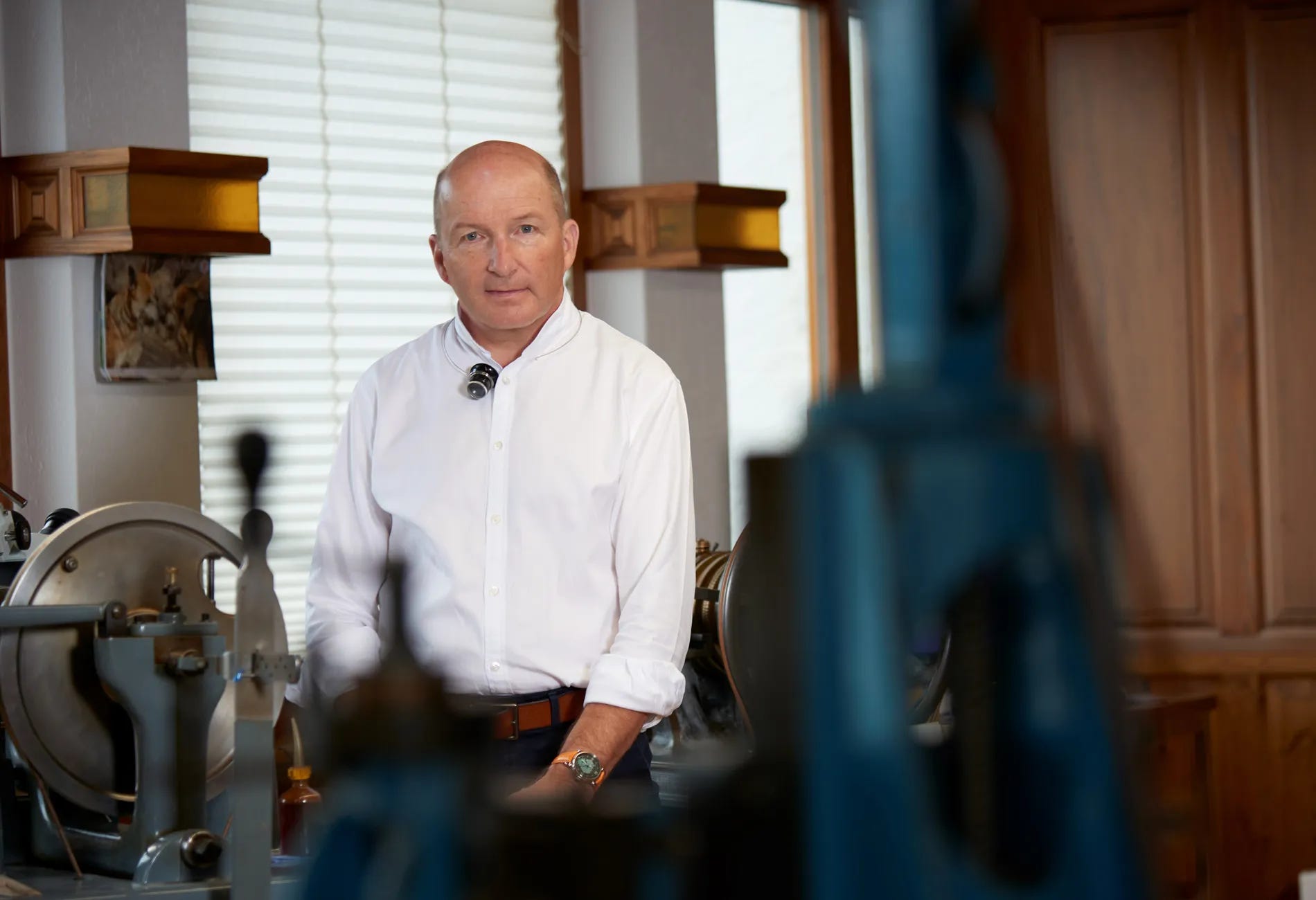
Kari Voutilainen’s influence over independent watchmaking
Kari Voutilainen is widely respected for safeguarding traditional watchmaking craft and keeping rare artisanal skills alive through his Fleurier-based atelier. With Angélique Singele now serving as CEO, Voutilainen has stepped back from day-to-day operations to focus more on making watches and spending time with clients. The workshop has expanded in both space and capability, including highly specialized work like engine turning. He also prioritizes direct relationships with collectors by selling primarily to clients rather than through retailers, reinforcing a tight community around the brand.
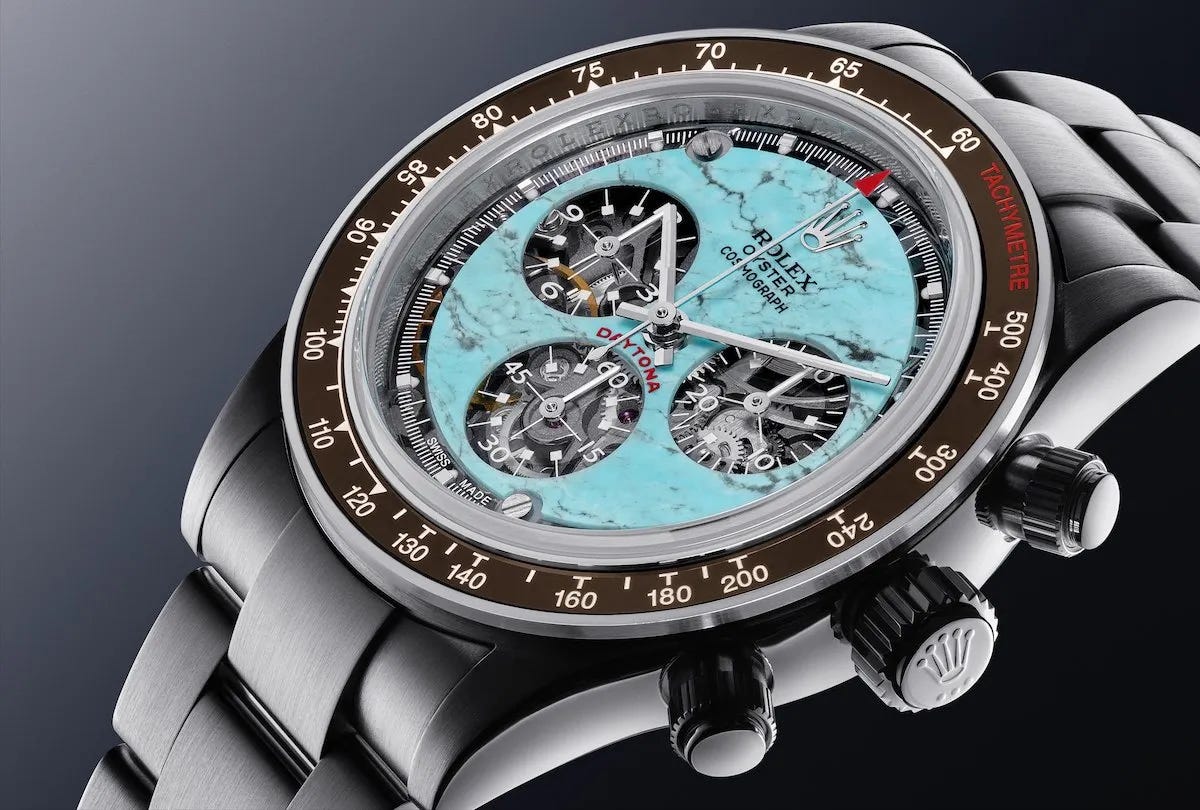
Experience: Artisans de Genève ‘Spider Challenge’—Arizona Spiderweb Turquoise the Key Component
Artisans de Genève transformed a Rolex Cosmograph Daytona ref. 116520 with a one-off dial made from Spiderweb Turquoise sourced from Arizona’s Kingman mine. The team even traveled to extract a large block of turquoise, then selected a section with striking veining so the final dial would be visually unique and impossible to duplicate. The build pairs the dial with a deep brown ceramic bezel, a reshaped case profile with crown guards removed, and a skeletonized Rolex Calibre 4130 that contrasts with the vivid stone. Priced at CHF 39,520 (about USD 49,500), it’s positioned as a collector-grade fusion of geology, craft, and modern customization.
The Maison Alcée Persée Moon Phase
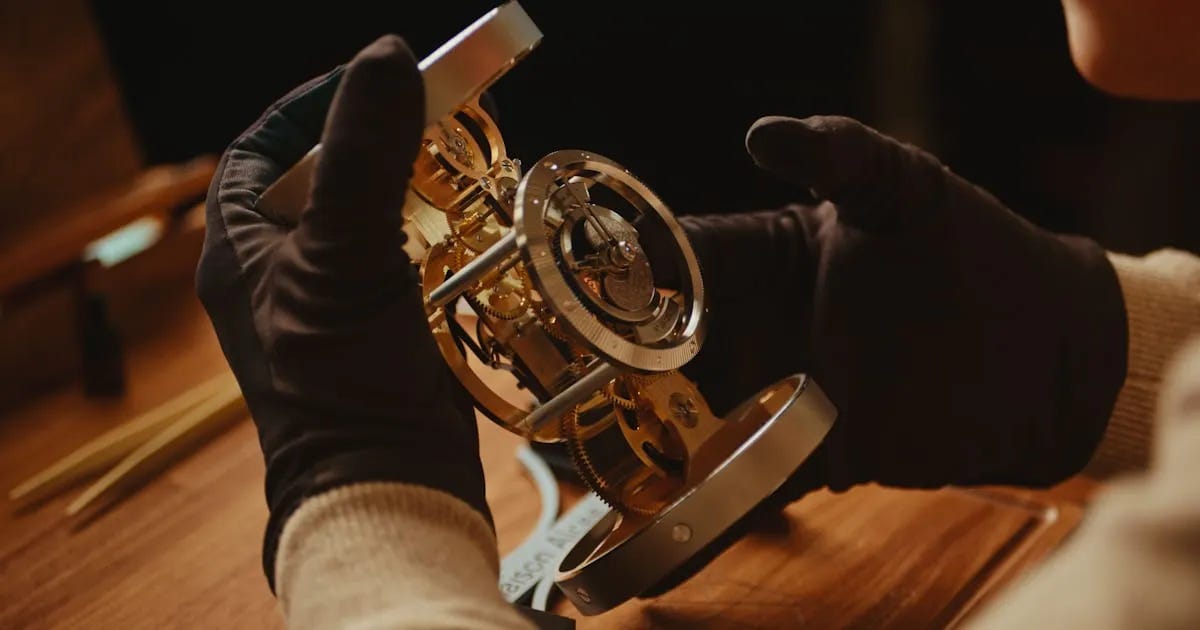
Maison Alcée has released a moon-phase module for its Persée clock, answering long-running requests since the clock’s debut. The add-on is designed to work on all Persée versions and to function whether the clock is displayed vertically or horizontally, which adds meaningful engineering complexity. Owners assemble the kit themselves, partially disassembling the original clock and integrating an 18-piece module that tracks the 29.5-day lunar cycle and can be adjusted by hand. The handcrafted moons and refined finishing details reinforce the brand’s hands-on philosophy, with pricing set at $2,100 (excluding VAT).
A History and Guide to Junghans
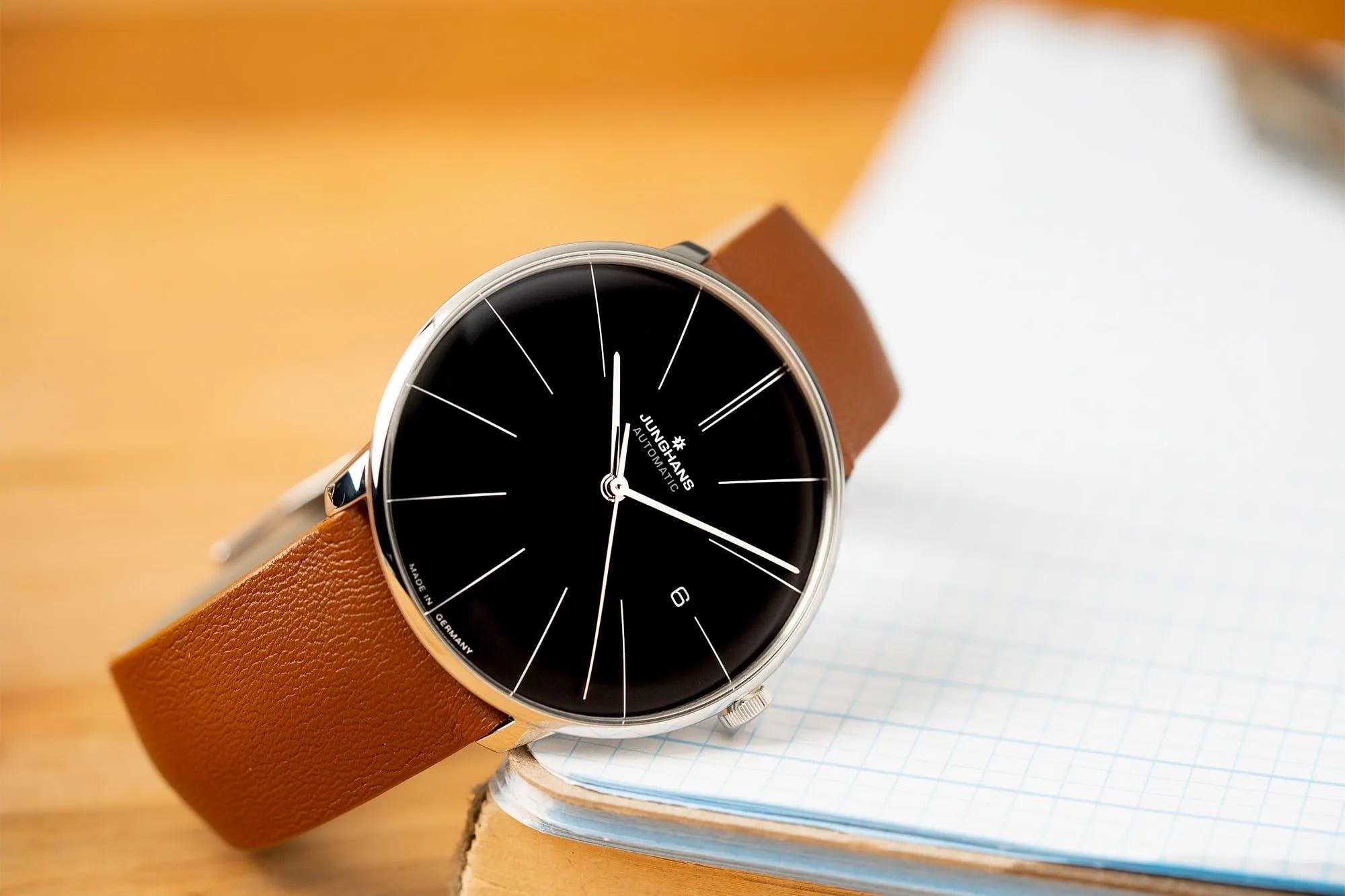
Junghans began in 1861 as a maker of watch components before evolving into a full watch manufacturer and eventually becoming the world’s largest watch factory by the early 1900s. The brand’s growth included key milestones like the adoption of wristwatches in the 1920s, followed by major disruptions during World War II when production shifted to wartime needs. In the postwar era, Junghans pushed innovation with Germany’s first quartz watch and high-profile timing work such as the 1972 Munich Olympics. After a period of decline and ownership changes, the company stabilized under new leadership and continues today with design-forward collections like Max Bill that reflect its German heritage.
I Sold My Rolex to Buy a Chair, and It Was the Right Choice | GQ
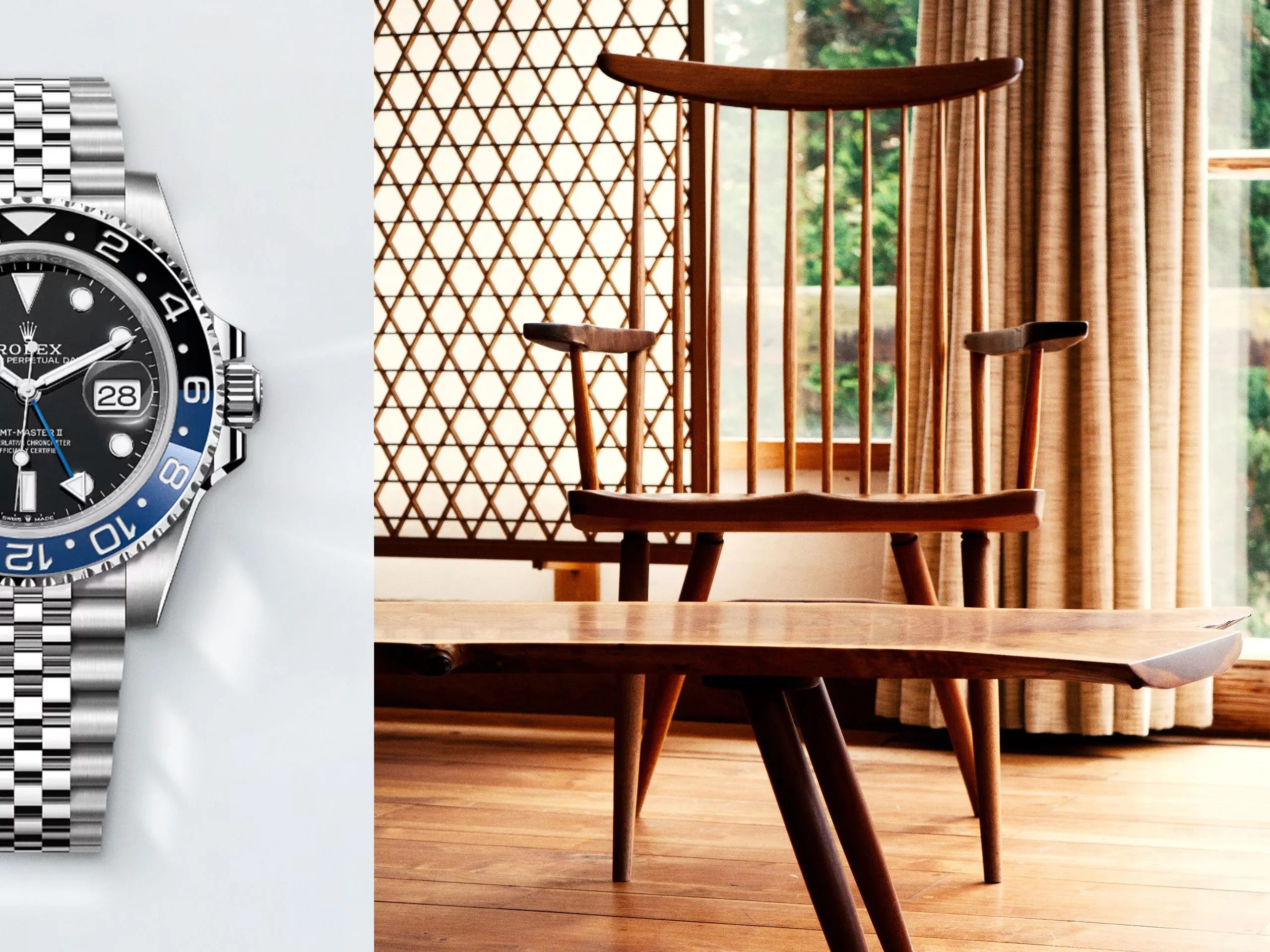
Nick Remsen describes selling a Rolex to purchase a handcrafted Nakashima Lounge chair, framing it as a shift from flashy luxury toward lasting, meaningful craftsmanship. The chair’s heritage, design integrity, and durability resonate with a desire to own fewer but better objects that feel connected to real materials and makers. During a visit to Nakashima Studios, Remsen learns more about the studio’s commitment to handwork, careful wood sourcing, and the individuality embedded in each piece. The experience reinforces a broader reevaluation of value—favoring substance, story, and permanence over conventional status symbols.

The 7 Best Watches of the Week, From Michael Jordan’s Greubel Forsey to Steve Carell’s Rolex
This roundup highlights notable celebrity watch sightings, pairing each wearer with a distinctive, high-end timepiece and the story behind the moment. Michael Jordan is featured wearing a rare Greubel Forsey reportedly worth around $500,000 while celebrating a racing win, while Charles Leclerc appears with a dramatic Richard Mille at Monaco’s Rose Ball. The list also includes familiar icons like Steve Carell’s Rolex Daytona and Kevin Hart’s Patek Philippe Nautilus, underscoring how enduring models remain central to pop-culture watch conversation. More niche picks—like a Snoopy Omega Speedmaster and an H. Moser cylindrical tourbillon skeleton—add variety and emphasize the continued crossover between horology, style, and celebrity.
Good To Go: Are You and Your Watches Ready to Roll in Case of an Emergency?
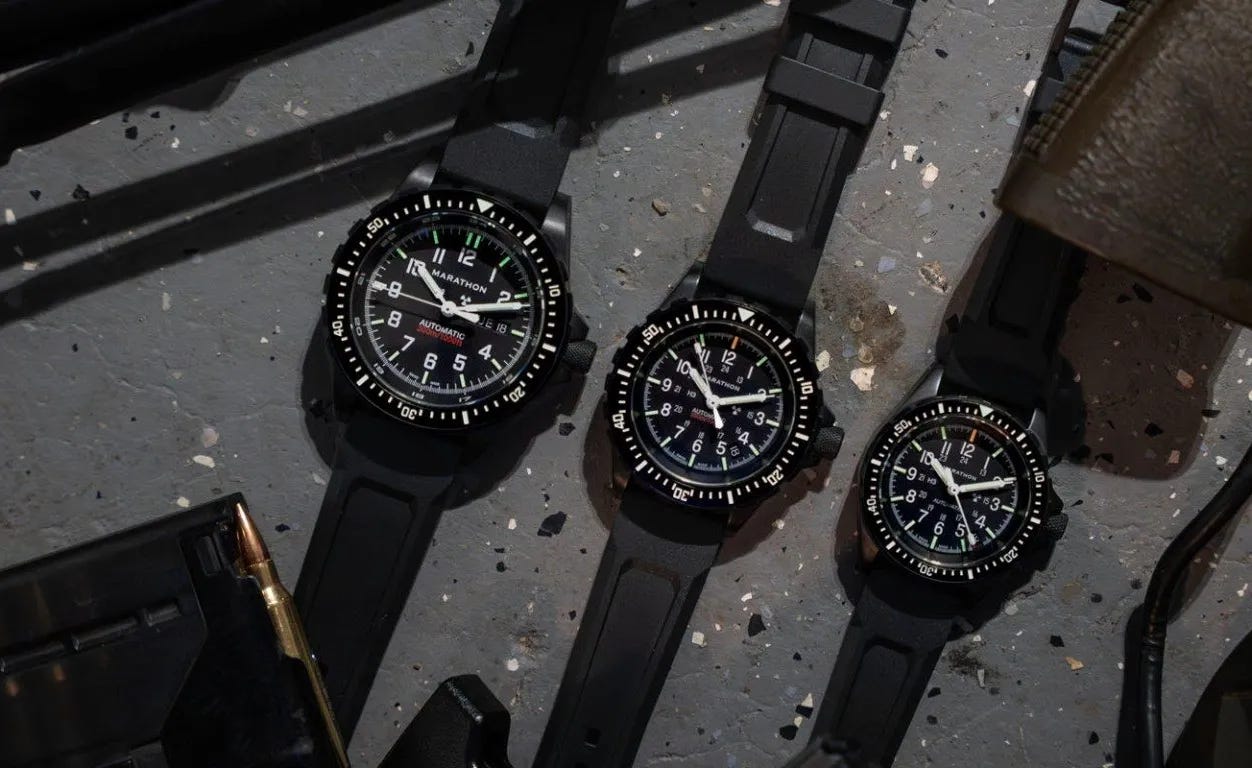
The piece argues that emergency preparedness should include a plan for safeguarding watches, especially for collectors who may need to evacuate quickly during disasters like wildfires or floods. It recommends maintaining documentation, appraisals, and insurance details in secure online storage so crucial records remain accessible under stress. The article also notes that the secondary risk isn’t just loss, but the difficulty of proving ownership and value without organized paperwork. Finally, it suggests choosing a rugged, dependable watch for emergencies—favoring durable tool models built to handle extreme conditions over delicate or highly valuable pieces.
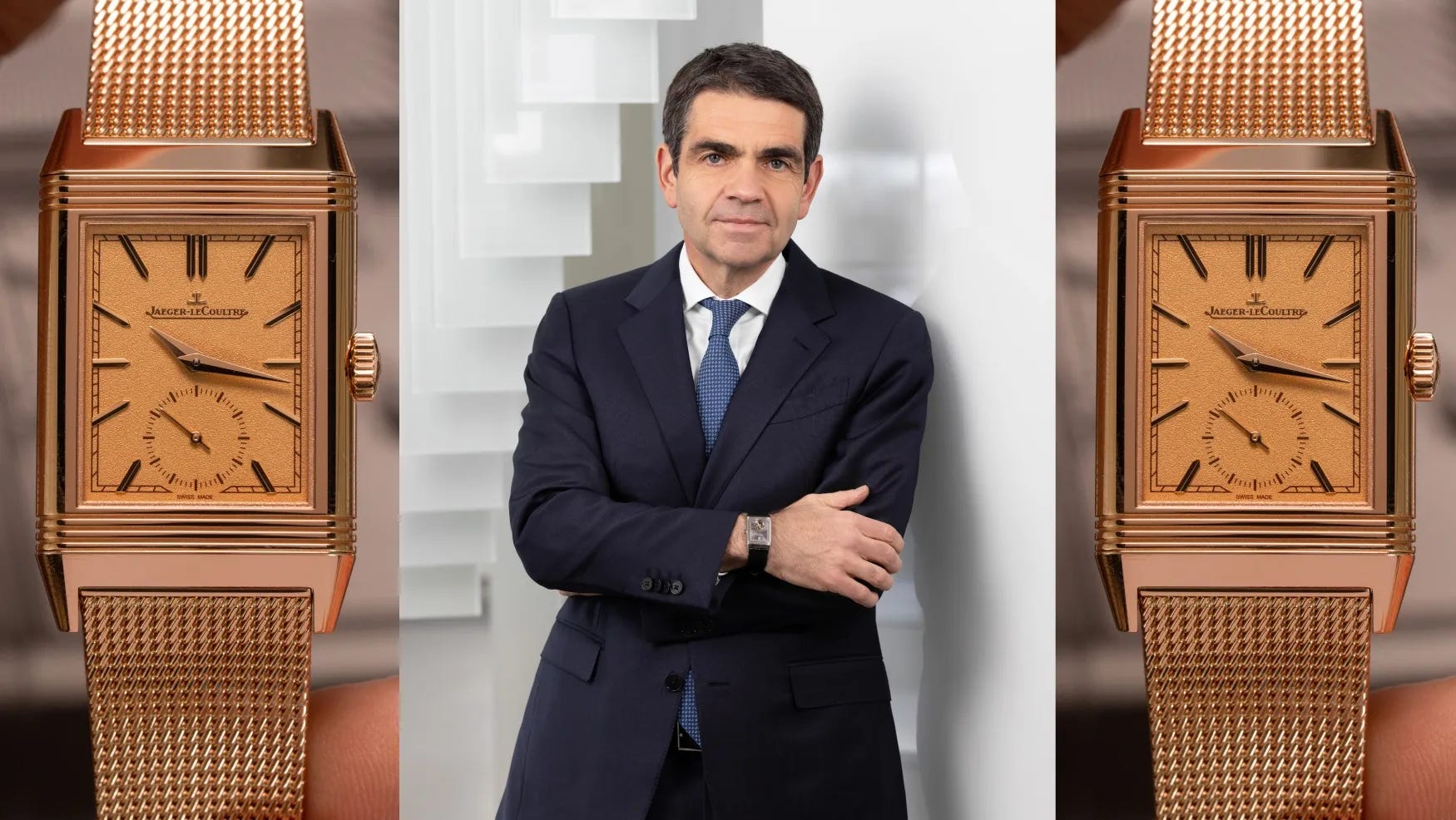
Jérôme Lambert, CEO of Jaeger-LeCoultre | INTERVIEW
Jérôme Lambert reflects on returning to Jaeger-LeCoultre and balancing the demands of leadership with the long-term responsibility of preserving watchmaking craft. He emphasizes safeguarding skills through mentorship and knowledge transfer, viewing the human side of the manufacture as essential to quality and continuity. Lambert also discusses projects that extend beyond conventional horology, aiming to build community and shared experiences around the brand. Addressing industry rumors and external pressures with calm pragmatism, he frames resilience and steady development as key measures of success.
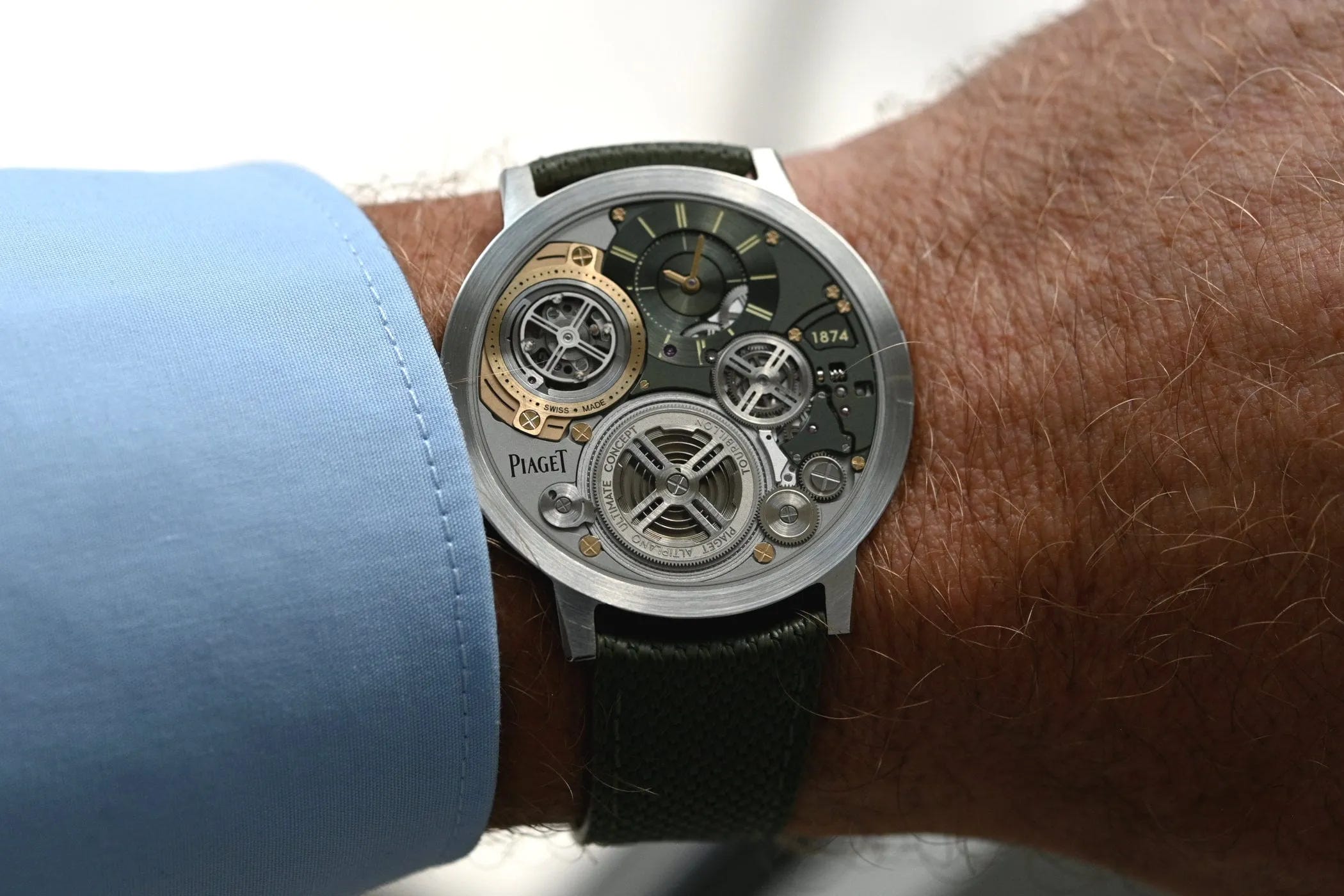
Slimming Things Down Part I - Five of Today’s Best Ultra-Thin Watches
Ultra-thin watchmaking is presented as a demanding discipline where technical constraints force inventive architecture and meticulous finishing. The article surveys five standout modern pieces, including the Bulgari Octo Finissimo Automatic Black DLC for its everyday-wear practicality at an exceptionally slim profile. It also highlights balanced, classically styled options such as the Jaeger-LeCoultre Master Ultra-Thin Date and a highly complicated yet compact Vacheron Constantin perpetual calendar. More expressive executions, like the Daniel Roth Extra-Plat Rose Gold Skeleton, show how thinness can enable visual drama through openworking. The selection culminates with boundary-pushing design thinking in the Piaget Altiplano Ultimate Concept Tourbillon, which integrates movement and case to achieve extreme thinness.
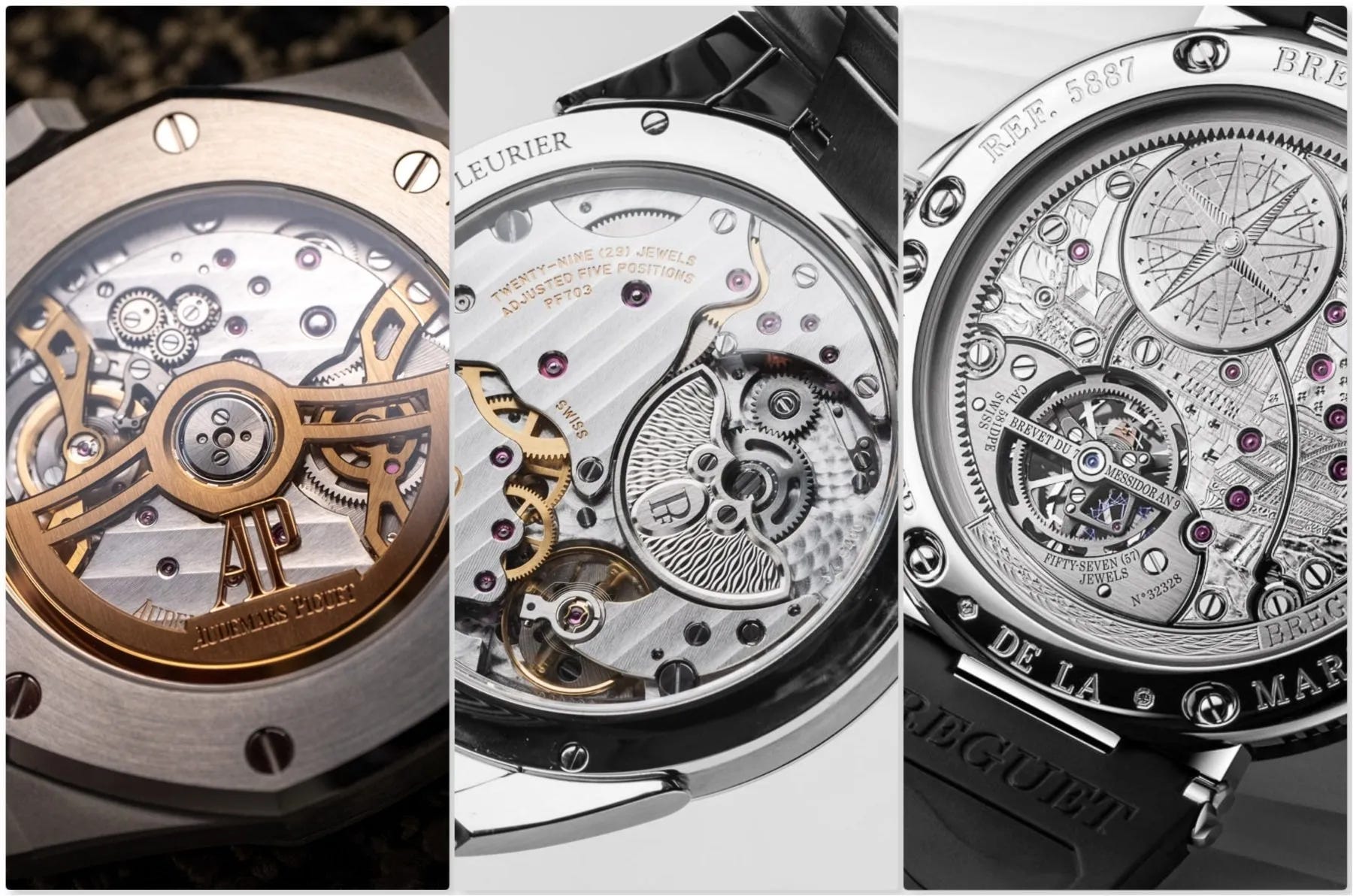
How Do You Like Your Rotor — Central, Micro, Or Peripheral? And What About A Hammer?
The article breaks down the main automatic winding rotor styles—central, micro, and peripheral—explaining the tradeoffs between efficiency, thickness, and visual access to the movement. Central rotors are described as the most proven and effective solution, while micro-rotors appeal for their slimmer build and unobstructed movement views, albeit with added complexity. Peripheral rotors aim to combine strong winding performance with an open display, but typically come with higher cost and more specialized engineering. The discussion then widens to unconventional systems like hammer winding, showcasing how brands pursue distinct mechanical solutions for improved winding behavior. It concludes with a clear preference for micro-rotors based on their blend of elegance, thinness, and engaging mechanics.
The Latest Time
Felipe Pikullik
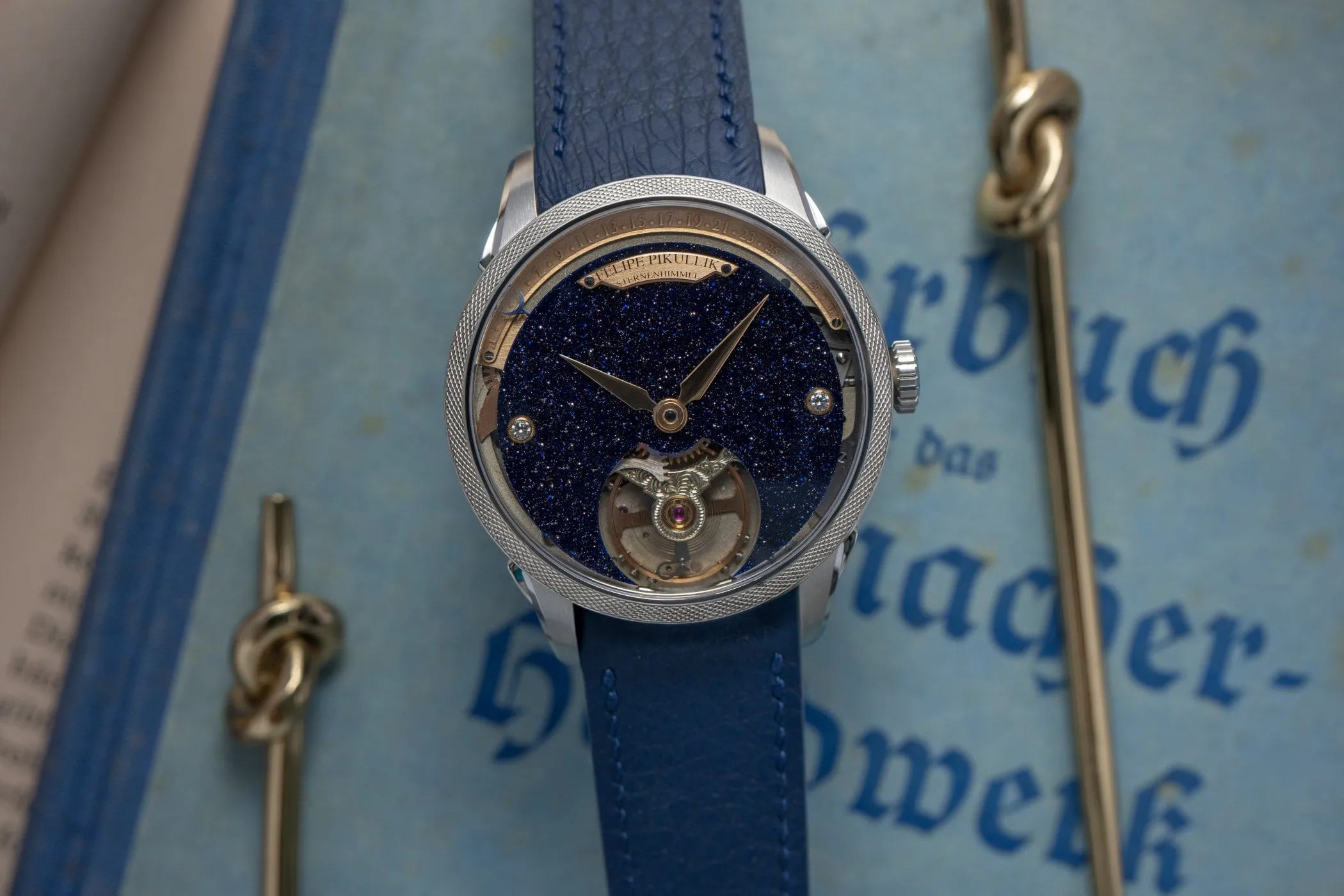
The New Felipe Pikullik Sternenhimmel FPA1
Felipe Pikullik’s Sternenhimmel FPA1 is a major step forward for the Berlin atelier, introducing its first proprietary calibre platform. The 39mm steel watch pairs an aventurine dial (blue or green) with a 6 o’clock aperture revealing the balance wheel and a retrograde date display. Inside, the new FPA1 calibre runs at 18,000 vph with a 46-hour power reserve and features details like a hand-crafted balance wheel and wolf’s-tooth gearing for smoother transmission. The watch is priced at about $20,199 (converted from EUR 17,500) and comes with two strap options, with production kept low due to the small workshop.
Holthinrichs
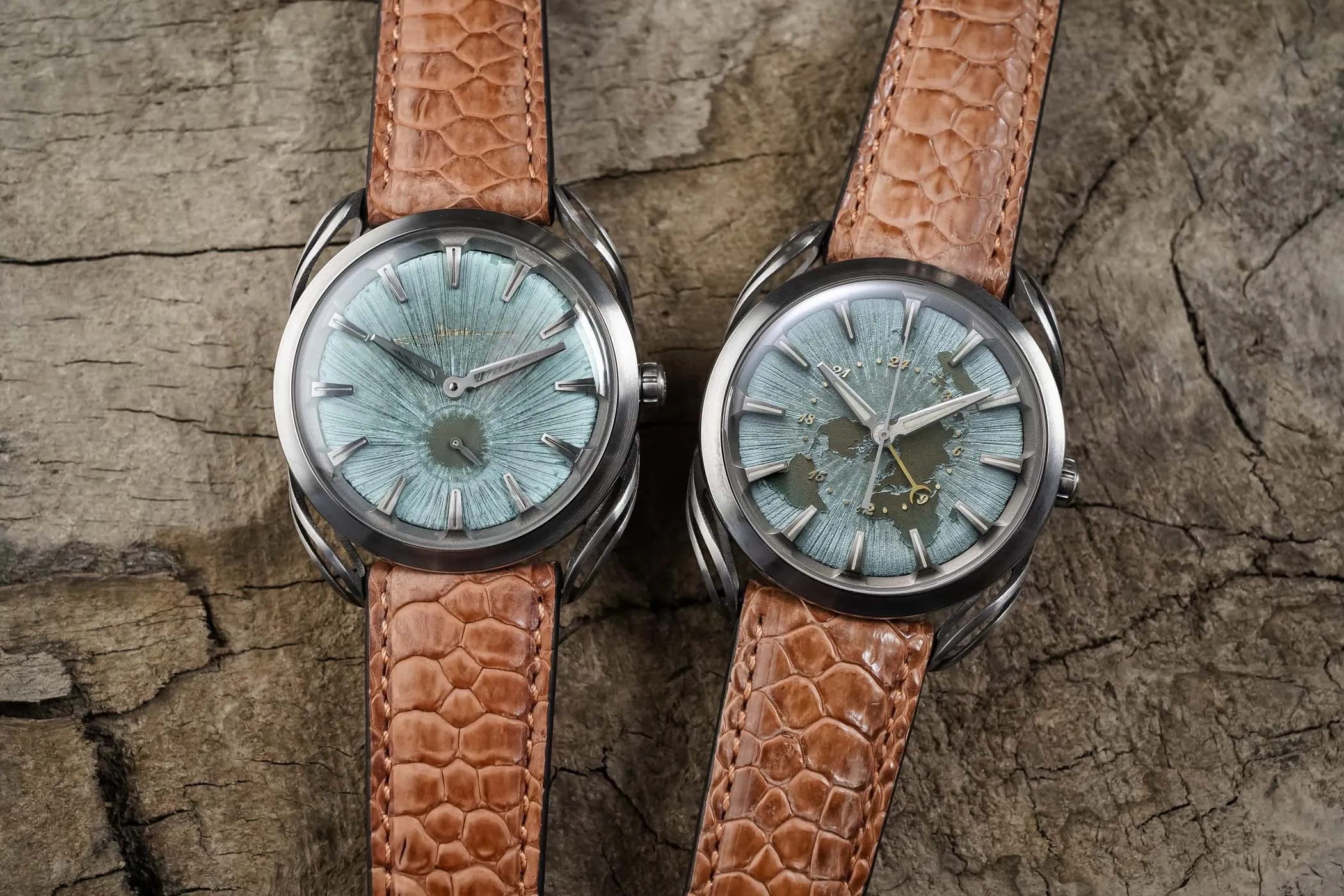
Holthinrichs Presents the Signature LAB Series 1 Small Seconds and GMT
Holthinrichs marks a decade of work with two limited editions: the Signature LAB Series 1 Small Seconds and GMT, each capped at 100 pieces. Both use a distinctive 3D-printed titanium case (38.5mm by 9.85mm) with deliberately raw textures balanced by hand-finished details and copper-oxide patina dials. The Small Seconds model is powered by a Sellita SW360 and is priced around $6,810 (converted from EUR 5,900), while the GMT uses a Sellita SW330 and is priced around $7,502 (converted from EUR 6,500), both excluding VAT. Deliveries are expected in Q3 2026.
Moritz Grossmann
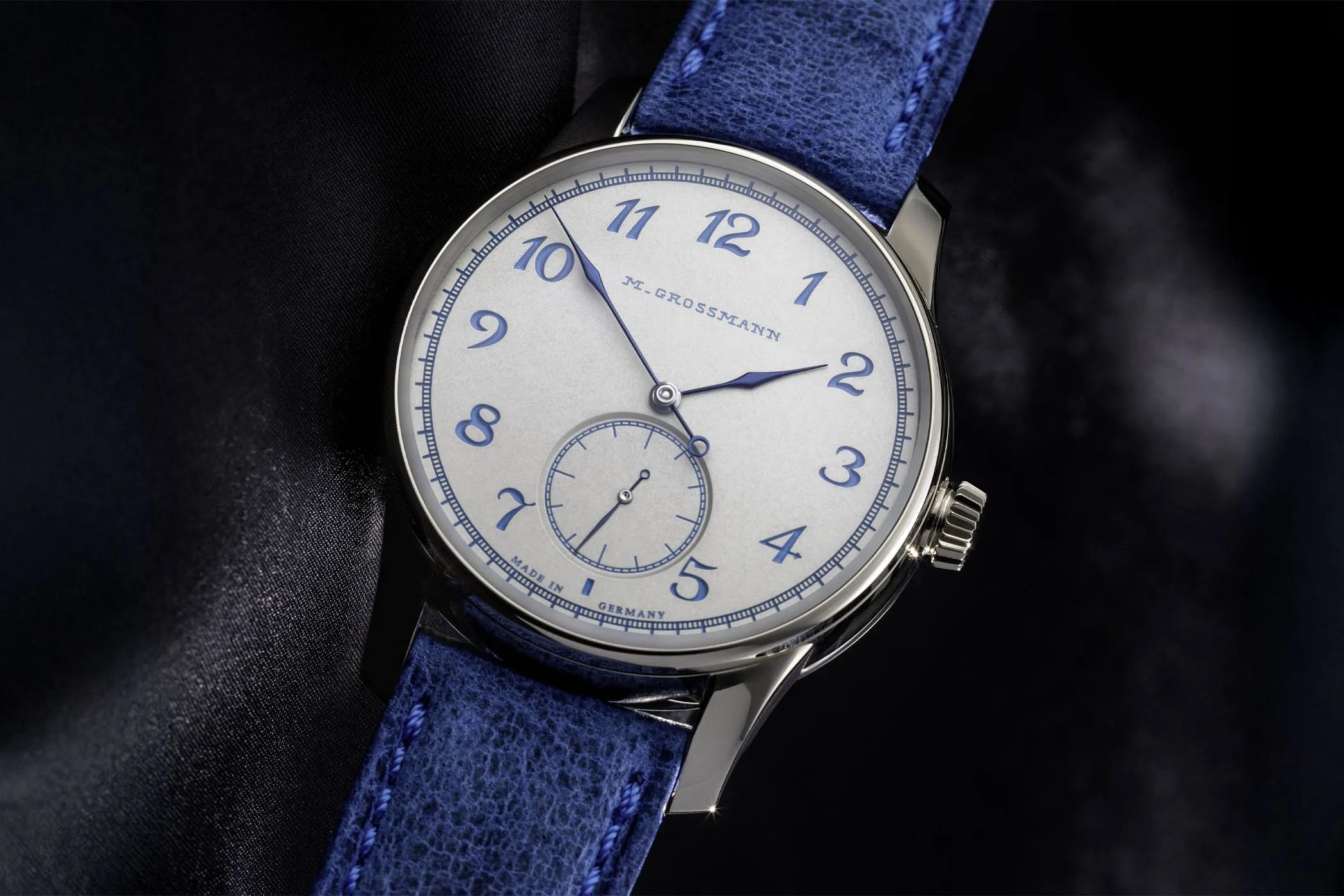
Moritz Grossmann Hamatic Silver-Plated by Friction
Moritz Grossmann’s Hamatic Silver-Plated by Friction is a white-gold, 41mm limited edition celebrating the 200th anniversary of founder Karl Moritz Grossmann, and it spotlights the brand’s hammer-style automatic winding system. The dial uses a traditional silver-plating technique that creates a fine-grained texture, paired here with Arabic numerals for a slightly different character than earlier versions. It runs on the calibre 106.0 with about 72 hours of power reserve, with finishing touches like untreated German silver components and hand engraving aimed squarely at collectors. Limited to 18 pieces, it’s priced at about $84,834 (converted from EUR 73,500).
Singer Reimagined
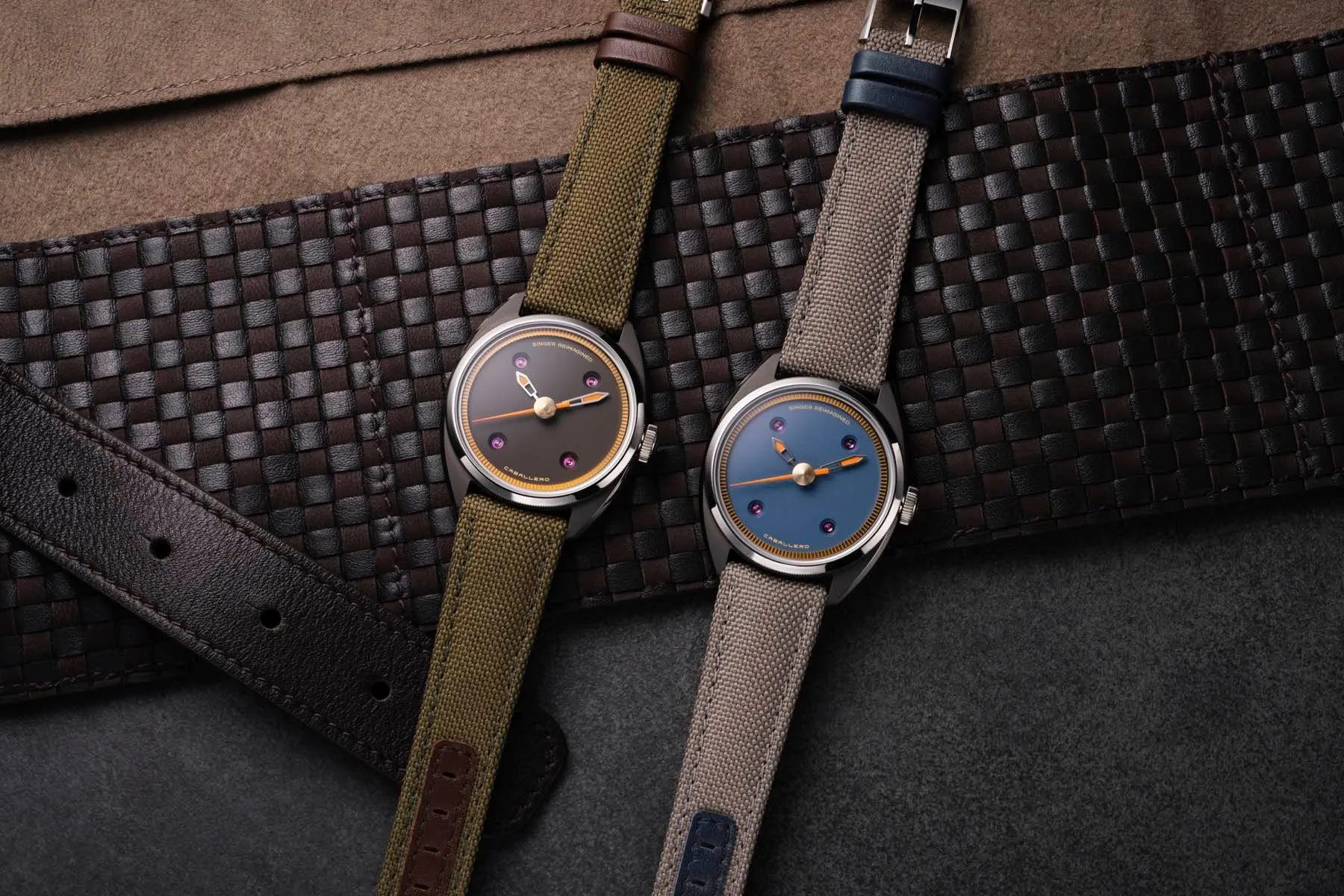
The Singer Reimagined Caballero, Now Reimagined In Titanium
Singer Reimagined updates the Caballero with a Grade 5 titanium case, keeping the cushion-case identity while adding new colorways (Avio Blue Velvet and Cocoa Brown Velvet). The design stays focused on a clean three-hand layout, but with refined details like a fluted ring and visible synthetic ruby jewels that tie the exterior styling back to the mechanics. Power comes from Singer’s in-house Calibre-4 Solotempo, delivering an attention-grabbing six-day power reserve. The new titanium version is priced at about $23,845 (converted from CHF 18,500) and is slated to be available in May.
Strehler (Andreas Strehler)
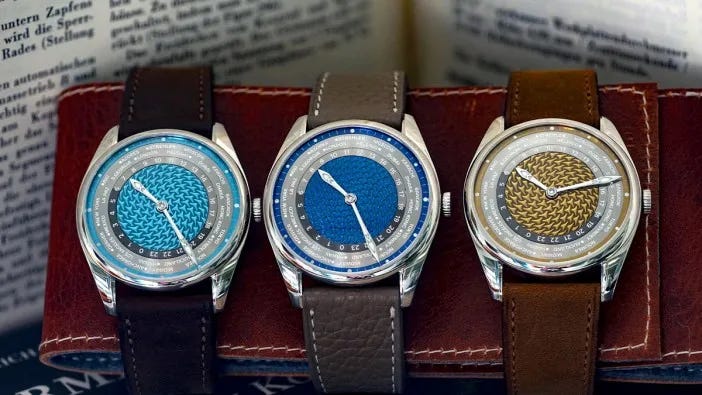
Strehler Säntis Worldtimer
The Strehler Säntis Worldtimer brings a Cottier-style world-time display into a sleek, user-friendly format controlled entirely by a single crown. It features a titanium dial with a proprietary pattern and is backed by a fully in-house movement and components, positioning it as “accessible” independent watchmaking without losing artisanal credibility. The watch is made in medical-grade stainless steel and offers a 60-hour power reserve, with production constrained to roughly 30–50 pieces per year due to the handwork involved. It retails for about $31,928 (converted from CHF 24,750).
Timex
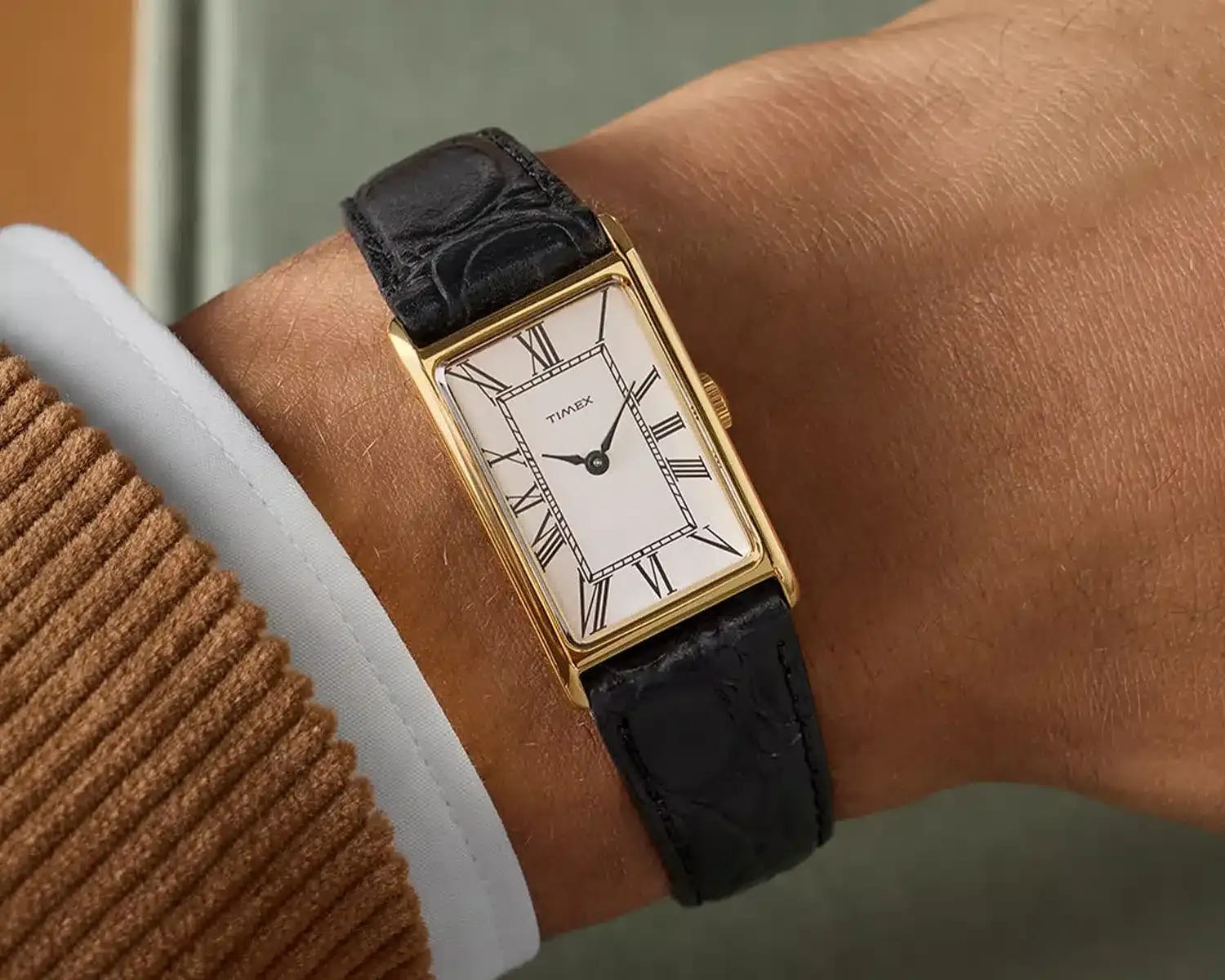
Timex’s New Affordable Dress Watch Borrows Its Best Ideas from the Cartier Tank
Timex’s 1976 Lexington Reissue is a $149 rectangular dress watch that nods strongly to the Cartier Tank while pointing to an archival Timex design lineage. With a compact 21mm by 35mm footprint and a slim 8mm thickness, it leans into vintage proportions with a polished gold-tone case and a silver dial featuring elongated Roman numerals. A raised mineral crystal and black crocodile-pattern leather strap reinforce the throwback feel, aiming to deliver “Tank energy” at an entry-level price. The bigger question, as framed here, is how well the finish will hold up in everyday wear.
Wearing Time - Reviews
Brellum
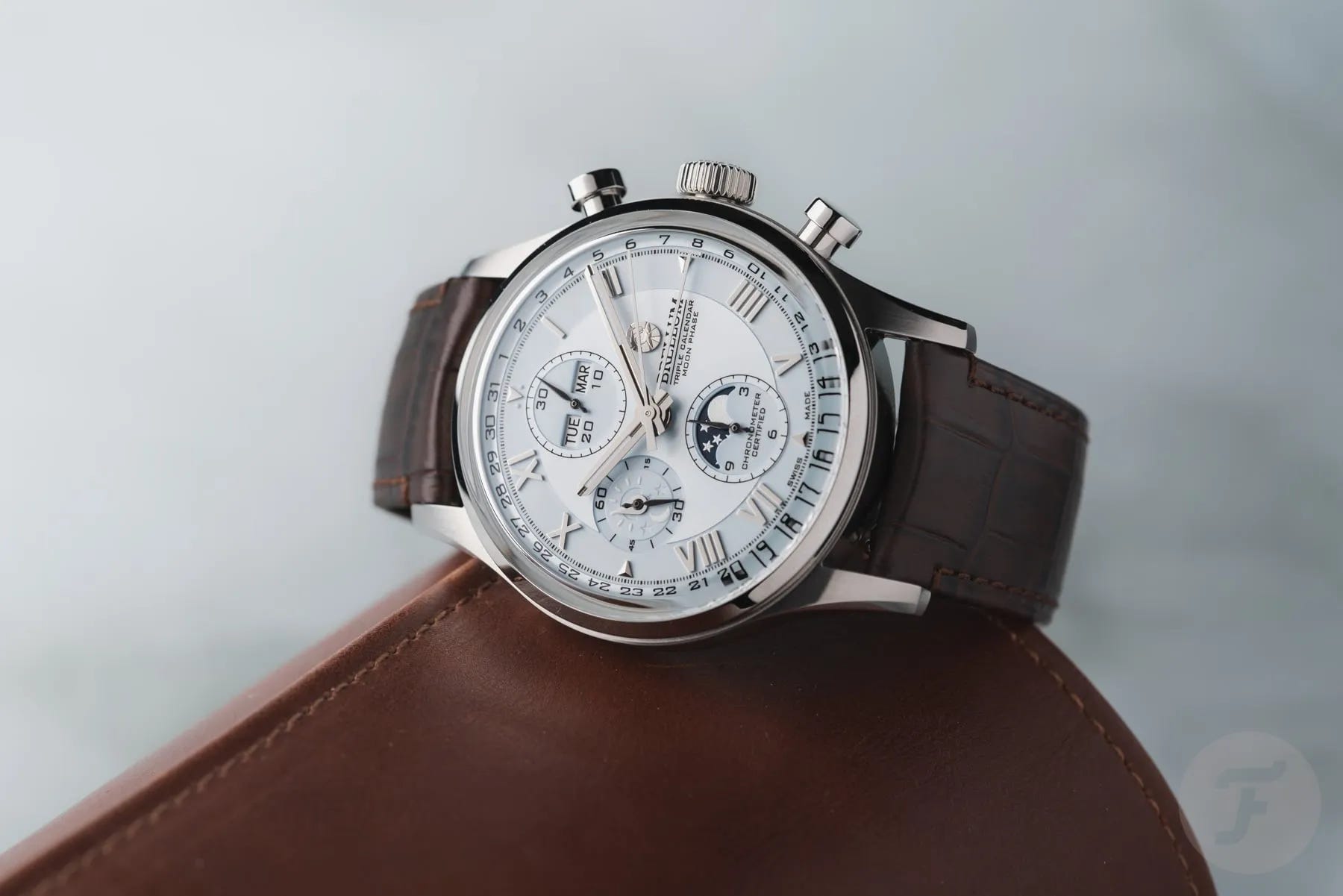
Hands-On: The Ice-Blue Brellum Duobox Triple Calendar Moonphase
Brellum’s Duobox Triple Calendar Moonphase pairs a standout ice-blue sunray dial with a substantial case (41.8mm by 51.8mm, 15.9mm thick) offered in steel or titanium. It combines a triple calendar with moonphase and running seconds, aiming for a complication-forward look that still feels wearable day to day, helped by 100m water resistance. Power comes from the COSC-certified Brellum BR-751 automatic (Valjoux 7751-based) with a 46-hour power reserve, reinforcing the watch’s practical-meets-dressy positioning. Production is capped at 33 pieces, making it an intentionally scarce proposition for collectors drawn to the color and feature set.
REC Watches
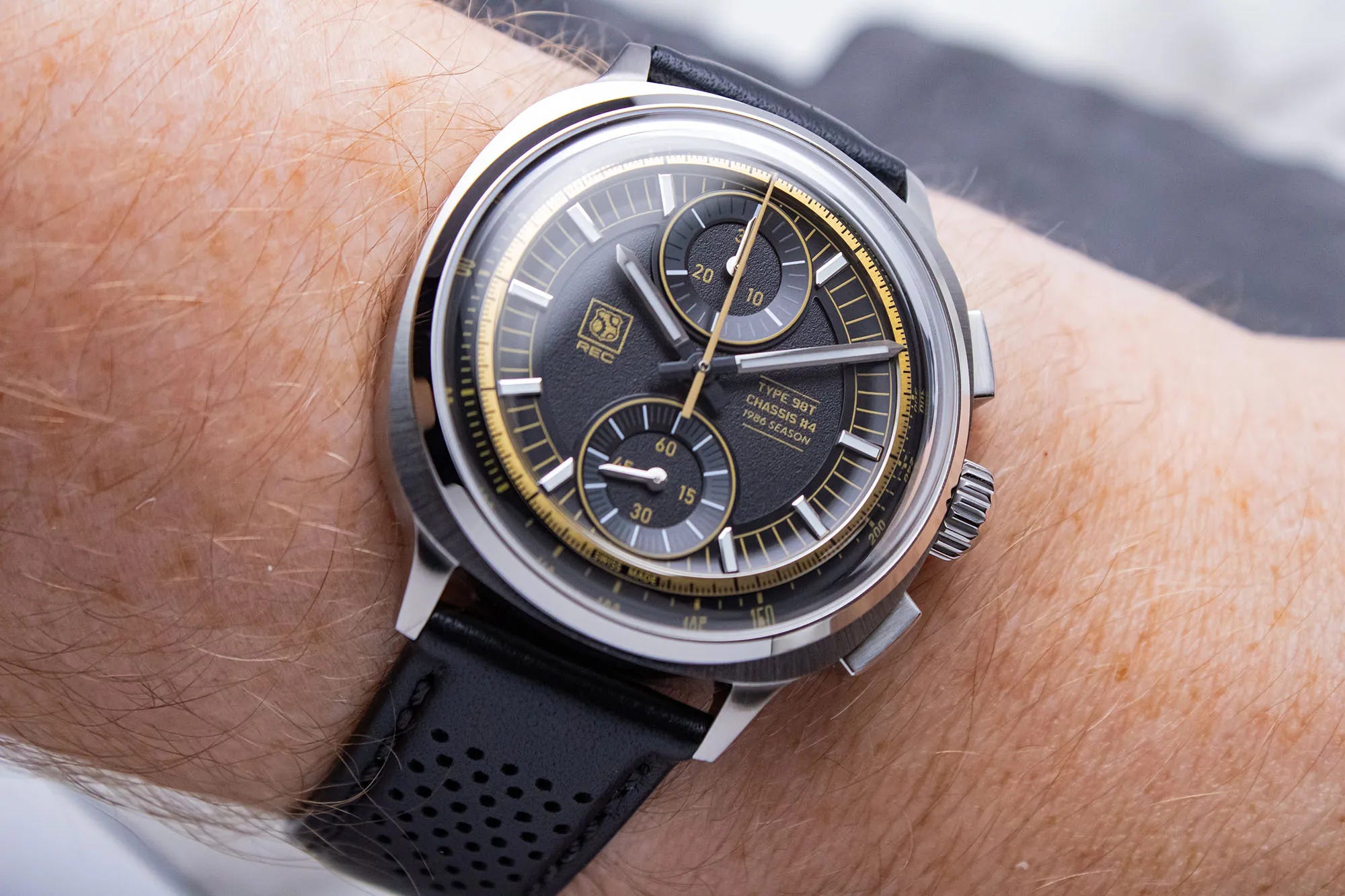
The Limited-Edition REC 98T/4 Watch Brings The Brand To A Mature New Era
REC’s 98T/4 signals a step up in refinement, using design cues and reclaimed material tied to Ayrton Senna’s 1986 Lotus 98T F1 car while keeping the dial layout clean and usable. The stainless-steel case is built to feel more premium, including details like a domed sapphire caseback and 100m water resistance for everyday confidence. Inside is a Swiss-made automatic chronograph movement with a 62-hour power reserve, with finishing that echoes the Lotus-inspired theme. Limited to 989 pieces and priced at $4,195, it’s positioned as a more grown-up, enthusiast-facing blend of motorsport heritage and modern watchmaking.
Sartory Billard
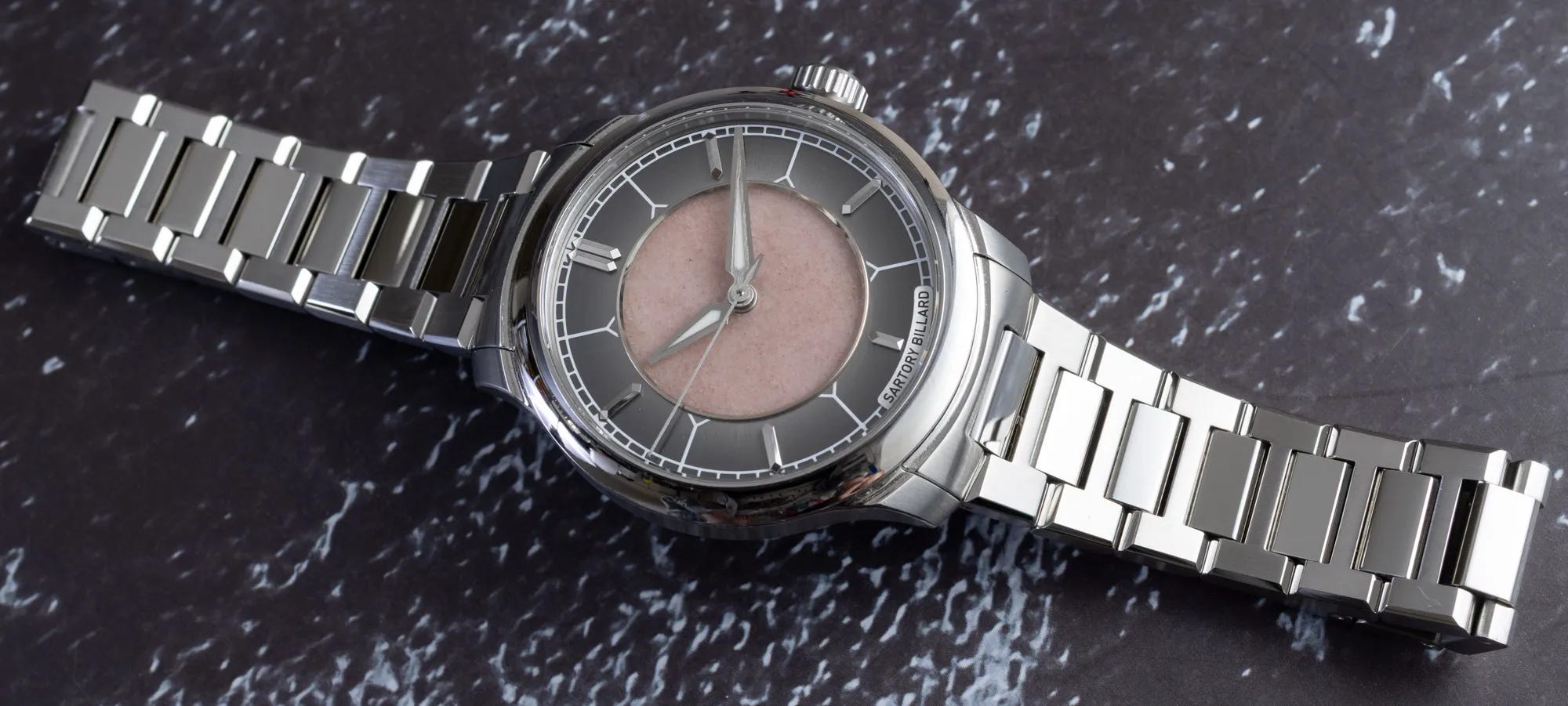
Sartory-Billard SB04-E Hands-On: Getting Creative With A ‘Skin Tone’ Stone Dial And A Steel Bracelet
Sartory-Billard’s SB04-E leans into bespoke creativity, with this configuration using a pink aventurine stone dial to evoke a “skin tone” concept while keeping the overall look crisp and contemporary. The 39.5mm polished steel case and flat, AR-coated sapphire crystal aim for a modern, wearable profile that frames the dial material as the main event. It runs on the Swiss automatic La Joux-Perret G101 with a 68-hour power reserve, underscoring the brand’s focus on personalization without sacrificing mechanical credibility. Pricing is quoted at $5,800 on leather or $6,150 with the steel bracelet, reflecting the modular, build-your-own approach.
Titan Watches
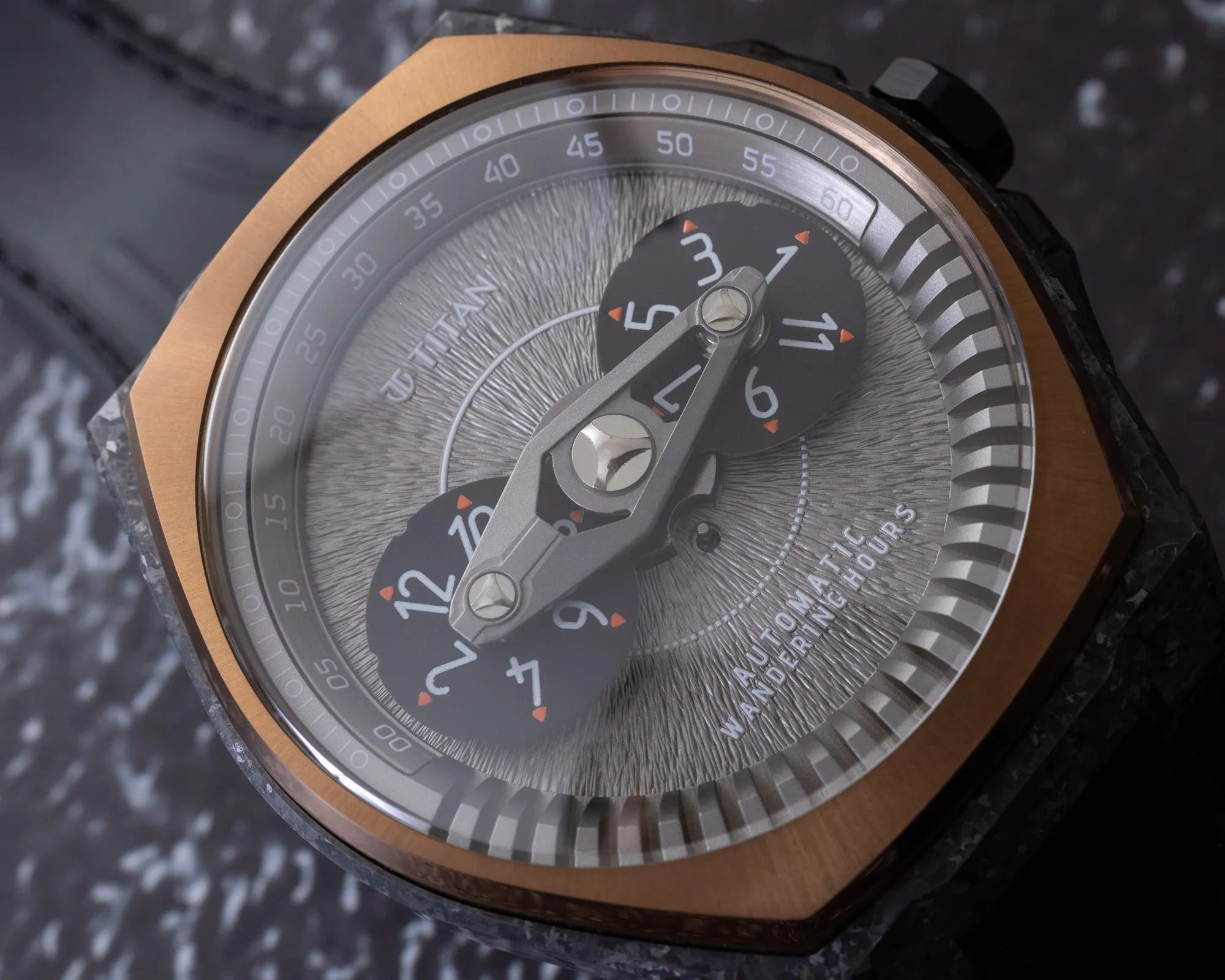
Titan Stellar Wandering Hour Automatic Review: An Enthusiast Timepiece From India’s Biggest Watchmaker
Titan’s Stellar Wandering Hour Automatic is a limited run (500 pieces) designed to turn heads with a wandering hours display and a highly textured, modern dial aesthetic. The 42mm case is made from crystallized titanium, pairing an unusual material story with an in-house movement running at 4Hz and delivering a 40-hour power reserve. While the review notes a few design and performance rough edges—such as the asymmetrical handset and a stated accuracy range of -10 to +30 seconds/day—the watch is framed as genuinely inventive and conversation-starting. At roughly 179,995 INR (about $1,950), it’s positioned as an enthusiast-forward statement piece from a brand not always associated with niche mechanical creativity.
Comparing Time
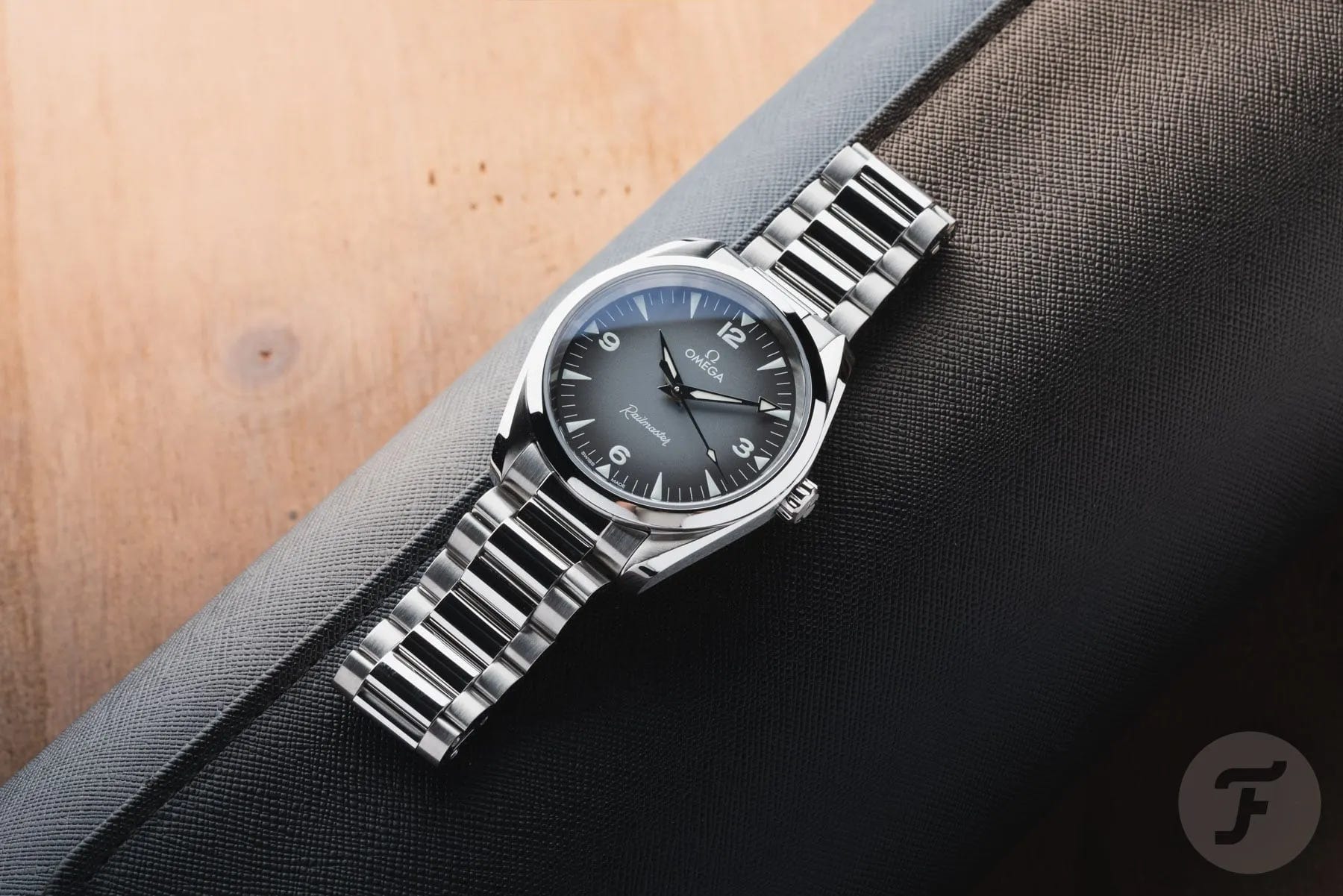
Fratello’s Top 5 Rolex Explorer Alternatives In 2026
Fratello rounds up five strong alternatives to the Rolex Explorer, spanning different styles and budgets while keeping the same go-anywhere spirit. Highlights include the IWC Pilot’s Watch Mark XX for a more aviation-leaning take, the Tudor Ranger for the closest visual kinship to the classic Explorer, and the Omega Railmaster for a more technical, anti-magnetic tool-watch vibe. The list also spotlights the Nomos Club Sport Neomatik for a more modern, colorful approach and closes with the Christopher Ward C65 Dune Aeolian as a value-forward option with vintage charm.
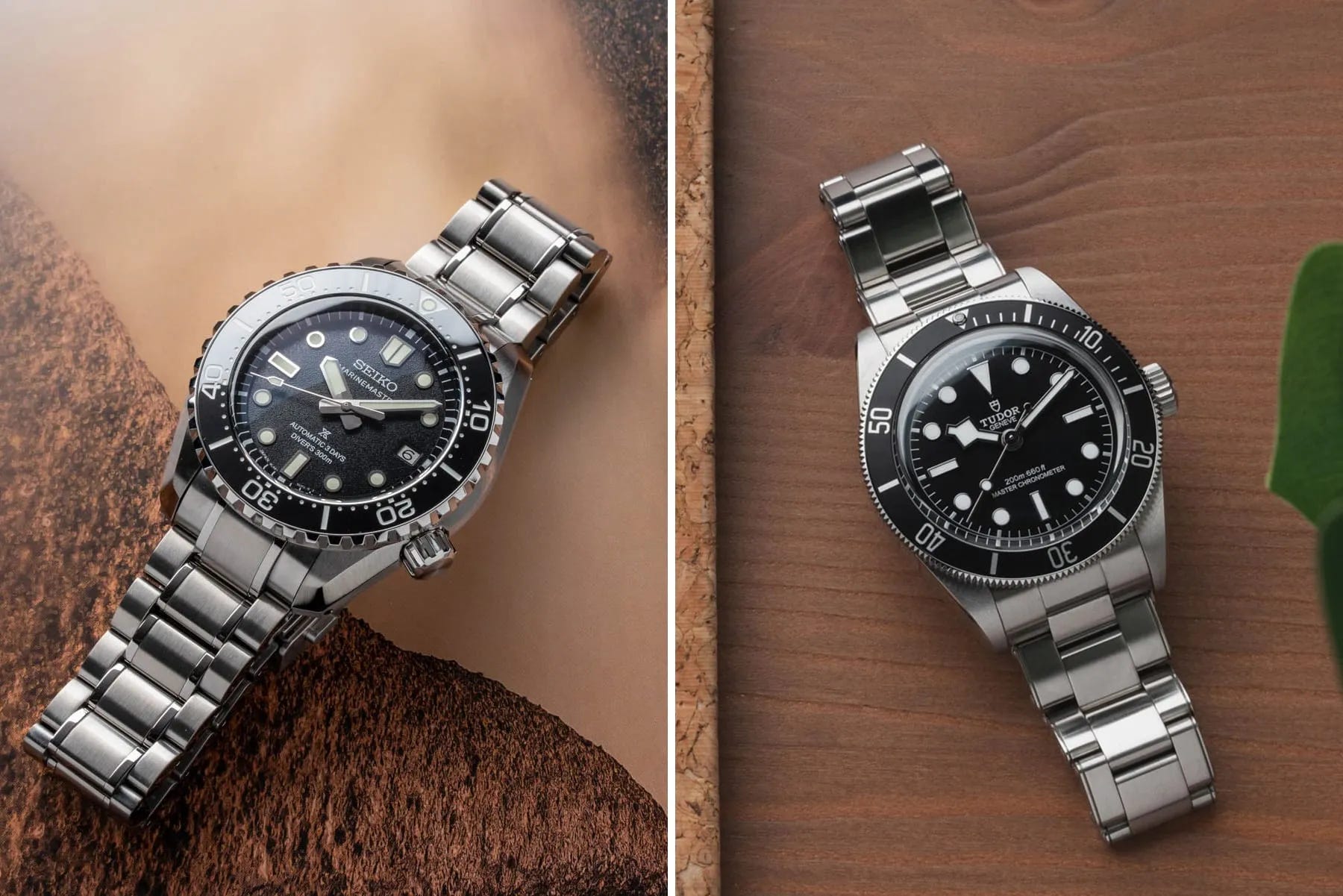
Sunday Morning Showdown: Tudor Black Bay “Monochrome” Vs. Seiko Prospex Marinemaster HBF001
This head-to-head compares two heavy-hitting divers—the Tudor Black Bay “Monochrome” and the Seiko Prospex Marinemaster HBF001—now priced close enough to make the choice more nuanced. The Tudor case is made for daily wear with a refined feel and is bolstered by Master Chronometer certification and strong accuracy, appealing to those who prioritize precision and polish. The Seiko counters with more hardcore diving credentials, including 300m water resistance, a ceramic bezel, and standout luminosity, leaning into rugged capability and heritage. The debate ultimately comes down to whether the Tudor’s elevated finishing and chronometric edge outweigh the Seiko’s tougher spec sheet and tool-watch character.
Watches and Wonders 2026
Your Complete Guide to Watches and Wonders 2026
Watches and Wonders Geneva 2026 runs April 14–20 at Palexpo, expanding to 66 exhibiting brands that include major names like Rolex and Patek Philippe, along with returning participants such as Audemars Piguet and ten new brands. The show broadens access with public days scheduled for April 18–20, complemented by cultural programming and satellite happenings across Geneva. Beyond the main fair, independent-focused events like Time to Watches (Villa Sarasin) and Chronopolis (Les Halles de l’Ile) add more opportunities to see smaller makers and new releases. Several additional showcases and brand presentations around the city—especially around Hotel Beaurivage and downtown pop-ups—turn the week into a full-scale watch festival.
Event Time
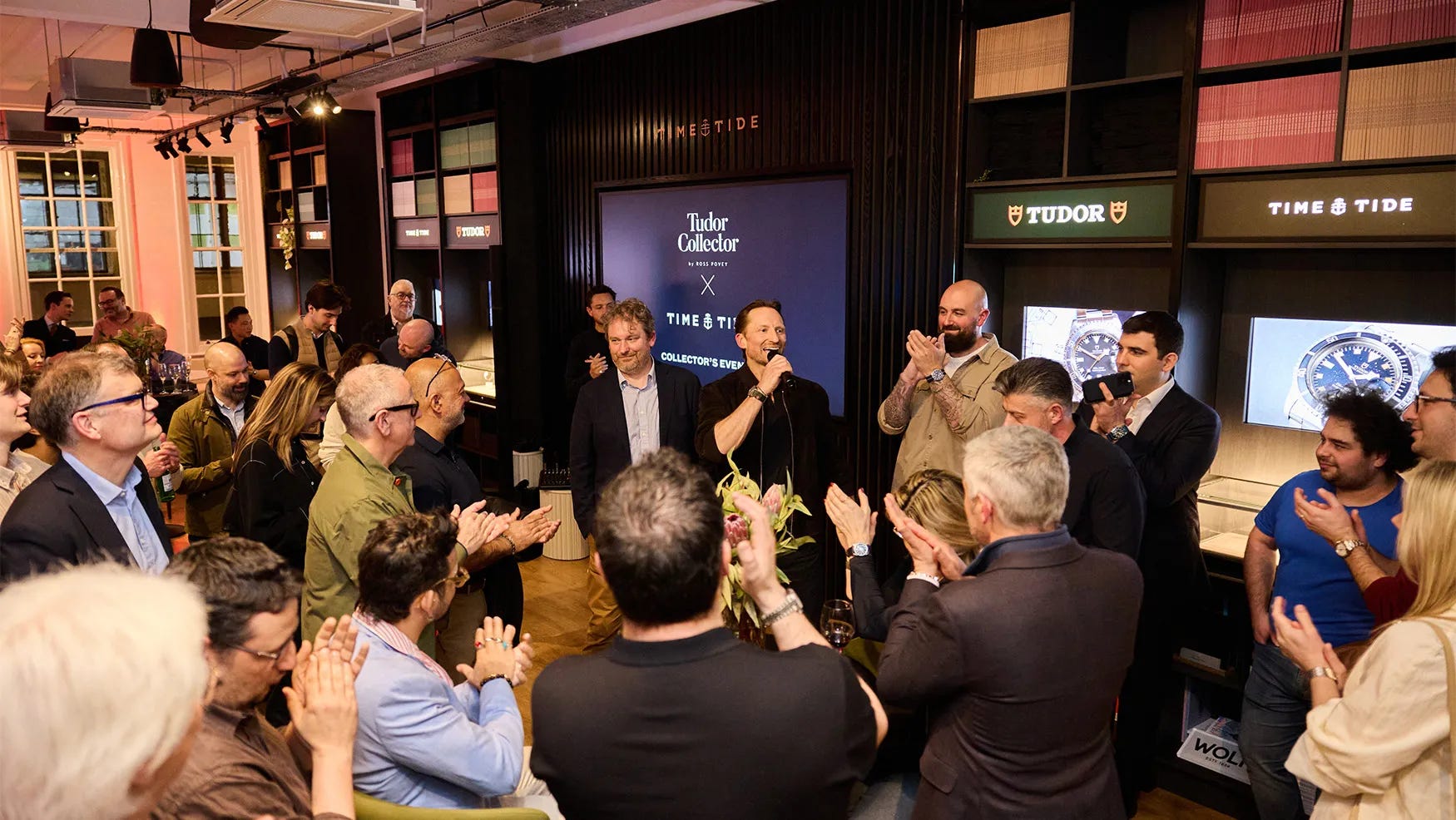
Tudor Collectors Event at Time+Tide Discovery Studio London
Time+Tide’s London Discovery Studio hosted a Tudor collectors’ night that turned the Tudor Library & Lounge into a community-led showcase, drawing roughly 115 attendees. Instead of a standard brand display, cabinets were filled with collectors’ own watches, creating an interactive mix of vintage and modern Tudor references side by side. The format encouraged storytelling and conversation as attendees compared pieces and swapped personal connections to the brand. The evening wrapped with a live podcast recording that captured the energy of a room built around enthusiast participation.
Deal Time
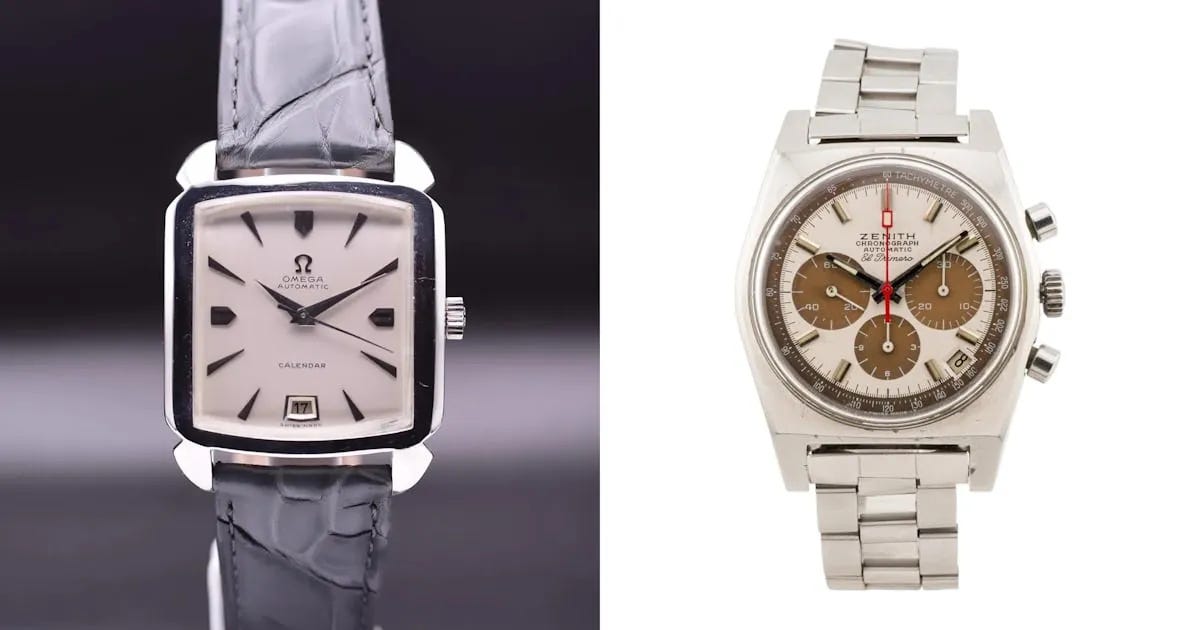
Bring a Loupe: An Omega Grand Luxe, A Very Tropical Zenith El Primero A384, And More
This installment of Hodinkee’s “Bring a Loupe” rounds up notable watch listings and auction pieces, using the end-of-March market activity as a backdrop for what’s trading hands and what’s coming up next. It spotlights a mix of higher-end and collectible references, including pieces from Omega, Zenith, and Patek Philippe, with context on what makes each compelling to collectors. The write-up also previews upcoming auctions—from large themed groupings like Swatch collections to more traditionally “serious” vintage lots—capturing the breadth of what’s driving interest right now. Along the way, it adds historical and mechanical perspective to help readers understand why certain watches (even those needing restoration) remain desirable.
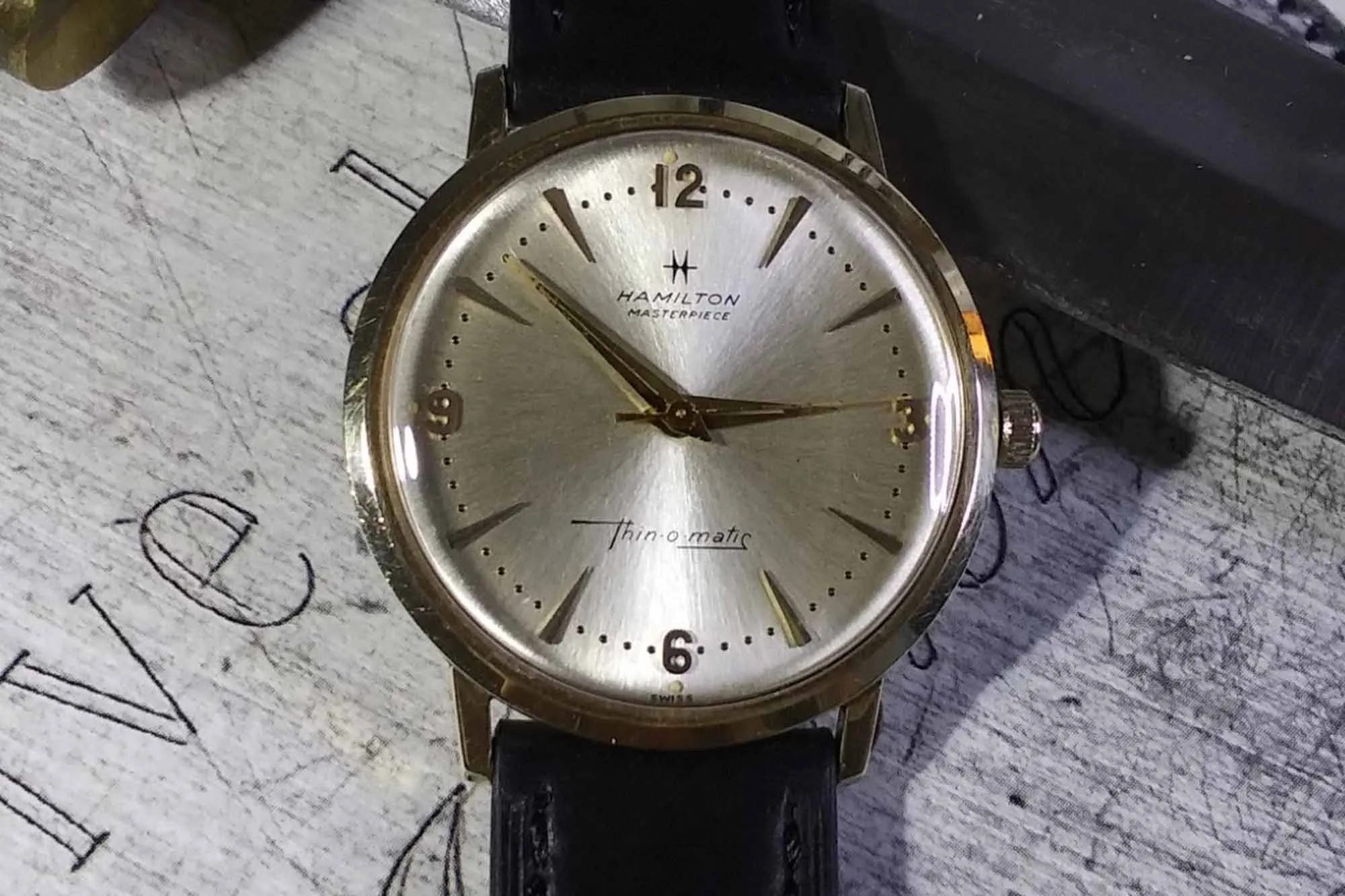
eBay Finds: A Gorgeous Vintage Hamilton, Some Weird Digital Watches, Plus a Few Killer Chronographs
Worn & Wound’s eBay Finds compiles a varied batch of vintage picks, anchored by a notably clean 1968 Omega Seamaster chronograph powered by the calibre 861. The selection leans into contrast—pairing classic mechanical dress and sport pieces like a Hamilton Thin-O-Matic with offbeat digital oddities such as a Dot Matrix Seiko and a Jules Jurgensen LCD. Several chronographs round out the list, including tool-forward options like the Croton Chronomaster with a Valjoux 7733, giving the column its usual mix of charm and functionality. Overall, it’s positioned as a browseable set of listings that highlight both serious collecting angles and fun, left-field watches worth a closer look.
Watching Time - Videos
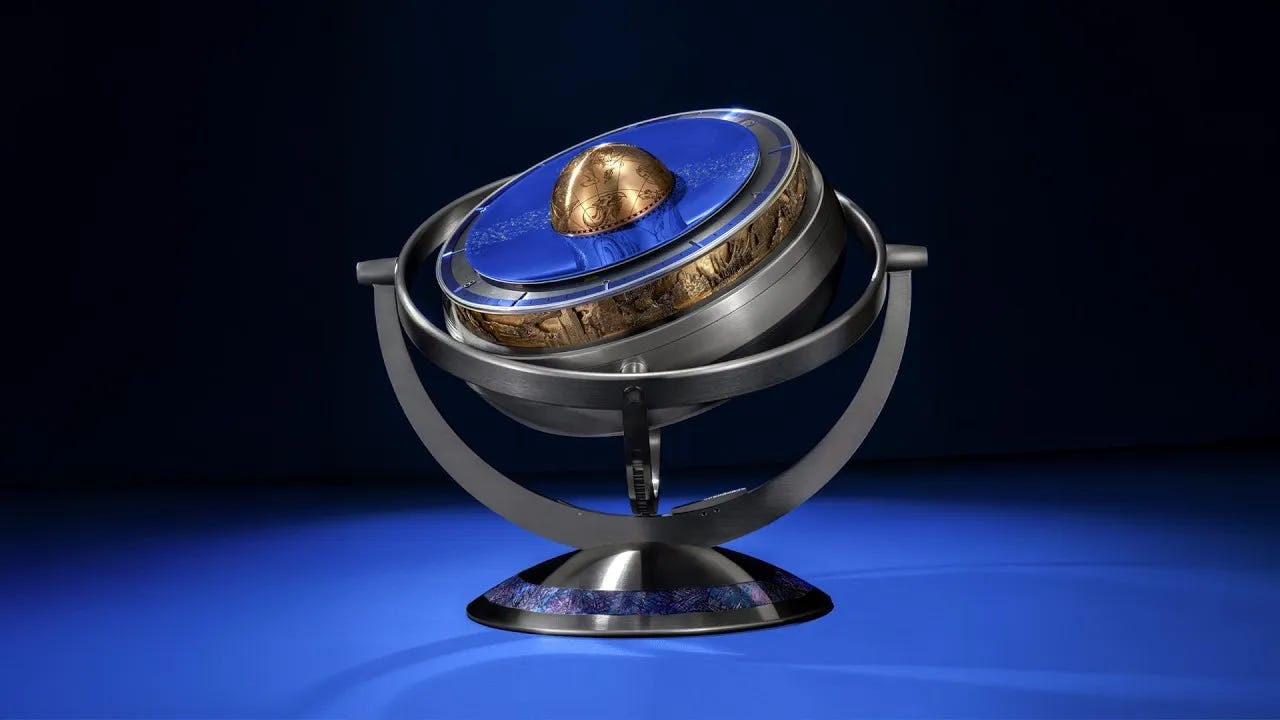
How does it work? The Sympathique Clock of the Louis Vuitton x De Bethune Louis Varius Project - YouTube - Monochrome Watches
This video walks through the mechanics and design logic behind the Sympathique Clock created for the Louis Vuitton x De Bethune Louis Varius collaboration. It highlights how the piece blends traditional craft with modern technical solutions, framing the clock as both a functional object and a design statement. The focus is on what makes the mechanism distinctive and how those choices support the overall aesthetic. The result is presented as a showcase of high-level horological creativity and execution.
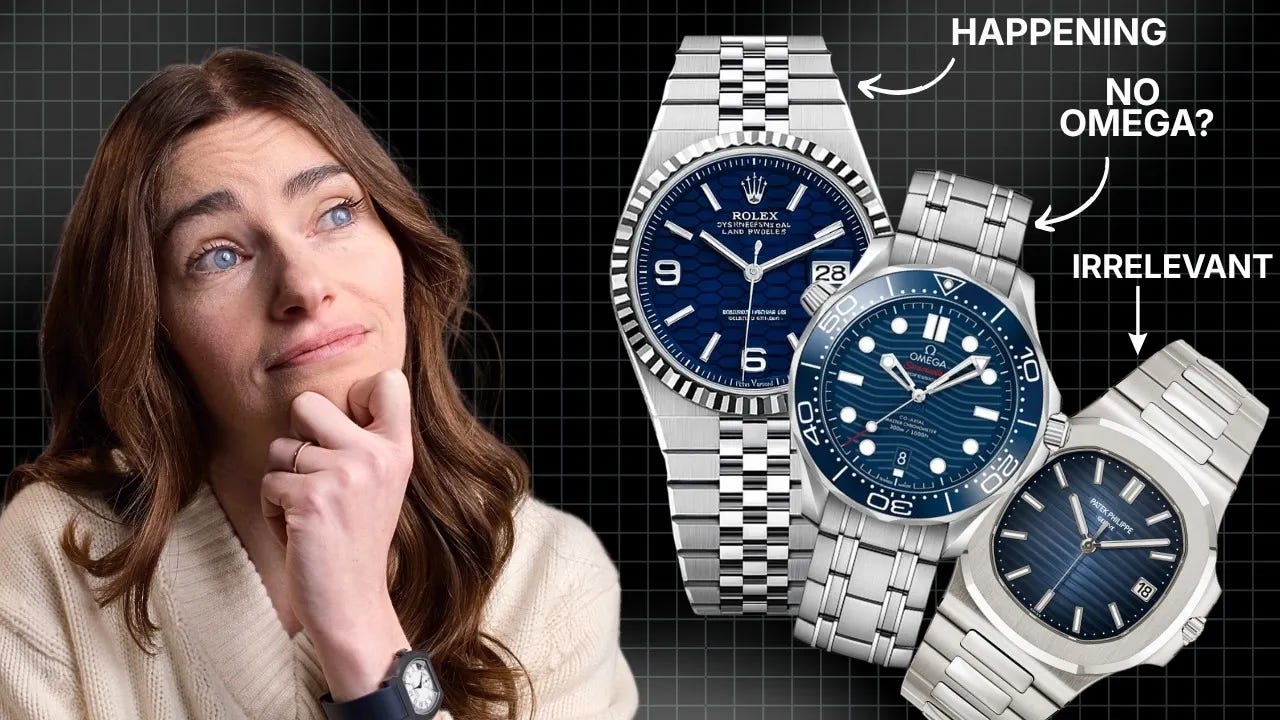
Watches & Wonders 2026: What Nobody’s Saying - Rolex, OMEGA, Tudor - YouTube - Britt Pearce
This video offers commentary on Watches & Wonders 2026 with an emphasis on the subtext—what’s being overlooked or under-discussed about releases from Rolex, OMEGA, and Tudor. It frames the fair through trends, positioning, and brand narratives that may not be obvious in standard launch coverage. The discussion also touches on how design choices and pricing strategy shape perception in the current market. Overall, it’s meant to help viewers read between the lines of the show’s headline announcements.

Will The Rolex Hype Die Anytime Soon? Q&A - YouTube - Menta Watches
In this Q&A-style video, the host explores why Rolex demand remains intense and what forces continue to sustain it. The conversation points to brand prestige, perceived scarcity, and collector behavior as key drivers of the hype cycle. It also considers how broader market shifts and sentiment changes could impact pricing and desirability over time. The takeaway is a framework for thinking about whether the Rolex phenomenon is durable or vulnerable to correction.

Trilobe: A Completely Different Way of Making Watches - YouTube - Revolution Watch
This video introduces Trilobe’s unconventional approach to watchmaking, positioning the brand as an alternative to traditional time display and design language. It emphasizes how Trilobe treats the watch as an artistic object as much as a utility, with each element designed to reinforce that perspective. Viewers get a closer look at the thinking behind the mechanics and the visual architecture of the watches. The overall message is that Trilobe is trying to reshape what “telling time” can look and feel like.

Why Iconic watches aren’t always worth Buying - YouTube - This Watch, That Watch
This video argues that the label “iconic” doesn’t automatically mean a watch is the right buy for every collector. It discusses how hype, brand storytelling, and shifting resale dynamics can distort value and lead to purchases that don’t align with a buyer’s real priorities. It also highlights practical considerations—wearability, durability, and lifestyle fit—that can matter more than status. The end goal is to encourage more intentional buying decisions rather than defaulting to the most famous names.
The DEATH of Rolex - YouTube - Luxury Secret
This video examines the idea that Rolex’s dominance could be challenged, looking at changing tastes, market saturation, and the pressures of a more innovation-driven luxury landscape. It raises questions about whether traditional prestige alone can keep a brand on top as consumers seek more differentiation and personalization. The analysis frames Rolex as a case study for how even the strongest brands must evolve to stay culturally and commercially relevant. It’s less a literal obituary and more a provocative look at long-term brand risk.
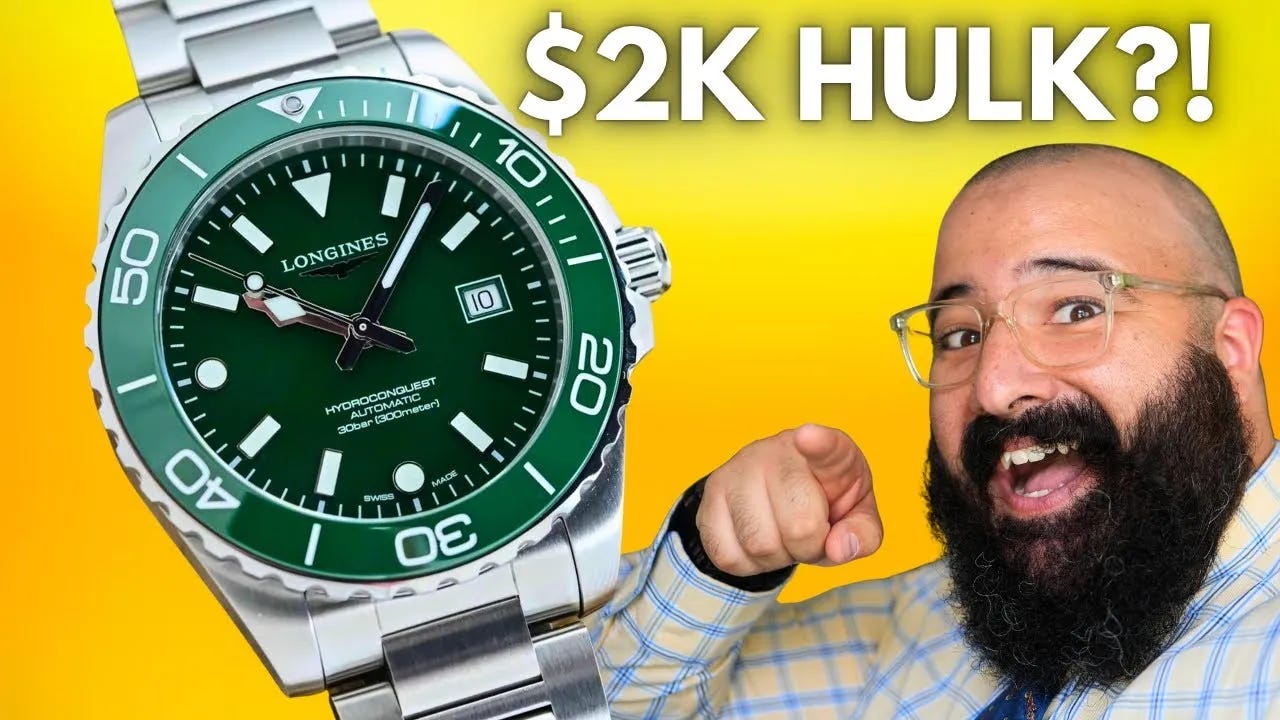
Longines Just Made Rolex Fanboys CRY - YouTube - The Time Teller
This video covers a new Longines release that the creator believes disrupts expectations in a space often dominated by Rolex comparisons. It highlights the design and feature decisions that make the watch feel like a challenge to Rolex’s usual gravitational pull in enthusiast culture. A big part of the discussion is the emotional response—how brand loyalty and online discourse flare up when a competitor lands a strong product. The episode ultimately uses the release as a window into rivalry dynamics in the luxury watch community.

The NEW Holy Trinity... Who Makes The Cut? | Four Married Men Podcast - YouTube
This podcast episode debates the idea of a “new Holy Trinity,” focusing on what standards or criteria should define an elite top tier and which candidates deserve inclusion. The discussion is driven by differing viewpoints, with the hosts weighing personal preferences against broader cultural assumptions about what “belongs” at the top. It’s structured as an open-ended argument rather than a definitive ranking, inviting listeners to challenge their own definitions. The result is a conversation designed to be more provocative and reflective than purely informational.
BuyingTime at Auction
A few select current auctions that caught our eye on GetBezel.com
[Thursday’s auction watch, the 2022 Audemars Piguet Royal Oak Chronograph 41 / Blue (26240ST.OO.1320ST.01) - was bid to $40,000 but did not meet its reserve. - make an offer]
2024 Vacheron Constantin Overseas Chronograph Stainless Steel / Blue (5520V/210A-B148)
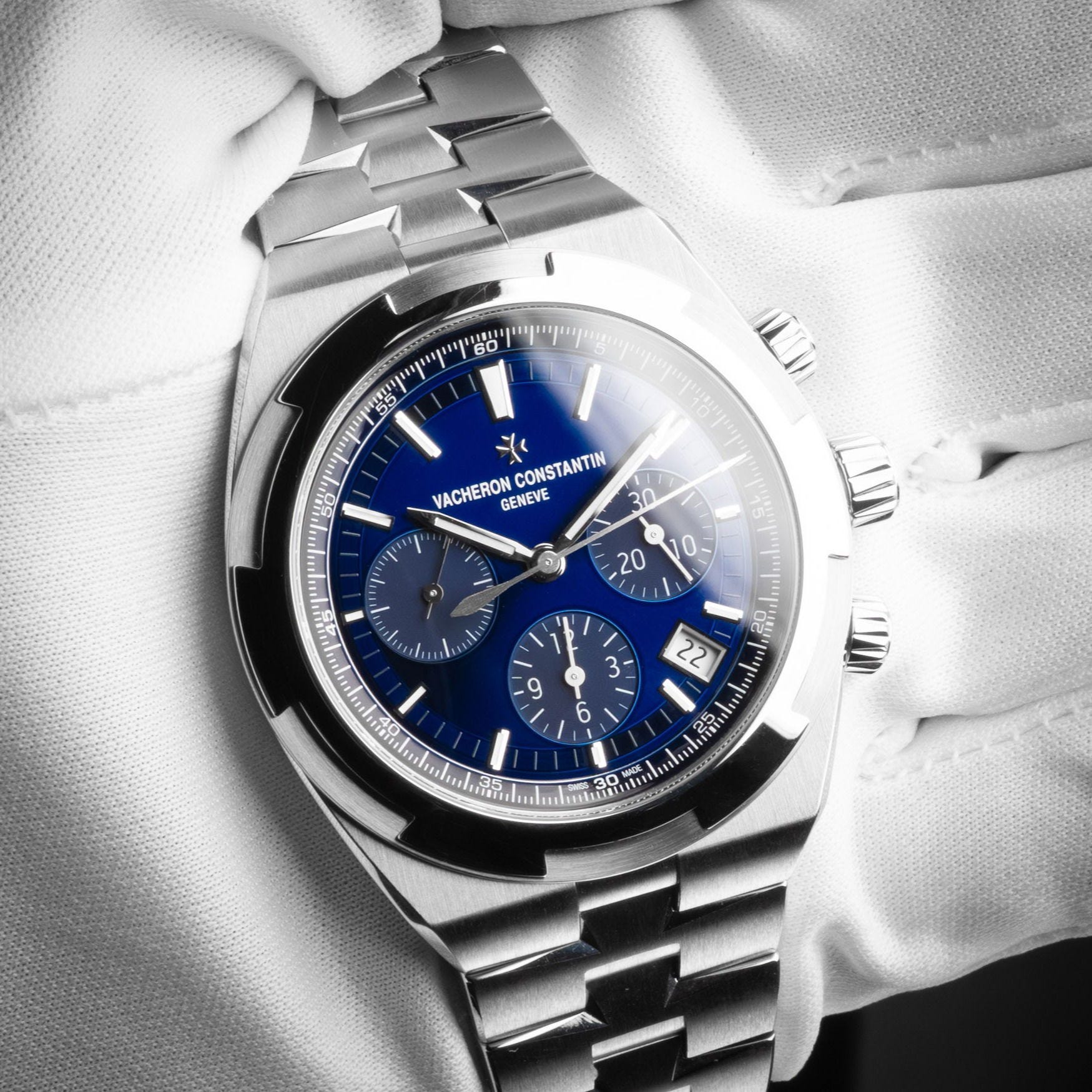
Blue Chip, Blue Dial, Blue-Chip Money: The Overseas Chronograph That Quietly Wins
There are certain watches that scream for attention, and then there are watches like the Vacheron Constantin Overseas Chronograph 5520V/210A-B148 that don’t bother raising their voice because they already know they’re in the room. This is one of those pieces that lives comfortably in the shadow of louder, more hyped competitors, all while doing just about everything better than it has any right to.
The Overseas line itself dates back to the mid-1990s as Vacheron Constantin’s answer to the luxury sports watch category—yes, that category dominated by Gerald Genta’s greatest hits. But the modern iteration of the Overseas, particularly since its major overhaul in 2016, is where things get serious. That’s when the brand leaned fully into integrated sports watch territory with improved ergonomics, a cleaner design language, and—importantly—a proper in-house chronograph movement. The caliber 5200 inside this watch is a column-wheel chronograph with a vertical clutch, the kind of specification sheet that quietly tells you this is not just another pretty blue dial.
And that dial, of course, is the whole show. The translucent lacquered blue has just enough depth to remind you why blue dials became a cliché in the first place—because when done right, they work. Here, it plays against the steel case and bracelet with that signature Maltese cross-inspired design, giving the watch a level of finishing that often gets whispered about in collector circles but rarely shouted. That’s fine. The people who know, know.
From a practical standpoint, this is one of the most wearable high-end chronographs on the market. At 42.5mm, it sits with presence but not arrogance, and the quick-change strap system—steel, rubber, leather—is one of the best in the business. It’s the rare watch that can move from boardroom to beach without looking like it’s trying too hard. And unlike some of its more famous rivals, it doesn’t feel like you’re wearing a logo first and a watch second.
Now let’s talk about the money, because that’s why we’re all here. Retail on this model hovers just under $40,000, and the secondary market has been relatively stable, with most examples trading between roughly $37,000 and $45,000 depending on condition and completeness. That’s a fairly tight band for a watch at this level, which tells you two things: one, demand is steady; and two, you’re not buying into the kind of speculative madness that has plagued other segments of the market.
This particular example, with box, papers, folio, literature, and extra straps, checks every box that matters. The condition reads exactly how you’d expect from a lightly worn modern piece—excellent dial and crystal, minor hairlines on the case and bezel, and a bracelet that has seen just enough wrist time to remind you it’s not a safe queen. In other words, it’s honest. And in today’s market, honesty counts.
The auction closing at 6:20 pm EDT on Monday, March 30, 2026, feels like a moment where discipline will matter. This isn’t a watch you steal, and it’s not one you wildly overpay for either. The sweet spot is right where the market has been sitting—mid to high $30s—and if it lands there, it’s exactly what this watch has always been: a smart buy for someone who values substance over noise.
Because that’s really the story here. The Overseas Chronograph is the watch you buy when you’ve looked at everything else, rolled your eyes a little, and decided you’d rather own something better instead of something louder. And in a market that increasingly feels like a volume contest, that might be the most contrarian—and correct—move of all.
Current bid: $27,000