

Time Graphing today’s watch universe
Today’s watch world offered a reminder that the market remains as fascinating as it is unpredictable. The headline belonged to F.P. Journe, whose Souscription Chronomètre à Résonance No. 007 stormed to an astonishing $13.9 million at auction, becoming the fifth-most expensive wristwatch ever sold. Independent watchmaking continues to attract serious money, and while collectors have long admired Journe’s work, prices like this suggest that the upper reaches of the market are increasingly competing with the most coveted pieces from Rolex and Patek Philippe. Whether this represents a new normal or a speculative peak remains one of the most interesting questions in collecting today.
At the broader market level, the latest WatchCharts data suggests the fever may be breaking. The overall market slipped 1.4% in May, with Rolex leading the decline as Daytona, GMT-Master and Yacht-Master models all moved lower. Rising retail prices, growing secondary-market inventory and a noticeable increase in available stock point toward a market that is becoming more rational after years of relentless appreciation. For buyers, that may be welcome news. For speculators, perhaps not so much.
The most significant technical story of the day came from Ronda, which returned to mechanical watchmaking with its new R01 caliber. Featuring a silicon escapement, silicon hairspring, free-sprung balance and an 80-hour power reserve, the movement brings technology once reserved for much more expensive watches into a price bracket that could ultimately place advanced mechanical engineering in sub-$2,000 watches. If the movement proves durable and serviceable in the real world, this could become one of the more important developments of 2026.
For those who prefer their watches a little less serious, Casio delivered one of the year’s most entertaining collaborations with a Coca-Cola-themed GA-2100 “Casioak.” Complete with cola-inspired dial details, bottle imagery and retro packaging, it may be one of the few watches that pairs naturally with a cheeseburger and fries. Meanwhile, Rolex’s retail empire continued its expansion through Bucherer, which opened three new Rolex boutiques in a single month across Europe and Asia, further reinforcing the trend toward larger and increasingly elaborate luxury retail destinations.
Feature coverage today explored some of the hobby’s enduring debates. One writer questioned whether an Omega Speedmaster is truly a mandatory component of a serious collection, while another offered an excellent breakdown of the Miyota 9075 traveler GMT movement that continues to redefine value in the GMT category. There was also an interesting look at the enduring appeal of the Oris Lou Gehrig Limited Edition, a thoughtful examination of watches worn away from the wrist, and a survey of the luxury watches appearing on the wrists of football stars arriving for the FIFA World Cup. If expensive watches and international football are your thing, it was a particularly satisfying combination.
New watch releases covered virtually every corner of the market. Arnold & Son unveiled the HM London Skyline, a beautifully executed anniversary piece featuring a mother-of-pearl London cityscape. Hanhart refreshed its iconic 417 chronograph with titanium Desert Pilot editions, while Mido introduced a compact and practical Ocean Star 39 with an attractive Abyss Blue dial. Orient continued its tradition of punching above its weight class by combining two of its most successful dive-watch platforms into a single affordable package that looks poised to become another enthusiast favorite.
Review coverage was equally diverse. The limited-edition Aera D-1 Whiteout diver demonstrated that fashion collaborations can still deliver serious specifications. Angelus revived its historic quarter repeater with the remarkable Tinkler 1958, while the Ming and J.N. Shapiro collaboration showcased the sort of artisanal craftsmanship that reminds collectors why independent watchmaking remains so compelling. There were also hands-on looks at skeletonized creations from Norqain, the bespoke appeal of Oliver Gallaugher’s Deep Space Blue, the rally-inspired Ulysse Nardin Freak X Gumball 3000 Edition 2, and Wolbrook’s delightfully complicated four-time-zone Pan4Timer.
The comparison pieces offered something for nearly every buyer. Dive-watch enthusiasts received a roundup of Japanese divers under $1,000, integrated-bracelet fans got another excuse to spend money, and GMT shoppers were treated to comparisons ranging from microbrands to a head-to-head battle between the Seiko 5 GMT and Citizen Nighthawk. Elsewhere, Timex received a surprisingly balanced real-world evaluation, while Fratello revisited five watches that helped define collecting culture during the 2000s.
Auction and vintage enthusiasts were spoiled as well. Steve McQueen’s connection to the Heuer Monaco continues to produce remarkable results, with another documented Le Mans watch headed to Sotheby’s. Vintage IWC dress watches received a well-deserved spotlight as one of the more overlooked values in vintage collecting, while the latest Bring a Loupe column highlighted everything from a heavily discounted Grand Seiko masterpiece to an appealingly inexpensive Certina DS.
On the video front, Andrew Morgan examined Tudor’s latest attempt to tempt buyers away from Rolex, Theo and Harris debated whether the hype-watch era is ending, Britt Pearce argued for buying selectively on the secondary market, and several channels explored everything from microbrand success stories to obscure Vacheron Constantin references and the role watches play in film and television.
Finally, in BuyingTime at Auction, Friday’s spectacular Rolex Day-Date 36 Aventurine failed to meet reserve despite reaching $30,500, proving that even gem-set precious-metal Rolexes have their limits. Tonight’s featured auction watch is the Ulysse Nardin Freak X Carbonium. With bidding sitting at just $10,250 as of publication and the auction ending at 9:20 p.m. EDT, it remains one of the more intriguing opportunities currently on the board. The watch is undeniably strange, mechanically fascinating and historically significant. The challenge, as always with Ulysse Nardin, is figuring out where fascination ends and market value begins.
—Michael Wolf
News Time
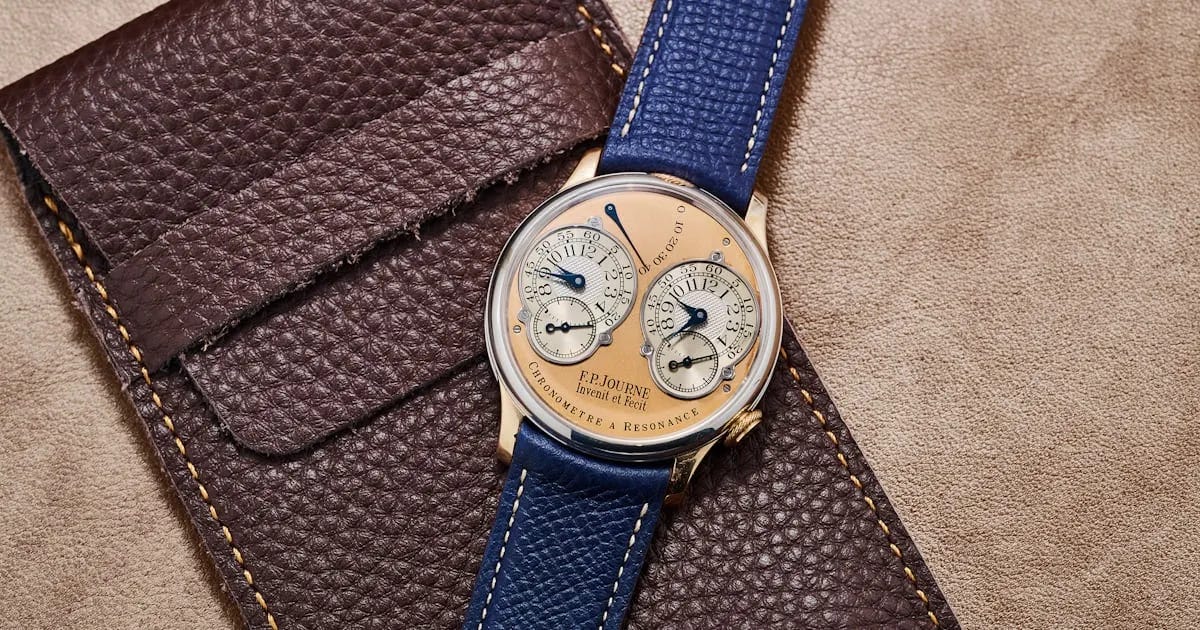
F.P. Journe Souscription Chronomètre à Résonance Achieves $13.9 Million – Becomes Fifth Most Expensive Wristwatch Ever Sold
An F.P. Journe Souscription Chronomètre à Résonance No. 007 sold at Phillips New York for $13.922 million, ranking as the fifth‑most expensive wristwatch ever sold and the third‑highest for a non‑charity piece. The result underscores surging demand for top independent watchmaking, powered by both longtime collectors and newer ultra-wealthy buyers. The auction also highlighted how independents are increasingly competing for headline status alongside the most collectible Patek and Rolex references. While the momentum is fueled by strong financial conditions and heightened participation from tech wealth, observers note the rapid price inflation could eventually cool if speculation overtakes fundamentals.
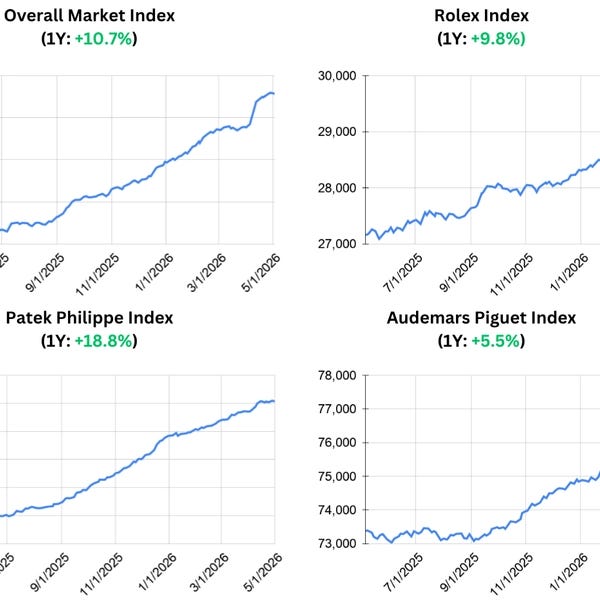
June 2026 Watch Market Update | WatchCharts
In May 2026, the overall watch market index fell 1.4%, led by Rolex dropping 2.2% with its GMT‑Master, Daytona, and Yacht‑Master lines all down more than 2%. The broader market was split between gainers and decliners, signaling a meaningful cooling versus prior months. Rolex’s decline was amplified by recent retail price increases that widened the primary/secondary spread, while supply rose sharply—suggesting speculative inventory was being sold off and a broader correction may be underway.
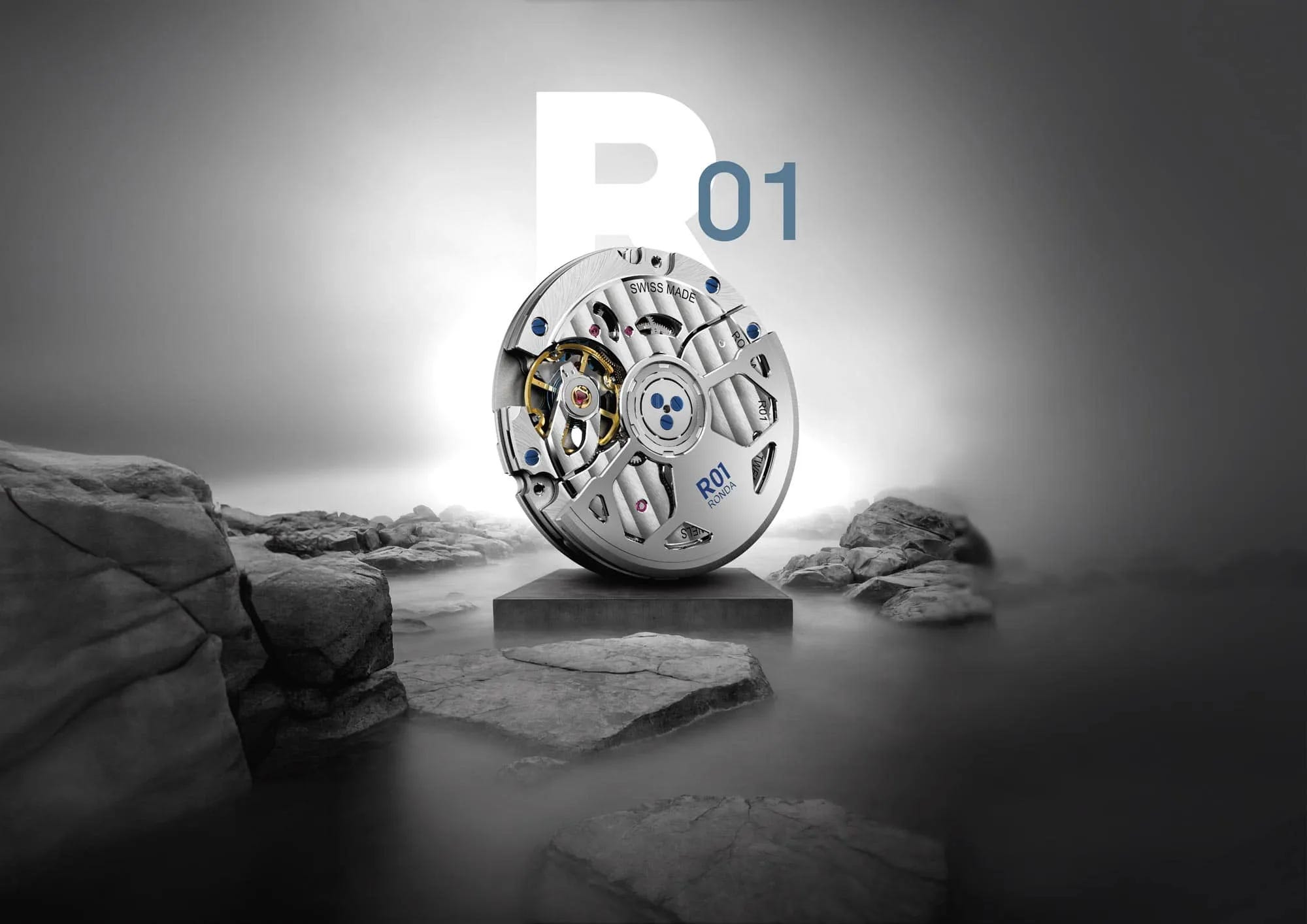
Ronda Returns to Mechanical Movements with the Impressive R01
Ronda’s new R01 mechanical caliber pairs a full‑silicon escapement and hairspring with a free‑sprung balance to improve resistance to magnetism, temperature swings, shock, and wear. It offers four accuracy tiers (from ±7s/day up to -2/+4 chronometer), plus an 80‑hour power reserve from a single barrel at 25,200 bph. Two launch variants add flexibility (including a small‑seconds option) and the platform is built to accept future complications without changing dimensions. With entry pricing starting around 139 CHF, it positions advanced silicon tech as viable in watches under $2,000—though real‑world track record and service ecosystem are still developing.
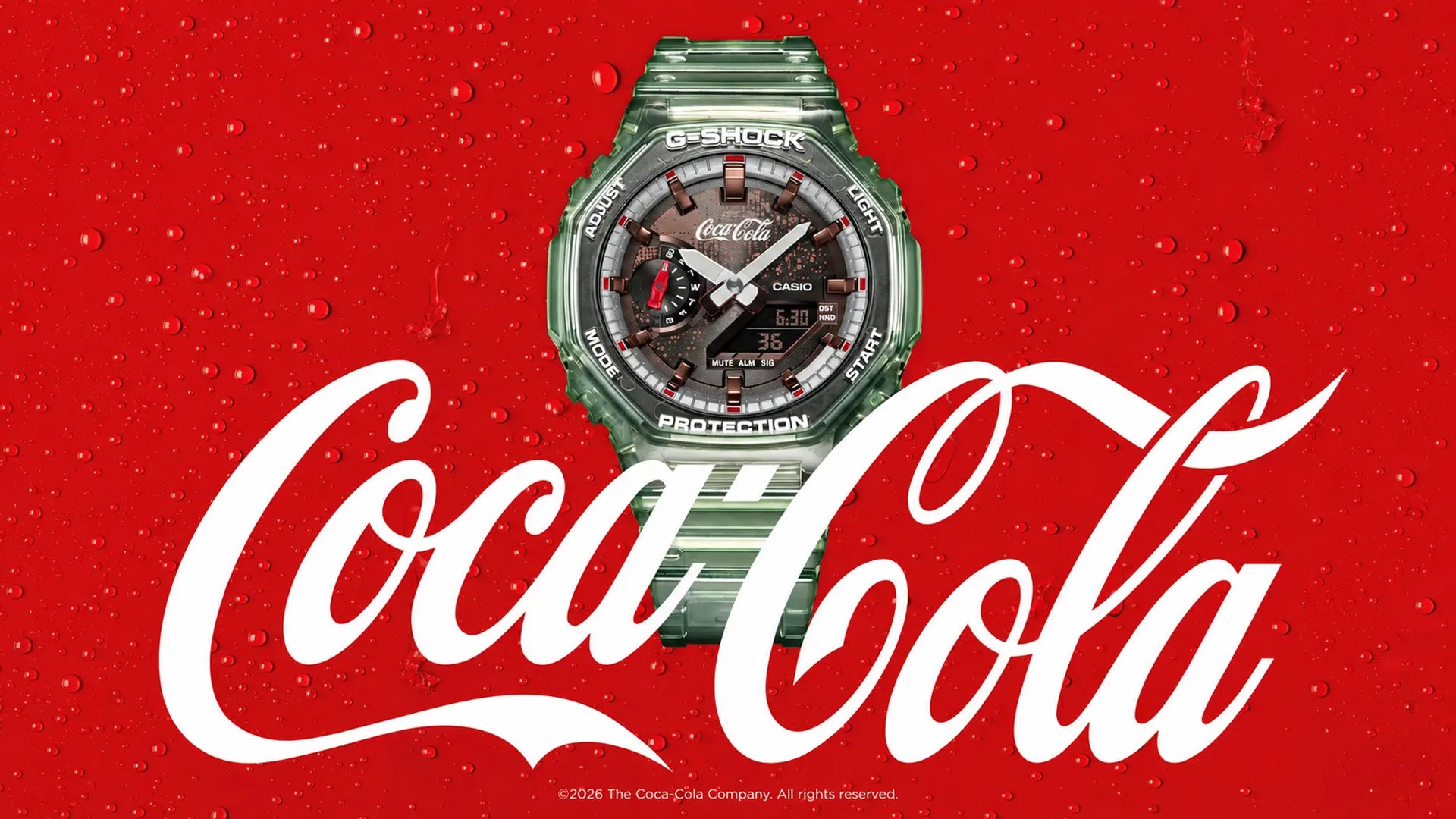
Casio creates official Coca-Cola flavored Casioak
Casio and Coca‑Cola teamed up on a limited-edition GA‑2100CC “Casioak” that integrates Coke branding into multiple design details, including a bottle‑shaped day‑date indicator and a dial styled like poured cola. A green strap with bottle motifs and a bottle-cap caseback engraving reinforce the theme, and the watch ships in a retro vending‑machine‑style package. Despite the playful visuals, it retains core G‑Shock toughness and everyday features like stopwatch, alarm, and water resistance. At $200, it’s aimed squarely at collectors who want nostalgia and novelty without giving up durability.

Bucherer has opened three Rolex boutiques in a month
Bucherer has rapidly expanded with three new Rolex boutiques across Germany, Switzerland, and China, including a large two-floor Stuttgart showroom and a Shanghai location built to support Rolex’s Certified Pre‑Owned program. The openings reflect a broader industry shift toward bigger, more experiential flagship retail environments, with partners investing heavily in lavish builds. While Rolex’s 2023 acquisition of Bucherer raised concerns about independent authorized dealers, Rolex leadership continues to stress that existing partnerships remain intact. Still, the scale and cost of these boutique projects suggest the market may trend toward fewer—but far more capital-intensive—retail points, raising the bar for smaller dealers.
Feature Time
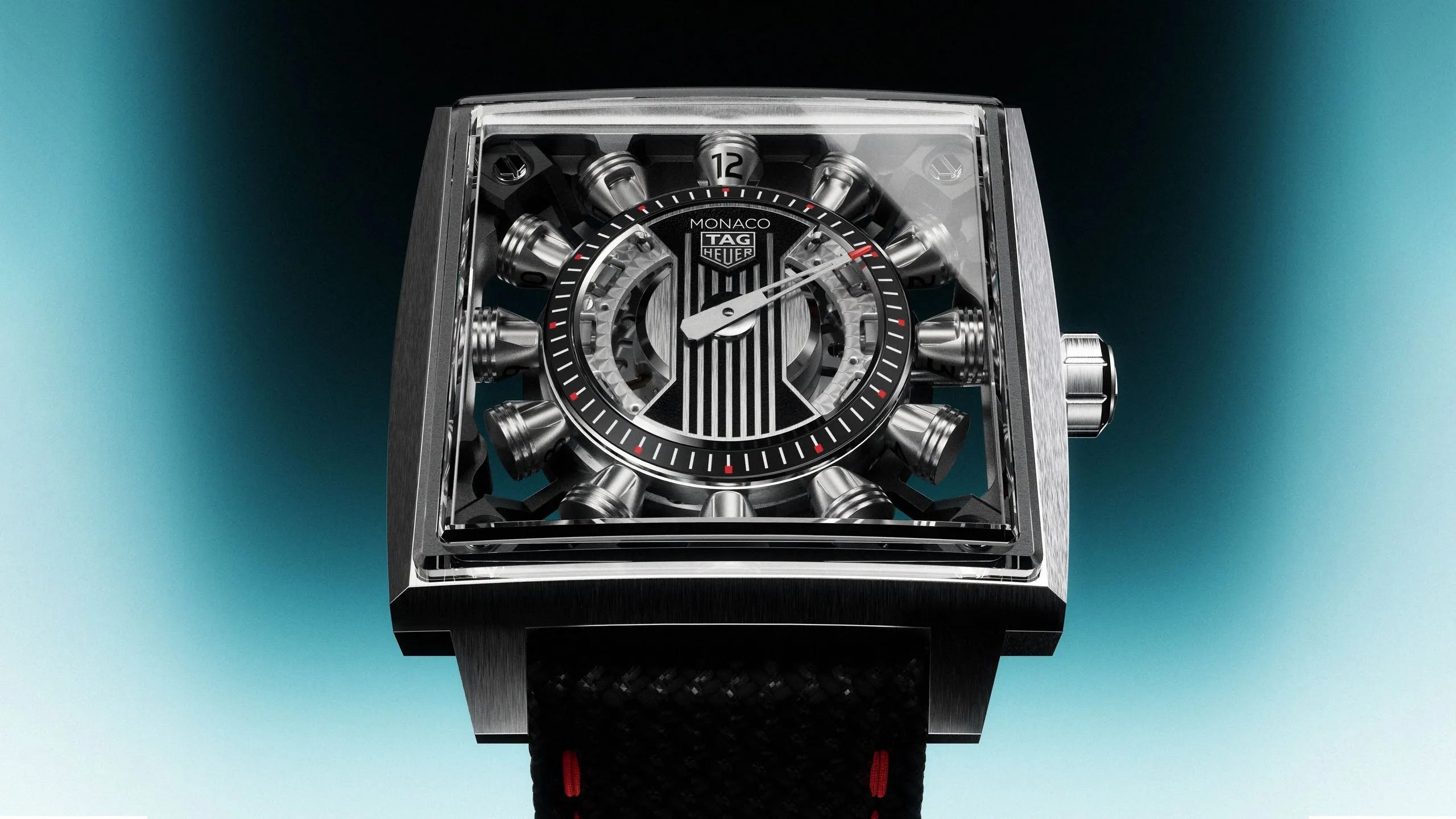
Is TAG Heuer’s Monaco Speed 12 the most exciting racing watch yet?
TAG Heuer’s Monaco Speed 12 reimagines the square-case icon with a bold titanium design that leans heavily into motorsport cues. Inside is a Spin Time–based TH84-00 movement inspired by a 12‑cylinder rotary engine concept, where piston-like hour elements rotate to reveal the next numeral as the minute hand hits twelve. Details like the engine-block groove motif and red-tipped minute hand reinforce the automotive theme and make it one of the most visually aggressive Monaco interpretations to date. Limited to 50 pieces, it continues TAG Heuer’s legacy of experimental, mechanically expressive concepts.
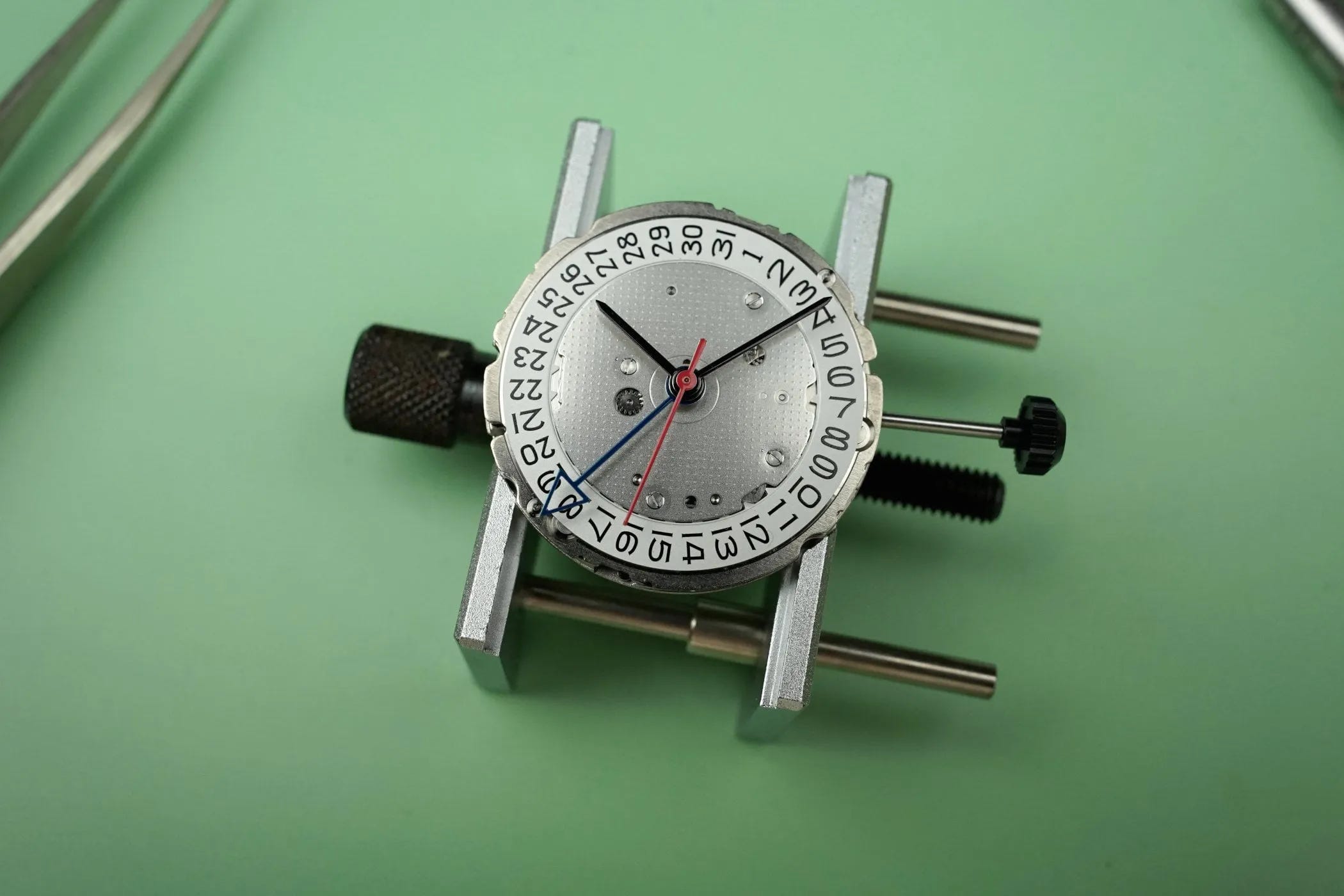
Just Because: Deconstructing A Miyota 9075, And Learning More About GMT Movements
This piece breaks down Miyota’s Calibre 9075 “true traveler’s GMT,” explaining why its independently adjustable local-hour hand is a major functional upgrade over typical office GMTs. It walks through the movement’s architecture step-by-step, showing how the hour-wheel and calendar components enable seamless time-zone changes while keeping home time displayed. The article also frames the 9075 as a compelling value proposition versus higher-priced Swiss GMT solutions, backed by Miyota’s production scale and reputation for reliability. Overall, it demystifies GMT mechanics while arguing that accessible engineering can still deliver genuinely travel-useful functionality.
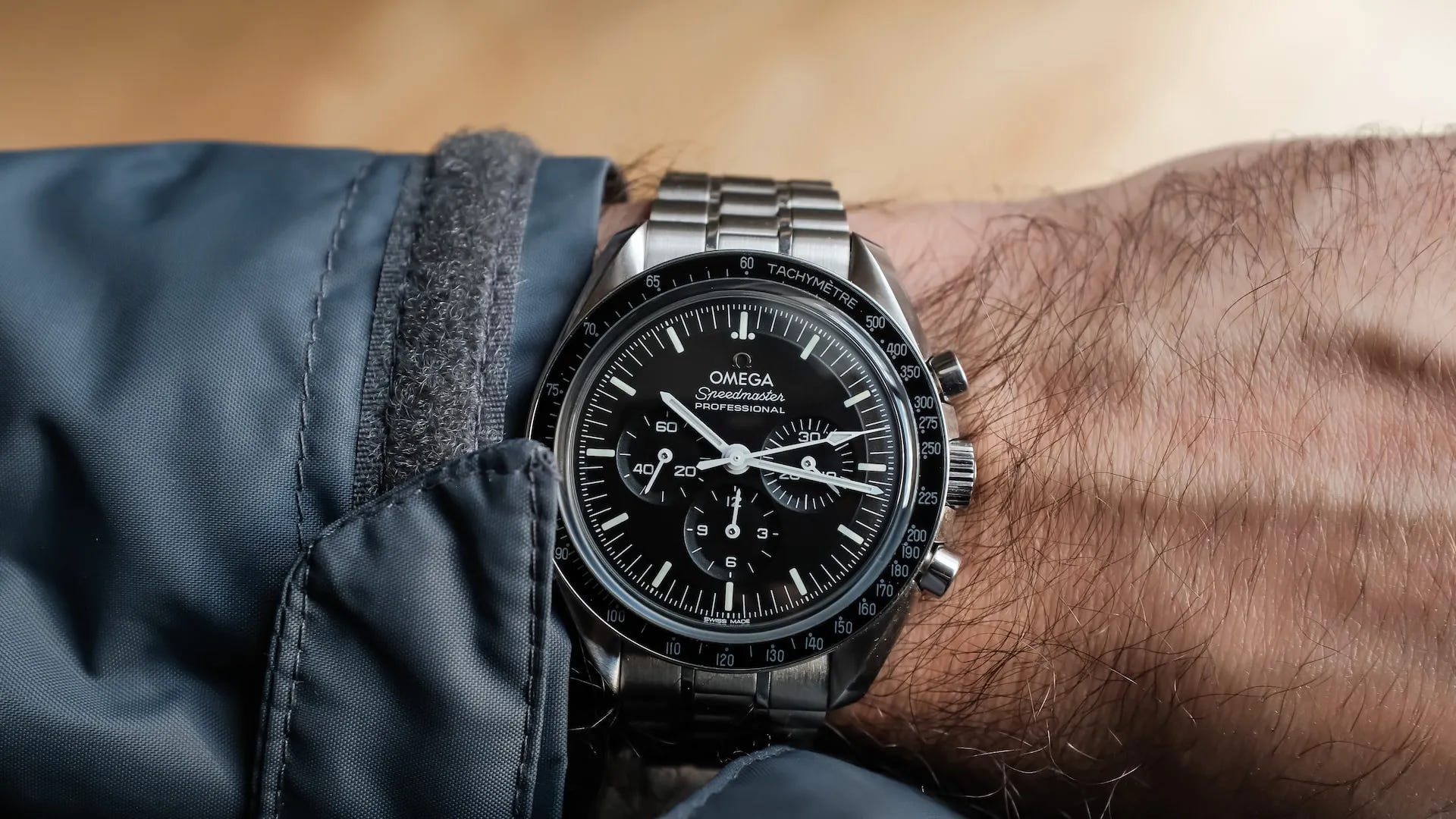
Does Your Watch Collection Really Need an Omega Speedmaster? Hands-On Perspective
The story argues that while the Speedmaster is iconic, a collection doesn’t automatically “need” one—its appeal depends on what the wearer values. It highlights the Speedmaster’s strengths (clean dial, comfortable proportions, and the tactile ritual of a manual-wind chronograph) while acknowledging meaningful variations across references. It then lays out practical alternatives—within Omega and beyond—that can deliver similar durability, heritage, or chronograph utility without paying the Speedmaster’s emotional premium. The result is a useful framework for deciding whether the Speedmaster is a true fit or simply a default aspiration.
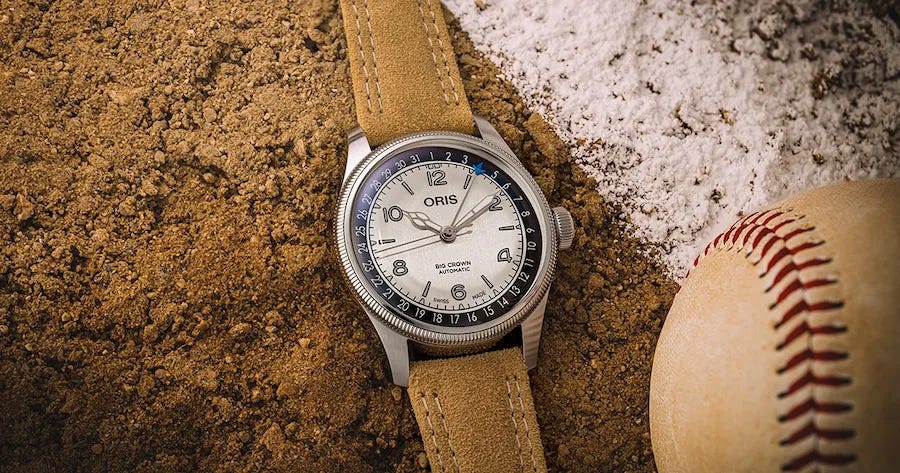
Why The Oris Lou Gehrig Watch Resonates Beyond Baseball
Oris introduced the Lou Gehrig Limited Edition as a tribute tied to ALS awareness, built on the Big Crown Pointer Date platform in a 40mm steel case with an automatic Caliber 754. Subtle design elements—blue accents referencing Gehrig’s number, glove-inspired strap stitching, and an engraved caseback—aim to keep the storytelling meaningful without feeling overly promotional. The launch aligned with Lou Gehrig Day and directs support toward the Gehrig family foundation and related charities. The piece positions the watch as both a wearable commemorative object and a thoughtful example of cause-driven design.
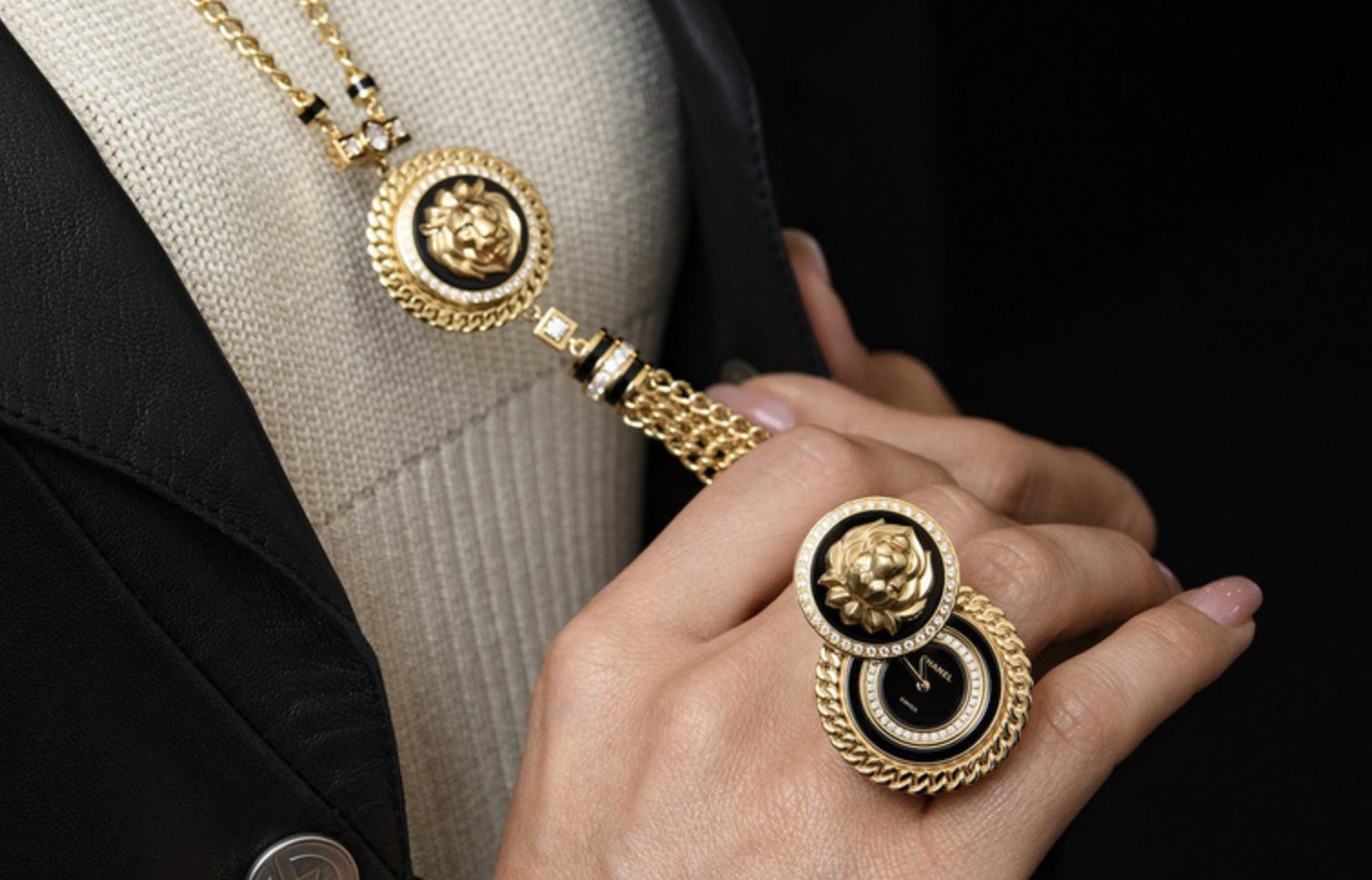
Off The Cuff: Timepieces Made to Be Worn Anywhere but the Wrist
Wrist-free timepieces are resurfacing as collectors look for new ways to express watch enthusiasm through pocket watches, pendants, rings, and bag charms. The story spans everything from historically significant pocket watches to modern high-design interpretations by major maisons, along with playful collaborations from mass-market brands. It also highlights how jewelry watchmaking and decorative crafts (stones, enamel, intricate miniaturized movements) fit naturally into these alternative formats. The broader takeaway is that horology is expanding from “wrist instrument” into wearable design objects that invite personalization and style experimentation.
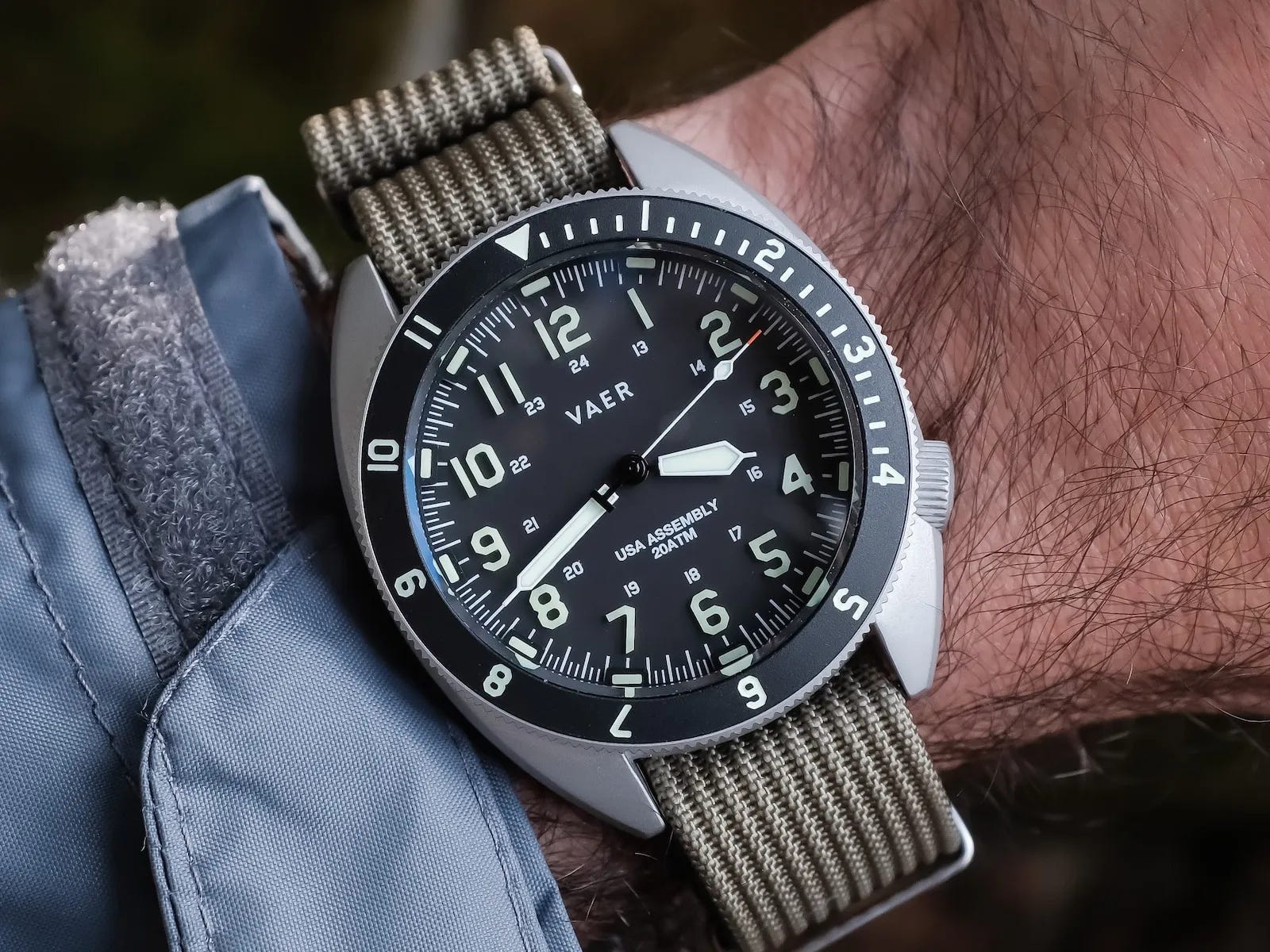
Solar vs. Mechanical Field Watches: What Hands-On Testing Reveals
This story contrasts solar field watches—optimized for low-maintenance, grab-and-go convenience—with mechanical field watches that reward hands-on engagement. Solar quartz models are positioned as “set it and forget it” tools that can run for long periods on light exposure, avoiding winding and battery swaps while staying resilient for everyday wear. Mechanical options, by comparison, emphasize the tactile appeal of winding and traditional craftsmanship, but require more attention and periodic servicing. The article’s practical lens helps clarify which power source best matches a wearer’s habits, durability needs, and tolerance for upkeep.

FIFA World Cup 2026: The Watches Worn by Top Players
The FIFA World Cup 2026 saw top footballers arrive across North America showcasing a remarkable collection of luxury watches, blending personal style with high‑end horology. From Richard Mille’s sleek RM 72‑01 to high-impact Hublot, the lineup emphasized exclusivity, precious materials, and technically ambitious designs. The mix of mainstream icons and independent watchmaking highlights how players use watches to project identity, success, and taste beyond the pitch. In effect, the arrivals become a high-visibility stage where sport, celebrity, and luxury branding converge.
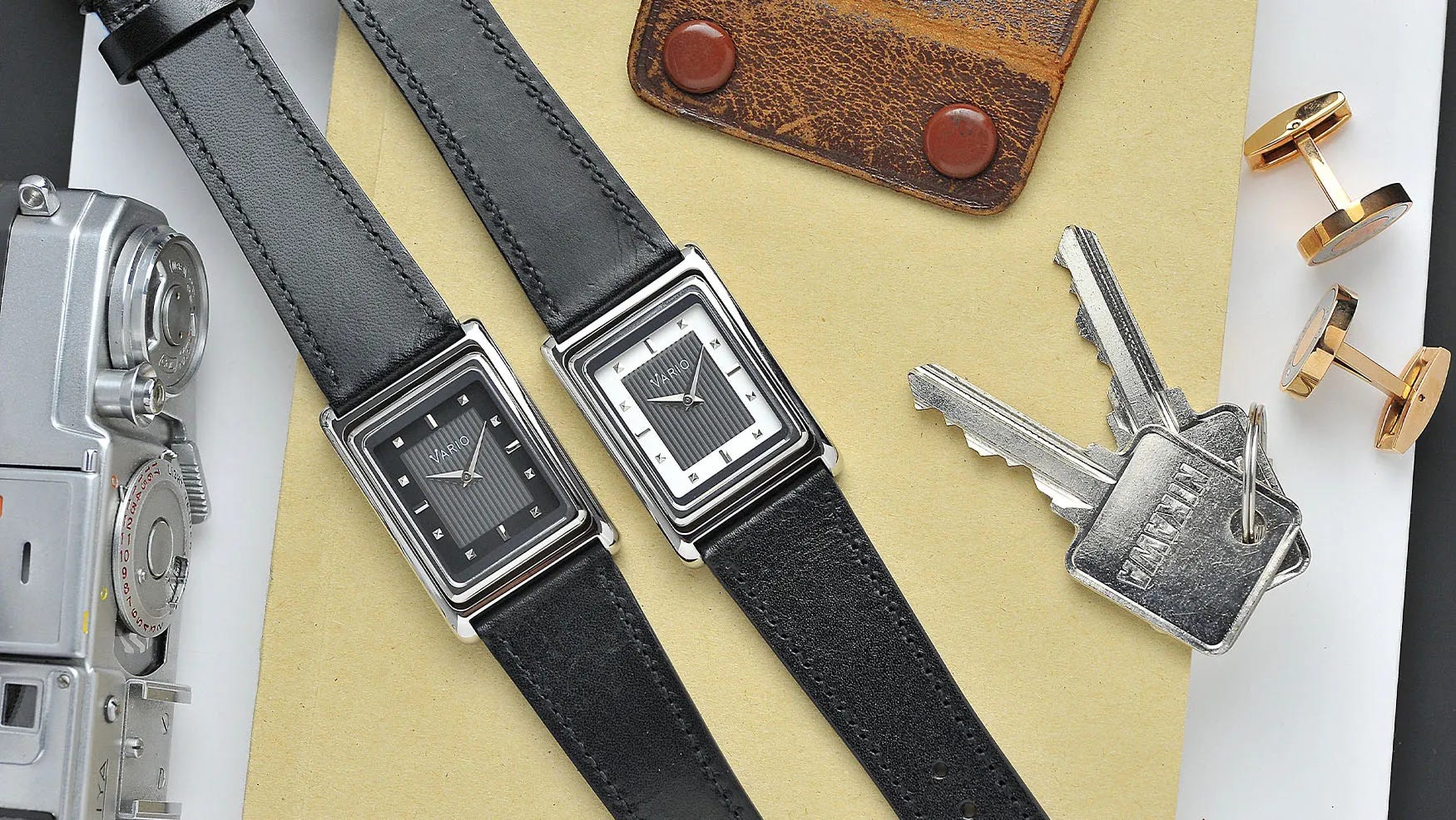
Vario VERSO Reversible Single Time
Vario’s reversible watch uses a rotating case to present two different dial faces, turning a simple time-only concept into an interactive experience. The 38mm steel case houses a Miyota movement and pairs Art‑Deco styling with everyday usability, including moderate water resistance and multiple strap/bracelet options. Pricing is positioned as accessible, aiming to bring the “reversible watch” idea to enthusiasts who might otherwise only see it in far pricier categories. The story frames it as a playful, design-led microbrand approach that prioritizes engagement and visual novelty without losing practicality.
The Latest Time
Arnold & Son
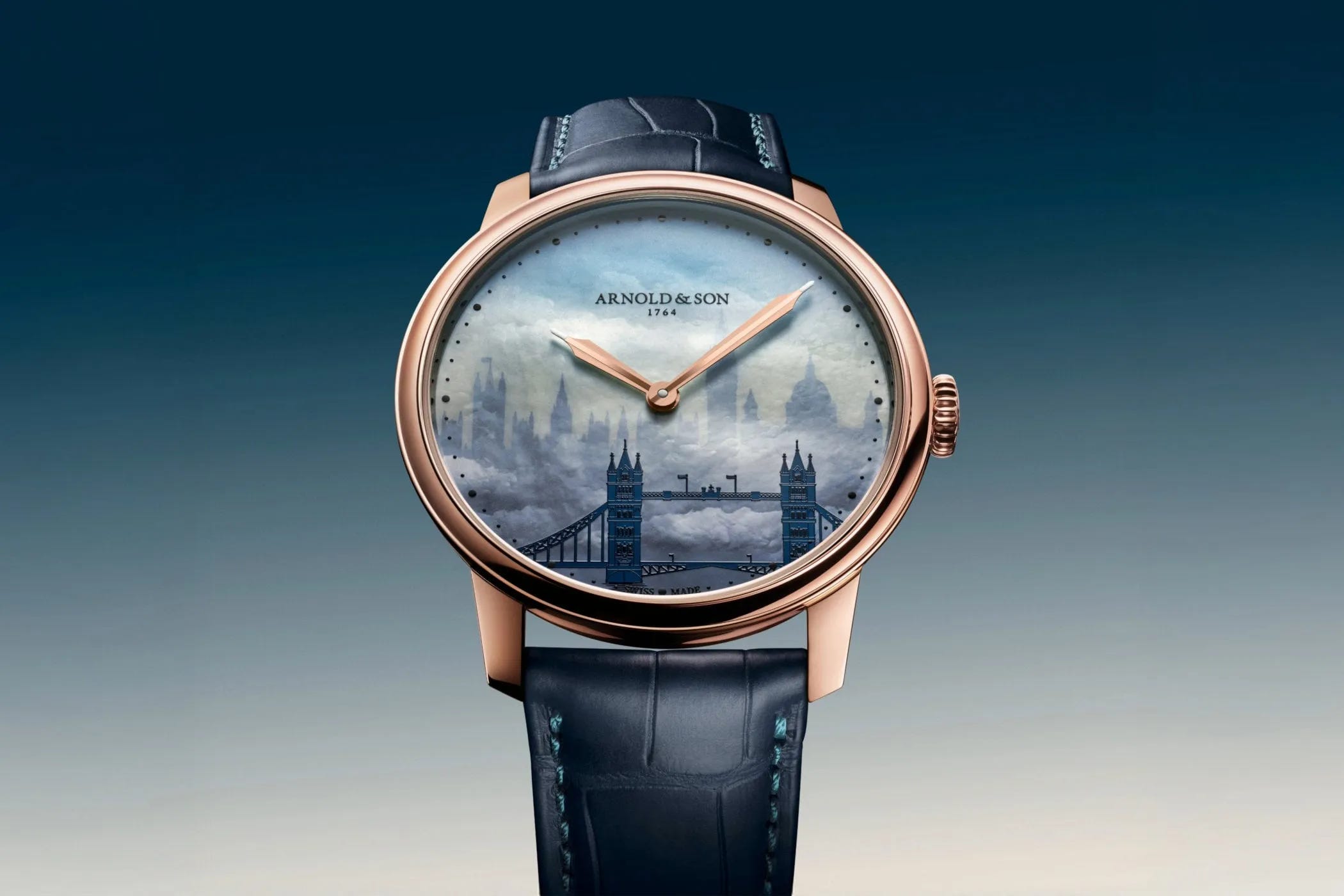
The Arnold & Son HM London Skyline x The Limited Edition
Arnold & Son teams with The Limited Edition on the HM London Skyline, a 39.5mm dress watch marking the brand’s 260th anniversary and the retailer’s 10th year. A blue mother‑of‑pearl dial depicts London landmarks by day, while modern icons appear in Super‑LumiNova at night, paired with a slim manual‑wind in‑house calibre A&S1001 offering a 90‑hour power reserve. Production is limited to 20 pieces in each metal, reinforcing its collector-first positioning. Pricing is stated at about $31,405 (red gold) and $20,046 (steel).
Hanhart
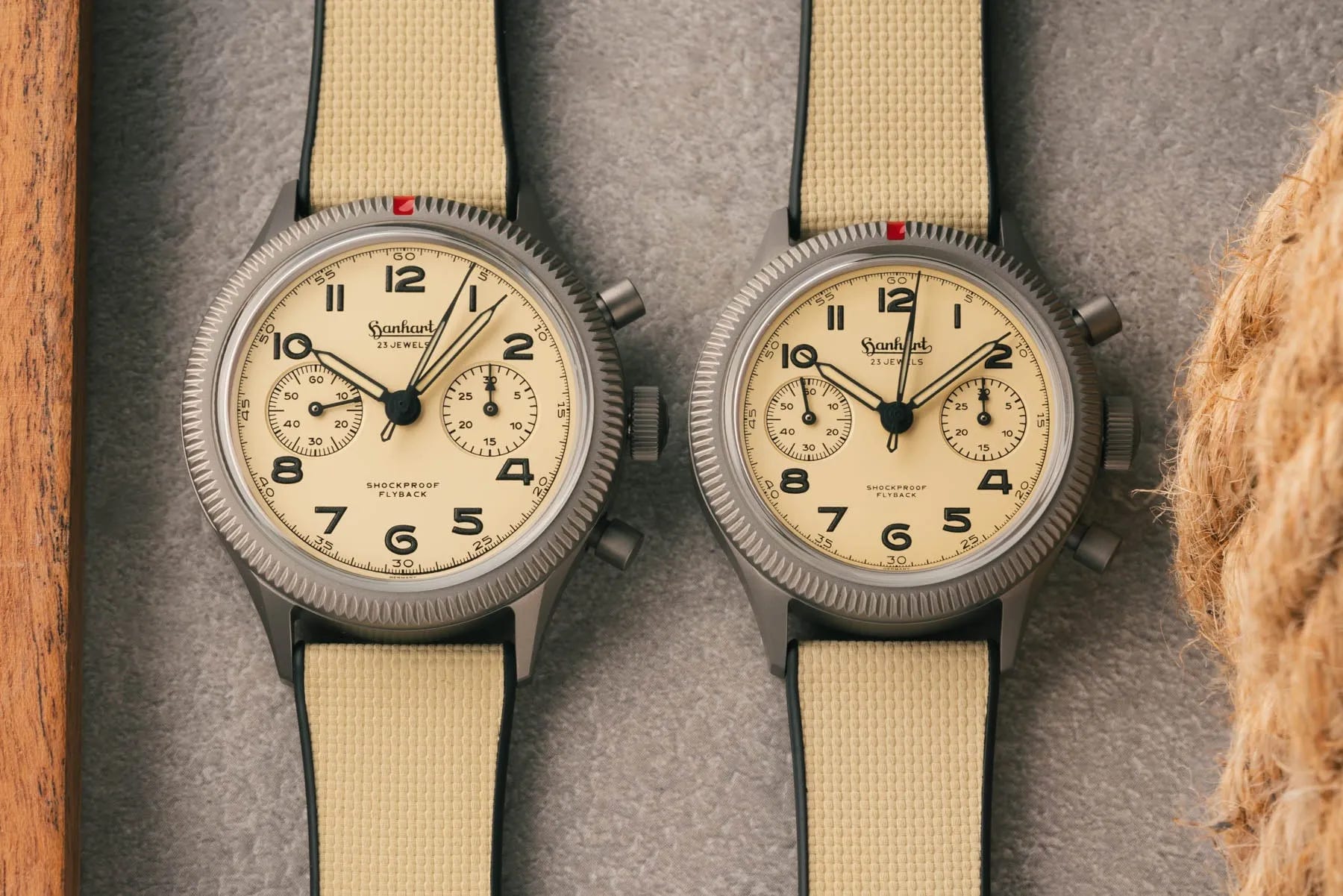
The Hanhart 417 TI Desert Pilot Chronographs Offer A Fresh Take On The Brand’s Icon
Hanhart’s 417 TI Desert Pilot chronographs update the brand’s classic look with lightweight Grade 5 titanium cases and sand-toned “desert” dials in 39mm and 42mm sizes. Limited to 200 pieces per size, they keep the tool-chronograph vibe with knurled bezels, strong Arabic numerals with Super‑LumiNova, and a two-register layout. Inside is the manual-wind Sellita AMT5100 M with a 58‑hour power reserve, and the titanium build is meant to keep wearability balanced and comfortable. The watch is priced at about $3,515.
Mido
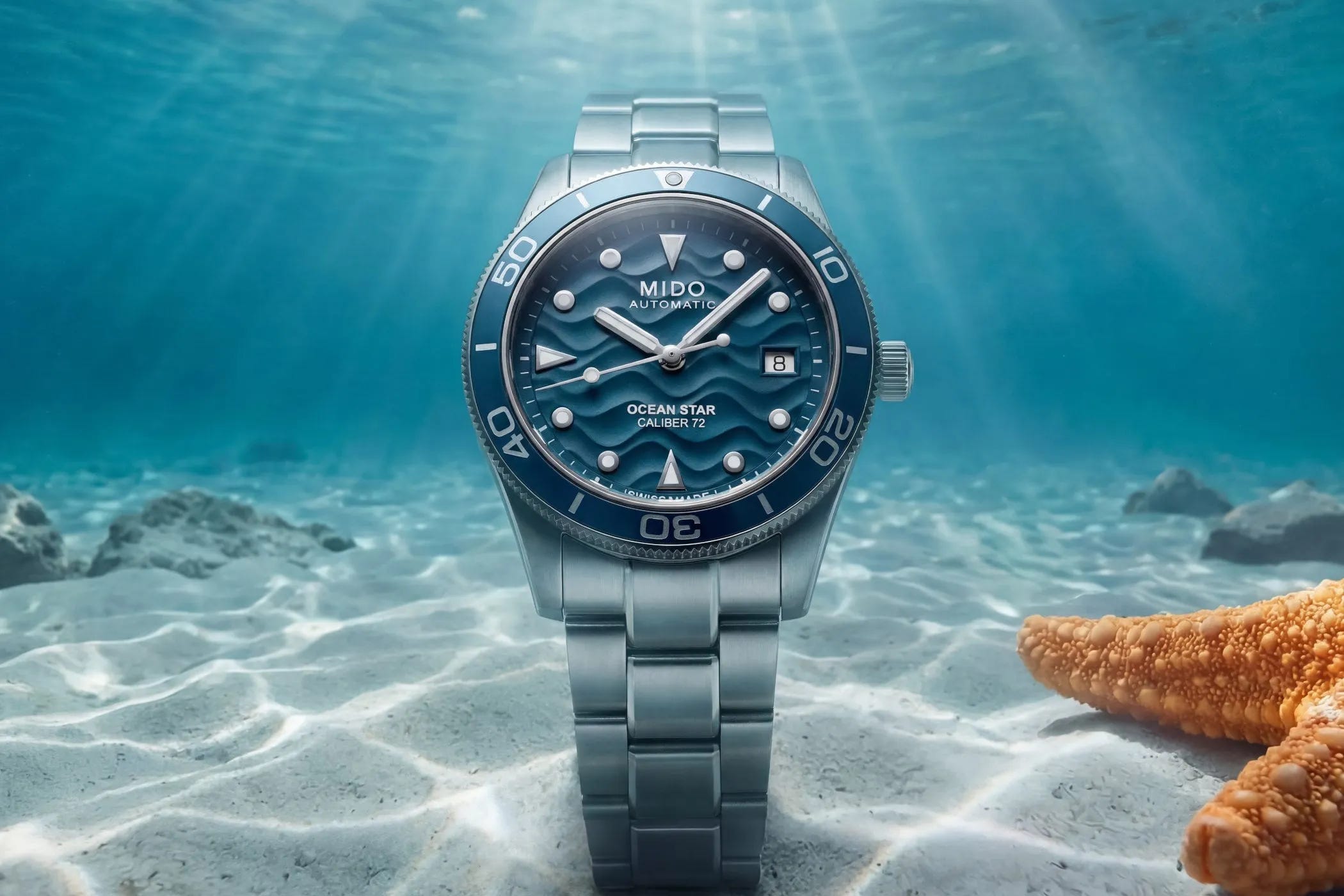
The New Mido Ocean Star 39 WIth Abyss Blue Dial
The Ocean Star 39 Abyss Blue is a compact modern diver built around a 39mm steel case, a wave-textured blue dial, and a 200m water-resistance rating for true everyday utility. It runs on Mido’s Calibre 72 (ETA-derived) with a 72‑hour power reserve and a Nivachron balance spring for improved anti-magnetic performance. A practical quick-change system includes both a steel bracelet and a blue rubber strap to shift easily between “daily” and “water” modes. Price is about $1,527.
Orient
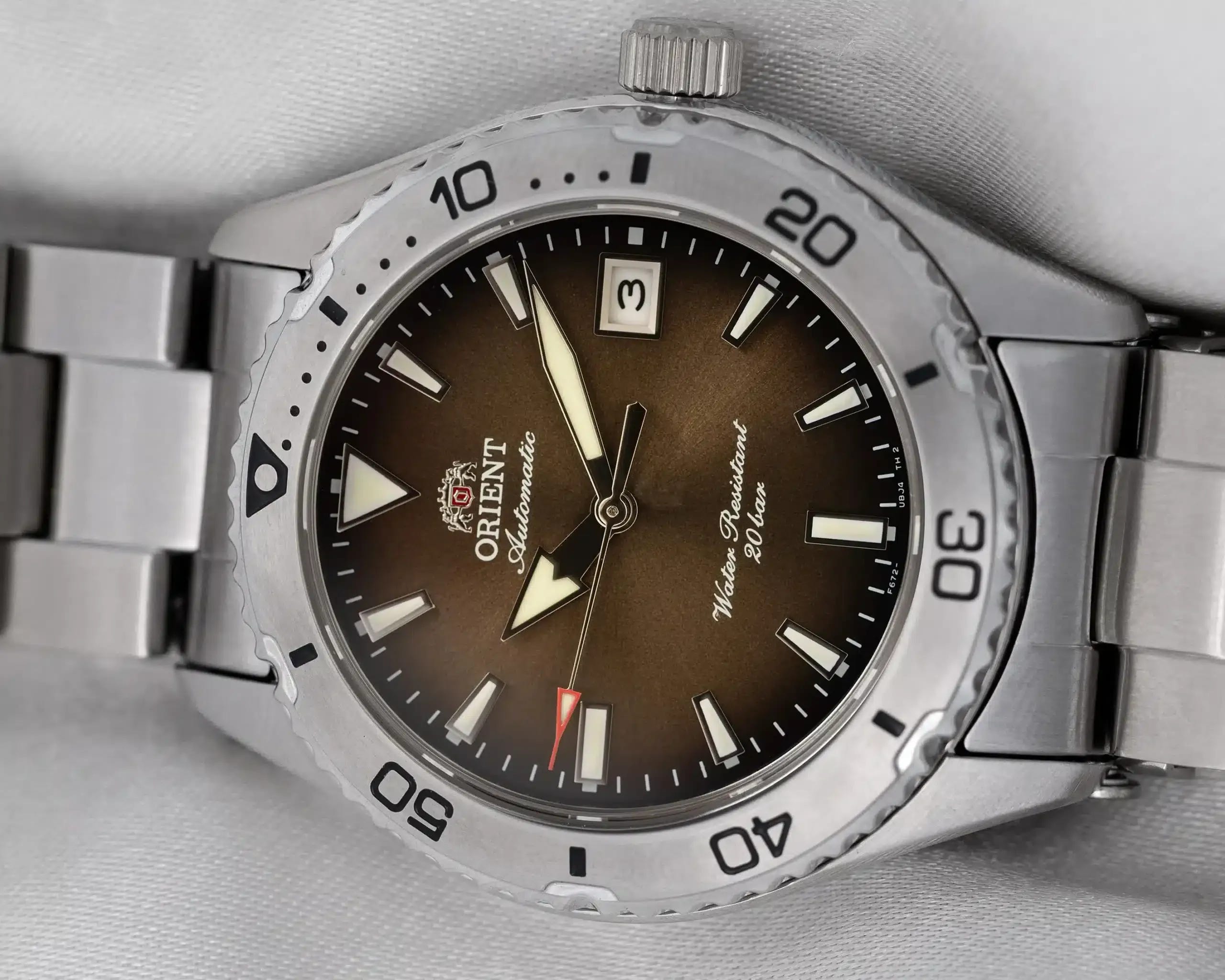
Orient Combines Its Two Best-Known Divers Into One Affordable Dive WatchOrient Combines Its Two Best-Known Divers Into One Affordable Dive Watch
Orient’s AC0Q Diver II blends the familiar 40mm AC0Q case with a Kamasu-style dial, aiming to combine the strongest parts of both watches into a single value-focused package. Specs stay properly “dive capable” with a 120-click unidirectional bezel, an Oyster-style bracelet, and 200m water resistance, powered by the in-house Caliber F6722 automatic with a 41-hour reserve and manual winding. The dial and handset lean slightly vintage with warm-toned lume and multiple standard colorways, plus limited editions. Price is listed at $530, with a temporary promotion around $370.
Wearing Time - Reviews
Aera
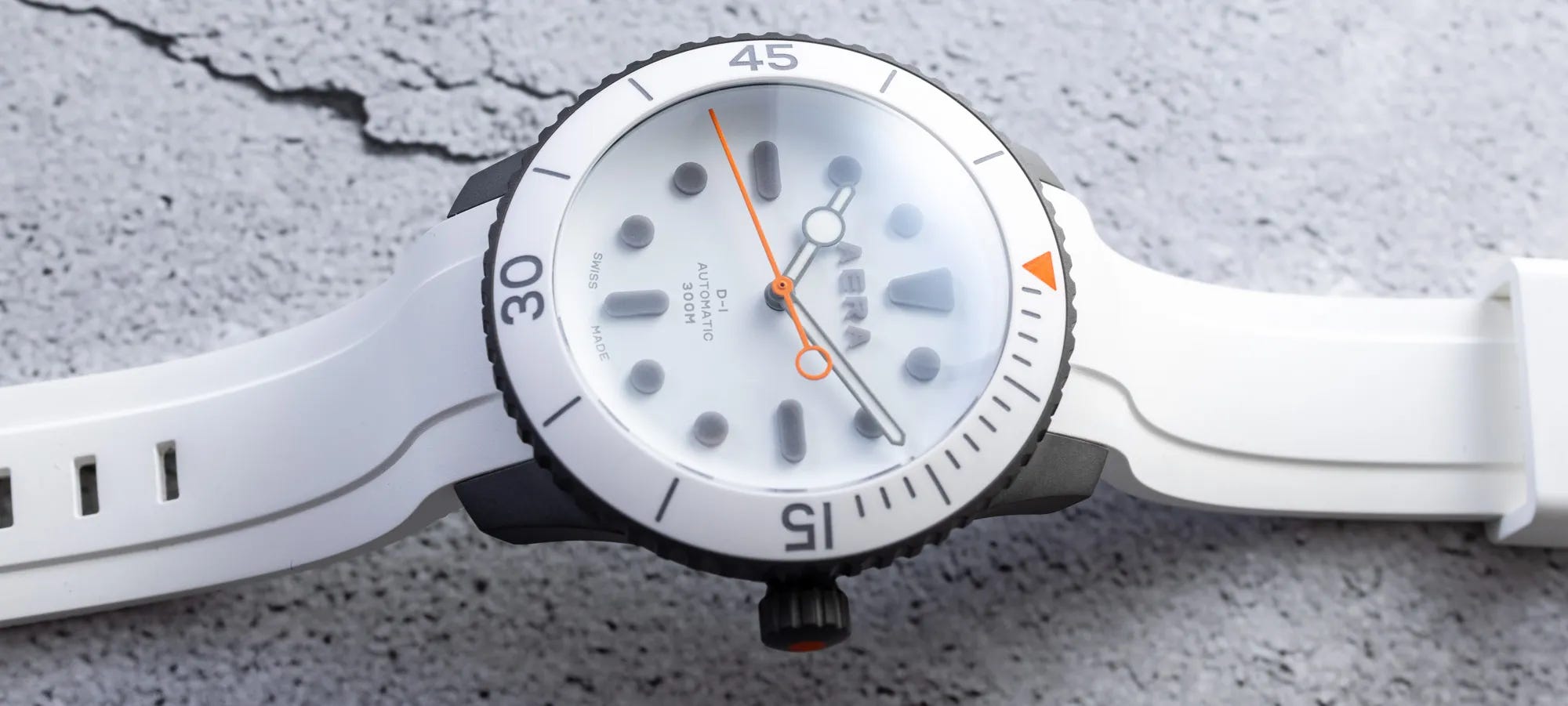
Aera D-1 Diver Whiteout Watch Review: For Blizzard Swimming With Todd Snyder
This review looks at the limited-edition Aera x Todd Snyder D‑1 Diver Whiteout, a 44mm titanium diver built around a curved dial that creates a “whiteout” optical effect where the markers visually blur into the surface. Despite the fashion-forward concept, the spec sheet stays serious with a Sellita SW200-1 automatic movement, 300m water resistance, a high-domed sapphire crystal, and a white ceramic bezel insert with orange accent hits. The watch is also notably light on-wrist (about 76g) and uses a curved case plus rubber strap to improve wearability. The price is approximately $3,073.72 USD.
Angelus
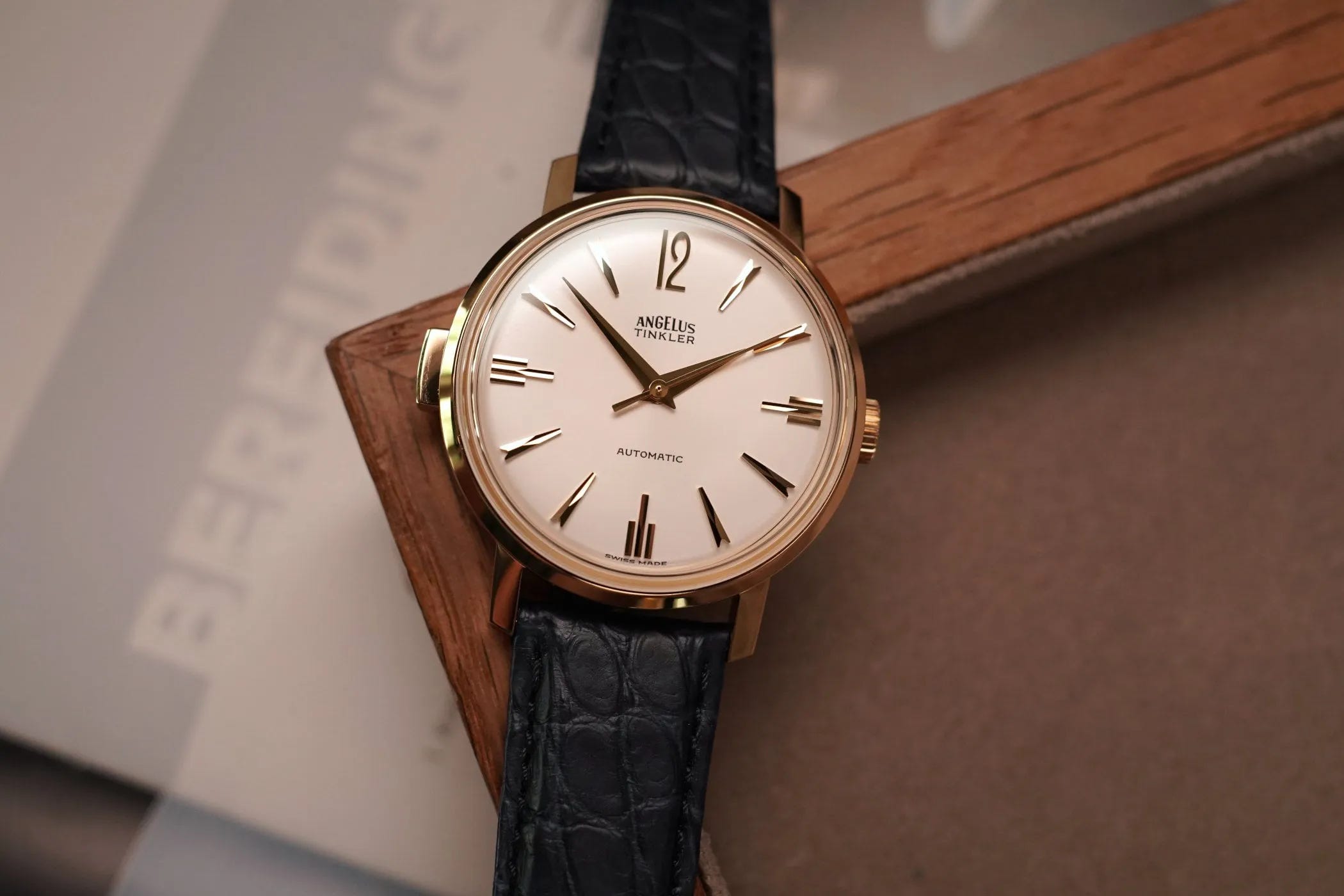
The Angelus Tinkler 1958 Quarter Repeater
Angelus revives its historic waterproof quarter repeater concept with the Tinkler 1958, a 38mm yellow-gold re-creation limited to just 15 pieces. The watch uses a rectangular trigger to activate the chiming mechanism while preserving the stated 70-hour power reserve, and the caseback is engineered to act as a soundboard to enhance resonance. Inside is the in-house A600 (developed with Dubois‑Dépraz), combining an automatic base with an integrated chiming module for both performance and acoustic character. The price is approximately $71,940.14 USD.
Ming
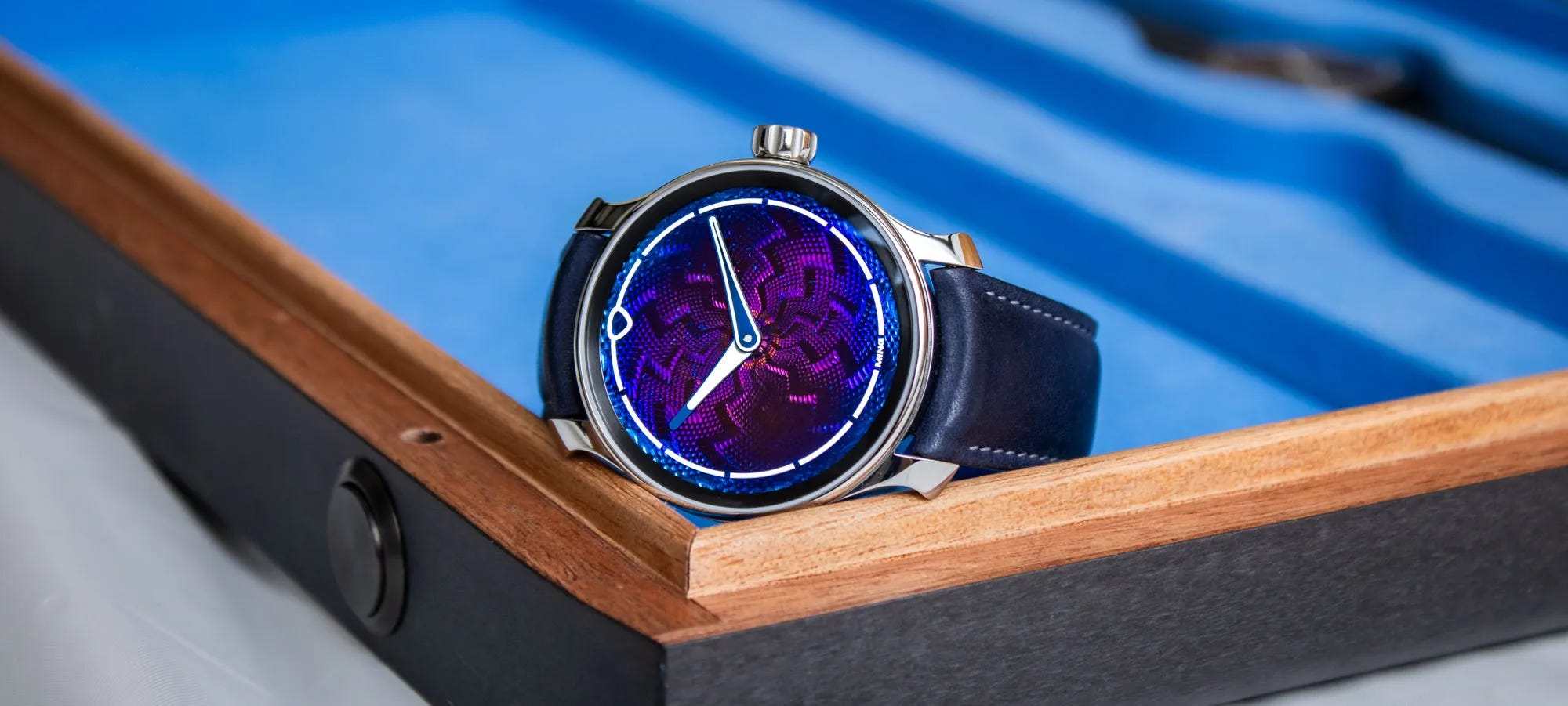
Ming X J.N. Shapiro 37.06 Lightning Watch Review: Handmade Guilloché Meets Heat-Treated Titanium
This review covers the Ming x J.N. Shapiro 37.06 Lightning, which pairs a hand-engine-turned “Lightning Guilloché” dial with heat treatment that creates unique, color-shifting tones across each piece. The watch layers modern execution (laser-engraved markers under sapphire filled with luminous HyCeram) with traditional craft, while using a manual-wind Sellita-based movement and a compact 38mm case. Production is constrained to roughly ten watches per month, and the guilloché/heat-treat process has significant yield loss—reinforcing its craft-driven scarcity. The price is approximately $7,986.25 USD.
Norqain
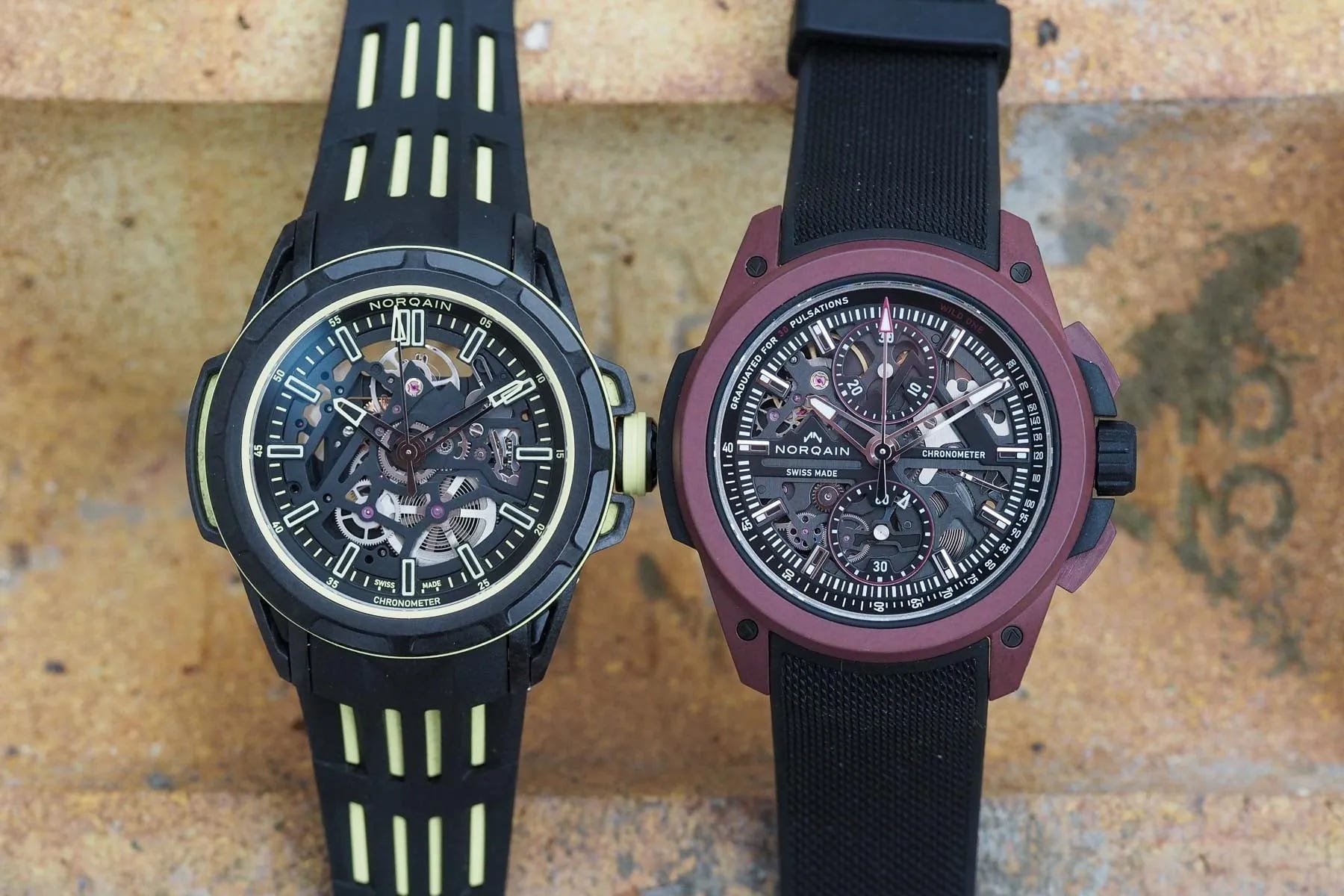
Hands-On: The Norqain Wild One Skeleton X-Lite & Wild One Skeleton Chrono
This hands-on review focuses on Norqain’s Wild One Skeleton X‑Lite and Skeleton Chrono, emphasizing their ultra-light construction using materials like carbon fiber, Norteq, titanium, and aluminum. The X‑Lite targets extreme wearability (about 45g) while still offering 100m water resistance and high shock resistance, whereas the Chrono pushes deeper tool credibility with 200m water resistance and a flyback chronograph. Both watches aim to keep skeleton styling readable through high-contrast accents and detailed strap engineering designed for comfort. Pricing is listed at $13,900 USD (X‑Lite) and $9,490 USD (Chrono).
Oliver Gallaugher
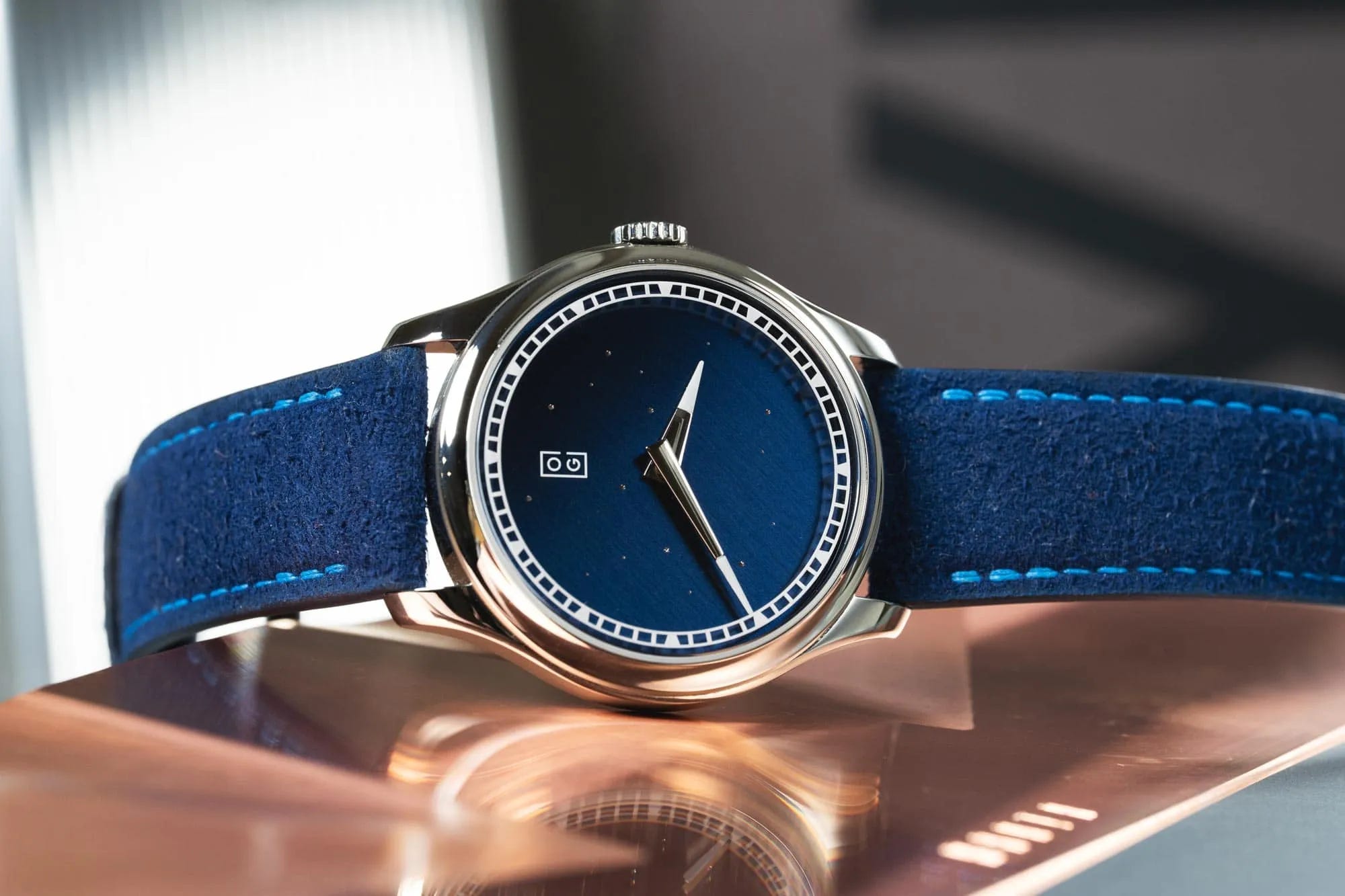
The OG Deep Space Blue
Oliver Gallaugher’s OG Deep Space Blue is presented as minimalist on the surface, but built around high-end materials and bespoke manufacturing, including a 38mm case in 904L steel and a dial textured like a night sky with subtle “star” divots. The time-only LTM5000‑G movement (from Le Temps Manufactures) and details like engraved sapphire minute indexes and ceramic-tipped lume hands underline the hidden complexity. Only ten pieces are being produced, and the brand even offers personalization via a star pattern tied to a chosen date. The price is $12,800 USD.
Ulysse Nardin
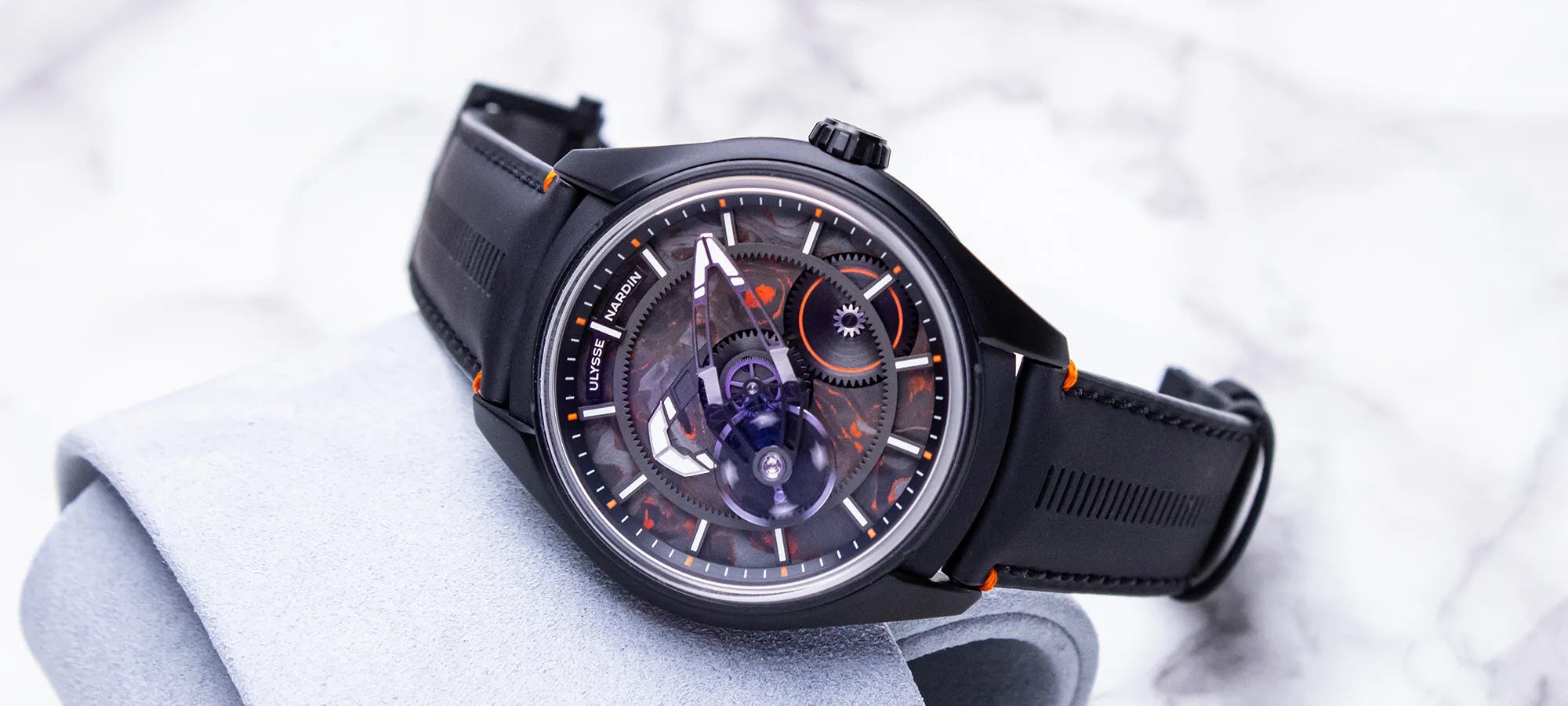
Ulysse Nardin Freak X Gumball 3000 Limited-Edition 2 Watch Hands-On: Capturing The Spirit Of The World’s Wildest Road Rally
This hands-on piece covers the Freak X Gumball 3000 Edition 2, a 43mm titanium watch with black PVD finishing and a forged-carbon dial infused with bright orange resin for an energetic, “volcanic” look. The signature Freak-style carousel minute display and exposed gear train keep the watch in constant motion, backed by the in-house UN‑230 automatic movement with a 72-hour power reserve and silicon escapement. The design leans hard into rally culture with color-matched strap details, while water resistance is positioned as everyday-adequate rather than fully adventure-proof. The price is $46,400 USD.
Wolbrook
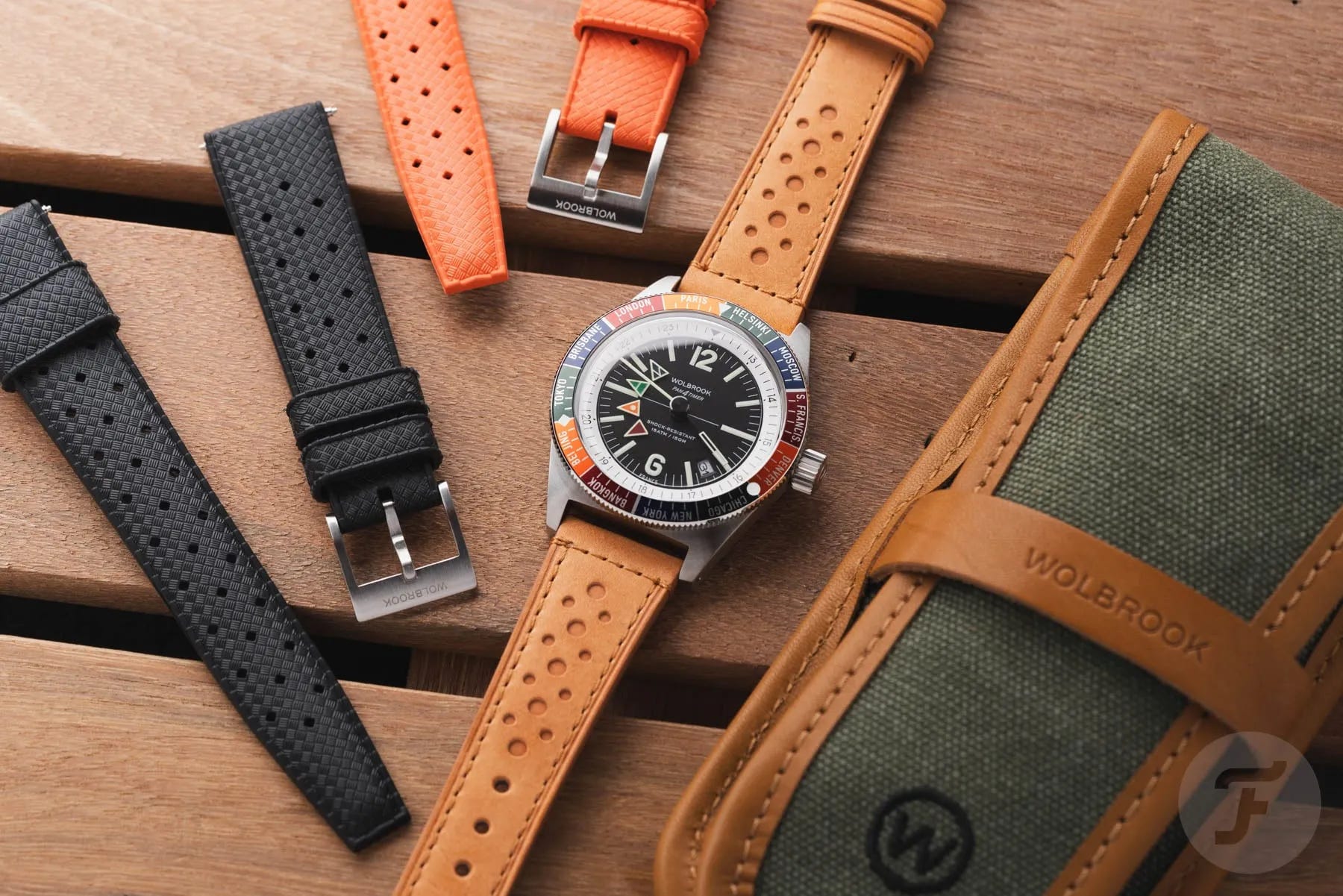
Hands-On With The Wolbrook Pan4Timer Automatic — Brilliant Or Needlessly Complicated?
The Wolbrook Pan4Timer Automatic proposes an unusual four-time-zone display using a transparent disc with four hour indicators linked to colored bezel segments. It combines that novelty with practical specs—40mm steel, Miyota 8315 automatic with a 60-hour reserve, 150m water resistance, and a screw-down crown—aimed at affordability rather than prestige. The review suggests the concept is best for quick adjacent time-zone reads and “conversation starter” appeal, even if simpler solutions may be more practical for most people. The price is approximately $519.31 USD.
Comparing Time
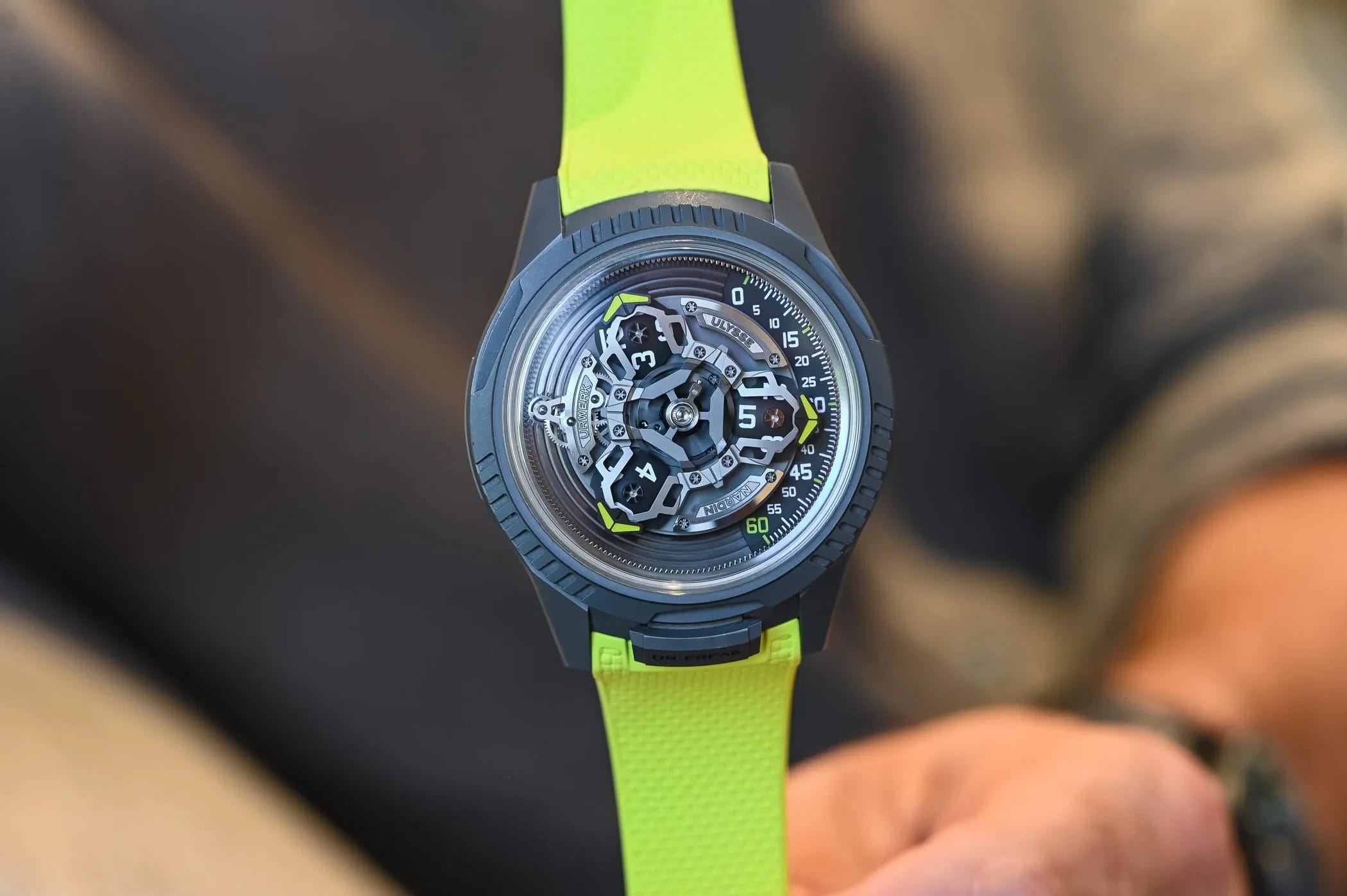
Buying Guide: When Worlds Collide, 5 More Amazing Watch Collaborations
This guide highlights five collaboration watches that show how brands use partnerships to create distinct designs, limited runs, and premium positioning. It ranges from highly technical, high-priced concepts (like a Ulysse Nardin x Urwerk hybrid display approach) to more accessible collaborations that still lean on strong visual themes and brand storytelling. Across the lineup, the common thread is using cross-brand DNA—movement ideas, design language, and pop-culture tie-ins—to create watches that stand out beyond standard catalog releases. The article reinforces that collaborations are increasingly a key driver of collector attention and pricing power in the market.
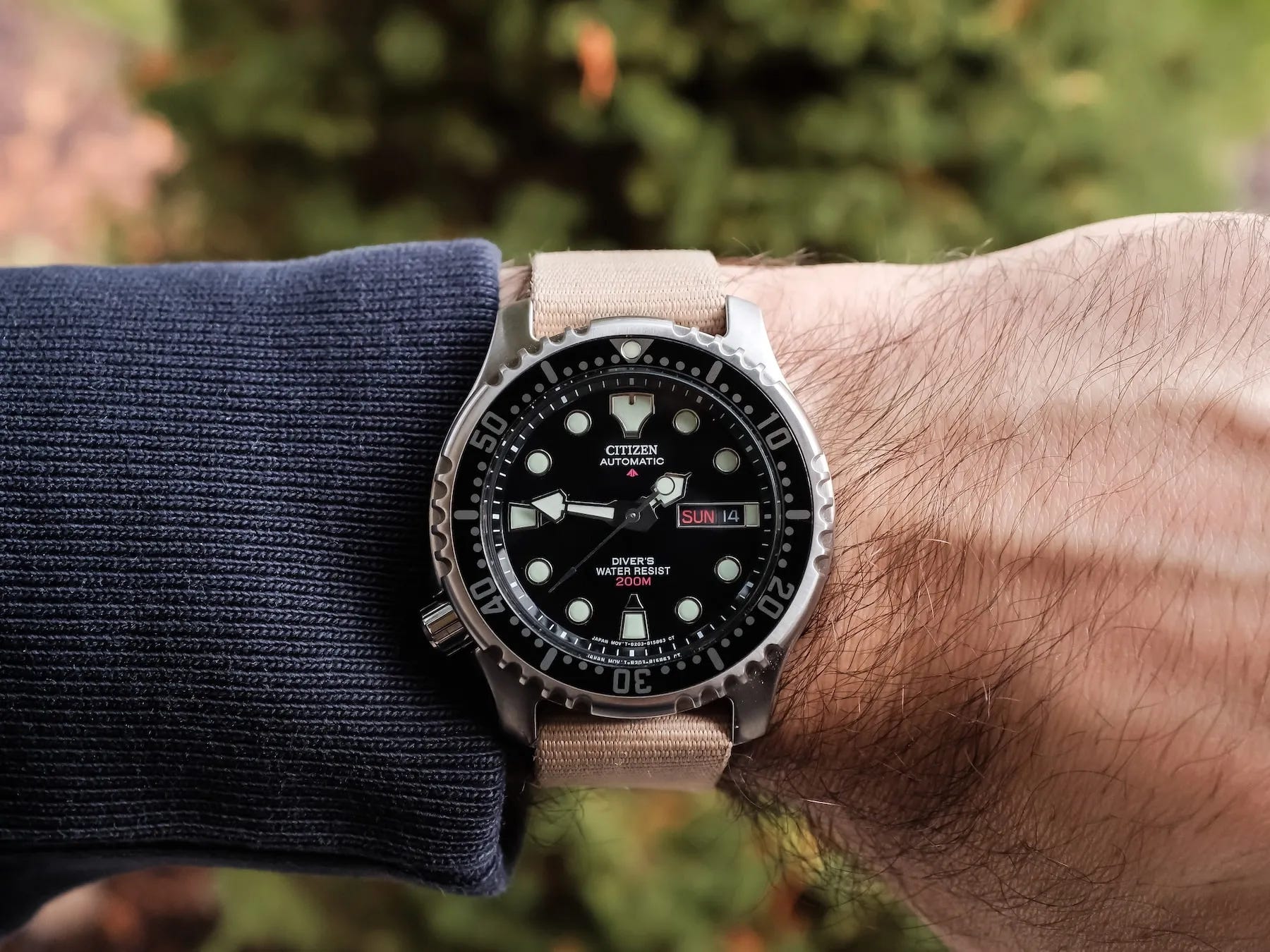
12 Best Dive Watches From Japan Under $1,000
This roundup compares twelve Japanese divers under $1,000, emphasizing what you gain (and give up) at each price tier—from entry-level quartz reliability to more feature-rich mechanical and solar options. It highlights practical differentiators like lume, bezel/bracelet quality, sapphire vs. mineral crystals, and movement conveniences like hacking and hand-winding. The list spans mainstream staples and enthusiast favorites, showing how case size, wearability, and strap compatibility can matter as much as specs. Overall, it’s designed to help buyers match budget to real-world use, not just brand reputation.
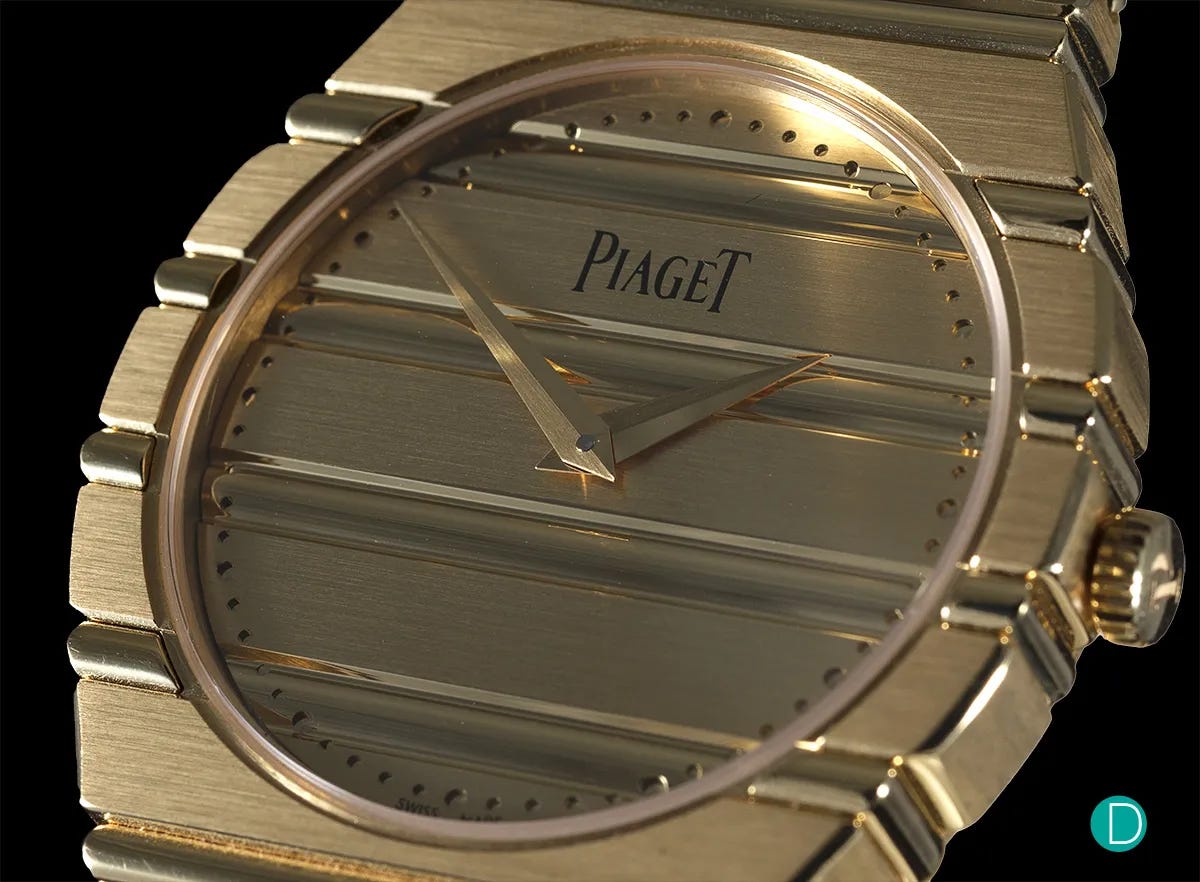
Seamless: Six cool and interesting watches with an integrated bracelet :
This comparison set looks at integrated-bracelet watches across a wide spectrum, from affordable mainstream picks to high-end luxury statements. It underscores how the category blends design-led appeal (bracelet-as-case continuity) with everyday versatility, while also showing how pricing quickly escalates once you get into precious metals, micro-rotors, or independent brands. The article positions integrated bracelets as both a style signal and a functional choice, with different models leaning into value, finishing, or movement refinement. The overall takeaway is that “integrated bracelet” has become a multi-tier design language rather than a single luxury niche.
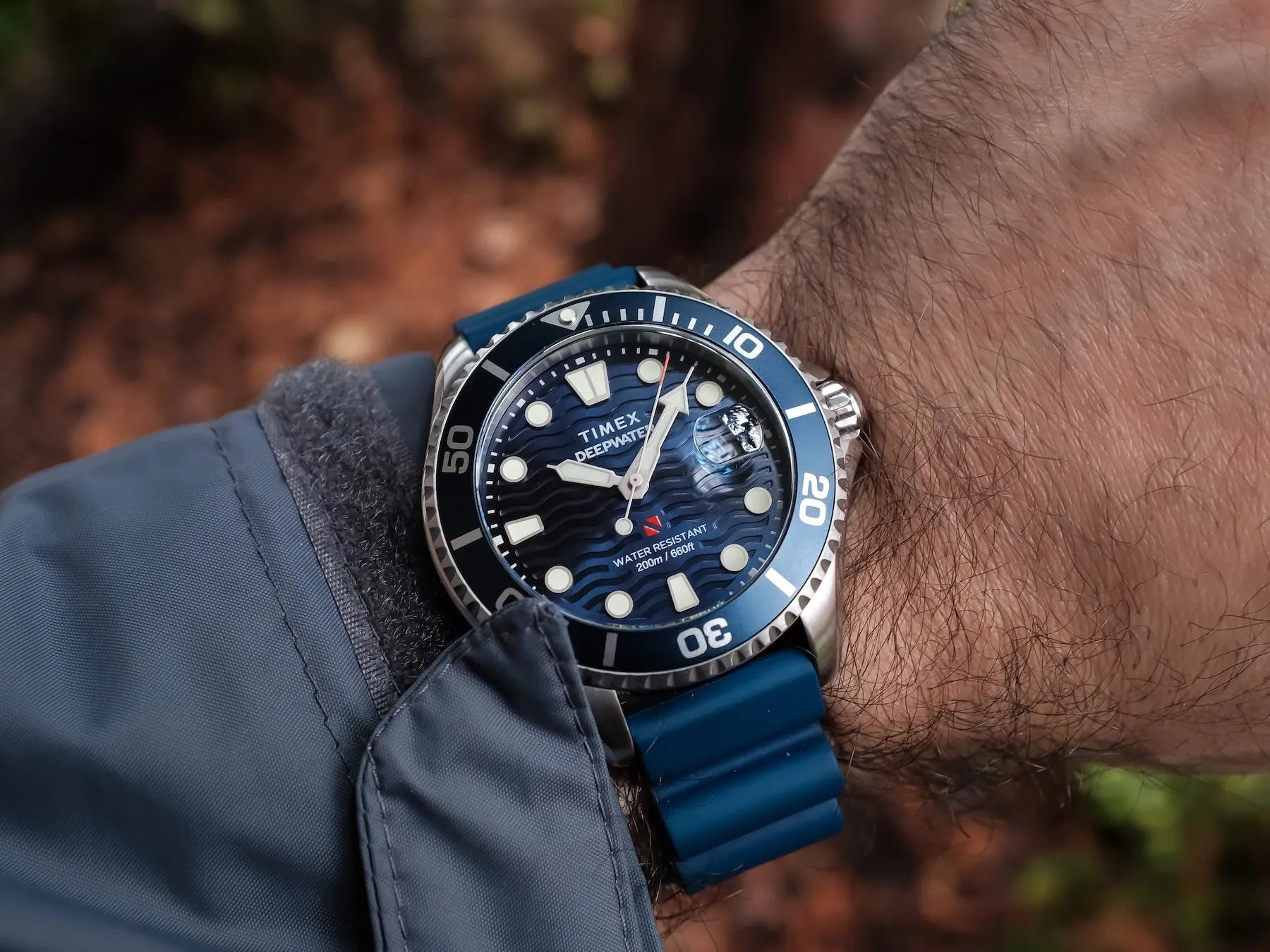
Are Timex Watches Any Good? What Wrist-Testing These 9 Models Reveal
This hands-on comparison tests nine Timex models to map where the brand overdelivers (comfort, legibility, easy strap changes, dependable quartz movements, and Indiglo) and where tradeoffs show up (ticking noise, limited water resistance, modest lume). It contrasts simple everyday staples with more feature-rich options like chronographs and tougher outdoor-leaning models. The piece frames Timex as a practical “toolbox” brand—strong on function-per-dollar and variety rather than refinement. In short, it’s a real-world guide to which Timex lines best fit different daily use cases.
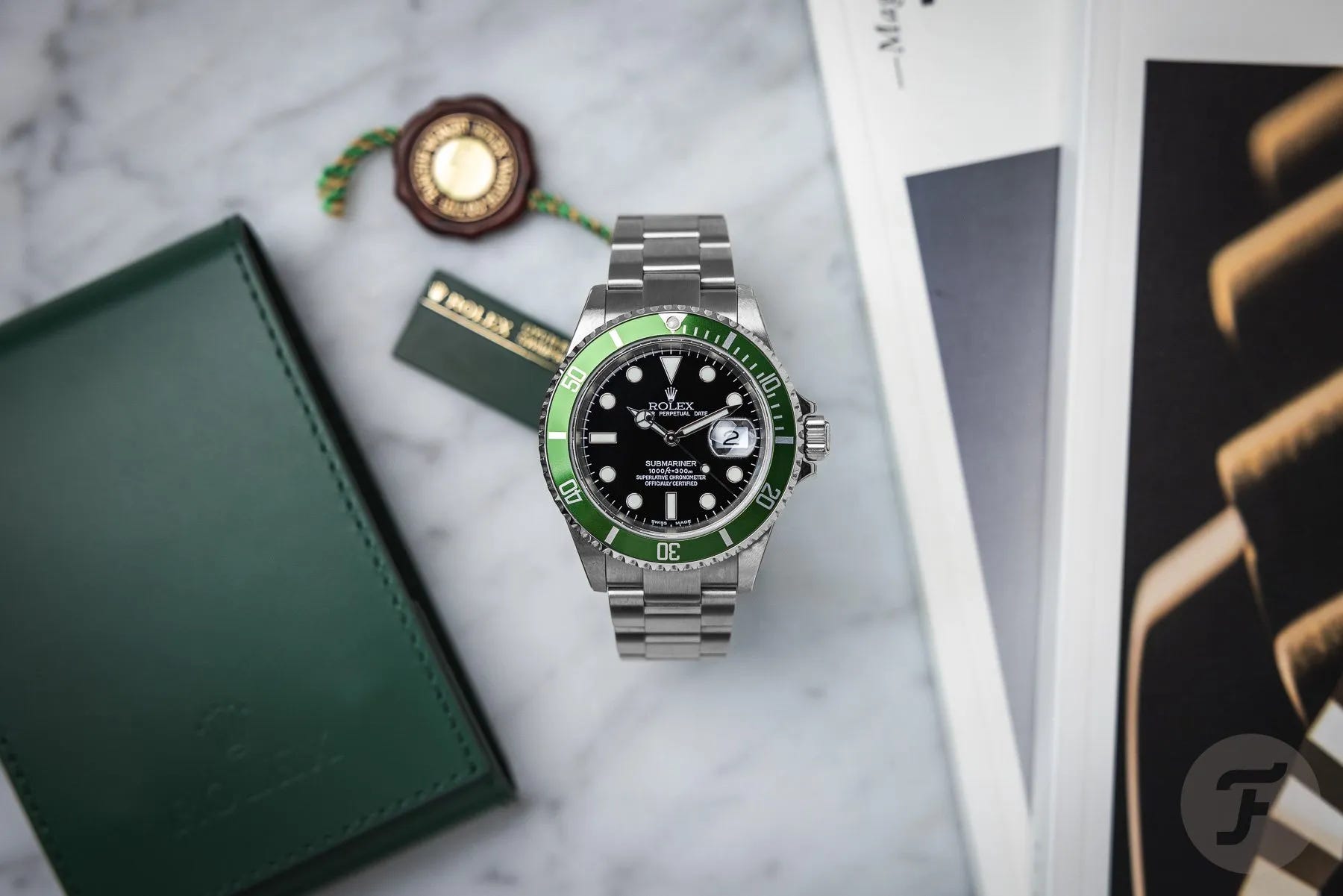
Fratello’s Top 5 Iconic Watches From The 2000s
This comparison-style list argues that the 2000s were a defining era in the modern resurgence of mechanical watch enthusiasm, spotlighting five models that shaped collector taste. It mixes tool-watch icons with high-end sports luxury, emphasizing the design signatures and movements that made these references enduring (from the Rolex 3135 era to big power-reserve statements). The selection also reflects the decade’s trend toward larger cases and bolder wrist presence. Overall, it’s a quick framework for understanding why certain 2000s references became cultural anchors in collecting.
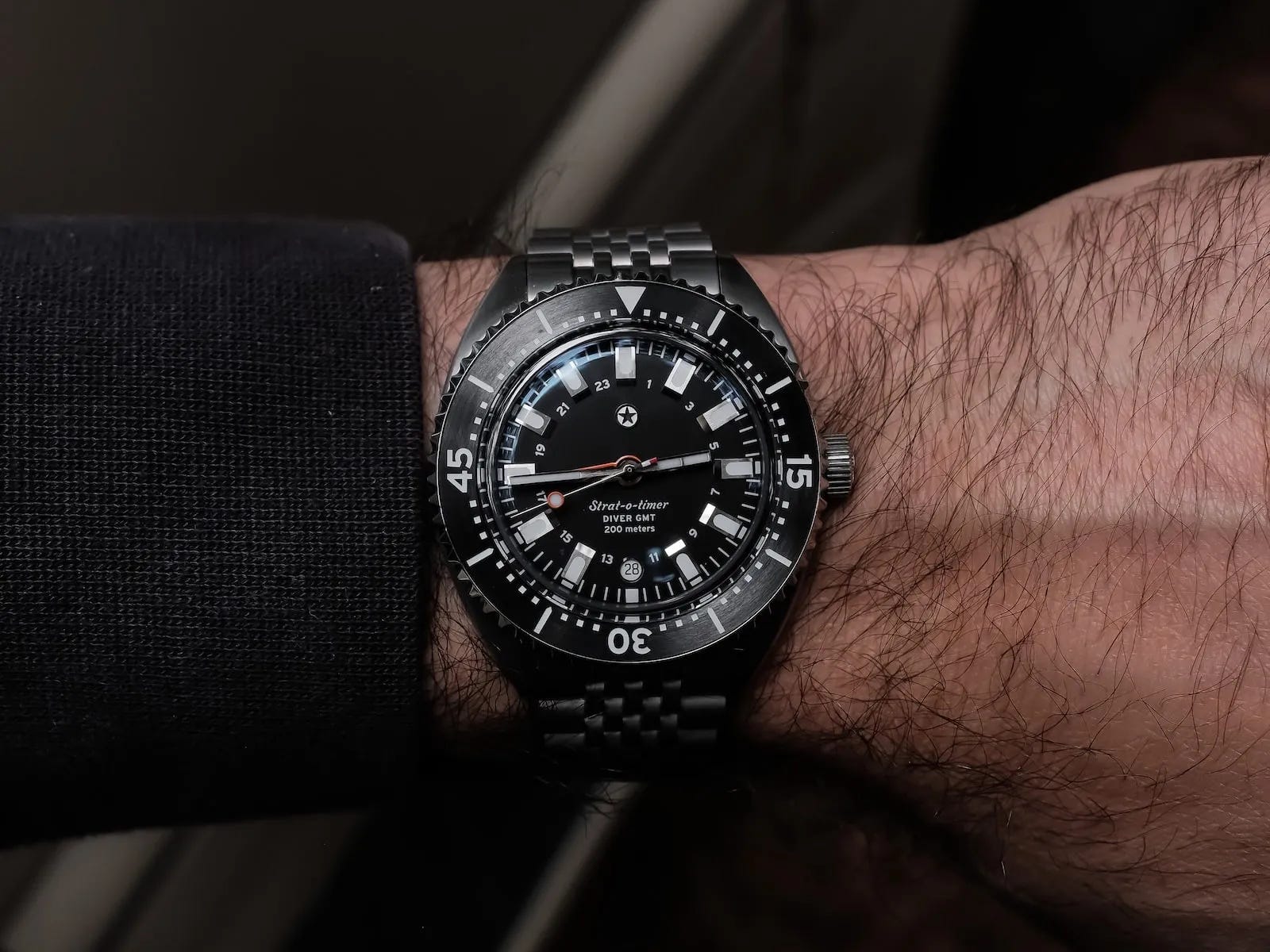
Best Microbrand GMT Watch Alternatives to Mainstream Choices
This guide compares microbrand GMT options as practical alternatives to expensive mainstream travel watches, focusing on usability over hype. It breaks down what actually matters day-to-day—bezel action, bracelet adjustability, lume, dimensions, movement choice, and whether the GMT is travel-friendly. The list spans quartz and mechanical picks, plus higher-end independents that add premium finishing or stronger specs without jumping to luxury-brand pricing. The overall message is that the “best” GMT is often the one with the most thoughtful functional details, not the loudest brand signal.
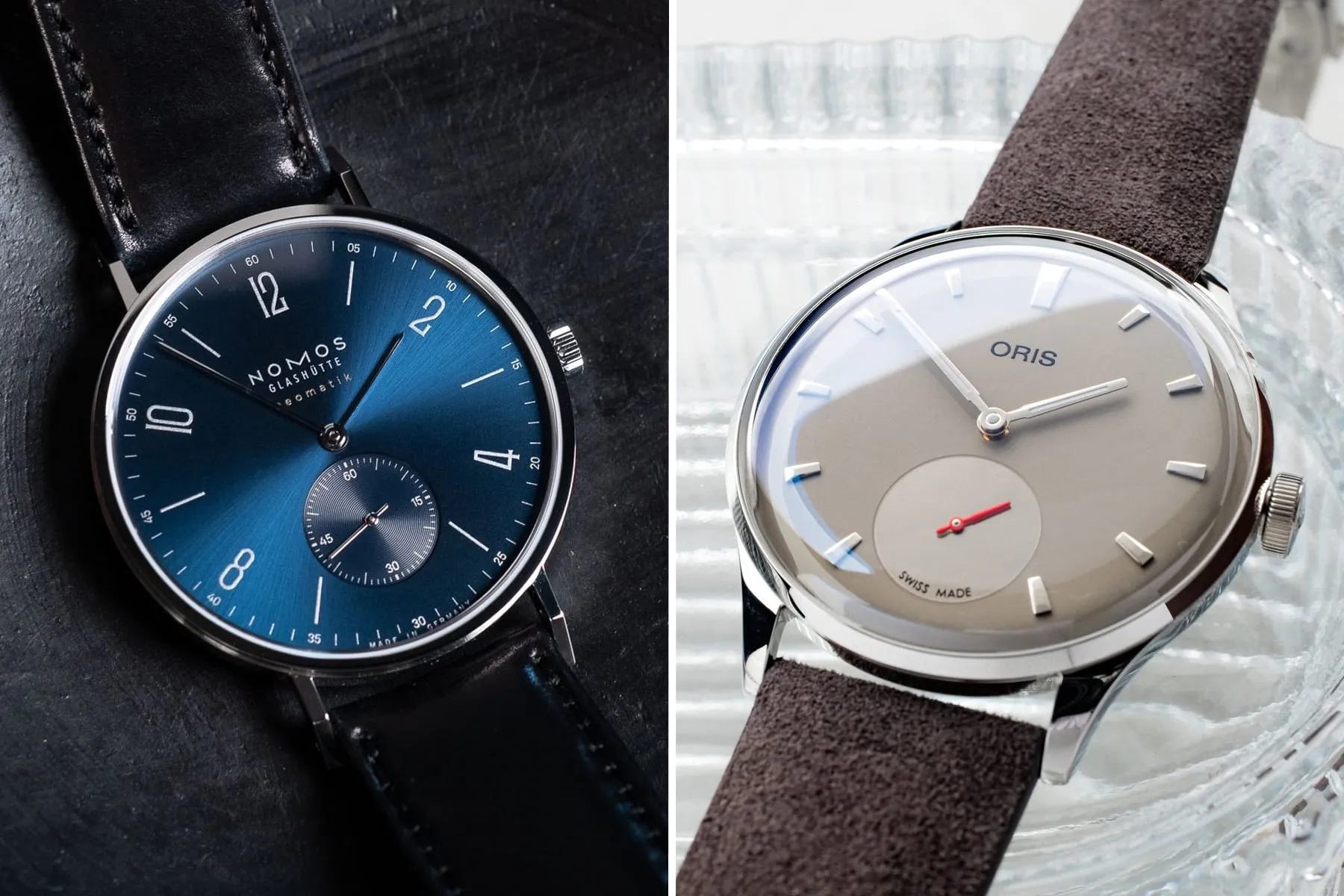
Sunday Morning Showdown: Nomos Tangente Neomatik 39 Vs. Oris Artelier Hölstein Edition 2026
This head-to-head pits two minimalist dress watches against each other, framing the decision as design purity and proportion versus specs and warranty-driven value. Nomos leans Bauhaus with a very slim profile and restrained elegance, while Oris counters with a thicker but more robust package: a long power reserve, higher accuracy targets, and a much longer warranty. The comparison makes clear that both watches share a design-first mindset, but optimize for different wearer priorities—heritage and balance versus versatility and technical confidence. It ultimately treats the choice as taste plus lifestyle more than a single “winner.”
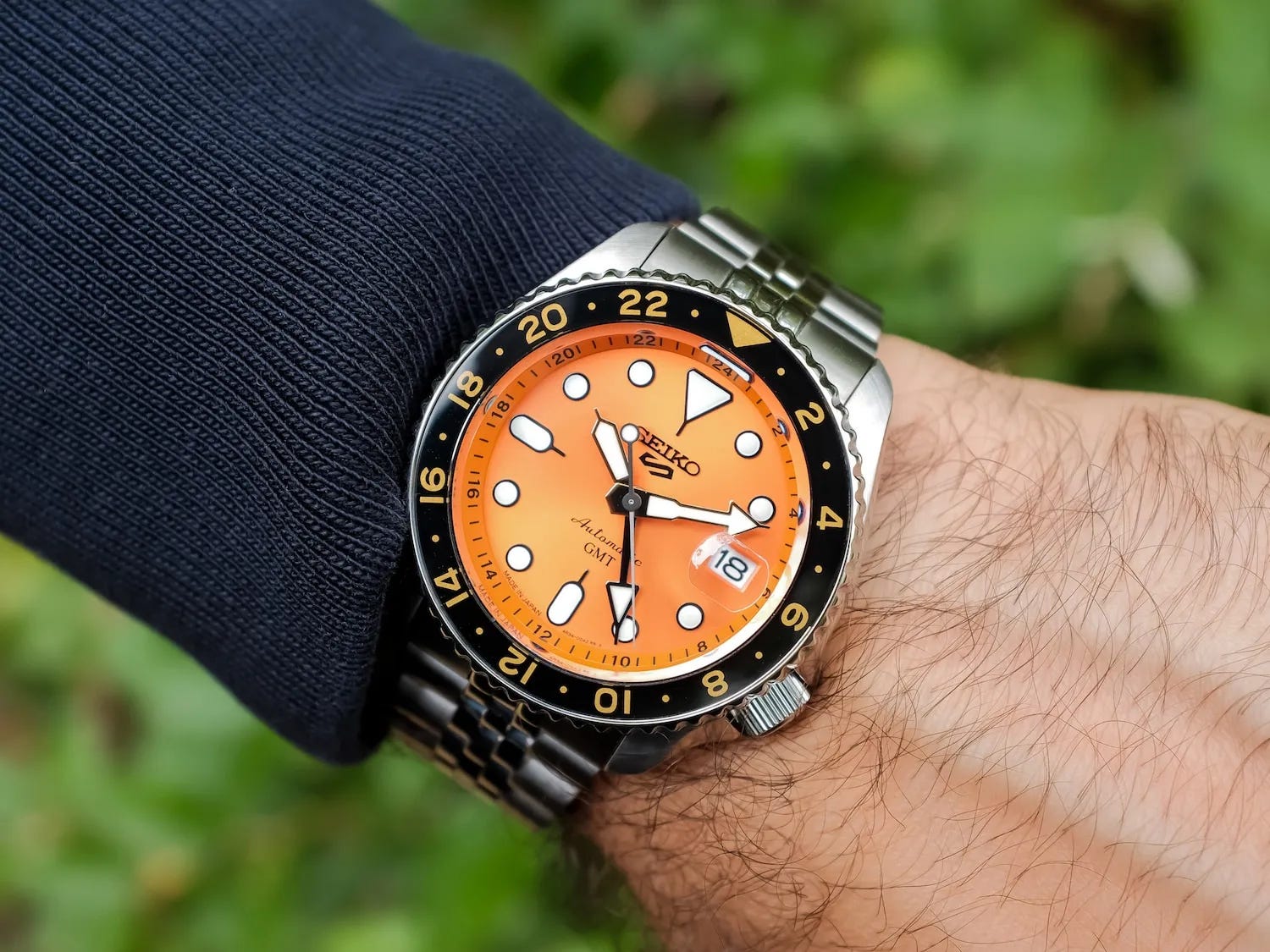
Seiko 5 GMT vs Citizen Nighthawk: Which Affordable GMT Wins After Testing?
This comparison frames the Seiko 5 GMT as the more charming enthusiast pick—mechanical, familiar styling, and a hands-on ownership experience—while the Citizen Nighthawk is positioned as the more practical travel tool. Citizen’s solar Eco‑Drive and jumping local-hour hand deliver accuracy and low-maintenance convenience, plus stronger water resistance for “grab-and-go” reliability. Seiko brings mechanical appeal and comfort, but with fewer convenience advantages for demanding travel. The conclusion favors the Citizen for everyday travel practicality, while acknowledging Seiko’s mechanical personality as the main draw.
Deal Time
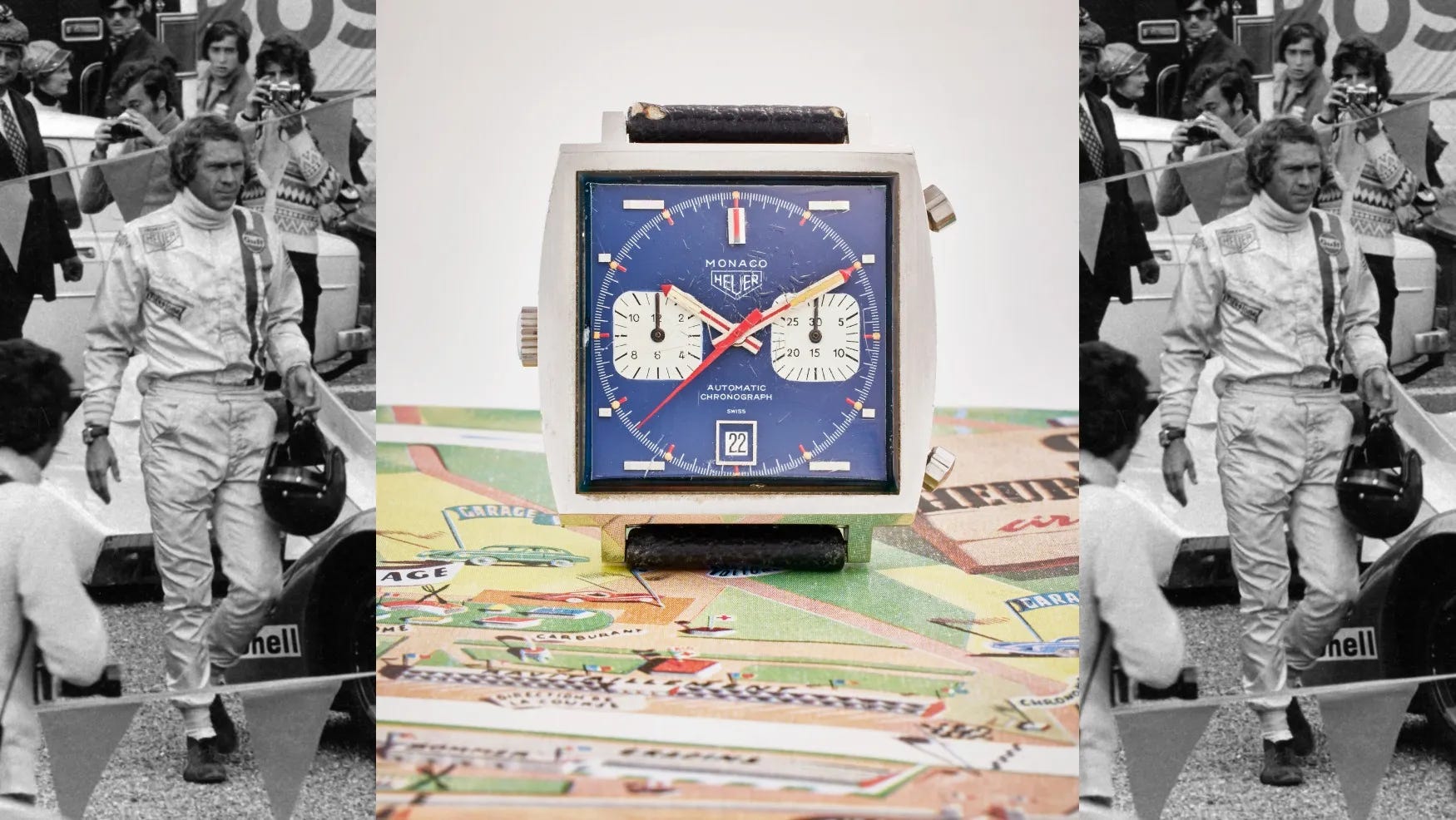
Another McQueen Monaco goes up for sale
A second Steve McQueen–linked Heuer Monaco is headed to Sotheby’s New York on June 15, 2026, with an expected range of $500,000 to $1 million. The sale is supported by detailed provenance documentation, including letters from prop master Don Nunley tracking watches delivered to the Le Mans set. It follows a comparable McQueen-related Monaco result around $1.4 million in 2024, reinforcing continued demand for watches with strong cinematic history. The article also widens the lens to the appeal of overlooked neo-vintage pieces from the 1980s and early 1990s and related current collector trends.
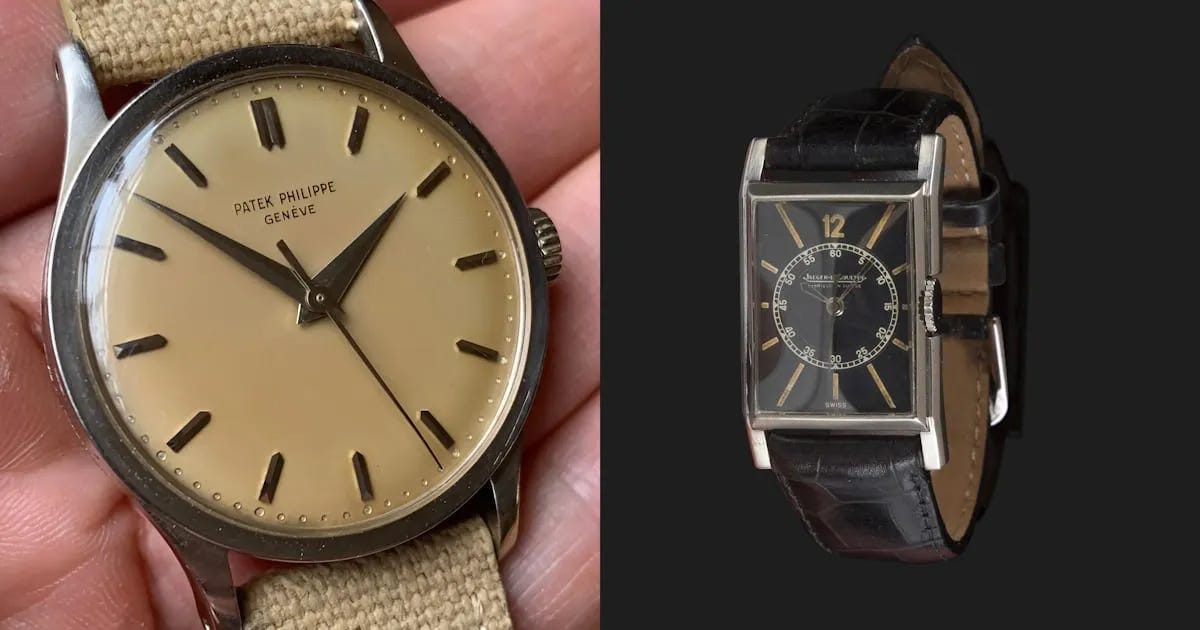
Bring a Loupe: A Grand Seiko Masterpiece, A Patek 570, A Certina DS, And A Jaeger-LeCoultre Uniplan
This “Bring a Loupe” edition spotlights a spread of watches across price tiers, starting with a Grand Seiko SBGZ003 that’s dropped from a $60,000 original price to a $21,000 listing. It also includes a white-gold Patek Philippe 570G offered at $55,000, framed as a timeless Calatrava example in notably strong condition. On the more affordable end, it highlights a vintage Certina DS expected under $500 and a Jaeger-LeCoultre Uniplan estimated at €600–€800. The throughline is how condition, provenance, and relative value shape the current “deal” landscape from entry vintage to high-end collector pieces.
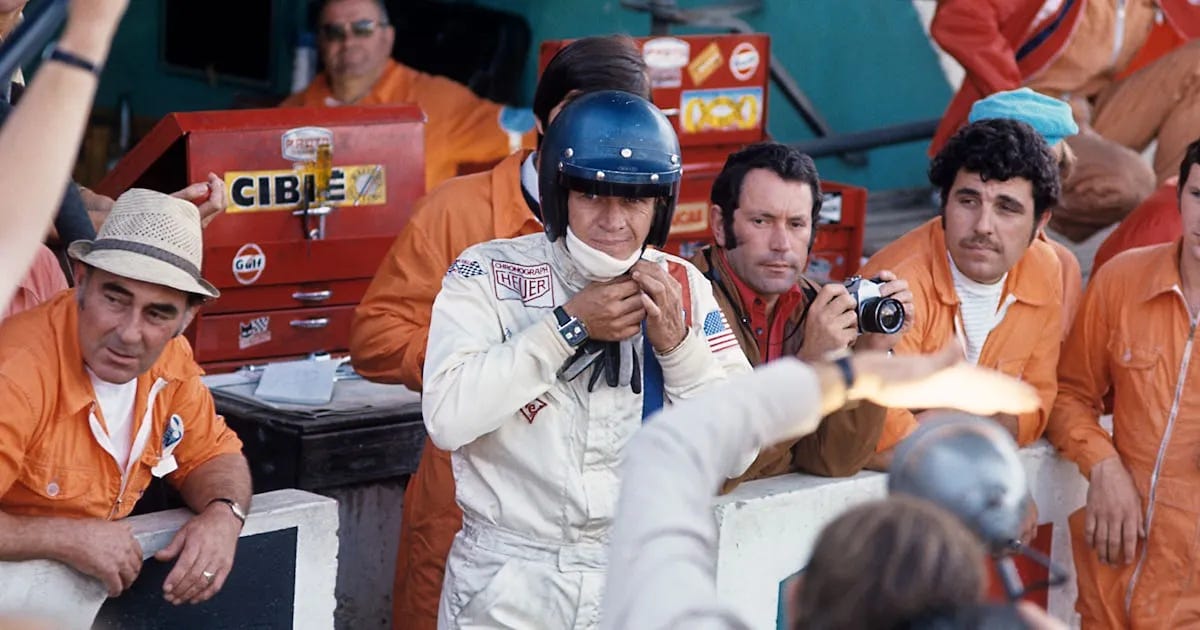
The Last Steve McQueen Heuer Monaco From Le Mans Is Coming Up For Sale At Sotheby’s
This piece details the authentication of what’s presented as the final Heuer Monaco ref. 1133B most frequently worn by Steve McQueen during Le Mans, supported by primary documentation and a notarized provenance letter. The backstory traces how multiple chronographs were supplied to the set, how this specific watch ended up retained by the property master, and how it later moved into private hands. Set to sell at Sotheby’s New York on June 15, 2026, it carries an estimate of $500,000–$1,000,000, with expectations that it could exceed that given the depth of documentation and cultural relevance. The article also ties the moment to heightened interest in motorsport and TAG Heuer’s positioning around Formula 1.
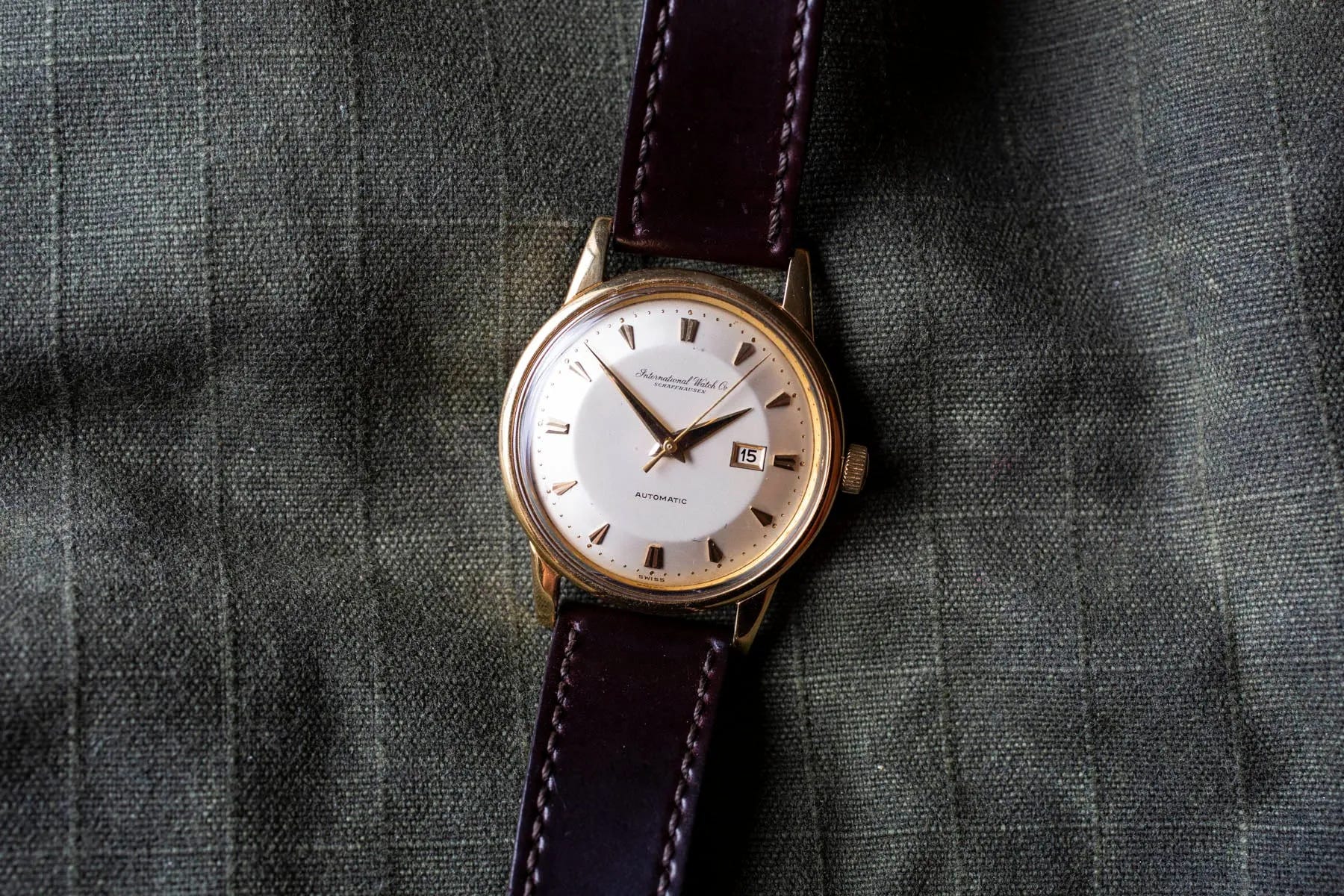
Value In Vintage: IWC “Calatravas” From The 1950s And ‘60s
Vintage IWC “Calatrava”-style dress watches from the 1950s and 1960s are presented as a value-driven way to get classic proportions and restrained mid-century design without the premium attached to more famous names. Typically 34–37mm in steel or gold, they lean on simple details—clean dials, elegant hands, domed crystals—paired with IWC’s manually wound caliber 89, known for durability and straightforward servicing. The article argues these watches deliver a similar aesthetic to far pricier benchmarks while remaining practical for regular wear. Pricing is cited roughly around €1,000 to €4,500 depending on condition and configuration.
Watching Time - Videos

Tudor’s New Rolex Killer (+ More) - YouTube - Andrew Morgan Watches
This video looks at Tudor’s latest release and frames it as a serious alternative to Rolex, focusing on what’s new in the design and why it could pull attention away from the market leader. It also places the watch in a broader strategy context—how Tudor is differentiating itself and why that matters in a crowded luxury segment. The discussion points to potential shifts in buyer behavior as consumers weigh value, uniqueness, and brand positioning more heavily than pure status signaling.
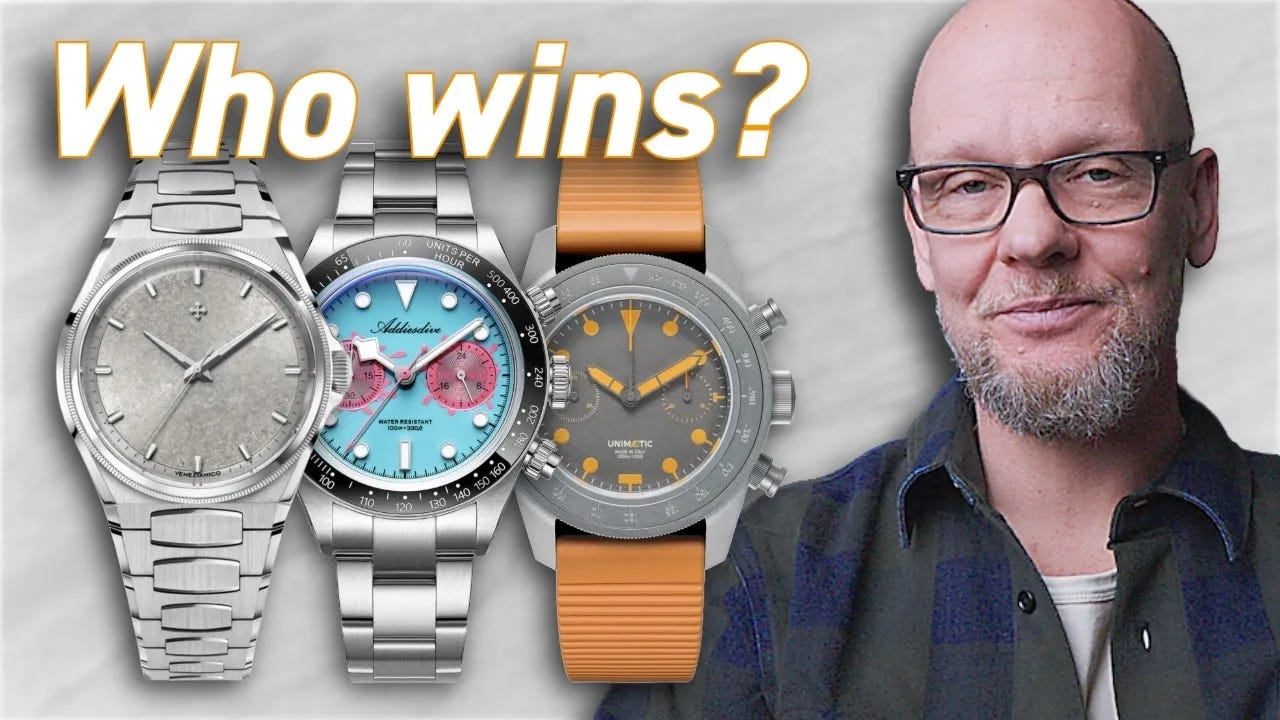
What does it take for a watch microbrand to become succesful? - YouTube - This Watch, That Watch

5 Unexpected Vacheron Constantin Timepieces That Will Shock You | Inside the Archives Ep. 1 - YouTube - Time+Tide Watches

Watches in film and TV with Cameron Barr - YouTube - Collectability
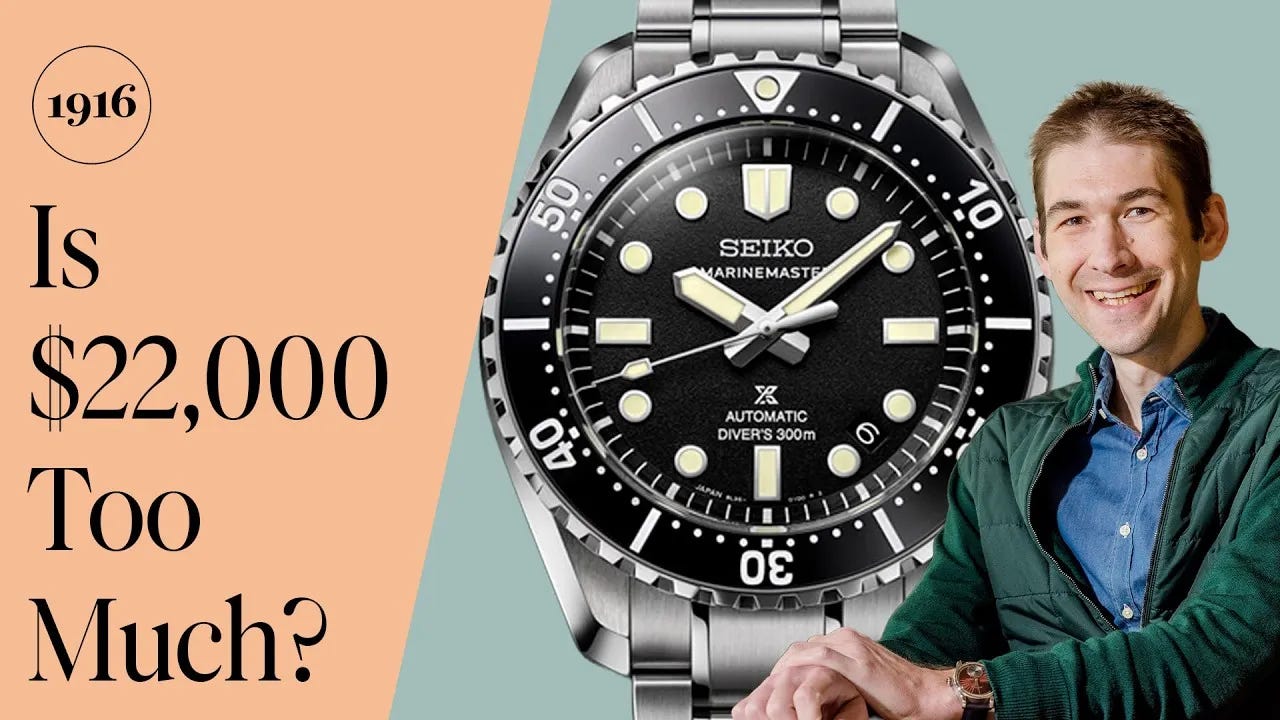
Is a $22,000 Dive Watch Too Expensive? - YouTube

Rolex, Patek, & The End of Hype Watches! - YouTube - Theo and Harris
This video examines why the “hype watch” cycle around brands like Rolex and Patek Philippe may be cooling, and what that means for desirability and pricing. It connects shifting collector psychology with broader market and economic conditions, arguing that brand prestige alone may be less persuasive than it was at the peak of the frenzy. The throughline is that long-term value may increasingly depend on real demand and genuine appreciation for craftsmanship rather than momentum and social signaling.

DON’T Waste Your Money: Go Secondary for These Watches - YouTube - Britt Pearce
This video argues that buying pre-owned can be the most practical route to luxury watches, largely because depreciation and market inefficiencies can create real savings versus retail. It highlights the core safeguards that matter—authenticity, condition, provenance, and choosing reputable sellers—so buyers don’t trade price savings for risk. The message is that the secondary market can expand what’s attainable, but only for people willing to do disciplined due diligence.

The BEST Luxury Watches for Men 18-35 | Nico Leonard - YouTube - The Iced Coffee Hour Clips
BuyingTime at Auction
A few select current auctions that caught our eye on GetBezel.com
[Friday’s auction watch, the 2024 Rolex Day-Date 36 Rose Gold / Fluted / Aventurine / Diamond-Set Roman / President (128235-0068) - was bid to $30,500 but did not meet its reserve. - make an offer]
Ulysse Nardin Freak X Carbononium (2303-270/CARB)
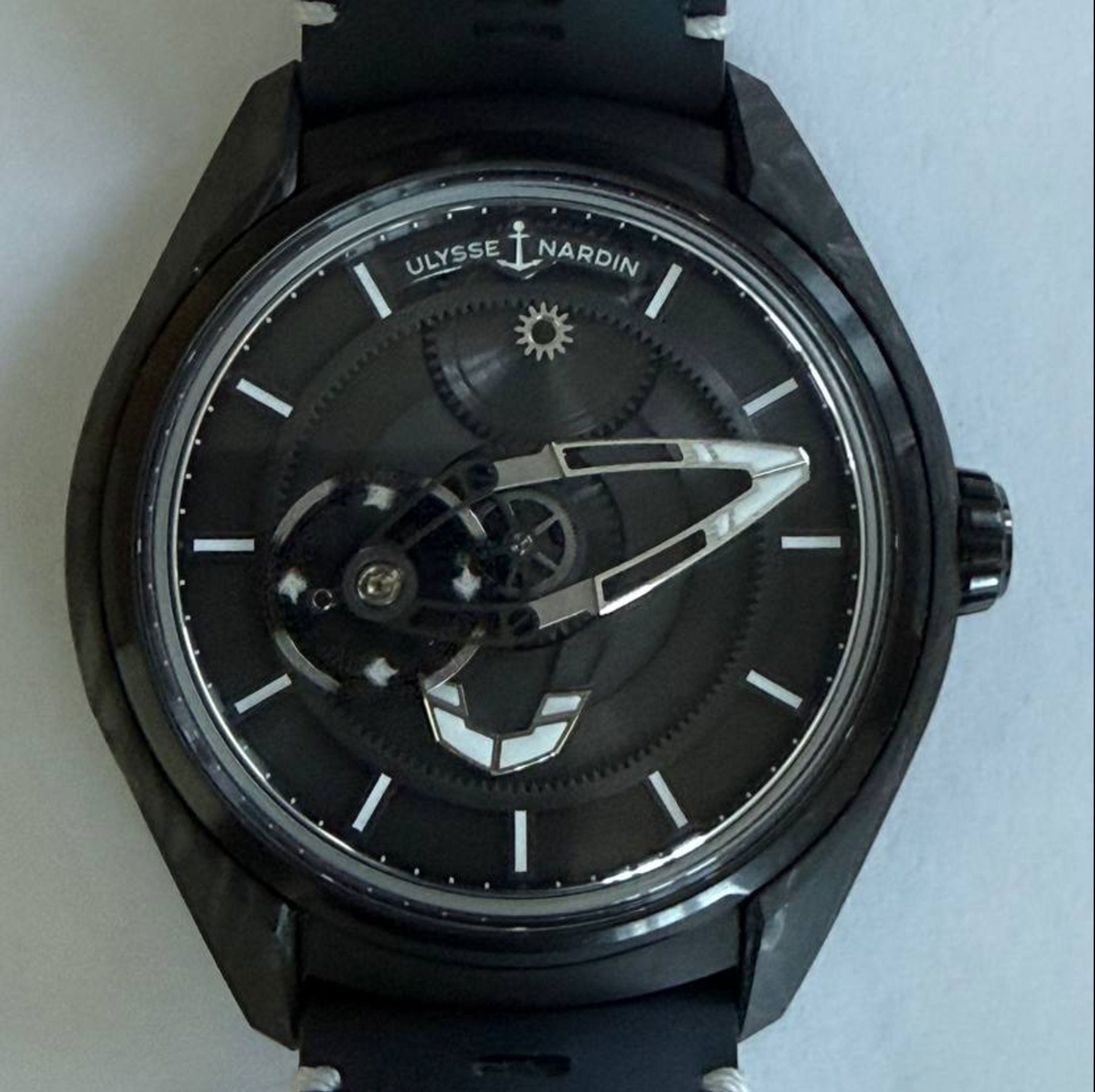
Freak Show at a Discount: The Ulysse Nardin Freak X Carbonium
There are weird watches, and then there is the Ulysse Nardin Freak, a watch family that has spent more than two decades politely asking the rest of Swiss watchmaking why everyone is still so committed to dials, hands and normal behavior.
The Ulysse Nardin Freak X Carbonium, reference 2303-270/CARB, is the more wearable, more approachable version of that madness. Introduced in 2019, the Freak X kept the essential Freak idea: the movement itself rotates around the dial to indicate the time. There are no conventional hands in the usual sense. Instead, the carousel movement does the theatrical part, making this one of the few watches where “look at the movement” is not something said by a guy with a loupe at dinner, but literally the point of the watch.
This example is the 43 mm Carbonium version, powered by Ulysse Nardin’s automatic UN-230 movement with a 72-hour power reserve. Carbonium is the brand’s aerospace-derived carbon composite, giving the watch its marbled black-and-grey case architecture and making it much lighter than its technical absurdity might suggest. The case combines Carbonium with black DLC titanium, which is why the listing’s “two tone” description is technically correct, though not exactly helpful unless your idea of two-tone is “stealth fighter meets Geneva science project.”
The Freak X was important because it lowered the psychological and financial drawbridge into the Freak kingdom. Earlier Freaks were more concept-watch than daily watch, often larger, more expensive and more intimidating. The Freak X added a crown, simplified the interface and made the whole thing easier to live with. Purists may sniff at that. Everyone else may appreciate not needing a graduate seminar to set the time.
Value is where this one gets interesting. The Freak X Carbonium originally launched around $24,000, and current retail references for the line have pushed much higher, with market guides showing the reference in the mid-$30,000 retail range. On the secondary market, however, Ulysse Nardin remains one of those brands that can be both deeply respected and brutally punished. Comparable Freak X models tend to trade roughly in the high teens to low-$20,000s depending on condition, configuration, year, seller and completeness. Full-set examples with box and papers naturally command more. This auction watch has neither box nor papers, which matters. A lot. Not because the watch becomes less freakish, but because future buyers tend to become much more normal when it is their money on the table.
Condition appears strong where it counts. The dial, hands and crystal are listed as excellent, while the case, bezel and strap show only minor wear. That is about what one hopes to see on a pre-owned modern avant-garde watch: enough use to explain the discount, not enough use to explain a therapy session.
The auction ends tonight (Monday, June 15, 2026) at 9:20 p.m. EDT, and the smart-money question is not whether the Freak X Carbonium is cool. It is. The question is whether the price reflects the missing accessories and the realities of Ulysse Nardin resale. At the right number, this is a genuinely significant modern independent-minded watch from a major historic manufacture, with real mechanical drama and a material story that is more interesting than another round of “stainless steel, but brushed differently.”
As a collector piece, the Freak X Carbonium has a lot going for it: technical credibility, visual originality, brand history and actual wearability. As an investment, please calm down. This is still Ulysse Nardin, which means the buyer should expect to enjoy the watch, not immediately explain to dinner guests how liquid the market is. If the bidding lands well below comparable complete sets, the missing box and papers become tolerable. If it creeps too close to full-set pricing, the Freak show becomes a little too expensive, even by Freak standards.
Current bid: $10,250