

Time Graphing today’s watch universe
The watch world continues to lean into personality, provenance, and a healthy dose of reinvention as we roll into April 8, 2026, with today’s headlines showing both heritage brands and independents trying to sharpen their identities ahead of Watches and Wonders. The biggest branding shift comes from Kross Studio, which is now operating under the name of its founder, Marco Tedeschi, a move that feels less like a rebrand and more like a declaration of authorship. The new MT1.1 Tourbillon 7 Jours builds on that idea with a longer power reserve and improved ergonomics, signaling that even the more experimental corners of the industry are tightening up execution as they mature.
Meanwhile, as mentioned here last week, Vacheron Constantin is planting a very large flag in the ground—specifically in Miami—with its largest boutique in the world. The 5,000-square-foot space in the Design District isn’t just about selling watches; it’s about selling an experience, complete with hospitality-driven design and an in-house watchmaker. It’s another data point in the ongoing pivot toward brand-controlled retail, where the environment is just as curated as the product. Over in Geneva, Patek Philippe is going in the opposite direction—back to pure craft—with its Rare Handcrafts 2026 exhibition, a reminder that while the industry chases growth, it still leans heavily on métiers d’art to justify its cultural and pricing position.
On the feature side, the human element of watchmaking is front and center. At Montblanc, Laurent Lecamp is effectively arguing for a long-game strategy built on credibility and storytelling rather than trend-chasing, with Minerva serving as both anchor and proof point. At the more independent end of the spectrum, Bonniksen’s revival through the Naissance d’une Montre 4 project is about as niche—and as serious—as it gets. The resurrection of the carrousel mechanism isn’t just a technical flex; it’s a philosophical one, reinforcing that a growing slice of the market is willing to reward deep historical authenticity over novelty.
As for new watches, today is a mix of the practical, the artistic, and the slightly unhinged—in a good way. Arnold & Son leans into material storytelling with the HM Pietersite, where the dial does all the heavy lifting, while Ressence pushes forward with its first proprietary movement in the Type 11, refining its already unconventional display system. At the accessible end, Casio continues to quietly improve its automatic offering with the Edifice EFK-110D, proving that even entry-level mechanical watches are getting more wearable and more considered. Then you have pieces like Anton Suhanov’s Flamingo, which puts the regulating organ front and center, and La Fervent’s Magic Hour Tourbillon, which looks like it was designed after someone said, “What if we ignored every rule?” and then followed through.
On the review front, there’s a strong showing from the microbrand and enthusiast segment. Arken’s Alterum demonstrates how much innovation is happening below the luxury tier, especially with creative GMT implementations and thoughtful materials, while the oversized Vostok Europe Lunokhod leans into brute-force presence with tritium illumination and 300 meters of water resistance. It’s a reminder that the middle and lower ends of the market remain incredibly competitive, even as prices creep upward across the board.
The comparison and buying guides reinforce that same tension. Vintage continues to be framed less as a category and more as a collection of distinct eras, each with its own design language, while the under-€1,000 dive watch segment is still alive—but increasingly dependent on microbrands to deliver value as larger players inch prices higher. And with Watches and Wonders looming, insider predictions suggest a year where brands will have to balance hype with substance, particularly around core models like GMTs and milestone pieces.
For video content, there’s a nice range today, from a behind-the-scenes look at launching a microbrand to quick-hit rundowns of new releases and a more opinionated take on where brands like Longines and Omega are getting it right—or not. It’s the kind of mix that mirrors the broader market: part education, part entertainment, and part armchair quarterbacking.
At auction, the tone is slightly more cautious. Yesterday’s Romain Gauthier C failed to meet its reserve at $37,000, a subtle but telling signal that even high-end independents aren’t immune to selective bidding right now. That brings us to tonight’s headliner, the 2017 Rolex “John Mayer” Daytona, which is currently sitting at $52,000 with the usual question hanging over it: does it behave like the broader market, or does it continue to operate in its own category? If history is any guide, betting against it has not been a winning strategy.
All told, today feels like a snapshot of an industry in calibration mode—tightening narratives, refining products, and quietly preparing for its biggest annual stage. Whether that results in meaningful innovation or just better storytelling is what we’ll find out next week.
-Michael Wolf
News Time
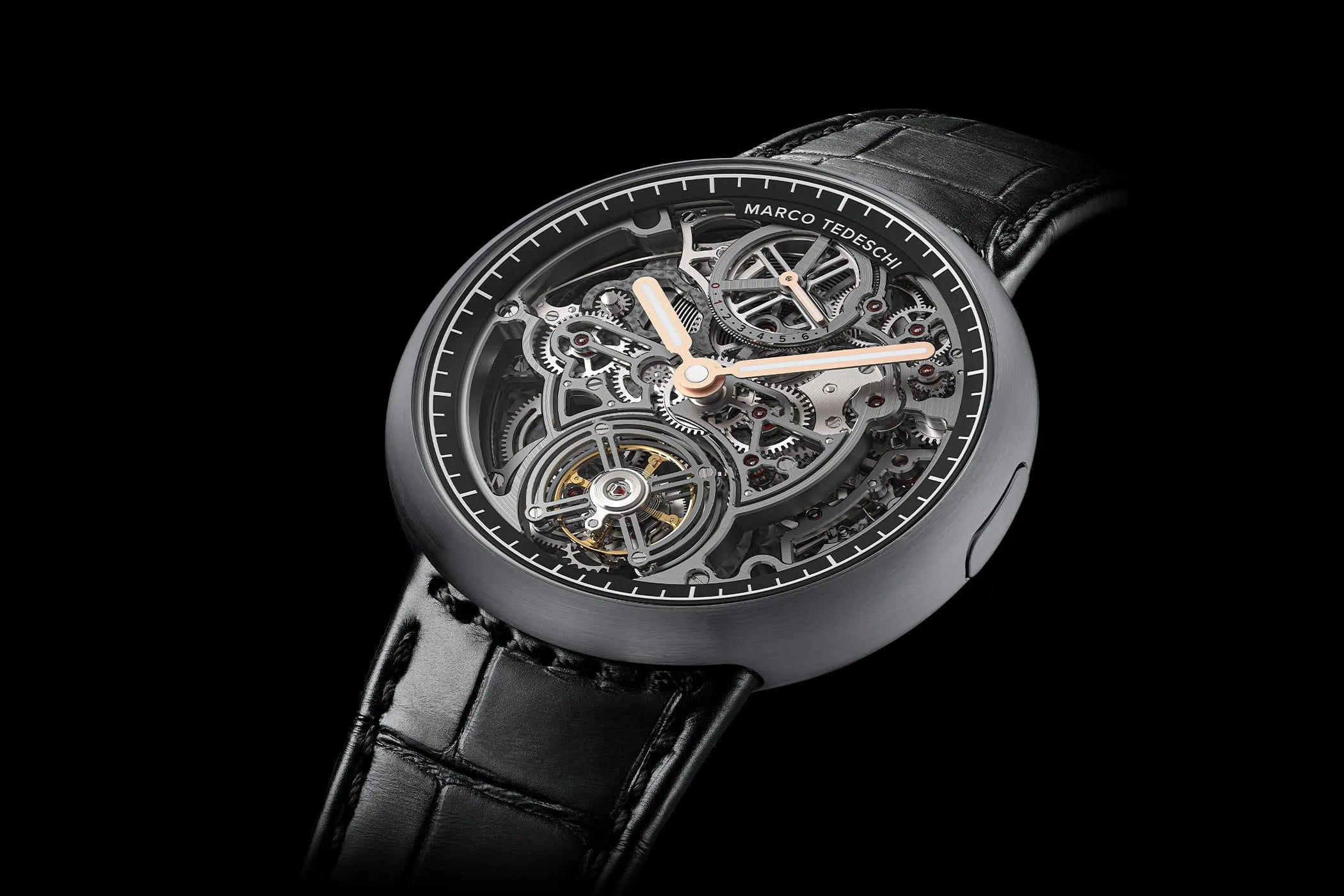
Kross Studio Rebranded to Marco Tedeschi, unveiling the MT1.1 Tourbillon 7 Jours
Kross Studio has rebranded under founder Marco Tedeschi’s name, aligning the brand more directly with a personal creative identity. Alongside the shift, the MT1.1 Tourbillon 7 Jours debuts at Watches & Wonders 2026 as an evolution of the original MT1, adding a power reserve display and improved ergonomics (including a redesigned clasp). The story traces Tedeschi’s path into watchmaking and the brand’s rise through imaginative, pop-culture-forward collaborations rather than traditional luxury narratives. With Chanel taking a minority stake, the brand is aiming to expand production while keeping its tight team culture and design-led approach.

Vacheron Constantin picks Miami for its biggest boutique in the world
Vacheron Constantin has opened what it says is its largest and most opulent boutique worldwide, in the Miami Design District. The two-floor, 5,000-square-foot flagship is designed to blend watch retail with luxury hospitality, including private consultation areas and an in-store watchmaker’s workshop. The design vision traces back to the brand’s international architecture project manager, Matthieu Rey-Grange, who helped shape the concept before passing away in 2024. The store also signals the brand’s broader shift toward a more boutique-led retail model, while still working with select partners.

The Patek Philippe Rare Handcrafts 2026 Exhibition is back in Geneva
Patek Philippe’s Rare Handcrafts 2026 Exhibition will run from April 18 to May 9, 2026 at the brand’s historic Salons on Rue du Rhône in Geneva. It will present 65 new creations spanning dome table clocks, pocket watches, and wristwatches, crafted with traditional métiers such as Grand Feu cloisonné enamel and hand engraving. Highlighted works include a dome table clock depicting macaws in an Amazonian forest and a pocket watch portraying a flamenco dancer under stage light. Visitors can also watch live demonstrations by artisans, with online registration encouraged and the exhibition closed on Sundays.
Feature Time

Behind the Dial: Laurent Lecamp on building Montblanc’s watchmaking future
Laurent Lecamp, managing director of Montblanc’s Watch Division, describes how an unexpected start in horology led to a deep appreciation for craftsmanship, patience, and the transmission of know-how. They explain a leadership approach rooted in credibility through product and archive knowledge, guided by instinct, emotion, and daily curiosity. Lecamp also outlines how Montblanc balances Minerva’s heritage with contemporary relevance by grounding each release in clear storytelling and a long-term roadmap, rather than chasing trends. The piece emphasizes continuity: using the past to inform the future while constantly refining the brand’s identity and execution.
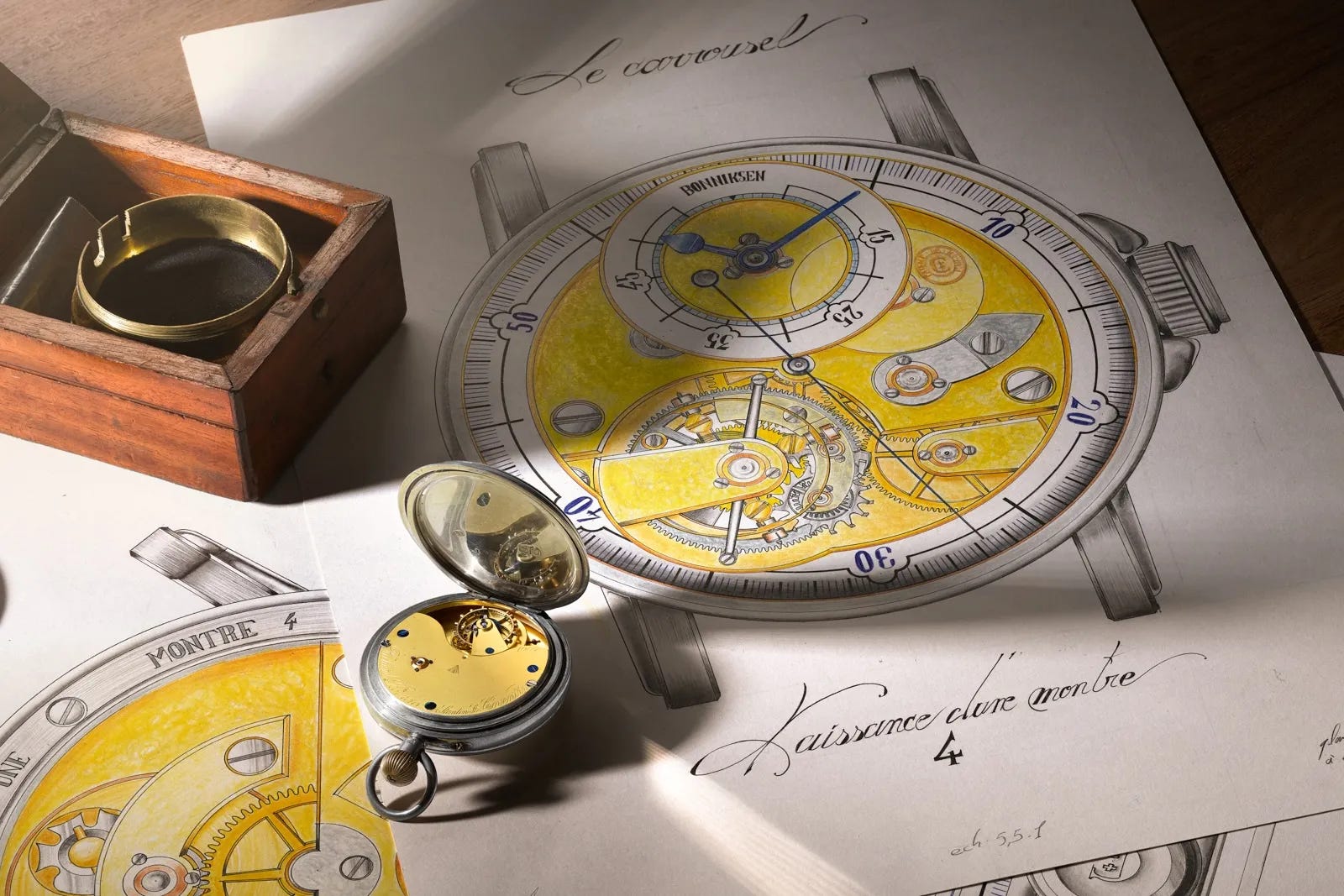
Bonniksen Reborn with Handmade Le Carrousel
Bonniksen is returning with the Le Carrousel, a handmade wristwatch built around a 30-second carrousel mechanism, developed under the Naissance d’une Montre 4 initiative. The movement—created by co-founder Maximin Chapuis after extensive research—aims to honor Bahne Bonniksen’s original invention while bringing the concept into a modern independent-watchmaking context. Beyond reviving a historic name, the project positions Bonniksen as a serious craft-focused house, with a sub-40mm case and an exposed movement intended to spotlight the mechanism. It also reflects the wider push among artisan makers to preserve heritage techniques while still producing genuinely distinctive contemporary pieces.
The Latest Time
Anton Suhanov
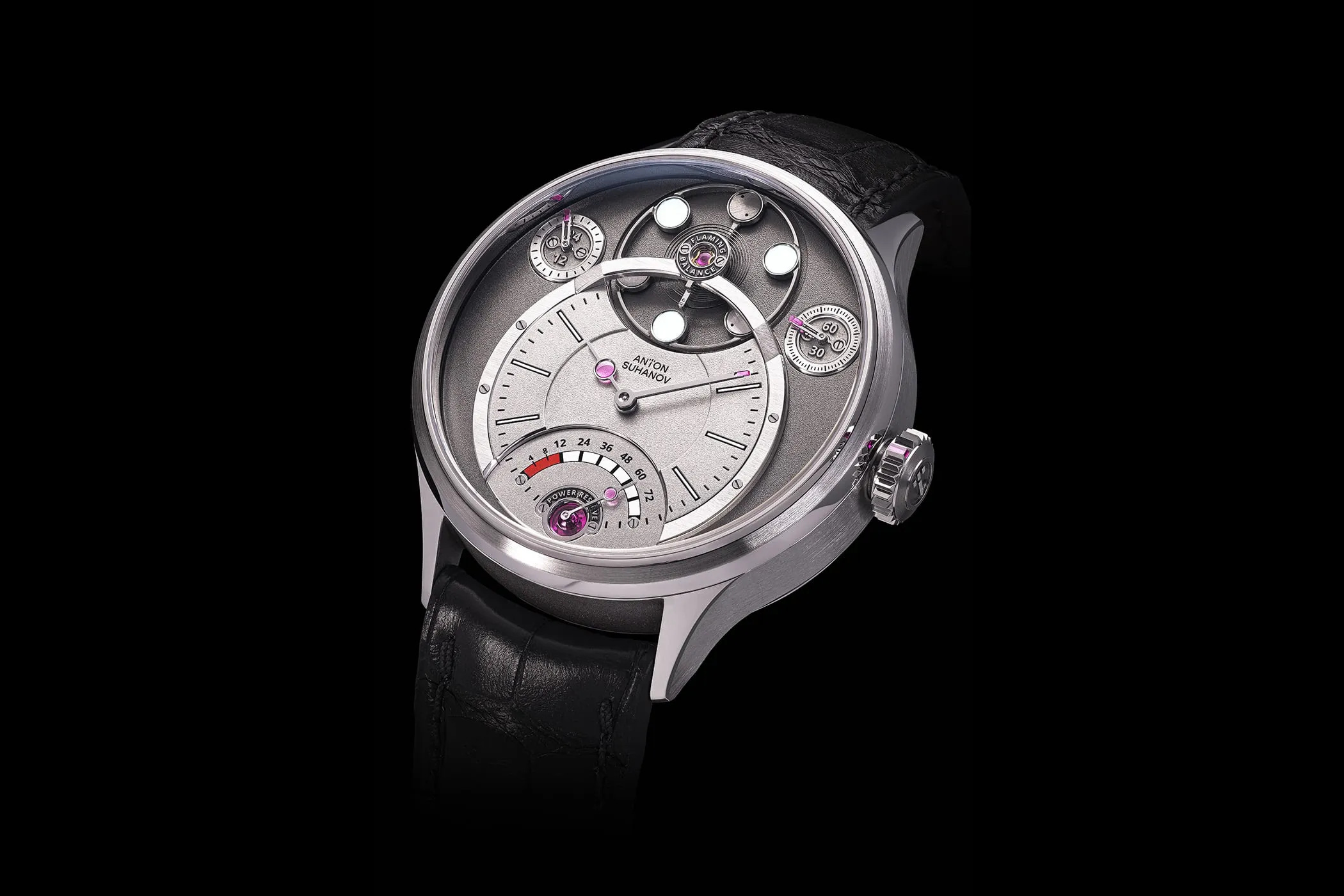
The New Anton Suhanov Flamingo, A “Flaming Balance” Wristwatch
Anton Suhanov’s Flamingo introduces a “flaming balance” concept that places the regulating organ prominently at the center of a structured, modern dial. The 42mm steel case frames a rhodium/dark ruthenium-treated dial with a non-linear power reserve display intended to be especially readable in the final hours of reserve. Inside is the in-house calibre Su26.1L with an 84-hour power reserve and twin barrels, finished to a high independent-watchmaking standard. Production is limited to 38 pieces, reinforcing the watch’s collector-oriented positioning.
Arnold & Son
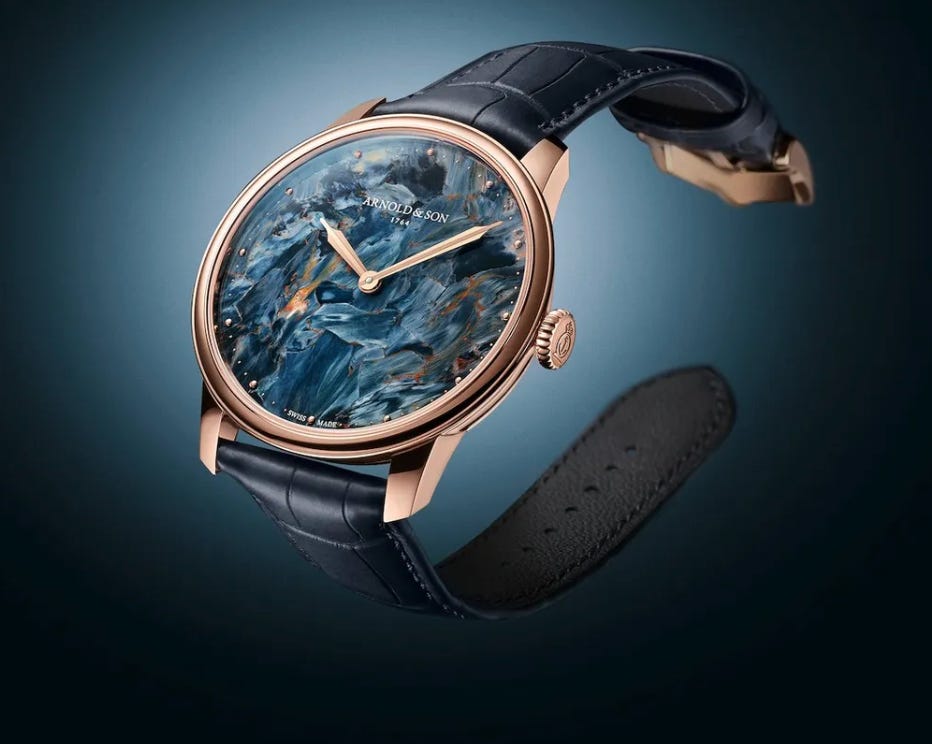
Arnold & Son HM Pietersite—Where the Dial is the Complication
Arnold & Son’s HM Pietersite is built around a dramatic Namibian pietersite dial, leaning into material artistry rather than added complications. The watch comes in steel or 18K red gold, in a slim 39.5mm case (7.82mm thick), powered by the manual-wind calibre A&S1001 with a 90-hour power reserve visible through a sapphire back. Pricing reflects the limited-edition, stone-dial execution: about $20,767 for steel (CHF 16,200) and $34,739 for red gold (CHF 27,100), converted at ~1 CHF = $1.2819. The result is a dress watch where the dial’s natural “storm” patterning becomes the focal point.
Casio Edifice
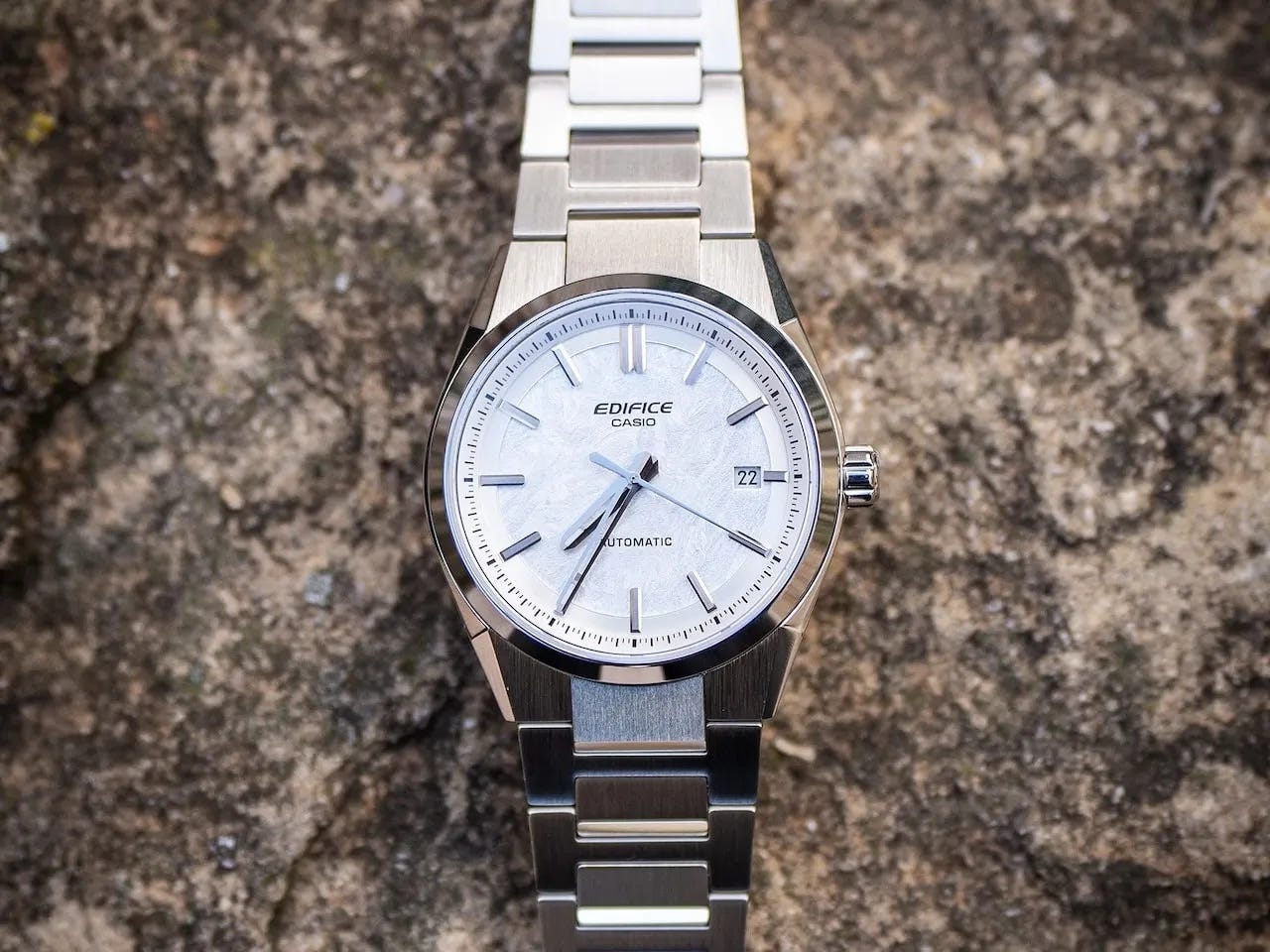
Casio’s Affordable Automatic Watch Is Back With a New Movement
Casio’s Edifice EFK-110D updates the brand’s entry-level automatic formula with a slimmer 38mm case, shorter 43mm lug-to-lug, and an 11.80mm thickness aimed at improving everyday wearability. The movement shifts from the Seiko NH35 to the Miyota 8215, helping enable the thinner profile while keeping the watch positioned as a value-forward automatic. It retains practical specs like sapphire crystal and 100m water resistance, and it moves the date window back to a conventional 3 o’clock placement. The stated price is about $322 (≈ €279), converted at ~1 EUR = $1.1542.
CircuitMess
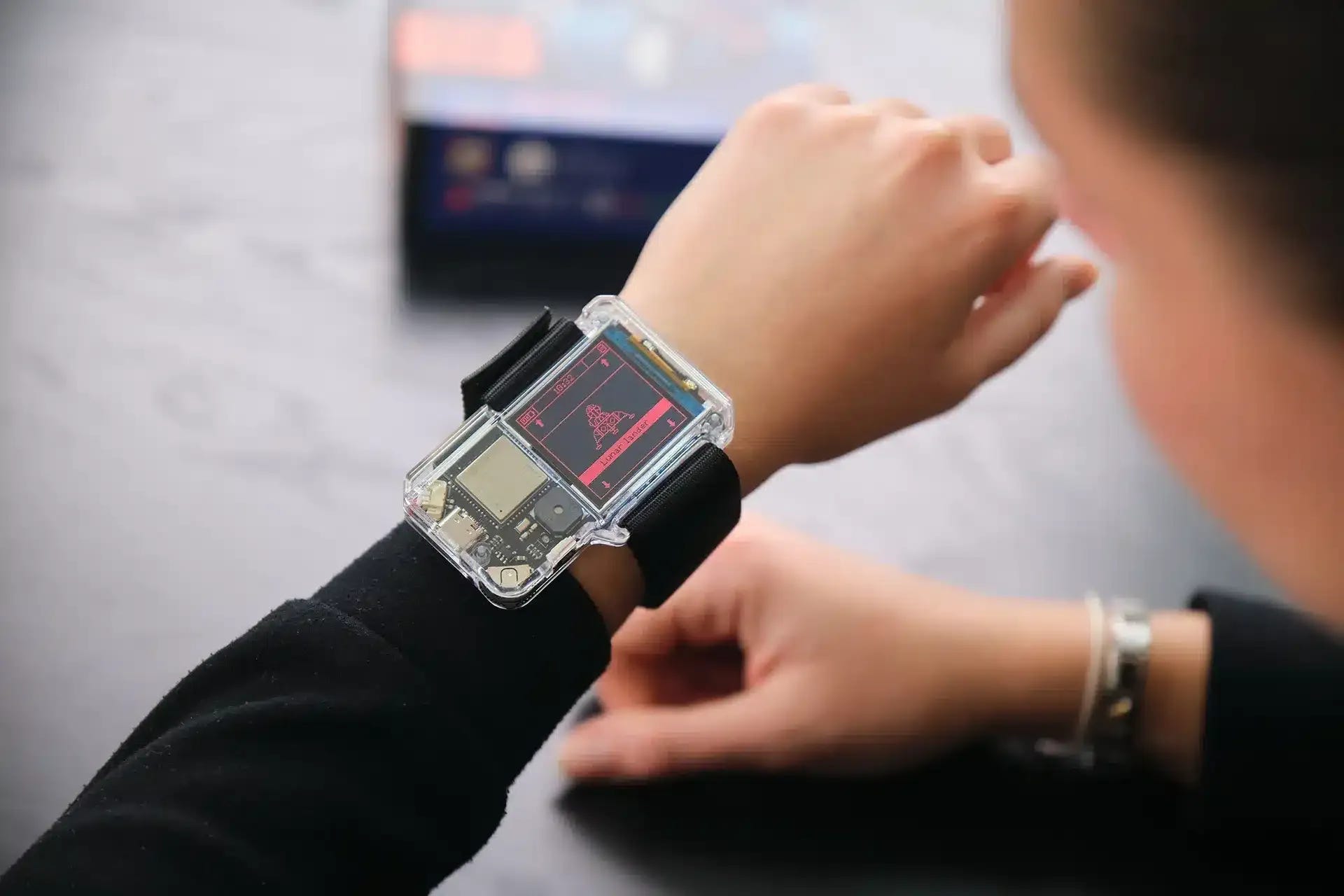
This NASA Artemis Smartwatch Lets You See Its Own Brain and Reprogram It
CircuitMess’s NASA Artemis Watch 2.0 is a DIY-spirited smartwatch built around an ESP32 microcontroller with a deliberately transparent, retro-futuristic look. It includes Bluetooth plus sensors like a gyro/accelerometer, temperature sensor, and compass, but skips more mainstream health features such as heart-rate monitoring. The standout is its open-source firmware, which lets users create custom watch faces and apps and interact directly with sensor data—positioning it as much a learning platform as a wearable. It’s priced at $129 with free worldwide shipping.
La Fervent
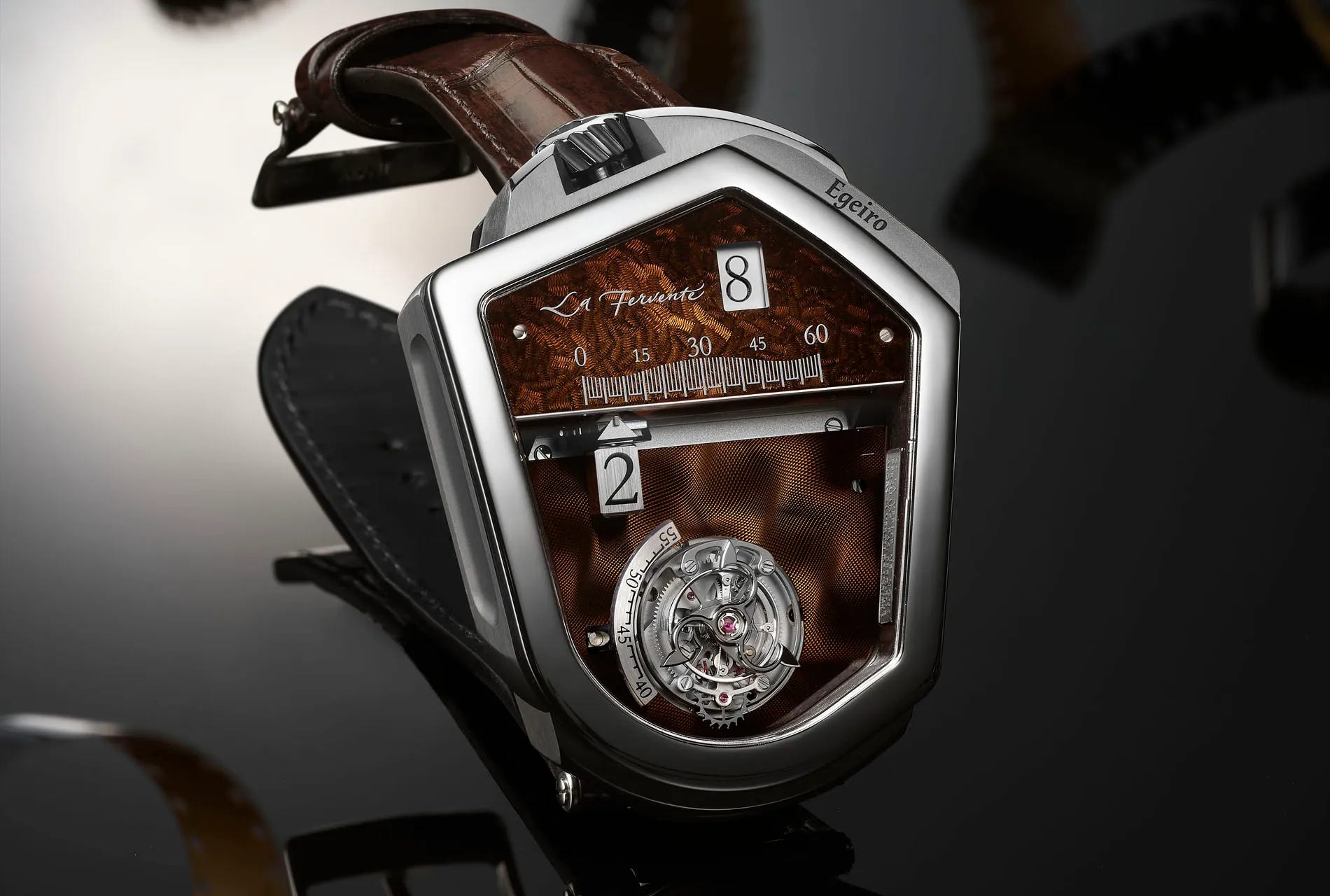
Michaël Merle’s madcap Magic Hour Tourbillon returns
La Fervent’s Magic Hour Tourbillon returns with a new deep-brown dial for 2026, keeping its intentionally maximalist, asymmetric titanium case sized to accommodate an unconventional time display. Hours are read by adding two large digit indications (one in an aperture, one on a flipping cube), while minutes run along a left-to-right linear scale—driven by a planetary-gear-based mechanism regulated by a one-minute tourbillon. The automatic movement uses twin barrels for a 60-hour power reserve, with finishing visible through an exhibition back. Last year’s limited edition carried a price of about $185,876 (CHF 145,000), converted at ~1 CHF = $1.2819.
Ressence
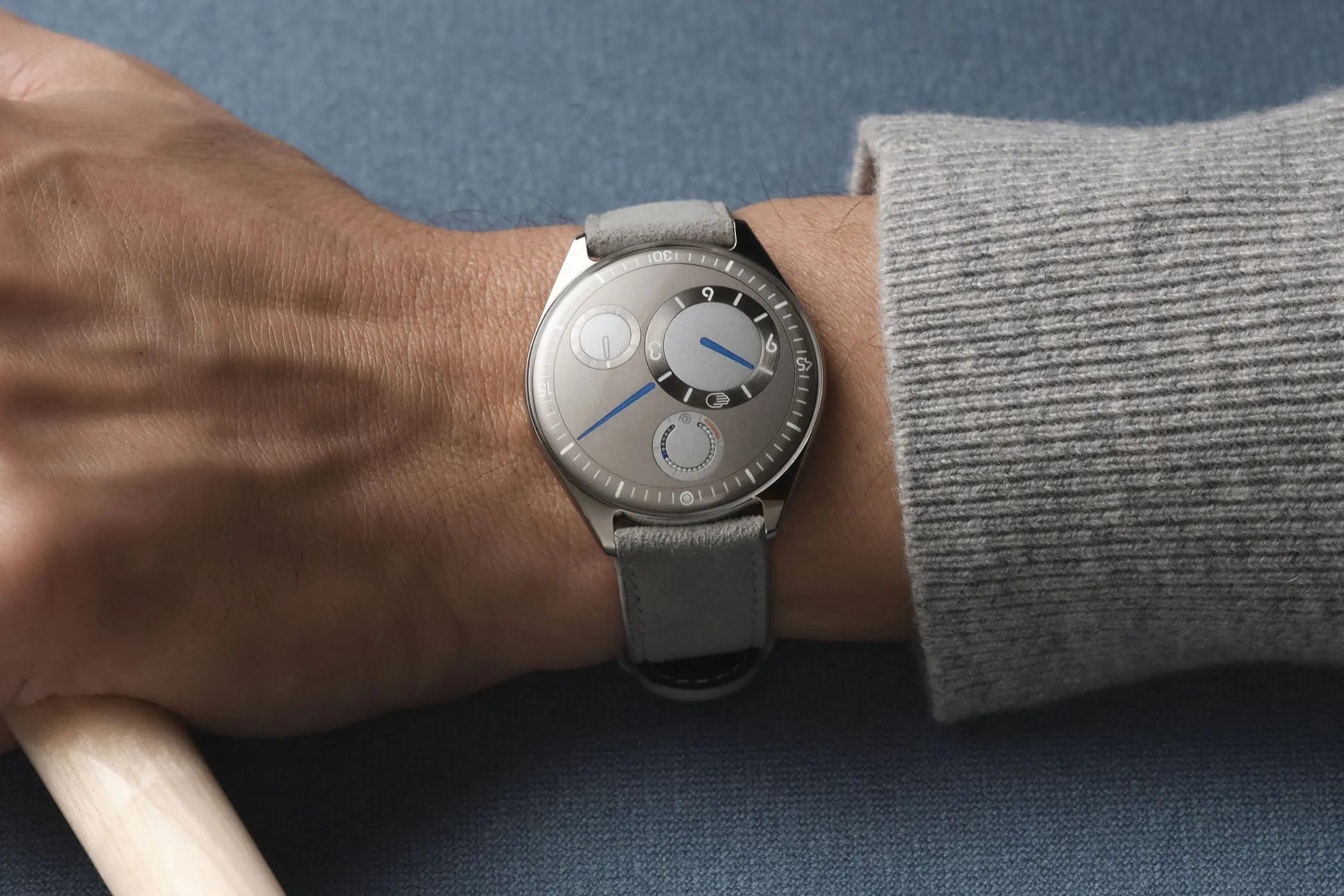
Ressence Unveils the Type 11 Powered by its First Proprietary Movement
Ressence’s Type 11 debuts the brand’s first proprietary movement, the Werk RW-01, built to support its ROCS display system that replaces hands with rotating discs. The new caliber provides a 60-hour power reserve and uses a caseback lever for winding and setting, refining the brand’s signature user interaction. The Type 11 comes in three colors (Pine, Sky, Latte) and adds a visual power-reserve indication using ceramic balls, with multiple strap/bracelet options. The listed retail price is about $29,484 (CHF 23,000), converted at ~1 CHF = $1.2819.
Retrovivo
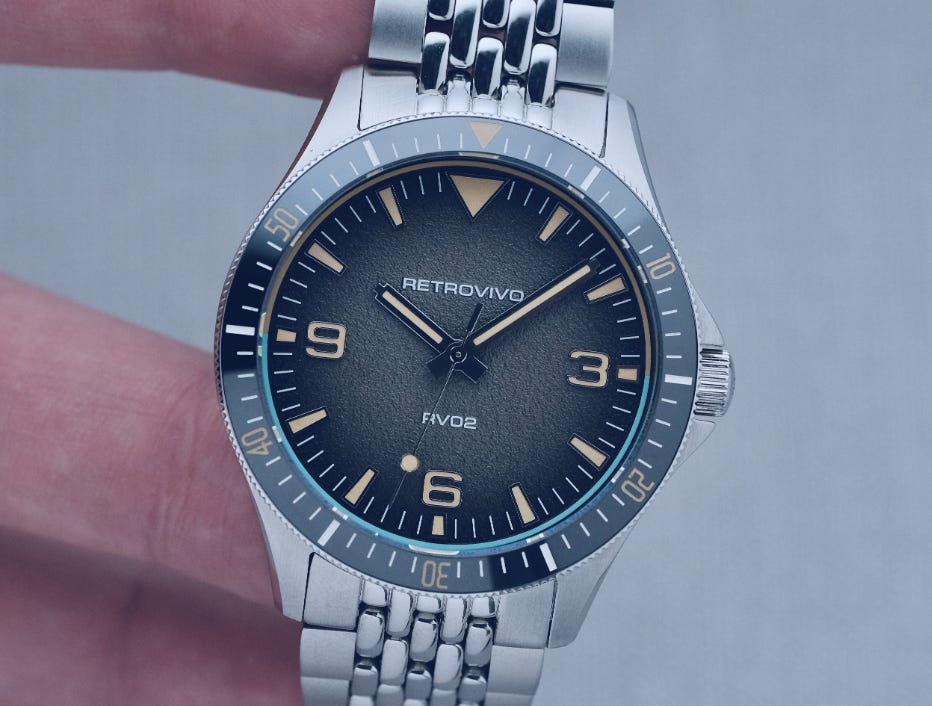
Retrovivo RV02 Grey Review
Retrovivo’s RV02 is a Kickstarter-bound dive watch positioned as an affordable, personality-forward alternative to the typical “spec monster” microbrand diver. It pairs 200m water resistance with a very wearable footprint (39mm diameter, ~45.2mm lug-to-lug, ~11.3mm thick) and a Seiko VH31 mecaquartz movement for low-fuss accuracy and smooth seconds. The watch leans into a modern-vintage mix—cream-toned lume, a narrow-bezel skin-diver feel, and contemporary applied markers—plus practical touches like a beads-of-rice bracelet and tool-less micro-adjust in the clasp. The early-bird launch price is listed as about $229 (or €199).
Wearing Time - Reviews
Arken
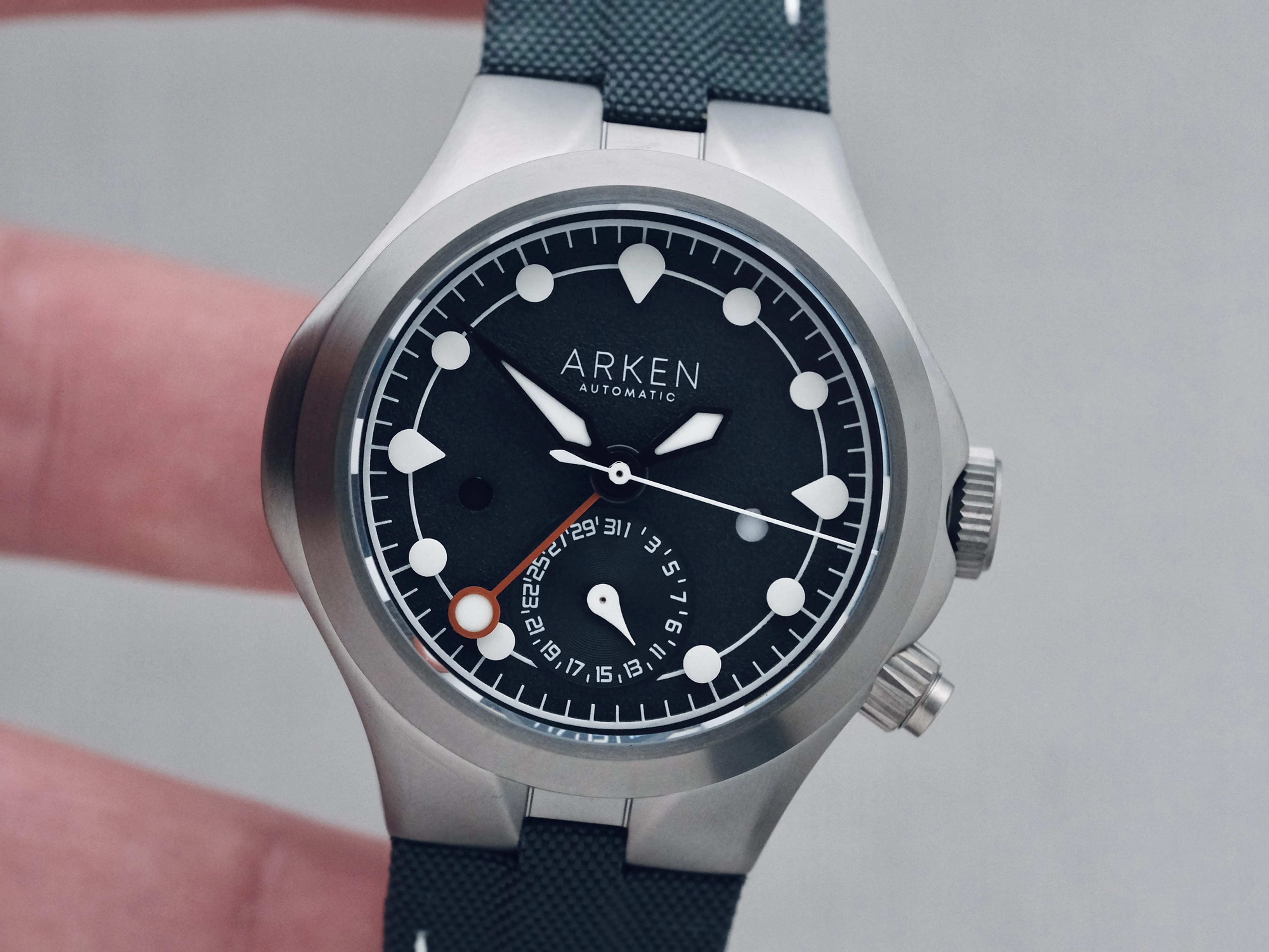
Arken Alterum Antracite Review
Arken’s Alterum Antracite Grey is a hardened-titanium tool watch that pairs a standard Miyota 9015 with a bespoke 12-hour GMT module, delivering a genuinely distinctive second-time-zone display plus day/night apertures for both zones. The watch also leans into modern microbrand innovation with lumicast markers (lume cast in ceramic) for strong, resilient legibility, all packaged in a compact 38mm case with 200 meters of water resistance. The review emphasizes how unusually “complete” the offering feels for the money, from the casework and sapphire crystal to the bespoke strap system and lightweight wear. Price is listed at £600 (about $691).
Vostok (Vostok Europe)
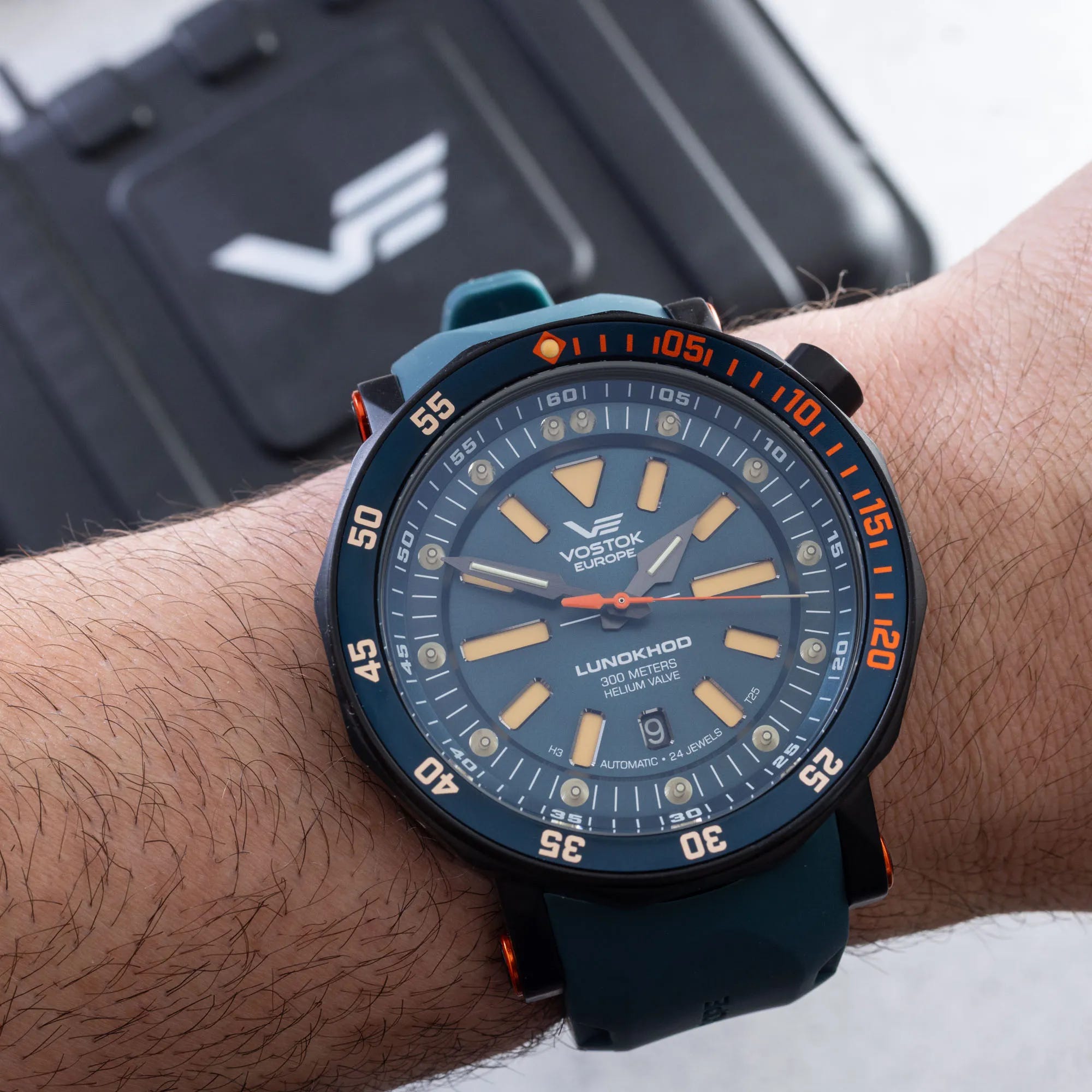
Vostok Europe Lunokhod Automatic Review: Big Watch Energy With Tritium
The Vostok Europe Lunokhod Automatic is a bold, space-exploration-inspired diver built around an imposing 49mm stainless-steel case with 300 meters of water resistance, a unidirectional bezel, and a thick K1 mineral crystal. It runs on the Seiko Instruments NH35A automatic movement with a date window, and the dial uses Swiss-made tritium gas tubes for constant low-light visibility. Despite the size, the review notes it can wear surprisingly comfortably on the included silicone and leather straps, though some dial/hands contrast can reduce legibility. The listed price is $899, positioning it as an accessible entry into oversized, feature-forward mechanical dive watches.
Comparing Time
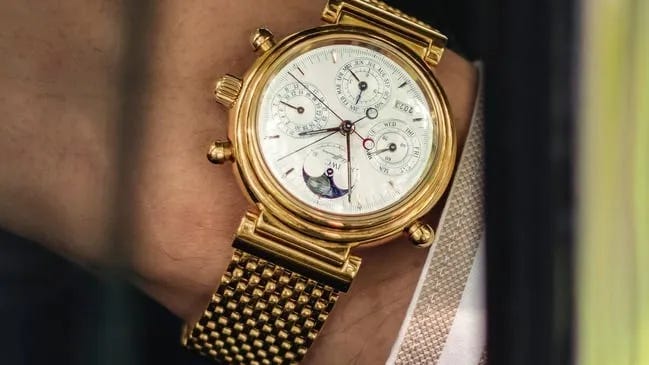
The Good Old Days: A Spotlight on 5 Vintage Watches
This feature pulls five rare vintage watches from private collections into a single photoshoot to highlight how distinct eras expressed design, mechanics, and character differently. Rather than ranking “the best,” it uses the contrast between pieces to show how details like dial architecture, case finishing, and period-correct complications created enduring identities. The result is a visual tour through watchmaking’s past, emphasizing how much variety existed long before today’s crowded modern catalogs. It’s ultimately a reminder that “vintage” isn’t one look—each decade had its own language and priorities.
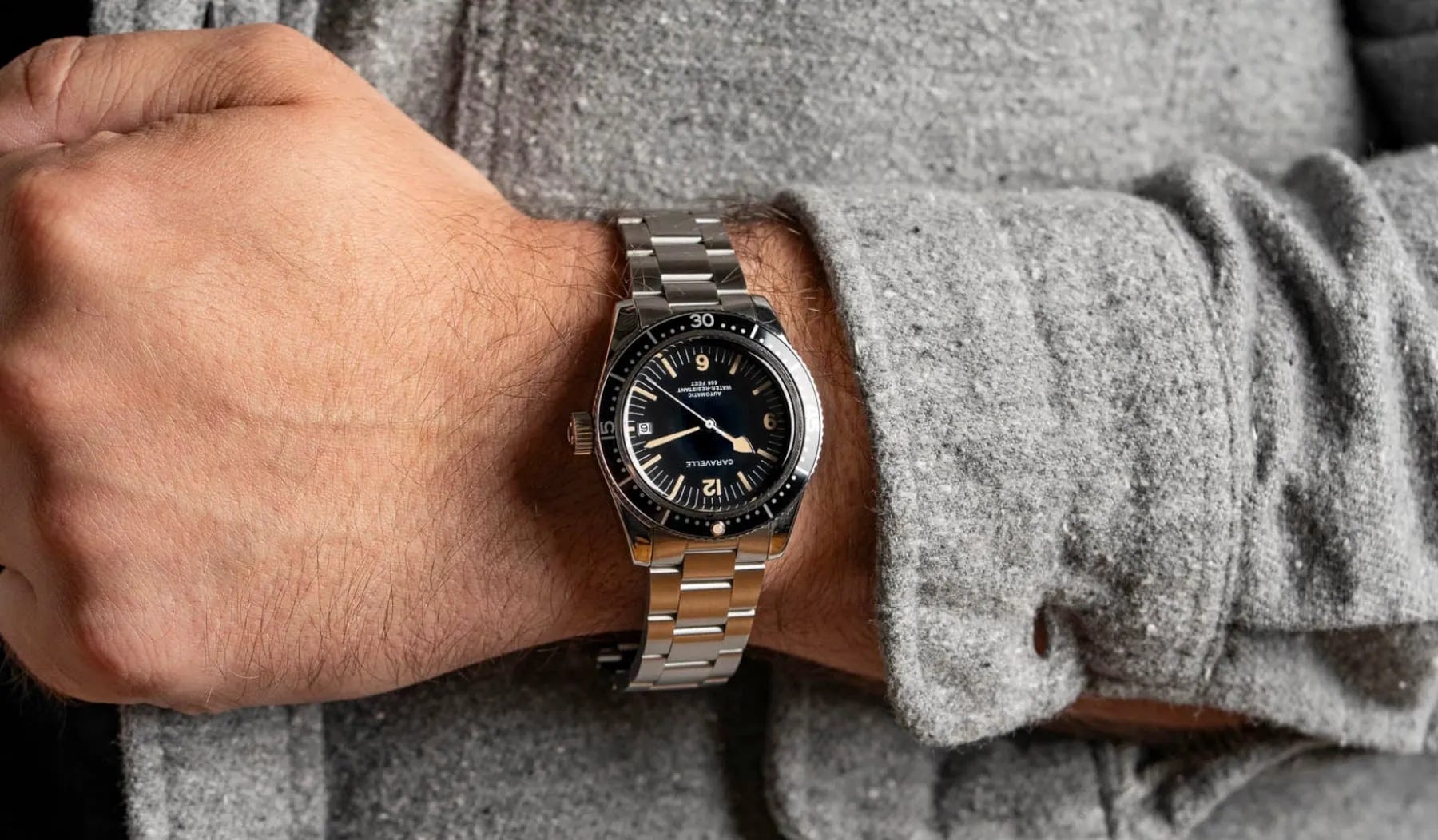
What Are 10 More Of The Best Dive Watches Under €1,000?
This roundup continues a broader series by selecting ten dive watches that still come in under €1,000, while acknowledging that inflation and brand price hikes have made the category harder to shop. It points to microbrands and independents as a major reason strong options remain, and it highlights variety across movements, water resistance, and design approaches to suit different kinds of wearers. Standout mentions include the Christopher Ward C60 Trident Pro for Swiss-spec value, the Orient Kamasu for robust in-house credibility, and the Zelos Mako for distinctive microbrand execution. The overall takeaway is that the under-€1,000 segment is still diverse—just more competitive and more dependent on newer players than it used to be.
Watches and Wonders 2026
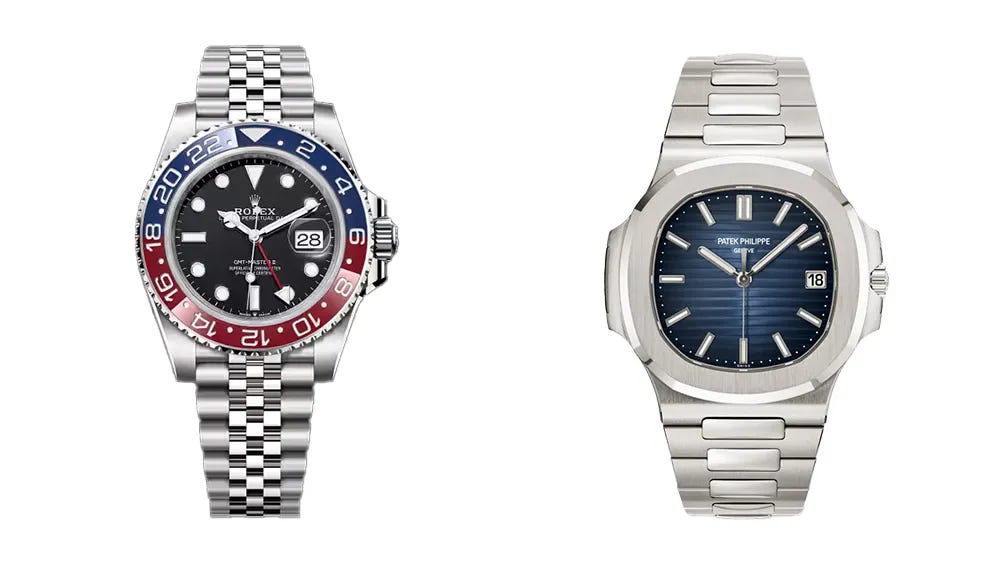
10 Watch-World Insiders Predict What Will Happen at Watches and Wonders
With Watches and Wonders about a week away, this piece gathers predictions from watch-market insiders on what major brands might unveil—or discontinue—once Geneva opens. A key theme is how speculation is becoming more formalized, including new ways collectors can “bet” on outcomes like Rolex GMT changes and potential discontinuations. The forecasts focus heavily on Rolex’s GMT line (including ongoing “Pepsi” discontinuation chatter) and how Patek Philippe may mark the Nautilus’s milestone year, alongside broader expectations of smaller case sizes, stronger dials, and more meaningful complications. Overall, it frames 2026 as a show where brands will need to balance hype, heritage, and real collector demand.
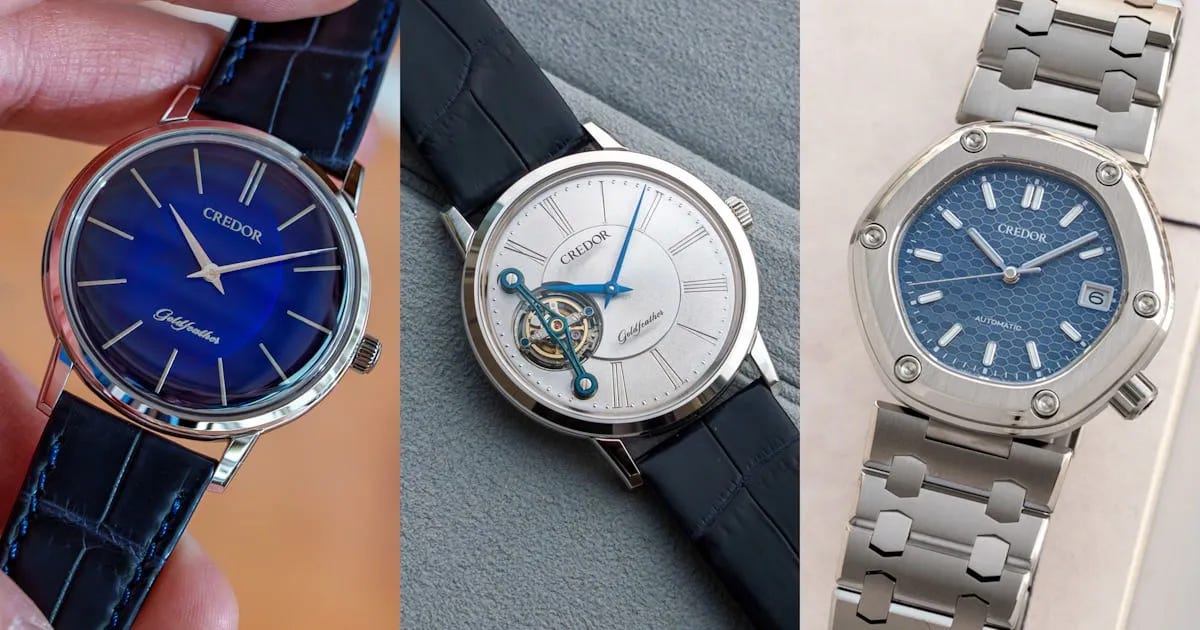
Credor Makes Its First Watches And Wonders Appearance With Three Novelties
Credor makes its Watches and Wonders debut with three pieces meant to broaden its international presence and spotlight high-end Japanese craft beyond the Grand Seiko orbit. Two limited Goldfeather models lead the release: a Tourbillon Engraved Limited Edition priced at $215,000 and a Urushi Lacquer Dial Limited Edition priced at $47,500, both capped at 25 pieces. The lineup is rounded out by the Credor Locomotive with a “dawn blue” dial, a hexagonal-pattern aesthetic, and a high-intensity titanium case priced at $13,200. Together, the trio emphasizes ultra-thin refinement, artisanal finishing, and a deliberate push to define Credor’s identity on the global stage.
Watching Time - Videos
Starting a Watch Microbrand, Behind the Scenes with Tom Clemence Ep. 010 - YouTube - Devin Pennypacker
This episode is a long-form conversation with Tom Clemence, founder of Clemence Watches, focused on what it actually takes to start and run a watch microbrand. The discussion covers how the brand got started, lessons from launching via Kickstarter, and how the lineup evolved from the first releases to newer models like the Munro and the Photic MKII dive watch. It also digs into the “why” behind design decisions—balancing specs, accessibility, and a coherent design philosophy—through the lens of a small brand navigating the industry. Overall, it’s an insider look at microbrand building from the founder’s perspective rather than a pure product review.

The Hottest New Watches Just dropped! - YouTube - ONE Watches
This video is presented as a rapid roundup of newly released watches, aimed at highlighting what’s just landed and why it matters right now. The format is positioned for quick scanning of fresh drops rather than a deep technical teardown, keeping the focus on what’s new and noteworthy. It’s best suited for viewers who want a single video to catch up on the latest releases without going brand-by-brand across multiple sources. Expect a headline-style update on current launches and immediate first takes.

Longines is WINNING, OMEGA is… hard to defend | Watch News - YouTube - Britt Pearce
This watch-news recap runs through major March developments across multiple brands, with particular focus on Longines updates and pointed commentary on Omega’s pricing and positioning. It covers the updated Longines HydroConquest (including design changes, bracelet options like Milanese, and the L888.5 movement) and then shifts to Omega’s Constellation “Observatory Collection,” discussing design choices, proportions, and the pricing ladder. The video also touches on releases from NOMOS and King Seiko, and closes with a spotlight on the Otsuka Lotec No. 8 as an example of independent Japanese design. The throughline is an opinionated market read on value, design direction, and where different brands are pushing (or overreaching).
BuyingTime at Auction
A few select current auctions that caught our eye on GetBezel.com
[Thursday’s auction watch, the Romain Gauthier C by Romain Gauthier 41 Titanium / Black / Arabic / Strap - Limited to 38 Pieces (MON00541) - was bid to $37,000 but did not meet its reserve. - make an offer]
2017 Rolex Daytona Yellow Gold “John Mayer” (116508-0013)
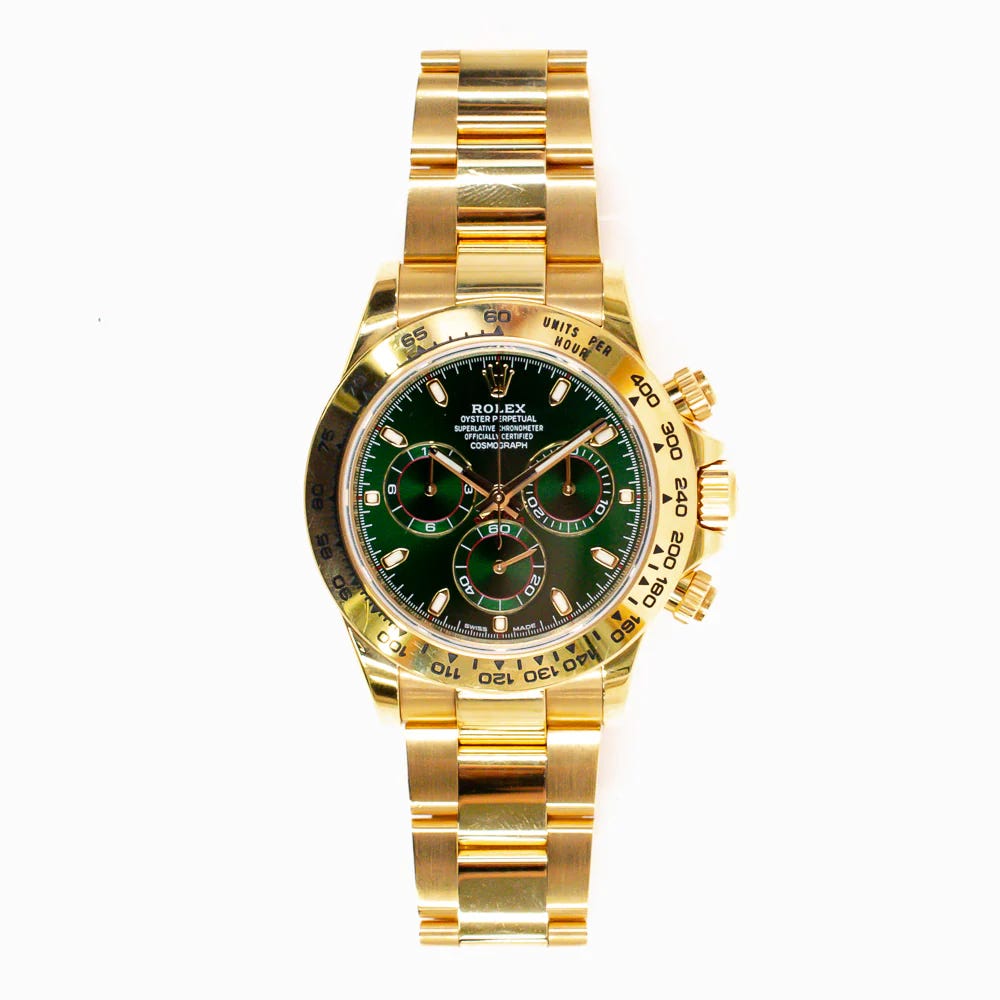
The Green Monster: Rolex’s “John Mayer” Daytona Still Prints Money
There are Rolex Daytonas, and then there are Daytonas that become cultural events. The 2017 Rolex Daytona 116508-0013—better known as the “John Mayer”—falls squarely into the latter category, a watch that went from overlooked oddball to full-blown market obsession almost overnight.
When Rolex introduced the yellow gold, green dial Daytona at Baselworld in 2016, it didn’t exactly set the world on fire. A green dial on a full yellow gold sports chronograph felt… ambitious. For a brand that trades in incrementalism, it was borderline rebellious. Then John Mayer did what only a true collector-influencer can do—he wore one publicly, praised it, and in the process turned a slow-moving reference into one of the most in-demand modern Daytonas ever made.
From that moment, the market behaved exactly as you’d expect: rationality exited the building. Prices surged, waitlists ballooned, and the watch earned its now-permanent nickname. The “John Mayer” became a case study in how celebrity validation can reprice an entire segment of the luxury watch market essentially overnight.
Under the hood, this is still very much a serious piece of horology. The 40mm 18k yellow gold case houses Rolex’s in-house Caliber 4130, a workhorse automatic chronograph movement known for its robustness and long service intervals. The green dial—Rolex’s signature hue—is not loud in the way you’d expect; it’s deep, metallic, and constantly shifting under light, which is precisely why it works. It shouldn’t, but it does.
What’s remarkable is how the market has treated this watch since its rise. Originally retailing around $38,700, the reference now trades in the secondary market in the $70,000+ range, with examples pushing well into the $80,000–$90,000 band depending on condition and completeness. At its peak in the frenzy of 2022, prices went significantly higher before cooling along with the broader watch market. Even after that correction, it remains one of the strongest modern Daytona performers—proof that this isn’t just hype, it’s embedded demand.
The example here checks many of the right boxes. A full set with box, papers, literature, and hangtags always matters at this level, particularly for a watch that has effectively become a modern collectible. Condition is honest: pre-owned with minor bezel scratches and light wear on the bracelet and clasp. Nothing alarming, and frankly consistent with a watch that was likely worn the way a gold Daytona should be worn—not hidden in a safe.
What you’re buying here is not just a watch, but a moment in modern collecting history. The “John Mayer” sits in that rare category of pieces that altered perception in real time—like the Rolex Paul Newman Daytona did decades earlier—only this time we all watched it happen live on Instagram and Hodinkee.
The auction closes tonight at 7:30 pm EDT (Wednesday, April 8, 2026), and the question isn’t whether it will sell—it’s how aggressive bidders are feeling right now. The market has cooled from its peak, but pieces like this don’t really follow the market. They define it.
Current bid: $52,000