

Time Graphing today’s watch universe
Time Graphing Today’s Watch Universe for April 24, 2026 reads a bit like the industry trying to reassure itself that everything is under control—while quietly making moves that suggest otherwise.
The biggest headline comes from Patek Philippe, where Thierry Stern is going out of his way to clarify that acquiring Beyer in Zurich is not a Rolex-style vertical integration play. The messaging is almost as important as the move itself. By converting Beyer into a branded salon while insisting production is capped at roughly 75,000 watches annually, Patek Philippe is signaling that scarcity remains the strategy, but margin expansion—through higher complications and pricing—is the real growth lever. In other words, don’t expect more watches, expect more expensive ones.
Meanwhile, the ecosystem around watches continues to evolve in more subtle but arguably more practical ways. MING’s updated Polymesh bracelet, now compatible with standard 20 mm lugs, feels like one of those niche innovations that collectors will actually use. It keeps the brand’s signature “metal-that-wears-like-fabric” concept but removes the friction of proprietary fitment, which may quietly broaden its appeal far beyond Ming’s own watches.
On the feature side, Rolex once again finds itself redefining terminology with its off-catalog Rolesium Daytona. The use of a ceramic-based vitrification process to achieve a “grand feu” look raises a philosophical question more than a technical one. The watch is impressive—display caseback, updated calibre 4131, and a thoroughly modernized execution—but it also highlights how even the most traditional brands are willing to reinterpret heritage language when it suits the product.
There’s also a more human note from A. Lange & Söhne, where CEO Wilhelm Schmid reminds everyone that behind the precision and perfectionism is a worldview shaped by restoration, collecting, and, apparently, a decent bottle of wine. His emphasis on adaptability and relationships feels particularly relevant in a market that is becoming less predictable by the quarter.
New releases today lean heavily into refinement rather than reinvention. Cartier sharpens the Santos Chronograph into something more legible and wearable, correcting earlier ergonomic quirks without losing the design DNA. De Bethune goes in the opposite direction with the DB28XS Sea Tourbillon, shrinking the case while doubling down on technical spectacle, proving once again that no one quite blends avant-garde engineering and finishing like they do. MeisterSinger continues to mine its single-hand niche with textured Pangaea dials that add visual intrigue without overcomplicating the formula, while TAG Heuer keeps things grounded with a serious tool watch in the Aquaracer Professional 500 Date, leaning into titanium construction and legitimate dive specs rather than lifestyle positioning.
On the review front, things get a bit more theatrical. Jacob & Co. continues to operate in its own universe with automata-driven pieces that blur the line between watchmaking and mechanical performance art, with price tags that reinforce the point. At the other end of the conceptual spectrum, Ulysse Nardin’s Super Freak takes a simpler premise—telling time—and turns it into a kinetic sculpture of 500-plus moving components. Even Victorinox Swiss Army gets in on the action with its Concept One line, offering a surprisingly thoughtful mix of automatic and solar options that feel designed for actual daily use rather than collector theatrics.
For those trying to enter the hobby without immediately mortgaging something important, the “first nice watch” conversation continues to center on balance. Brands like Christopher Ward, Grand Seiko, and even vintage Rolex references are framed as the sweet spot where finishing, wearability, and mechanical credibility intersect. It’s a reminder that not every meaningful step up requires a six-figure spend—yet.
The shadow of Watches & Wonders still looms large, with the dominant themes becoming clearer: smaller cases, better bracelets, more expressive dials, and a continued push toward both technical transparency and everyday usability. It’s less about shock-and-awe innovation this year and more about making watches people might actually want to wear.
Editorially, the rise of independents continues to gather momentum, with comparisons to cultural phenomena like Wrexham underscoring how storytelling and celebrity involvement—think Urban Jürgensen—are becoming as important as the watches themselves. The challenge, as always, is scaling without losing the very qualities that made these brands desirable in the first place.
At the very top of the market, Patek Philippe dominates again, with Phillips preparing to offer three historically significant references that reinforce a simple truth: rarity and provenance still rule everything. When you’re talking about world timers and early perpetual calendars in pink gold, the numbers almost become secondary to the narrative.
If you need something to watch instead of read, the video lineup is a mixed bag of post–Watches & Wonders debriefs, deep technical dives like the A. Lange & Söhne Datograph Perpetual breakdown, and the usual dose of YouTube drama questioning who’s promoting what and why. It’s equal parts education and entertainment, depending on your tolerance for both.
And in the auction world, things remain as unpredictable as ever. The Richard Mille RM028 failed to meet reserve despite a $51,001 bid, which tells you where buyer sentiment currently sits on certain modern references. Meanwhile, today’s closer—the Romain Gauthier C Titanium Edition Four—continues to quietly represent the kind of independent watchmaking that doesn’t rely on hype to justify itself. Sitting at $30,500 with hours to go, it’s the sort of watch that may not explode in value overnight but tends to age well for collectors who actually care about the movement inside.
All told, today’s market feels less like it’s chasing the next big thing and more like it’s recalibrating—refining products, tightening narratives, and, in some cases, redefining what certain words even mean.
–Michael Wolf
News Time

Patek Philippe: Beyer deal is not like Rolex buying Bucherer
Patek Philippe president Thierry Stern is telling authorized dealers that the brand’s purchase of Zurich jeweler Beyer doesn’t mark a Rolex-style pivot into retail ownership. While Patek will convert Beyer’s space into a new Patek Philippe Salon (joining London, Geneva, and Paris), Stern stresses this is an opportunistic move rather than a broad retail rollout. He also underscores that production is effectively maxed out at roughly 75,000 watches a year, so any growth focus will come from moving upmarket through higher complications, craftsmanship, and pricing—not higher volume. Financial results from an existing salon are cited as evidence that carefully controlled brand-owned spaces can be meaningful without changing Patek’s core model.
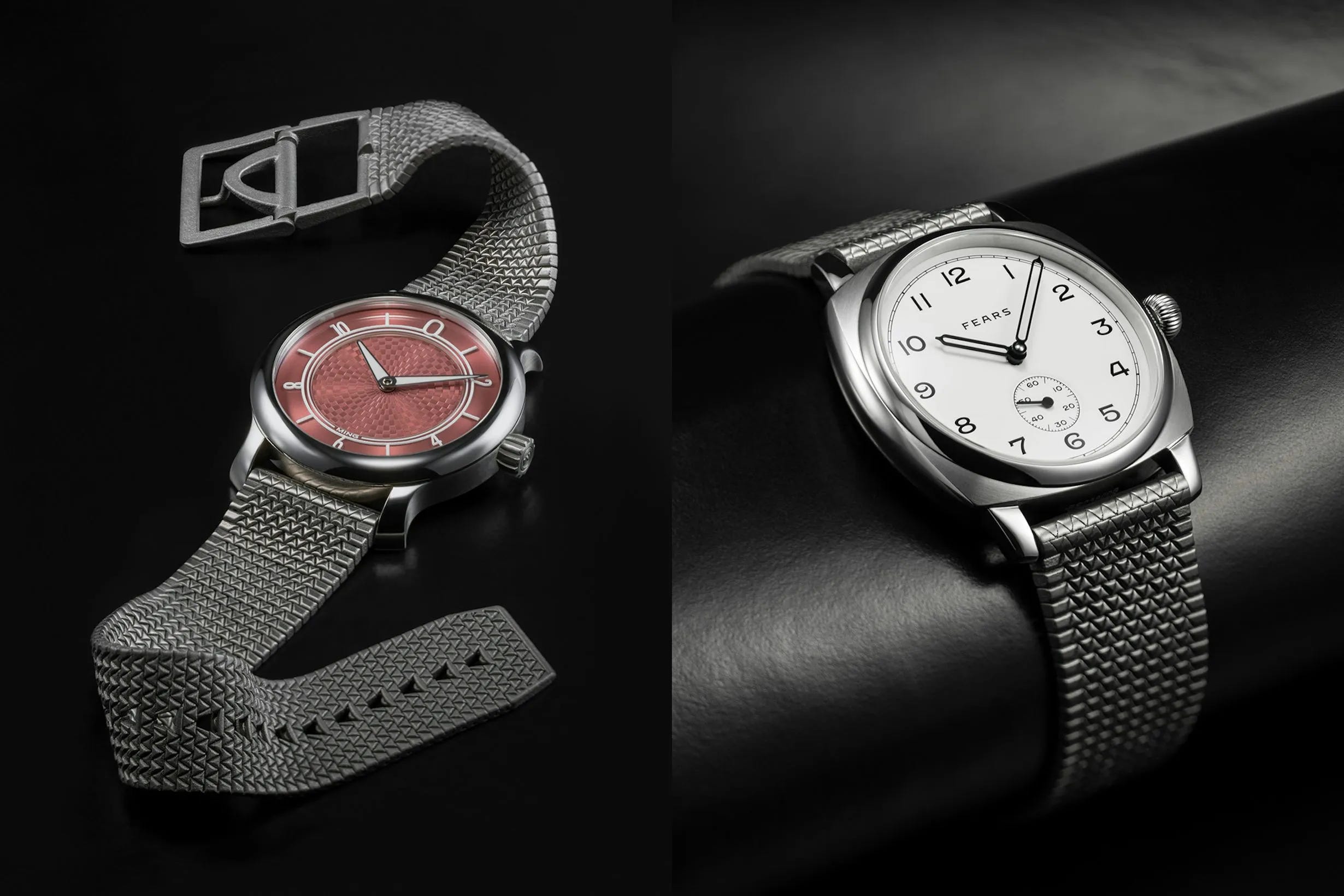
The MING Polymesh Straight Brings The Wild Hybrid Strap/Bracelet To More Watches
Ming has released a straight-spring-bar version of its 3D-printed titanium Polymesh bracelet, making it compatible with any watch with 20 mm lugs rather than requiring curved spring bars. The new version keeps the original’s fabric-like softness while adding quick-change spring bars that are installed after printing, and it standardizes interchangeability across all 1,742 components. Priced at CHF 1,500, it launches through select partners (including Ming, Fears, and Massena LAB) before wider availability. A hands-on try-on emphasizes comfort and pliability, with the piece described as feeling more like dense fabric than a typical metal bracelet.
Feature Time
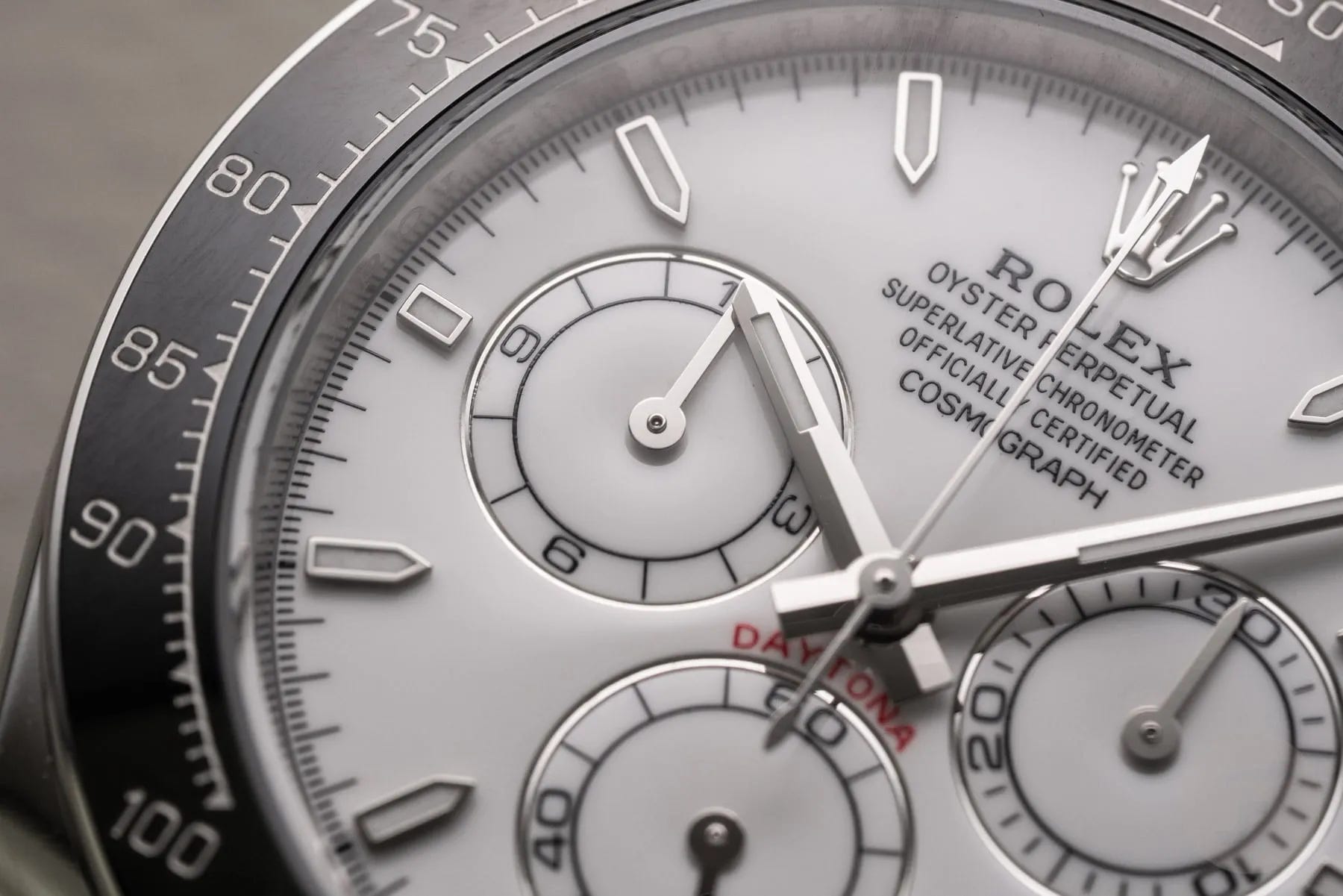
Does The New Off-Catalog Rolesium Rolex Cosmograph Daytona Really Have A Grand Feu Enamel Dial?
Rolex is calling the new Rolesium Daytona ref. 126502 dial “grand feu” enamel, but the manufacturing approach departs from traditional grand feu methods. Instead of multiple firings of powdered glass on a metal base, Rolex uses ceramic plates for the dial and sub-dials and then applies a controlled vitrification process that lowers the risk of cracking or warping while producing a similar glossy enamel look. Beyond the dial, the watch pairs an Oystersteel case with platinum accents, a display caseback for the calibre 4131, and an updated composite bezel insert with a modernized tachymeter layout. The result is a technically advanced, highly refined Daytona that also raises questions about whether the terminology—and the €56,160 price—are justified.

A. Lange & Söhne CEO Wilhelm Schmid Talks Life Outside Glashütte, Car Restoration and Wine
Wilhelm Schmid shares a more personal look at what shapes his values beyond running A. Lange & Söhne, from collecting heritage timepieces to restoring classic cars. He highlights recently acquiring a vintage Lange 1 with its original movement and describes the depth of work involved in bringing rare cars—like a Frazer Nash Mille Miglia—back to life. Schmid also emphasizes that family time has become his top priority, framing success around relationships rather than status. His leadership philosophy centers on people, collaboration, constant learning, and staying adaptable when uncertainty makes rigid planning ineffective.
The Latest Time
Cartier

The Cartier Santos de Cartier Chronograph gets a major upgrade in 2026
Cartier updates the Santos de Cartier Chronograph for 2026 with the pushers moved back to the traditional crown-side position and a redesigned dial featuring larger, polished registers and a sunray finish for improved legibility. The case measures 47.5 mm tall by 39.8 mm wide while staying relatively slim at 11.6 mm, and the lineup includes steel, yellow gold, and a two-tone steel-gold version. Inside is the Calibre 1904-CH automatic with a 47-hour power reserve, plus a date and 100 m water resistance, with each version delivered on a bracelet and an additional strap.
De Bethune
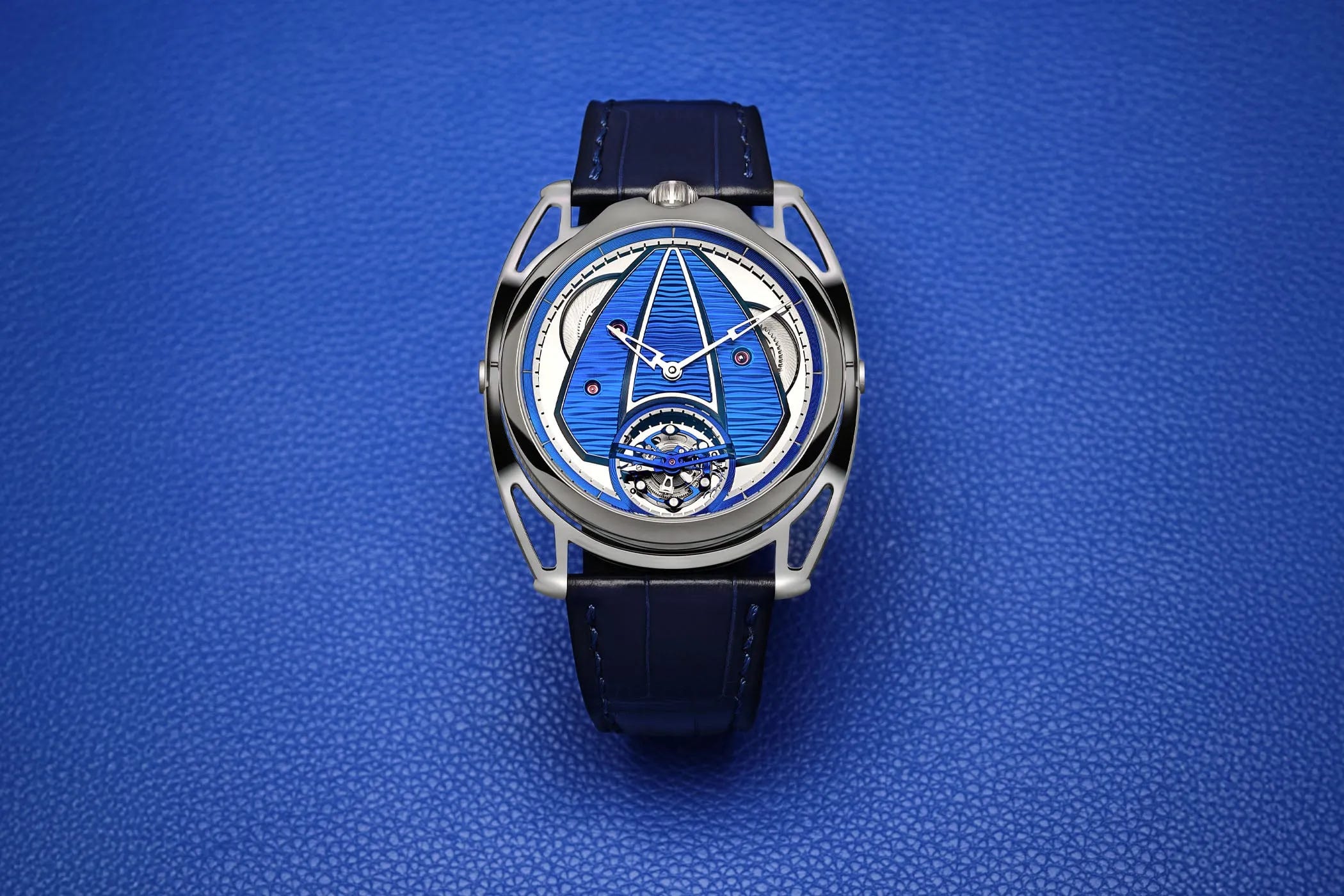
Introducing: De Bethune DB28XS Sea Tourbillon
The DB28XS Sea Tourbillon refines De Bethune’s DB28 concept into a compact 38.7 mm titanium case with floating lugs and a crown at noon, paired with a striking wave-like blue random guilloché bridge. Its hand-wound calibre DB2009V7 features a 30-second tourbillon in an ultra-light titanium cage, running at 5 Hz with a five-day power reserve and strong resistance to shocks and magnetism. Design details include an engraved hour ring, polished titanium markers, openworked hands, and a sapphire crystal with double anti-reflective coating, finished on an alligator strap. Price is about $217,090 (CHF 170,000 converted to USD).
MeisterSinger
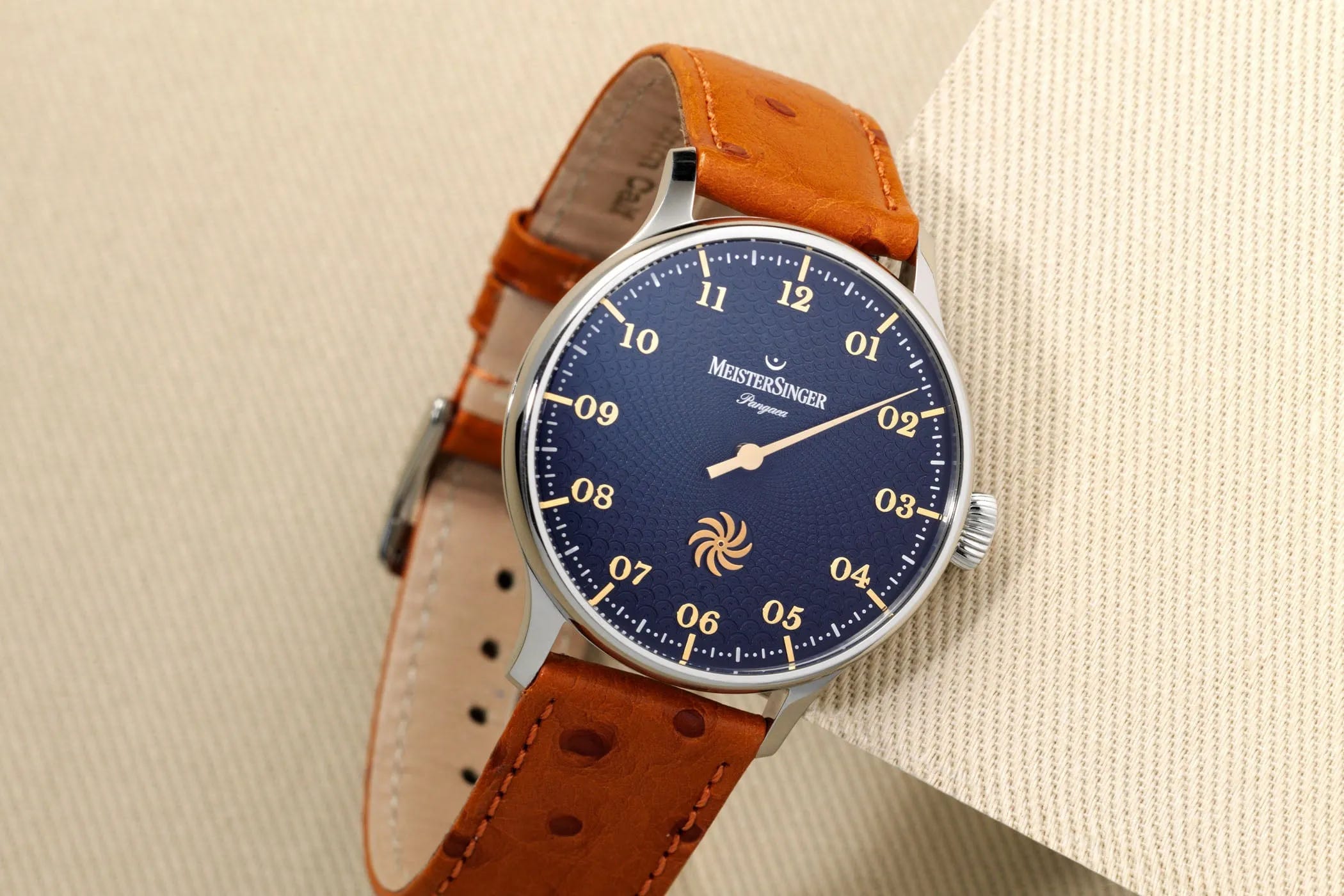
New Editions of the MeisterSinger Pangaea with Textured Dials
MeisterSinger’s new Pangaea editions introduce a textured dial pattern built around the brand’s fermata motif, plus a “Sun Wheel” that rotates once per minute purely for visual effect. The watches keep the familiar 40 mm polished steel case with sapphire crystal and 50 m water resistance, and they’re powered by the Sellita SW261 automatic movement (28,800 vph, 38-hour power reserve) driving the brand’s single-hand display. Two configurations are offered: a deep blue dial with gold accents (optionally with a gold-PVD bezel) and a silver-grey dial with blue highlights, paired with embossed calf straps. Pricing works out to about $3,033 (EUR 2,590) or $3,150 (EUR 2,690) depending on version.
TAG Heuer
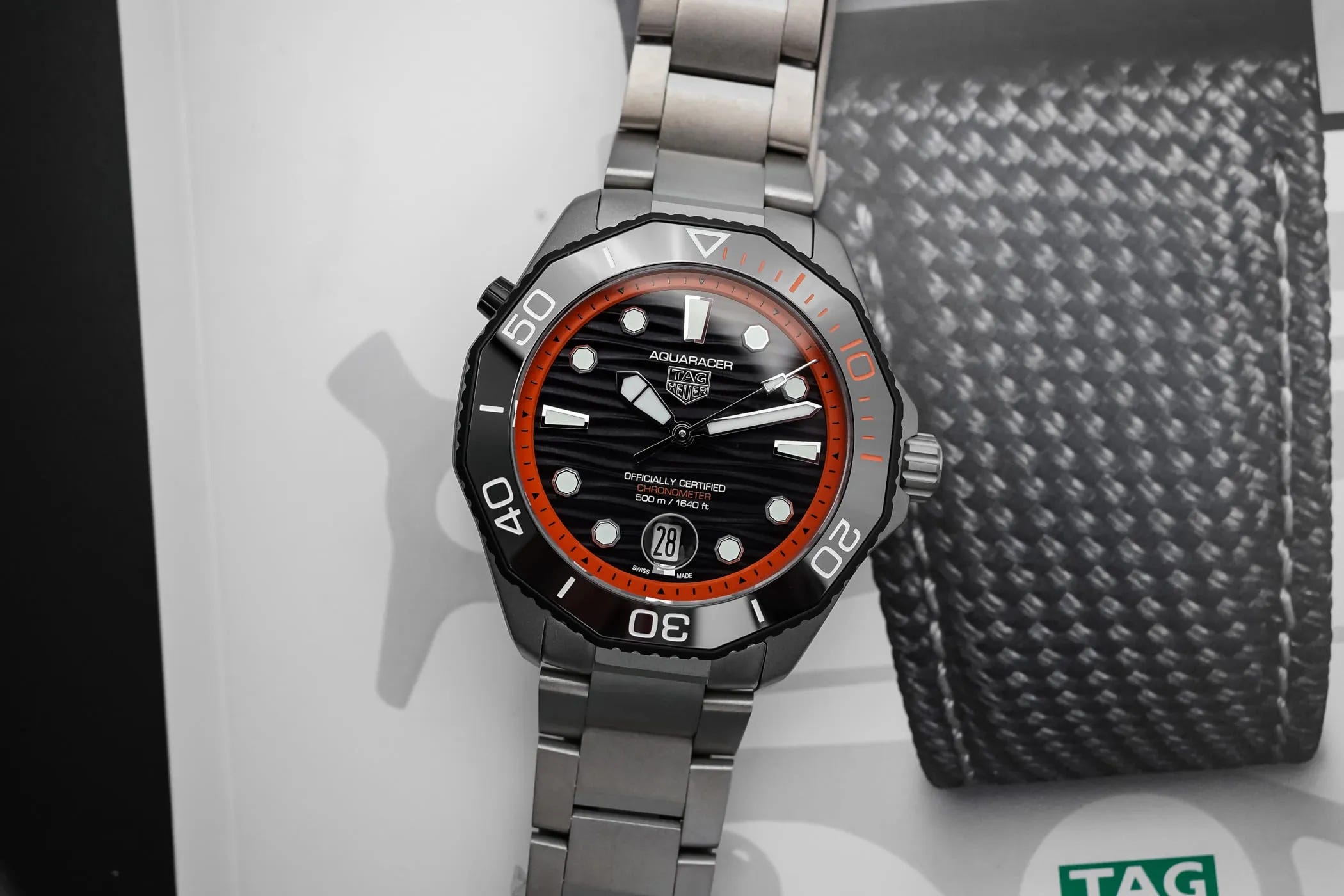
First Look: The New TAG Heuer Aquaracer Professional 500 Date
TAG Heuer expands the Aquaracer line with a 42 mm grade-2 titanium Professional 500 Date built for serious diving, including a unidirectional bezel, screw-down crown, helium escape valve, and 500 m water resistance. Power comes from the COSC-certified TH30-00 automatic movement running at 28,800 vph with a 70-hour power reserve. Two dial variants (blue-accented or orange-accented) pair a wave-gradient aesthetic with high-visibility lume and a magnified date at 6 o’clock, and the titanium bracelet includes a folding clasp with micro-adjustment for on-the-fly fit. Pricing is $5,400, limited to 1,500 pieces per colorway, with availability starting April 2026.
Wearing Time - Reviews
Jacob & Co.
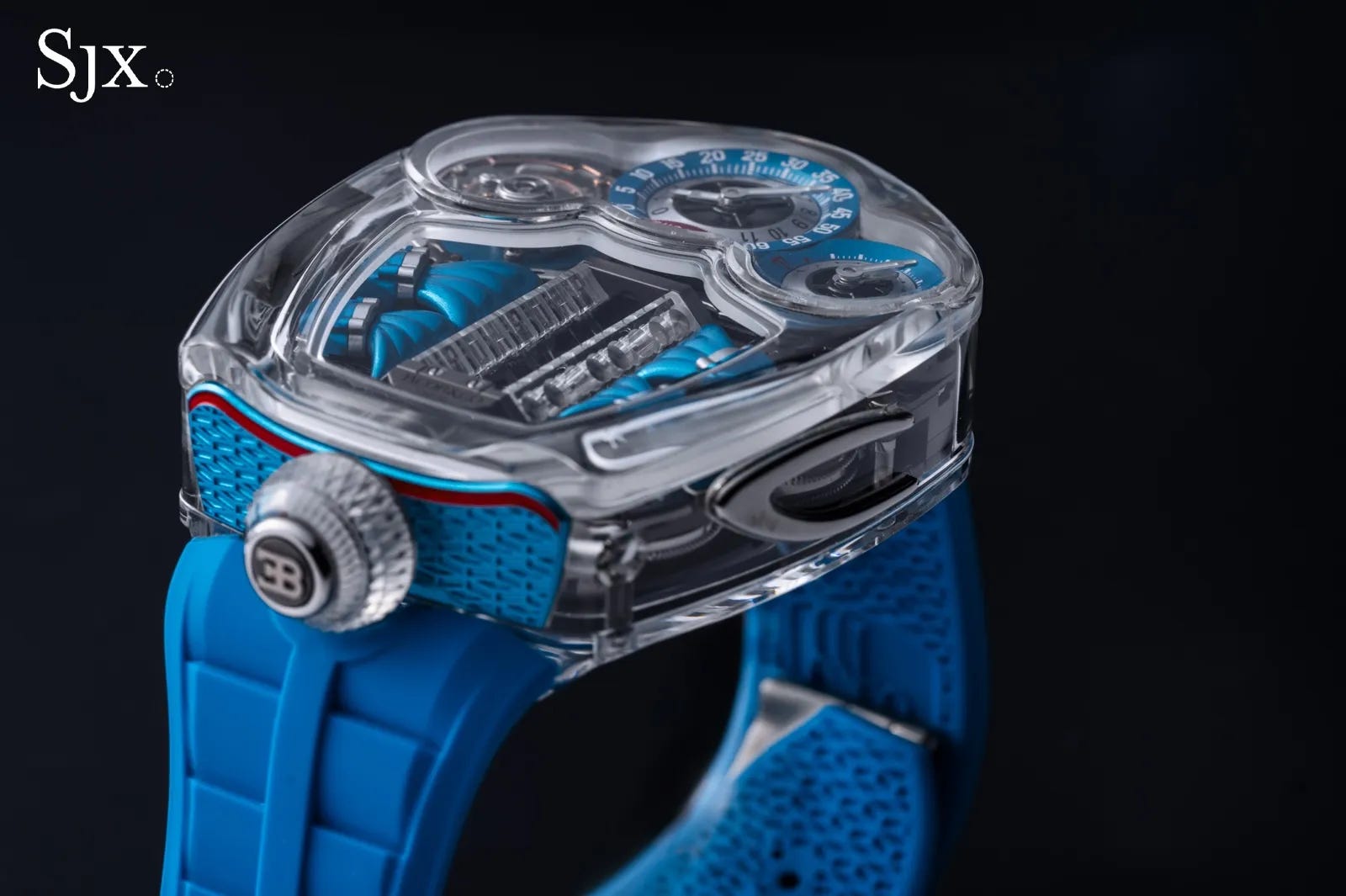
Hands On: Imaginative Automata from Jacob & Co.
Jacob & Co. leans hard into mechanical spectacle with a trio of automata-driven showpieces that blend high-performance engineering and theatrical storytelling. The Bugatti Tourbillon Sapphire Crystal pairs a V16 engine-inspired automaton with a rapid 30-second tourbillon inside a sapphire case that reportedly takes around 800 hours of hand polishing. The Casino model plays up roulette-themed motion and heavy gem-setting, while the Oil Pump versions deliver an industrial derrick aesthetic with a double-axis tourbillon in sapphire. Across the lineup, production is extremely limited, with pricing starting around $1.2 million for the Bugatti Tourbillon and other models priced on request.
Ulysse Nardin
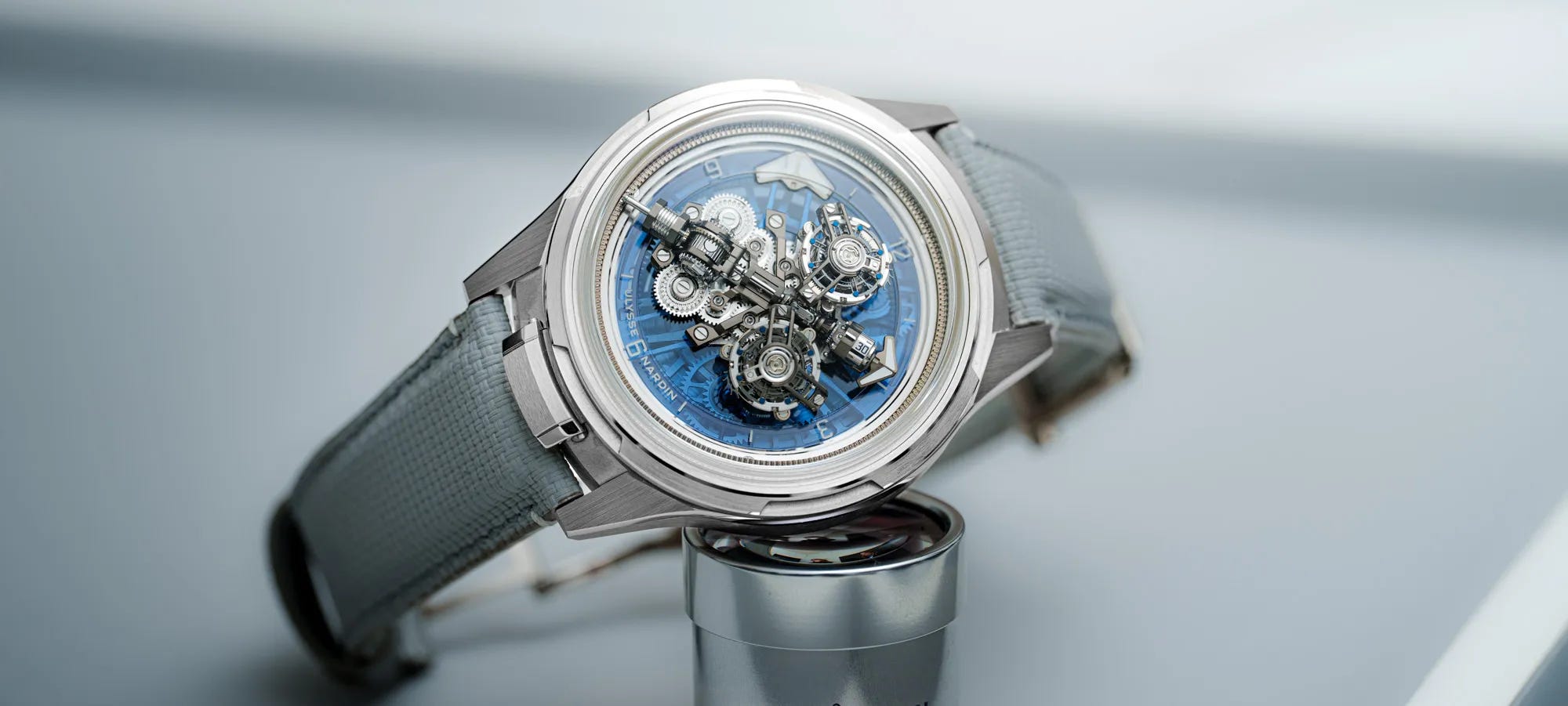
The Ulysse Nardin [Super] Freak Is Pure Watchmaking Excess
The Super Freak is Ulysse Nardin’s maximalist take on a time-only watch, built around a free-wheeling module with twin tourbillons, a differential and gimbal system, and a total of 511 components—most of them in motion while running. It’s housed in a 44 mm white-gold case and displays time via rotating discs for hours and minutes, with a novel seconds indication driven by the brand’s Grinder winding system that captures energy from small wrist movements. Rather than stacking conventional complications, the watch focuses on architectural drama and mechanical experimentation, paired with a rubber ballistic strap and folding clasp. Limited to 50 pieces, it’s positioned as an ultra-exclusive statement watch for collectors who prioritize technical audacity and rarity.
Victorinox Swiss Army
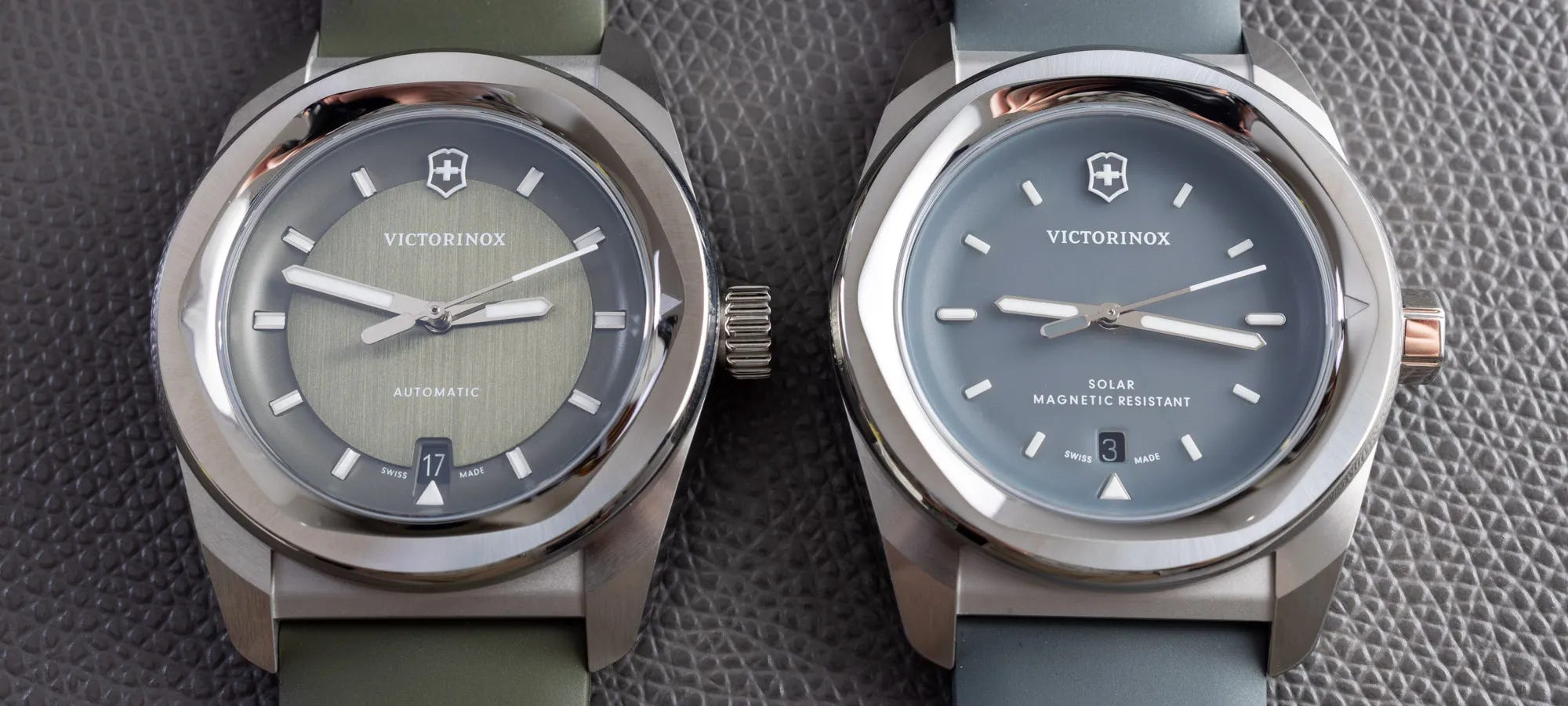
Victorinox Swiss Army Concept One Watches In Automatic Or Solar Quartz Varieties
Victorinox’s Concept One line is designed as a durable, everyday 39 mm platform offered in both automatic and solar-powered quartz versions. The automatic models use the La Joux-Perret G100 with a 68-hour power reserve and a display caseback, while the solar models run a Ronda 215 that can charge from sunlight or indoor light and last up to eight months on a full charge. Both keep a clean, minimalist dial, AR-coated sapphire crystal, and 100 m water resistance, with quick-release spring bars for easy strap changes. Pricing spans from $900 (solar on rubber) up to $1,650 (automatic on bracelet), depending on configuration.
Comparing Time
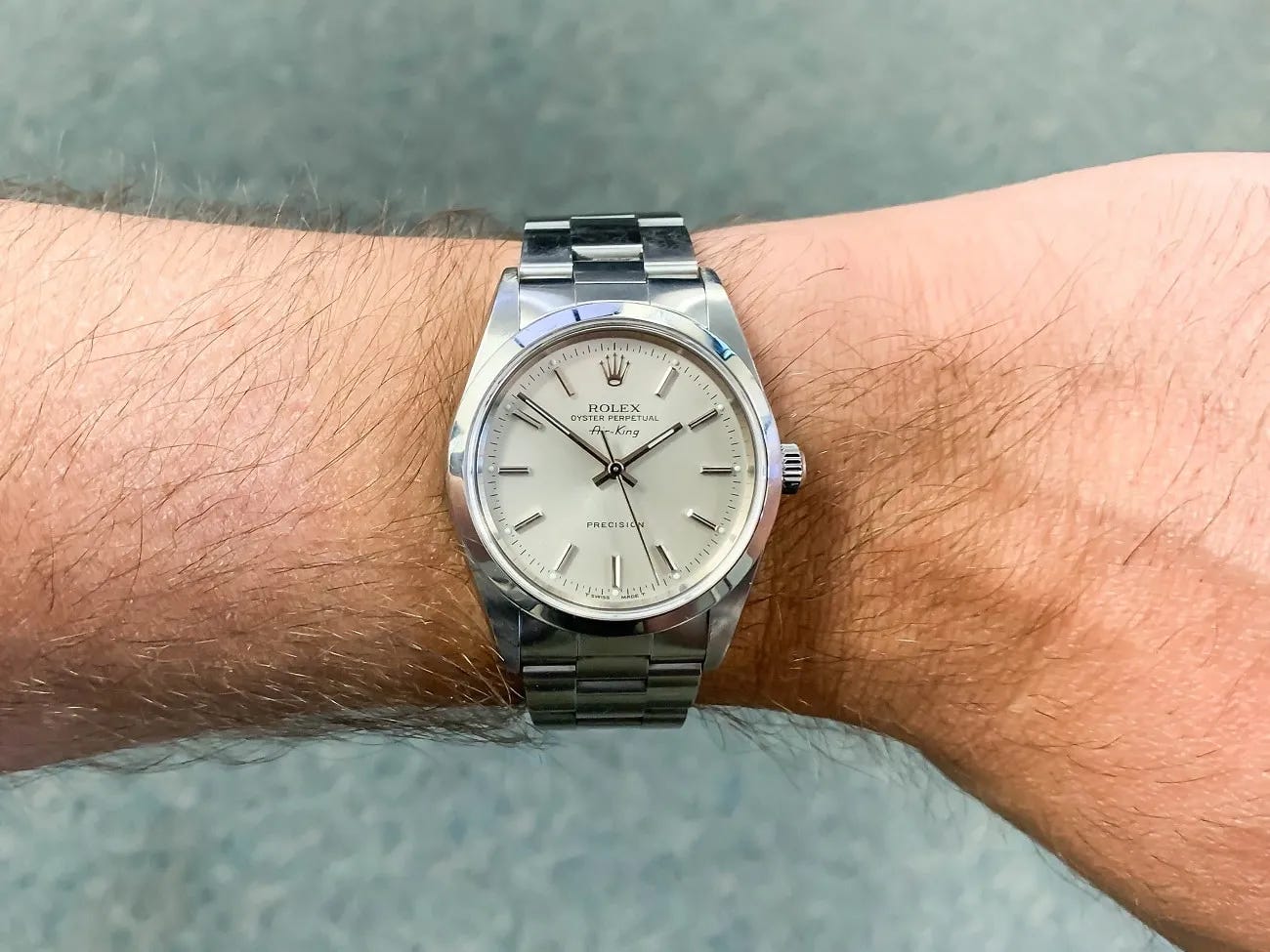
6 Best First “Nice” Watches: Where to Start When You’re Ready to Upgrade
This piece focuses on the “in-between” tier of collecting—watches that feel like a real step up from entry-level options without jumping all the way into full luxury pricing. It compares models like the Christopher Ward The Twelve, Maurice Lacroix Aikon Automatic, Grand Seiko SBGV233, Monta Skyquest GMT, Atelier Wen Perception, and Rolex Air-King Ref. 14000, calling out what each does well and where each falls short. Across the picks, the author emphasizes wearability (especially case proportions), bracelet quality, and dependable movement performance as the key differentiators that make a watch feel meaningfully more refined. The overall takeaway is that a smart “first nice watch” upgrade comes from balancing finishing, comfort, and functionality rather than chasing a single spec or brand name.
Watches and Wonders 2026
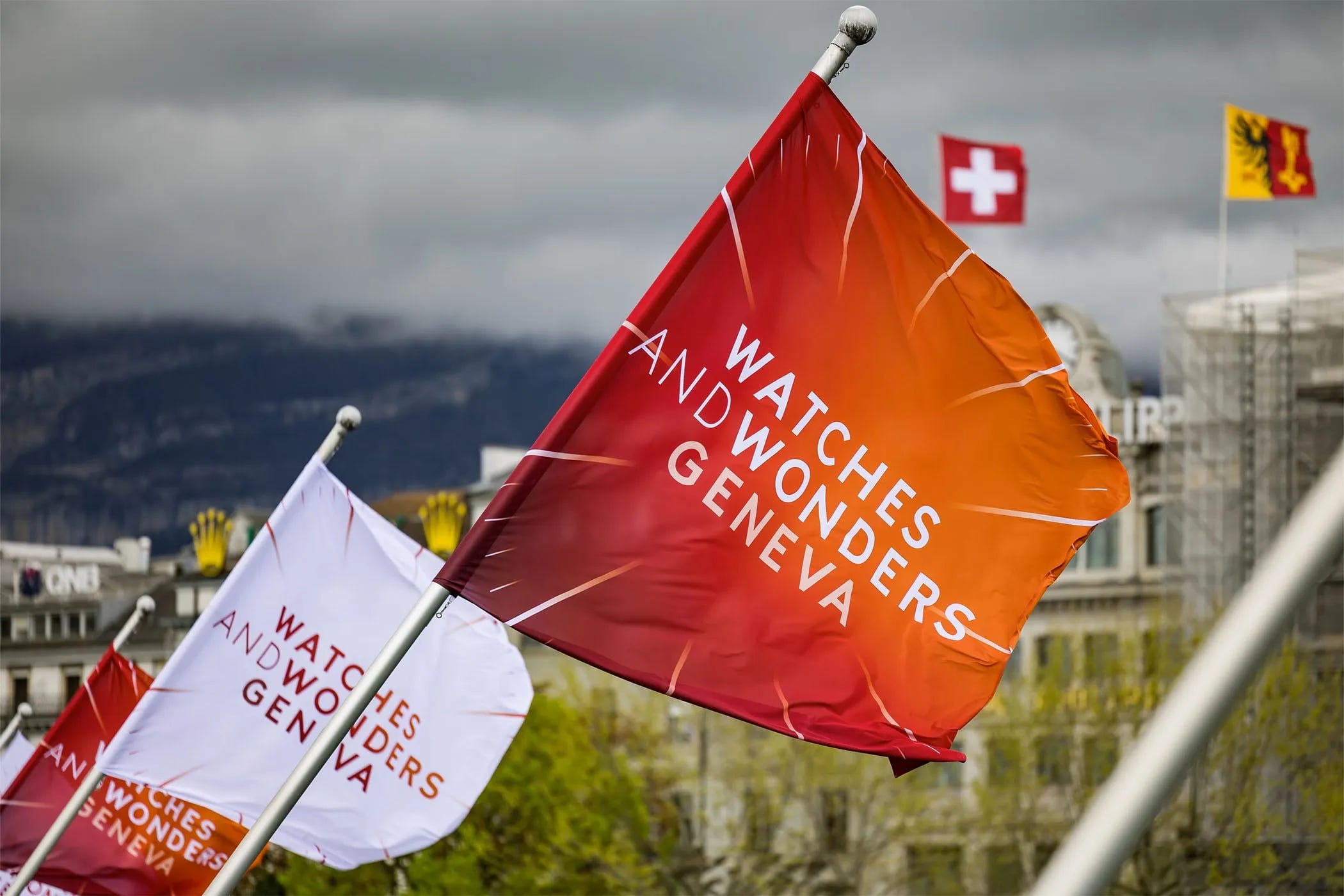
Watches and Wonders Geneva 2026; The Trends that Defined the Fair
Watches & Wonders Geneva 2026 signaled a clear move toward more refined, wearable designs, with smaller case diameters becoming the norm across both dress and sport categories. Brands leaned into vintage inspiration and expressive dials—especially stone dials and bolder colors—while also experimenting with materials like titanium, tantalum, and new gold alloys. On the technical side, open-worked movements and exposed mechanics stayed prominent, alongside emerging “compliant” mechanisms that rethink how chronographs operate, plus continued breakthroughs in ultra-thin watchmaking. The fair also emphasized comfort and real-world usability through improved bracelets and clasps, and a stronger focus on measurable quality via certifications and brand guarantees.
Editorial Time

Independent watchmaking is having a Wrexham moment
Independent watchmaking is enjoying a resurgence fueled by celebrity involvement and strong storytelling, echoing the way Wrexham AFC surged in popularity with Hollywood backing. The article uses Urban Jürgensen as its case study, tracing the brand’s long, turbulent history and its recent revival under investor Andrew Rosenfield alongside leadership from Alex Rosenfield and Kari Voutilainen. Despite producing only around 100 watches last year and generating roughly $10 million in revenue, the brand faces the steep challenge of scaling up significantly to compete with top Swiss makers. The piece argues that Timothée Chalamet—given both genuine enthusiasm and massive social reach—could be the kind of modern “owner” figure who elevates visibility and demand enough to help push the brand into a higher league.
Deal Time

Auctions: Phillips Bringing Three Mega Pateks to Its Spring Sales
Phillips is spotlighting three major Patek Philippe lots in its upcoming spring auctions, each defined by extreme rarity and historical importance. Headlining the group is a 1953 two-crown world-time ref. 2523 with a cloisonné enamel South America map—one of roughly 25–36 made and the only example with this map to surface at auction in 38 years. Also included is a first-series pink-gold ref. 2499 with a Vichet case, one of fewer than 50 first-series pieces and only four in pink gold, expected to bring $3 million to $6 million. Rounding out the trio is a pink-gold ref. 1518—one of 58 produced—estimated at $1.2 million to $2.4 million, underscoring how provenance and scarcity continue to drive the top end of the vintage market.
Watching Time - Videos

Fratello Talks Watches And Wonders 2026 Debrief - YouTube - Fratello
It’s a recap-style episode focused on Watches & Wonders 2026 highlights and takeaways.
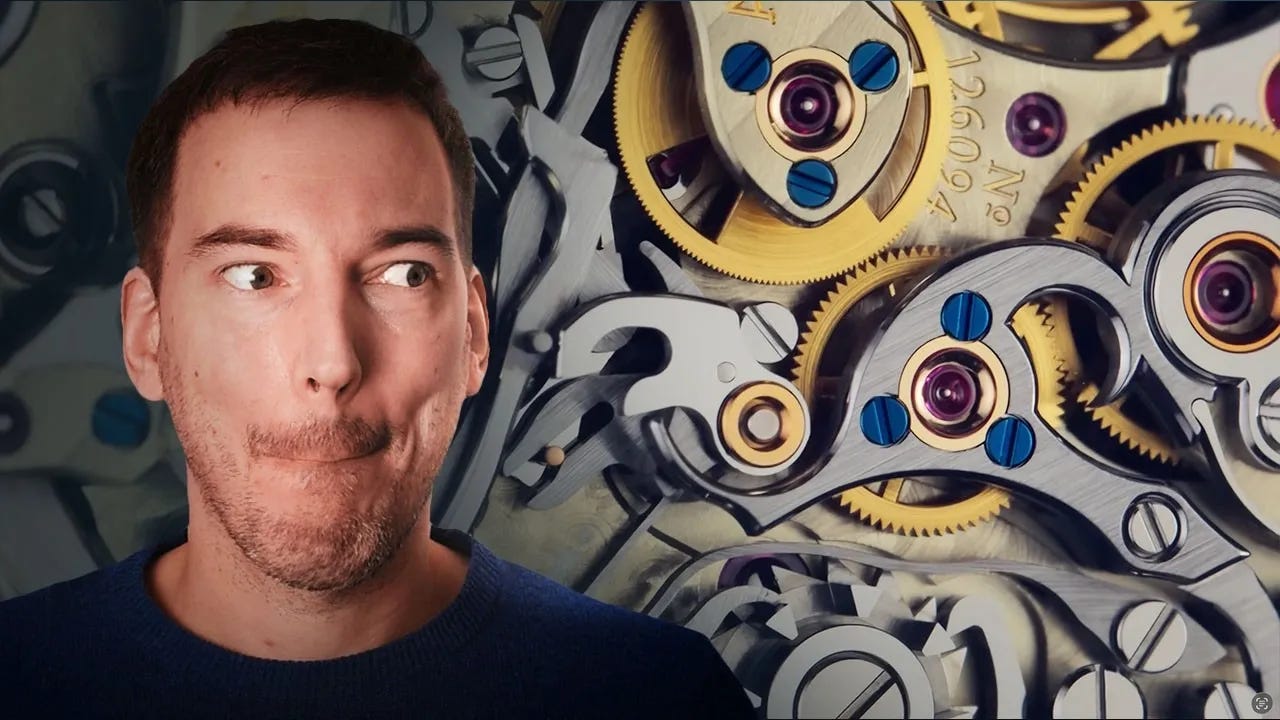
In Depth: A. Lange & Söhne Datograph Perpetual - YouTube - Andrew Morgan Watches
This video breaks down A. Lange & Söhne’s Datograph Perpetual, focusing on how the brand combines a chronograph with a perpetual calendar—two of watchmaking’s most demanding complications. It explains Lange’s design-first approach (dial layout before movement architecture) and highlights the resulting engineering, including a 556-component mechanism and the signature 3/4 bridge alongside a flyback chronograph. The piece also emphasizes functional advantages like single push-button calendar advancement and a two-day power reserve in a relatively slim package, while noting the watch’s market context (about $180,000 retail and roughly $135,000 secondary).

Why are YouTubers SHILLING Venezianico Watches??? - YouTube - Cool_lectibles
The video is a critical discussion of influencer marketing and promotion patterns around Venezianico watches.

Dials Gone Wild with Emily Marsden | Drop #274 - YouTube
This episode features Emily Marsden (Secret Diary of a Watch Girl) filling in while Tim recovers from an intensive Watches & Wonders 2026 stretch. The theme is standout dials, with a curated set of watches chosen specifically for bold, inventive dial design. Highlights mentioned include an F.P. Journe Linesport in titanium and a Nautilus noted for an especially striking mother-of-pearl dial, framed as part of a broader “dial artistry” tour from the week’s drop.

Why I HATE VENEZIANICO - YouTube - Oisín O Malley
This is a strongly opinionated critique focused on Venezianico as a brand and/or its watches.
BuyingTime at Auction
A few select current auctions that caught our eye on GetBezel.com
[Thursday’s auction watch, the 2020 Richard Mille Automatic Winding Titanium (RM028) - was bid to $51,001 but did not meet its reserve. - make an offer]
Romain Gauthier C by Romain Gauthier 41 Titanium / Black / Arabic / Strap - Limited to 38 Pieces (MON00541)
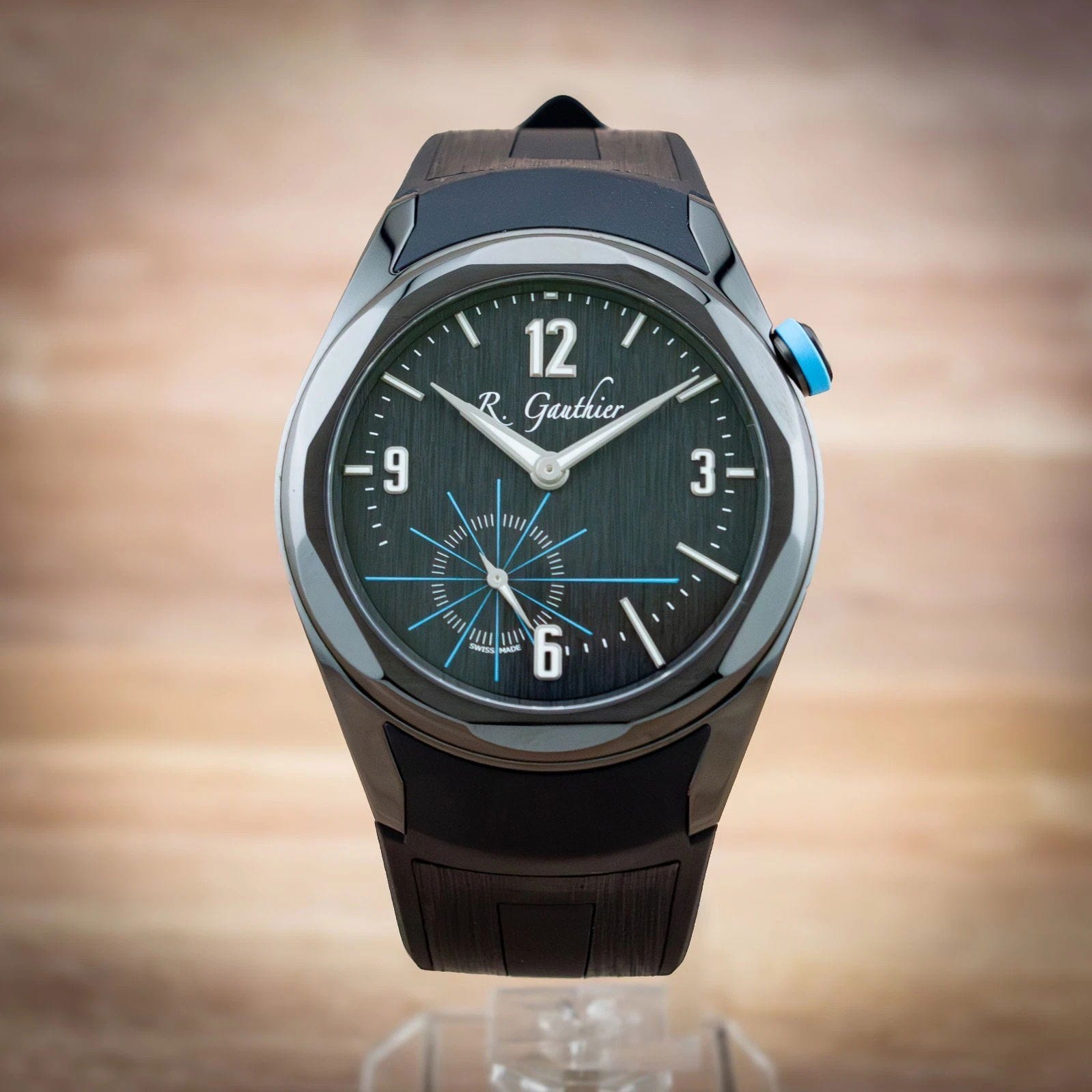
Romain Gauthier’s Titanium Curveball—The C Edition Four That Quietly Flexes
There are independent watchmakers, and then there is Romain Gauthier, who seems perpetually uninterested in playing the same game as everyone else. The “C by Romain Gauthier” collection is his attempt at something resembling accessibility, which in this corner of haute horology still means a hand-finished, in-house movement wrapped in a design language that feels more Silicon Valley than Vallée de Joux. The Titanium Edition Four, reference MON00541, is perhaps the cleanest expression of that philosophy—modern, technical, and limited to just 38 pieces worldwide.
This particular example, produced circa 2023, lands squarely in that sweet spot between “recent enough to feel new” and “rare enough to matter.” The 41mm ADLC-coated Grade 5 titanium case keeps things featherweight and aggressively contemporary, while the black, three-dimensional titanium dial—with its applied Arabic numerals and architectural depth—leans more into industrial design than traditional watchmaking nostalgia. It’s a watch that doesn’t pretend to be vintage, which is refreshing in a market that often feels like it’s cosplaying 1958.
Under the hood is where Gauthier reminds you why he’s taken seriously by collectors who usually only speak in terms of Greubel, Dufour, or Journe. The manually wound, in-house movement features his signature approach to finishing and architecture, including a distinctive balance system and beautifully executed bridges. You’re looking at roughly a 60-hour power reserve, but more importantly, you’re looking at a movement that was designed, not inherited—a subtle but meaningful distinction in this tier of watchmaking.
From a market standpoint, this is where things get interesting. Retail for the C line has hovered in the high $40,000 range depending on configuration, and current secondary listings for the MON00541 tend to sit between roughly $38,000 and $49,000 depending on condition and completeness. Auction results reinforce that band, with at least one example hammering in the mid-$30,000 range equivalent, suggesting that while these are not flipping watches, they are holding their ground respectably for a young independent reference.
Condition here reads exactly how you’d want it for a wearable modern independent: pre-owned, lightly worn, with excellent dial and crystal and only minor signs of life on the case and strap. In other words, someone actually enjoyed it, which is more than can be said for half the watches locked away in safes waiting for Instagram validation. The inclusion of both box and papers matters, especially in this segment where provenance and completeness are increasingly tied to liquidity.
The broader takeaway is that the C by Romain Gauthier line represents something quietly important. It’s not a hype watch, it’s not driven by celebrity sightings or artificial scarcity games, and it’s certainly not trying to be a steel sports watch with a waiting list. It’s a serious piece of independent watchmaking dressed in modern clothes, priced just low enough to tempt buyers who want to graduate from the usual suspects but aren’t ready to jump into six-figure territory.
As this auction closes at 12:15 pm EDT today (Friday, April 24, 2026), the question isn’t whether this watch is “good”—it is—but whether the market is finally ready to reward this kind of understated, technically driven independence. If the hammer lands anywhere in the mid-to-high $30,000s, it’s probably a smart buy. If it creeps into the mid-$40,000s, you’re paying retail for the privilege of skipping the wait and getting one of just 38 pieces ever made. Either way, this is the kind of watch that tends to age well—not because of hype, but because of substance.
Current bid: $30,500