

In 30 Seconds
Citizen Watch UK is celebrating record sales and profits as Japanese watchmakers continue to outperform much of the Swiss market. Fortis and John Harwood receive their overdue credit for helping commercialize the automatic wristwatch a century ago. H. Moser & Cie. explains why rejecting conventional branding has become one of the strongest brands in independent watchmaking. Hing Wa Lee is building stores designed to feel more like private clubs than sales floors, Leica is preparing for a larger role in mechanical watchmaking, and the debate over tourbillons now ranges from extraordinary multi-axis engineering to $25,000 watches powered by movements anyone can buy.
Time Graphing Today’s Watch Universe
There are days when the watch industry appears to be moving in several directions at once. Today is one of those days. Citizen is celebrating record sales in the United Kingdom, Fortis is looking back to the invention that made mechanical watches easier to live with, H. Moser & Cie. is explaining why it prefers to behave like an anti-brand, and retailers are investing heavily in stores that increasingly resemble hospitality businesses. At the same time, watchmakers continue to argue over what complications are worth, whether a tourbillon still means anything, and how much history can reasonably be added to the price of a watch before the customer notices.
The most commercially important story may be Citizen’s record year in the United Kingdom. An 8% increase in turnover and an 11% rise in operating profit would be respectable in any market, but they are especially notable at a moment when much of the Swiss watch industry is discussing declining exports, excess inventory and nervous consumers. Citizen’s success is not being driven by one isolated product. The company has built a portfolio that stretches from accessible Citizen models to Bulova, Frederique Constant, Alpina and Accutron, giving it the ability to participate across multiple price levels without pretending that every customer is searching for a six-figure complication.
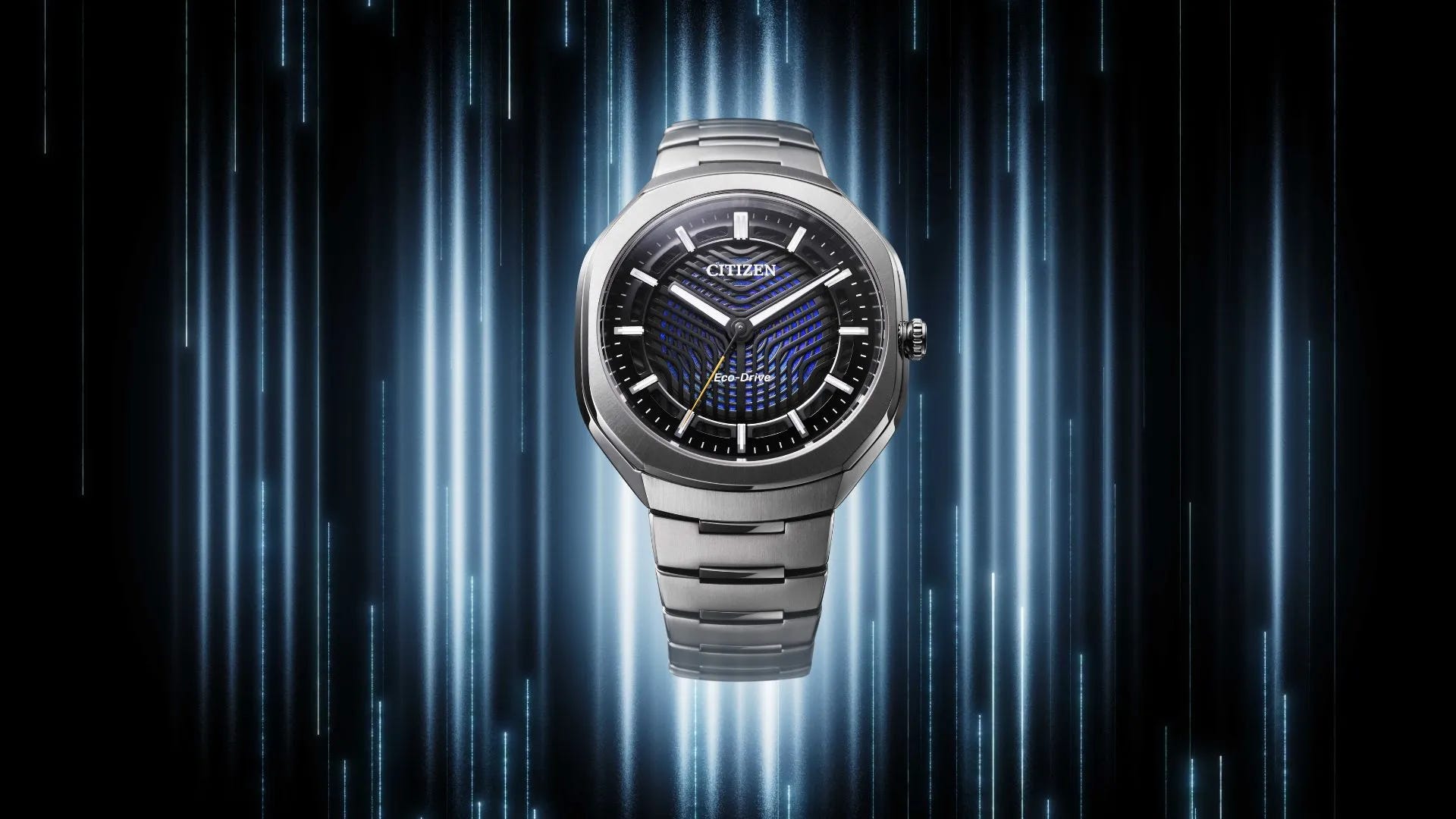
That broader portfolio strategy also helps explain why Citizen can celebrate the 50th anniversary of Eco-Drive without treating the technology like a museum exhibit. Eco-Drive remains commercially relevant because it solved a real problem: batteries run out, mechanical watches stop, and most consumers do not want ownership to become a maintenance hobby. The new Photon anniversary watch is more visually ambitious than the average solar-powered Citizen, but the underlying proposition remains simple. Light enters the watch, the watch continues running, and the owner can get on with something else.
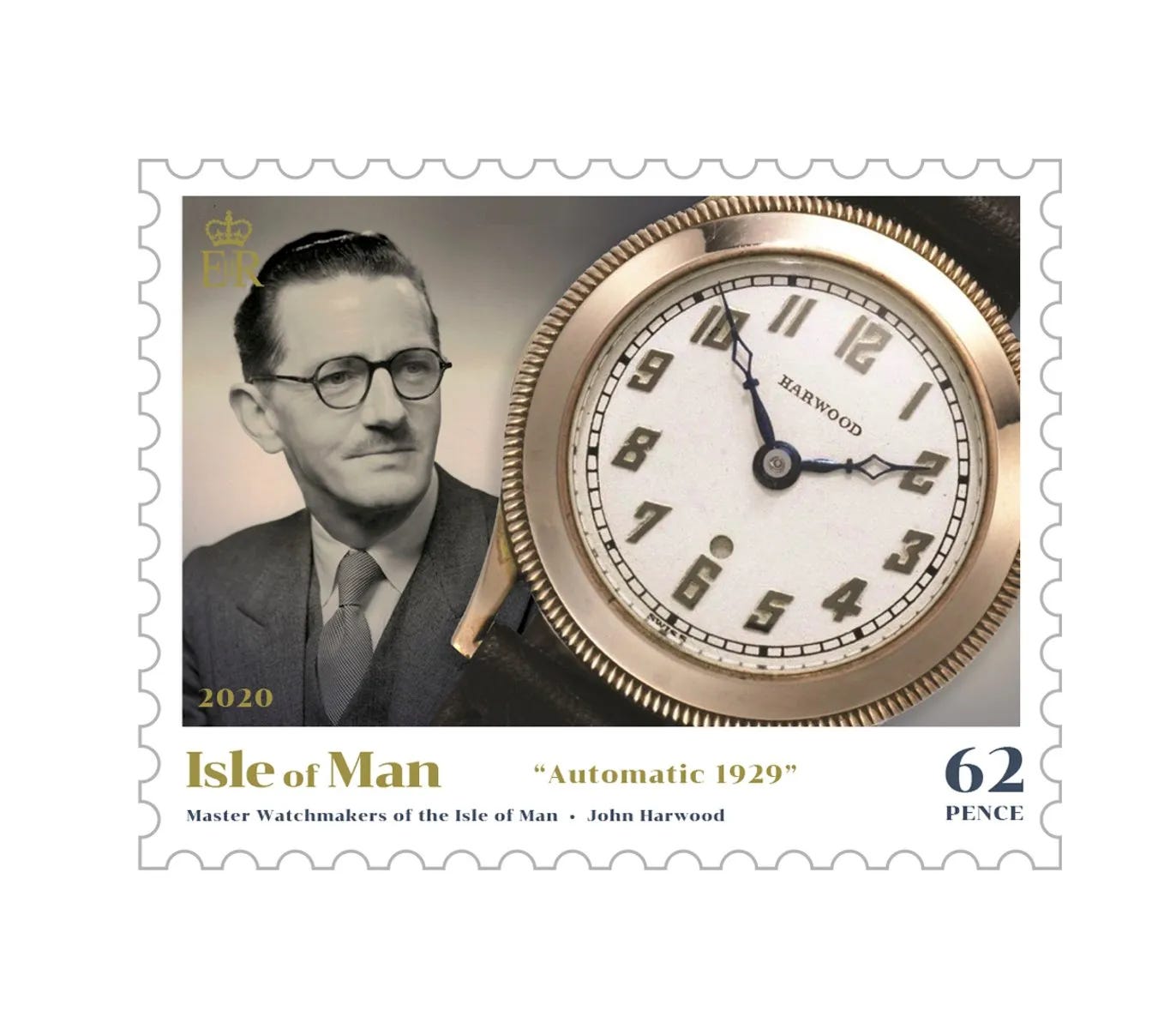
That practical approach has deep historical roots. The story of Fortis, John Harwood and the first commercially viable automatic wristwatch is a reminder that some of the industry’s greatest innovations began as attempts to remove inconvenience. Harwood’s bumper winding system was not created because collectors needed another complication to discuss over dinner. It was created because wristwatches needed to become more reliable and easier to use. Fortis turned the idea into a manufacturable product in 1926, and the rest of the industry spent the following decades refining the concept until automatic winding became nearly invisible to the customer.
That may be the most important measure of successful watchmaking: the best technology often disappears into everyday use. Few owners think about the rotor moving while they walk, just as few Citizen owners think about photons charging a capacitor. The mechanism becomes valuable precisely because it no longer demands attention.
Of course, not every modern watch company is trying to disappear. H. Moser & Cie. has built its identity around being an “unbrand”, which is a wonderfully watch-industry way of saying it has constructed a highly recognizable brand around rejecting conventional branding. The joke works because Moser has the watchmaking credibility to support it. The company can release a concept dial without a logo, make fun of the Swiss industry, build a watch inspired by a sneaker, and still return to serious movements, dual hairsprings and complicated in-house engineering.
Moser’s strategy also reflects a broader shift among independent brands. Collectors no longer respond only to technical specifications. They want personality, access and a sense that the company is being run by people rather than a committee. That freedom can produce brilliance, nonsense or both, sometimes in the same watch. Moser understands that being polarizing is not necessarily a problem when production is limited and the intended customer is already tired of conventional luxury.
Retailers are reaching a similar conclusion. The interview with Hing Wa Lee’s chief executive about retail theater and future stores shows how far the luxury showroom has moved from the glass-counter model. Lounges, bars, personal collections, hospitality spaces and carefully staged environments are no longer secondary details. They are the product around the product.
That makes sense when nearly every watch can be researched online before a customer enters the store. The retailer is no longer simply providing information or inventory. It is providing reassurance, belonging and an experience sufficiently pleasant to make spending a large amount of money feel less like a transaction. Hing Wa Lee’s advantage is that it owns its real estate and remains independent, allowing it to design spaces around customers rather than around the operational standards of a global retail group.
The same search for credibility is shaping Leica’s expansion into watchmaking. Leica has the heritage, engineering reputation and design language to make the move plausible, but the company also understands that camera fame does not automatically create watchmaking legitimacy. Its watches borrow ideas from photography without becoming novelty products, using push crowns, power-reserve displays and mechanical details that feel related to camera operation rather than decorated with camera logos.
Leica’s challenge will be patience. Watch collectors can be surprisingly forgiving of a new independent brand and surprisingly suspicious of an established company entering from another luxury category. The watches have to prove that they are more than branded accessories. Leica appears willing to make that investment slowly, increasing its own contribution to production while resisting the temptation to claim that every component must eventually be manufactured in-house.
The industry’s continuing obsession with in-house production becomes especially relevant when tourbillons enter the conversation. The complete history of the multi-axis tourbillon is a reminder that the complication can still represent extraordinary engineering. From Anthony Randall and Richard Good to Thomas Prescher, Greubel Forsey and the many watchmakers who followed, the multi-axis tourbillon has become a field of experimentation in geometry, energy management and kinetic architecture.
But that history also sharpens the criticism in the argument against paying $25,000 for an unmodified third-party tourbillon. A tourbillon is no longer automatically evidence of technical achievement by the brand whose name appears on the dial. The complication has been industrialized, outsourced and democratized. That is not inherently bad. Affordable tourbillons can be fascinating watches. The problem begins when a company buys an available movement, places it in a case and prices the result as though it has reinvented gravity.
The customer now has to distinguish between complication and contribution. What did the brand actually design, engineer, finish or improve? A third-party movement can be entirely respectable, just as an in-house movement can be unreliable and expensive to service. The meaningful question is whether the asking price reflects what the company added.
That question hangs over much of today’s watch market. Rolex prices have doubled in real terms over the past 50 years. Gem-set independents now cost as much as houses. Retailers are building destination stores because the watches alone may no longer be enough to close the sale. Brands are selling history, hospitality, technical storytelling, cultural relevance and increasingly elaborate explanations of value.
Meanwhile, the most enduring innovations remain the ones that made watches simpler to own. Harwood found a way to eliminate daily winding. Citizen found a way to eliminate routine battery changes. Children’s watches from Cybex now add a scannable emergency contact system to the wrist. These ideas may be less theatrical than a rotating multi-axis tourbillon, but they solve recognizable problems.
The watch industry will always need fantasy. No one requires a gem-set astronomical watch that calculates sunrise and sunset for a specific location, and that is part of its appeal. But fantasy works best when it is supported by clarity. Customers can accept that a watch is irrational. They become less comfortable when the pricing is irrational and the explanation pretends otherwise.
Today’s stories show an industry trying to balance both sides. Citizen is winning through scale, technology and a broad portfolio. Fortis is preserving the memory of a practical invention. Moser is turning irreverence into identity. Hing Wa Lee is making the store part of the luxury. Leica is attempting to earn legitimacy one watch at a time. And tourbillon makers are discovering that once a complication becomes widely available, the real scarcity is no longer the mechanism. It is originality.
-Michael Wolf
News
Citizen Smashes Sales and Profit Records in the UK
Citizen Watch UK increased annual sales 8% to a record £36.8 million, while operating profit rose 11% to £2.5 million. Growth across Citizen, Bulova, Frederique Constant, Alpina and Accutron gives the company momentum as it prepares to celebrate 50 years of Eco-Drive.
Feature
A Century of Automatic Watch Movements With Fortis and John Harwood
John Harwood and Fortis commercialized the automatic wristwatch in 1926 using a bumper-style winding system that converted wrist movement into stored energy. The invention eliminated daily hand-winding and established the foundation for the automatic movements now used throughout mechanical watchmaking.

Fratello Summer Tip: Keep Track of Your Kids With Cybex Collection Watches
Cybex children’s watches combine an easy-to-read analog display with a QR code that provides emergency contact information when scanned. Available in 14 designs for $55, the watches offer parents a simple safety tool while helping children learn to tell time.
H. Moser & Cie.: Inside an Unbrand
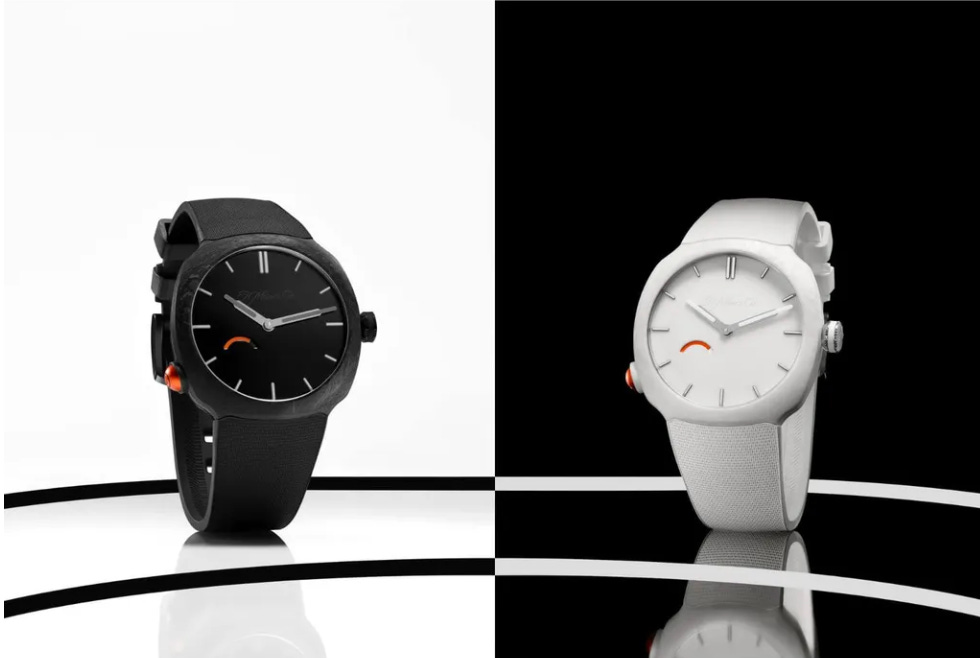
H. Moser & Cie. has created a highly recognizable identity by rejecting traditional luxury branding and embracing provocative designs, collaborations and technical experimentation. Its playful image is supported by serious in-house watchmaking, limited production and the Meylan family’s willingness to take risks.

Hing Wa Lee CEO Talks Retail Theatre and New Store Openings
Hing Wa Lee is transforming its showrooms into hospitality-driven destinations with lounges, bars and personal touches designed to deepen customer relationships. The independent retailer is also planning a Riviera-inspired Laguna Beach development for 2028 while preparing for third-generation family leadership.
How a 1965 Divers Watch Still Influences Oris
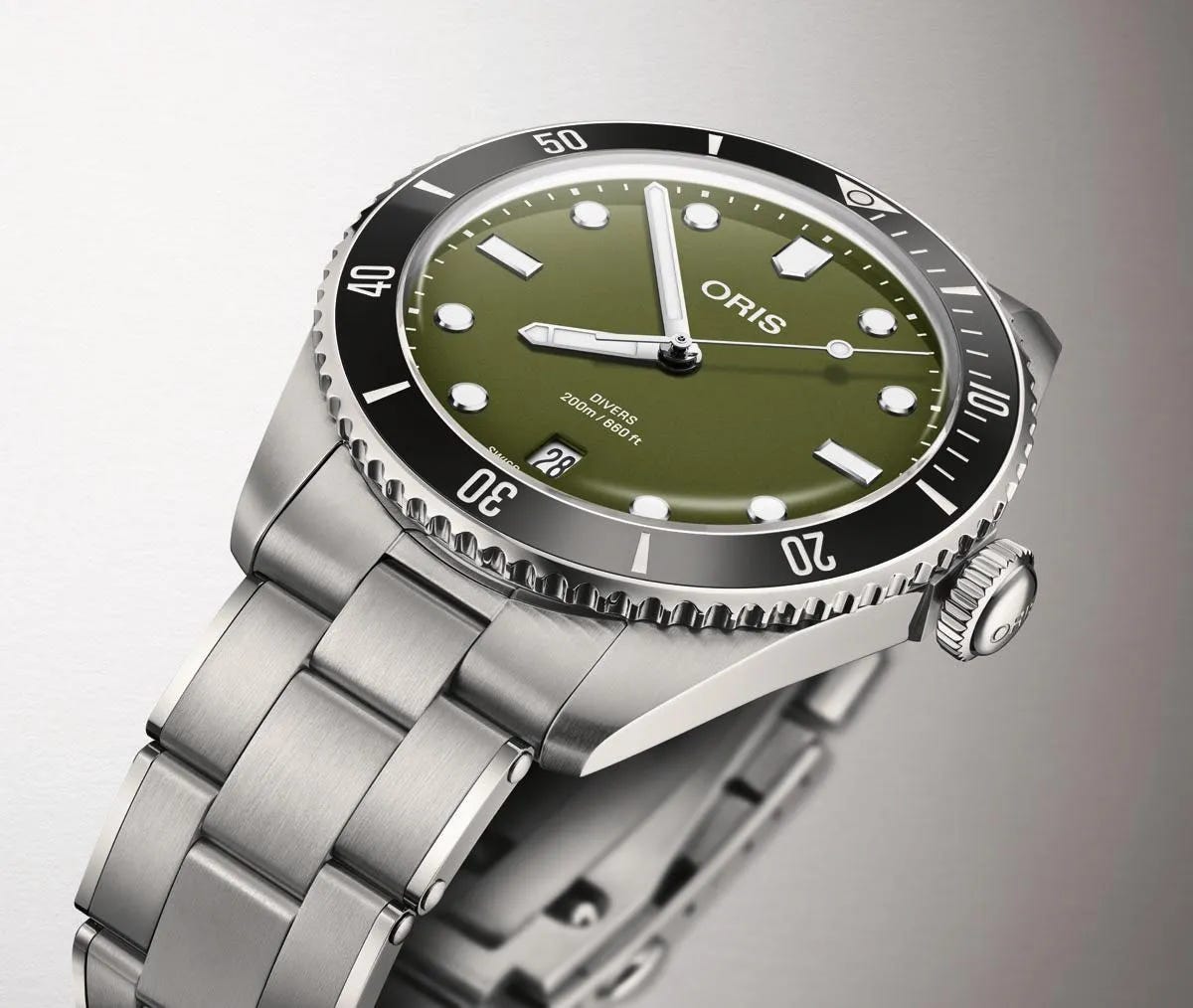
The Oris Divers Date updates the brand’s 1965 dive-watch design with a 39 mm steel case, olive-green dial, ceramic bezel and 200 meters of water resistance. Powered by the automatic Caliber 733, it includes both a steel bracelet and rubber strap and retails for $2,800.
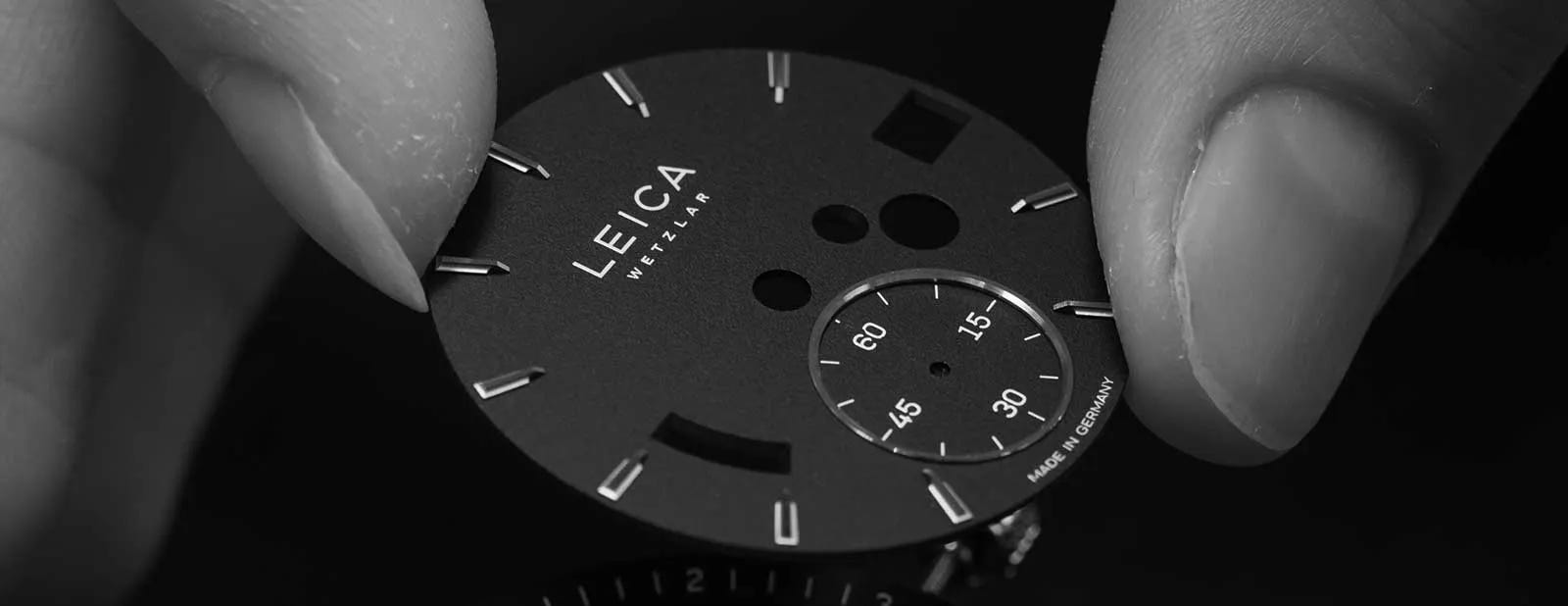
Leica’s Watches Are Ready for Their Close-Up
Leica is expanding its watchmaking ambitions with manually wound and automatic models that translate elements of its cameras into mechanical design. The company plans to increase its contribution to production and establish itself as a credible high-end watchmaker over the next decade.
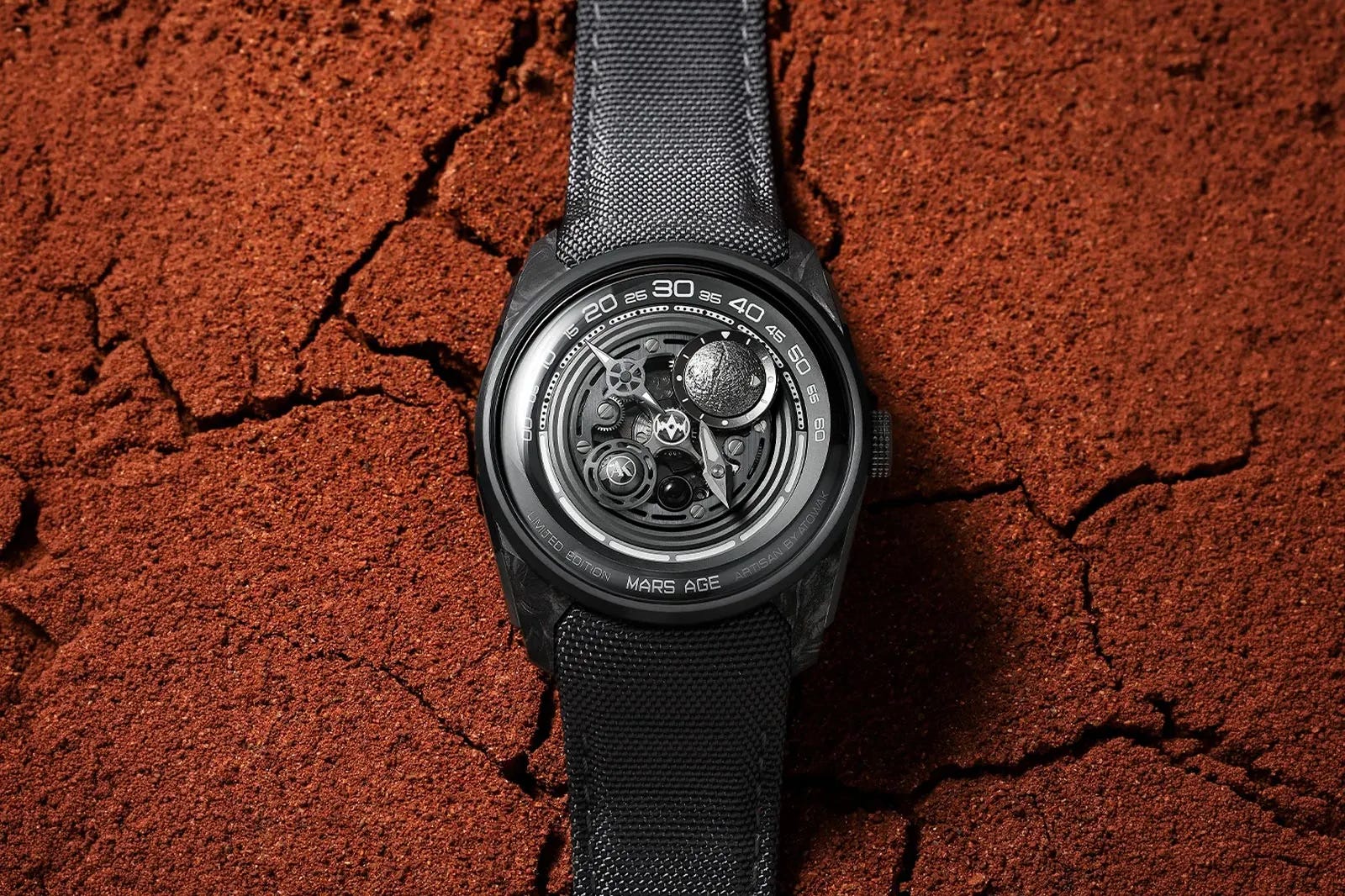
The Best Microbrand Watches to Buy in July 2026
July’s microbrand selections range from the $359 Sans Arrêt Rewind Moonlight to the $3,980 Atowak Mars Age. The group highlights personalized casebacks, guilloché dials, embroidered textiles, retrograde displays, 3D-printed titanium and increasingly ambitious independent design.
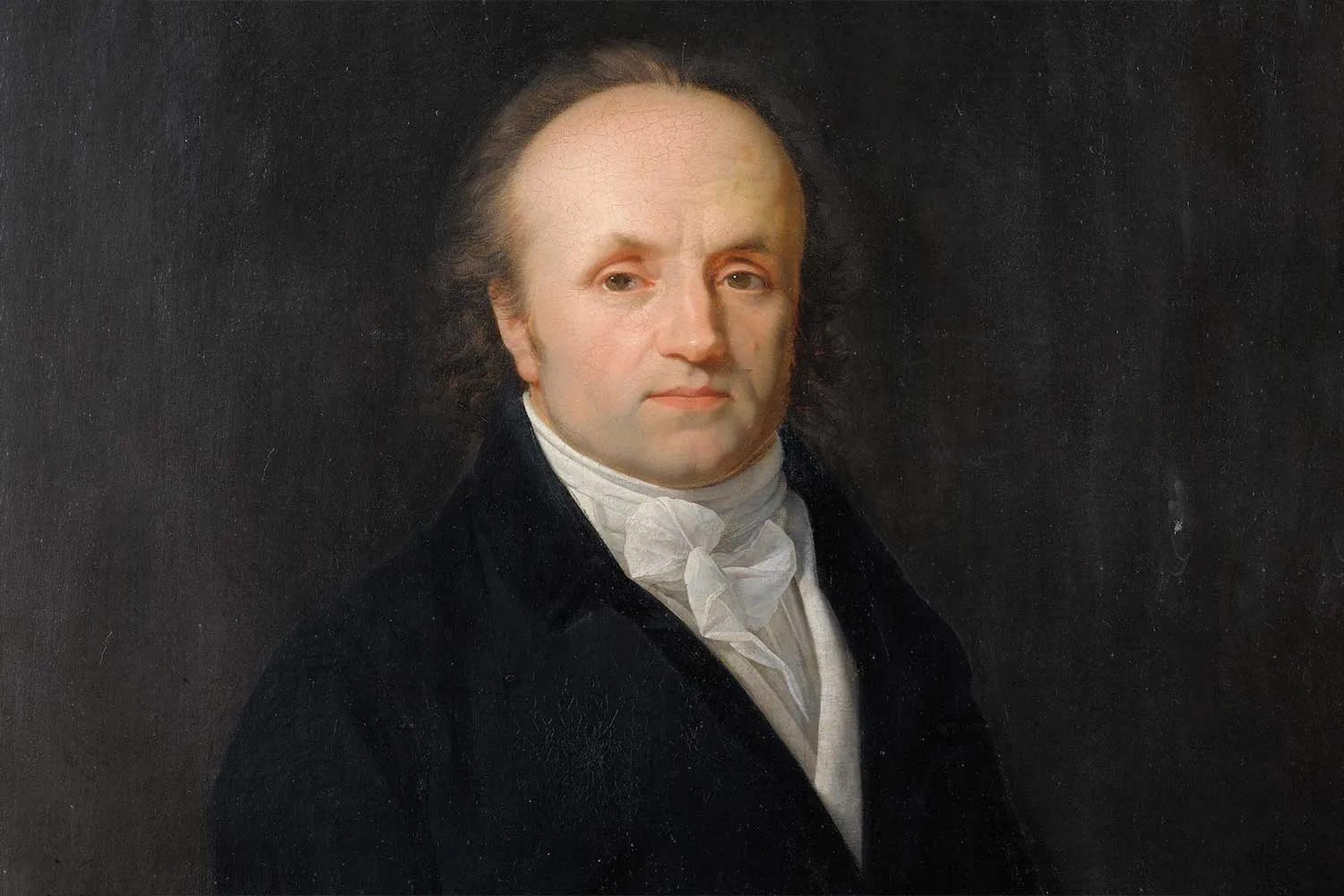
The Complete Story of the Multi-Axis Tourbillon
The multi-axis tourbillon evolved from Anthony Randall’s 1978 patent and Richard Good’s early prototype into one of modern watchmaking’s most theatrical technical achievements. Independent watchmakers and major brands have since used inclined balances, rotating cages and constant-force systems to transform the complication into kinetic art.
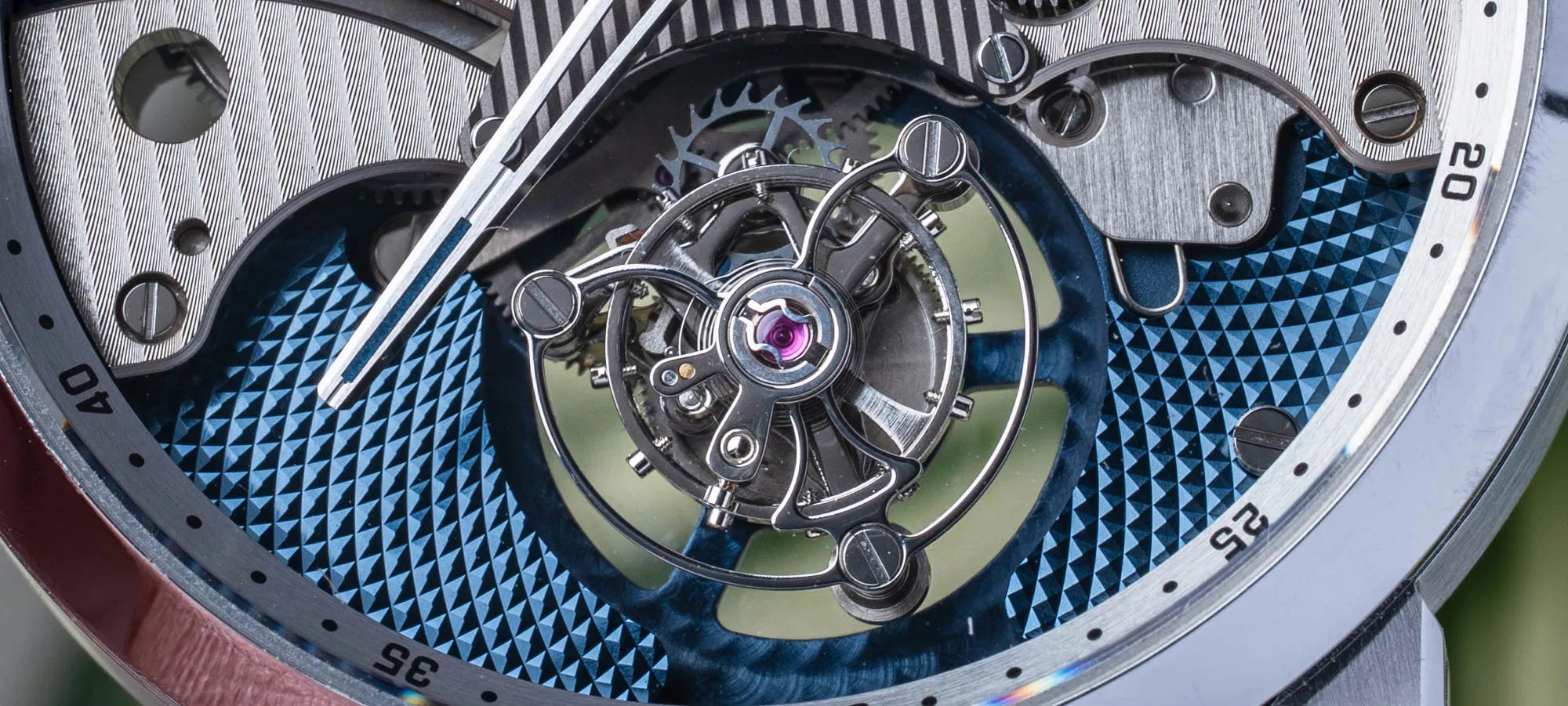
Wait a Minute! Why Should I Pay a Ton for a Watch With a Third-Party Tourbillon?
A tourbillon alone no longer justifies a luxury price now that reliable third-party movements are widely available at far lower cost. The real value should come from what a brand engineers, modifies, finishes or contributes rather than simply placing an off-the-shelf complication inside an expensive case.
New Watches
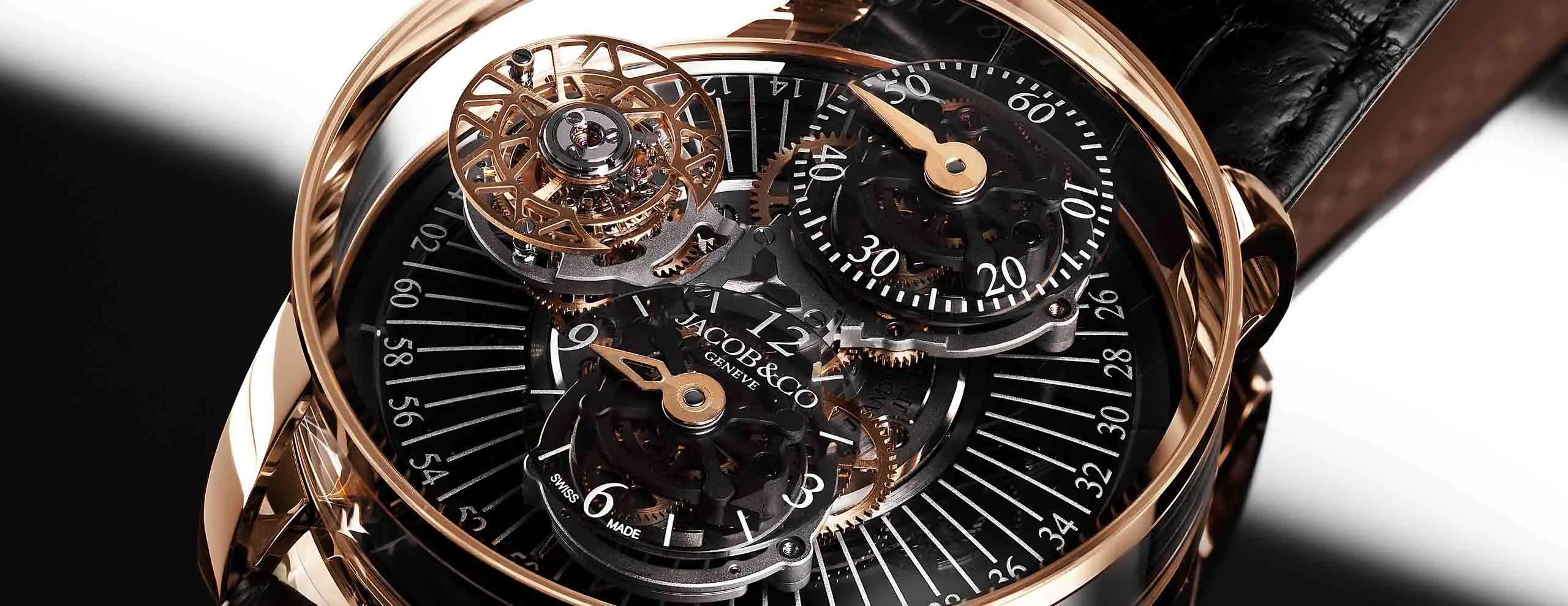
Jacob & Co. Goes Minimal with the Astronomia Régulateur
Jacob & Co. has stripped back its signature Astronomia into a more restrained 43 mm rose-gold model featuring orbiting hour, minute and seconds displays, a double-axis flying tourbillon and a high-speed remontoir. Limited to 18 pieces, the manually wound Astronomia Régulateur delivers 28 hours of power reserve while showcasing some of the brand’s most advanced mechanical engineering.
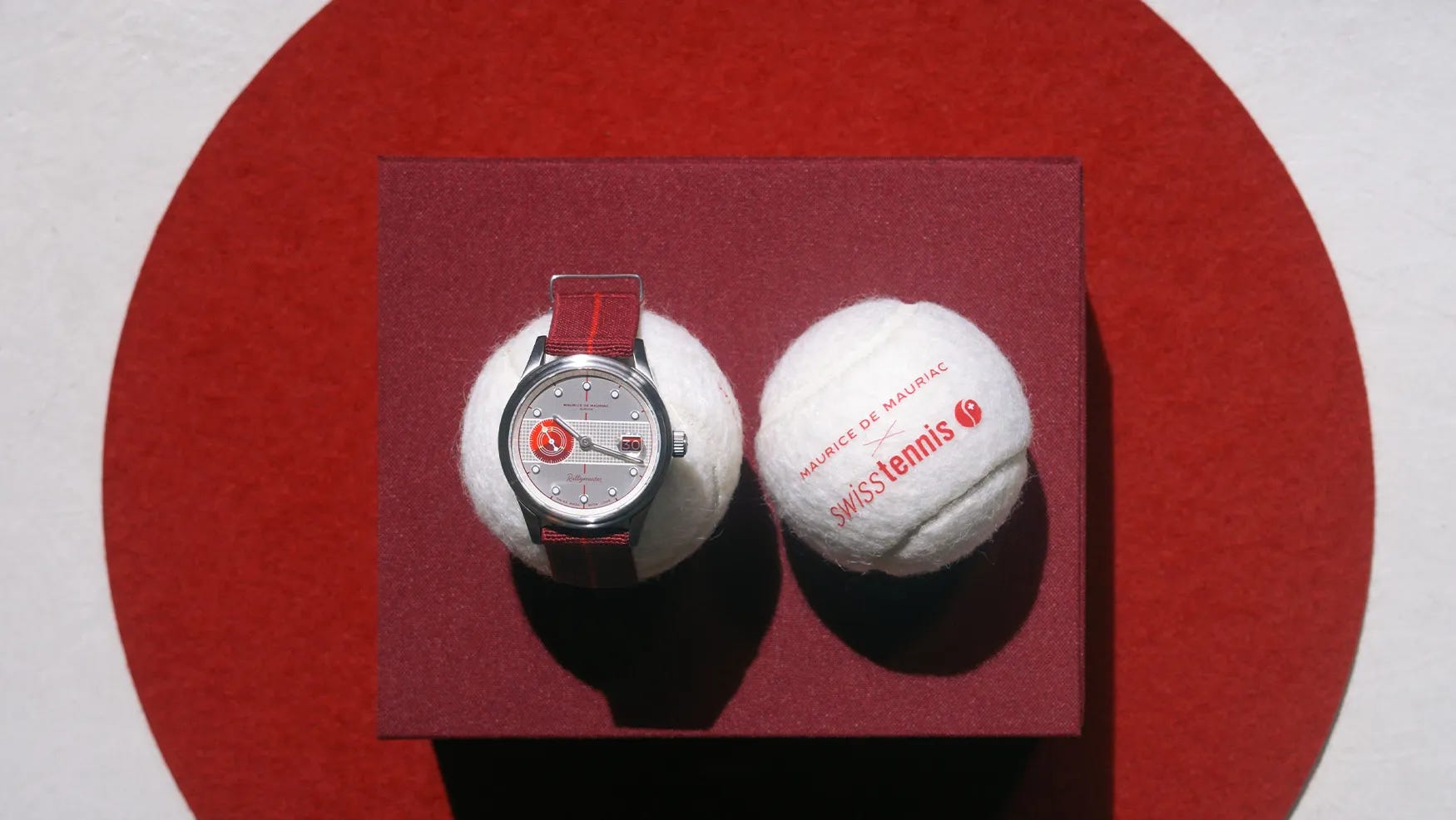
Maurice de Mauriac Rallymaster Swiss Tennis
To celebrate the 130th anniversary of Swiss Tennis, Maurice de Mauriac has introduced a 130-piece limited edition featuring a 39 mm steel case, opaline dial, Landeron 24 automatic movement and distinctive tennis-inspired details. Priced at $2,950, 20% of proceeds will support the development of future Swiss tennis players.
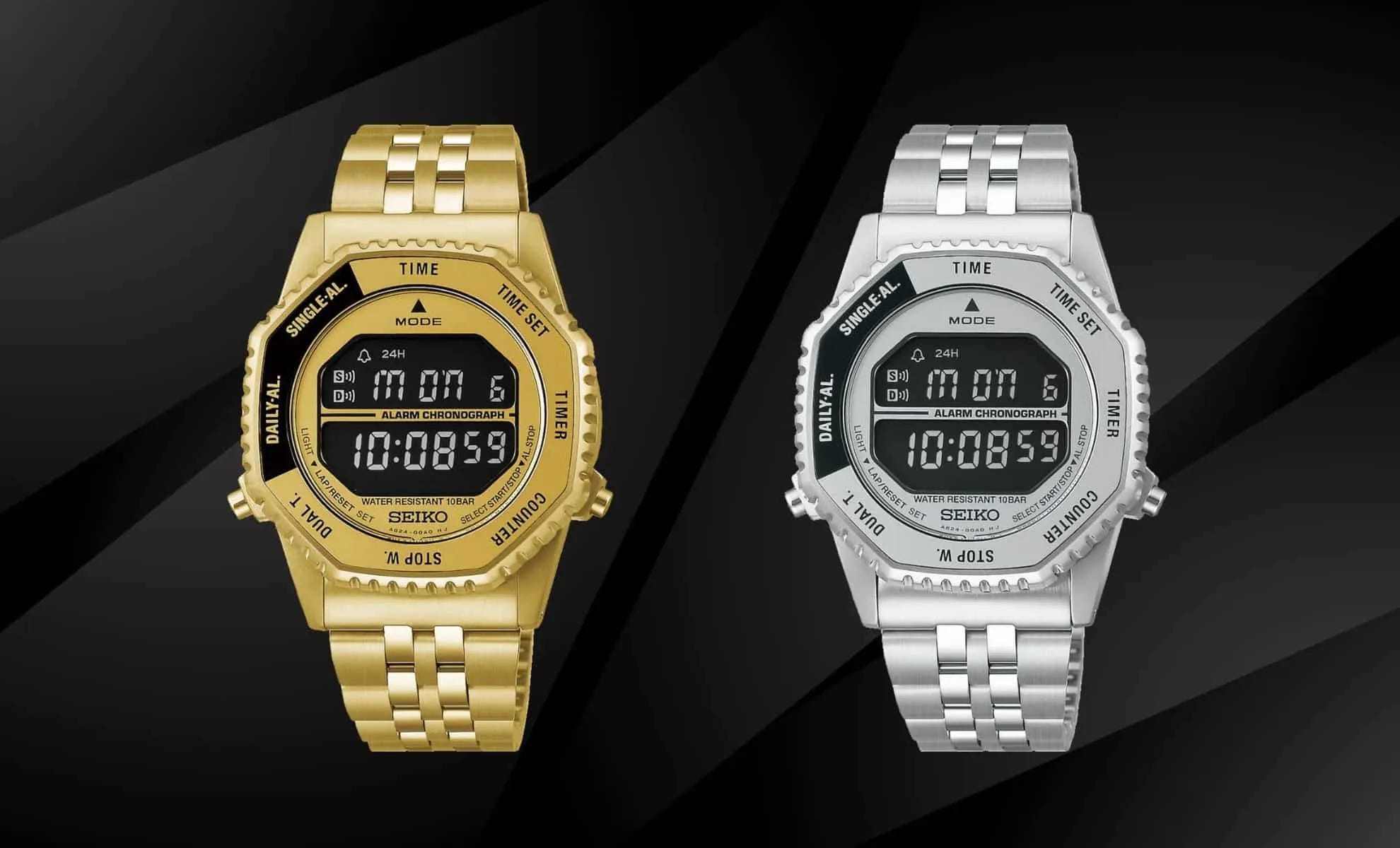
Seiko Brings Back the Rotocall
Seiko is expanding its Rotocall revival with two new monochromatic references, the HFL002 and HFL003, retaining the original octagonal case, rotating bezel, reverse LCD display and 100-meter water resistance. Expected to arrive this fall for approximately $550, the silver version looks poised to become the enthusiast favorite.
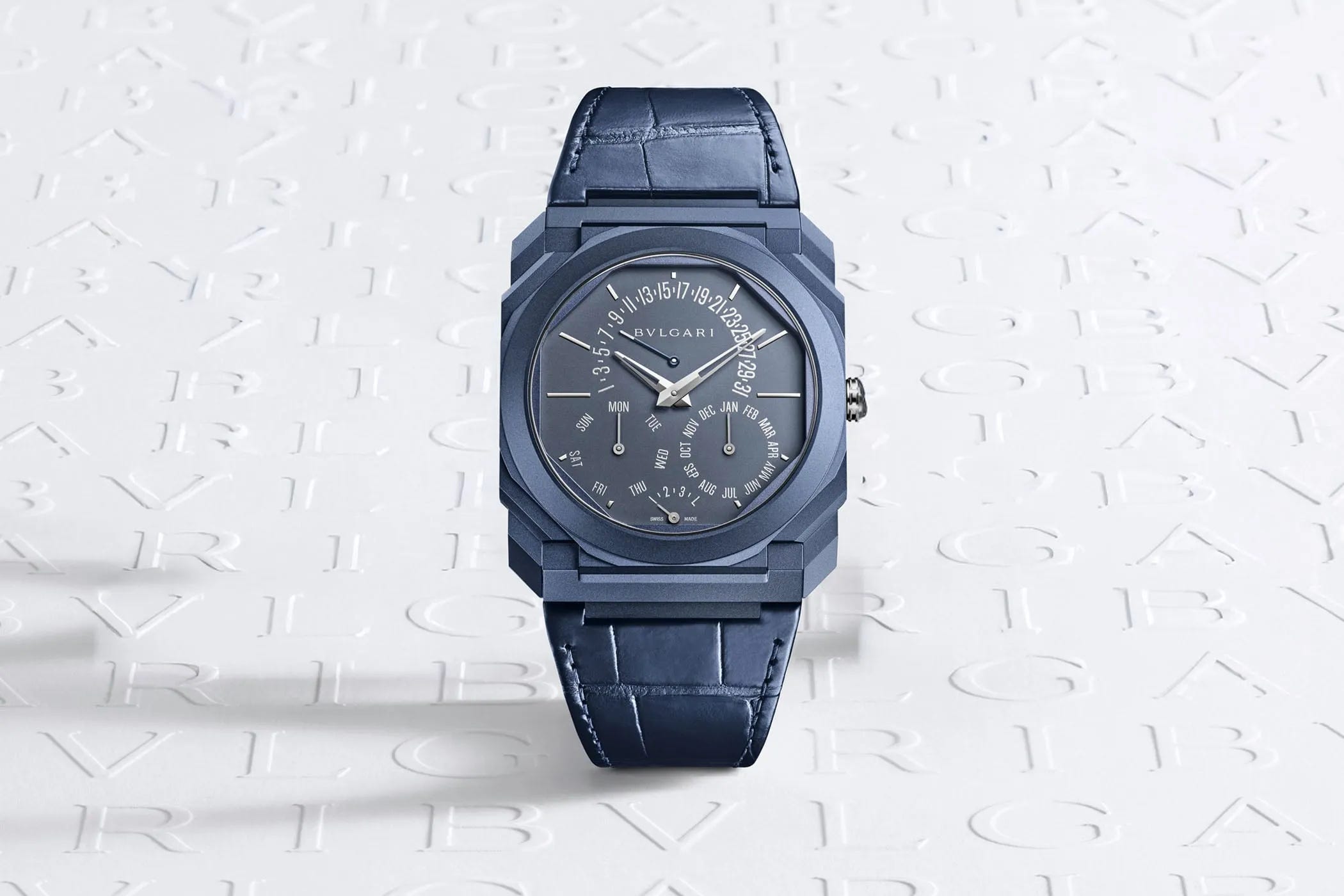
Bulgari Octo Finissimo Perpetual Calendar Blue Titanium
Bulgari has given its record-setting Octo Finissimo Perpetual Calendar a striking blue titanium finish while preserving its remarkable 5.8 mm profile and ultra-thin BVL305 movement. Limited to 50 pieces and priced at €76,000, it remains one of the most technically impressive perpetual calendars available today.
Krayon Parhelion
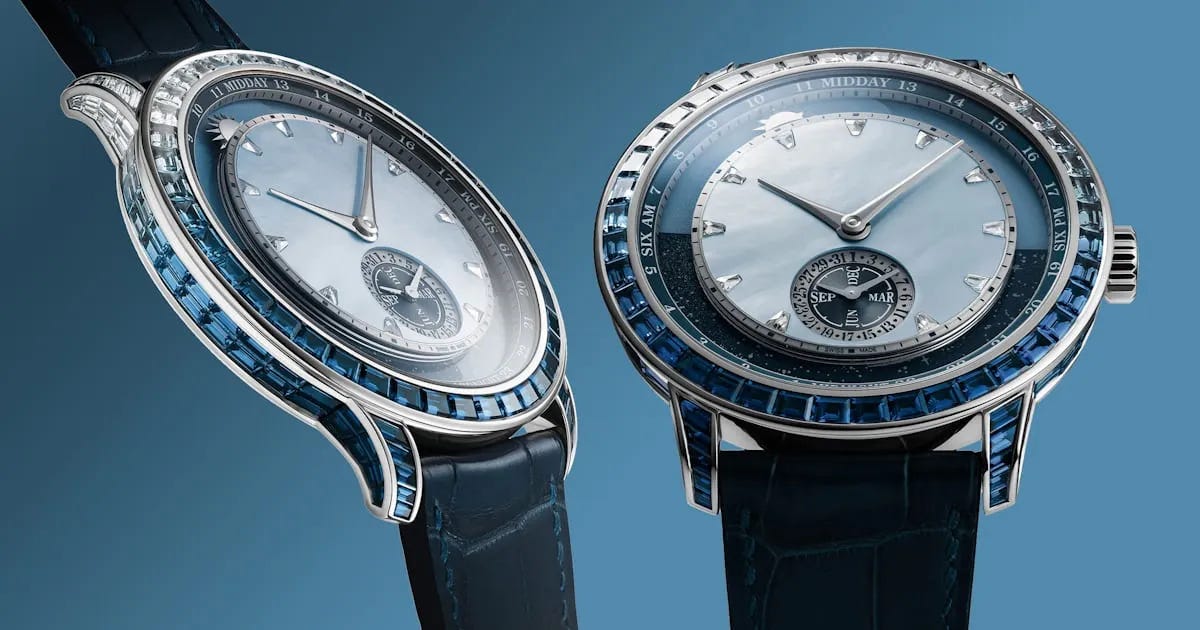
Independent watchmaker Krayon has unveiled the gem-set Parhelion, a sapphire-covered interpretation of its celebrated Anywhere complication. Featuring 159 baguette sapphires, a sunrise and sunset display and a manual-wind movement with a 72-hour reserve, the watch is priced at CHF 430,000.
Yema Marine Nationale 400th Anniversary Collection
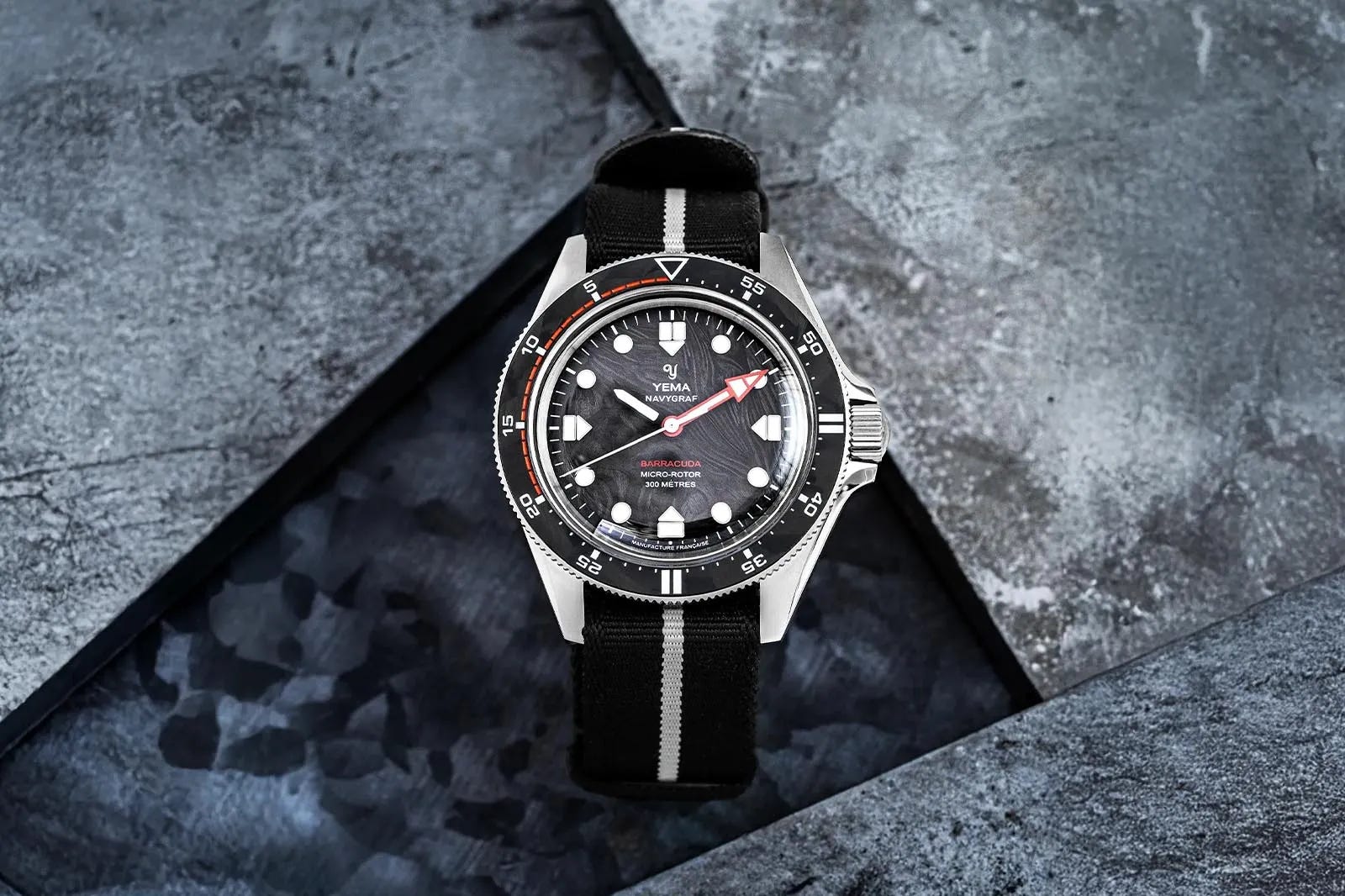
Yema celebrates 400 years of the French Navy with a new collection led by the 400-piece Navygraf Barracuda CMM.20 featuring an in-house automatic movement, carbon dial and 300-meter water resistance. The lineup also includes two affordable quartz Navygraf editions beginning at £370.
Reviews
Citizen Celebrates Eco-Drive’s 50th Anniversary with the Photon
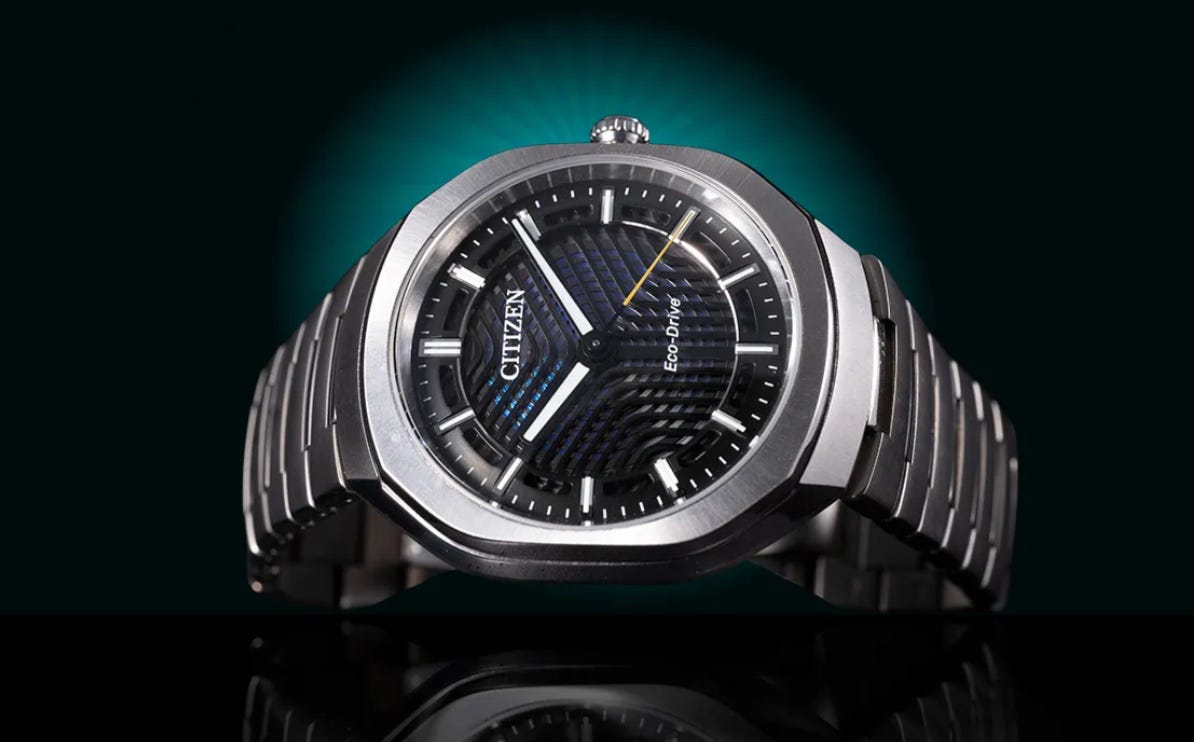
Citizen’s new Photon commemorates five decades of Eco-Drive technology with a Super Titanium case, striking interference-pattern dial and solar-powered Caliber E036 movement capable of running for a year in darkness. Limited to 5,000 pieces per version, pricing starts just under $1,000.
Hands-On: Blancpain Fifty Fathoms Tech Date
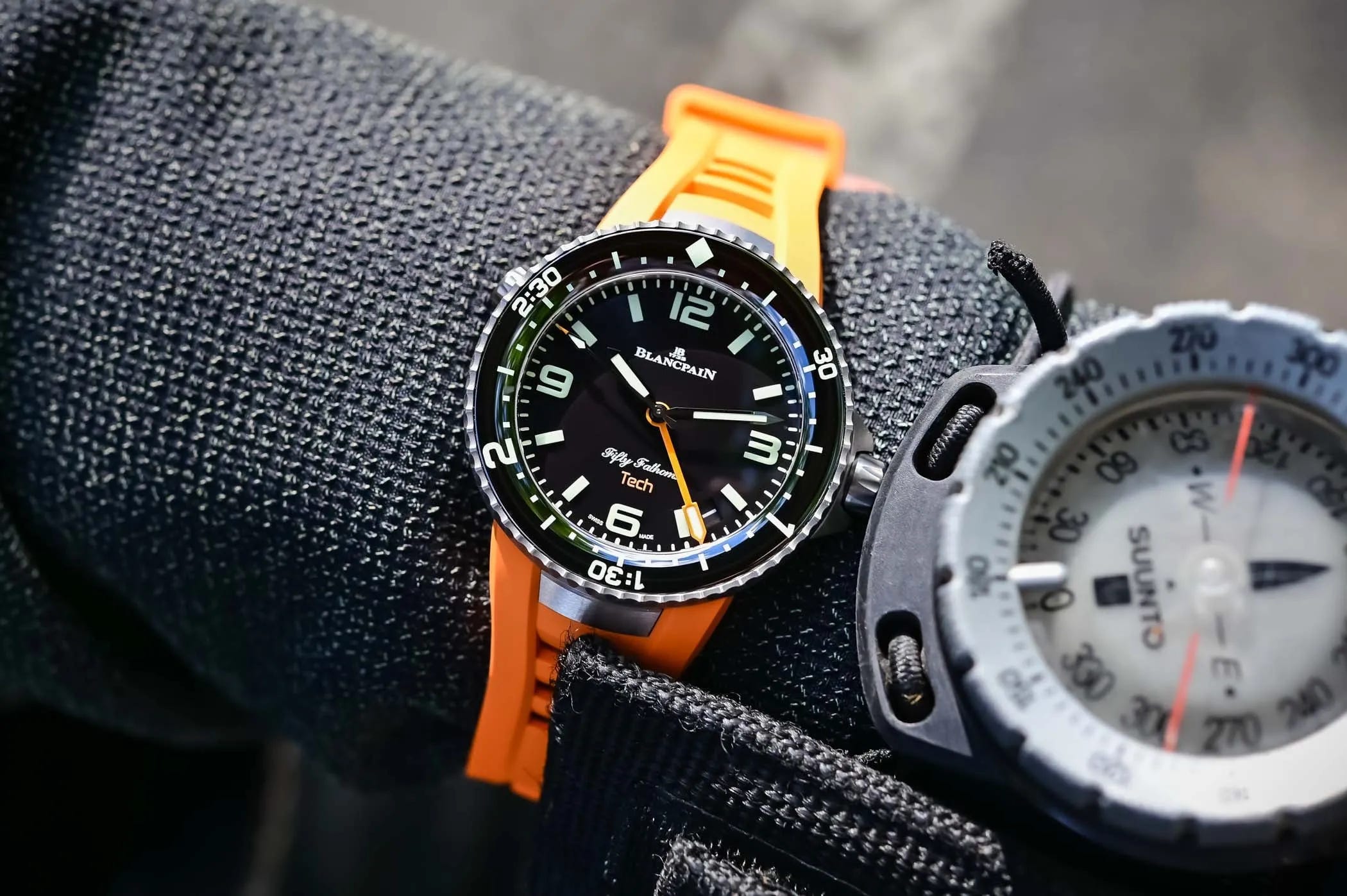
The Blancpain Fifty Fathoms Tech Date brings genuine rebreather-diving capability to the historic collection through a unique three-hour bezel, Grade 23 titanium case and 120-hour movement. At $27,200, it successfully balances professional functionality with everyday wearability.
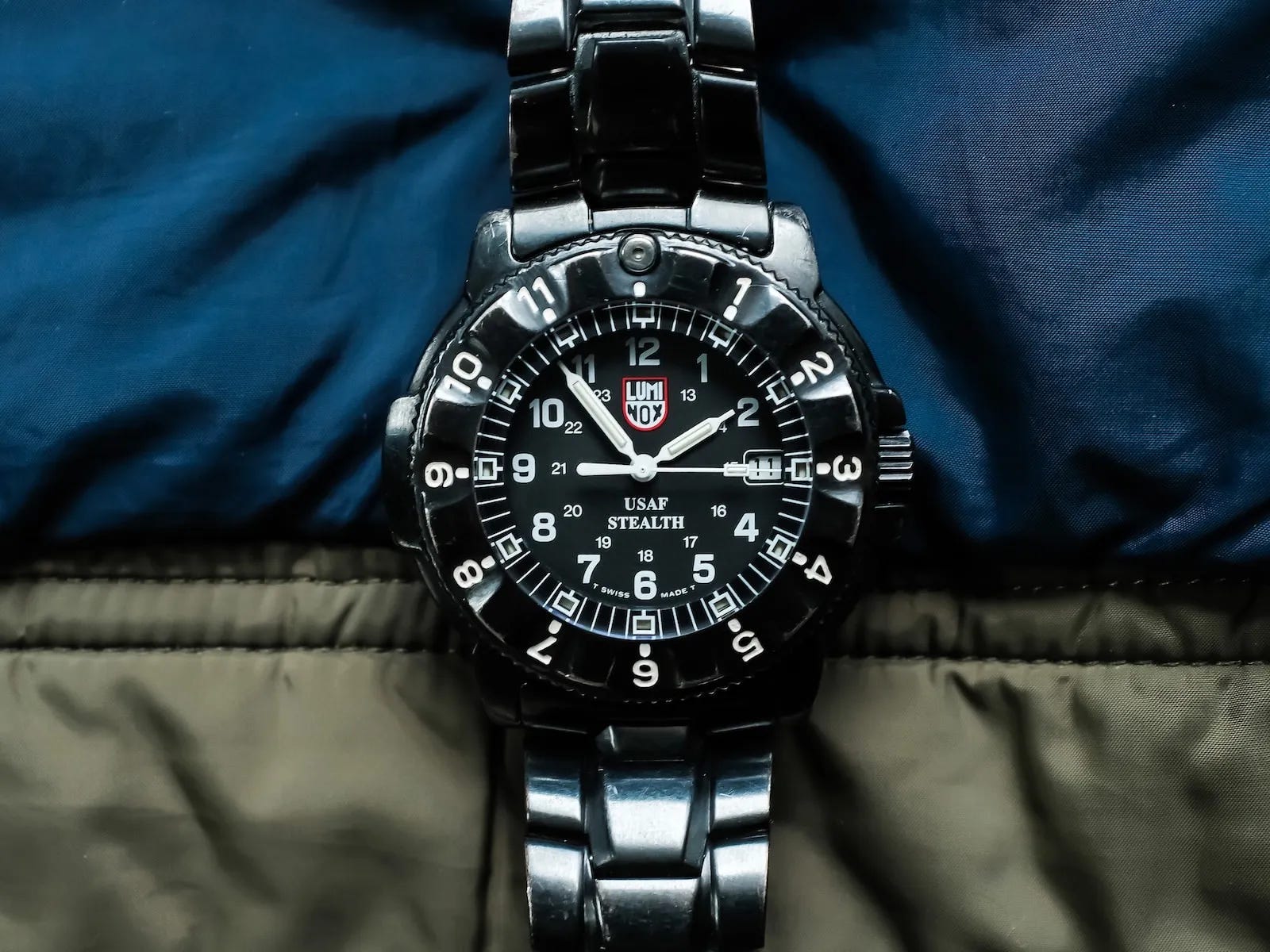
Luminox USAF Stealth Series 3400 Review
The review revisits a vintage Luminox military watch inspired by the F-117 Nighthawk, highlighting its practical design, tritium illumination and restoration after years of service. Rather than chasing perfection, the piece celebrates the character that develops through decades of real-world use.
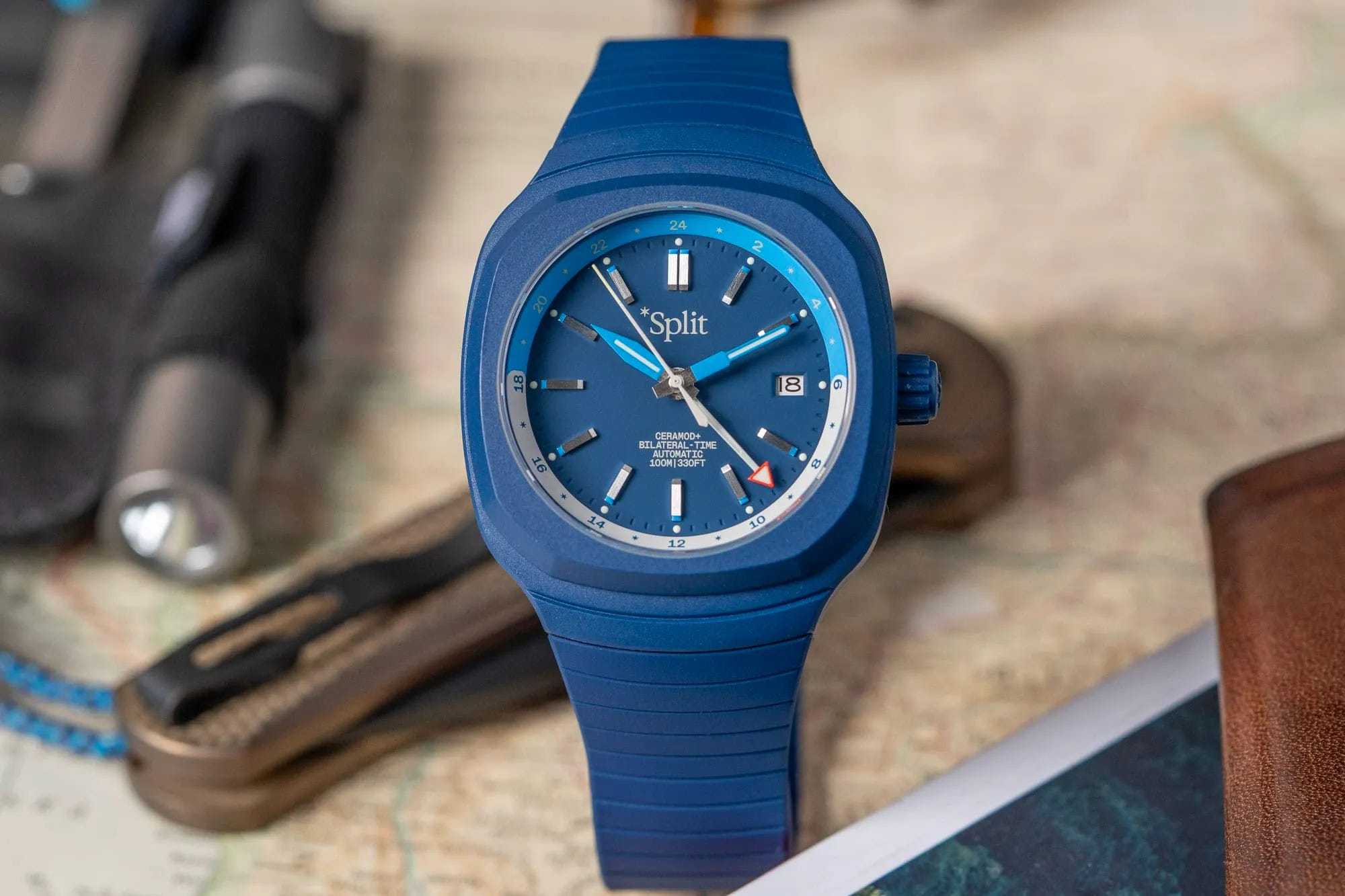
Split GMT
London-based Split Watches combines the Miyota 9075 true GMT movement with a lightweight Ceramod+ case and a charitable mission that funds mental-health therapy through every sale. Despite some ergonomic concerns on smaller wrists, the review finds plenty to like in this sub-$1,000 independent GMT.
Editorial
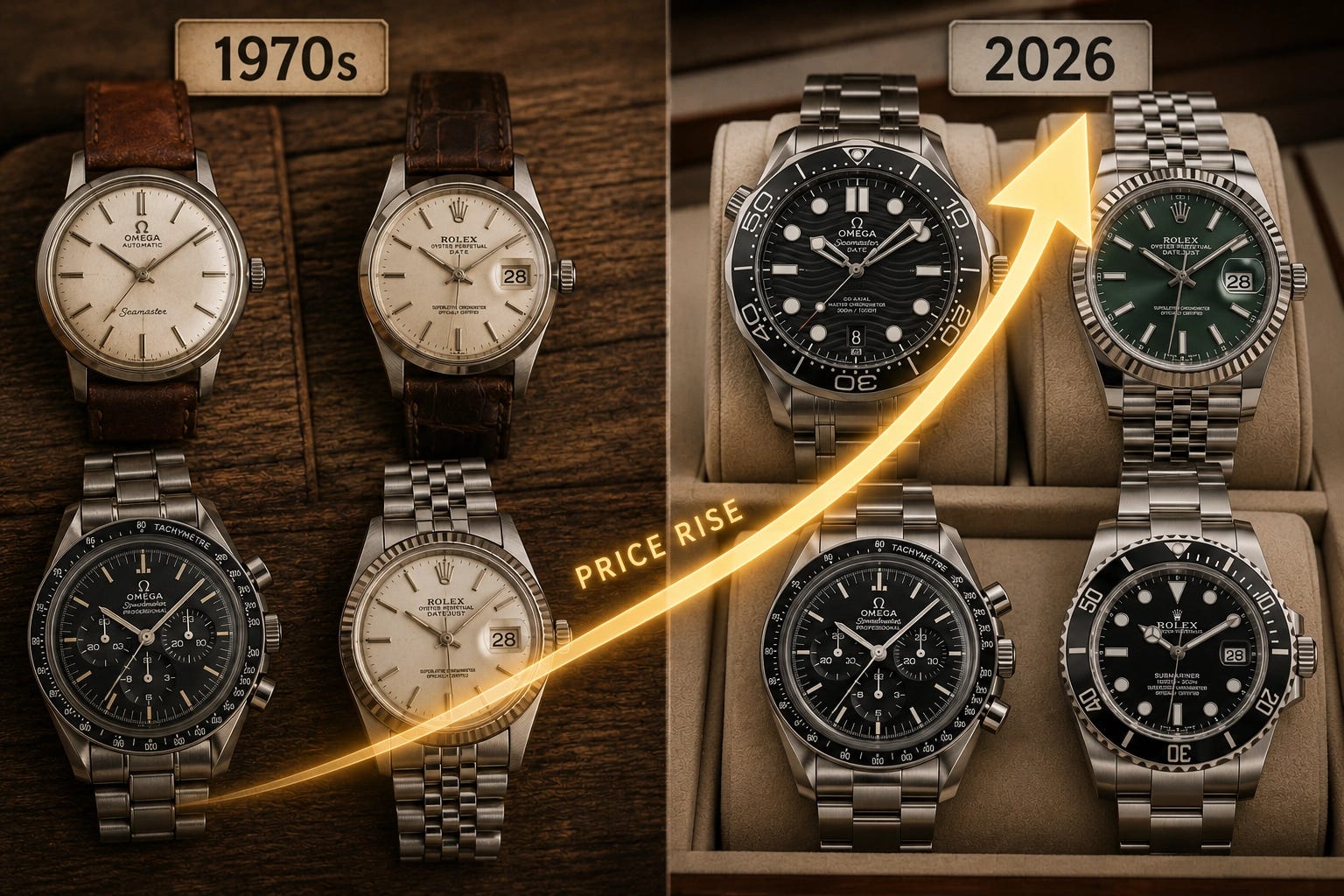
Why Have Rolex Prices Doubled Over the Past 50 Years?
A new editorial argues that Rolex’s real-world prices have roughly doubled relative to wages over the past five decades, driven by production strategy, margins and changing luxury economics as much as manufacturing costs. The piece questions whether the broader Swiss industry can maintain premium pricing without addressing affordability and long-term consumer value.
Opinion
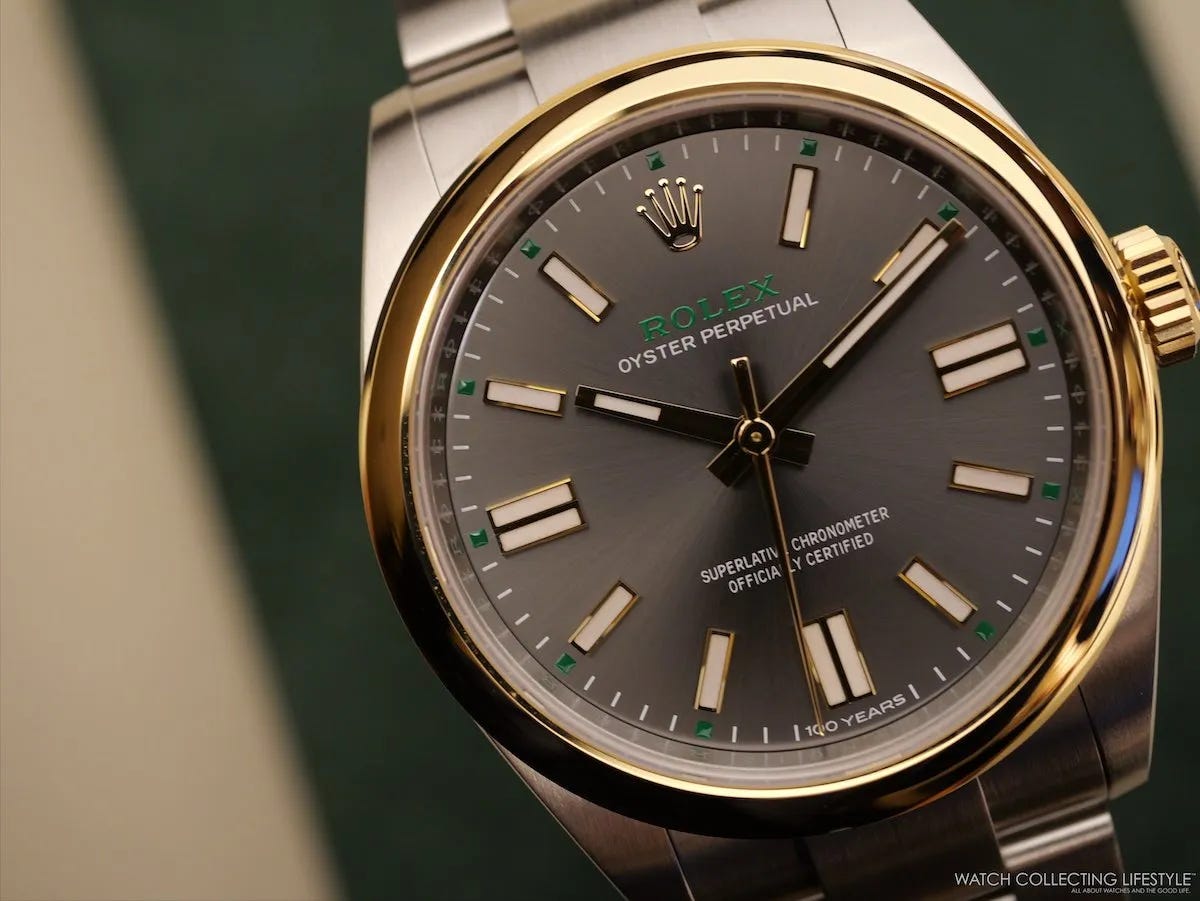
Rolex Oyster Perpetual 41 ‘100 Years’—The Real Wimbledon Watch and Here’s Why
The new Rolex Oyster Perpetual 41 “100 Years” quietly celebrates a century of the Oyster case while borrowing the green-and-slate color palette that collectors closely associate with Wimbledon. Rather than producing an overt commemorative model, Rolex created what may become one of its most subtle anniversary watches.
Podcast

SJX Podcast: Pop to Drop?
SJX examines how enthusiasm surrounding the Swatch × Audemars Piguet Royal Pop collaboration cooled far more quickly than expected before shifting to the spring auction season, where exceptional F.P. Journe and Patek Philippe results continue to reshape the upper end of the collector market.
Watching Time
5 Watches Actually Worth Buying New in 2026 ($200–$63,000) — Unpolished
From affordable everyday pieces to serious haute horlogerie, Unpolished highlights five of the most compelling watches introduced this year and explains why each deserves consideration despite serving dramatically different buyers.
Buying Luxury Watches Online? This Lawyer Knows ALL the Tricks! — Zero to Sixty
A lawyer specializing in luxury watches walks through the biggest mistakes buyers make online, how to verify sellers, avoid counterfeits and protect yourself before wiring thousands of dollars to someone you’ve never met.
The Luxury Watch Industry’s Biggest Lie Is About To Be Exposed — Scott Adam Lancaster
Scott Adam Lancaster questions some of the industry’s favorite marketing narratives while examining whether modern pricing, exclusivity and perceived value still align with reality.
The Reality of the Watch Market Halfway Through 2026 — Rex Watches NYC
An excellent mid-year look at where the secondary market stands, which brands continue to outperform and where collectors should be paying attention during the second half of 2026.
Tim Mosso Gets a New Watch — See It Here
Tim Mosso reveals his latest acquisition while discussing what attracted him to the watch and how it fits into both his collection and today’s changing enthusiast market.
Watches We Pretend to Like, but Actually Don’t! — The Movement Podcast
The Movement Podcast takes a humorous look at watches collectors claim to admire simply because everyone else seems to, asking whether hype has become more powerful than honest opinion.
BuyingTime At Auction
Yesterday’s auction featured a 2022 Audemars Piguet CODE 11.59 Perpetual Calendar in rose gold with an aventurine dial. Bidding reached $46,500, but the reserve was not met, continuing a recent trend in which exceptional complicated watches are attracting interest without quite convincing sellers to part with them.
Green With Envy: Patek Philippe’s Annual Calendar That May Be the Buy of the Week
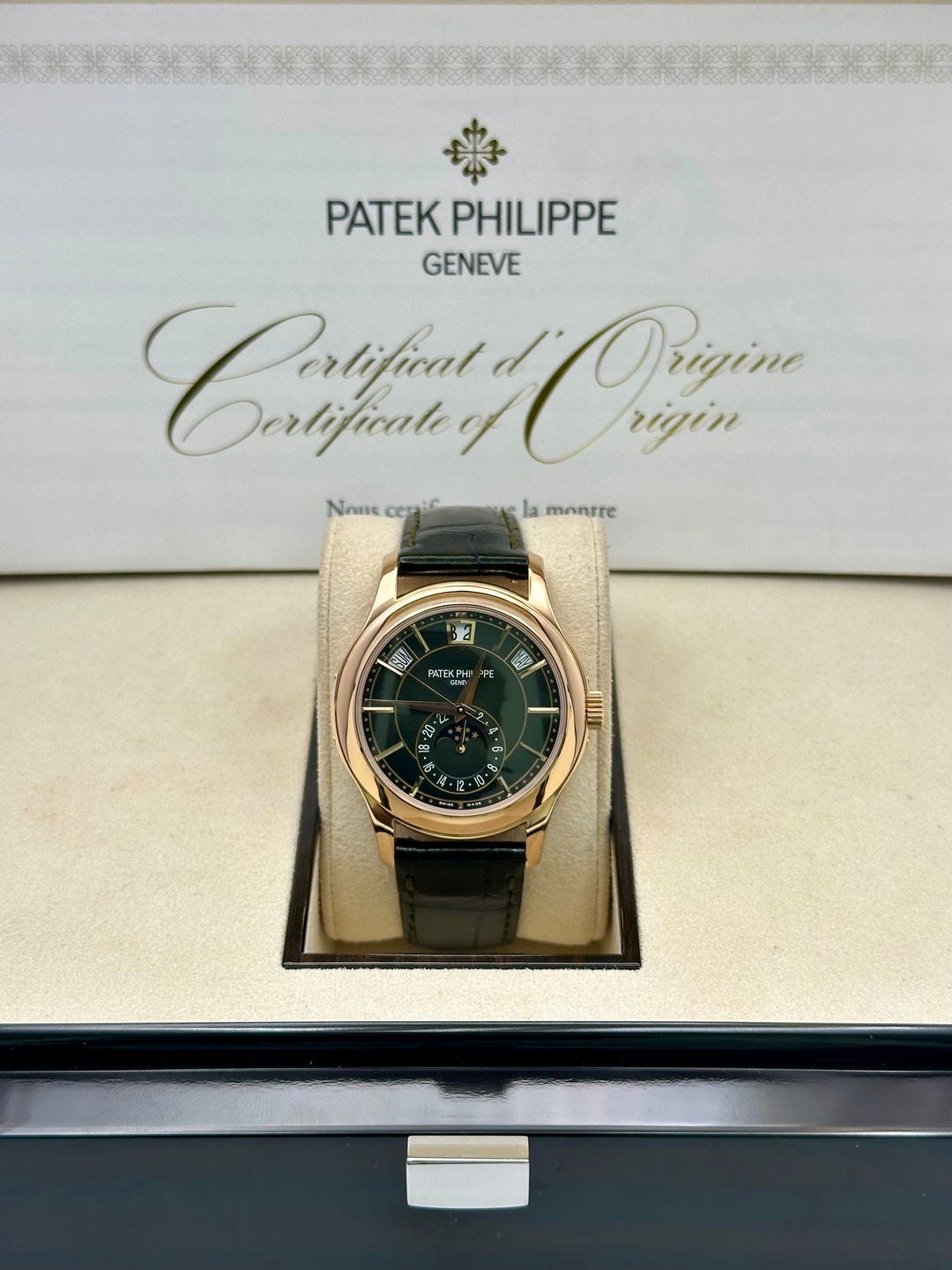
Today’s featured watch shifts the focus to one of Patek Philippe’s most desirable modern complications: the 2026 Patek Philippe Annual Calendar 5205R-011 in rose gold with an olive green dial.
If there were ever a watch that demonstrated why Patek Philippe remains the benchmark for elegant complications, this is it.
Introduced in 2026, the 5205R-011 updates one of the manufacture’s signature Annual Calendar references with one of the year’s most attractive dial colors. The warm rose gold case paired with the rich olive-green sunburst dial creates a combination that somehow feels both contemporary and timeless. It is understated enough for everyday wear yet unmistakably Patek from across the room.
The Annual Calendar itself remains one of Patek Philippe’s greatest inventions. Introduced in 1996, the complication automatically distinguishes between 30- and 31-day months, requiring correction only once each year at the end of February. For many collectors, it offers nearly all of the practicality of a perpetual calendar without the complexity, cost and servicing considerations.
Powering the watch is Patek Philippe’s beautifully finished Caliber 324 S QA LU 24H/206, visible through the sapphire caseback. The movement combines day, date, month, moonphase and 24-hour indication into one remarkably balanced display while maintaining the clean proportions that have become a hallmark of the reference.
This example is particularly attractive because it is essentially brand new. Produced in 2026, it is offered in unworn condition and includes both its original box and papers, making it especially appealing to collectors who prefer complete sets. The 40 mm rose gold case, olive dial and immaculate condition place it among the strongest examples currently available on the secondary market.
Retail demand for current complicated Patek Philippe references remains exceptionally strong, and examples that are unworn with full accessories rarely remain available for long. While the secondary market has generally cooled from its extraordinary 2021–2022 highs, important complicated Patek Philippe references continue to command premium prices because production remains relatively limited and collector demand remains global.
The auction concludes today at 12:20 p.m. EDT (Tuesday, July 14, 2026), making this one of the final opportunities to acquire what is likely to become one of the defining colorways of the modern Annual Calendar collection. If bidding remains disciplined, this could prove to be one of the better buying opportunities we’ve highlighted in recent weeks.
Current bid: $51,000
Closing Time
Thank you for spending part of your morning with BuyingTime Daily.
If you enjoyed today’s issue, please consider sharing it with another watch enthusiast, collector or industry professional. Every new reader helps grow our community and supports independent watch journalism.
We’ll be back tomorrow morning with another edition covering everything happening across the global watch industry.
See you tomorrow.
Michael Wolf
Publisher & Editor
BuyingTime.news