

In 30 Seconds
Watches of Switzerland adds the revived Daniel Roth brand to its increasingly serious high-horology portfolio, while the auction market appears to be entering an era in which $10 million watches are no longer freak occurrences. We go inside Silverstone with H. Moser & Cie., explore the history and design importance of watch lugs, meet the man behind F.P. Journe, pair fragrances with watches and debate which Omega Speedmaster best defines the legend. We also examine the most surprising releases of 2026 so far and ask why collectors continue to keep watches they almost never wear.
Time Graphing Today’s Watch Universe
The watch business has always depended on scarcity, but it increasingly seems determined to test how many different varieties of scarcity the market can absorb at once. There is limited production, historical scarcity, auction scarcity, distribution scarcity and, perhaps most effectively, the scarcity created when a brand makes it extremely difficult to buy something even when you have the money.
That makes Watches of Switzerland adding Daniel Roth to its roster more interesting than a routine retail announcement. Daniel Roth is not a normal addition to a multibrand showroom. This is a name carrying several different histories at once: the independent watchmaker who helped revive Breguet, the founder who established his own distinctive double-ellipse design language, the brand later absorbed by Bulgari and the modern LVMH-backed resurrection now producing watches in numbers small enough to make allocation lists look almost optimistic.
Watches of Switzerland is effectively selling access to an idea as much as to a product. The idea is that Daniel Roth represents a purer age of independent watchmaking, even though the revived company is now supported by one of the largest luxury groups in the world. That apparent contradiction is not necessarily a problem. Large-group resources can finance the painstaking work required to revive historic calibres, restore traditional techniques and make extremely complicated watches without immediately going broke. Independence has become as much an aesthetic and philosophical position as a corporate structure.
The arrangement also demonstrates how luxury retailers are evolving. The best retailers no longer want to be viewed simply as places where inventory sits beneath glass. They want to be curators, educators, gatekeepers and, when the watches are sufficiently rare, diplomatic intermediaries between brands and collectors. Adding Daniel Roth raises the intellectual temperature of the room. It tells serious collectors that Watches of Switzerland wants to participate in the small, highly competitive market for historically important contemporary watchmaking.
At the opposite end of the same scarcity machine is the emerging era of the $10 million watch. Seven watches have now crossed that threshold, with three doing so in 2026 alone. The numbers are breathtaking, although perhaps not entirely surprising. Art collectors have lived with eight- and nine-figure prices for generations. Watches are only now learning how to behave like art, complete with provenance narratives, celebrity ownership, scholarly catalogues and rooms full of wealthy people convincing one another that there will never be another opportunity.
There probably will not be another Paul Newman Daytona, at least not in the literal sense. There may, however, be an endless supply of objects that auction houses can position as the next historically consequential trophy. The key is not simply rarity. Plenty of rare watches are not worth $10 million. A trophy watch needs a story that can be explained quickly, remembered easily and repeated convincingly. Paul Newman wore it. Patek made it for a famous collector. F.P. Journe created it at the beginning of his independent career. The object becomes the physical evidence supporting a larger legend.
The story of F.P. Journe fits perfectly into this new market. Journe’s appeal is not based solely on movements, finishing or production numbers, although all three matter. It is based on authorship. Collectors believe they can see one person’s intelligence, stubbornness and mechanical philosophy inside the watch. “Invenit et Fecit” works because the watches appear to have been invented and made by someone whose presence remains visible in the finished object.
That kind of authorship becomes increasingly valuable as the wider luxury market becomes more corporate, polished and interchangeable. A Journe watch does not merely tell time. It gives its owner entry into a narrative about independent genius, traditional horology and the survival of individual vision. Once enough collectors accept that narrative, the price of the rarest examples begins behaving less like the price of a watch and more like the price of cultural property.
Yet even at Formula 1 speed, watchmaking continues to depend on people performing small jobs with extraordinary consistency. Inside Silverstone with H. Moser & Cie. makes that connection unusually clear. A pit stop looks like one event, but it is actually a sequence of highly specialized actions that must occur in exactly the right order. Watchmaking works the same way. The finished watch may carry one brand name on the dial, but its success depends on movement constructors, machinists, finishers, dial makers, case specialists, assemblers and regulators doing their work without introducing the microscopic error that ruins everything downstream.
This is why the better watch-and-motorsport partnerships feel credible while the weaker ones look like sponsorship stickers searching for a story. H. Moser and Alpine share a real interest in engineering, timing, materials and the coordinated pursuit of marginal gains. A pit crew trying to save tenths of a second and a watchmaker trying to control microscopic variations in energy delivery are working at different scales, but the mentality is remarkably similar. Precision is not one spectacular act. It is the elimination of hundreds of tiny inconsistencies.
The same principle applies to design elements that casual buyers barely notice. The history of watch lugs sounds like a specialized topic until one remembers that lugs determine how a watch meets the wrist. Change their length, curvature, width or articulation and the entire personality of the watch changes. A 42 mm case with intelligently curved lugs can wear better than a poorly designed 39 mm case. A beautiful dial can be undermined by lugs that appear to have been attached during a separate design meeting.
Lugs also provide a useful reminder that watch design evolves through practical necessity before becoming decorative language. Wire lugs helped turn pocket watches into wristwatches. Later designs improved structural strength, strap attachment and ergonomics. Eventually, designers realized that lugs could become signatures: twisted, teardrop, claw-shaped, hooded, integrated or almost invisible. What began as hardware became identity.
That transition from utility to lifestyle is visible throughout today’s issue. Five fragrances paired with watches may appear to be an exercise in enthusiast excess, and it probably is. Still, it reflects how luxury increasingly operates. Consumers are encouraged to build a coherent personal universe in which the watch, fragrance, automobile, hotel, luggage and espresso machine all communicate approximately the same thing about the owner.
There is nothing inherently wrong with that, provided the fragrance smells good and the watch keeps reasonable time. But the pairing demonstrates how the industry has moved beyond selling isolated objects. A watch is now presented as part of an identity system. The goal is not simply to own a Daytona or Royal Oak Offshore. It is to know which fragrance supposedly belongs beside it, preferably before someone launches a limited-edition candle.
Collectors, however, remain wonderfully inconsistent. They chase perfectly coordinated lifestyles while keeping watches they rarely wear. The watch worn least and kept anyway captures one of collecting’s more honest truths: ownership and use are not the same thing. Some watches survive in a collection because they preserve a memory, represent a historical niche or remind the owner of the person they were when they bought them.
The least-worn watch may therefore be among the collection’s most important pieces. A daily watch proves its value through utility. A rarely worn watch must justify itself through emotion. That is a harder standard, although collectors have shown remarkable creativity when explaining why something untouched for three years remains absolutely essential.
Meanwhile, the ultimate Omega Speedmaster debate shows why certain watches resist definitive answers. The Speedmaster is not one watch anymore. It is an archive, a mythology and an enthusiast classification system. The modern calibre 321 “Ed White,” a 1971 Straight Writing model, an Apollo XI anniversary edition and a standard Moonwatch all offer legitimate claims to represent the collection. Choosing the definitive Speedmaster is less about objective superiority than deciding which part of the story matters most.
That may also explain why the most surprising releases of the first half of 2026 came from such different corners of the market. Baltic delivered accessible world-time personality, Jaeger-LeCoultre entered integrated-bracelet territory, Timex stretched upward with Atelier, Oris revisited Bauhaus restraint and Zenith returned to the A384 with a tropical dial. Surprise no longer requires inventing an entirely new complication. Sometimes it means placing a familiar brand in an unexpected category or giving collectors more substance than the price prepared them to expect.
The common thread is that watches are becoming more valuable as stories, systems and signals, even while the mechanics remain rooted in tiny components performing narrow jobs. That is the wonderful contradiction of the modern watch business. A lug can alter an entire design. A two-second pit stop can explain a manufacture. A long-retired founder can shape the value of a corporate revival. A watch almost never worn can remain irreplaceable. And an object small enough to disappear under a shirt cuff can now sell for more than most museums could afford to spend on their entire annual acquisitions budget.
Apparently, telling the time was only the beginning.
-Michael Wolf
News
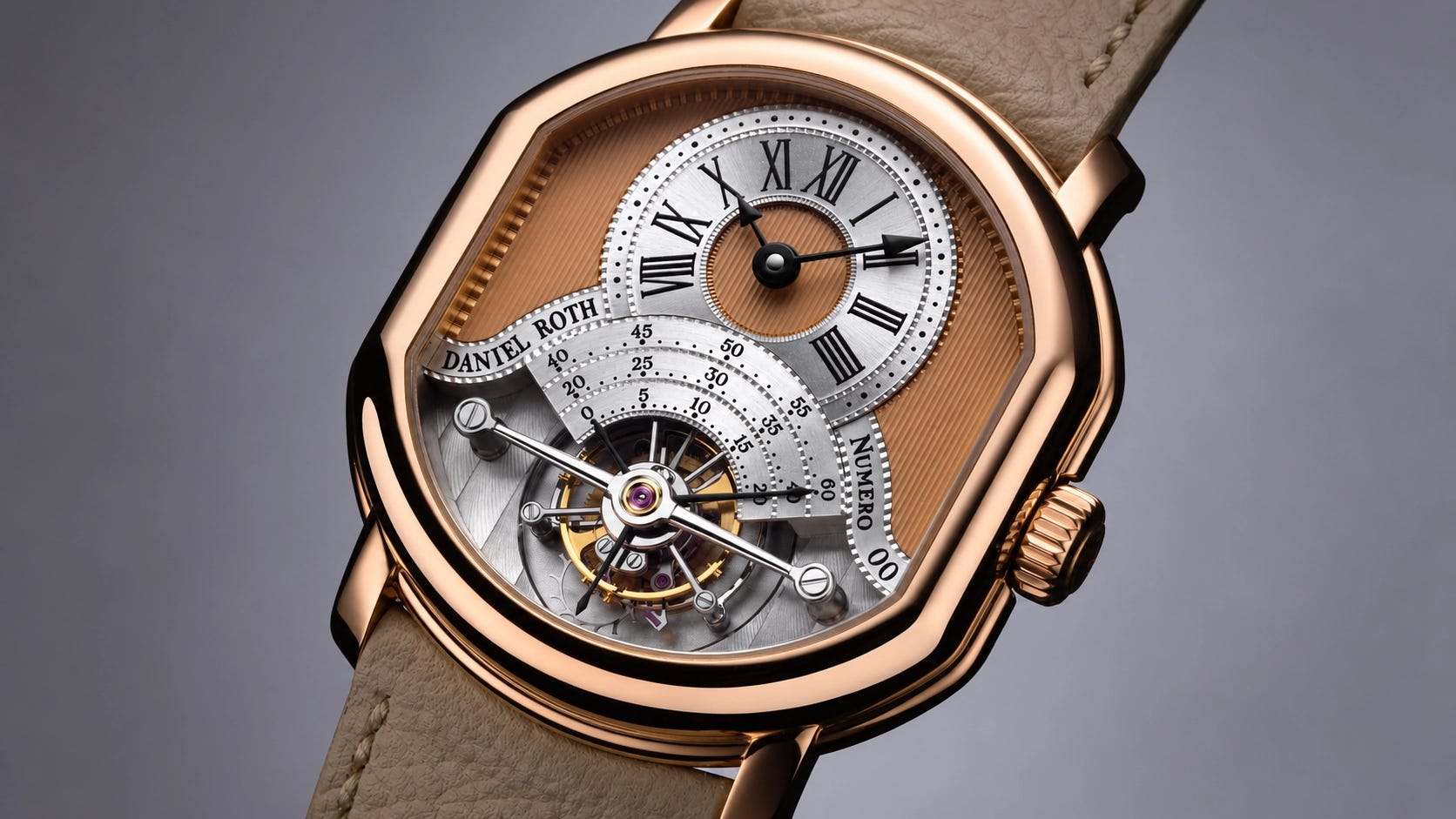
Watches of Switzerland Welcomes Daniel Roth
Watches of Switzerland has added LVMH-owned Daniel Roth to its portfolio, offering collectors access to the revived independent name’s extraordinarily limited tourbillons and complications priced from roughly $67,000 to $245,000. The partnership places Daniel Roth’s modern revival alongside the influential legacy of its founder, who continues making watches separately through Jean Daniel Nicolas. Go Deeper
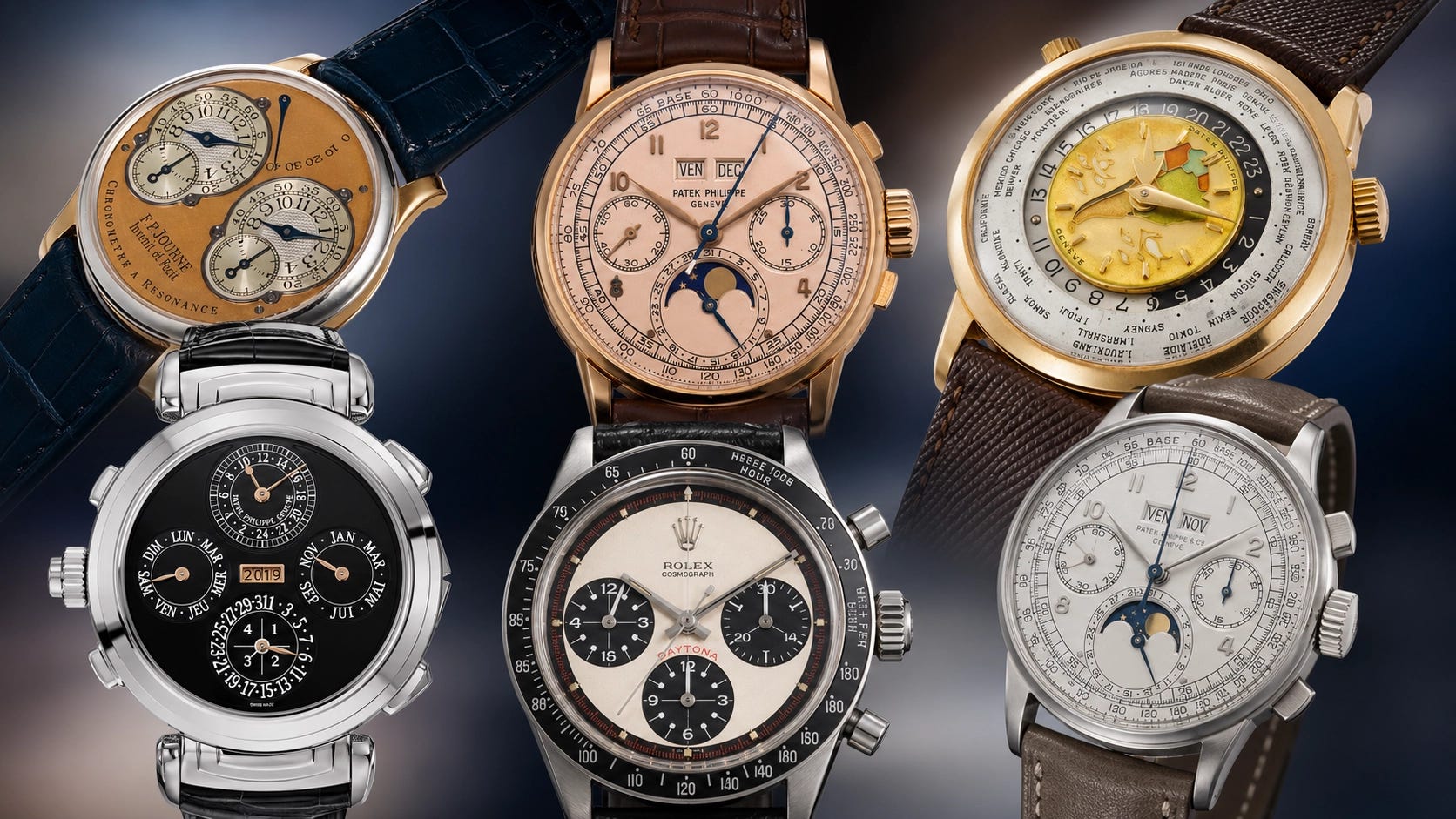
Welcome to an Era of $10 Million Watches
Seven watches have now sold for more than $10 million, including three in 2026, suggesting that trophy-level watch sales are becoming a recurring market segment rather than isolated auction anomalies. The buying pool remains small, but wealthy newcomers from the art world are helping reposition historically important watches as serious alternative assets. Go Deeper
Feature

Every Second Belongs to Someone: Inside Silverstone With H. Moser & Cie.
A journalist pit-stop challenge at Alpine’s Enstone facility demonstrates how Formula 1 and haute horology both depend on specialists performing tightly defined tasks in perfect synchronization. The experience shows why the relationship between Alpine and H. Moser & Cie. extends beyond branding into shared ideas about precision, engineering and eliminating microscopic errors. Go Deeper
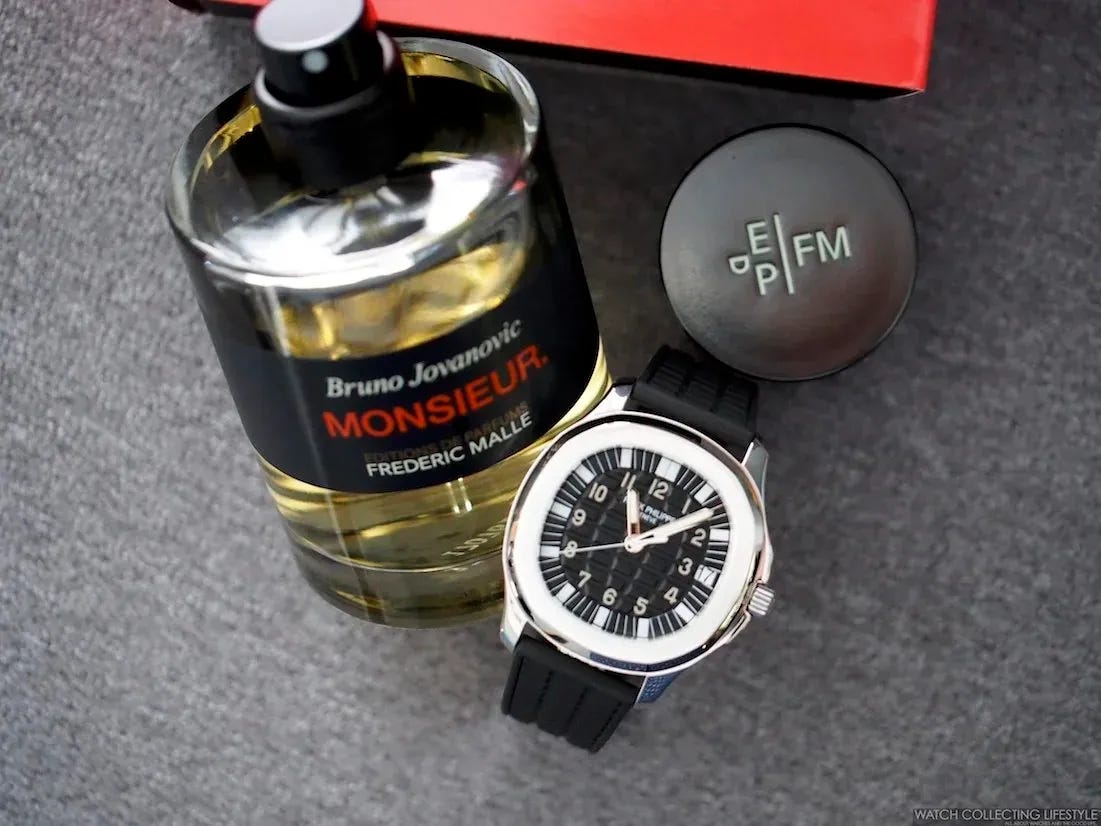
Five Parfums Every Watchlifestyler Should Own—and the Watches to Pair Them With
Five premium fragrances are paired with watches ranging from the Rolex Cosmograph Daytona to the Audemars Piguet Royal Oak Offshore Diver, creating a carefully coordinated universe of scent and horology. The selections argue that appreciating either category requires patience, restraint and an unhealthy willingness to obsess over subtle details. Go Deeper
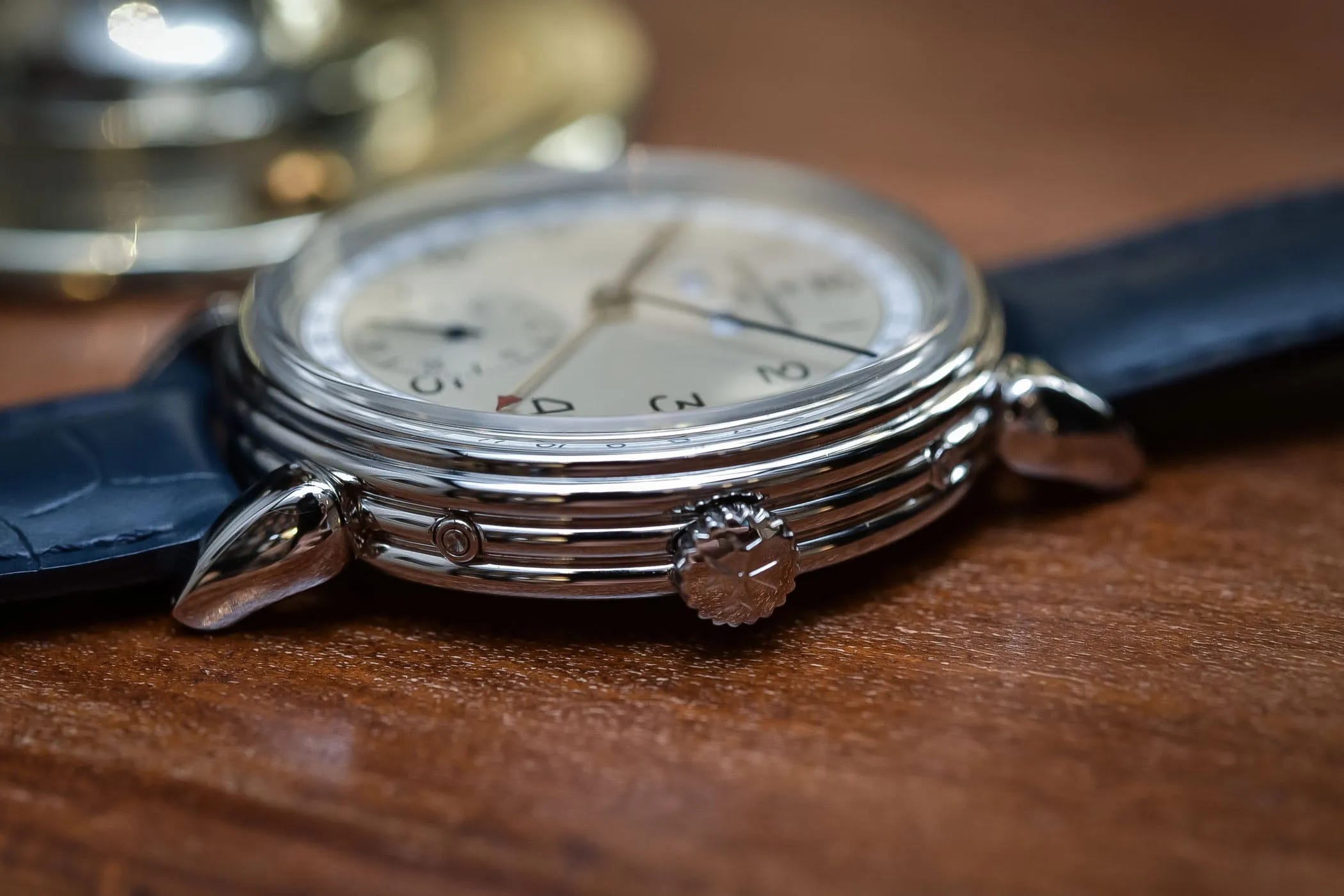
The ABCs of Time: Everything About Watch Lugs
From welded wire loops on converted pocket watches to integrated, twisted and articulating modern designs, lugs have developed into one of the most important components governing a watch’s appearance and wearability. Their width, length, curvature and construction can determine whether an otherwise attractive watch becomes a wrist favorite or an expensive ergonomic mistake. Go Deeper
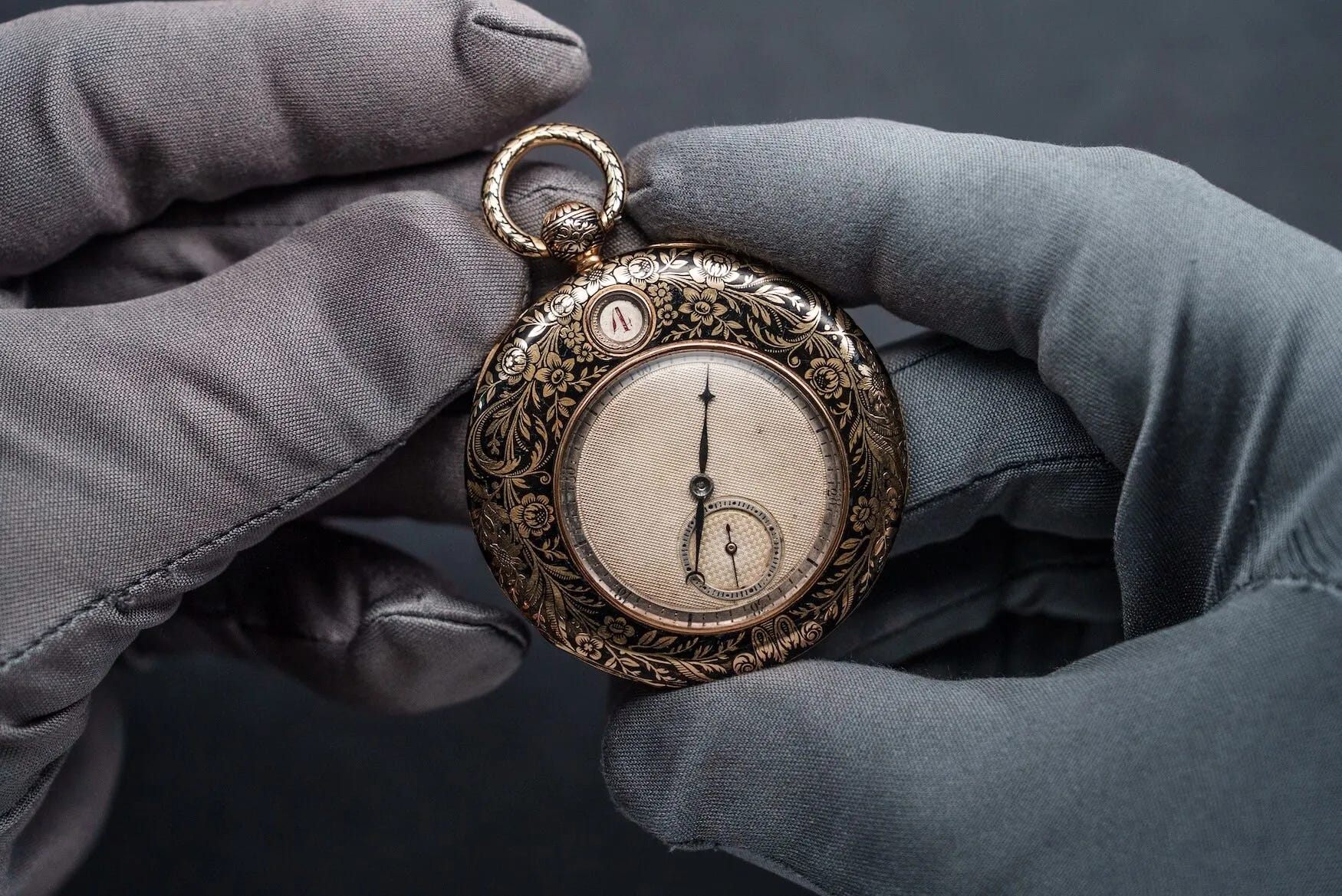
Vacheron Constantin: Inside the Archives Ep. 3 — Innovations
Vacheron Constantin explores the technical innovations that have helped the manufacture remain relevant across generations, examining how historical ideas continue to influence its most advanced contemporary movements. The episode provides a closer look at the engineering ambition behind one of watchmaking’s oldest continuously operating maisons. Go Deeper
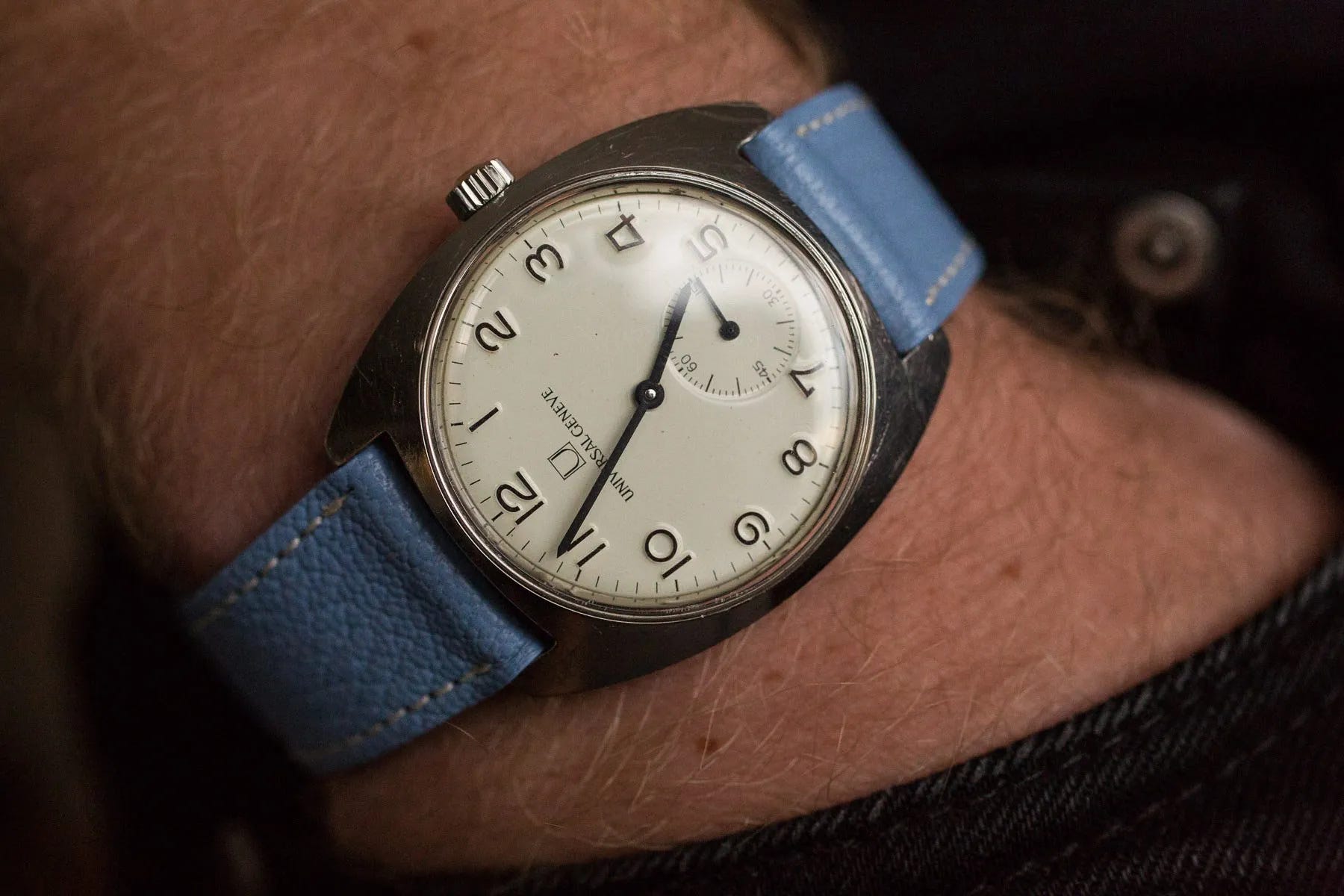
What’s the Watch You Wear the Least, and Why Do You Still Have It?
A rarely worn Universal Genève Ferrovie dello Stato Mark II becomes a case study in why collectors retain watches for history, sentiment and personal meaning rather than practicality. The story suggests that wearing a neglected piece occasionally may restore some of the excitement that originally justified buying it. Go Deeper
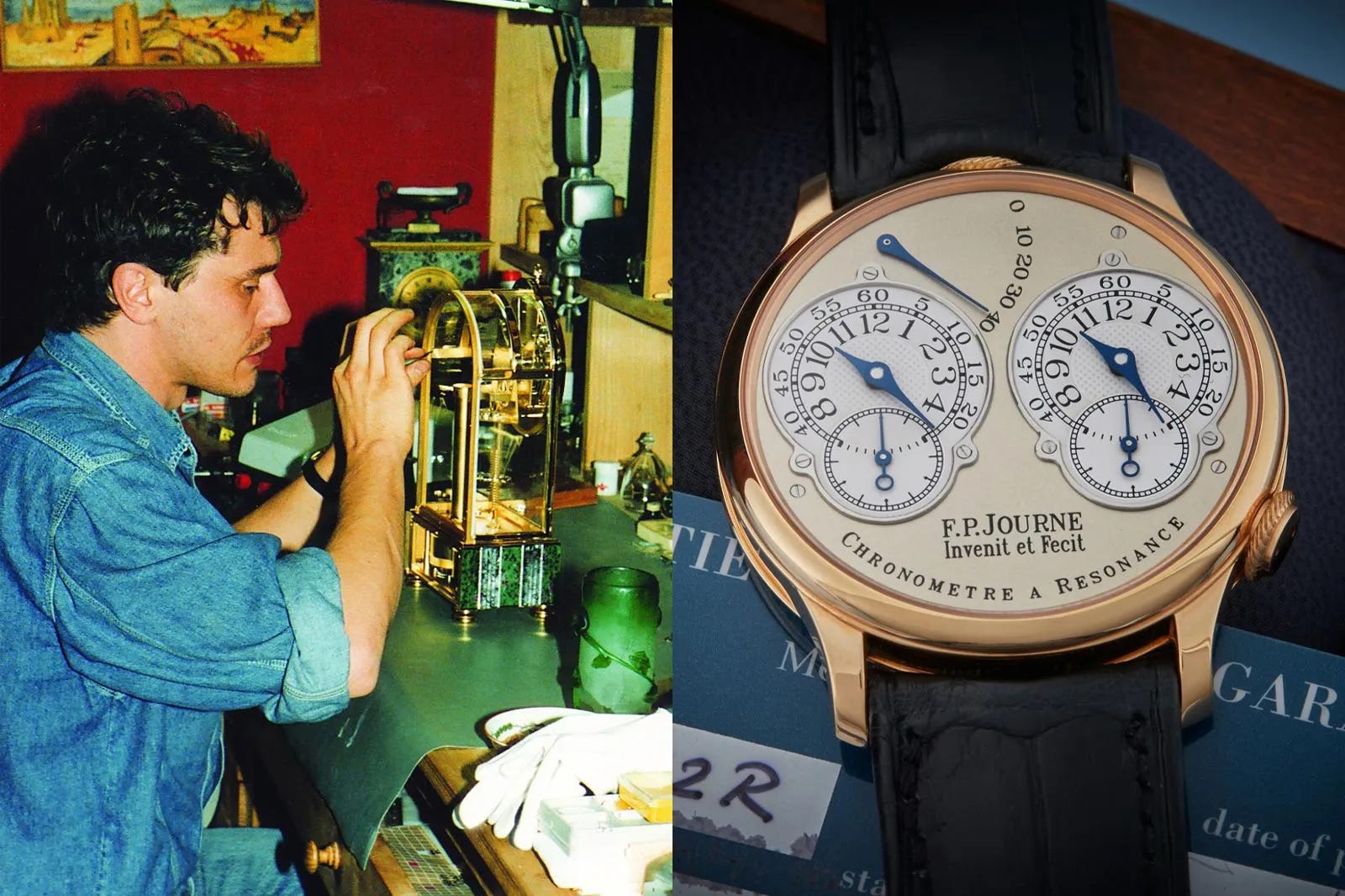
Who Is F.P. Journe?
From a difficult adolescence in Marseille to the creation of one of the world’s most coveted independent watch brands, François-Paul Journe built his reputation through technical invention and an uncompromising commitment to making watches his own way. Creations including the Tourbillon Souverain, Chronomètre à Résonance and Octa established a distinctive mechanical language now supported by production of fewer than 1,000 watches annually. Go Deeper
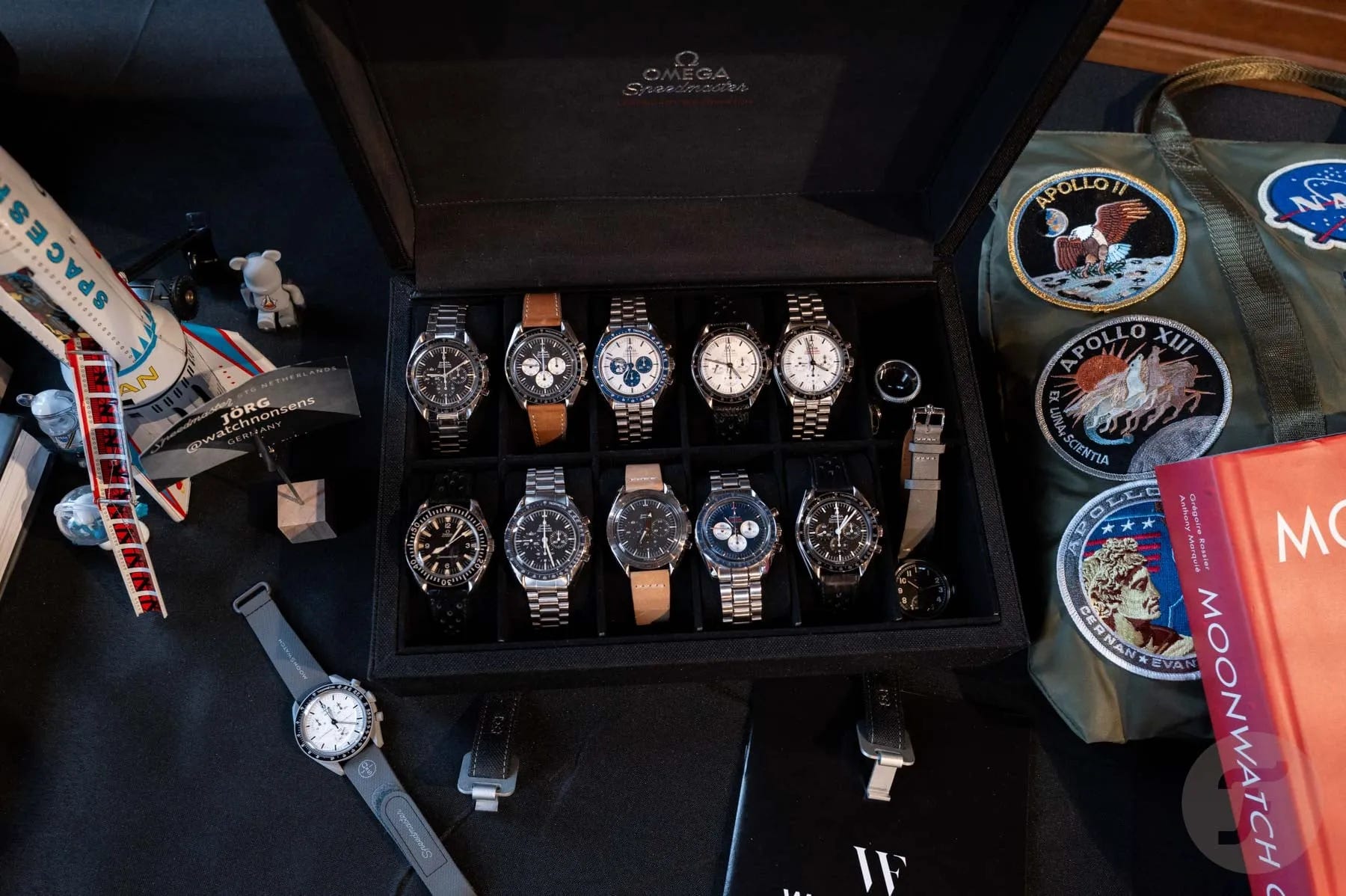
Fratello Talks: The Ultimate Omega Speedmaster Debate
Three collectors choose the Omega Speedmaster references that best define the model’s nearly seven-decade history, including the modern calibre 321 “Ed White,” a 1971 Straight Writing example and a classic calibre 1861 Moonwatch. Their choices demonstrate that the definitive Speedmaster depends as much on personal connection as rarity or market value. Go Deeper
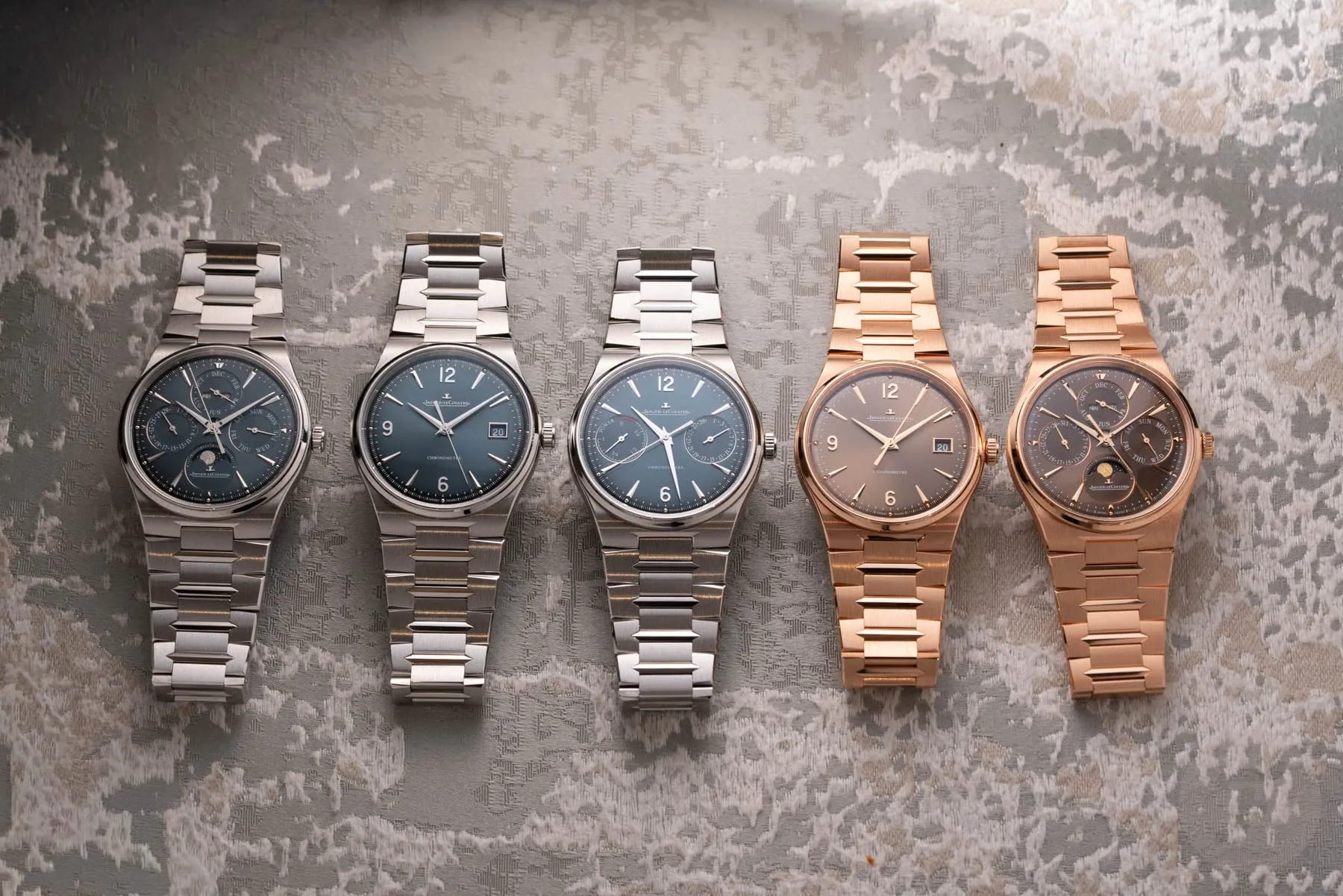
The Top Five Surprising Releases of the First Half of 2026
Unexpected launches from Baltic, Jaeger-LeCoultre, Timex, Oris and Zenith brought world timers, integrated bracelets, titanium chronographs and revived vintage designs into new territory during the first half of the year. Together, the watches show that surprise can come from inventive pricing and positioning as readily as from mechanical complexity. Go Deeper
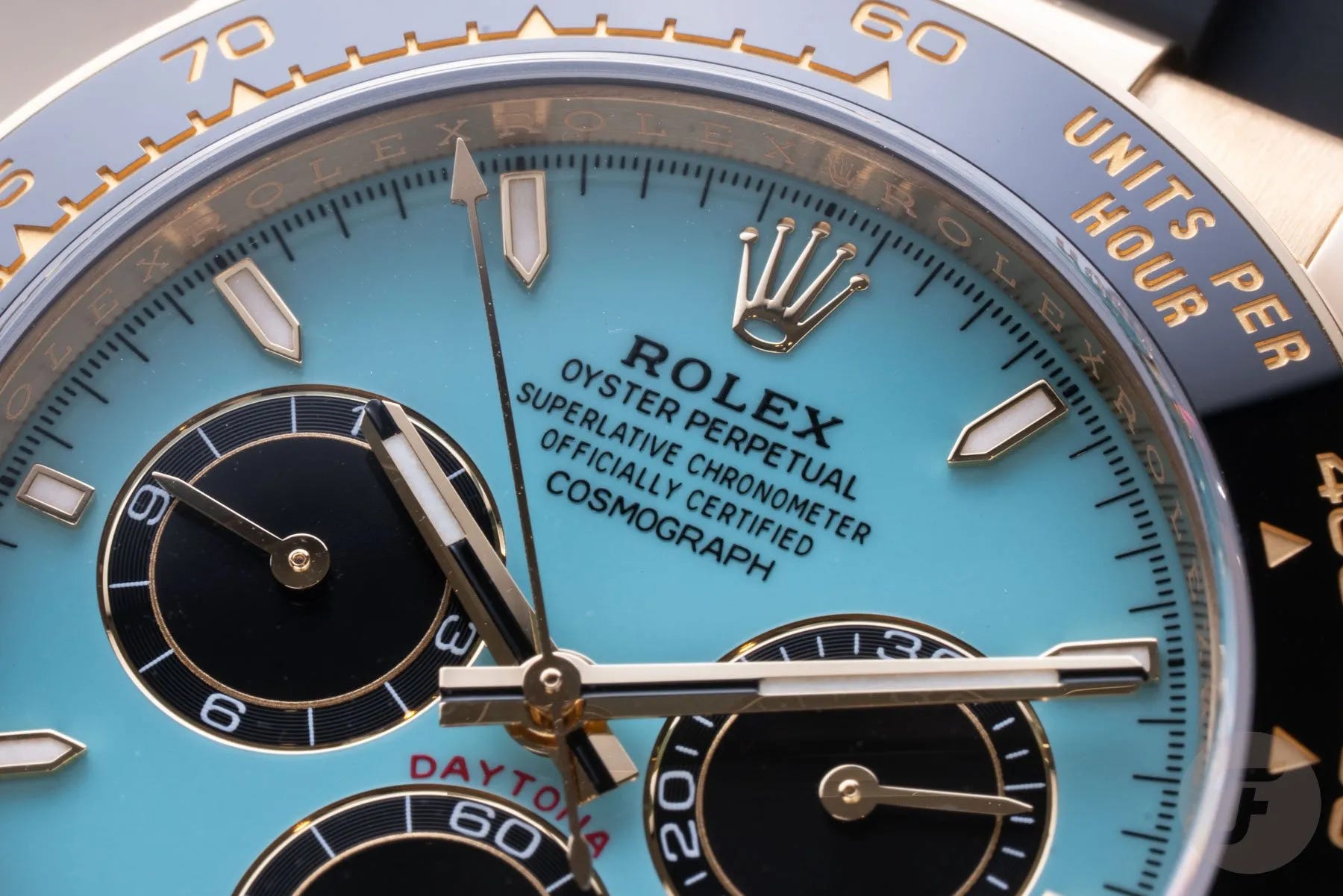
I’d Give It All Up For You: The Yellow Gold Rolex Daytona 126518LN
A love letter to the turquoise-dial Rolex Daytona 126518LN explores why certain watches inspire irrational desire far beyond their practical function. The conclusion is refreshingly sensible: keep the dream, but don’t sell everything else in the safe to get there. Go Deeper
New Watches
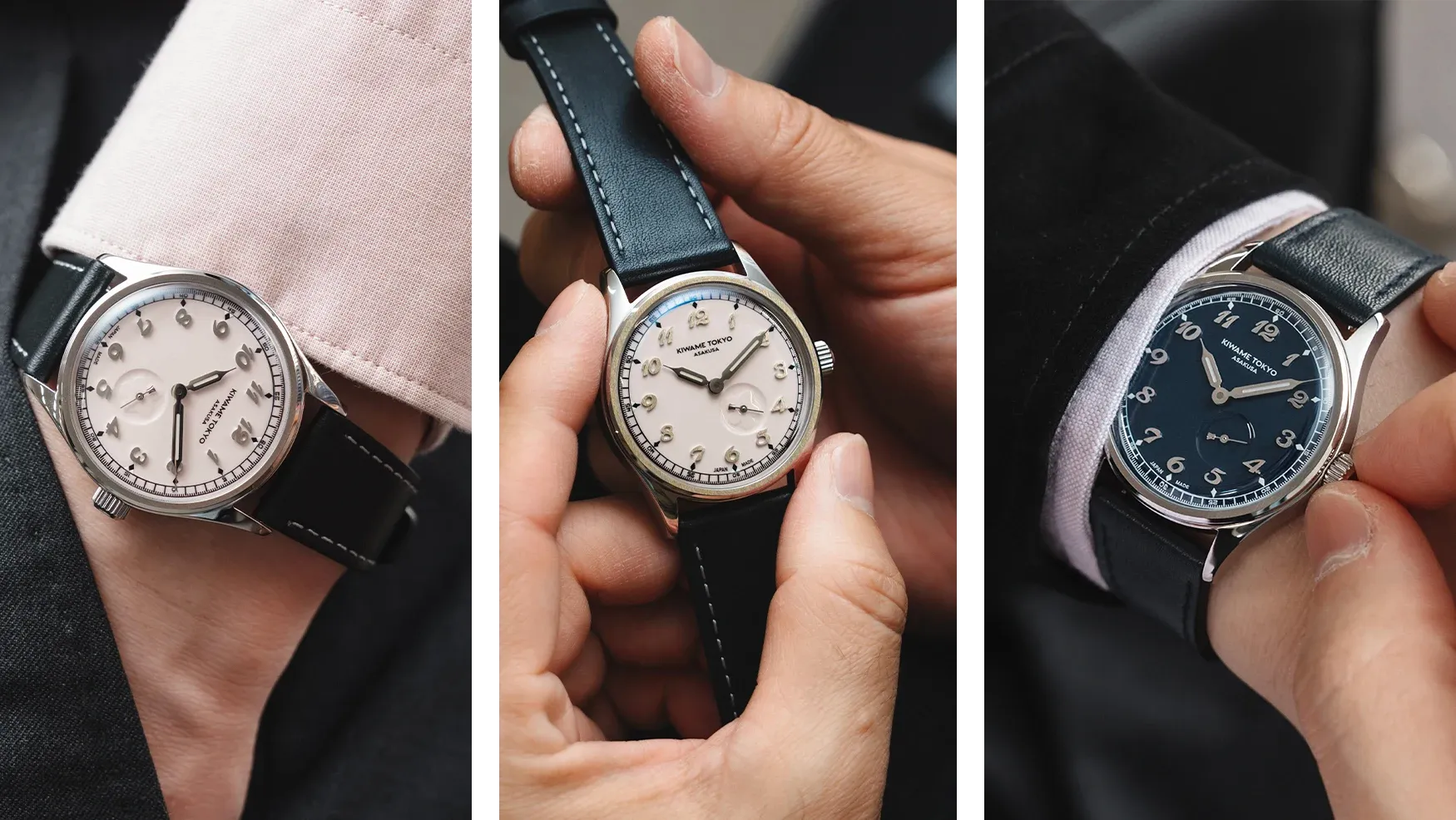
Kiwame Tokyo KUBO
The Kiwame Tokyo KUBO combines a 37 mm case, recessed small seconds and lacquered dials in navy, ivory or soft pink with a Miyota 82S5 automatic movement and 42-hour power reserve. Priced at $630, it offers a restrained Japanese design identity with enough visual depth to distinguish it from the increasingly crowded microbrand field. Go Deeper
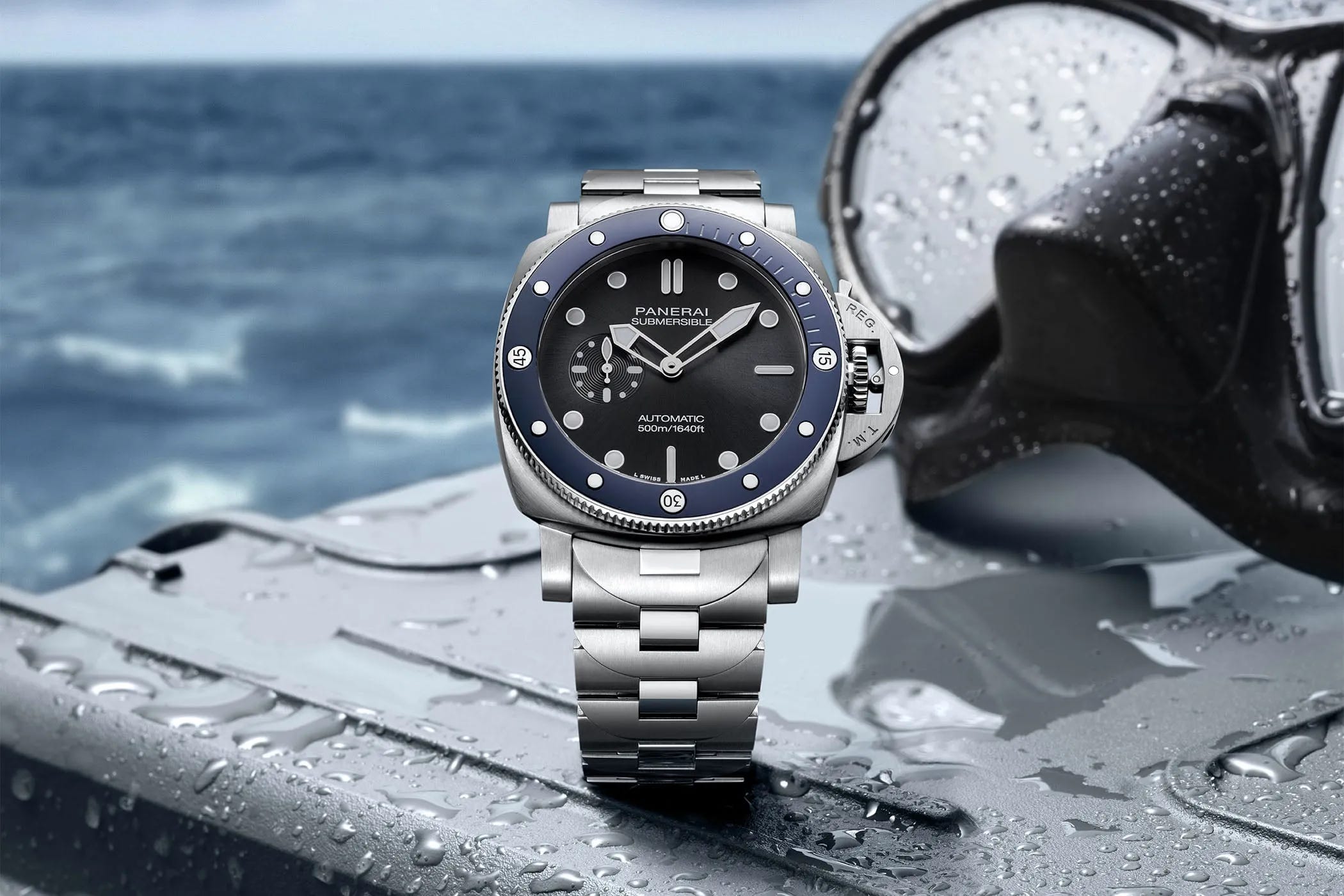
Panerai Submersible PAM01756
The Panerai Submersible PAM01756 is the first Submersible fitted with a metal bracelet, pairing a 44 mm steel case and blue ceramic bezel with 500 meters of water resistance. Its automatic P.980 movement provides 72 hours of power reserve, while the €12,800 price places it firmly in Panerai’s permanent luxury-diver collection. Go Deeper
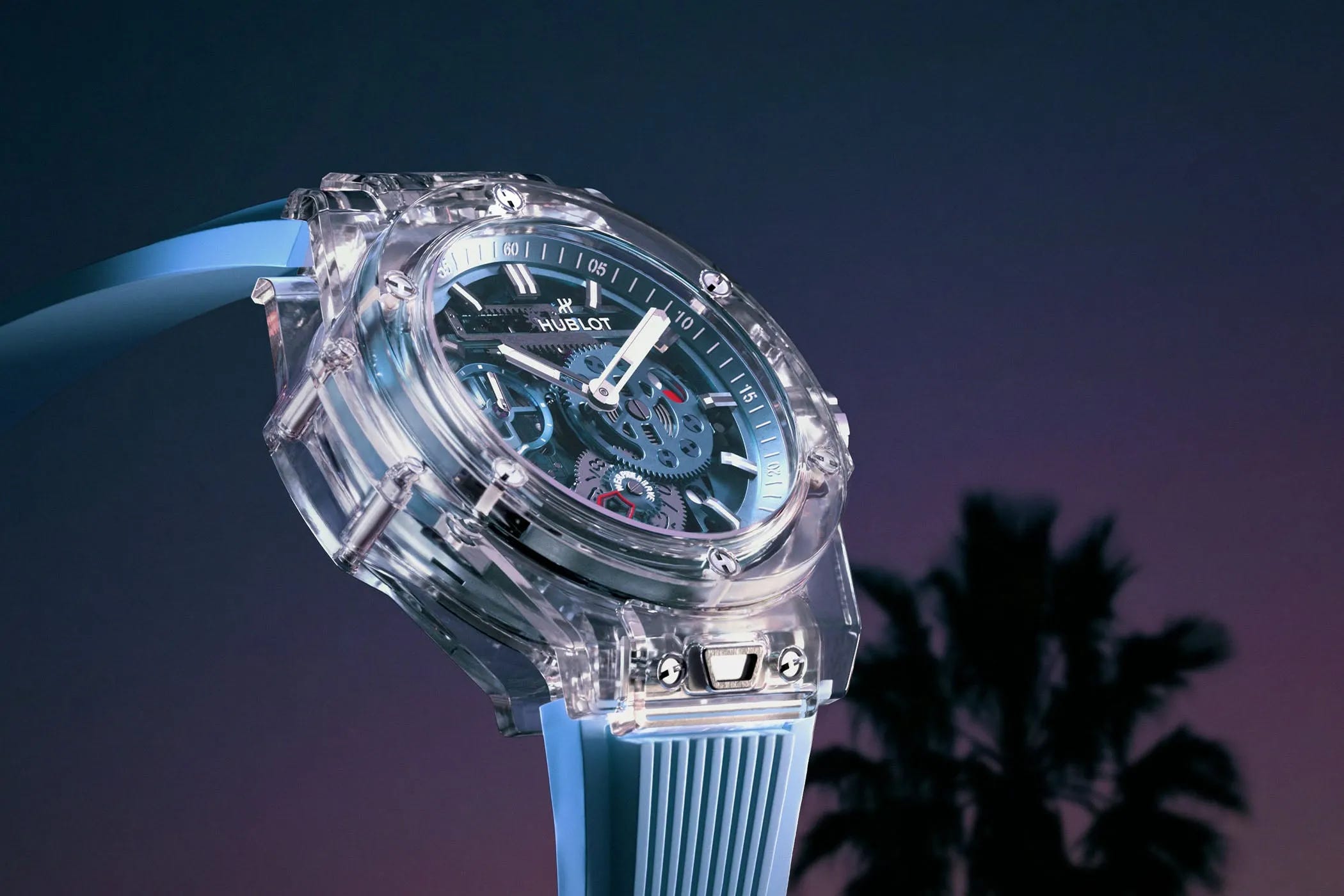
Hublot Big Bang Sapphire Sky Blue
The Hublot Big Bang Sapphire Sky Blue houses the manually wound Meca-10 movement inside a fully polished 44 mm sapphire case, with twin barrels supplying a 10-day power reserve. Limited to 100 pieces and priced at $84,300, it delivers exactly the kind of transparent, brightly colored mechanical spectacle Hublot buyers have been trained to expect. Go Deeper
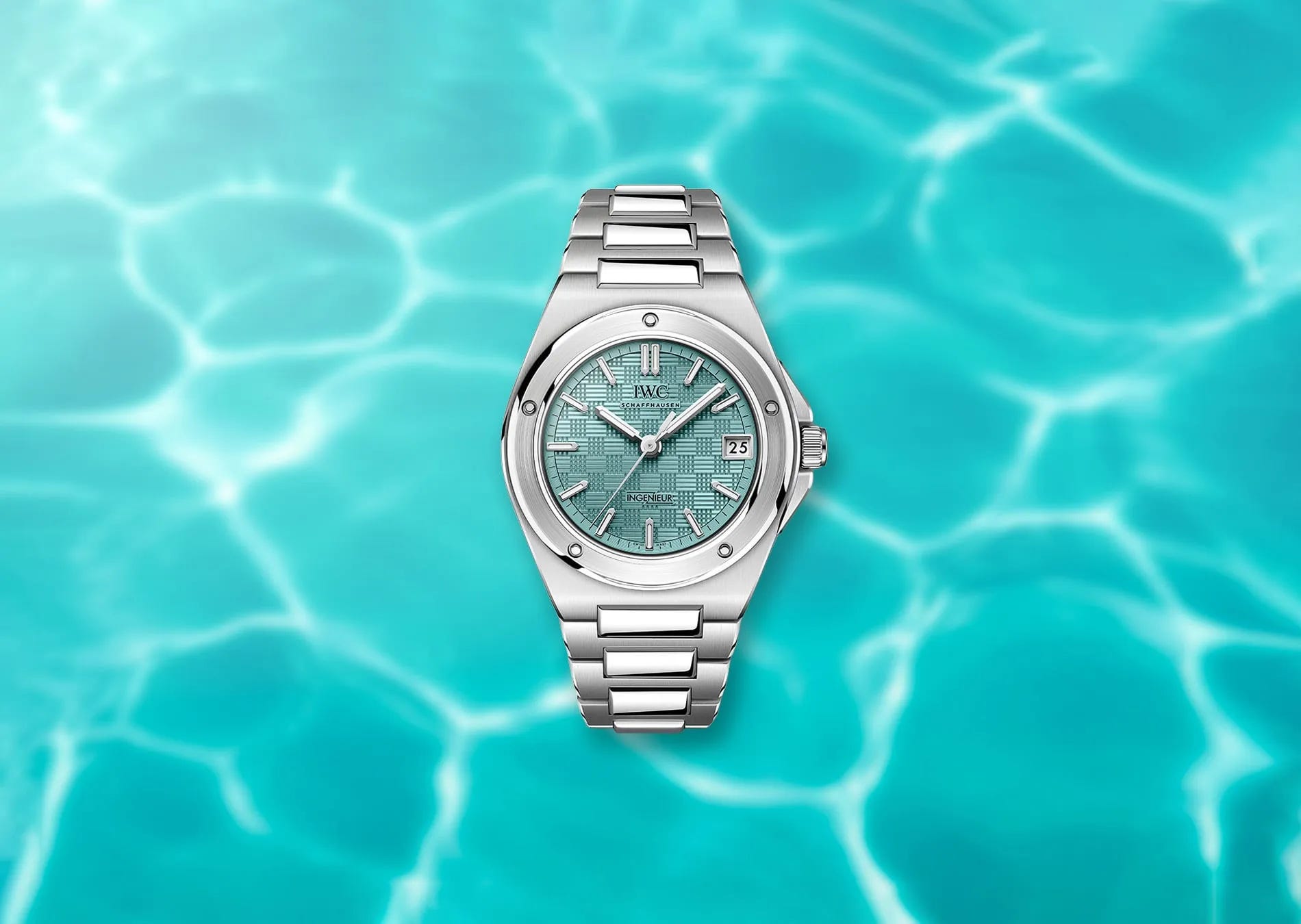
IWC Ingenieur Automatic 35 “Pool”
The IWC Ingenieur Automatic 35 “Pool” pairs the collection’s Genta-inspired integrated-bracelet architecture with a turquoise-green grid dial and compact 35 mm steel case. Priced at $11,200, it offers 100 meters of water resistance and a 42-hour automatic movement in a version designed for collectors who believe serious engineering can also take a summer vacation. Go Deeper
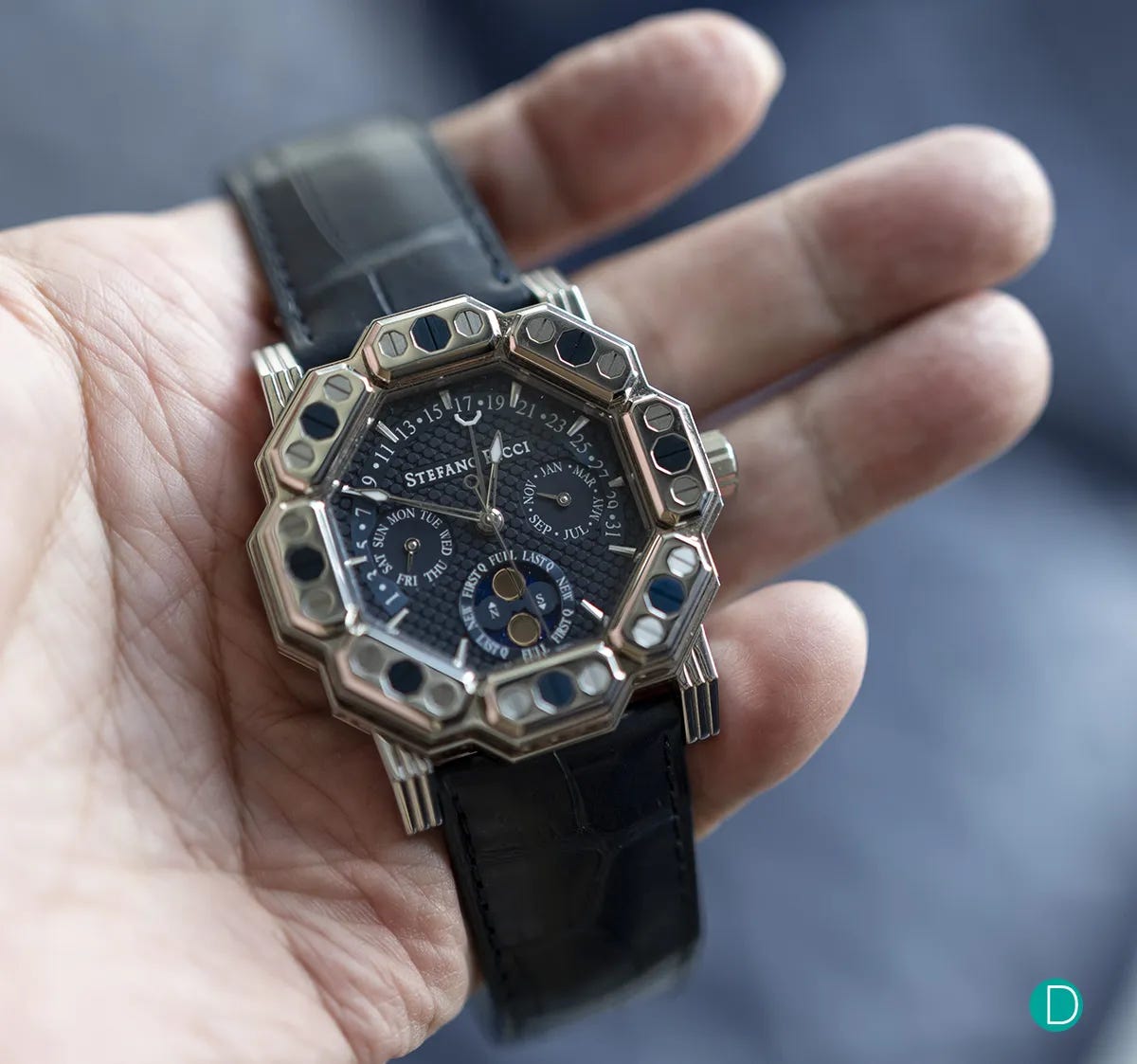
Stefano Ricci Octagon
The invitation-only Casa Stefano Ricci Singapore includes three versions of the Stefano Ricci Octagon, developed with Parmigiani Fleurier and Vaucher in chronograph, annual-calendar and perpetual-calendar configurations. The 45.5 mm white-gold watches reinforce the lounge’s carefully controlled atmosphere of marble, cigars, private wine and luxury that prefers not to encounter the general public. Go Deeper
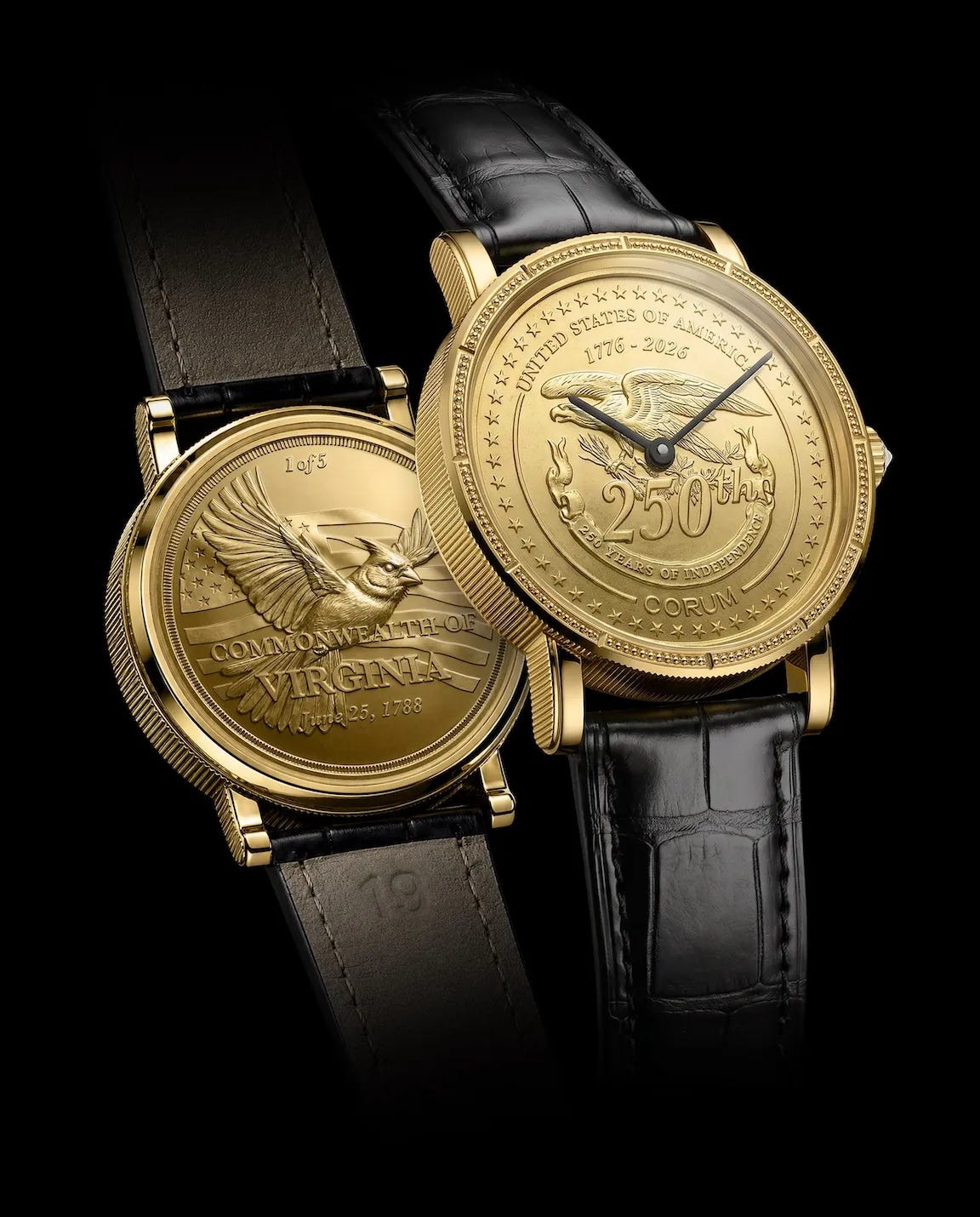
Corum Heritage Collector Coin Watch
Corum celebrates America’s 250th anniversary with 250 state-themed Heritage Collector watches, producing five examples for each state in 18-karat gold. The 39 mm automatic pieces are priced at $58,000 and reinterpret the brand’s 1964 Coin Watch concept without literally splitting vintage Double Eagles to create them. Go Deeper
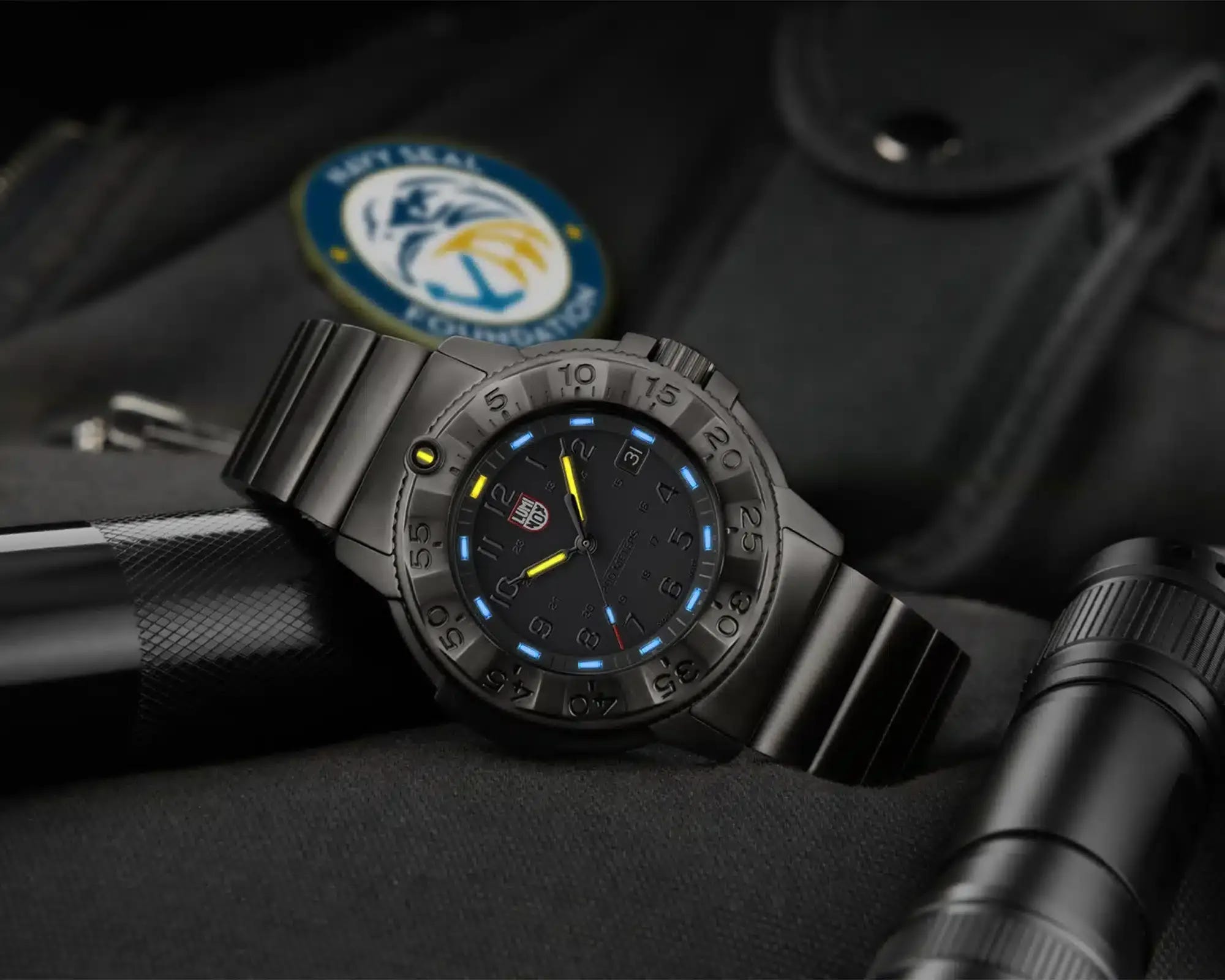
Luminox Navy SEAL Foundation 3220.XS.3228.NSF
The Luminox Navy SEAL Foundation 3220.XS.3228.NSF replaces the brand’s familiar carbon-reinforced case with black-coated stainless steel, giving the 43 mm quartz diver a substantially heavier and more conventional tool-watch presence. Priced at $925, it includes 200 meters of water resistance, sapphire crystal and tritium illumination while supporting the Navy SEAL Foundation. Go Deeper
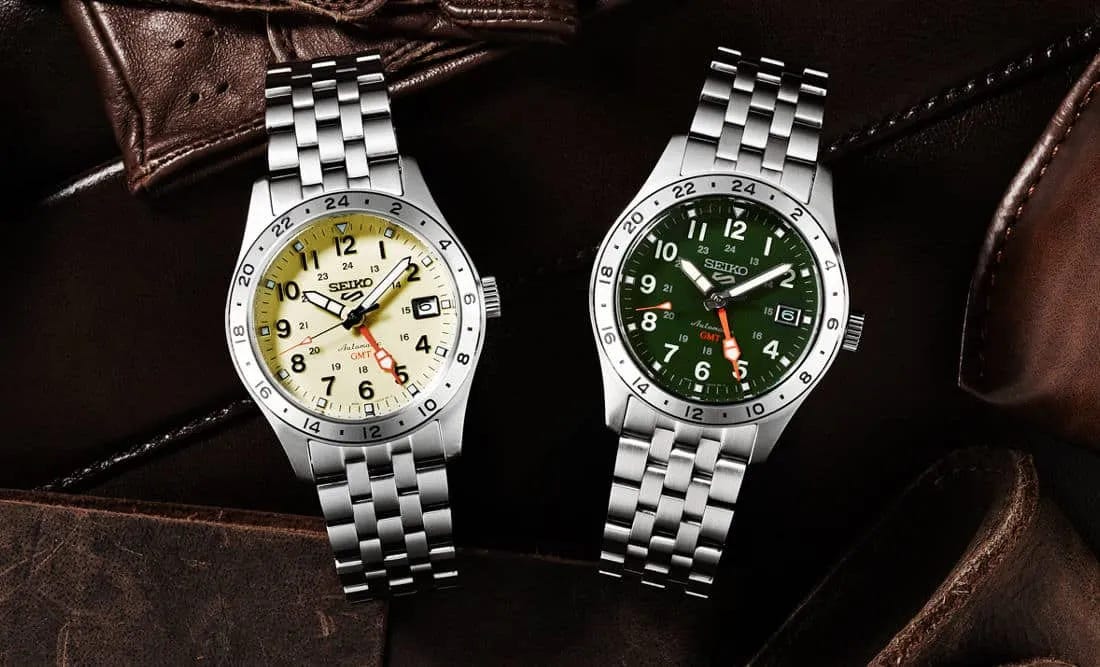
Seiko 5 Sports Field GMT
Seiko expands its affordable 5 Sports Field GMT with Khaki Drill and Desert Sand dials, retaining the 39.4 mm steel case, 100 meters of water resistance and automatic 4R34 GMT movement. Priced at £410, the new colorways provide another practical mechanical travel watch for buyers who prefer military styling to polished airport-lounge elegance. Go Deeper
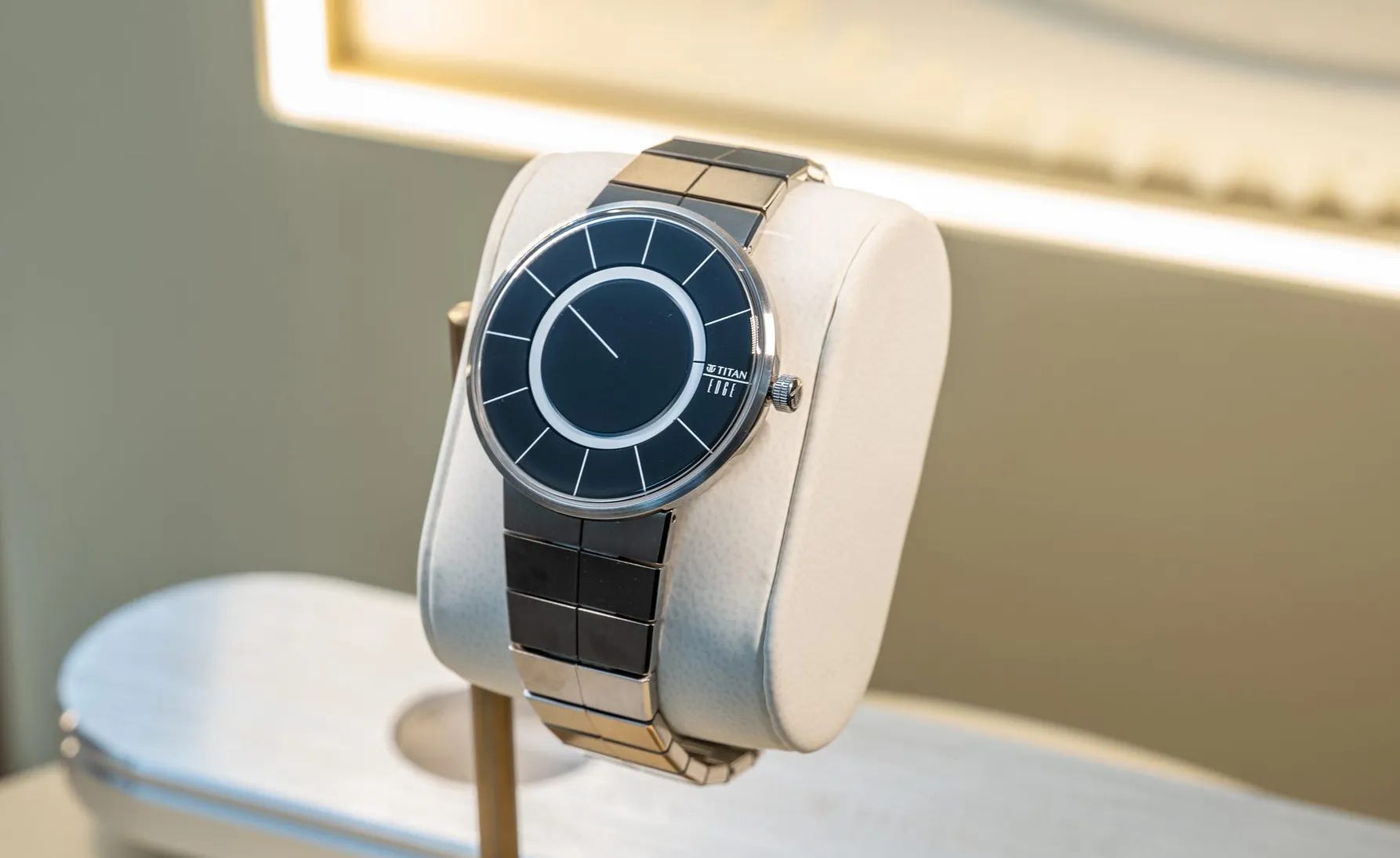
Titan Edge UltraSlim Mechanical
The Titan Edge UltraSlim Mechanical brings a hand-wound movement and rotating-disc display to a 40 mm grade-2 titanium case measuring just 5.7 mm thick. Priced around CHF 3,000, it turns Titan’s famously slim quartz concept into a more ambitious mechanical statement aimed at international luxury-watch buyers. Go Deeper
Comparisons
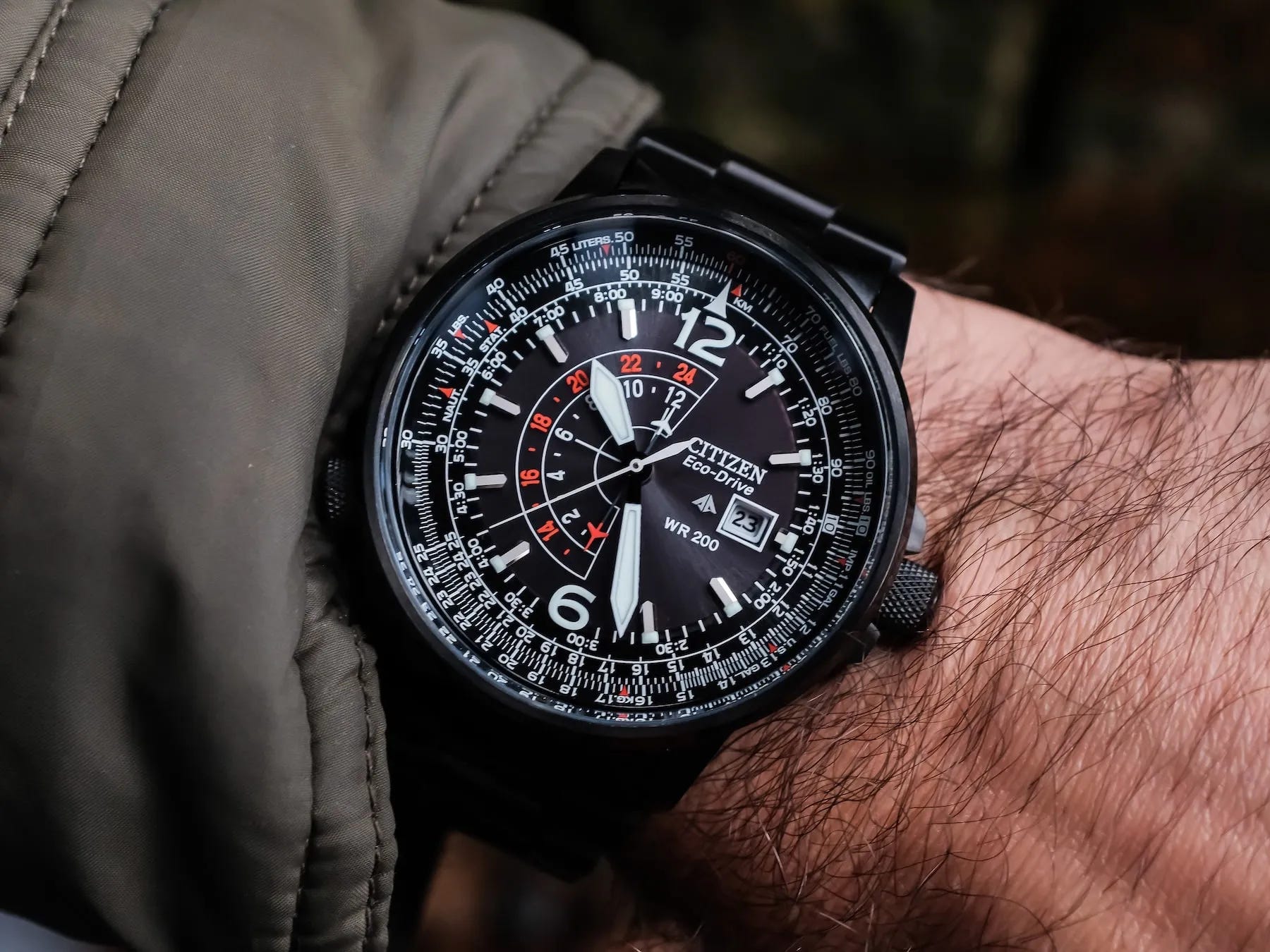
Best Aviation and Travel Watches We’ve Reviewed That Actually Feel Worth Owning
A selection ranging from the affordable Citizen Avion and Vaer G2 Meridian to the Tudor Black Bay GMT and IWC Spitfire Chronograph examines which travel watches deliver genuine utility after the romance of aviation styling wears off. The strongest models combine readable dials, intuitive GMT or bezel functions and enough durability to survive something more demanding than a business-class lounge. Go Deeper
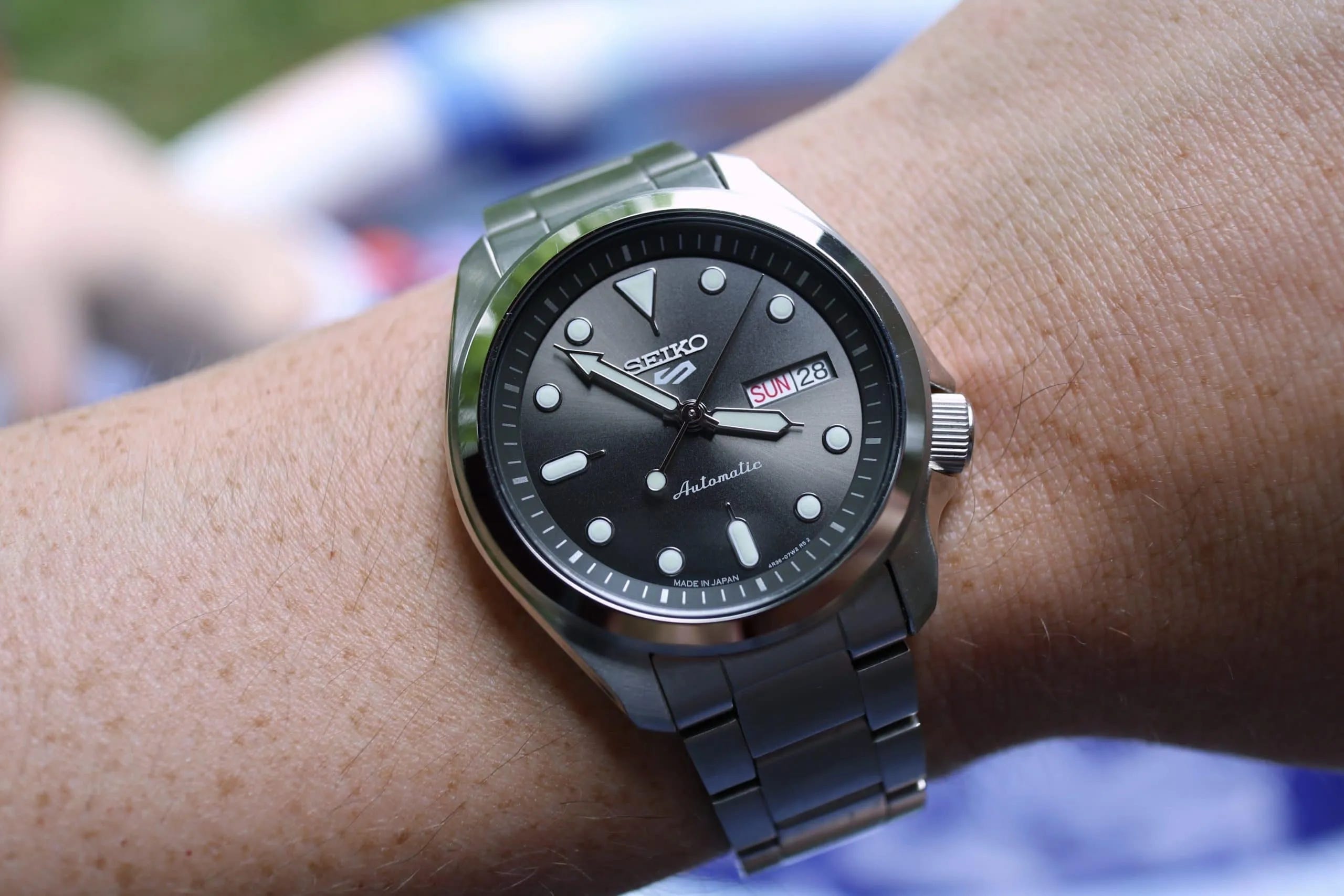
12 Best Affordable Dress Watches If You’re Tired of the Orient Bambino
Twelve alternatives to the familiar Orient Bambino range from inexpensive vintage-inspired pieces to models from Seiko, Citizen and smaller independents offering better water resistance, solar charging or more distinctive dial designs. The guide is intended for buyers who want an affordable dress watch without purchasing the same recommendation found at the top of nearly every beginner-watch list. Go Deeper
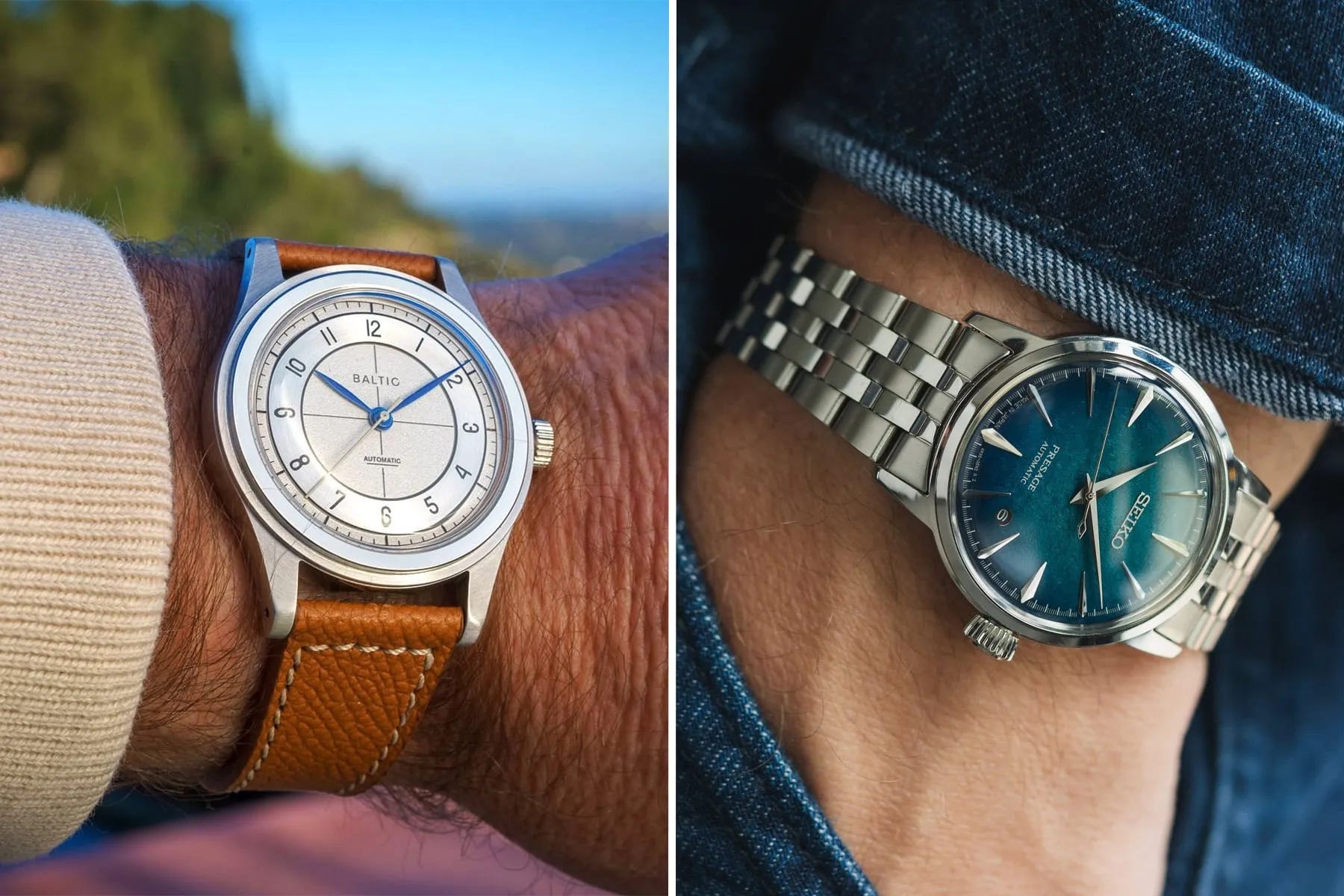
Seiko Presage Cocktail Time 38.5 mm vs. Baltic HMS 002
The €490 Seiko Presage Cocktail Time offers a polished case and elaborate textured dial, while the €445 Baltic HMS 002 favors a brushed case, sector layout and more casual vintage character. The choice comes down to whether the buyer prefers Seiko’s dressier finish despite its awkward date window or Baltic’s cleaner and more versatile simplicity. Go Deeper
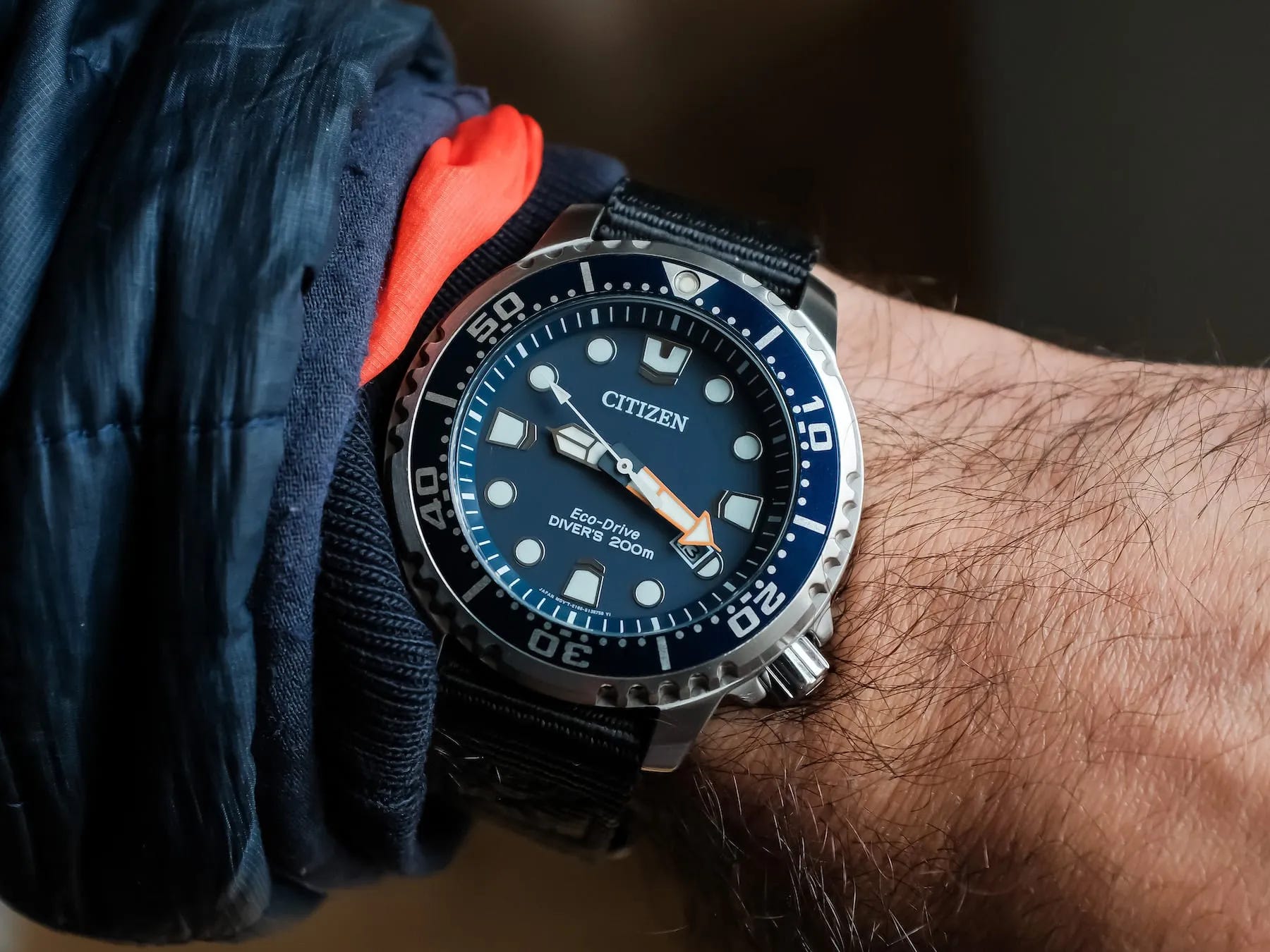
Are Affordable Dive Watches Still the Best First Watch?
Affordable divers including the Casio Duro, Orient Kamasu and Seiko Turtle remain strong introductory watches because they combine legibility, water resistance, durability and easy strap changes at manageable prices. GMTs and field watches may now offer more competition, but the basic dive watch still teaches new collectors what they actually value before the expensive mistakes begin. Go Deeper
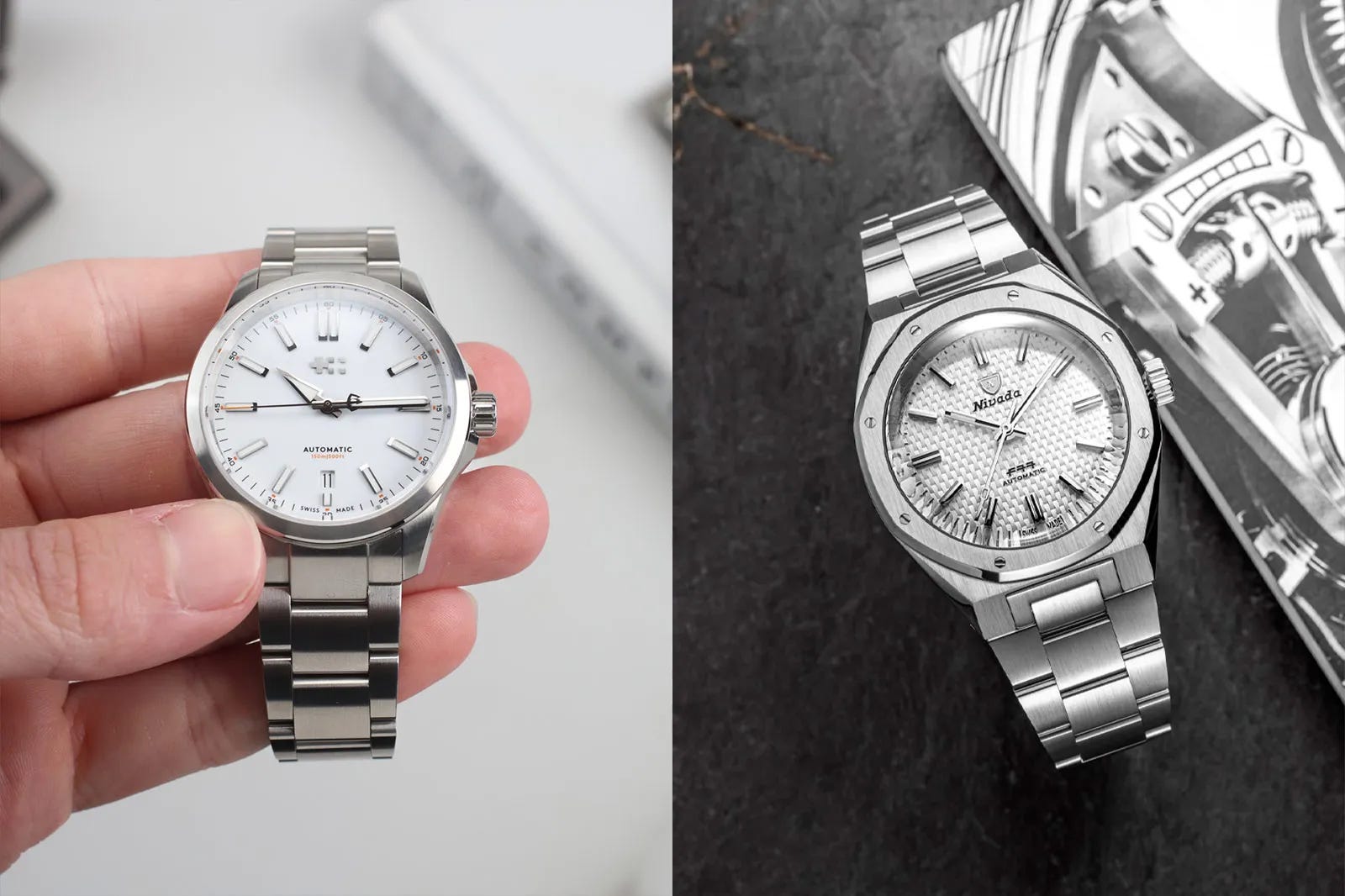
18 of the Best GADA Watches to Buy Right Now
Eighteen go-anywhere, do-anything watches are evaluated for case size, neutral styling, dependable movements and at least 100 meters of water resistance. The choices stretch from the affordable Tissot Gentleman 38 to the Rolex Oyster Perpetual and Grand Seiko SBGH353, proving that versatility remains available at nearly every price level. Go Deeper
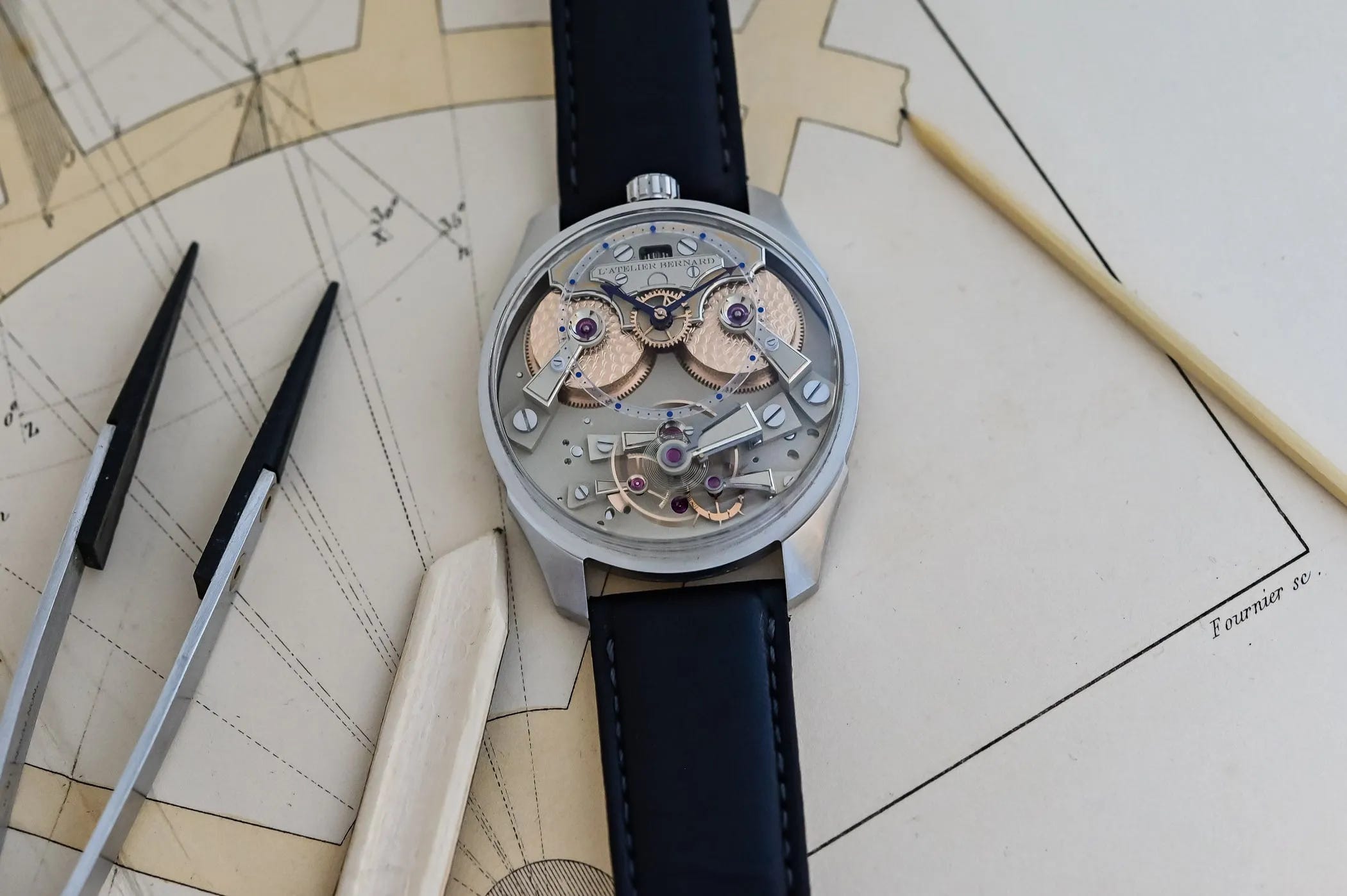
Five of the Finest New Independent Watchmakers We’ve Recently Come Across
Emerging makers L’Atelier Bernard, Cleguer, Mermont, Niton and Stéphane Pierre present unconventional escapements, single-hand displays, jumping hours and retrograde indications in highly limited production. Prices range from CHF 10,998 to CHF 150,000, confirming that independence may offer creative freedom but rarely comes with a volume discount. Go Deeper
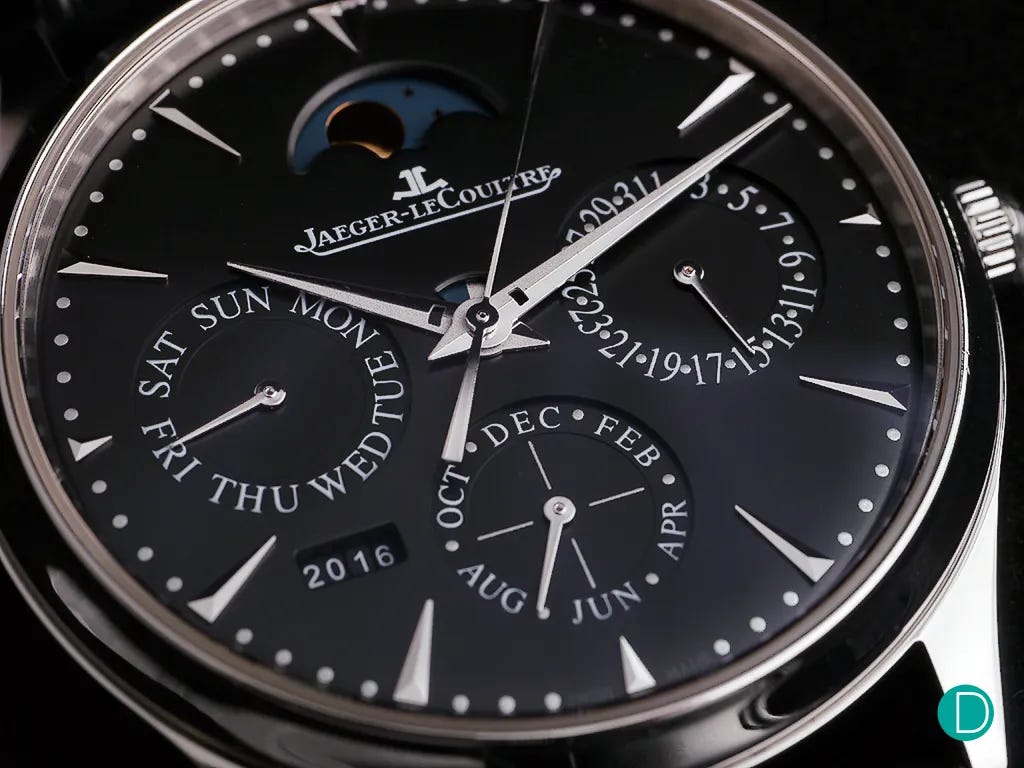
Six Excellent Watches to Take Your Collection to the Next Level
The Habring² Foudroyante Felix, Kudoke 2, Chopard Alpine Eagle, Armin Strom Tribute 1, Vacheron Constantin Overseas and Jaeger-LeCoultre Master Ultra Thin Perpetual Calendar offer collectors alternatives to another predictable Rolex or Omega purchase. The selection moves from accessible independent watchmaking to established high horology, with several models offering compelling secondary-market value. Go Deeper
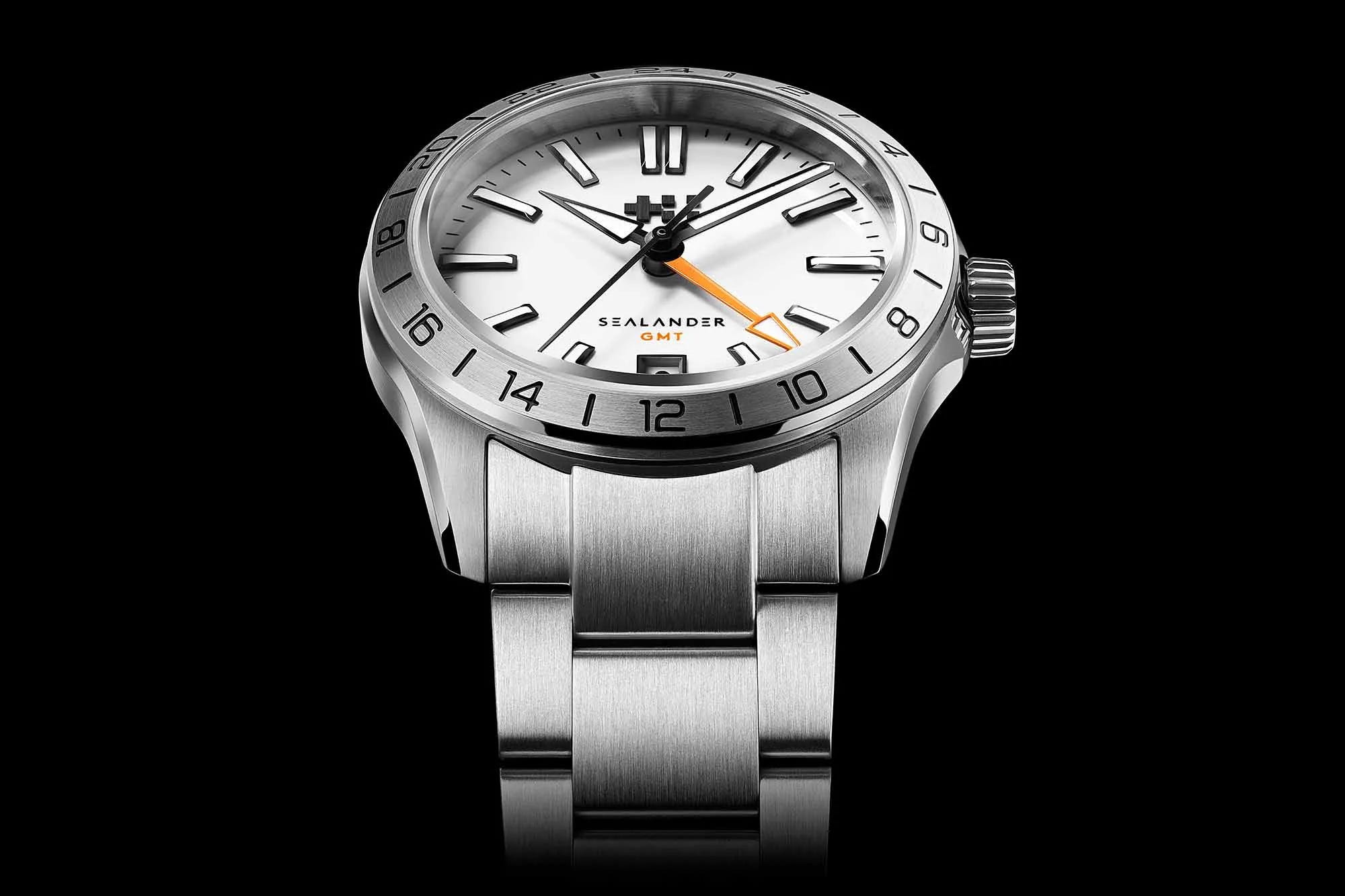
The Five Best GMT Watches of 2026 So Far
The year’s standout travel watches include models from Citizen, Seiko, Timex, Unimatic and Christopher Ward, with four of the five priced below $1,000. Compact cases, practical movements and real-world durability suggest that the GMT category is moving toward watches designed for actual travelers rather than people who merely enjoy pointing at another time zone. Go Deeper
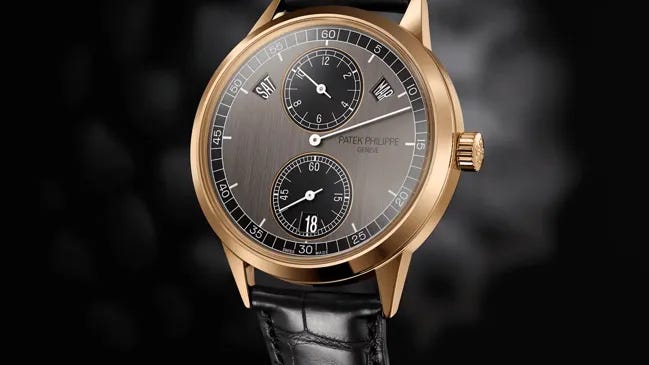
When Time Gets Regulated: Six Regulator Watches That Love to Be Different
Regulator watches from Hamilton, Junghans, Louis Erard, Chronoswiss, Garrick and Patek Philippe separate the hour, minute and seconds displays across different axes, preserving a layout once used for precision reference clocks. Prices range from $1,295 to $59,510, giving collectors several opportunities to make reading the time slightly more complicated in the name of historical authenticity. Go Deeper
Review
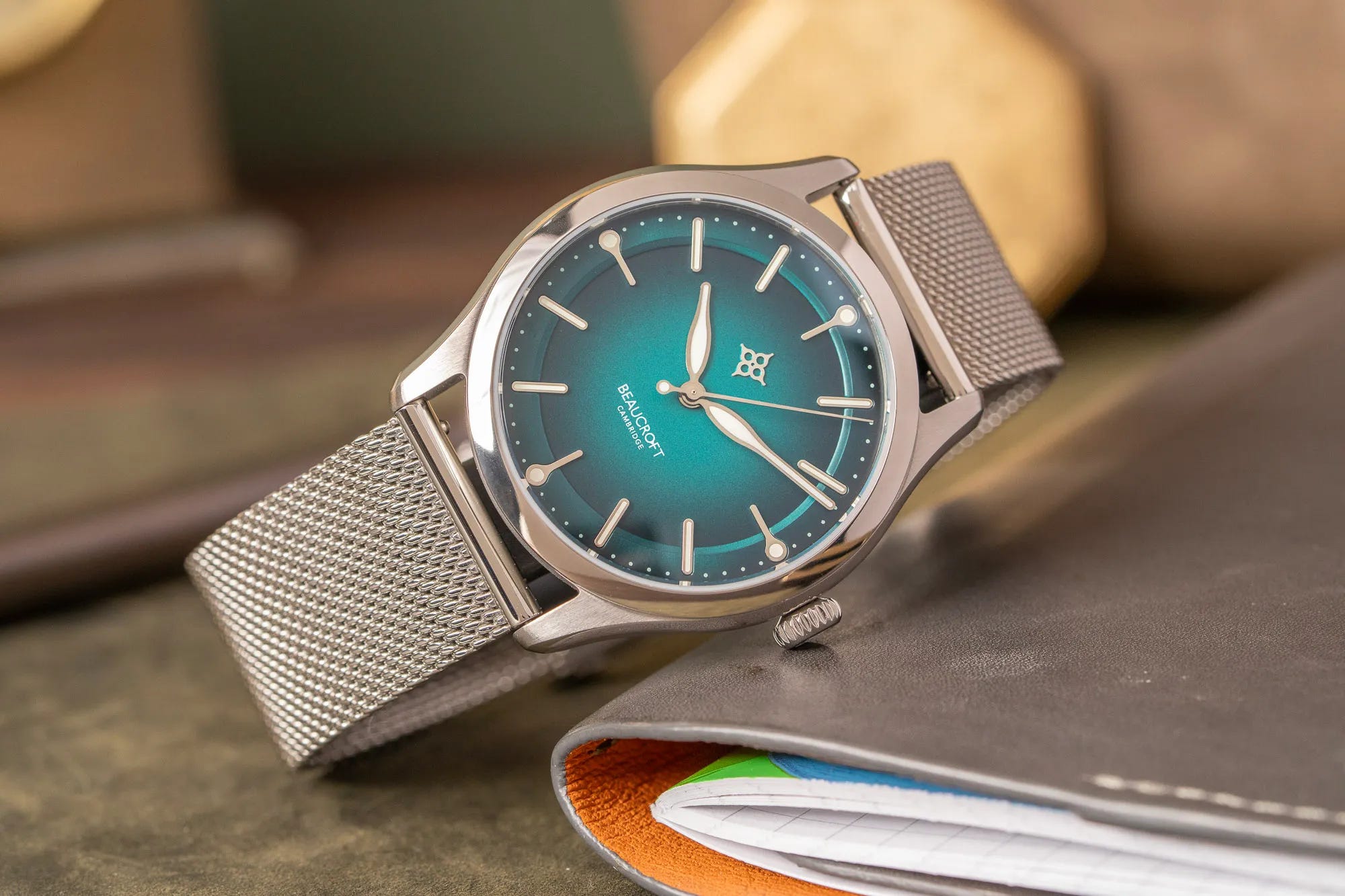
The Beaucroft Arc
The Beaucroft Arc blends British-inspired design with a reliable Miyota 9039 automatic movement inside a slim 38 mm case that wears comfortably while delivering 100 meters of water resistance. At $585, its colorful sunburst dials and refined finishing make it one of the more compelling independent releases in the affordable automatic category. Go Deeper
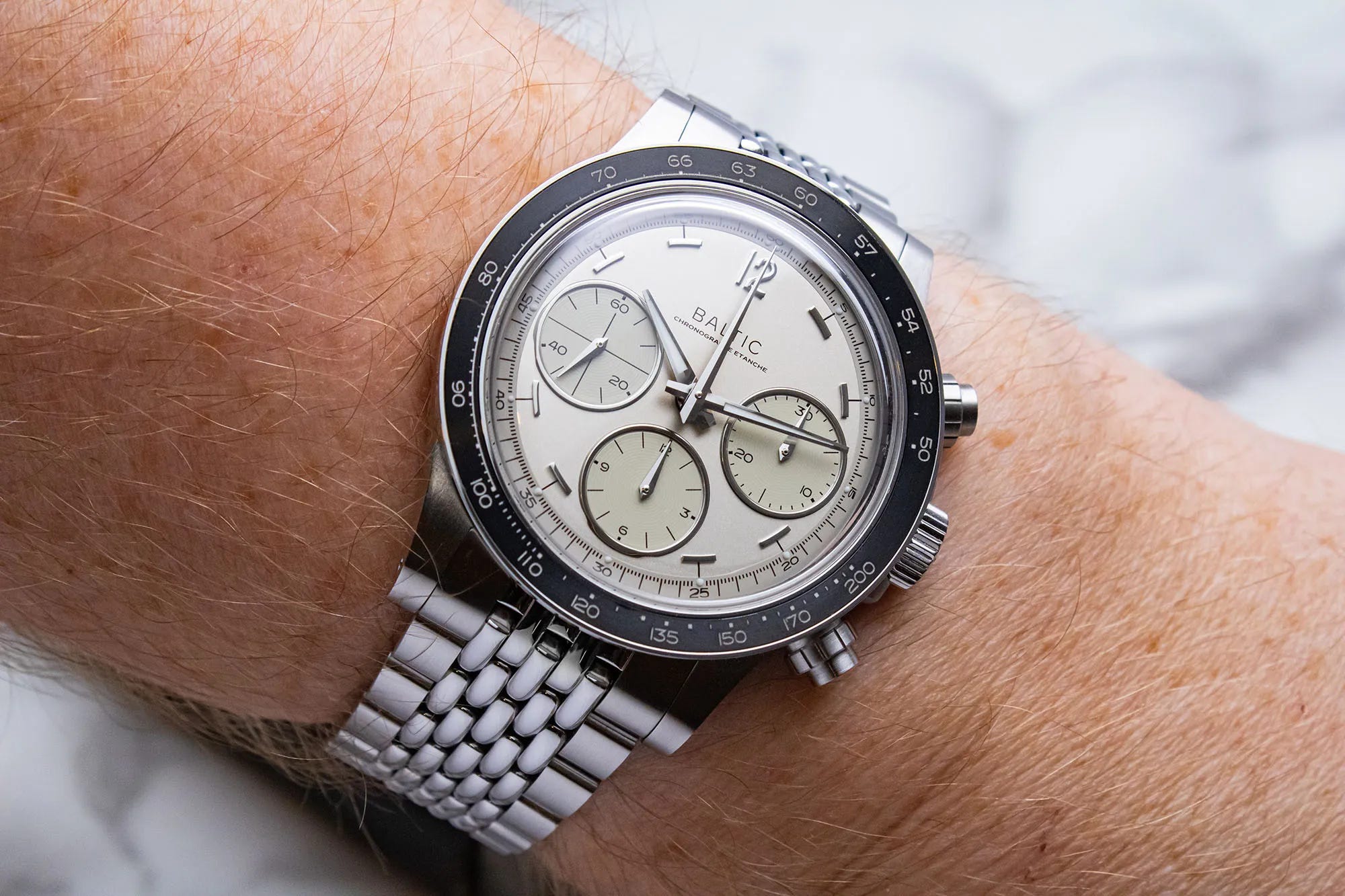
Baltic Scalegraph
The Baltic Scalegraph modernizes a vintage-style hand-wound chronograph with a Sellita SW510-M movement, 63-hour power reserve and 100 meters of water resistance. Starting at €1,700, it successfully balances 1960s-inspired aesthetics with contemporary durability and everyday practicality. Go Deeper
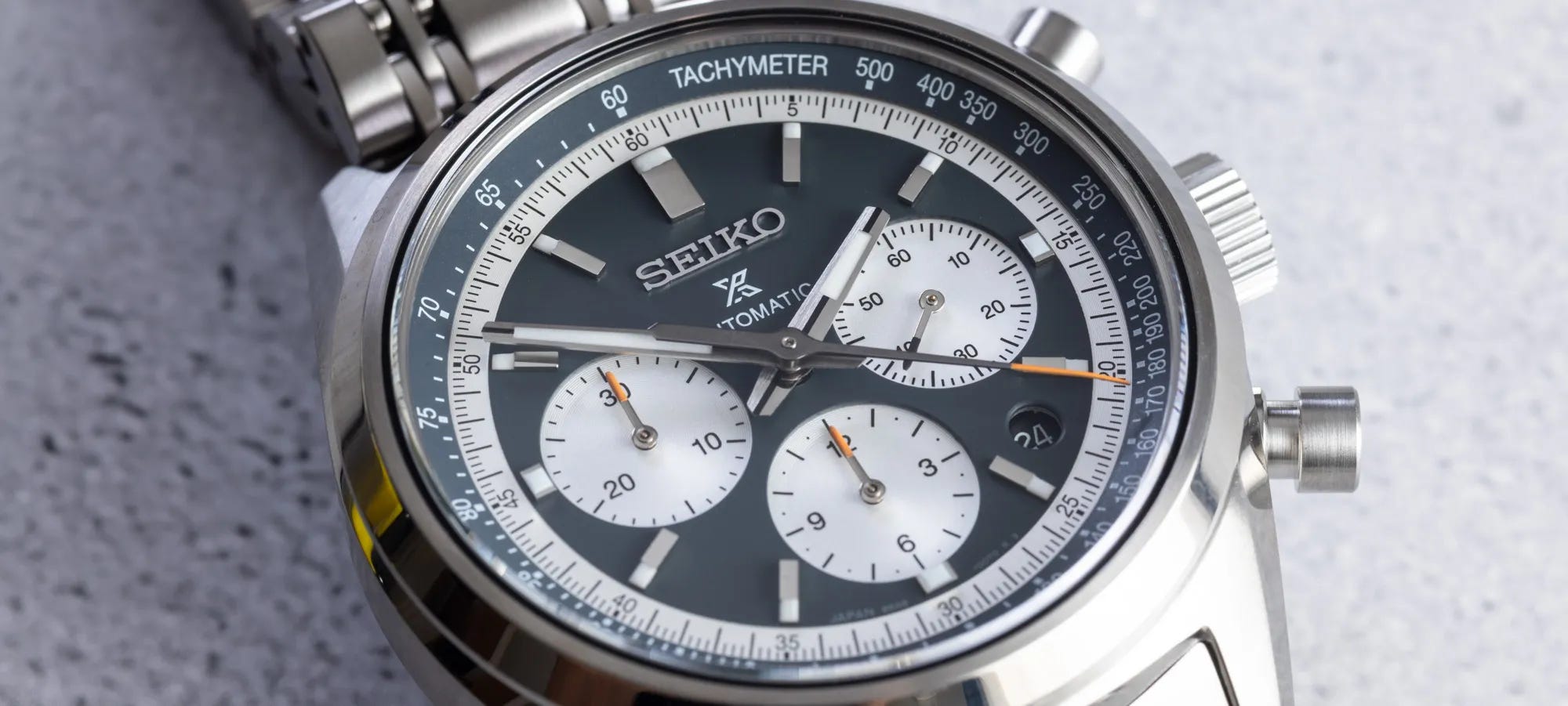
Seiko Prospex Speedtimer SRQ049
The limited-edition Seiko Prospex Speedtimer SRQ049 celebrates Seiko’s 100th anniversary with a reverse-panda dial, column-wheel chronograph and vertical clutch powered by the in-house 8R48 movement. Limited to 1,000 pieces and priced at $2,700, it continues to represent one of the strongest mechanical chronograph values available. Go Deeper
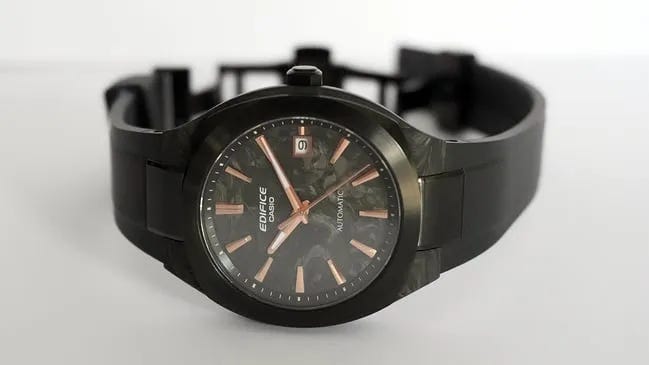
Casio Edifice EFK-200
The new Casio Edifice EFK-200 expands Casio’s mechanical lineup with sharper styling, sapphire crystals and multiple material options while retaining the familiar Miyota 8215 automatic movement. Priced from $330 to $500, it offers an attractive sports-watch alternative for buyers entering the mechanical market. Go Deeper
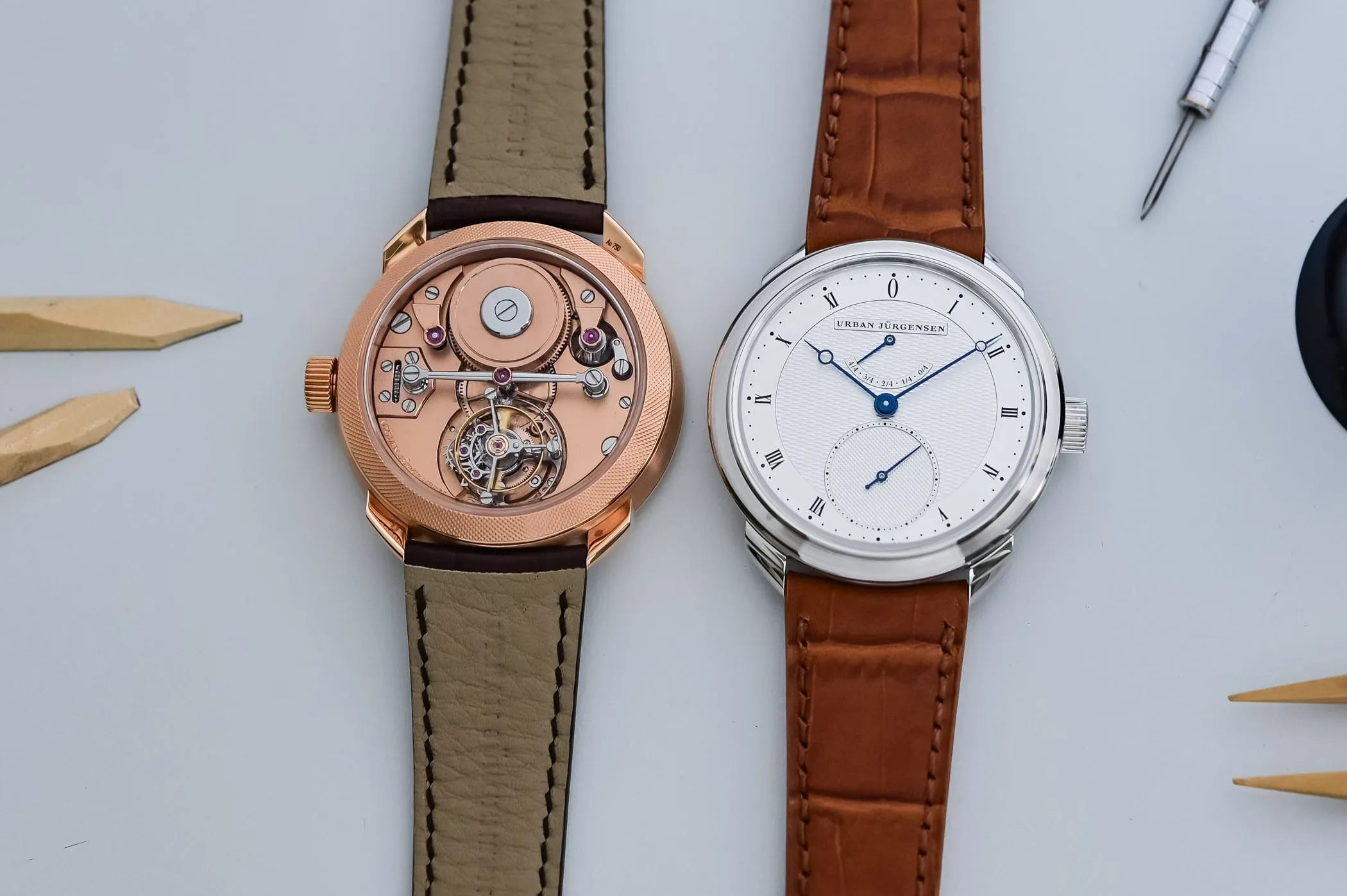
Urban Jürgensen UJ-1 Tourbillon
The Urban Jürgensen UJ-1 Tourbillon transforms Derek Pratt’s legendary Oval pocket-watch movement into a breathtaking wristwatch featuring a flying tourbillon, remontoir d’égalité and extraordinary hand finishing. Limited to 75 pieces and priced at CHF 368,000, it stands among the most technically ambitious watches available today. Go Deeper
Deals
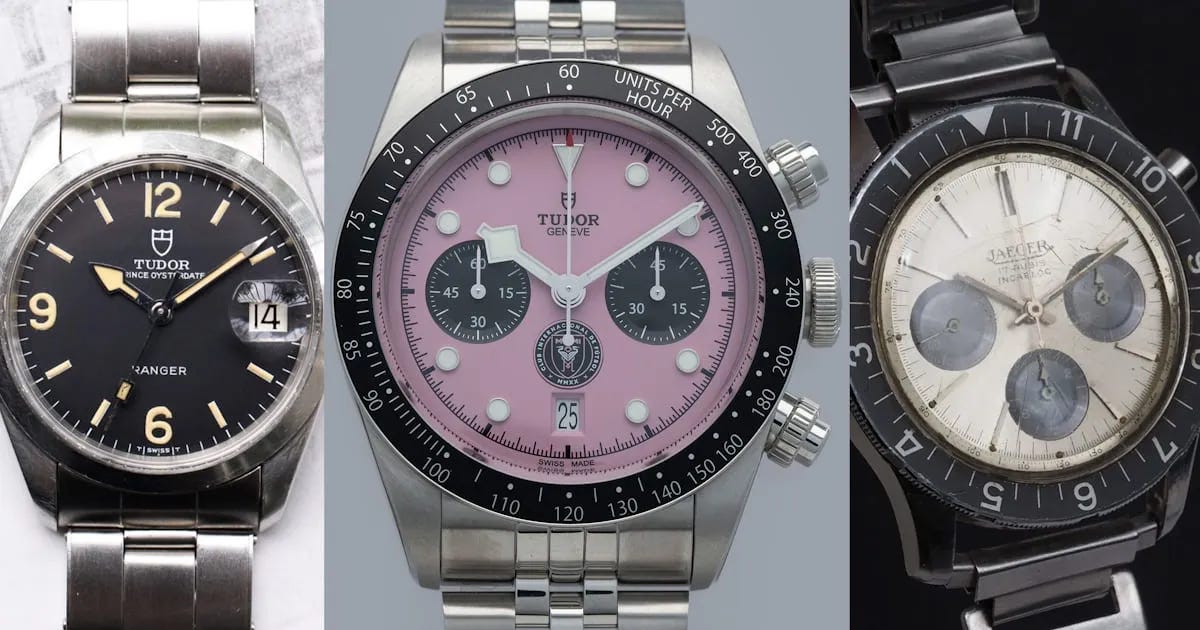
A Limited Edition Inter Miami Tudor, a Jaeger 4ATM, a Longines Ultra-Chron Jumbo and a Pair of Tudor Rangers
This week’s vintage and pre-owned roundup includes a rare Inter Miami Tudor Black Bay Chrono, an uncommon Jaeger 4ATM, a desirable Longines Ultra-Chron Jumbo, and two collectible Tudor Rangers. The selection highlights how originality, provenance and condition continue to outweigh sheer rarity when collectors begin writing large checks. Go Deeper
BuyingTime at Auction
Auction Results
July 10 Result: the 2014 Richard Mille RM028 Automatic Diver in rose gold with skeletonized dial. Reserve not met after bidding reached $66,000. See it on Bezel
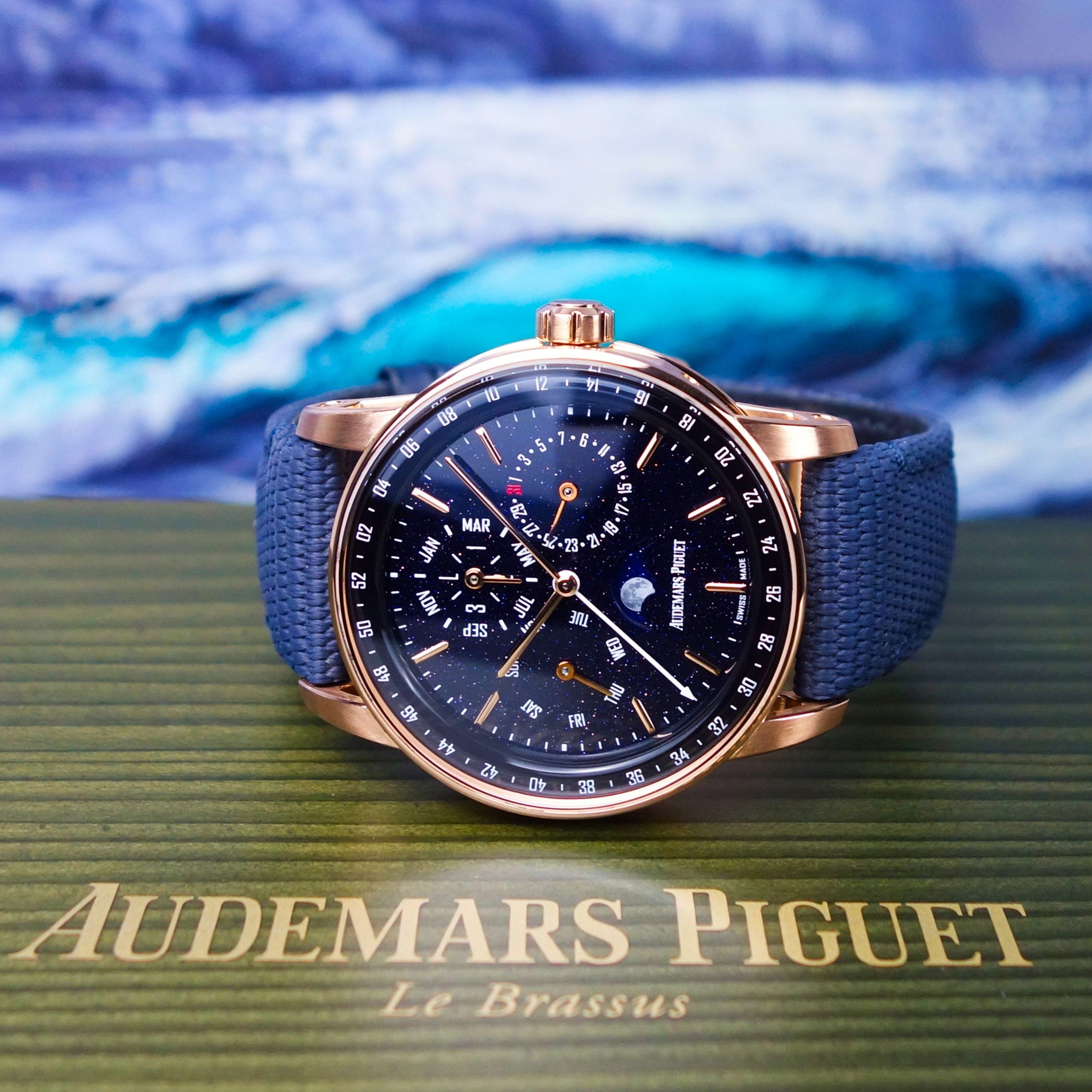
Blue Stars Over Aventurine: Audemars Piguet’s Most Romantic Perpetual Calendar
There are perpetual calendars, and then there are perpetual calendars that make you stop talking for a minute.
Today’s Bezel auction features a 2022 Audemars Piguet CODE 11.59 Perpetual Calendar in 18-karat rose gold with one of the most captivating dials the manufacture has produced: deep blue aventurine glass that resembles a clear night sky filled with stars. Beneath that celestial display sits the ultra-thin automatic Caliber 5134, one of the final generations of Audemars Piguet’s long-running perpetual calendar movement before the company introduced its next-generation caliber.
The CODE 11.59 collection had a difficult introduction in 2019, but history has been kinder to it than social media. Collectors have gradually come to appreciate its remarkably sophisticated case architecture, where the round bezel, octagonal middle case and sculpted lugs create one of the most technically complex case designs currently in serial production. The perpetual calendar versions, particularly those fitted with aventurine dials, have become some of the collection’s most admired references.
This example measures 41 mm and comes as a complete set with its original box, papers and product literature. The watch remains in excellent overall condition, showing only minor wear to the rose-gold case and strap hardware while the dial, hands and crystal remain exceptionally clean.
Originally retailing well into six figures, the reference occupies an interesting position in today’s secondary market. Demand for complicated Audemars Piguet pieces has become increasingly stable as collectors look beyond the Royal Oak, and the CODE 11.59 family is beginning to attract buyers who appreciate sophisticated watchmaking without wanting the most obvious watch in the room. While perpetual calendars require careful ownership, they also represent one of traditional Swiss watchmaking’s greatest technical achievements, automatically accounting for leap years and differing month lengths until the year 2100.
Whether this example ultimately sells today or joins the growing list of high-end pieces failing to meet reserve, it represents one of the most technically accomplished watches currently available at auction.
The auction concludes today, Monday, July 13, at 12:45 p.m. EDT.
Current bid: $32,000
Watching Time
Watch Brands Doing Great Things: Tudor, Panerai & More
A broad look at several brands making smart product and strategic decisions, with commentary on how heritage manufacturers continue balancing innovation and tradition.
72 Hours Watch Shopping in Paris
Jag spends three days visiting some of Paris’ best watch retailers while trying very hard not to make an extremely expensive impulse purchase.
Big Mistakes Watch Brands KEEP Making
An entertaining discussion of the product, marketing and pricing mistakes that continue to frustrate enthusiasts across the industry.
20 Best Watches Under $1,000
Britt Pearce rounds up twenty enthusiast-approved watches proving that interesting collecting doesn’t require a luxury budget.
Best & Worst Omega Watches of the Last Five Years
A detailed examination of more than thirty recent Omega releases, separating the standouts from the disappointments.
Is the Rolex Market Going Up or Down?
Bob’s Watches analyzes second-quarter 2026 market data and discusses where Rolex pricing appears to be heading next.
Vacheron Constantin: Inside the Archives Episode 3
An excellent companion to today’s feature, exploring some of Vacheron Constantin’s most important technical innovations.
Supercomplications Explained
The 1916 Company explores the extraordinary engineering behind today’s most complicated watches from Patek Philippe, Audemars Piguet, Vacheron Constantin and others.
Why These Watches Are the Most Important Ever
Teddy Baldassarre examines the historical importance of several iconic timepieces that helped shape modern collecting.
Would You Buy a Christopher Ward After Watching This?
A thoughtful hands-on evaluation of Christopher Ward’s recent releases and whether the brand continues to outperform its price point.
The Ultimate Omega Speedmaster Debate
Fratello’s editors debate which Speedmaster deserves to be called the definitive reference.
Ranking Luxury Watch Brands
Burdeens Jewelry ranks many of today’s leading luxury brands, creating plenty of opportunities for viewers to disagree.
How Hodinkee & Silicon Valley Ruined Watch Culture
Theo & Harris offer an opinionated discussion on how technology, hype and investment culture changed modern collecting.
Stop Buying These Luxury Watches. Buy These Instead.
The Watch Bros suggest alternative watches that may deliver greater value than many of today’s most heavily hyped luxury models.
Thank you for reading BuyingTime Daily.
If you found today’s edition valuable, please consider sharing it with another watch enthusiast. Every recommendation helps us reach collectors who appreciate thoughtful reporting, independent commentary and the fascinating world of horology.
We’ll be back tomorrow with another edition covering the stories, watches and trends shaping the watch industry—one day at a time.